Fat Transfer
Facial Fat Transfer
Dr. Athré uses the ALMI technique for facial fat transfer in Houston and is one of the few surgeons in Texas or the US to do so.
Facial fat transfer may be an option if age-related volume loss has caused hollowing in areas such as the cheeks, temples, or under-eyes. Dr. Raghu Athré uses the procedure to restore volume and improve facial balance.
"Dr. Raghu Athré is simply delightful! He and his wonderful staff make you feel like family!"
What is Facial Fat Transfer?
A facial fat transfer is a cosmetic surgical procedure that extracts fat from areas of the body such as the abdomen, flanks, or thighs and injects it into an area that needs plumping, rejuvenation, and volume.
Following harvest, the fat is processed and micronized. It is then injected into the face using small cannulas and needles, similar to injectable dermal fillers.
Because the procedure uses the patient’s own fat, a portion of the transferred fat may survive long term, potentially reducing the need for repeated filler injections.
Key Takeaways
- Natural-looking results: Because facial fat transfer uses your own living tissue, results blend seamlessly with your existing features for an incredibly natural appearance.
- Long-lasting improvements: Transplanted fat cells can thrive in their new location, offering results that endure for years.
- Restore lost volume: Add fullness areas such as the cheeks, temples, and lips to counteract age-related volume loss and restore a youthful, balanced look.
- Enhanced features: Subtly define cheekbones, plump lips, or refine other features with a customized approach tailored to your aesthetic goals.
- Boosted self-confidence: For some patients, restoring facial volume may improve confidence.
- Minimally invasive procedure: Fat is harvested through liposuction and placed through small injections. The extent of discomfort and downtime varies by treatment plan.
- Safe with minimal risk of rejection: Because the procedure uses your own tissue, the risk of an allergic reaction to the transferred material is low.
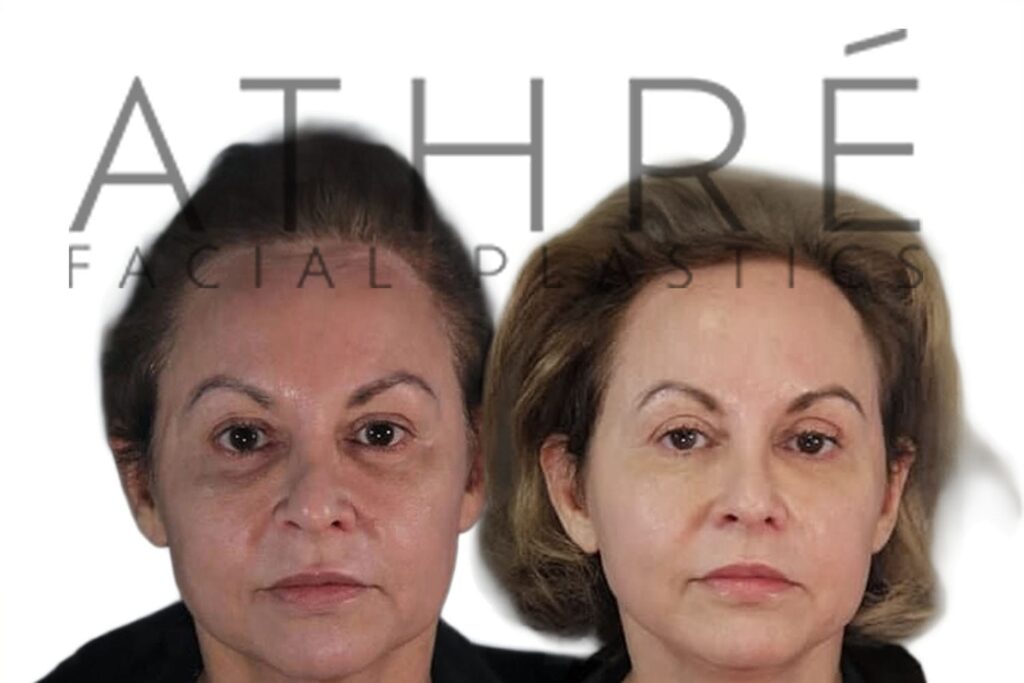
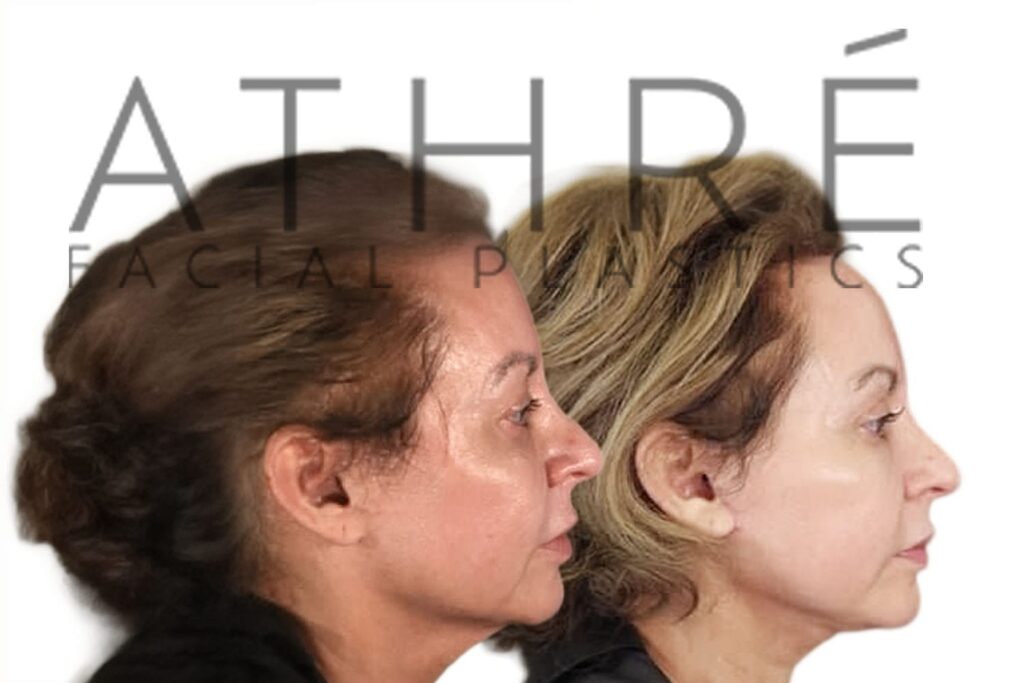
Before & After Photos
Facial Fat Transfer Gallery
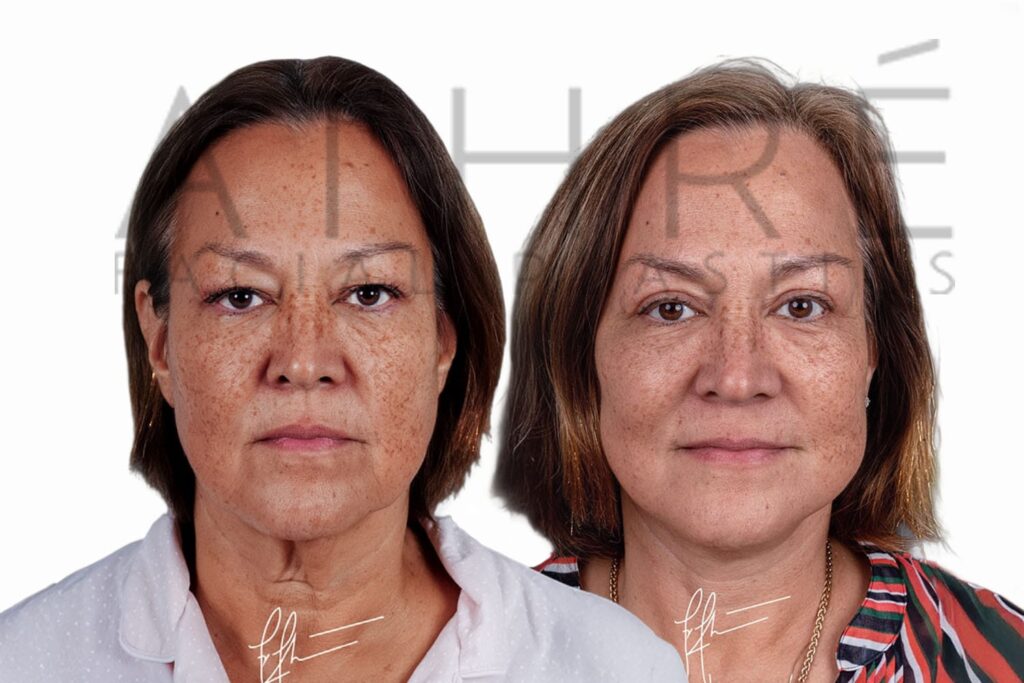
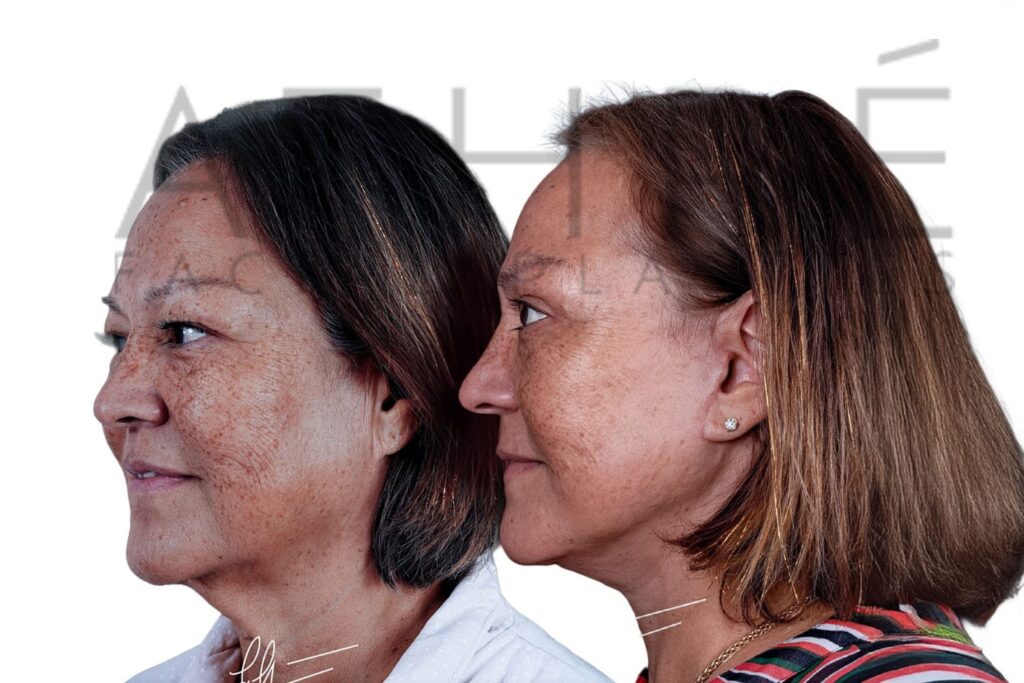
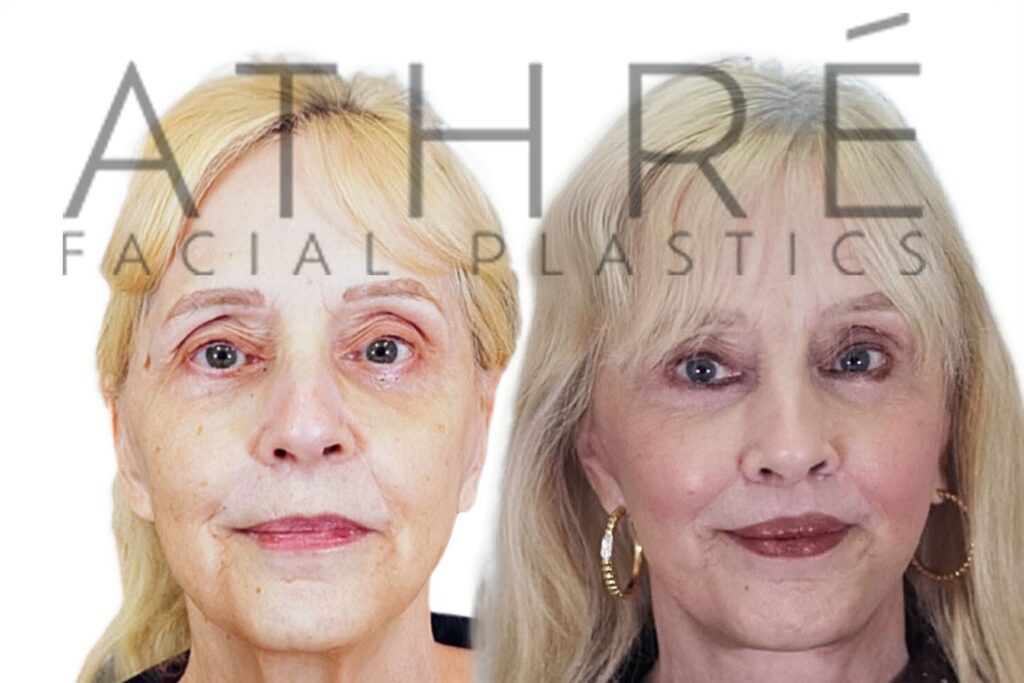
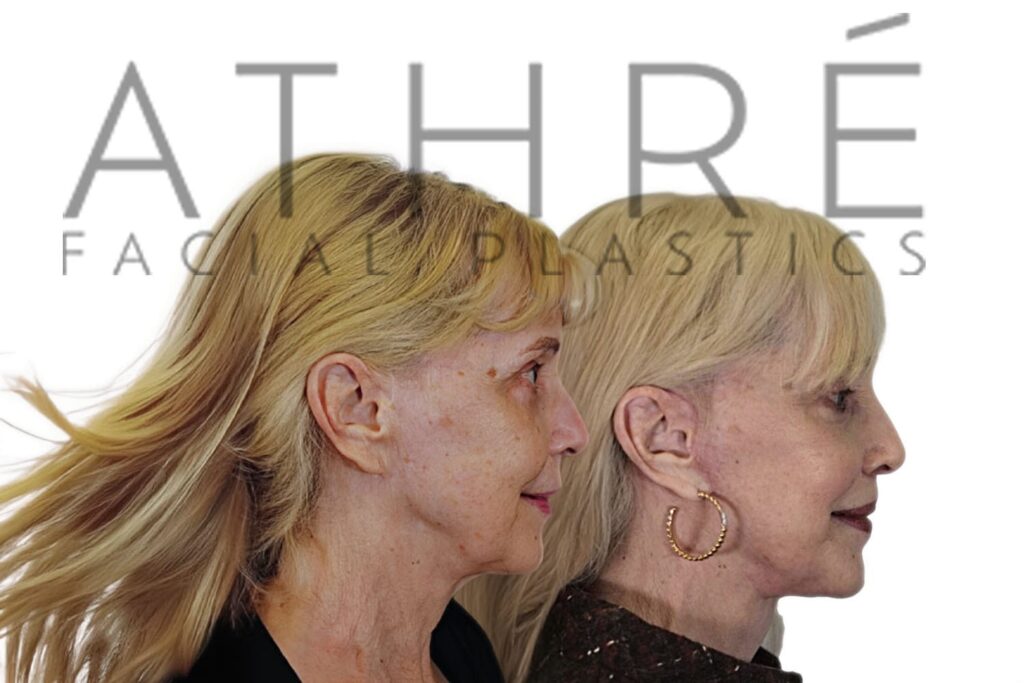
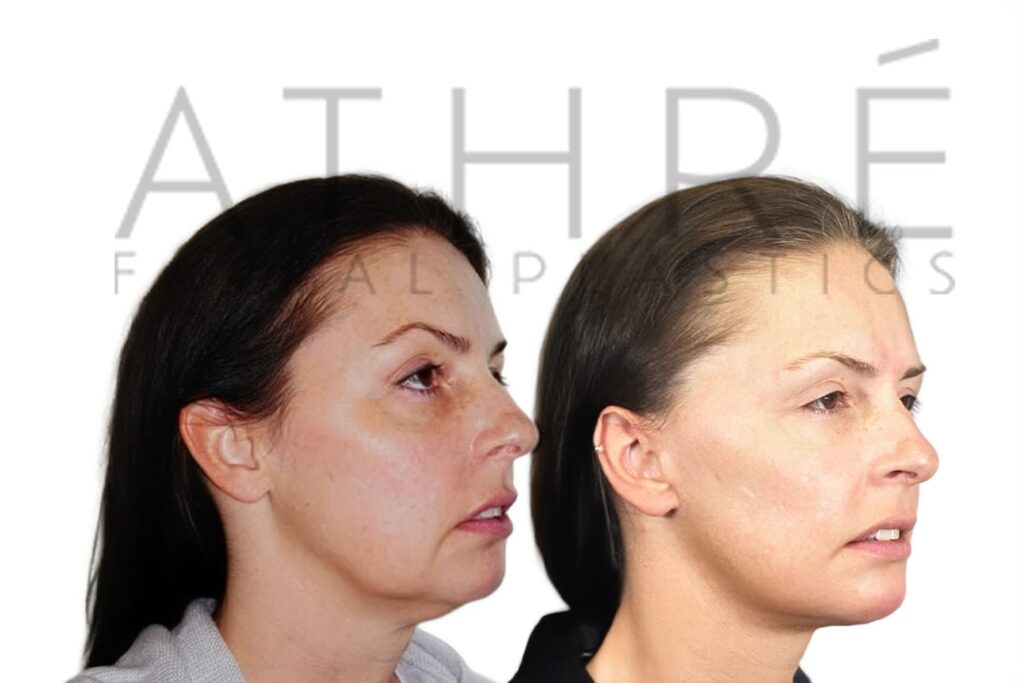
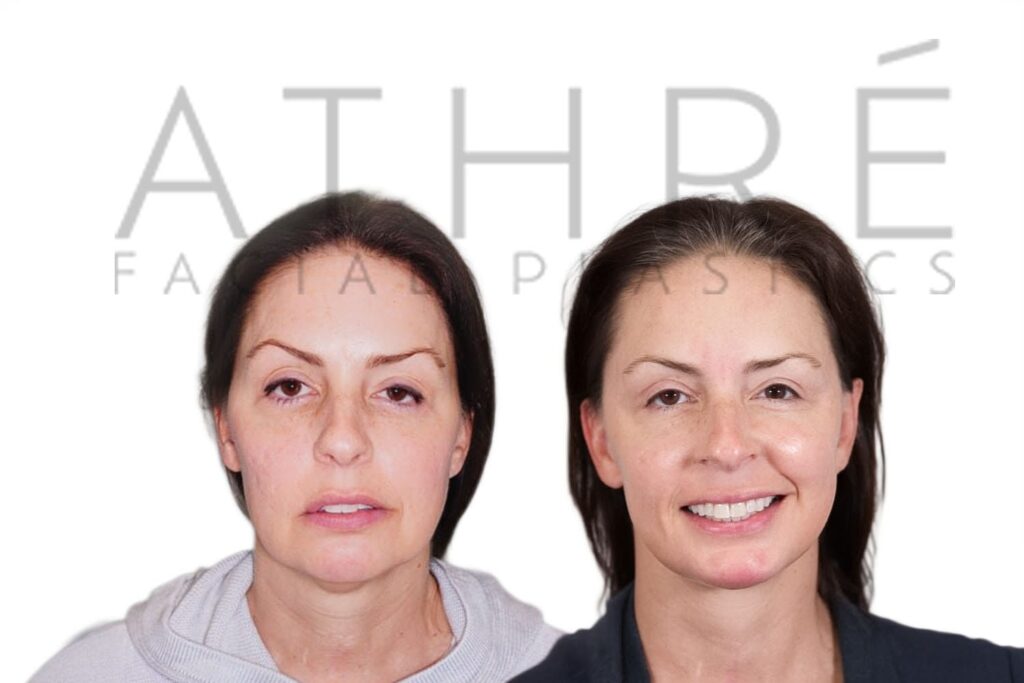
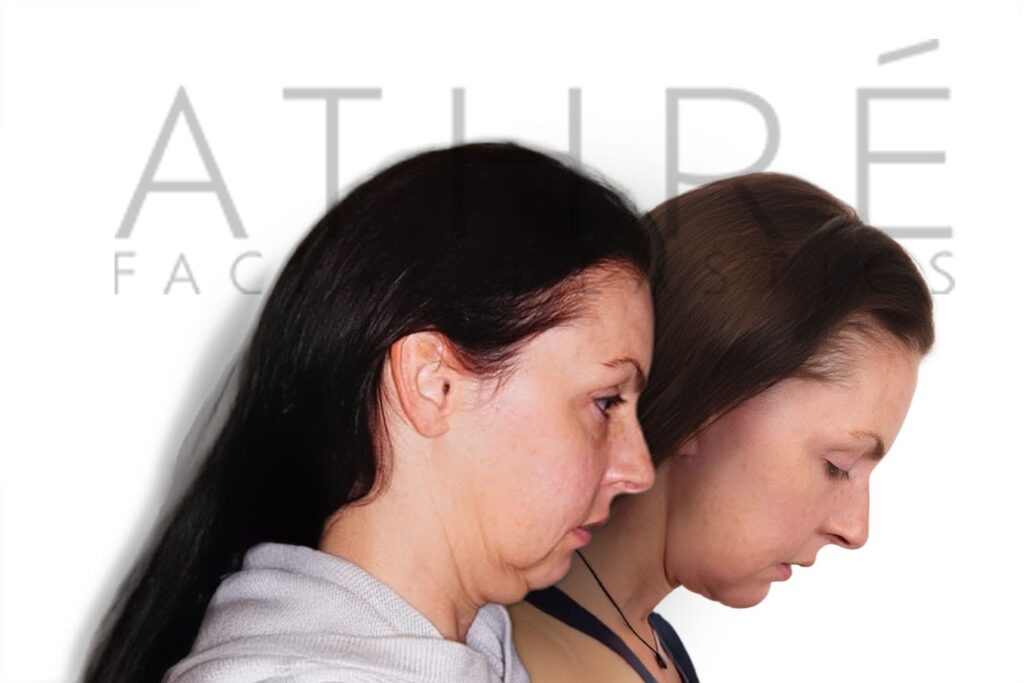
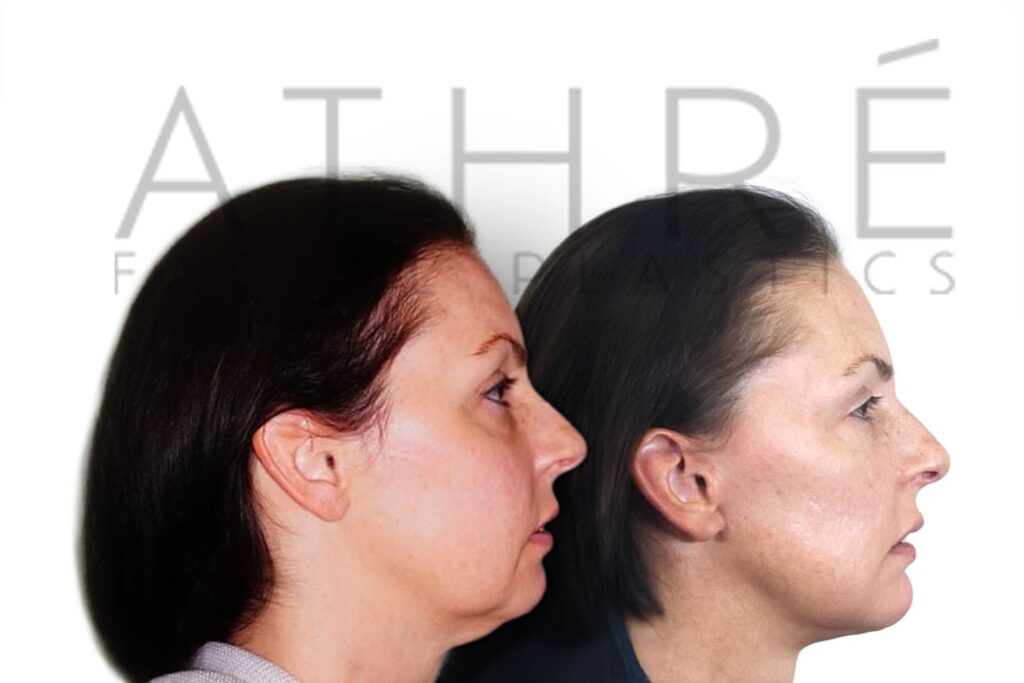
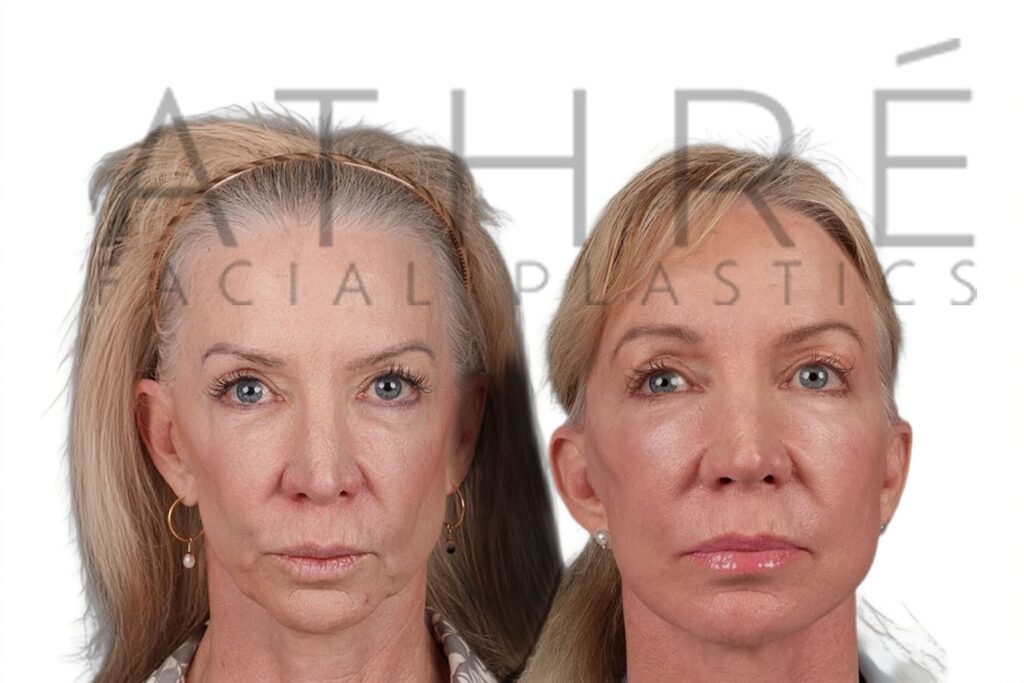
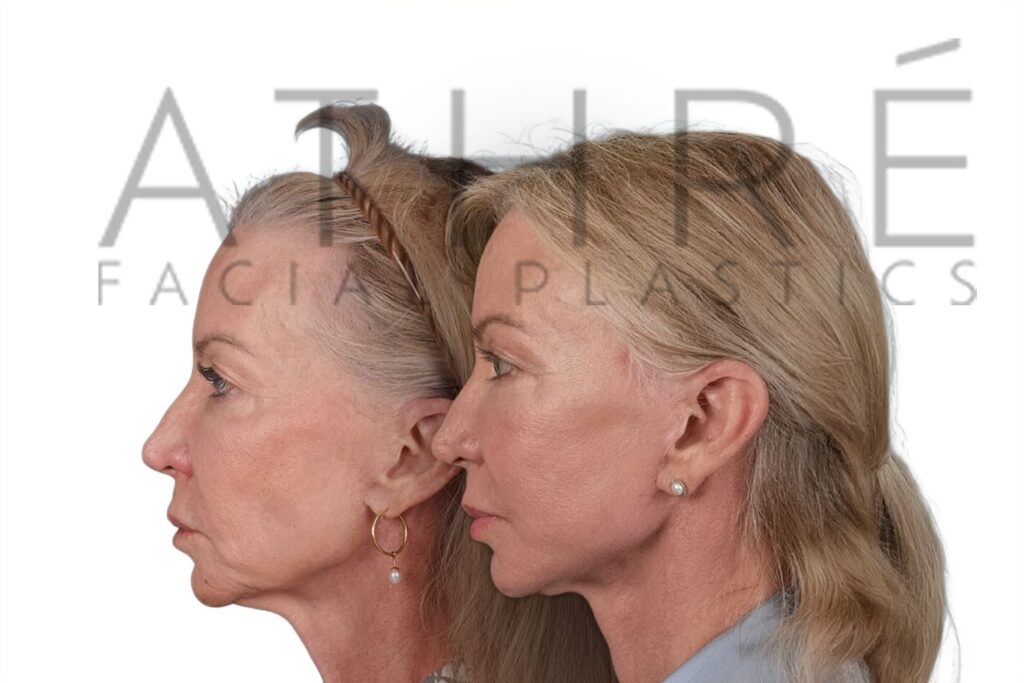
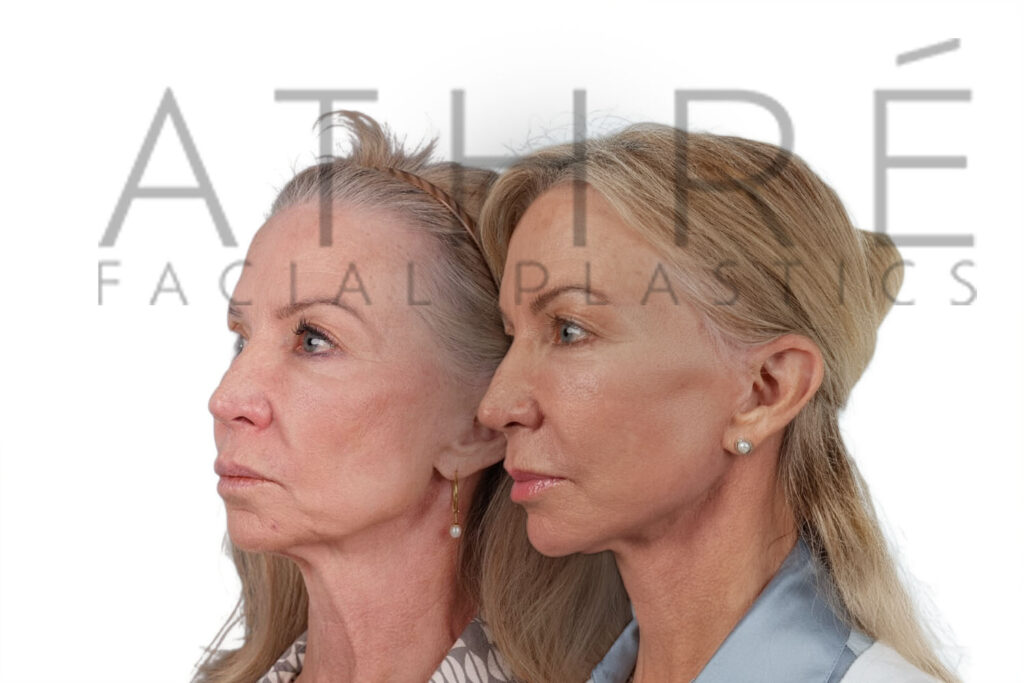
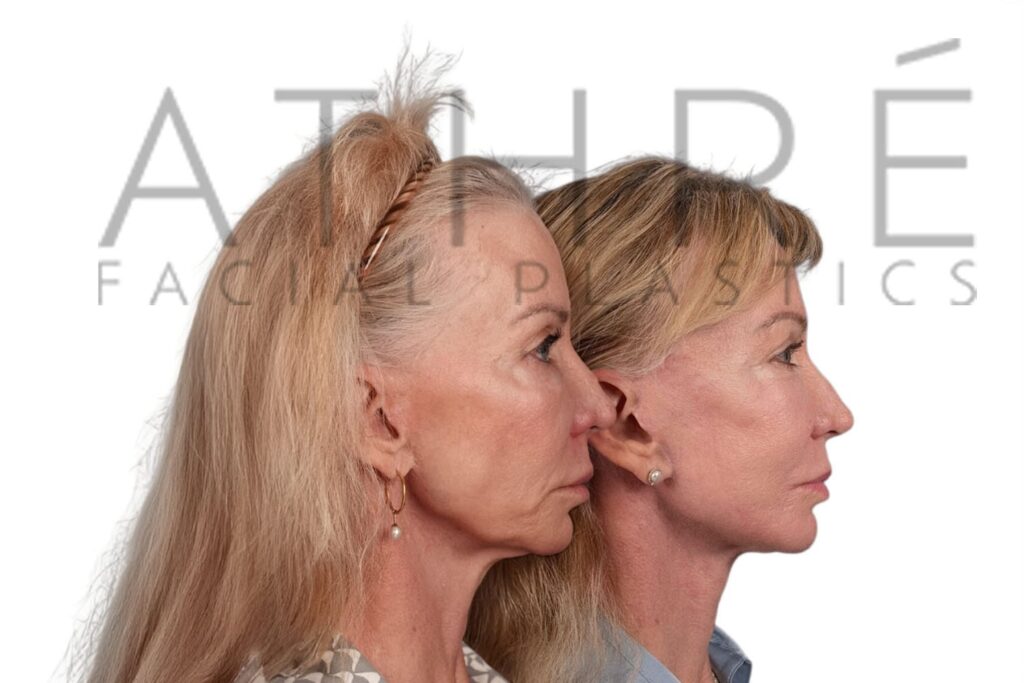
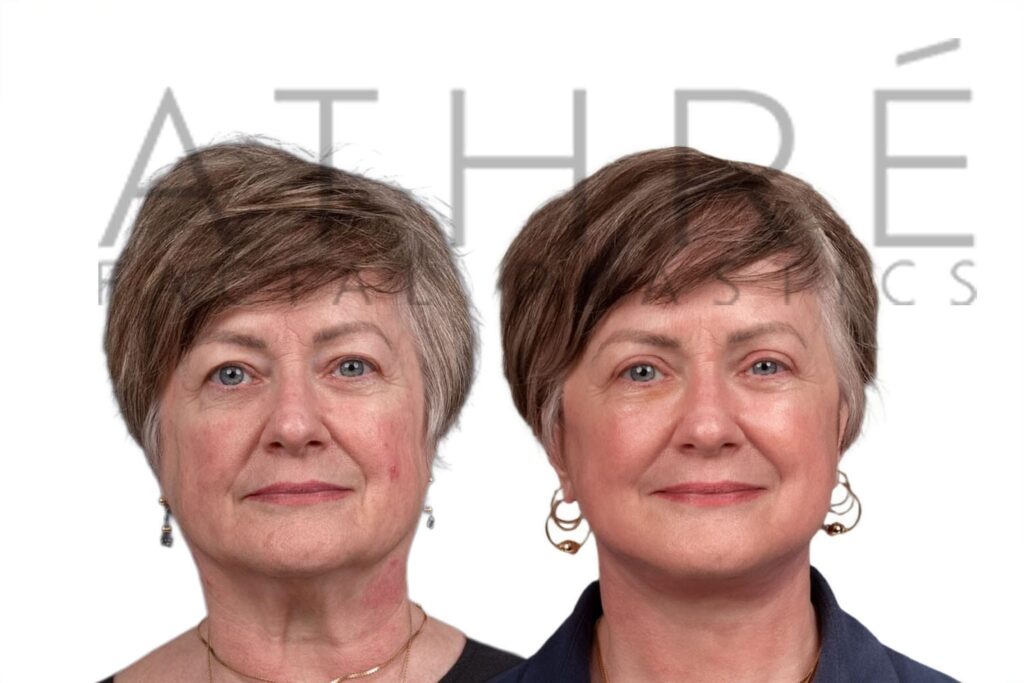
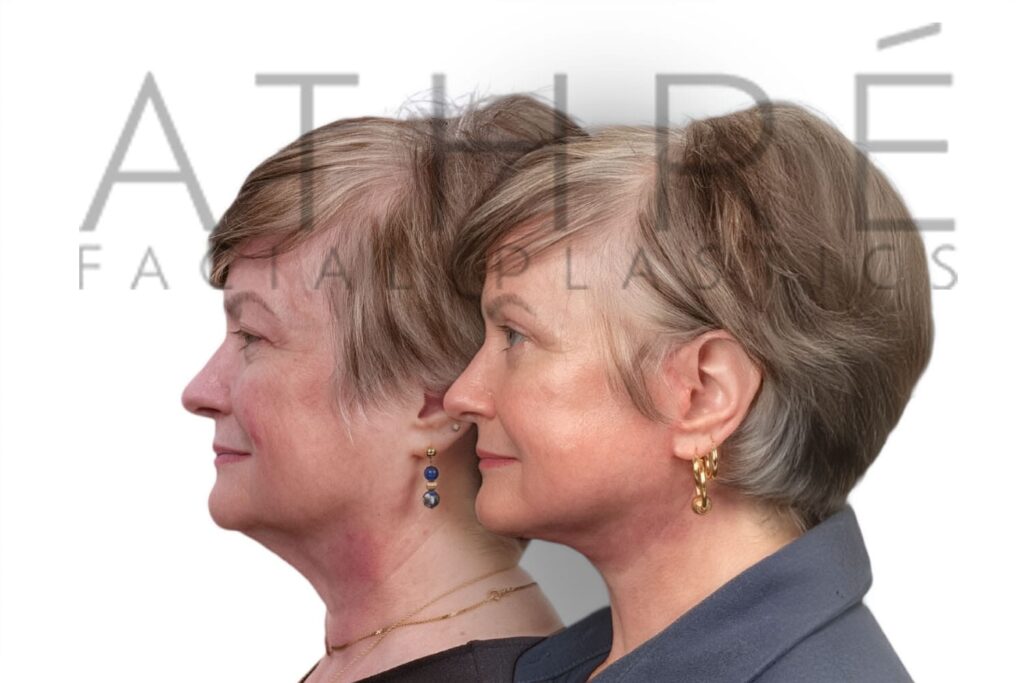
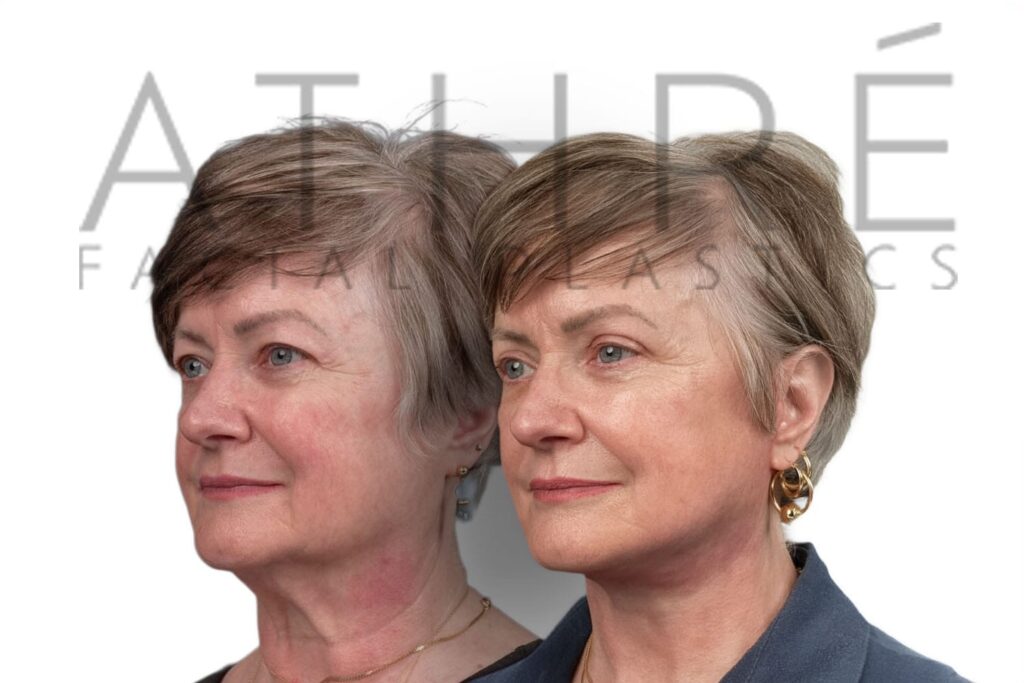
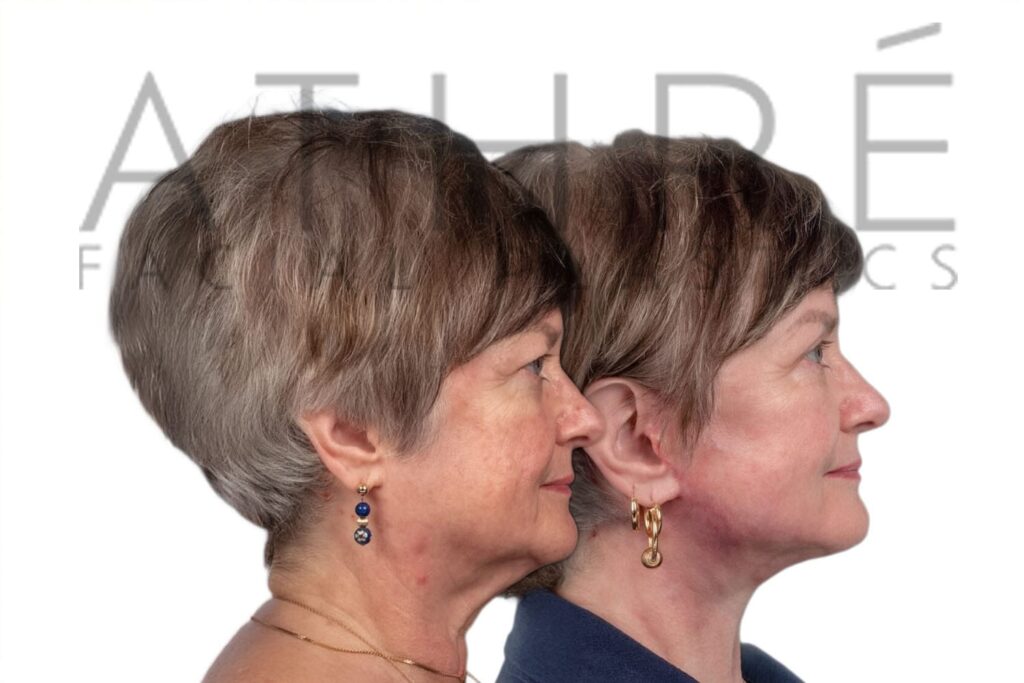
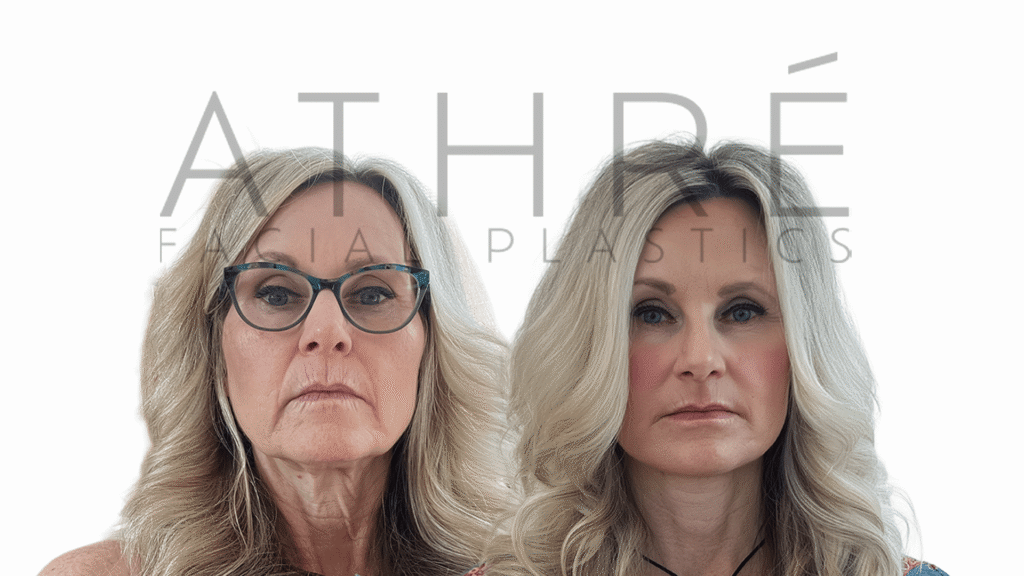
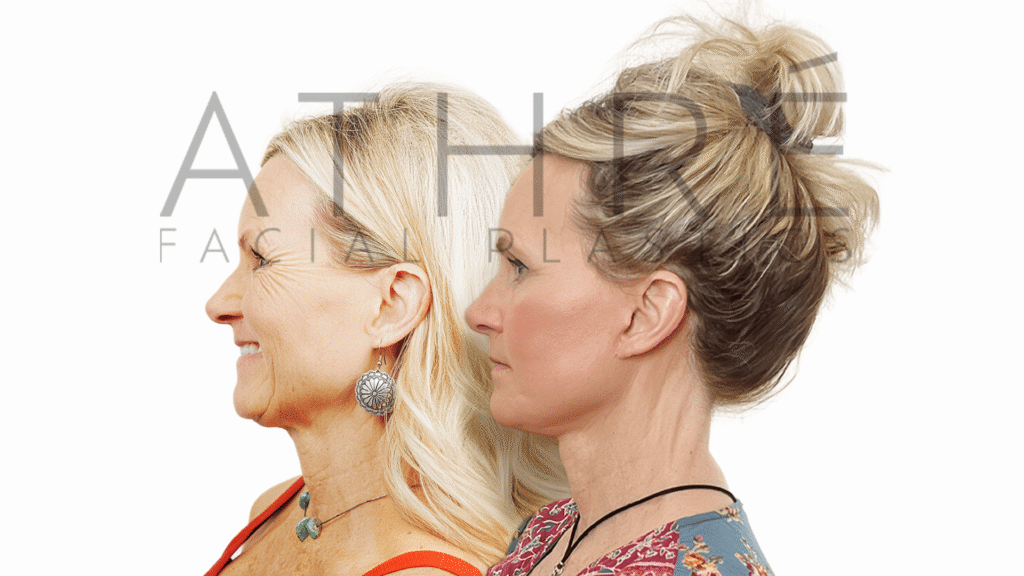
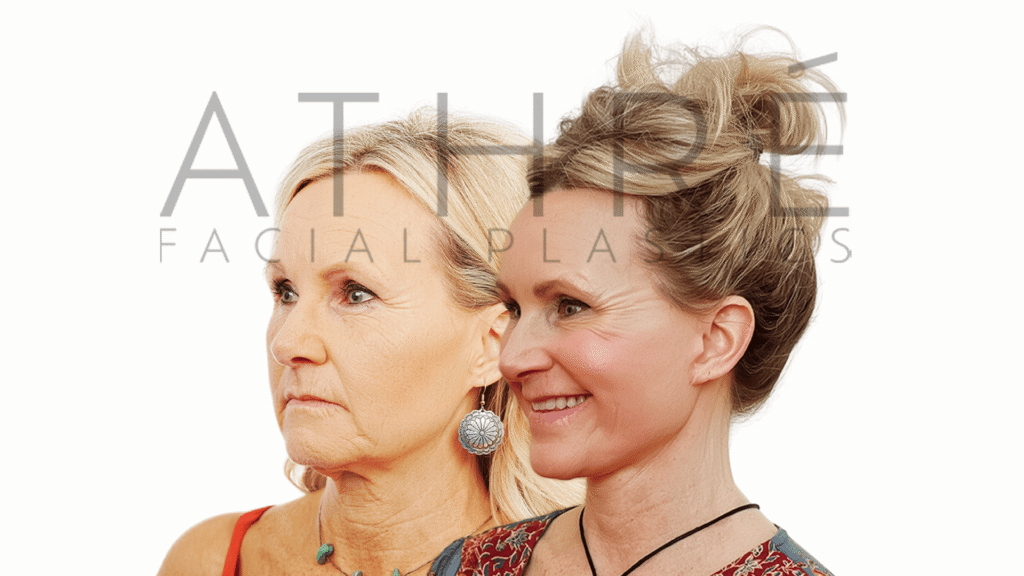
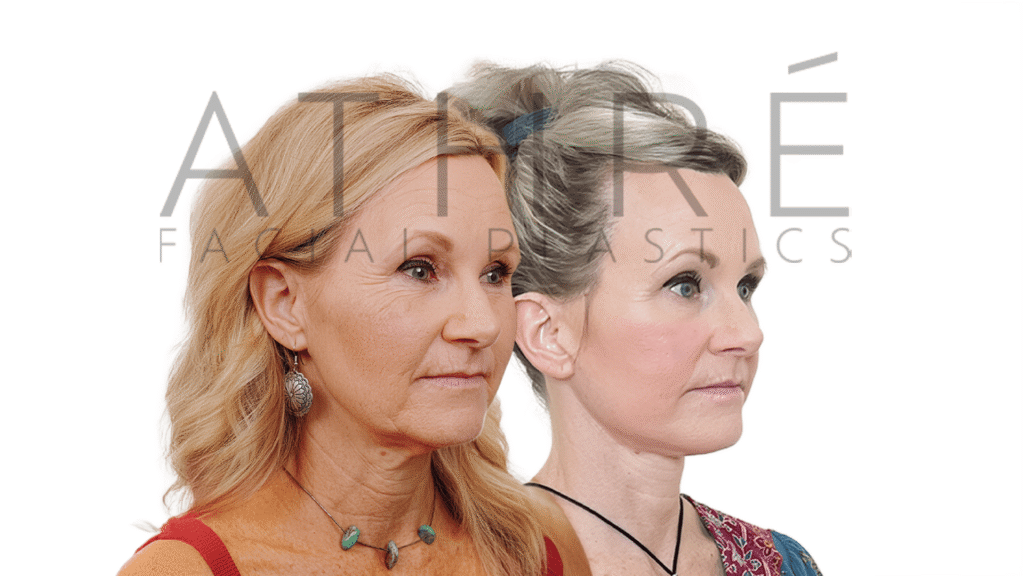
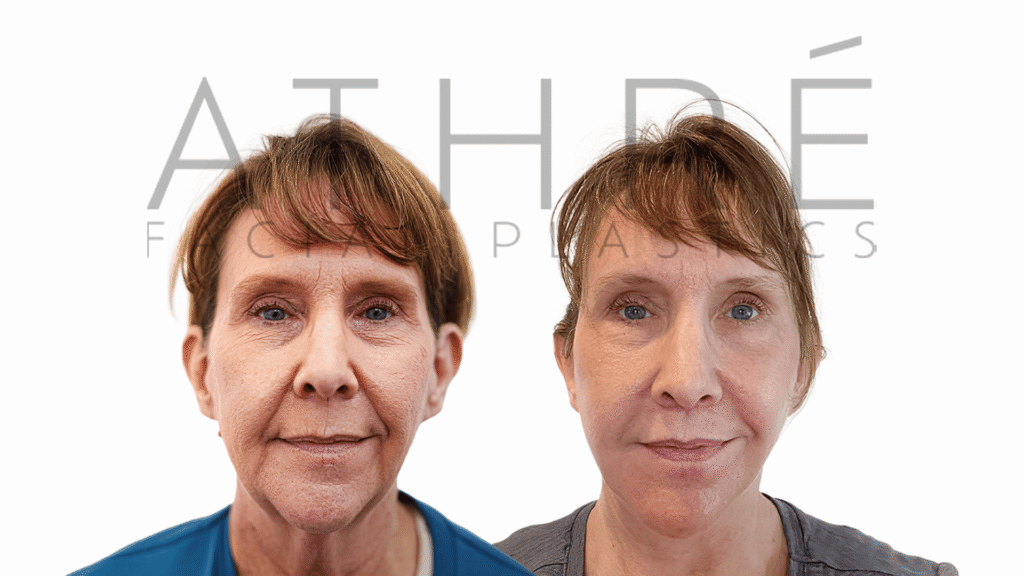
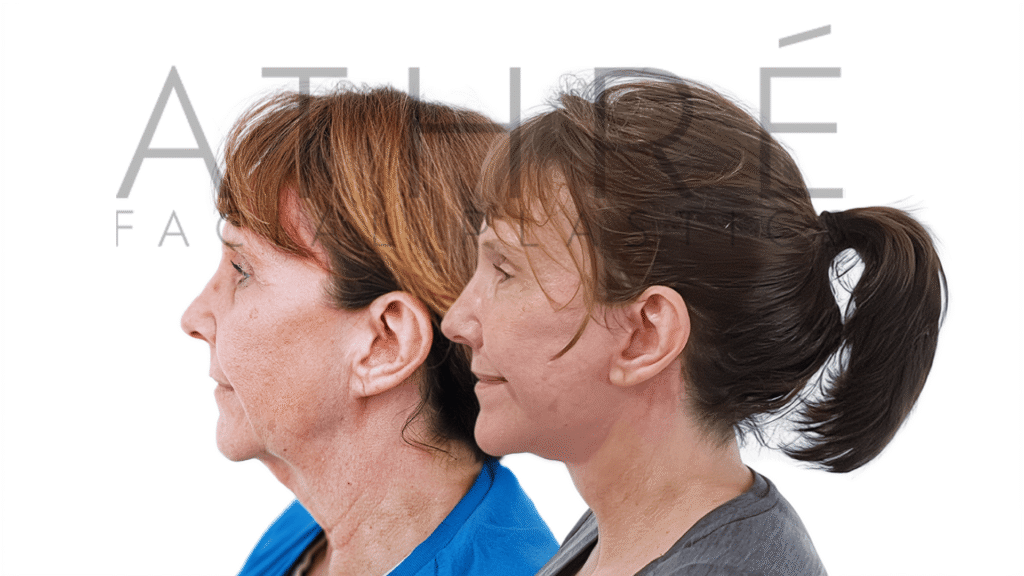
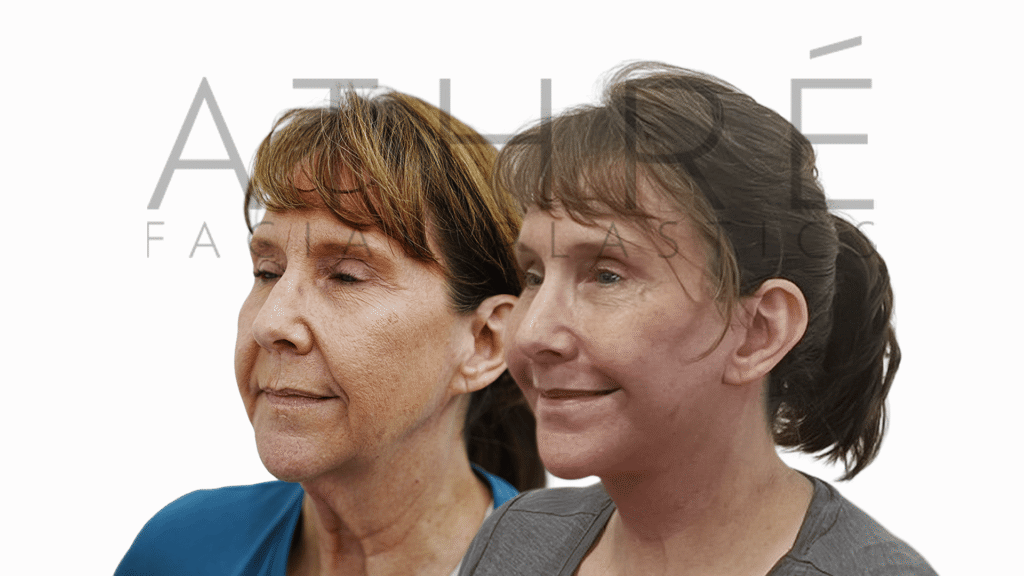
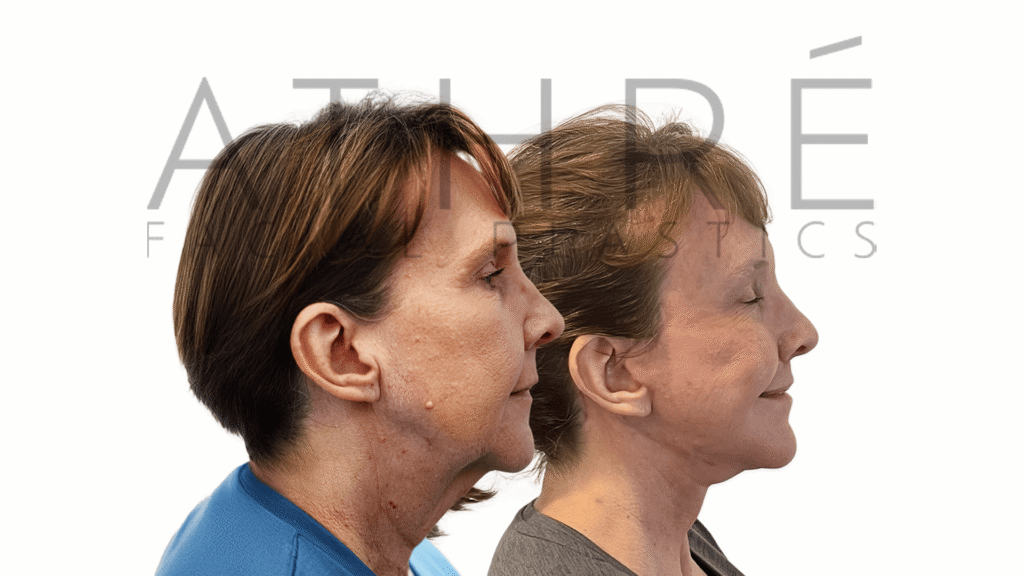
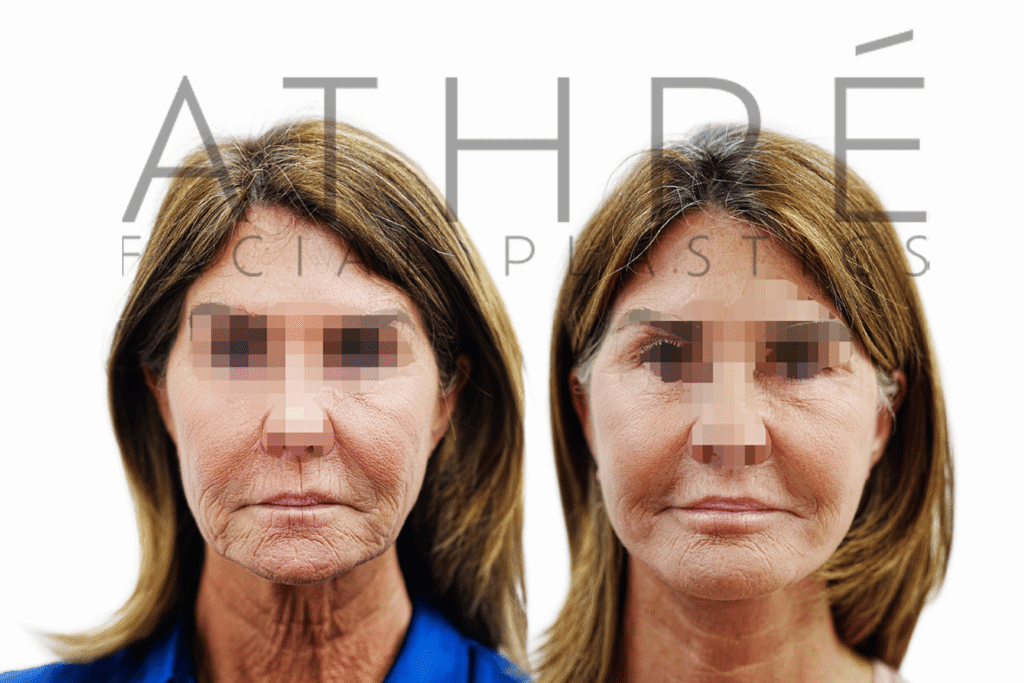
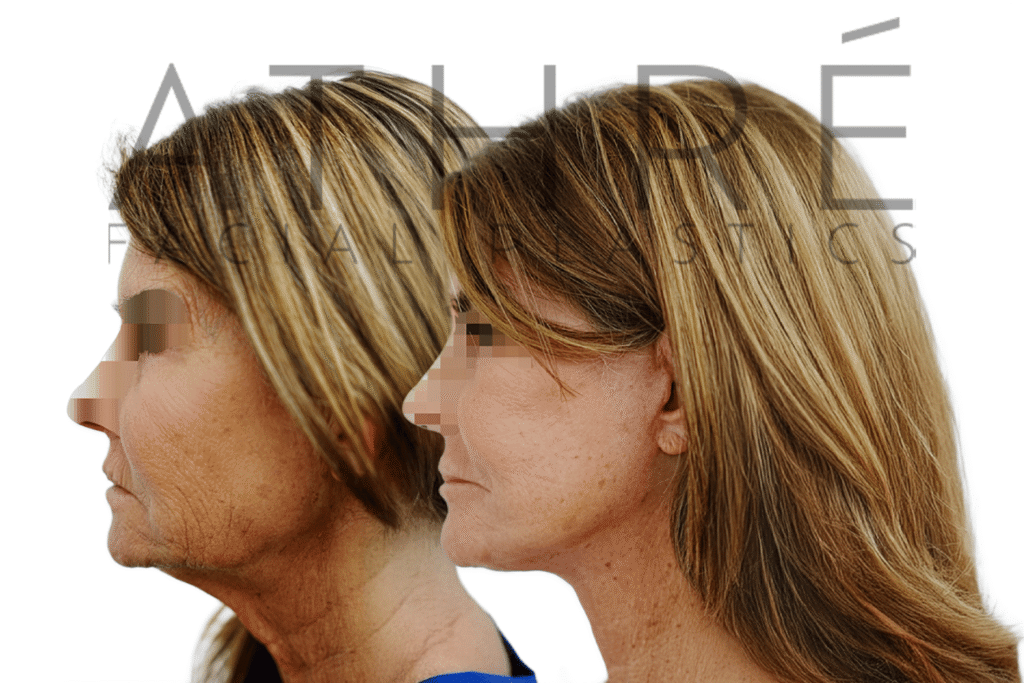
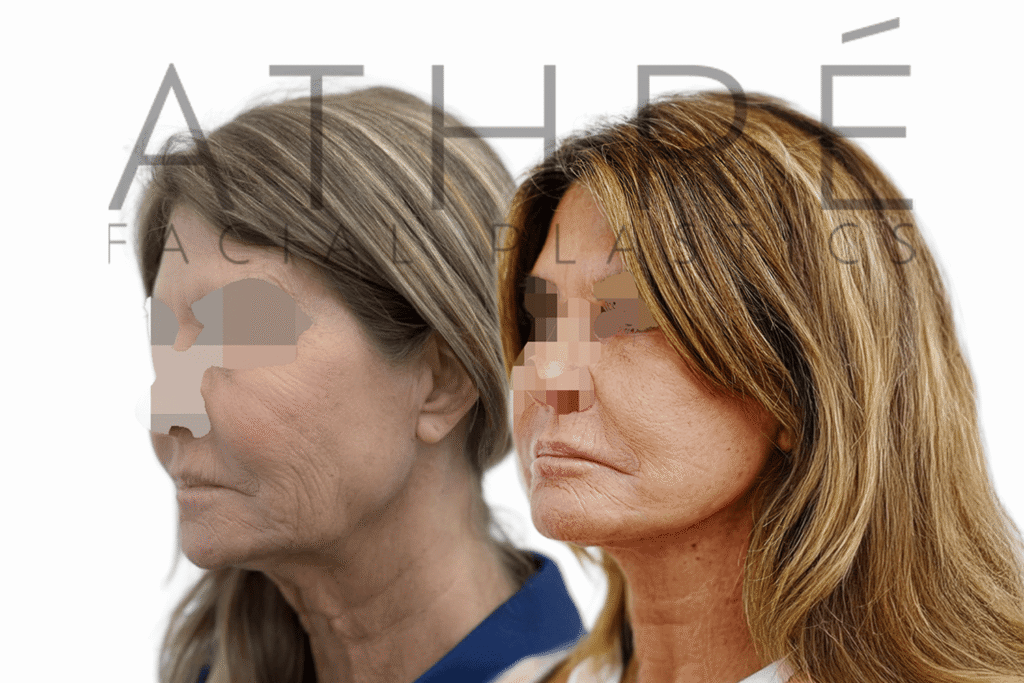
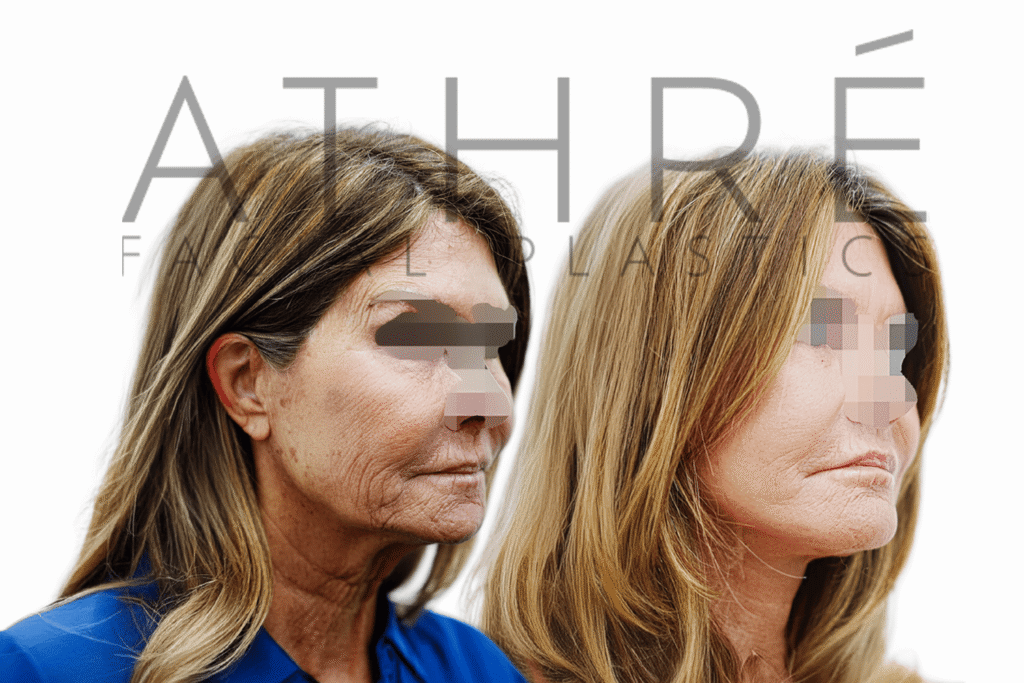
About Fat Transfer
What is the facial fat transfer procedure like?
Fat grafting is an established procedure, but Dr. Athré uses a modified processing and placement technique.
Fat grafting has been used to fill in voids primarily in traumatic wounds. The first major development in fat grafting came in the 1970s with tumescent liposuction.
Before the development of modern harvesting techniques, surgeons sometimes placed larger pieces of excised fat into areas requiring reconstruction.
Tumescent liposuction allowed surgeons to harvest smaller parcels of fat that could be injected more precisely. Early fat-harvesting techniques used larger cannulas, producing larger fat parcels for injection.
This created a lot of complications such as:
- Irregular contour
- Granulomas and scar nodules
- Lumps and bumps
- Variable long-term fat survival, sometimes leading surgeons to overcorrect
These limitations reduced the predictability of early facial fat-grafting techniques.
Dr. Athré uses the ALMI technique for facial fat transfer in Houston and is one of the few surgeons in Texas or the US to do so. Furthermore, Dr. Athré has modified this technique to get even better results.

Facial Fat Transfer Goals:
- Combat facial volume loss
- Restore volume of the face
- Promote new collagen and elastin growth
- Improve skin texture by reducing the appearance of fine lines
However, facial fat transfer may not be ideal for those who:
- have certain medical conditions (discuss with Dr. Athré during consultation).
- have very thin body fat.
- have unrealistic expectations about the results.
Facial Fat Transfer Cost
Facial fat transfer uses your own natural fat to restore youthful volume and contour to areas of the face that may have lost fullness over time.
The technique is commonly used to enhance the cheeks, under-eye hollows, and nasolabial folds. Because it uses the patient’s own tissue, it can provide long-lasting, natural-looking results with the added benefit of using your body's own tissue. Dr. Athré carefully harvests fat from a donor area, like the abdomen or thighs, and strategically injects it into the face to create a smooth, youthful, and balanced look.
This minimally invasive procedure has a relatively short recovery period, with most patients returning to regular activities within a week.
Facial Fat Transfer
$5K - $7,500+ Starting Range
- Fat Transfer Alone ($7,500)
- Fat Transfer Add-On ($5,000)
Treatment Areas
The Advantage of Facial Fat Transfer
What areas of the body can facial fat transfer address?
Excess fat is preferentially aggregated in certain areas of the body. Some of the primary areas of fat deposition include the abdomen, flanks, outer thighs (saddle bags), and the inner thighs. The fat is deposited in a diffuse layer underneath the skin. The first step in the fat transfer procedure is to determine the donor area for the fat. This donor area is injected with a tumescent solution. The tumescent solution numbs the donor area and constricts blood vessels to reduce bleeding.
Following the tumescent phase, liposuction is performed via a small blunt-tipped cannula. One important difference between facial fat grafting and fat transfer to other areas is the size of the harvesting cannula. Facial fat grafting uses smaller cannulas to harvest smaller fat parcels. This prevents the formation of granulomas and hard deposits of scar tissue when the fat is transferred to the facial tissues.
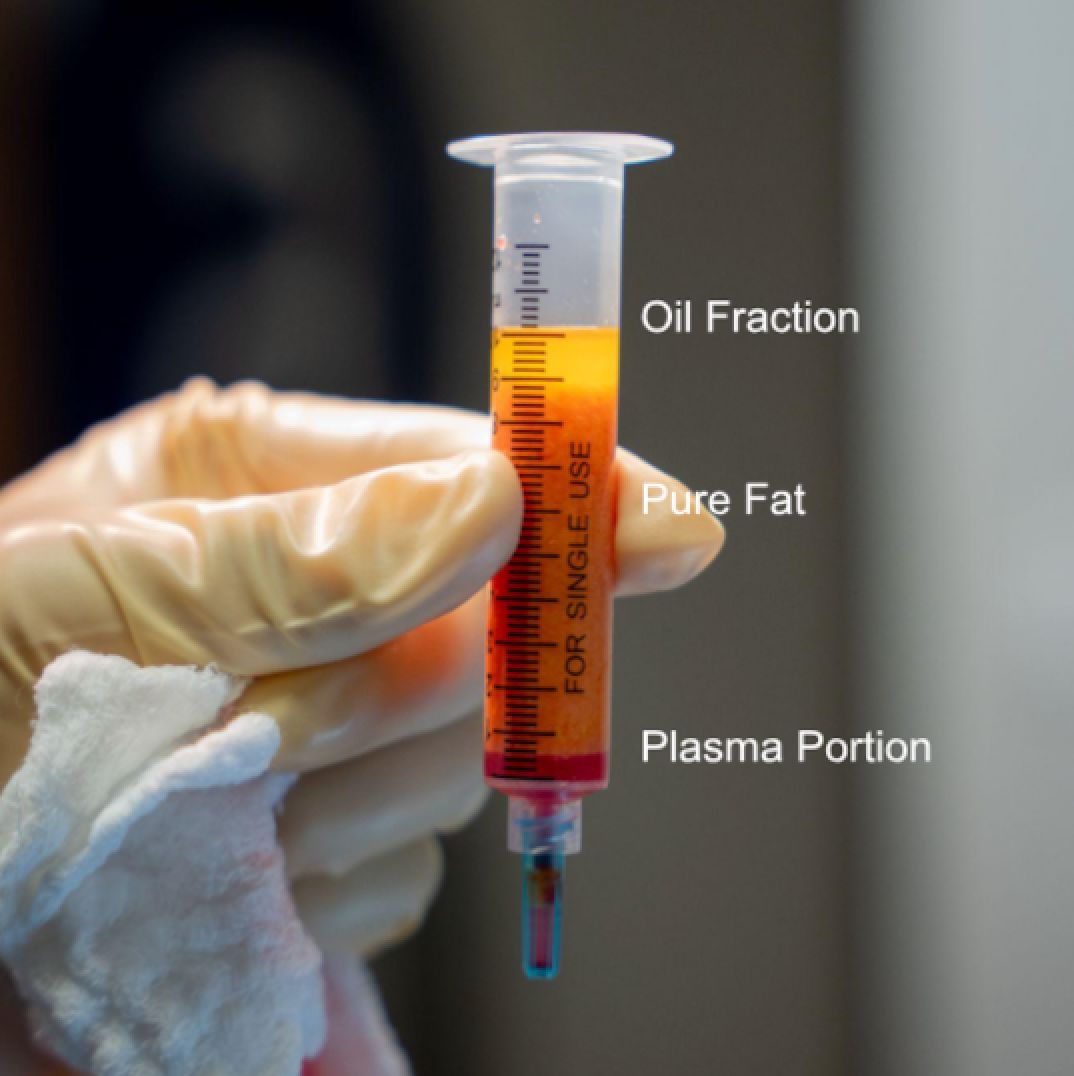
The actual volume of fat aspirated is 30–85 cc (6-17 teaspoons). The harvested material contains fat cells, fluid, blood components, and oil released from damaged fat cells. The aspirated fat is centrifuged. The oil component and the plasma component are discarded. Plasma can temporarily increase the apparent injected volume, but the body subsequently absorbs it. The oil component is discarded because it tends to cause inflammation and granuloma formation.
The remaining fraction is the pure fat fraction, which contains fat cells, supporting cells, and fat-derived stem cells. This fraction is micronized into smaller particle sizes. The first is the 2.4 mm fraction, or millifat. This larger fraction may be used for structural fat grafting. Examples include the temples and pre-jowl sulcus. The second is a finer 1.2 mm fraction, or microfat. This fraction is finer and can be injected more superficially. Dr. Athré may place microfat beneath the thin lower-eyelid skin in the tear trough or along the vermilion border to define the lips. The final fraction is nanofat. This fraction contains adipose-derived cells. It is the finest of the three processed fractions. It may be injected into perioral lines or applied with microneedling to support skin-quality improvements.
Ideal Candidates for Fat Transfer
You may be a good candidate for facial fat transfer if you:
Schedule a consultation with Dr. Athré to discuss your goals and determine whether facial fat transfer is appropriate for you.
Facial Fat Transfer Recovery
In standalone cases, the recovery time for fat transfer is approximately 3–5 days.
Recovery after facial fat transfer is typically straightforward, especially when performed as a standalone procedure. Most Houston facial fat transfer patients can expect approximately 3–5 days of downtime before returning to normal daily activities.
Following treatment, patients will notice immediate improvement in facial volume and fullness, although some swelling and bruising are expected during the initial healing period. Residual swelling gradually subsides over the following weeks, with final results becoming fully visible within 3–6 months as the transferred fat cells establish themselves in their new location.
Athré ALMI fat transfer may be performed as a standalone treatment for facial volume loss or combined with other procedures such as facelift or brow lift surgery for more comprehensive facial rejuvenation. When combined procedures are performed, recovery is typically dictated by the primary surgical procedure rather than the fat transfer itself.
Patients may experience mild soreness at the donor site along with minor bruising in the treated areas, similar to what is seen after facial filler treatments. Most patients are able to comfortably return to work with makeup within 3–4 days after the procedure.
Fat Transfer Results
Long-lasting Enhancement
One of the most significant benefits of facial fat transfer is the long-lasting nature of the results. Unlike injectable fillers that require periodic touch-ups, the transferred fat cells have the potential to thrive in their new location for many years. Studies suggest that successful fat transfer can provide results lasting 5–10 years or even longer, depending on factors such as your anatomy, lifestyle habits, and sun exposure.
Natural-Looking Transformation
Facial fat transfer offers a unique advantage in achieving natural-looking results. Because the procedure uses your own tissue, the transplanted fat cells seamlessly blend with your facial features, creating a subtle and balanced enhancement. The use of the patient’s own tissue can produce subtle results when the procedure is appropriately planned and performed.
Why Dr. Athré?
Dr. Raghu Athré is a double board-certified facial plastic surgeon known for combining technical precision with a highly individualized approach to patient care.
Drawing on his background in engineering and reconstructive surgery, he approaches each procedure with an emphasis on structure, function, and long-term facial balance rather than surface-level changes alone. Every patient experience begins with a thorough consultation designed to understand aesthetic goals, functional concerns, and personal priorities. Dr. Athré takes the time to walk patients through each step and clearly explain all treatment options, both surgical and nonsurgical, so they can make informed decisions with confidence.
Located in Houston’s Heights area on Ella Boulevard, Dr. Athré serves patients throughout Houston and the surrounding region. He emphasizes precise planning, natural-looking results, and a clearly explained treatment process.
Facial Fat Transfer FAQs
See below for frequently asked questions about facial fat transfer.
Patient Review
"Dr. Raghu Athré, MD is simply delightful! He and his wonderful staff make you feel like family! Their friendly dispositions make it easy to forget that you are in a consultation! I would recommend Dr. Athré to all of my family and friends."