
Revision Rhinoplasty
Repair or improve the results of your previous rhinoplasty.
Achieve the harmonious outcome you’ve always wanted with revision nose surgery from one of the best revision rhinoplasty surgeons, Dr. Raghu Athré.
Patients come from around the United States and the world to benefit from Dr. Athré’s expert techniques and personalized approach. Reclaim confidence and comfort with the help of our compassionate and experienced team.
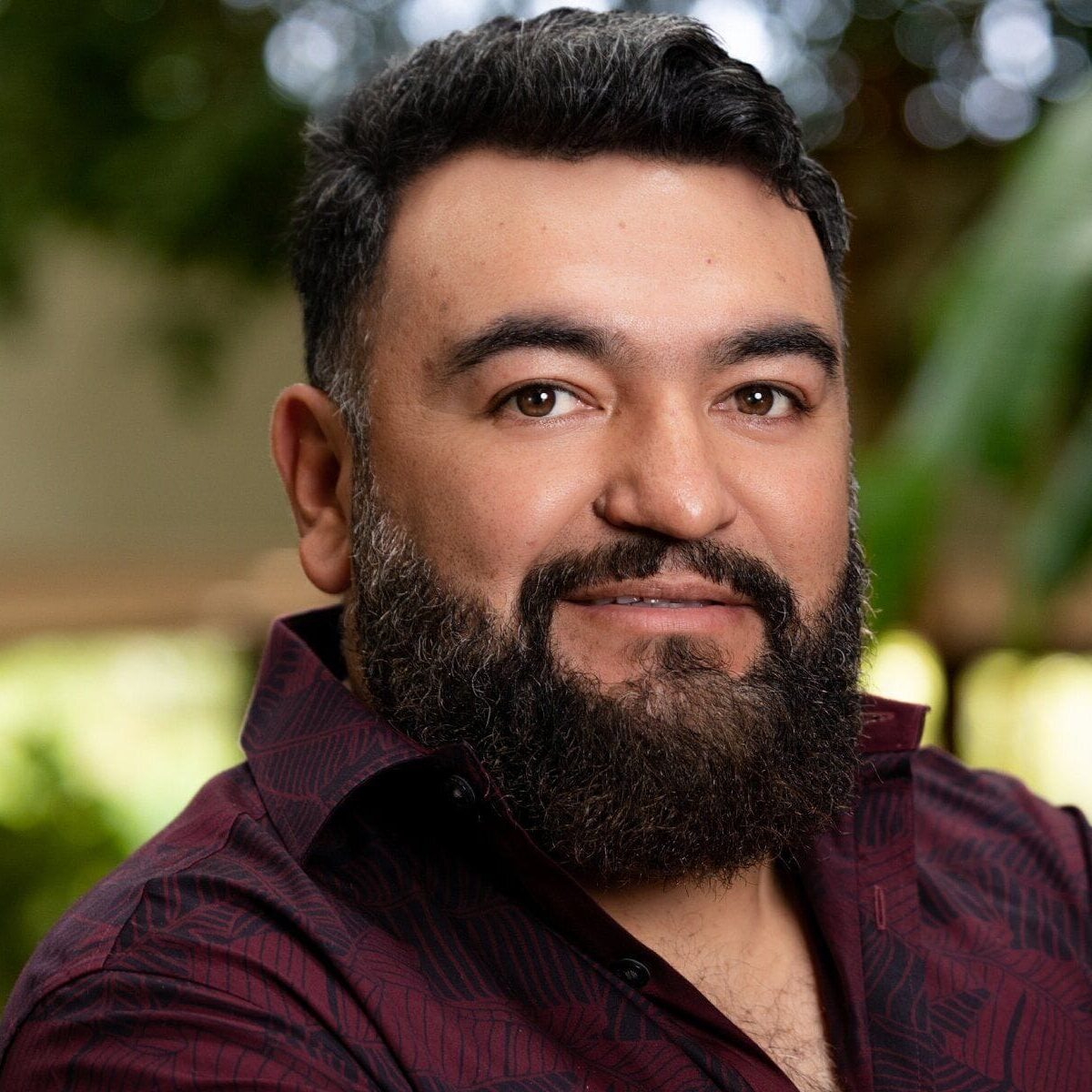
“Dr. Athré did an amazing job on my nose. His staff treated me like family, and I felt very comfortable getting the work done."
About Revision Rhinoplasty
Revision rhinoplasty is the term applied to patients who have had a prior procedure on their nose. Other terms that mean the same thing are secondary rhinoplasty and secondary nasal surgery.
Some patients may not have had a prior surgical nose job but might still be considered revision rhinoplasty patients. Examples of such patients include:
- Patients with a prior septoplasty
- Patients with other surgical procedures of the nose, such as Mohs surgery for skin cancer
- Patients with prior nasal filler injections
- Patients with significant or multiple nasal traumas
Revision rhinoplasty is exceptionally complex because previous surgery and the resulting scar tissue can alter the nose’s anatomy and make subsequent surgery more challenging. Changes in nasal support, combined with scar formation during healing, can contribute to:
- Changes in the shape or symmetry of the nose
- Twisting or distortion of the nasal tip or septum
- Loss of structural support
- Nasal obstruction or other breathing difficulties
In a patient who has not previously undergone nasal surgery, the surgeon generally begins with anatomy that has not been altered by prior surgical dissection or scar formation. Primary rhinoplasty changes that anatomy: soft tissues are elevated from the underlying cartilage, scar tissue forms as part of the normal healing process, and cartilage may be cut, reshaped, repositioned, or removed. In some patients, the combined effects of these surgical changes and subsequent healing can result in twisting, loss of structural support, insufficient septal cartilage, or other functional or aesthetic concerns.
Dr. Athré’s revision rhinoplasty procedure aims to address these problems, improve nasal function when indicated, and achieve an aesthetically balanced result consistent with the patient’s anatomy and goals.
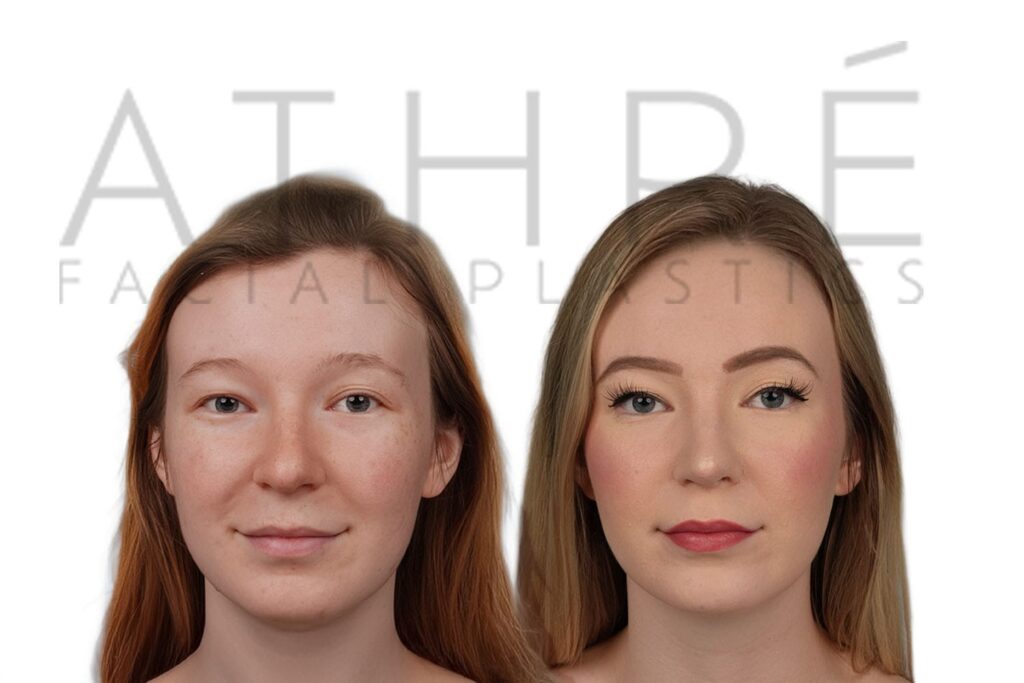
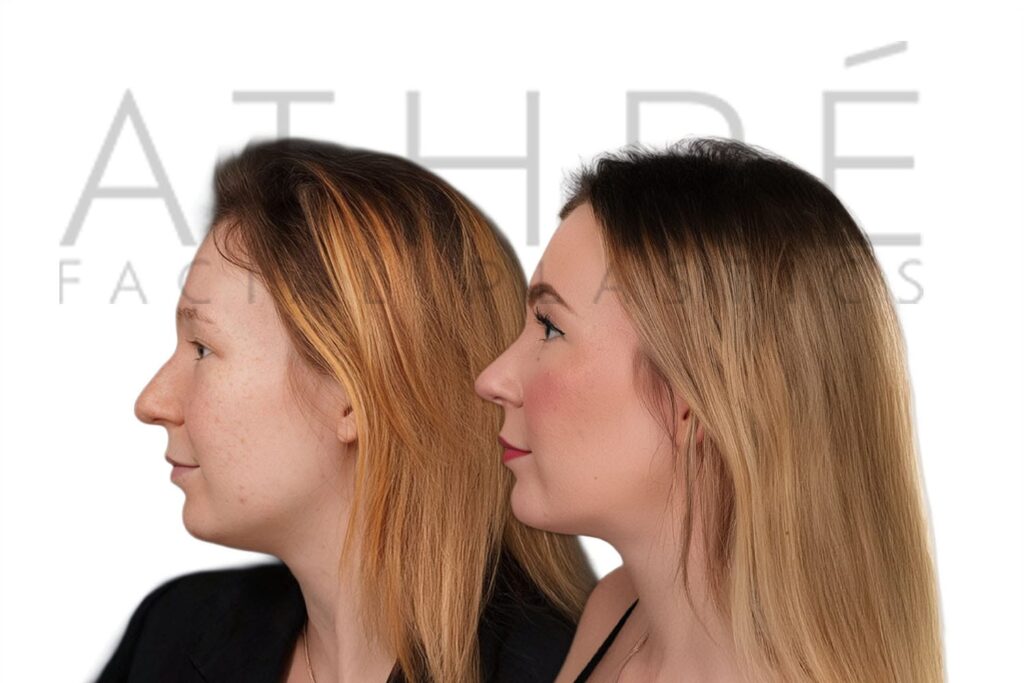
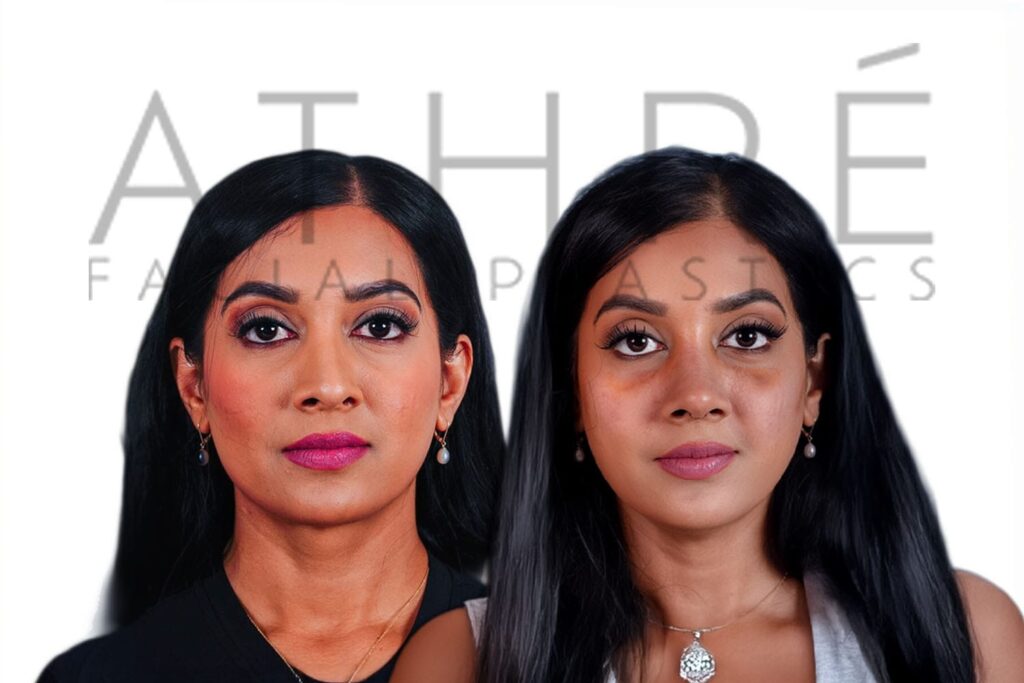
Before & After Photos
Rhinoplasty Gallery
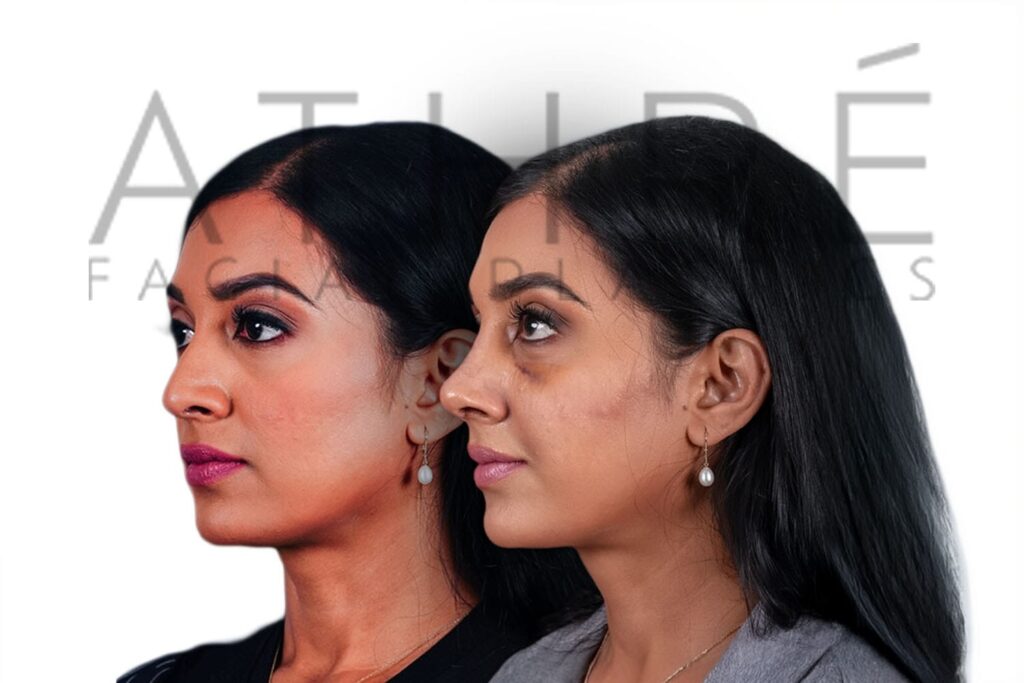
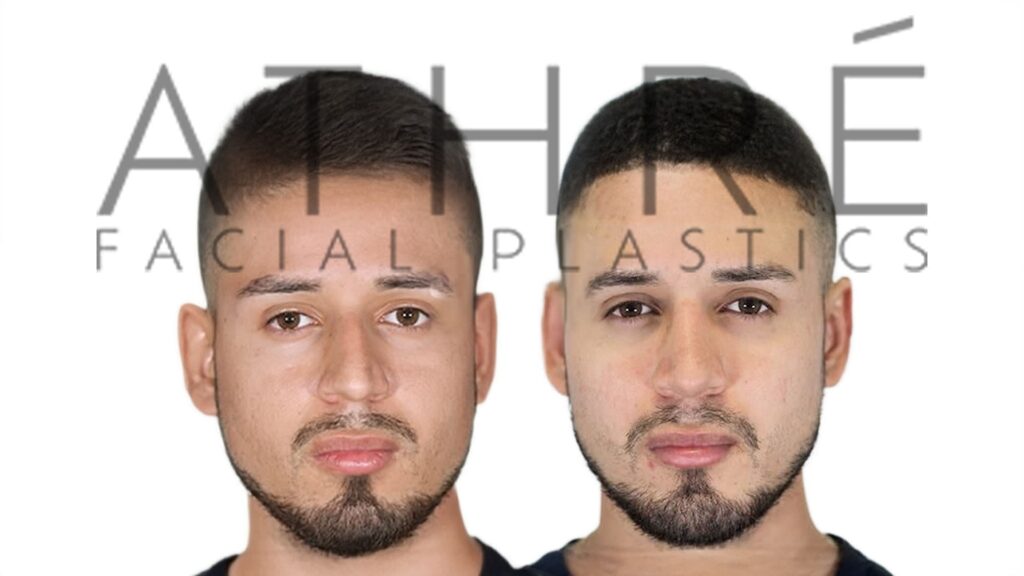
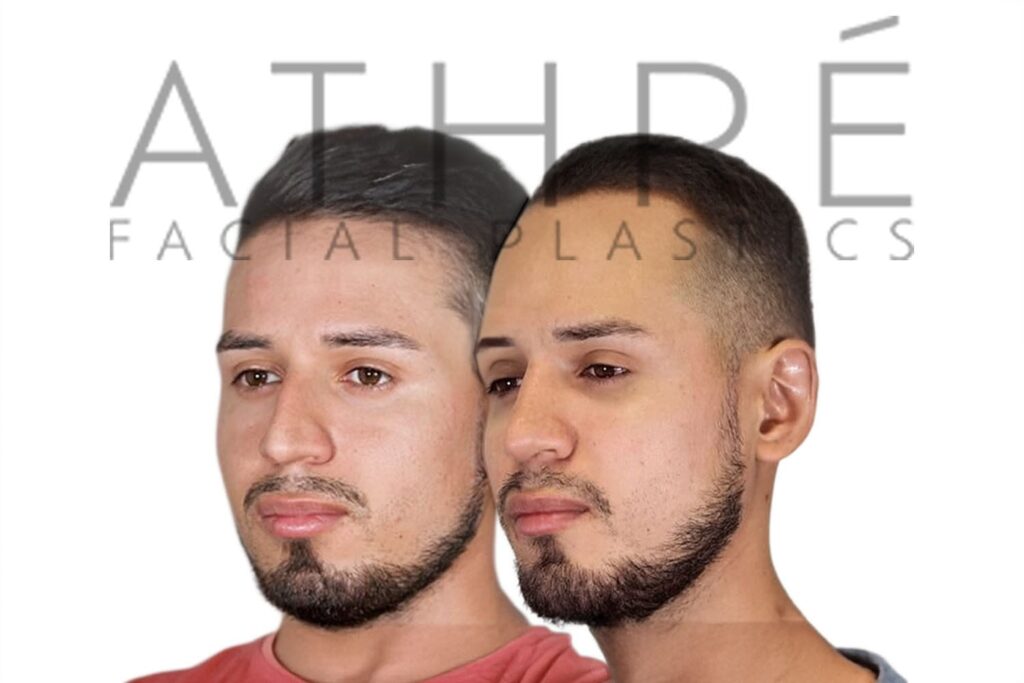
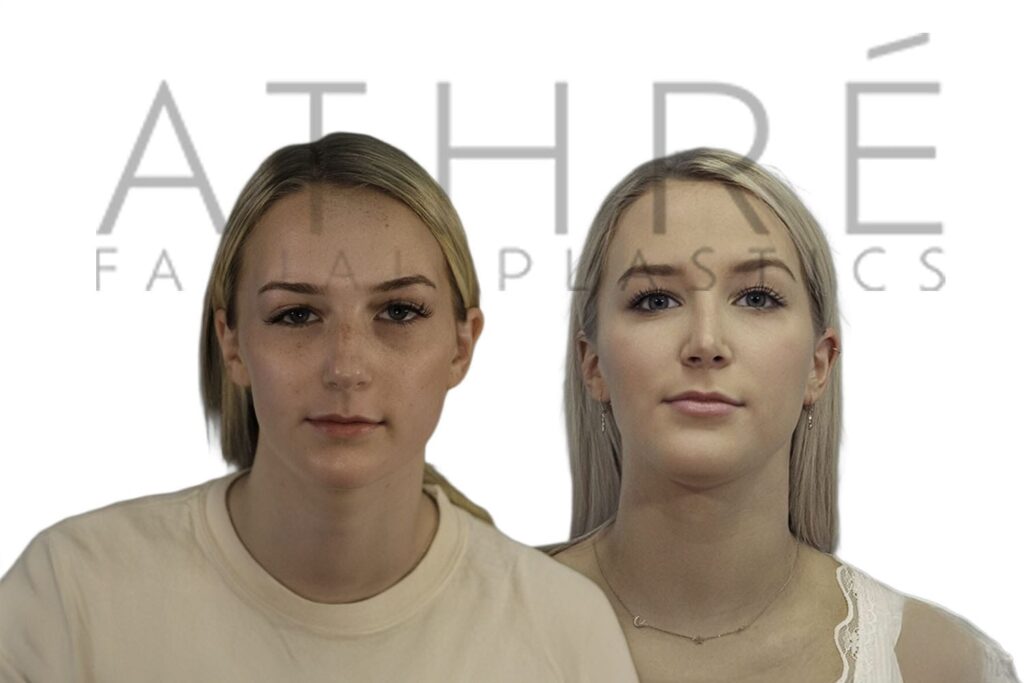

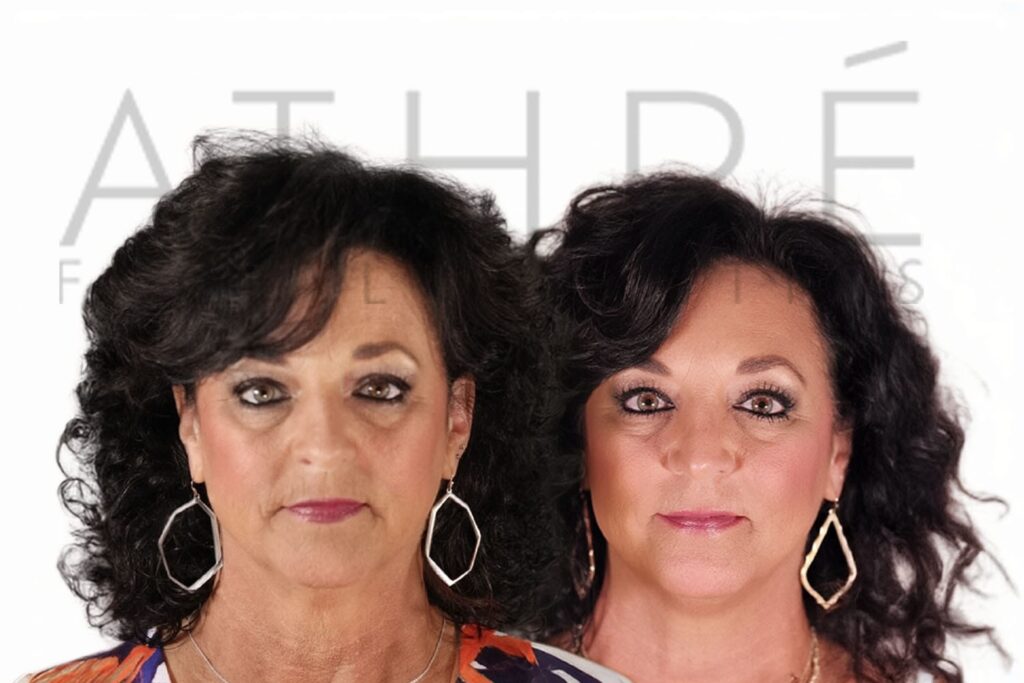
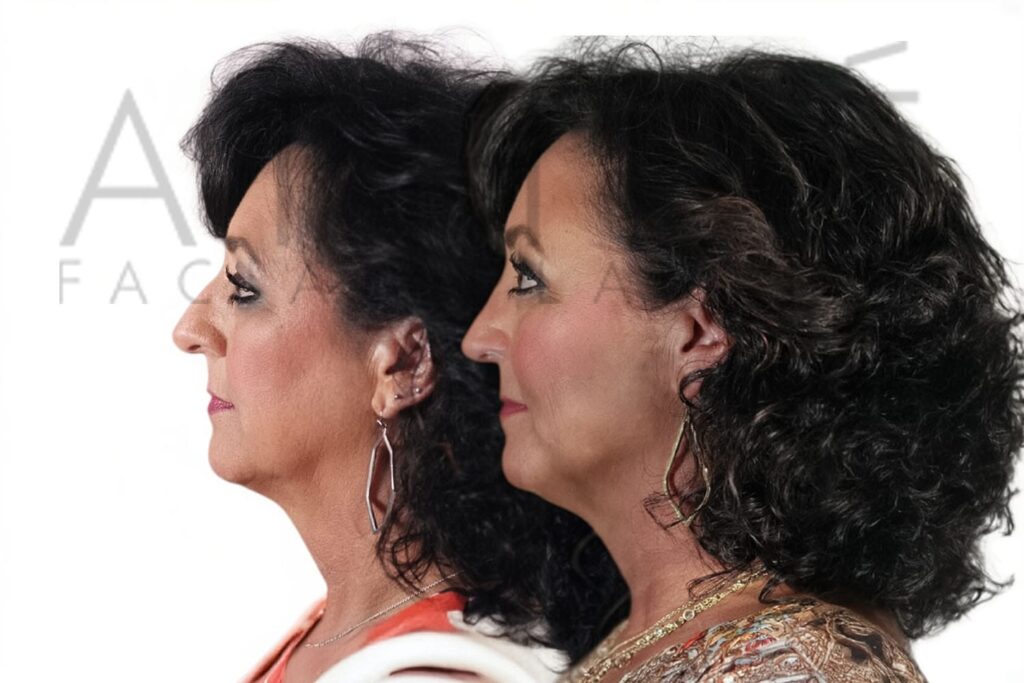
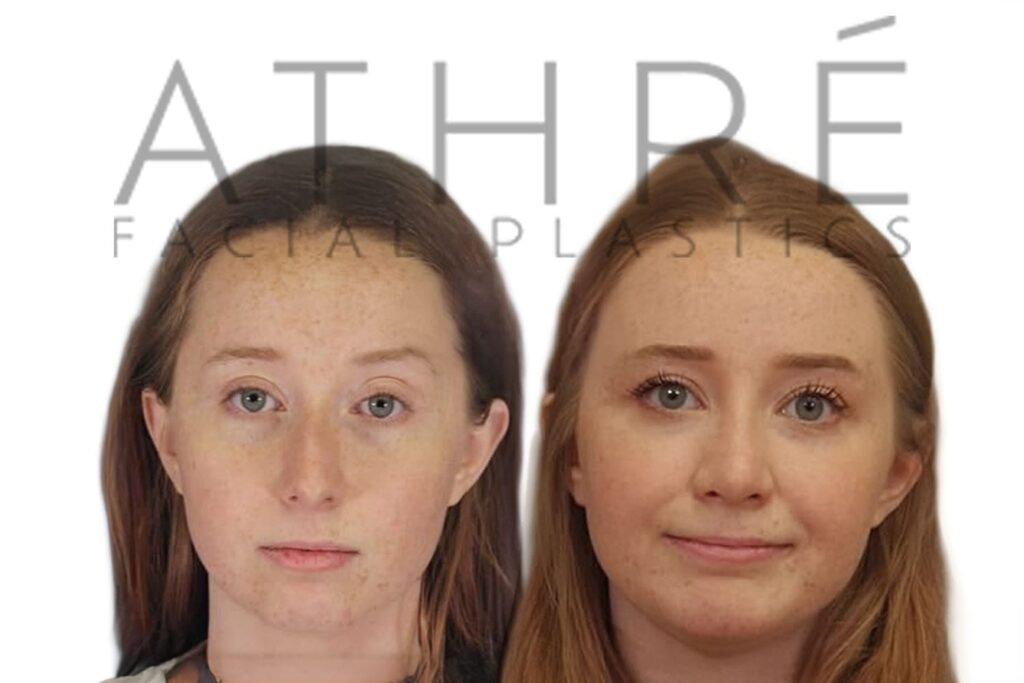
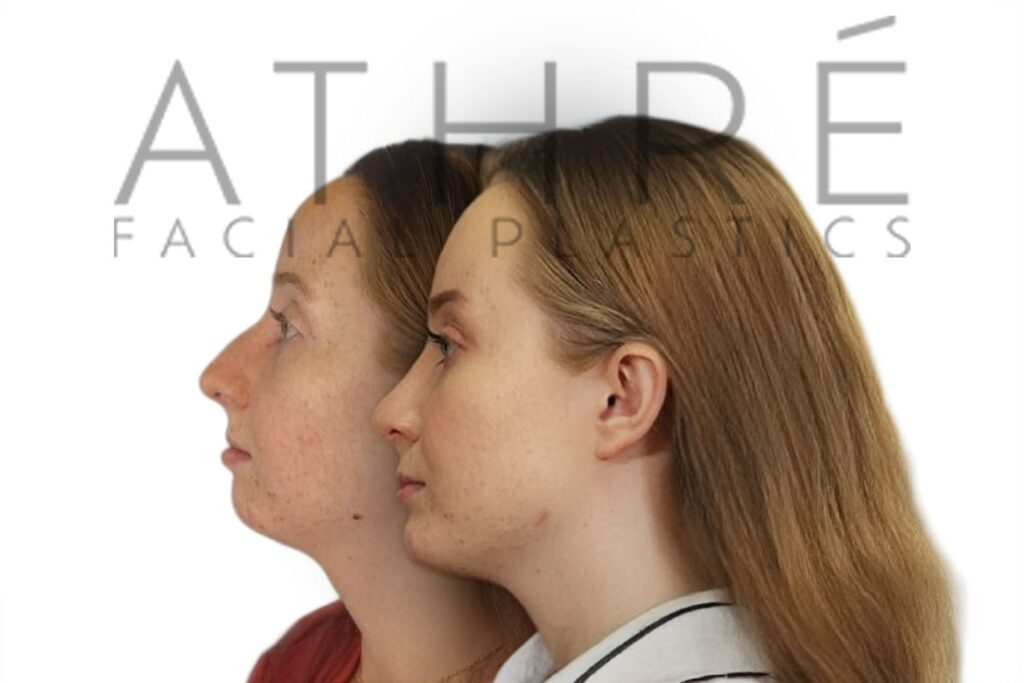
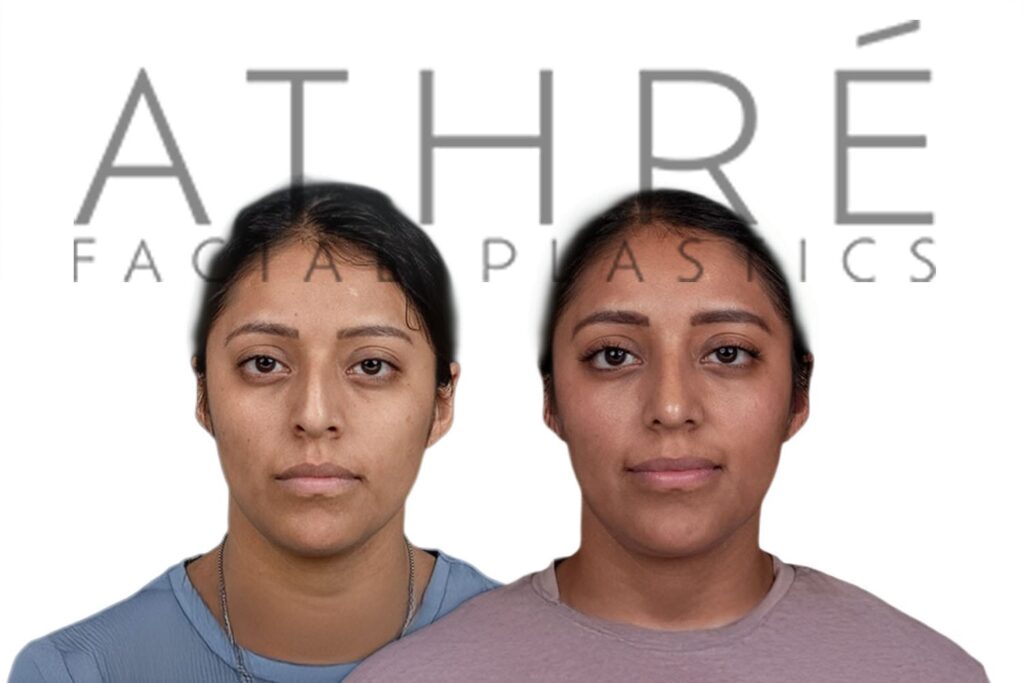
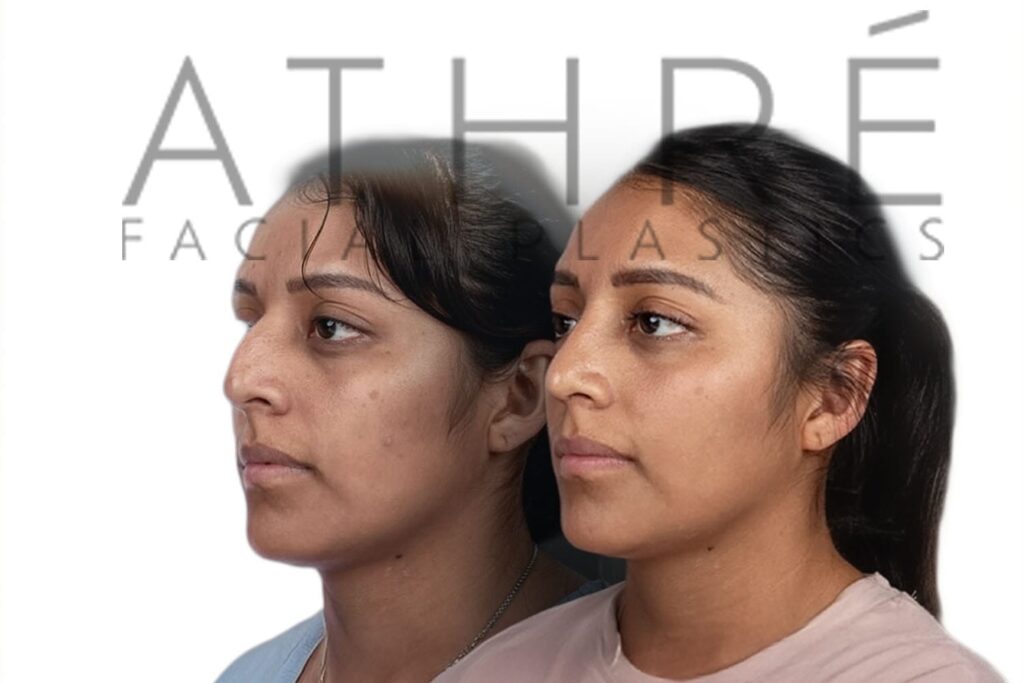
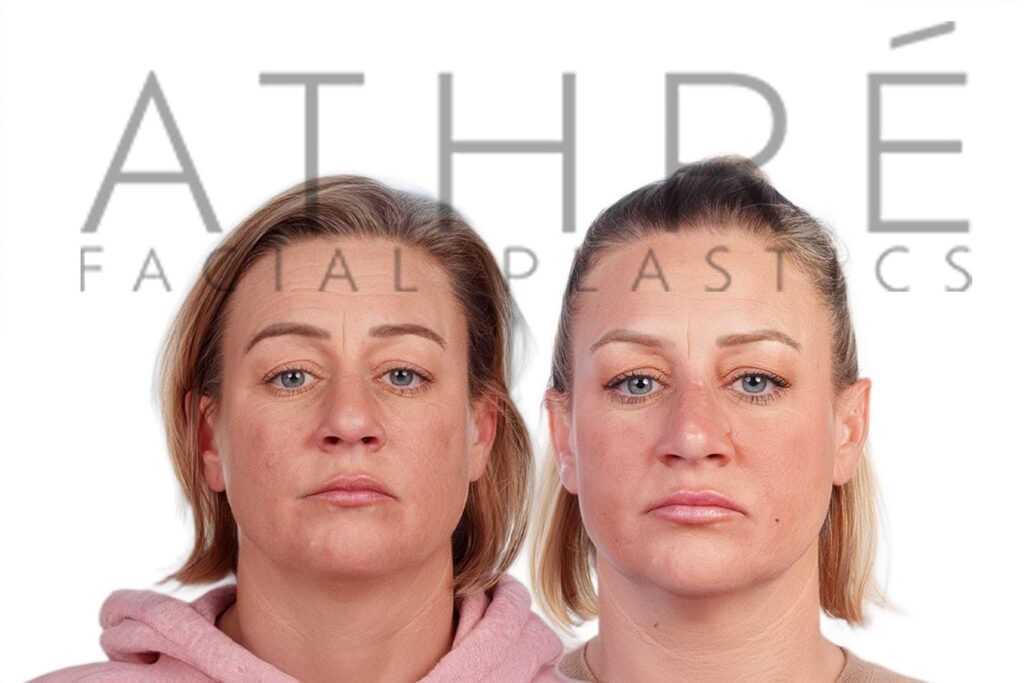
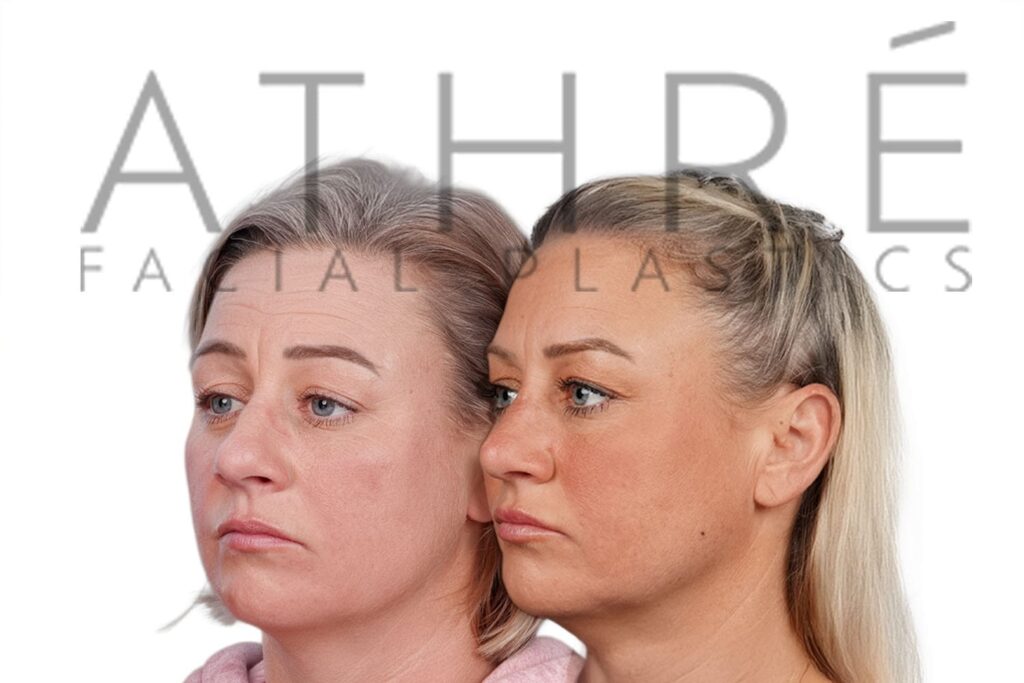
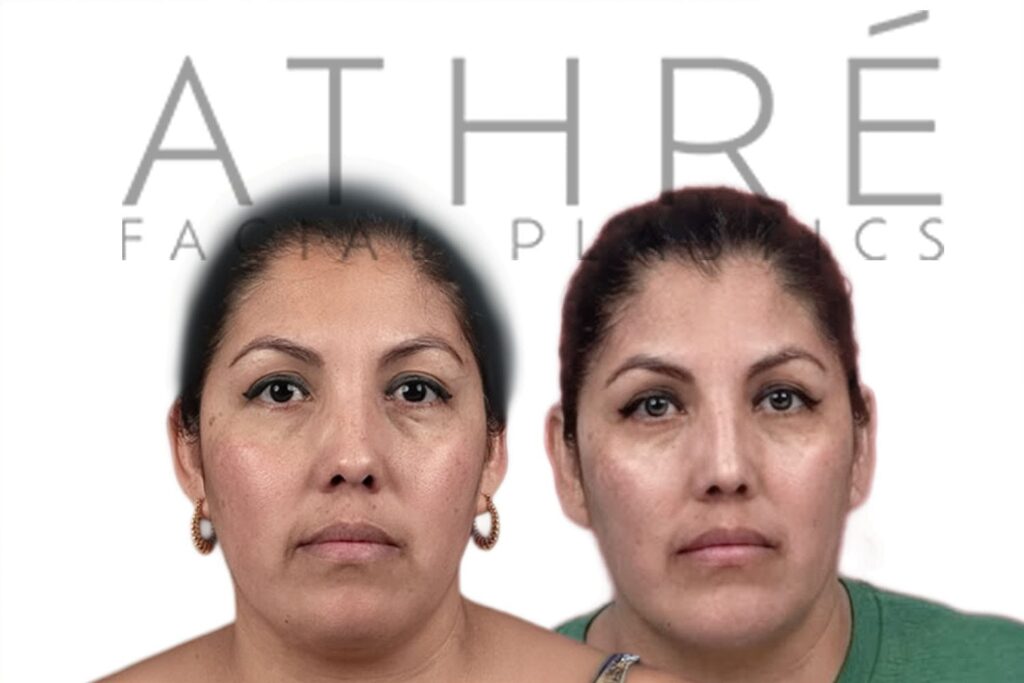
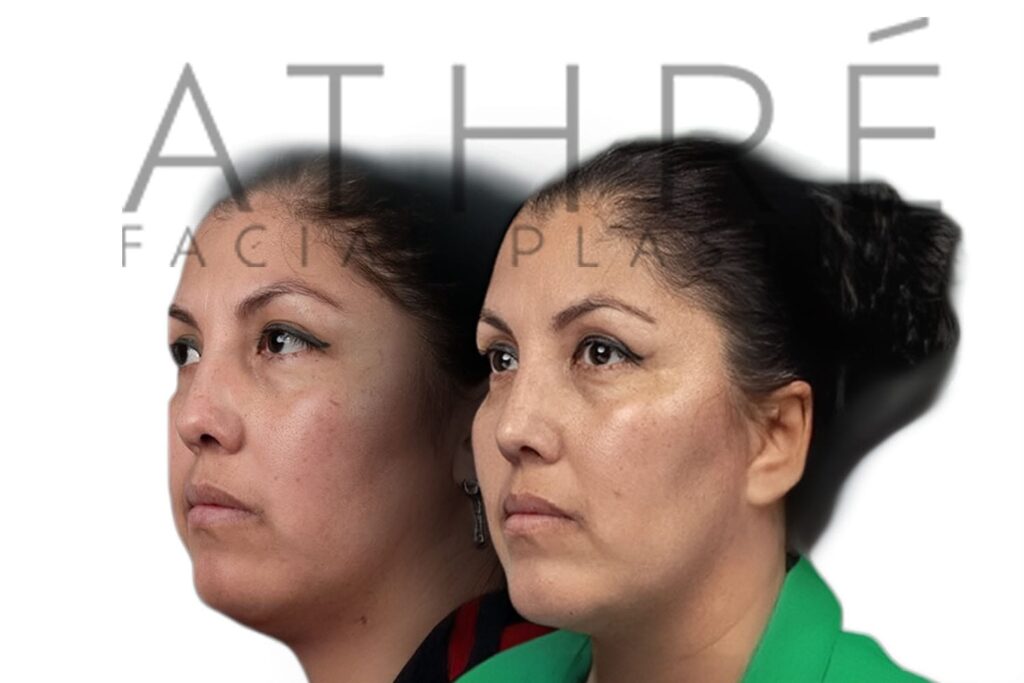
About Revision Rhinoplasty
What is the revision rhinoplasty procedure like?
Revision rhinoplasty is a delicate procedure in which the surgeon first elevates the soft tissues to assess the structures that require repair or reconstruction.
Frequently, additional cartilage is required for revision rhinoplasty. This additional cartilage may be obtained from your ear, your own rib cartilage, or cadaveric rib cartilage grafts.
Revision rhinoplasty in Houston is typically performed as an outpatient procedure. Surgery may take longer than primary rhinoplasty because of its complexity. Dr. Athré will work alongside you to determine the optimal techniques for your procedure. As part of the consultation and planning process, he will provide you with a complete overview of how to prepare for your procedure, the steps of your surgery, and your recovery timeline and aftercare requirements.
What happened in my primary rhinoplasty? Why do I need a revision?
Even when rhinoplasty is performed by an experienced surgeon, some patients will require a revision rhinoplasty.
When rhinoplasty surgery is done, cartilage and tissues are modified. After surgery, the tissues heal and remodel through the body’s natural wound-healing process, including scar formation.
This scarring process is sometimes unpredictable and can cause significant contracture of the tissues. As scar tissue contracts and remodels, it can contribute to twisting or other changes in nasal shape and support. Patients may also develop or continue to experience nasal obstruction, septal deviation, or valve collapse when nasal support is compromised. To combat this, cartilage grafting and other techniques may be used to restore support and address deformities associated with scarring and contracture.
Despite this, contracture and scarring can still occur. Dr. Athré’s extensive experience with primary and revision rhinoplasty and his engineering background allow him to perform rhinoplasty surgery, with the goal of controlling as many surgical variables as possible and achieving a predictable, well-supported result. Experience is key to the best revision rhinoplasty results.
Revision Rhinoplasty Cost
Revision rhinoplasty is a complex, highly specialized procedure for patients who have had a rhinoplasty and want to improve or correct the results of the previous surgery.
Whether due to functional issues, aesthetic concerns, or unexpected healing outcomes, revision rhinoplasty requires a precise and personalized approach.
Revision rhinoplasty often requires a longer healing period than primary rhinoplasty, with initial recovery taking one to two weeks and final results developing over several months as swelling resolves.
Revision Rhinoplasty
$15,000 Starting Range
- + Facility Fees ($2,750)
- + Anesthesia (Local $1,500), (General $4,800)

Understanding Revision Rhinoplasty
Ancillary Procedures in Revision Rhinoplasty
As discussed in many places, cartilage is the key structural component of the nose. It is the “framing” behind the structure of the nose. You cannot build a house without wooden studs, and you cannot build a nose without cartilage.
In revision rhinoplasty procedures, cartilage has frequently been resected, is missing, or is deformed and cannot support the nose. In such cases, additional cartilage is required to rebuild the nose. There are three general sources of cartilage, which are outlined below.
Auricular cartilage is cartilage from your own ear. A small amount of cartilage is removed from the ear through an incision typically placed behind the ear. When appropriately harvested, auricular cartilage can usually be obtained while preserving the overall shape and function of the ear, although the donor site has its own potential risks and recovery. Auricular cartilage is generally less suitable when substantial structural support is required, but it can be useful for contouring and camouflage.
Costal cartilage is rib cartilage. To harvest costal cartilage, a small incision (approximately 2 inches) is made on the right side of the chest. In women, this incision is made in the inframammary fold of the crease, where your bra strap sits against the bottom part of your right breast. Costal cartilage provides substantial structural support but is generally less suitable than softer cartilage for some contouring or camouflage applications.
Cadaveric rib cartilage is donor rib cartilage obtained from processed human tissue. This type of cartilage is rib cartilage, except that it is harvested from a donor cadaver. Cadaveric rib cartilage is donated human tissue obtained through an accredited tissue-banking process. Donor cartilage is obtained and processed through regulated tissue-banking procedures, including donor eligibility assessment and communicable-disease screening. Dr. Athré can explain the specific graft material used in his practice. The rib cartilage from these cadavers is harvested, processed, and sold for implantation in such surgical cases.
| Auricular (Ear) |
Easy to harvest Soft Pliable Autologous (your own tissue) |
Not structural |
| Costal (Rib) |
Structural Autologous |
Longer operating-room time Requires a separate donor-site incision and cartilage harvest |
| Cadaveric (Rib) |
Structural Does not require increased O.R. time |
Donor tissue (not autologous) |
Treatment Areas
Why should I do a revision rhinoplasty?
Revision rhinoplasty is typically performed for two main reasons: cosmetic concerns and functional problems.
Though we draw an artificial line between cosmetic and functional issues, these two categories are intimately related, and it is impossible to completely divide these issues into two separate categories.
The nose is perhaps the most defining facial feature. When the nose is in balance with the entirety of the face, the nose disappears into the background. However, when the nose is not proportionate to the features of the face, it stands out.
An aesthetically successful nose should look balanced and natural while also functioning well.
Revision Rhinoplasty Recovery
Downtime following revision rhinoplasty may be longer than after your initial surgery, especially if an autologous tissue graft is used.
The recovery period is an important part of your journey. Dr. Athré uses techniques intended to limit surgical trauma when appropriate to promote optimal healing. He will go over your recovery timeline with you and provide detailed aftercare instructions. He will also check your healing at postoperative appointments and stay available to answer any questions or concerns.
Some changes may be noticeable as the initial swelling subsides, but the nose will continue to heal and refine over several months. Because revision rhinoplasty involves previously operated tissues and scar tissue, patience is especially important during recovery, and the final result may take several months or longer to fully develop.

I need a revision rhinoplasty, but I am scared.
Feeling apprehensive about another surgery is understandable.
Revision rhinoplasty patients often face an especially difficult decision because they have already undergone surgery and may be dealing with an unsatisfactory result or complication.
When the outcome doesn't meet expectations—or when complications occur—patients may experience disappointment, anxiety, or fear about undergoing another procedure.
The most important part of the revision rhinoplasty process is the consultation. Dr. Athré specializes in revision rhinoplasty and has treated revision patients who have undergone as many as five prior rhinoplasty procedures. In the consultation, all of the above apprehensions and fears are discussed with the patient, including expectations and the chances of success.
The consultation gives both the patient and Dr. Athré an opportunity to determine whether revision surgery is appropriate. The patient normally has questions and concerns about the revision rhinoplasty procedure. Dr. Athré needs to understand what happened in the prior procedure, confirm that the patient has realistic expectations, and develop a detailed plan on what is necessary.
Clear information and an honest discussion of expectations, limitations, and risks can help reduce uncertainty. During the consultation process, Dr. Athré will identify the issues that may need correction and outline the surgical options that may be appropriate for your case.
For many patients, scheduling a consultation can feel like the hardest first step. If you are interested in learning more about a revision rhinoplasty, please schedule a consultation.
Why Dr. Athré for Revision Rhinoplasty?
Dr. Athré treats rhinoplasty patients from Houston as well as patients who travel from elsewhere in the United States and internationally.
He uses contemporary rhinoplasty techniques while continuing to refine and adapt established approaches to individual anatomy.
Approximately 75–80% of Dr. Athré’s rhinoplasty practice consists of primary rhinoplasty, while revision rhinoplasty accounts for approximately 20–25%. He also receives referrals from fellow physicians for patients seeking revision rhinoplasty.
Revision Rhinoplasty FAQs
See below for frequently asked questions about revision rhinoplasty.
Patient Review
“Dr. Athré did an amazing job on my nose. His staff treated me like family, and I felt very comfortable getting the work done. He was very intuitive on what I was trying to accomplish and knowledgeable enough to work through the issues involved to get the result I wanted, especially considering it was a revision surgery. The whole experience was great and helped me so much!”