Brow Lift Before & After Results
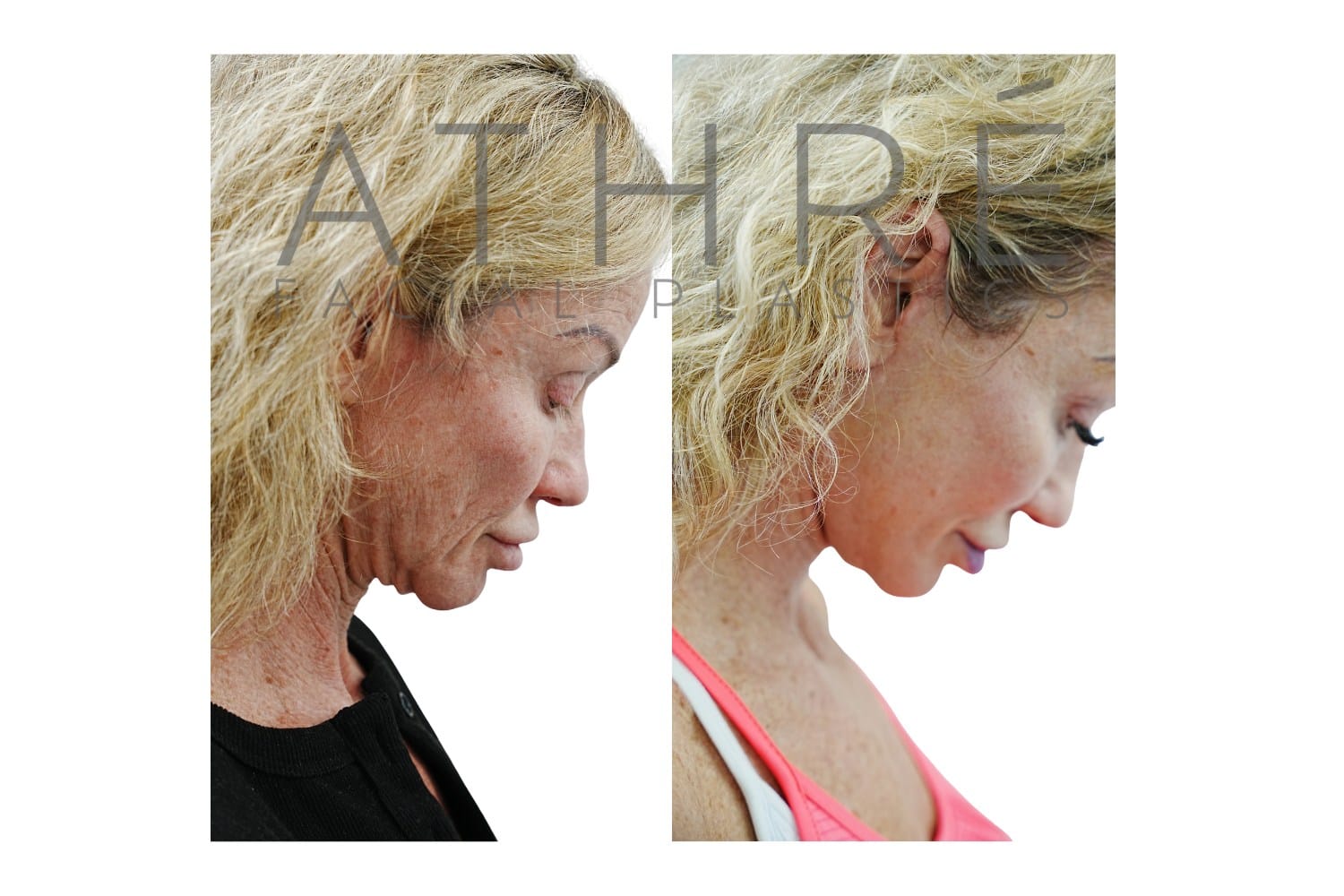
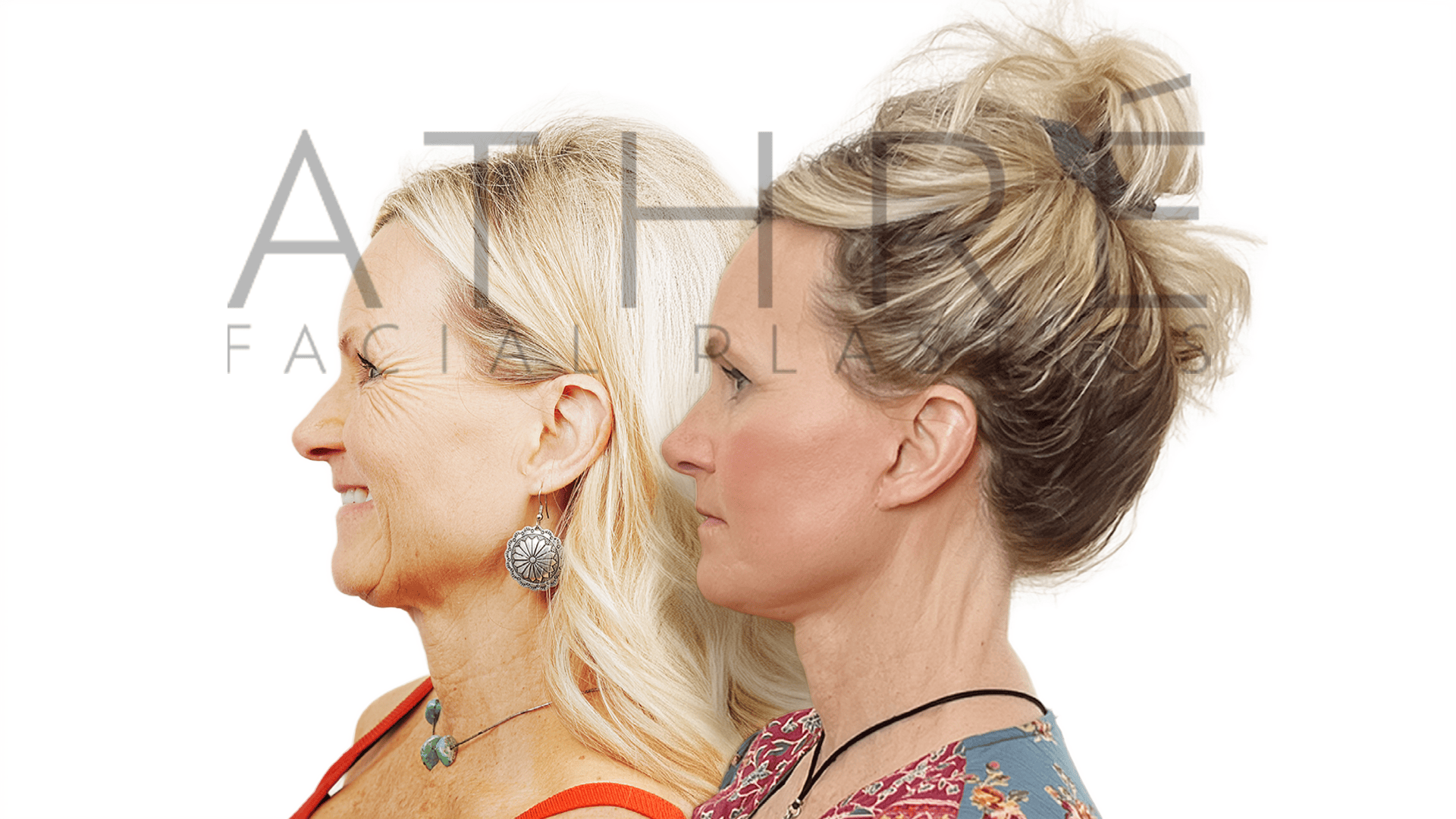
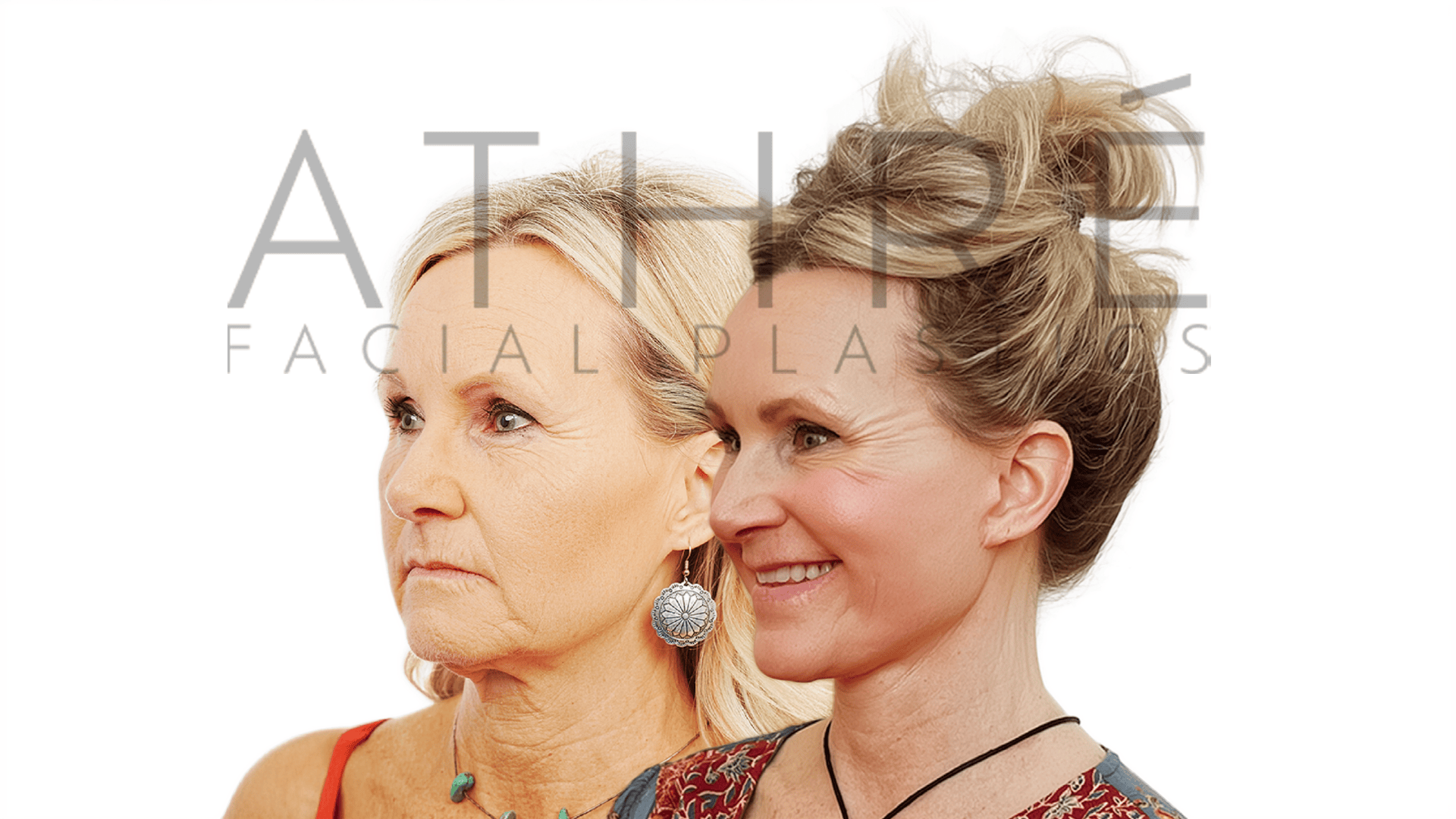
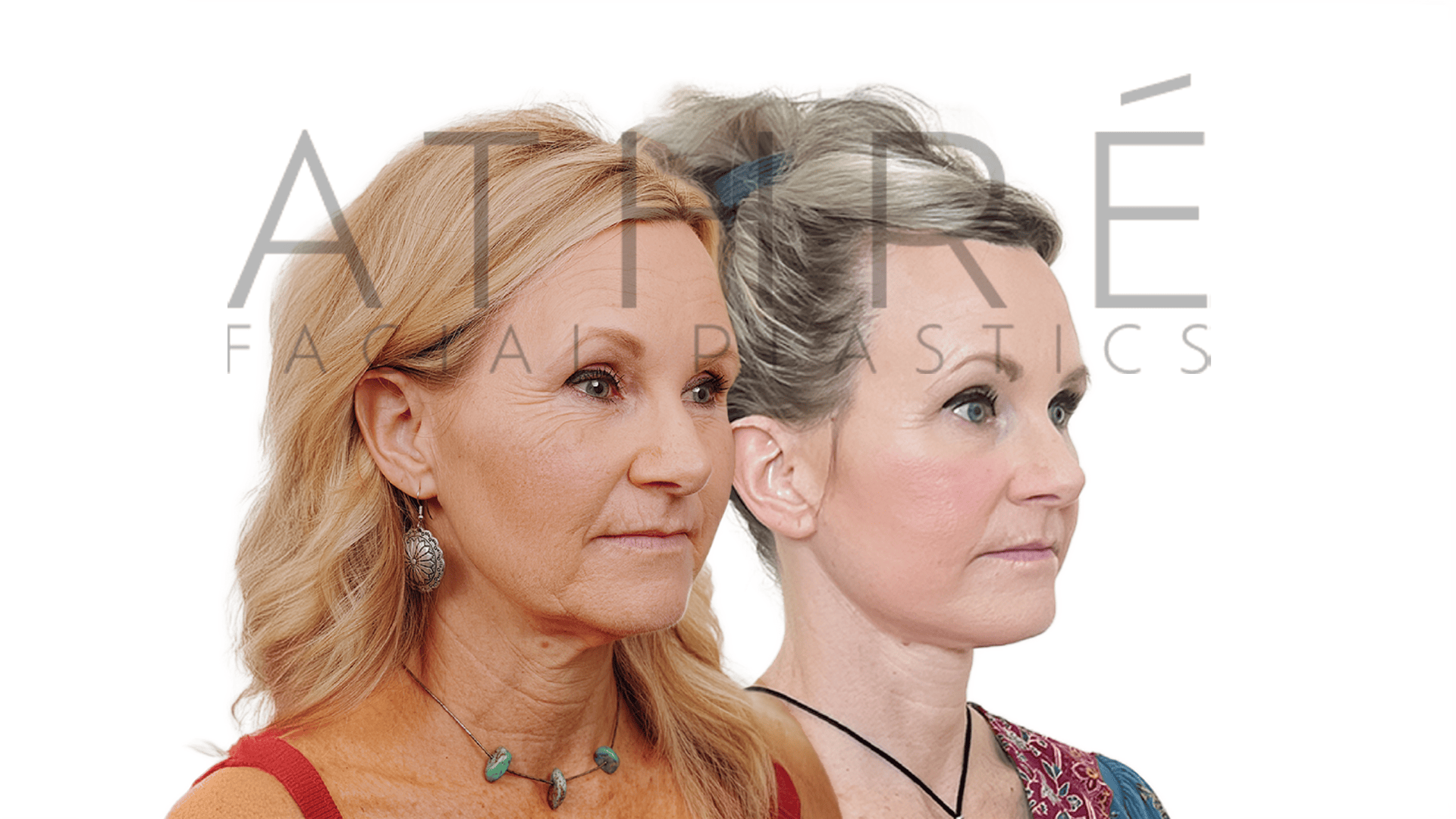
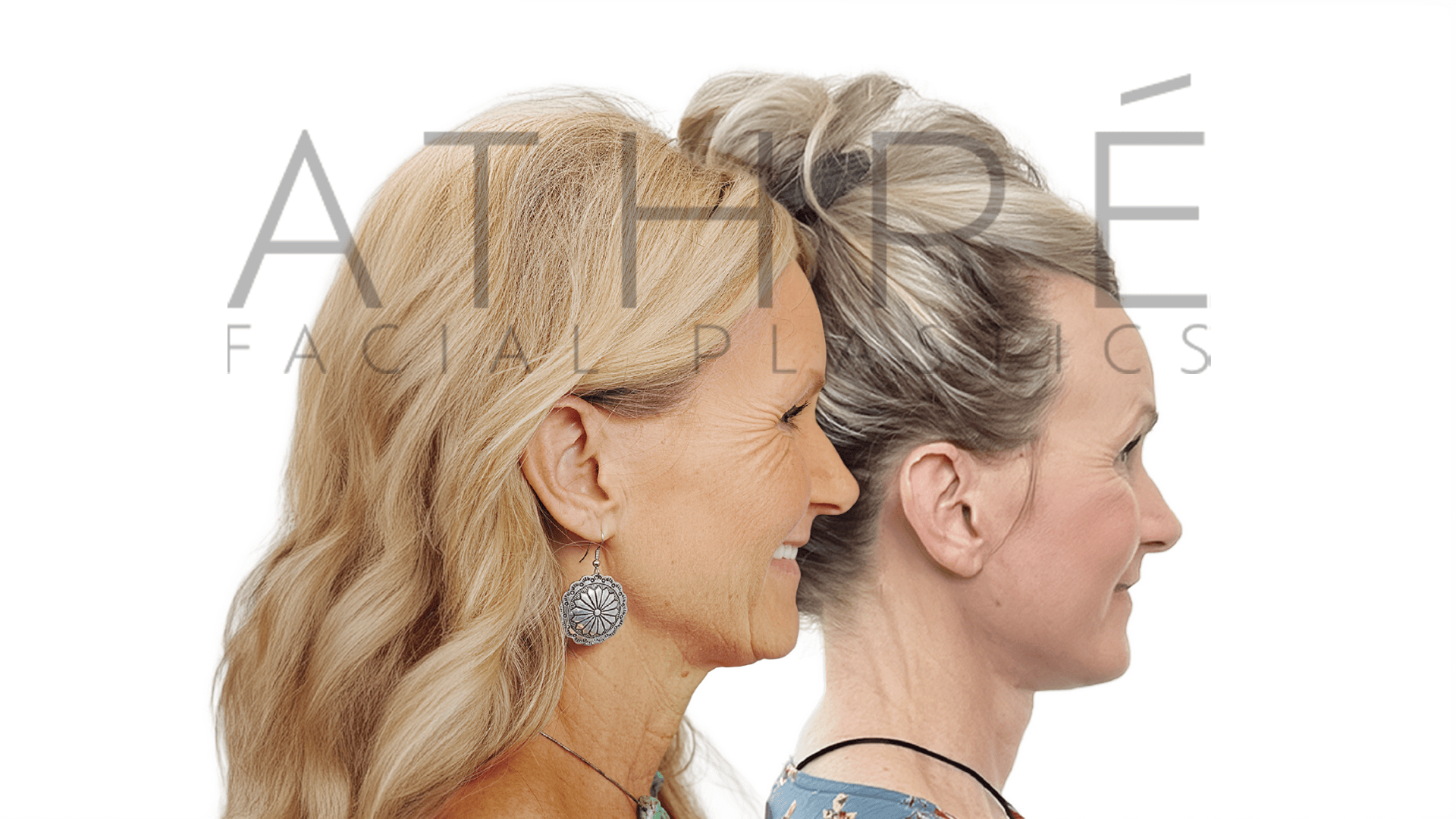
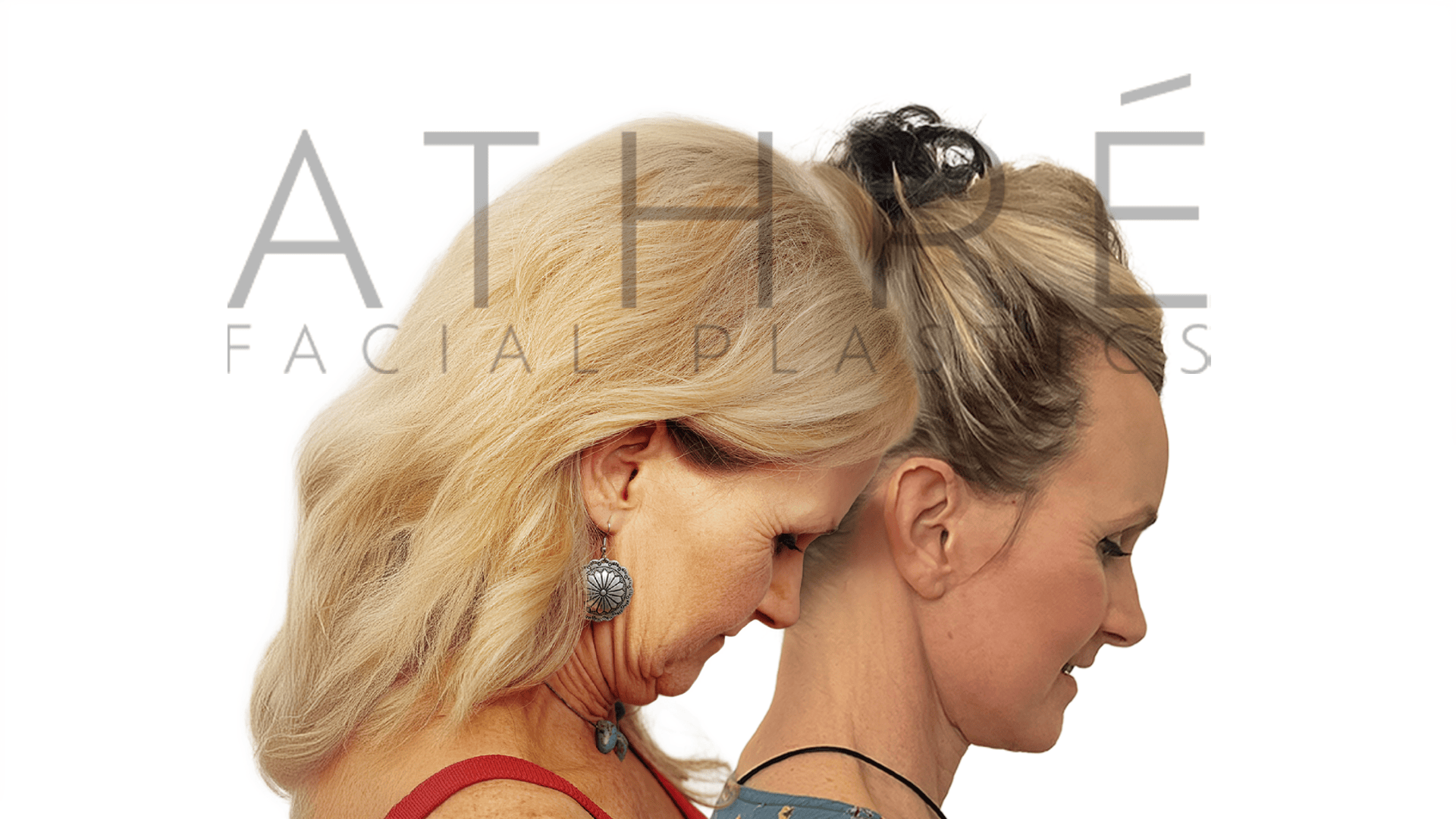
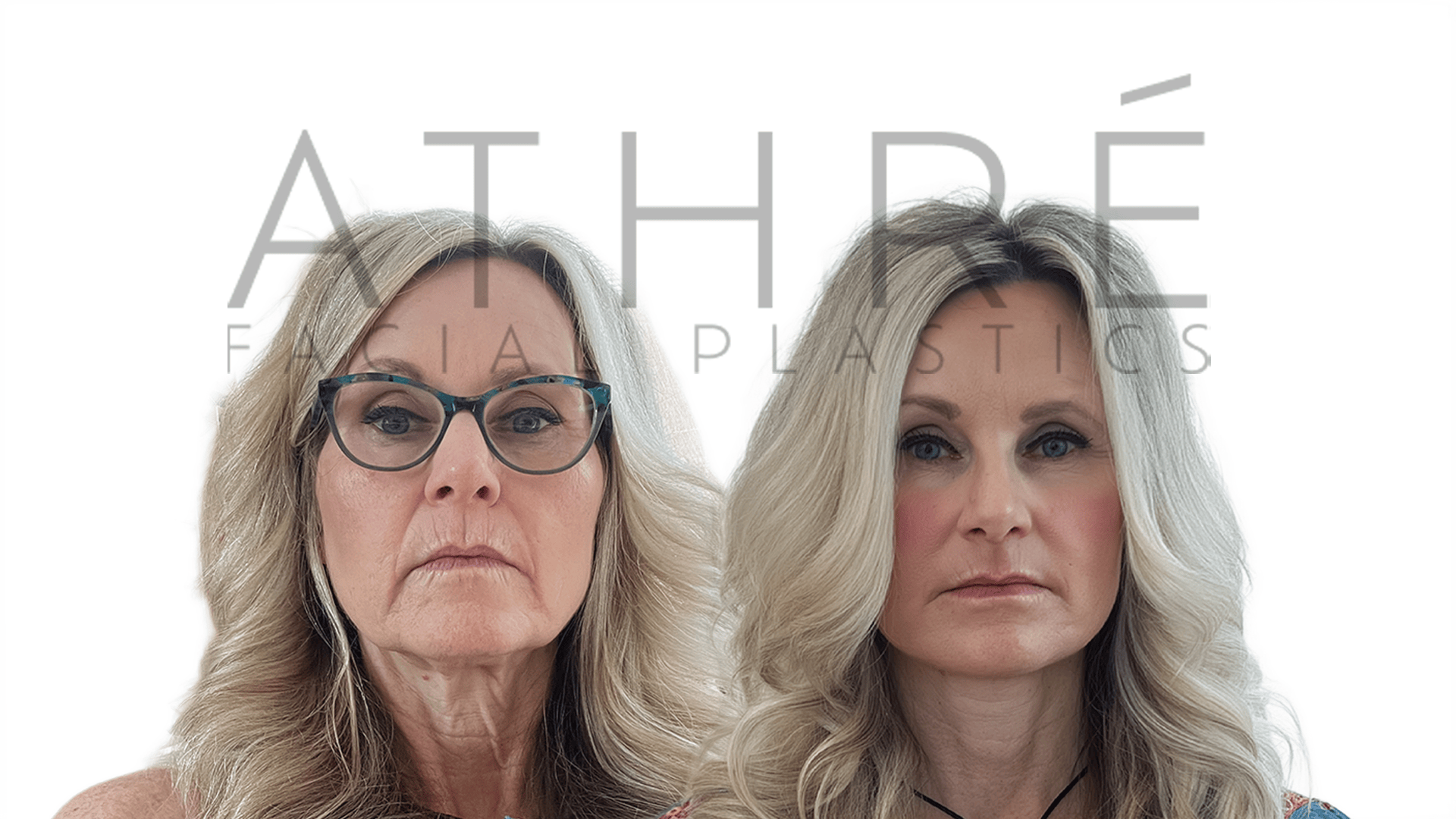
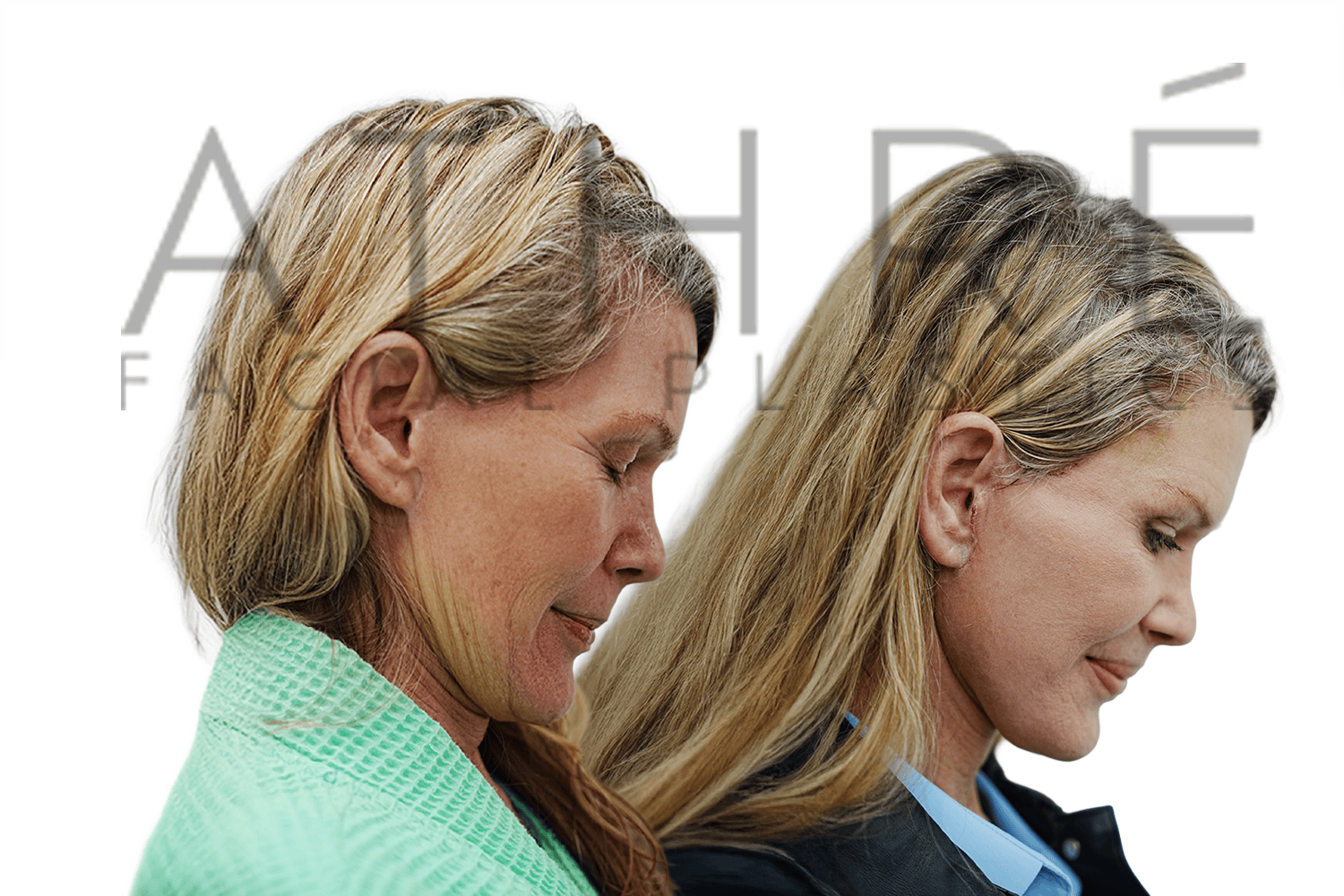
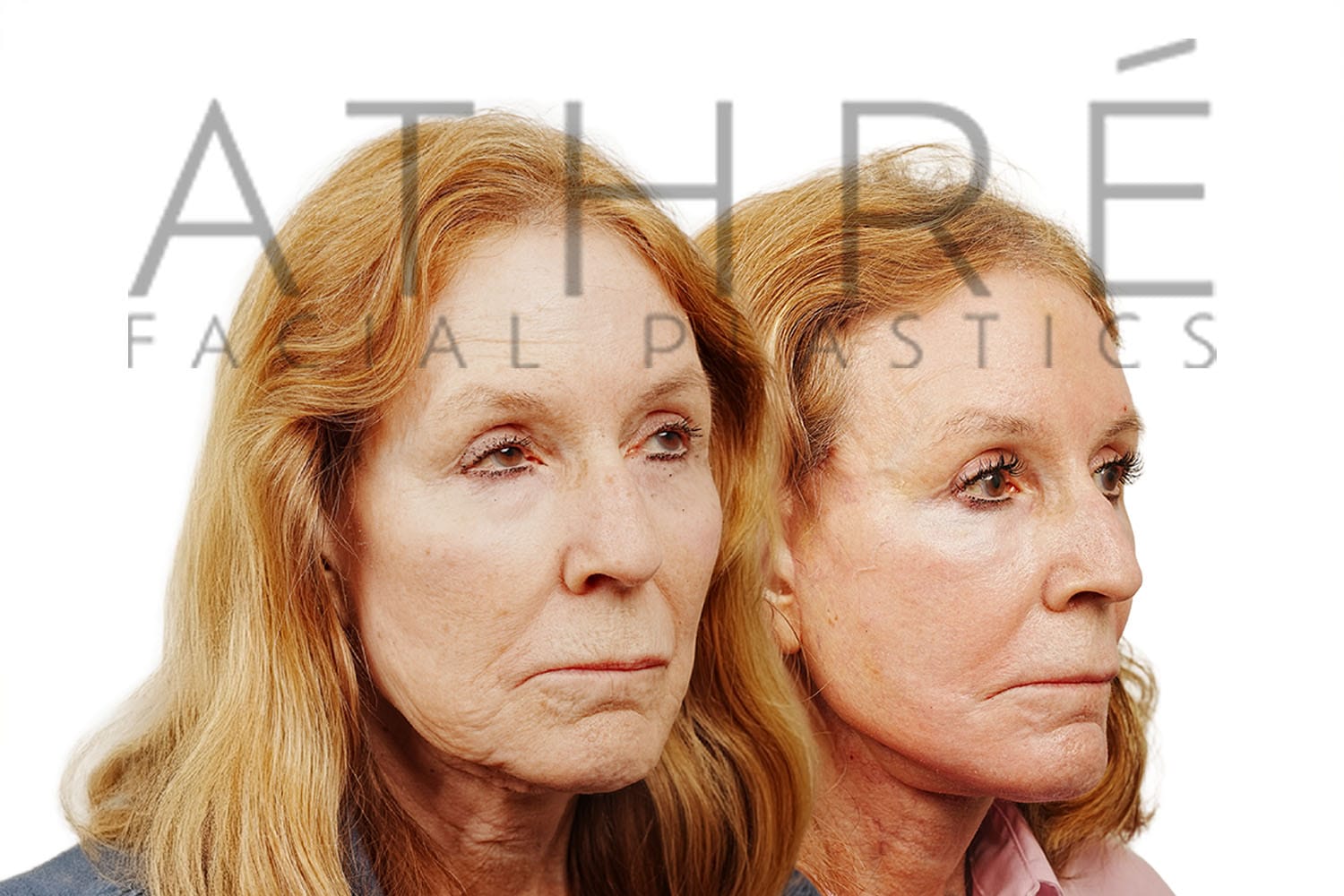
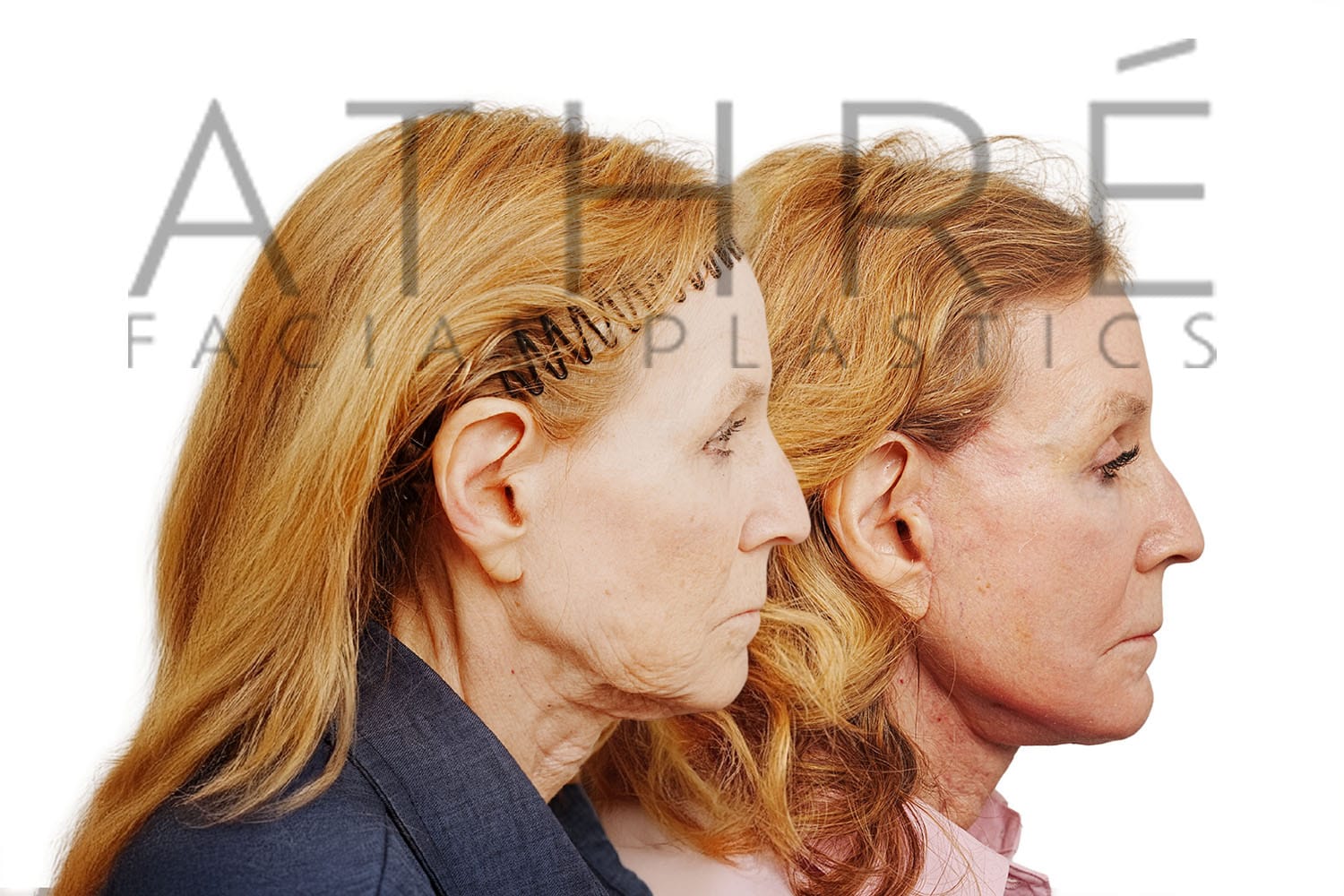
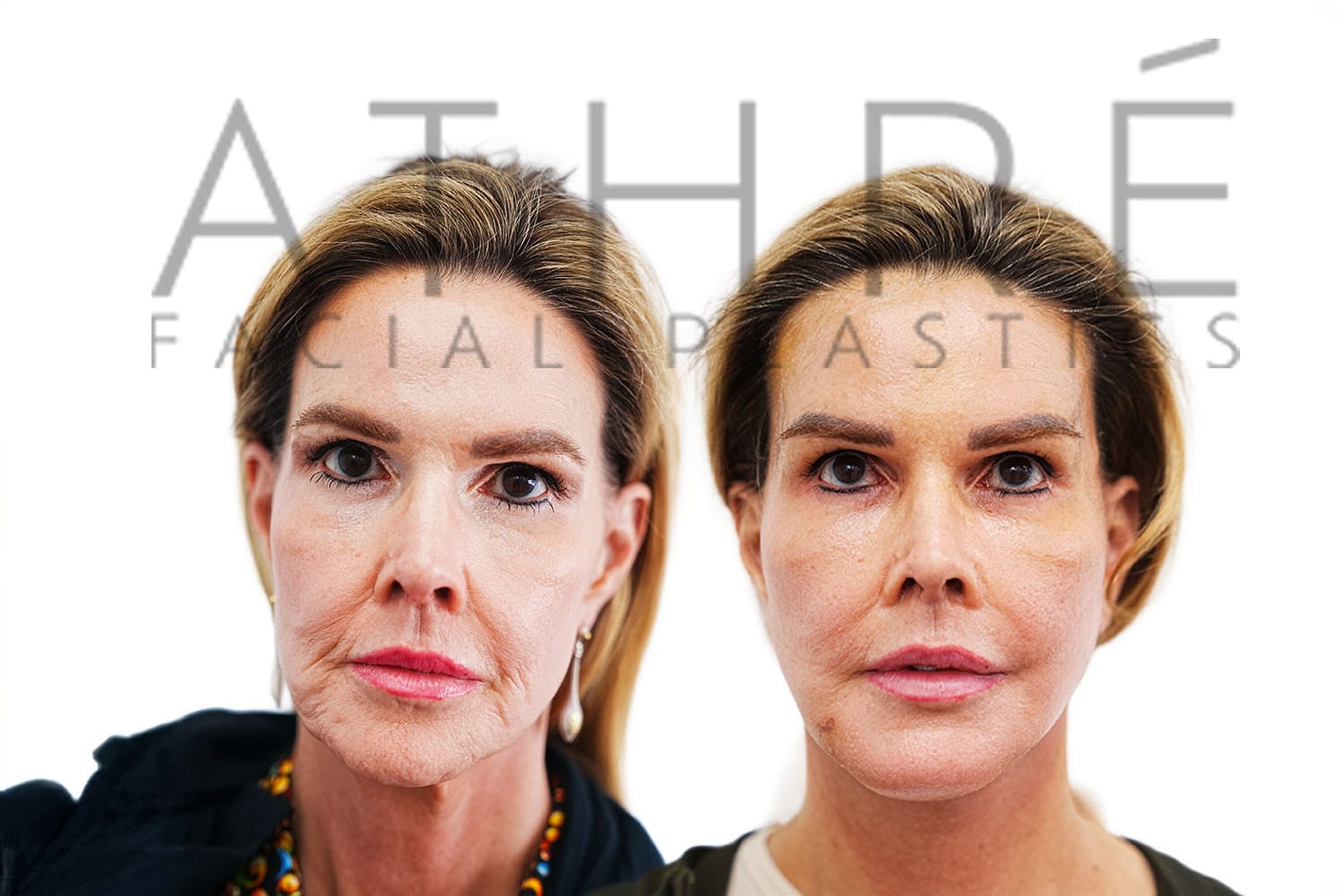
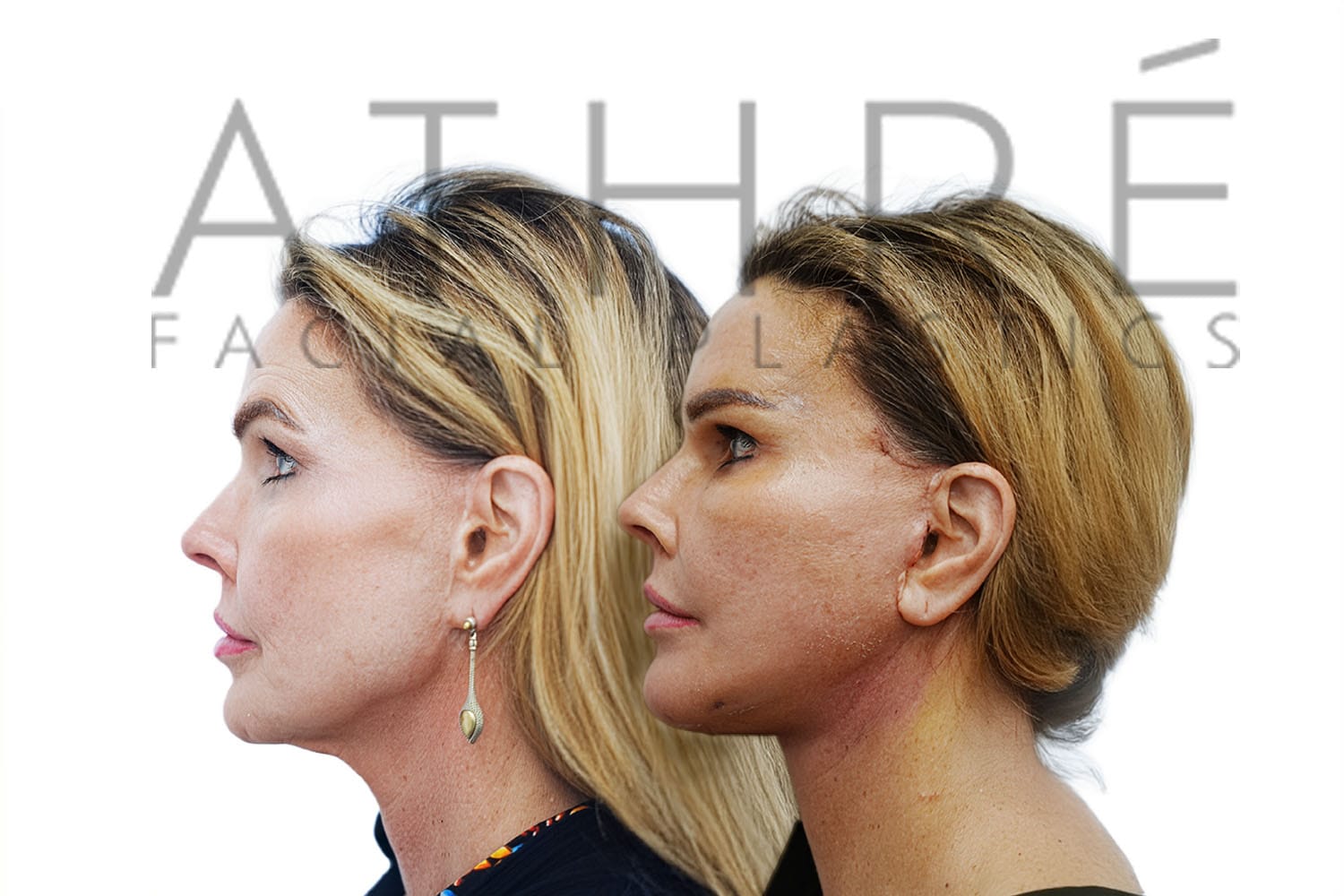
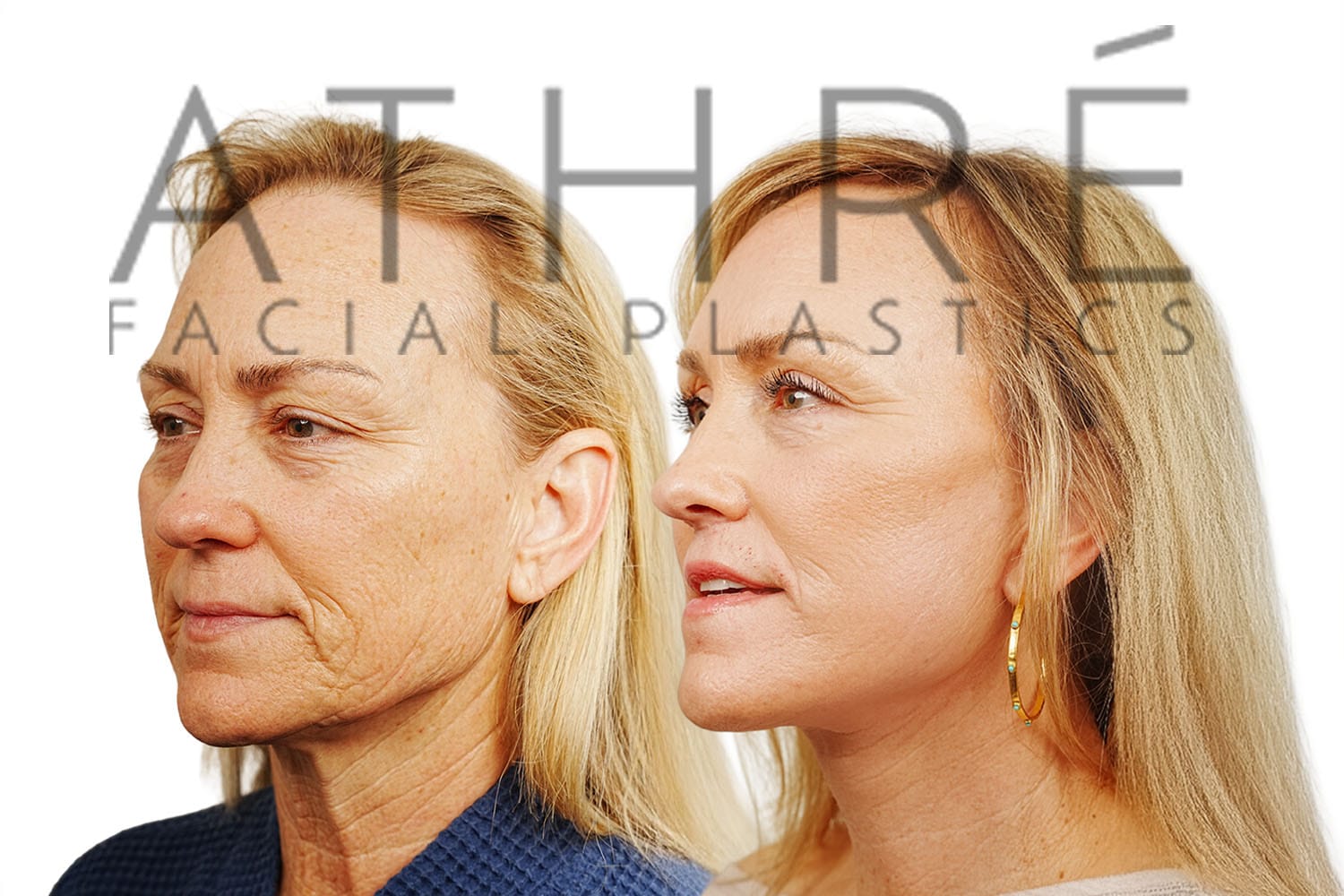
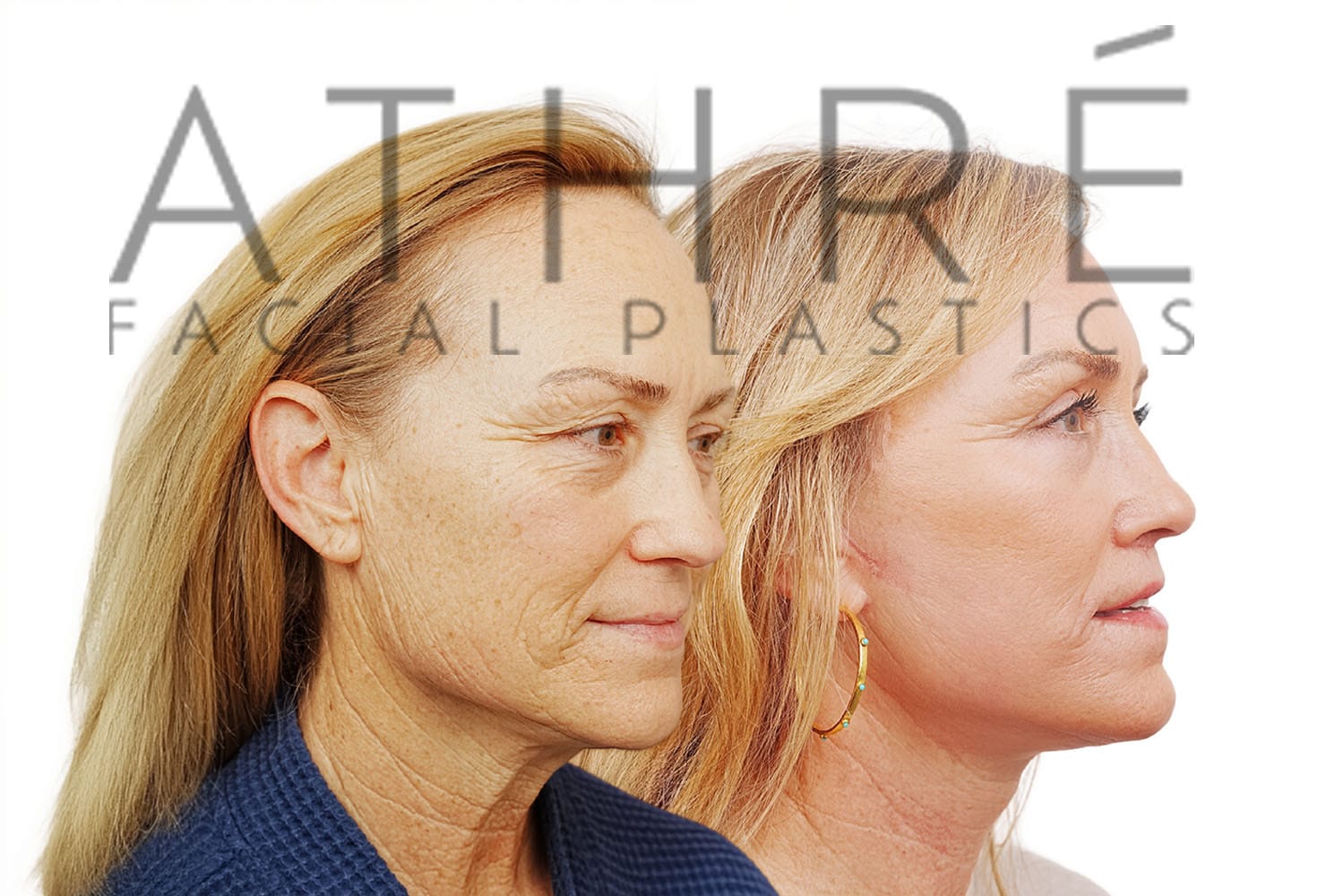
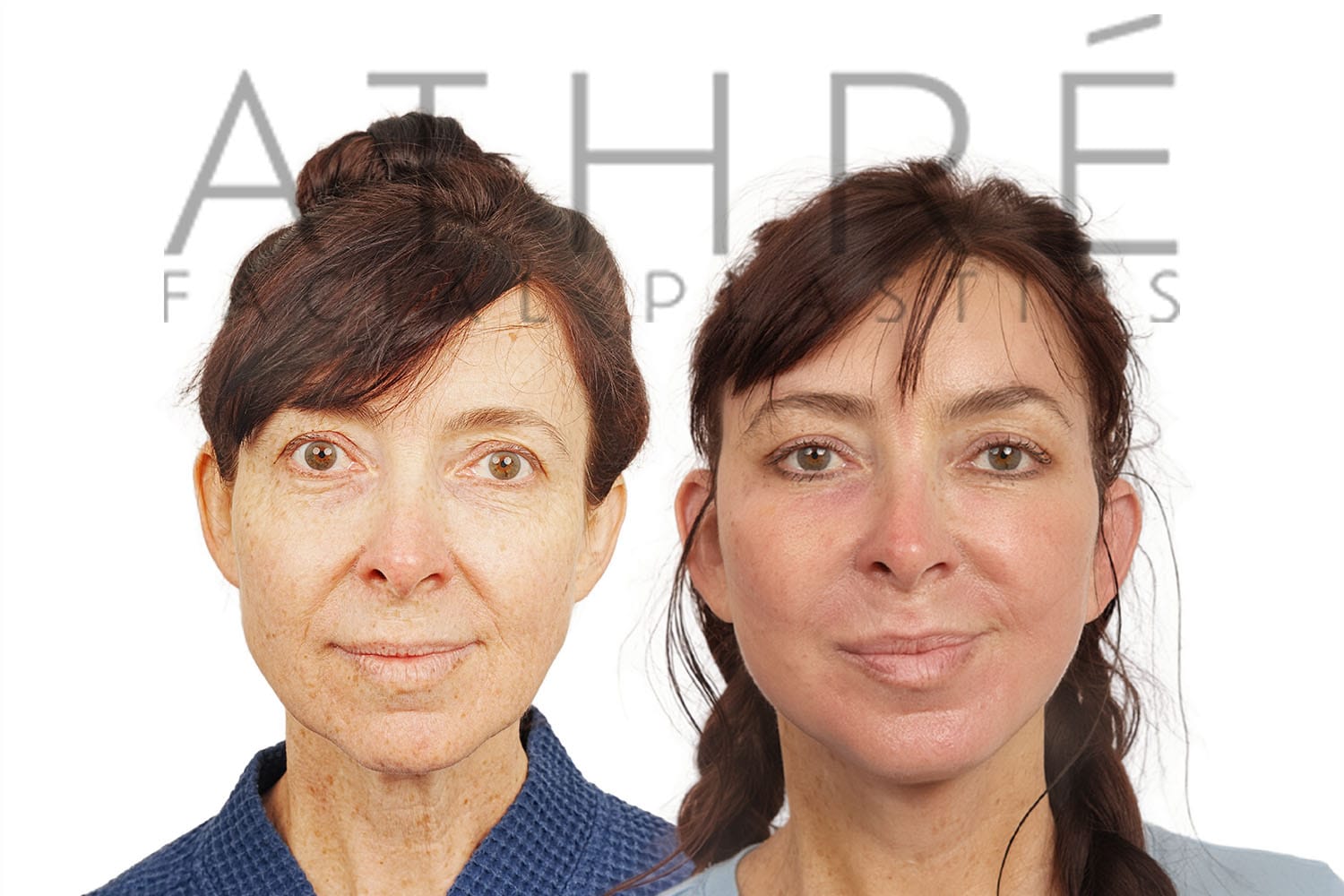
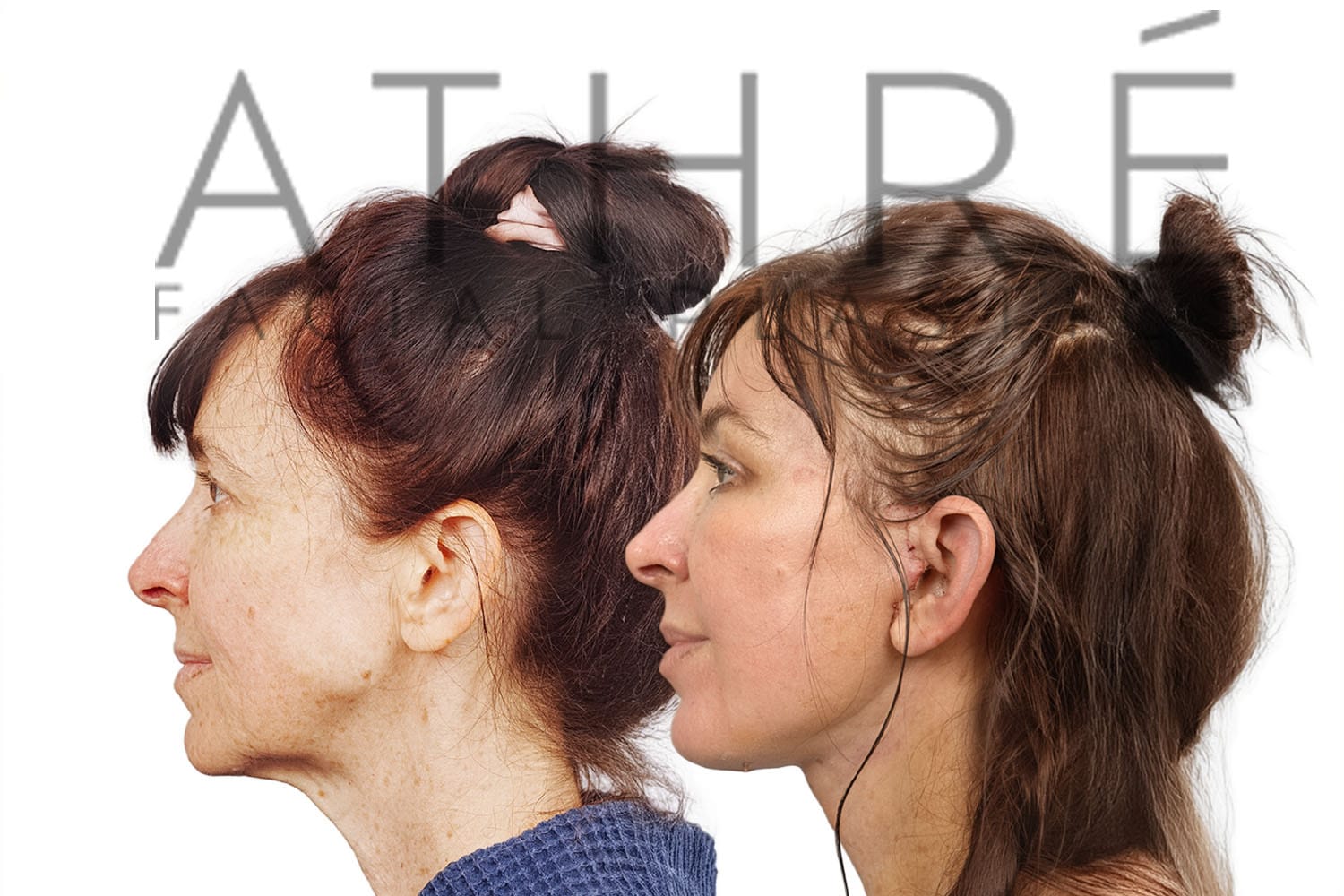
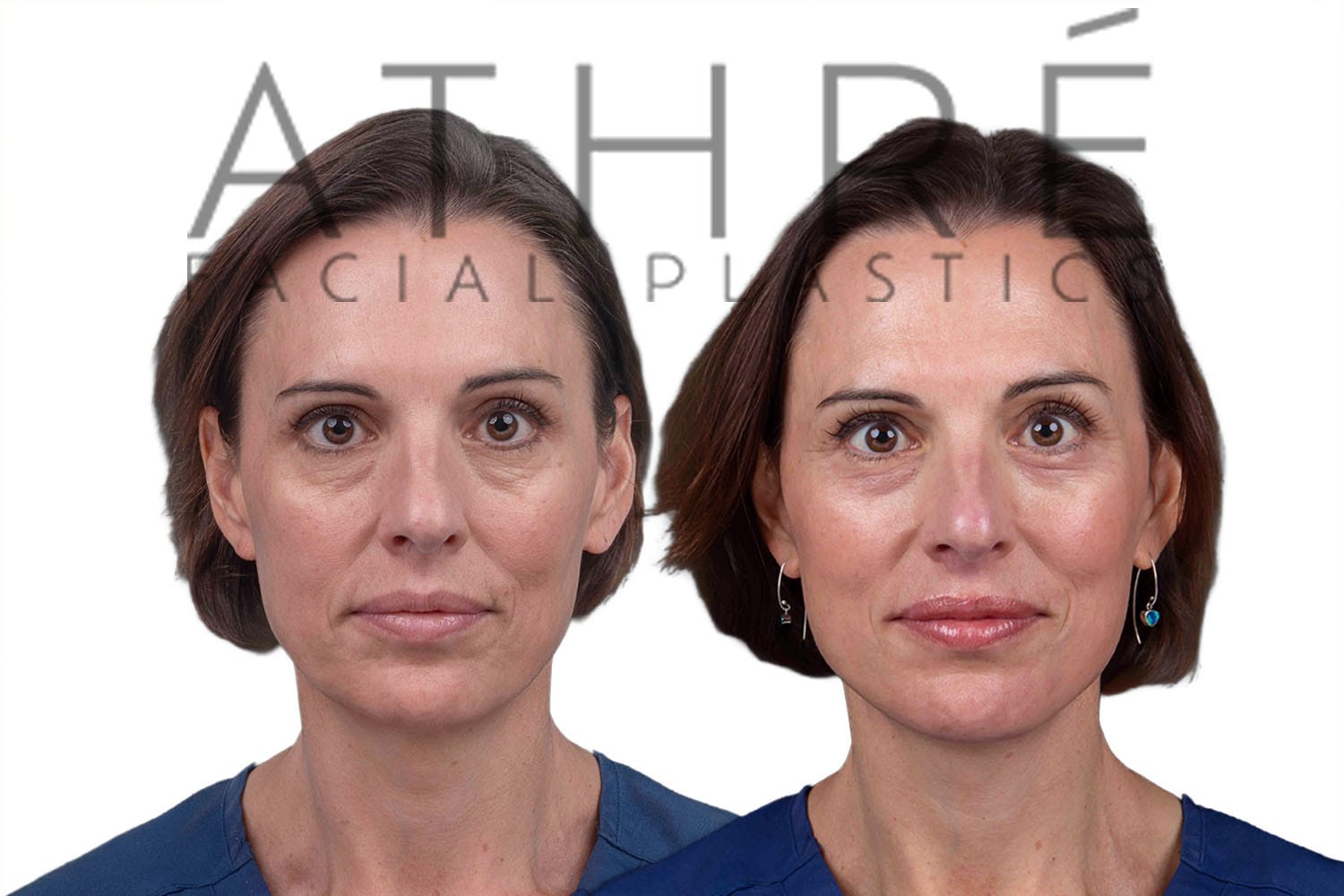
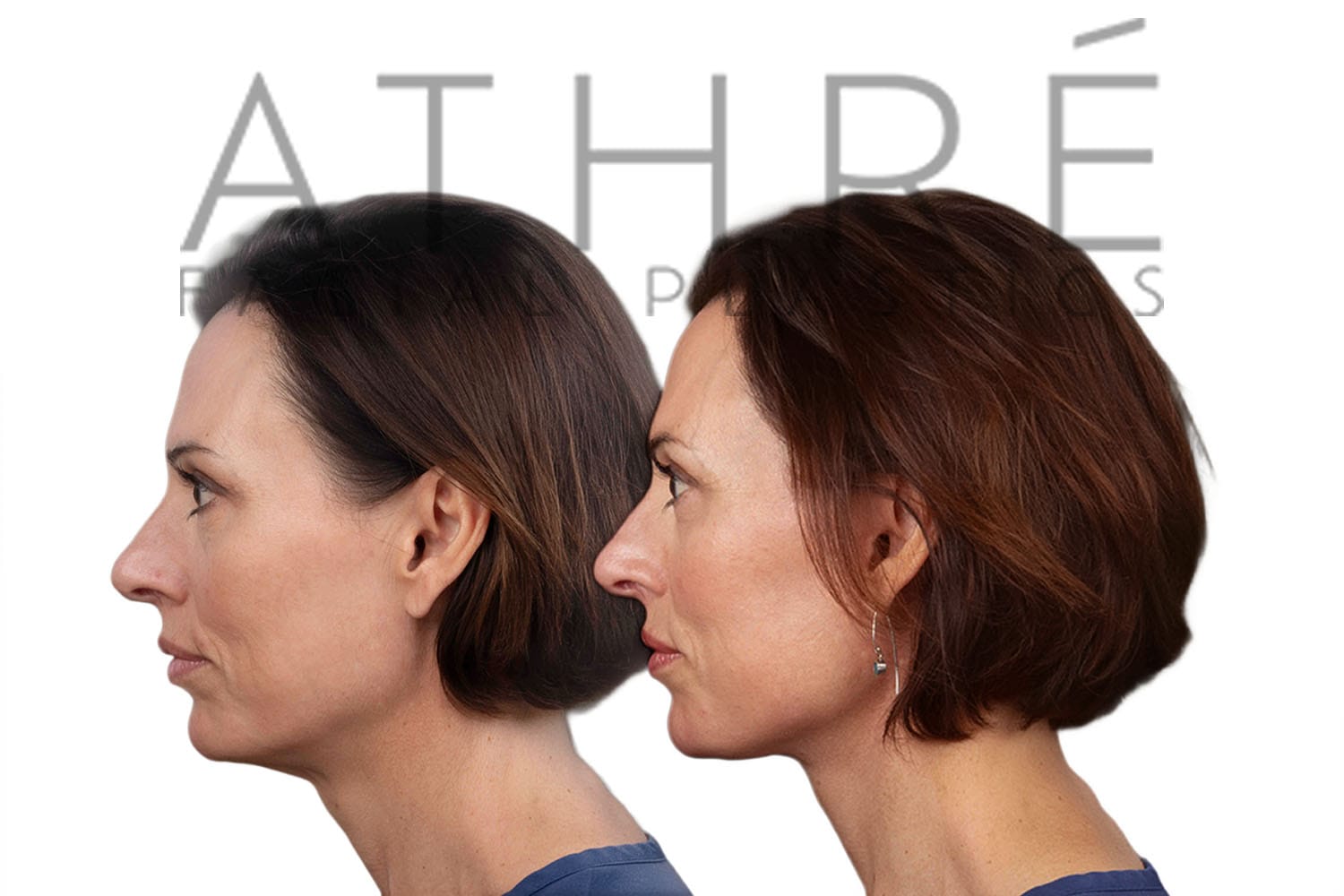
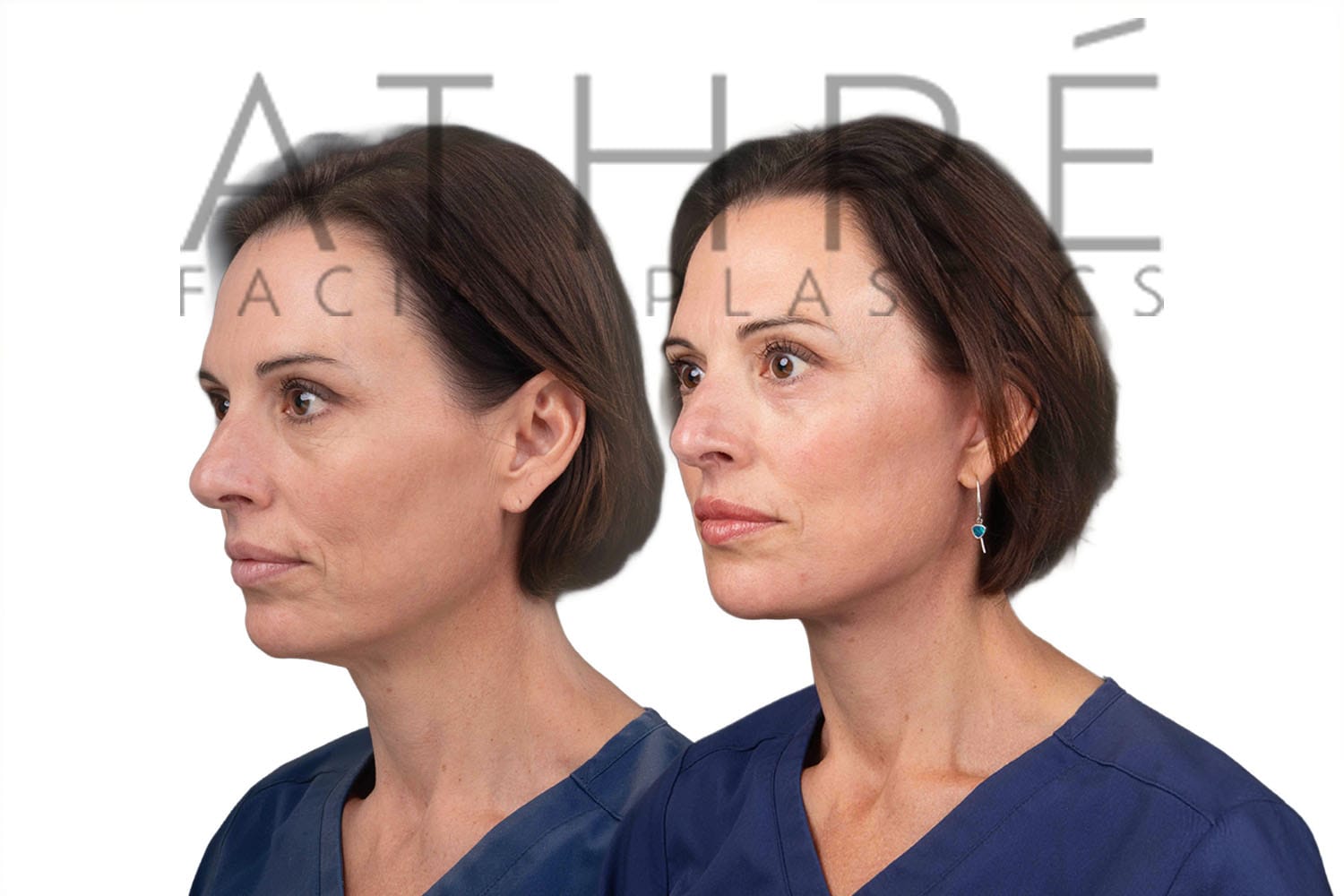
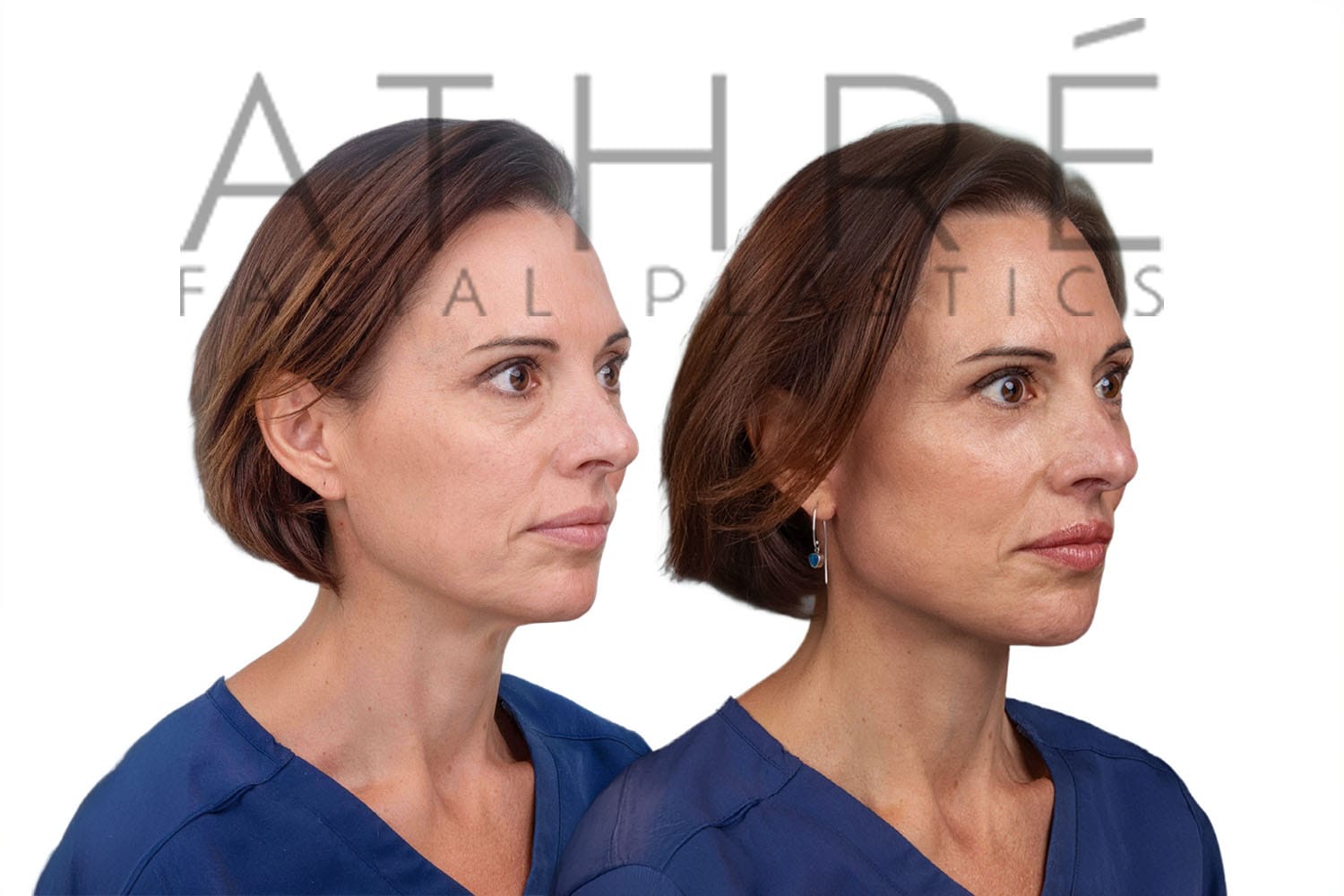
Brow lift before and after photographs can reveal subtle changes that have a significant effect on the appearance of the eyes and upper face.
But the amount of elevation is only part of the story.
What matters to me is how the brow works with the rest of the face.
Restoring Balance Without Changing Expression
The eyebrows help define our expressions, and their natural position varies considerably from person to person. When the outer brow begins to descend, it can create heaviness over the upper eyelids and make the eyes appear tired. Correcting that descent can bring back a more open appearance without dramatically changing the face.
I pay particular attention to the brow's shape, its relationship to the upper eyelid and how the forehead moves during expression. Raising every brow to the same height would ignore the anatomy that makes each face unique.
My goal is a result that feels effortless. The eyes appear brighter, the upper face looks less heavy, and the eyebrows remain natural to the person.
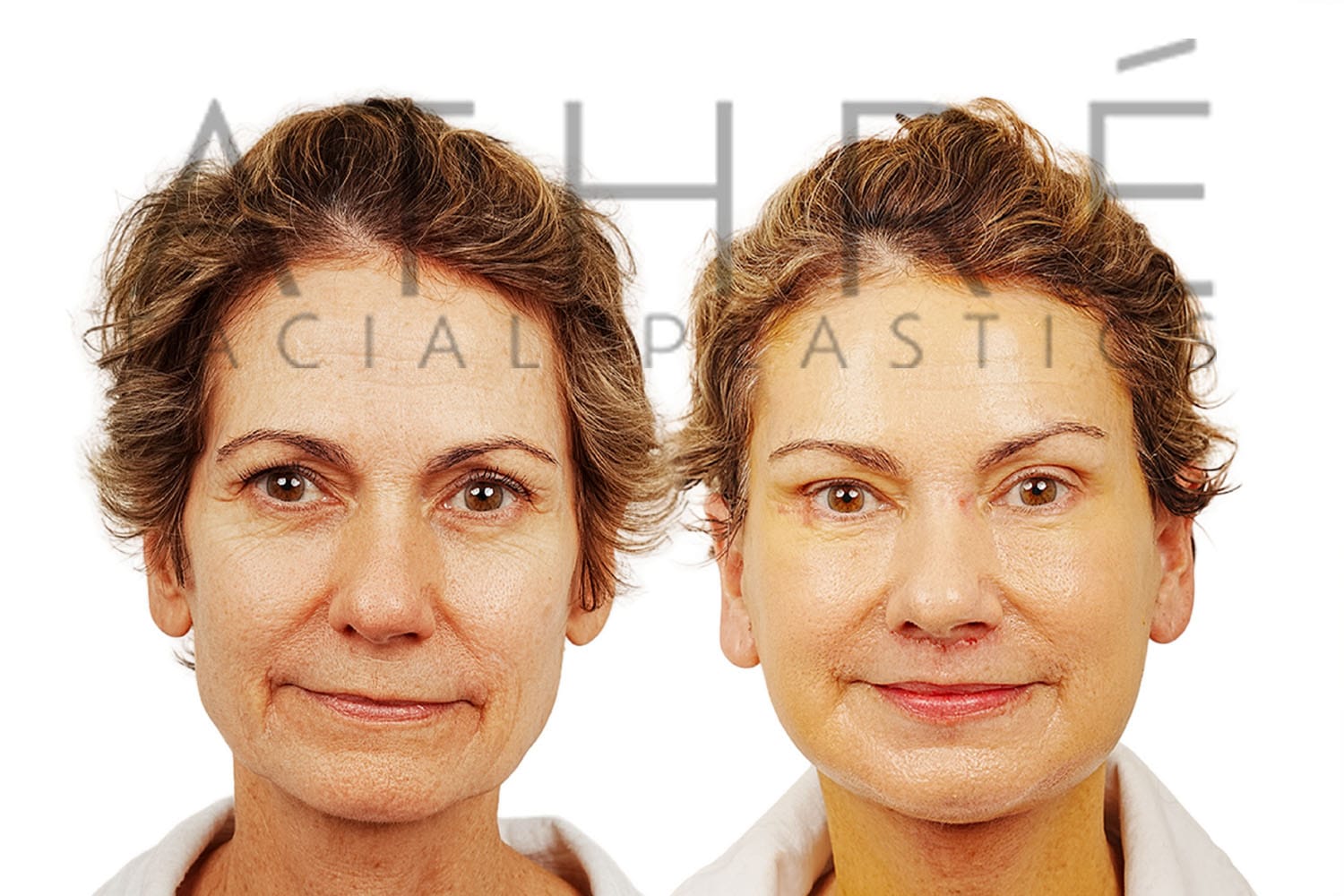
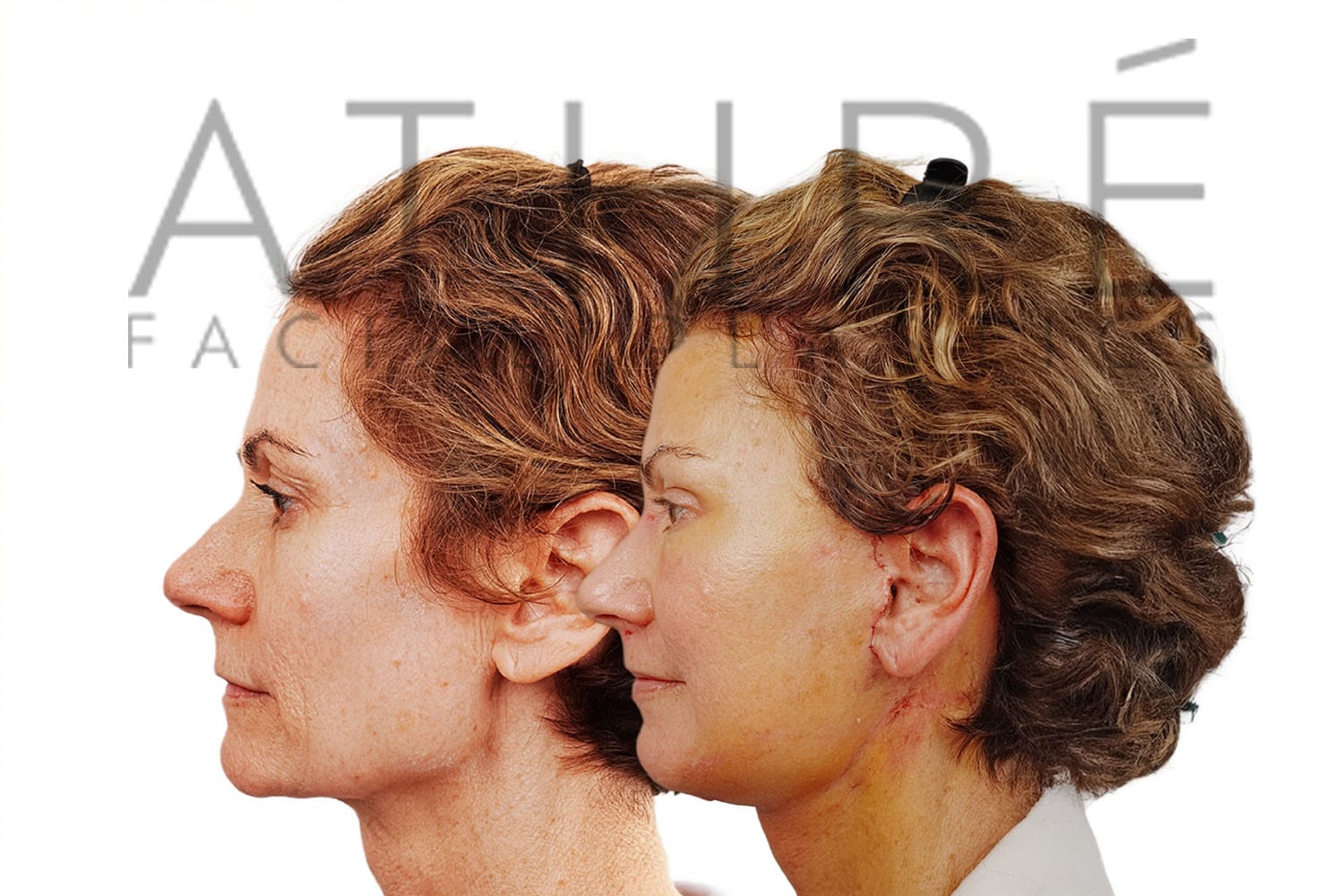
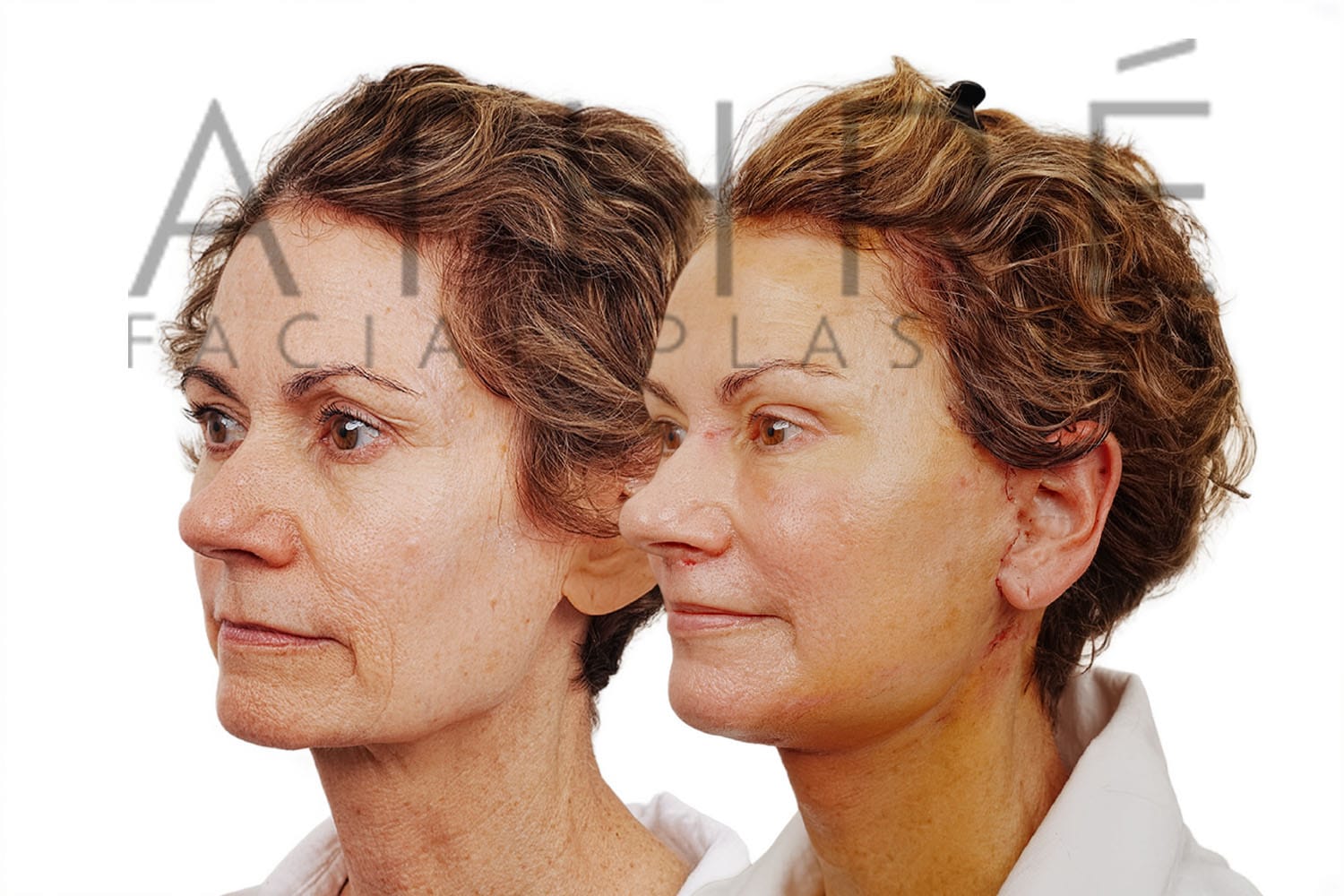
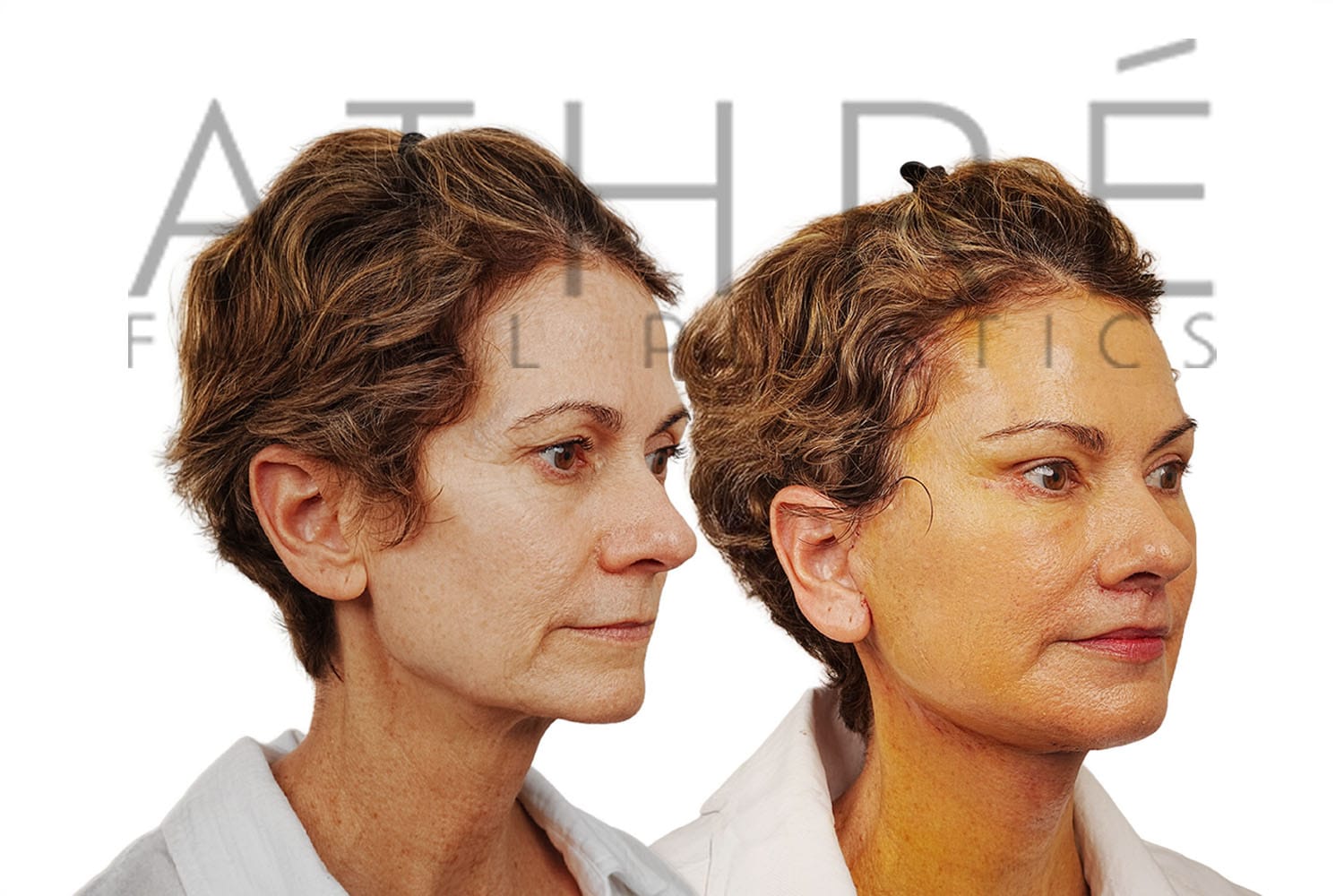
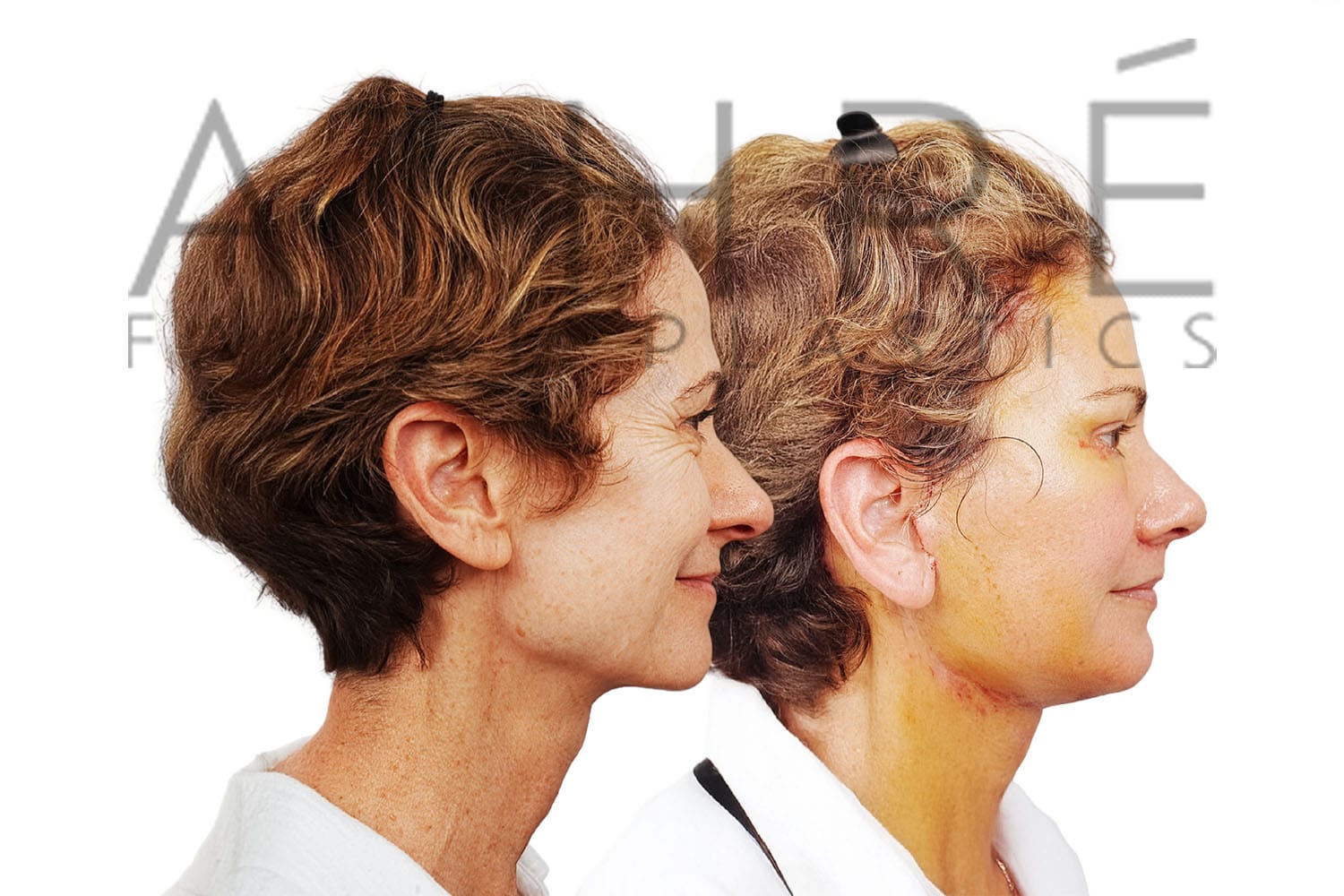
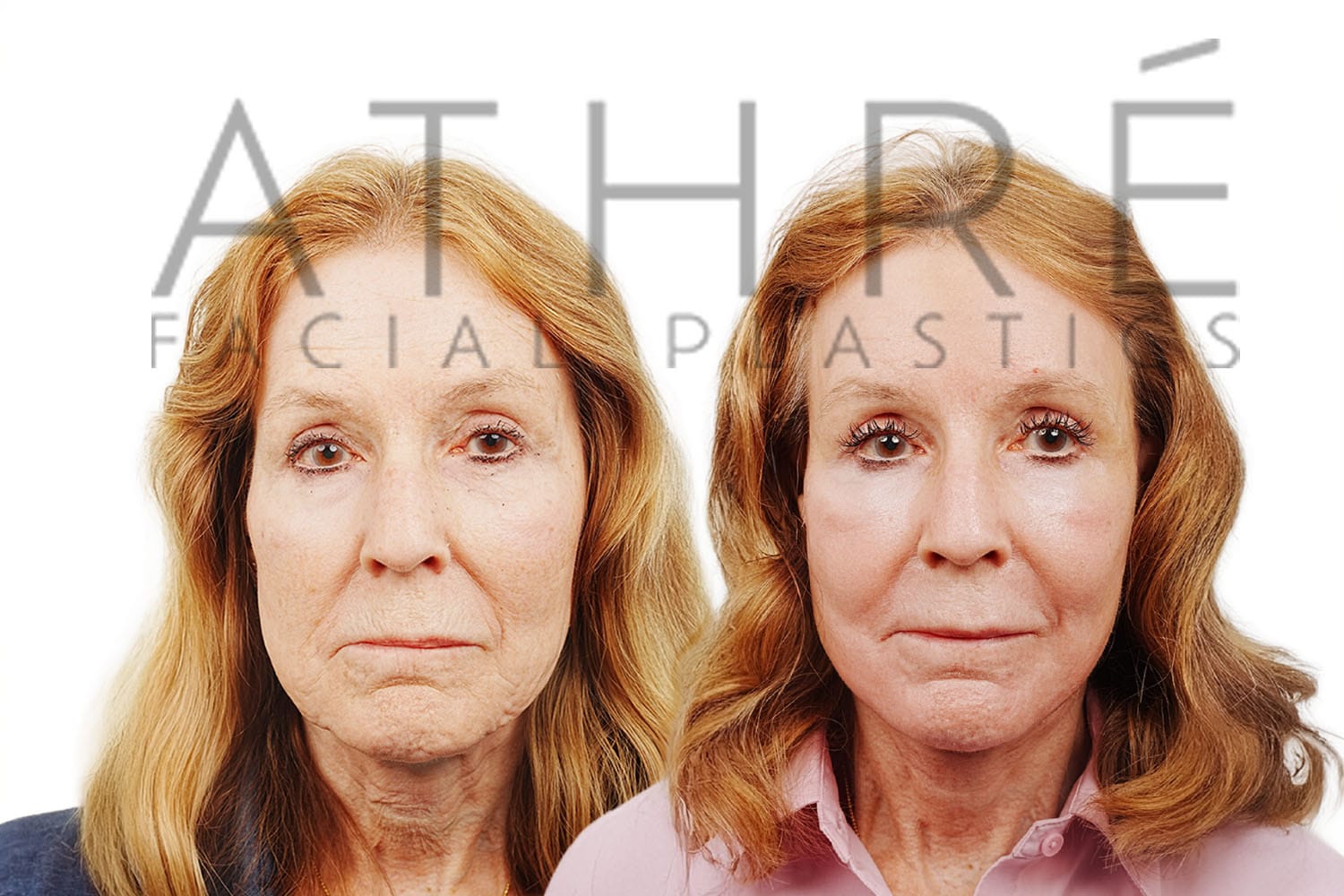
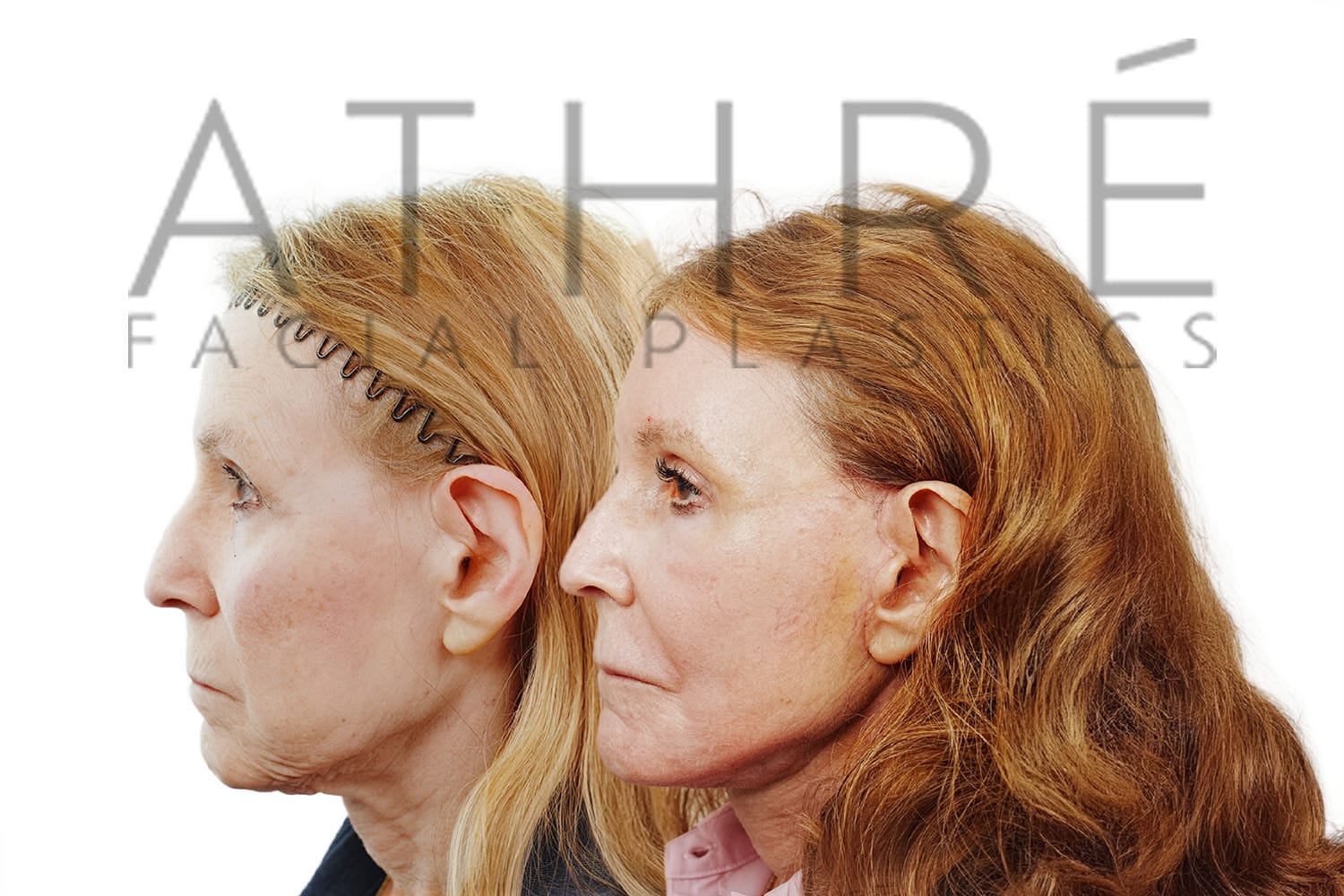
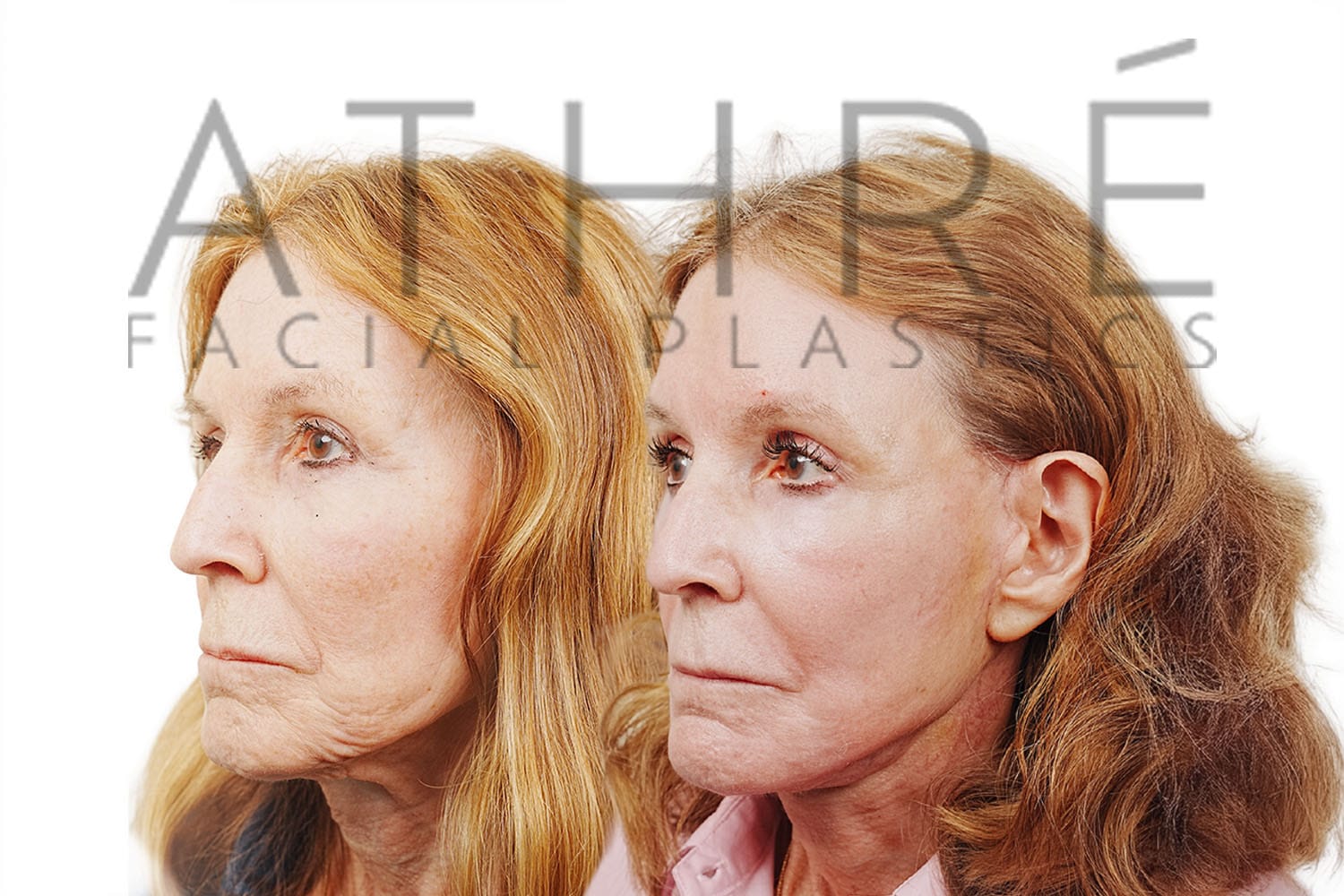
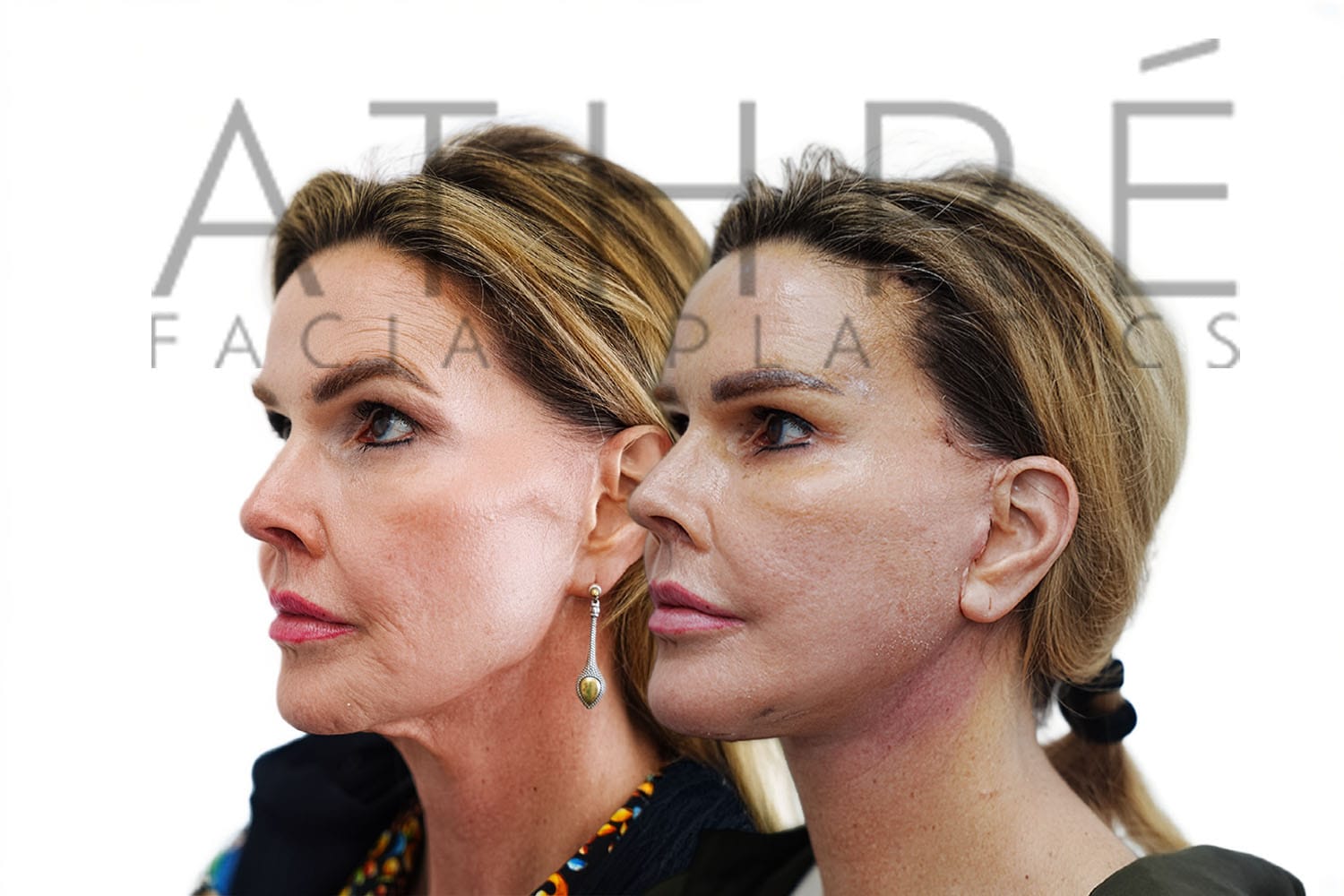
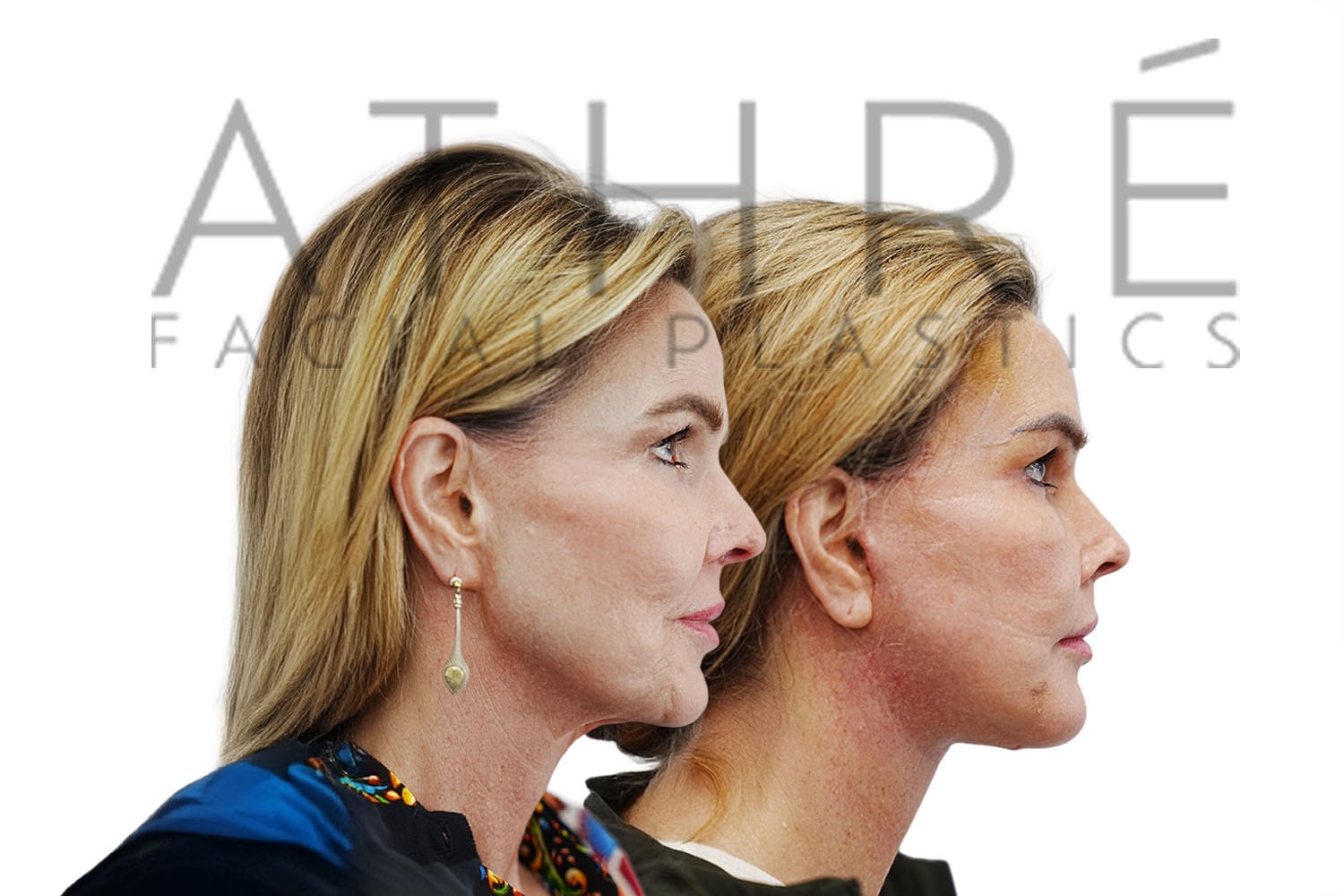
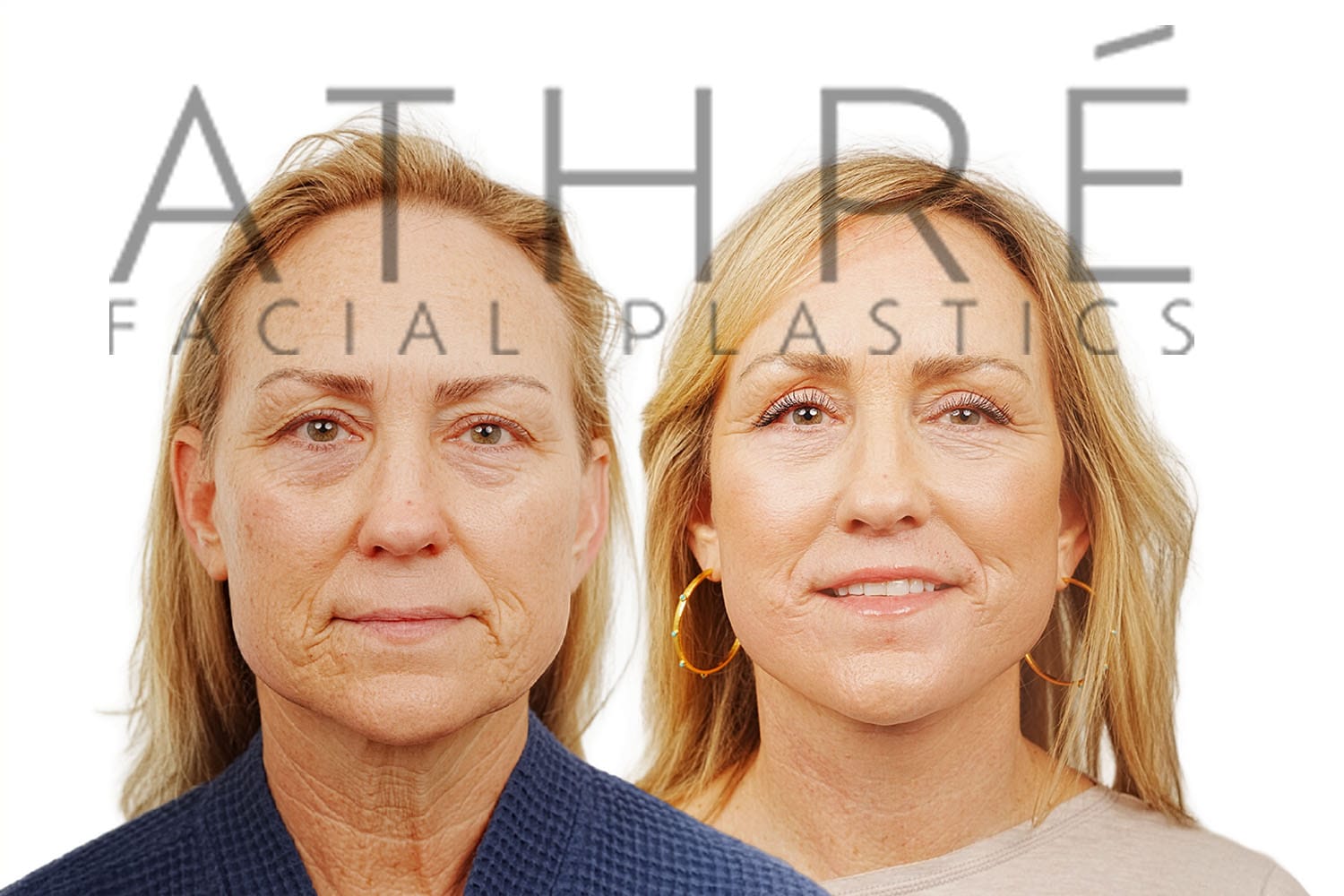
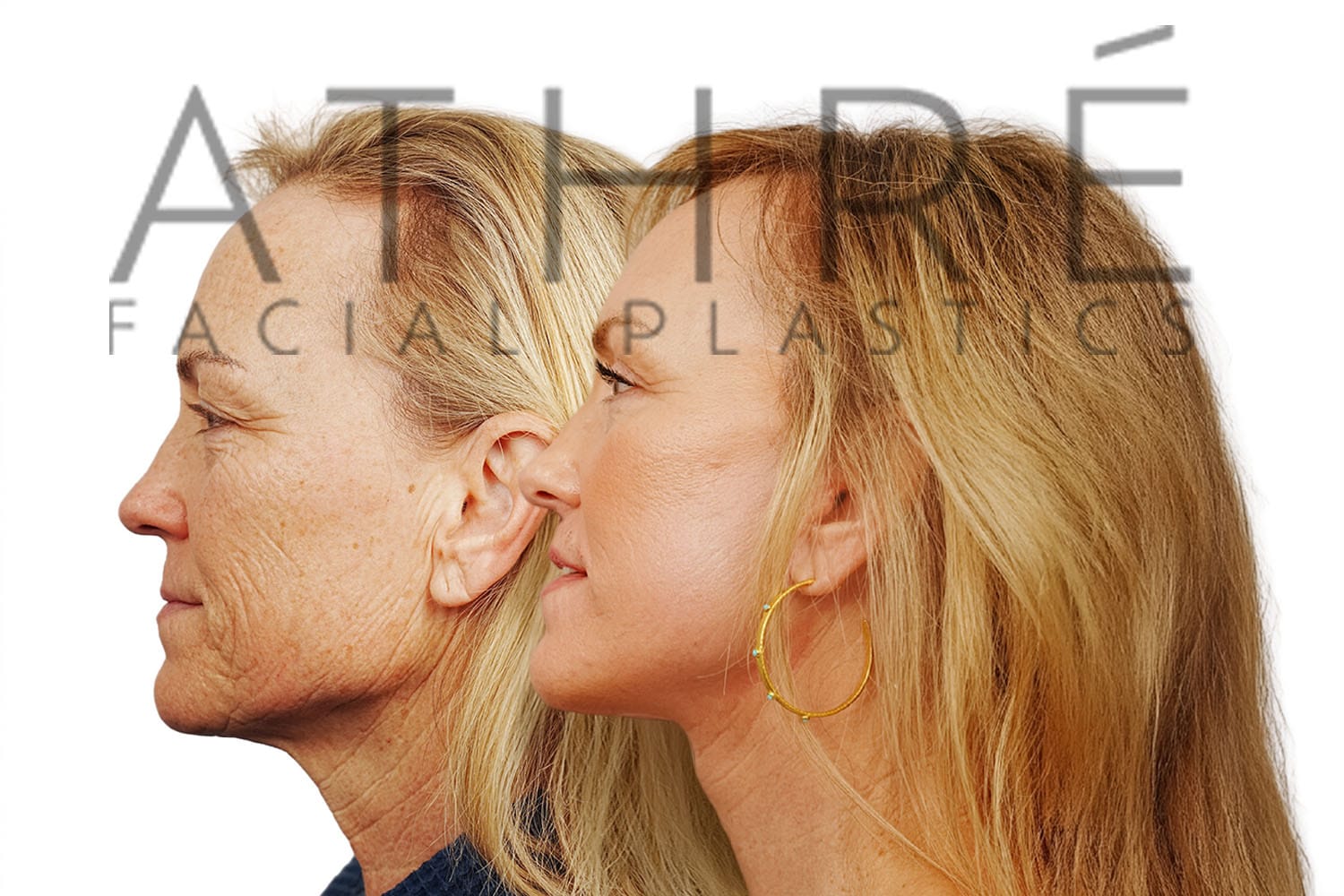

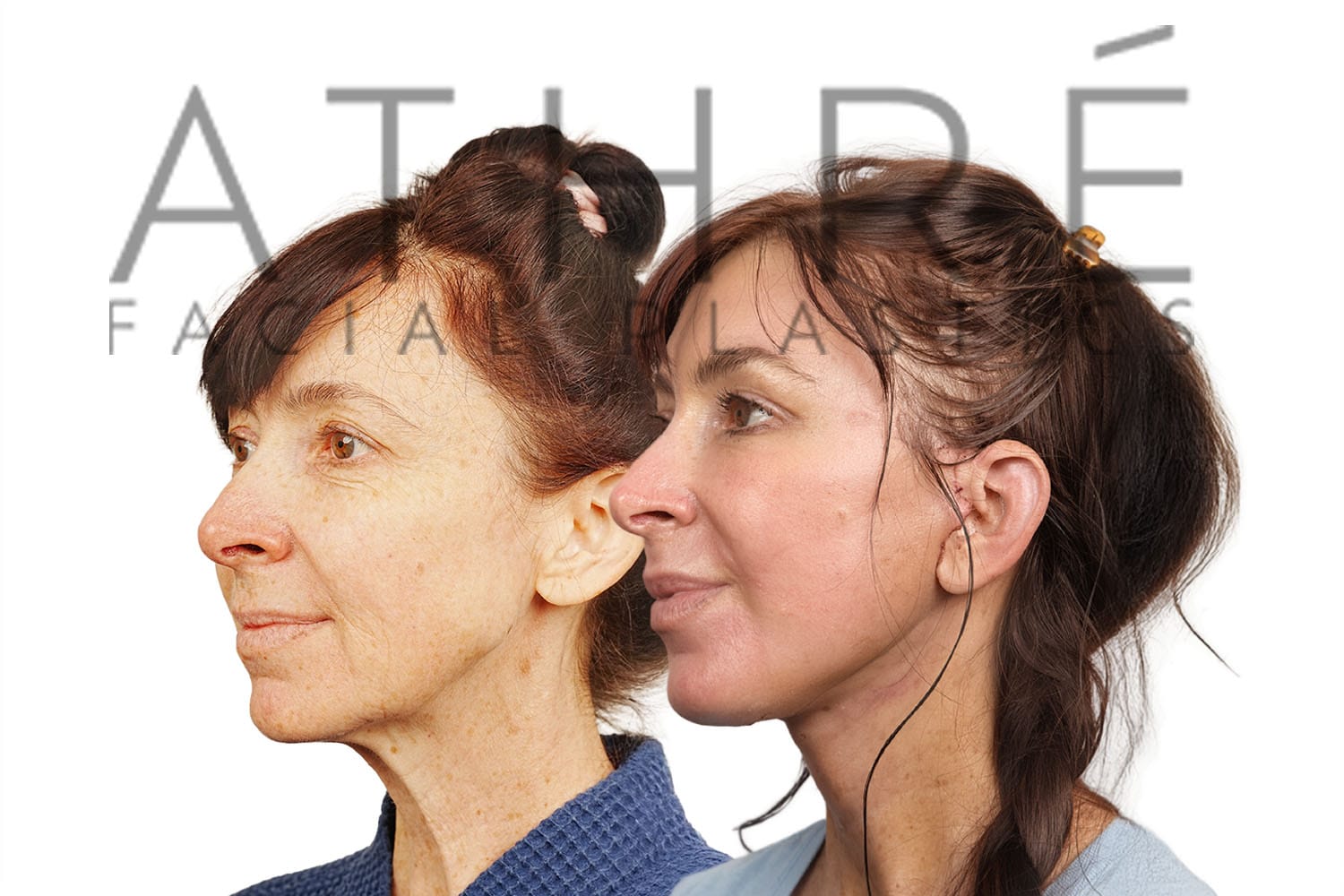
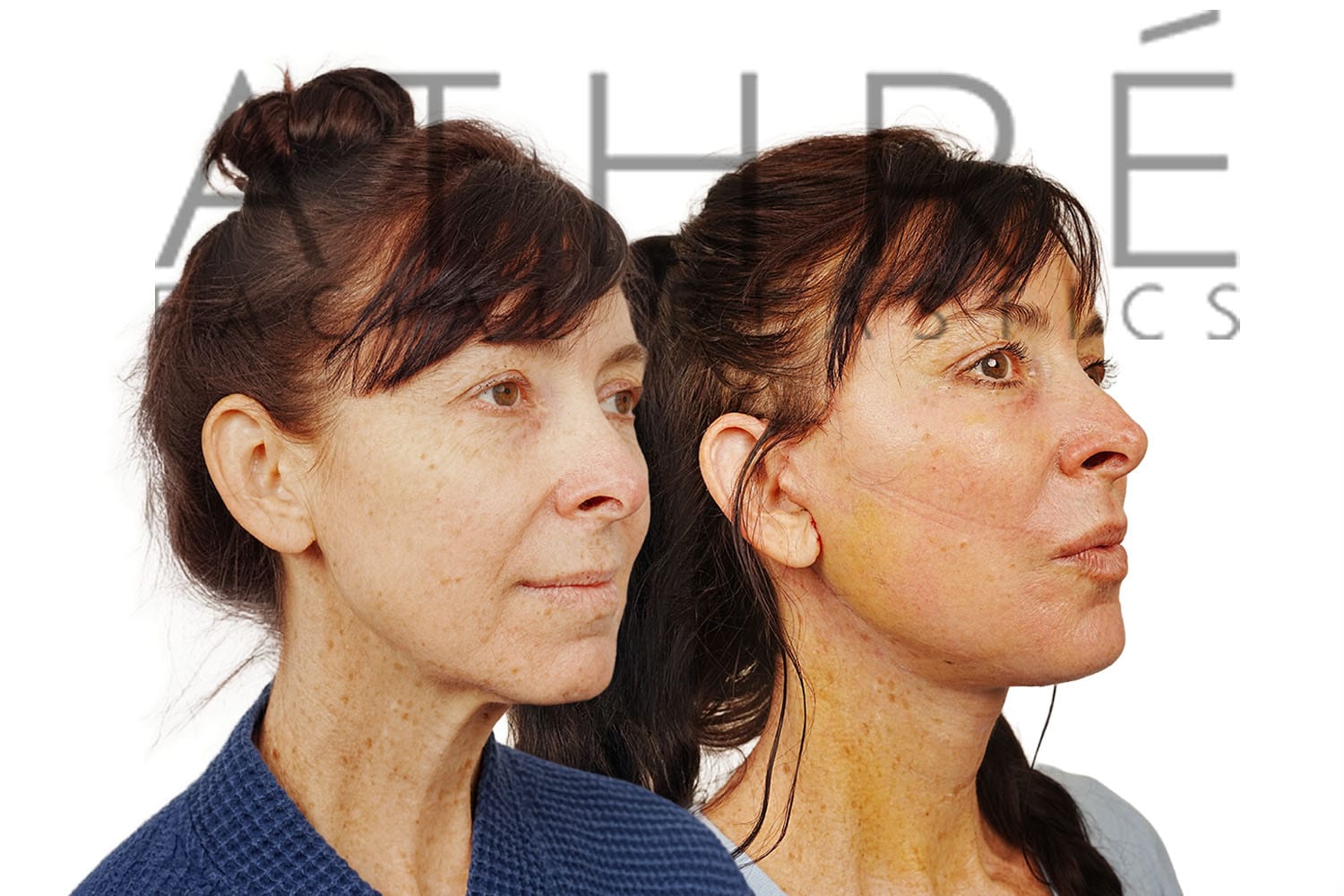
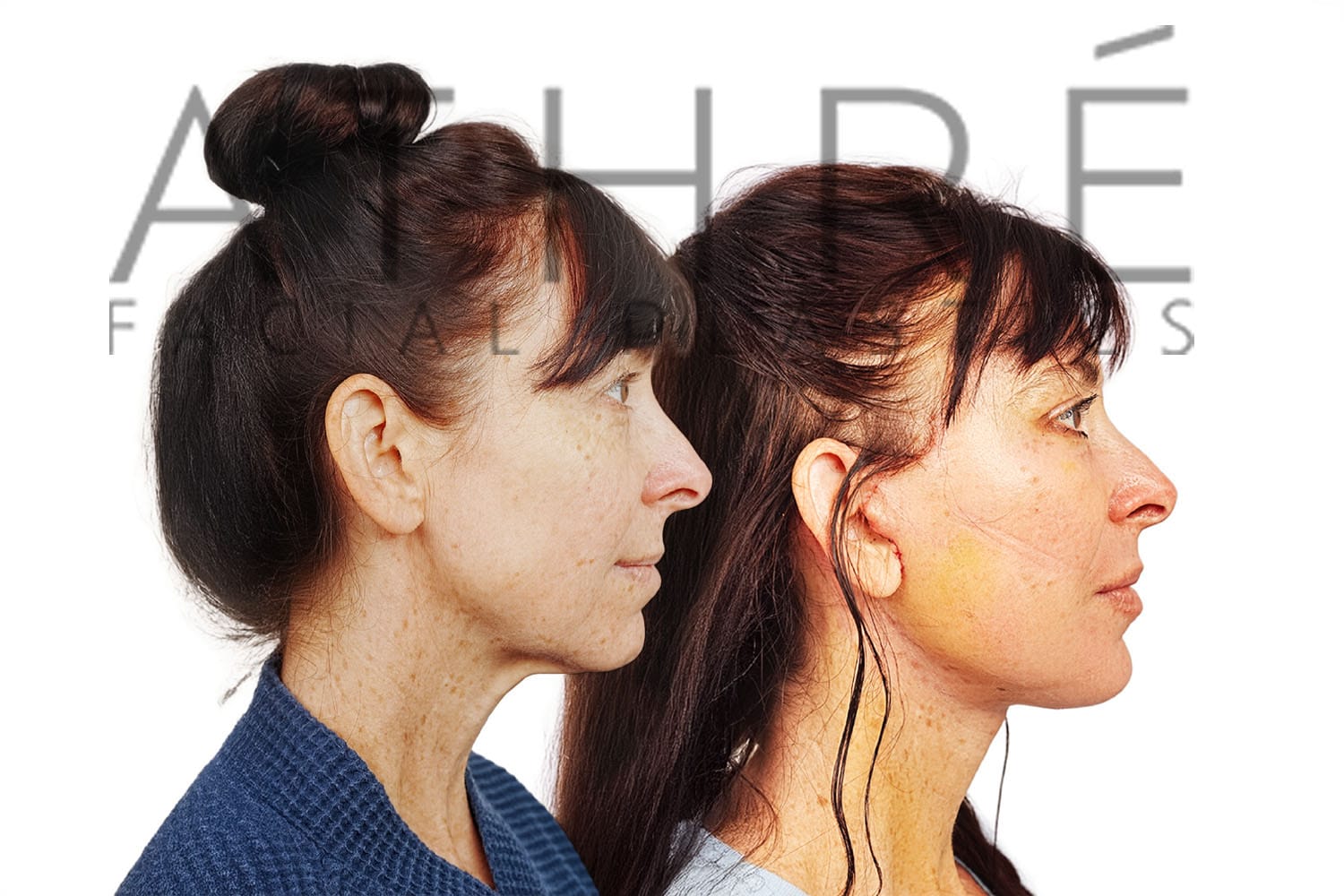
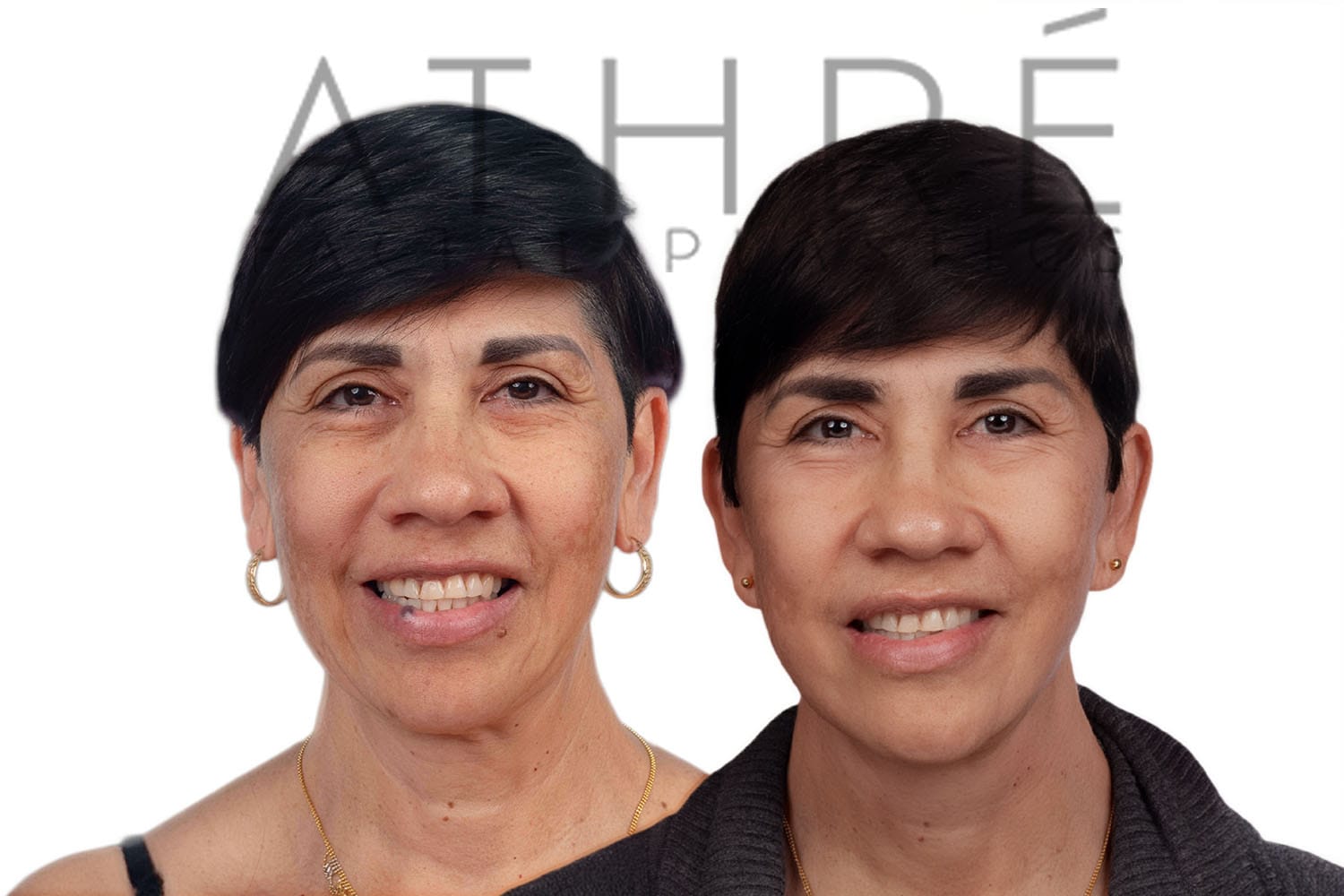
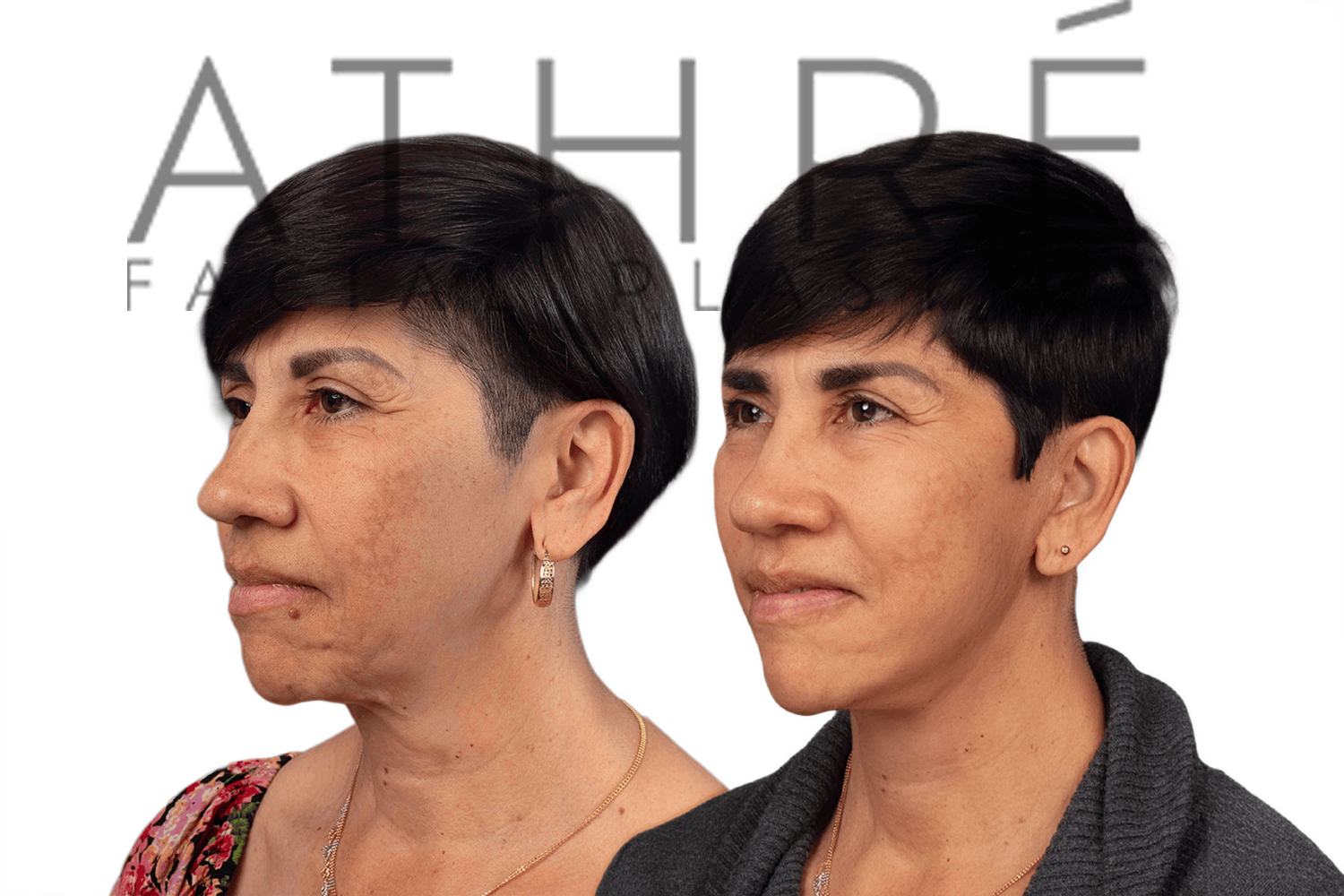
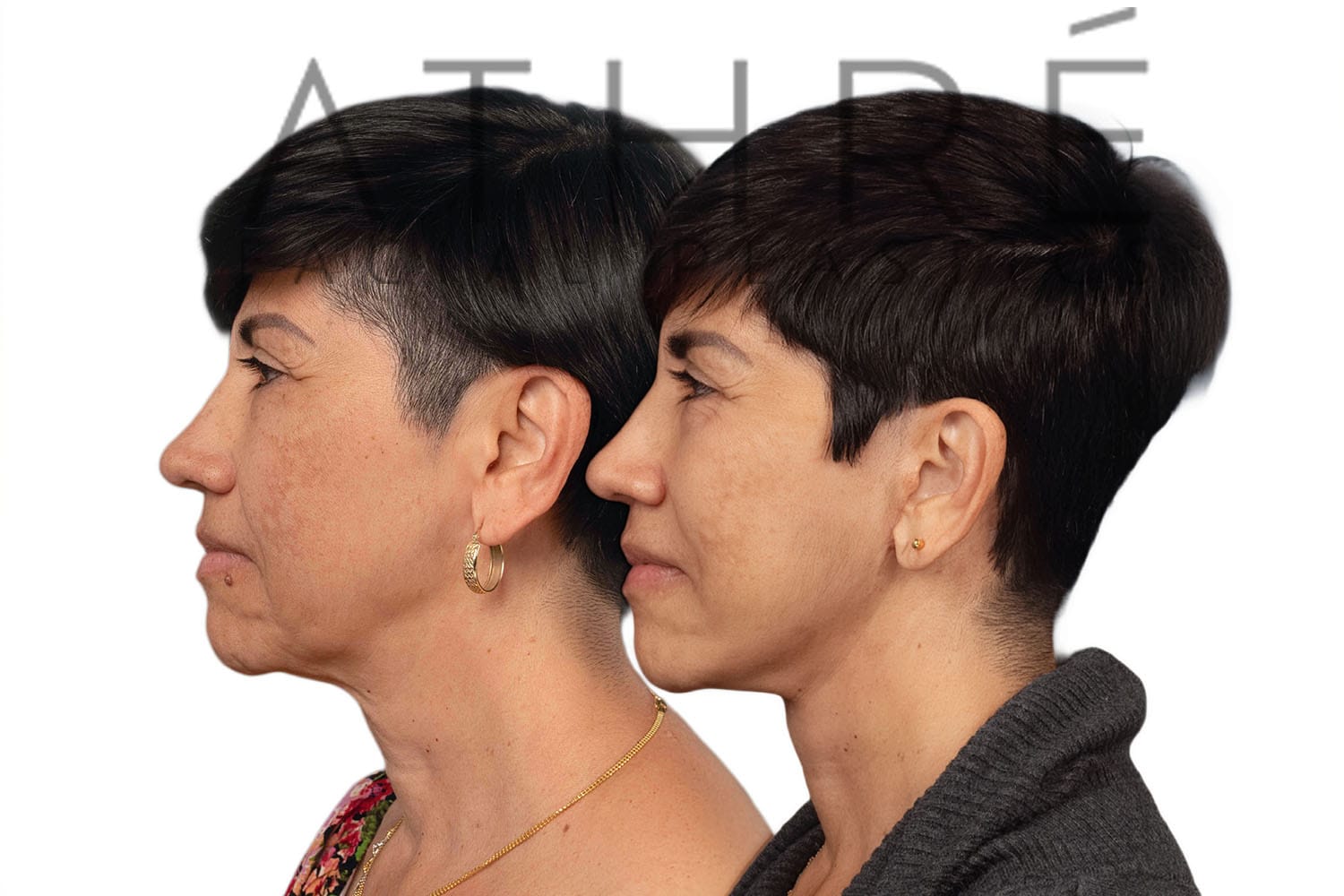
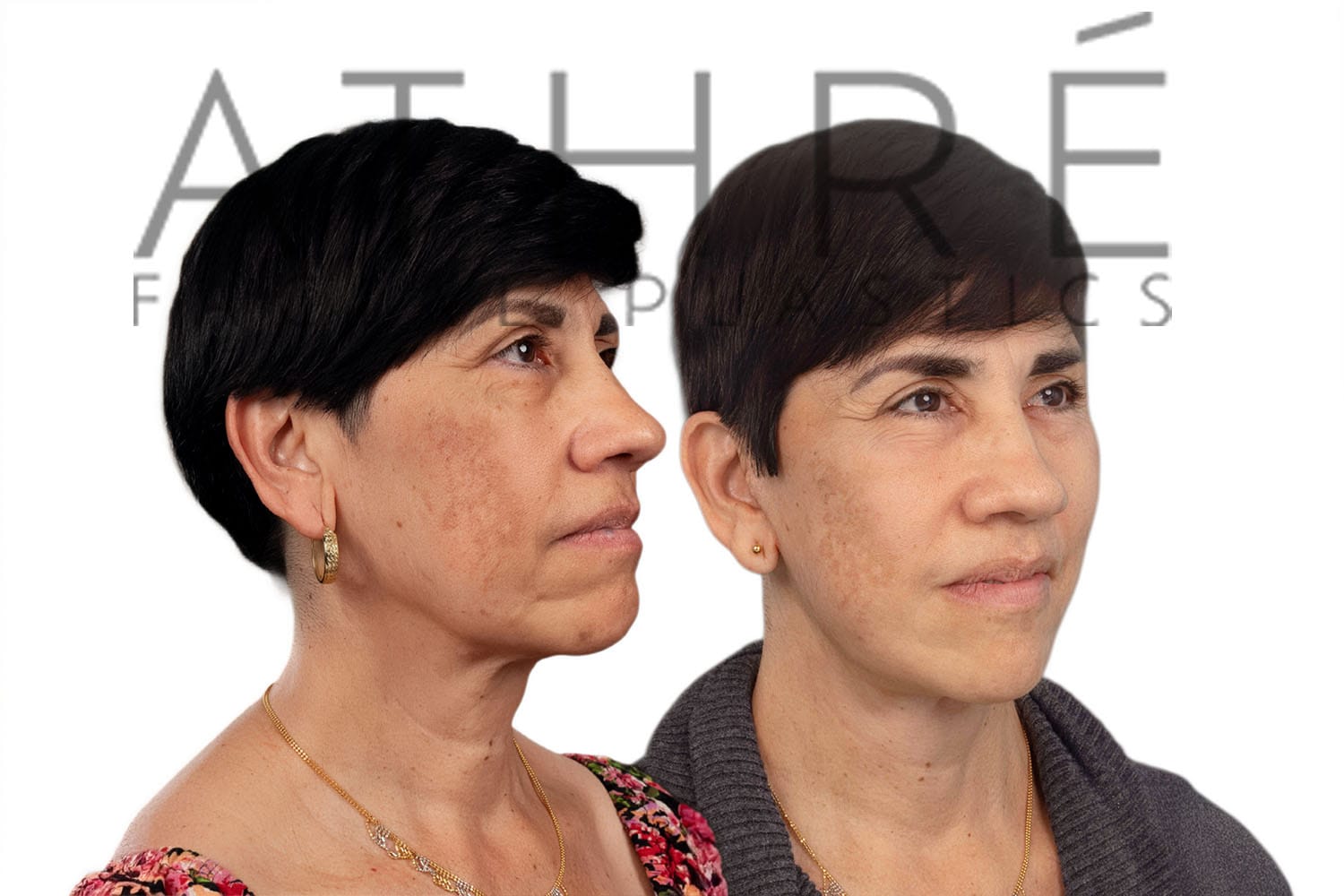
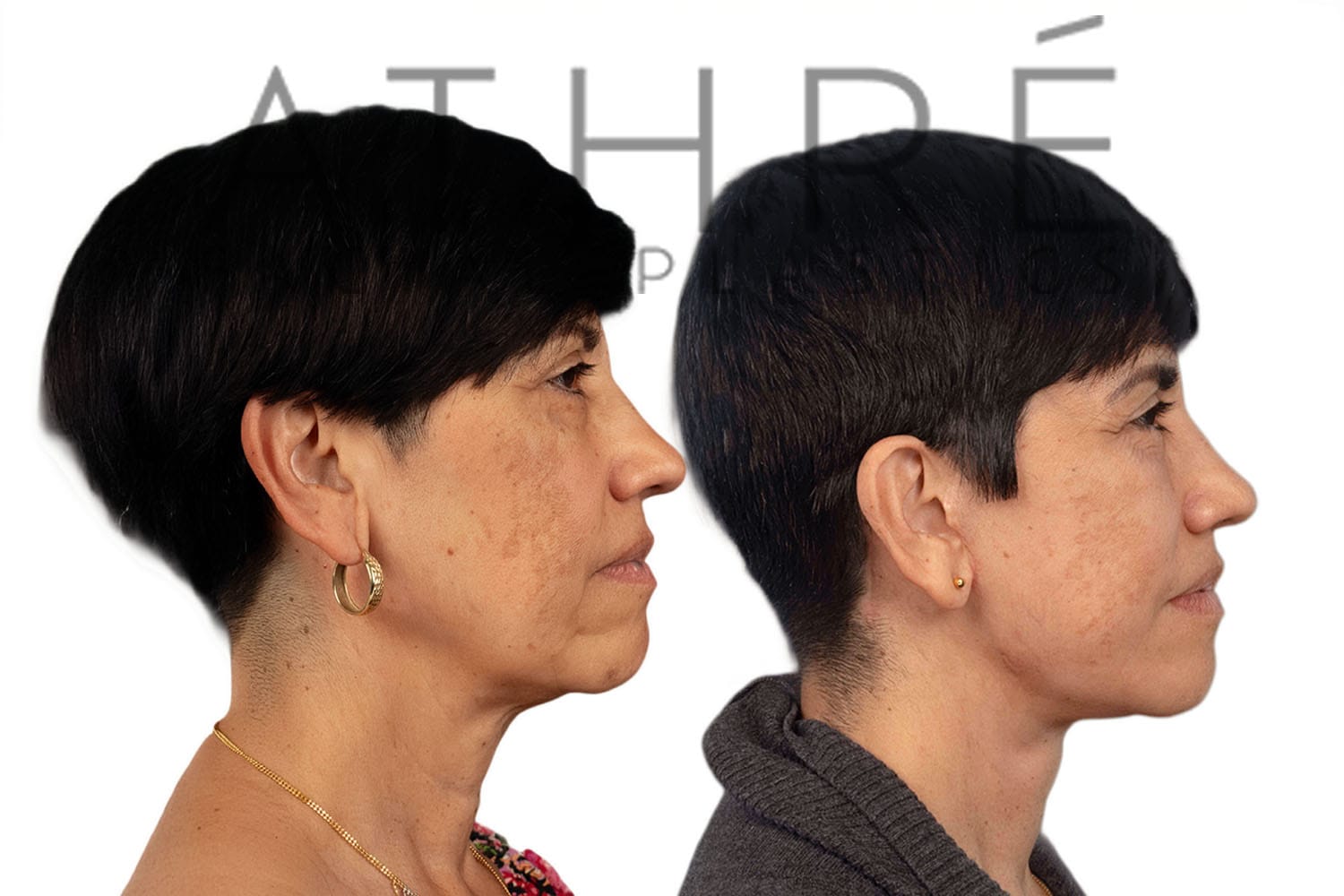
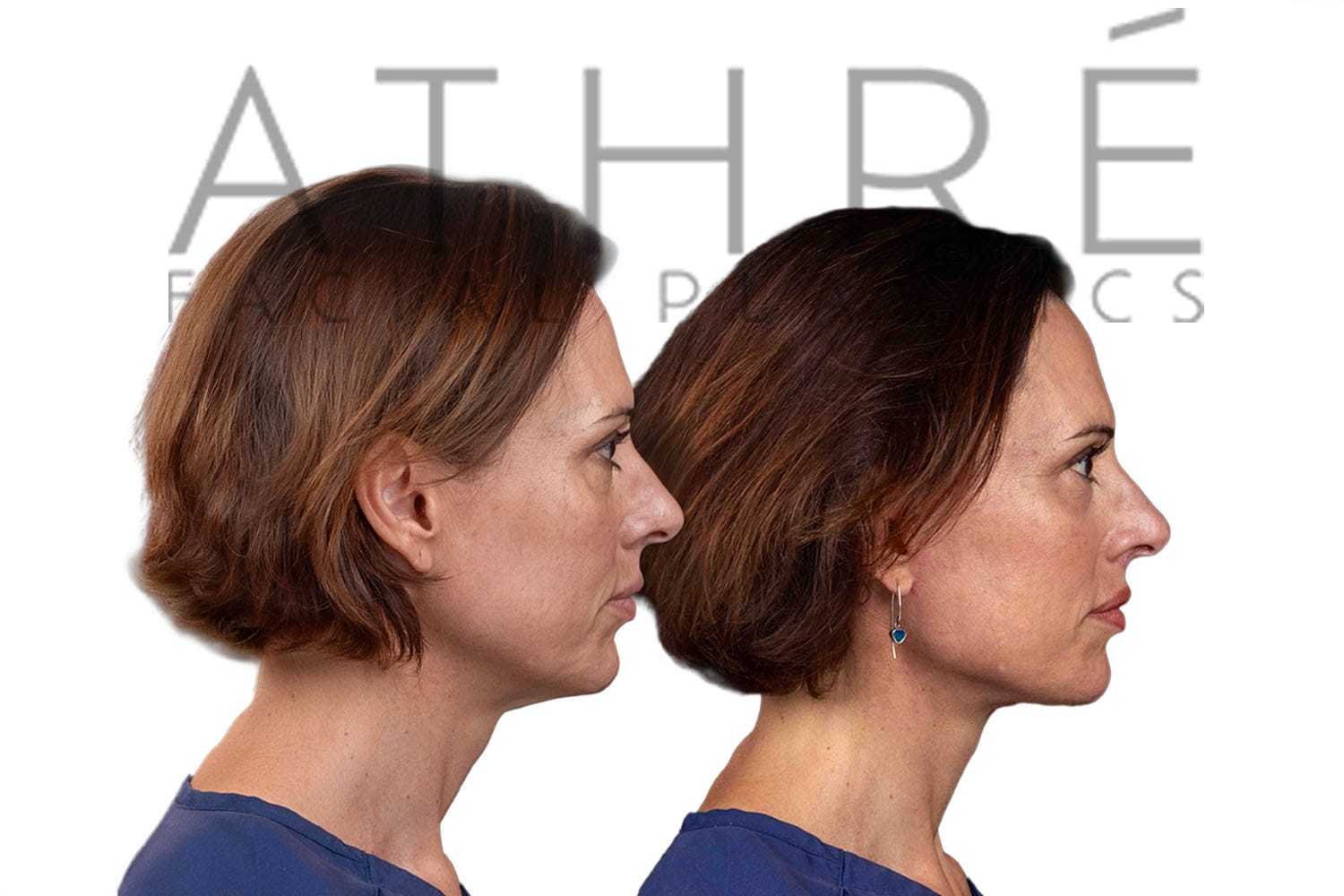
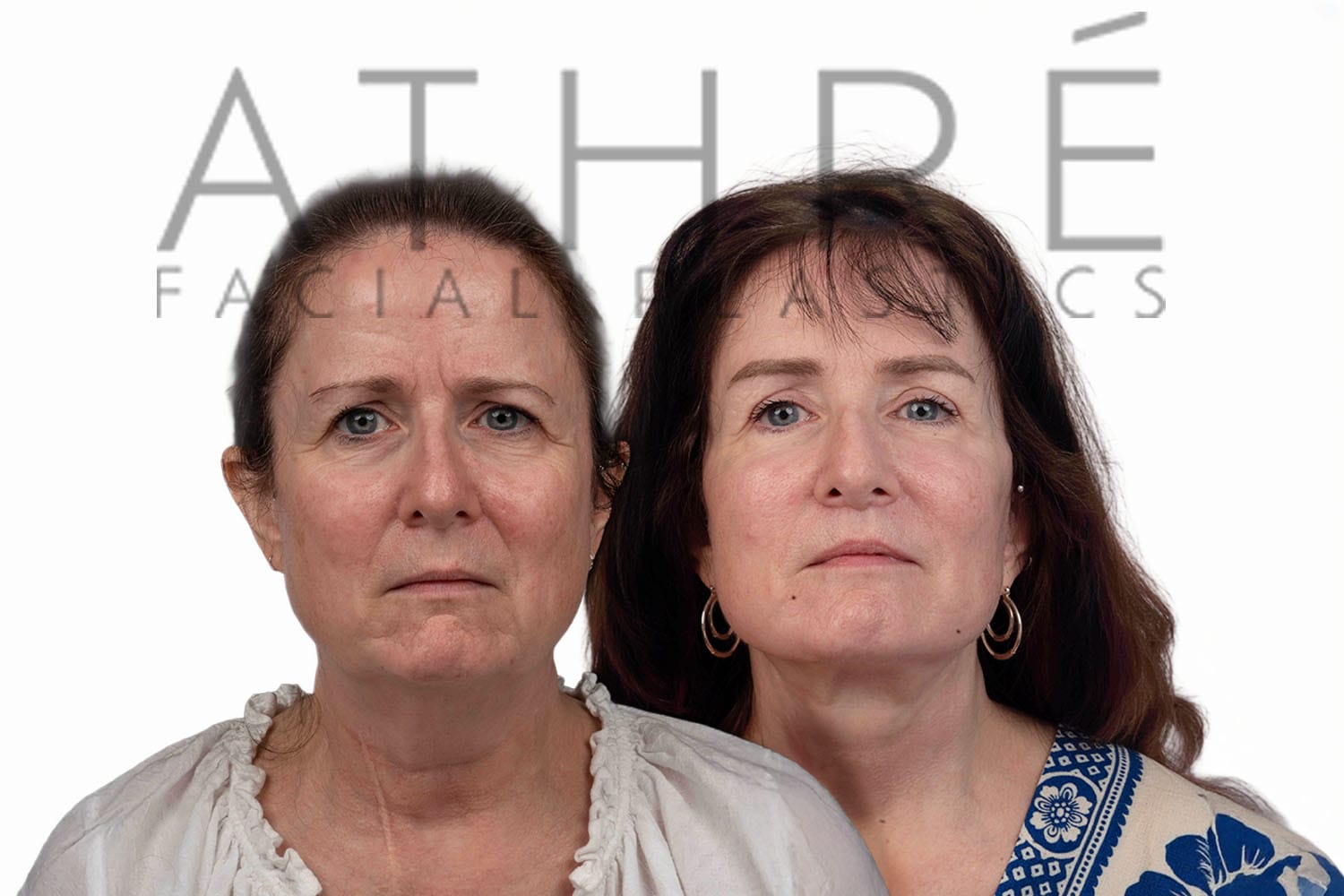
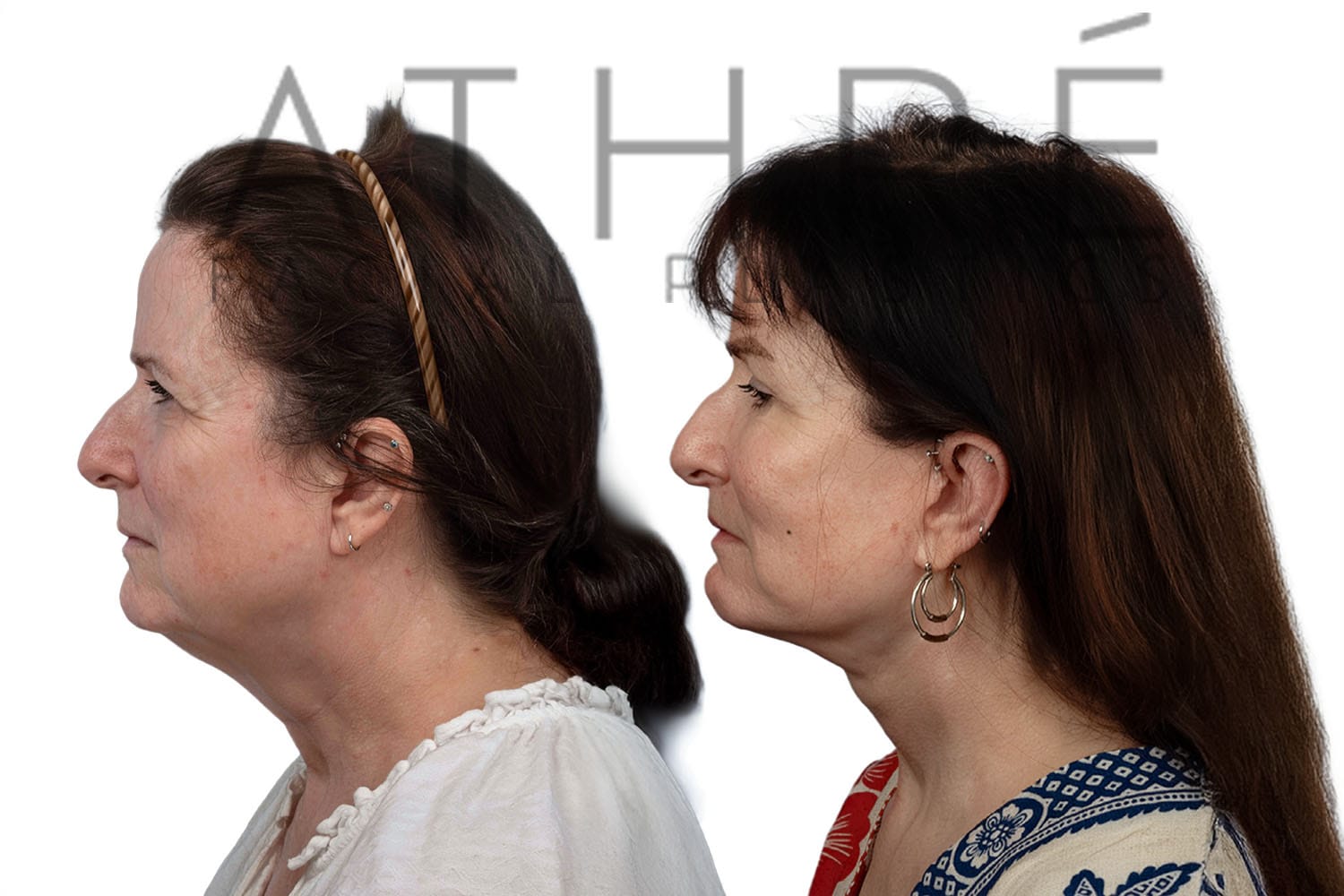
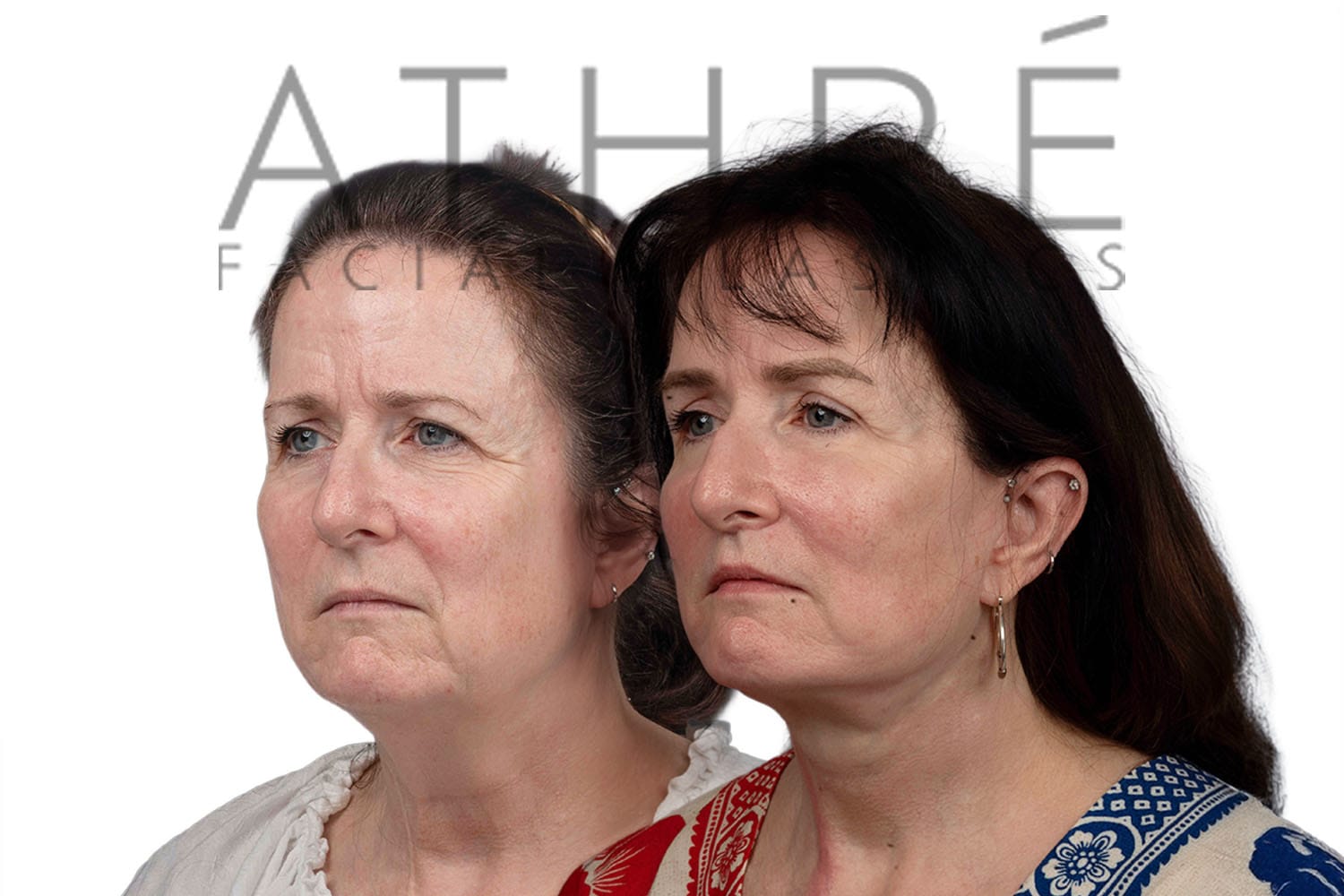
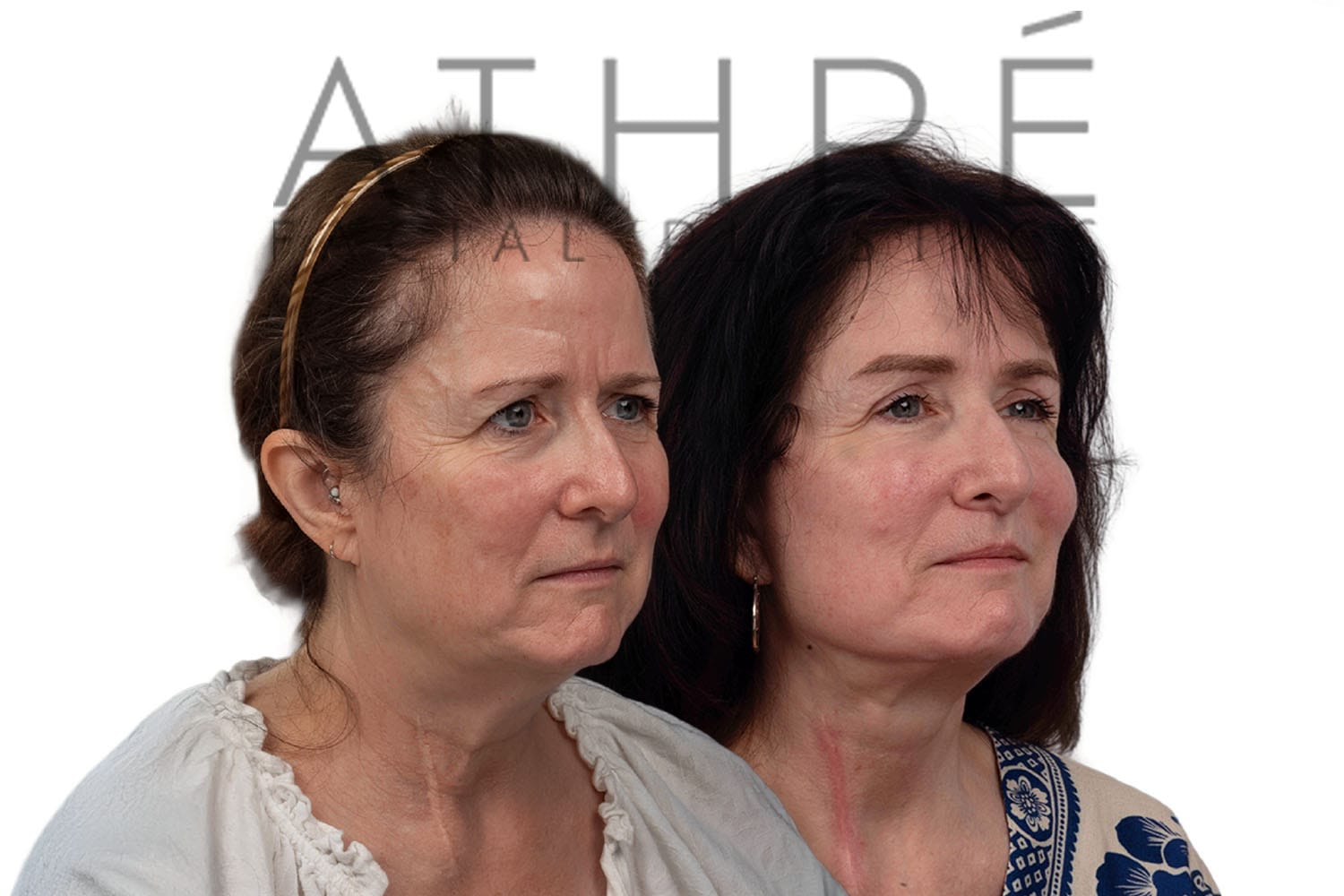
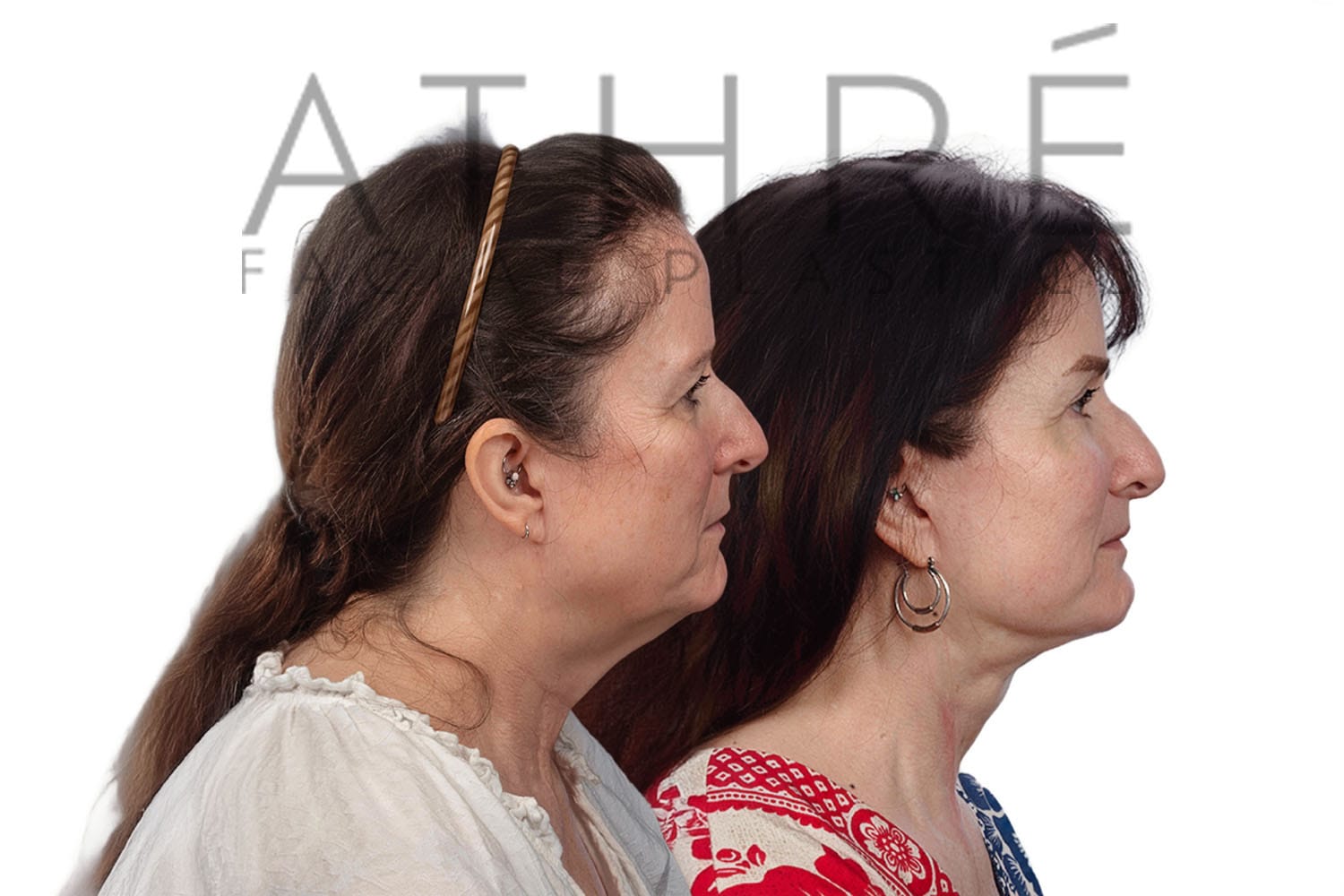
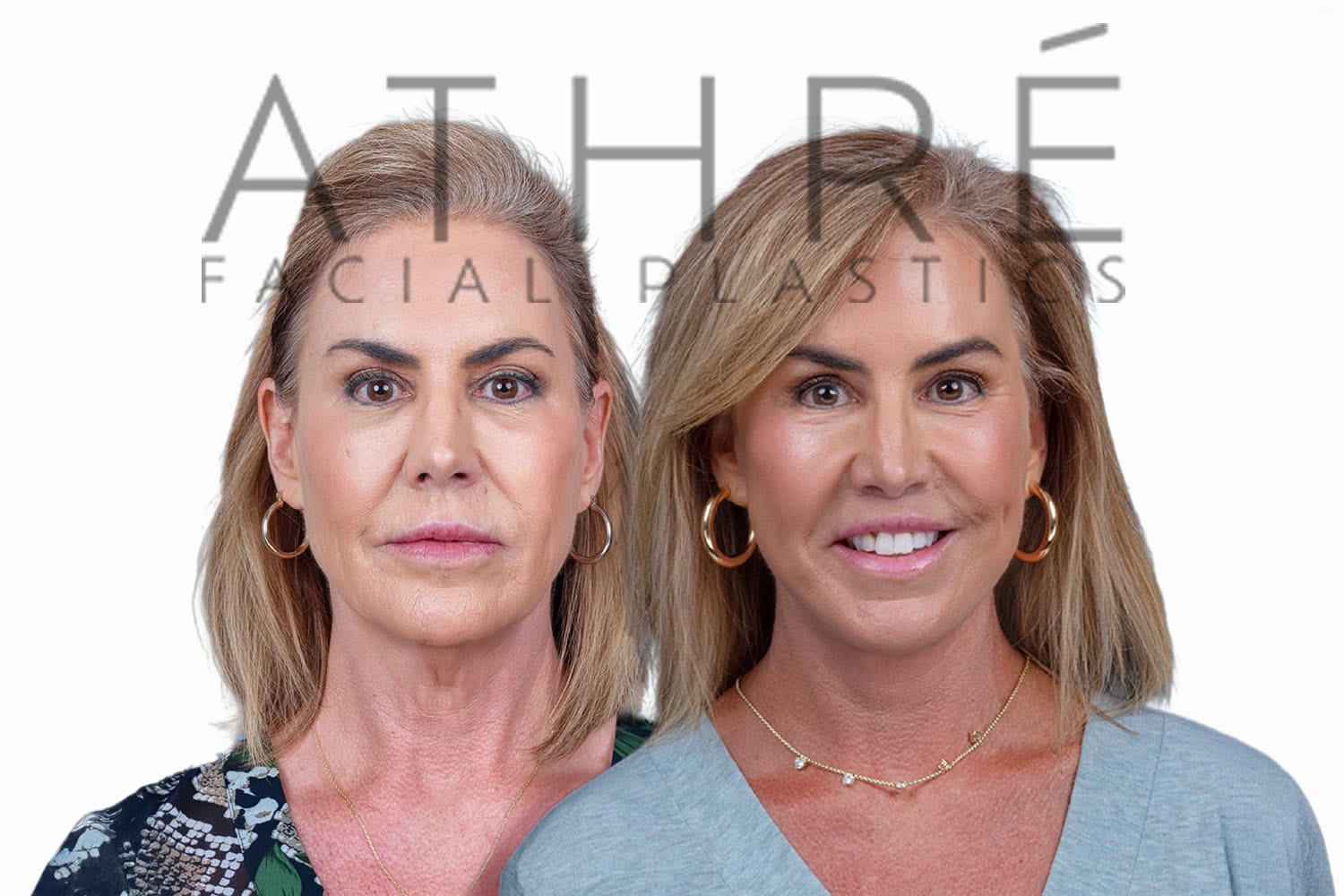
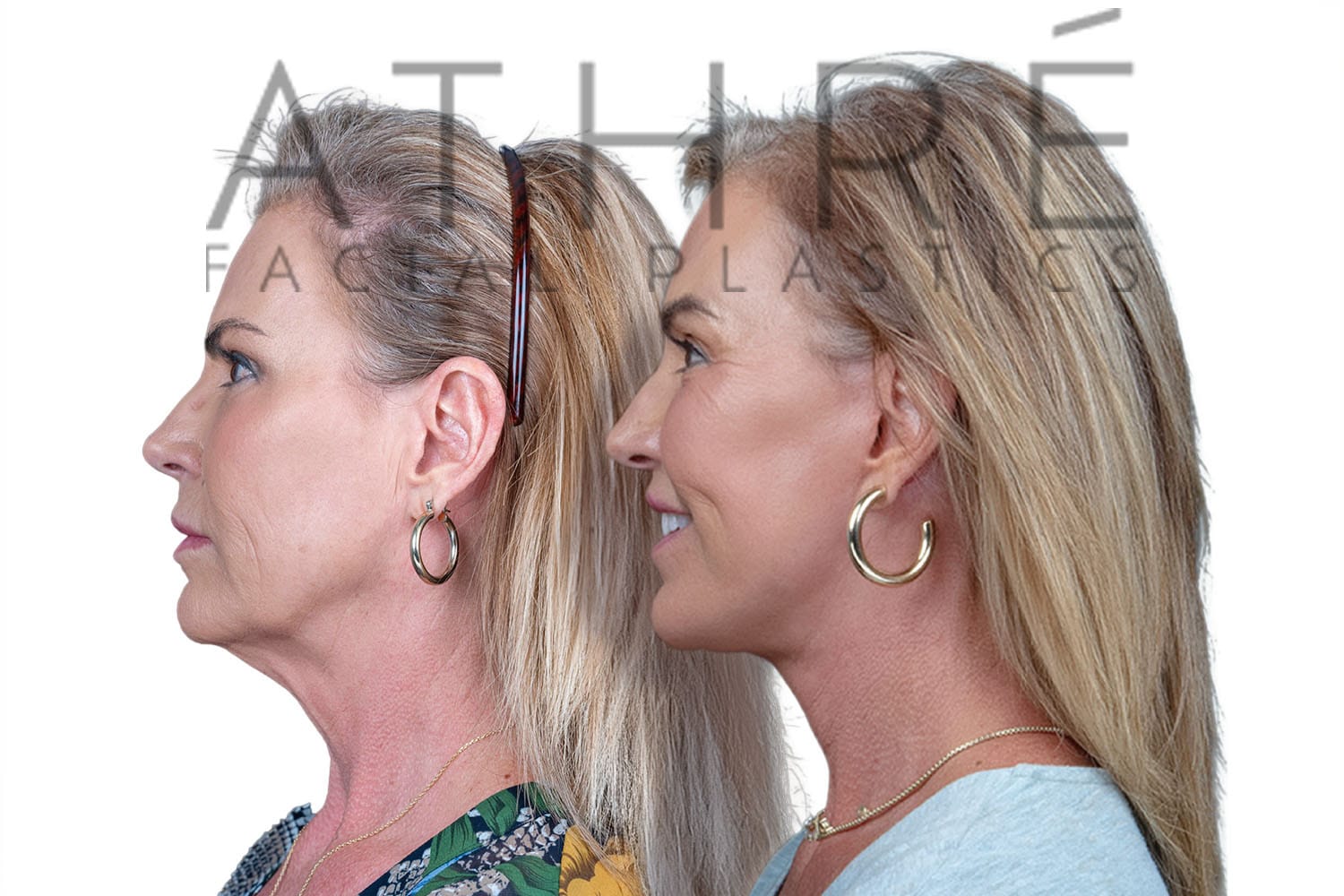
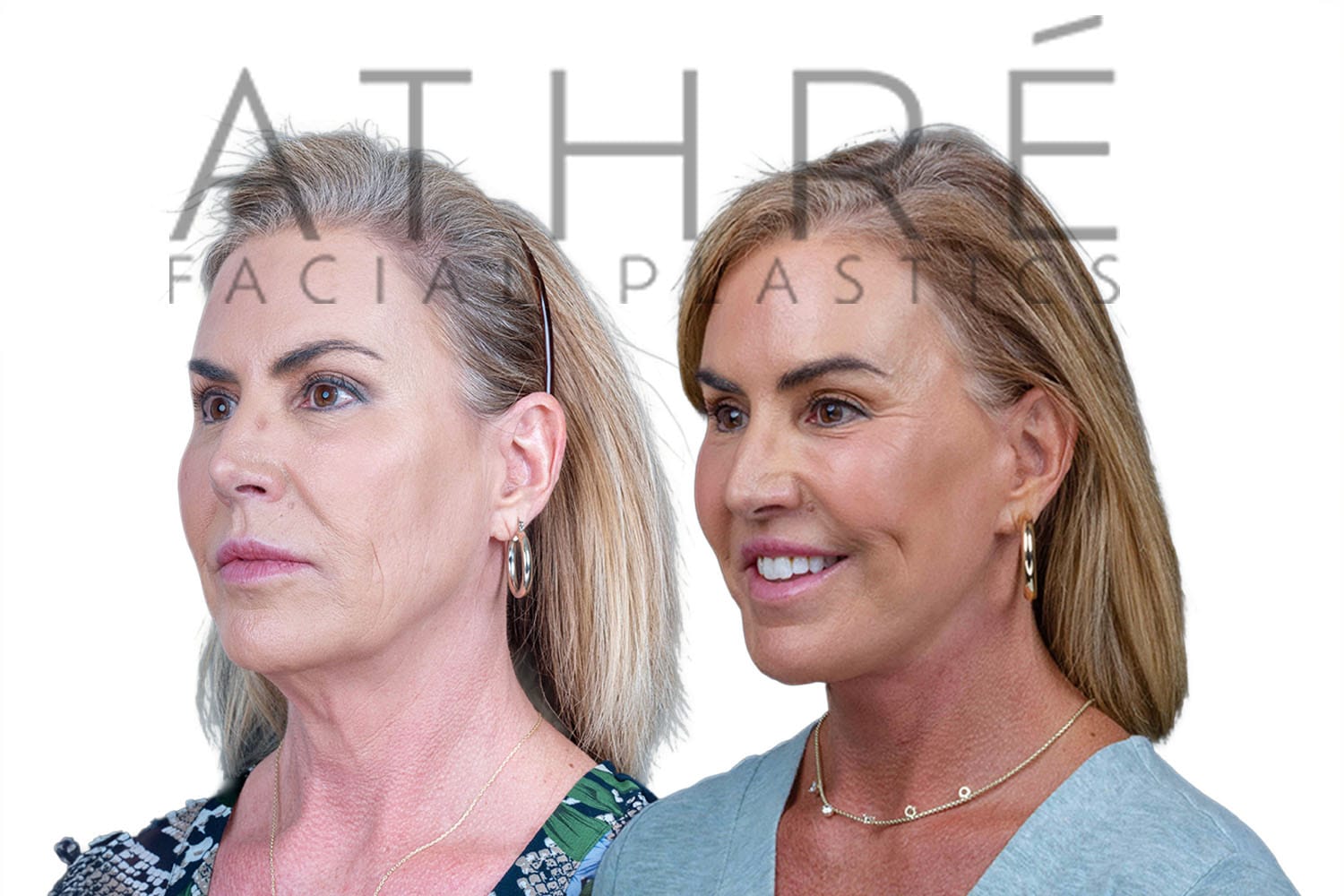
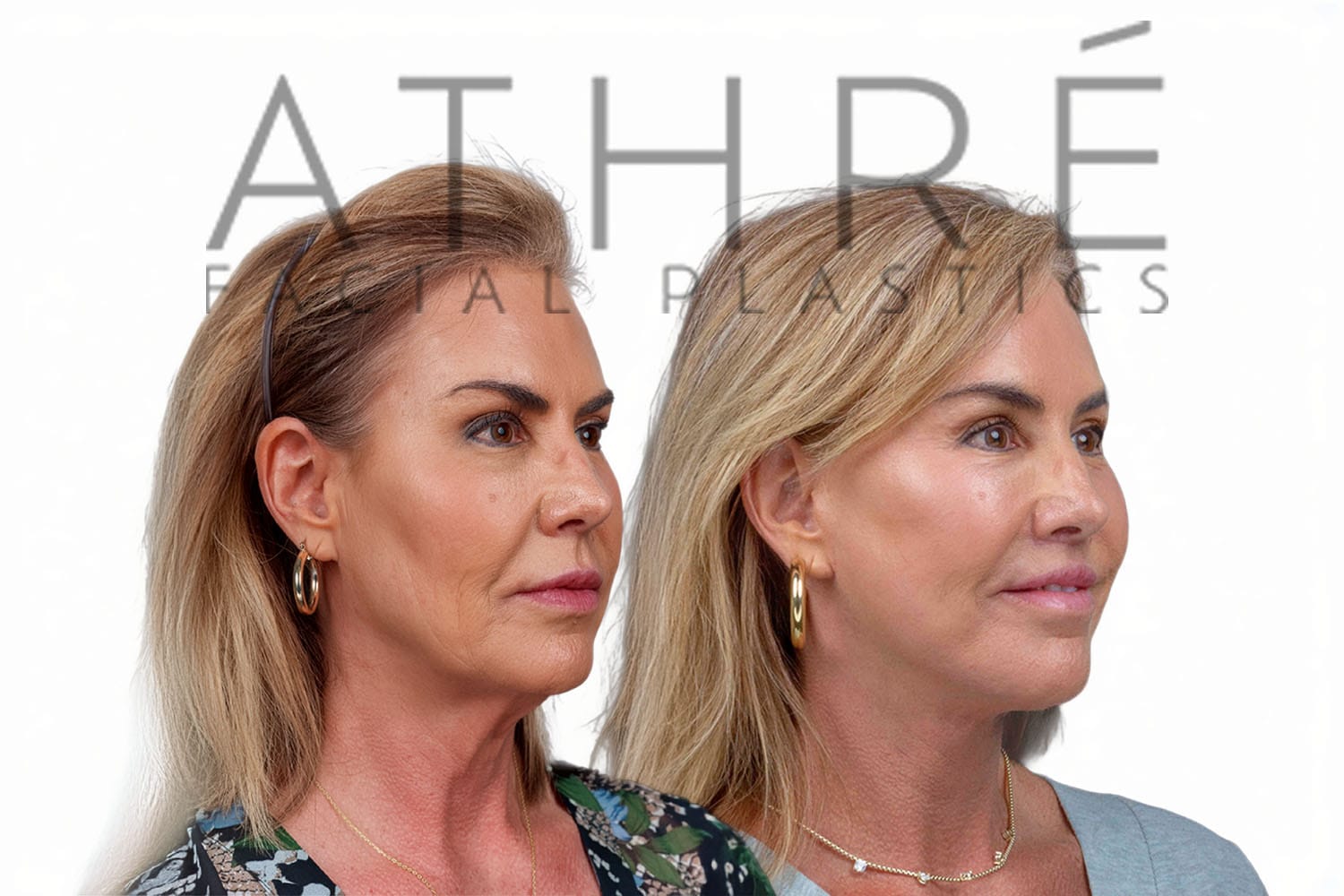
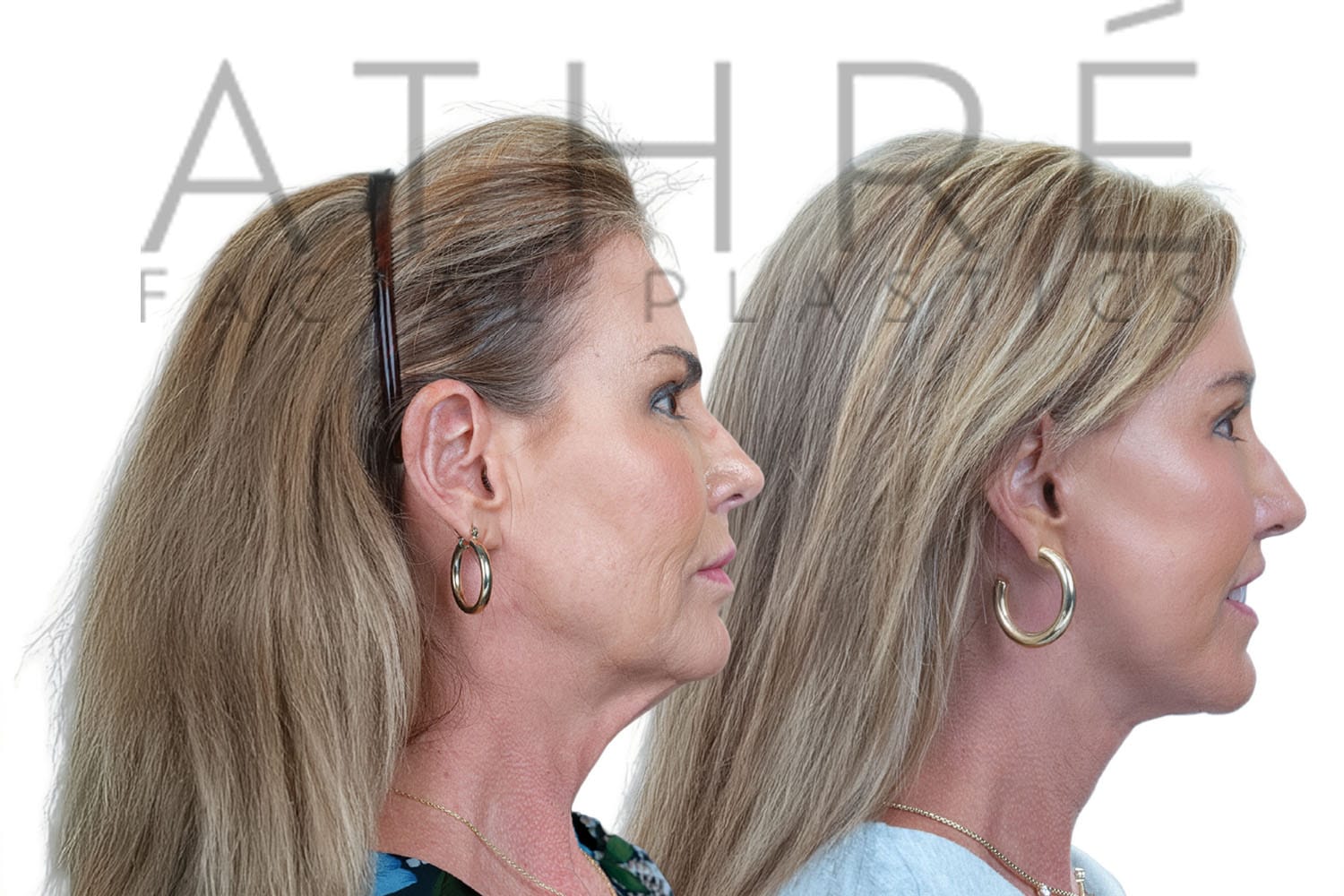
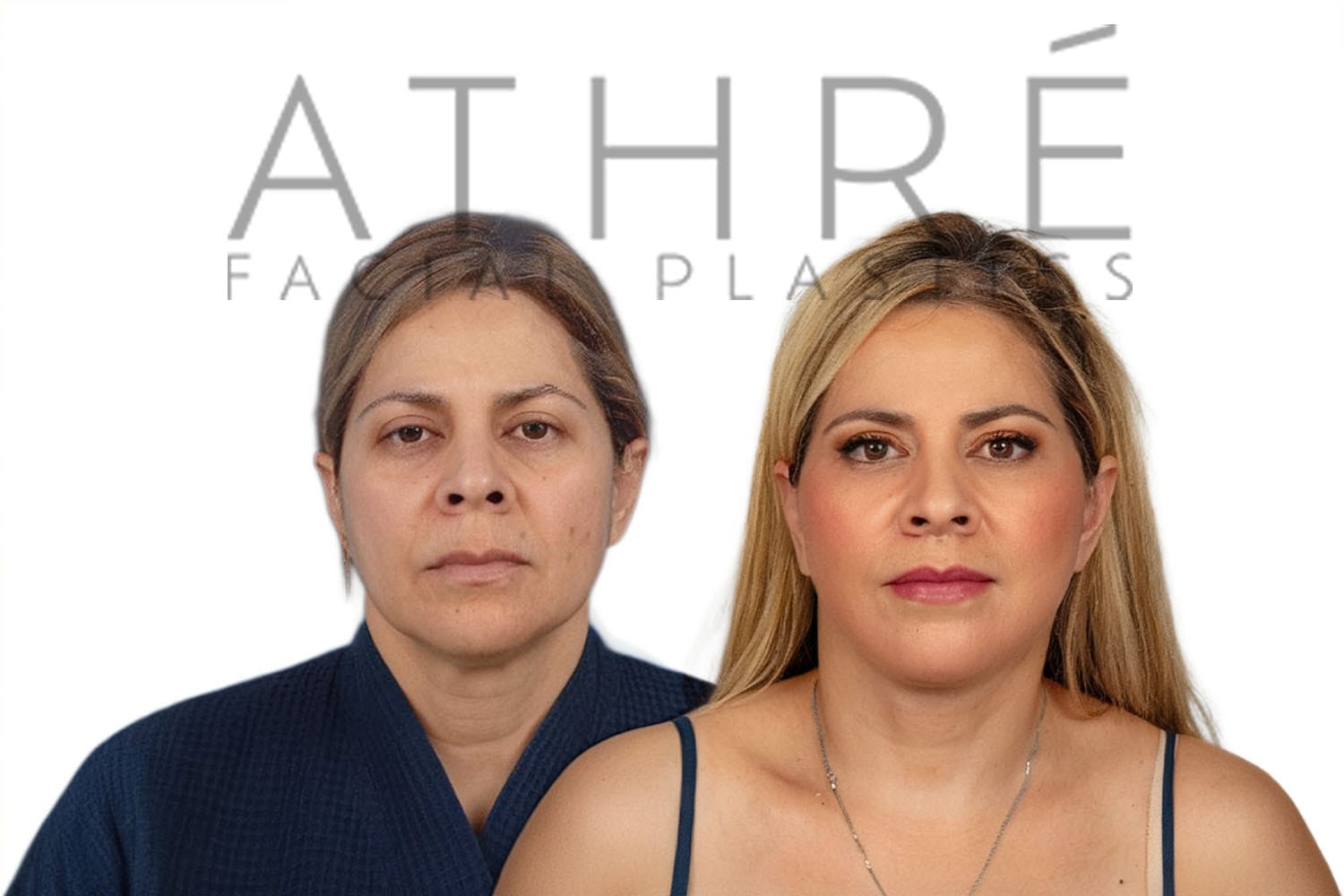
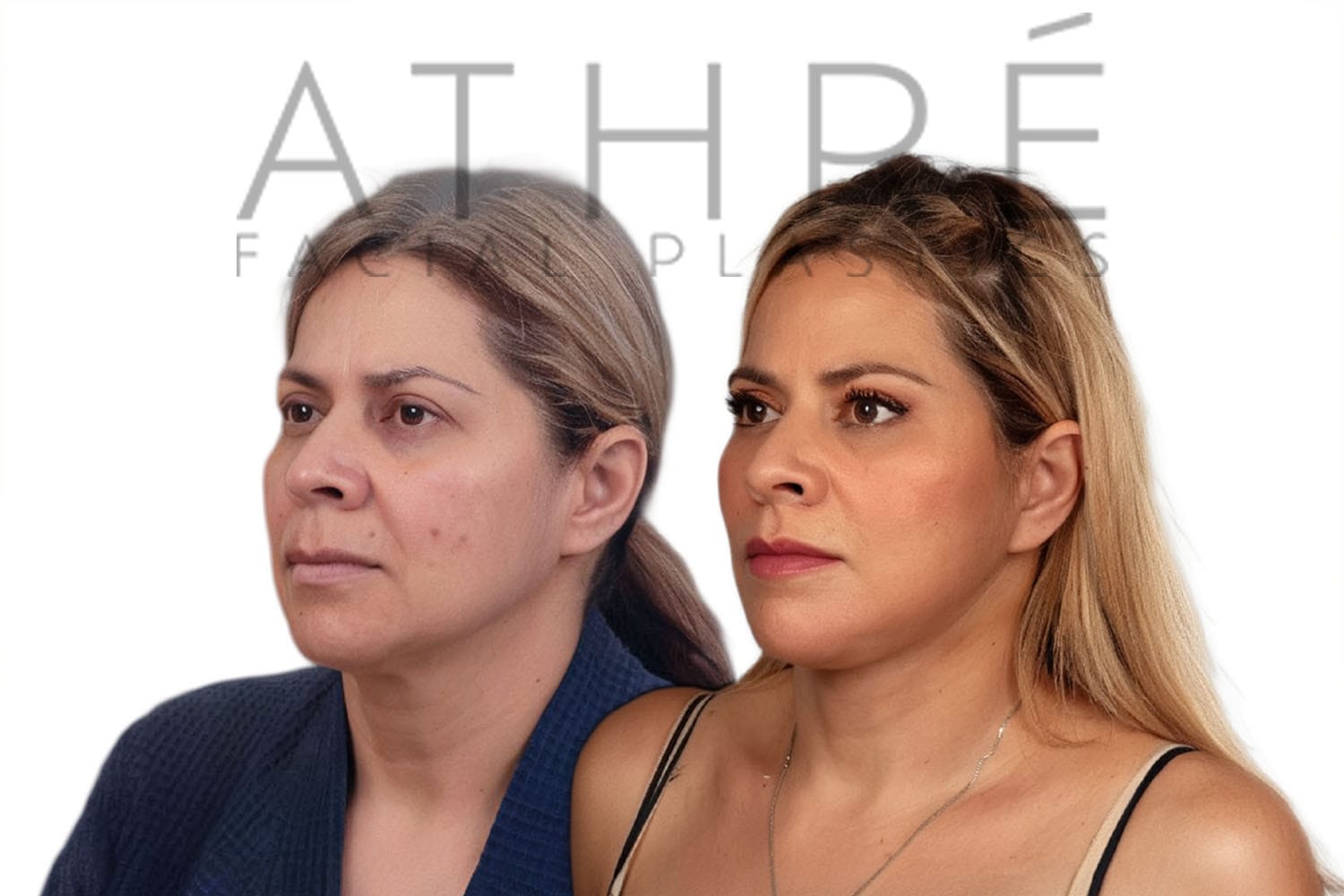
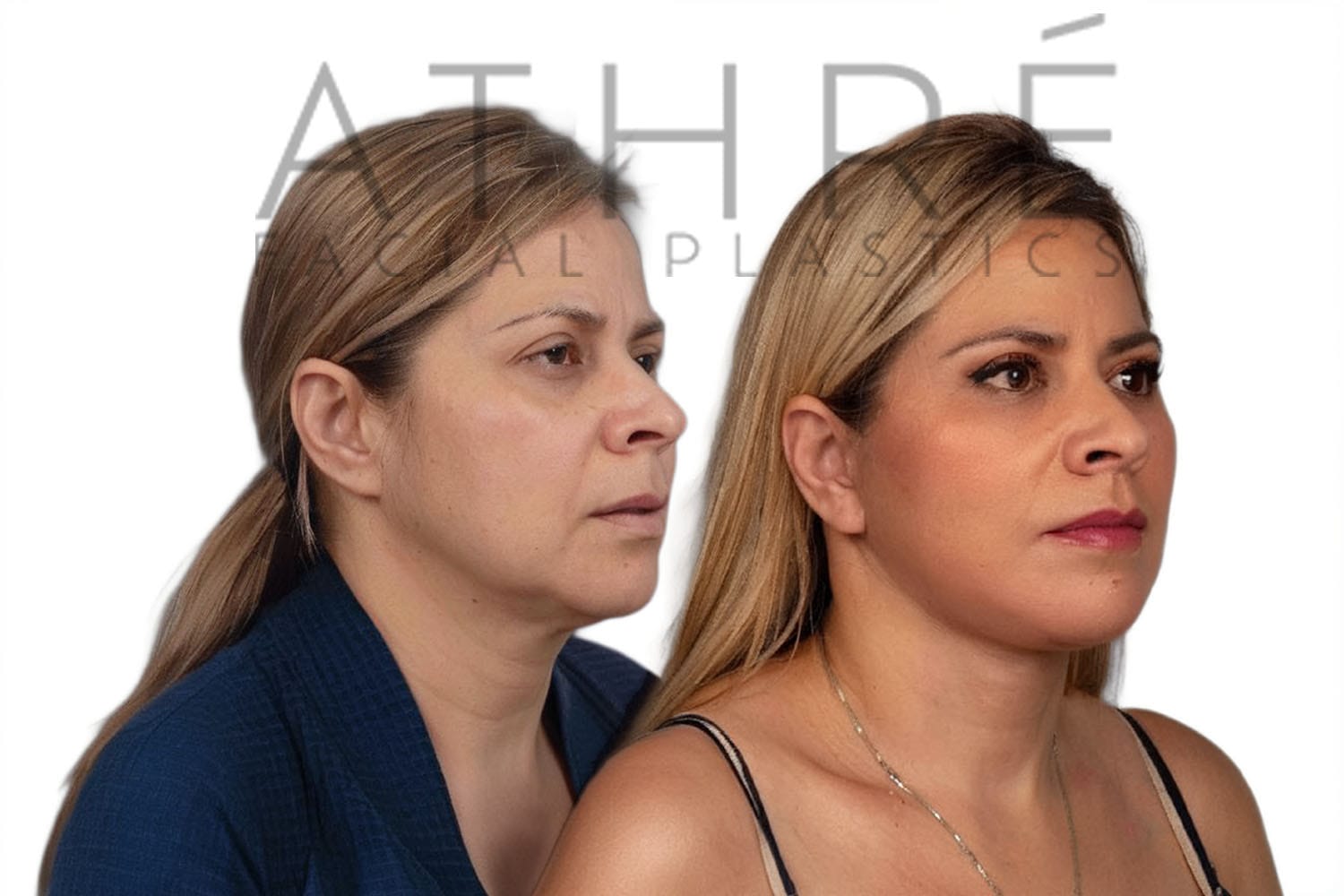
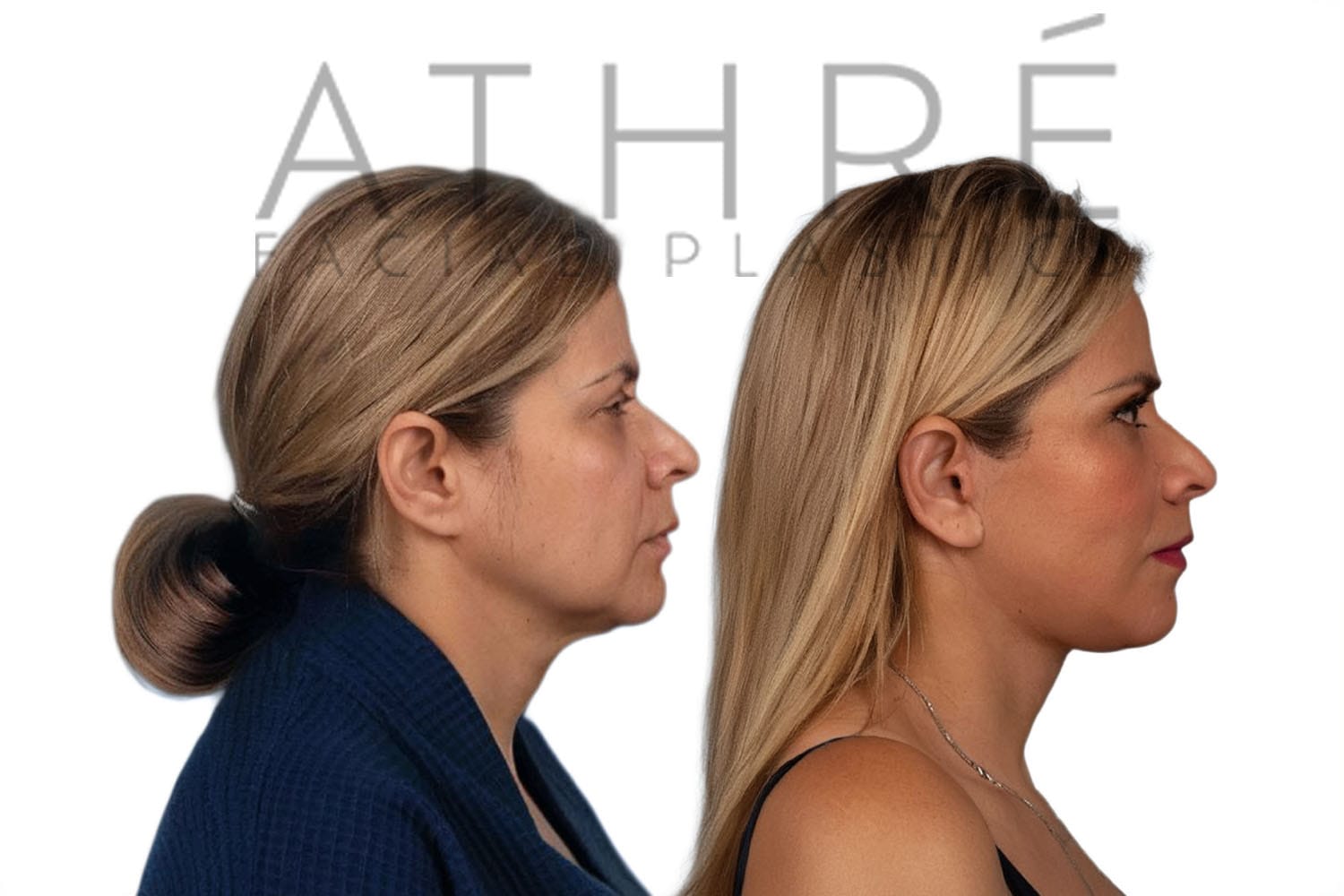
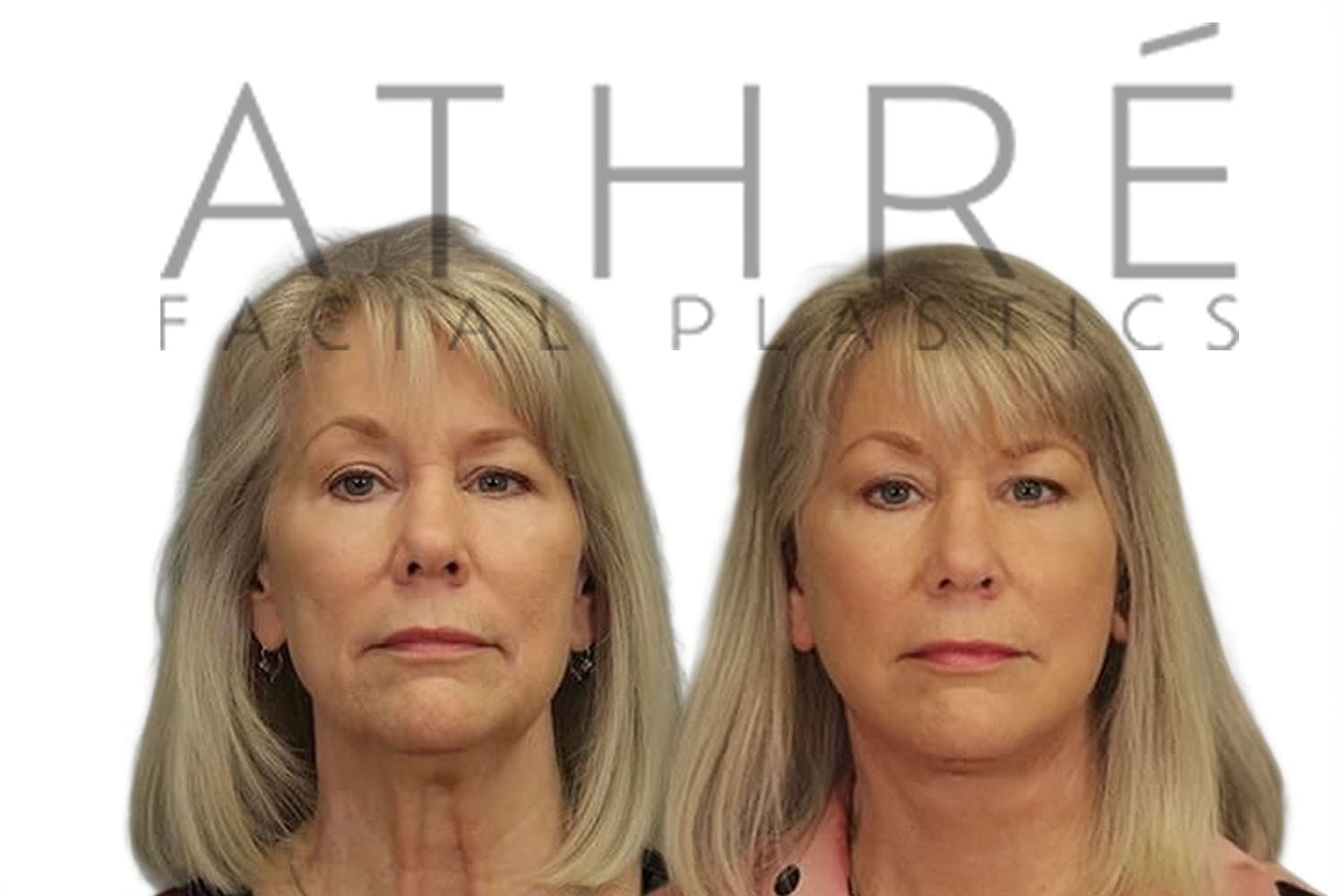
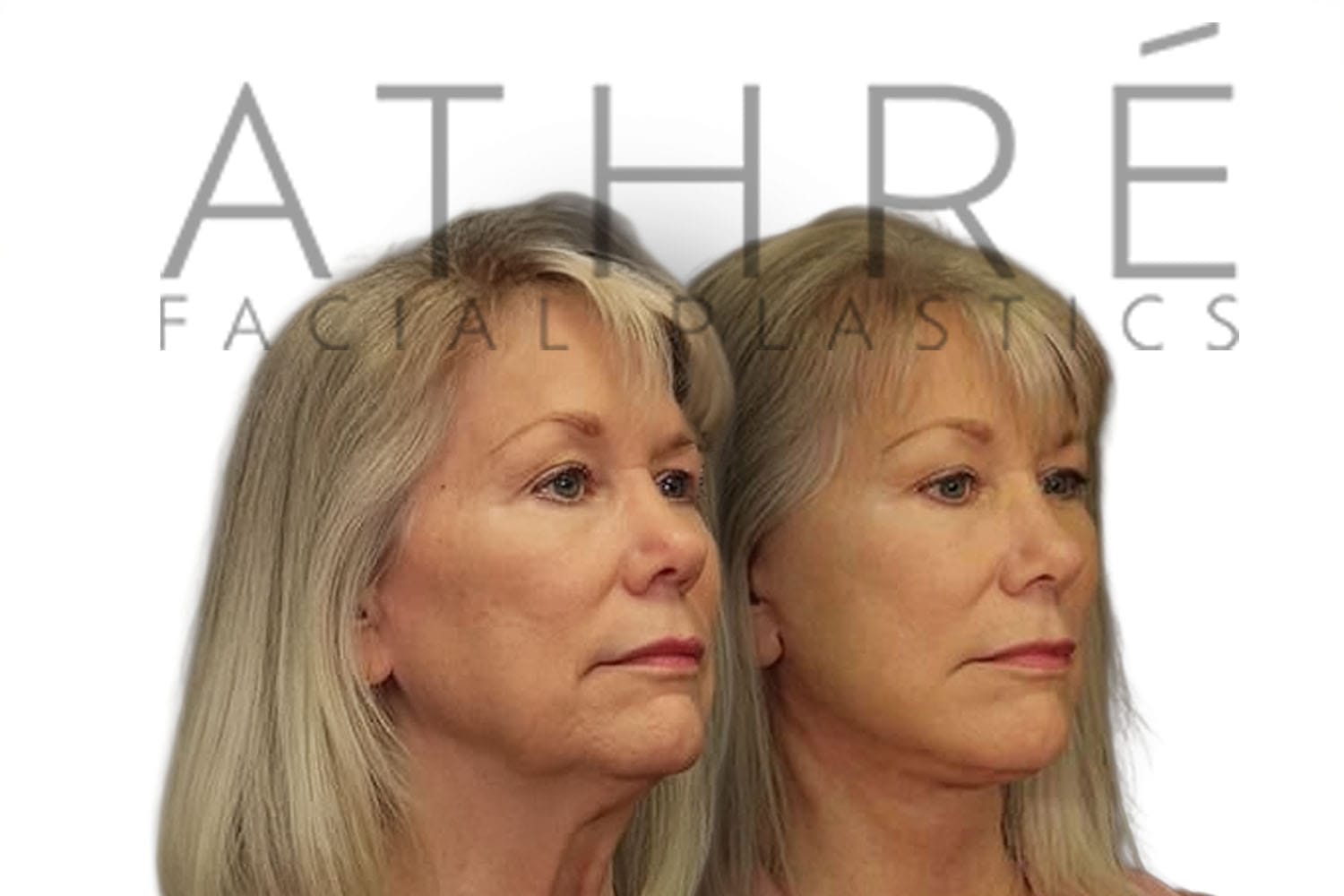
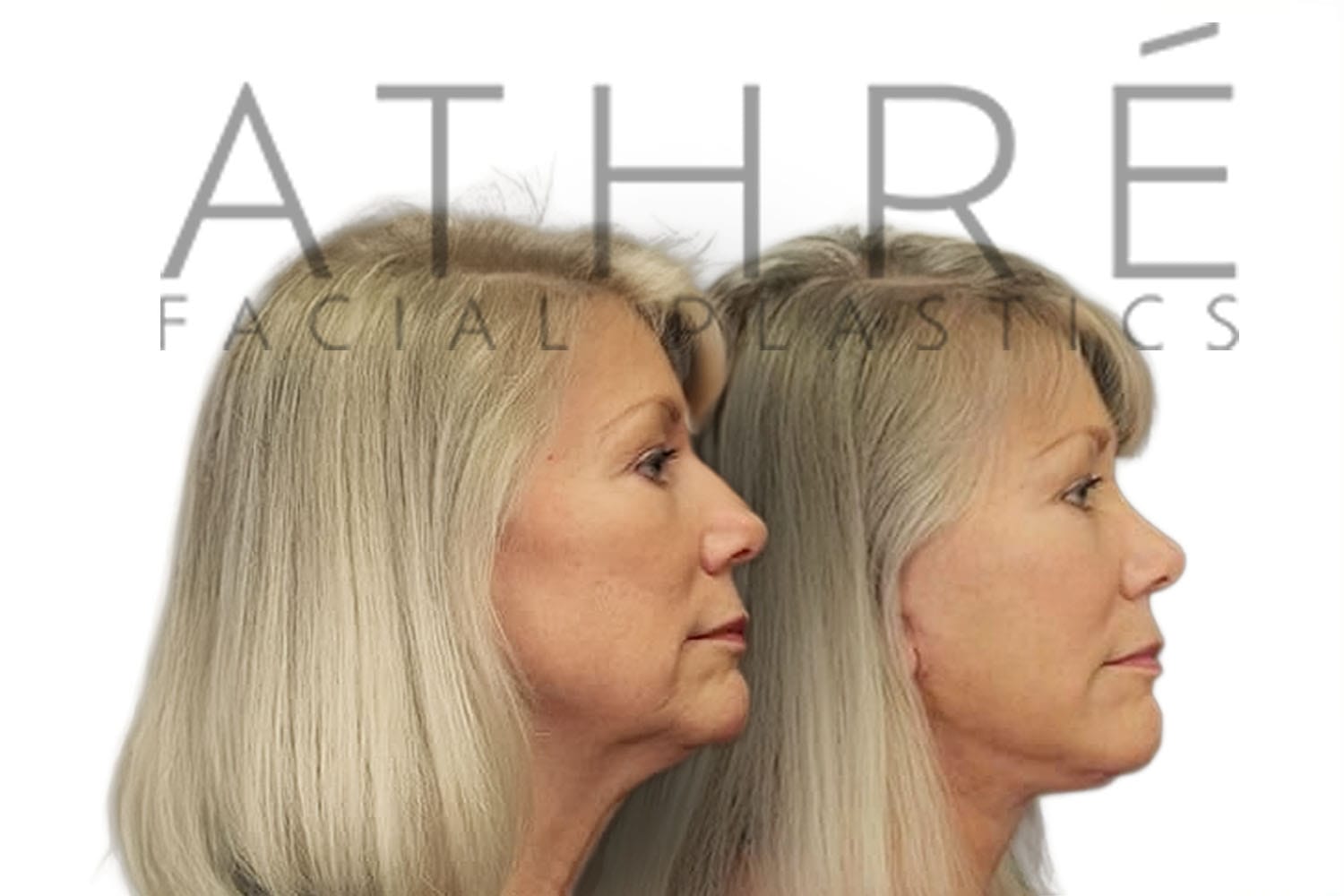
Not Every Drooping Brow Needs the Same Surgery
The eyebrows don't age the same way in every patient. Sometimes only the outer brow descends, creating heaviness above the corners of the eyes. In others, the entire brow sits lower, changing the appearance of the forehead and upper eyelids.
But a naturally low brow doesn't necessarily need to be lifted.
When I evaluate someone for a brow lift, I look at the eyebrow's original shape, the position of the forehead tissues, skin elasticity and the relationship between the brows and upper eyelids.
A temporal brow lift may be appropriate when the outer eyebrow needs correction. When more of the brow and forehead have descended, an endoscopic approach allows me to reposition the deeper tissues through small incisions concealed within the scalp.
Sometimes the heaviness comes from excess upper eyelid skin rather than brow descent. Other patients have both conditions and may benefit from combining brow lifting with upper blepharoplasty.
For patients undergoing more extensive facial rejuvenation, brow lifting may also be included in my 4D Facelift™.
The decision comes down to anatomy, not a predetermined eyebrow height or surgical technique.
What to Look for in Brow Lift Before and After Photos
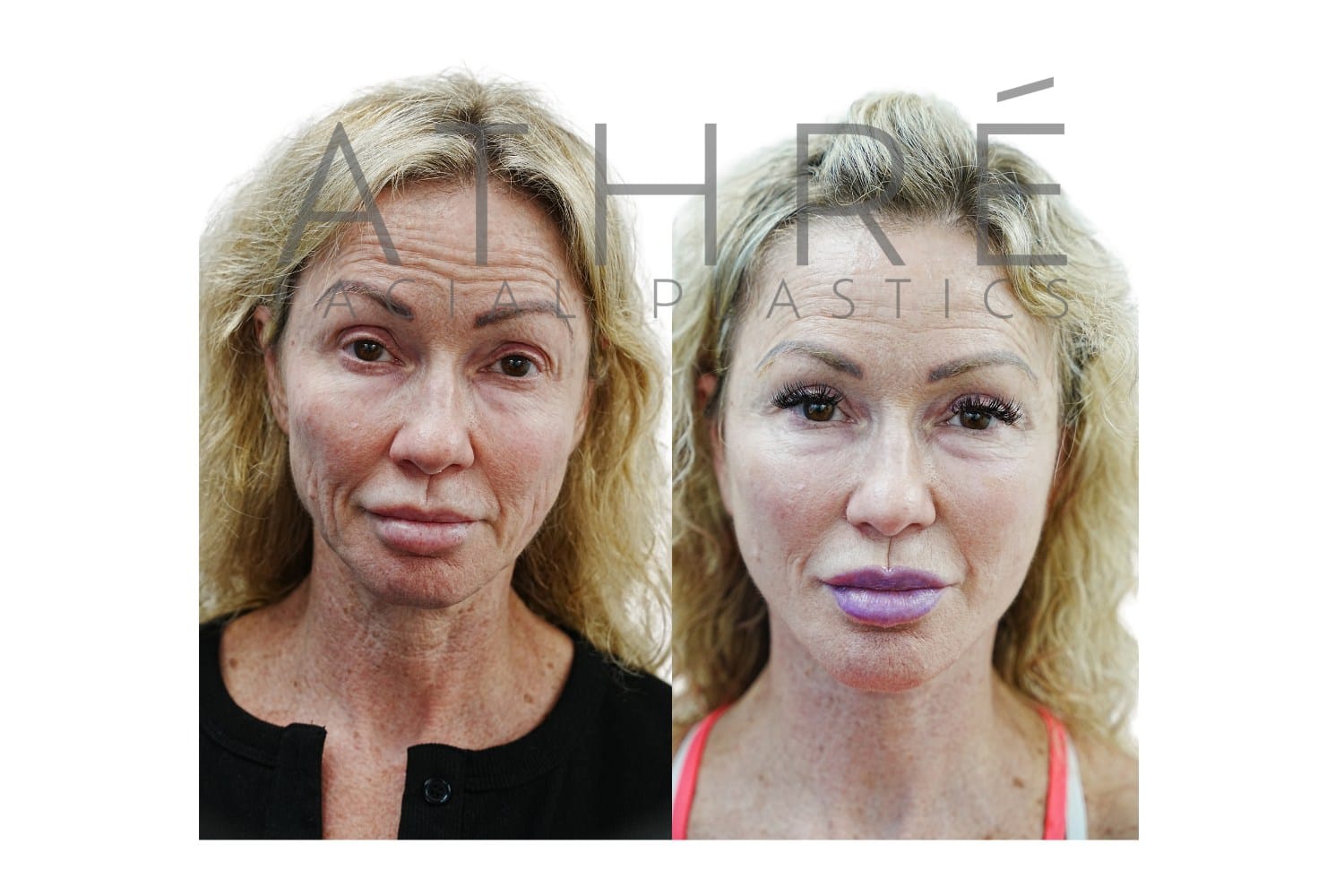
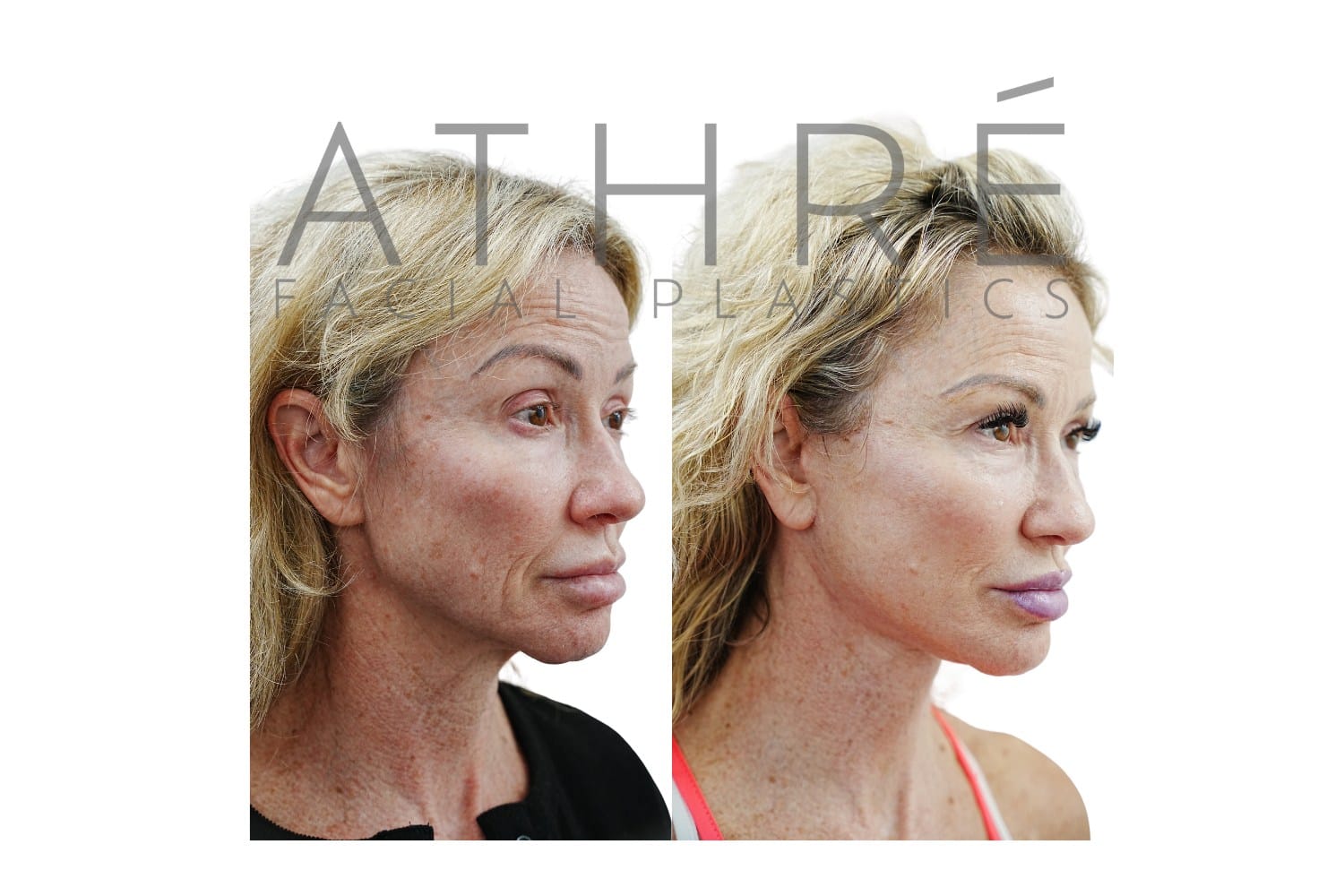
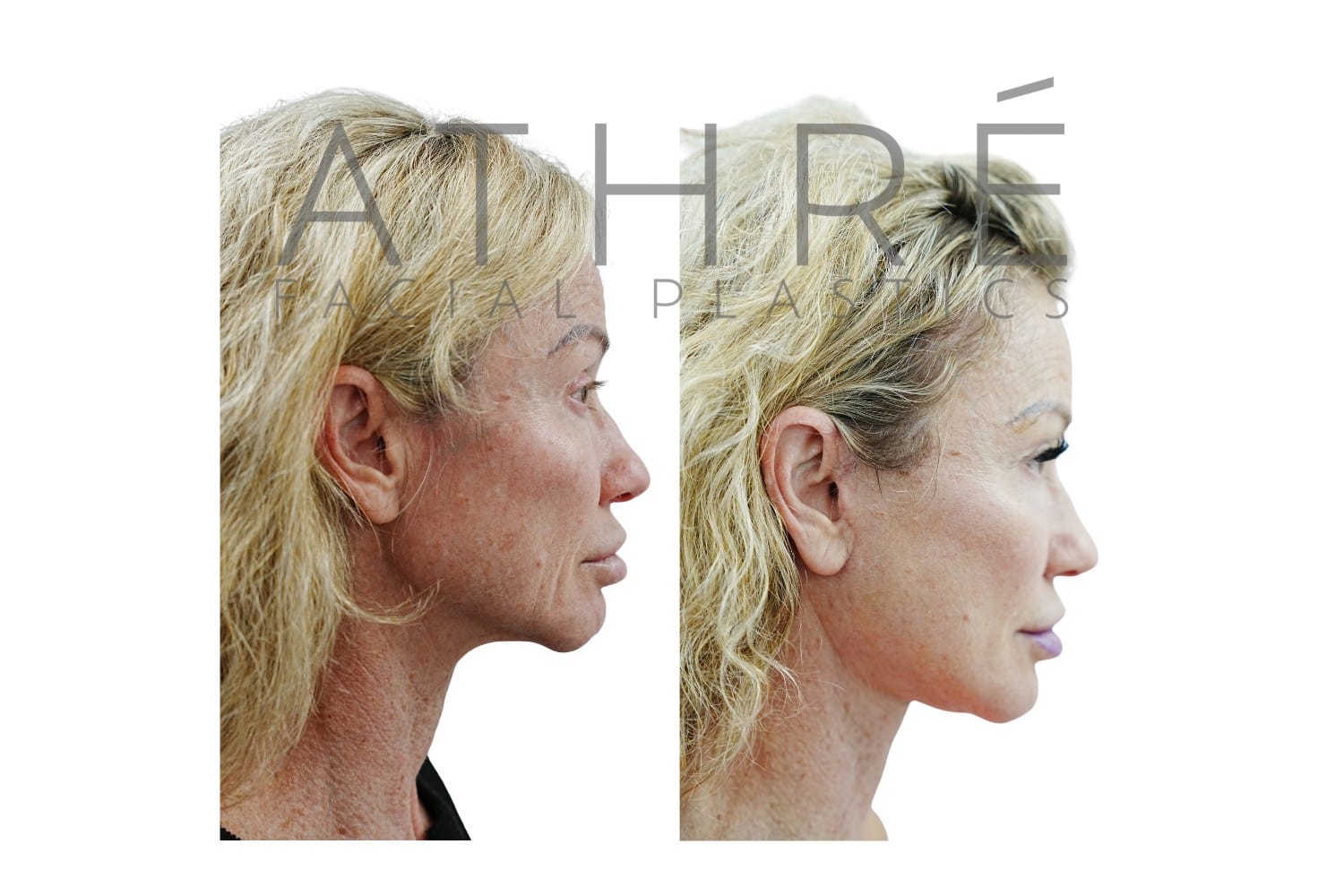
When reviewing brow lift results, I pay particular attention to the outer eyebrows and the skin above the upper eyelids.
Has the heaviness improved? Do the eyes appear more open? Does the eyebrow maintain a natural shape without looking excessively elevated?
I also examine symmetry. Most patients have some difference in brow height or shape before surgery. The goal is improved balance, not making both eyebrows artificially identical.
Look closely at the upper eyelids as well. Some patients in this gallery underwent brow lifting alongside eyelid surgery, while others had brow surgery as part of more extensive facial rejuvenation. Those additional procedures contribute to the overall improvement.
Photographic angles and timing matter. Frontal views help demonstrate brow position and symmetry, while three-quarter views reveal the outer brow and temple. Early swelling can also affect the appearance of the eyebrows before the tissues settle. Our post-operative healing resources explain what patients can expect during recovery.
For a closer look at how I reposition the deeper tissues, you can watch my temporal and endoscopic brow lift surgical video, which includes actual surgical footage.
What matters most isn't how high the eyebrows have been lifted. It's whether the change makes the upper face appear more rested without altering the person's natural expression.
The improvement should be visible in the eyes and upper face, without drawing attention to the eyebrows themselves.
FREQUENTLY ASKED
Brow Lift Before and After FAQs
Understand brow position, natural-looking results, healing, and what to look for when comparing photographs.
What should I look for in brow lift before and after photos?
Look at the position of the entire eyebrow, especially the relationship between the inner brow, the arch and the outer brow. I also examine how much upper eyelid skin is visible and whether the eyes appear more open without looking unnatural. Brow elevation does not have to be dramatic to make a meaningful difference. A study using standardized photographs to measure brow elevation demonstrated how changes in eyebrow position can be evaluated objectively. I want patients to look at the overall expression rather than focusing only on how high the eyebrows have moved.
How can I tell whether the improvement came from a brow lift or upper eyelid surgery?
You often cannot determine that from photographs alone. A brow lift repositions the eyebrows and supporting forehead tissues, while upper blepharoplasty addresses excess upper eyelid skin and, when necessary, fat. Both procedures can make the eyes appear more open, but they correct different anatomical problems. A 2025 clinical review of functional and cosmetic brow lifting emphasizes evaluating brow position and upper eyelid redundancy together. When reviewing my gallery, look at the procedure descriptions to determine whether the patient underwent a brow lift, eyelid surgery or both.
Why do some patients need a temporal brow lift while others need an endoscopic brow lift?
The choice depends on where the eyebrow has descended and how much of the forehead needs correction. A temporal brow lift primarily addresses the outer portion of the eyebrow. An endoscopic approach can provide access to more of the brow and forehead through concealed scalp incisions. I also perform modified approaches when the anatomy calls for them. A clinical review comparing brow lift approaches discusses how brow position, eyelid anatomy, hairline and desired correction influence technique selection. The operation should follow the anatomy rather than a predetermined preference for one incision pattern.
Can a brow lift make someone look permanently surprised?
Excessive elevation or an inappropriate brow shape can produce an unnatural or surprised appearance. That is why I evaluate the patient's original brow position, forehead height, facial proportions and natural expression before planning surgery. The goal is not to place every eyebrow at the same height or create the same arch on every patient. A review of brow anatomy and upper facial aesthetics explains the importance of understanding the functional anatomy of the brow when individualizing surgical treatment. I want the result to make sense for the face, not draw attention to the operation.
Should both eyebrows look perfectly symmetrical after a brow lift?
Perfect symmetry is not a realistic surgical expectation. Most patients have some natural difference between the height, arch or position of their eyebrows before surgery. I evaluate those differences during the consultation and consider how much correction is appropriate on each side. Brow asymmetry can also be a postoperative concern. A systematic review of brow lift complications identified asymmetry among the reported outcomes across brow lifting techniques. My objective is improved balance and a natural expression rather than identical measurements on both sides.
Can brow lift before and after photos predict my own result?
No. Another patient's photographs can illustrate what brow lifting may accomplish, but they cannot predict your outcome. Your natural eyebrow shape, hairline, forehead anatomy, skin quality, degree of descent and any additional procedures influence the result. A systematic review and meta-analysis of long-term brow lift outcomes found measurable improvements in brow position across published studies, while also demonstrating variation in techniques and results. I use gallery photographs to help patients understand possibilities, not to promise that their eyebrows will look exactly like someone else's.
How long after a brow lift should before and after photos be taken?
Photographs taken during early recovery can show improvement, but they may not represent the settled result. Swelling around the forehead and eyes can temporarily affect how high the eyebrows appear, and the tissues continue to change as healing progresses. A study analyzing brow position at multiple postoperative intervals documented eyebrow elevation during early and later follow-up periods. I consider the timing of the photographs when assessing the outcome and encourage patients to do the same. Recovery is individual, particularly when a brow lift is combined with other facial procedures.
How long do brow lift results last?
Brow lifting can provide lasting improvement, but the operation does not stop facial aging. The position of the eyebrows may gradually change as tissues continue to age. A systematic review of long-term brow lift outcomes found sustained, measurable elevation across the studies included, although follow-up periods and surgical methods varied. Another photographic study of endoscopic brow lifting documented persistence of brow elevation beyond six months. Neither study establishes a guaranteed lifespan for every patient. The durability of an individual result depends on anatomy, technique, healing and continued aging.
Will brow lift scars be visible in before and after photographs?
Not necessarily. The visibility of an incision depends on the surgical technique, incision location, hair density and healing. With endoscopic and temporal brow lifting, incisions are commonly placed within the hair-bearing scalp or near the hairline, where they may be difficult to see in ordinary facial photographs. However, a brow lift is not scarless. A systematic review of brow lift complications identified scarring and changes in sensation among the potential complications of surgical brow lifting. I discuss incision placement and scar expectations according to the technique being considered.
Why do some brow lift before and after results look more dramatic than others?
Part of the difference comes from the patient's original anatomy and the extent of brow descent. Another important factor is whether additional procedures were performed. Some patients in this gallery underwent brow lifting alongside upper eyelid surgery, a facelift, fat transfer or skin resurfacing. Those procedures affect different areas of the face, so the final photograph reflects their combined effects. A published discussion of forehead and brow lifting in relation to blepharoplasty explains why the position of the brow and the condition of the eyelids need to be evaluated together. When comparing patients, I look at what was corrected rather than the overall magnitude of the visual change.