
Primary Rhinoplasty
What is Primary Rhinoplasty?
If you have never had nose surgery before, your procedure is known as a “primary rhinoplasty.”
Primary rhinoplasty is the term used to describe patients who have never had a surgical procedure on the nose. Patients who have previously undergone rhinoplasty are considered revision rhinoplasty patients. Primary rhinoplasty is generally less complex and may require less operative time than revision rhinoplasty; costs also tend to be lower when additional reconstruction or grafting is not required.

“Dr. Athré did an amazing job on my nose. His staff treated me like family and I felt very comfortable getting the work done."
Why Does Previous Nasal Surgery Matter?
Surgical healing involves scar formation.
Take, for example, a small cut on your hand. The cut will heal. If you look closely enough, there will be a small scar. All surgery involves some degree of scar formation. The surgeon plans incisions to minimize visible scarring and, when possible, place them in less conspicuous locations.
Similarly, surgical dissection and healing create scar tissue within tissue planes. That scar tissue can make subsequent tissue elevation and dissection more difficult and time-consuming.
A great example of this happens when we elevate the soft tissue envelope of the nose. In patients who have never had any type of procedure on their nose, the soft tissue envelope can be elevated in less than 10 minutes. Patients who have undergone prior nasal surgery may require 45 minutes to more than an hour just to elevate the soft tissue envelope. In one particularly complex case involving a patient who had five previous rhinoplasty procedures, elevation of the soft-tissue envelope required more than two hours.
Furthermore, most surgical procedures of the nose involve modification and/or removal of cartilage. Cartilage provides much of the nose’s structural support, much as 2 × 4 framing helps support a house.
Scar tissue, altered anatomy, and previously removed or modified cartilage can make subsequent nasal surgery more difficult and time-consuming.
The end result of this is that primary rhinoplasty is easier and therefore costs less. Revision rhinoplasty is more complicated and hence costs more.
Revision rhinoplasty is more likely to require additional grafting or cartilage harvested from another donor site, although grafting may also be necessary in some primary rhinoplasty cases. If cartilage has been modified and/or removed, it might be necessary to get additional cartilage to support the nasal structure. Additional cartilage may be harvested from the ear or rib and requires additional operating room time.
When additional graft harvesting is required, it may increase preoperative planning, operative time, and surgical complexity. These factors can make revision rhinoplasty more complex and more costly than primary rhinoplasty.
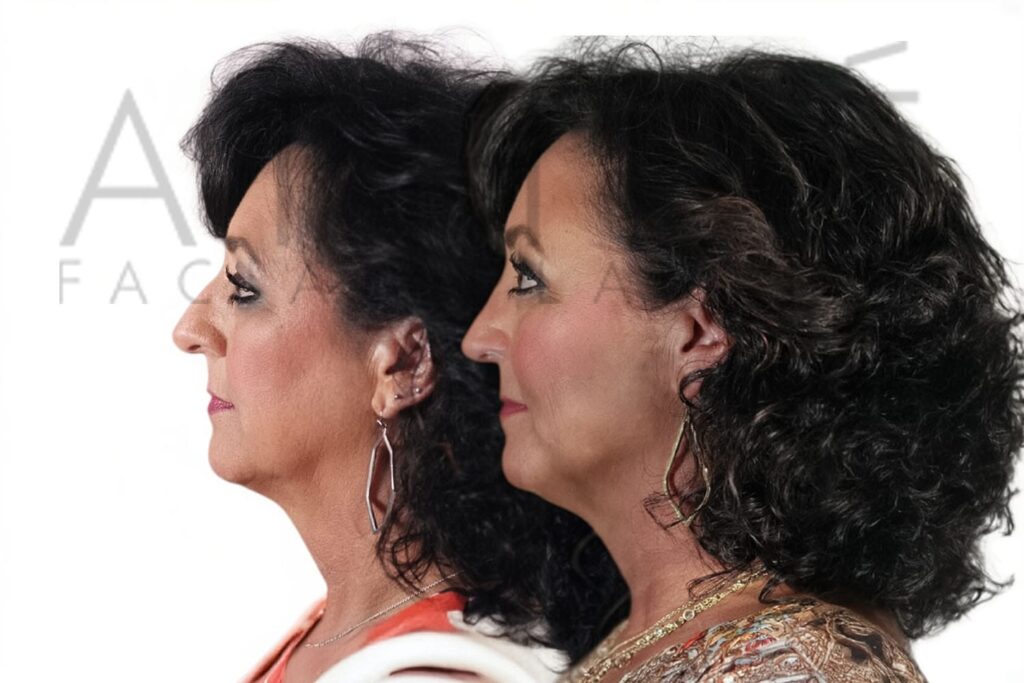
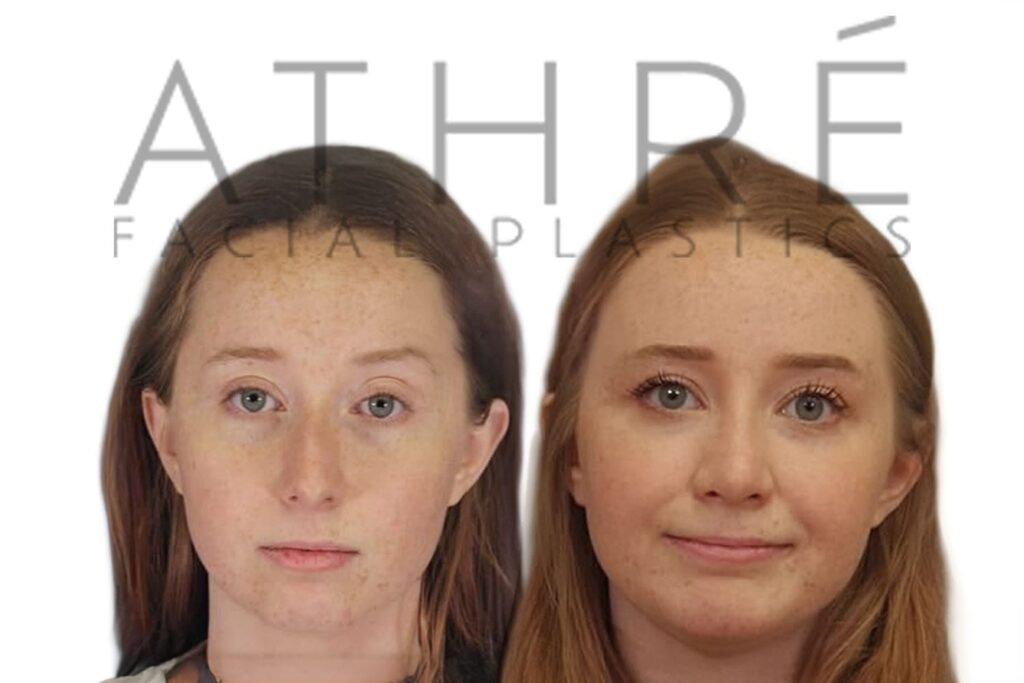
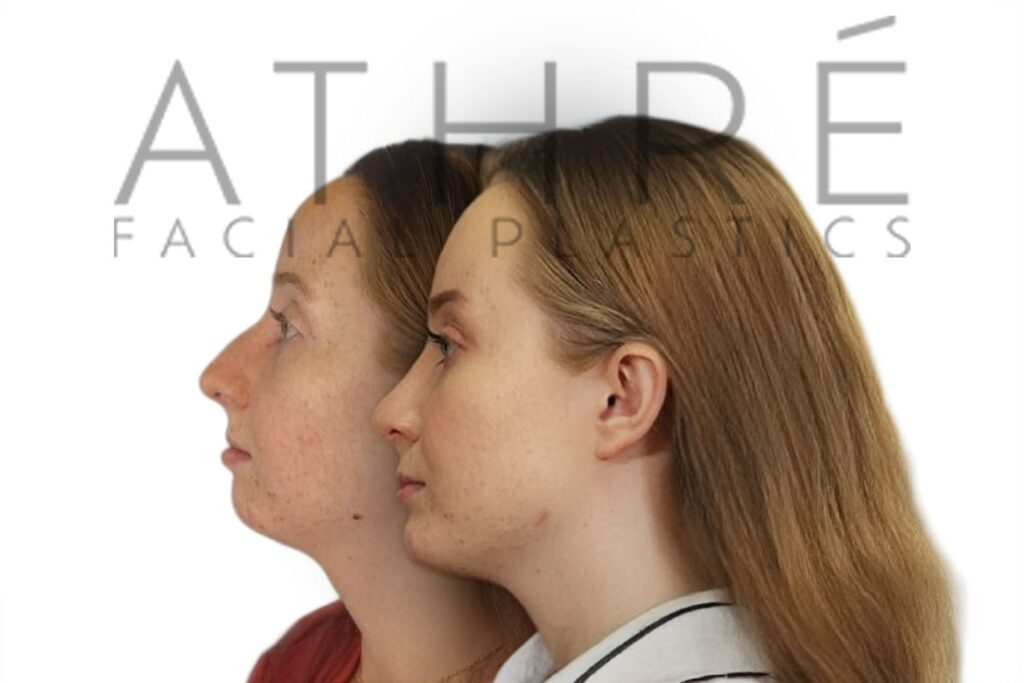
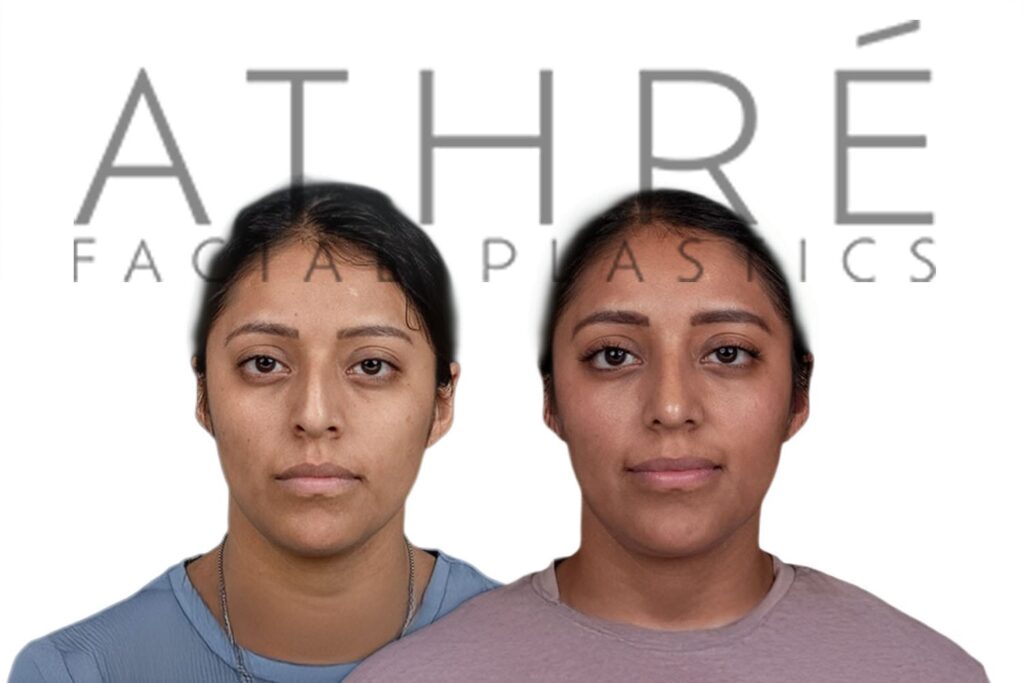
Before & After Photos
Rhinoplasty Gallery
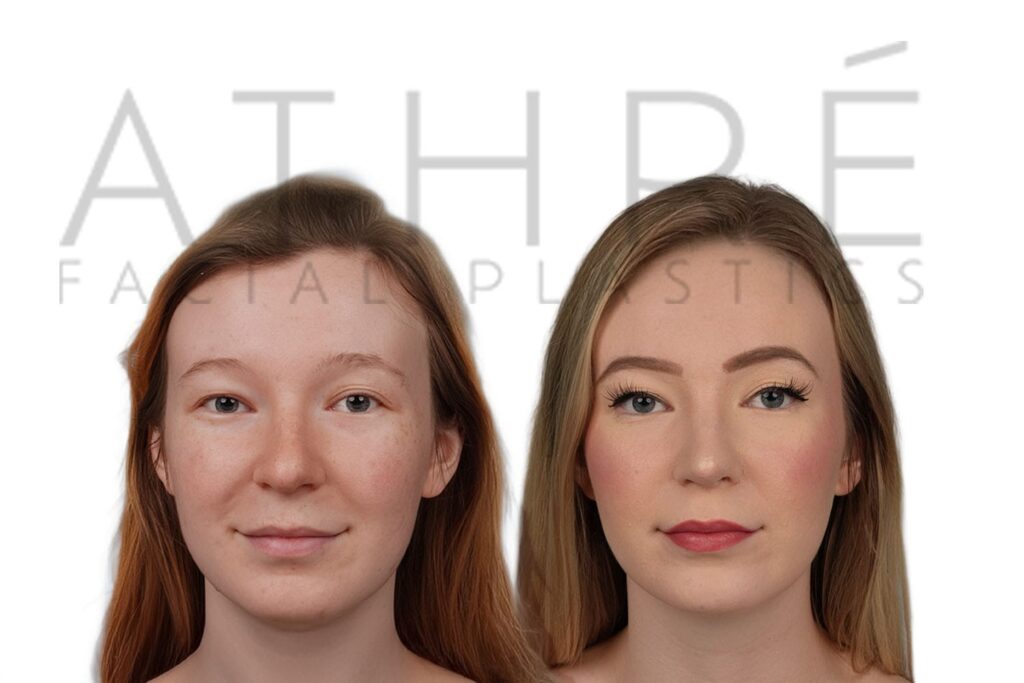
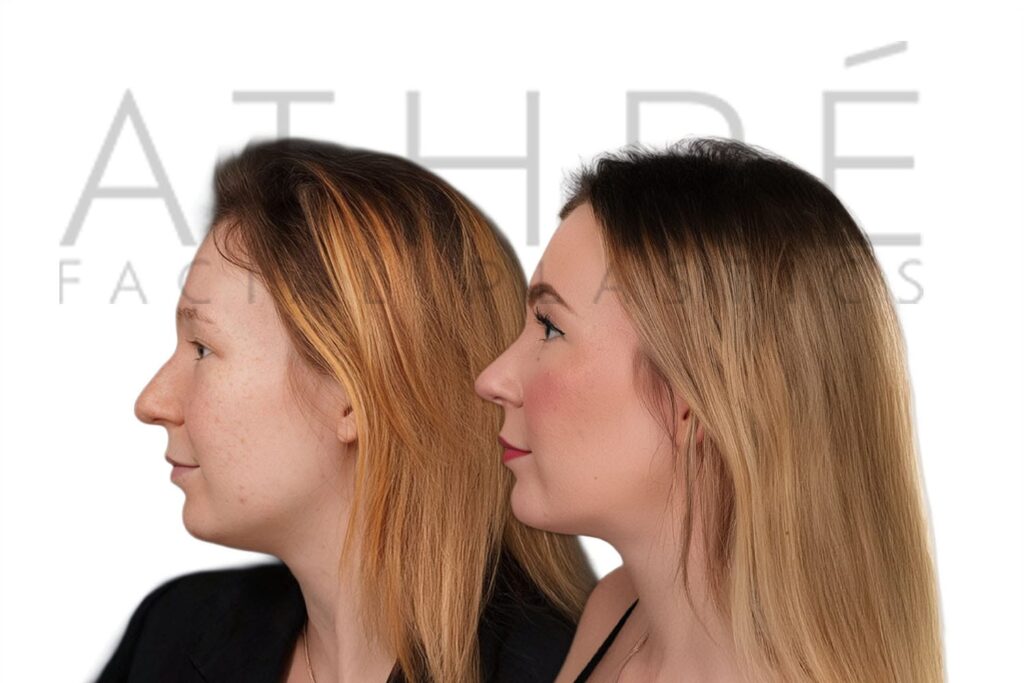


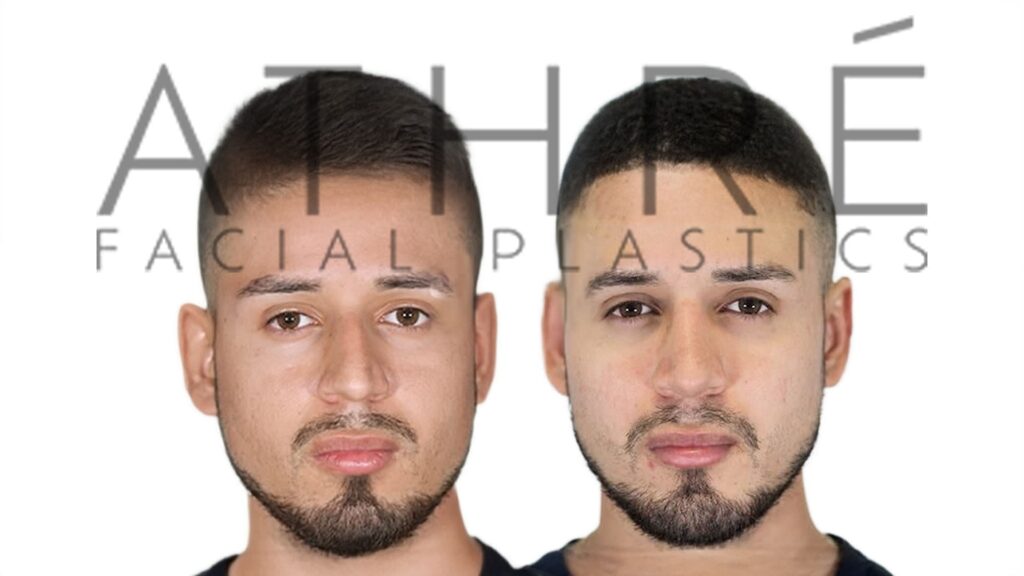
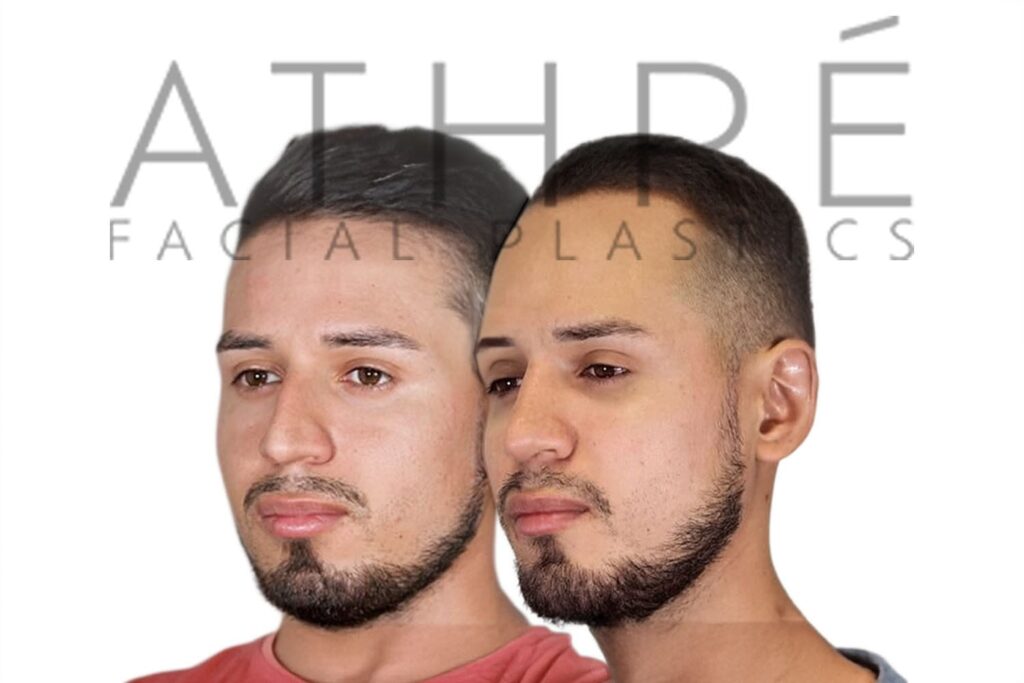



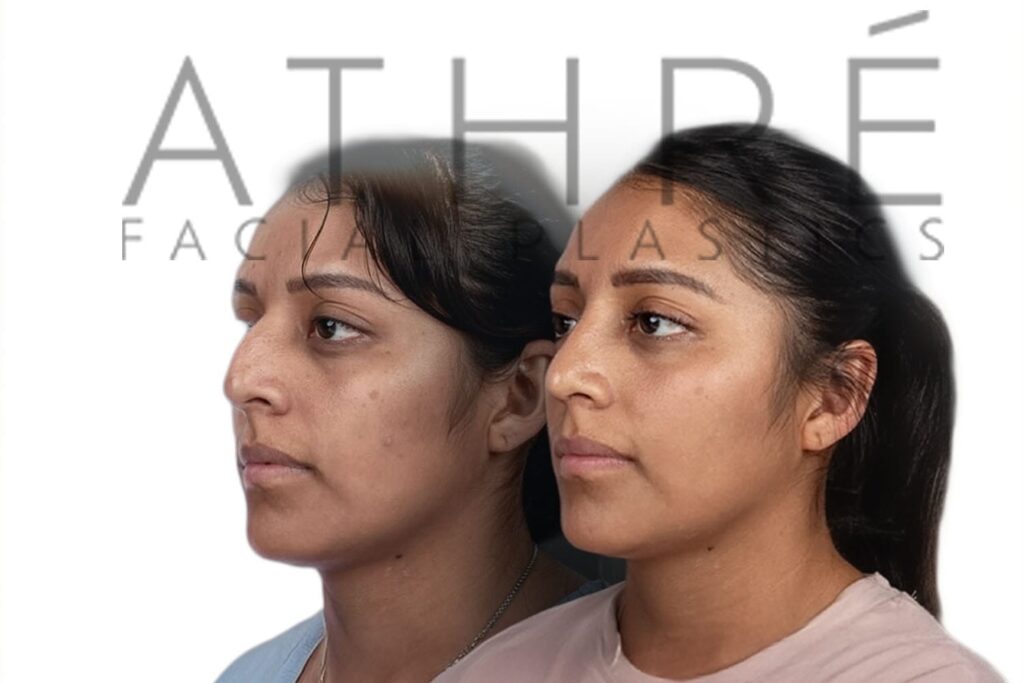
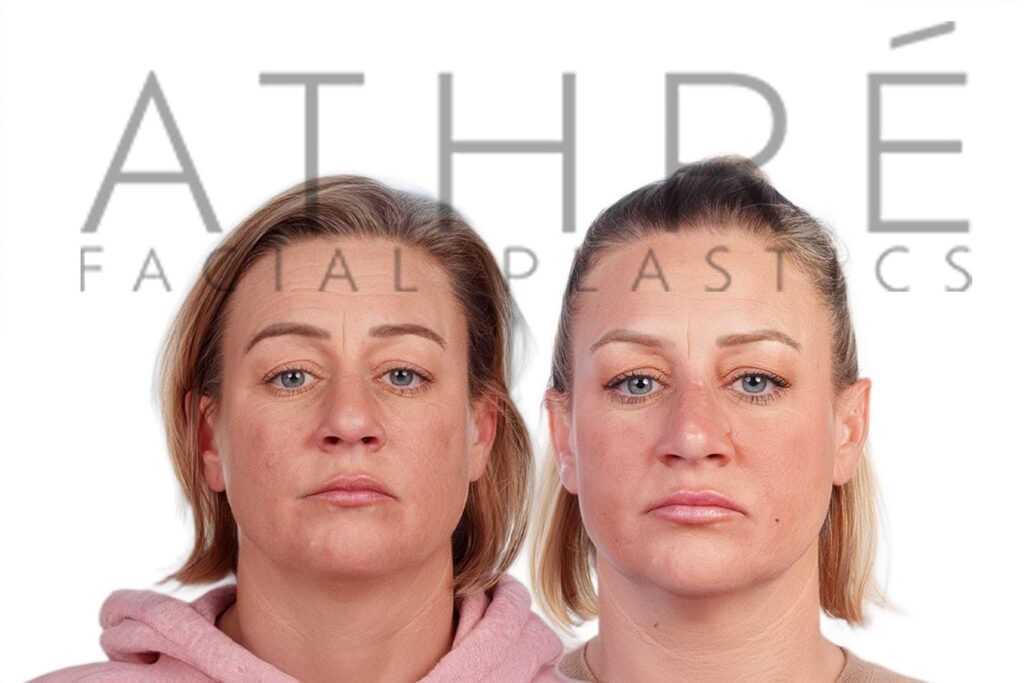
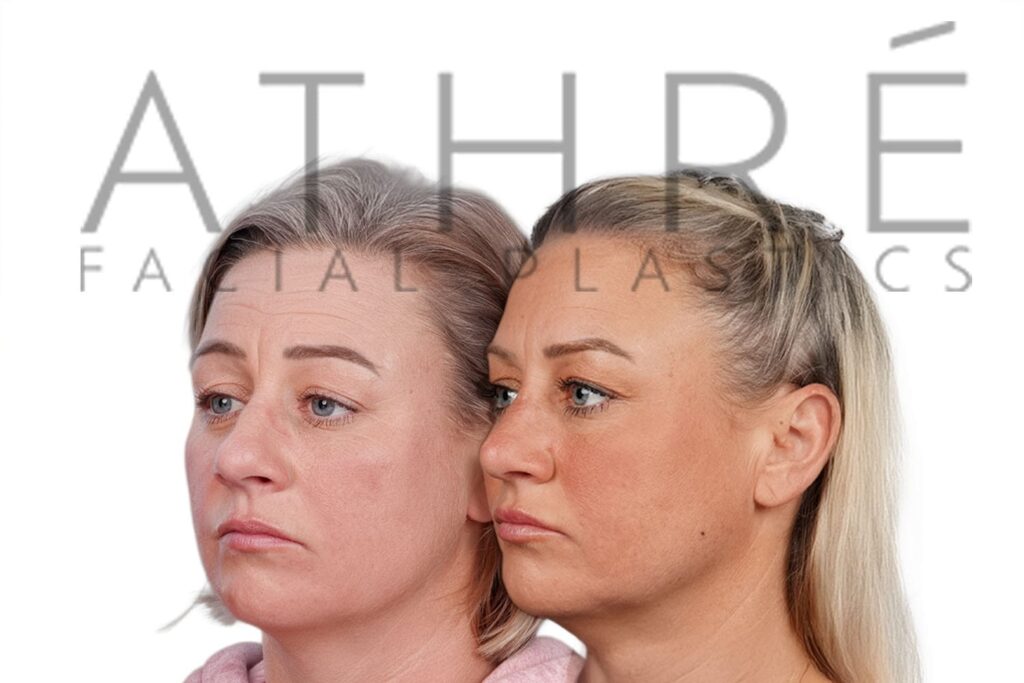
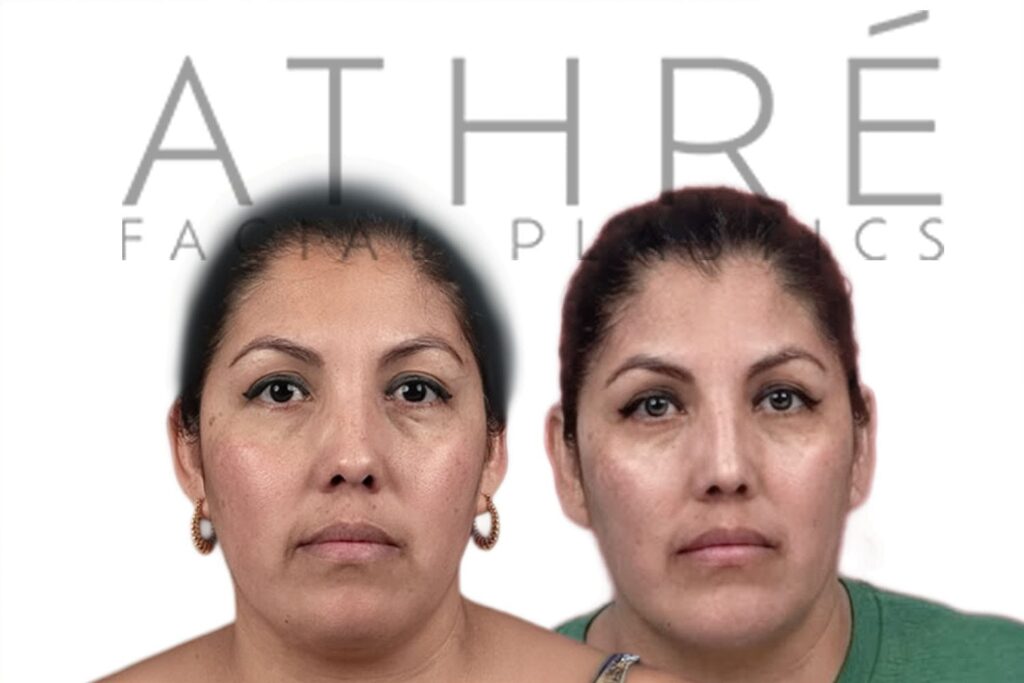
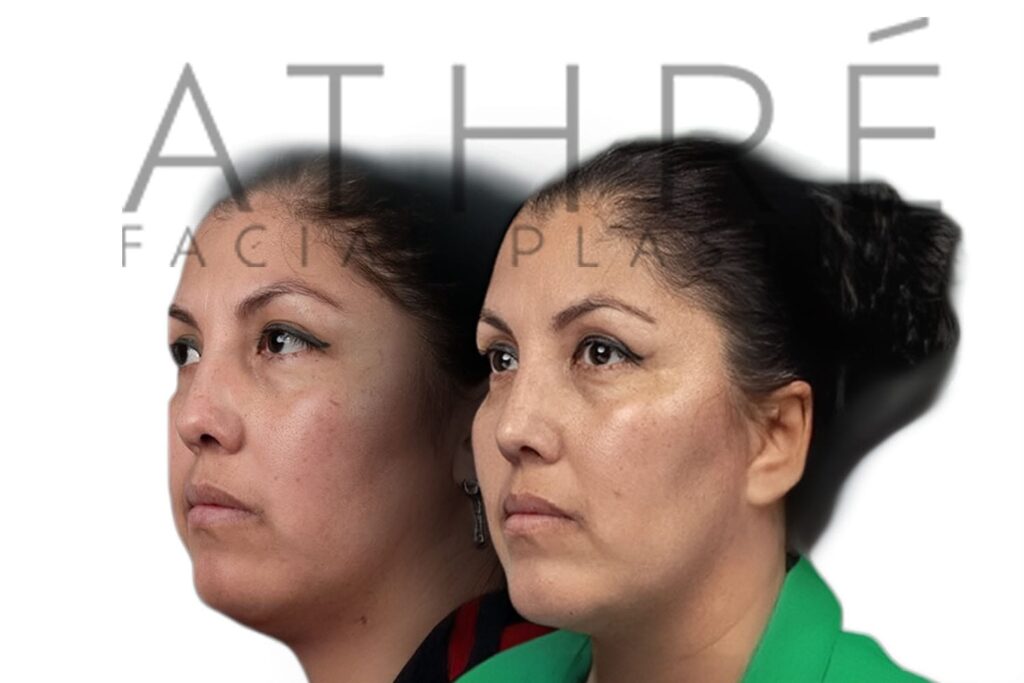
Primary vs. Revision Rhinoplasty
Am I a Candidate for Primary or Revision Rhinoplasty?
In the conventional sense, primary rhinoplasty refers to a patient’s first rhinoplasty.
However, some patients who have never undergone cosmetic rhinoplasty may have nasal anatomy that presents challenges similar to those encountered in revision surgery.
Septoplasty
Patients who have previously undergone septoplasty may have some of the surgical considerations associated with revision rhinoplasty, depending on the extent of their prior surgery and how much septal cartilage was removed.
Septoplasty is performed to correct a deviated septum, which can contribute to nasal obstruction and difficulty breathing. During the procedure, the surgeon reshapes, repositions, or removes portions of deviated septal cartilage and bone while preserving the structural support needed by the nose.
Although septoplasty does not necessarily change the outward appearance of the nose, previous surgery can affect a future rhinoplasty. Scar tissue may make portions of the surgical dissection more complex, and less septal cartilage may be available if cartilage grafts are needed to reshape or support the nose.
When sufficient septal cartilage is not available, cartilage may need to be obtained from another source, such as the ear or rib, depending on the patient's anatomy and surgical needs.
For these reasons, patients with a history of septoplasty require careful evaluation before rhinoplasty. Dr. Athré will assess the septum, available cartilage, nasal support, and evidence of previous surgery to determine the appropriate surgical plan. In some cases, prior septoplasty may increase operative time, surgical complexity, and the estimated cost compared with an uncomplicated primary rhinoplasty.
Nasal Trauma
When someone breaks or otherwise injures the nose, swelling ensues. Swelling can result from soft-tissue injury, bleeding, inflammation, and, in some cases, fractures of the nasal bones or cartilage.
Many nasal injuries can be managed without surgery, although treatment depends on the severity of the fracture, displacement, obstruction, and associated injuries. However, the result of all this trauma to the tissues is some amount of scar tissue. When such a patient later presents for rhinoplasty, dissection of the tissues will be more difficult than someone who has not had significant trauma to their nose.
Liquid Rhinoplasty and Nasal Fillers
Dr. Athré does not generally recommend liquid rhinoplasty or fillers in the nose.
Nasal filler can be used to alter the apparent contour of the nose without surgery. Although nasal filler can be appropriate for carefully selected patients, injections in the nose carry important risks and cannot achieve the same structural changes as surgery.
Dr. Athré is an experienced surgeon and has done hundreds of rhinoplasty surgeries on patients who have had filler in their noses. These noses may no longer have completely untreated soft-tissue planes, particularly after repeated injections or prior filler-related inflammation. Some patients with previous nasal filler may have residual firmness, tissue changes, or scar tissue that can affect surgical dissection.
Tissue changes may be more significant with certain longer-lasting or permanent fillers, particularly when inflammatory or granulomatous reactions have occurred. These patients’ surgeries may more closely resemble revision rhinoplasty. Patients who have received hyaluronic acid fillers may have tissue planes more similar to those encountered in primary rhinoplasty, although this varies with the product, amount, number of injections, timing, and any prior complications.
When patients from these categories are seen for a rhinoplasty consultation, a complete history and physical examination, including anterior rhinoscopy, is important to determine the degree of surgical complexity in each individual case.
Patients with a limited history of hyaluronic acid filler (liquid rhinoplasty) may fall closer to the primary rhinoplasty side, whereas patients with significant prior nasal trauma or extensive previous septal surgery may fall closer to the revision rhinoplasty side of the spectrum.
Primary Rhinoplasty Cost
Primary rhinoplasty is individualized to alter nasal shape, improve nasal function when appropriate, or address both aesthetic and functional concerns.
Whether you're seeking to refine the nasal bridge, adjust the tip, or correct asymmetry, Dr. Athré develops a surgical plan intended to produce a natural-looking result that fits the patient’s facial proportions.
Dr. Athré typically performs primary rhinoplasty under general anesthesia. Anesthesia requirements and fees vary by procedure and individual surgical plan.
Primary Rhinoplasty
$9,000 Starting Range
- + Facility Fees ($2,750)
- + Anesthesia (Local $1,500), (General $4,800)
Next Steps

Your Primary Rhinoplasty Consultation
The first step is a consultation with Dr. Athré.
During your consultation, Dr. Athré will review your medical history and discuss your goals for surgery. The consultation typically includes three steps:
- Review your medical and surgical history, medications, and allergies.
- Discuss your goals and expectations with Dr. Athré.
- Dr. Athré will perform a comprehensive nasal examination and give you options, including computer imaging, when appropriate, to help illustrate possible surgical goals.
After these three steps, Dr. Athré will explain the procedure, the anticipated steps of your specific surgery, potential risks and complications, and what to expect during your postoperative recovery. Finally, you will receive an itemized cost estimate that includes surgical, anesthesia, and facility fees.
Why Dr. Athré for Rhinoplasty?
Dr. Athré treats rhinoplasty patients from Houston as well as patients who travel from elsewhere in the United States, Mexico, South America, and the Middle East.
He continually evaluates newer techniques and adapts established approaches to each patient’s anatomy and goals to achieve natural-looking results tailored to the patient’s anatomy and goals.
Approximately 75–80% of Dr. Athré’s rhinoplasty practice is primary rhinoplasty, with revision rhinoplasty being 20–25% of his practice. Rhinoplasty represents a substantial portion of Dr. Athré’s surgical practice, providing him with extensive experience treating both primary and revision cases.
Patient Review
“Dr. Athré did an amazing job on my nose. His staff treated me like family and I felt very comfortable getting the work done. He was very intuitive on what I was trying to accomplish and knowledgable enough to work through the issues involved to get the result I wanted, especially considering it was a revision surgery. The whole experience was great and helped me so much!”

Primary Rhinoplasty FAQs
See below for frequently asked questions about primary rhinoplasty.