Skin Resurfacing Before & After Results
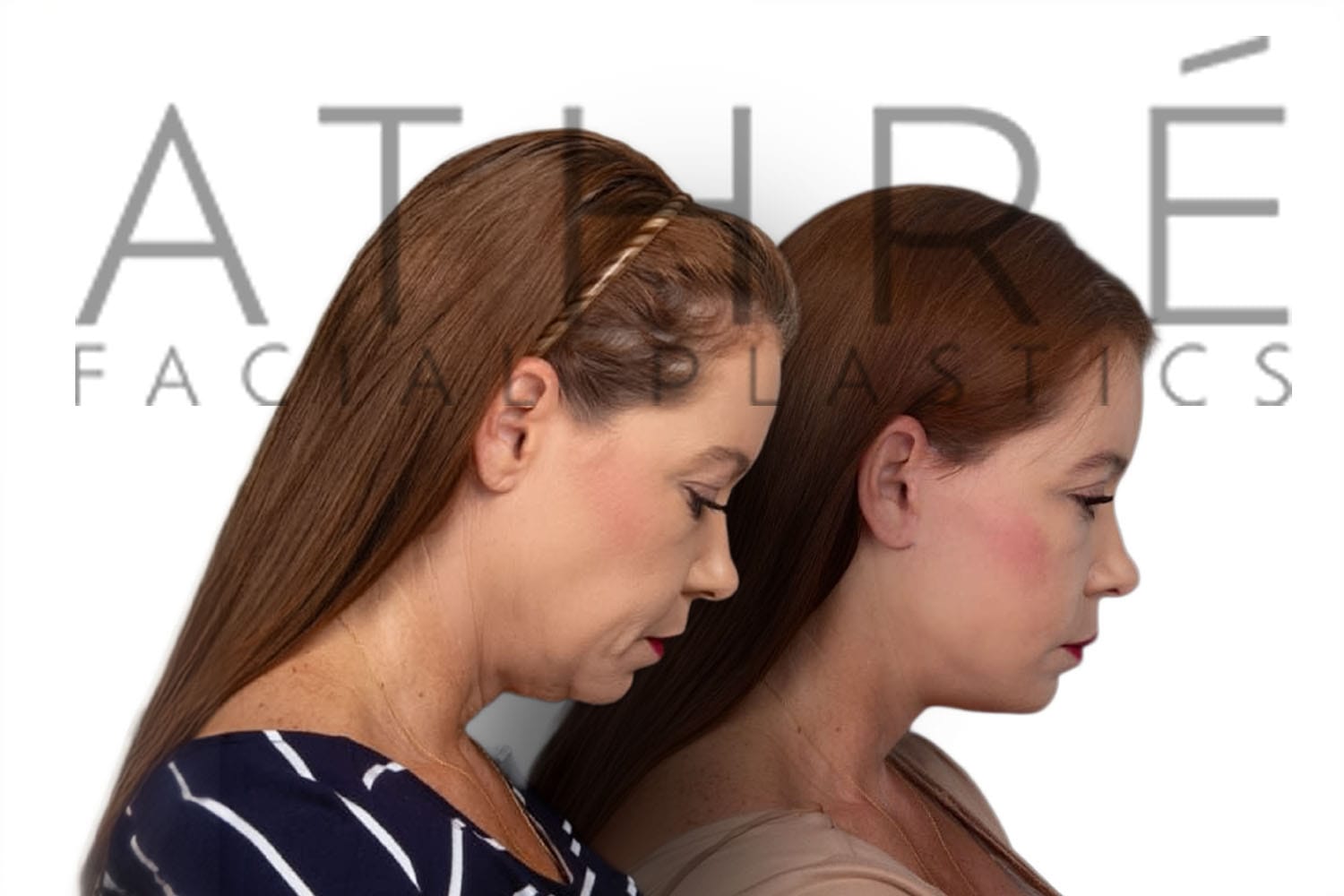
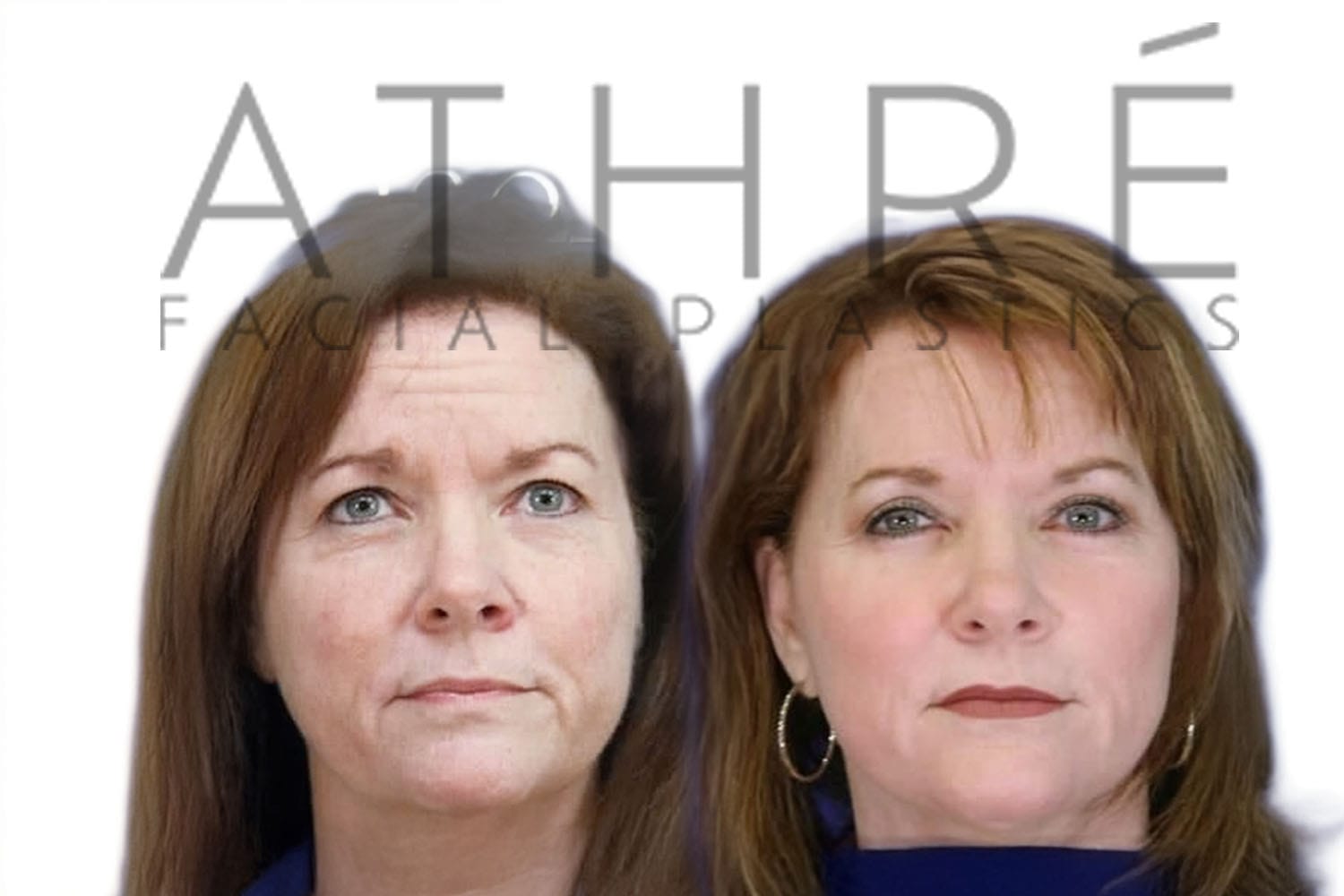
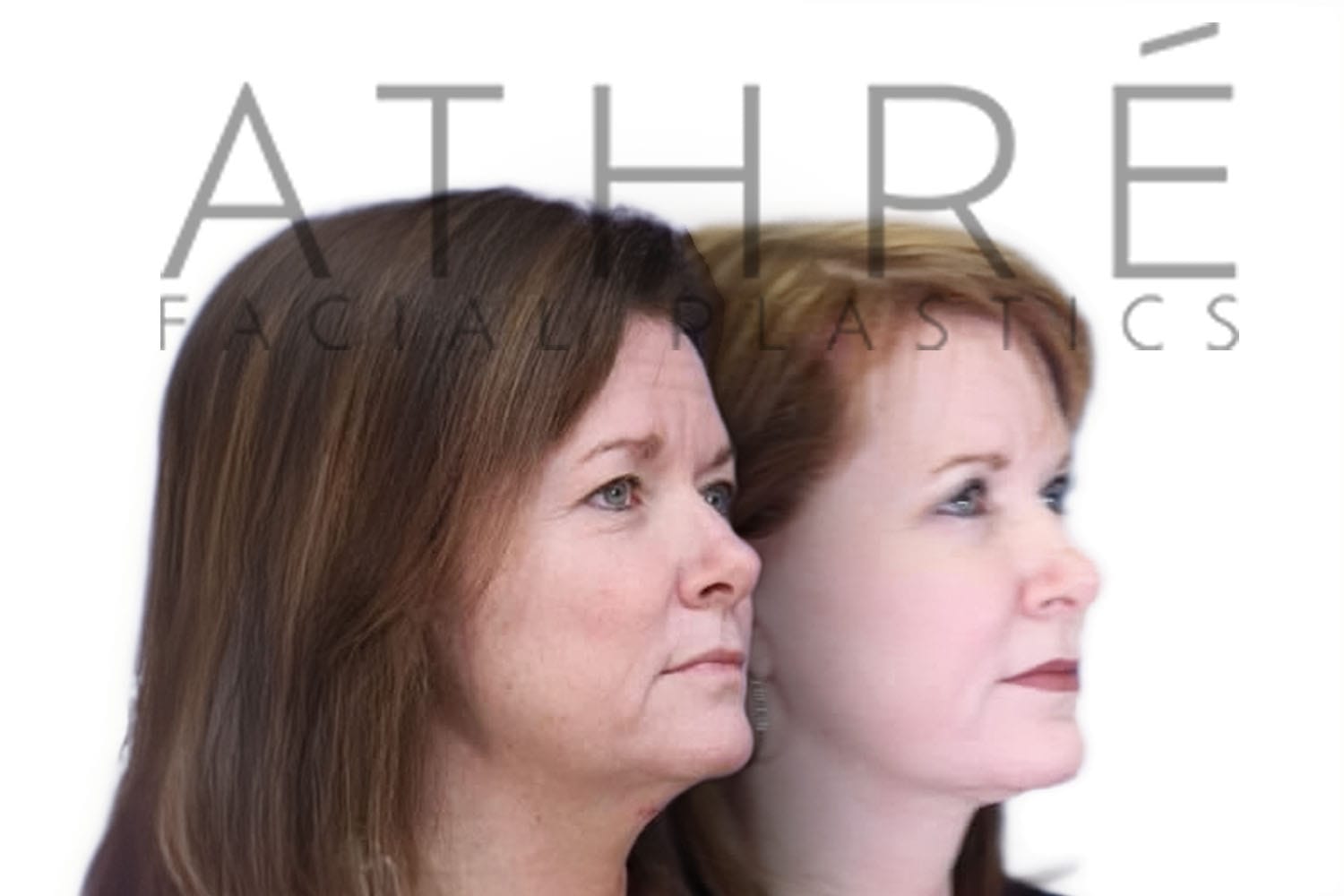
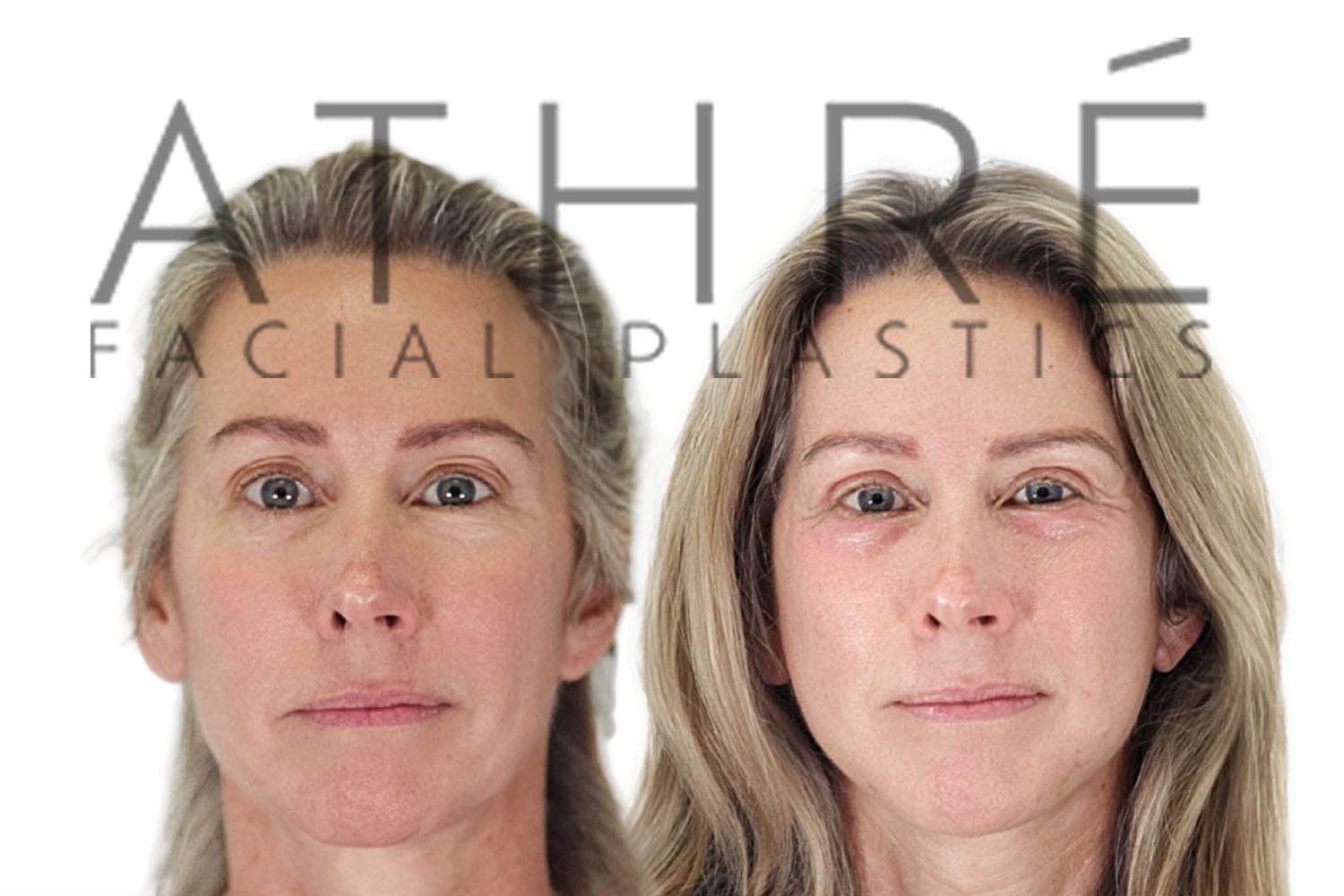
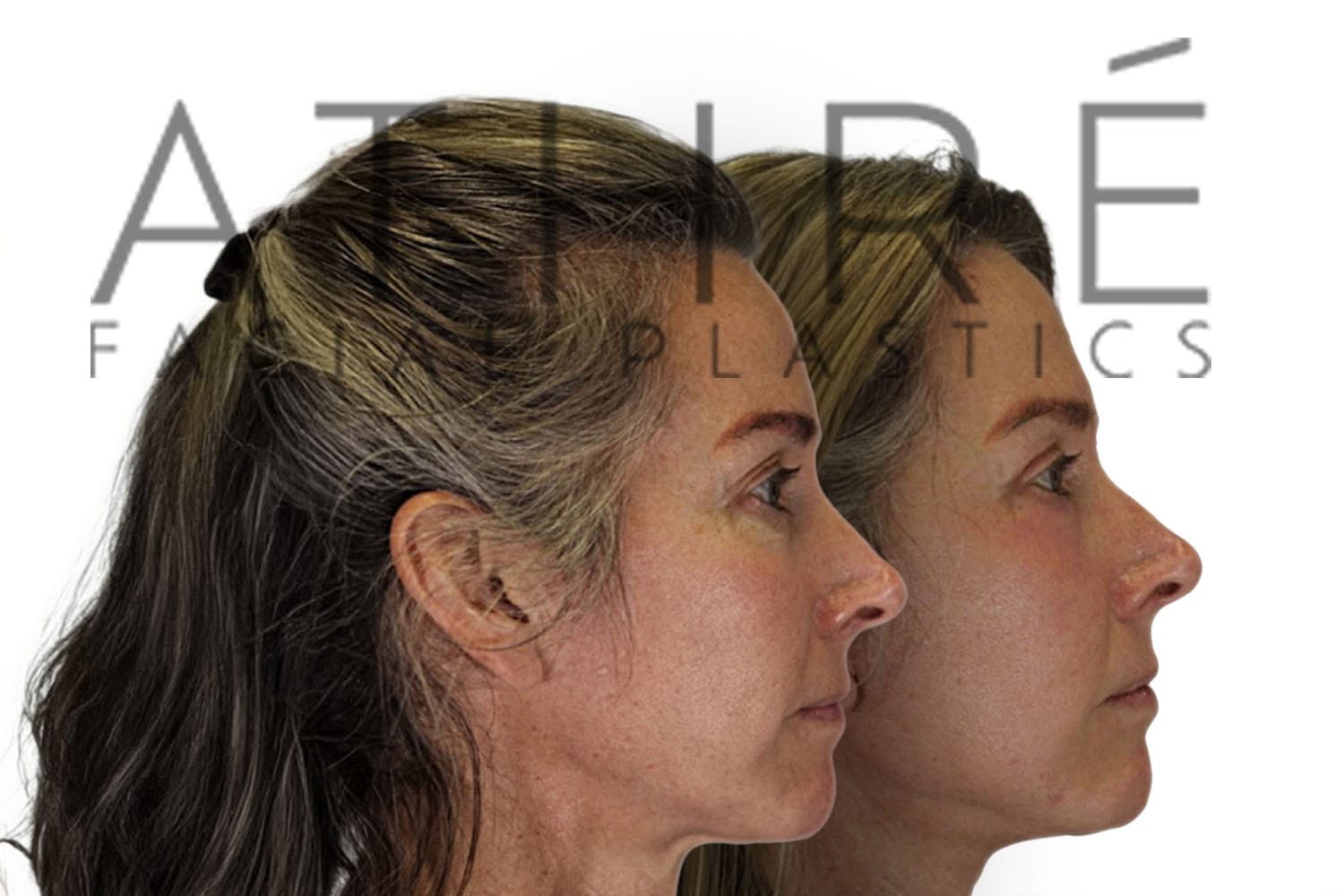
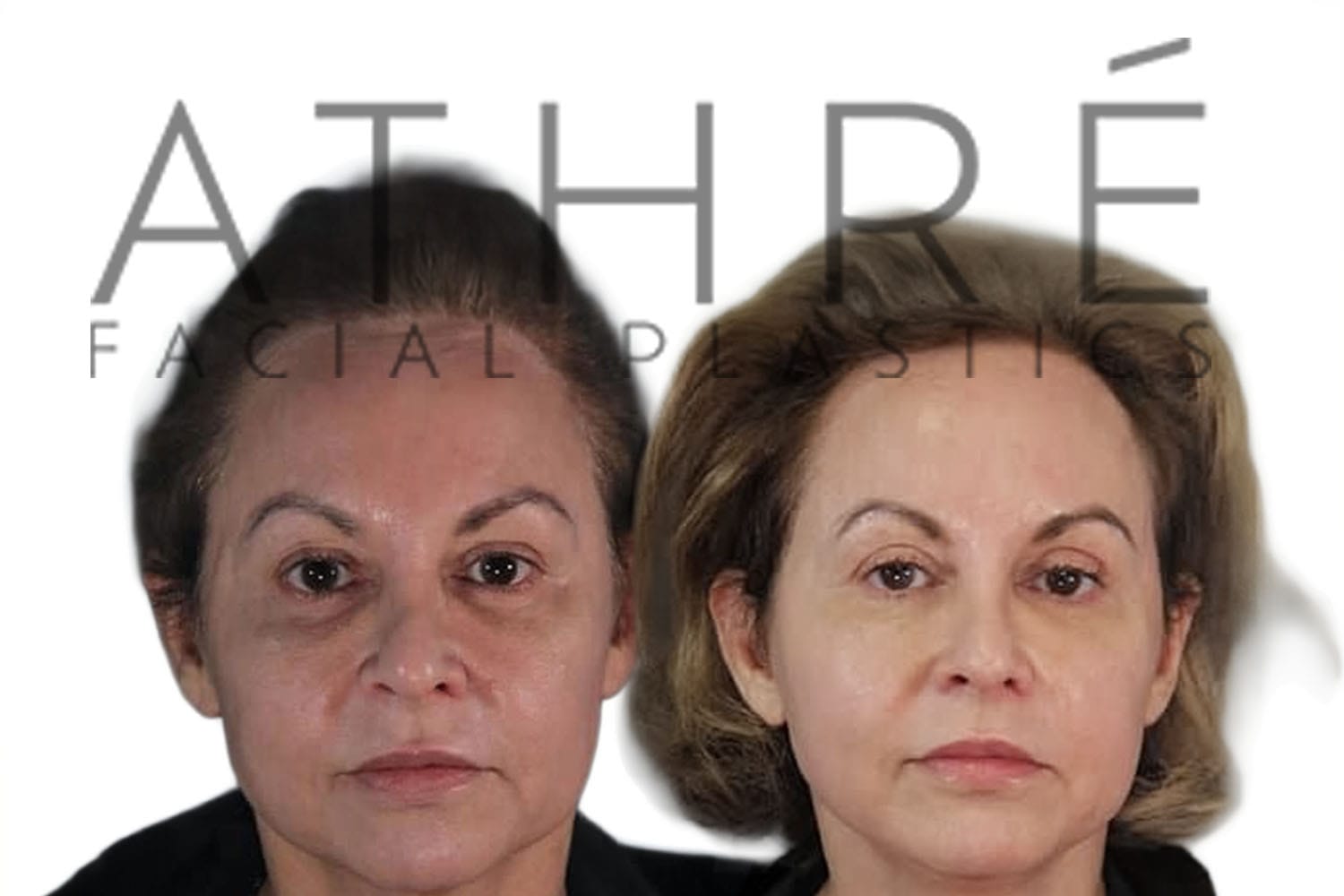
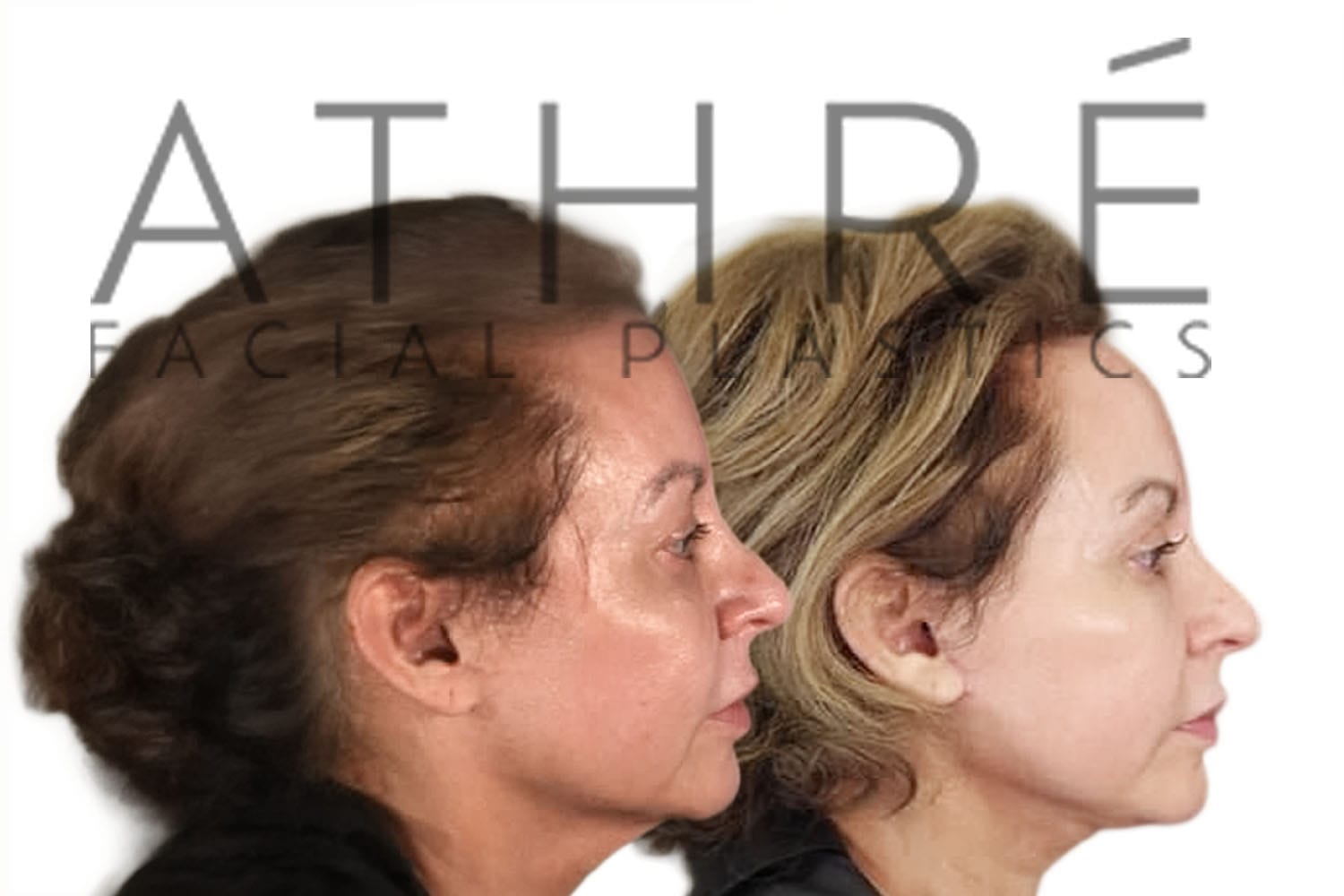
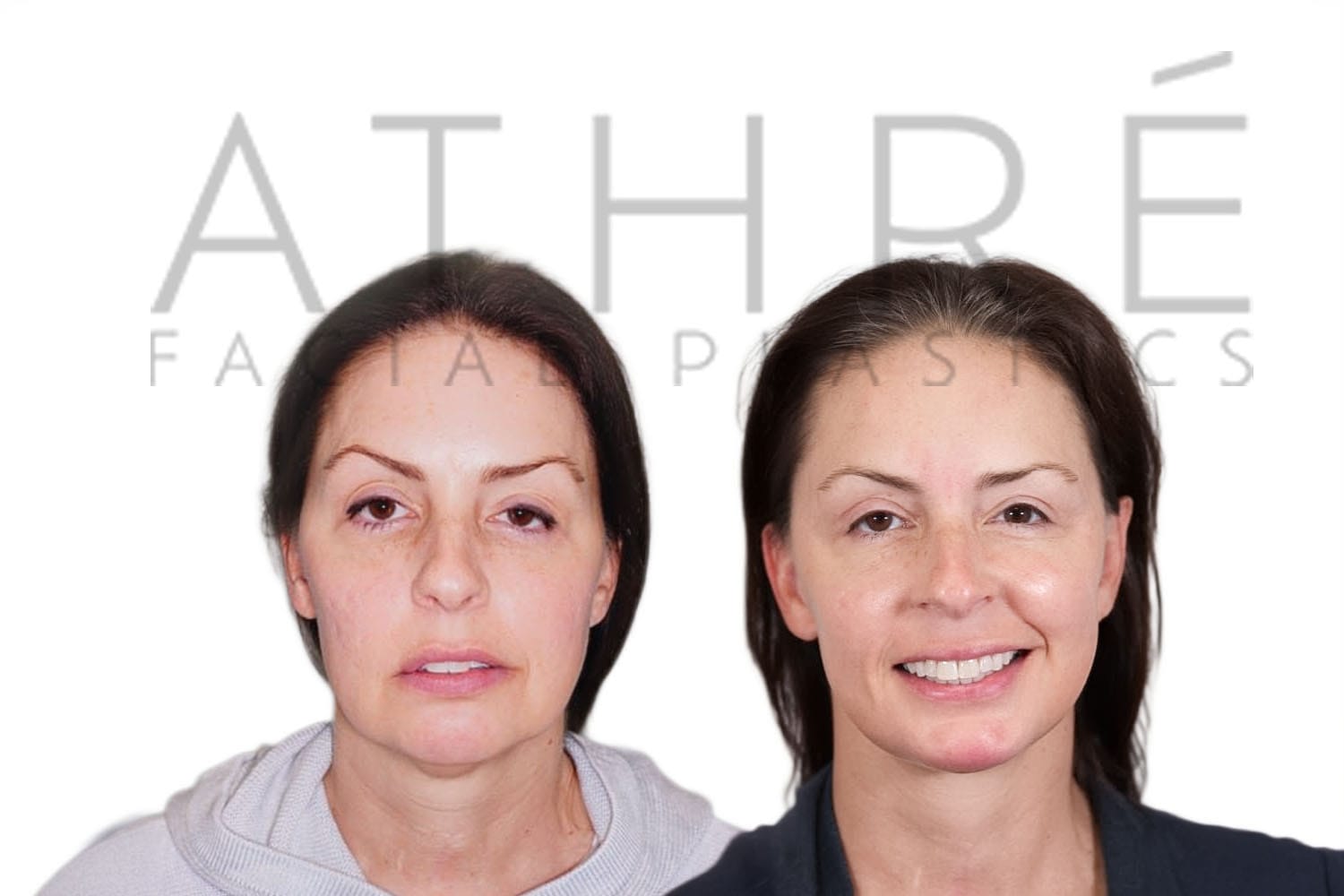
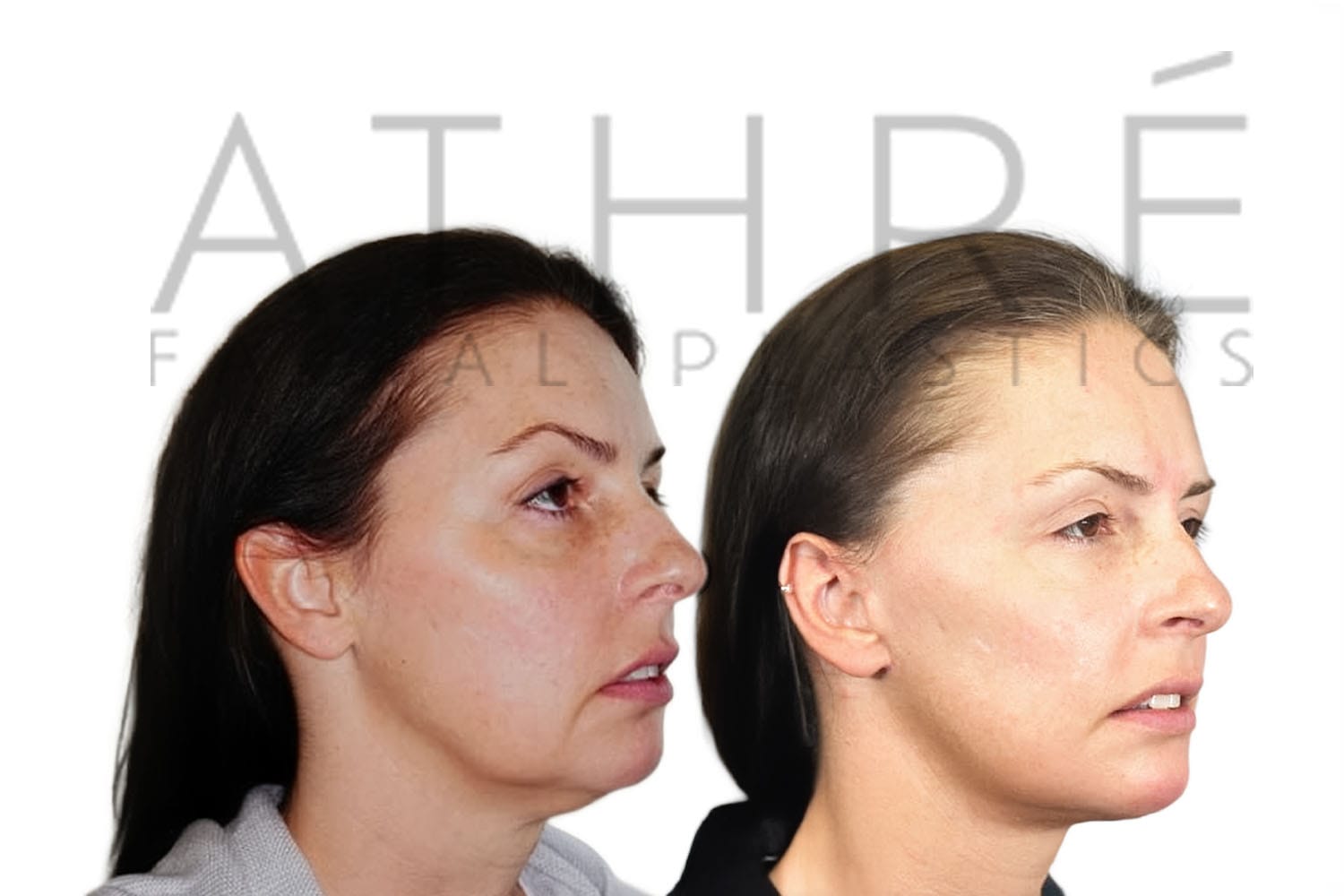
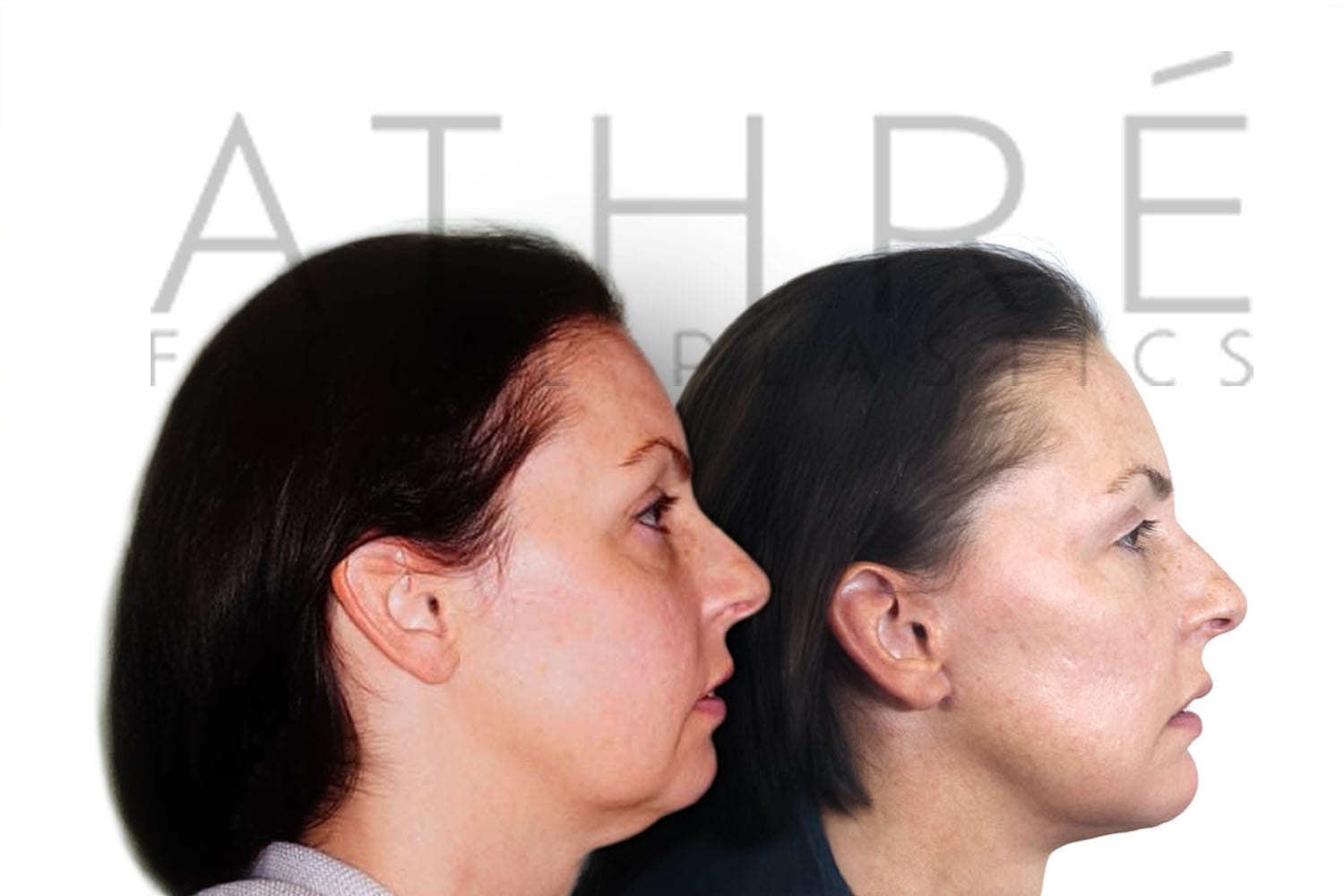
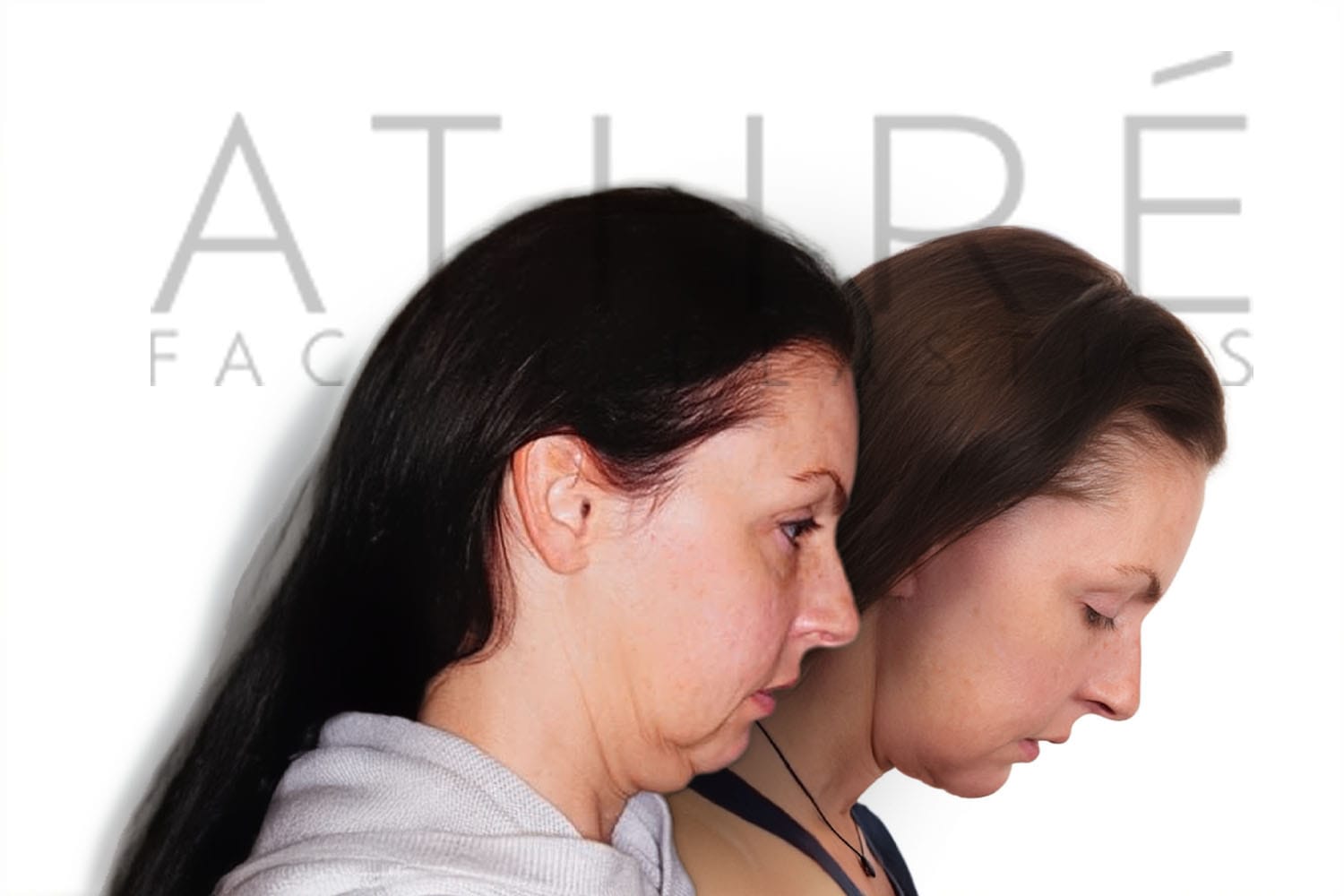
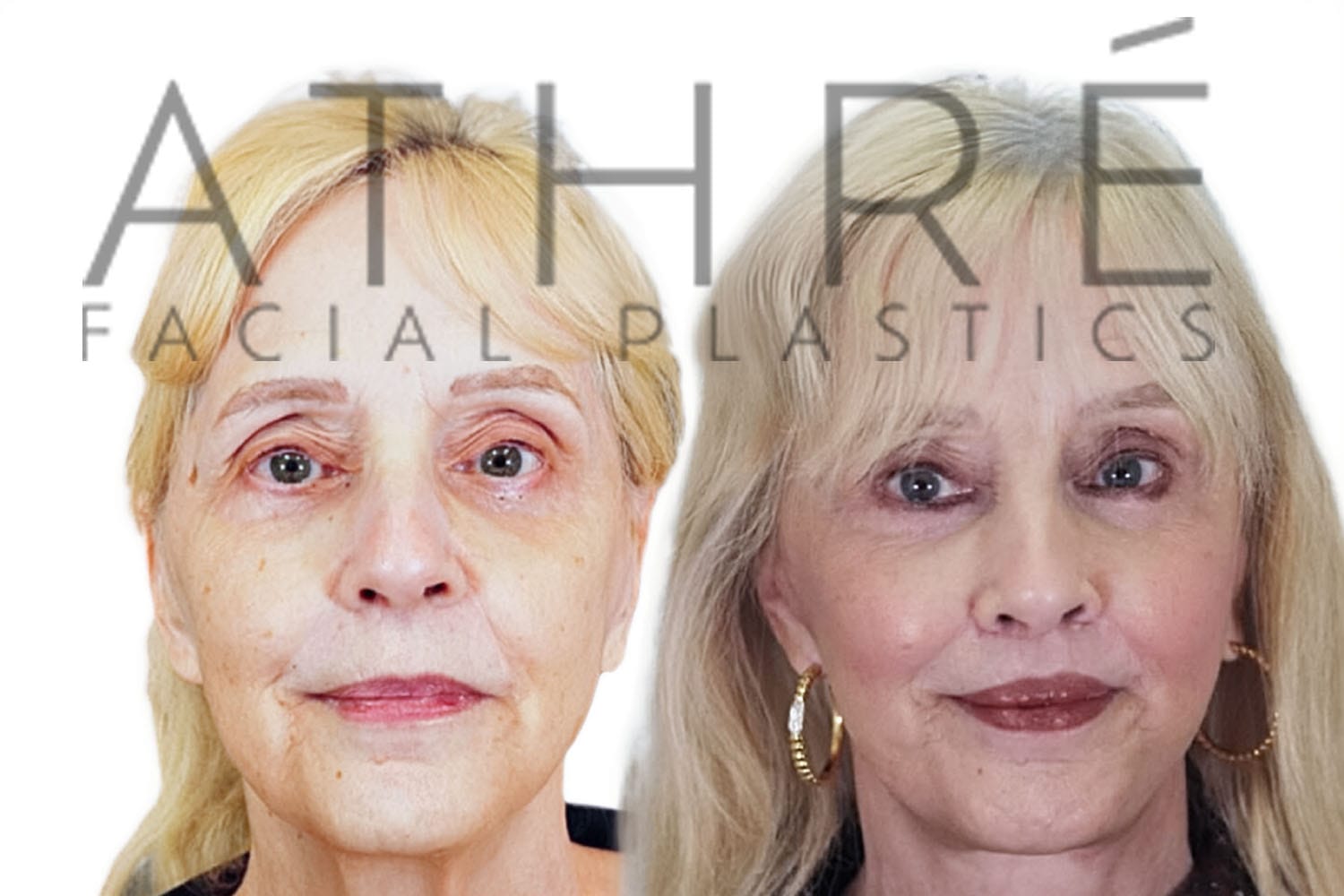
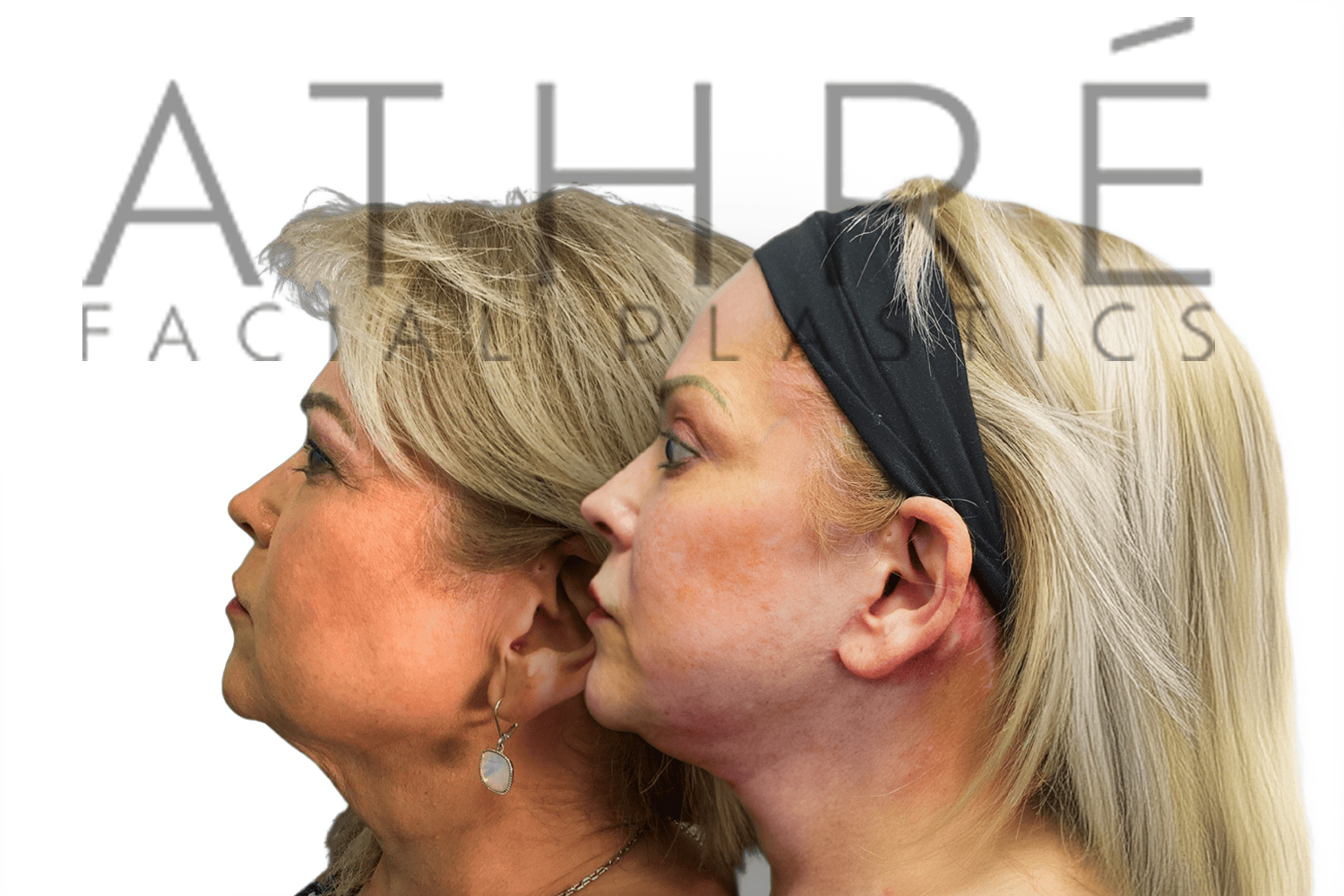
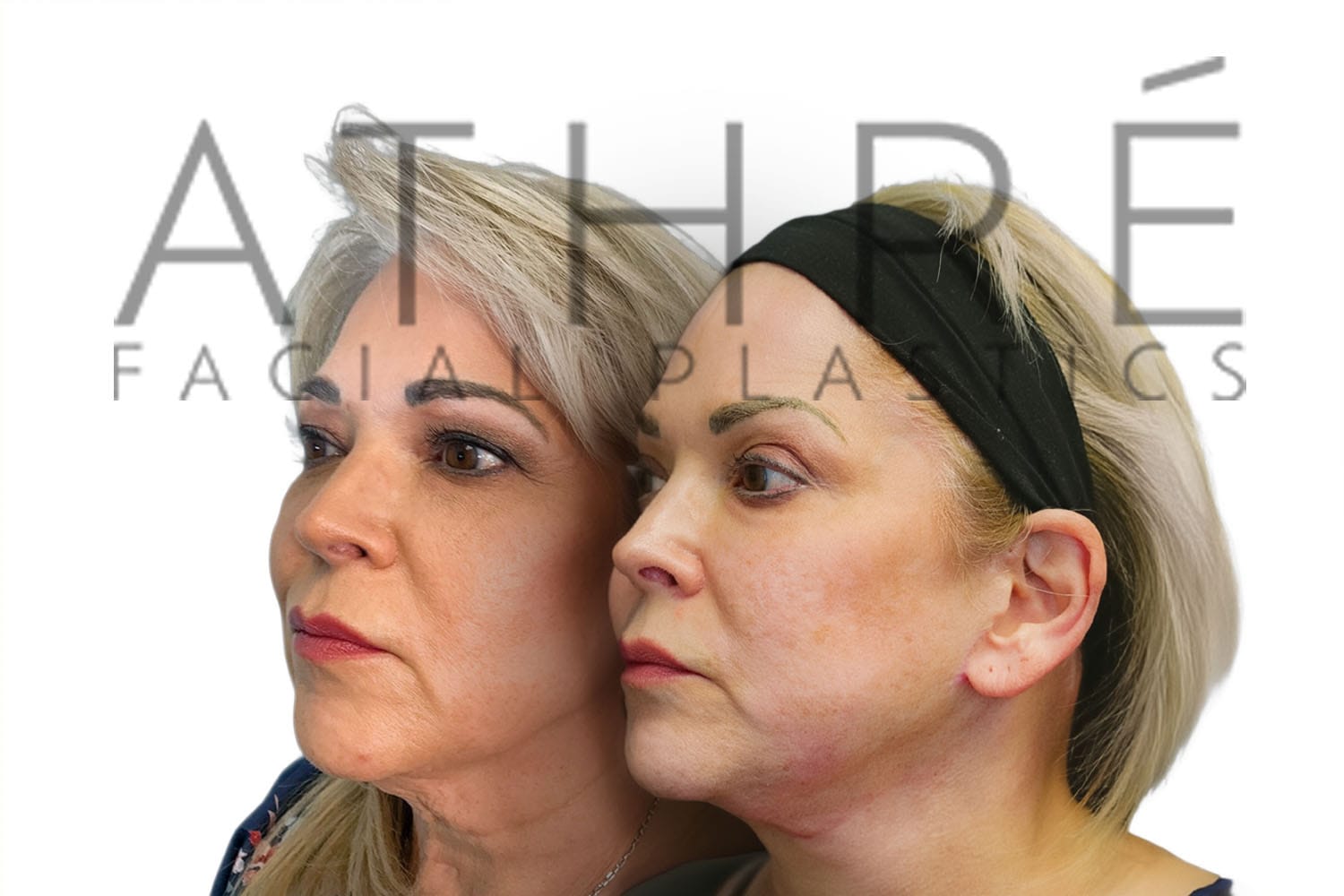
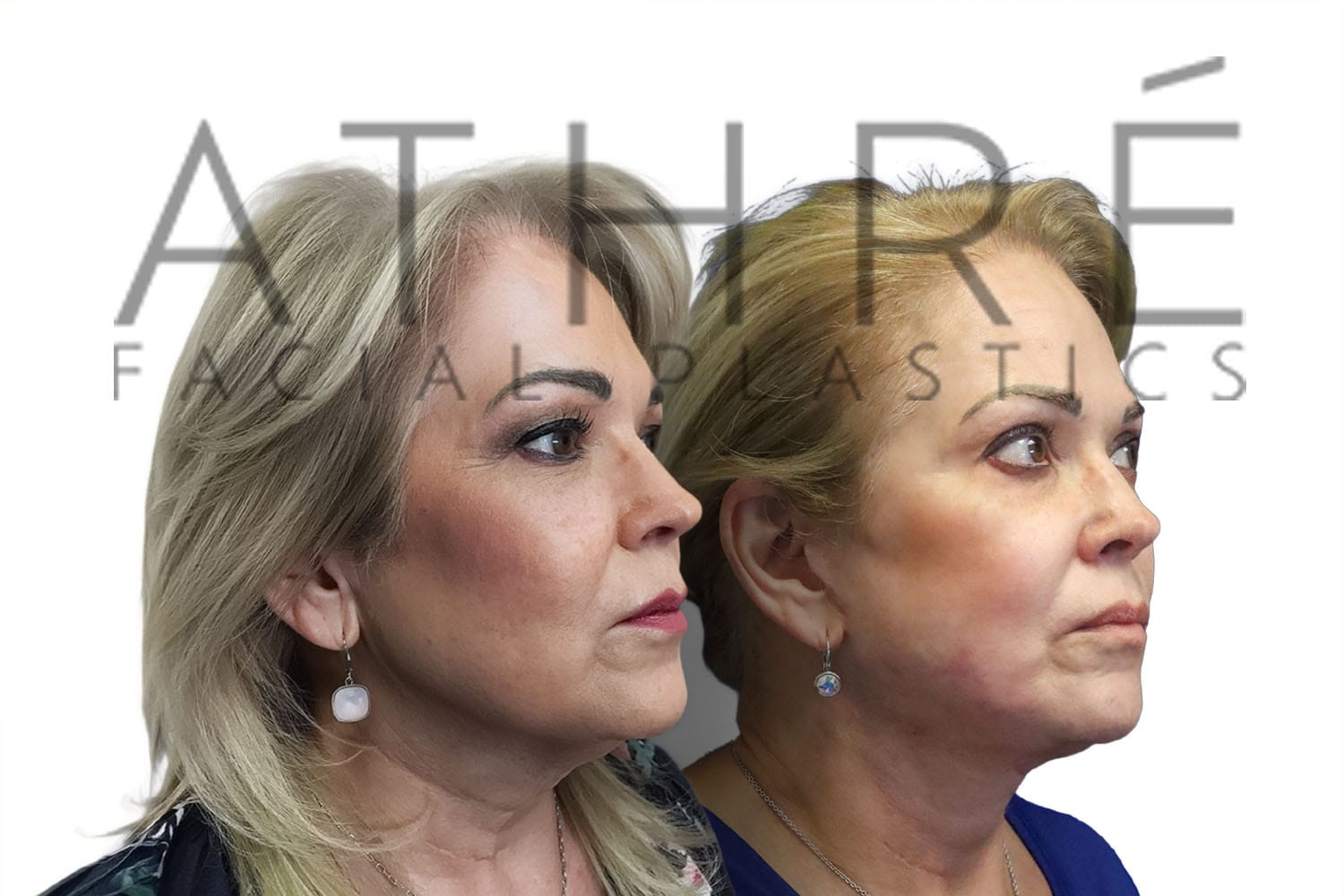
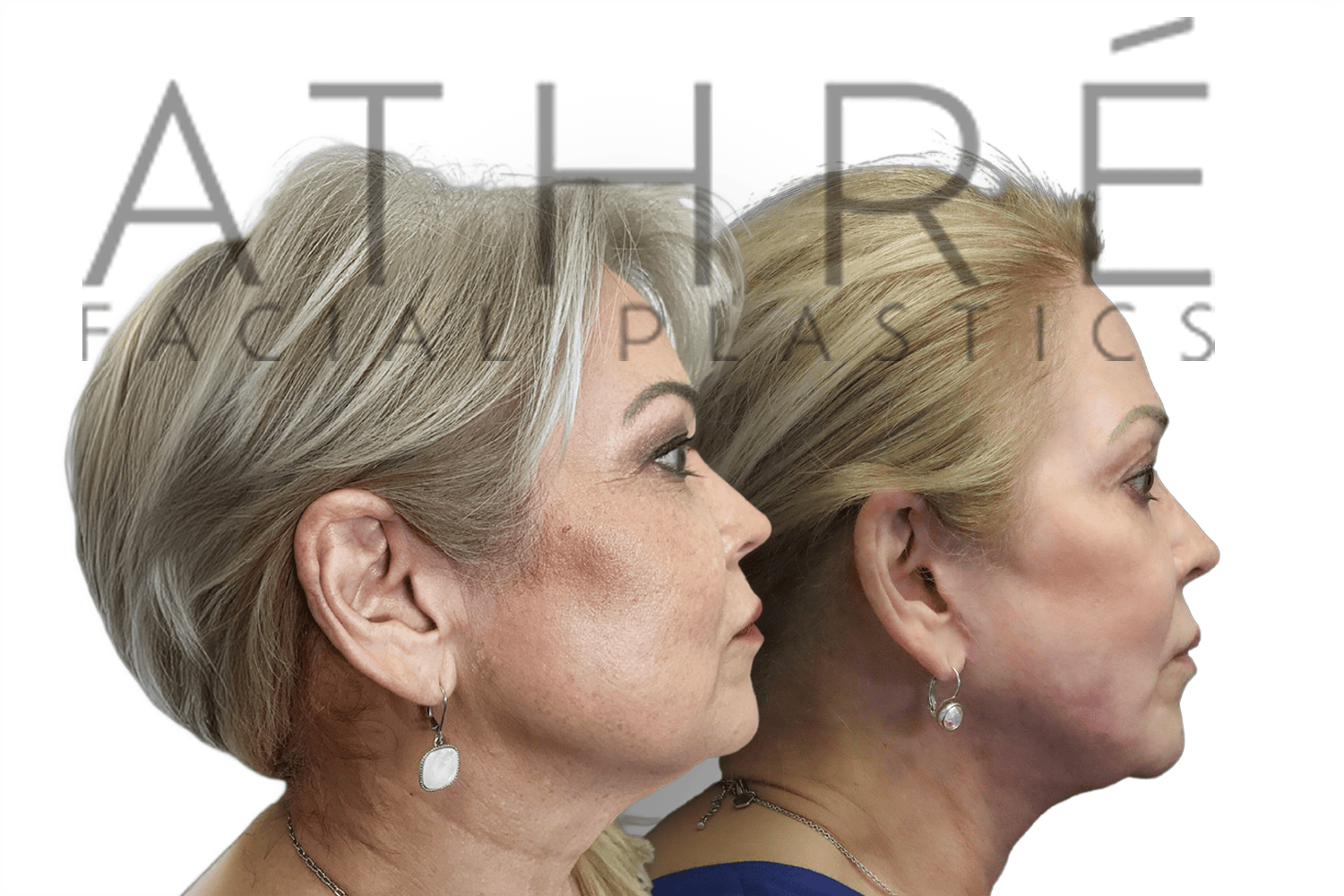
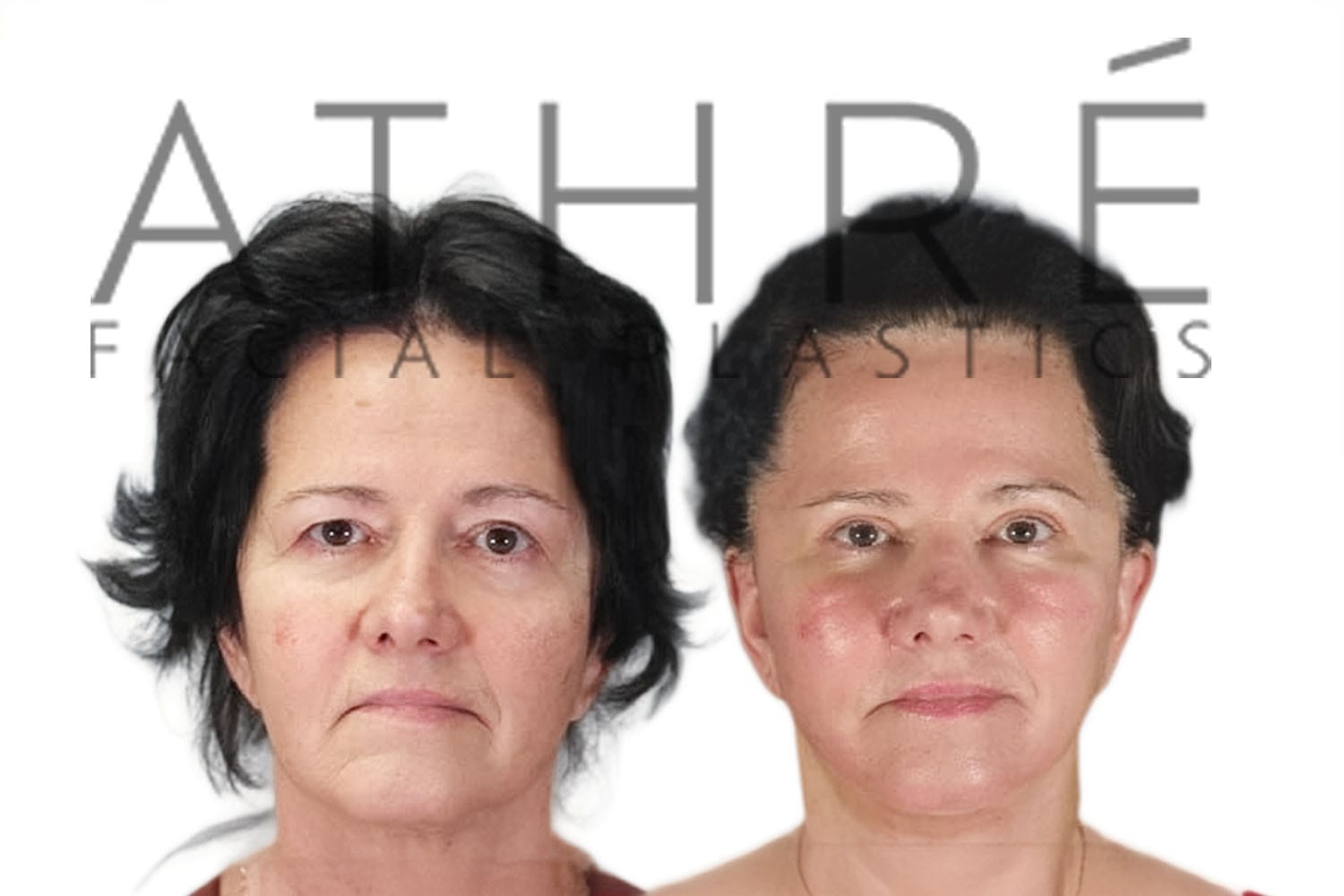
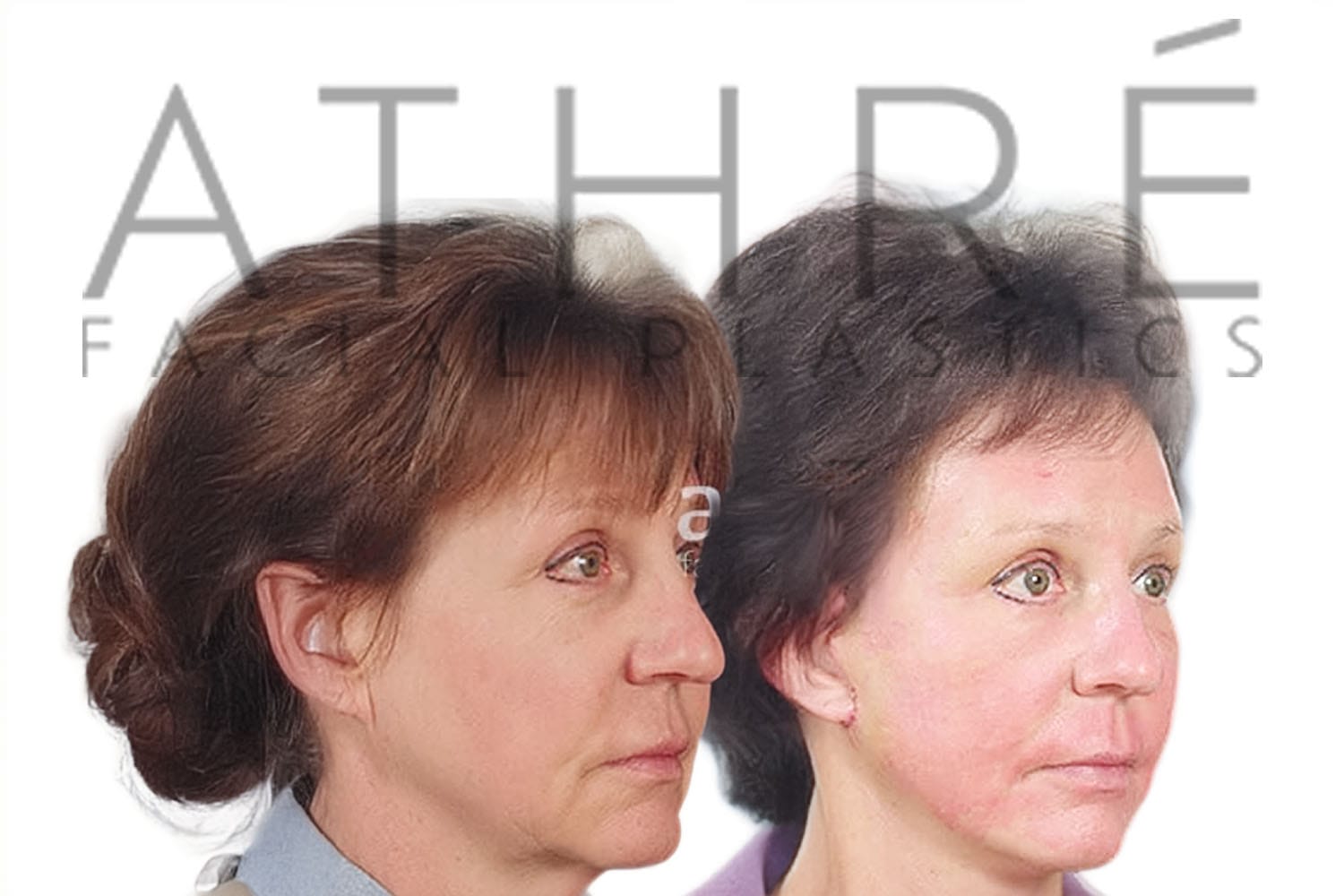
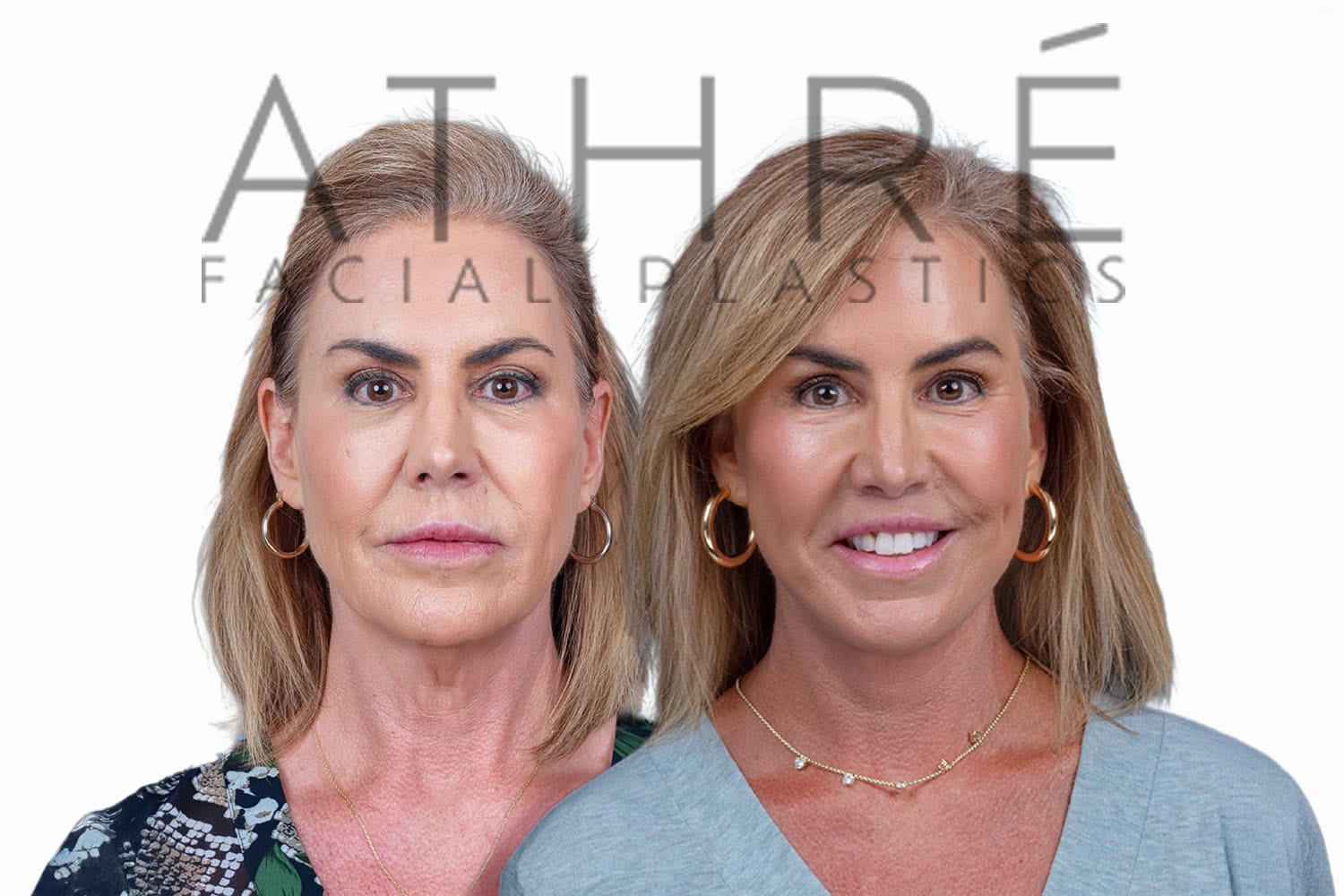
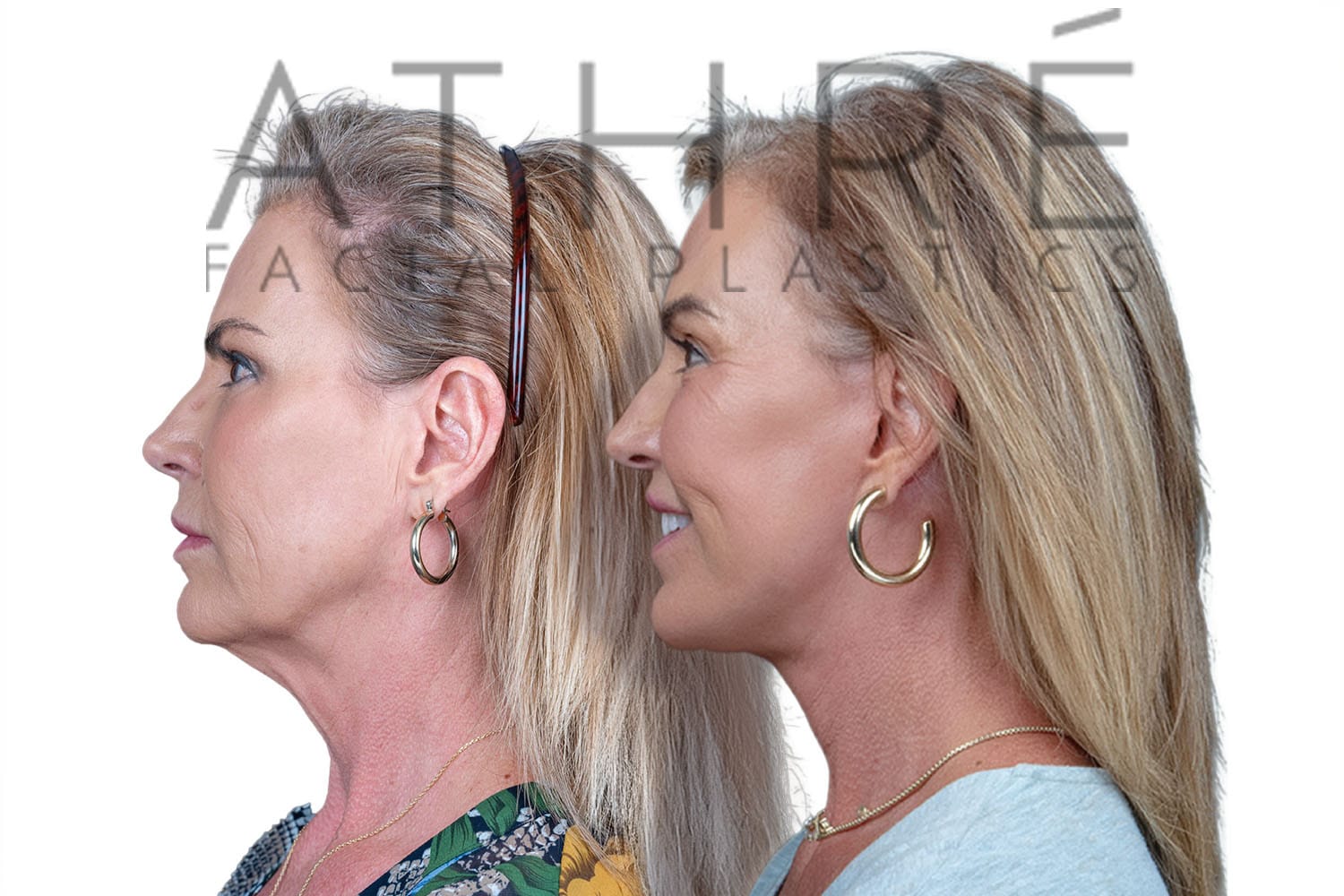
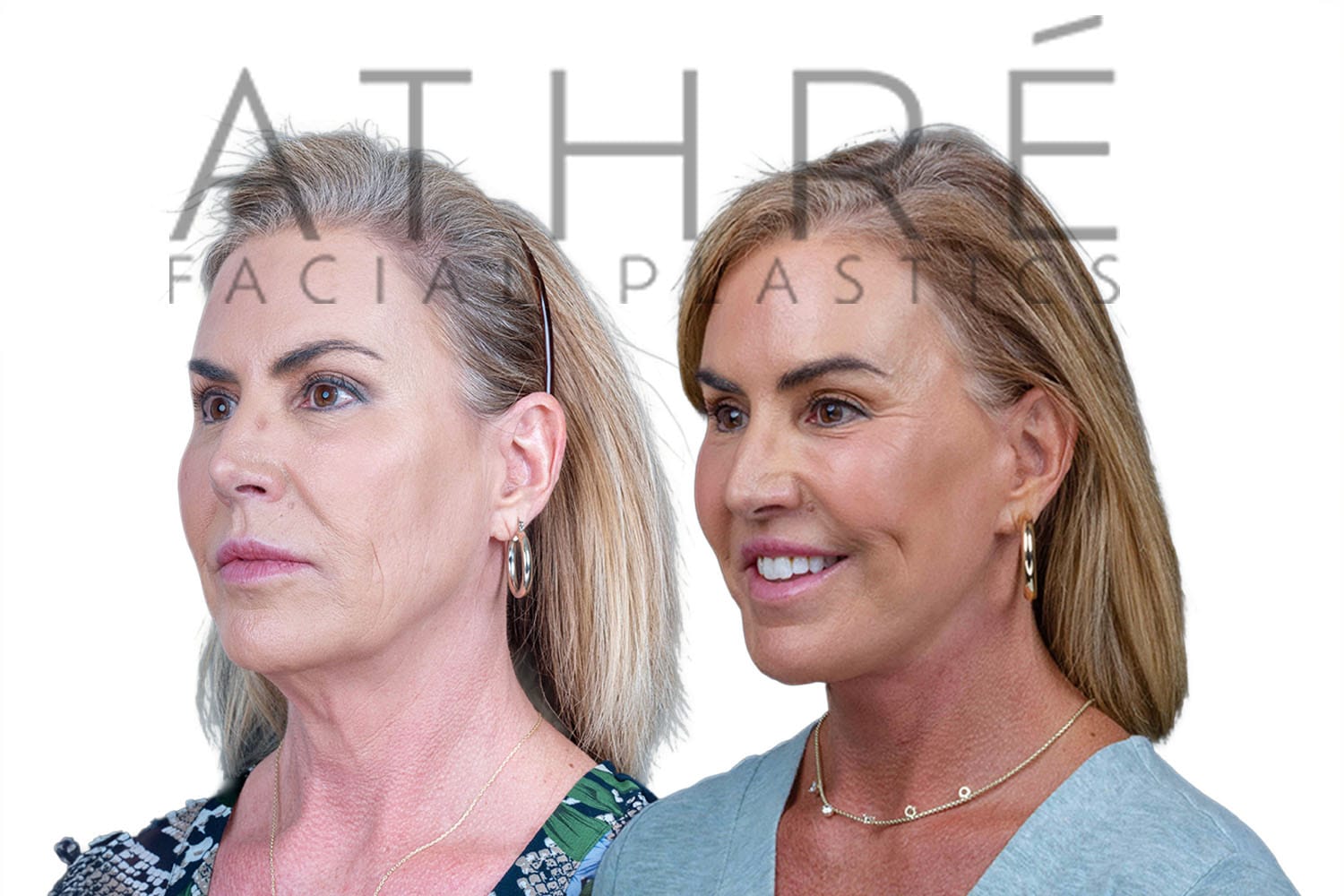
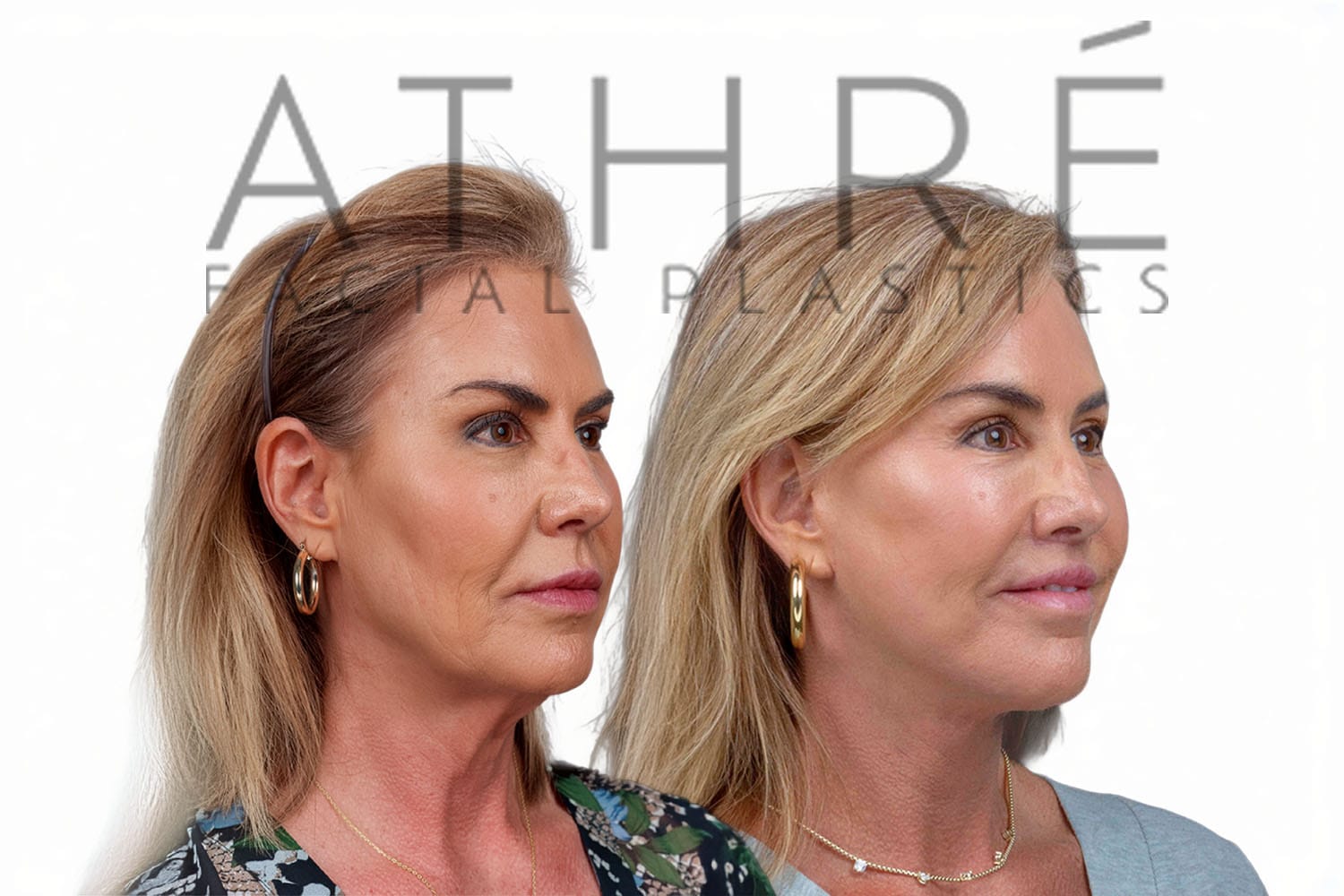
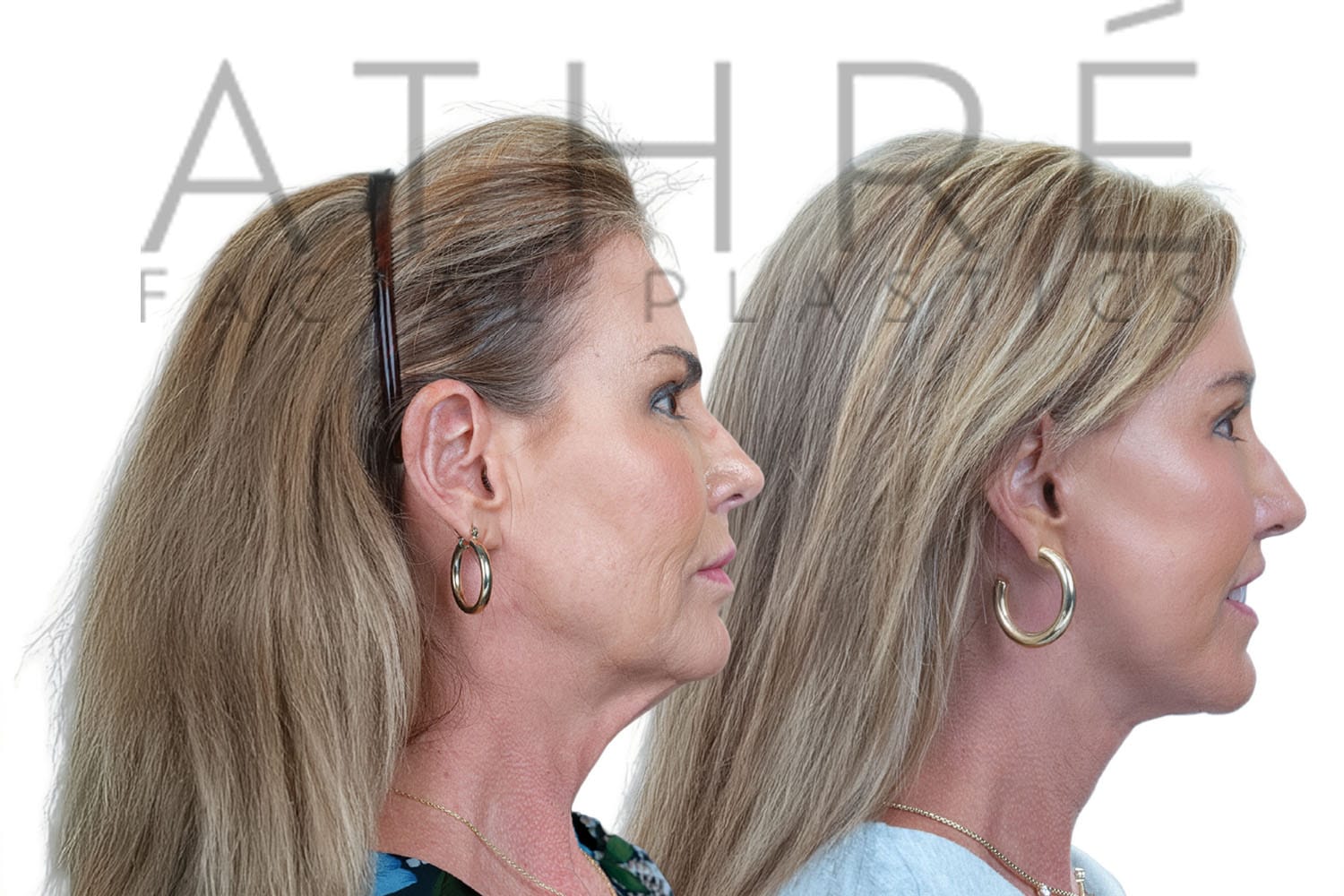
When patients look at skin resurfacing before and after photographs, they often notice smoother skin, fewer fine lines and a more even complexion.
Those changes are important, but I want to understand what actually improved and why.
Resurfacing changes the skin itself. It doesn't reposition the tissues beneath it.
Improving Skin Quality Is a Different Part of Facial Rejuvenation
As we age, the skin loses some of its elasticity, collagen structure and ability to recover from damage. Sun exposure adds another layer of changes, including wrinkles, pigmentation and uneven texture.
I use treatments such as CO2 laser resurfacing and chemical peels to address those concerns. The treatment creates a controlled injury, allowing the skin's healing response to produce improvements in its appearance and texture.
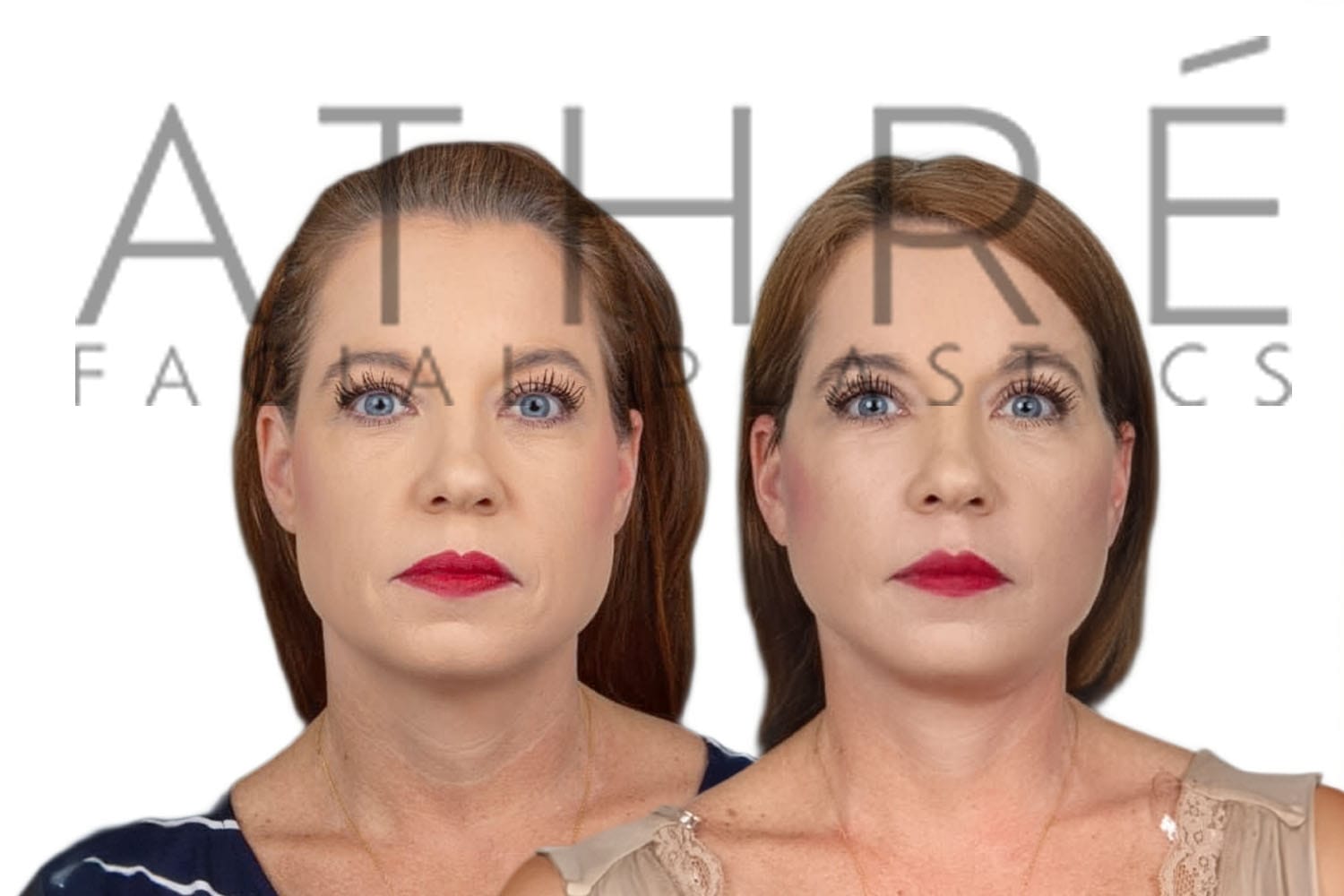
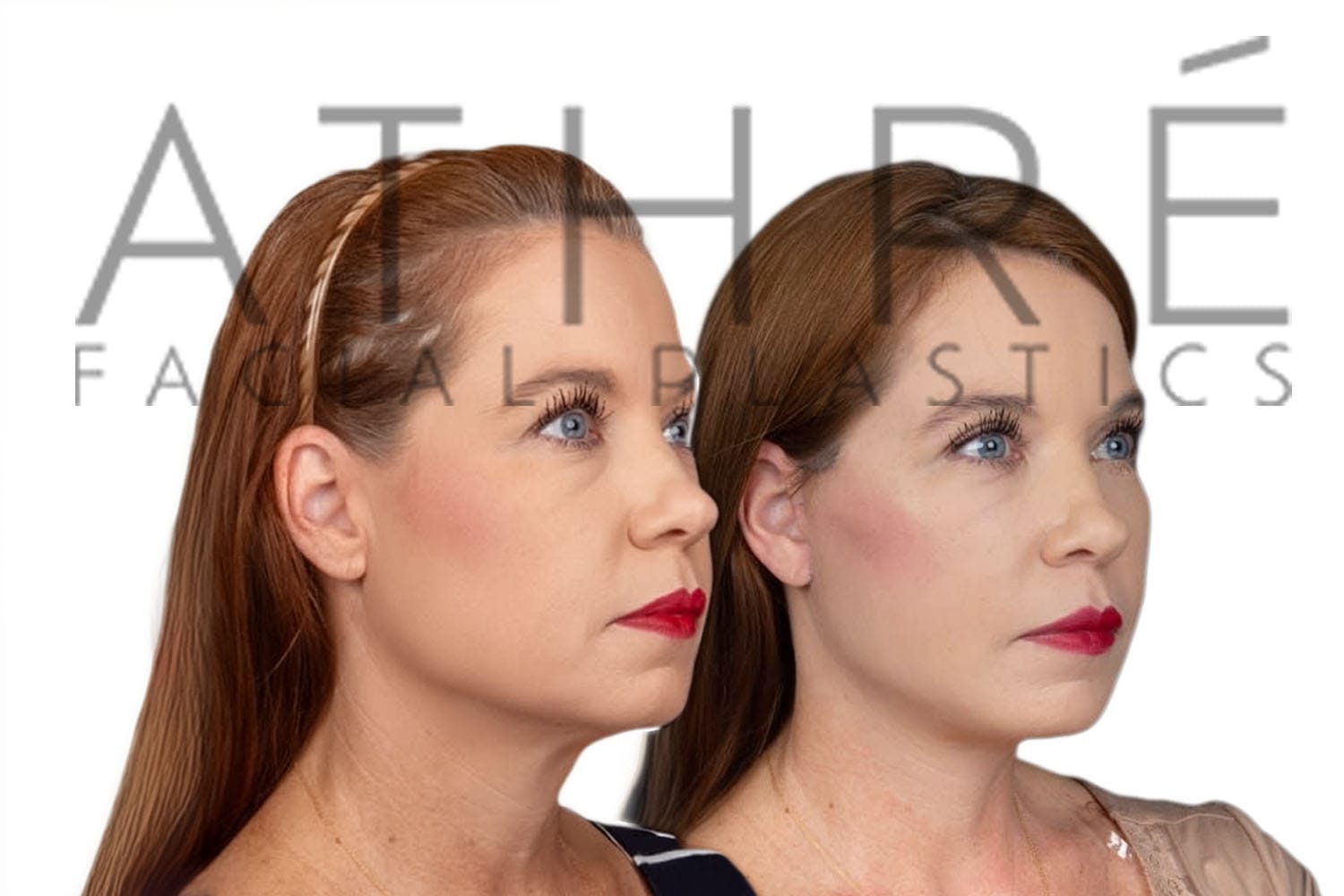
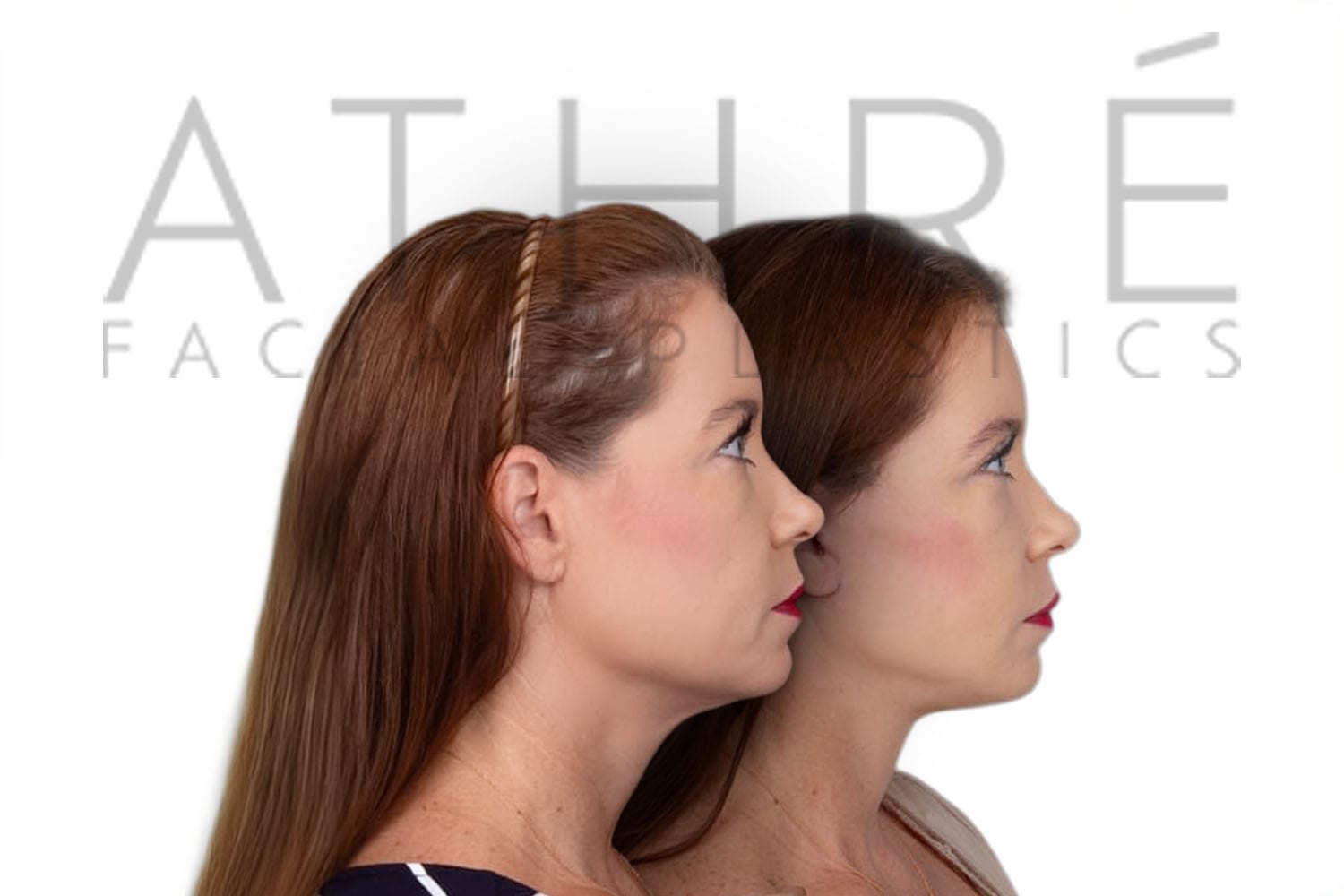
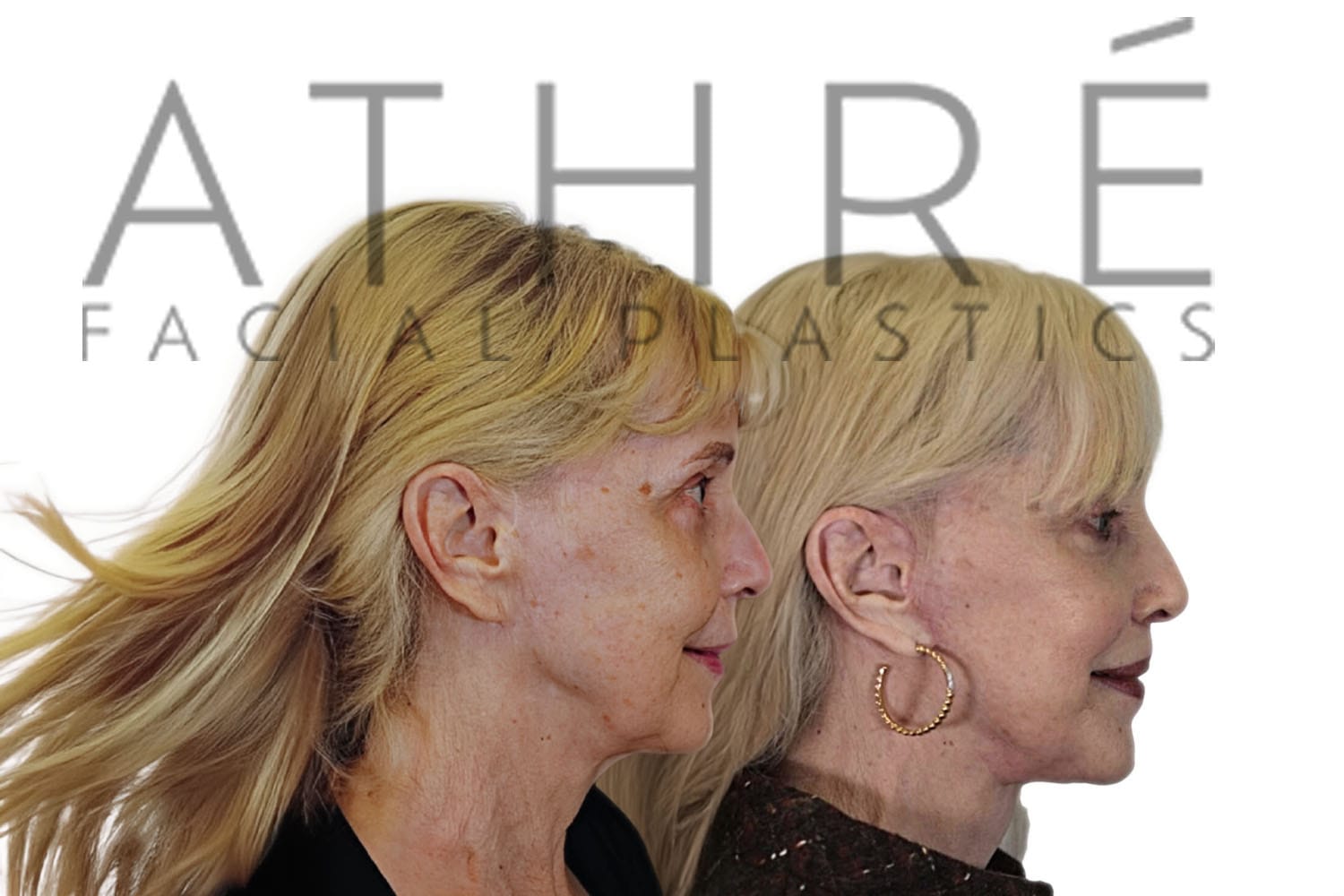
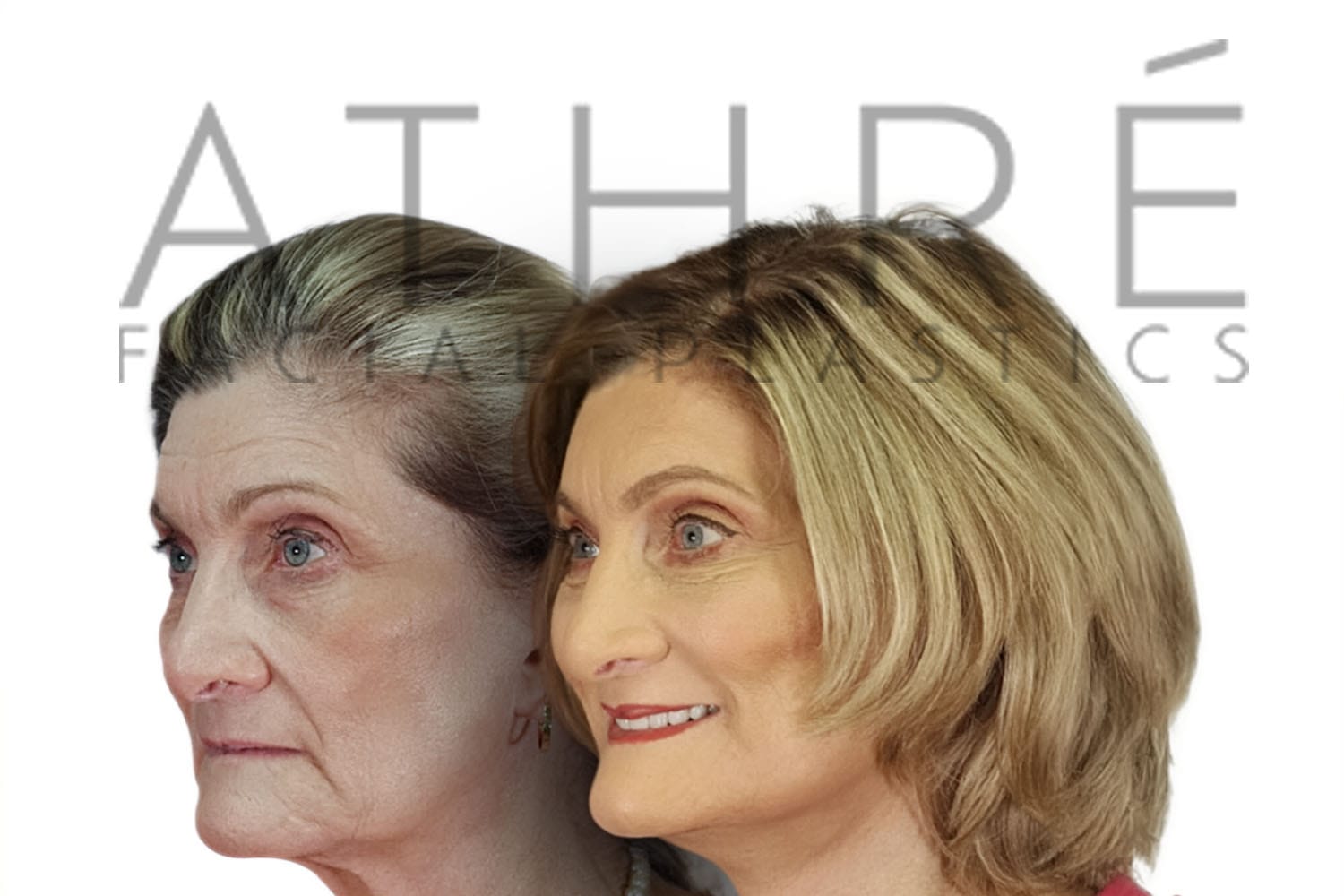
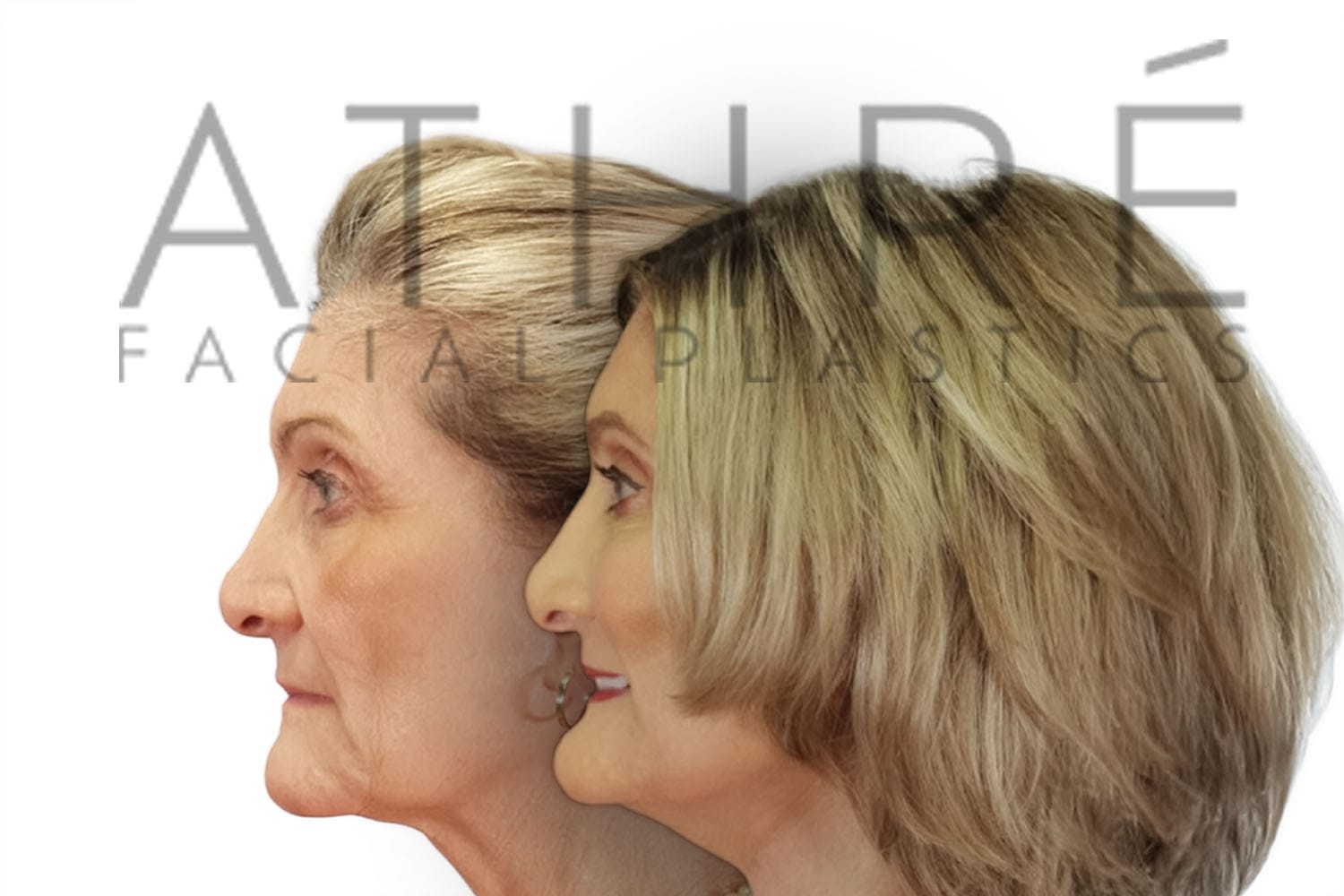
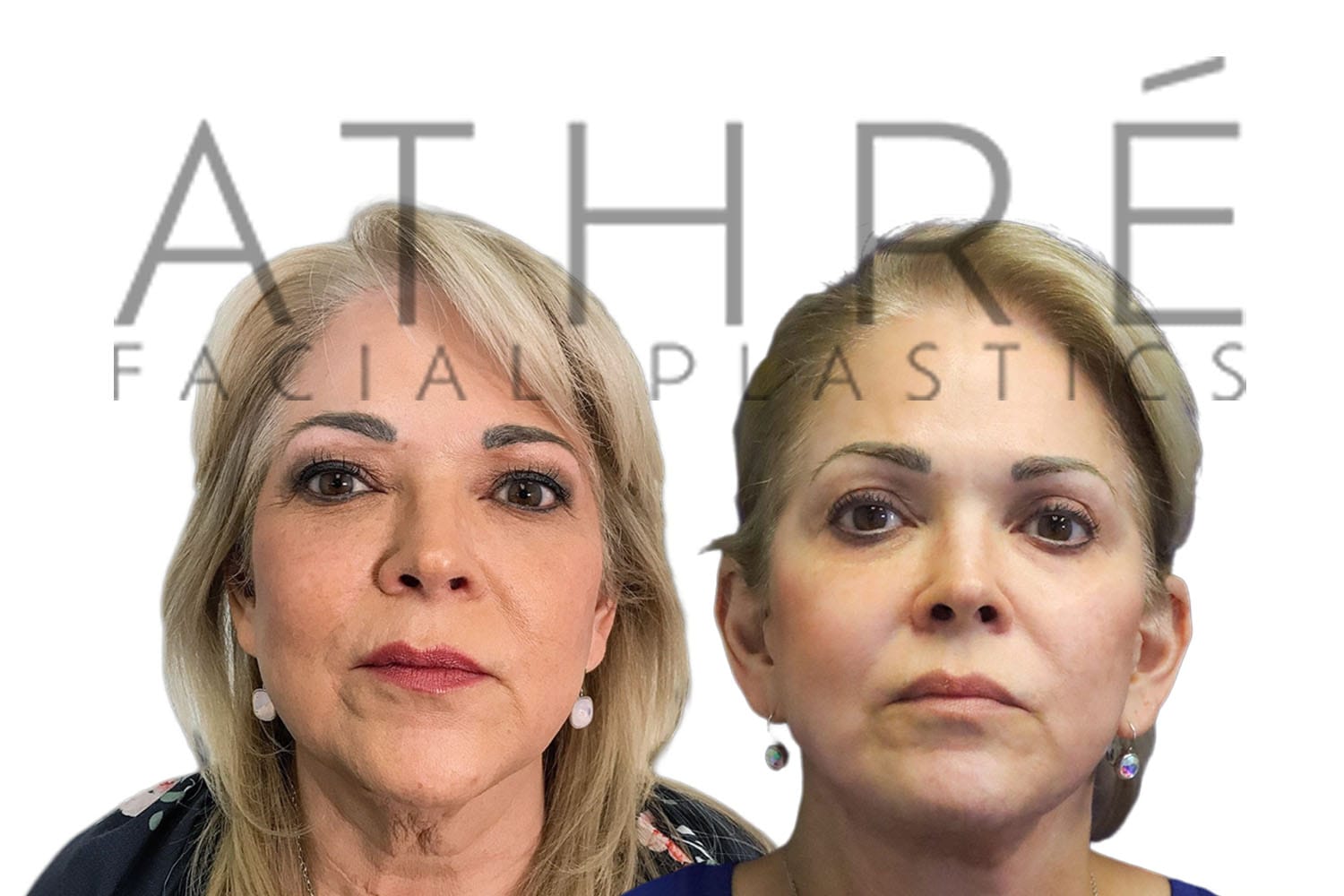
Several patients in this gallery also underwent facial lifting, fat transfer or eyelid surgery. Those procedures change other aspects of the face, which is why I want you to look specifically at the skin when evaluating resurfacing results.
The goal isn't simply smoother skin. It's healthier-looking skin that fits naturally with the rest of the face.
Not Every Skin Concern Needs the Same Treatment
When I evaluate aging skin, I look at texture, pigmentation, fine lines, deeper wrinkles and how the skin responds to movement. Two patients may both complain about wrinkles but need very different treatments.
A patient with mild sun damage may benefit from a relatively superficial treatment. Someone with deeper wrinkles around the mouth or eyes may require more aggressive resurfacing.
I use CO2 lasers, chemical peels and other resurfacing techniques depending on the skin and the problem I'm trying to correct.
One of the important decisions is how deeply to treat the skin. Fully ablative CO2 resurfacing creates a more continuous treated surface, while fractional resurfacing leaves areas of untreated skin between microscopic treatment zones. That changes both the healing process and what I can reasonably expect from treatment.
I explain the science and the differences between these approaches in CO2 Laser Resurfacing: What It Does to Your Skin.
The most aggressive treatment isn't automatically the best choice. I have to consider skin type, pigmentation risk, the depth of the wrinkles and how much recovery the patient can reasonably accept.
What to Look for in Skin Resurfacing Before and After Photos
When reviewing skin resurfacing results, I want you to look closely at the skin rather than just the overall facial transformation.
Examine the fine lines around the eyes and mouth. Look at the texture of the cheeks, areas of sun damage and whether the skin appears more even. Those are some of the changes resurfacing is designed to address.
Then consider what else was performed.
Several patients in this gallery underwent chemical peels or laser resurfacing alongside facelifts, eyelid surgery or facial fat transfer. Lifting the tissues changes facial contours. Fat transfer restores volume. Resurfacing addresses the skin. It's important not to attribute every visible change to a single treatment.
The timing of the photographs also matters. Some patients were photographed only a few weeks after surgery, when redness and swelling may still be present. Skin texture and color can continue to change as healing progresses. I explain the importance of protecting healing skin in my chemical peel aftercare guide.
Finally, look at the photographs under comparable lighting. Skin texture and pigmentation are especially sensitive to differences in exposure, shadows and camera settings.
I don't judge a resurfacing result by how much skin was removed. I judge whether the treatment improved the problem we set out to correct without creating unnecessary changes.
Good resurfacing is about treating the right layer of the skin at the right depth for that patient.
FREQUENTLY ASKED
Skin Resurfacing Before and After FAQs
Understand changes in skin texture, laser and chemical peel results, healing, and what to look for when comparing photographs.
What should I look for in skin resurfacing before and after photos?
I look at fine lines, skin texture, pigmentation and the overall quality of the treated skin. Pay particular attention to the areas around the eyes and mouth, where wrinkles can remain even after facial lifting. It's also important to compare photographs taken under similar lighting. A review of standardized photography for skin resurfacing explains how lighting, positioning and photographic technique influence the appearance of wrinkles and texture. I want patients to evaluate what actually changed in the skin rather than how different the photographs appear.
Do laser resurfacing and chemical peels produce the same results?
Both create controlled injury in the skin, but they accomplish that through different methods. A chemical peel uses a selected chemical solution, while a resurfacing laser delivers energy to targeted tissue. Treatment depth, healing and the type of improvement depend on how each is performed. A systematic review of TCA chemical peels for photoaging documented improvements in skin appearance and wrinkles. A separate review of CO2 laser rejuvenation discusses laser-based approaches to treating aging skin. I choose between these tools according to the skin problem, not simply which treatment sounds more advanced.
Can CO2 laser resurfacing improve deep wrinkles and sun damage?
It can improve many wrinkles, textural irregularities and signs of sun damage, although the amount of correction depends on the depth of the problem and the treatment performed. Fine lines may respond differently from deeply etched wrinkles. A clinical and histological study of fractional CO2 resurfacing documented improvements in wrinkles, pigmentation and skin texture, along with measurable changes in treated tissue. I don't expect every wrinkle to disappear. My goal is to improve skin quality without creating more injury than the patient needs.
What is the difference between fractional and fully ablative CO2 resurfacing?
A fully ablative CO2 treatment resurfaces the treated skin more continuously. Fractional CO2 treatment creates microscopic columns of injury with areas of untreated skin remaining between them. That changes how the skin heals and the amount of injury involved. A study directly comparing fractional and fully ablative CO2 treatments documented collagen remodeling with both approaches, although the degree of collagen induction differed. I consider the depth of the wrinkles, skin type, pigmentation risk and acceptable recovery before selecting the treatment intensity.
Why do some patients have skin resurfacing and a facelift together?
Because the skin and the deeper facial tissues can age in different ways. A facelift repositions descended tissues, but it doesn't automatically correct sun damage, rough texture or fine wrinkles. Resurfacing treats the skin itself. When both problems are present, I may address them as part of the same facial rejuvenation plan. A 2025 systematic review of laser resurfacing performed with facelift surgery evaluated outcomes and complications from combining these treatments. It also emphasized the importance of adjusting laser treatment around surgically undermined tissues. Several patients in this gallery underwent multiple procedures, so their results reflect more than resurfacing alone.
Why can skin look red or swollen in early resurfacing photographs?
Resurfacing deliberately creates an injury that the skin must repair. Redness, swelling, peeling and temporary changes in pigmentation can be part of that process. How long these changes last depends on the treatment depth, the area treated and the patient's individual healing. A 2025 international consensus on fully ablative laser resurfacing emphasizes careful aftercare and monitoring for complications during healing. Some patients in this gallery were photographed relatively early after combined facial surgery. Those images are useful, but I would not consider them the final appearance of the resurfaced skin.
Can patients with darker skin undergo laser resurfacing or chemical peels?
Yes, selected treatments may be appropriate, but skin type changes how I plan resurfacing. Skin with greater pigmentation can develop post-inflammatory hyperpigmentation after an injury, particularly when treatment is aggressive. I consider the patient's skin type, previous pigment changes, treatment depth and how the skin is likely to heal. A 2026 clinical review of laser treatments in skin of color emphasizes conservative treatment planning and careful aftercare. A review of cosmetic treatments for darker skin also discusses the risks of deeper chemical peels. I may recommend a different treatment or a less aggressive approach when the pigment risk is too high.
Can skin resurfacing improve acne scars and uneven skin texture?
Yes, certain types of acne scars and textural irregularities can improve with resurfacing. However, not every scar responds the same way. Superficial irregularities, rolling scars and deeper depressed scars may require different approaches or combined treatments. A randomized controlled trial of fractional CO2 laser treatment for acne scars demonstrated improvements in scar texture and depth. That doesn't mean every scar can be eliminated or that the facial rejuvenation cases in this gallery represent acne scar treatment. I evaluate the scar's anatomy before deciding whether resurfacing is likely to help.
What are the possible risks of more aggressive skin resurfacing?
Deeper resurfacing generally creates a greater healing burden and can increase the risk of prolonged redness, pigment changes, infection, delayed healing and scarring. That doesn't mean a deeper treatment is always inappropriate, but the expected benefit needs to justify the risk. A systematic review of ablative and nonablative laser resurfacing outcomes evaluated adverse events across more than 1,000 patients. A separate international consensus on complication prevention emphasizes patient selection, preparation and postoperative care. I want enough treatment to improve the skin without unnecessarily increasing the risk of complications.
How long do skin resurfacing results last?
Resurfacing can produce lasting improvements in skin texture and wrinkles, but the skin continues to age and accumulate environmental damage. The duration of improvement depends on the treatment, the patient's skin and ongoing sun exposure. A histological study following fractional CO2 treatment over one year documented collagen and elastic fiber remodeling that continued for months after treatment. That helps explain why improvement may develop beyond the initial healing period, but it doesn't establish a fixed lifespan for every result. I emphasize long-term skin care, sun protection and realistic expectations rather than promising that resurfacing permanently stops skin aging.