Facelift Before & After Results
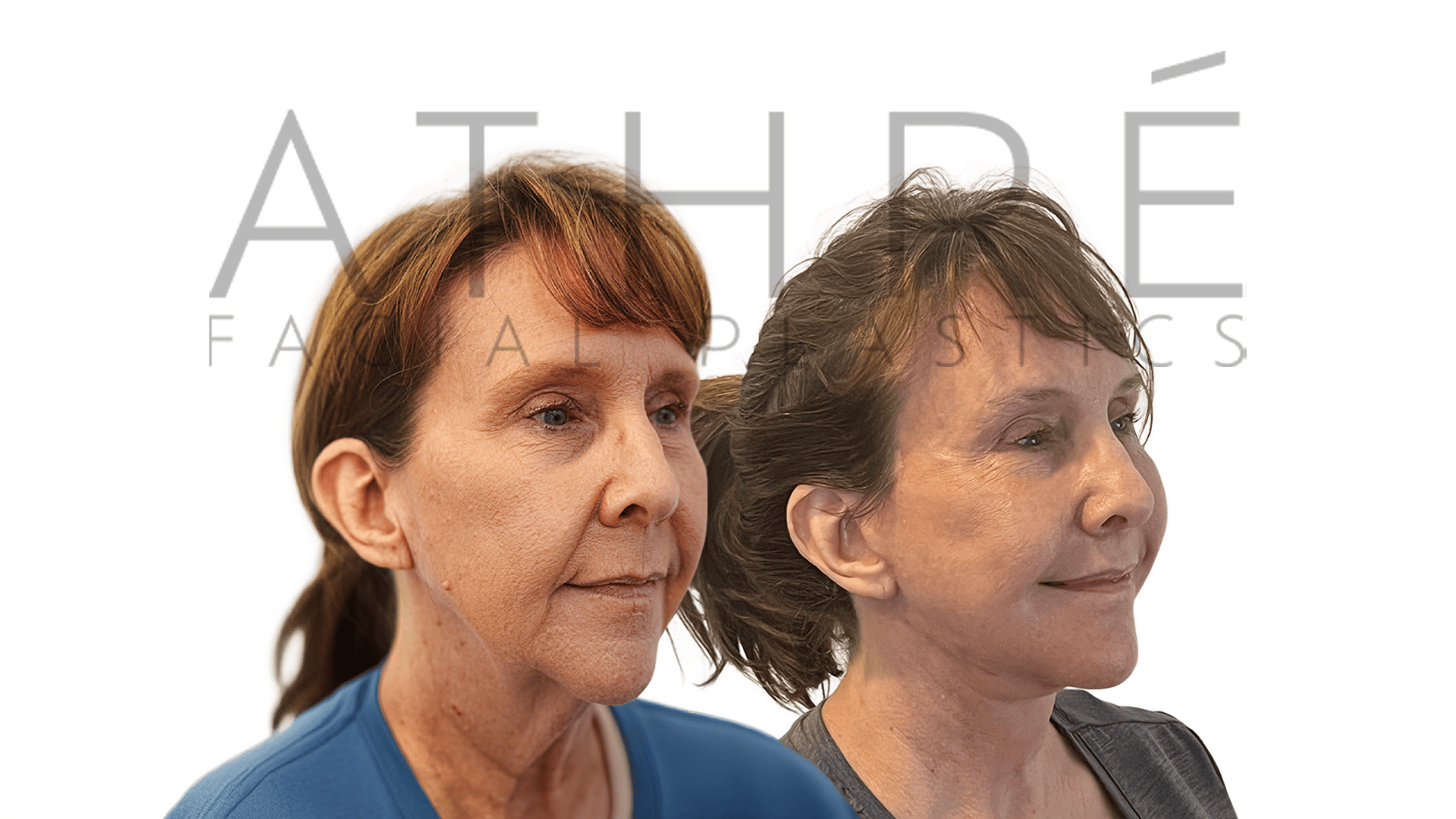
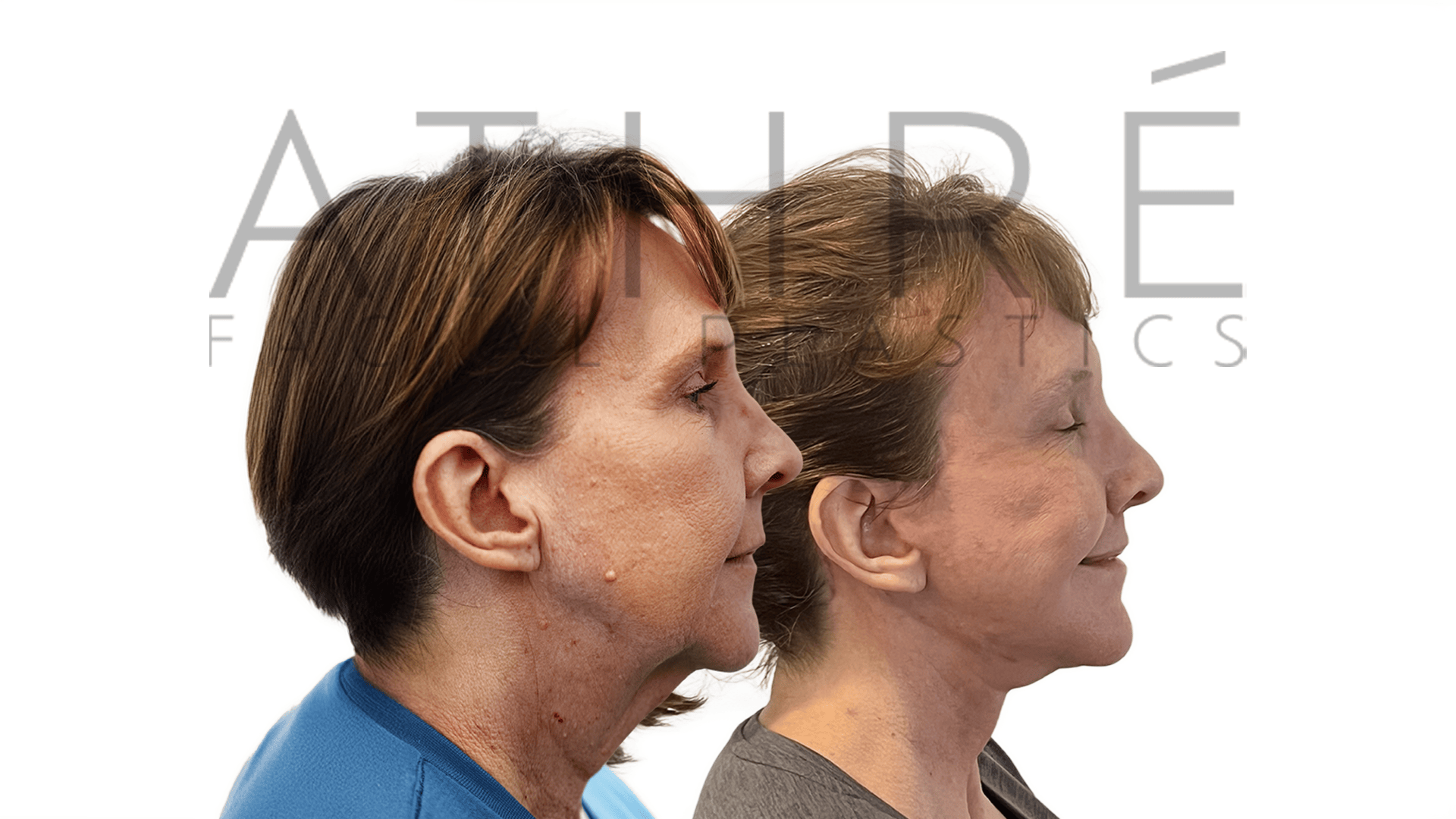
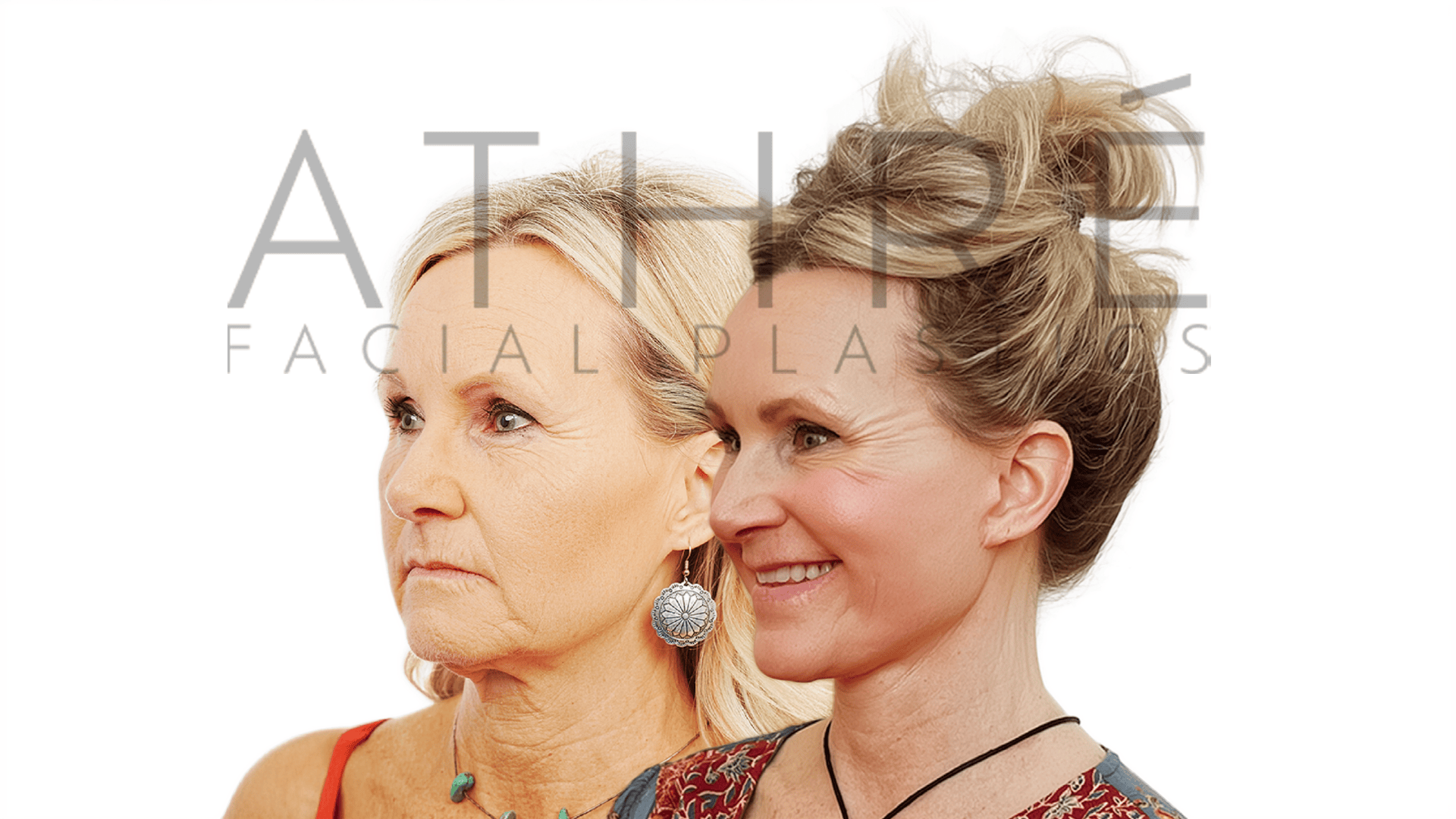
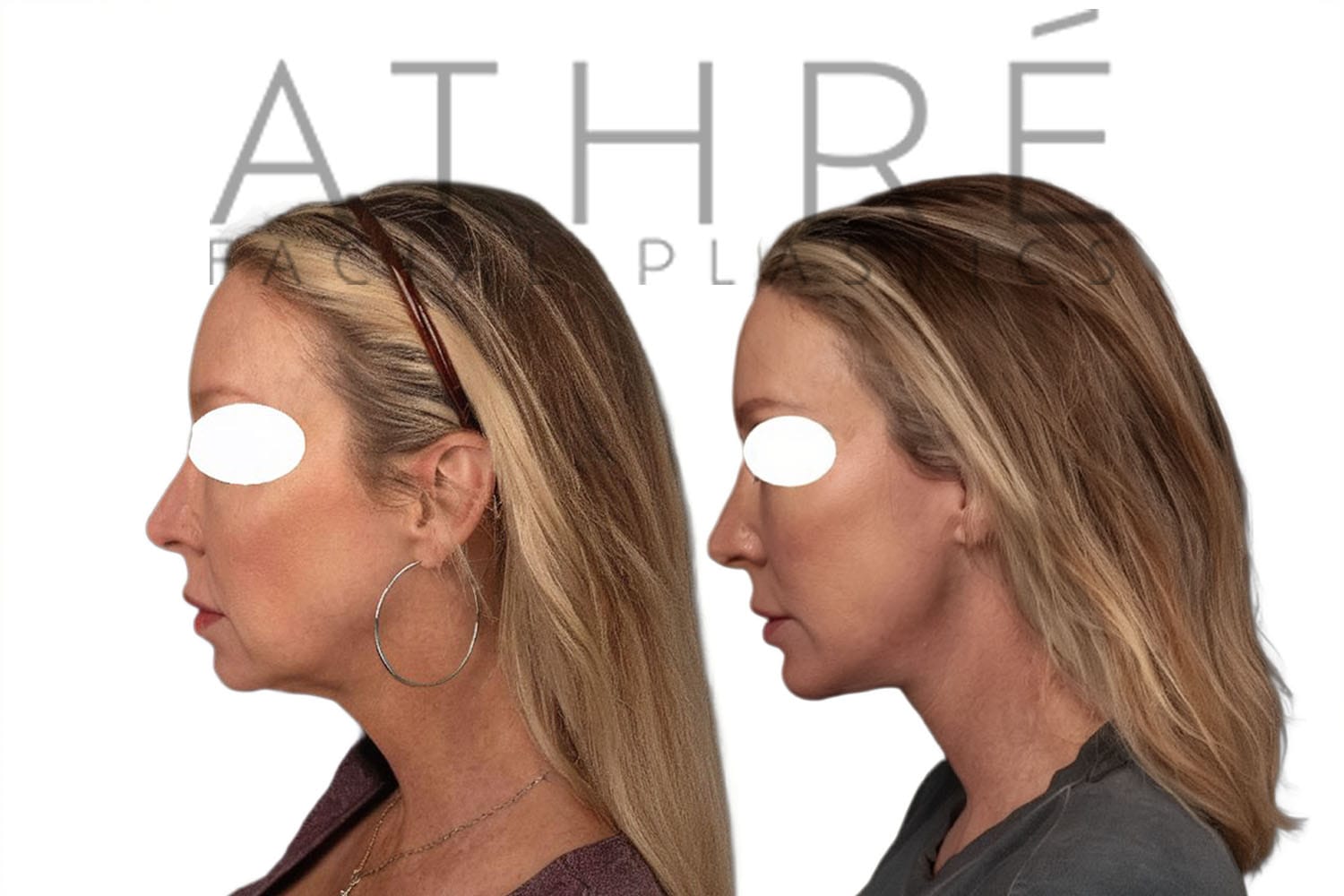
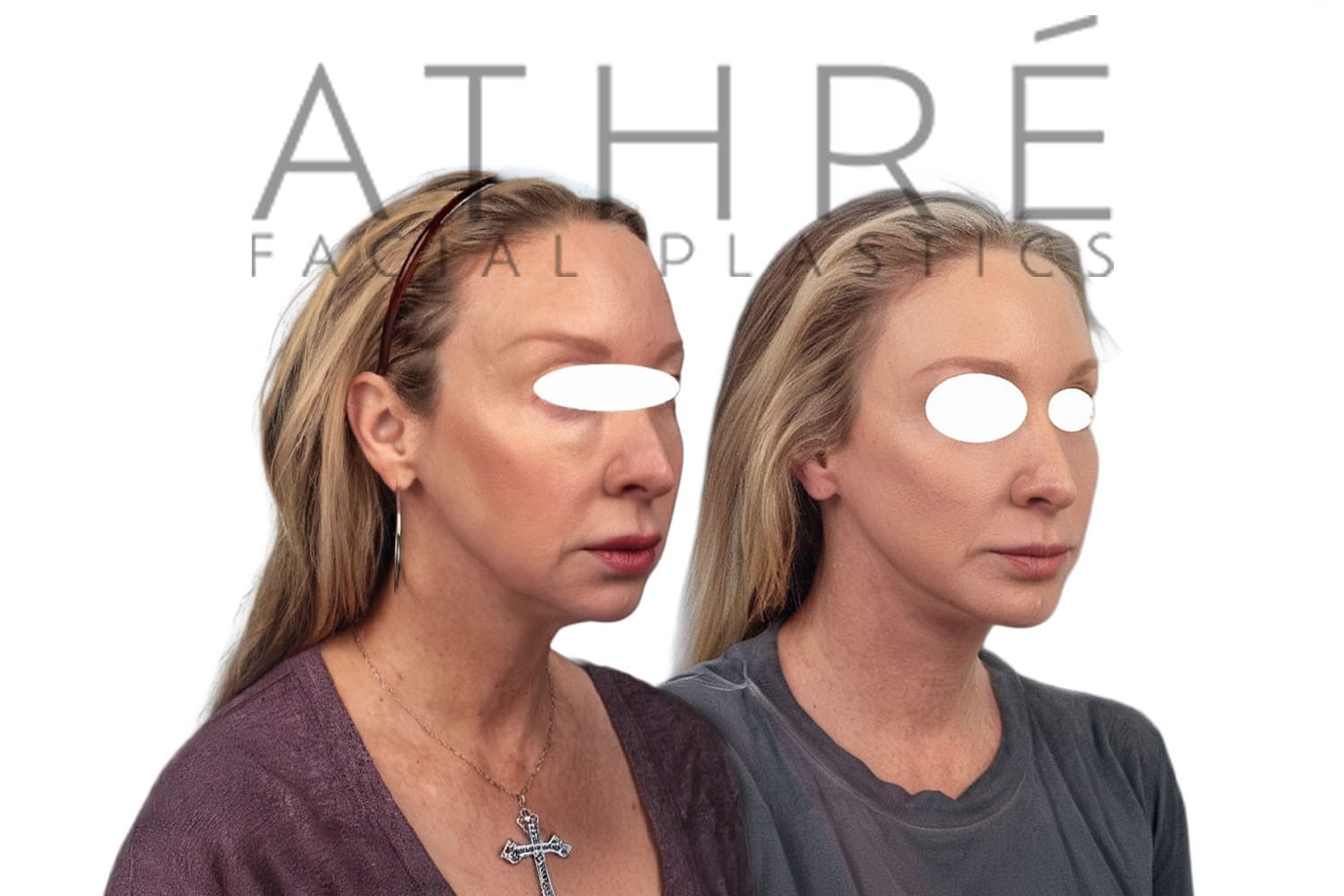
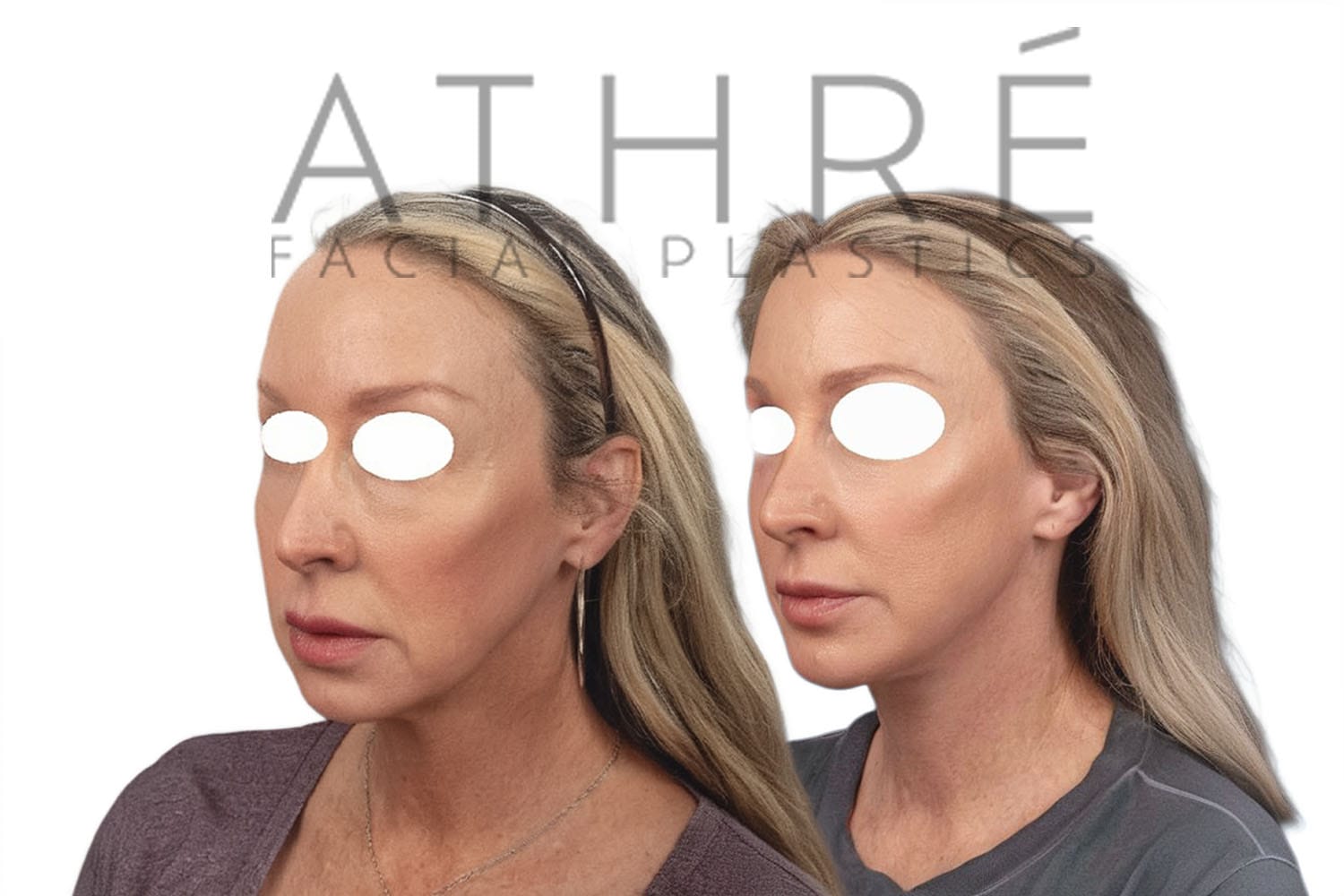
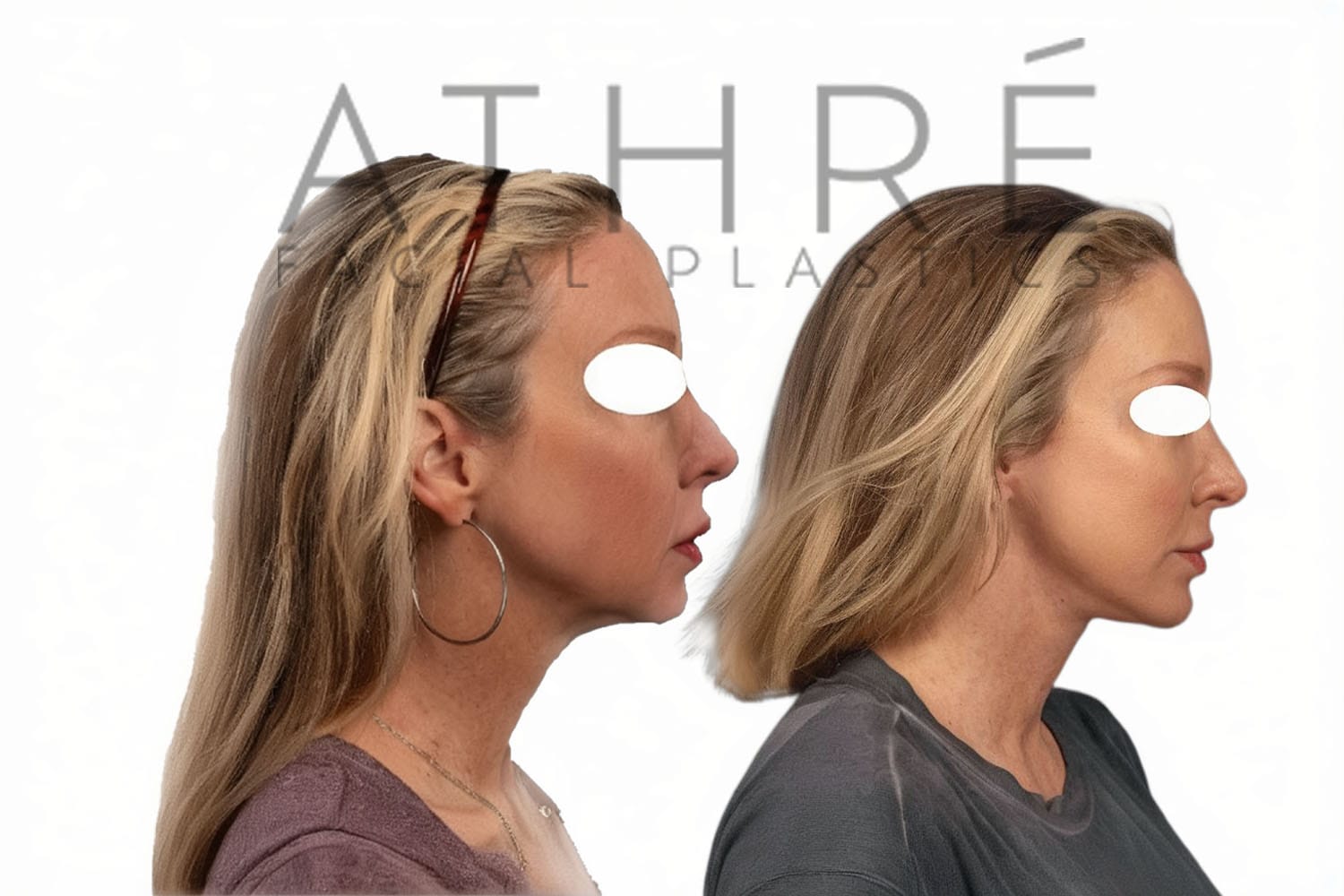
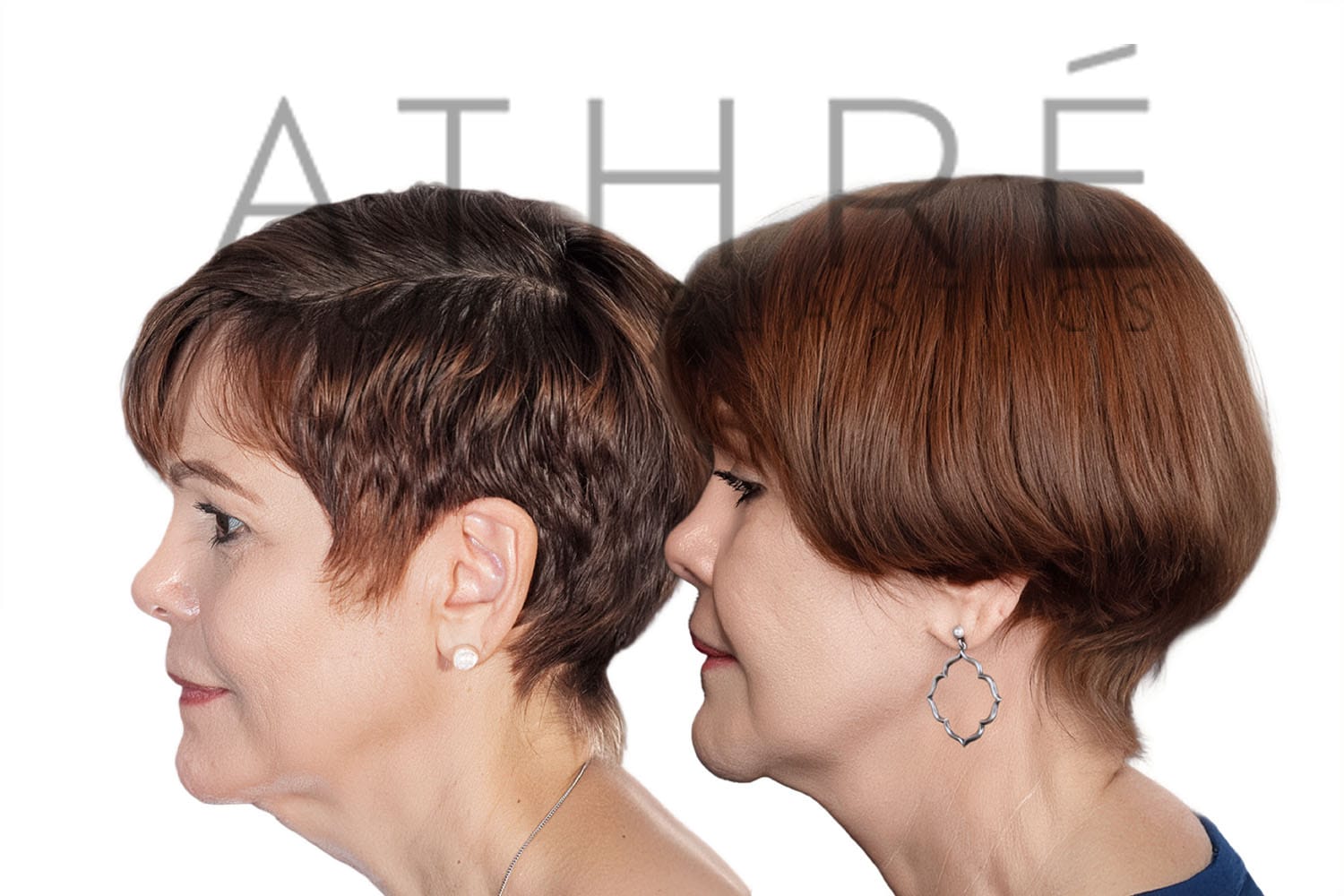
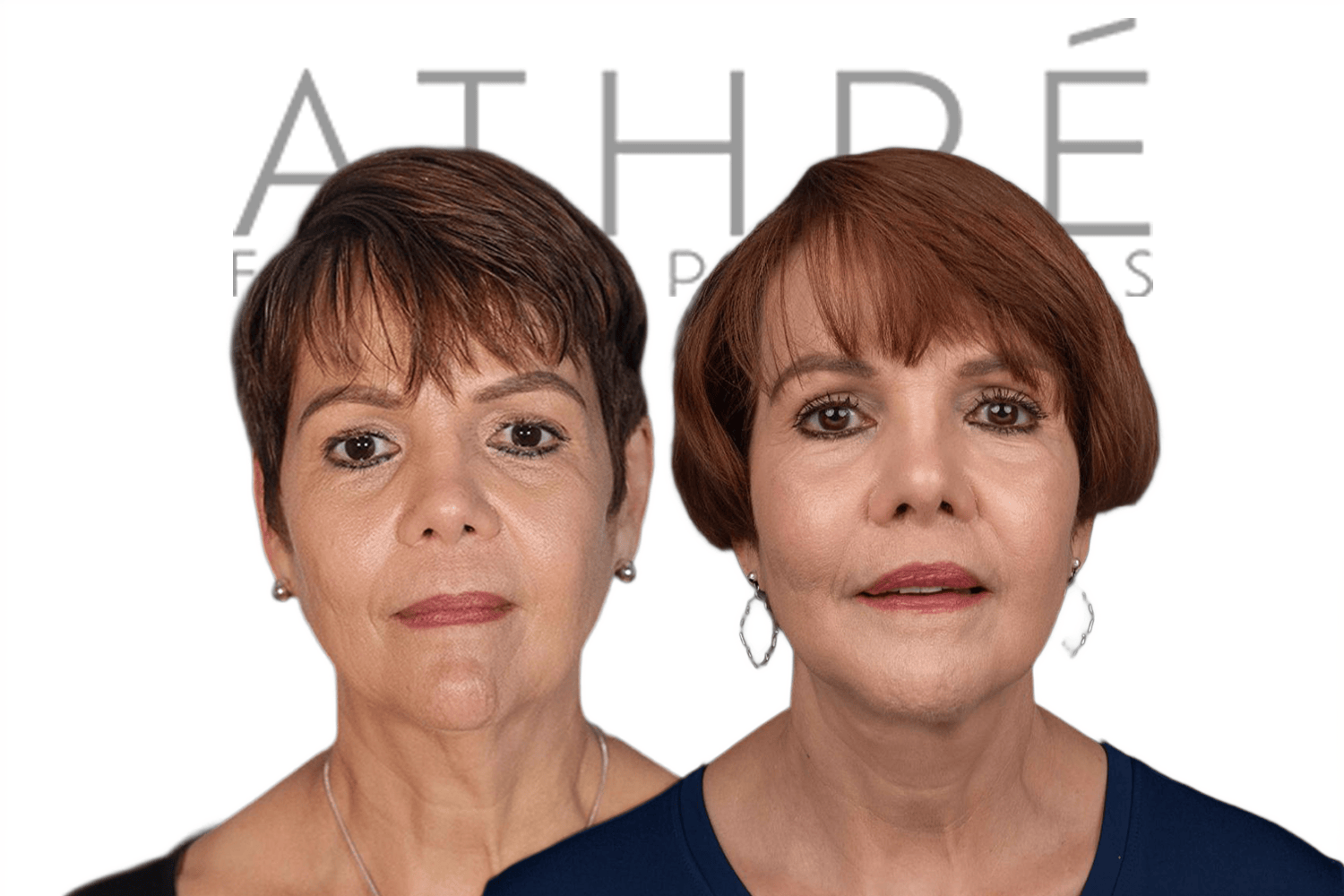
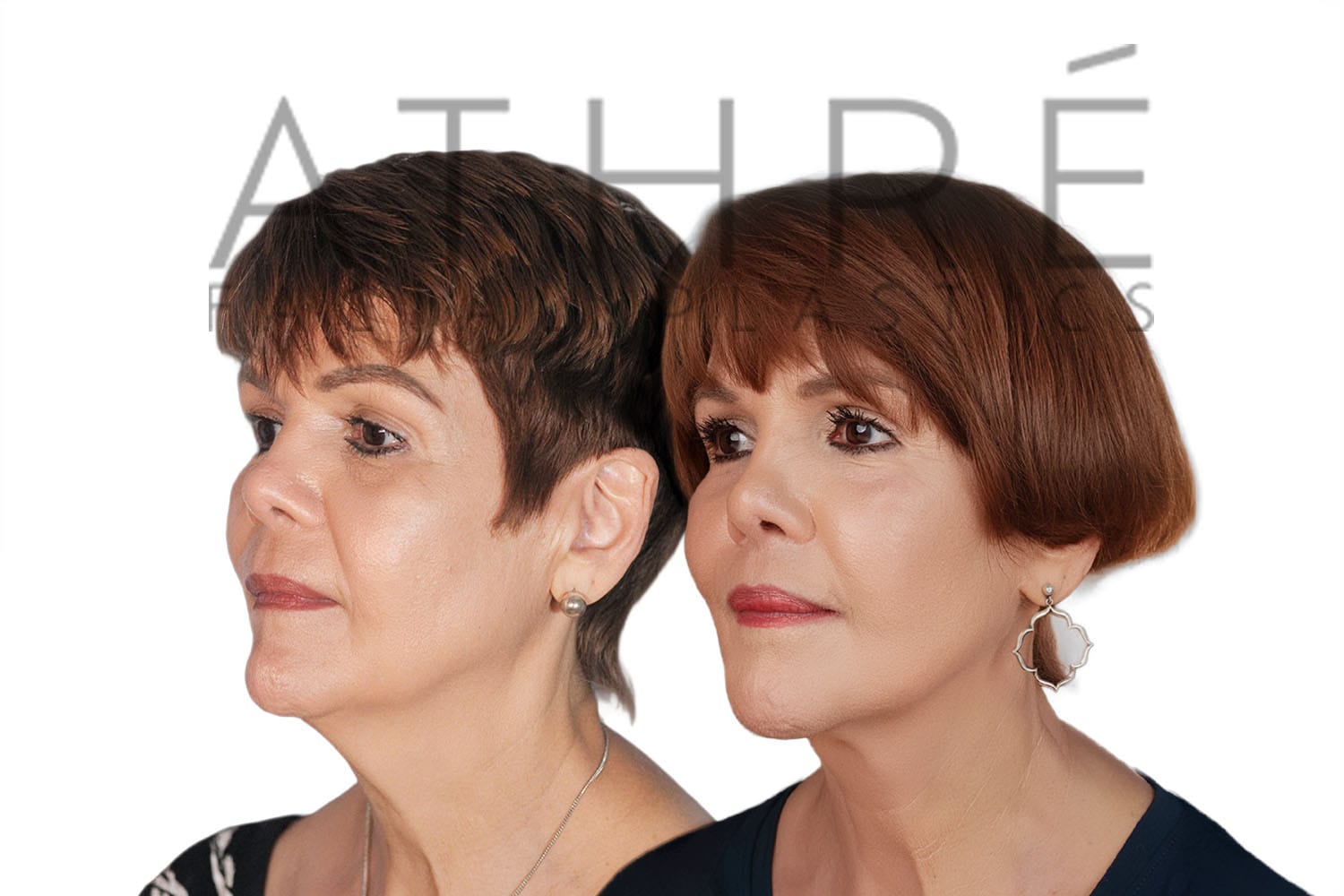
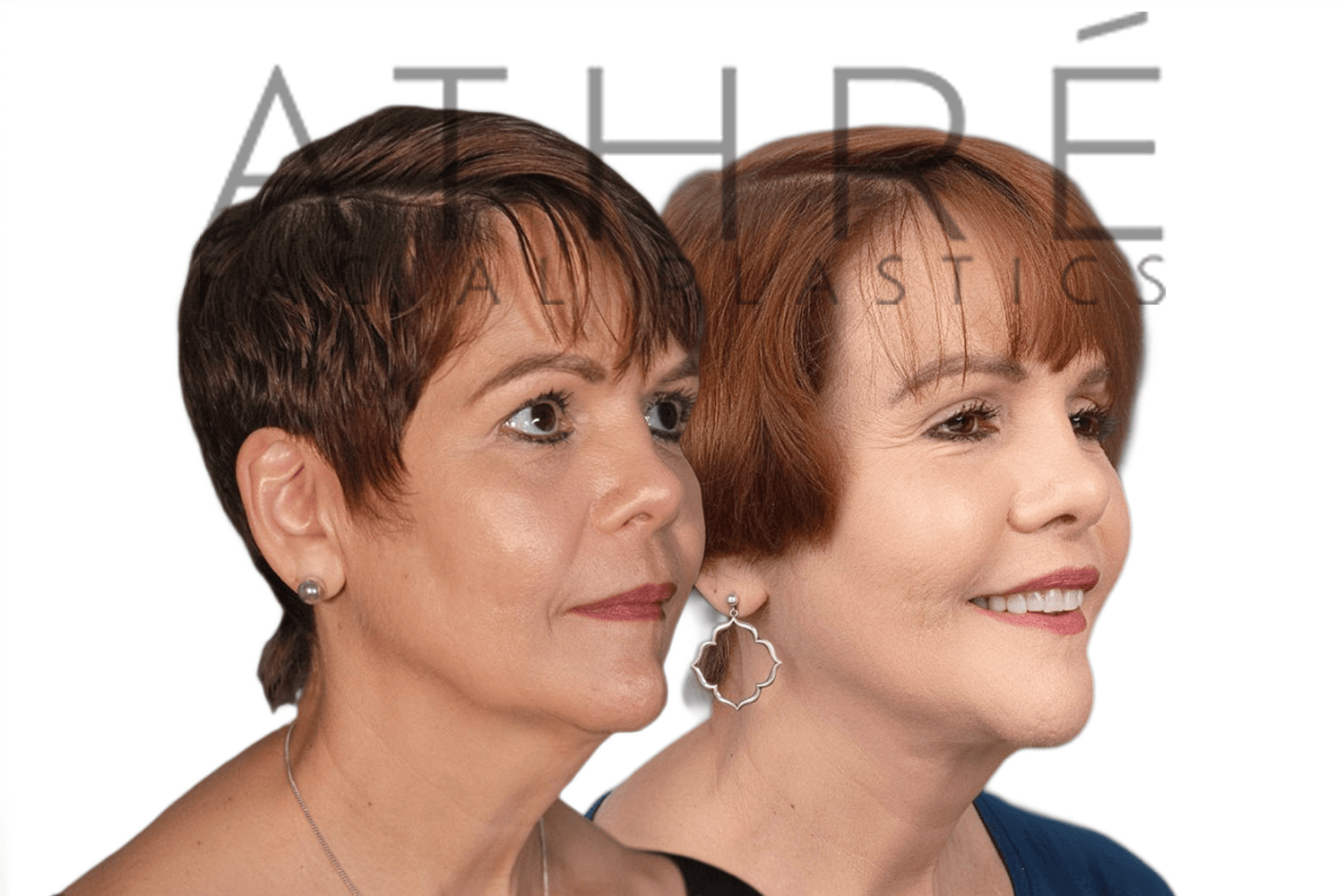
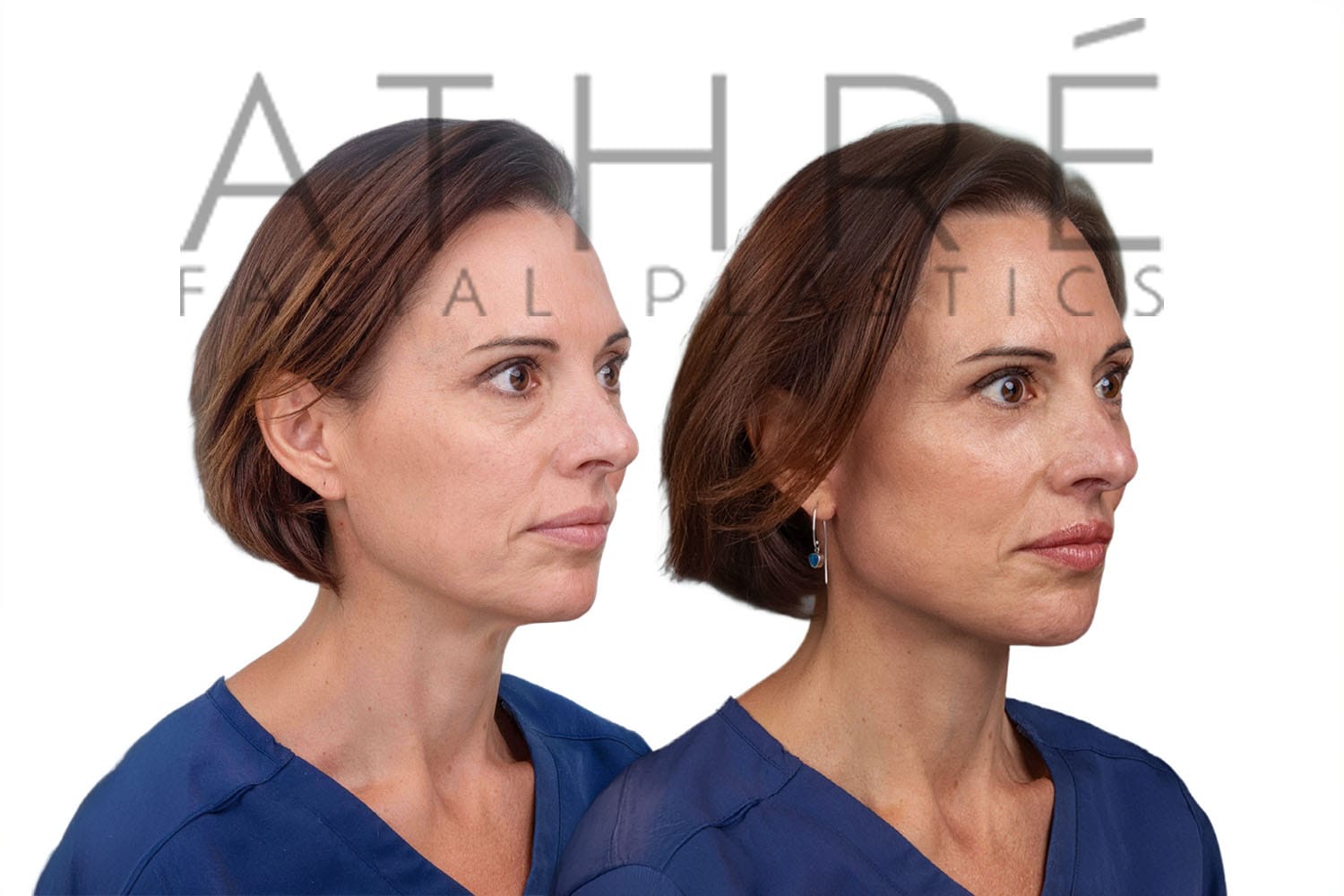
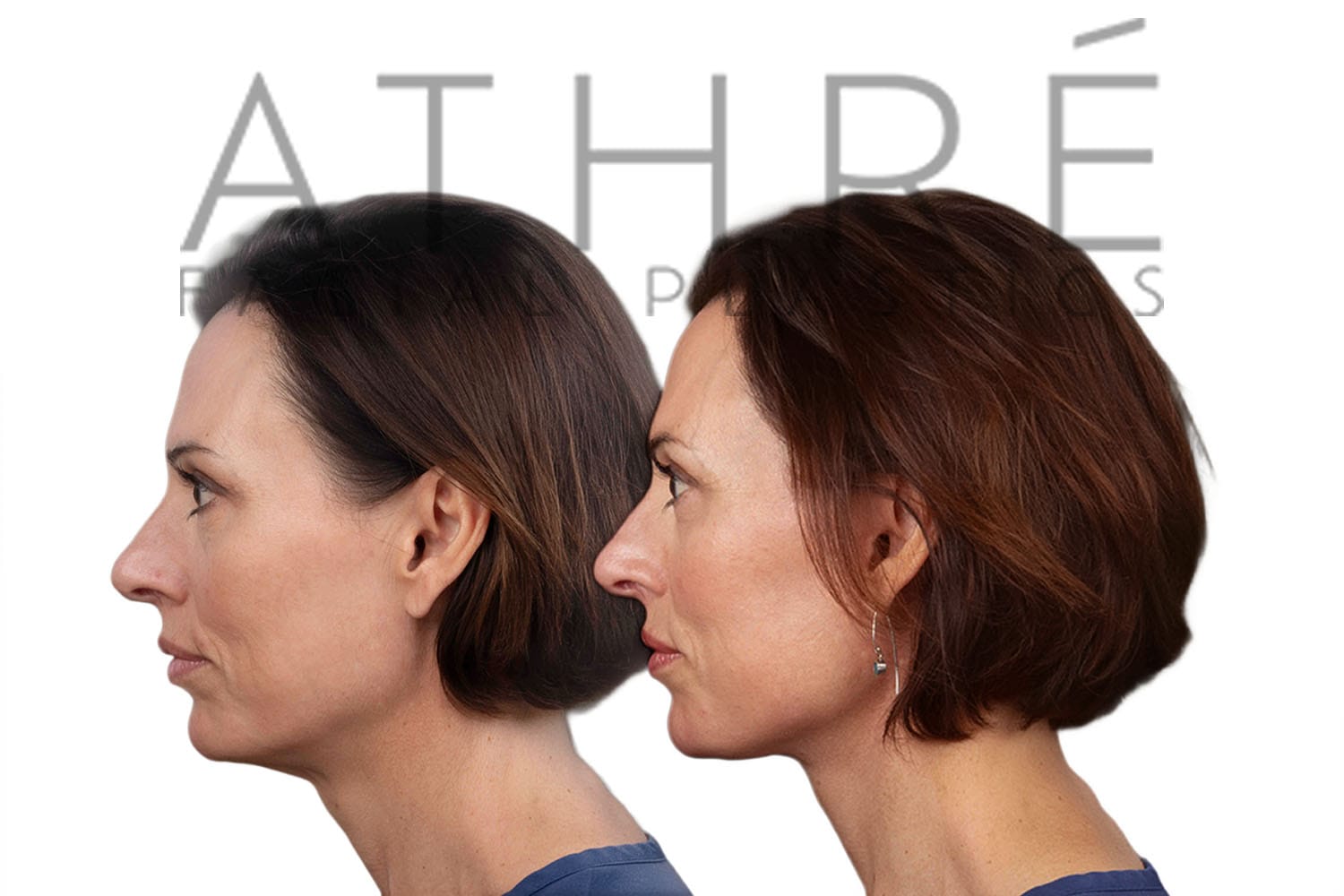
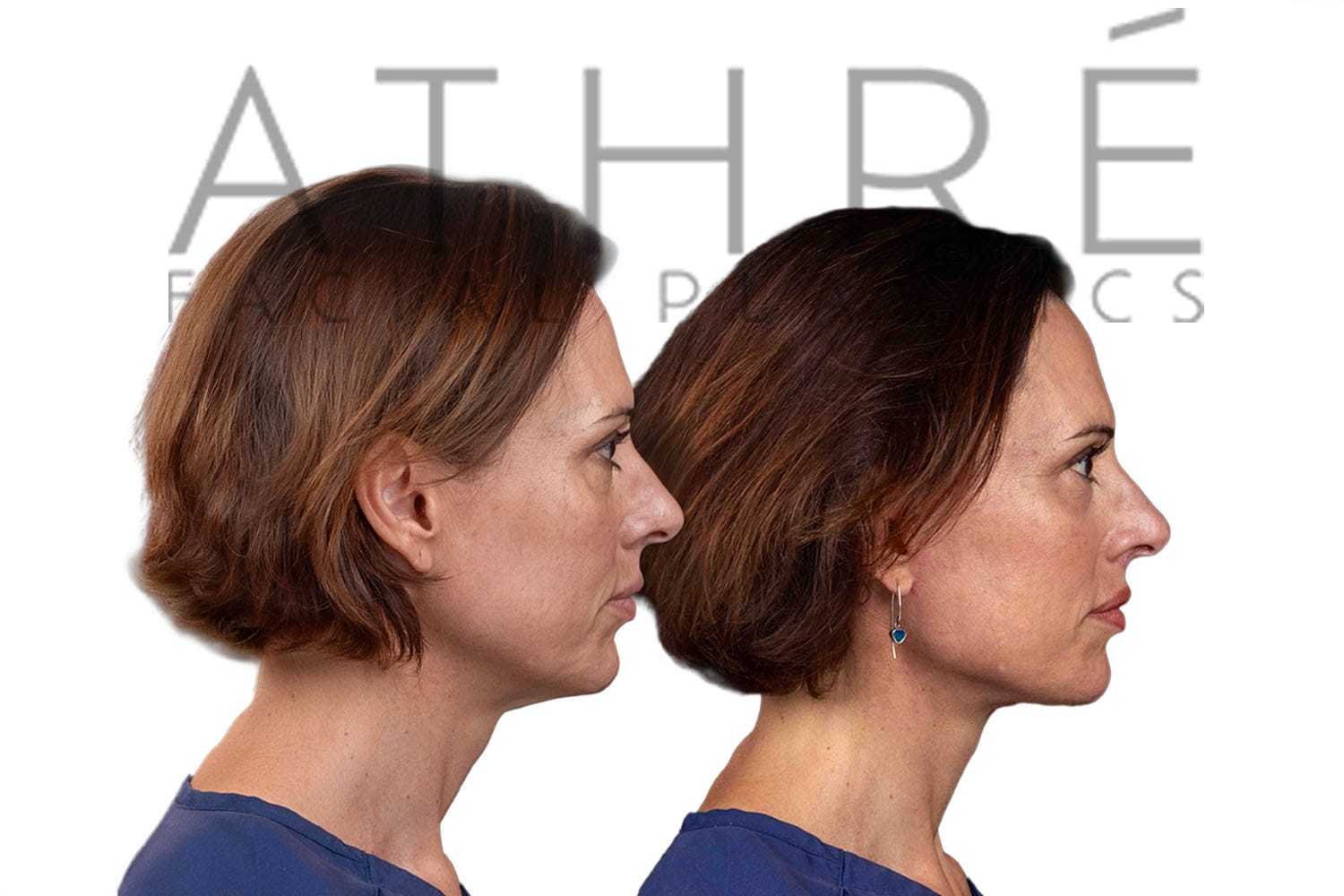
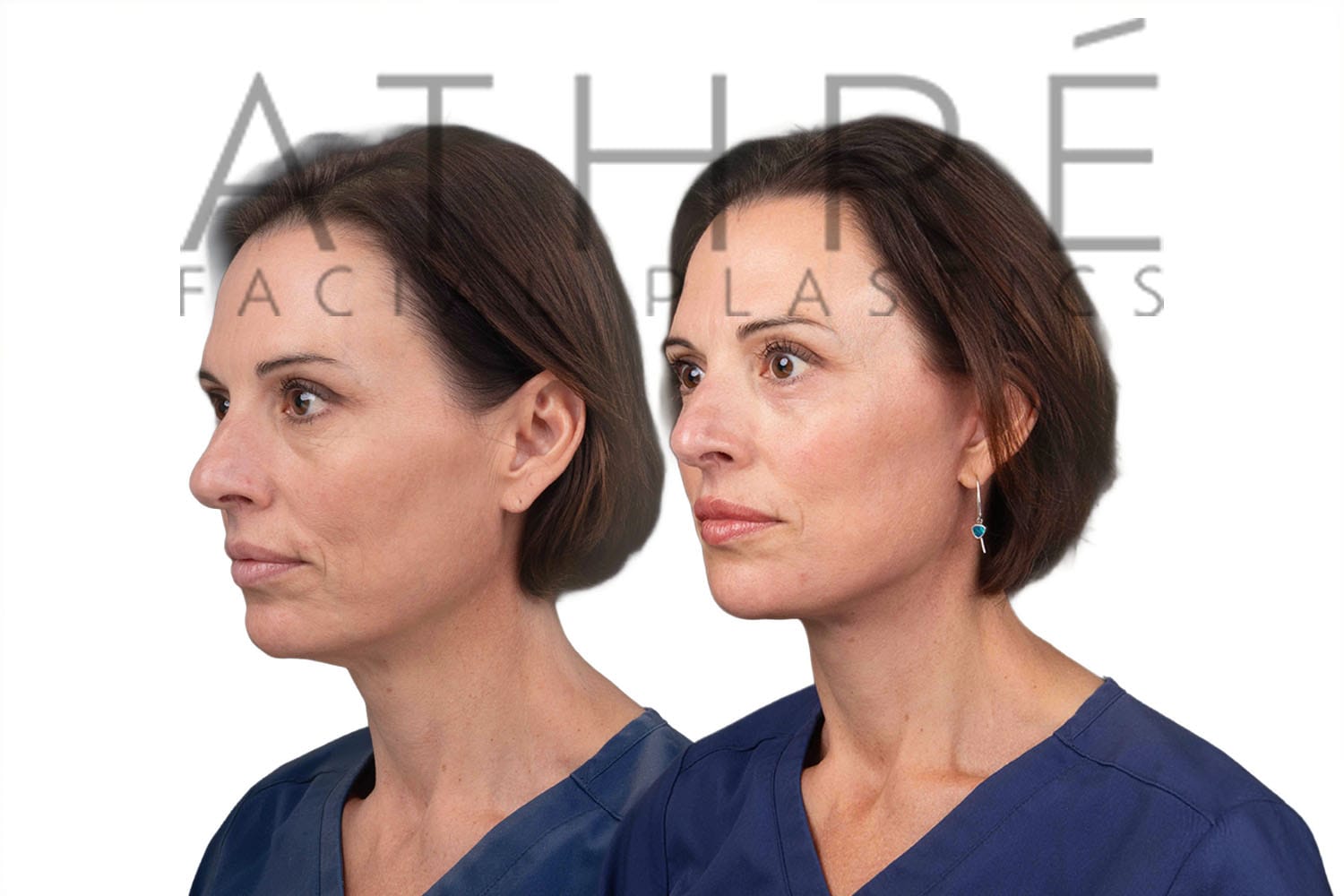
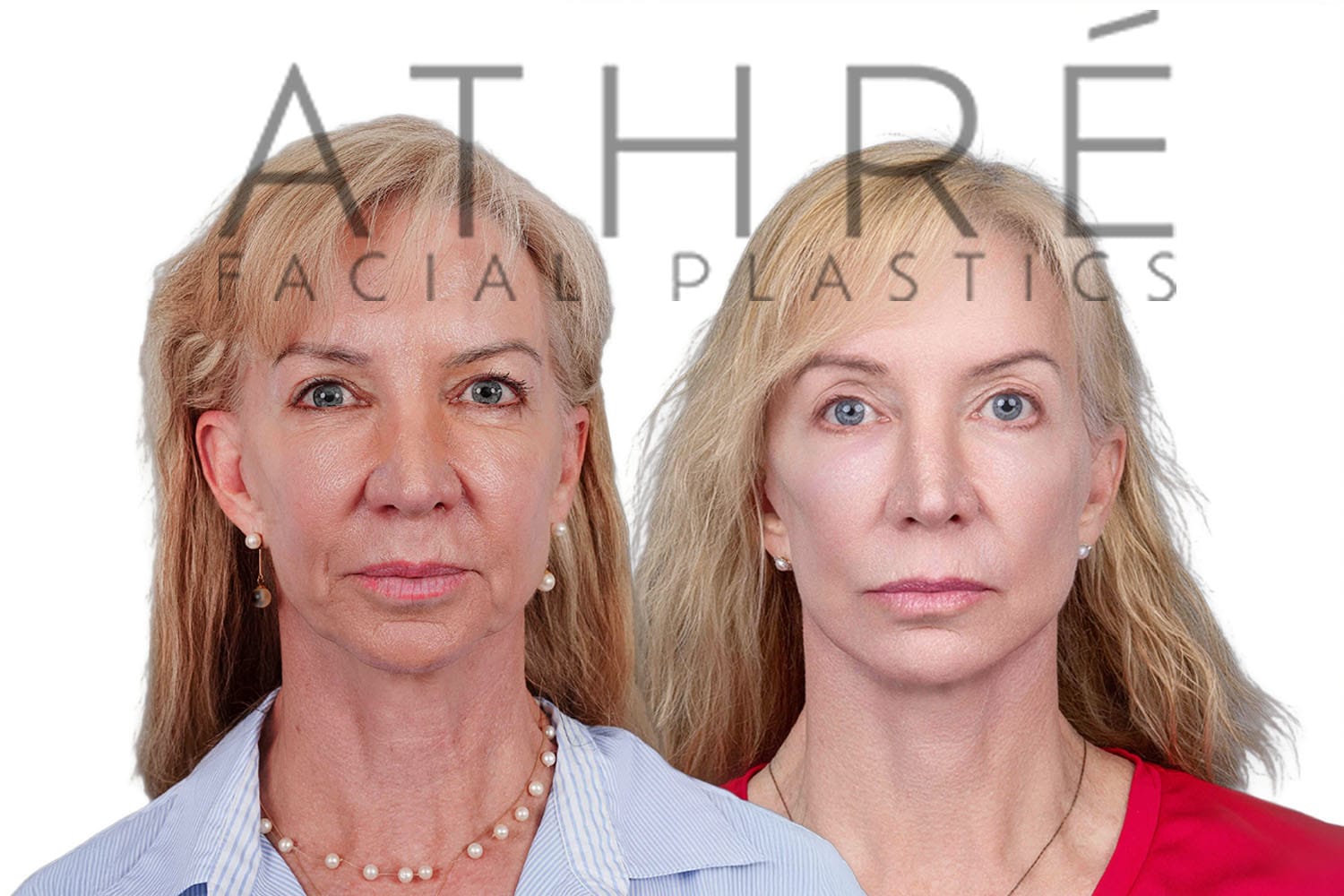
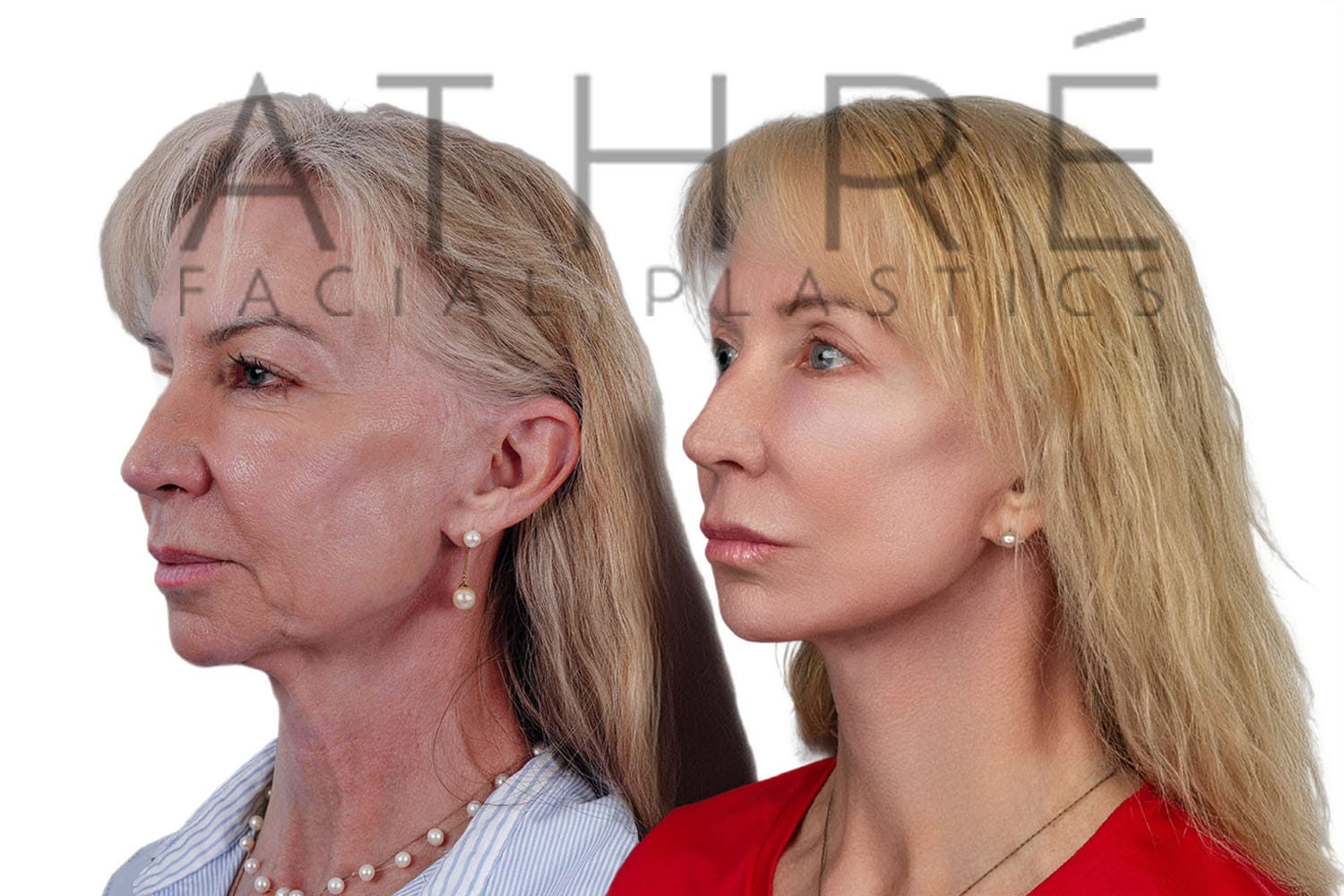
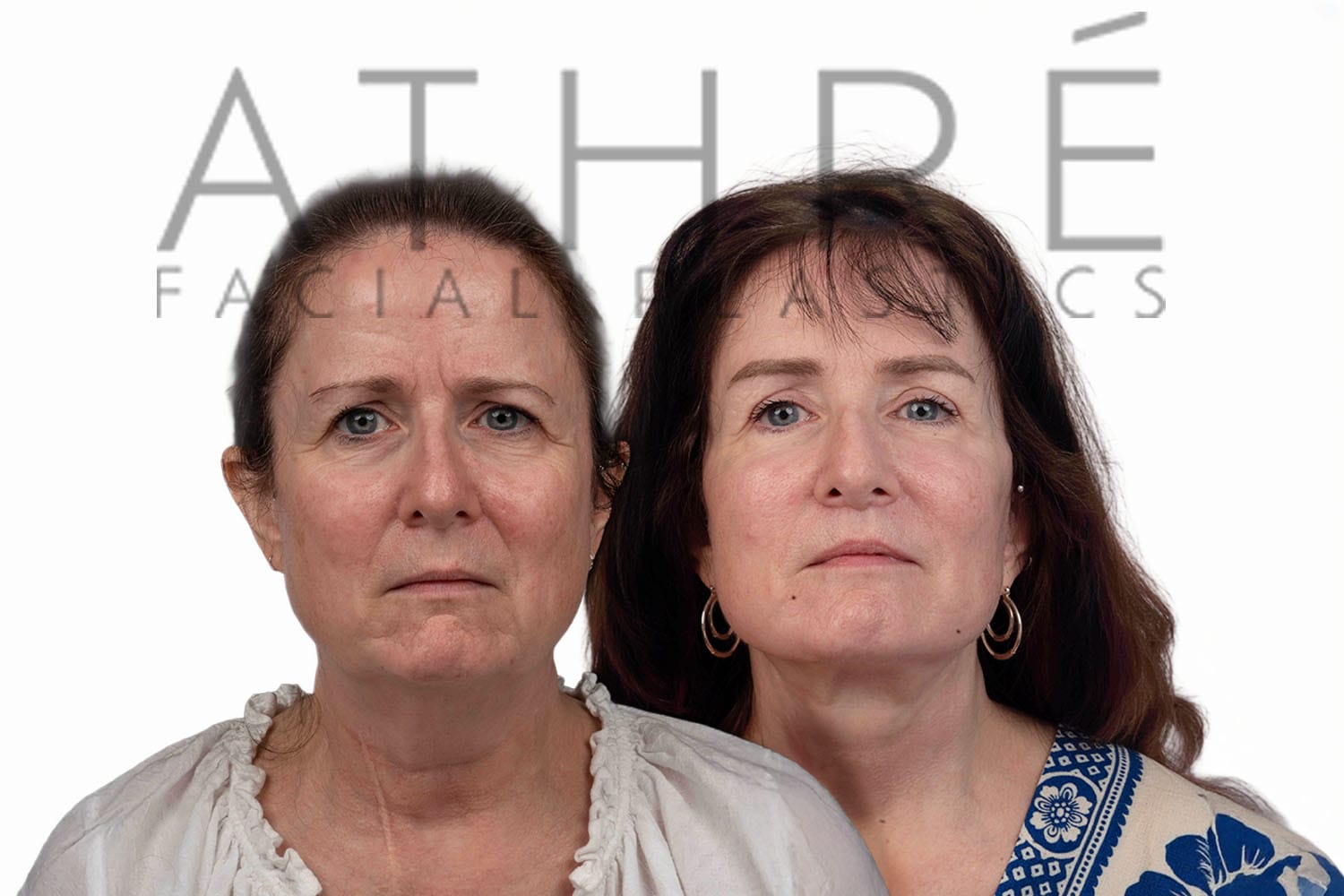
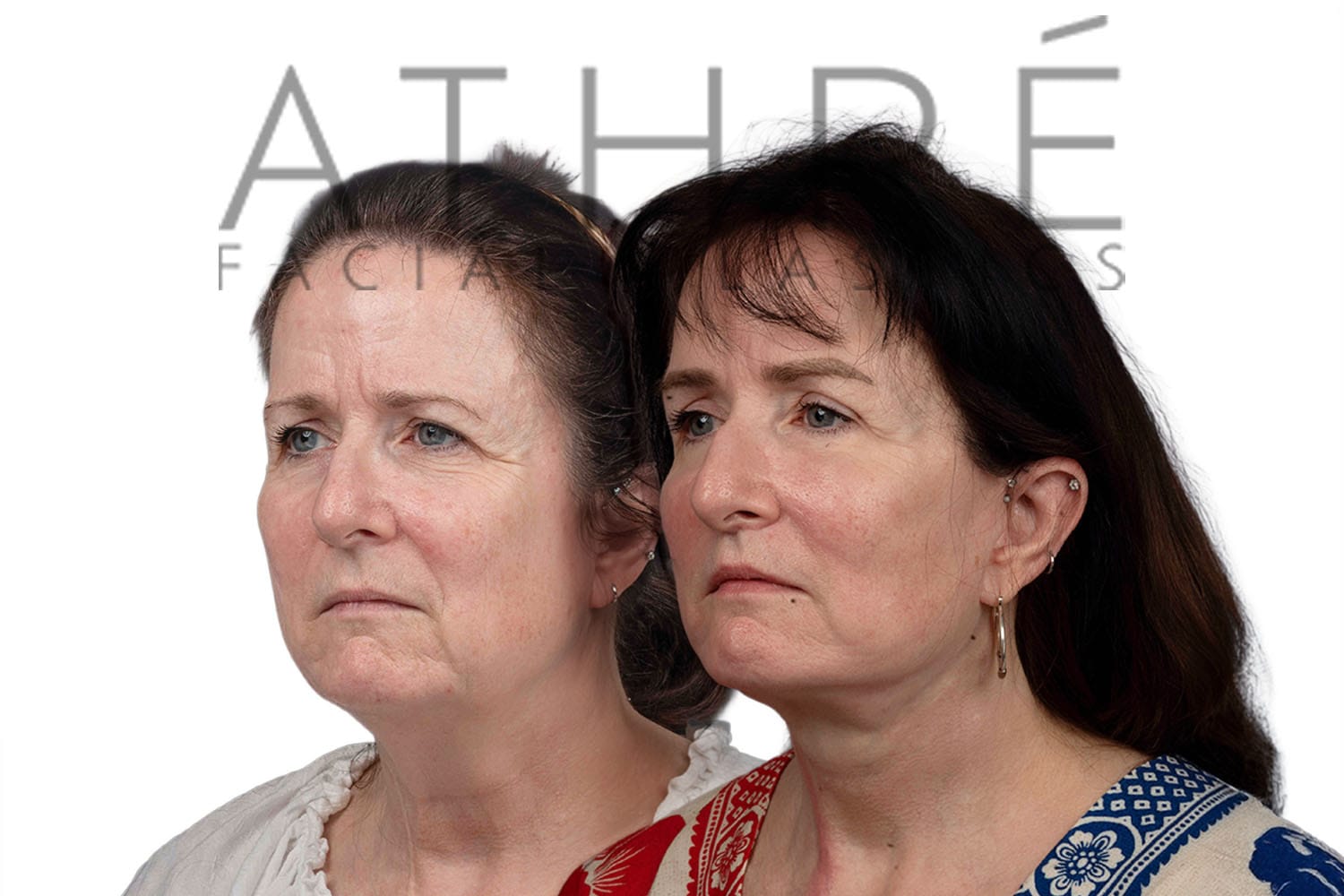
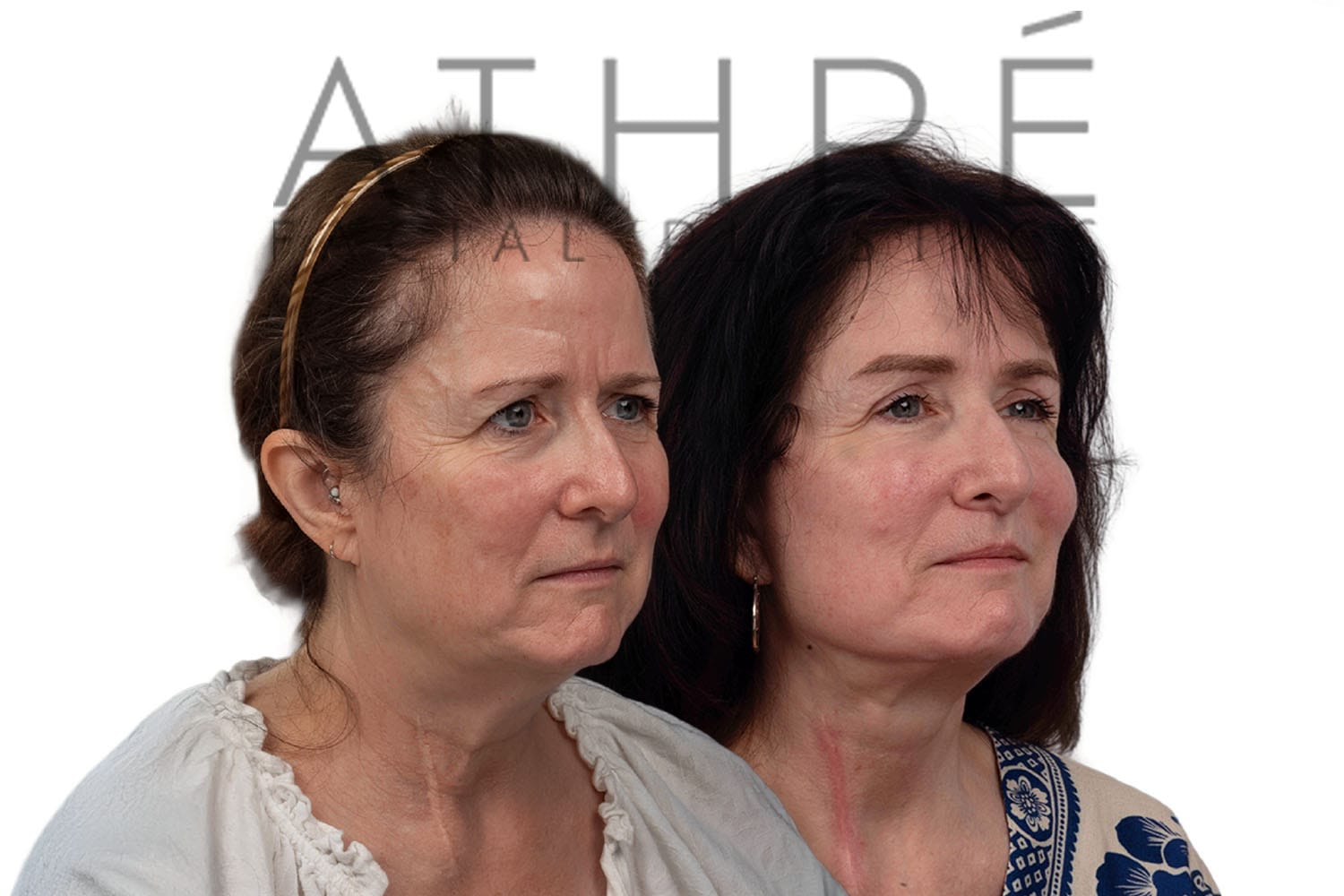
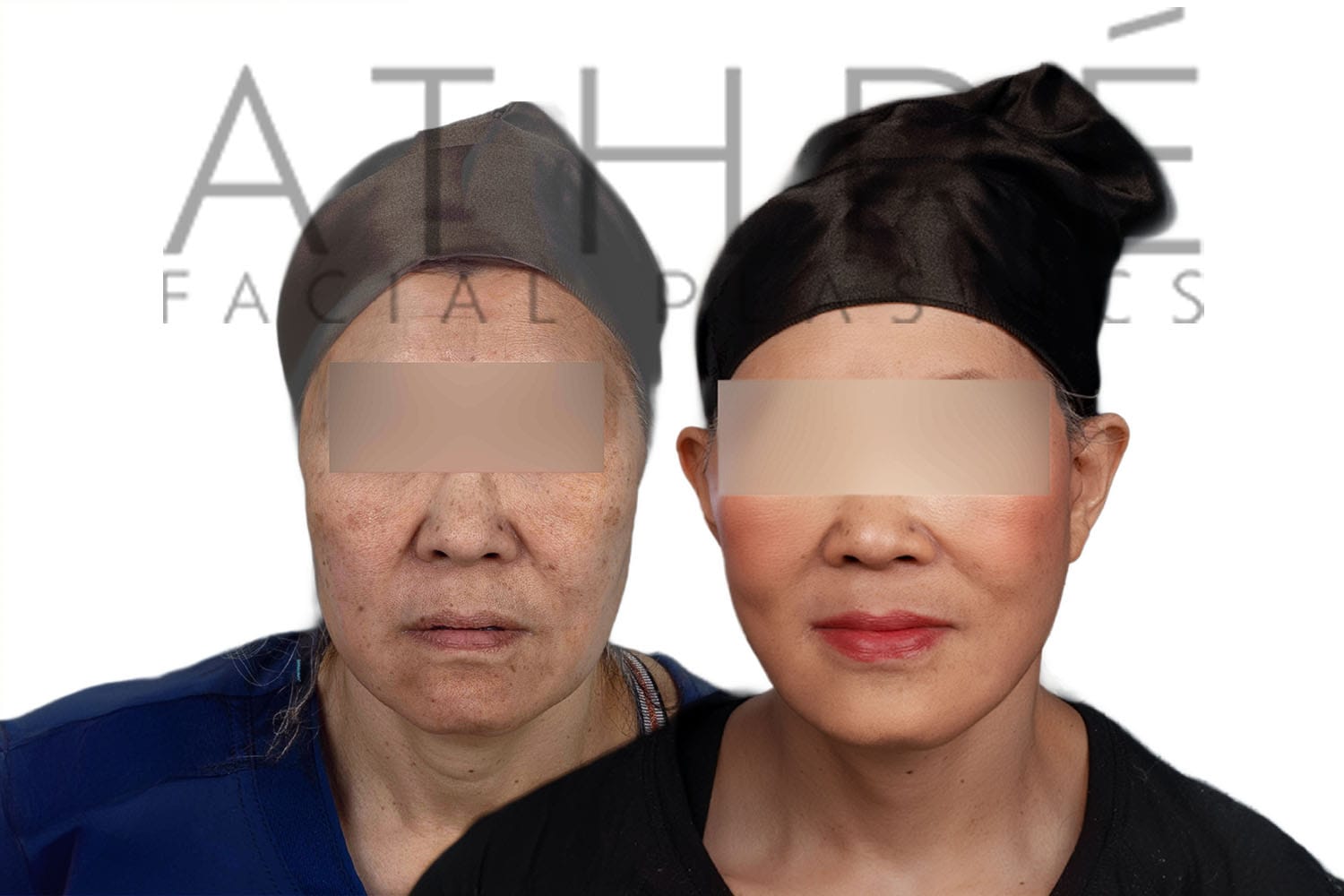
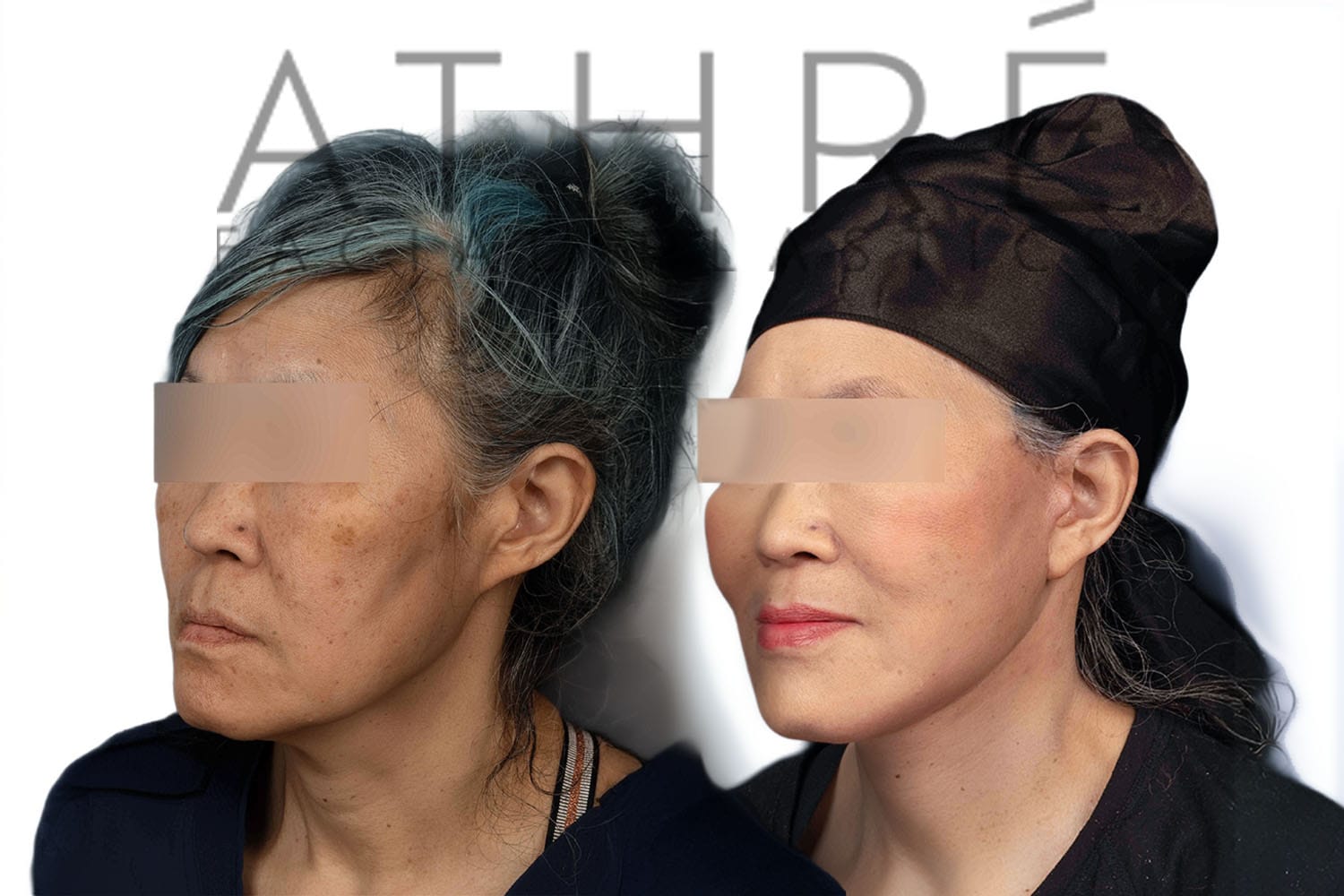
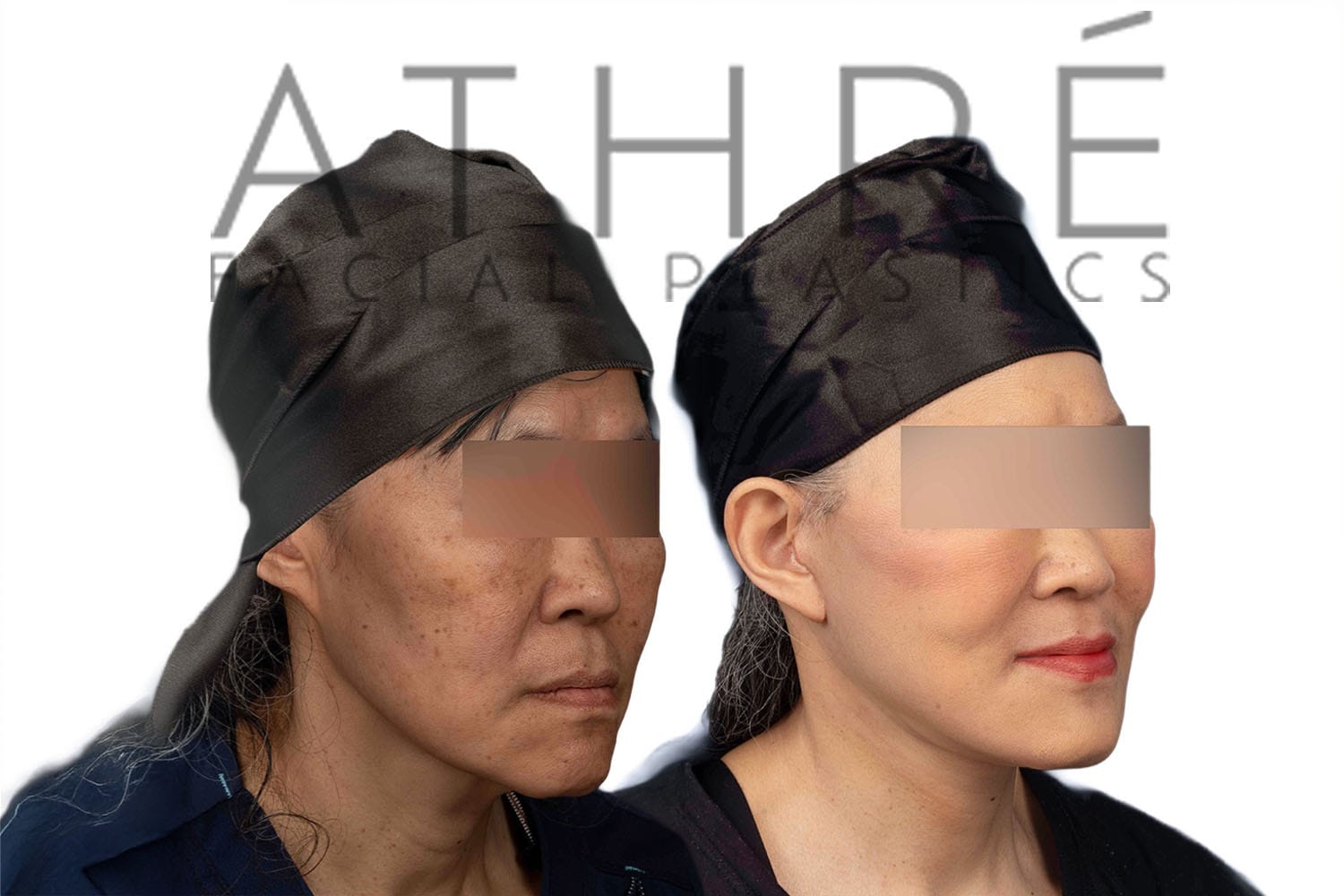
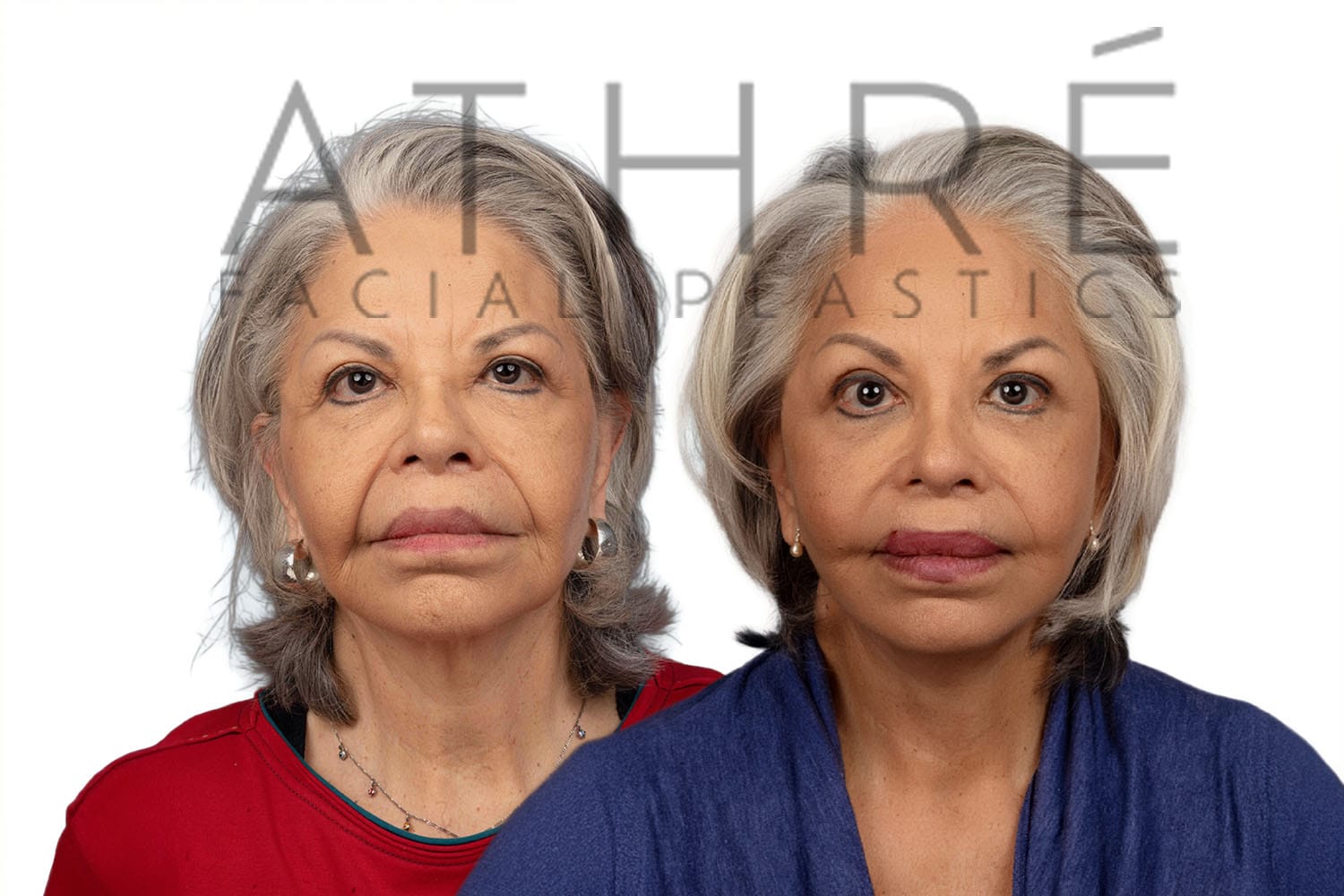
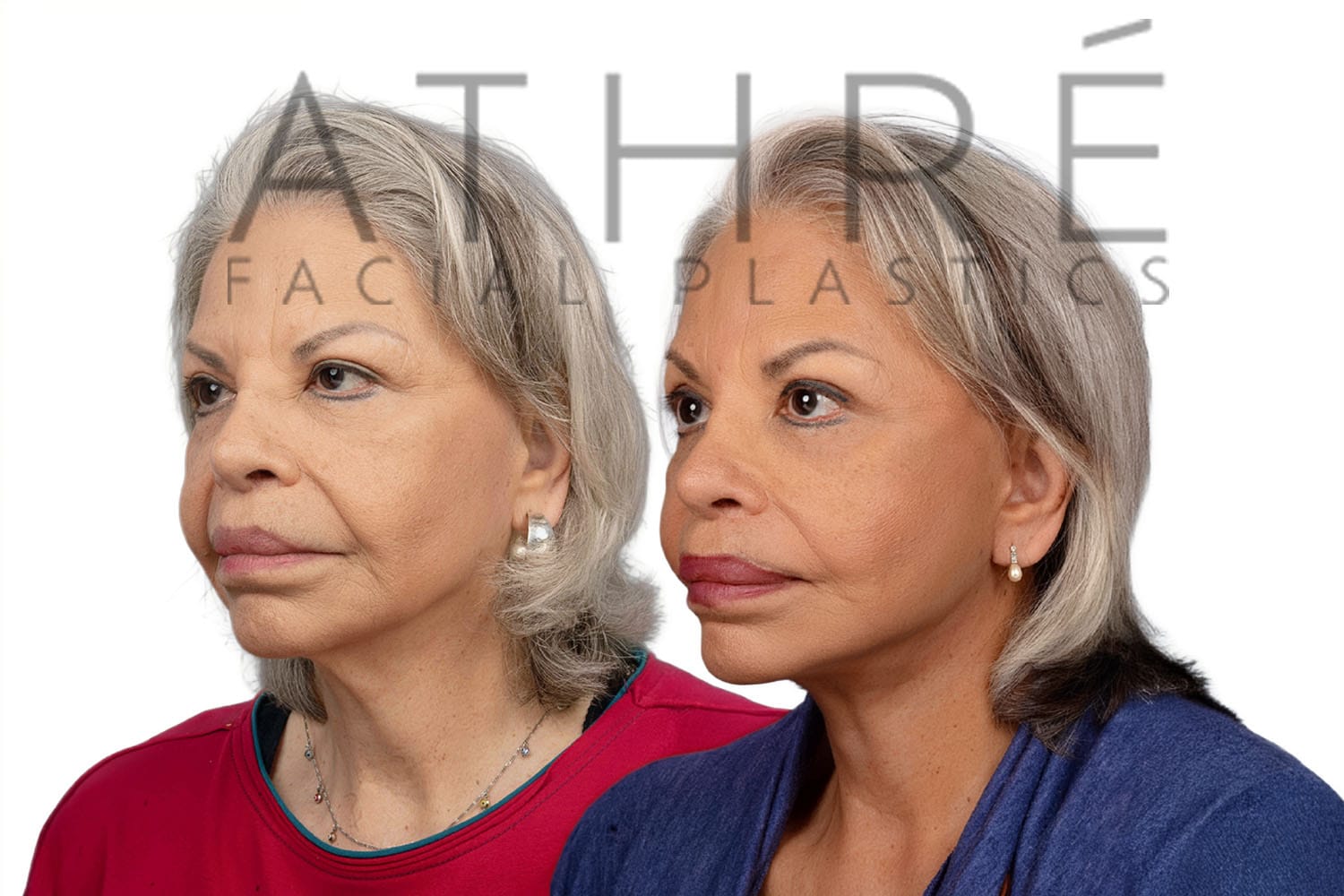
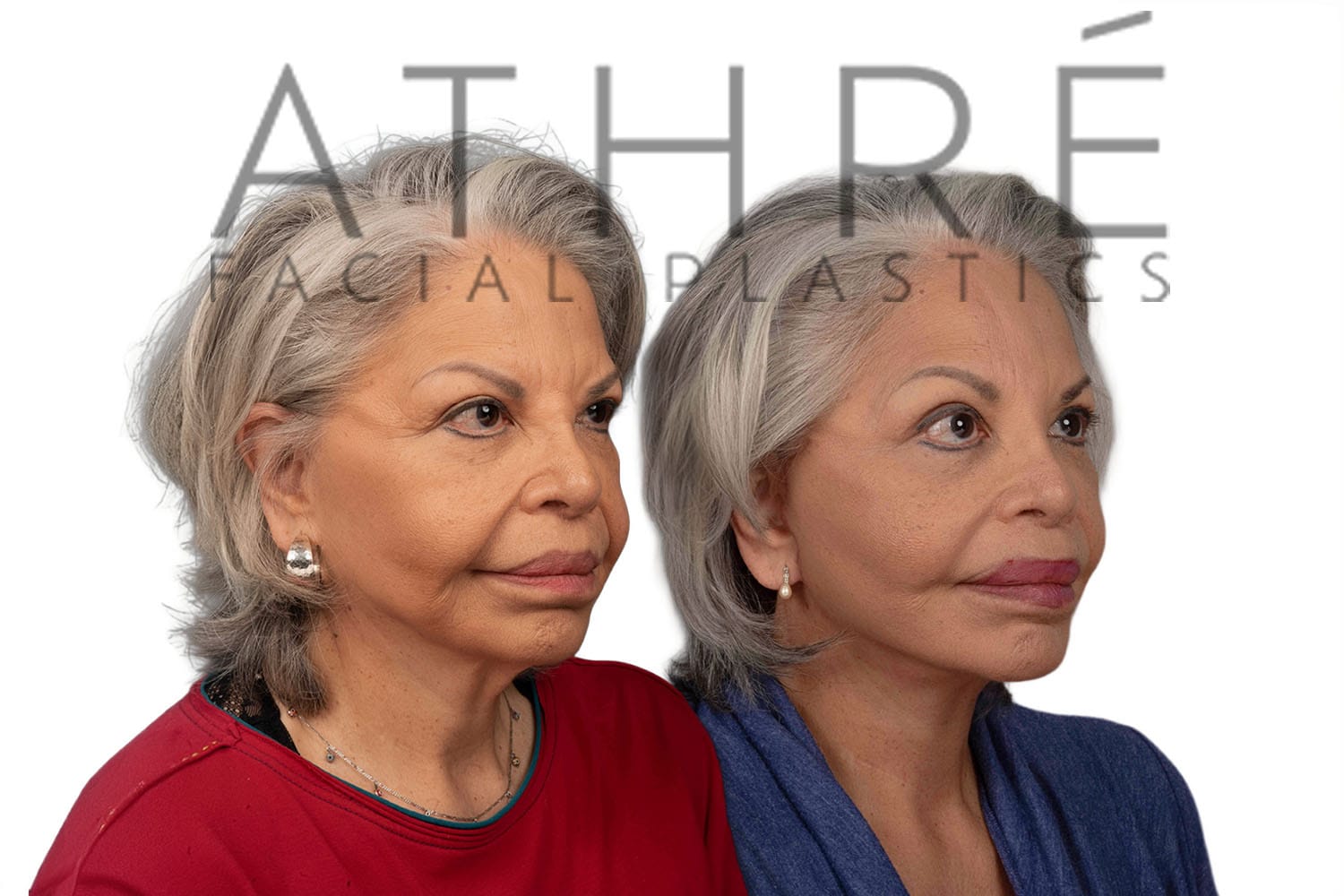
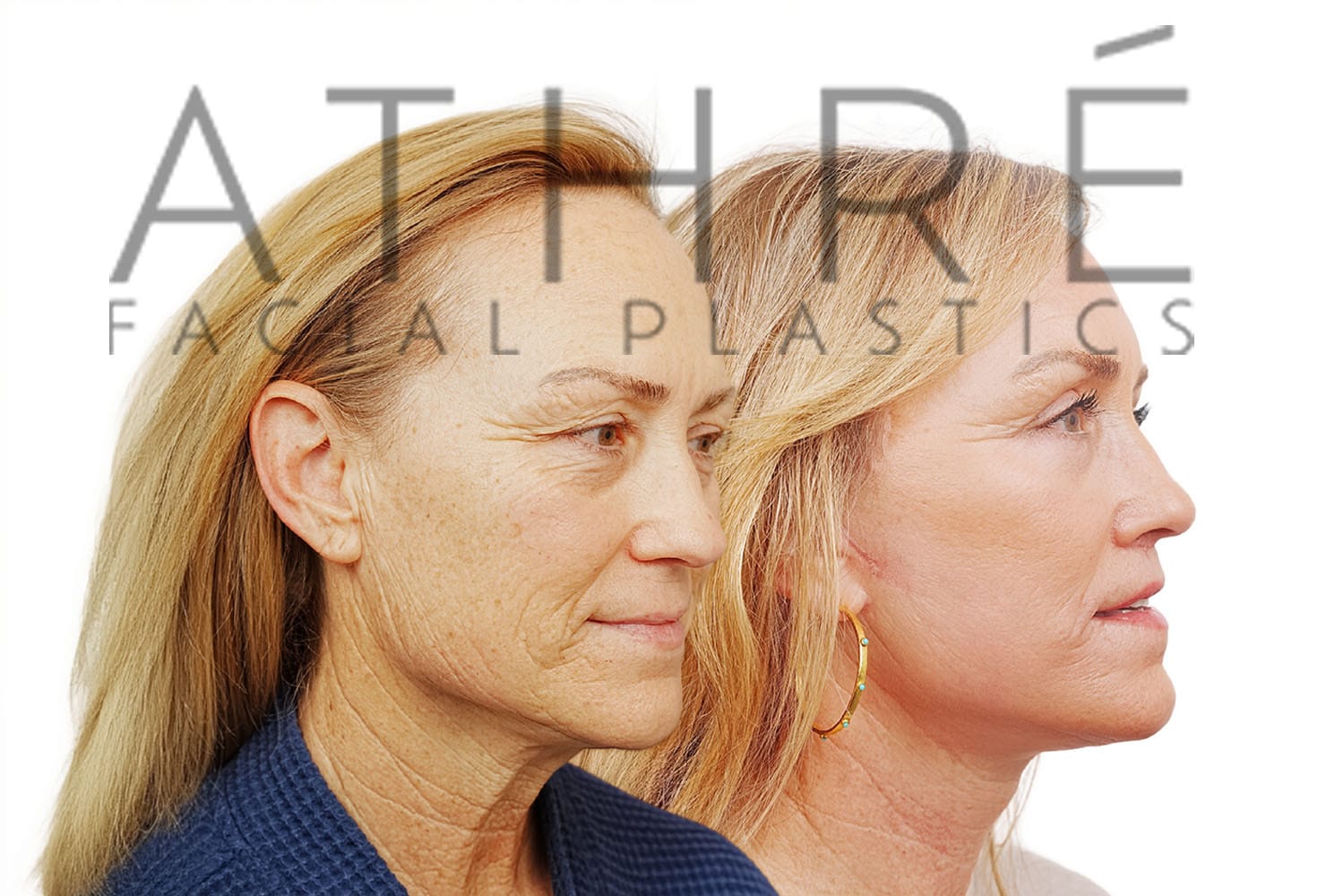
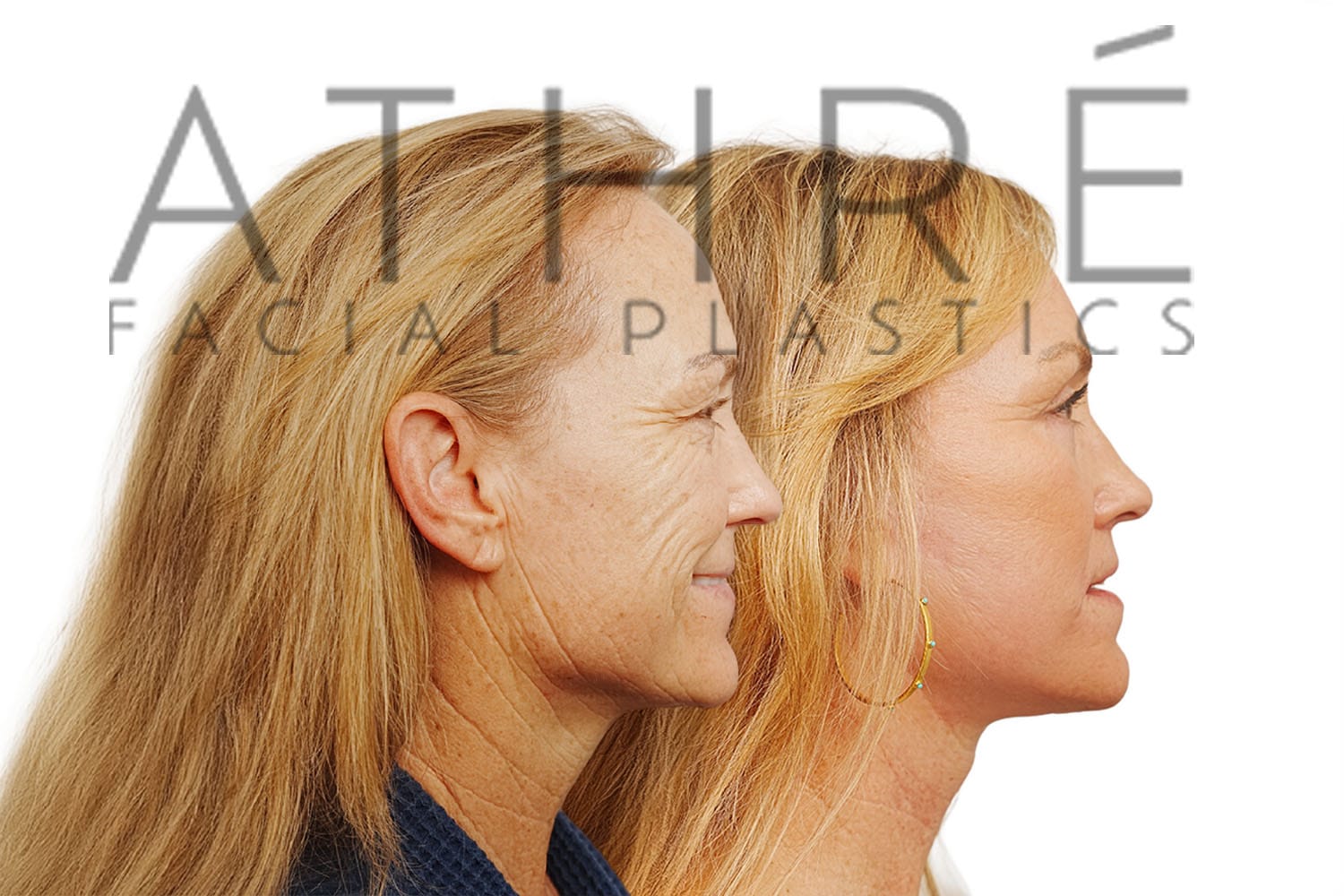
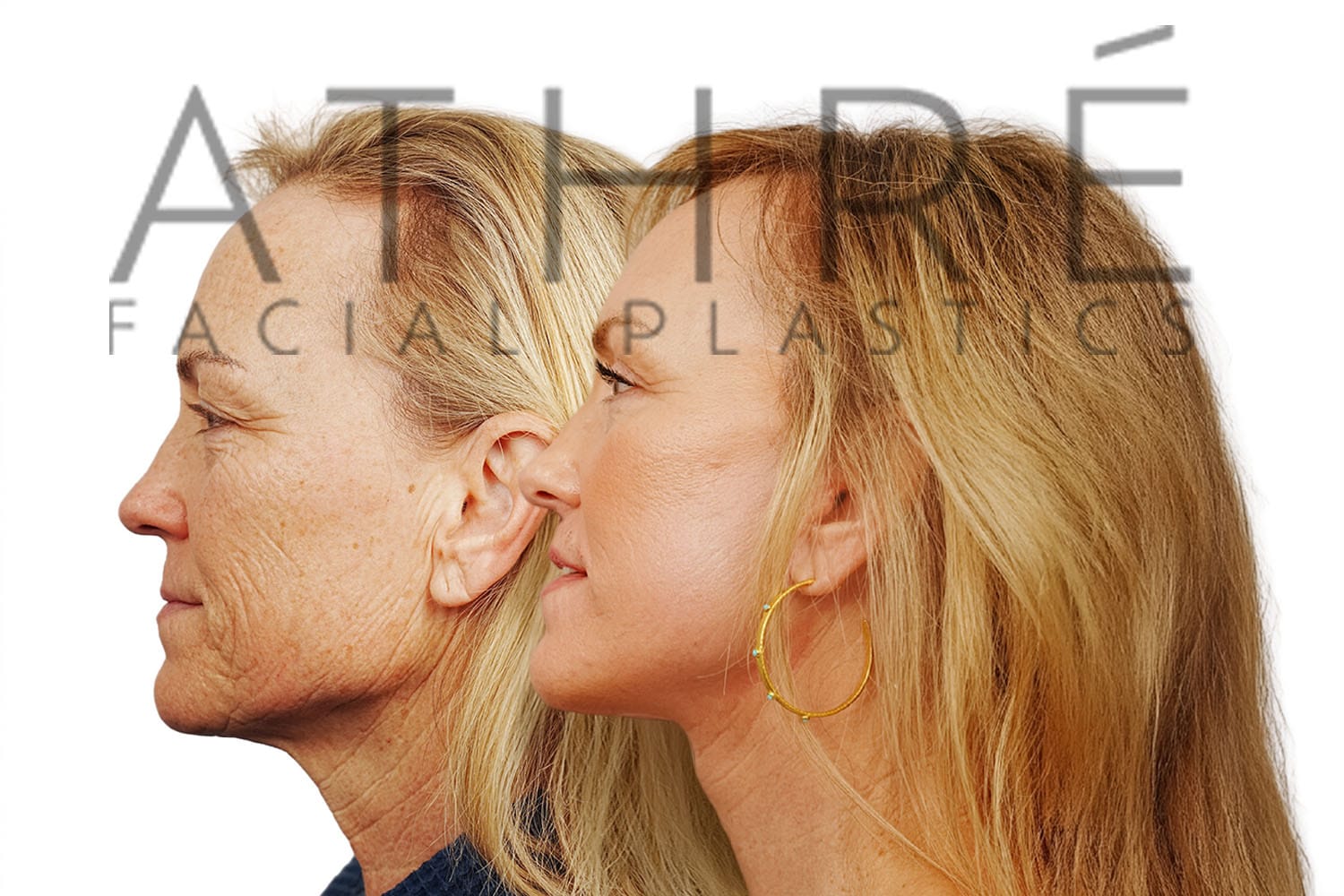
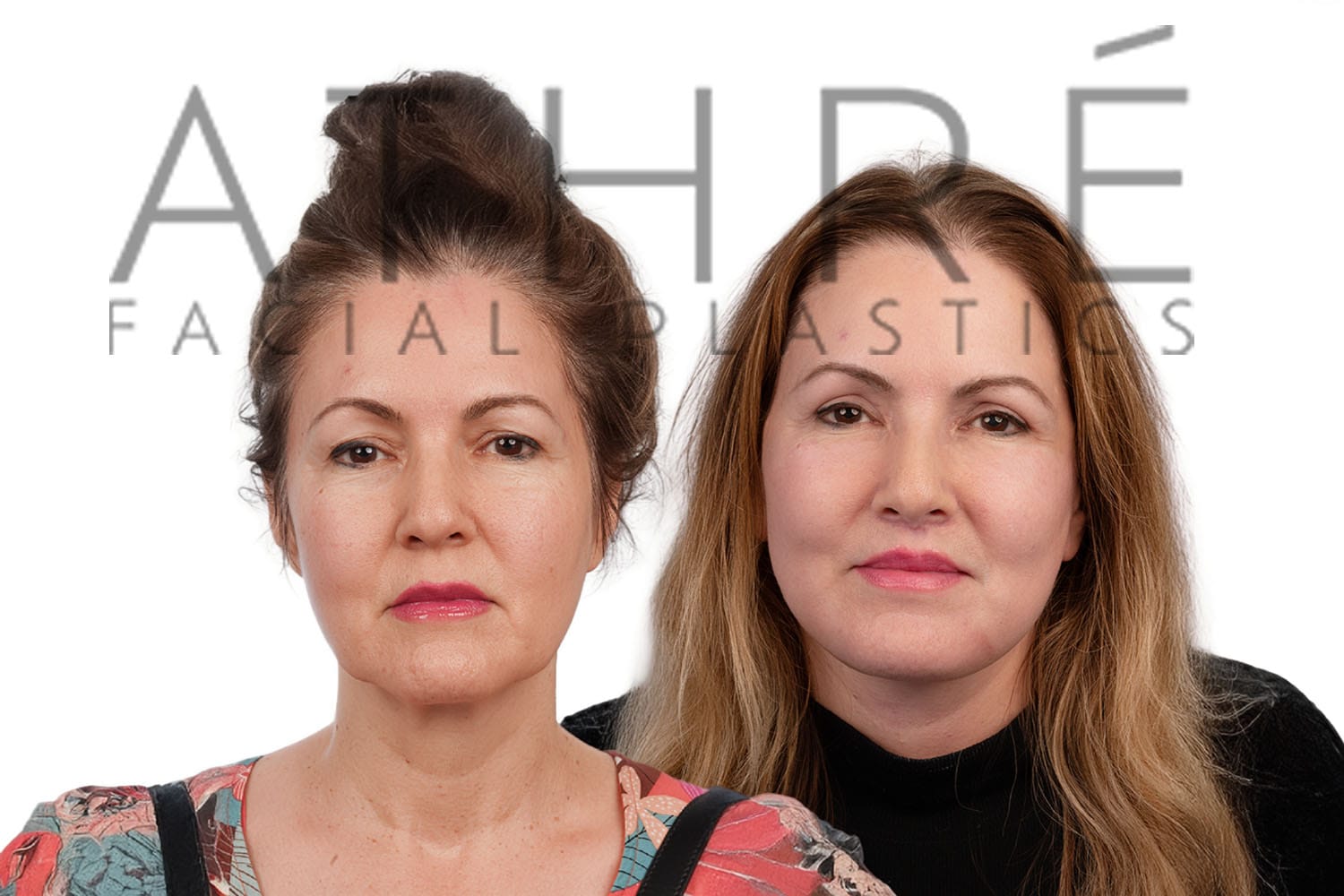
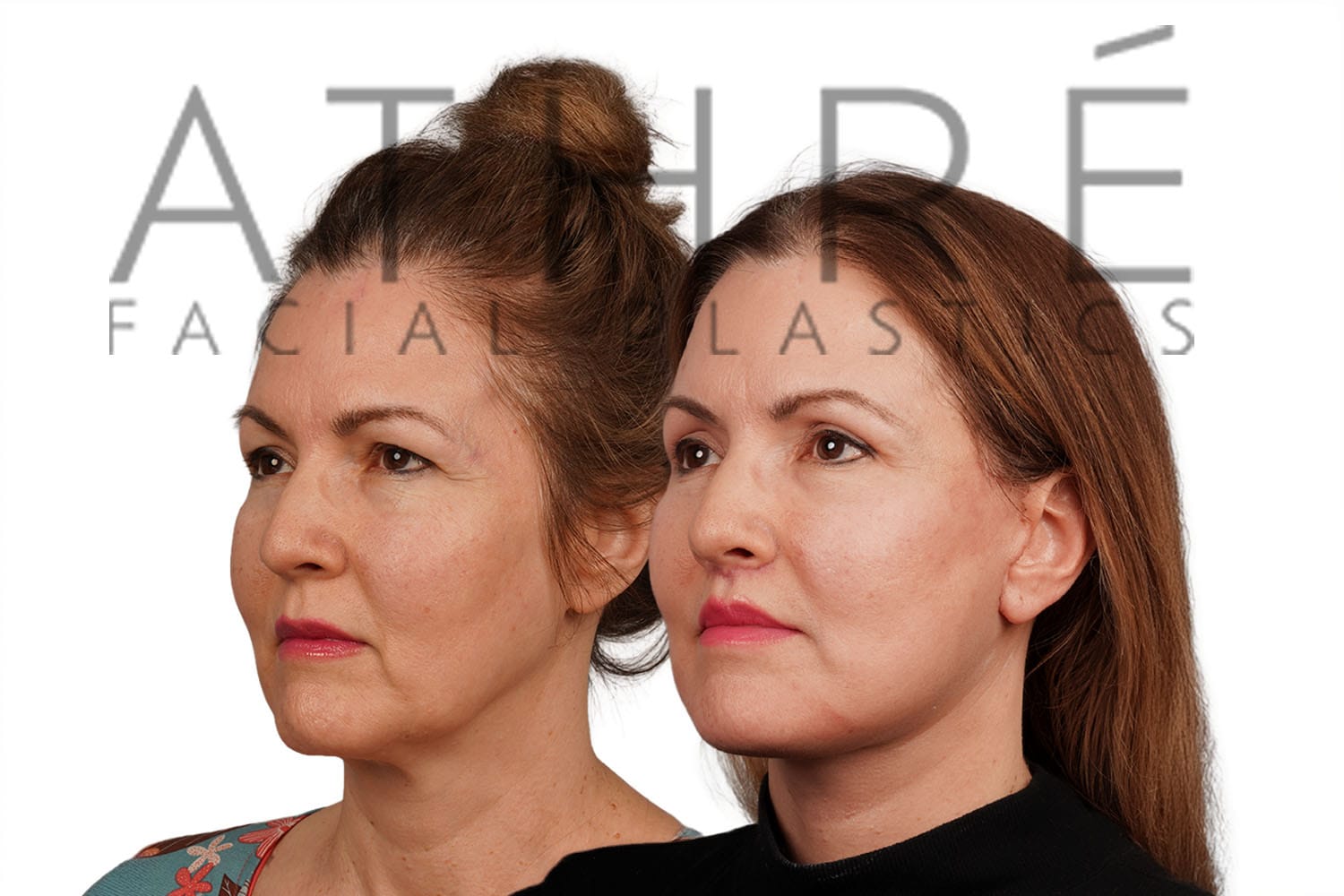
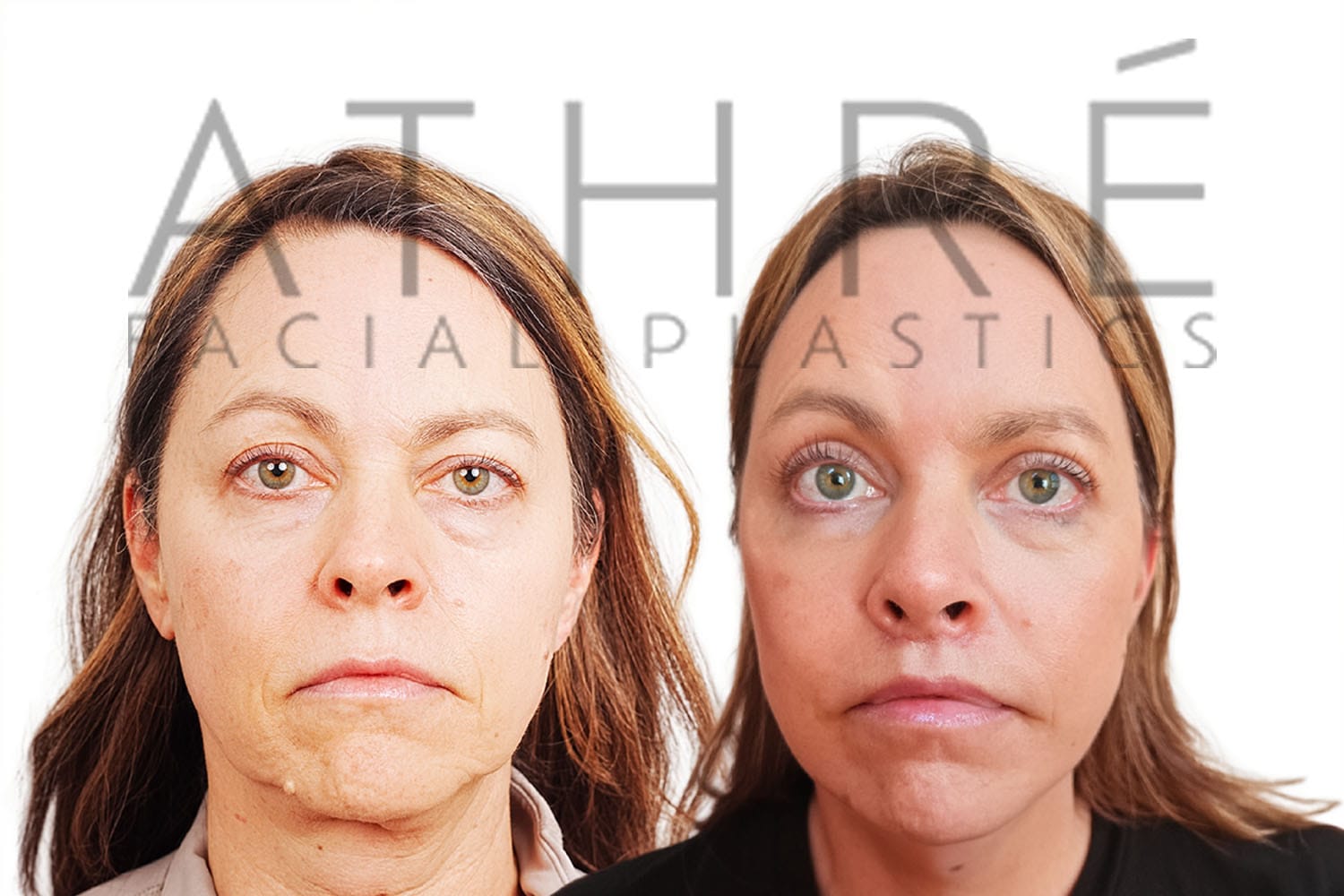
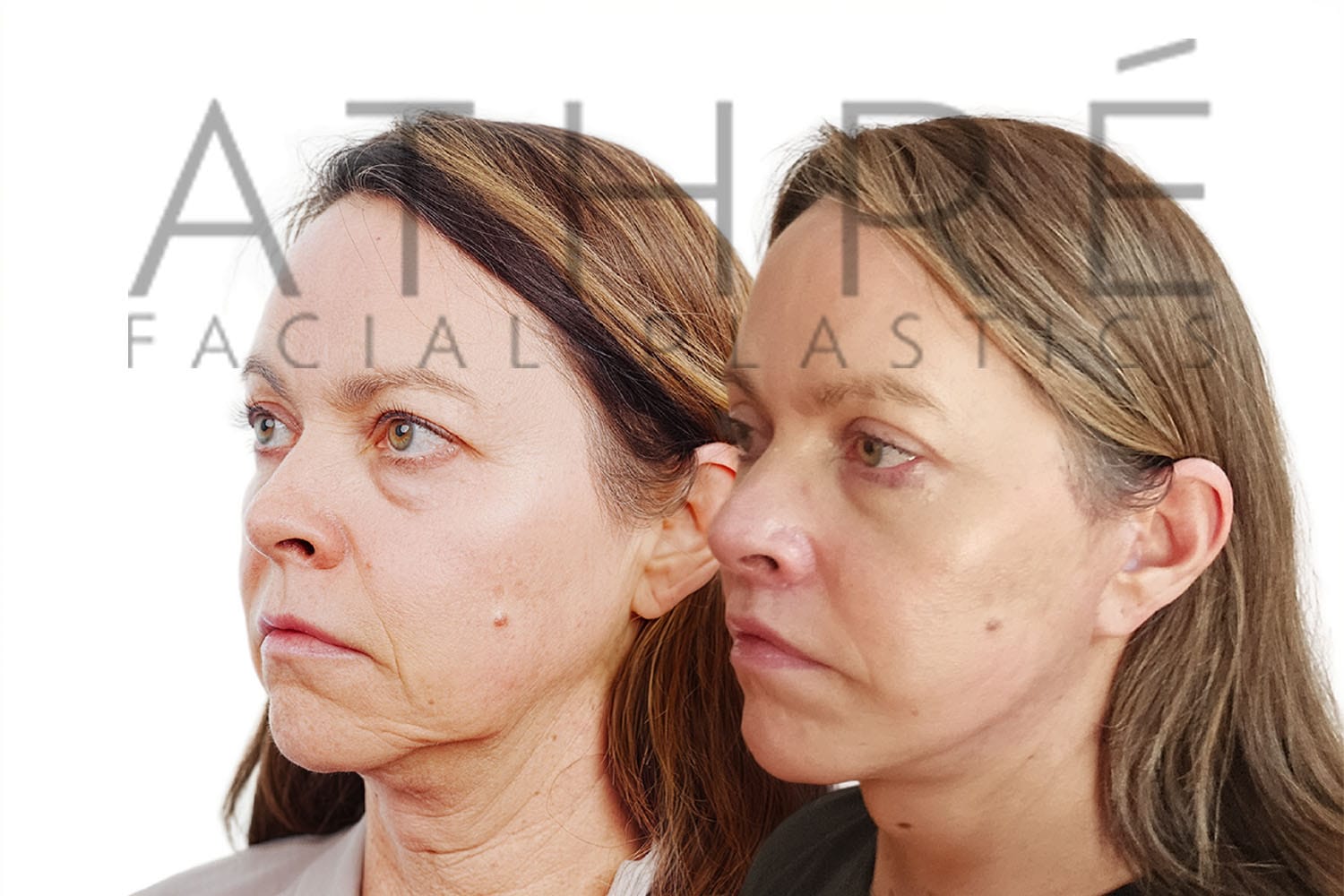
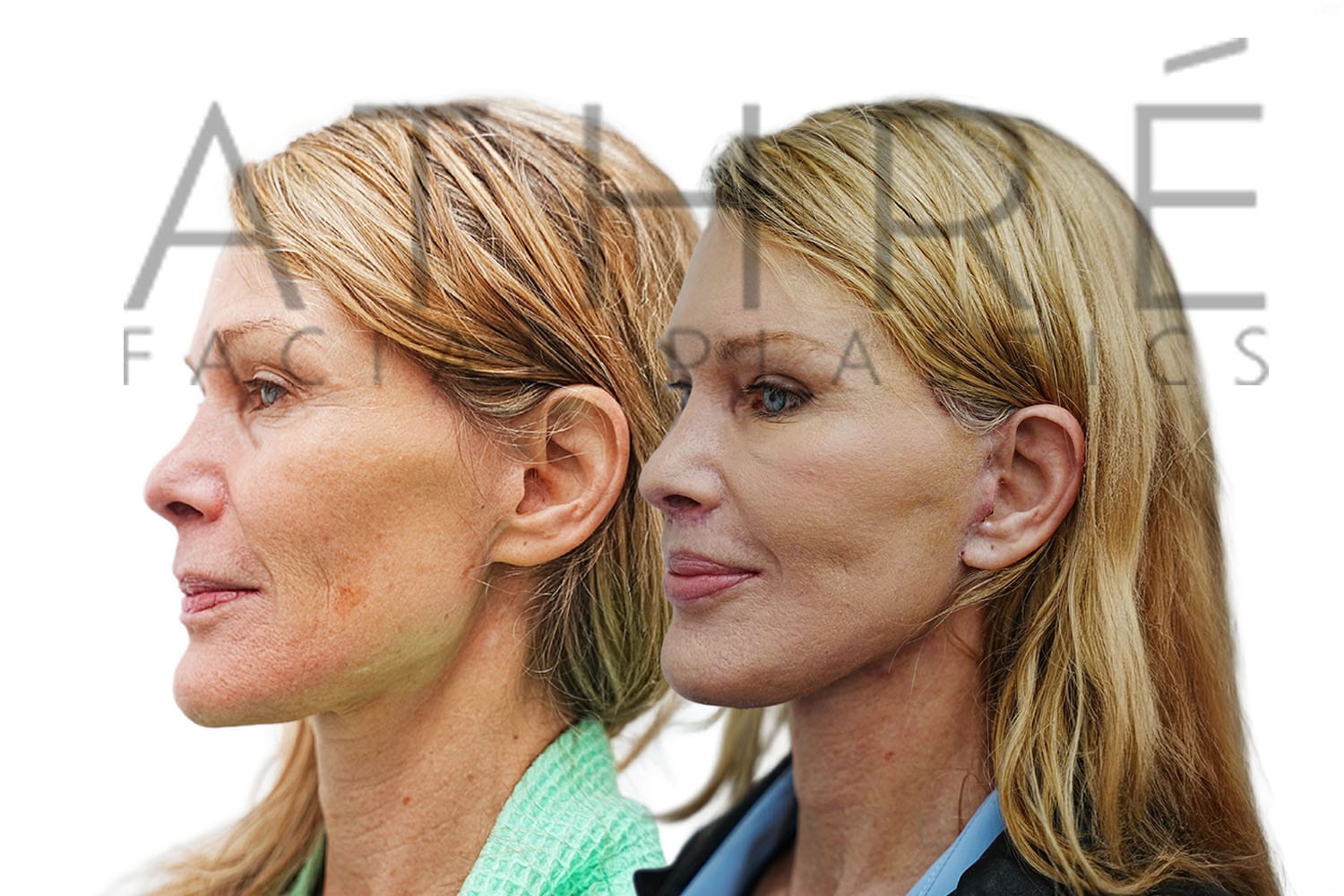
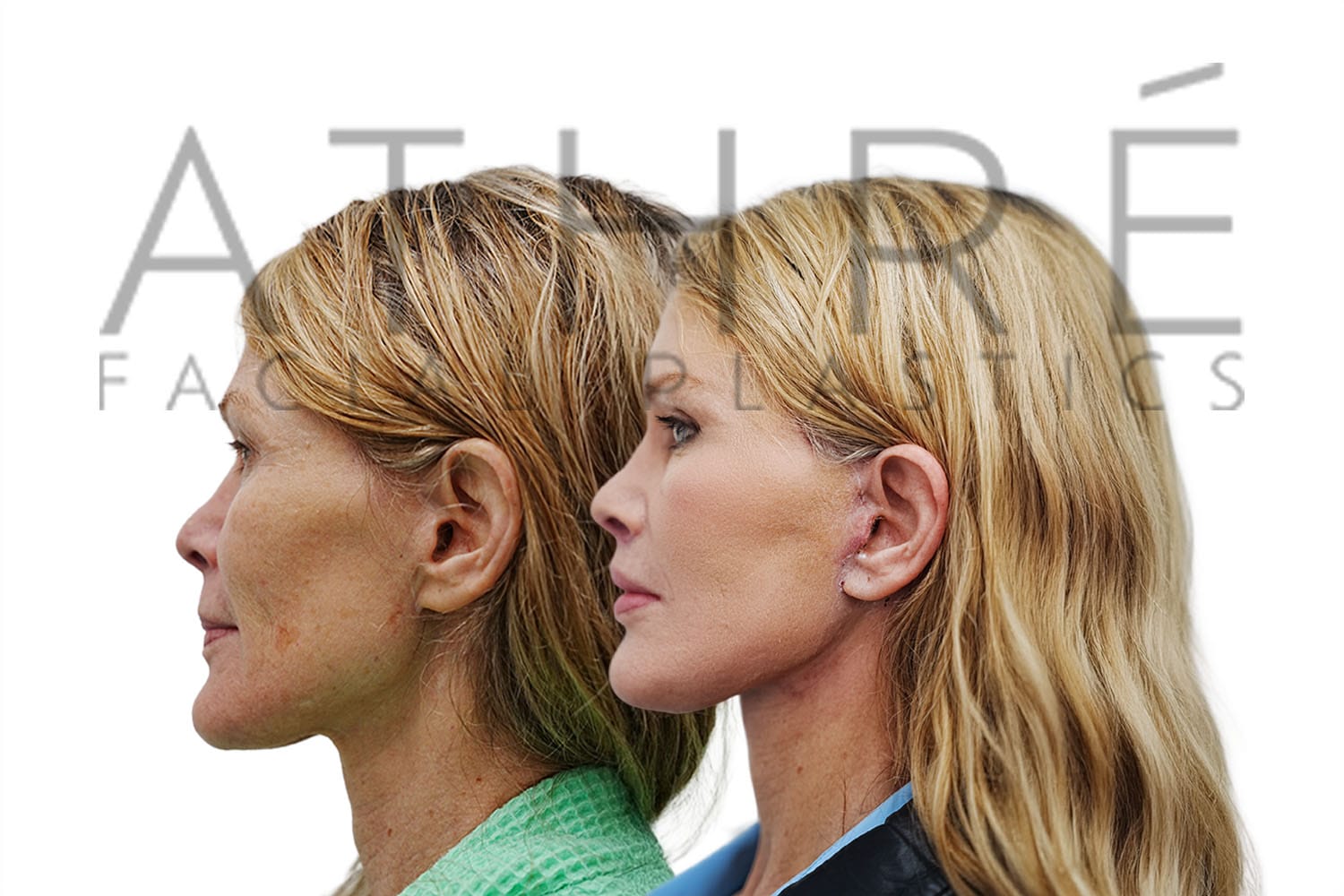
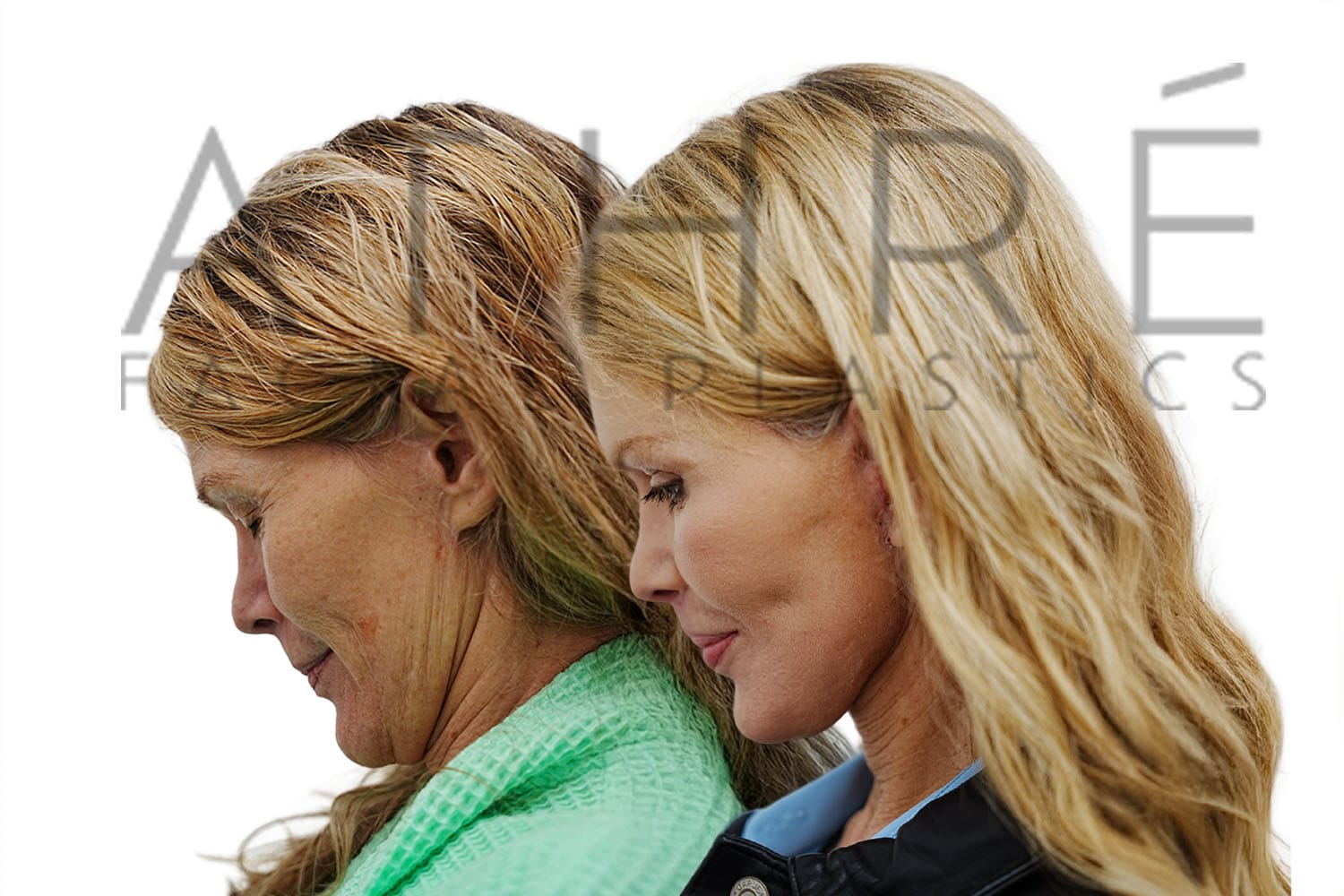
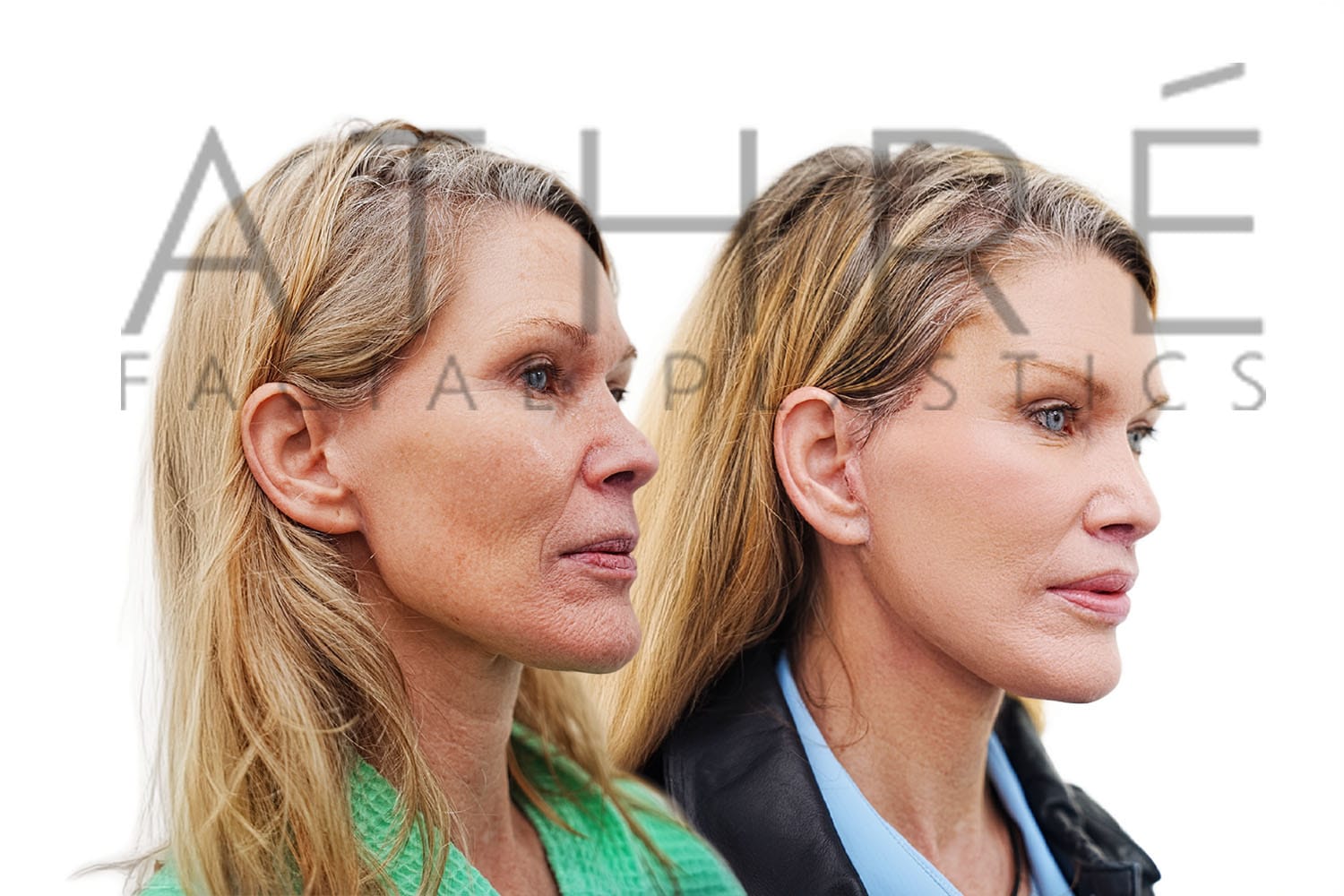
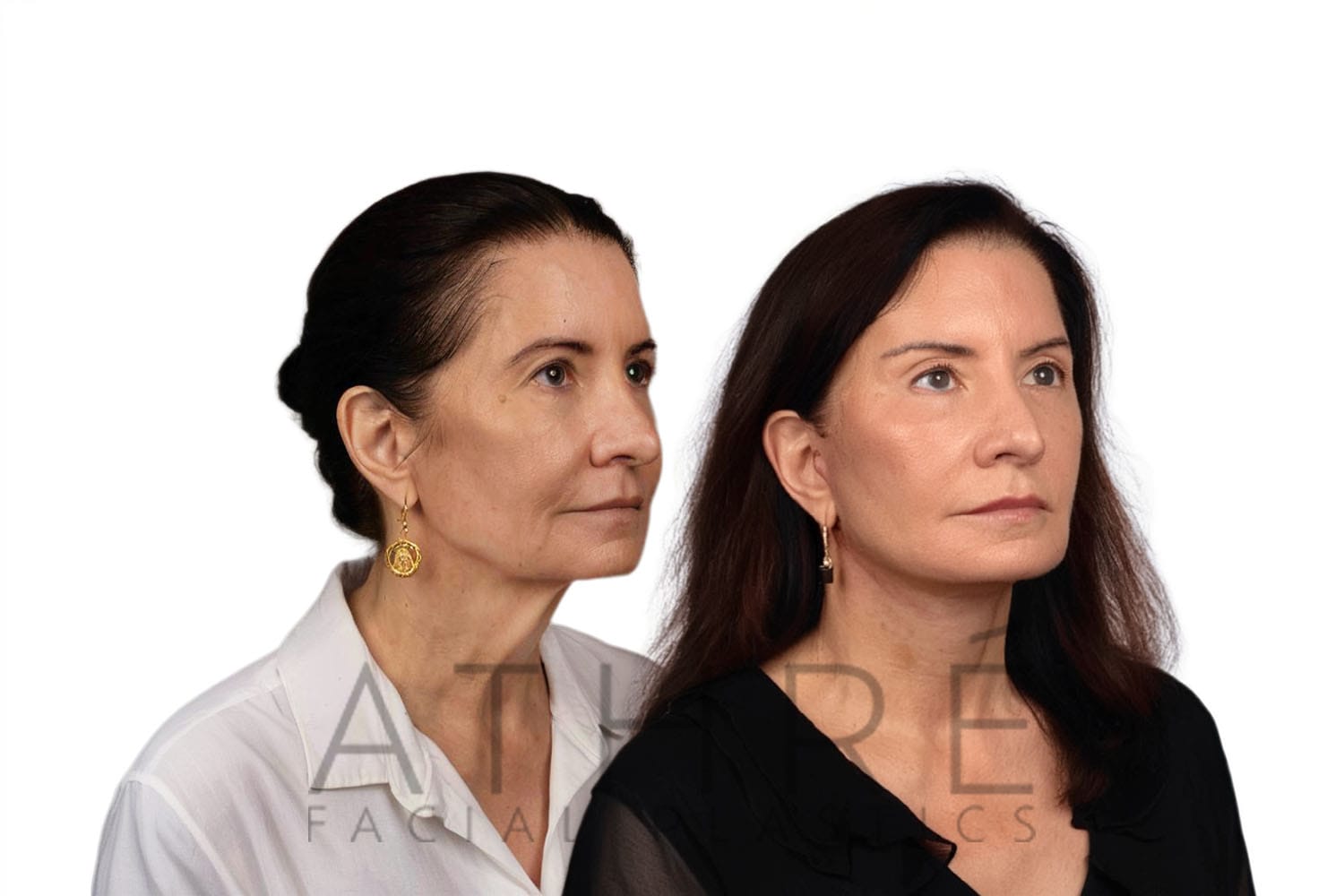
When people look at facelift before and after photos, they often focus on how much younger someone looks.
I look at something different.
Does the Result Still Look Like the Same Person?
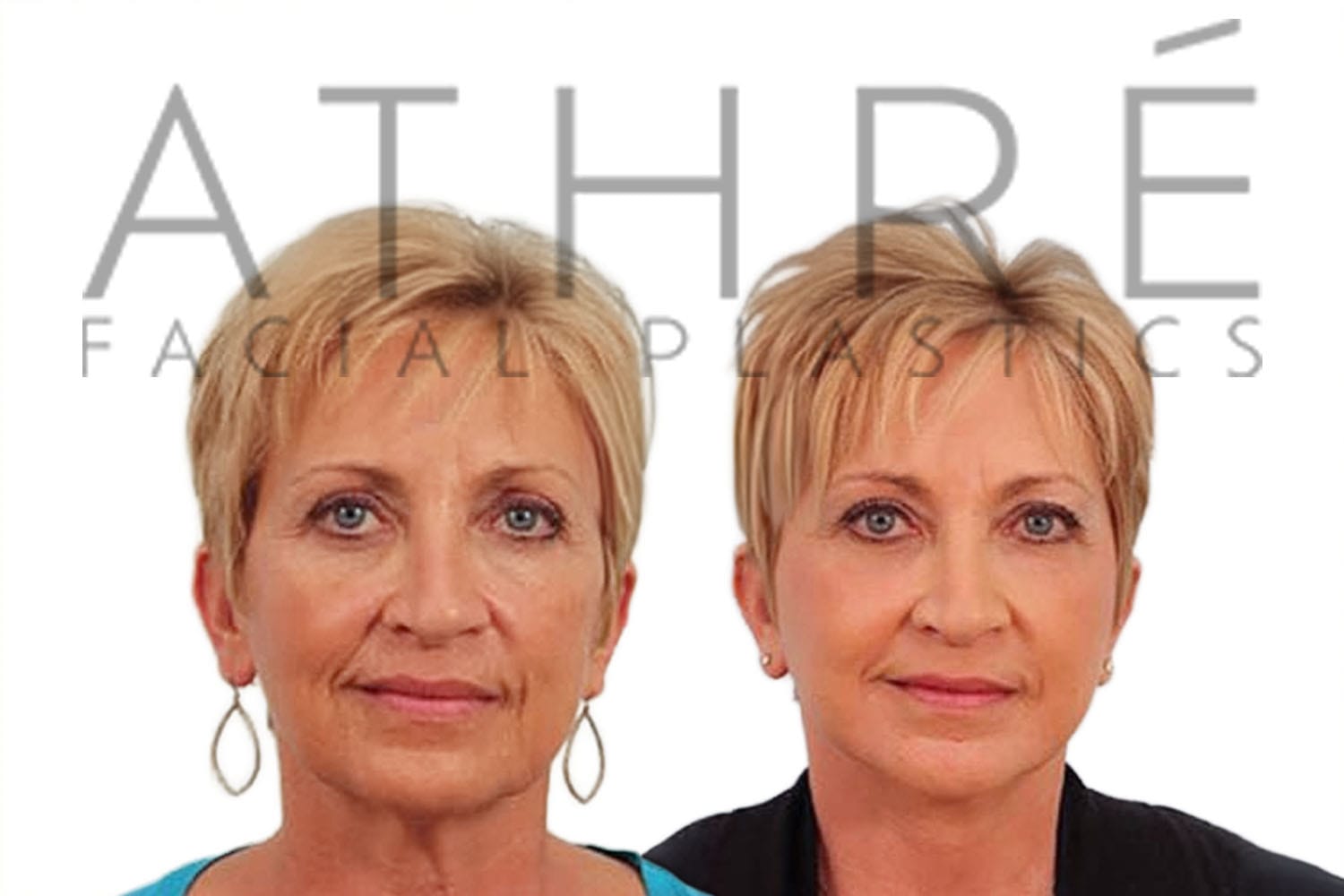
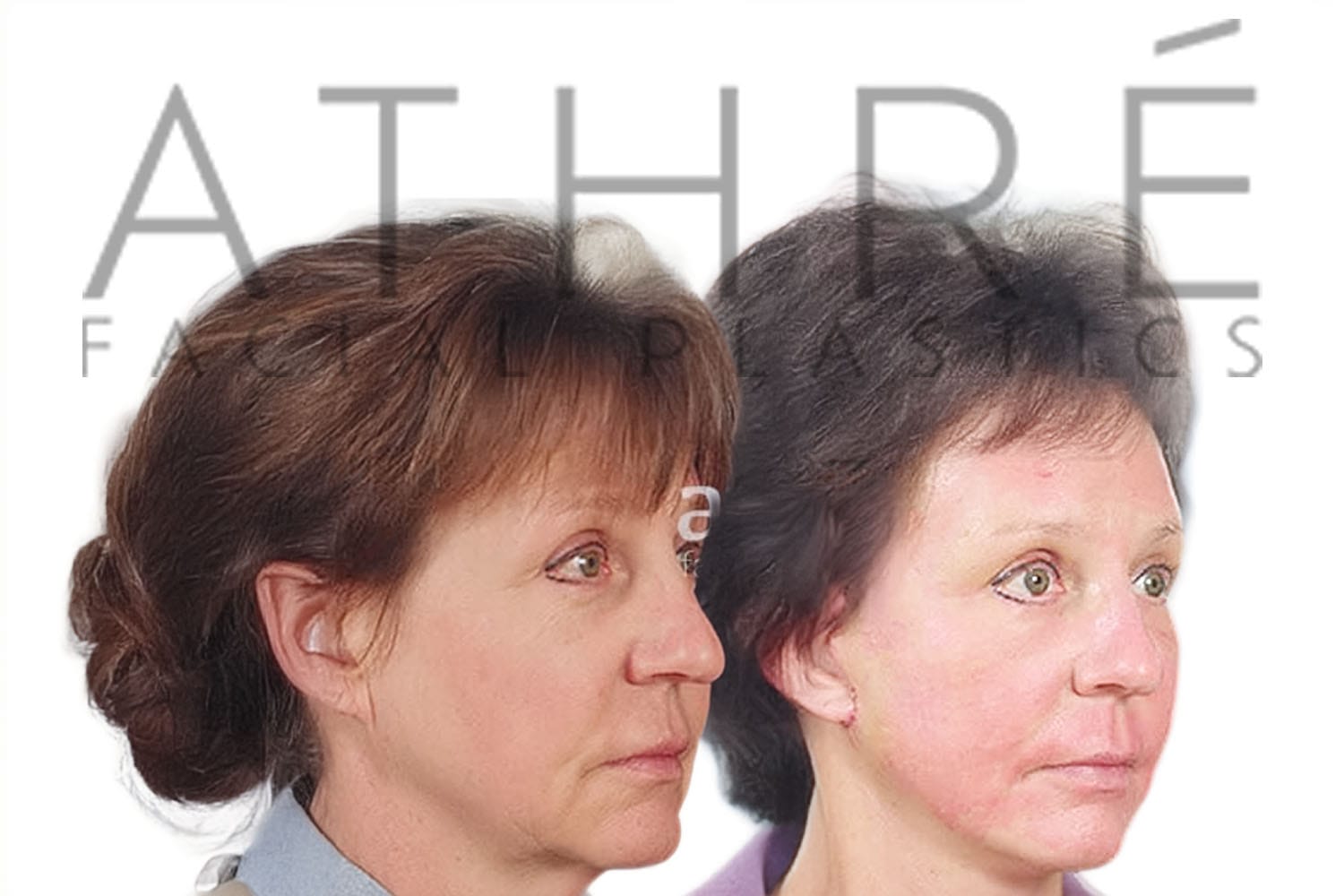
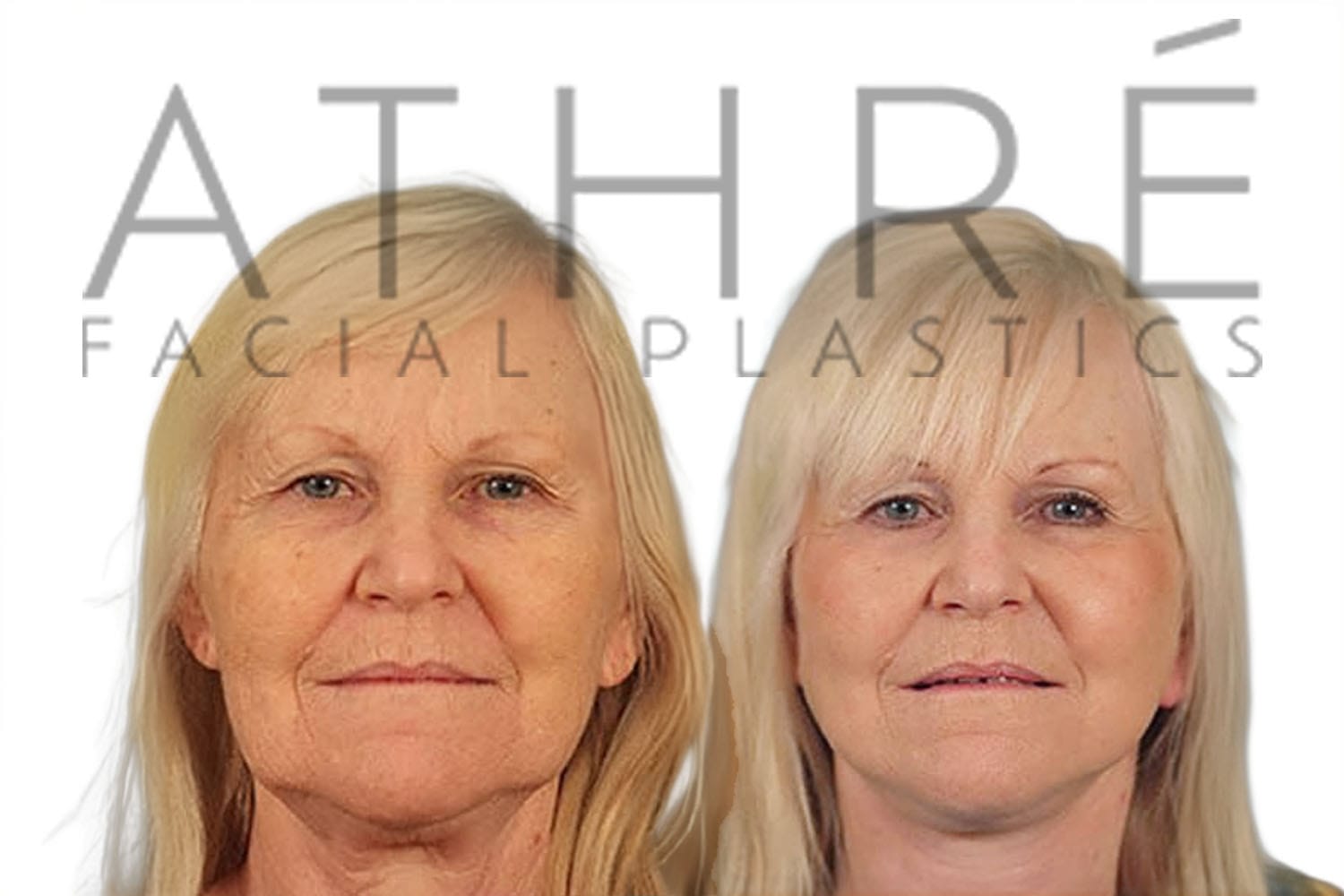
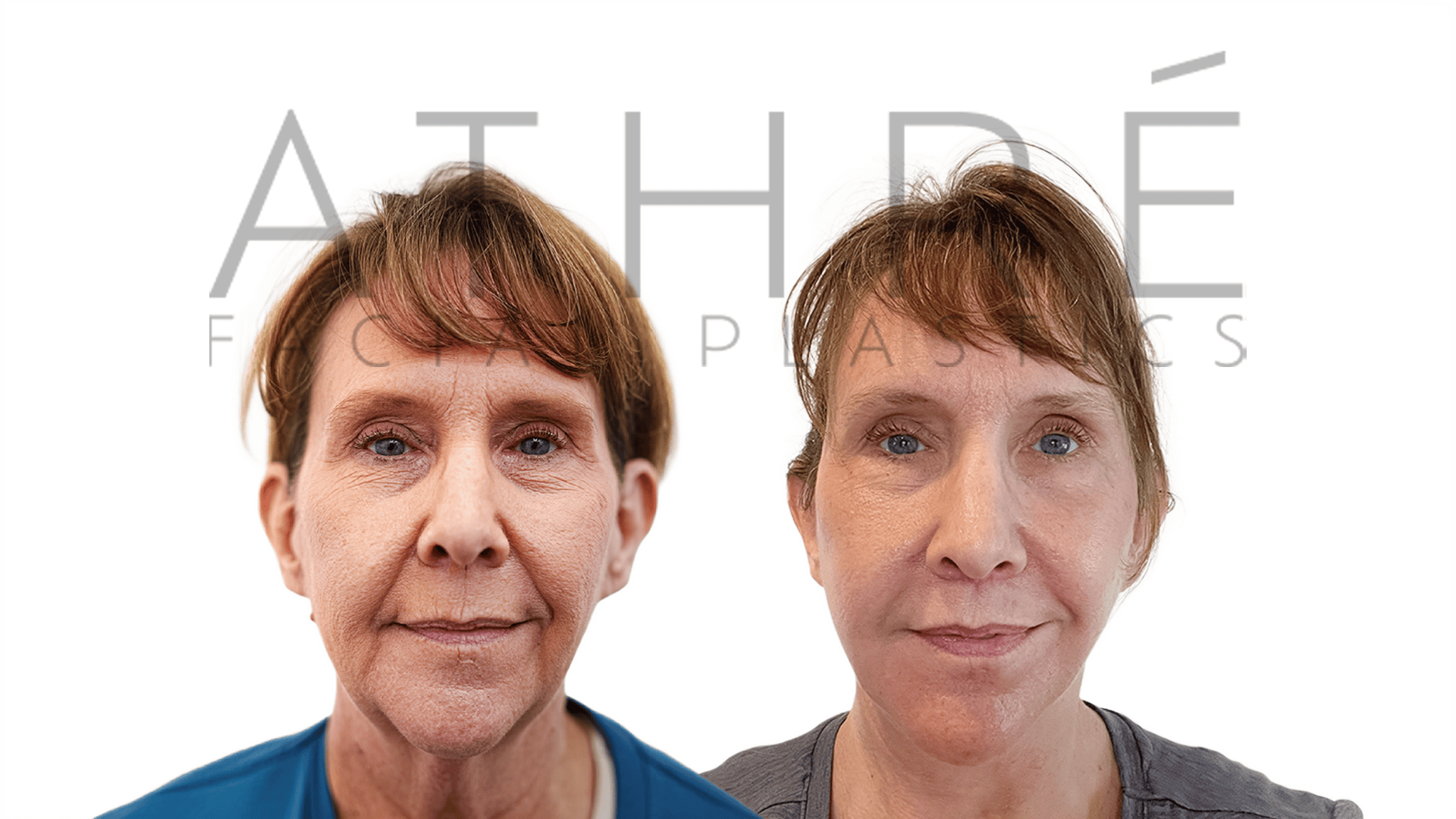
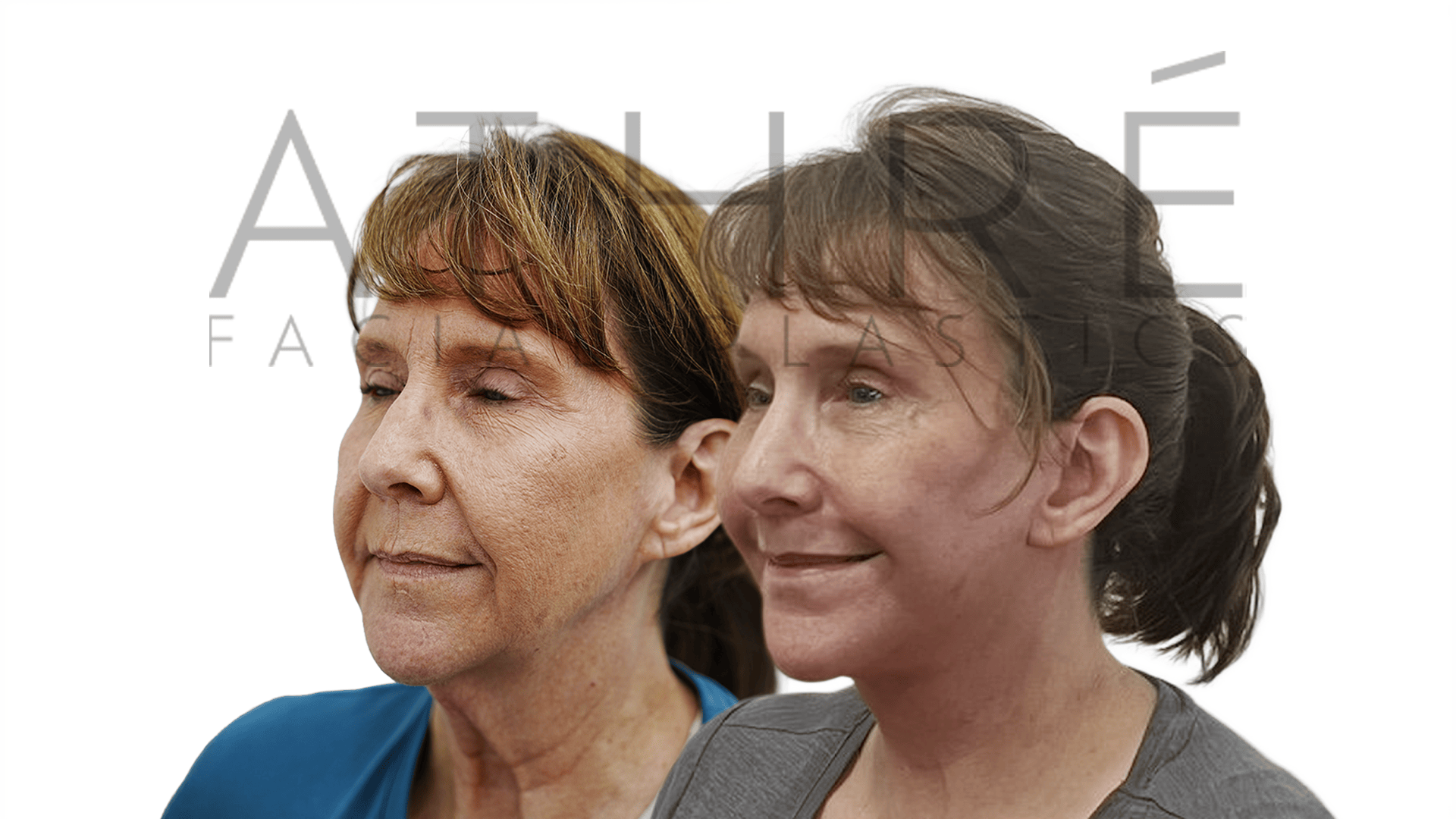
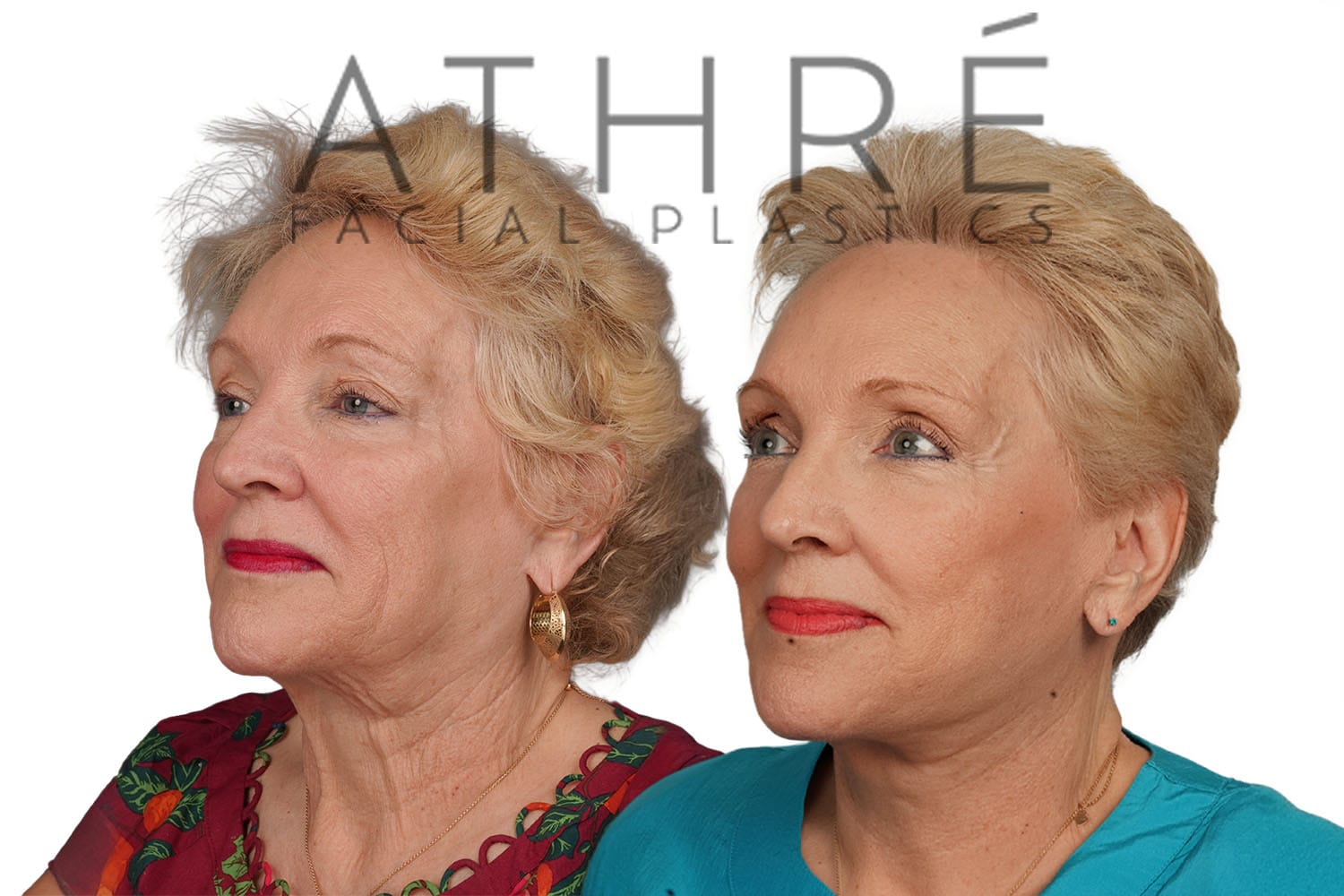
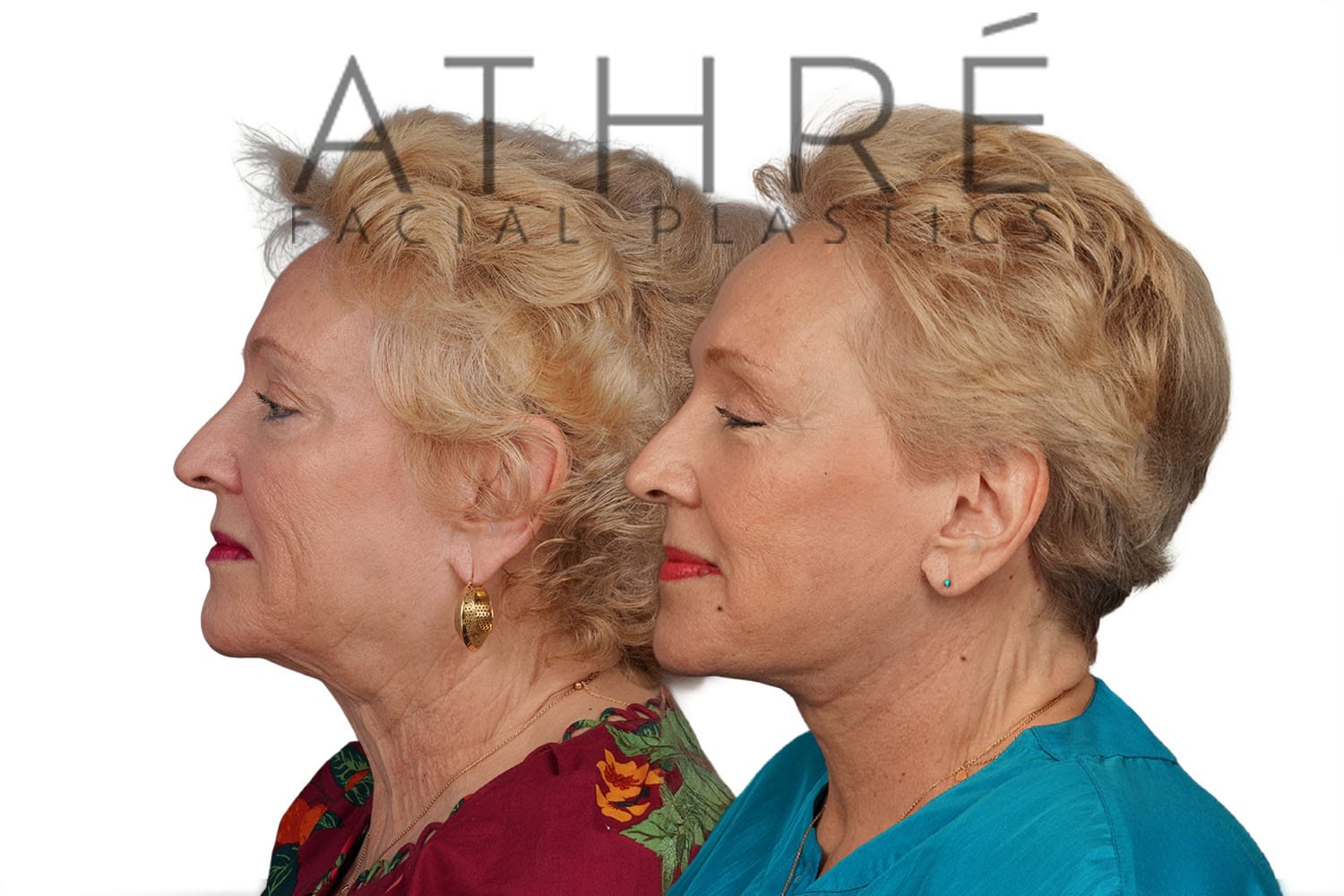
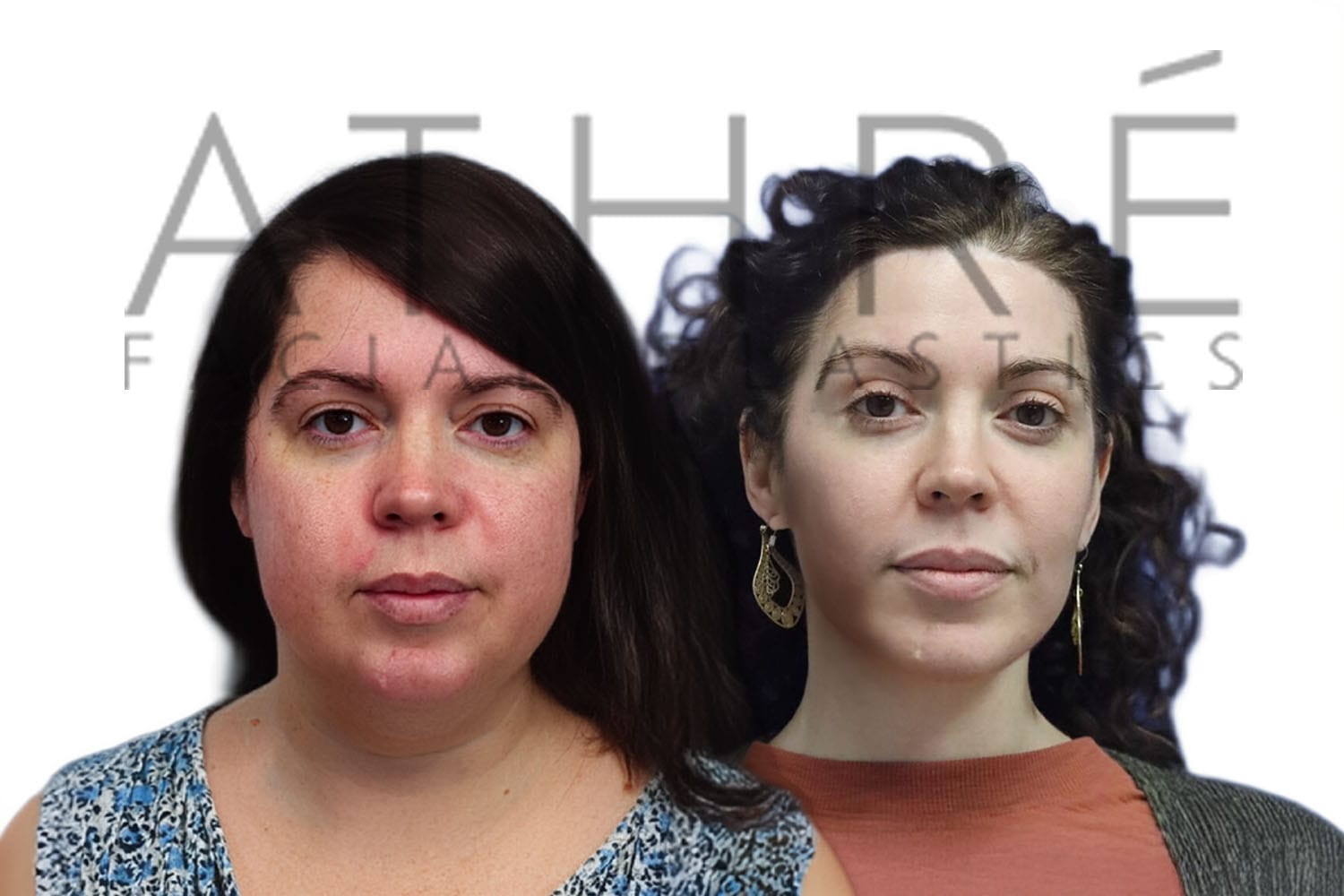
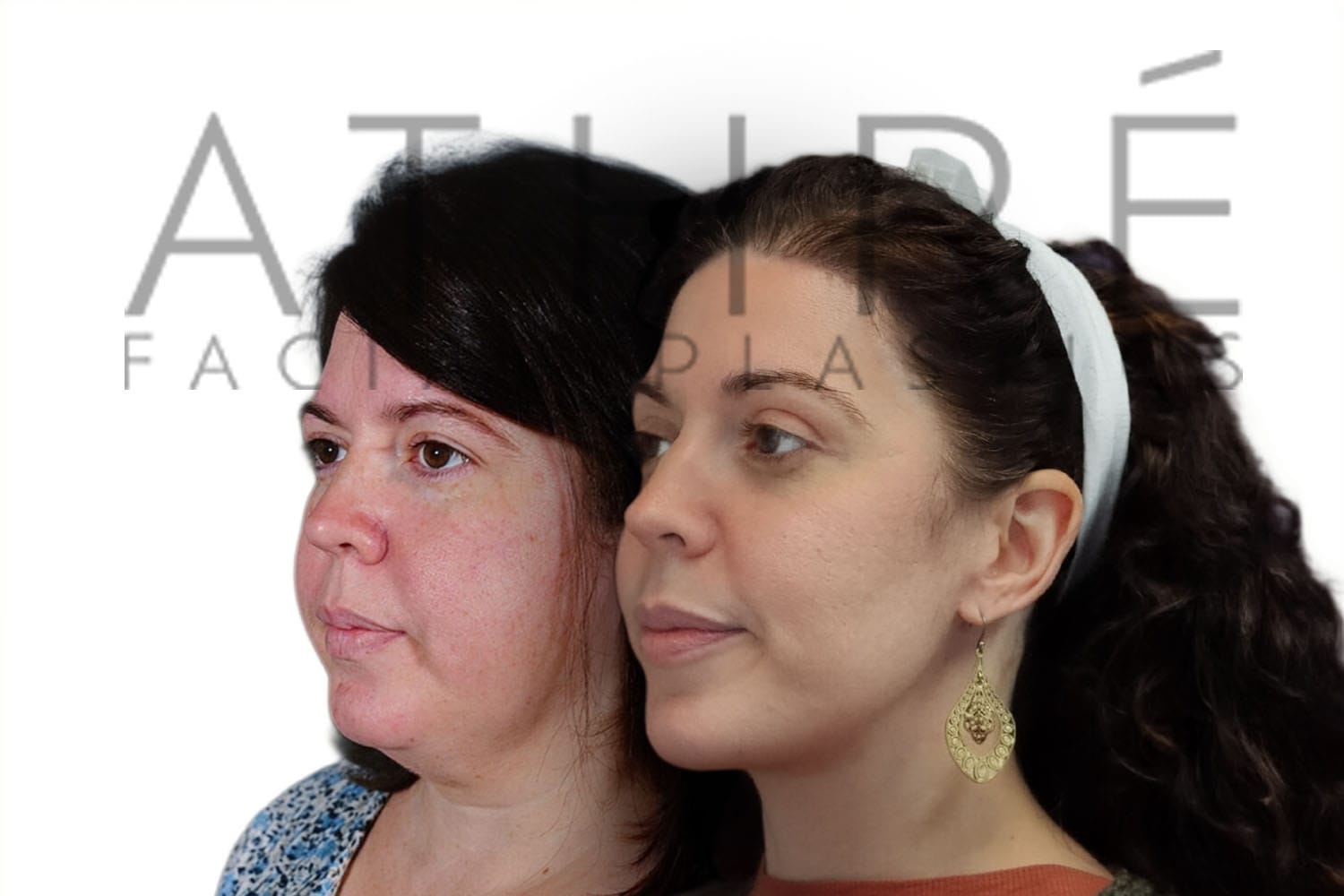
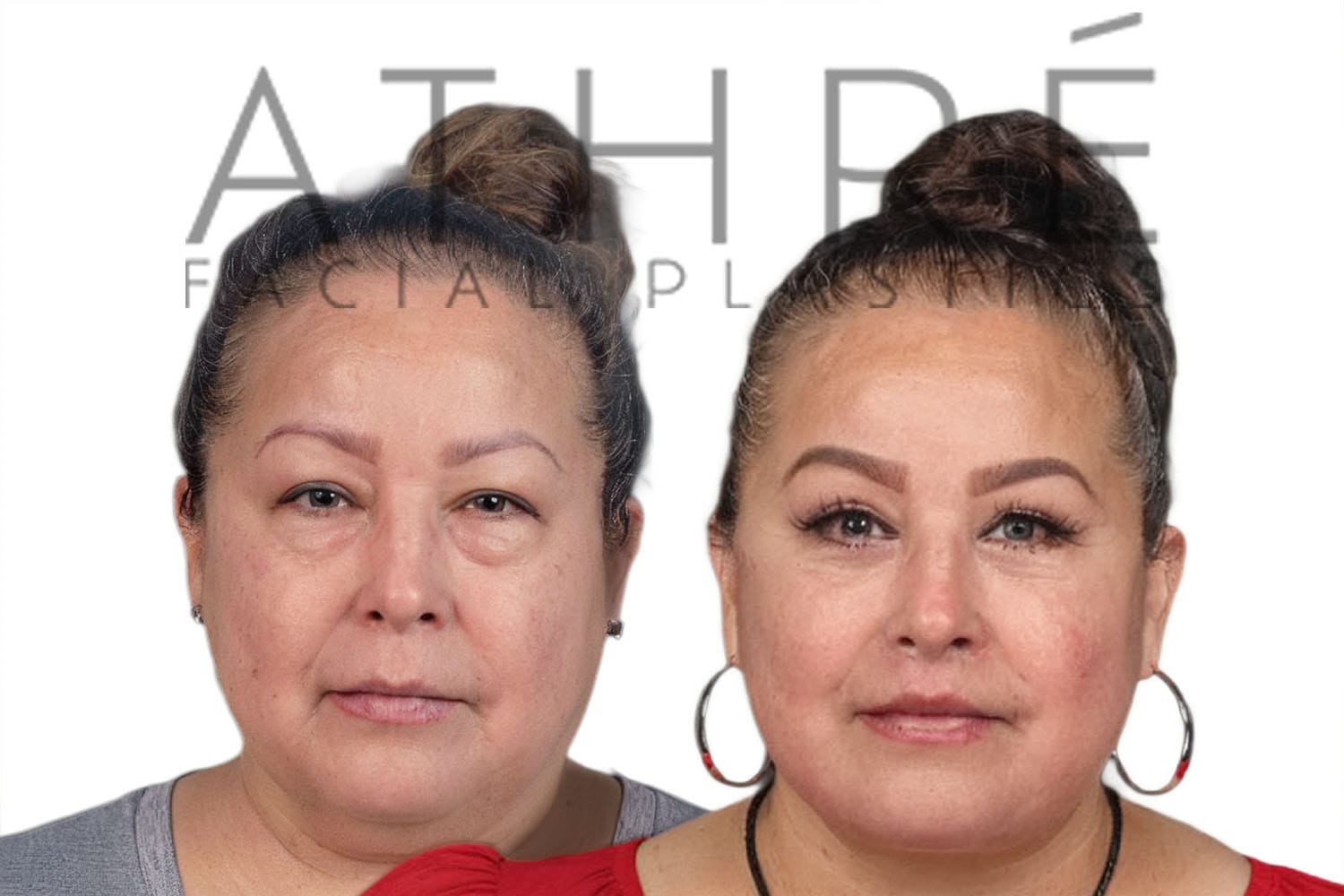
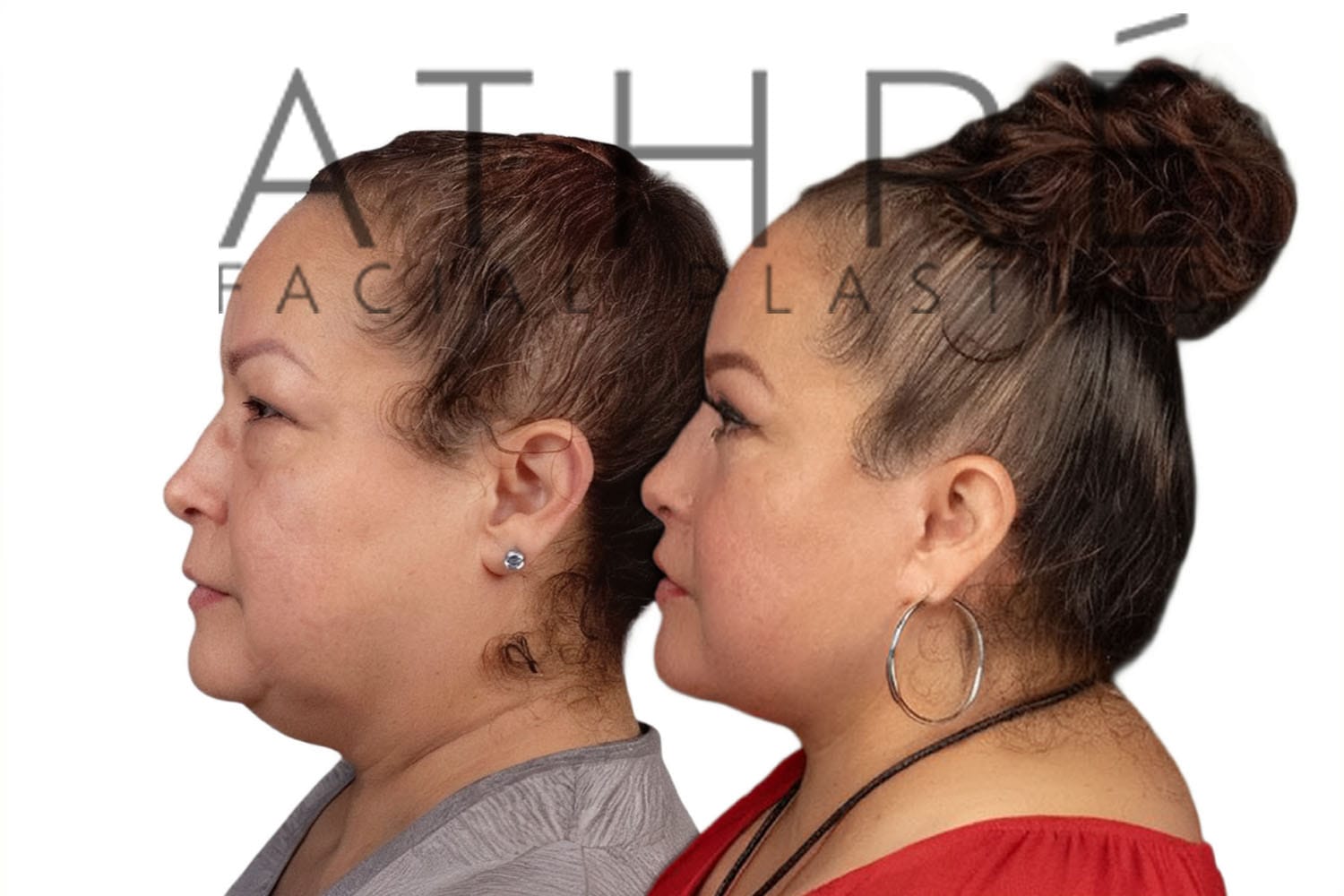
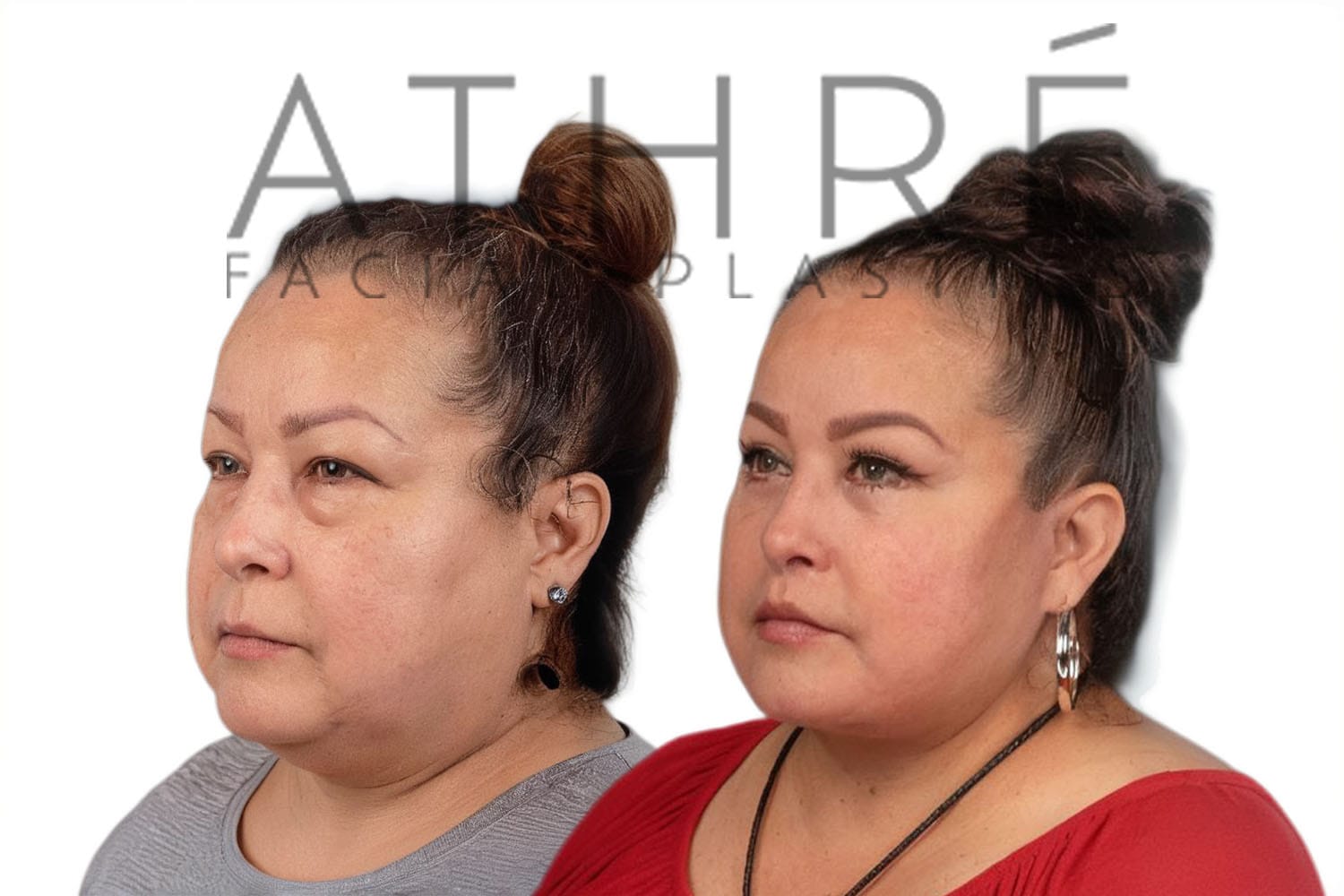
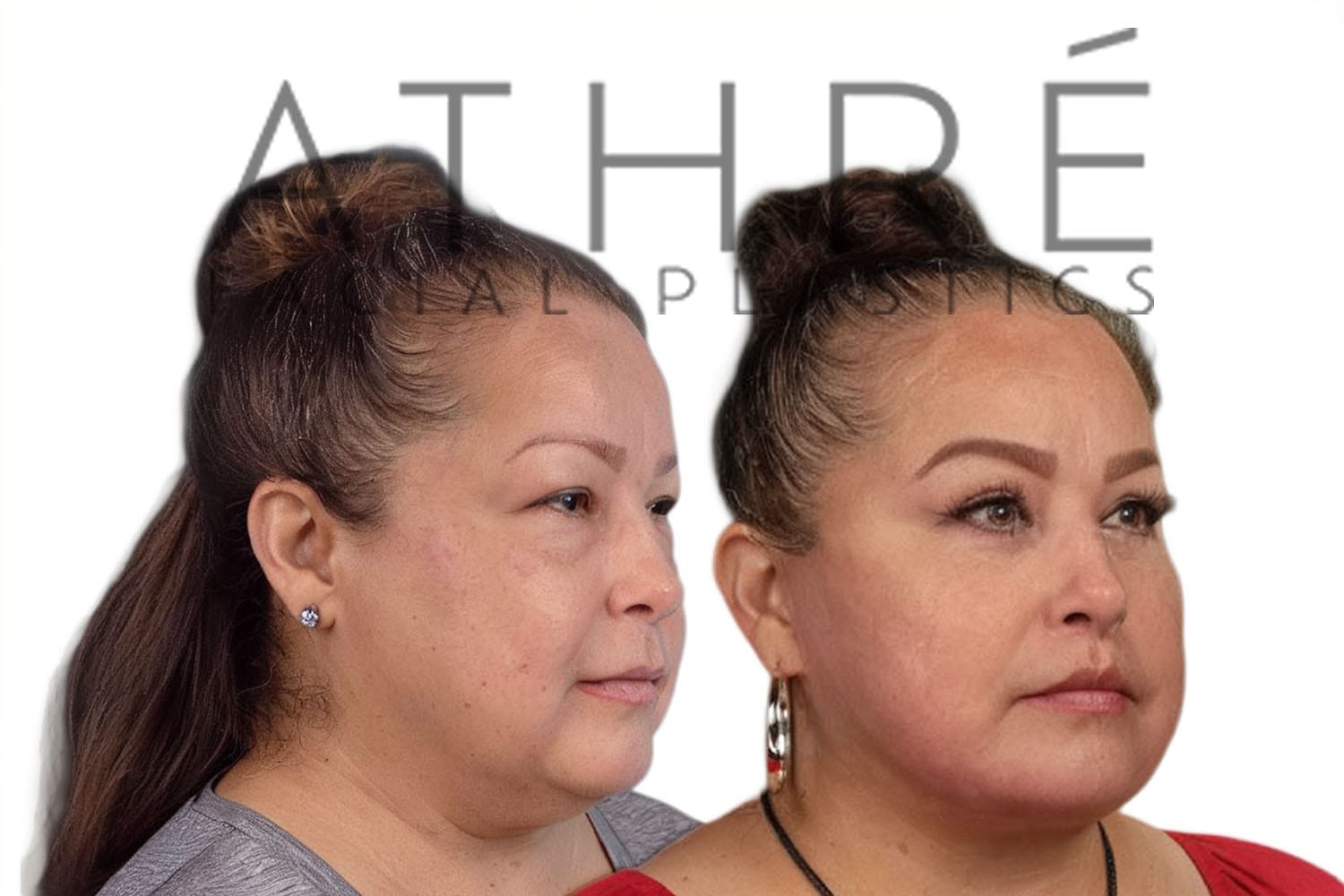
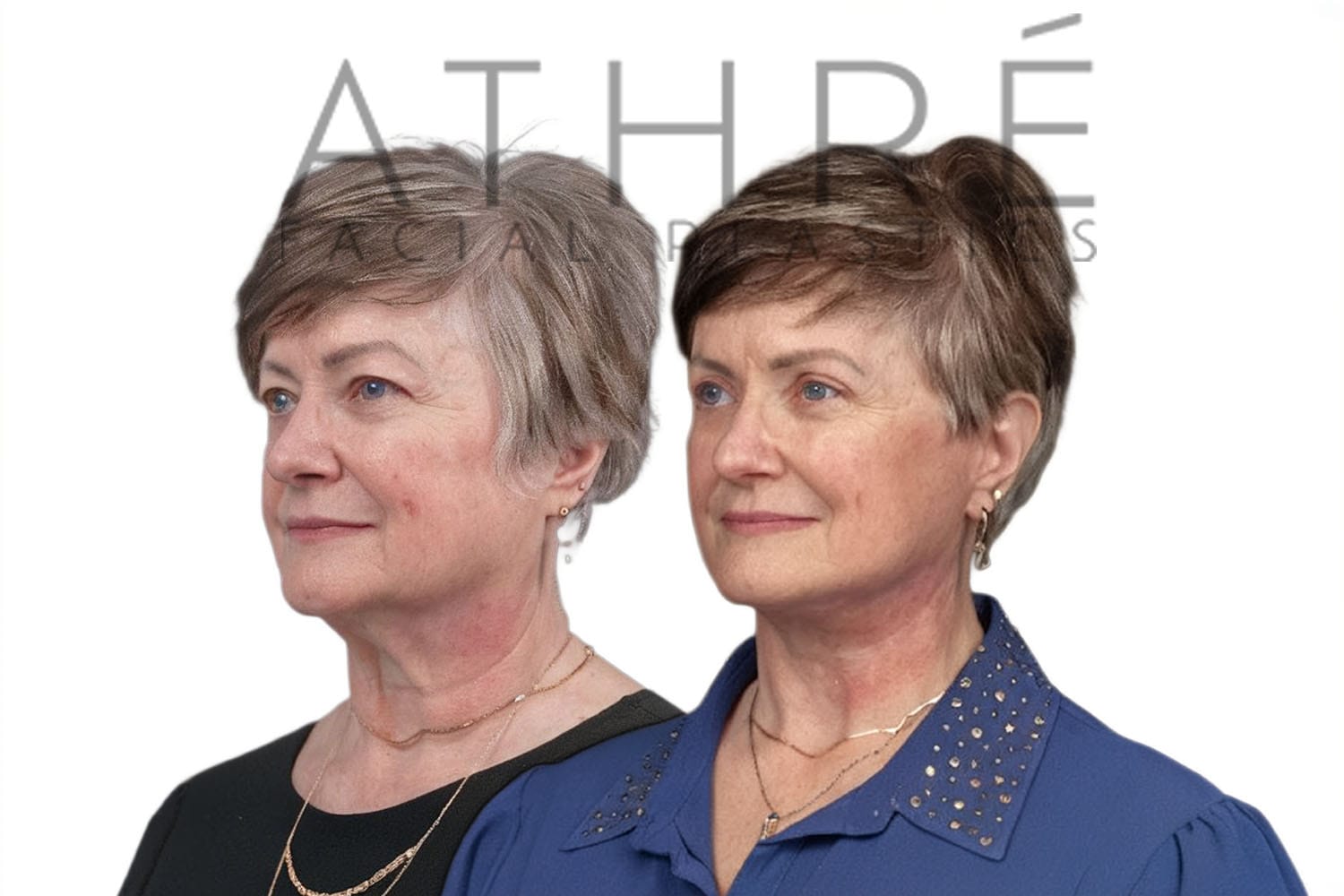
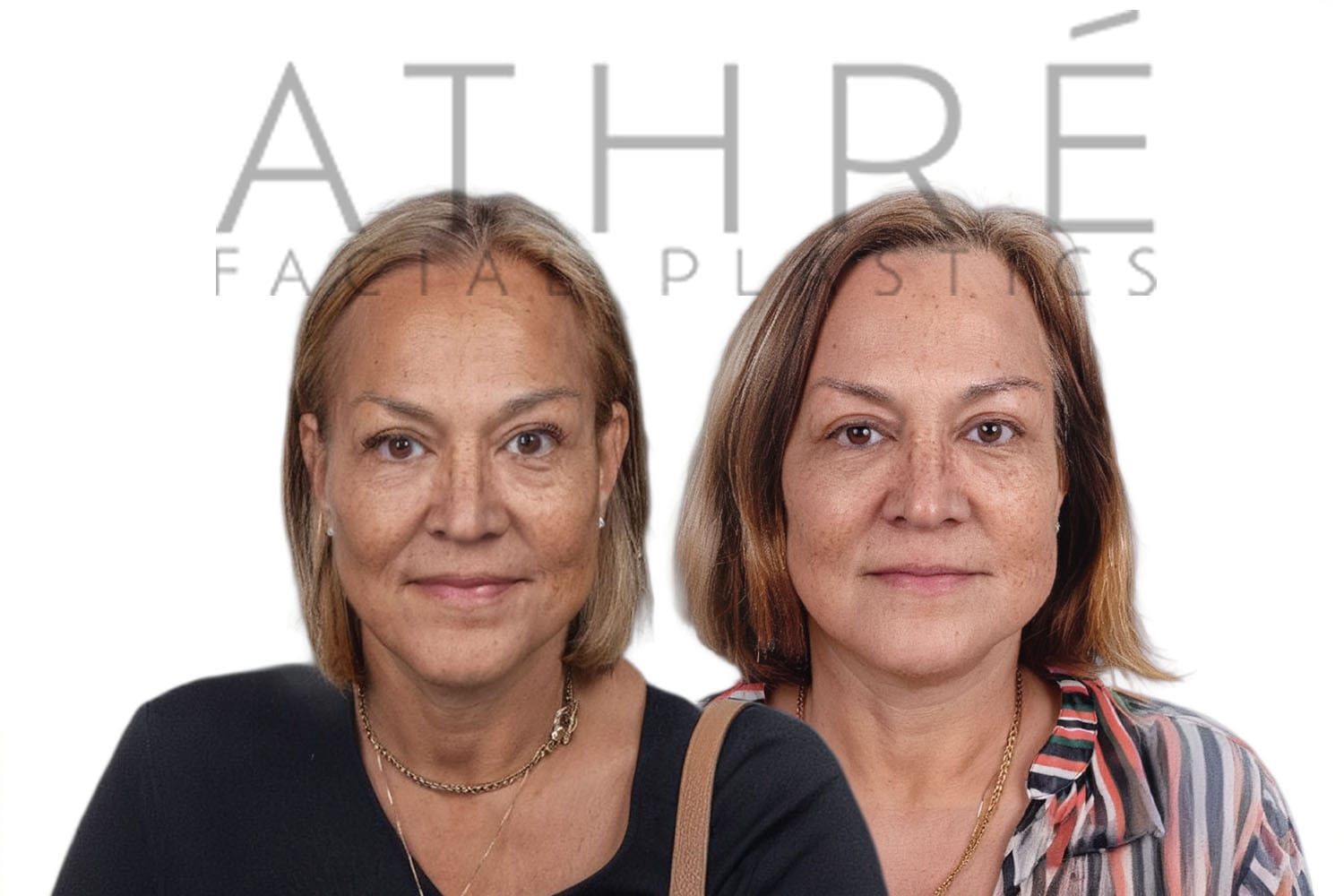
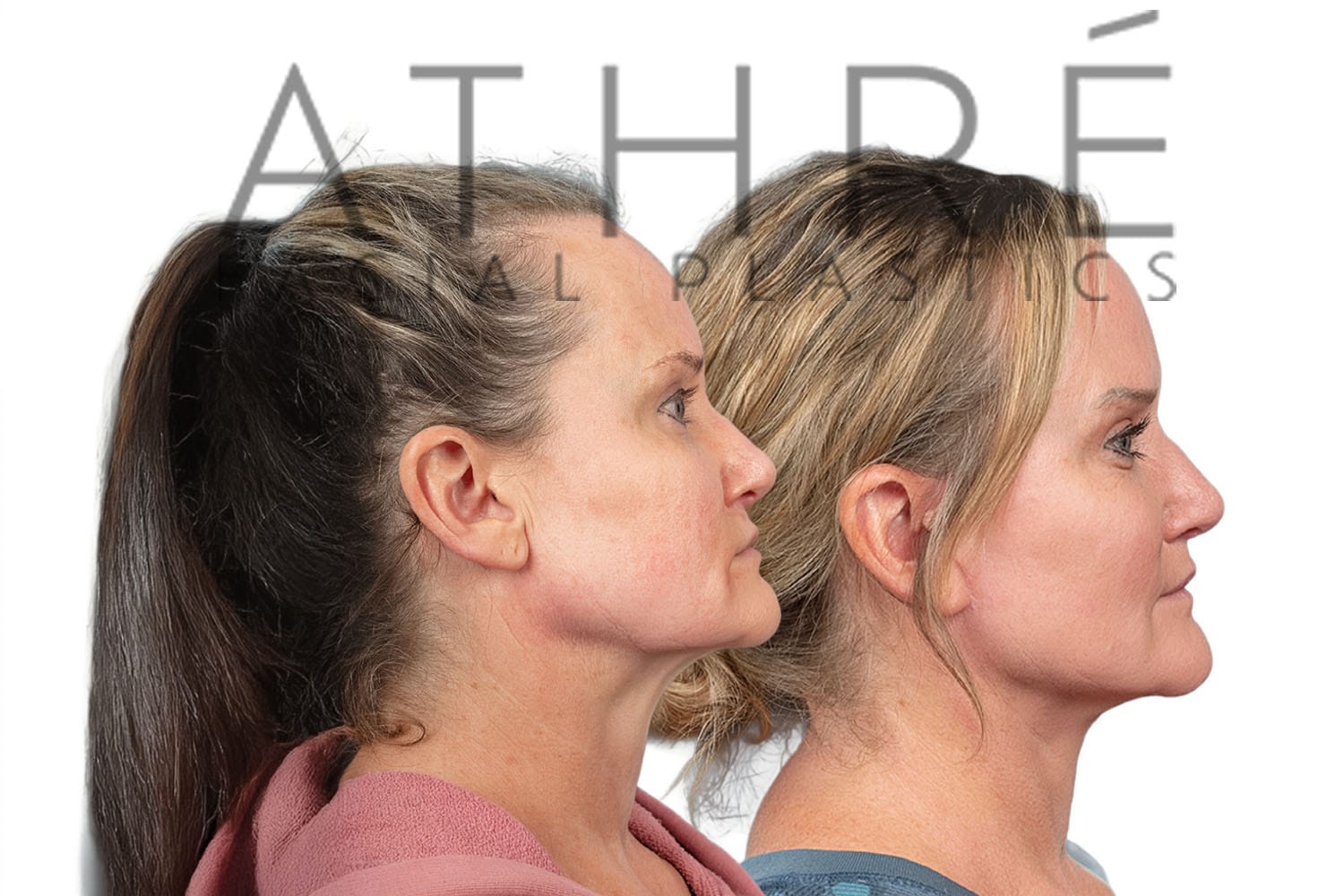
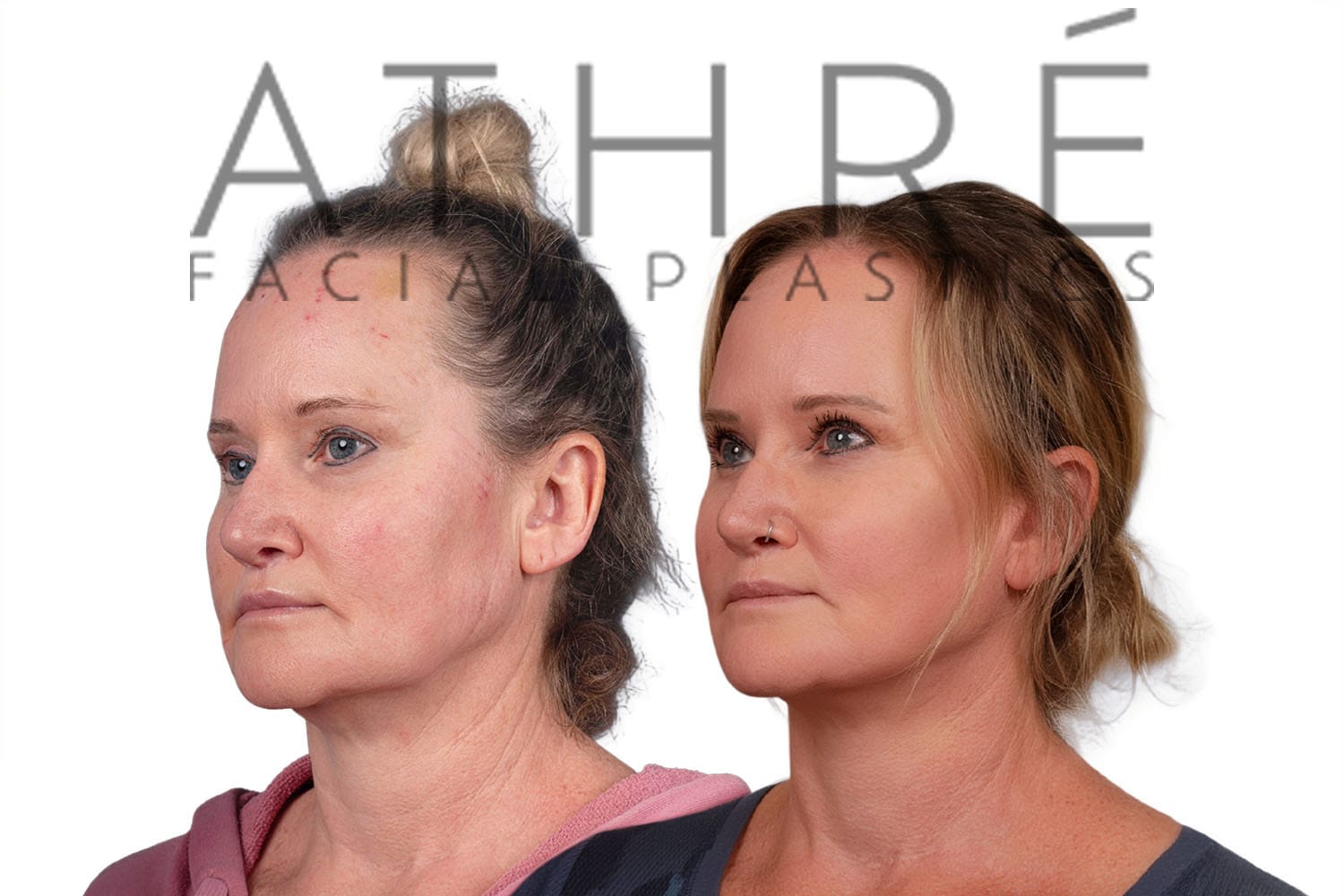
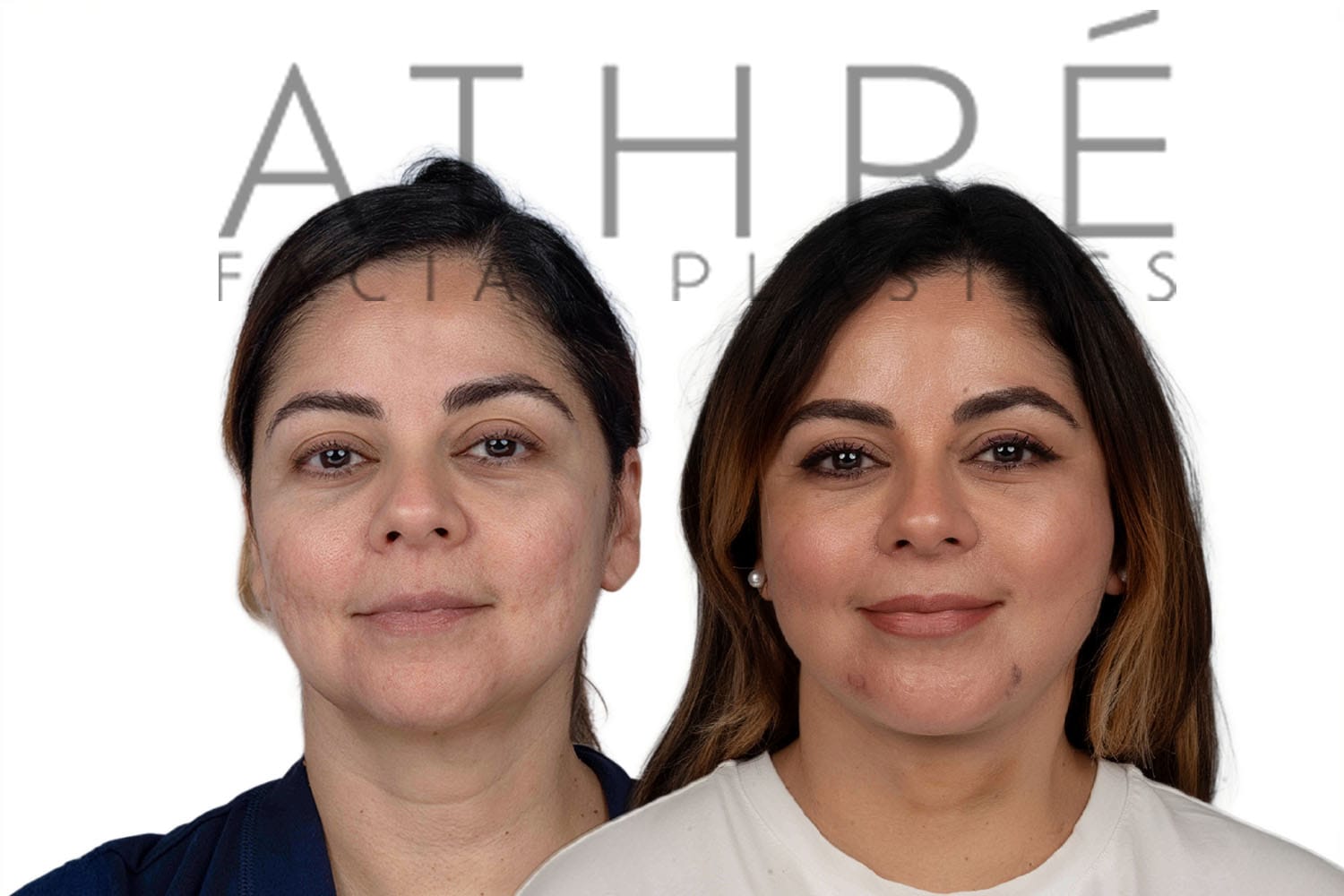
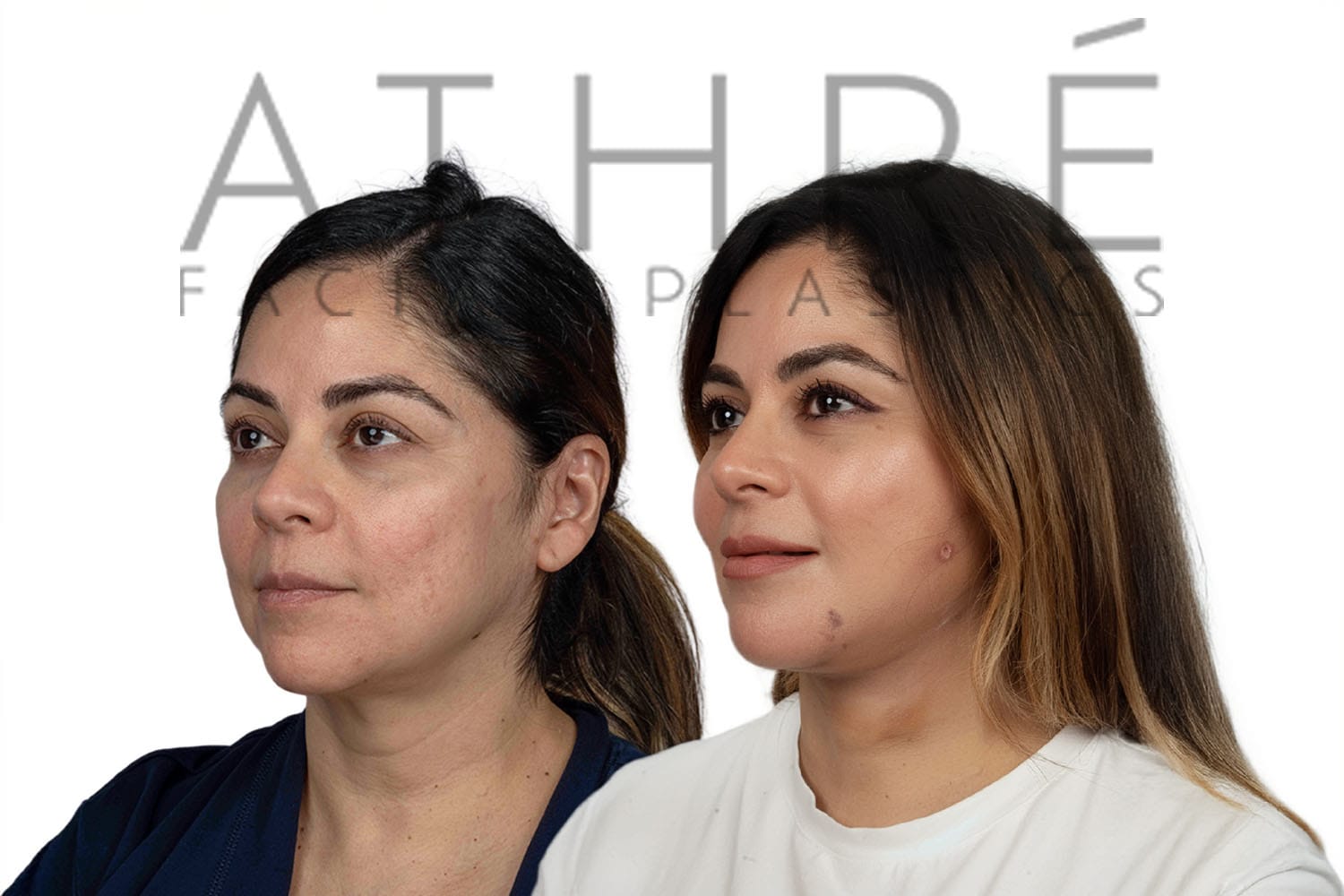
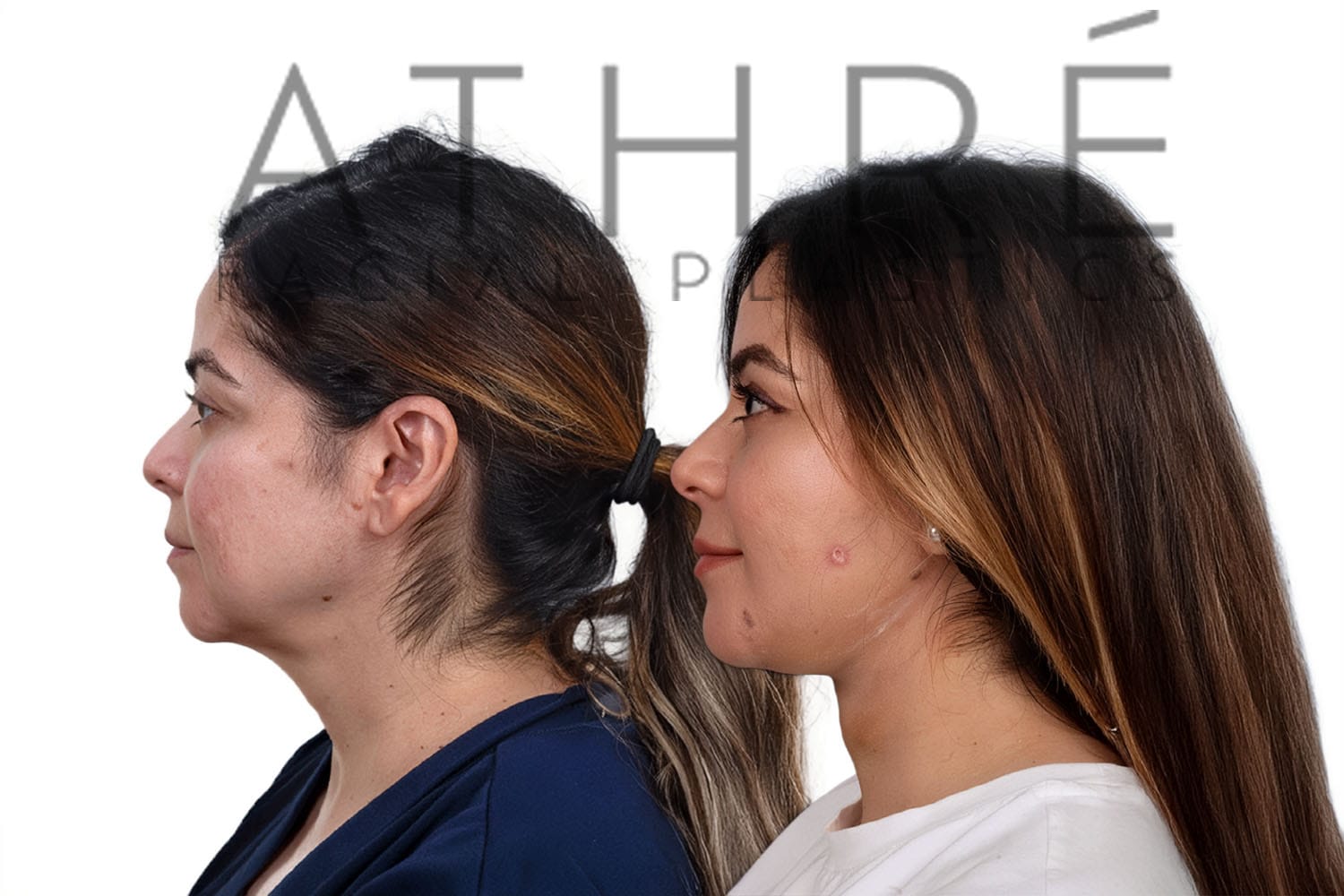
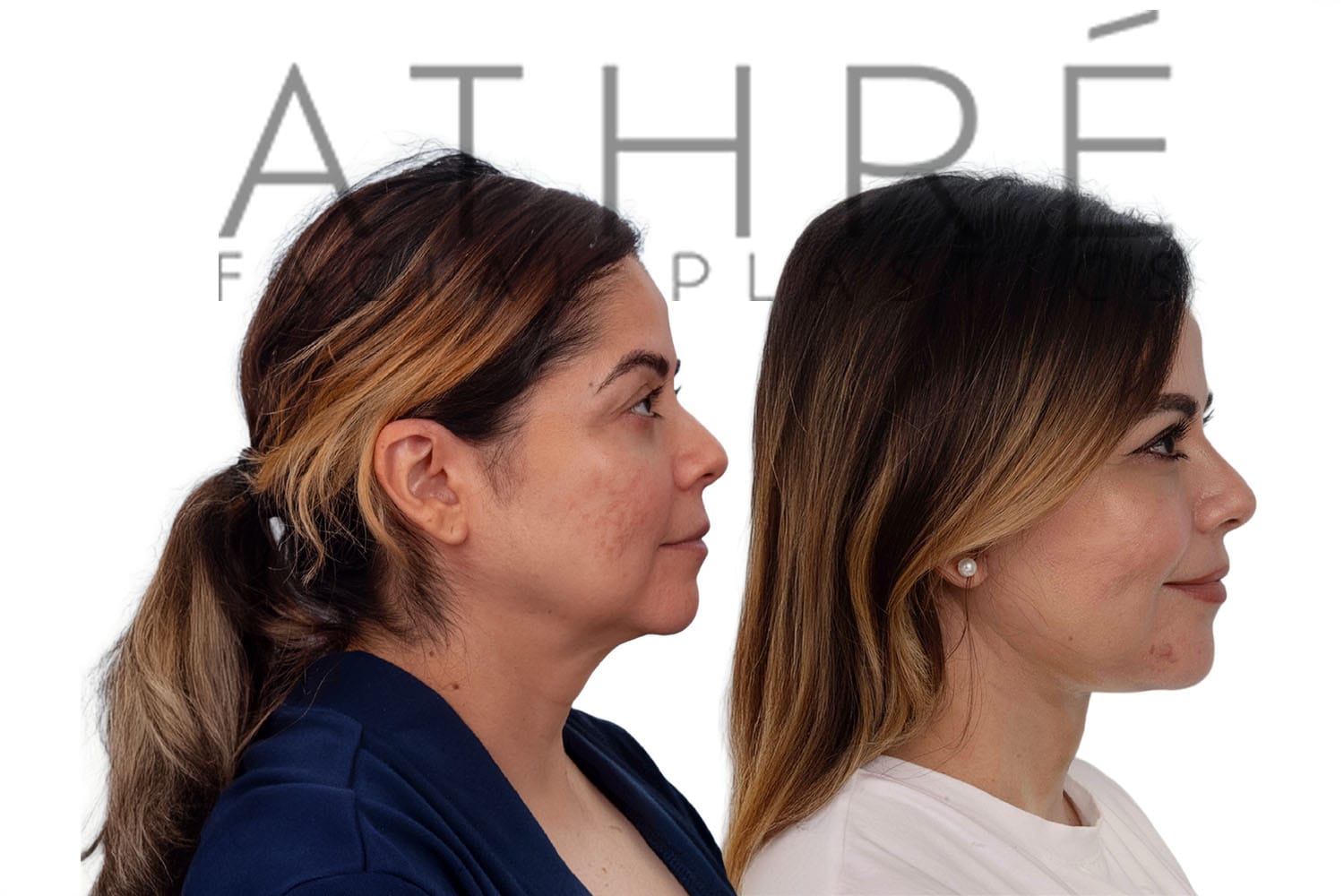
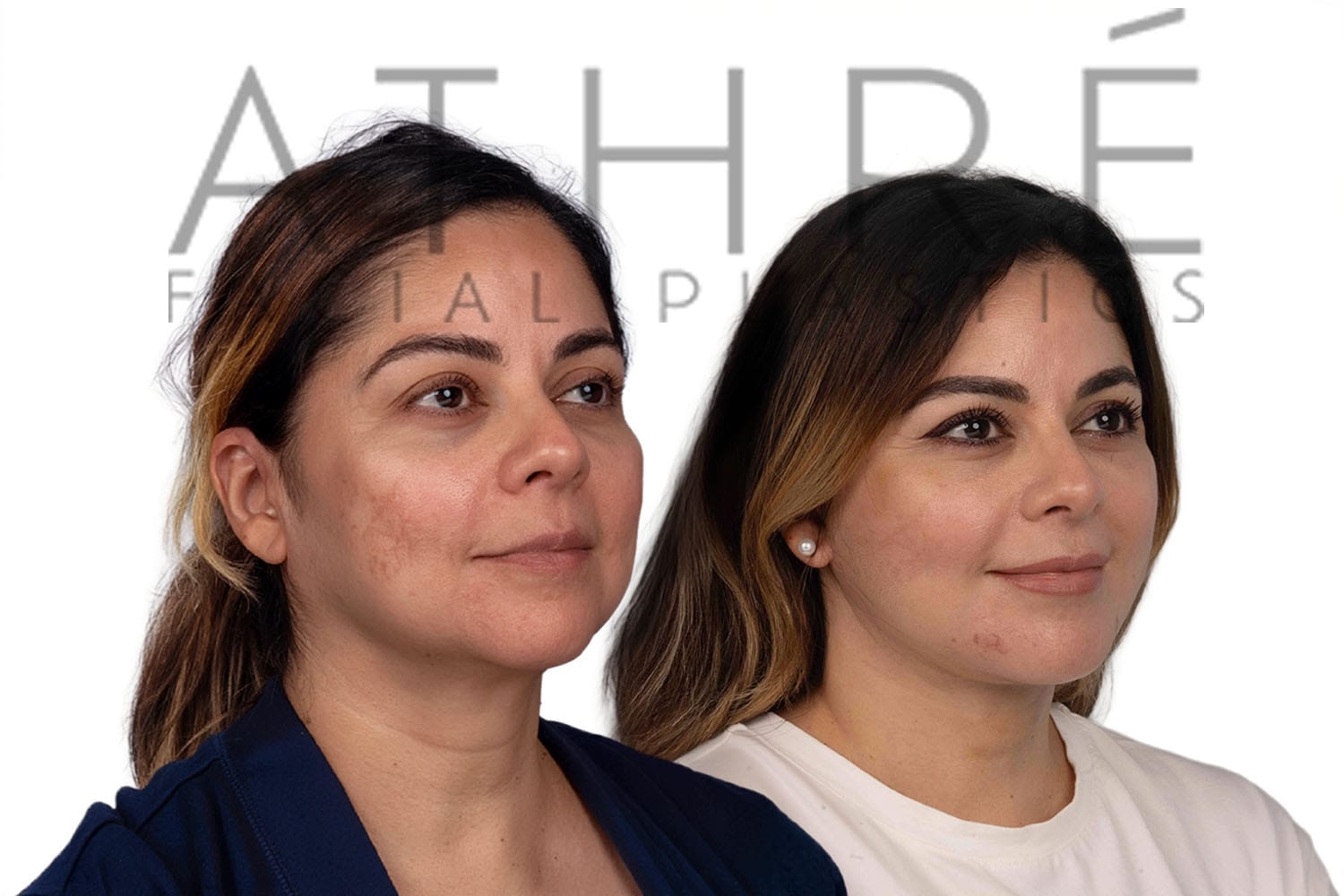
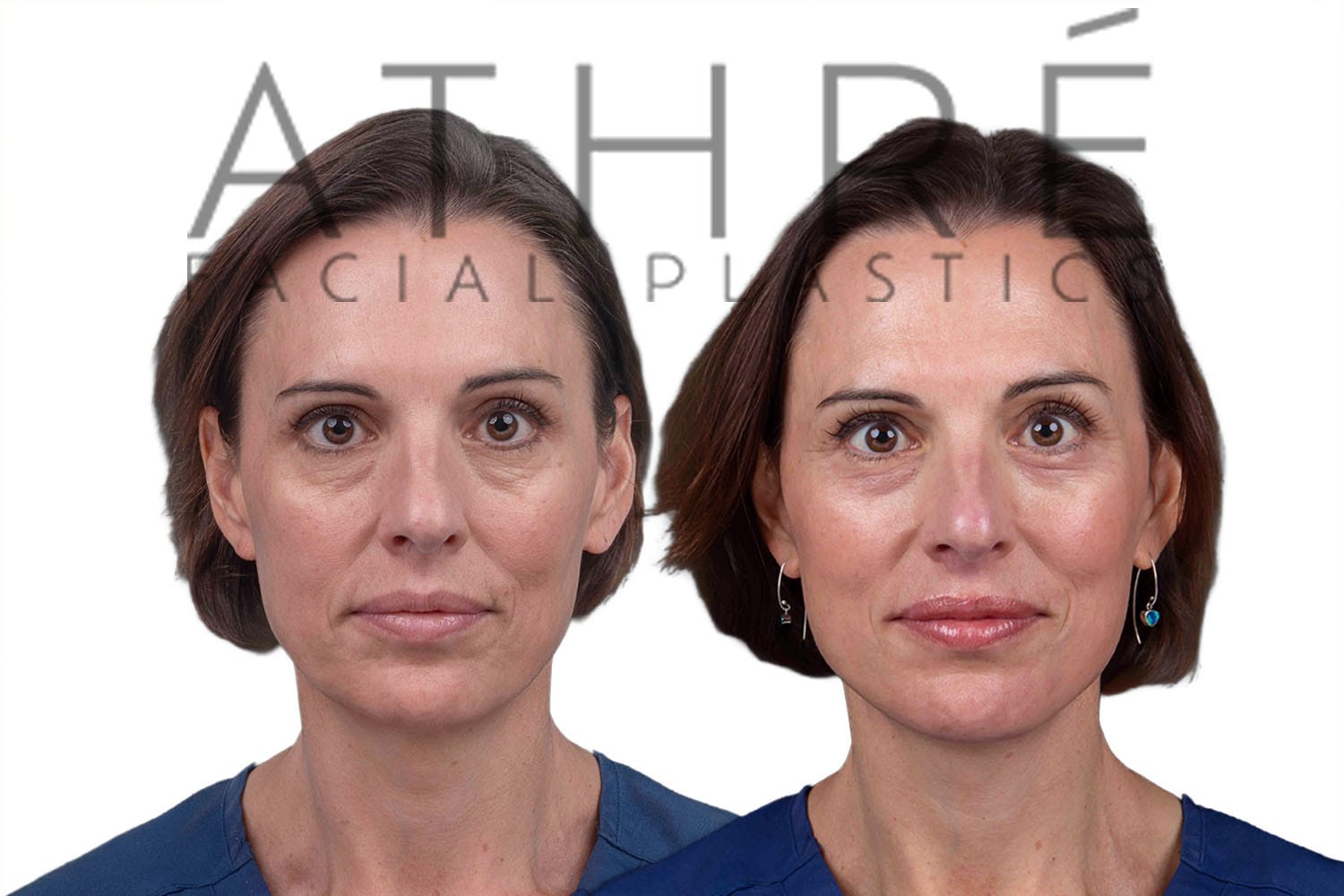
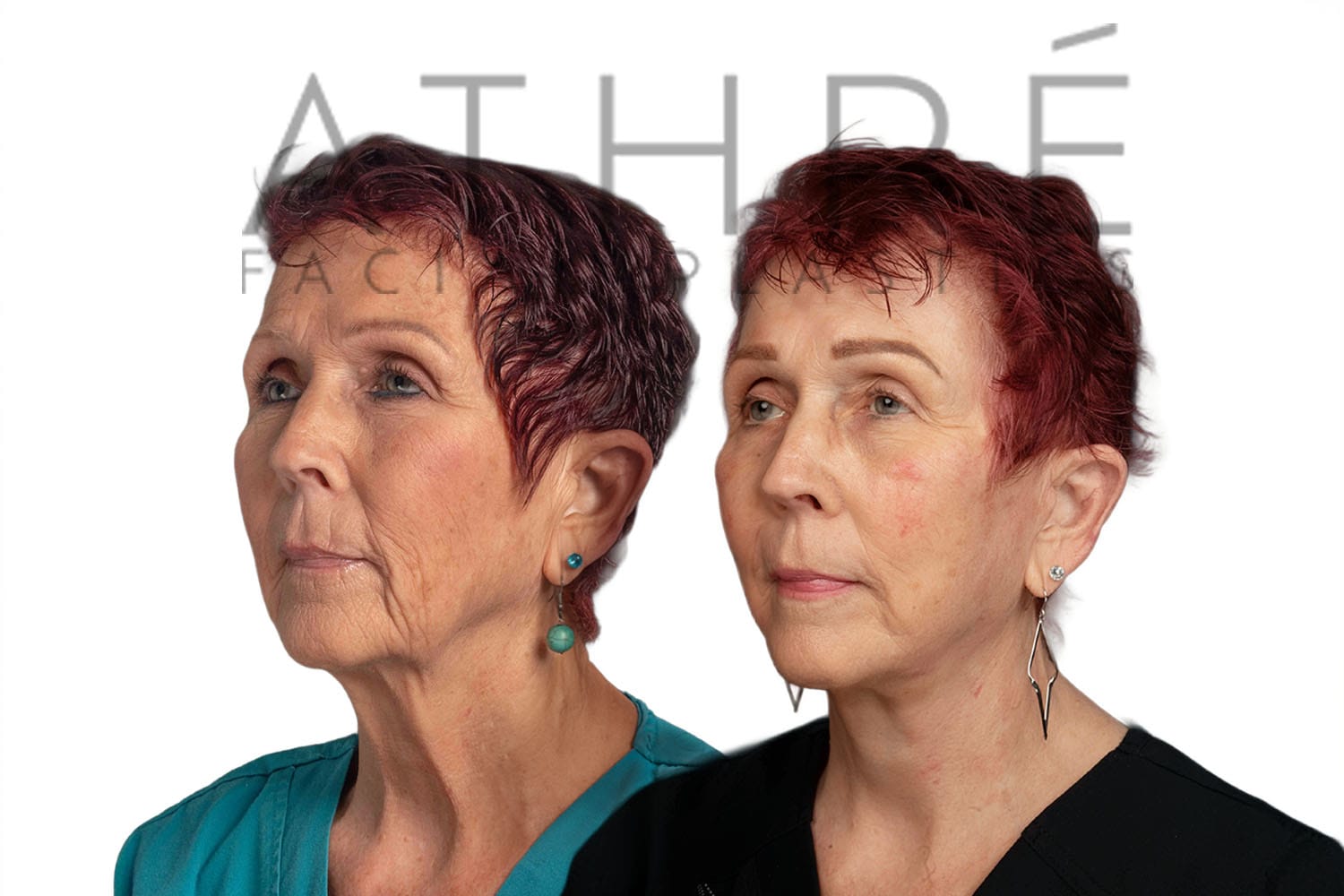
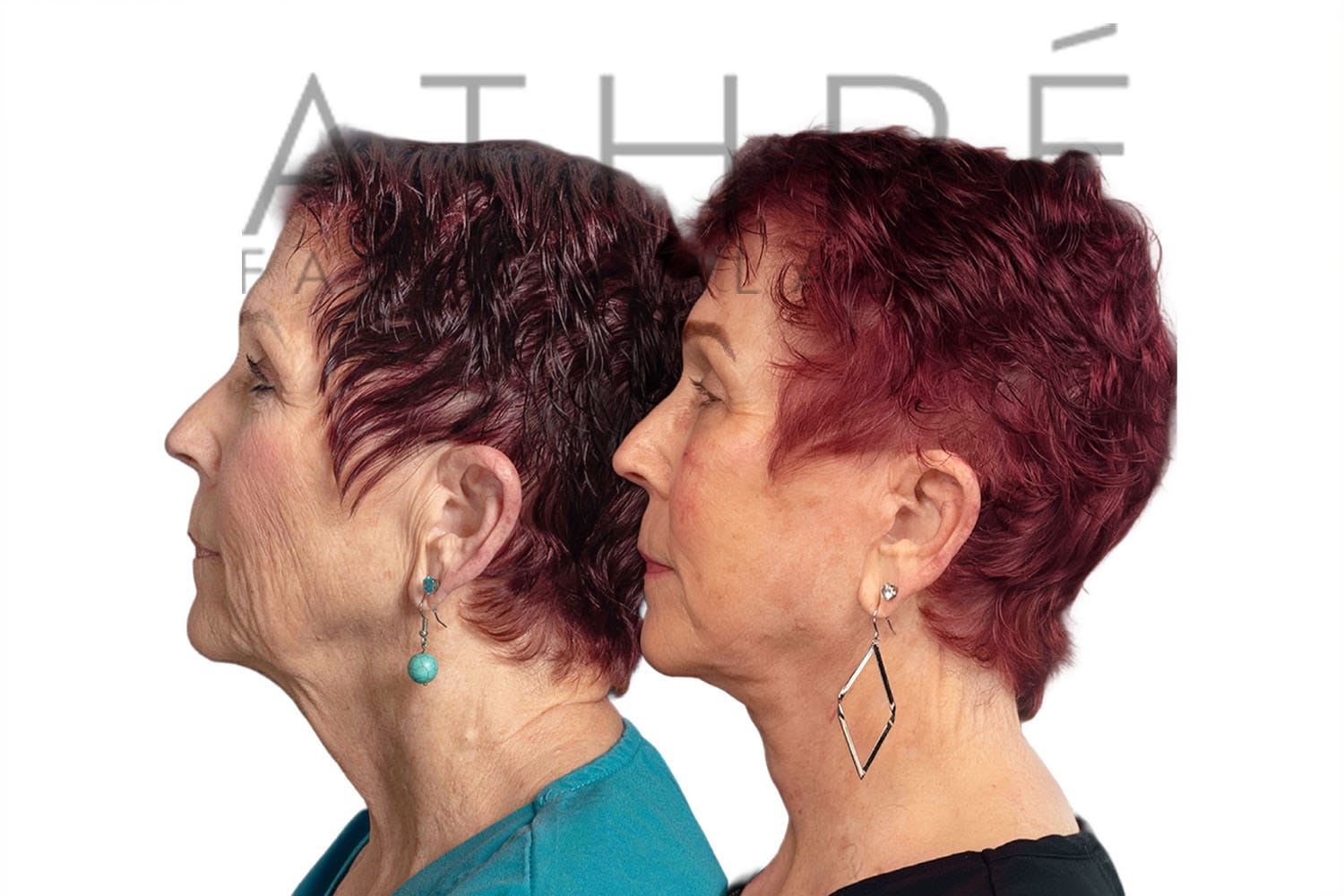
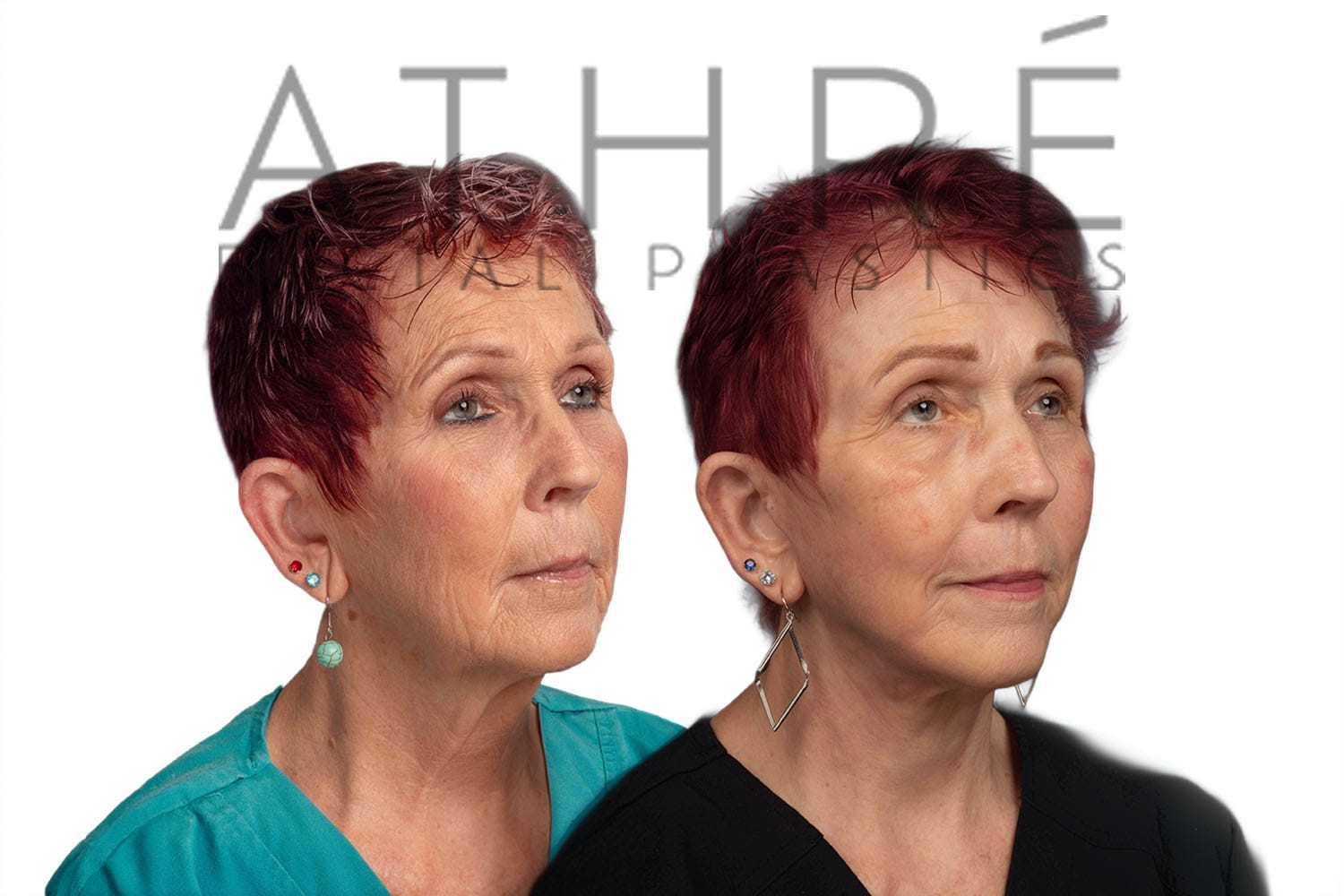
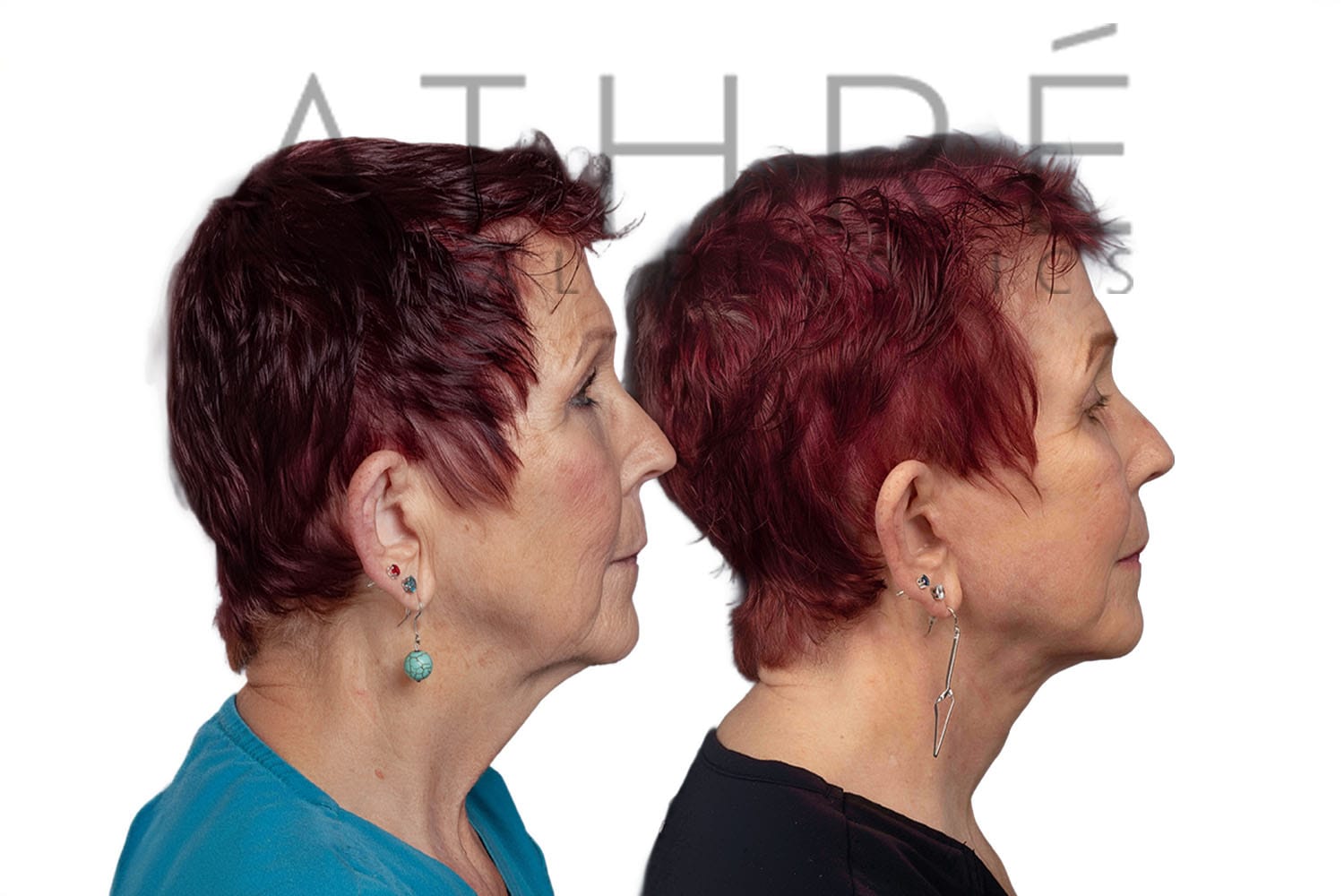
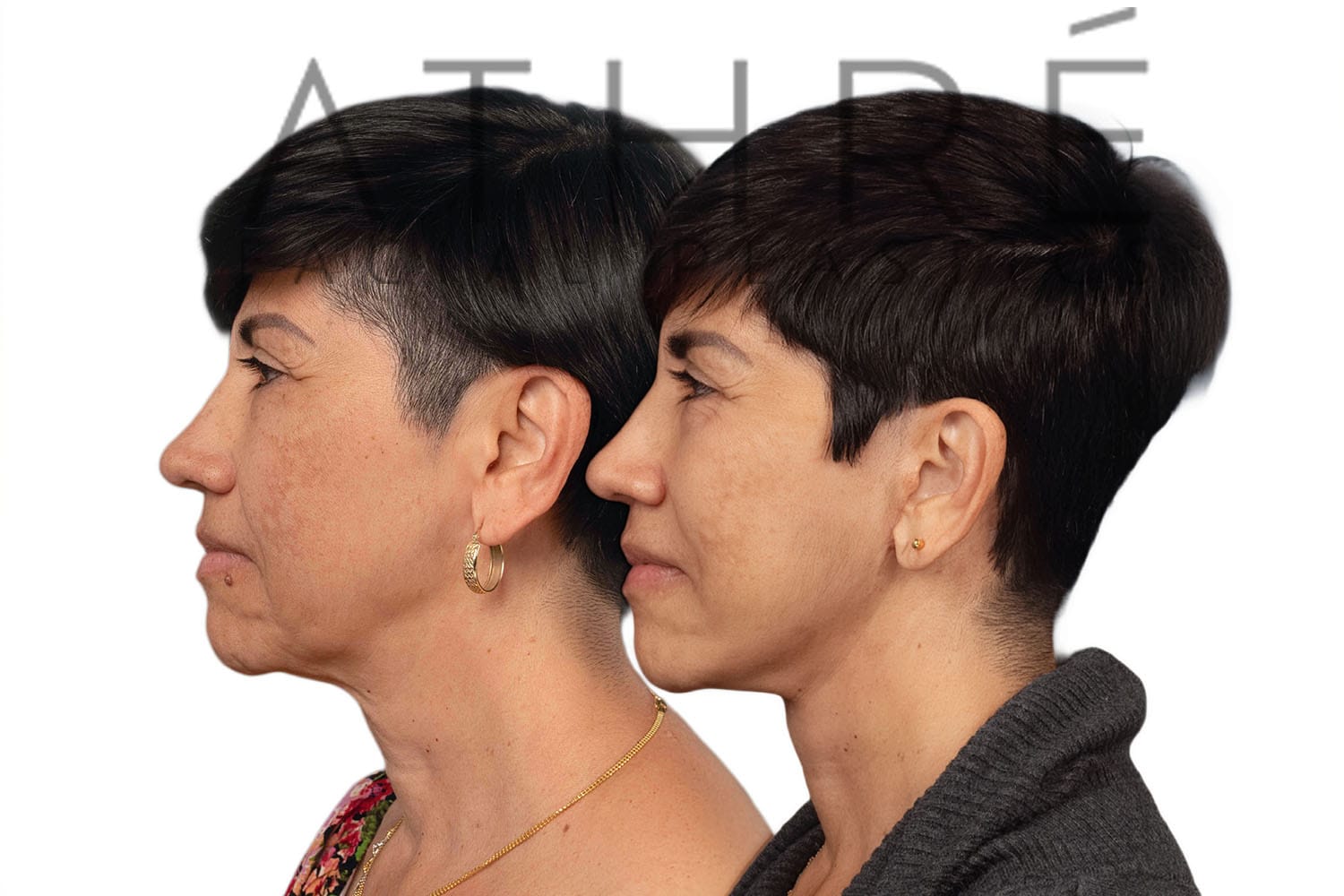
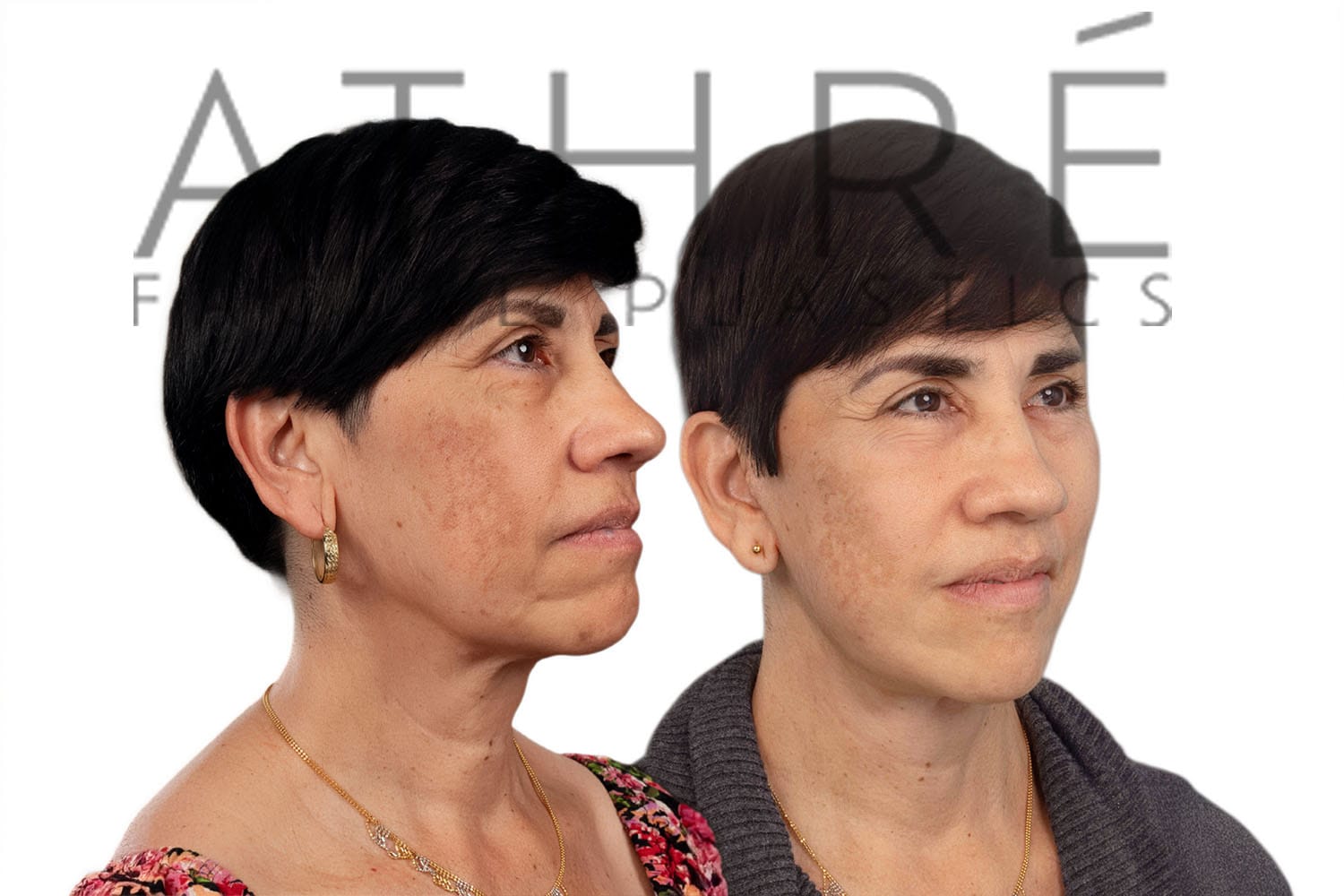
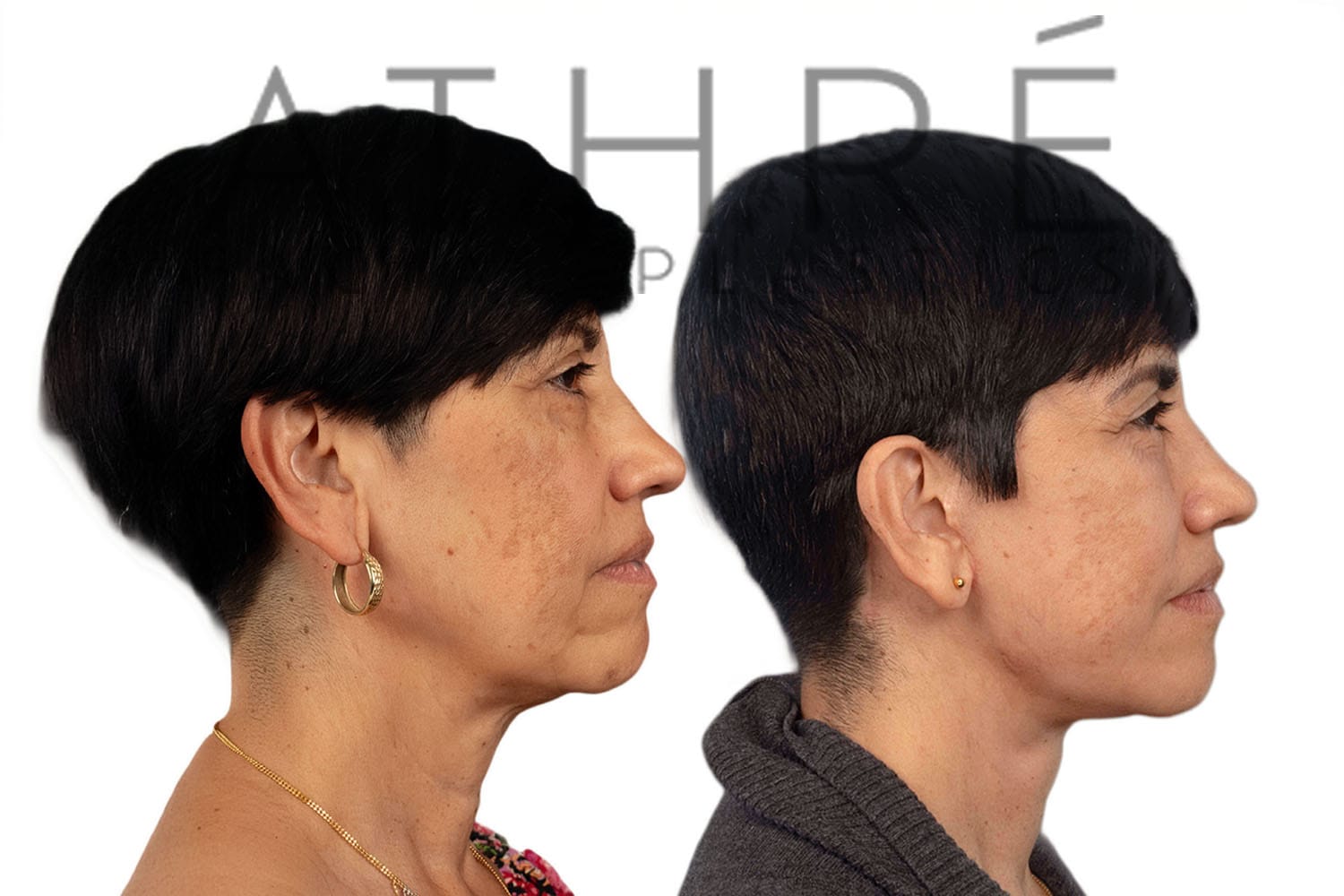
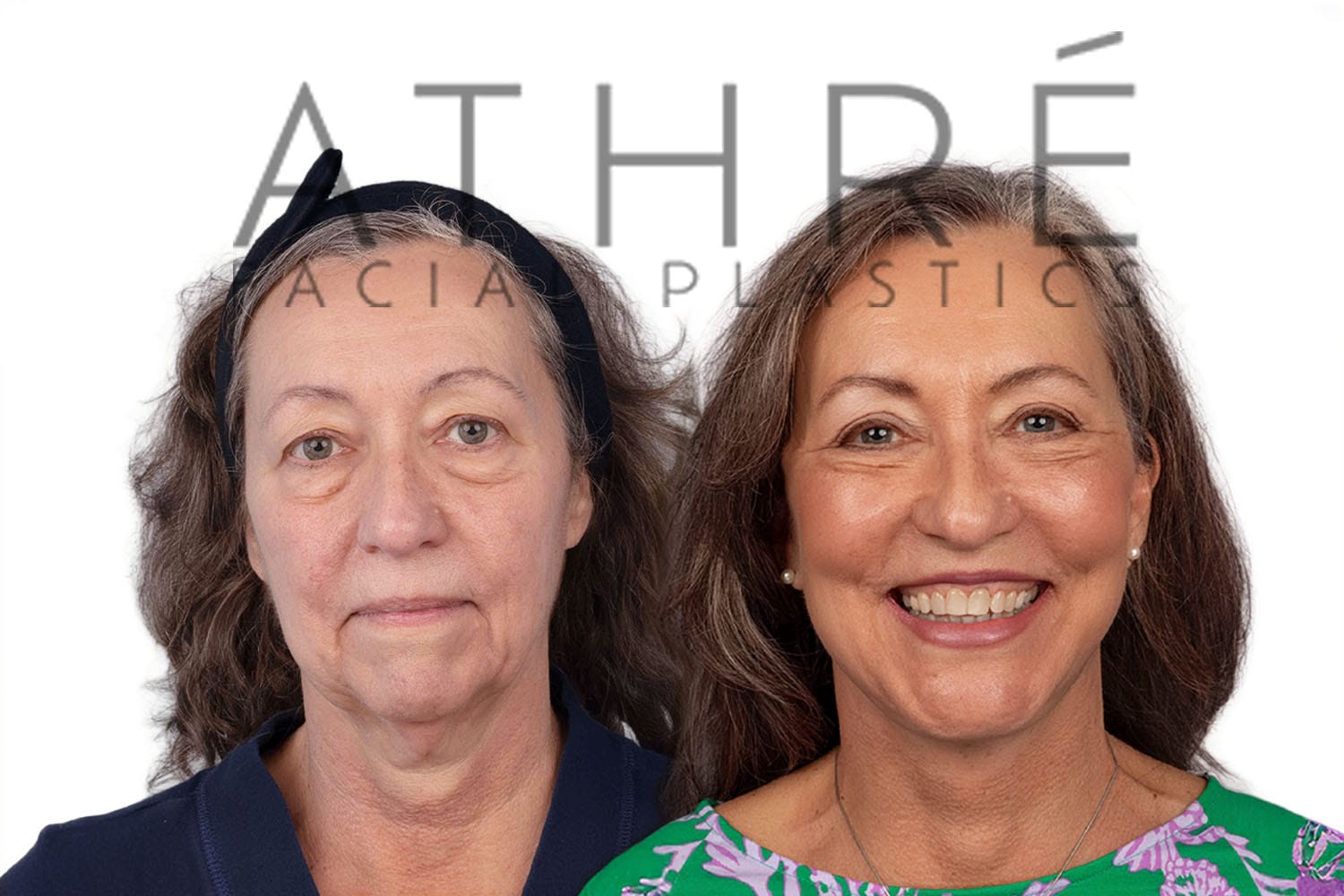
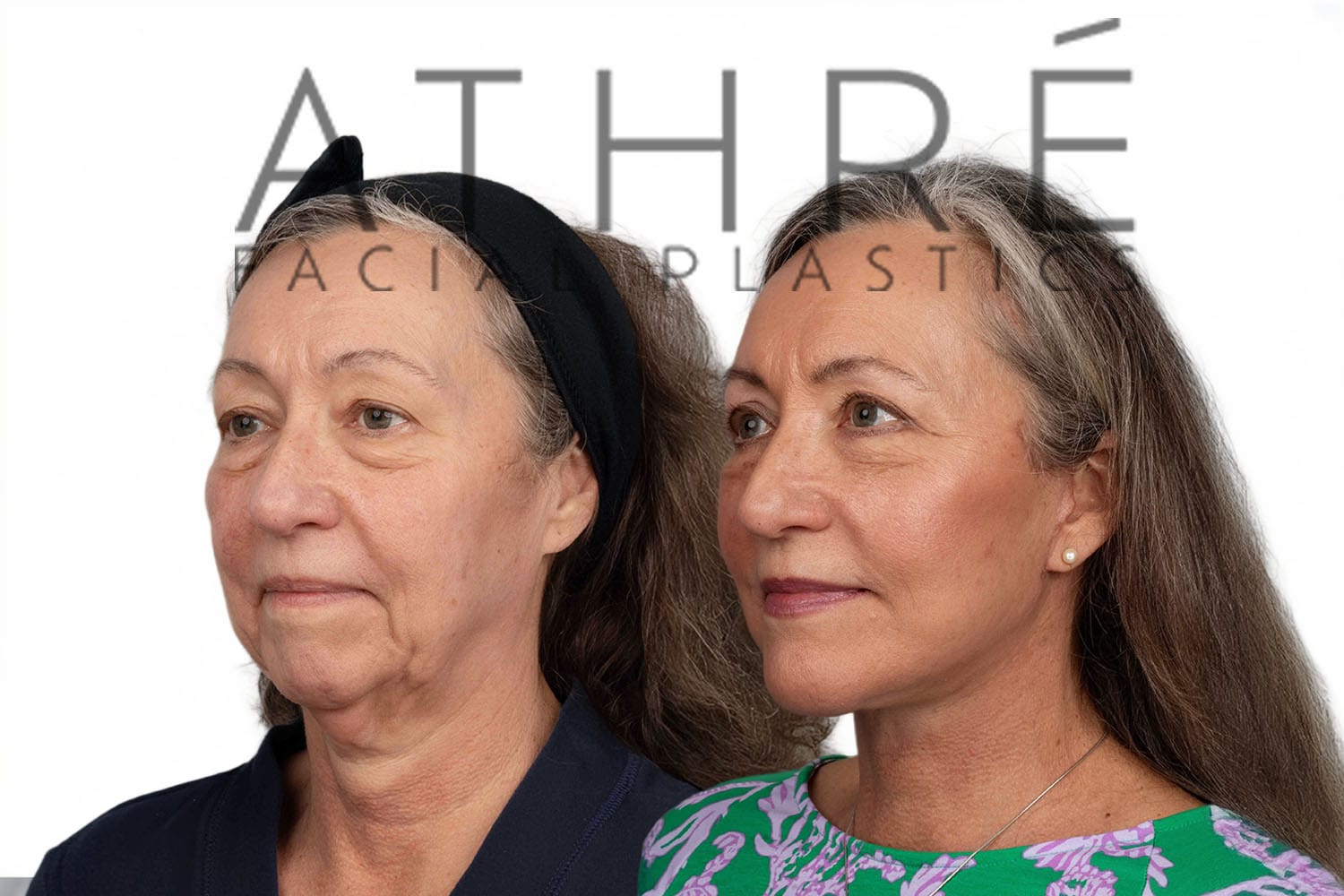
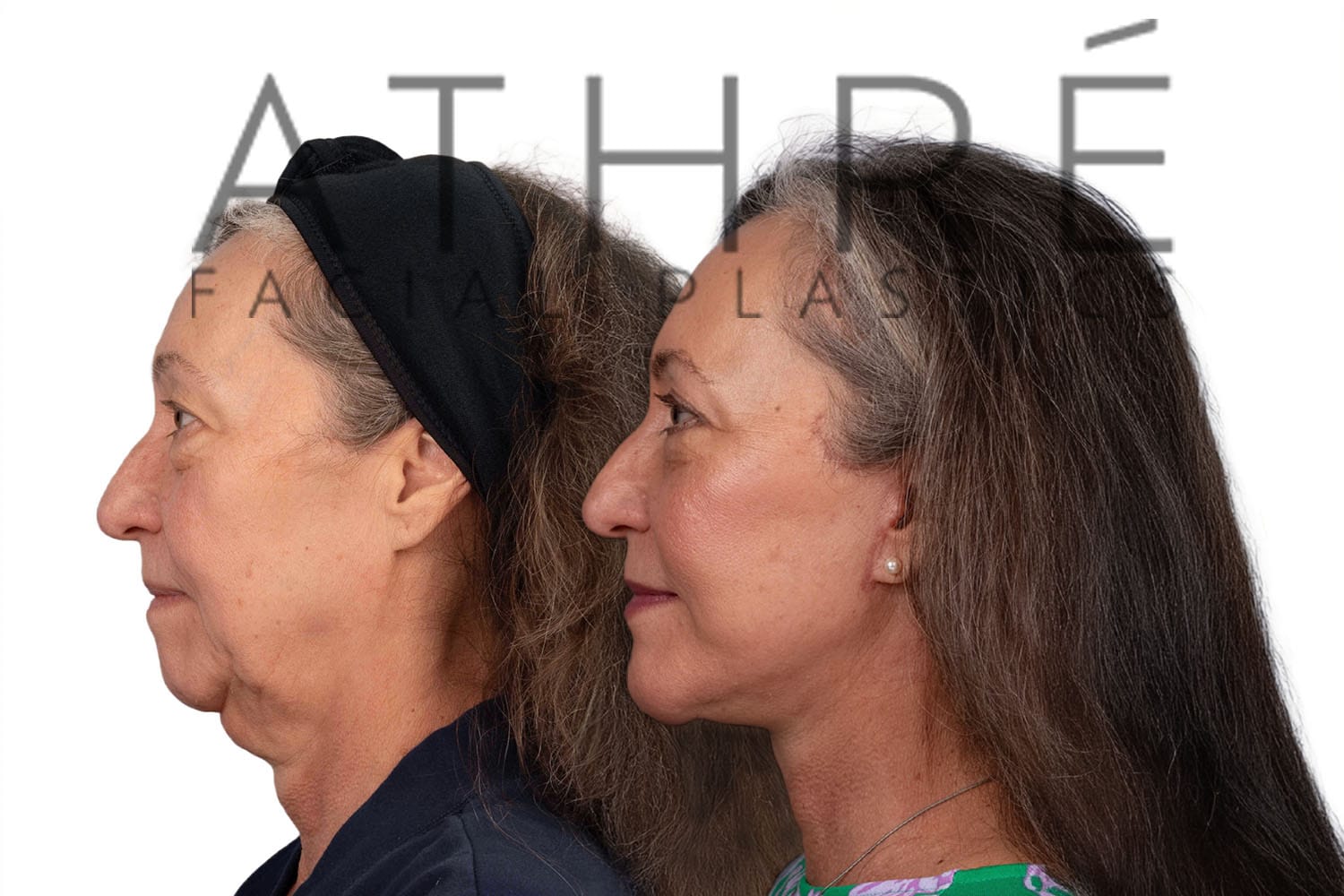
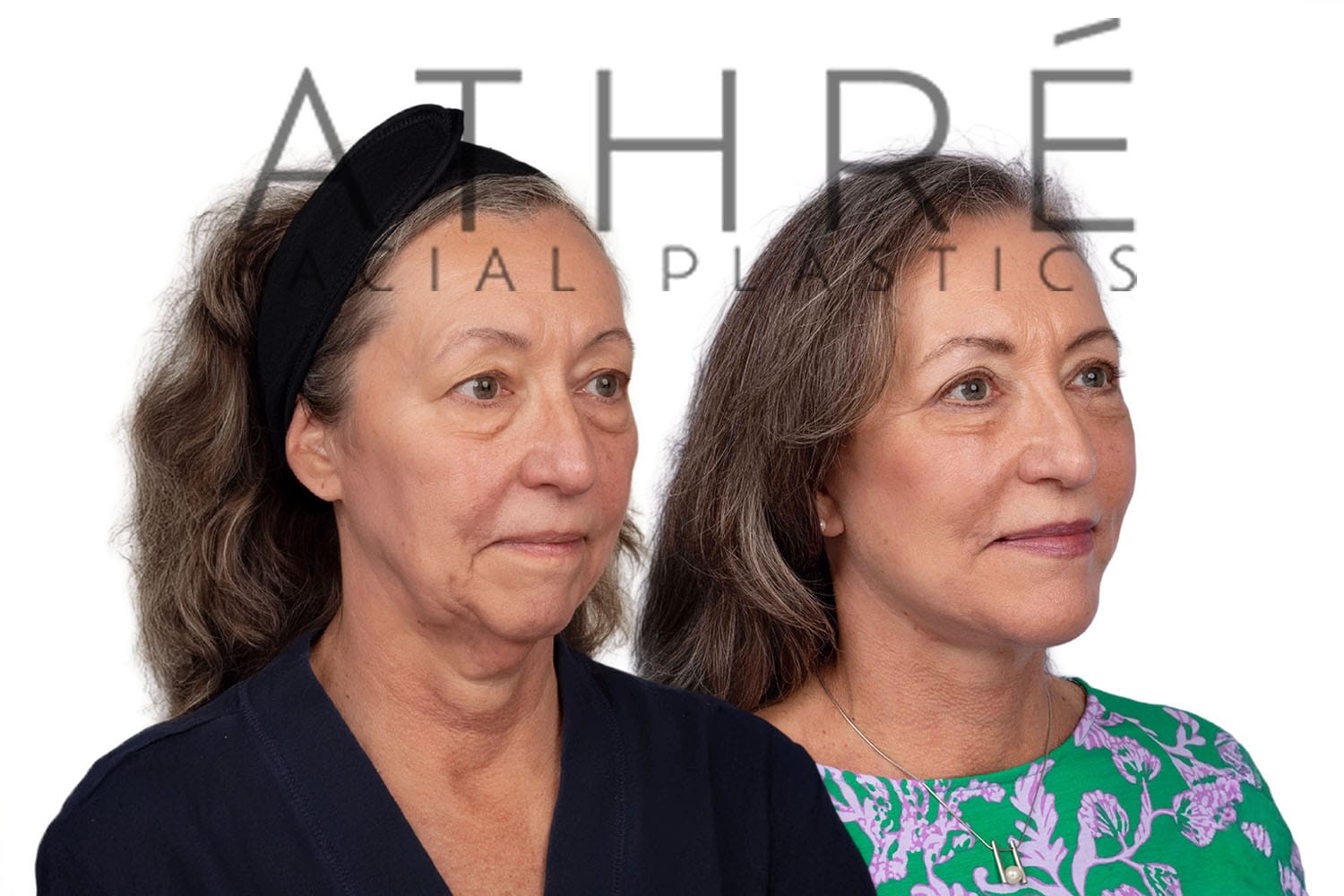
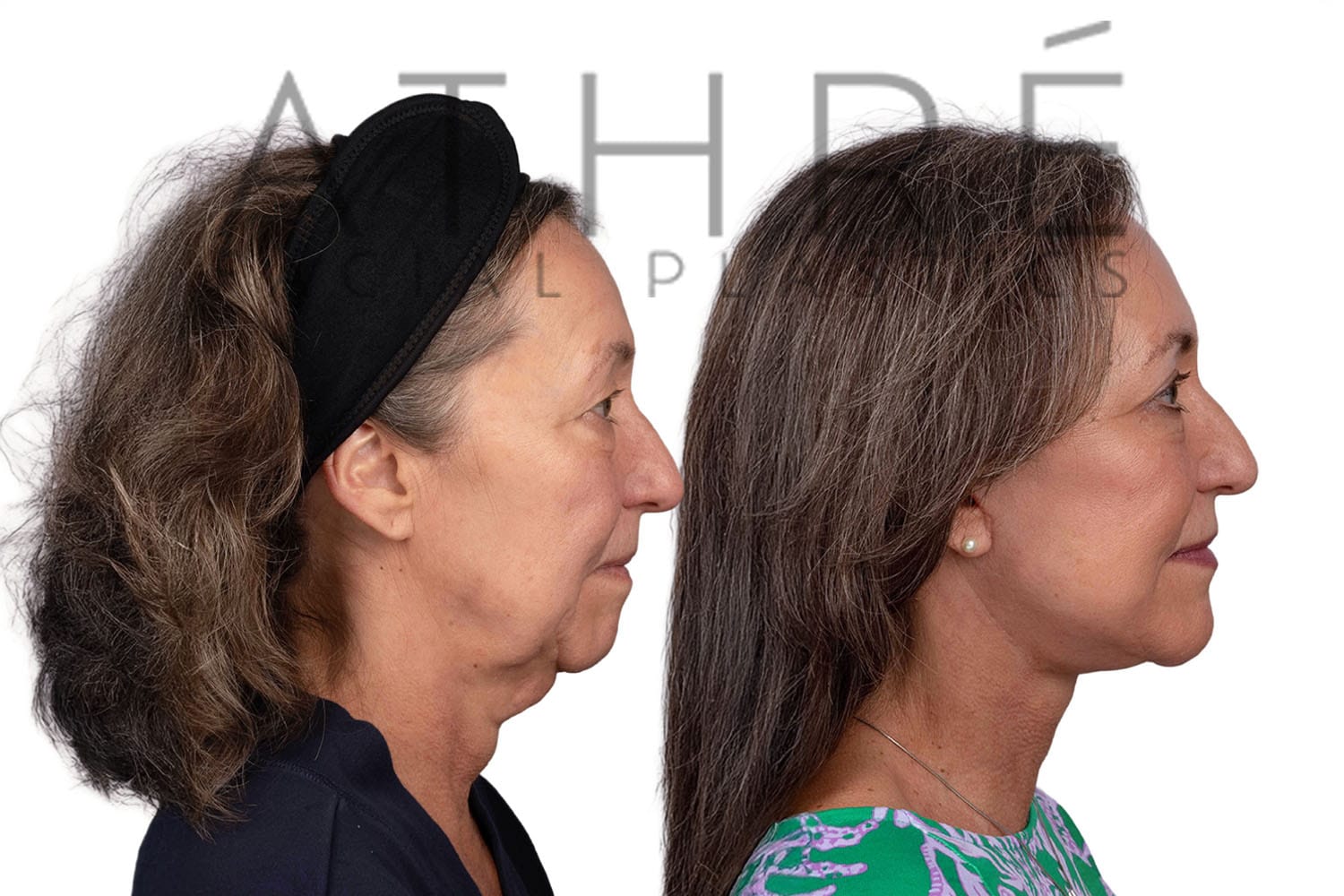
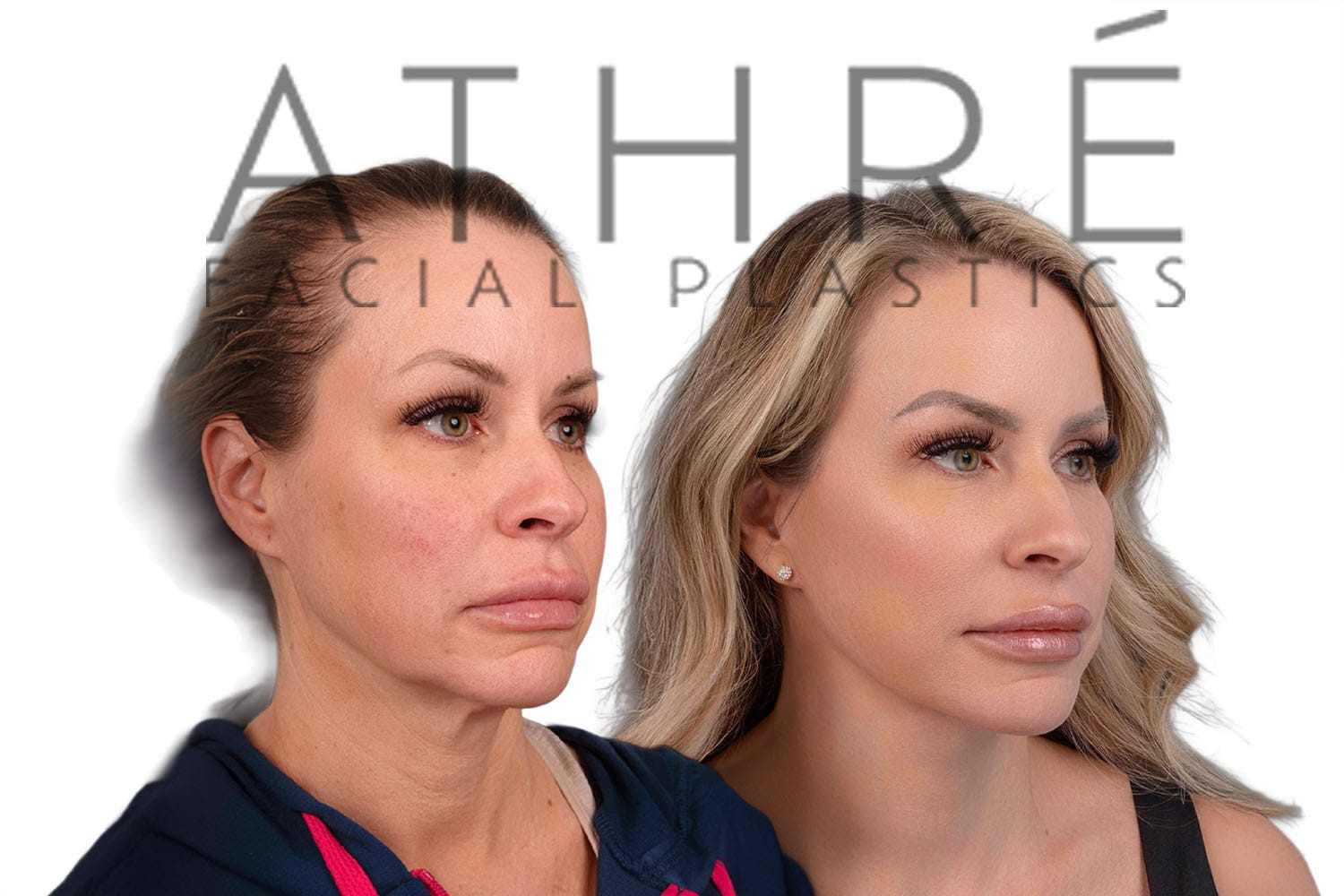
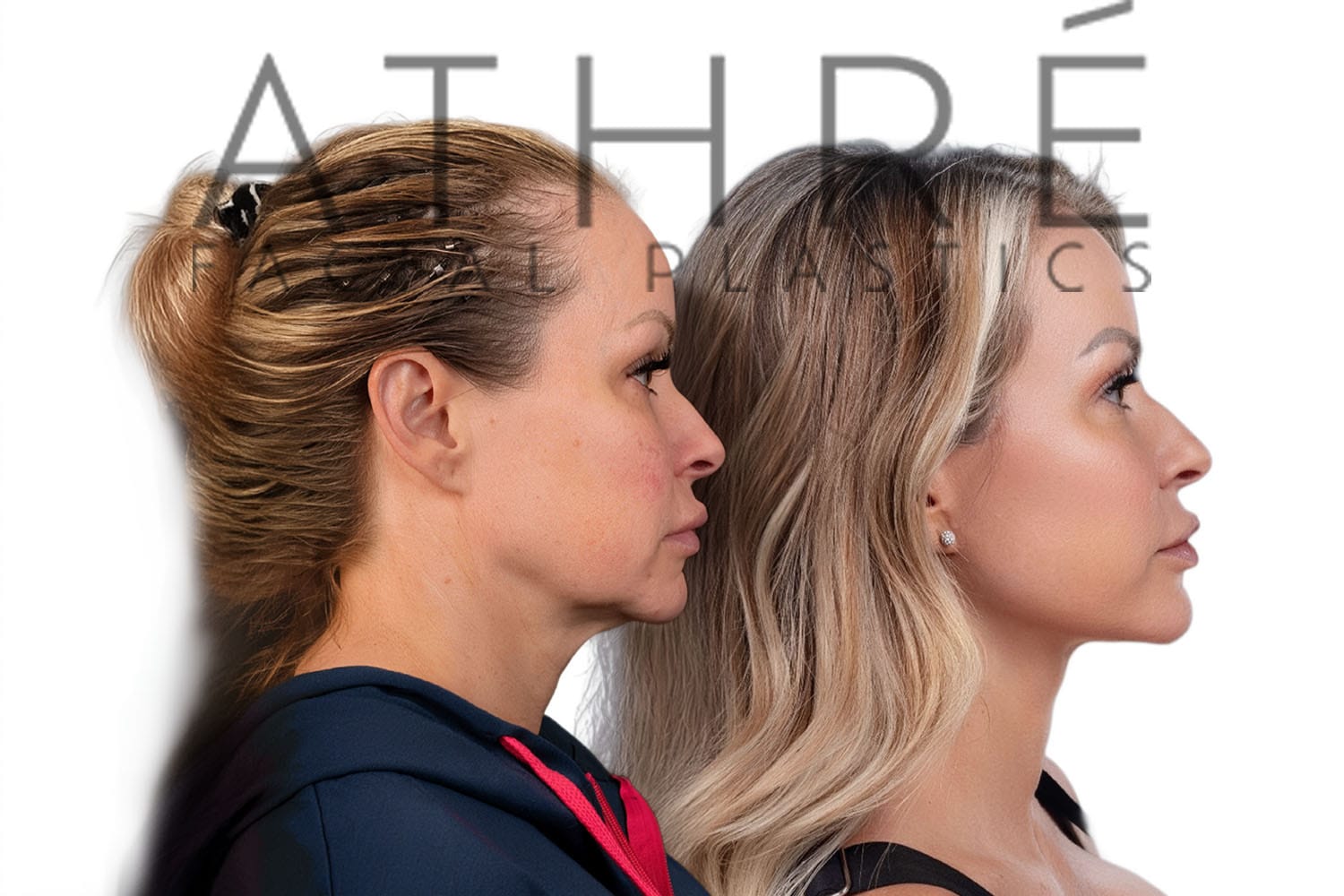
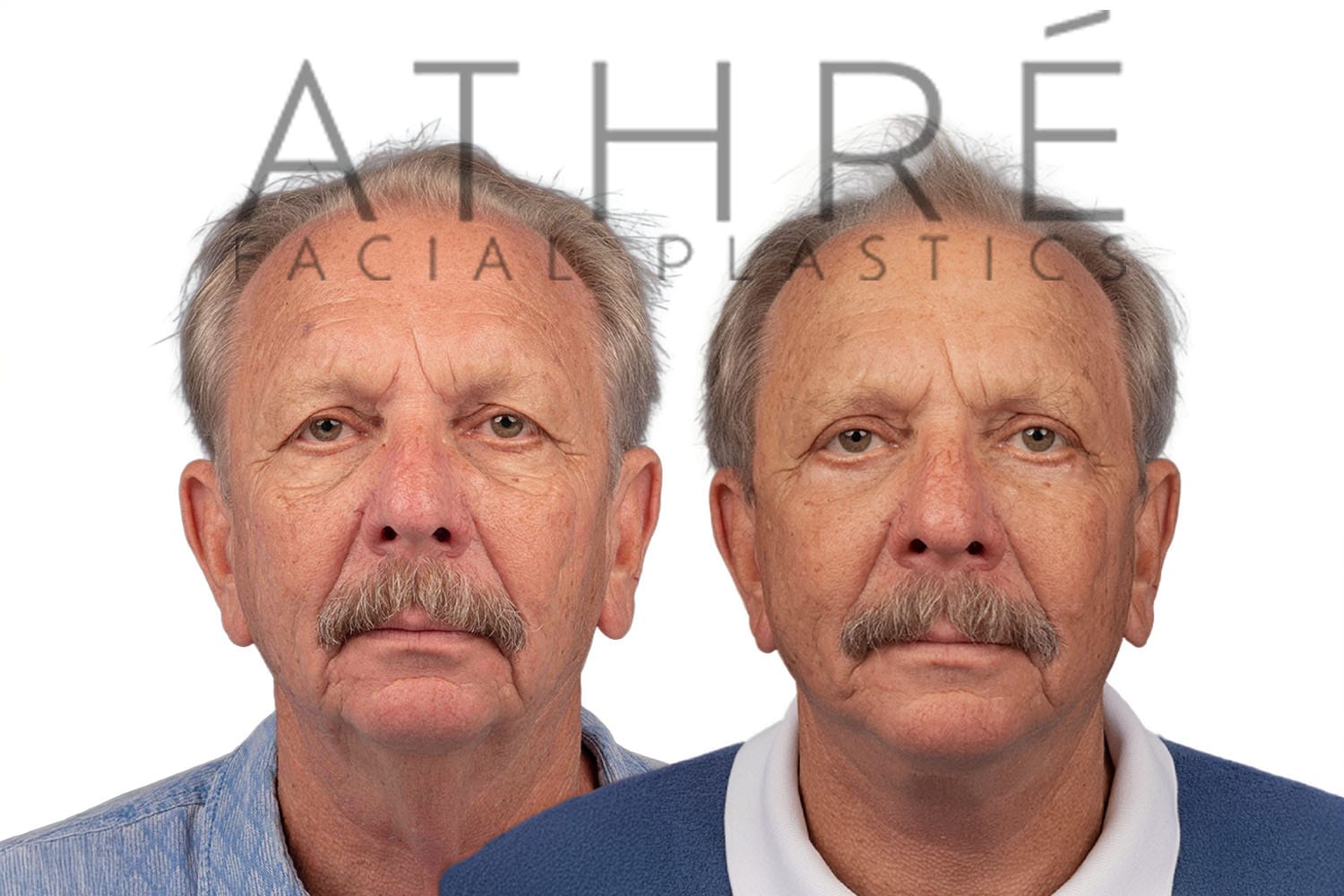
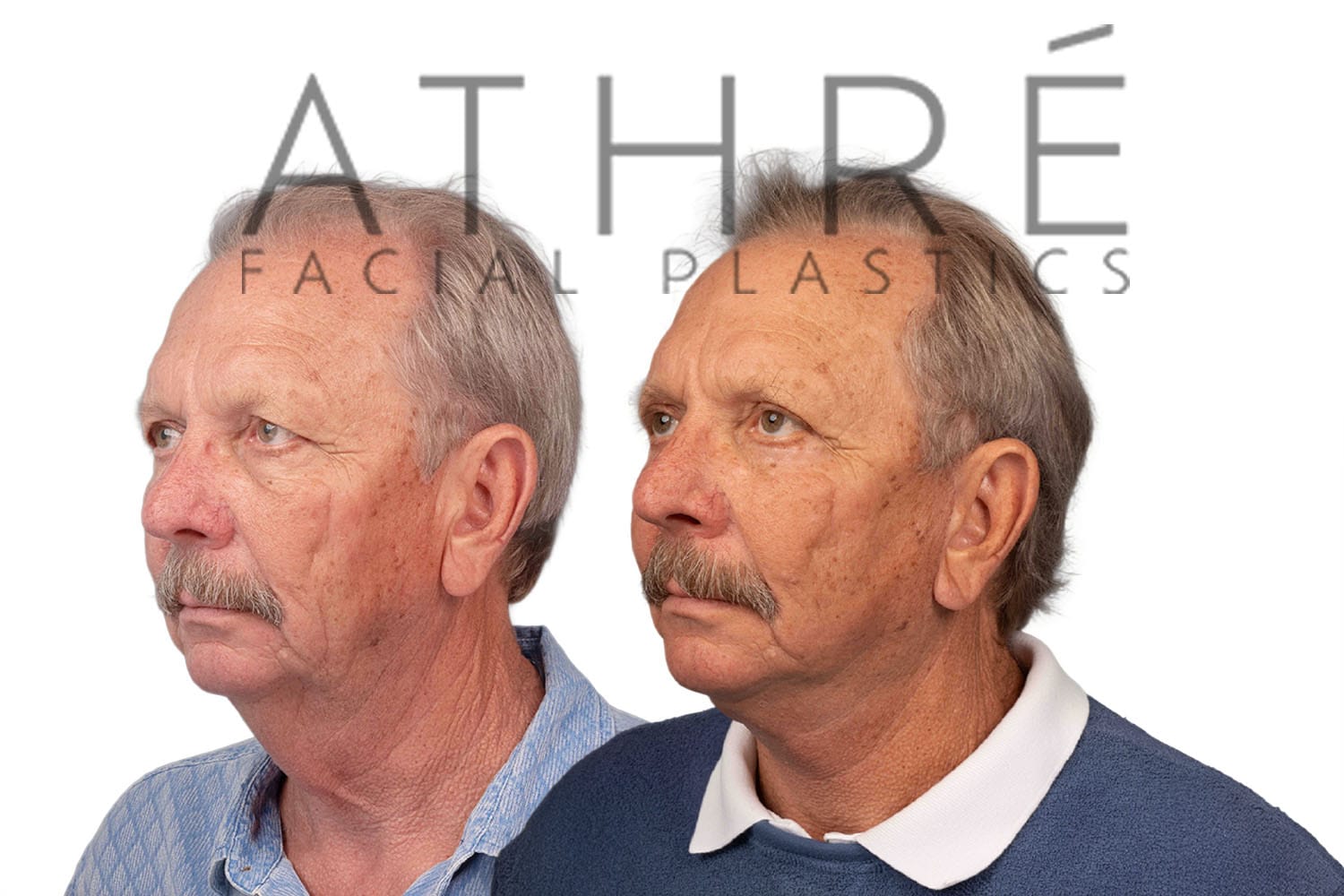
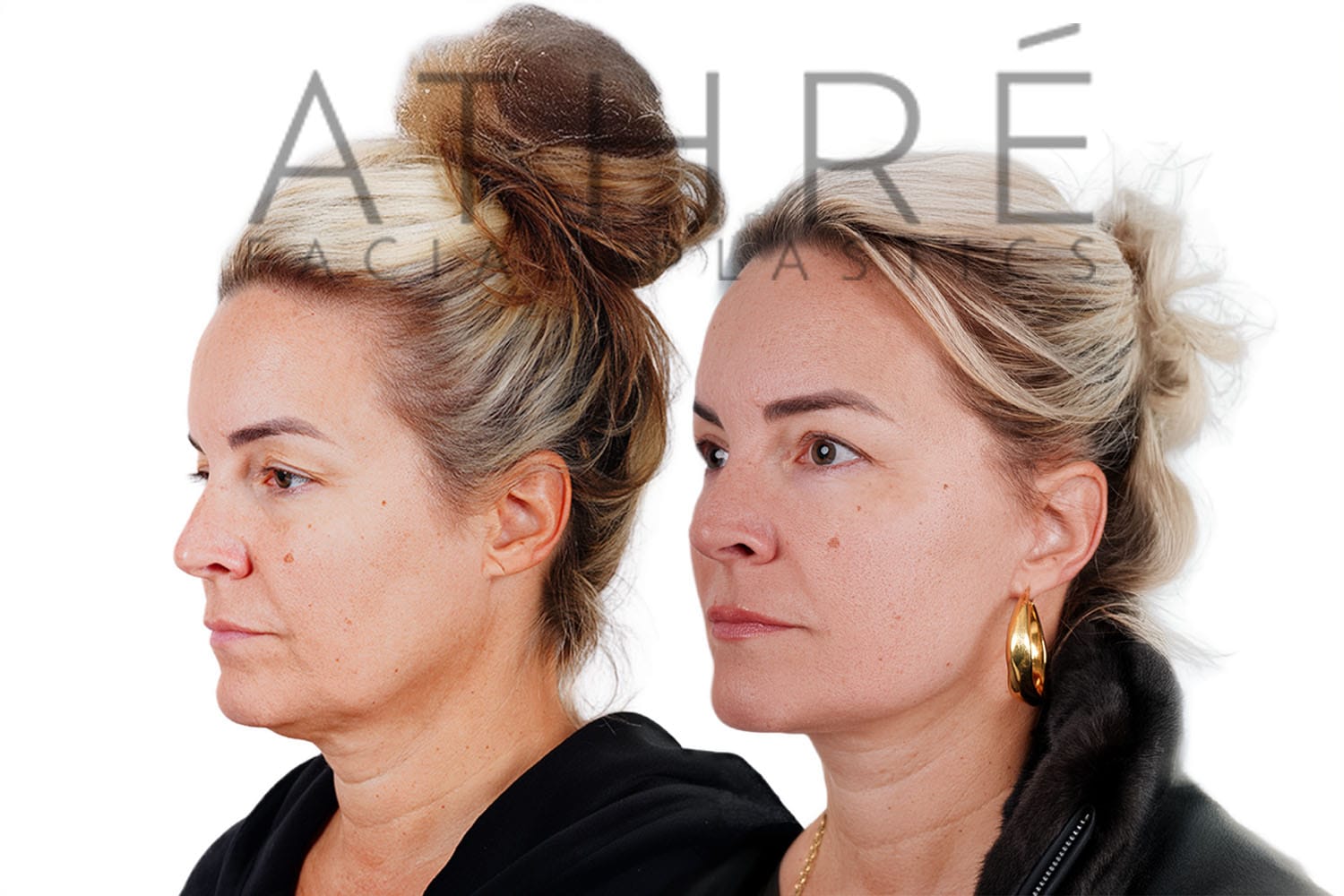
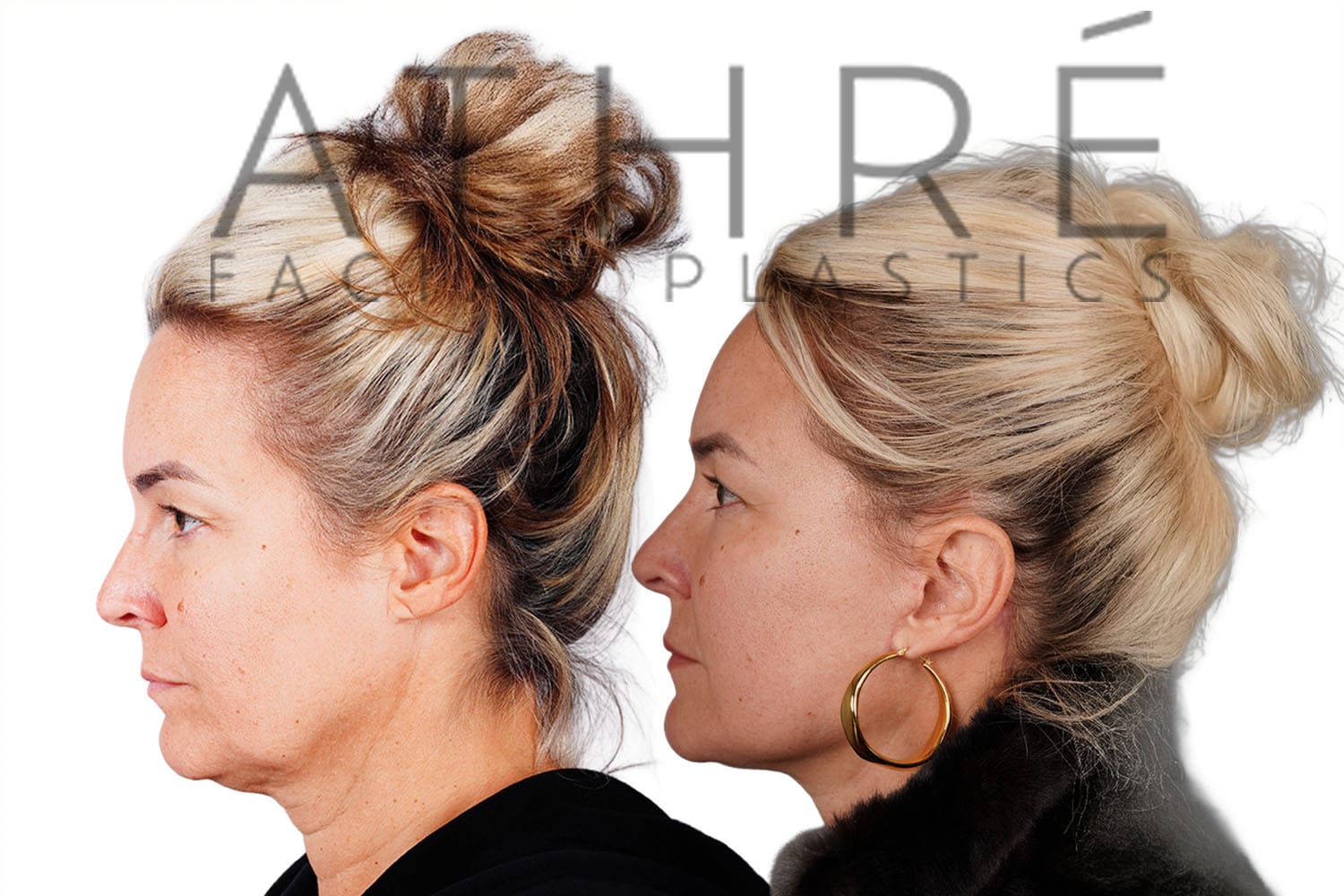
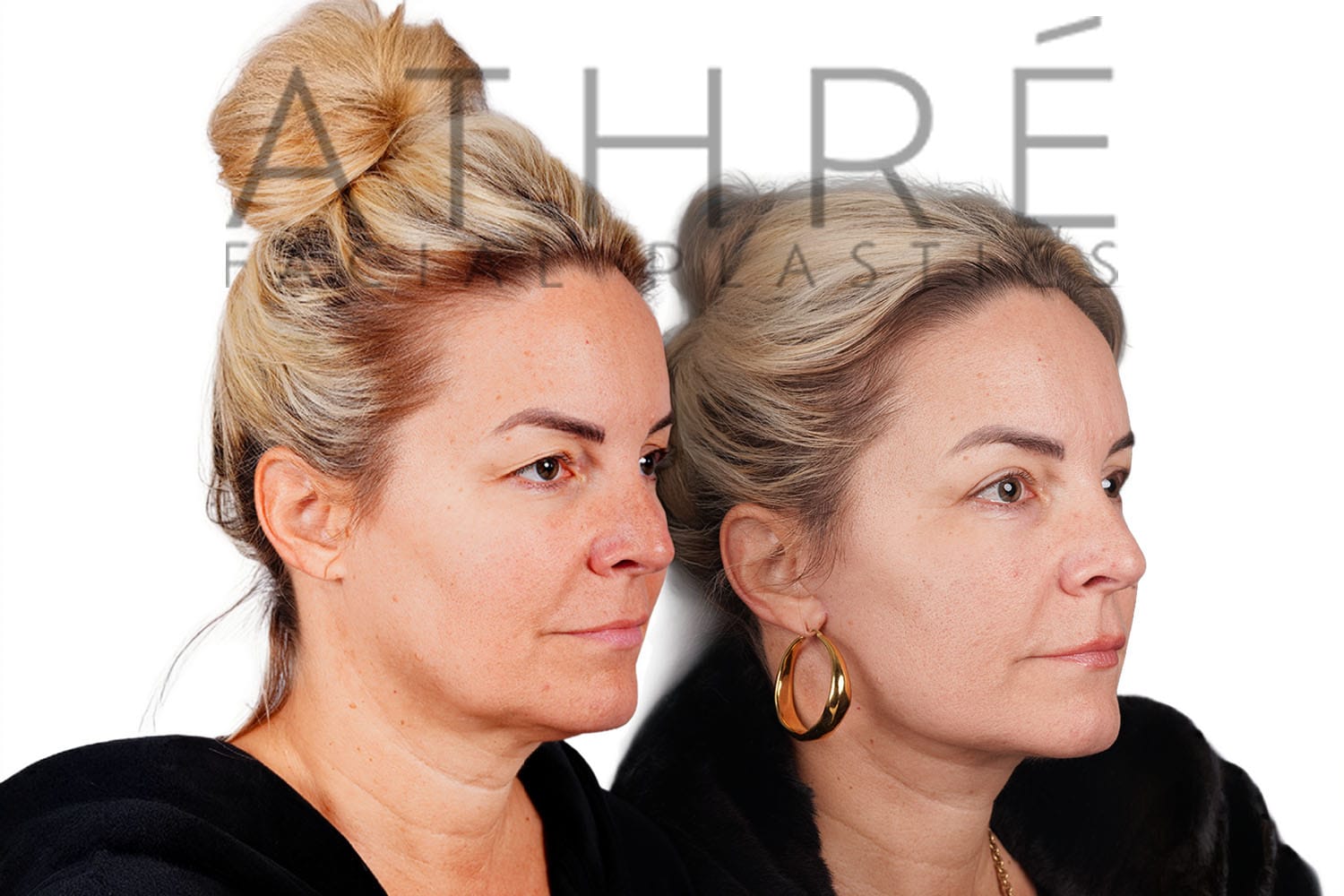
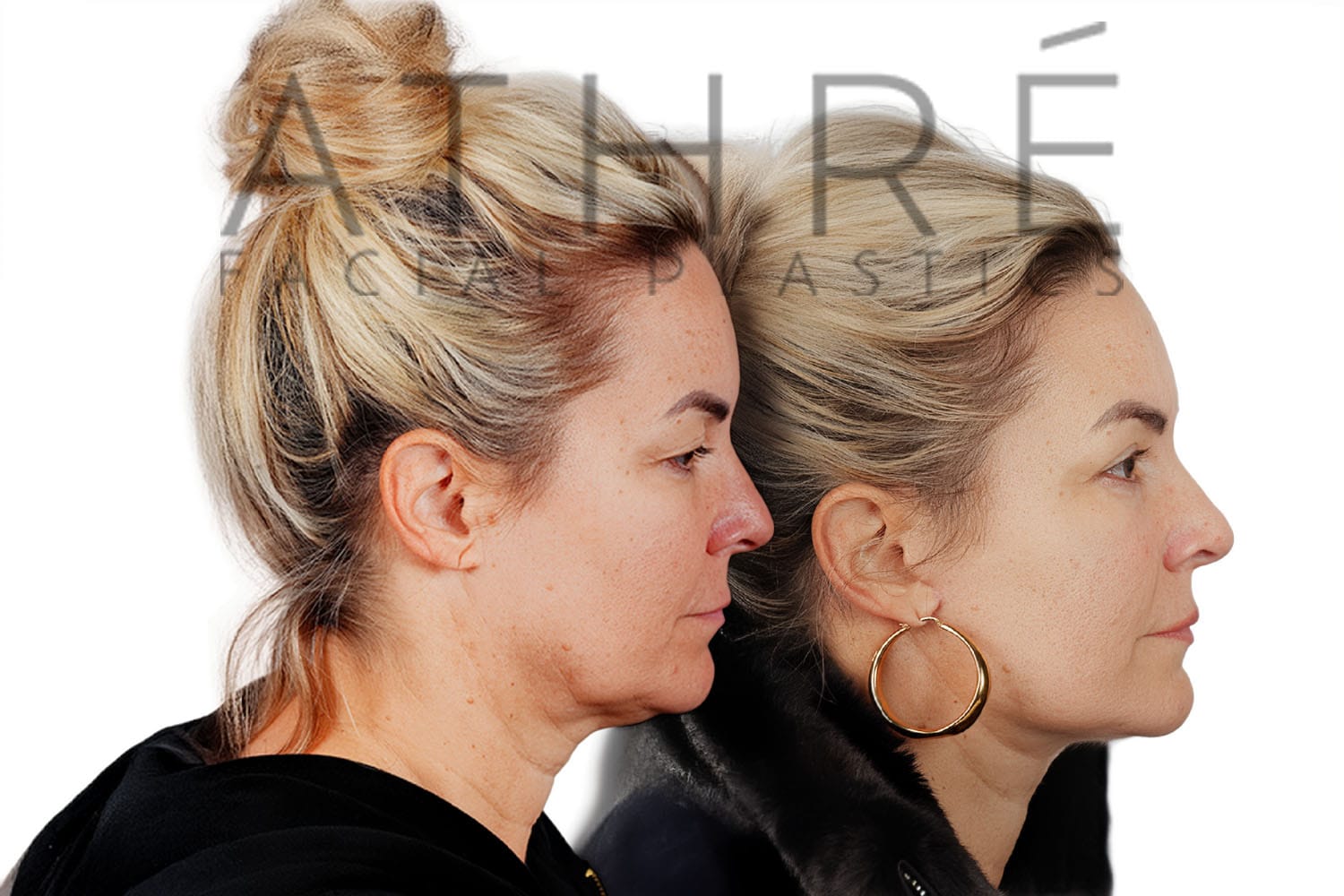
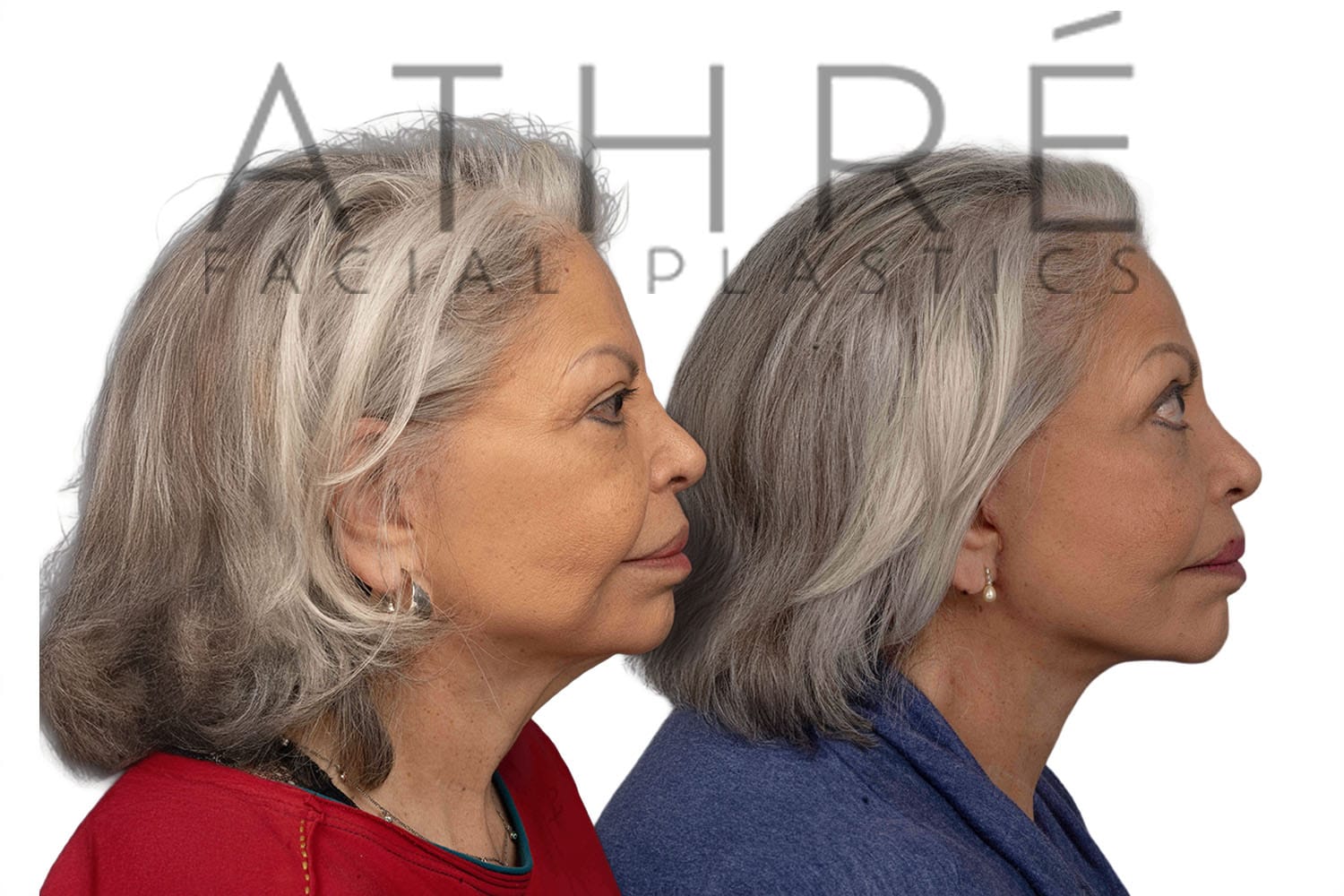
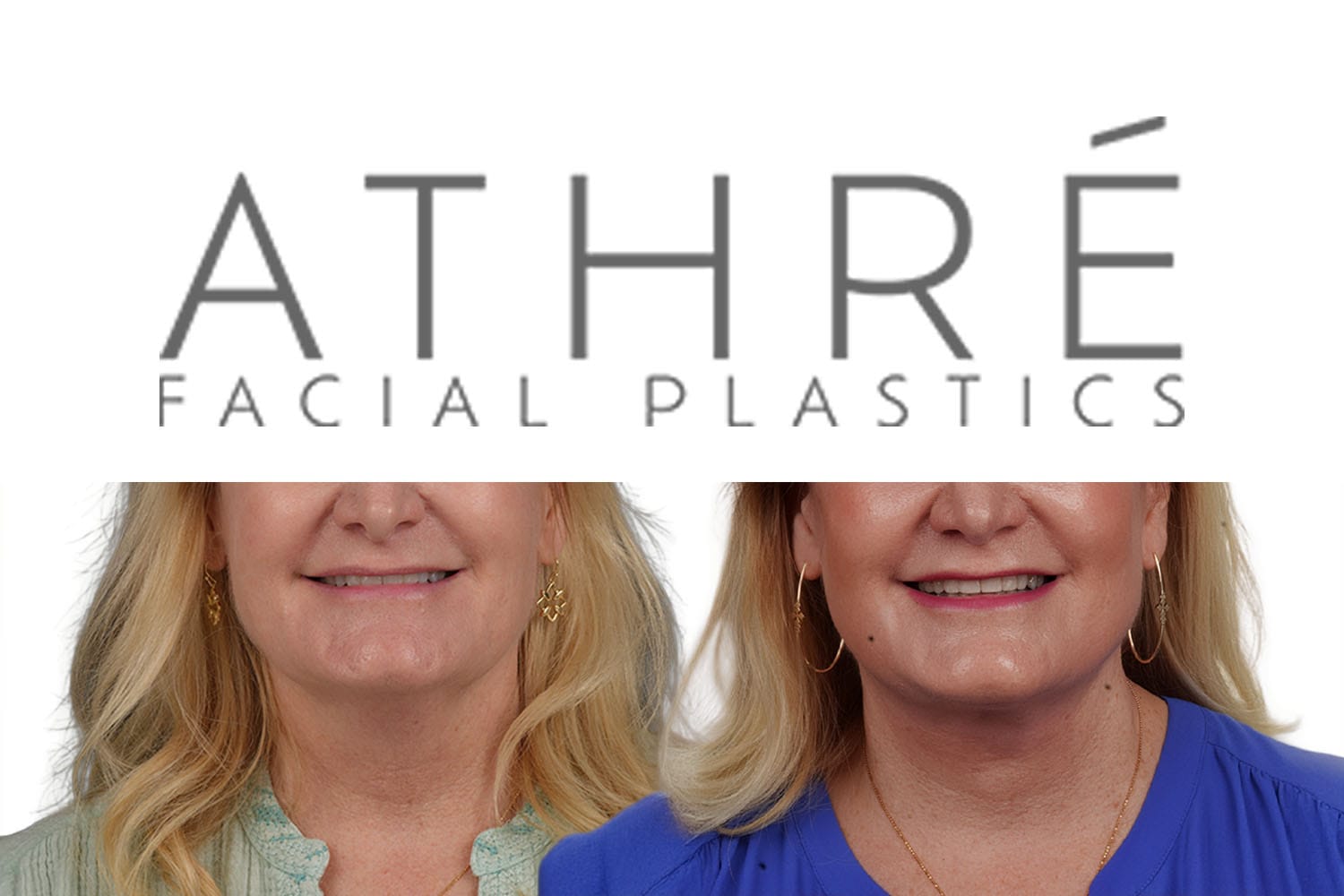
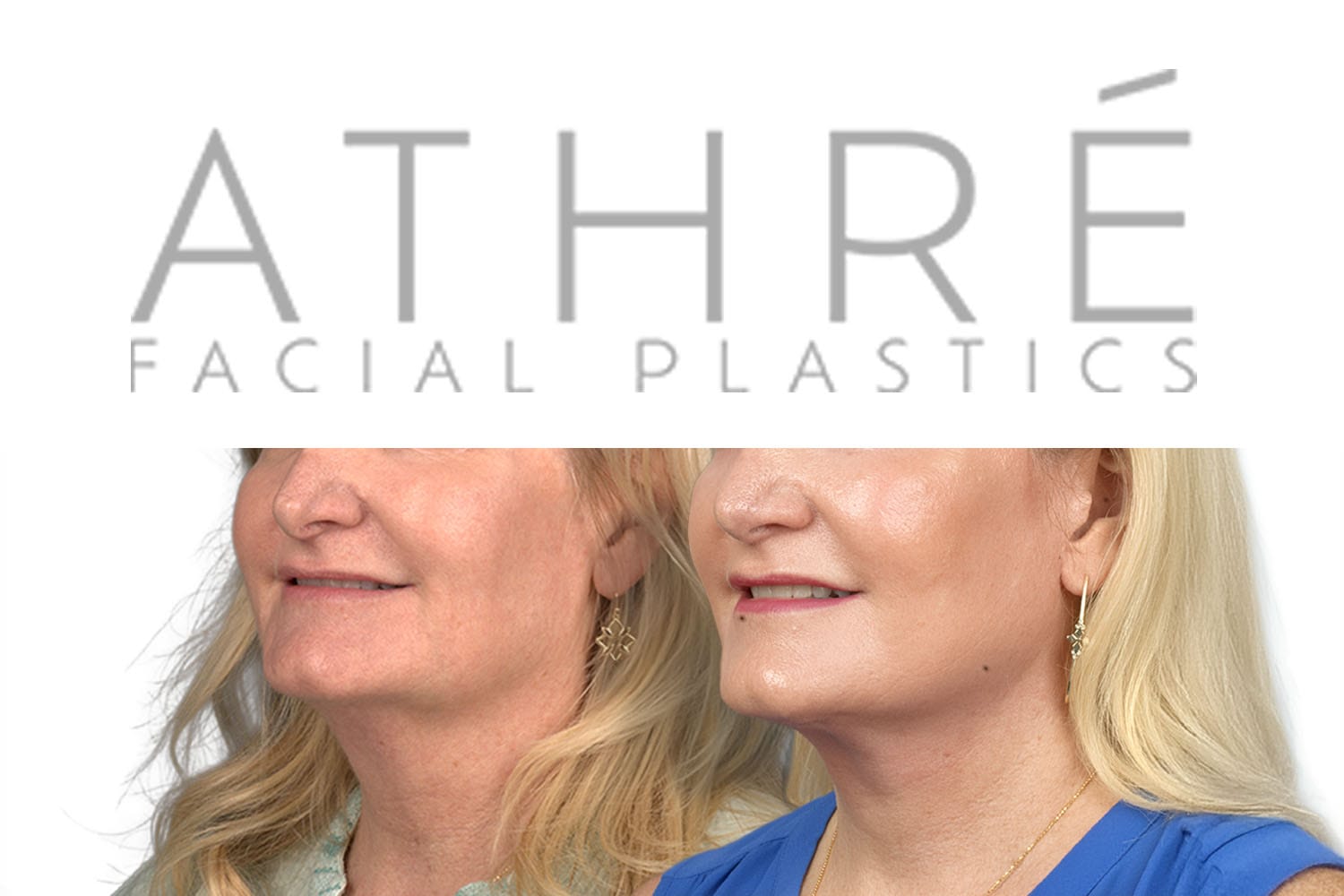
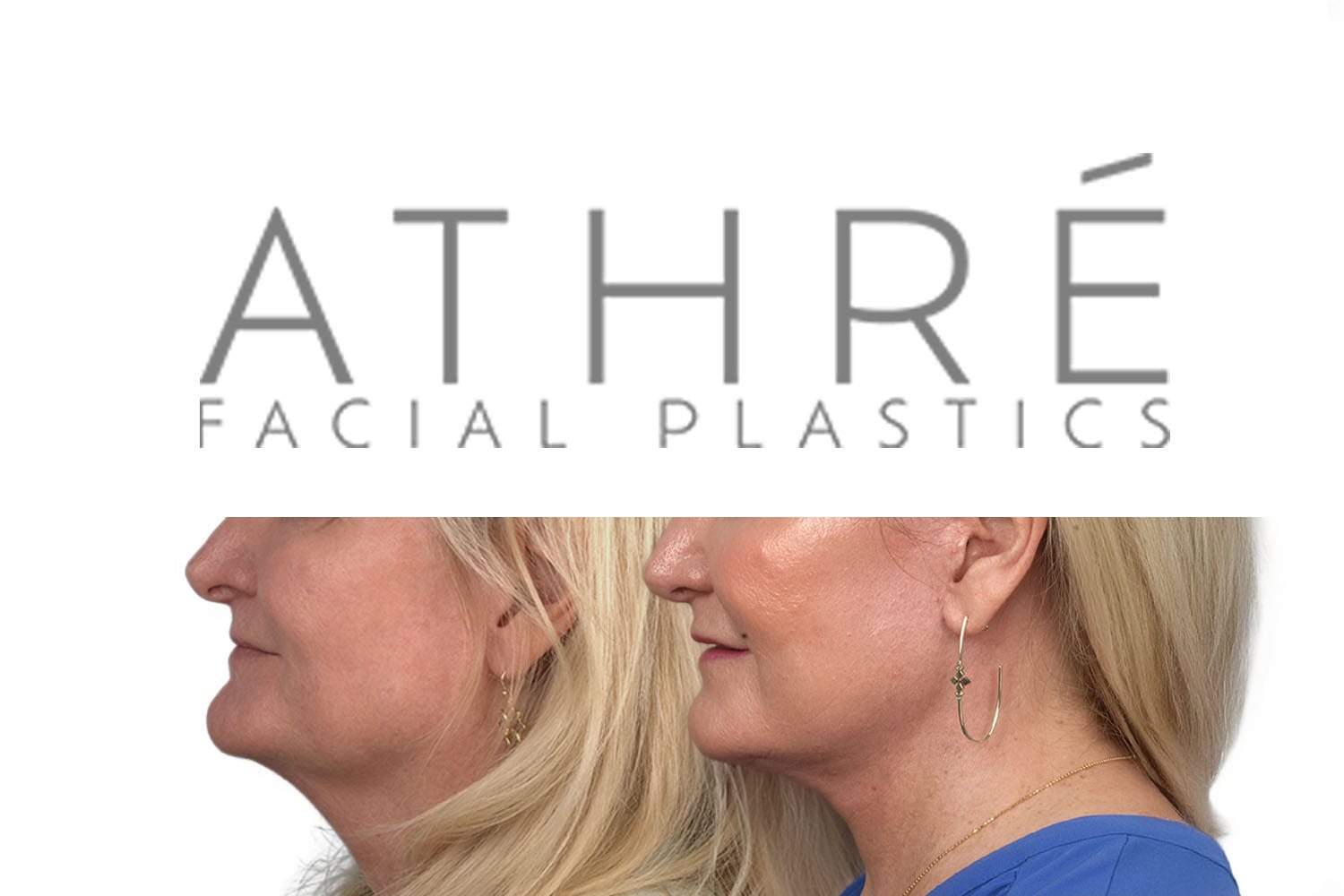
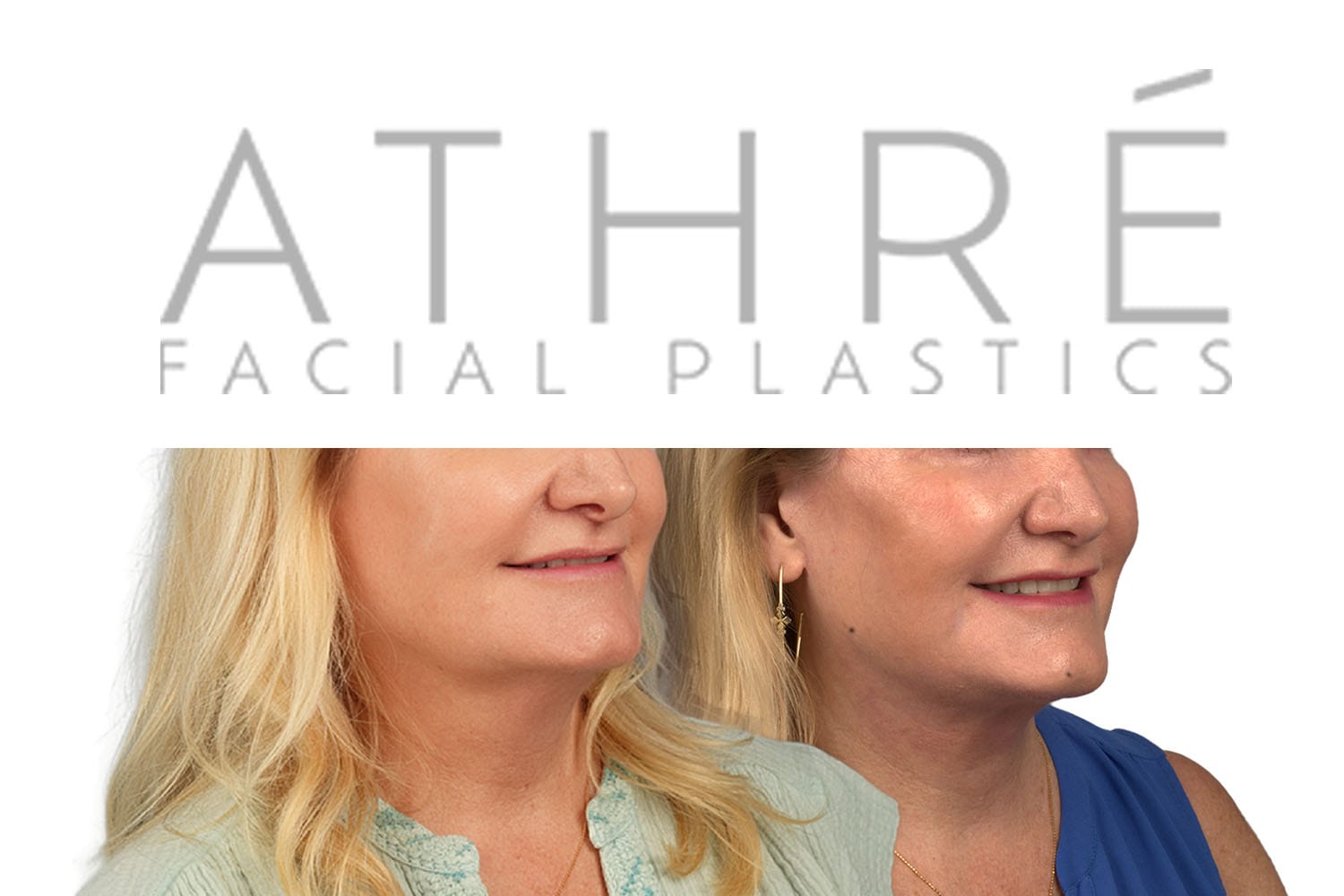
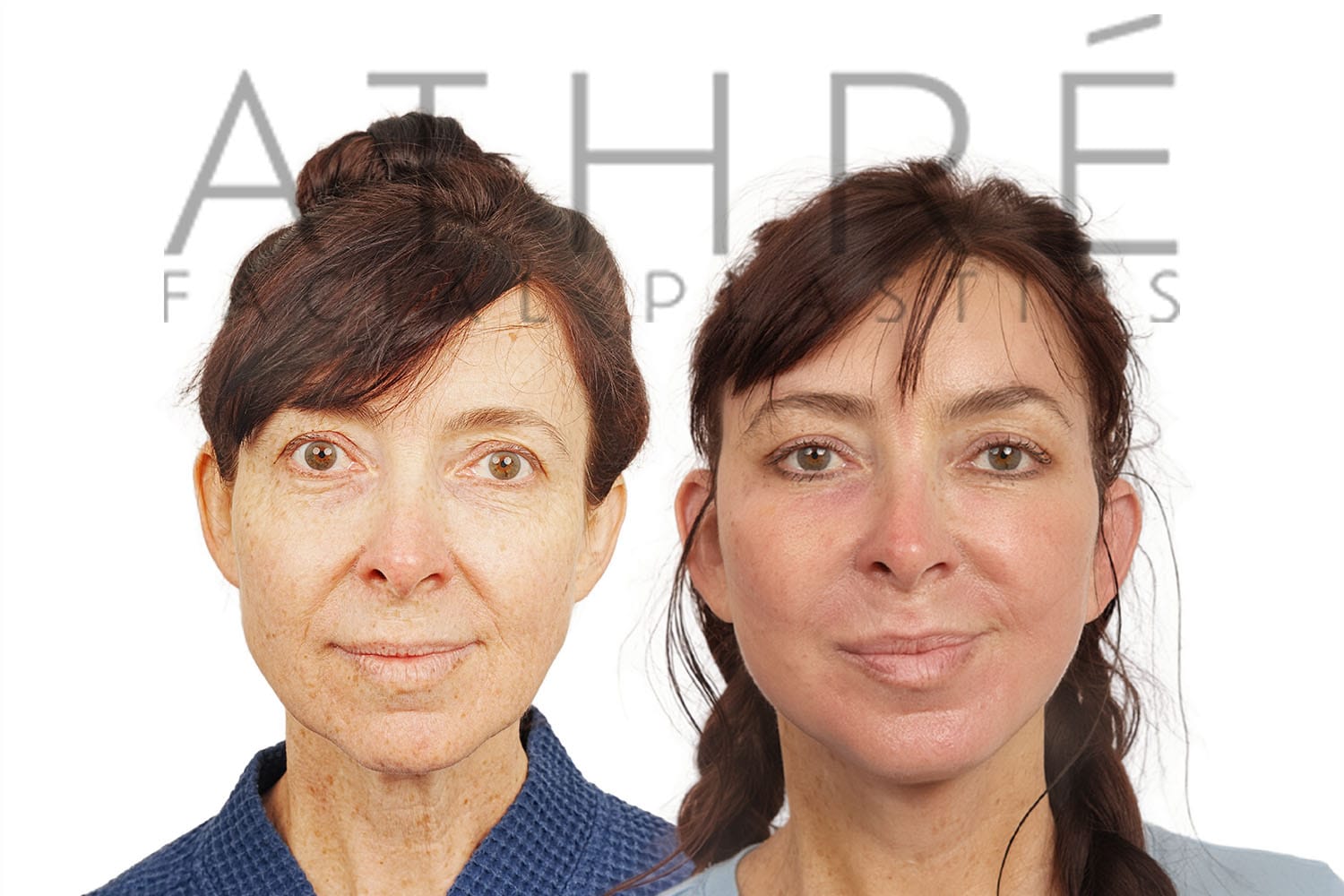
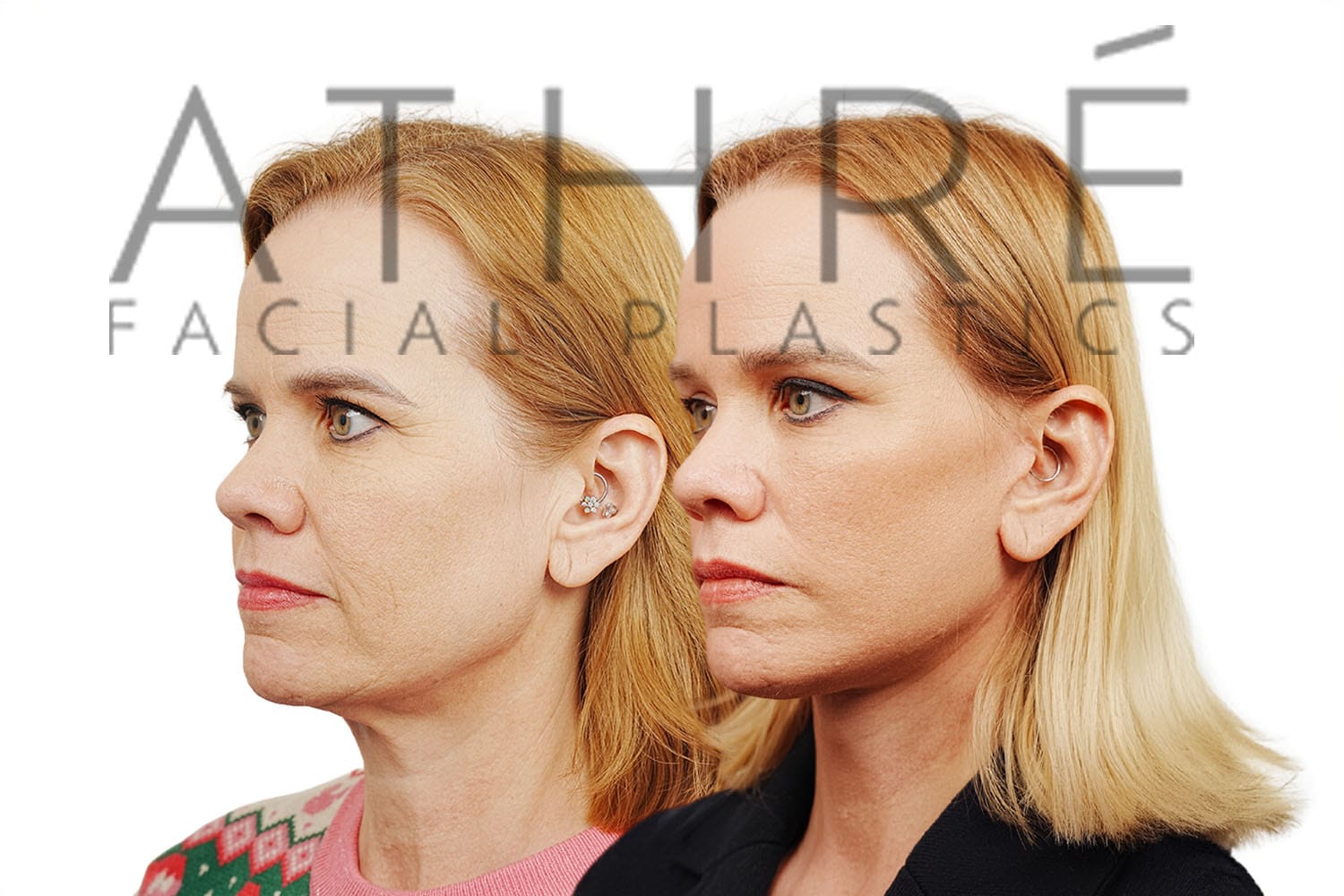
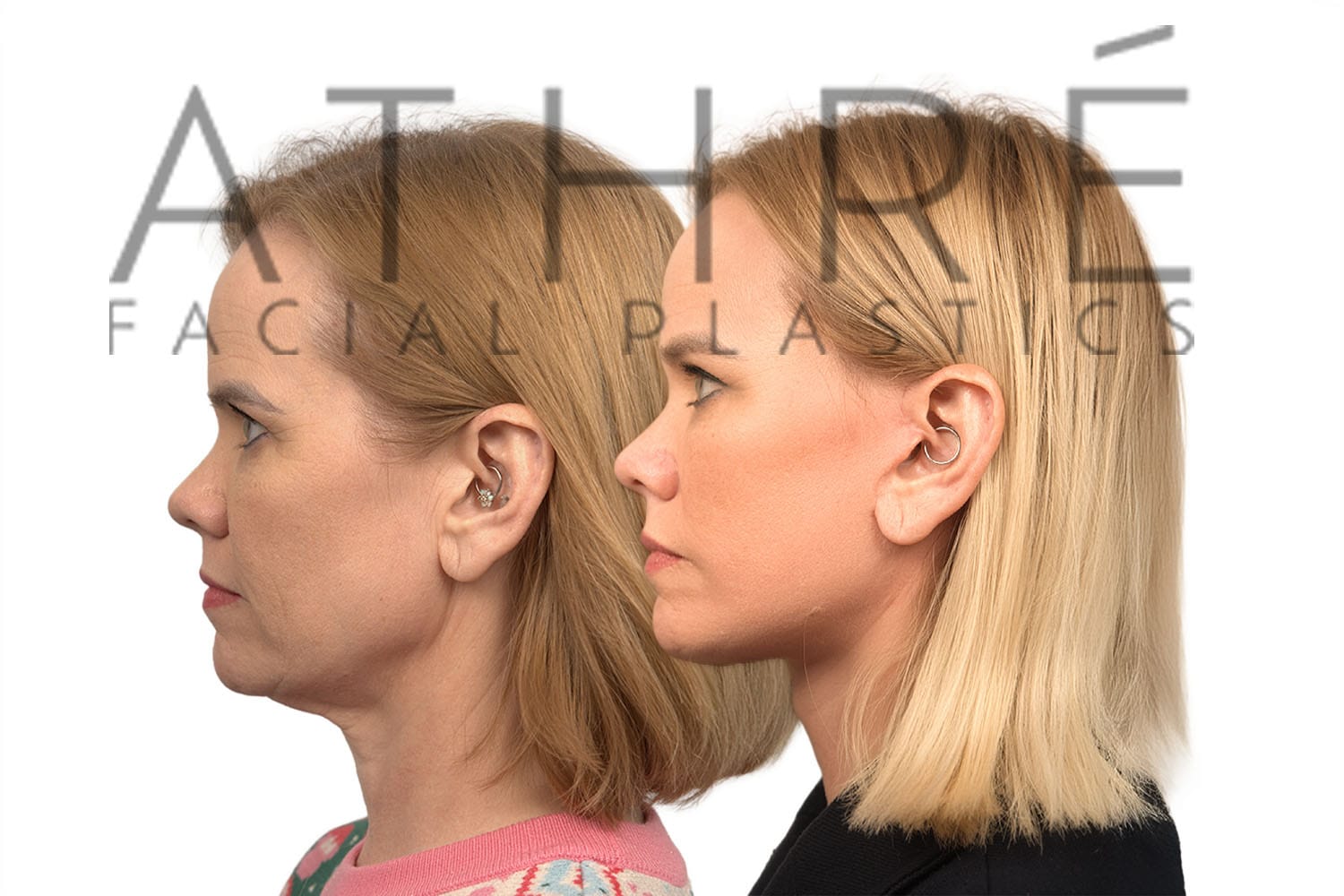
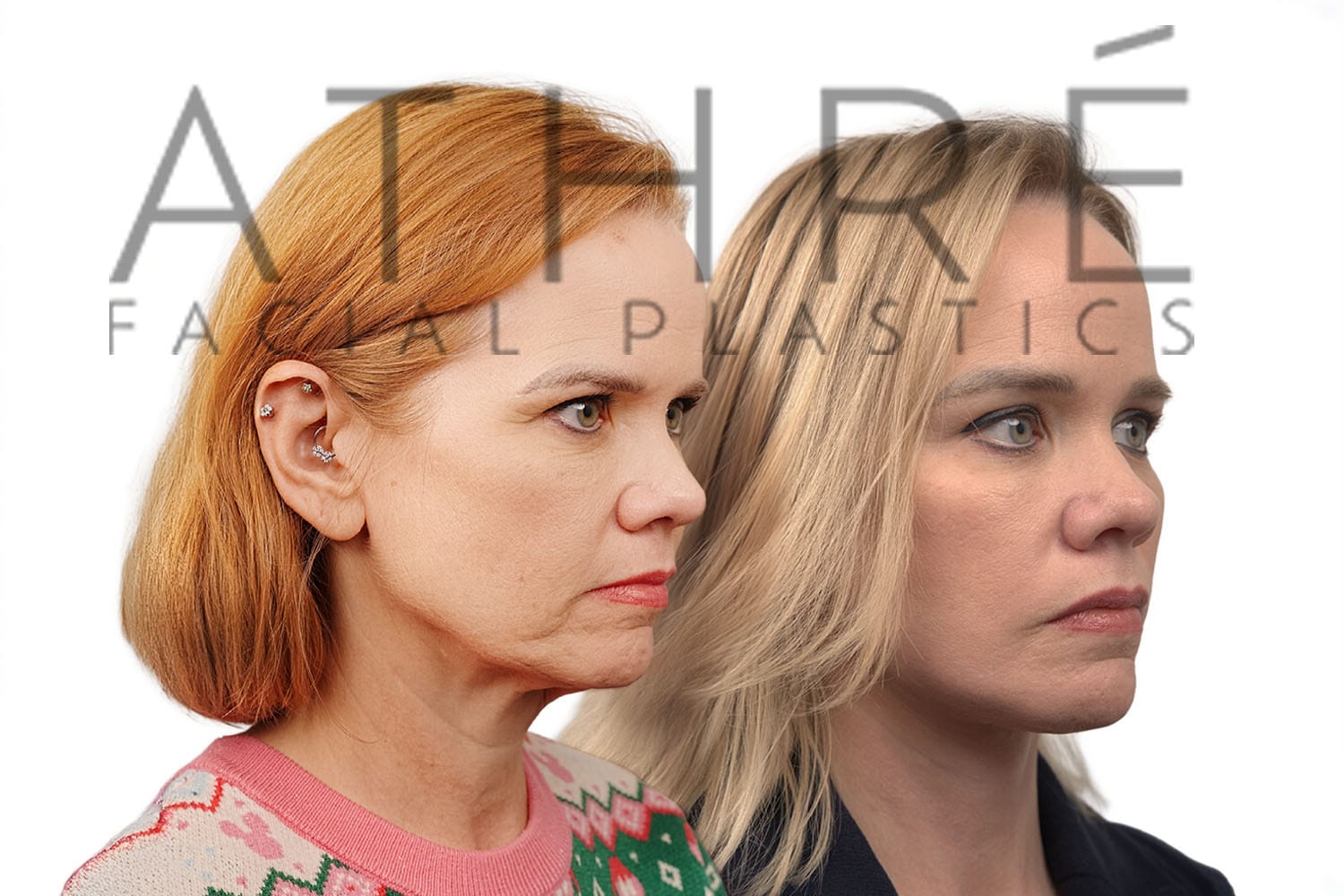
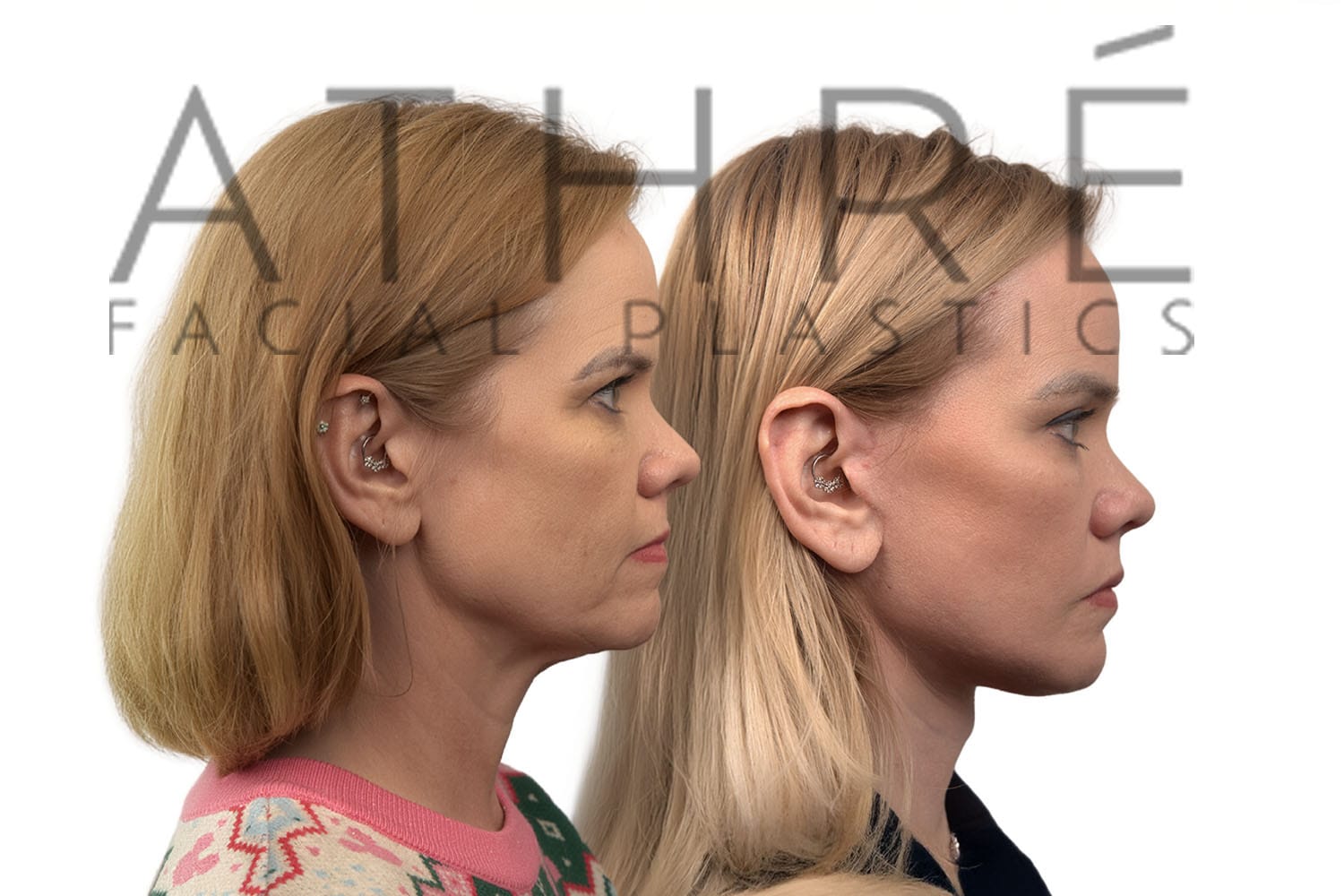
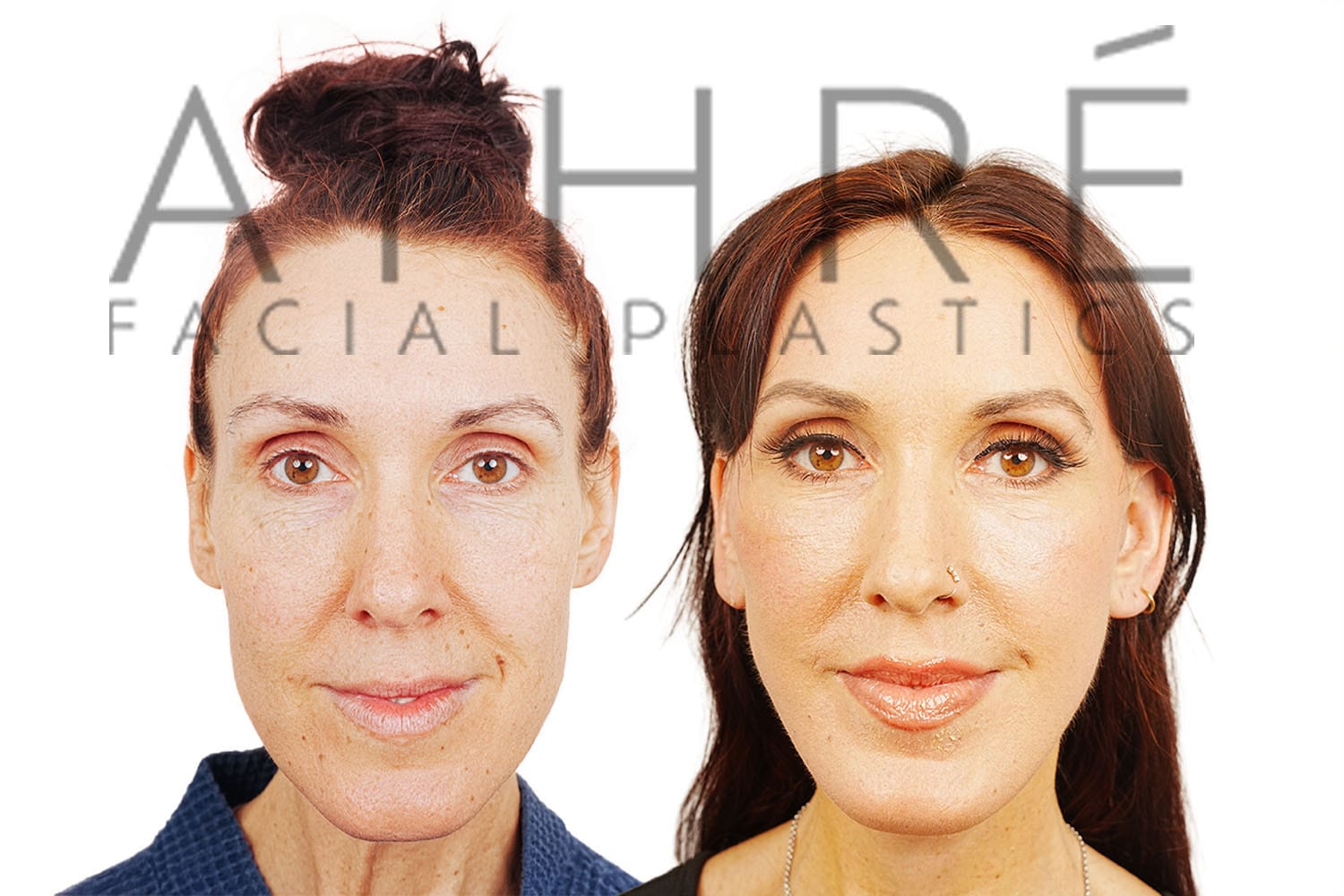
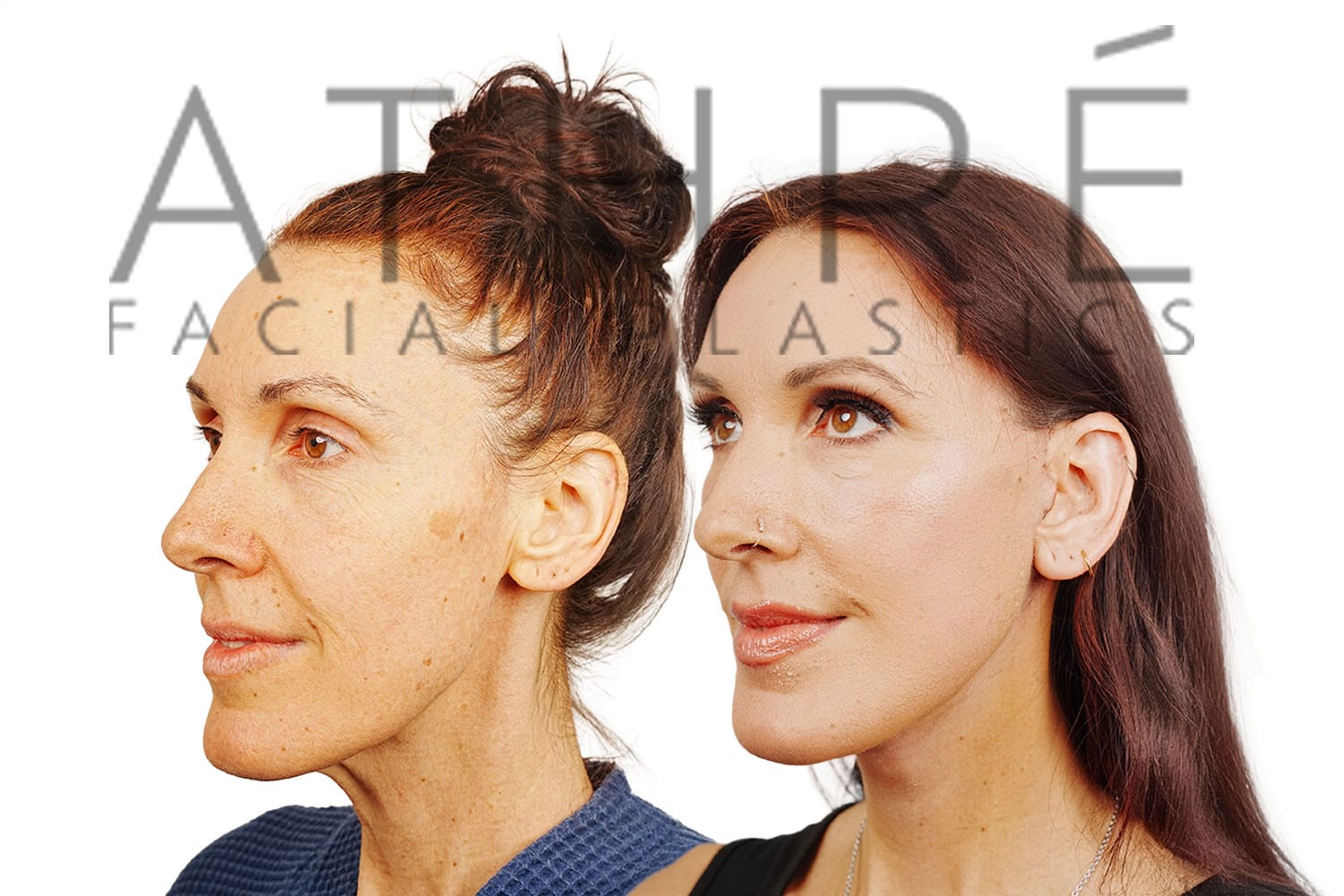
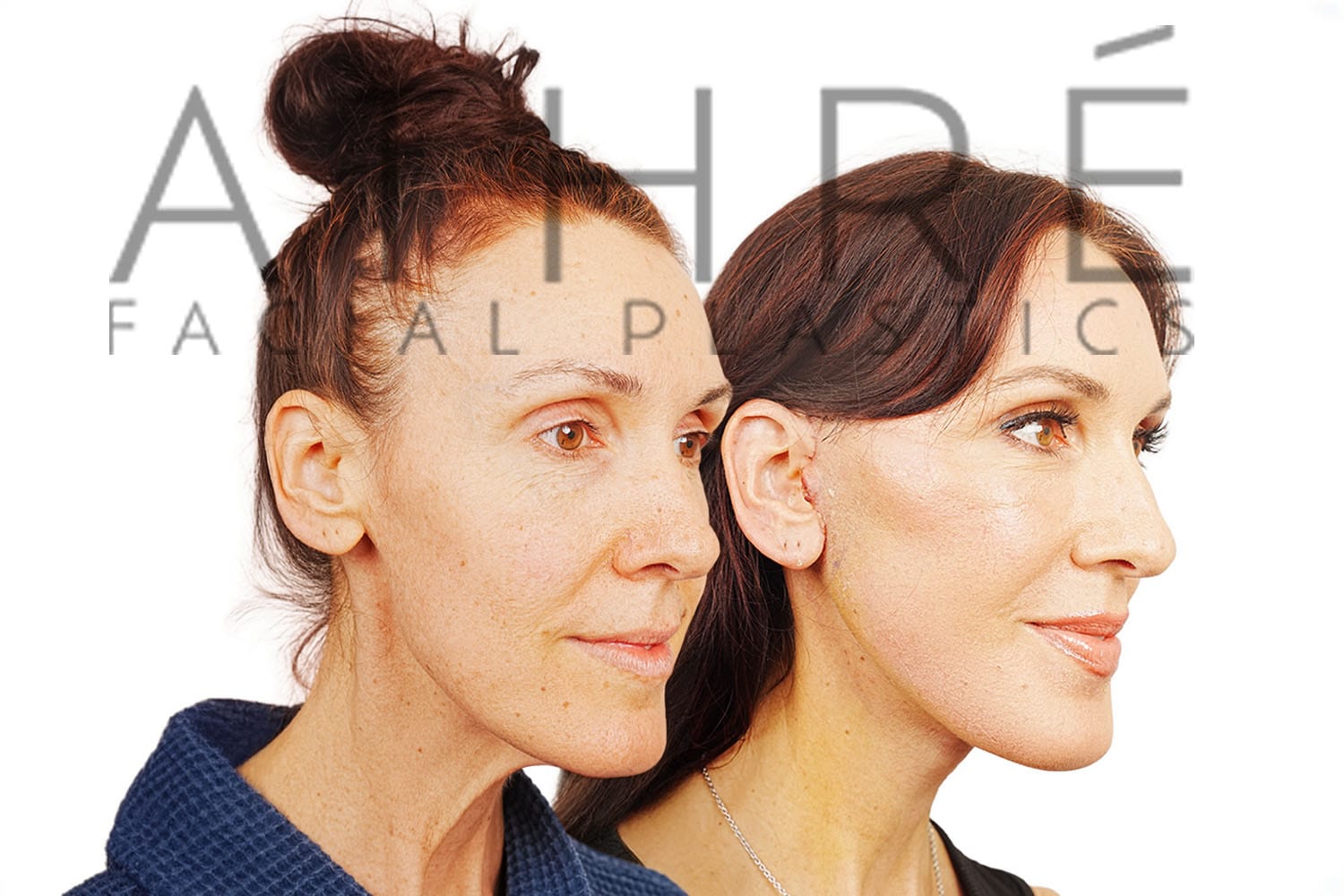
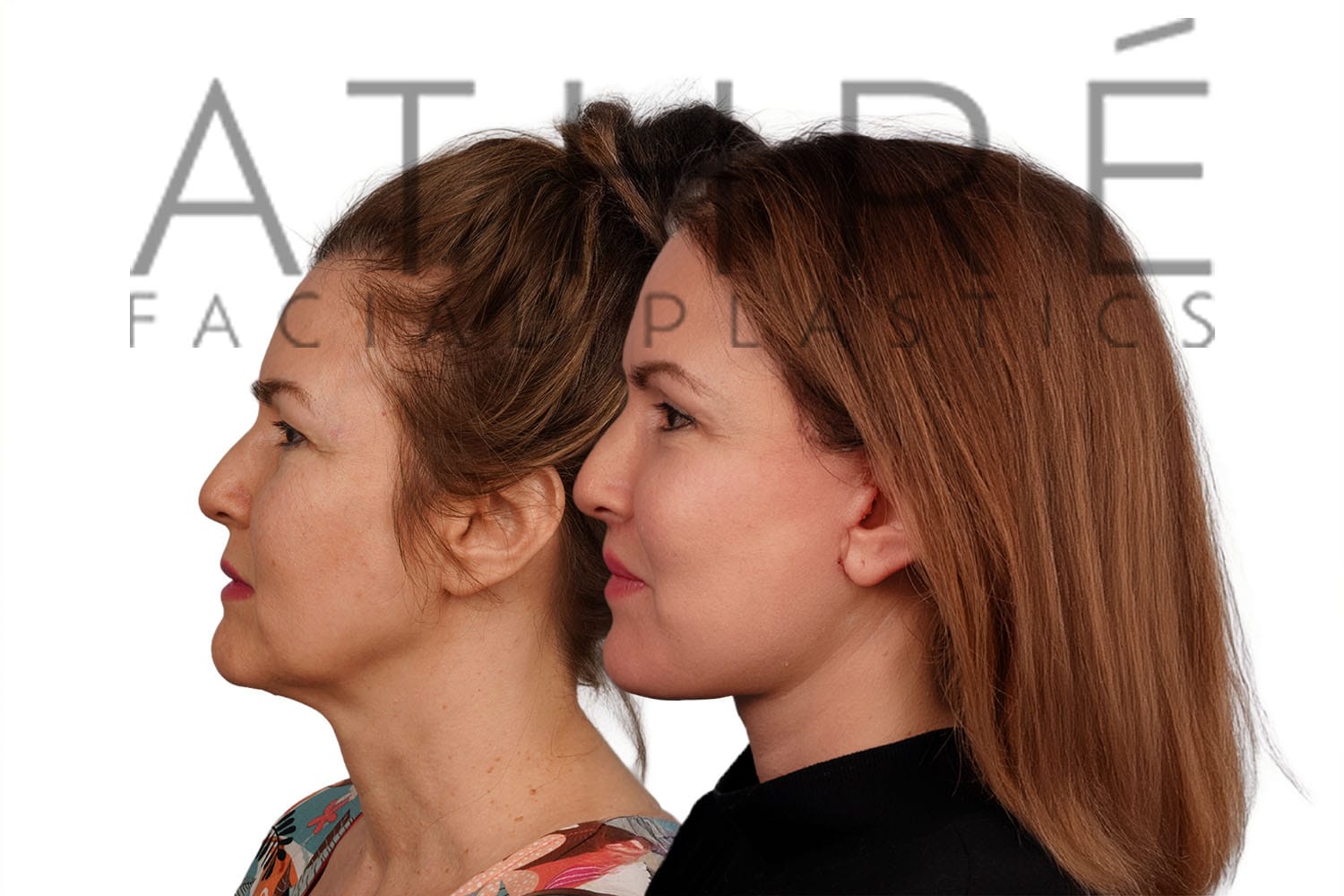
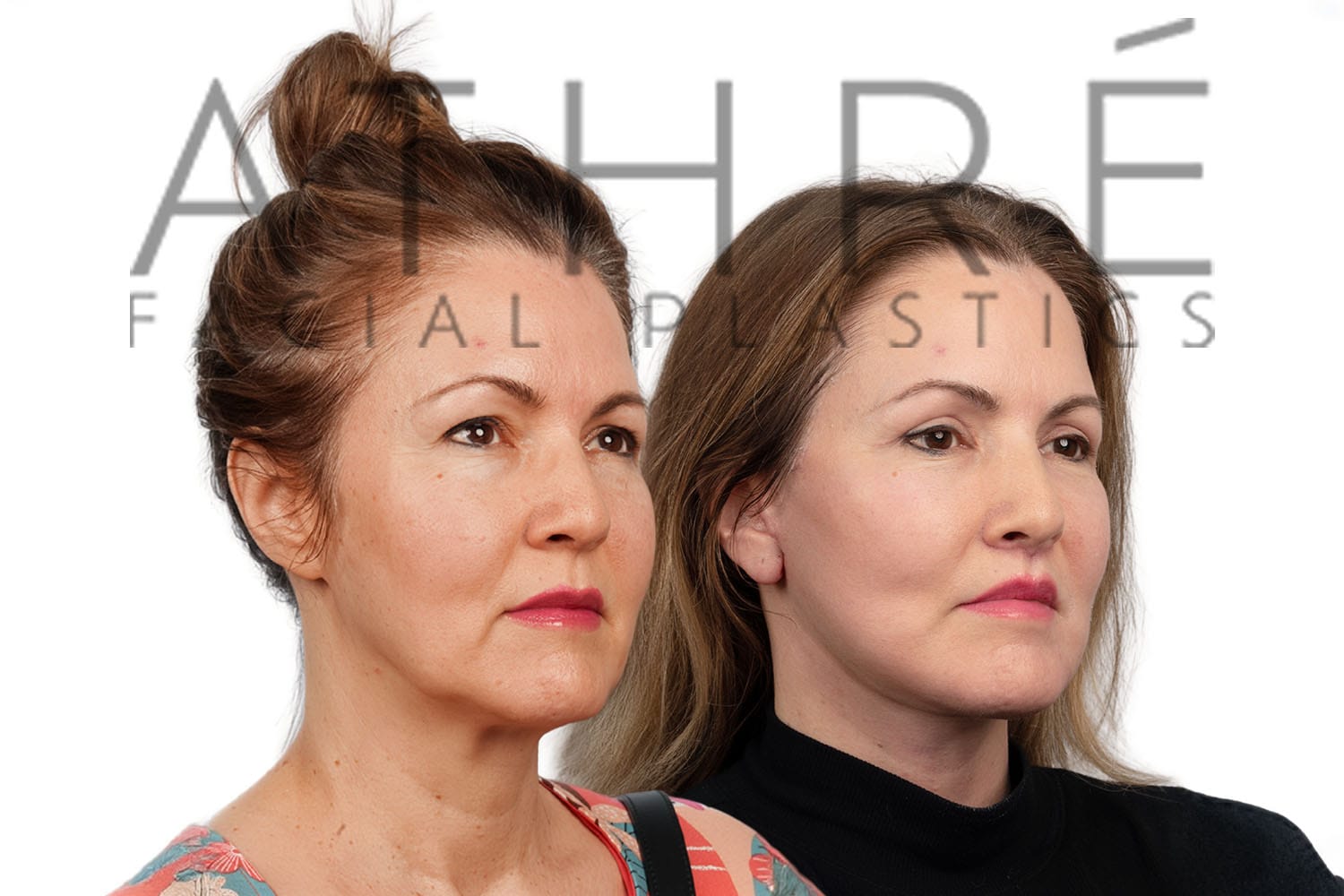
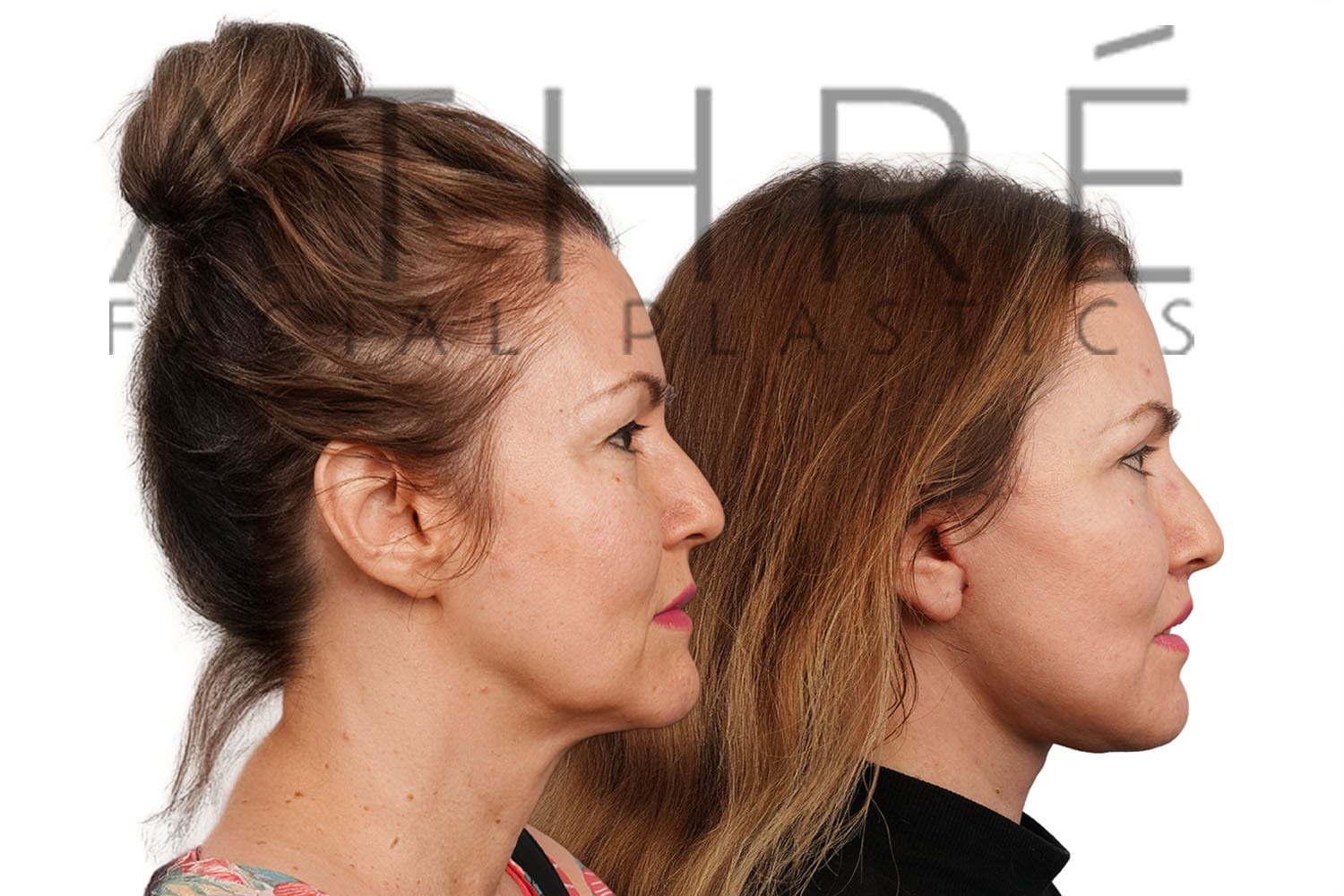
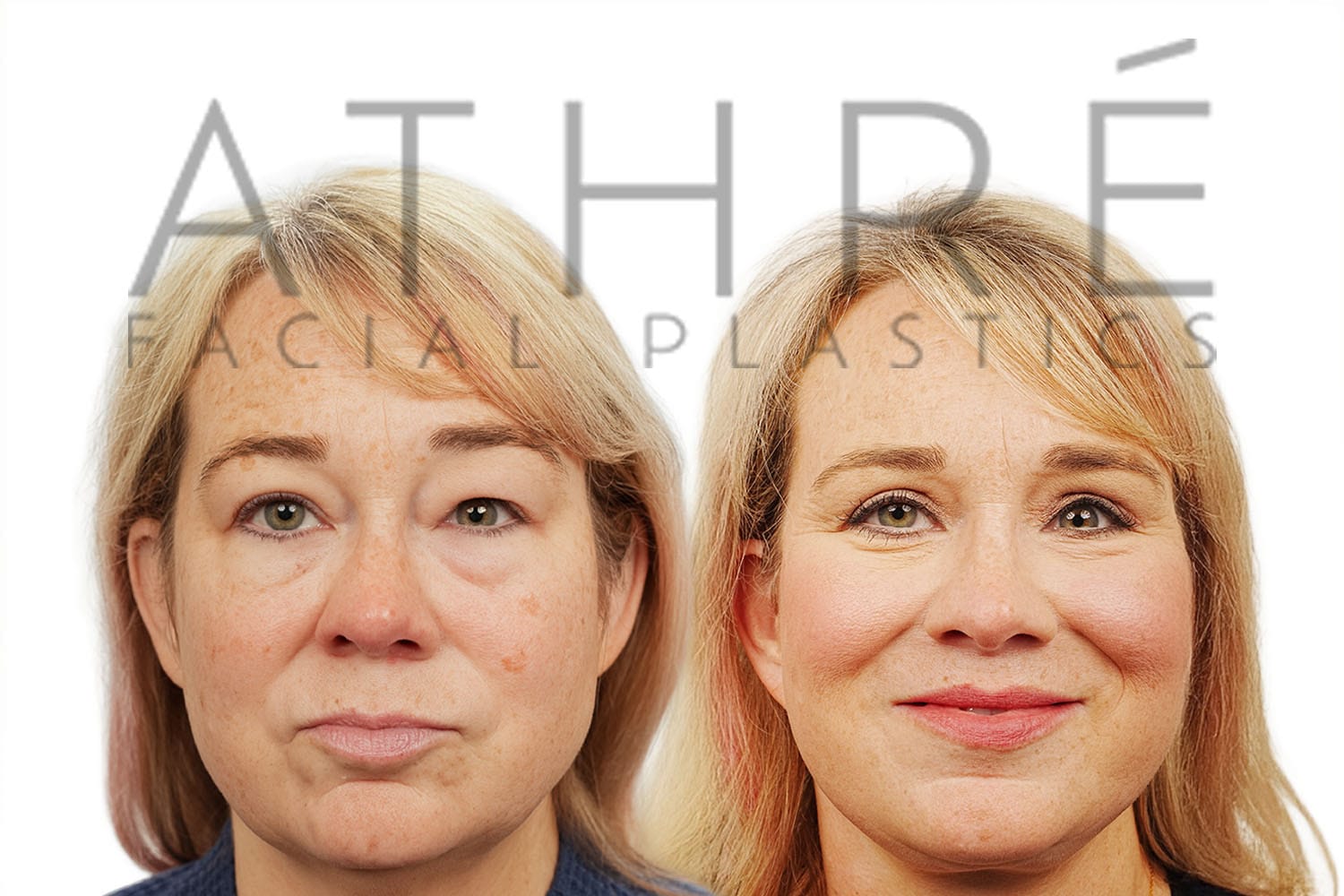
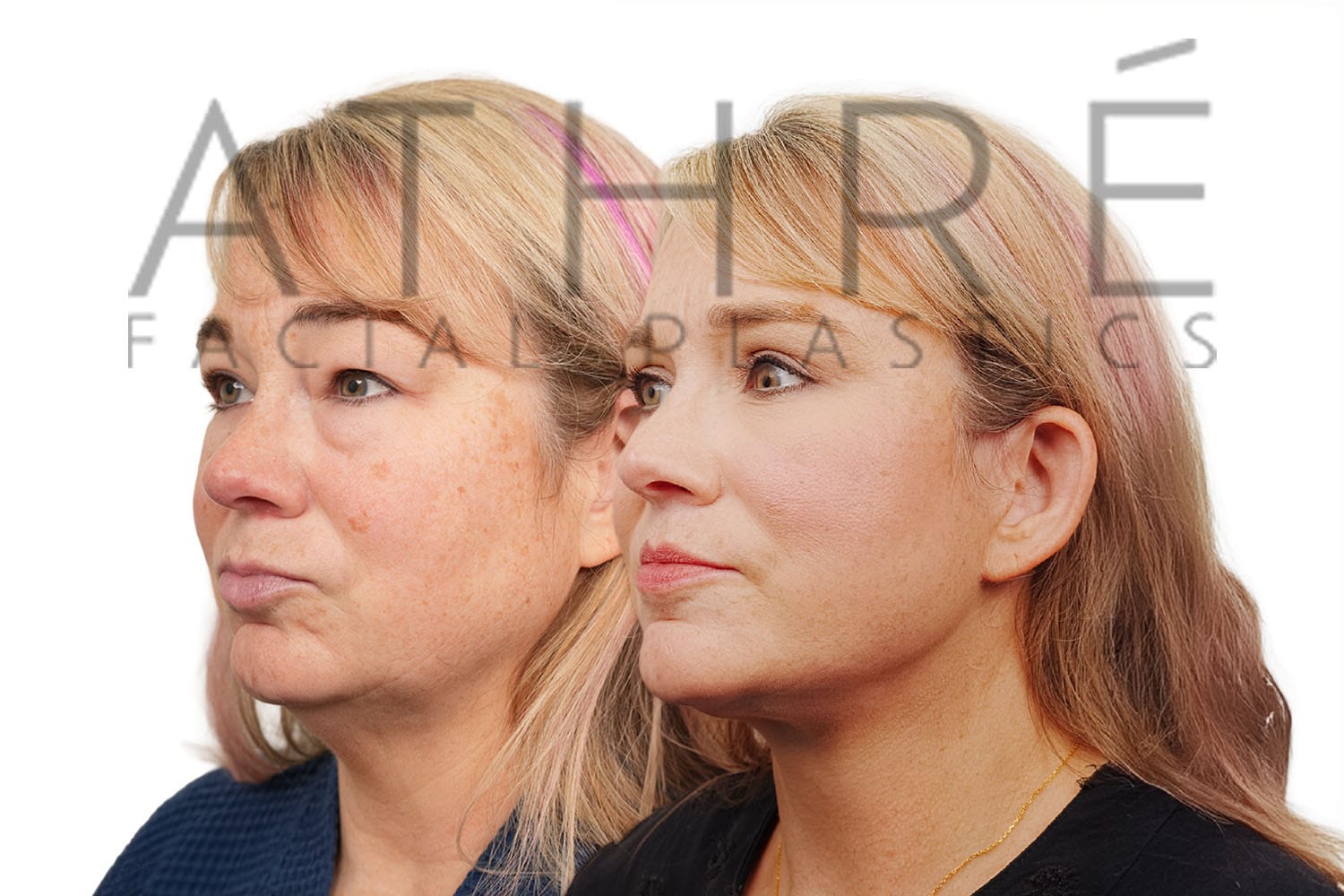
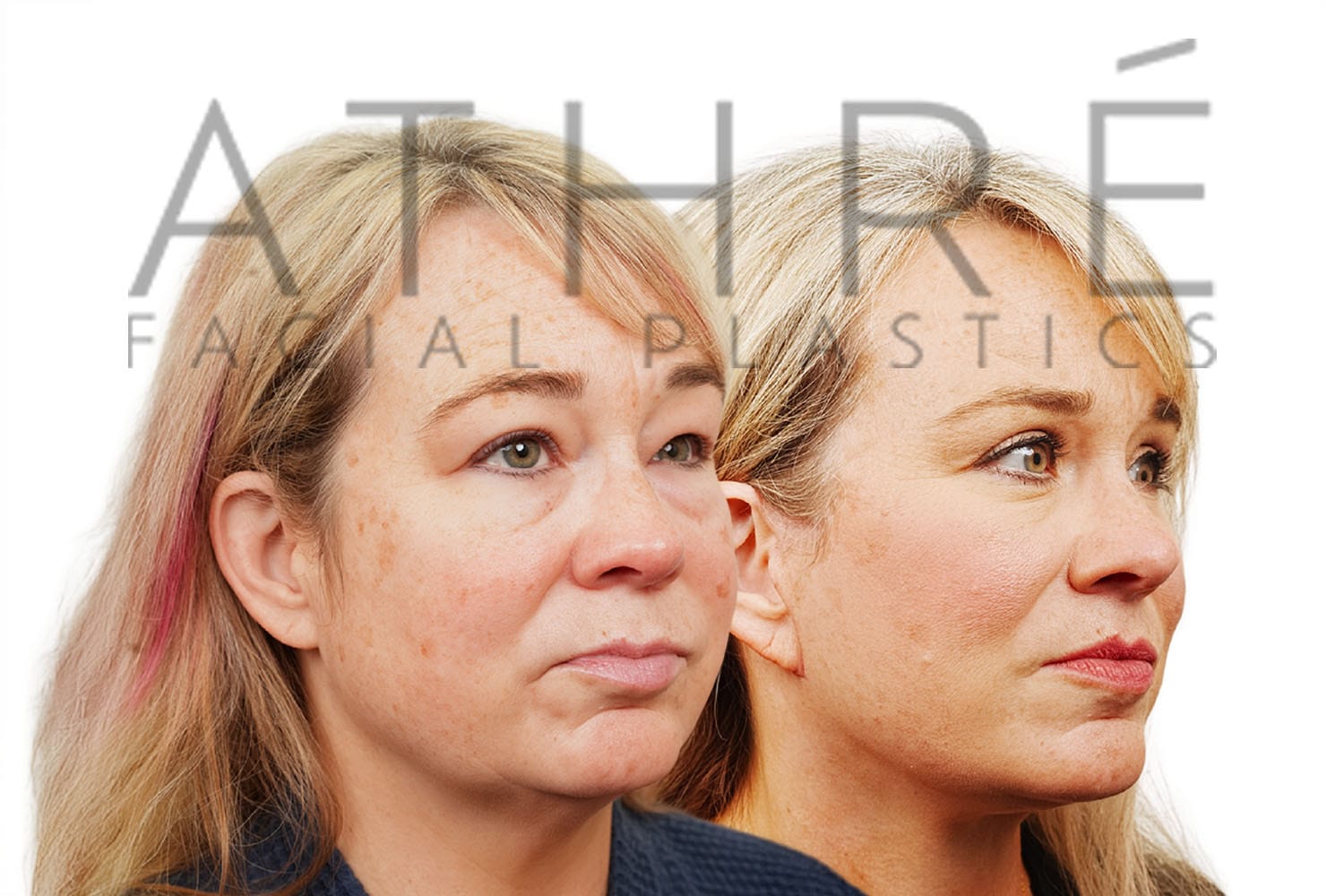
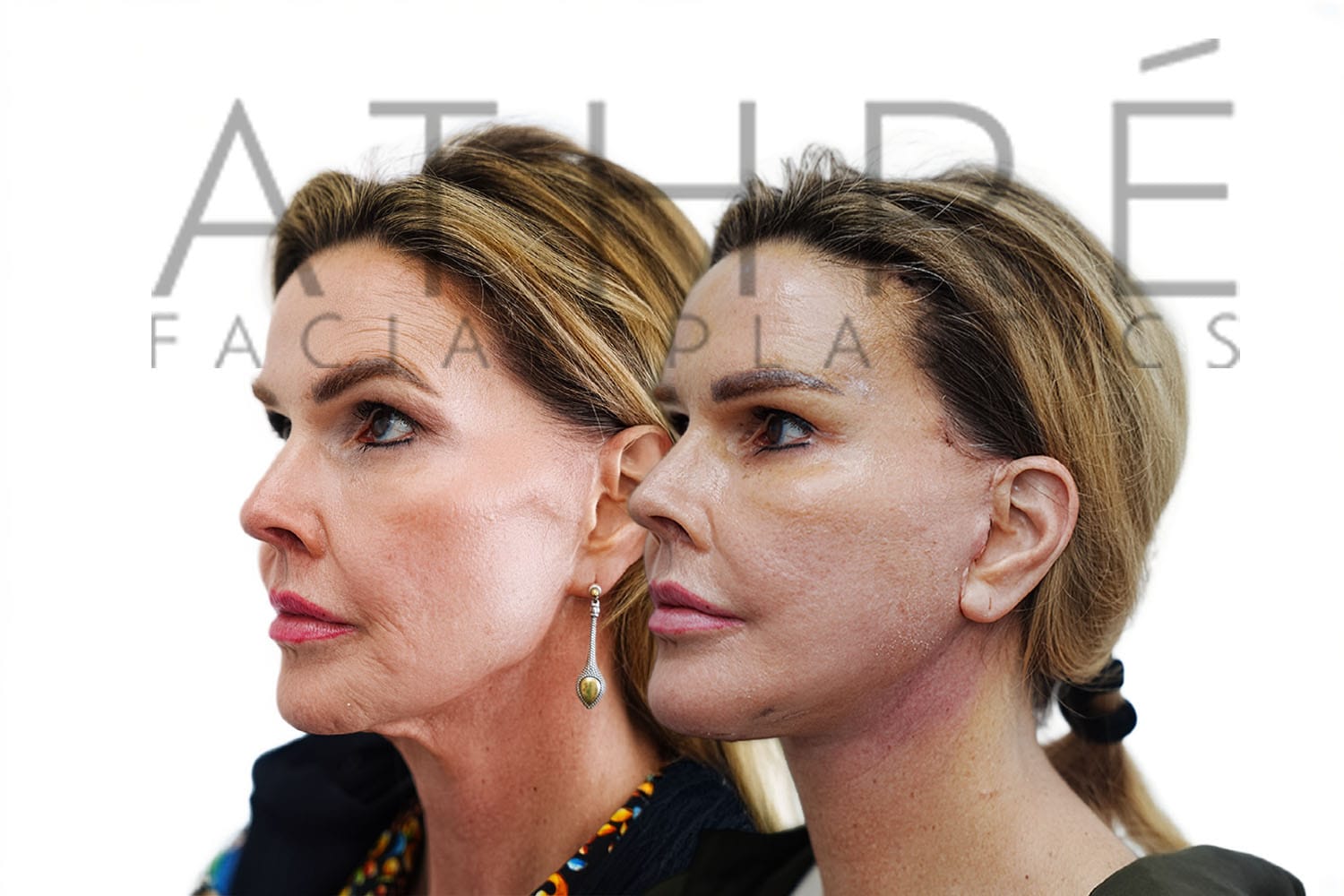
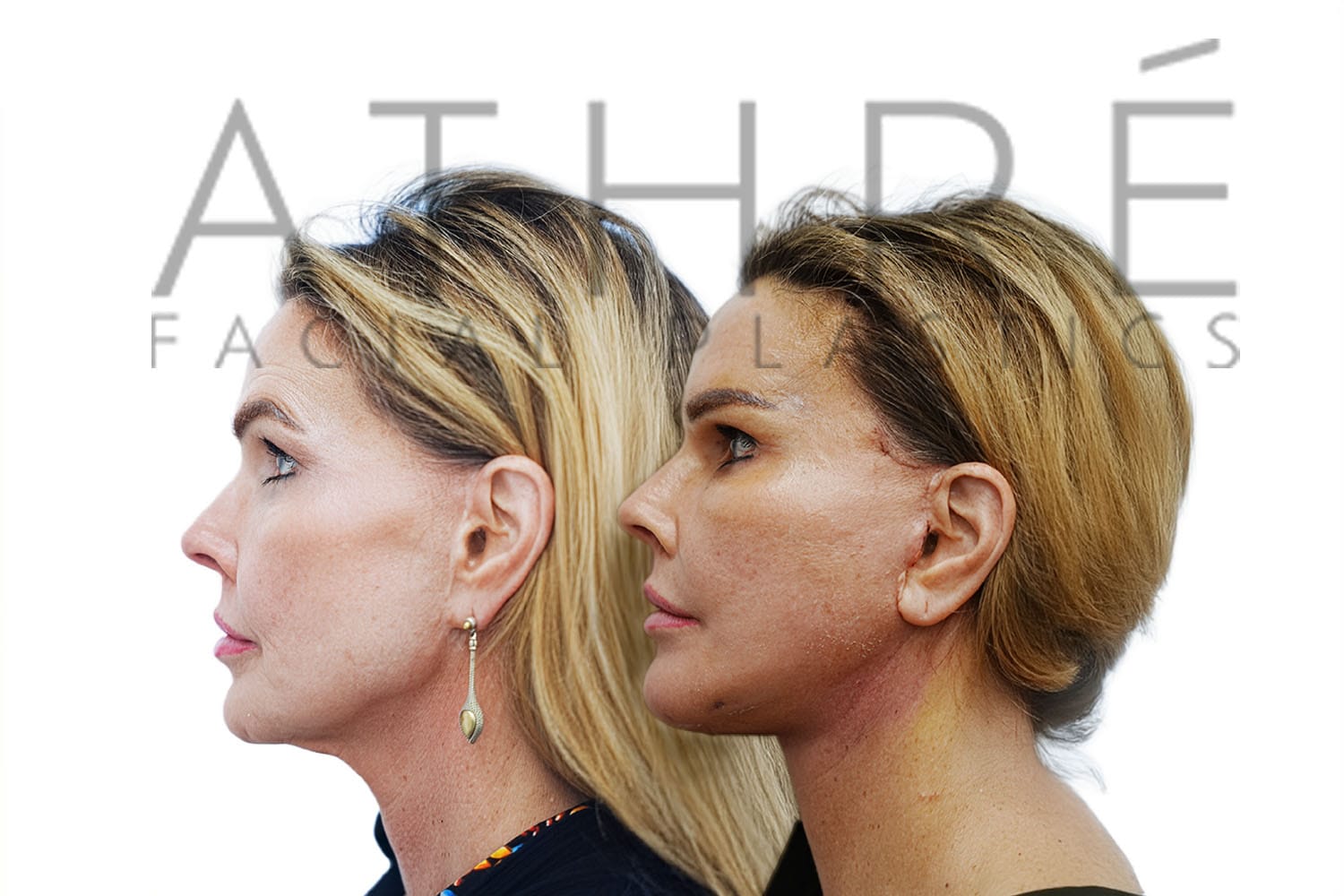
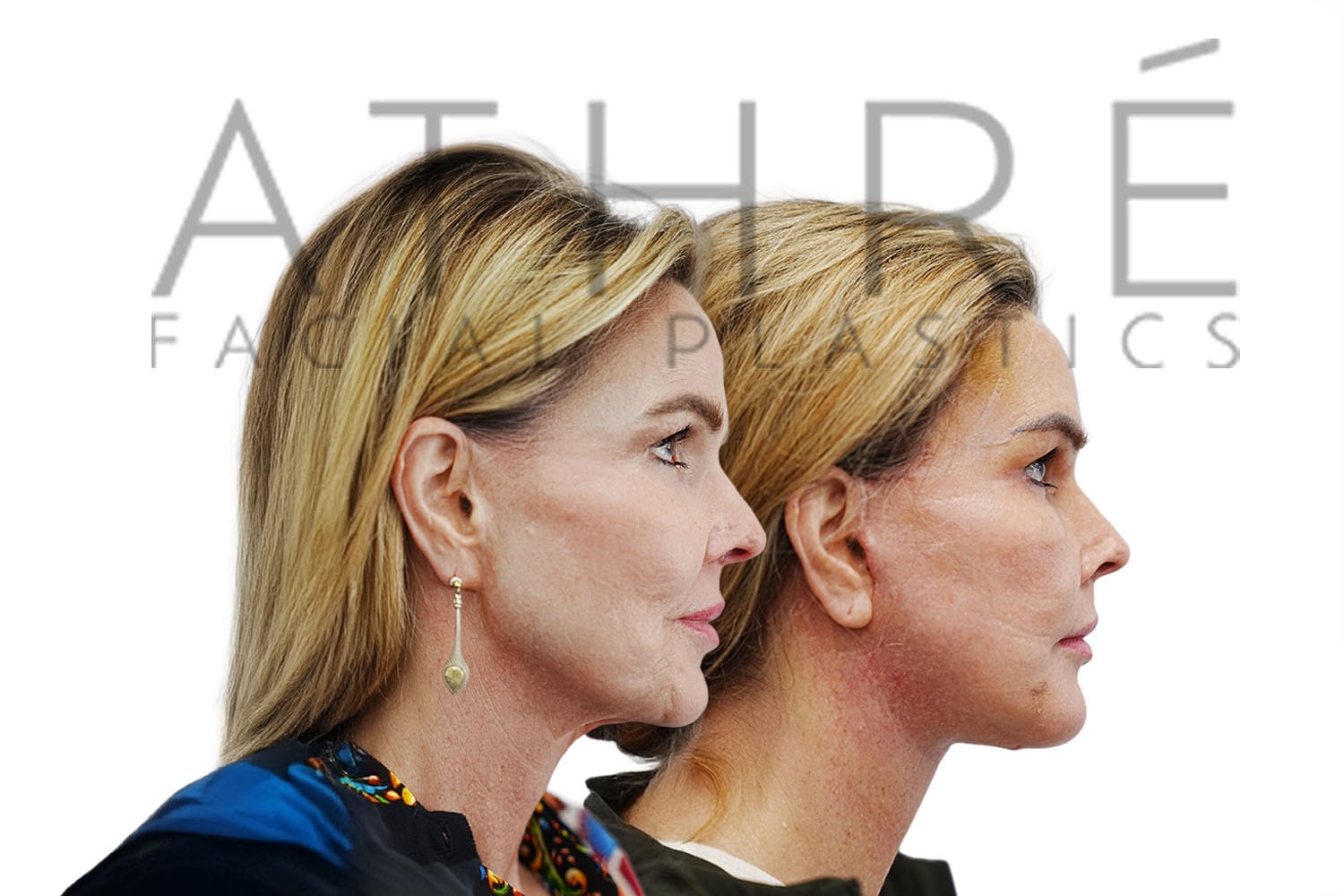
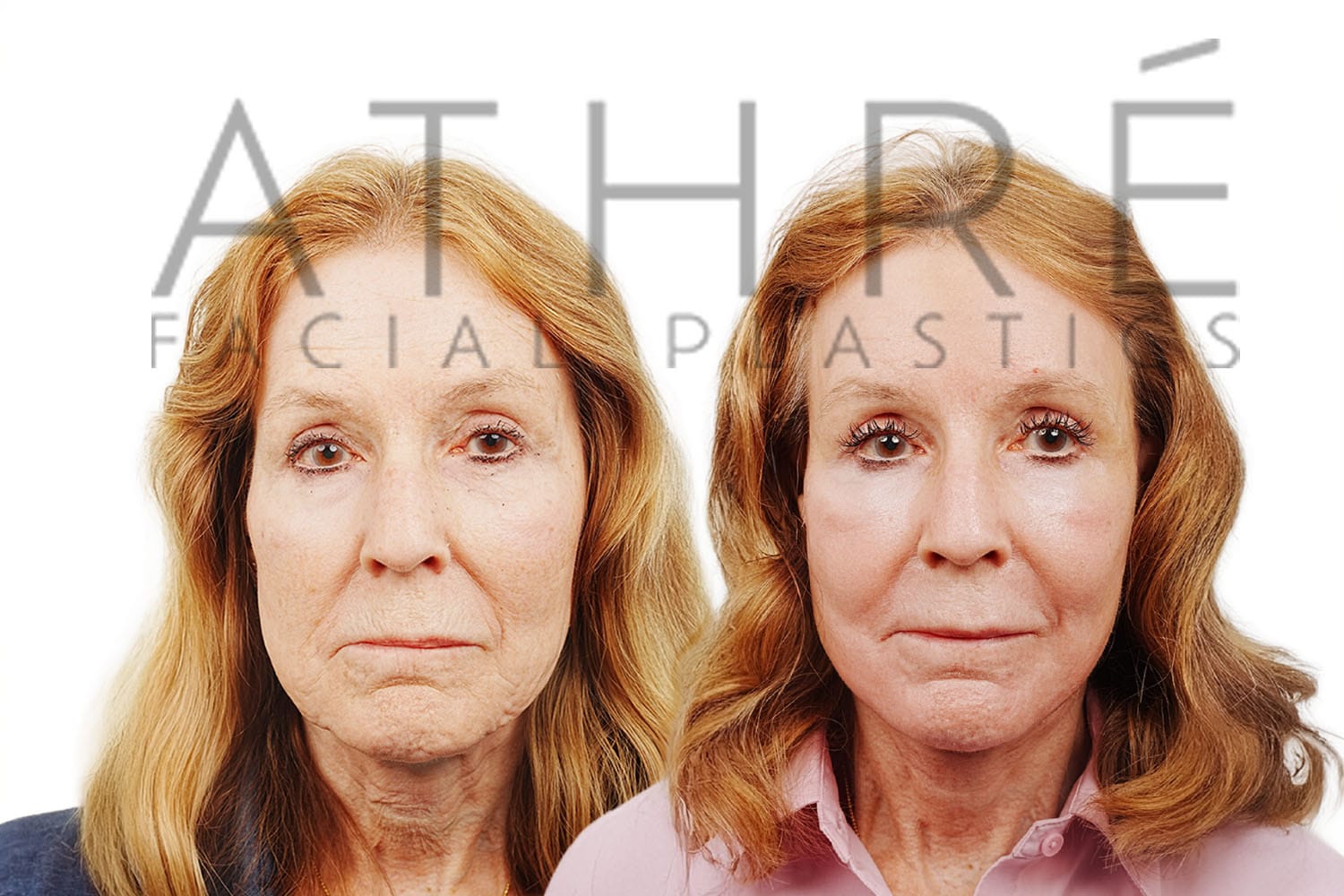
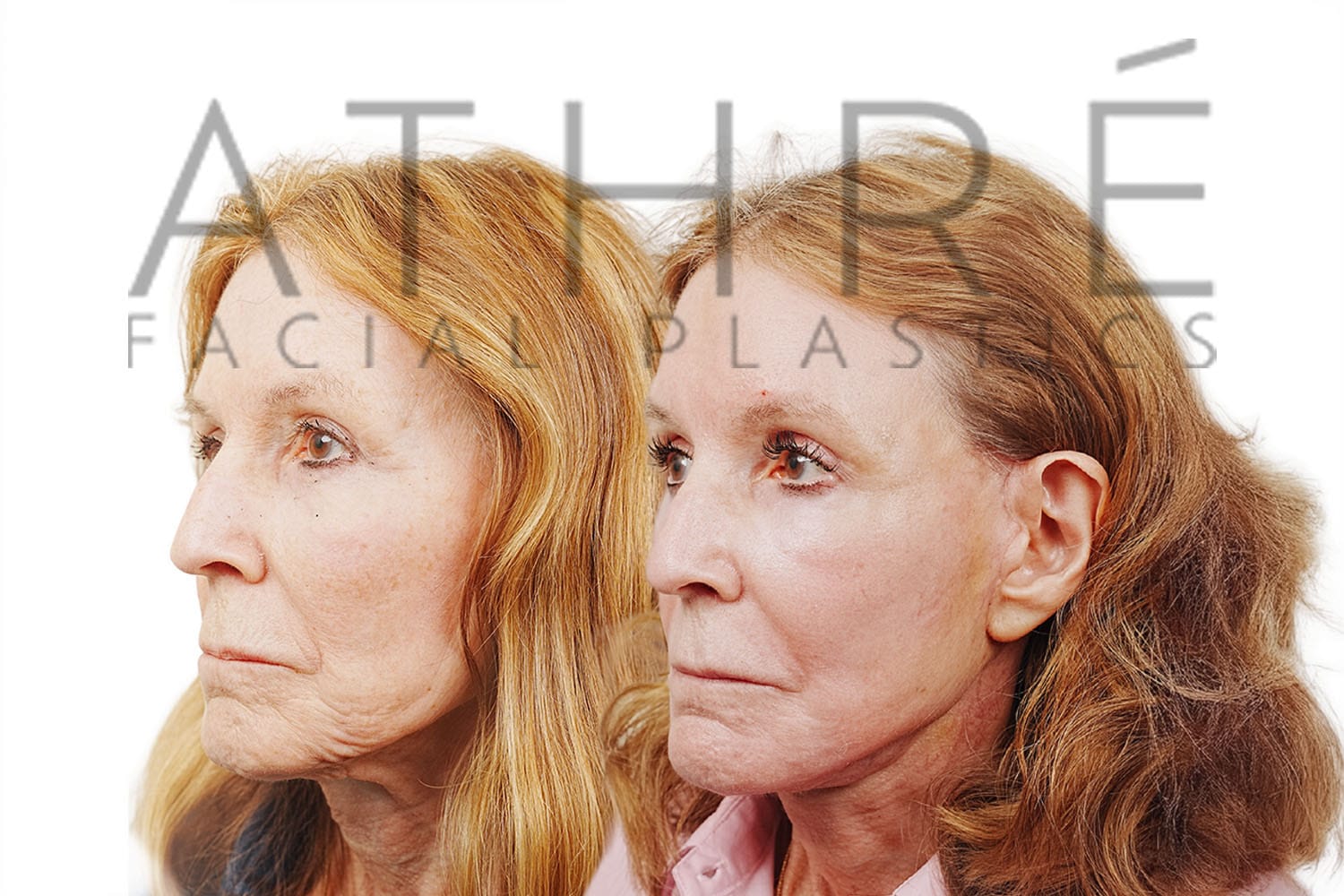
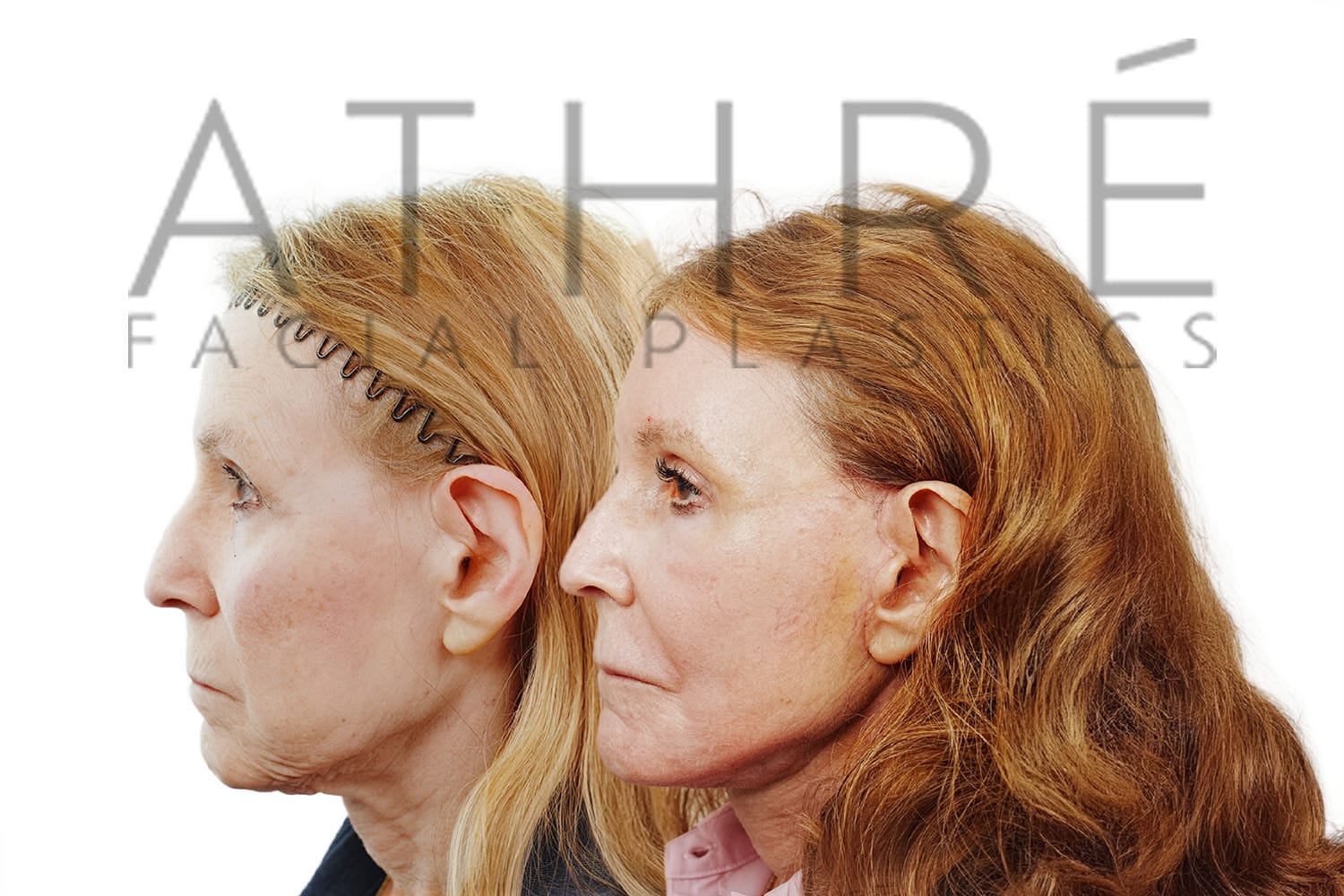
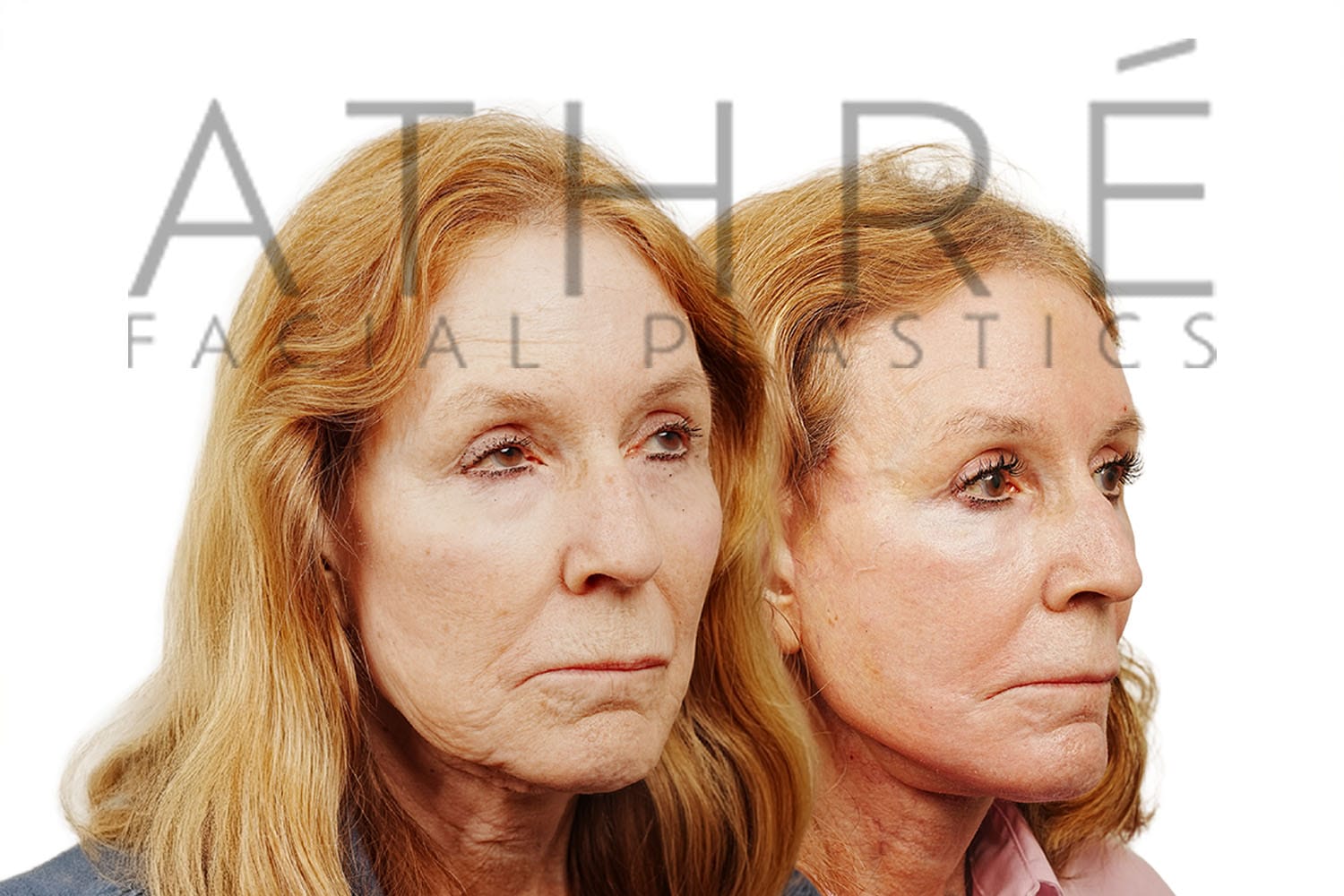
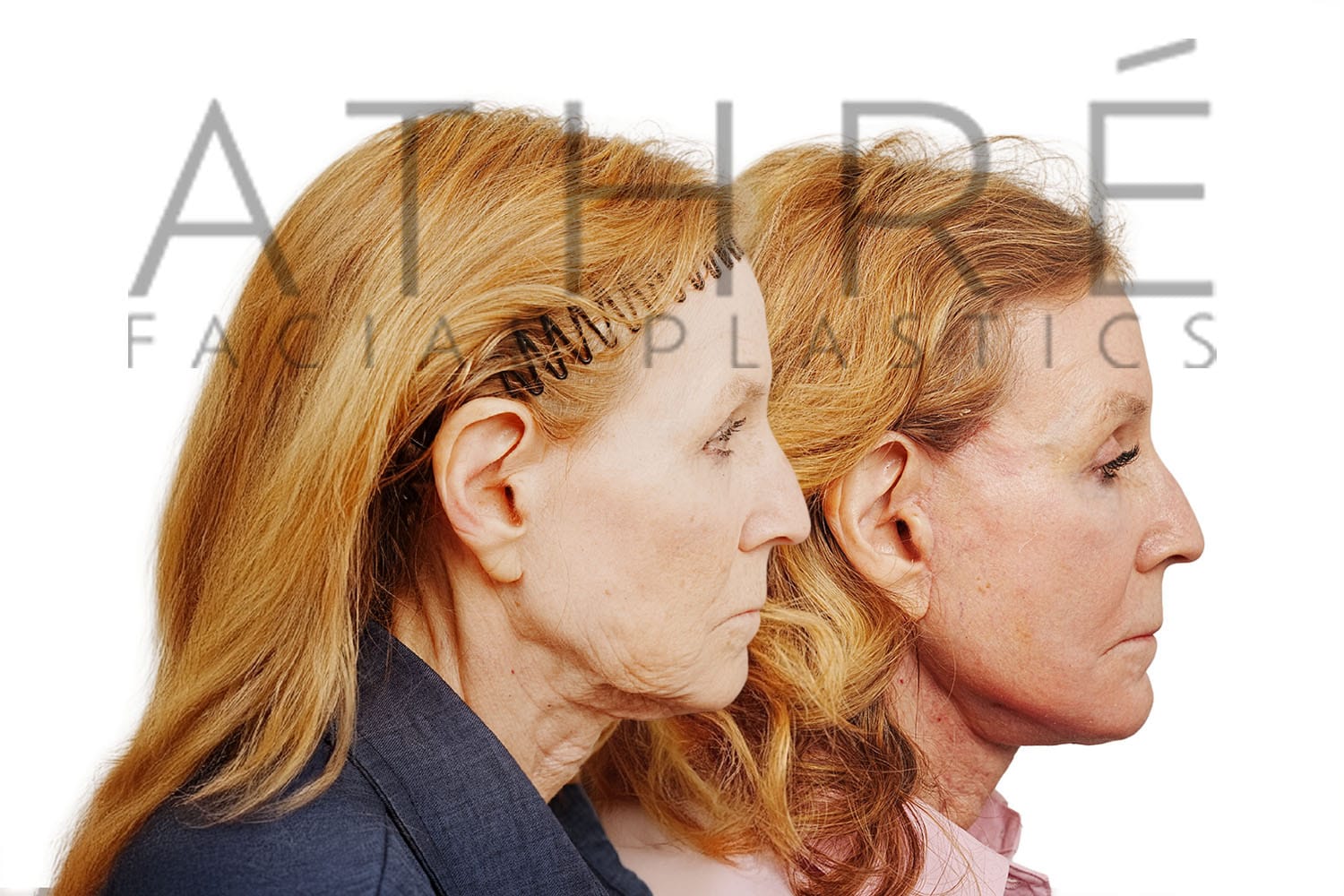
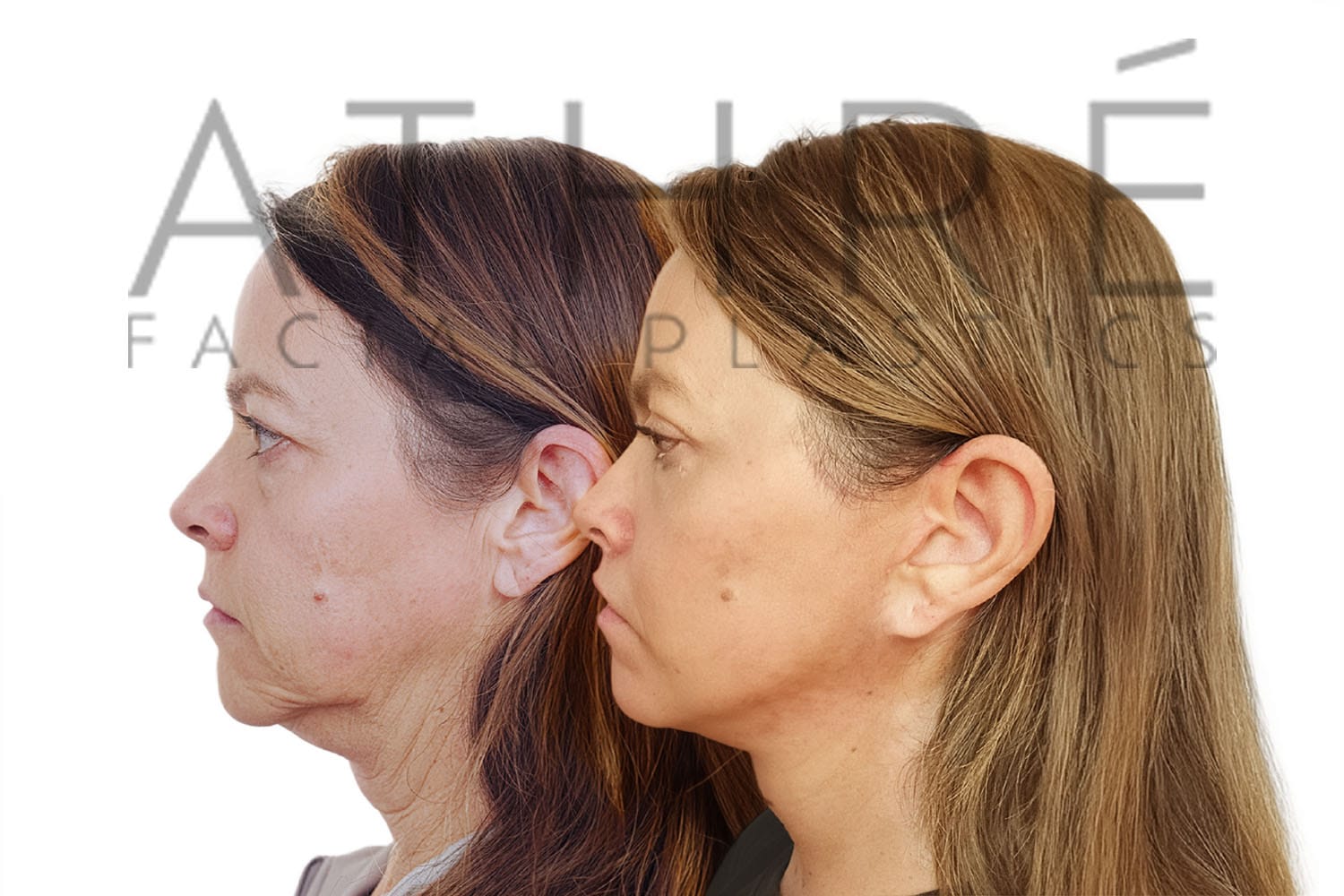
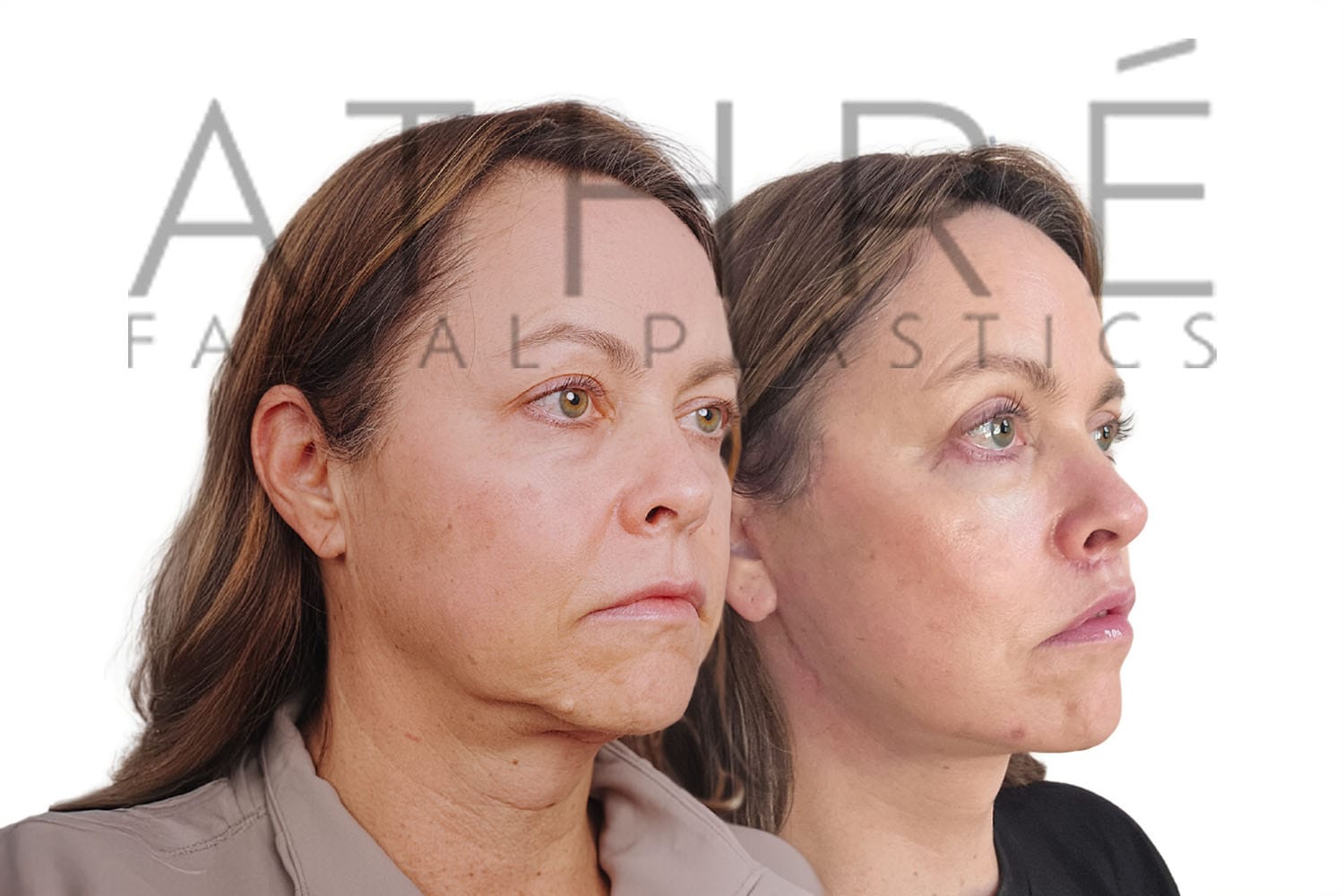
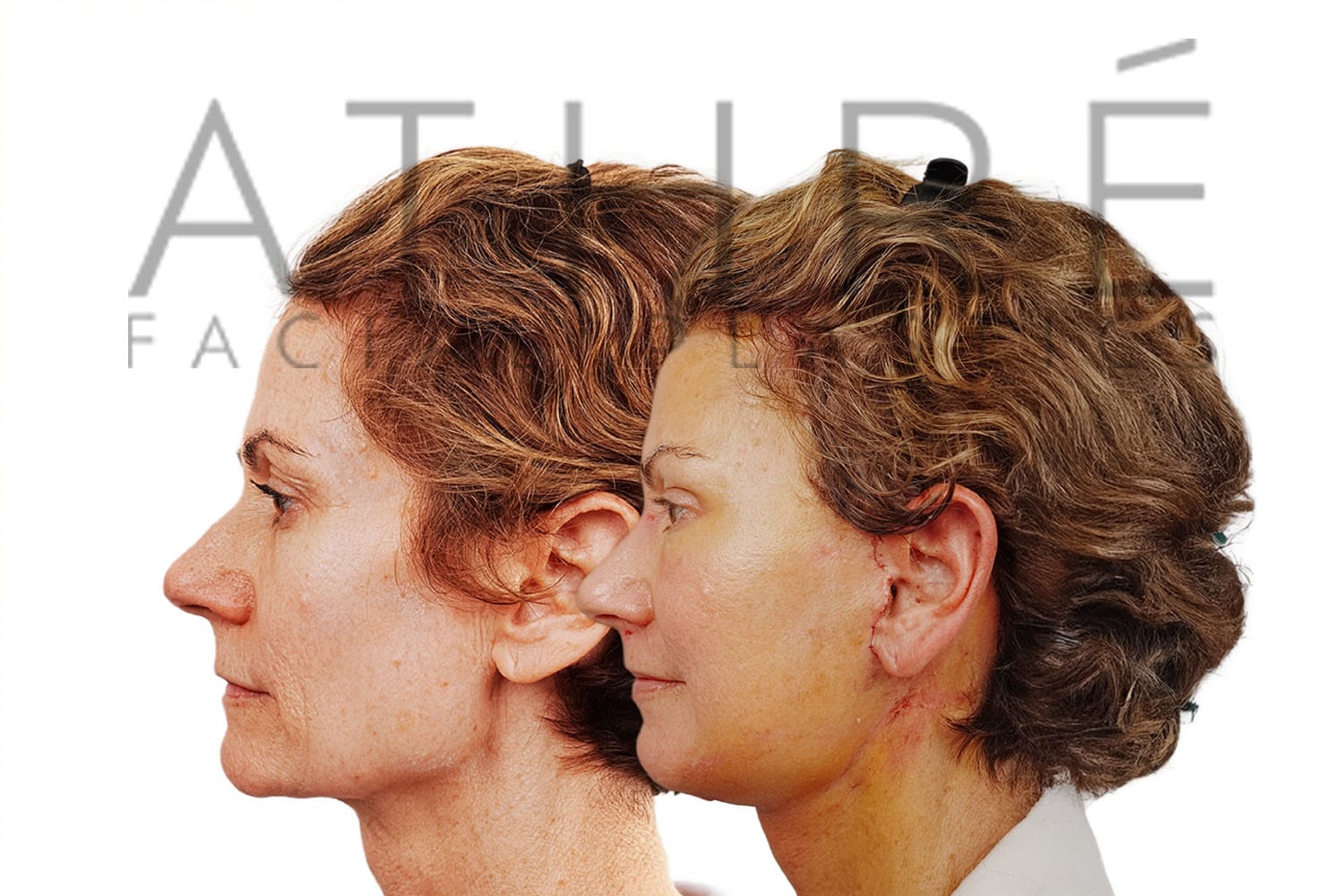
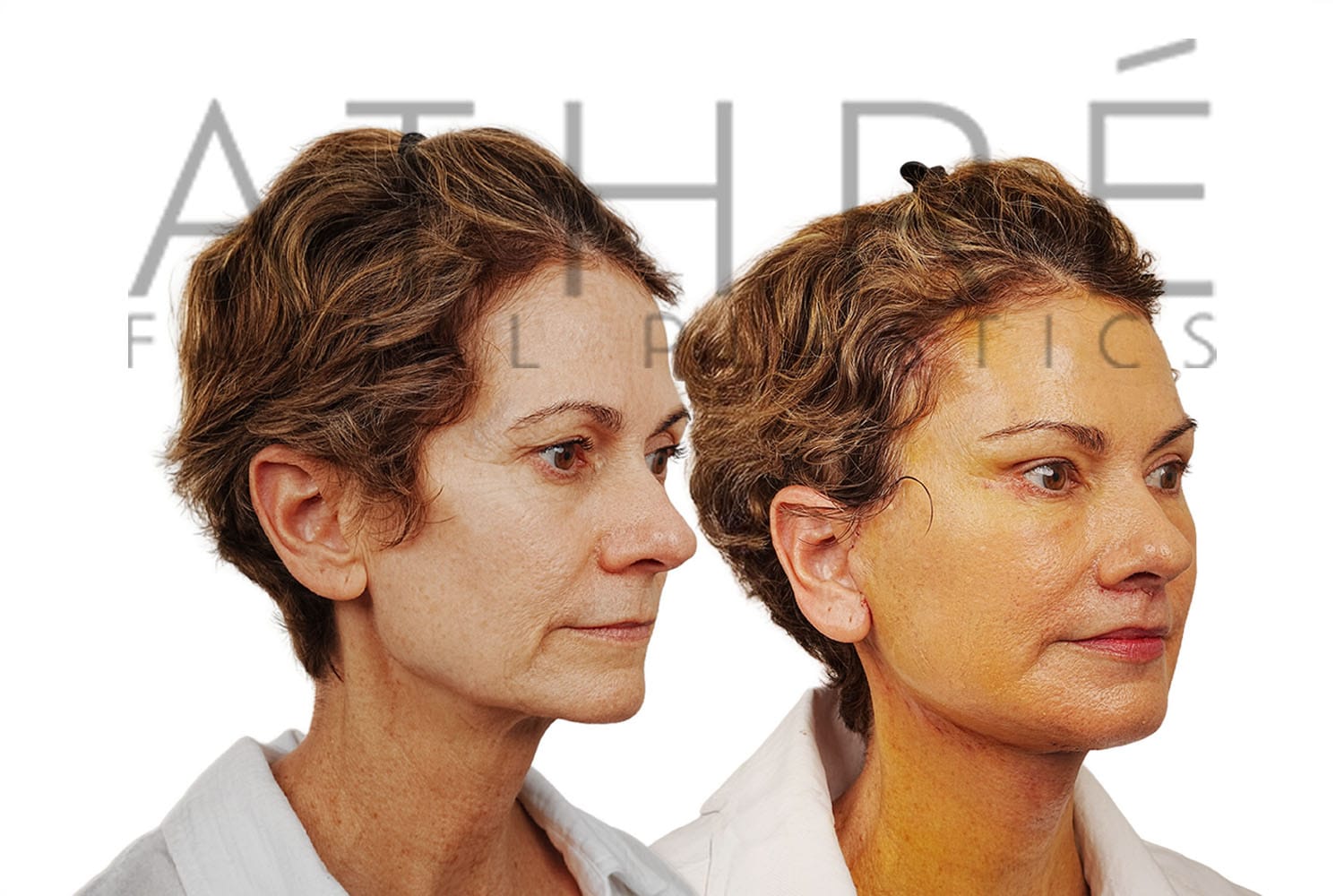
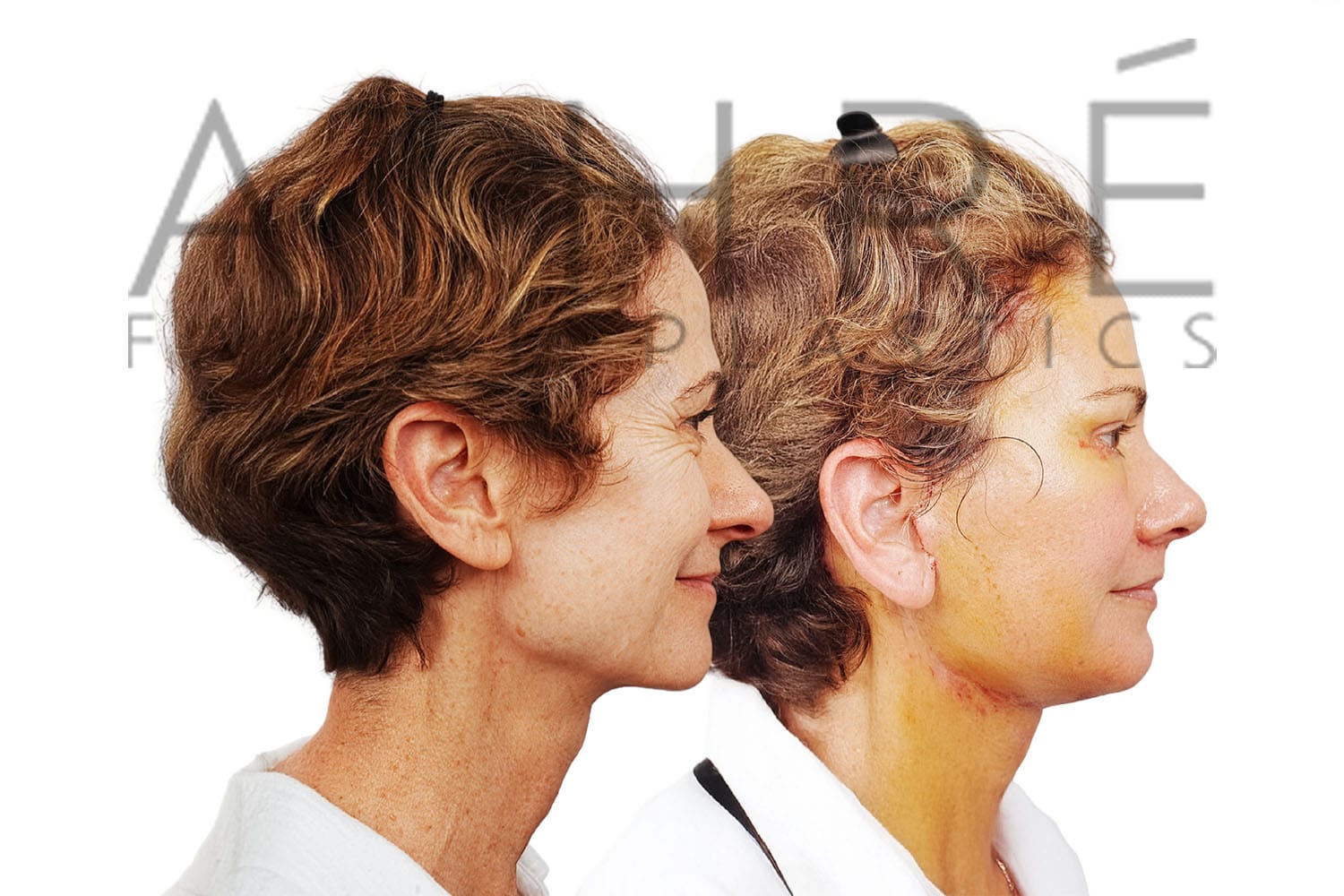
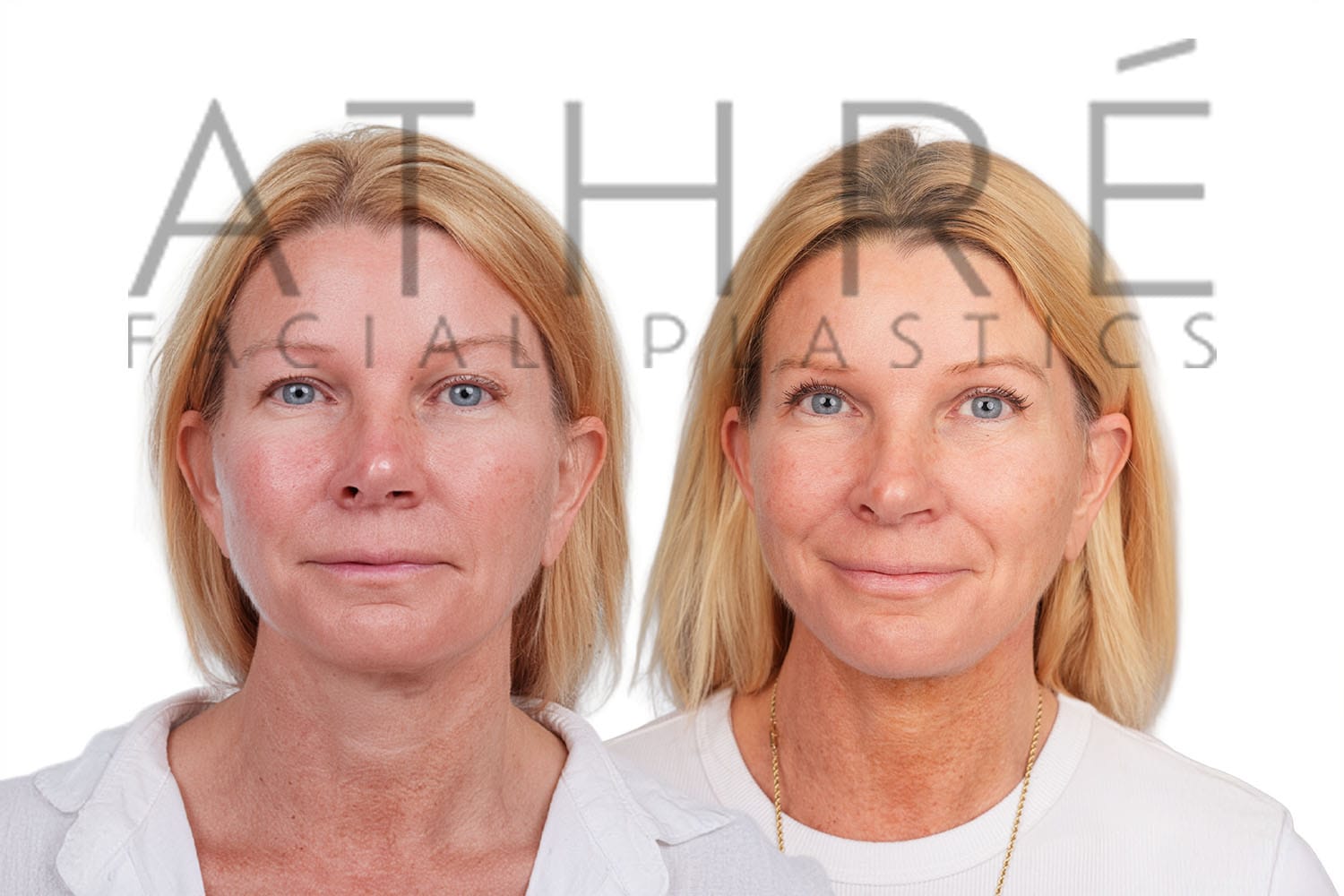
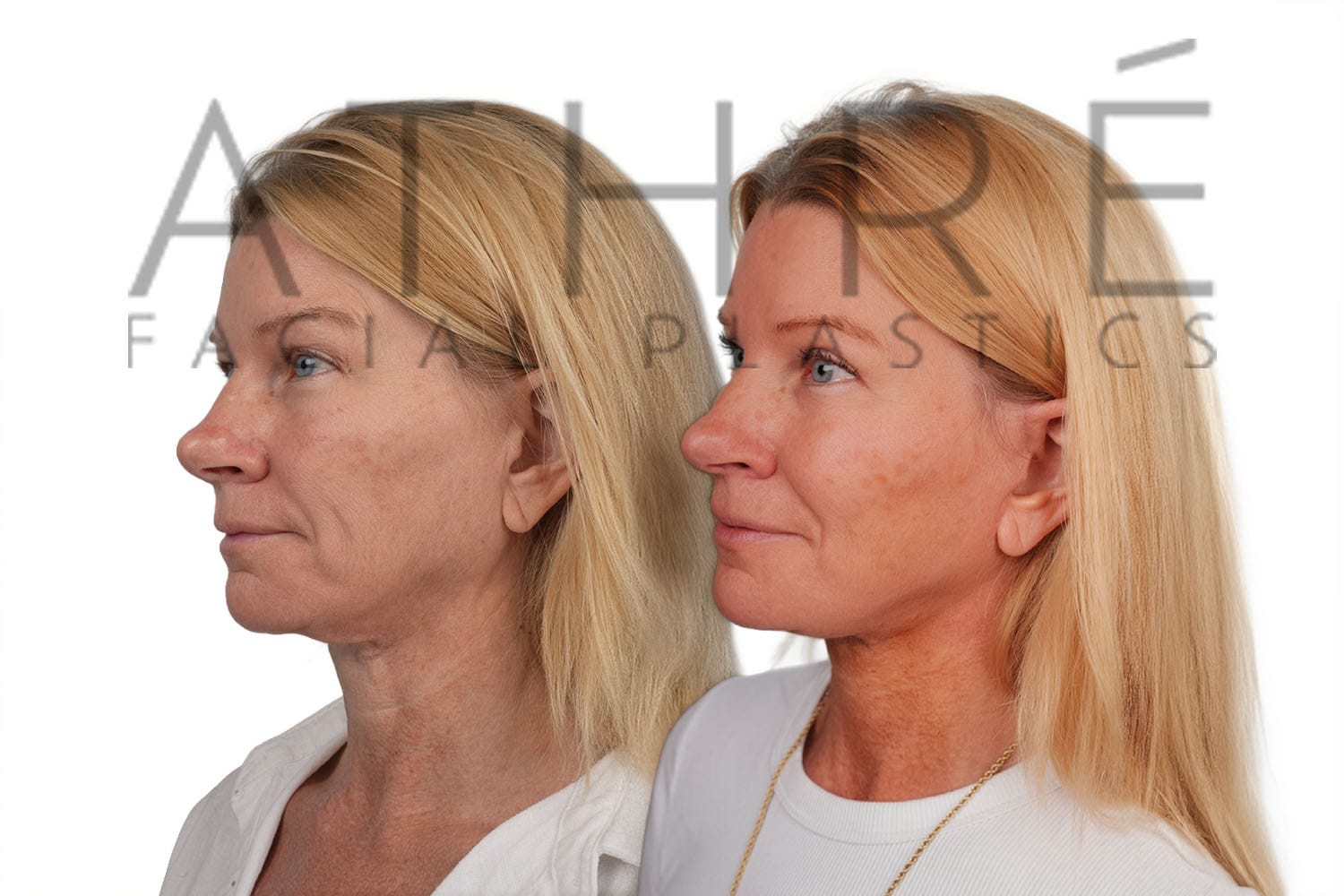
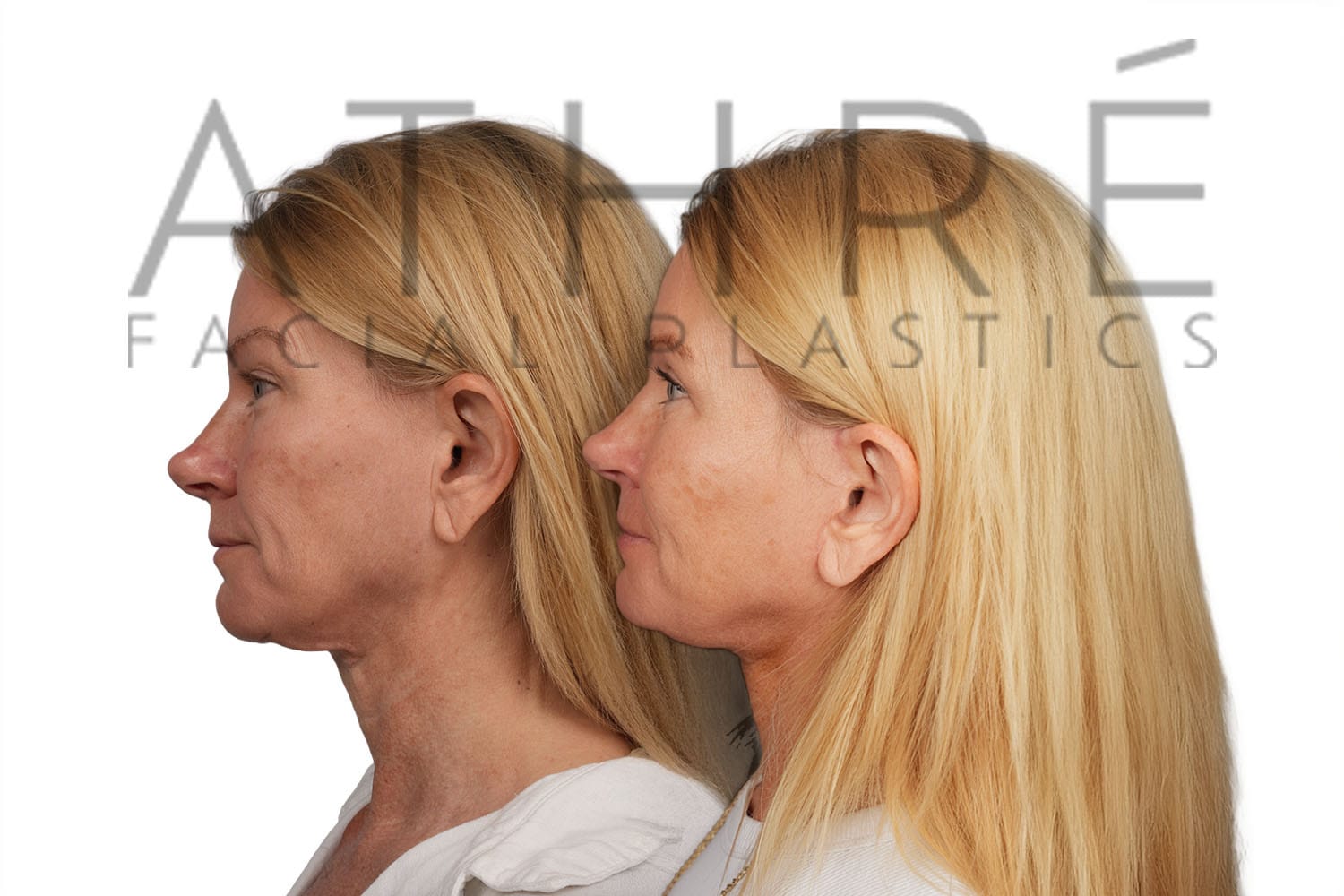
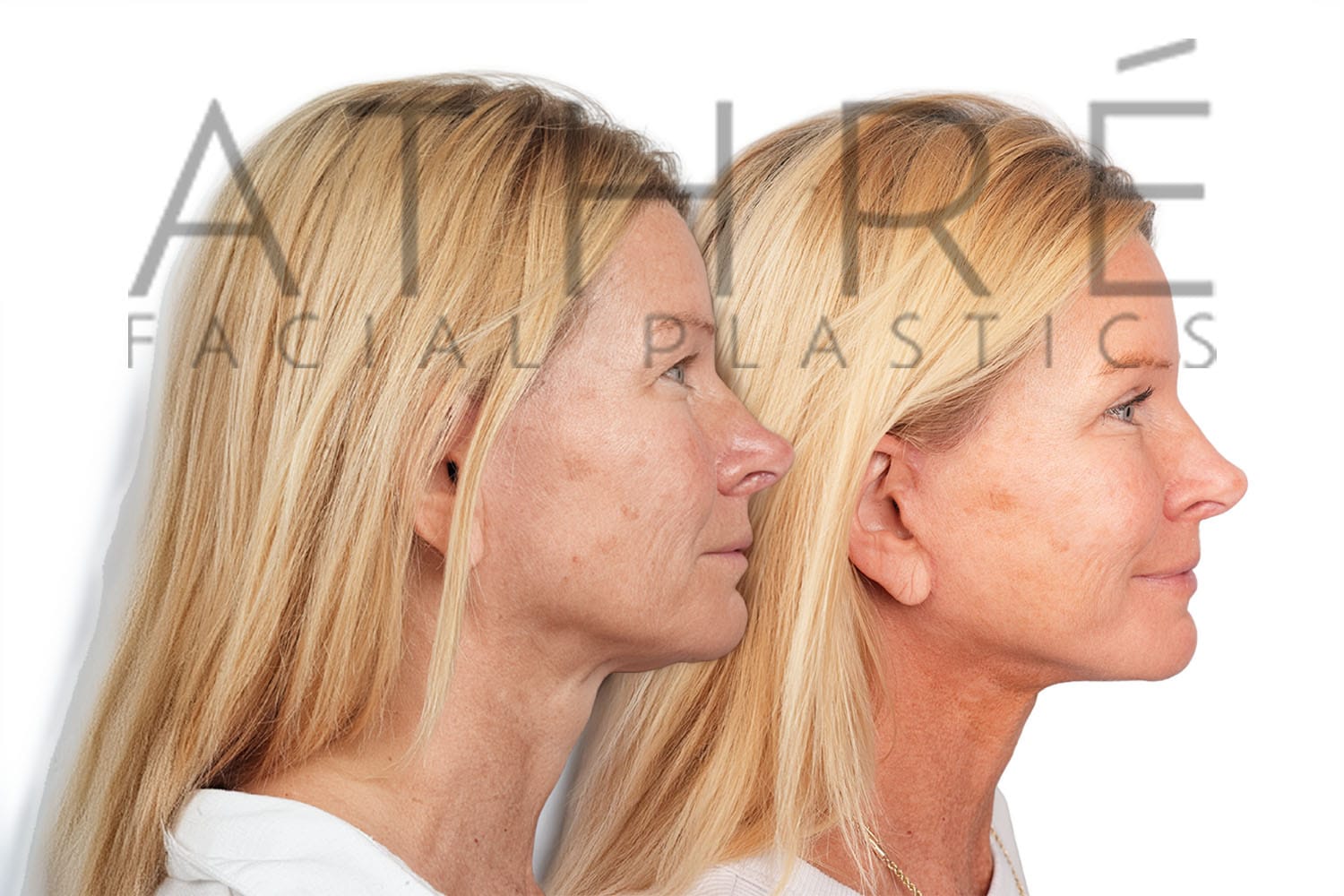
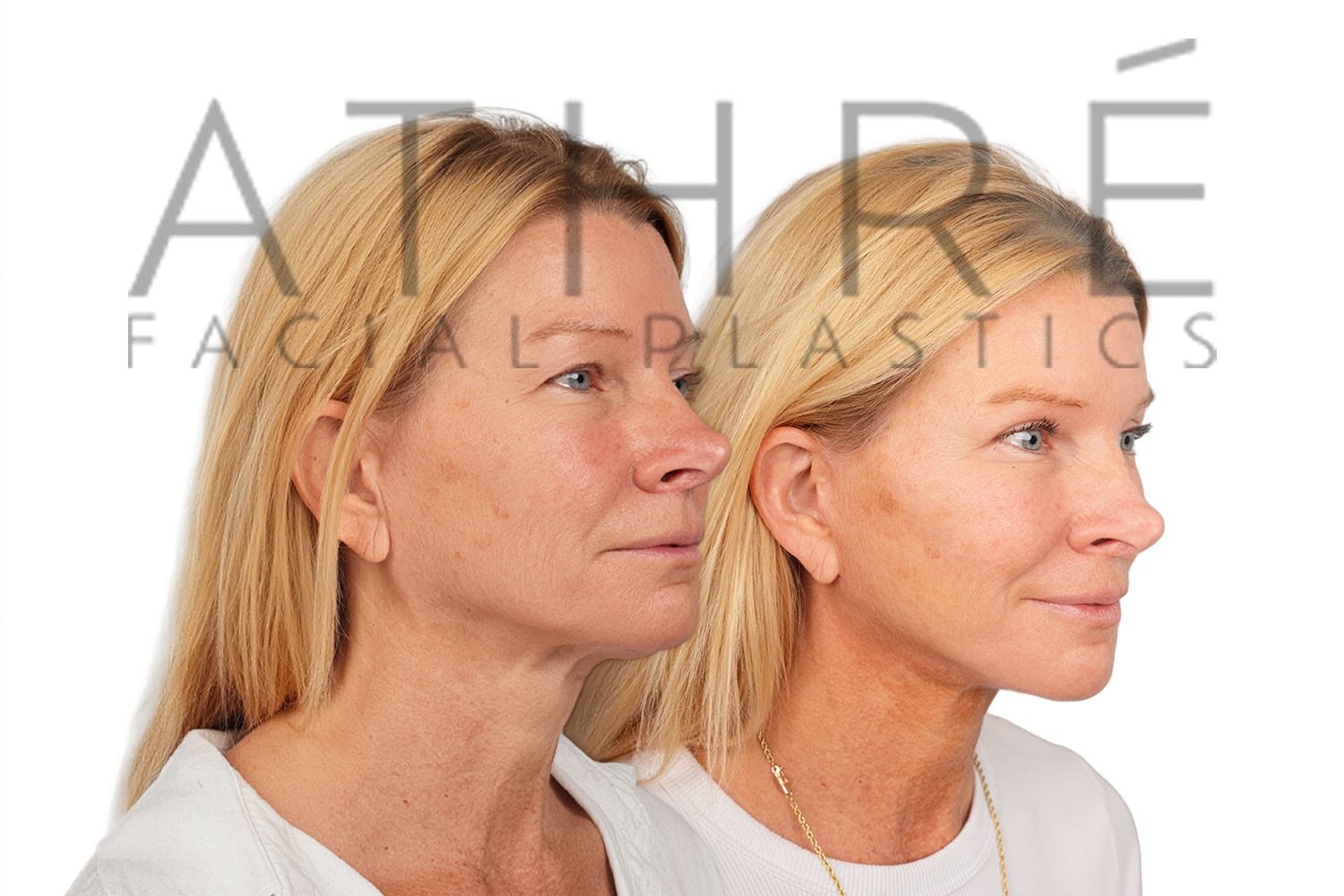
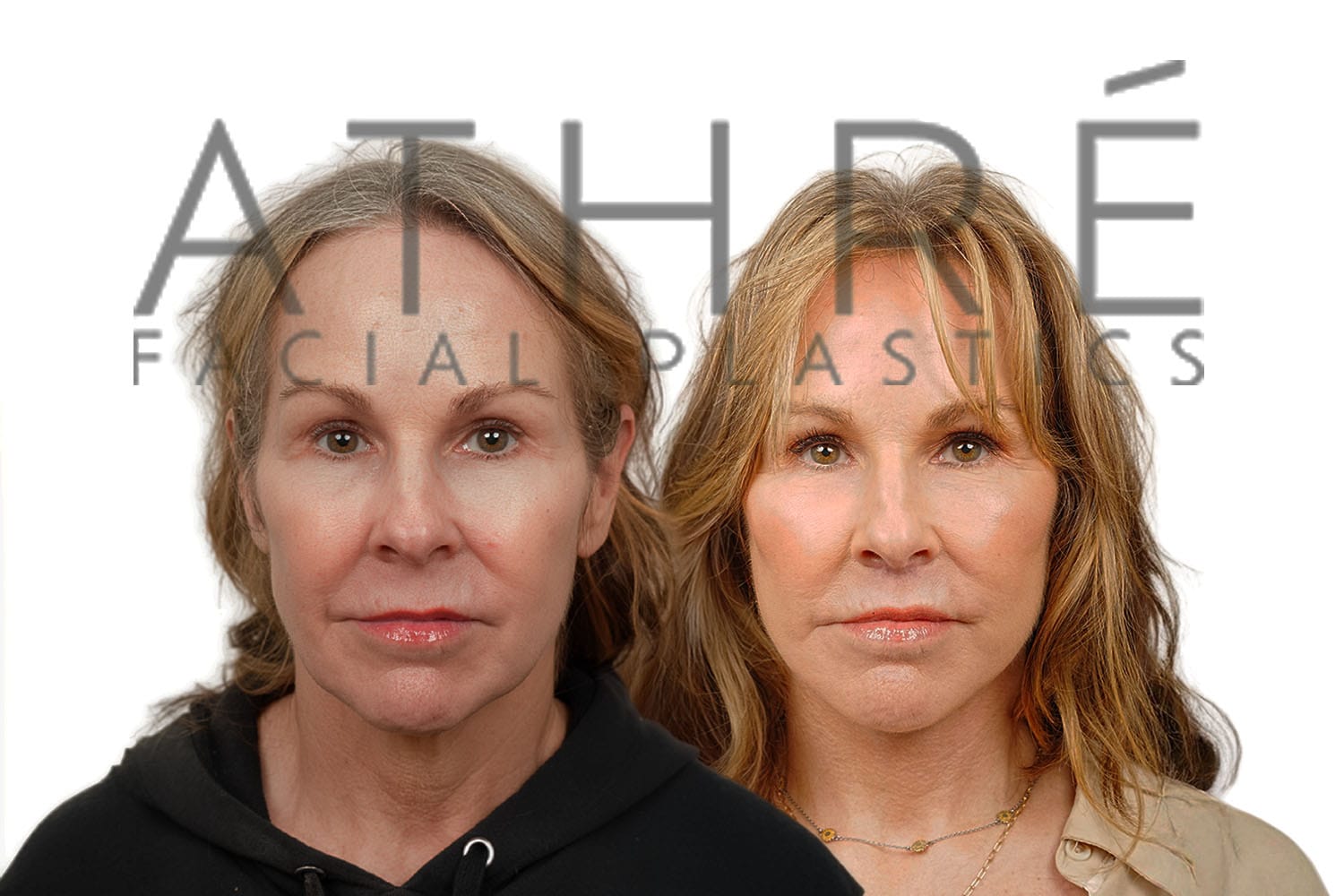
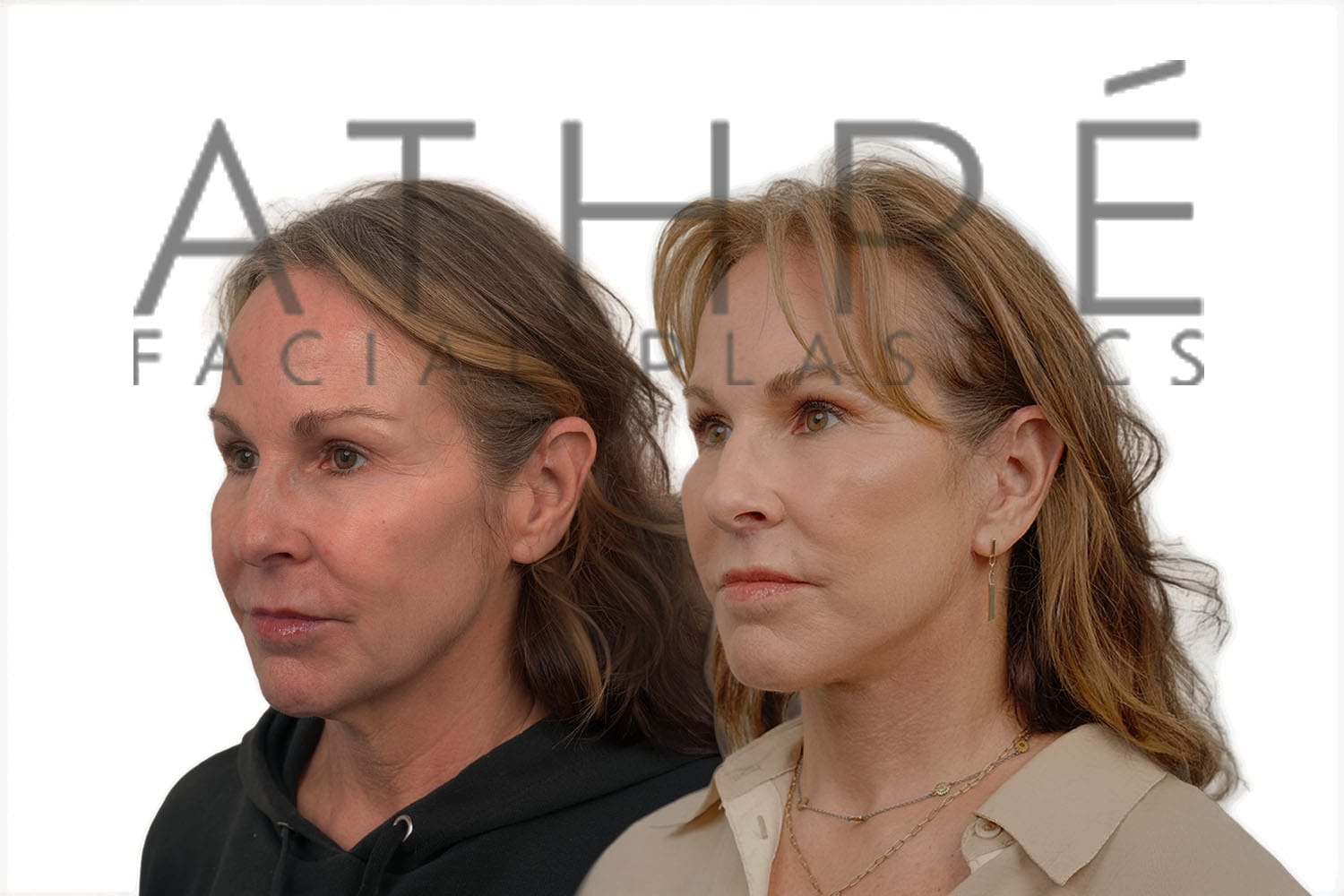
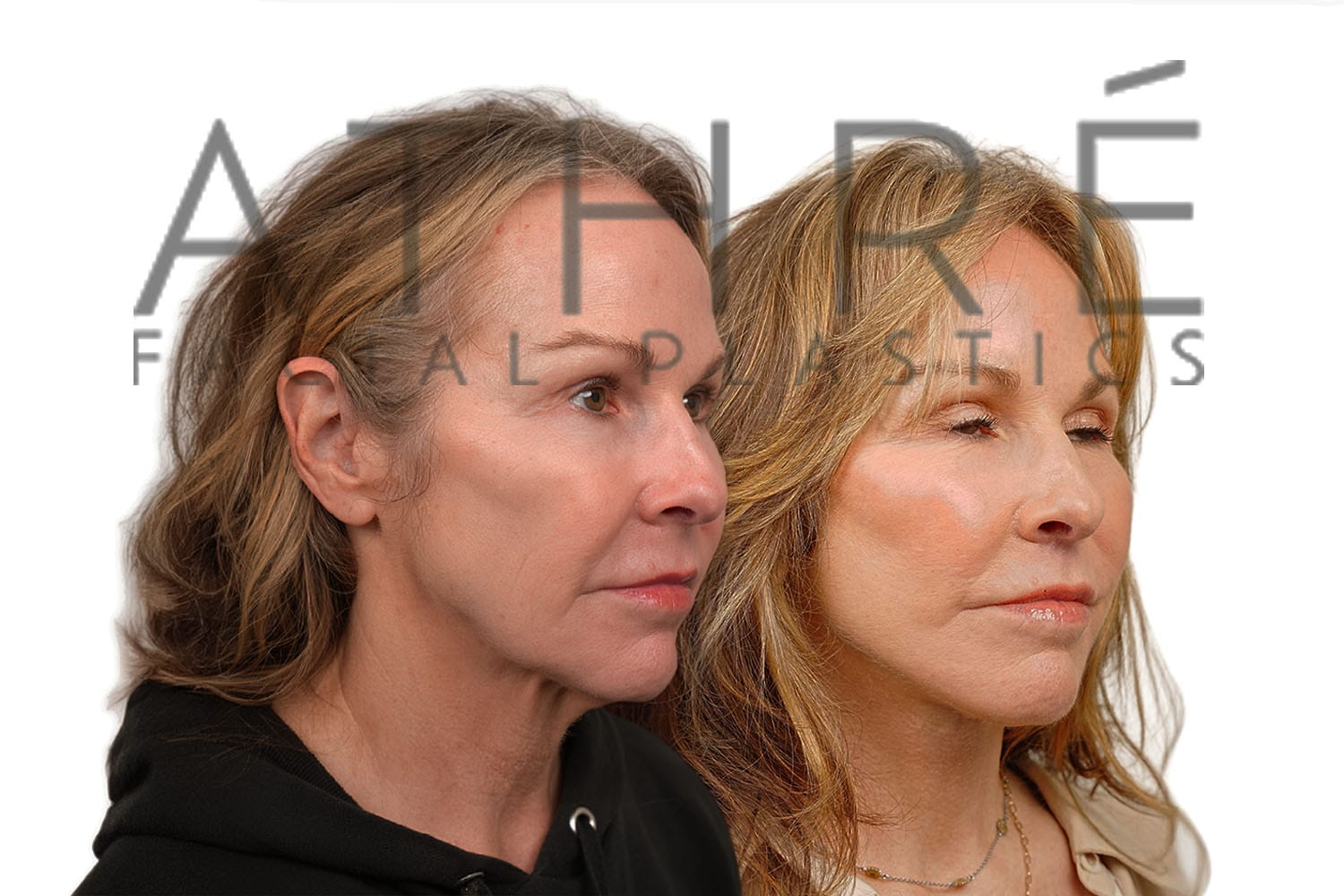
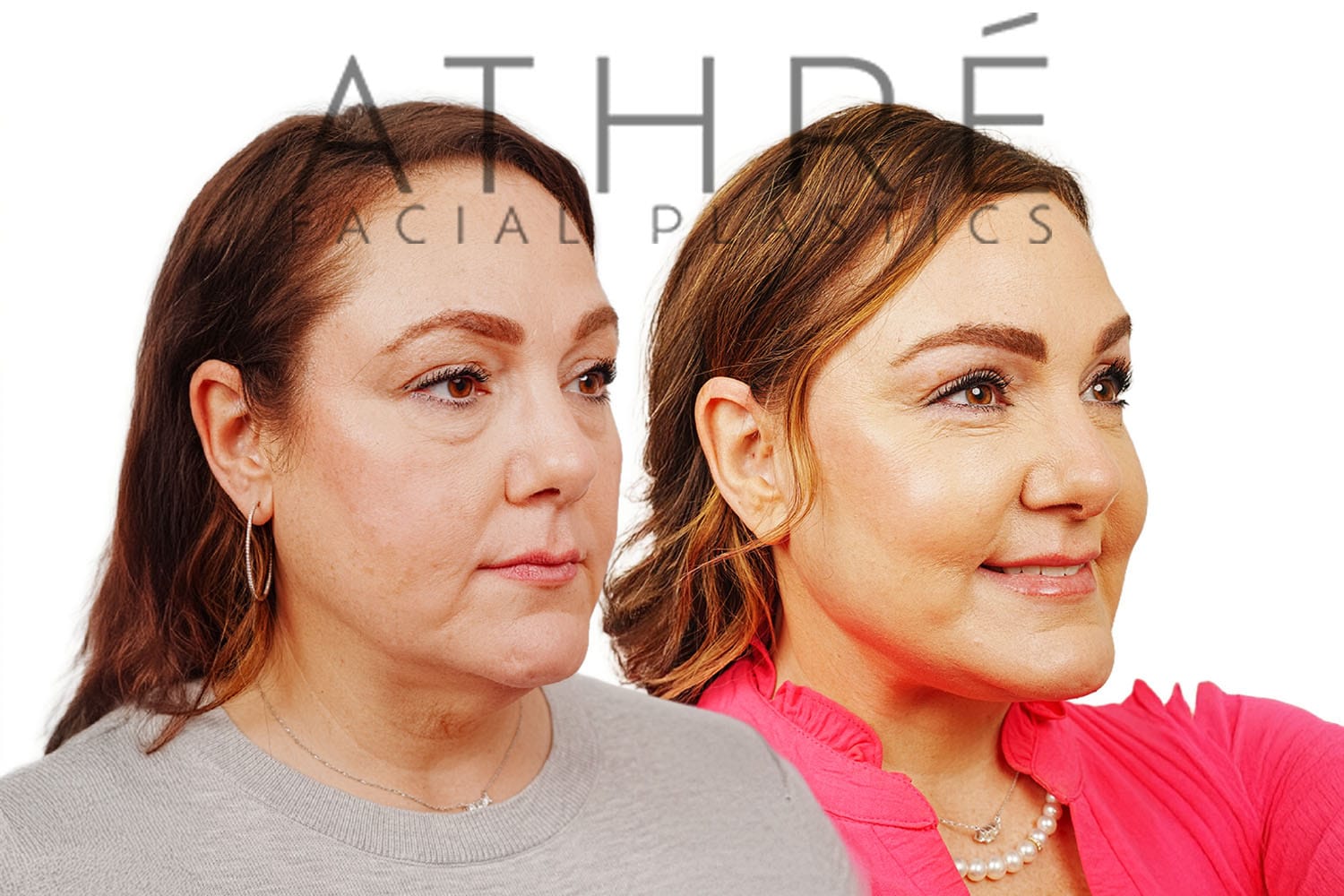
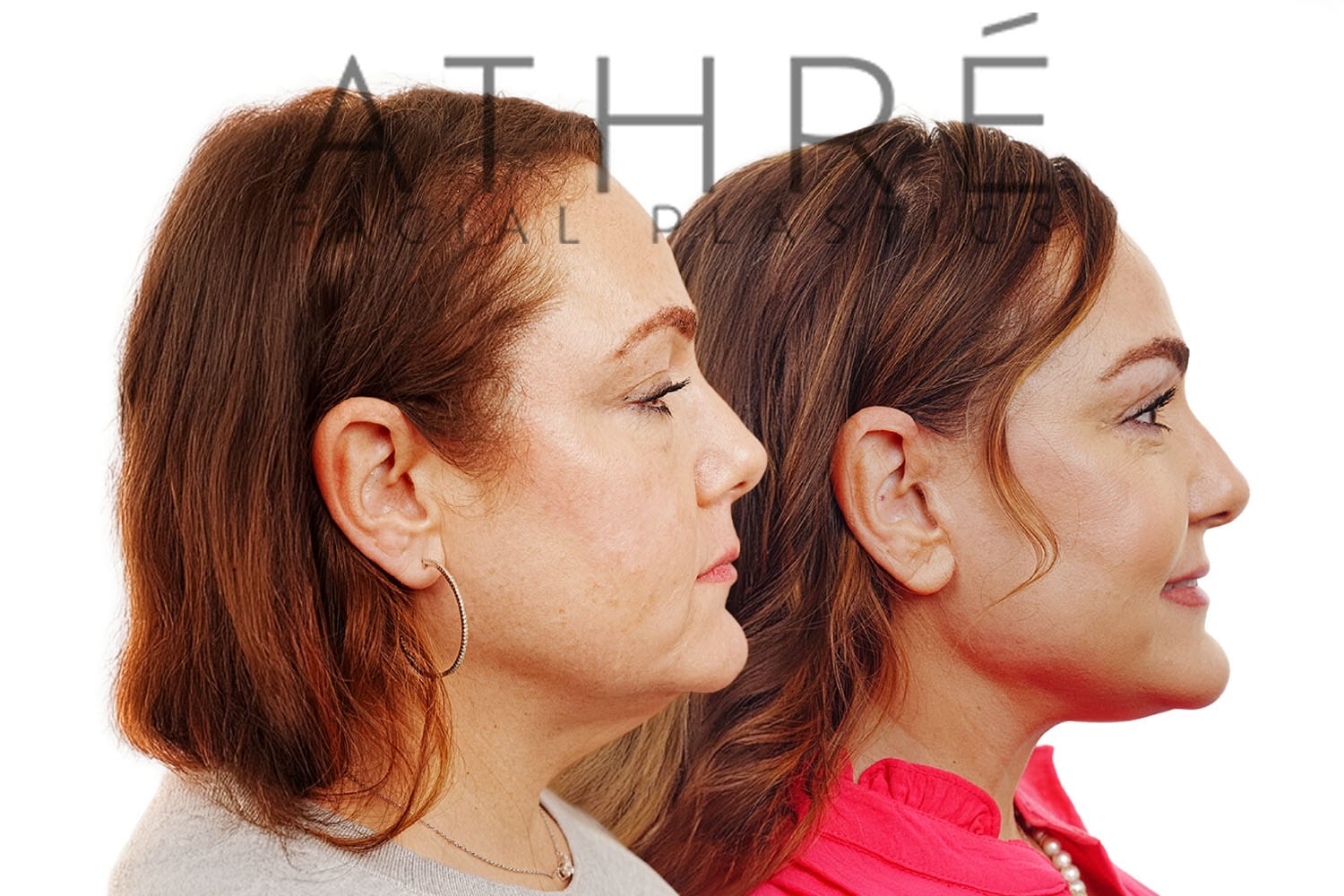
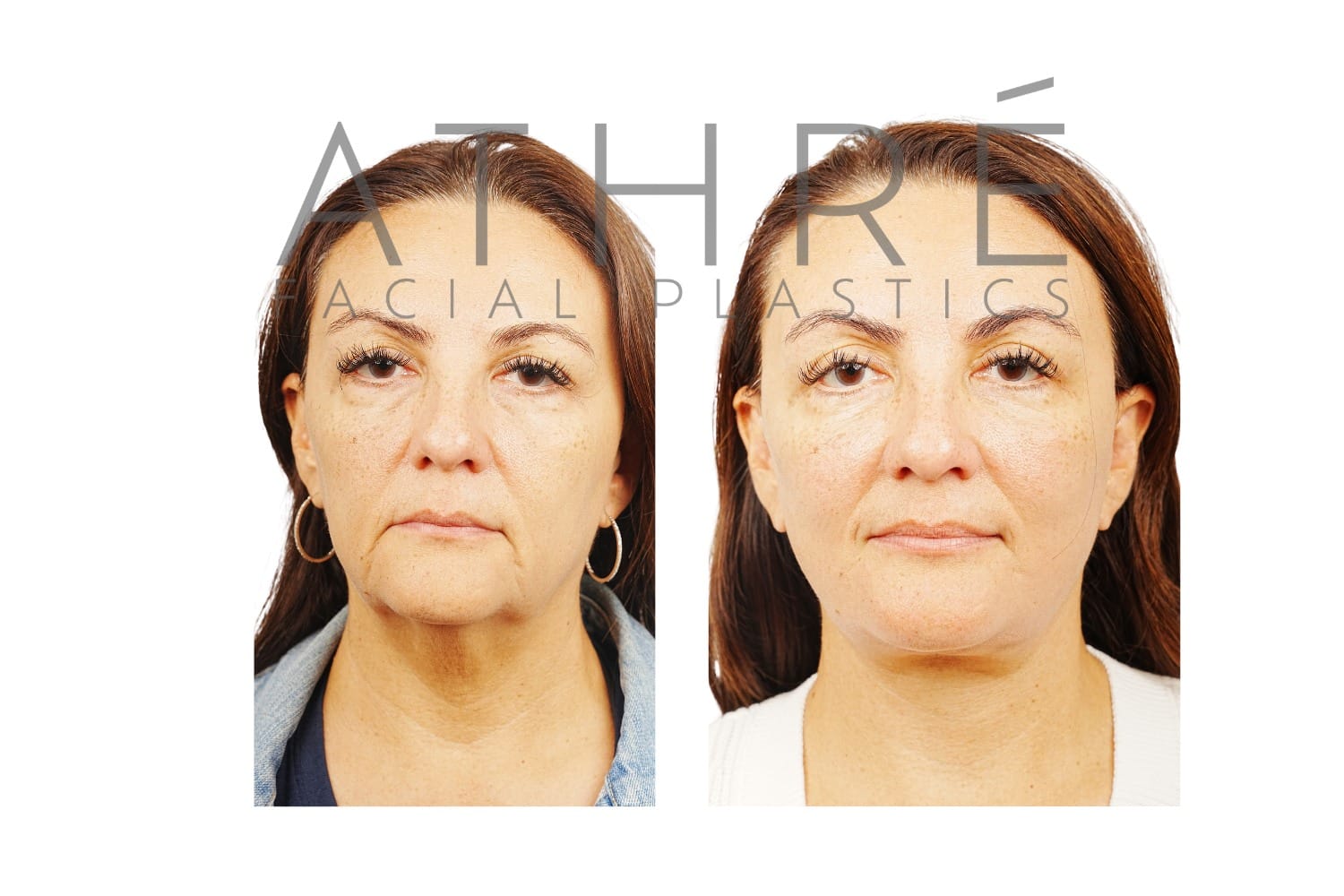
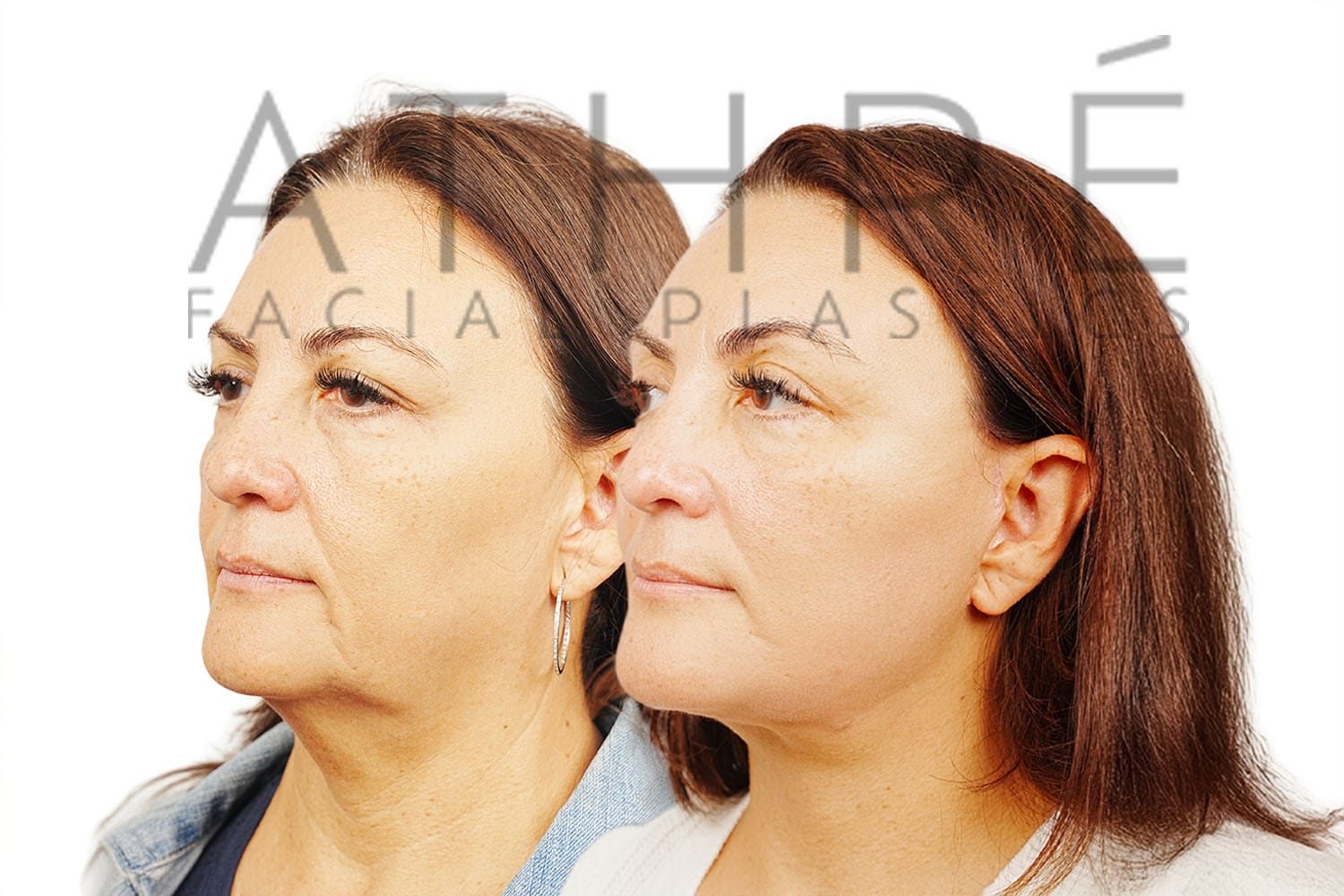
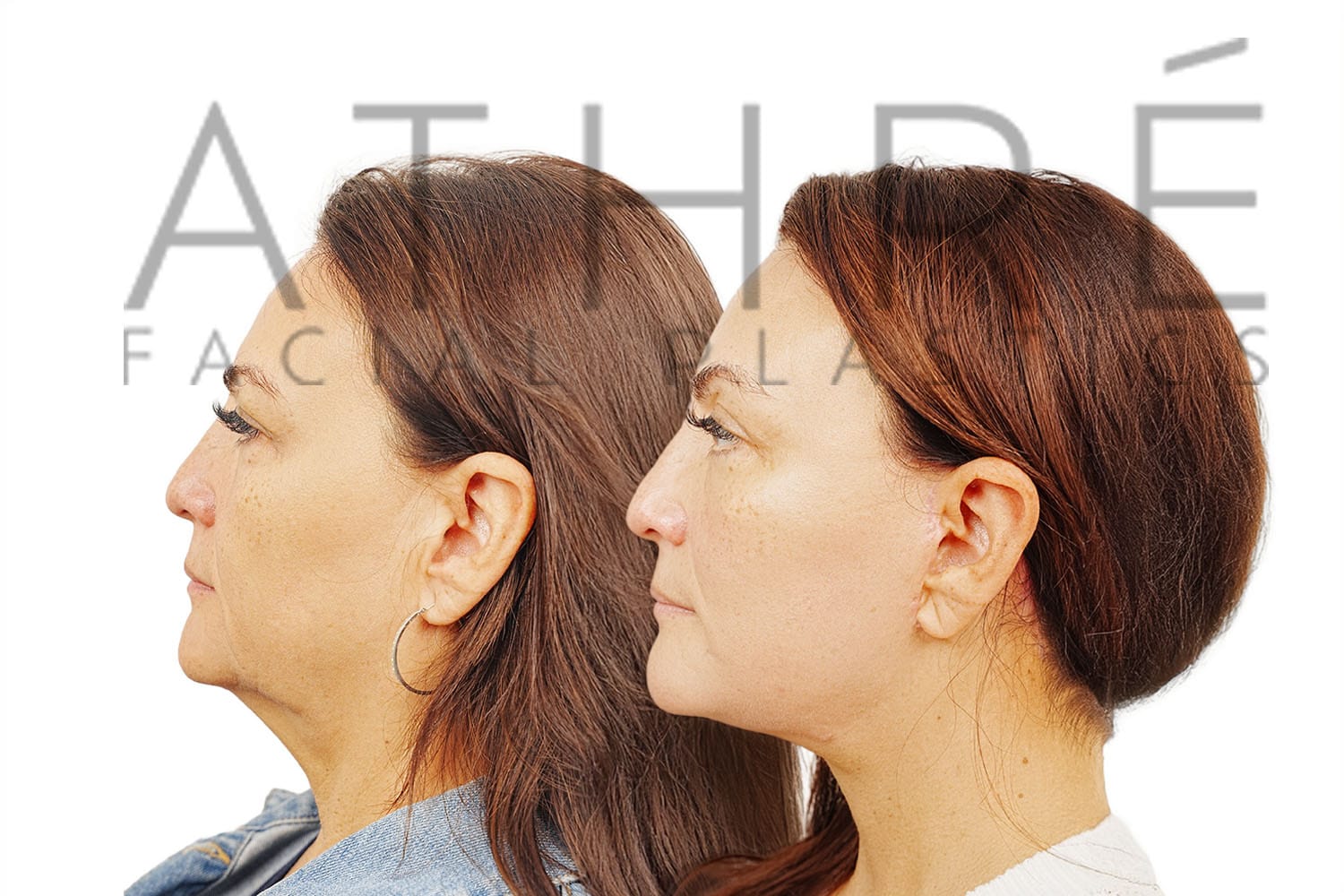
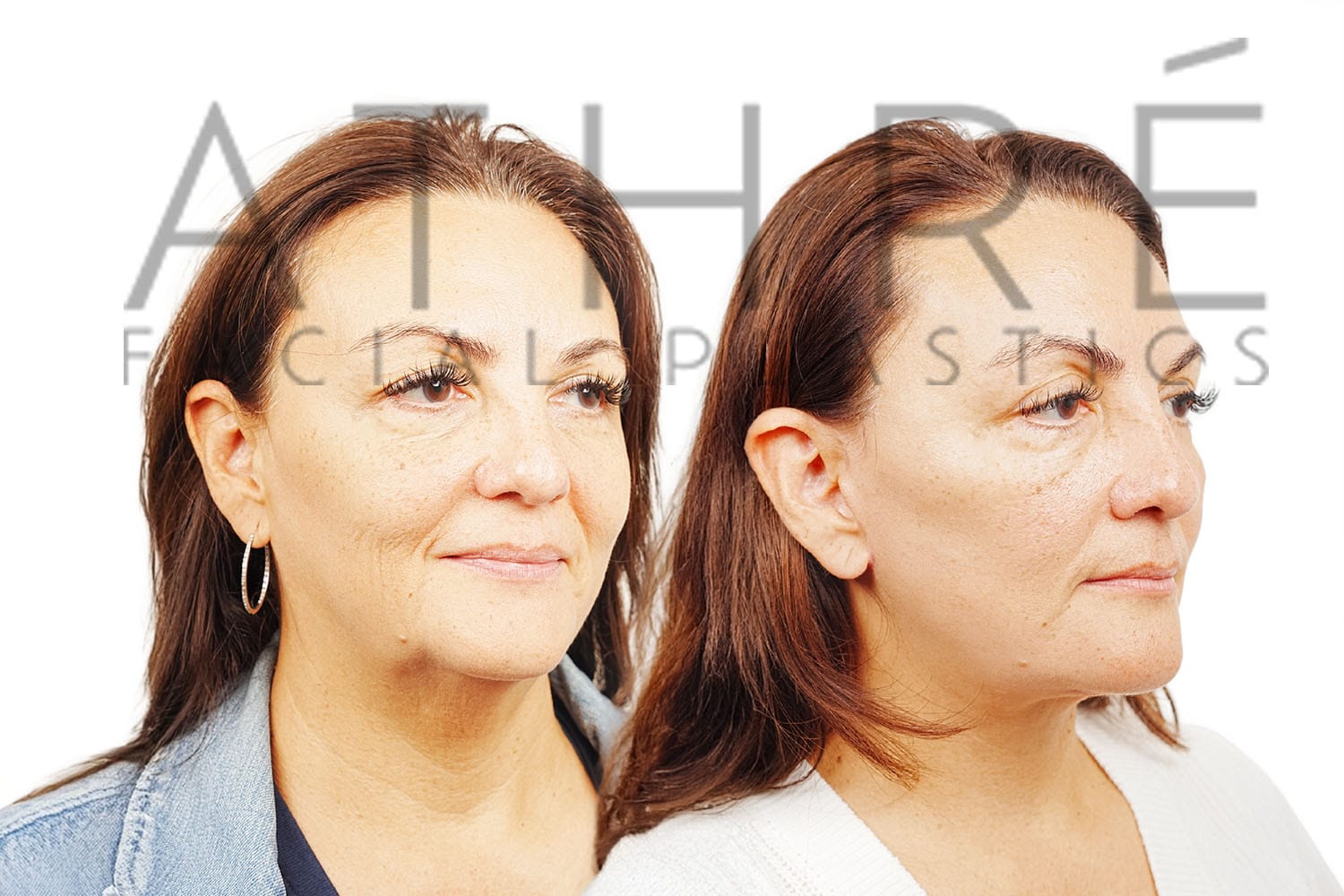
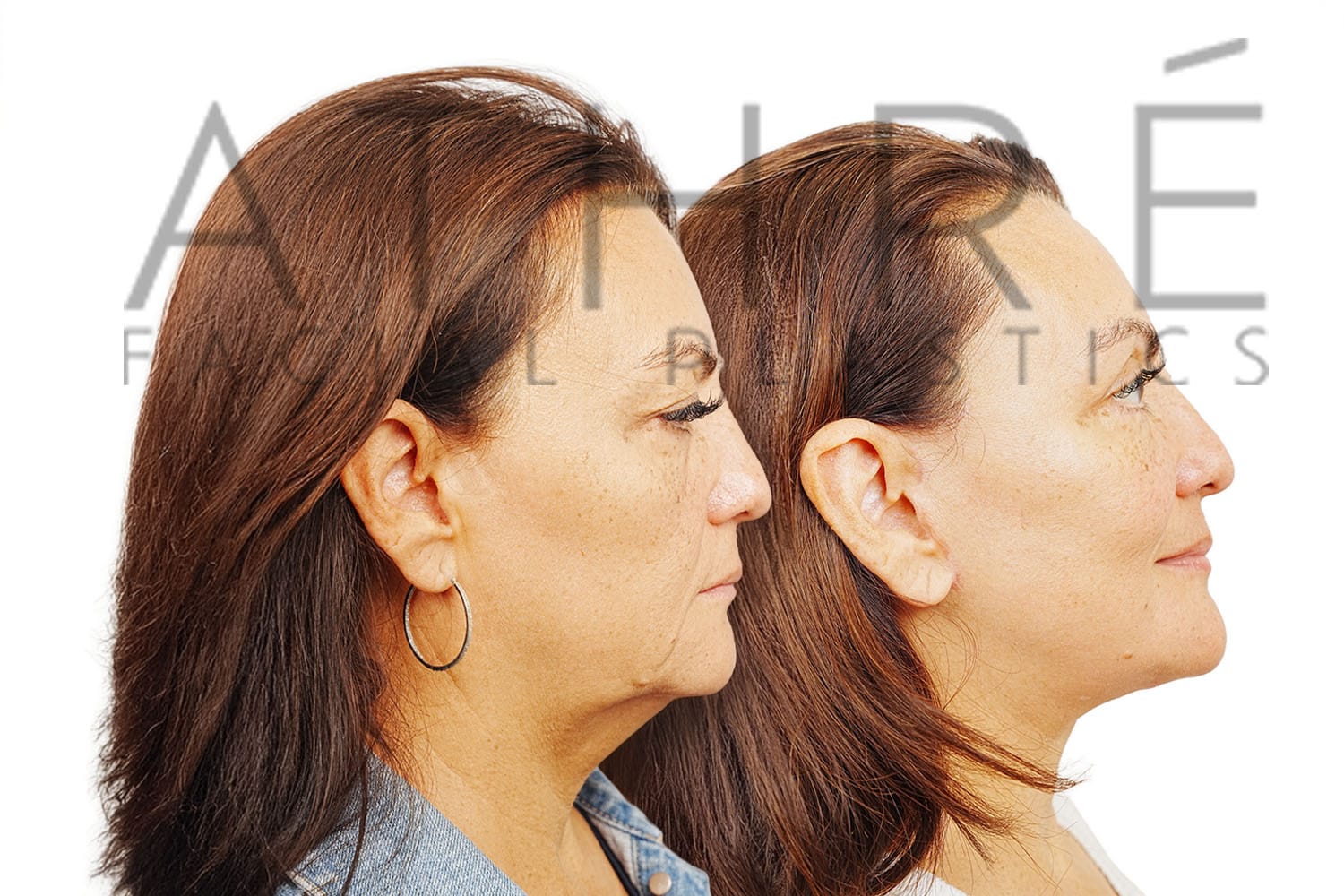
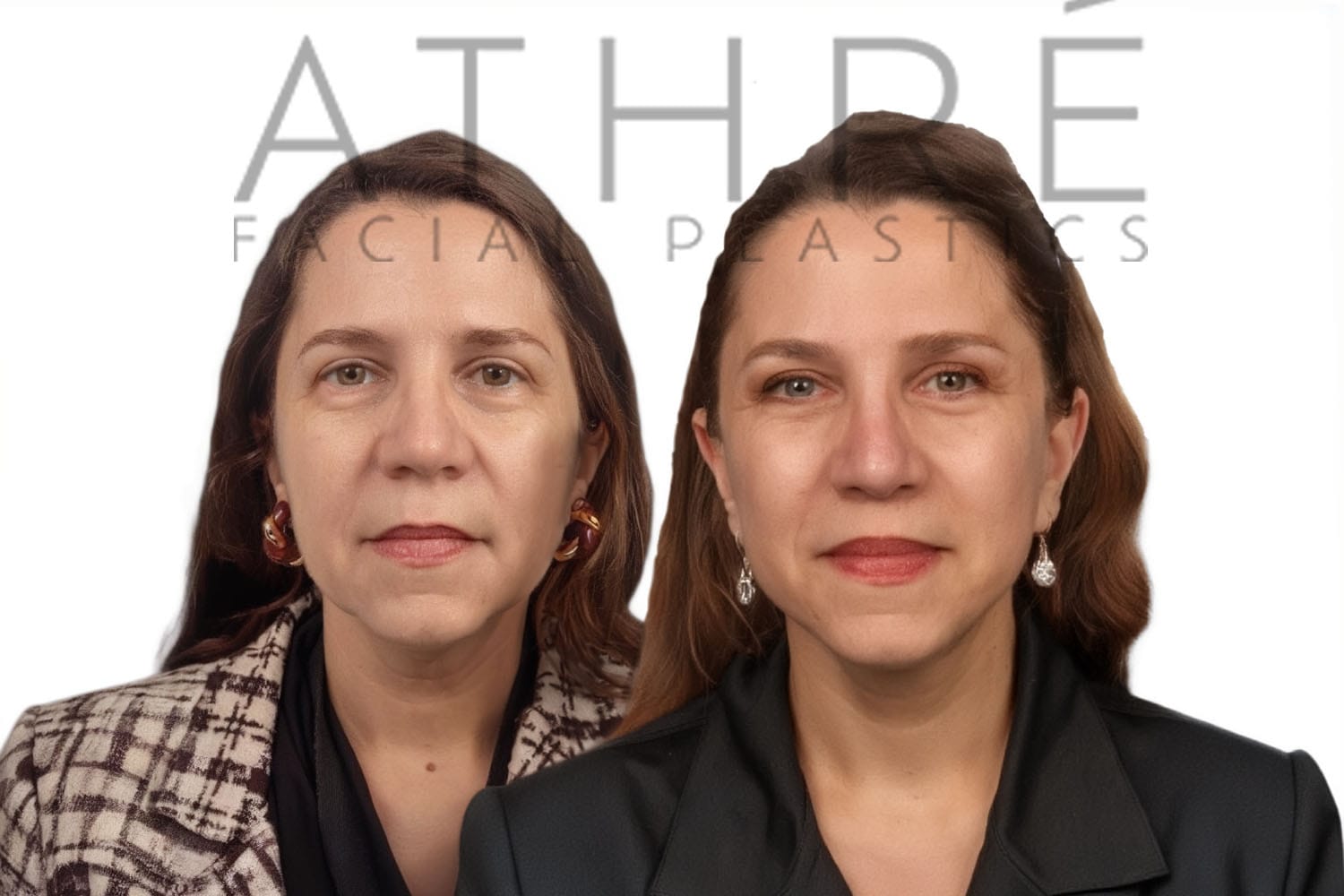
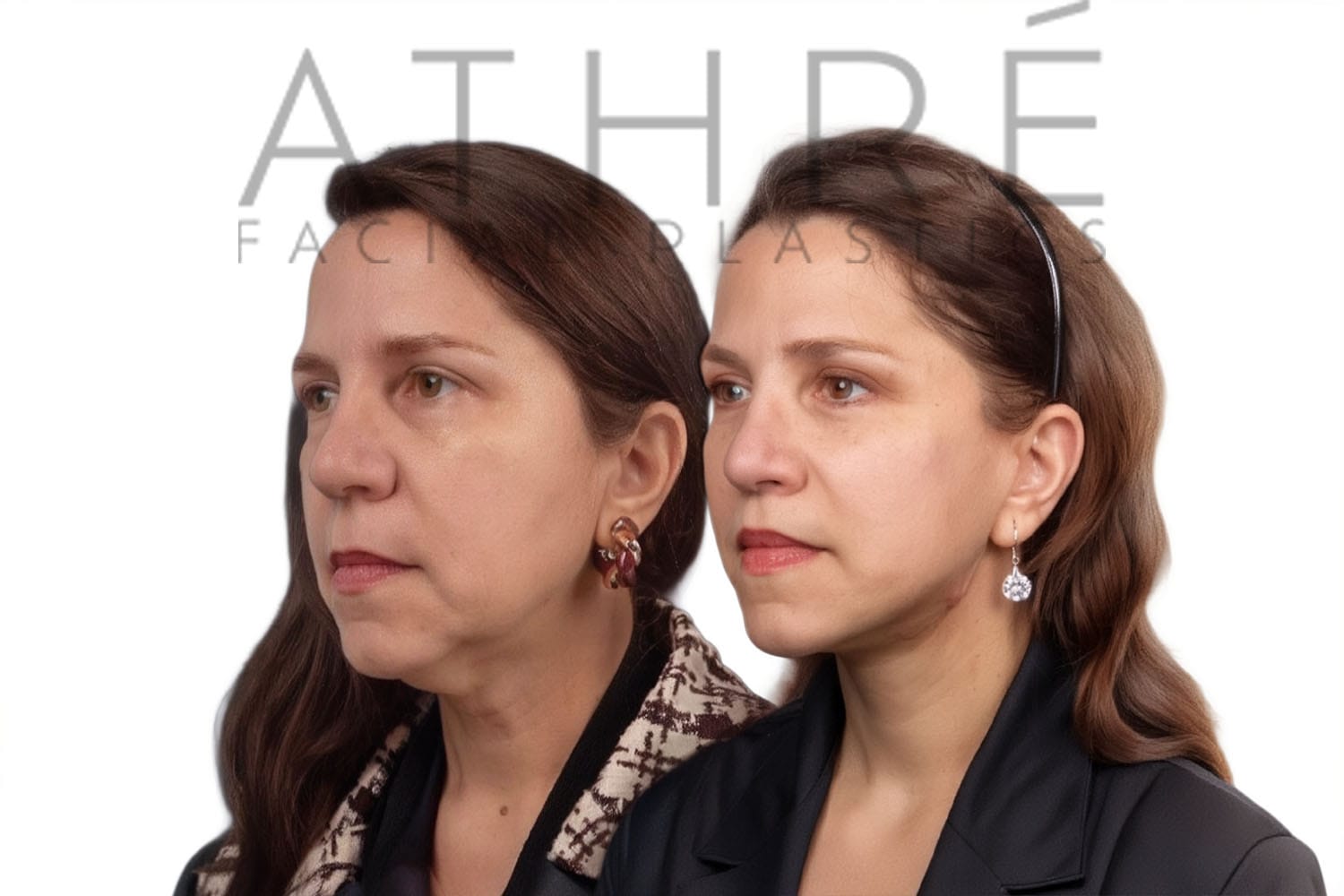
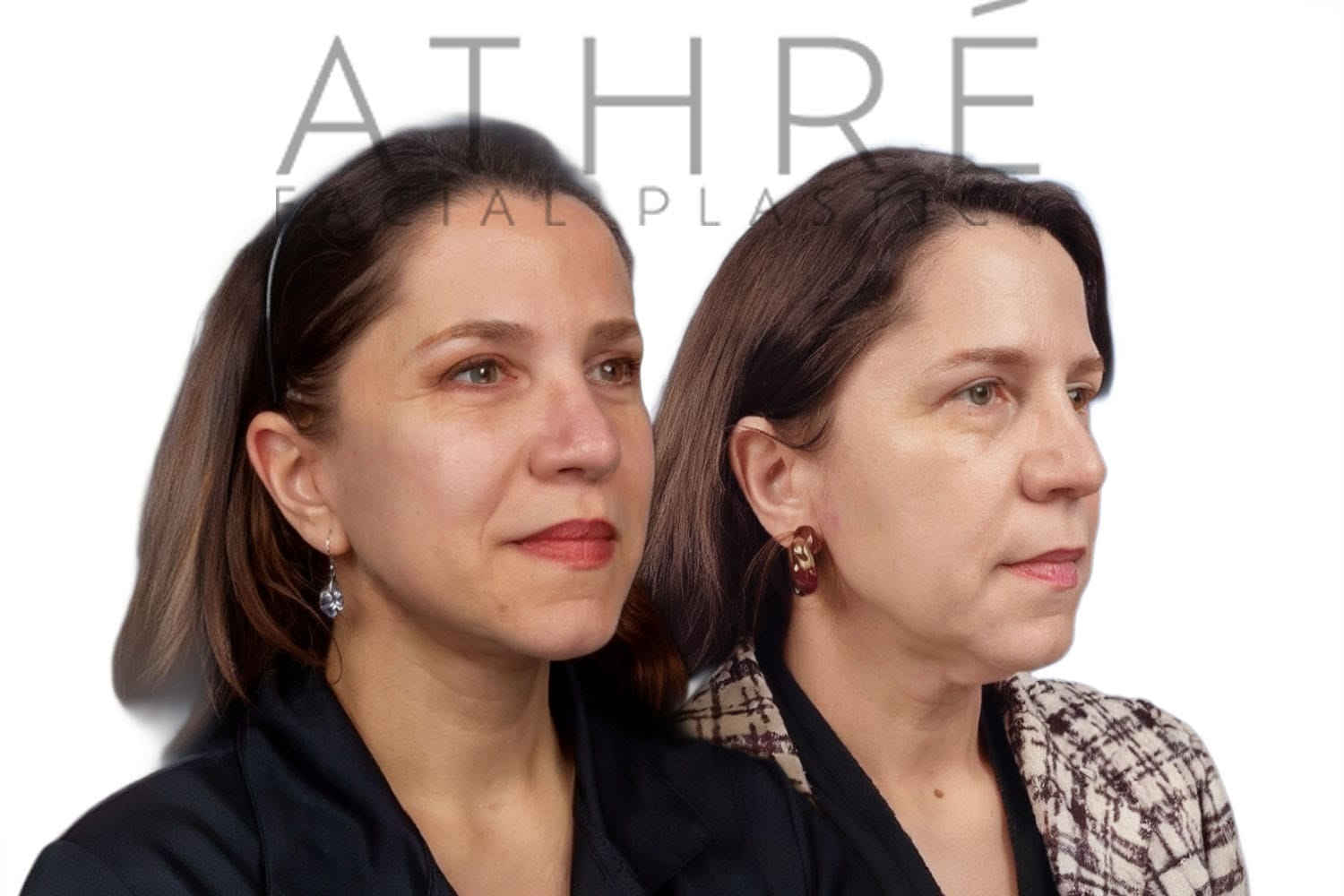
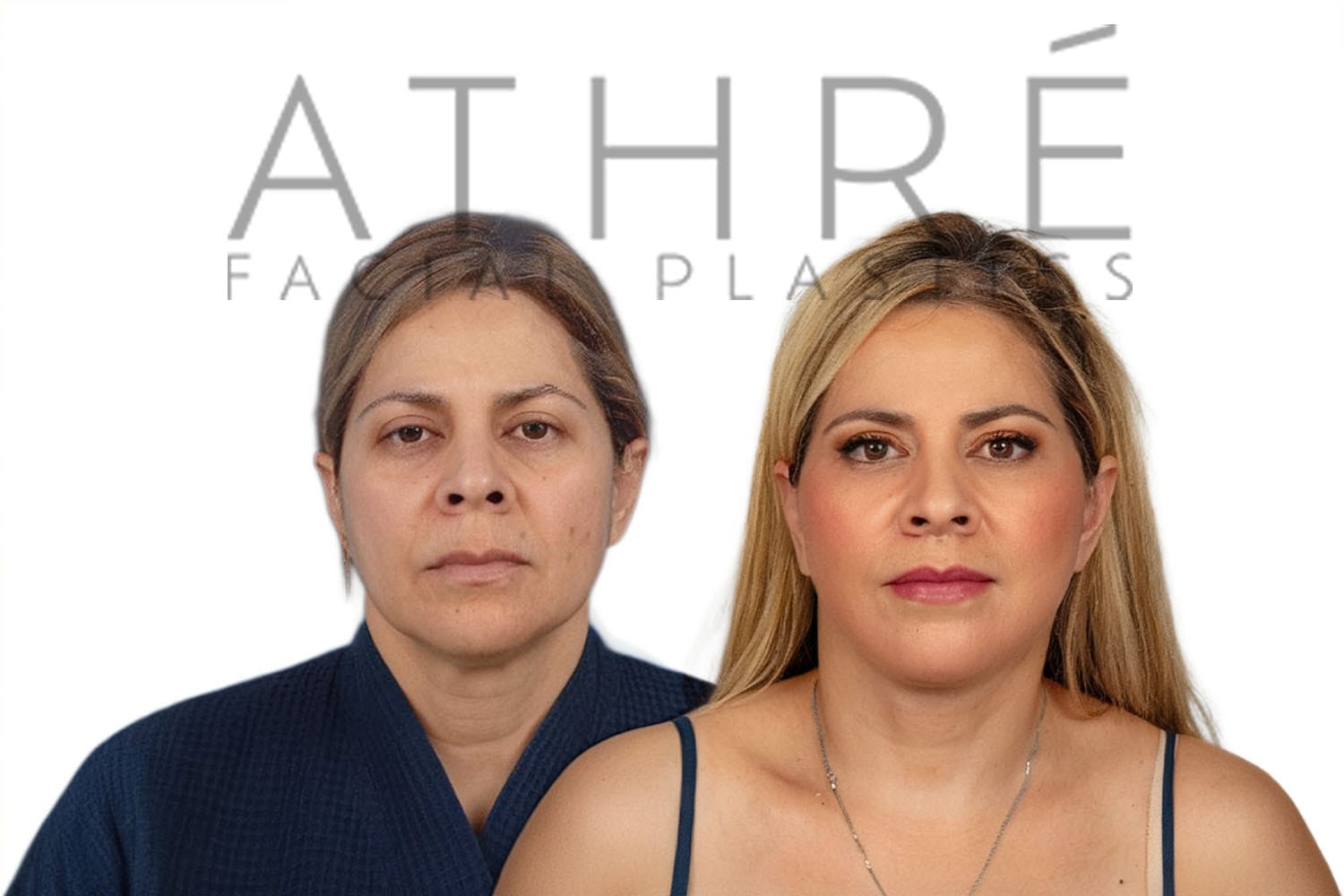
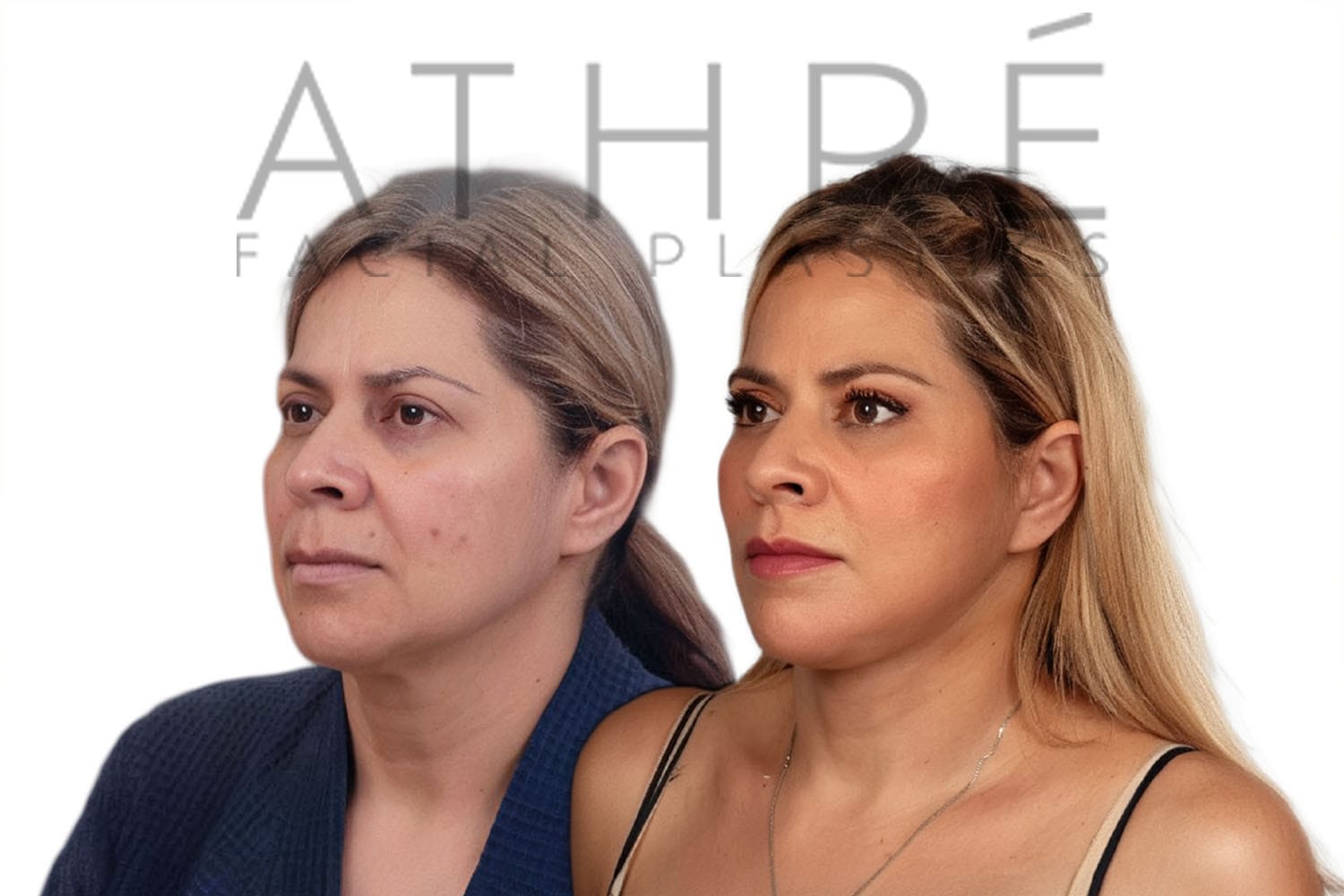
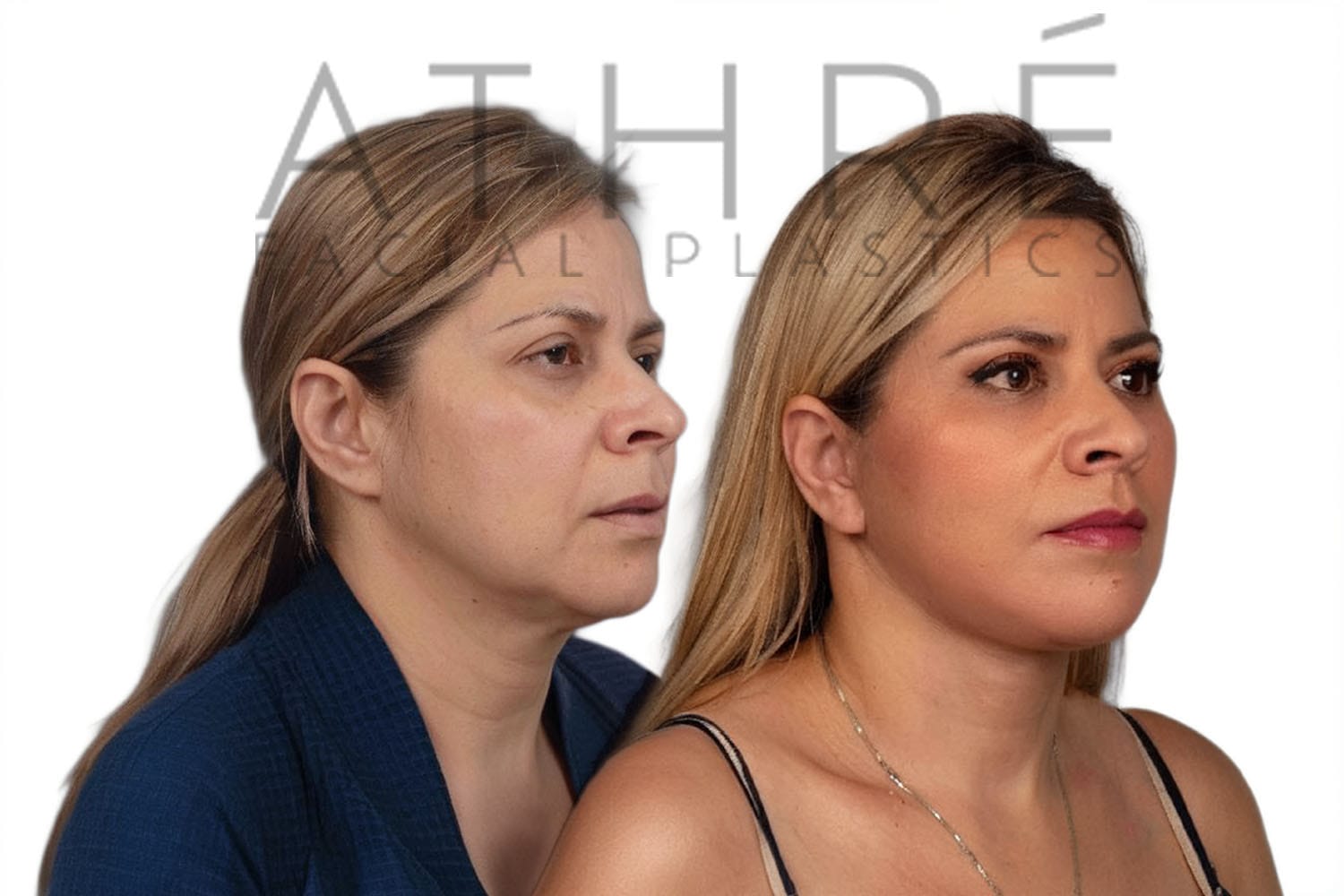
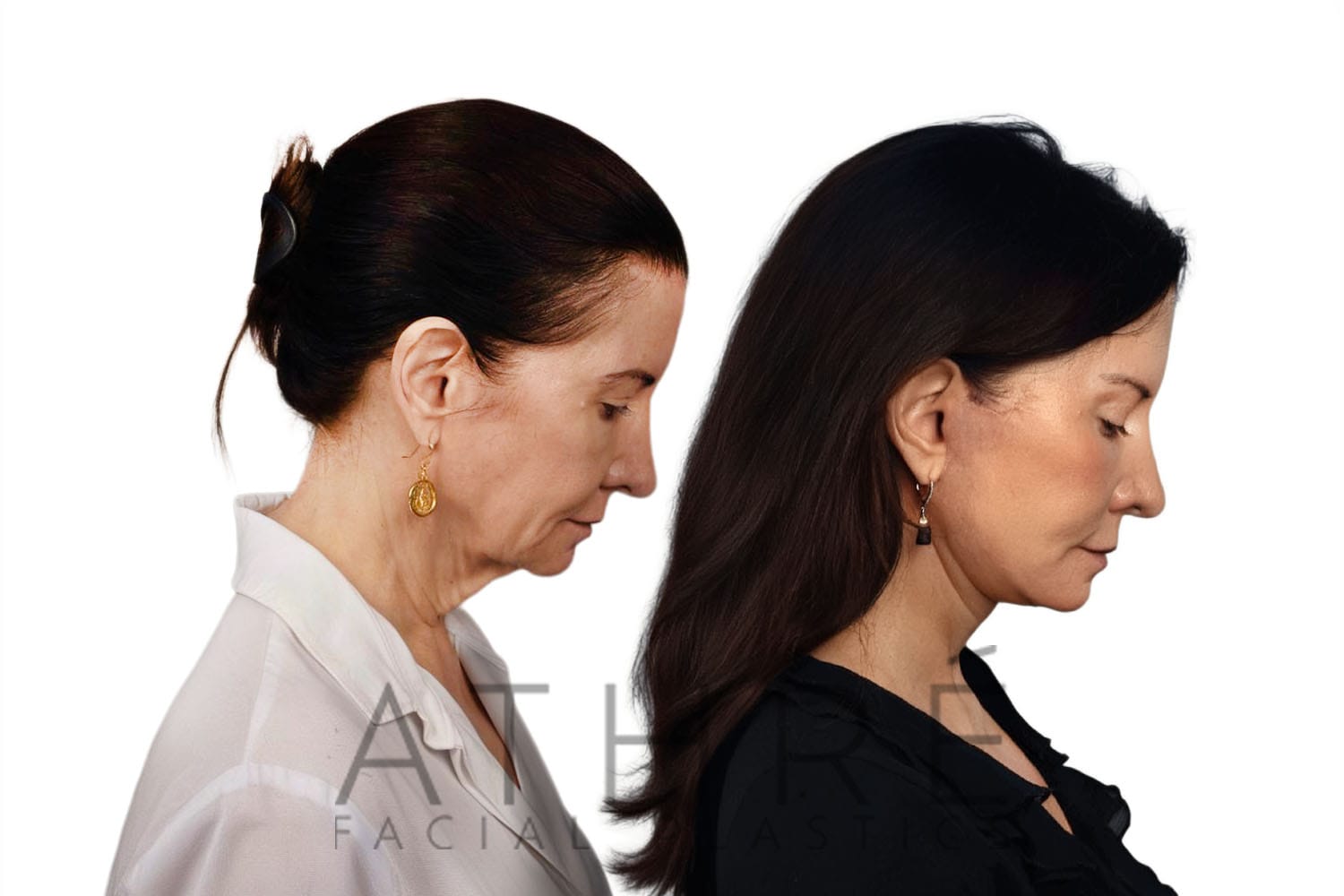
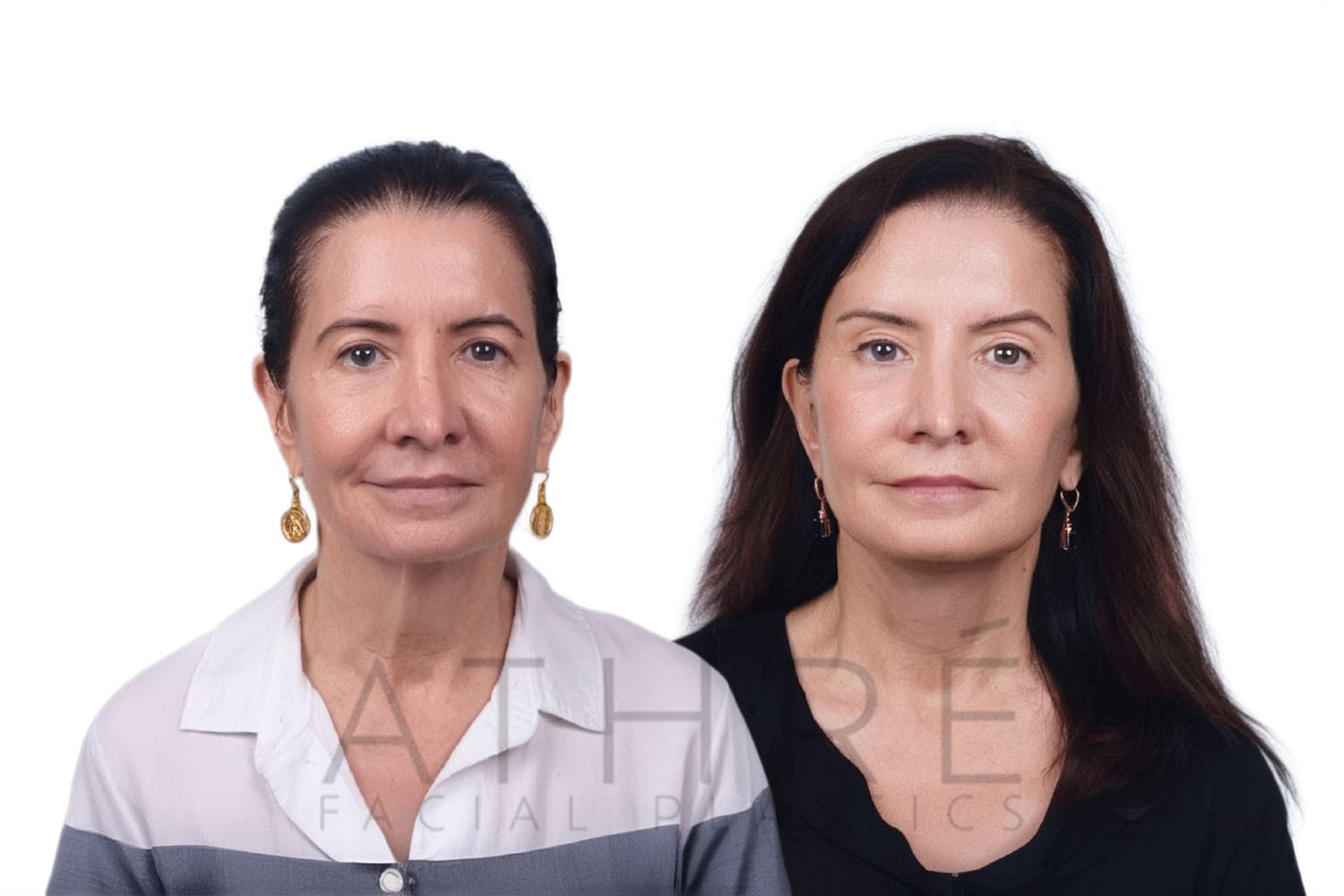
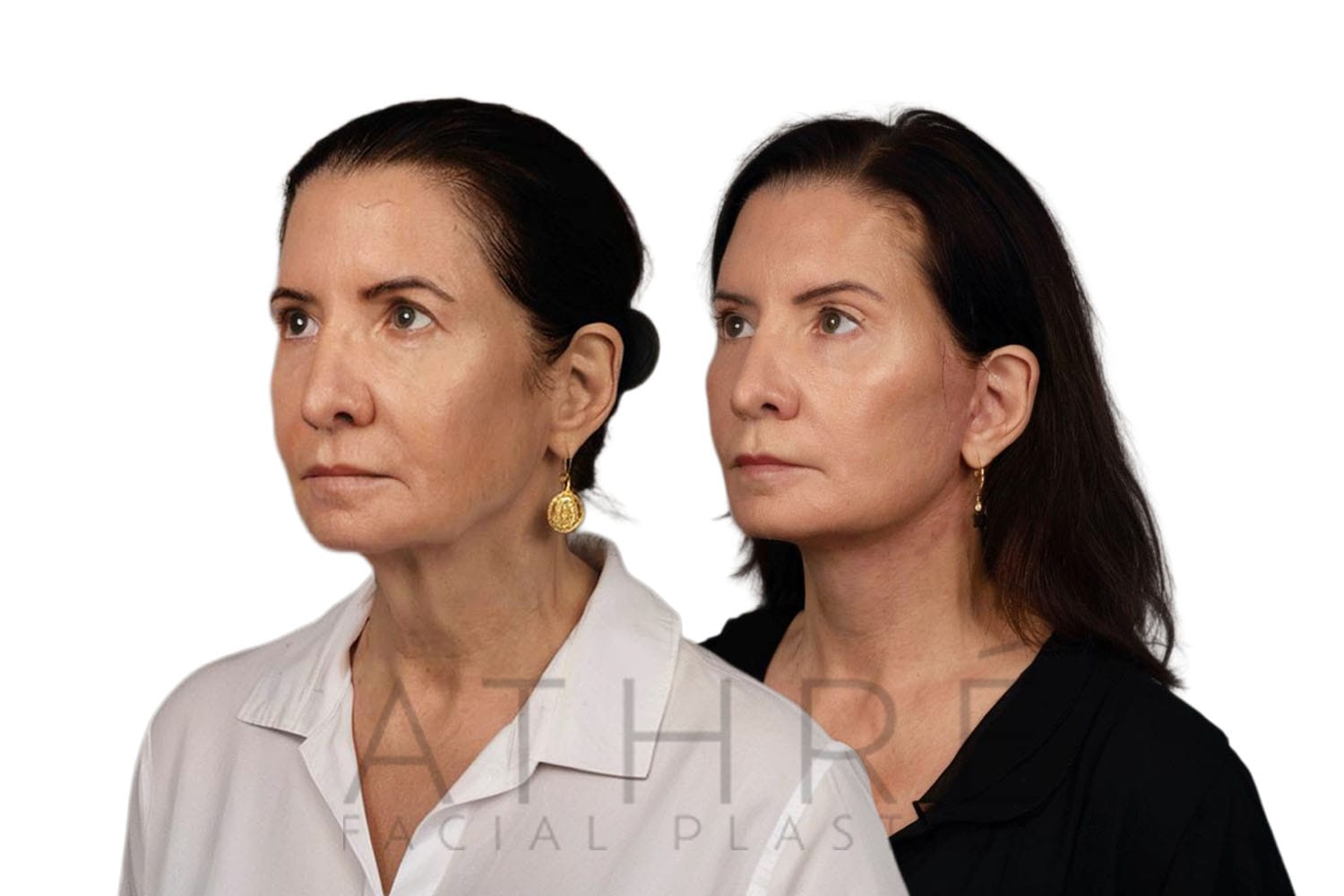
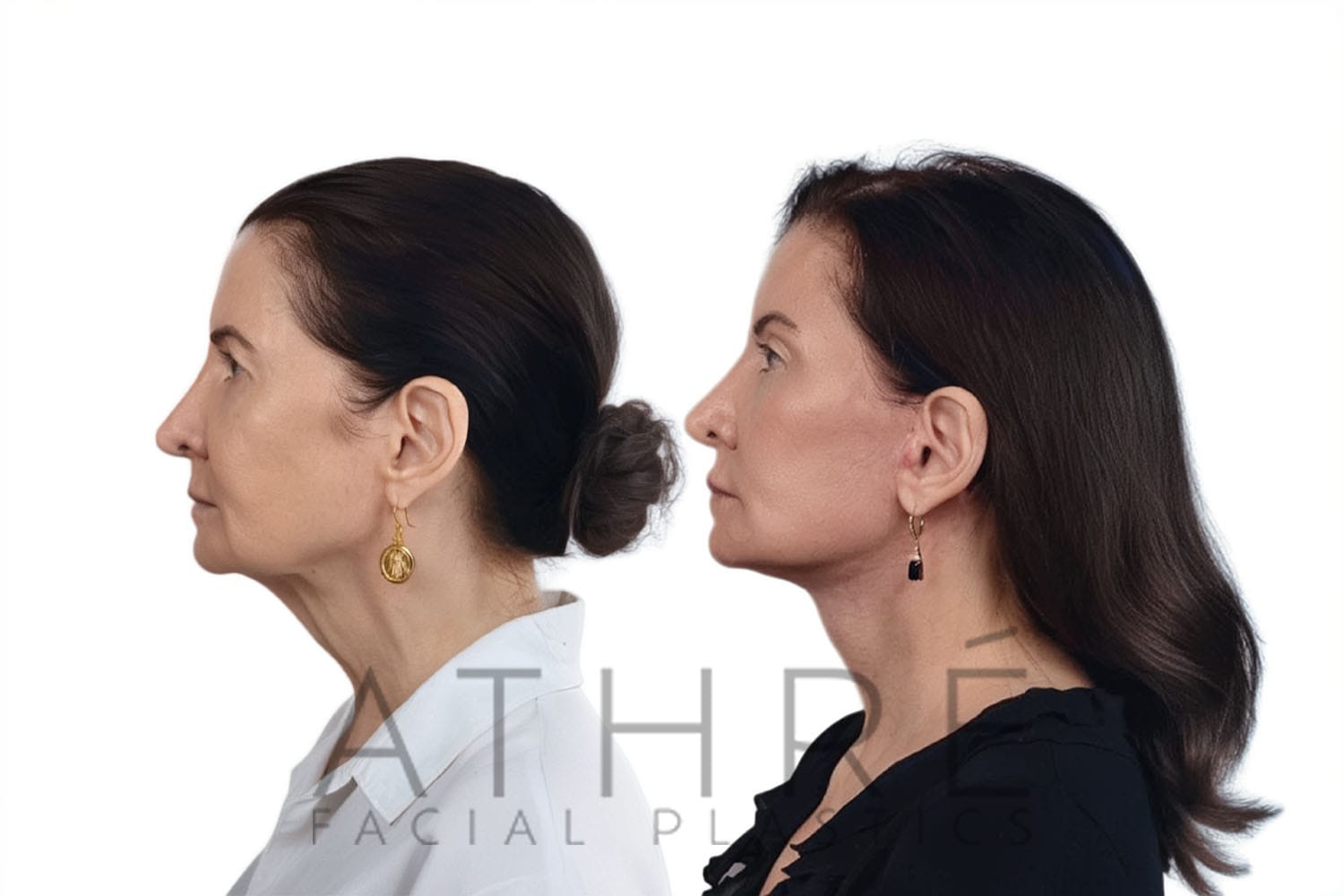
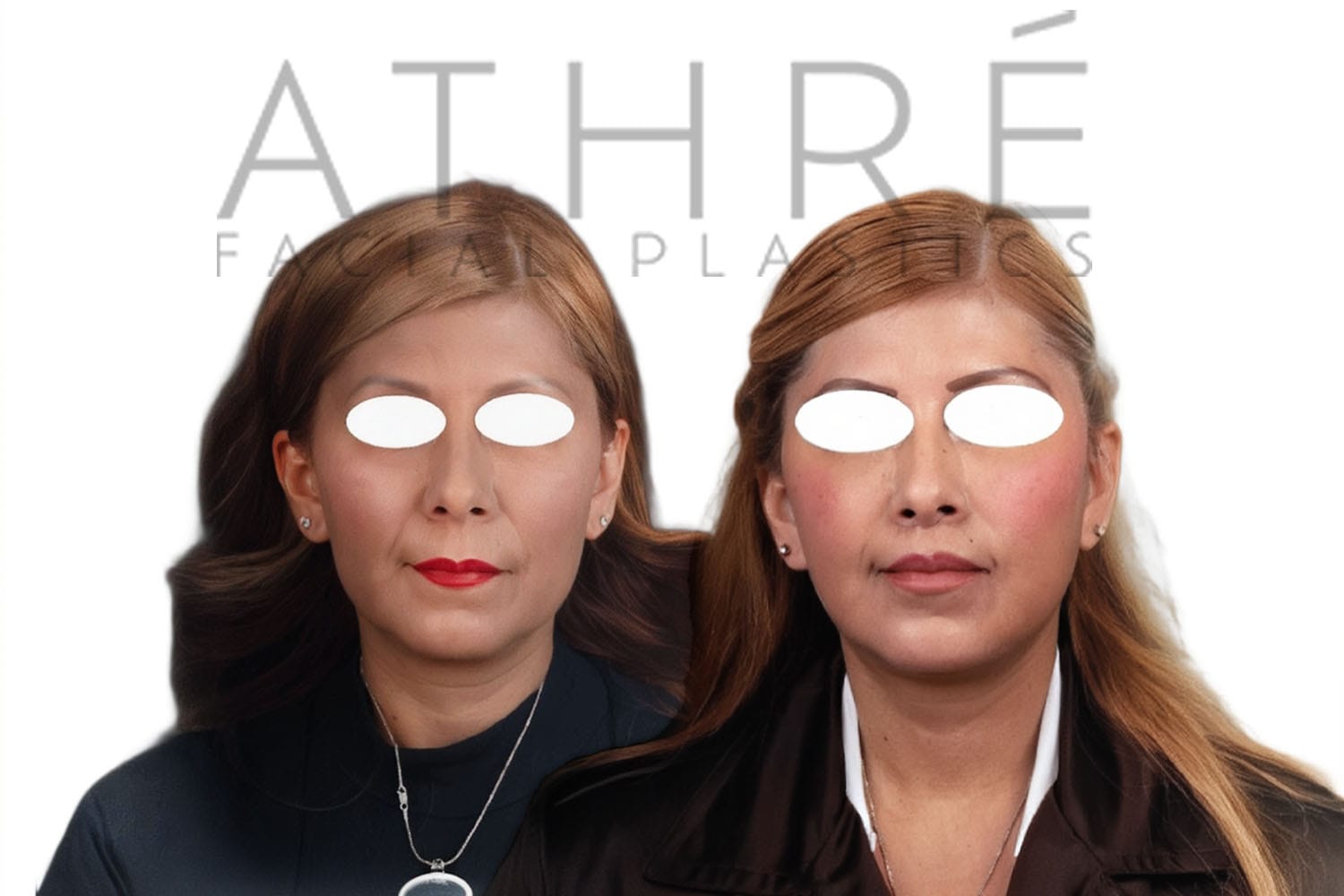
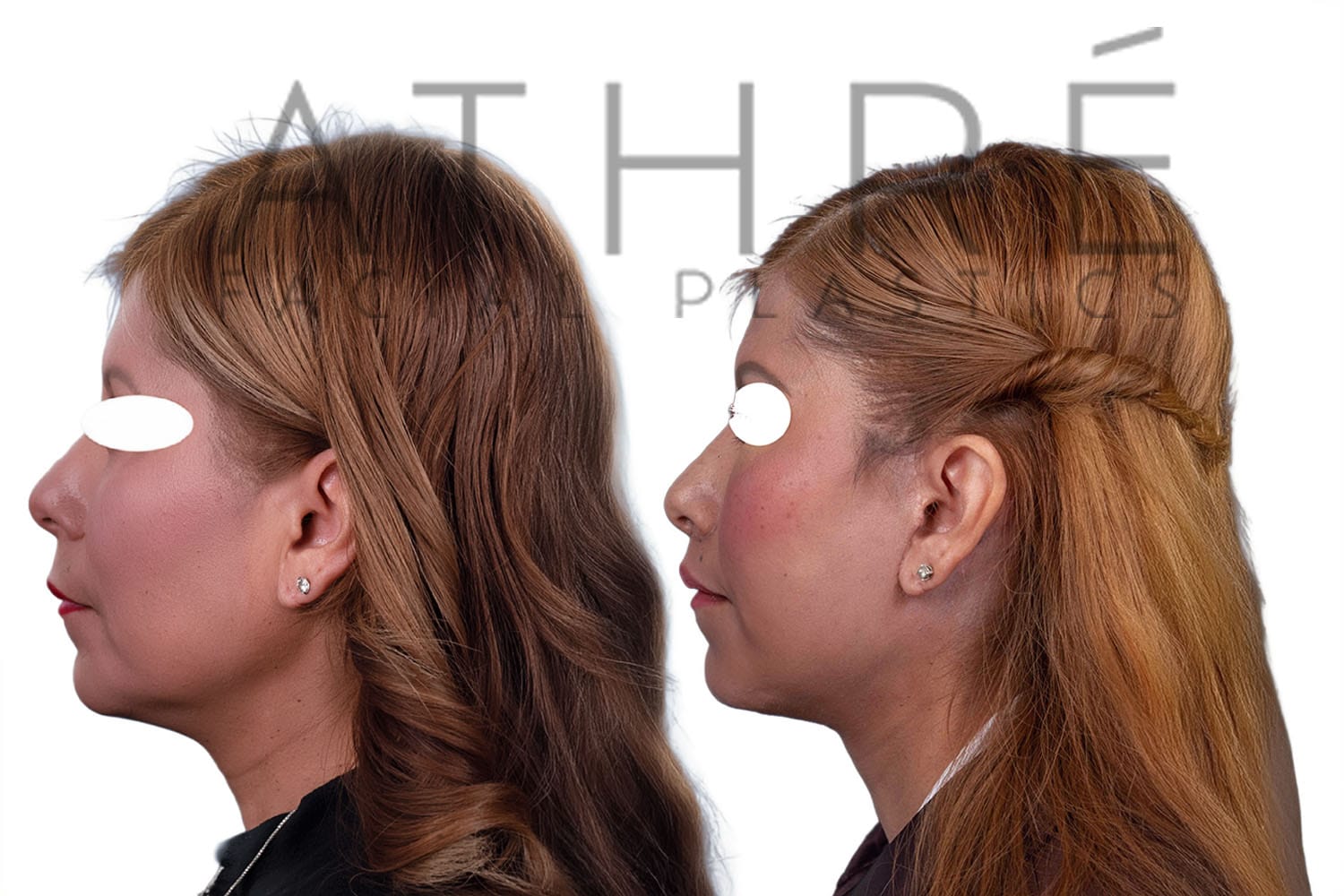
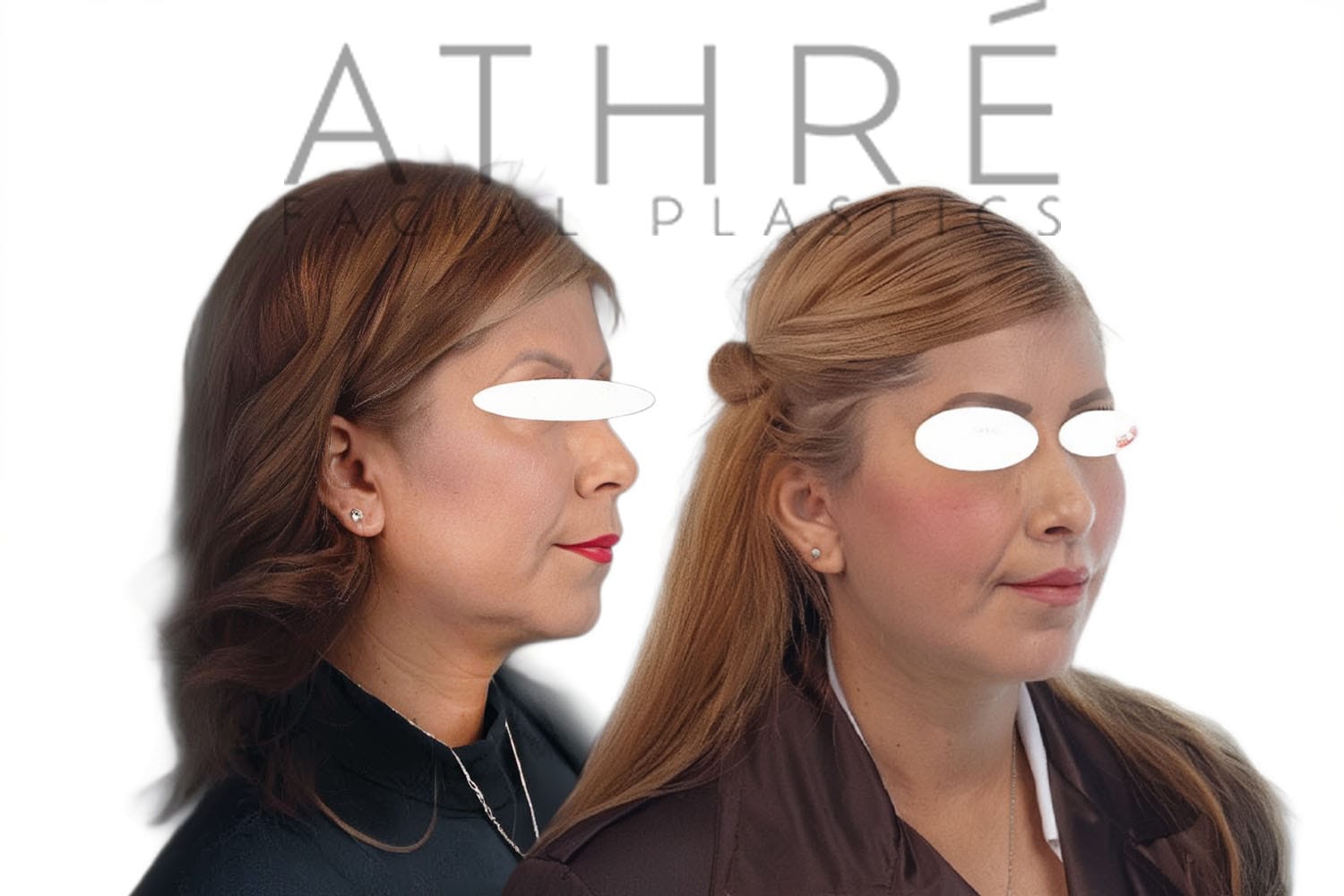
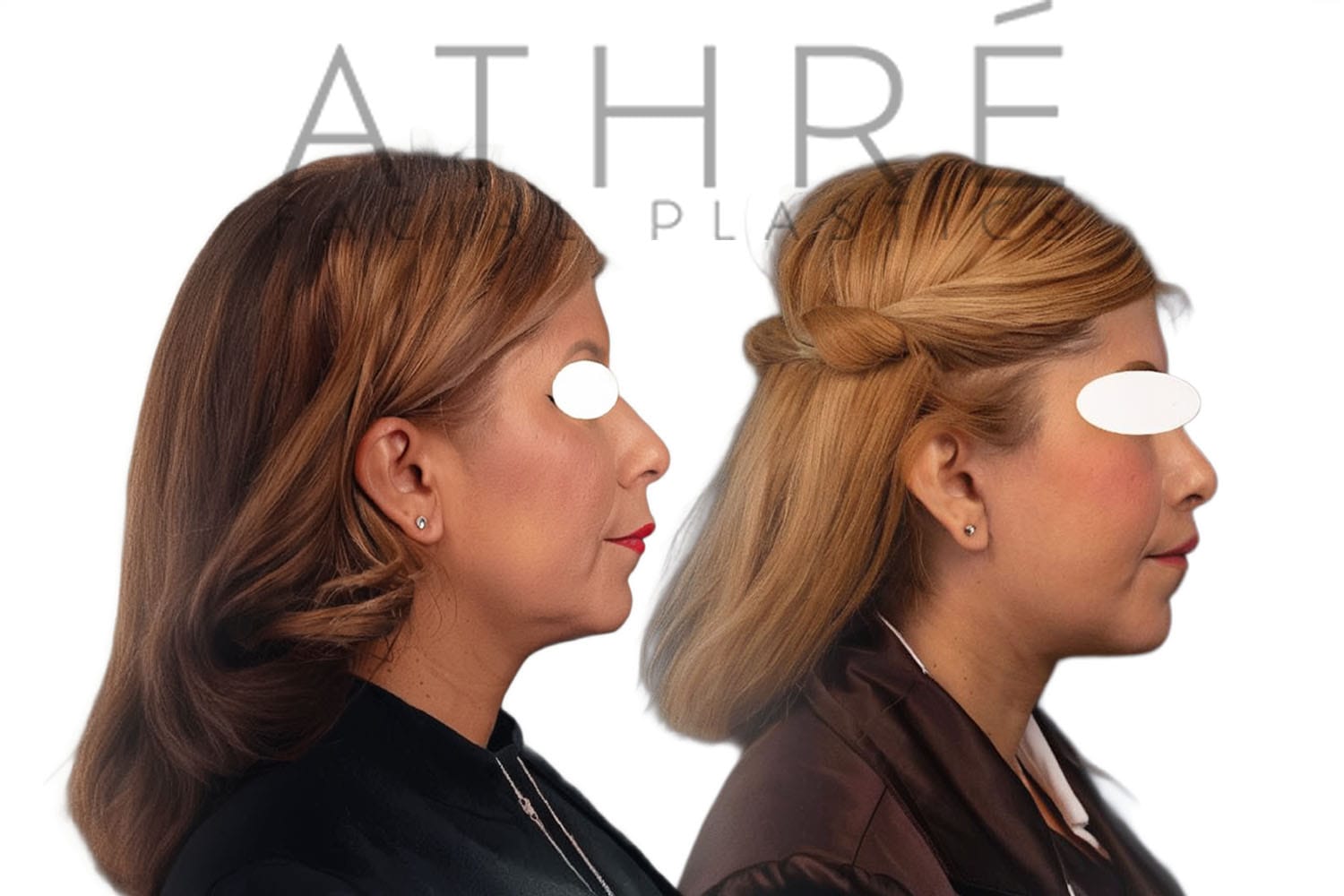
A successful facelift should restore the features that aging has gradually changed without changing the character of the face. The jawline should look more defined. The neck should look cleaner. The cheeks should sit in a more natural position. Most importantly, the face should still look familiar.
The best facelift results don't announce that surgery was performed. They simply allow the face to look more rested, balanced and like itself again.
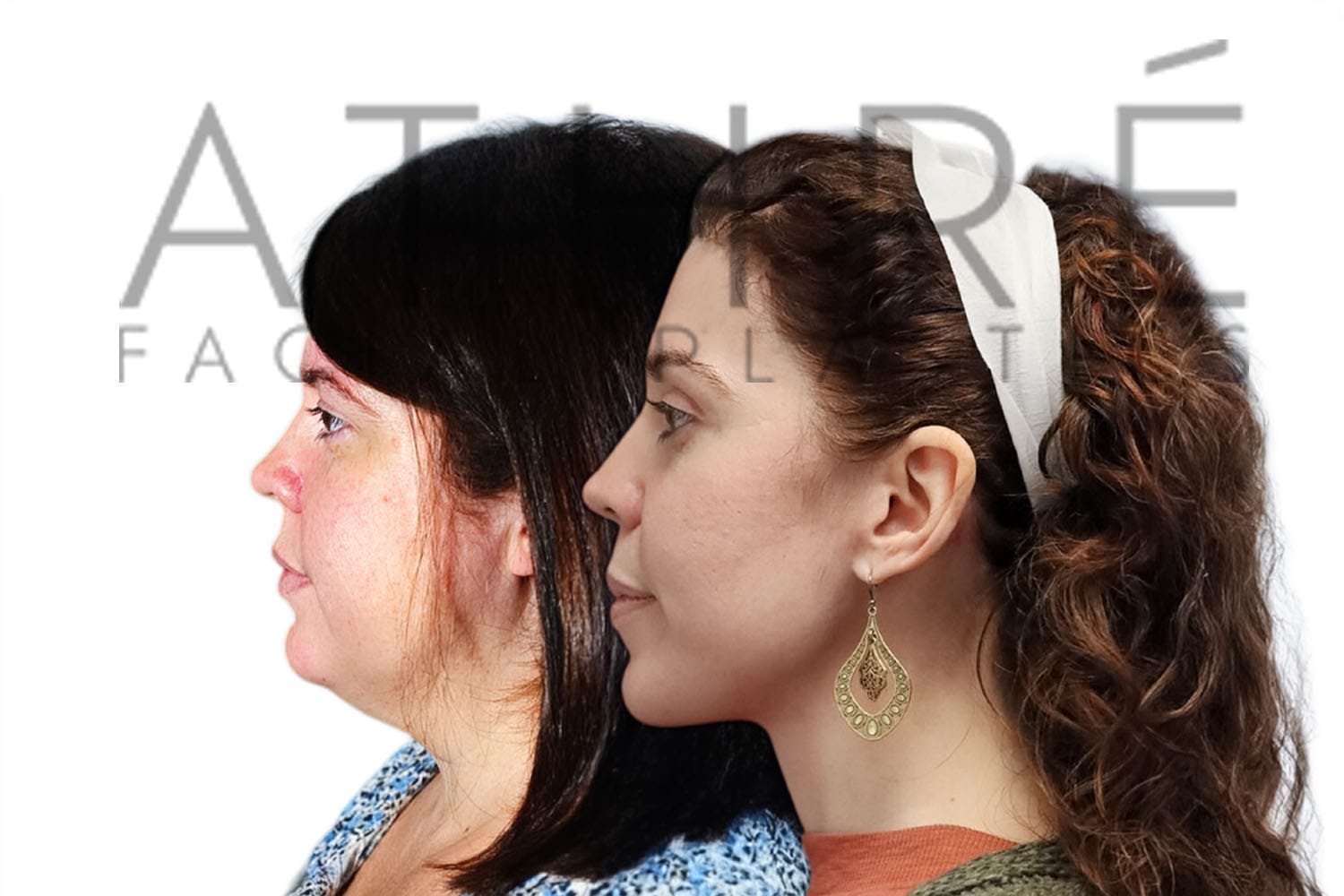
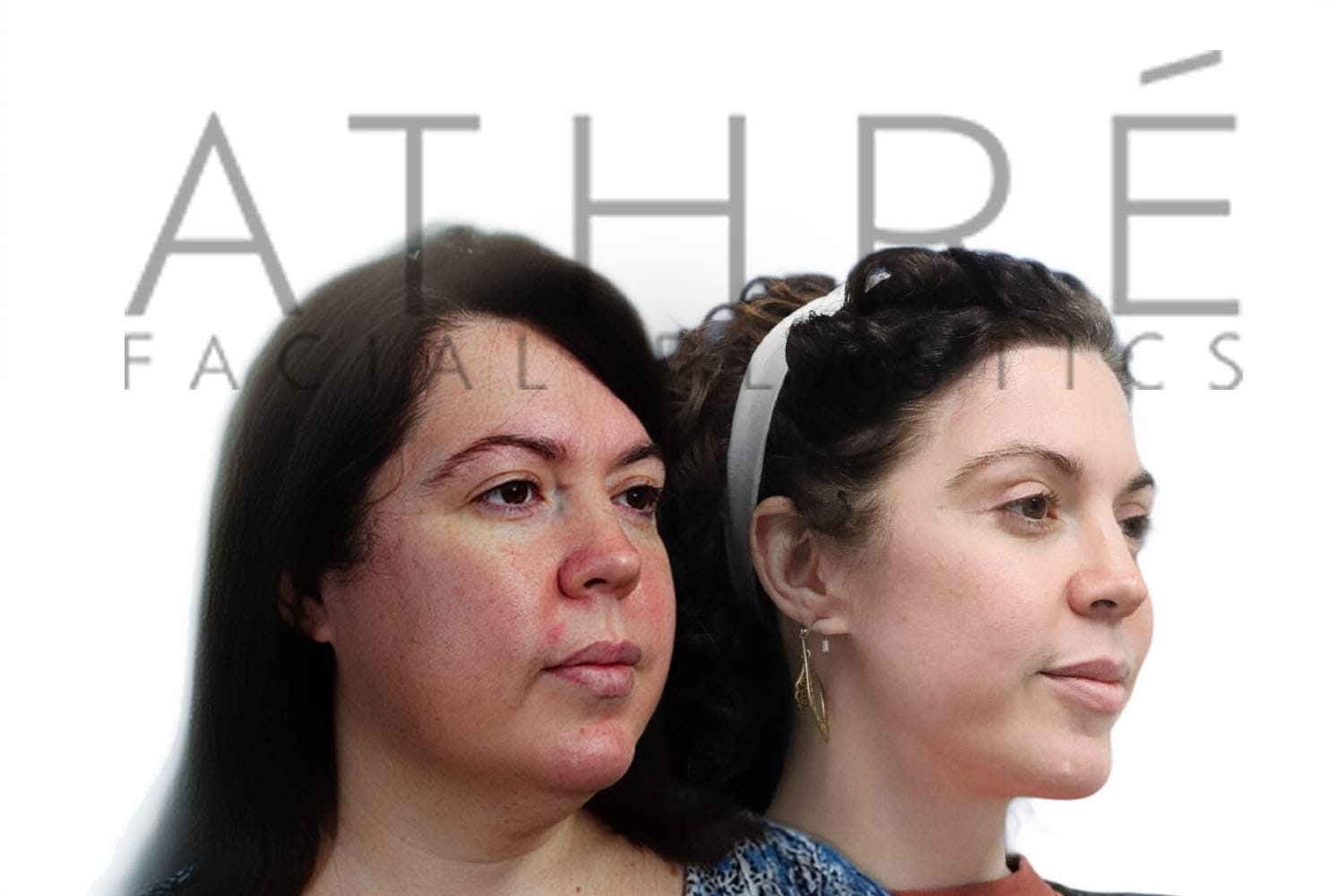
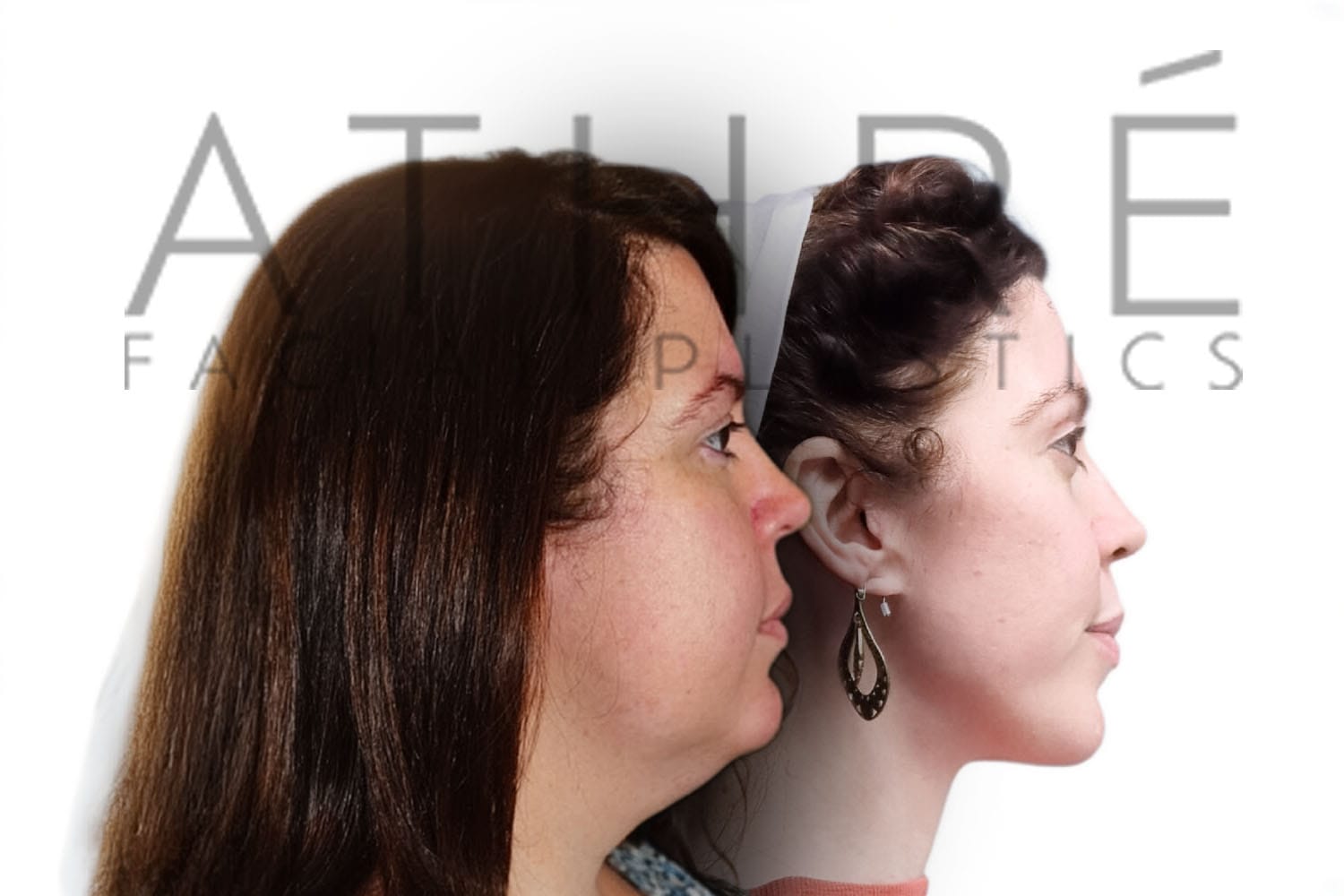
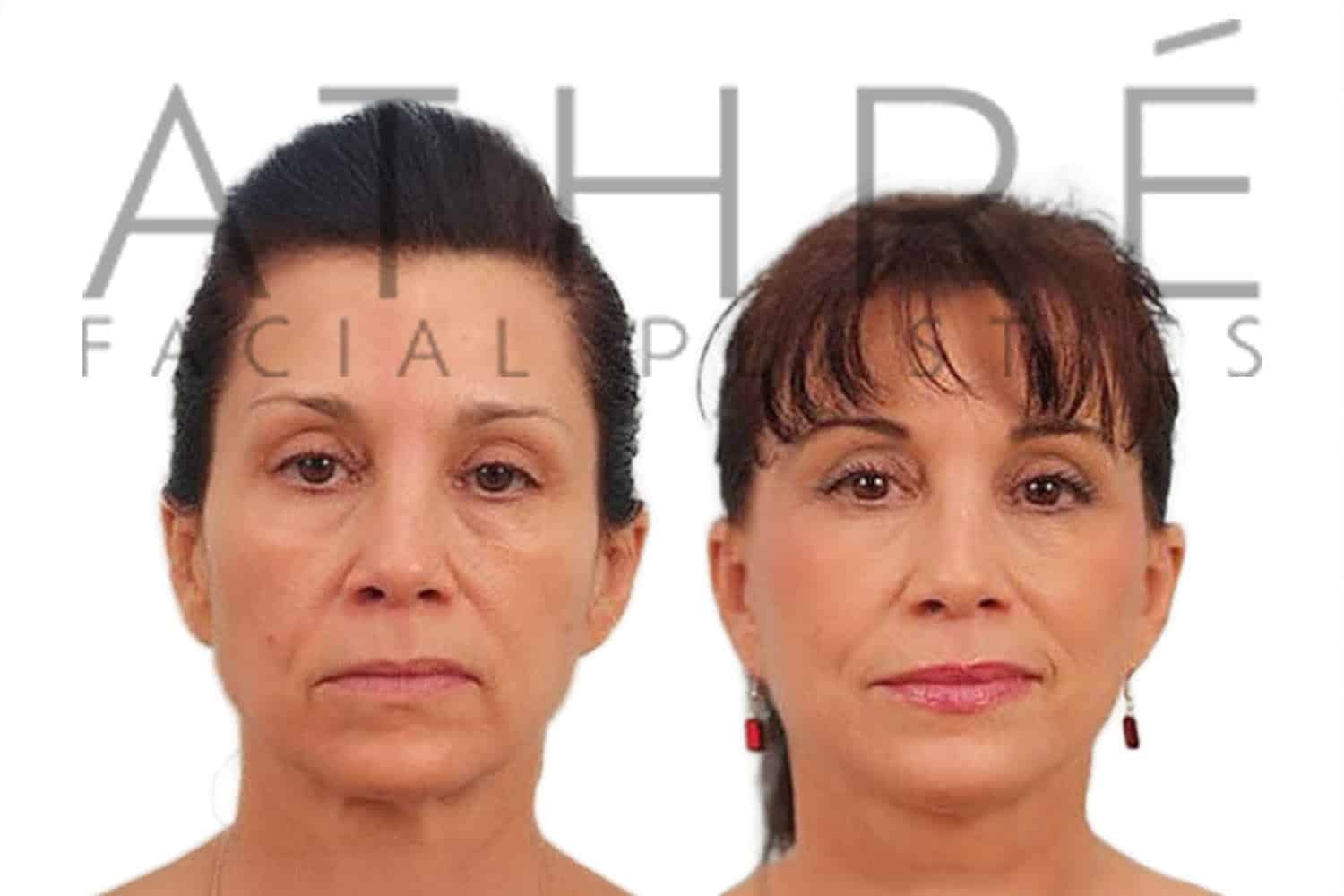
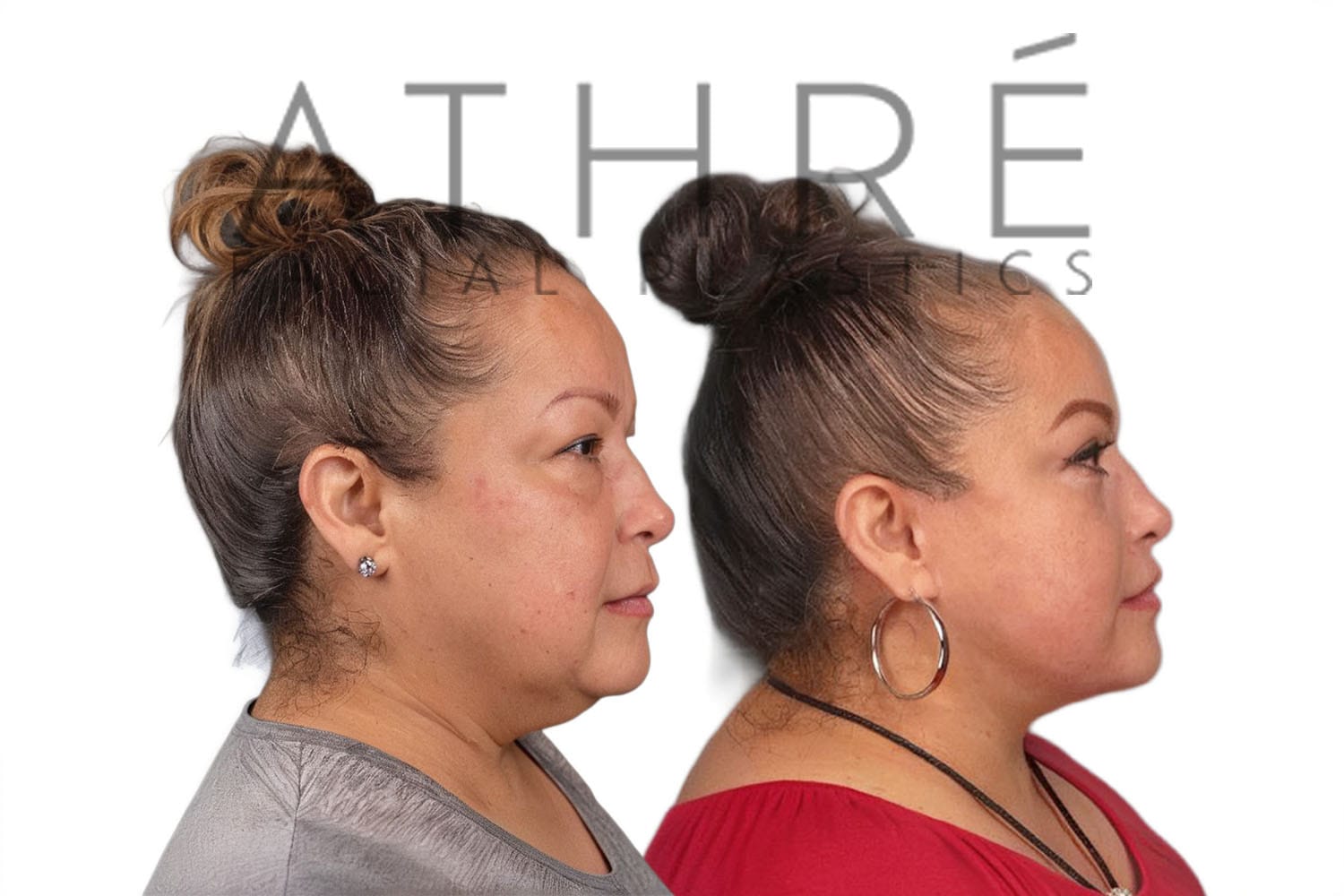
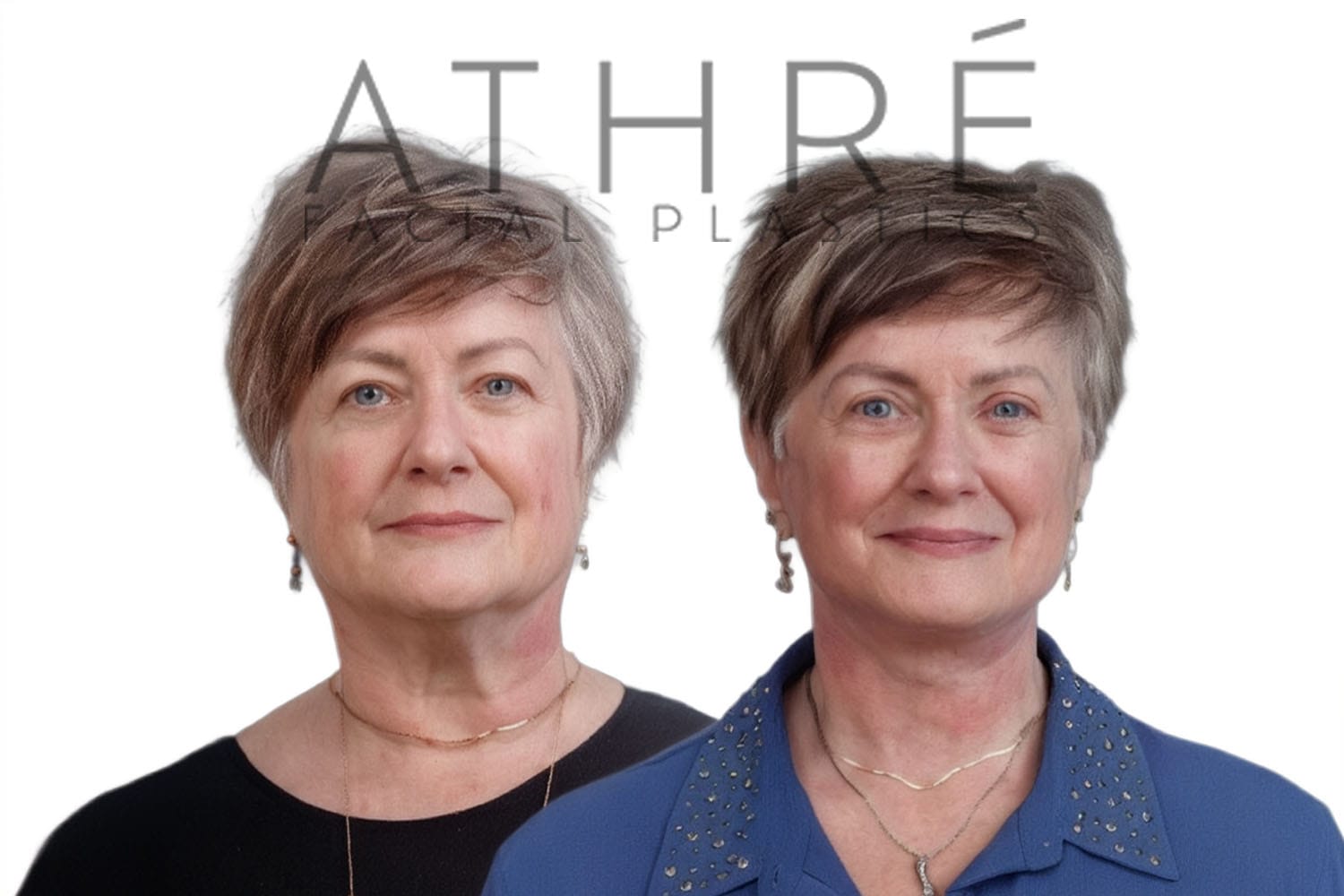
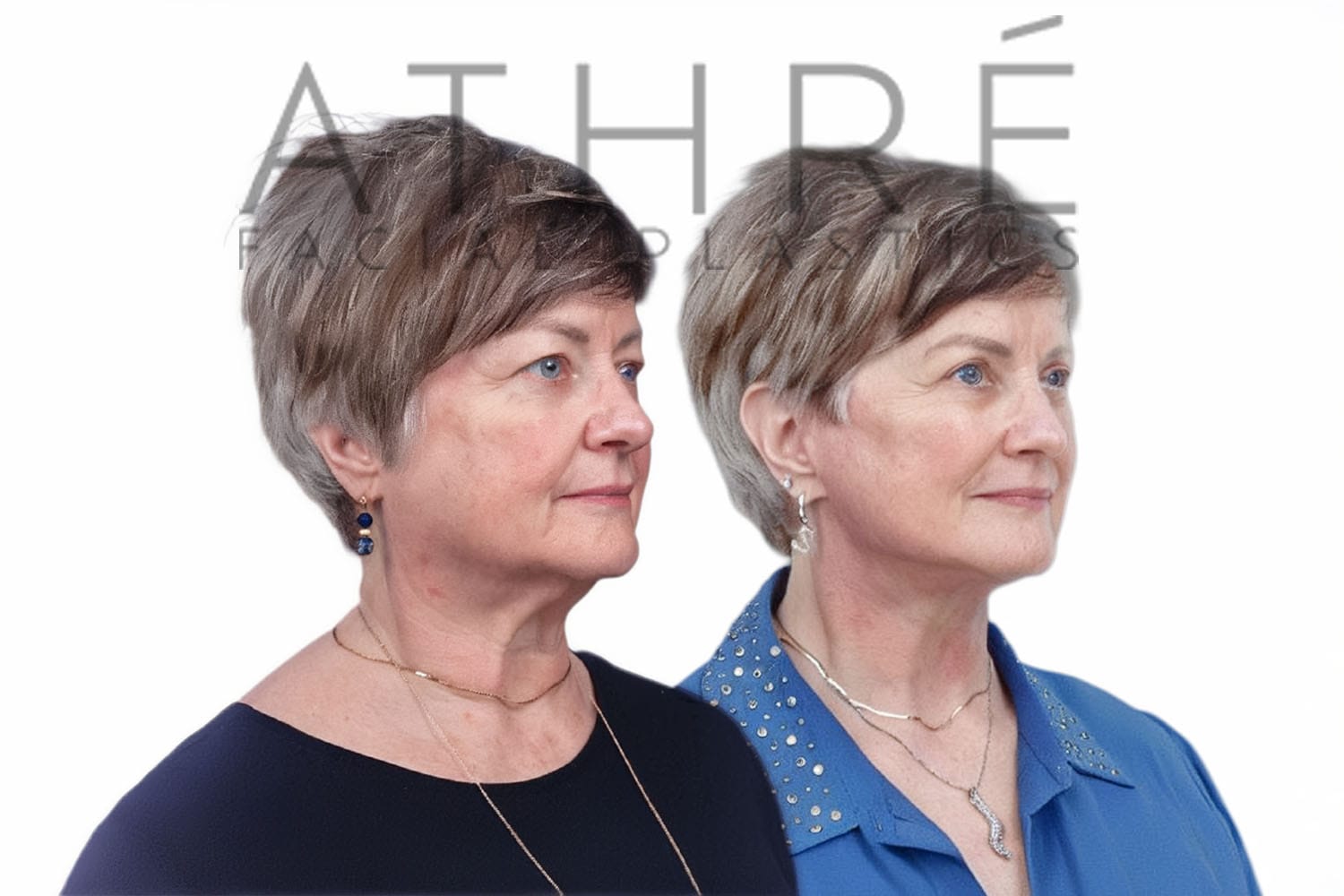
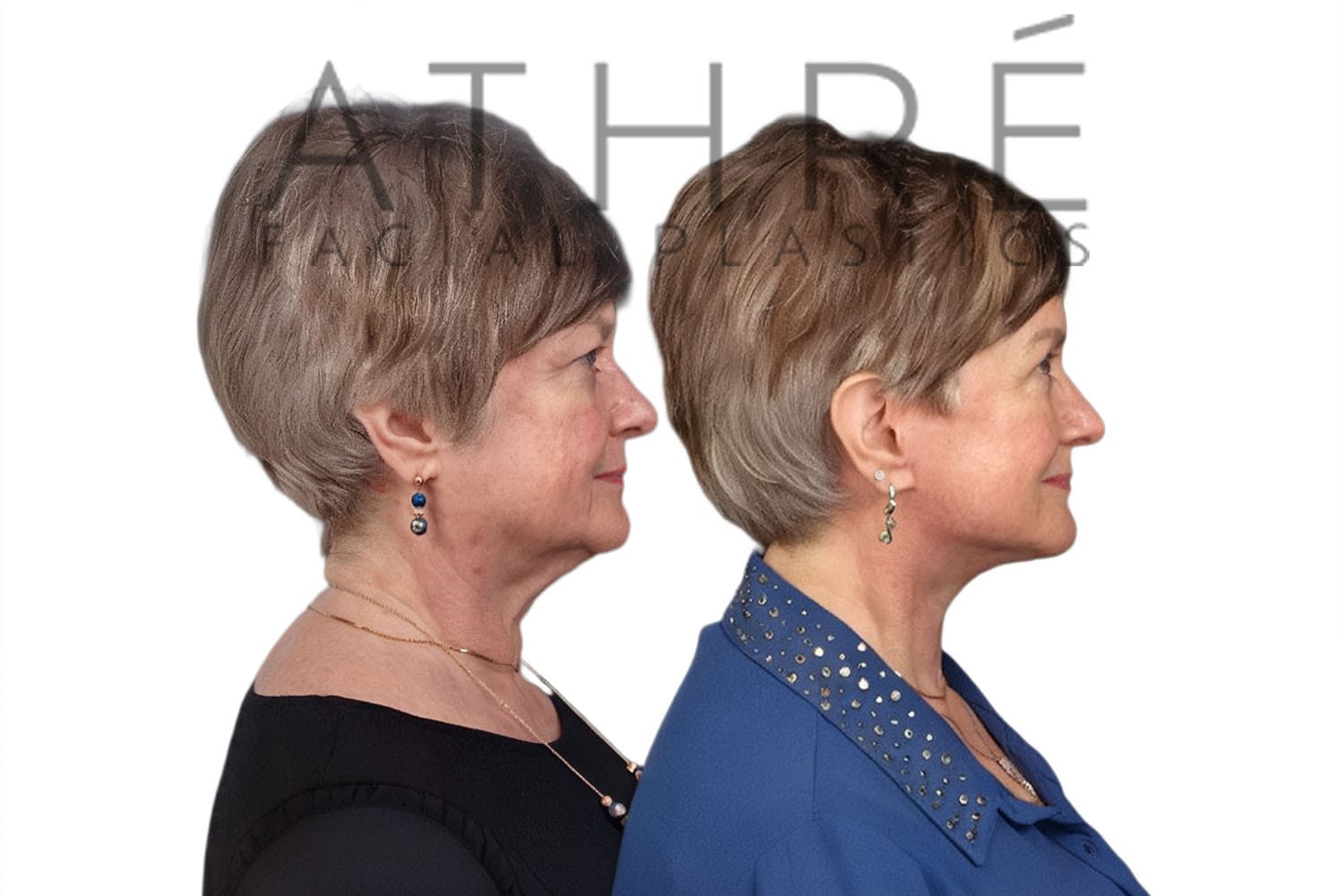
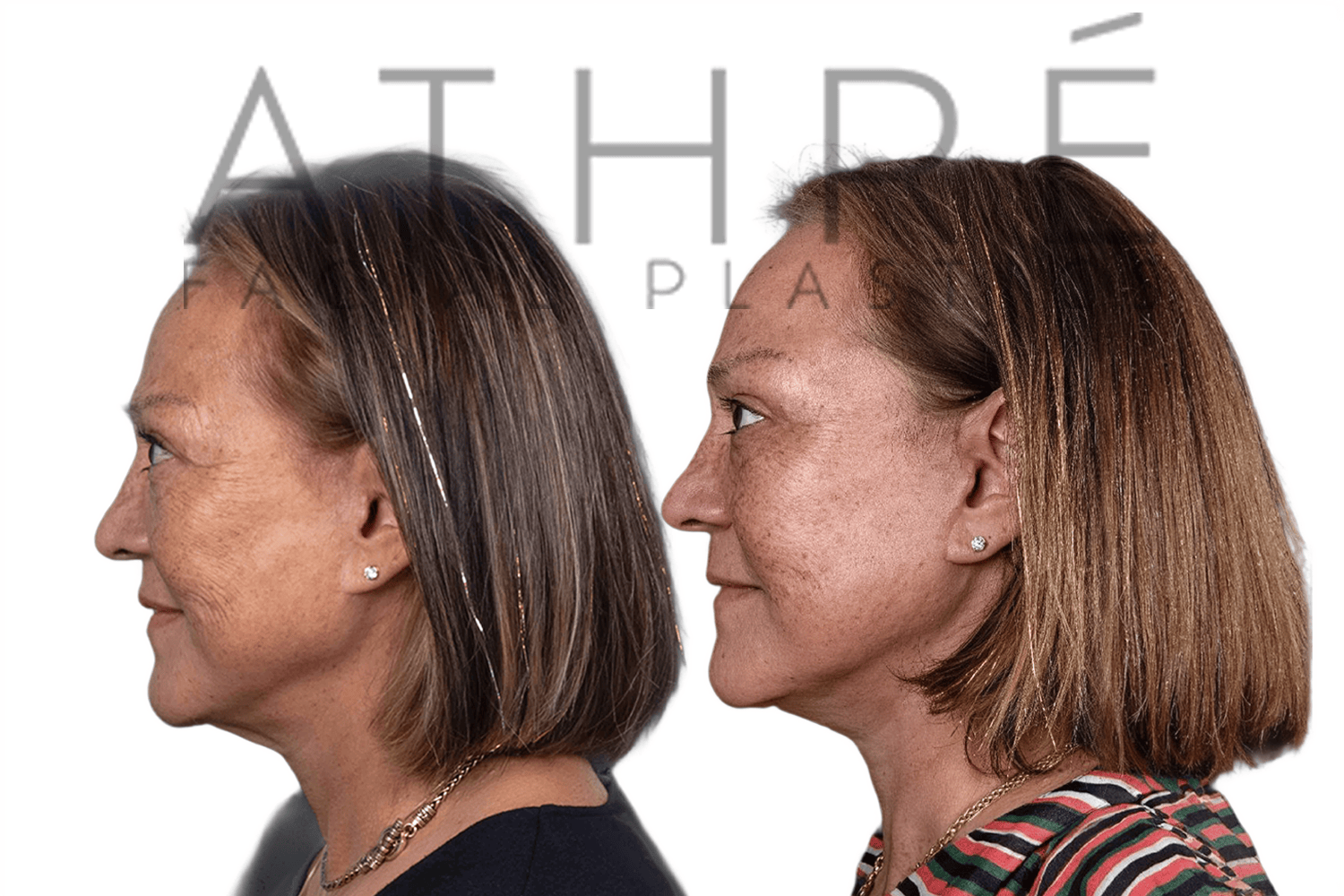
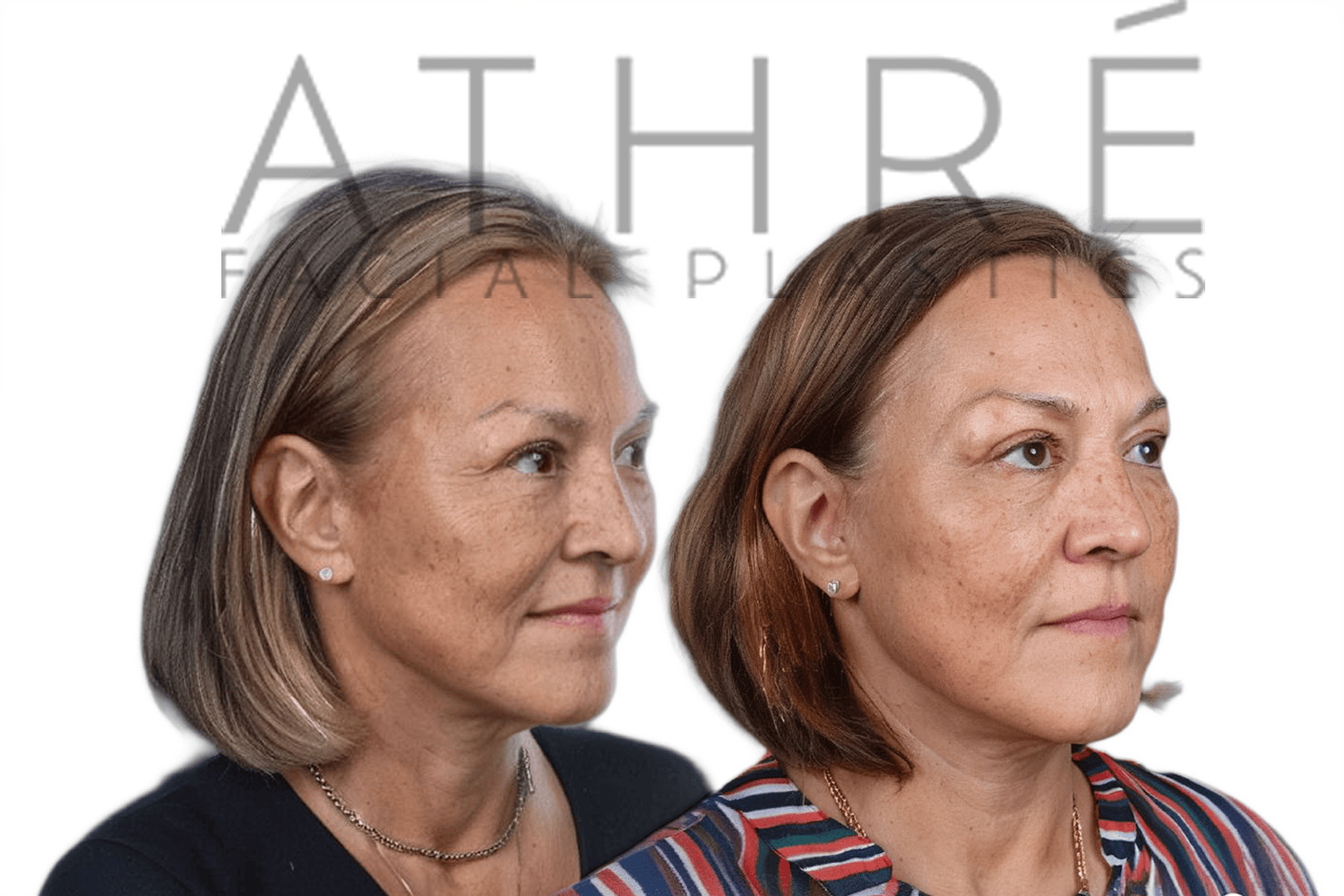
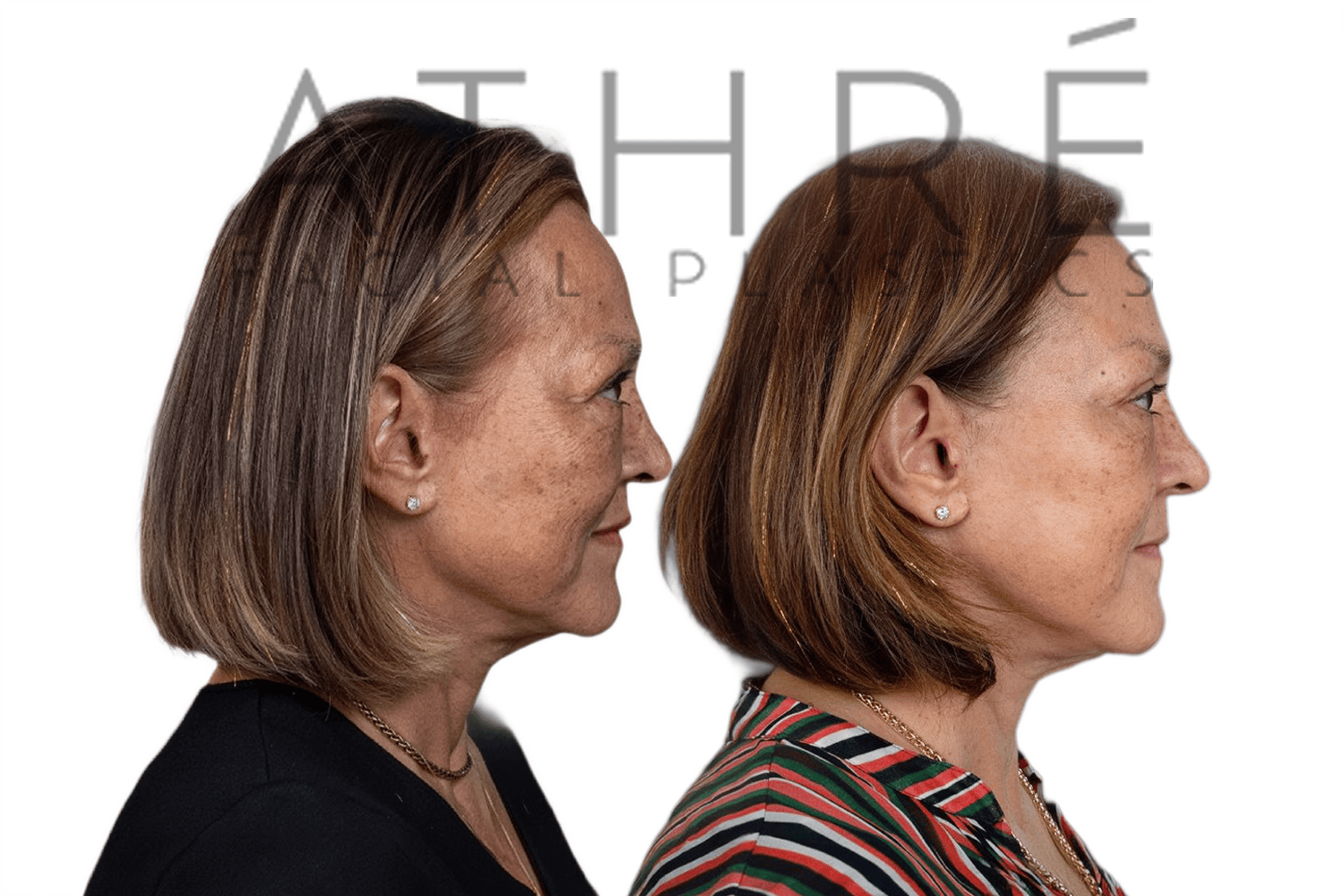
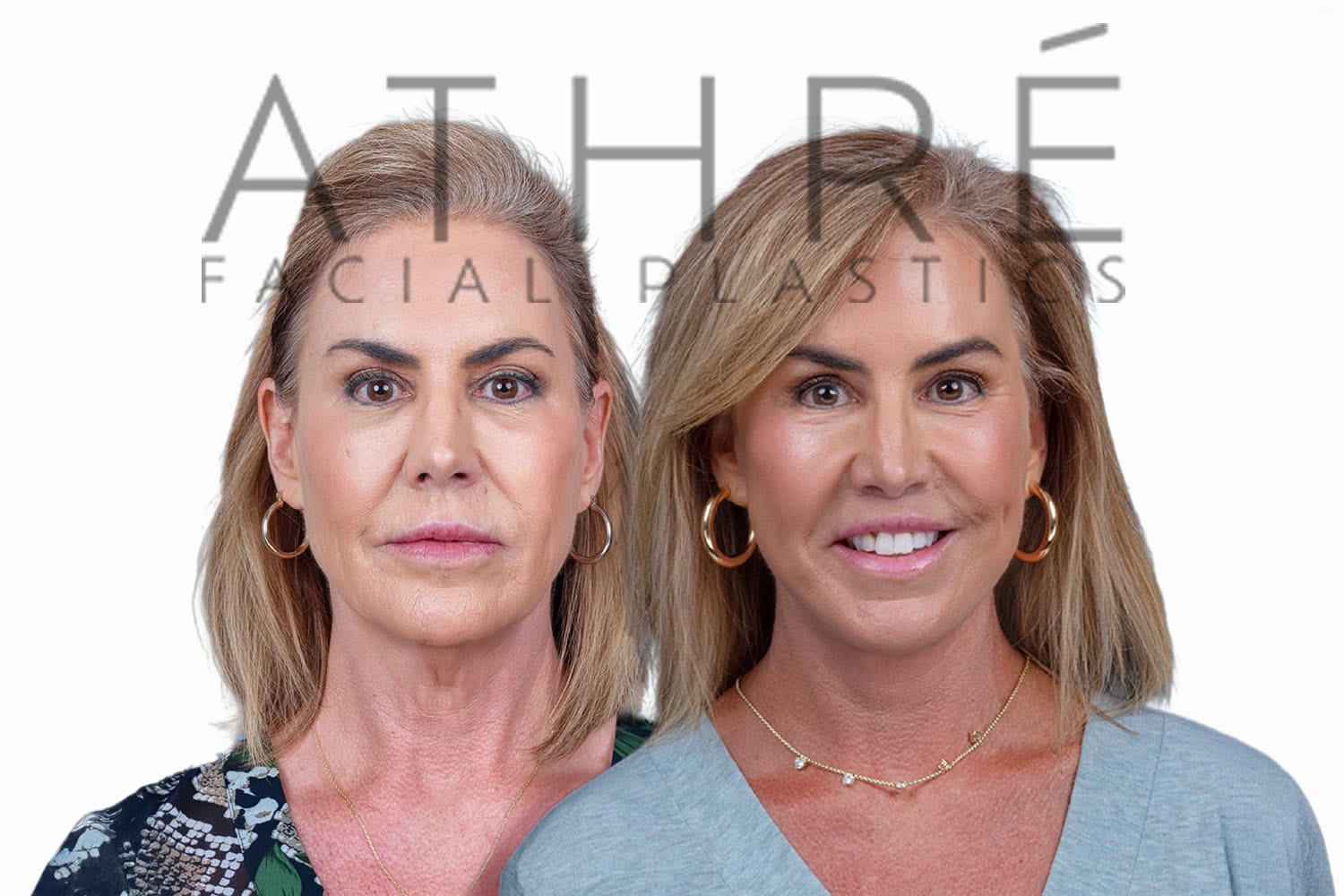
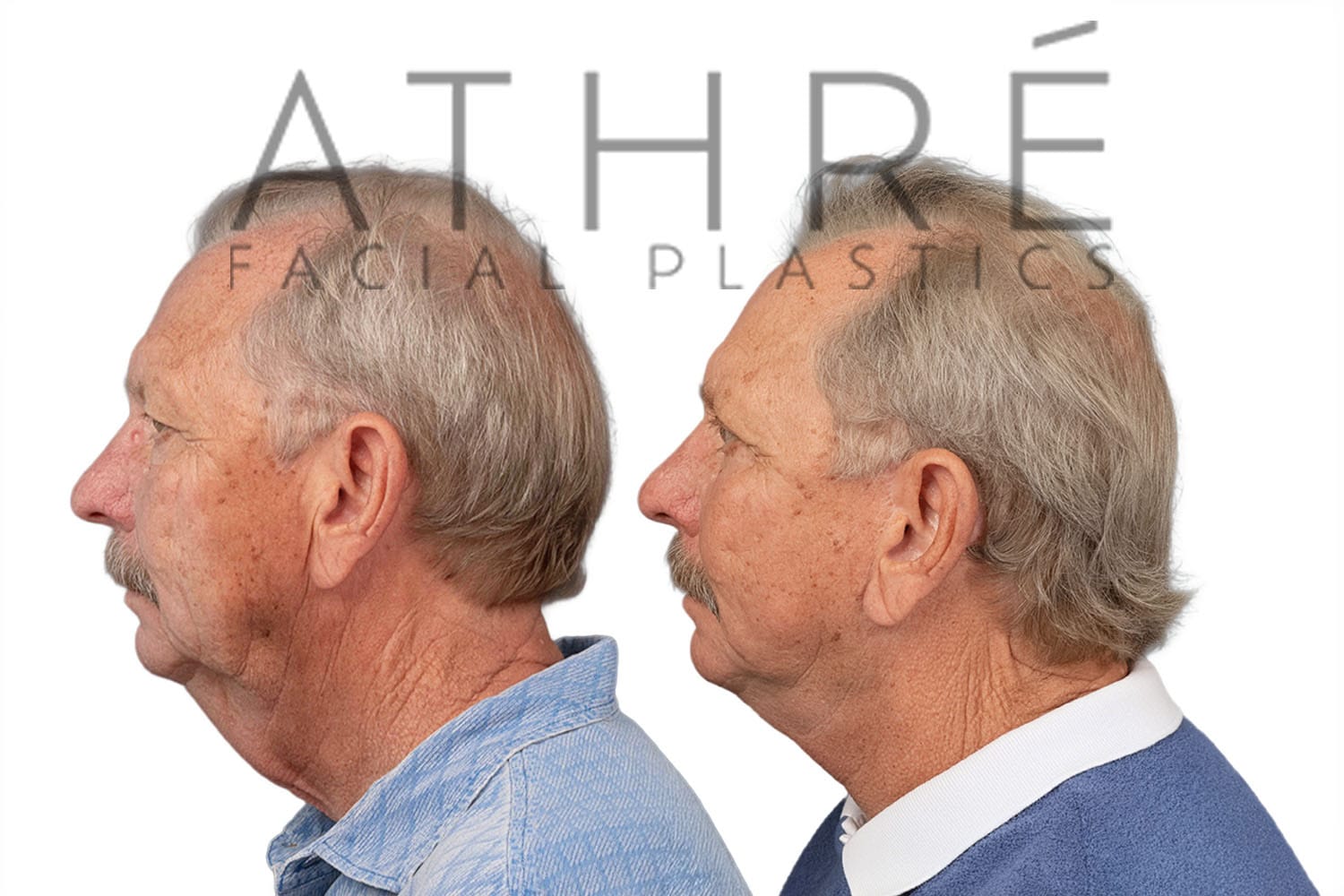
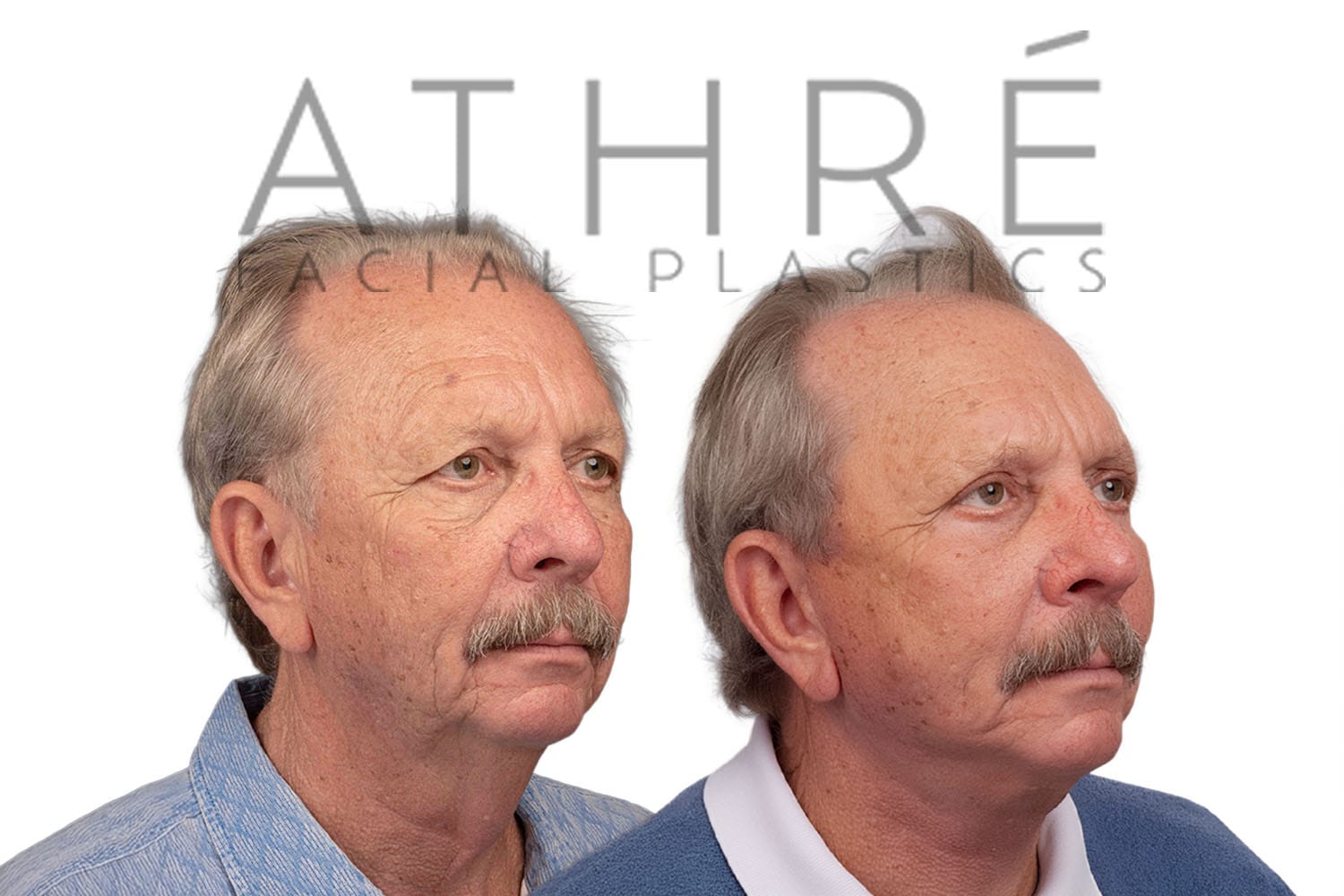
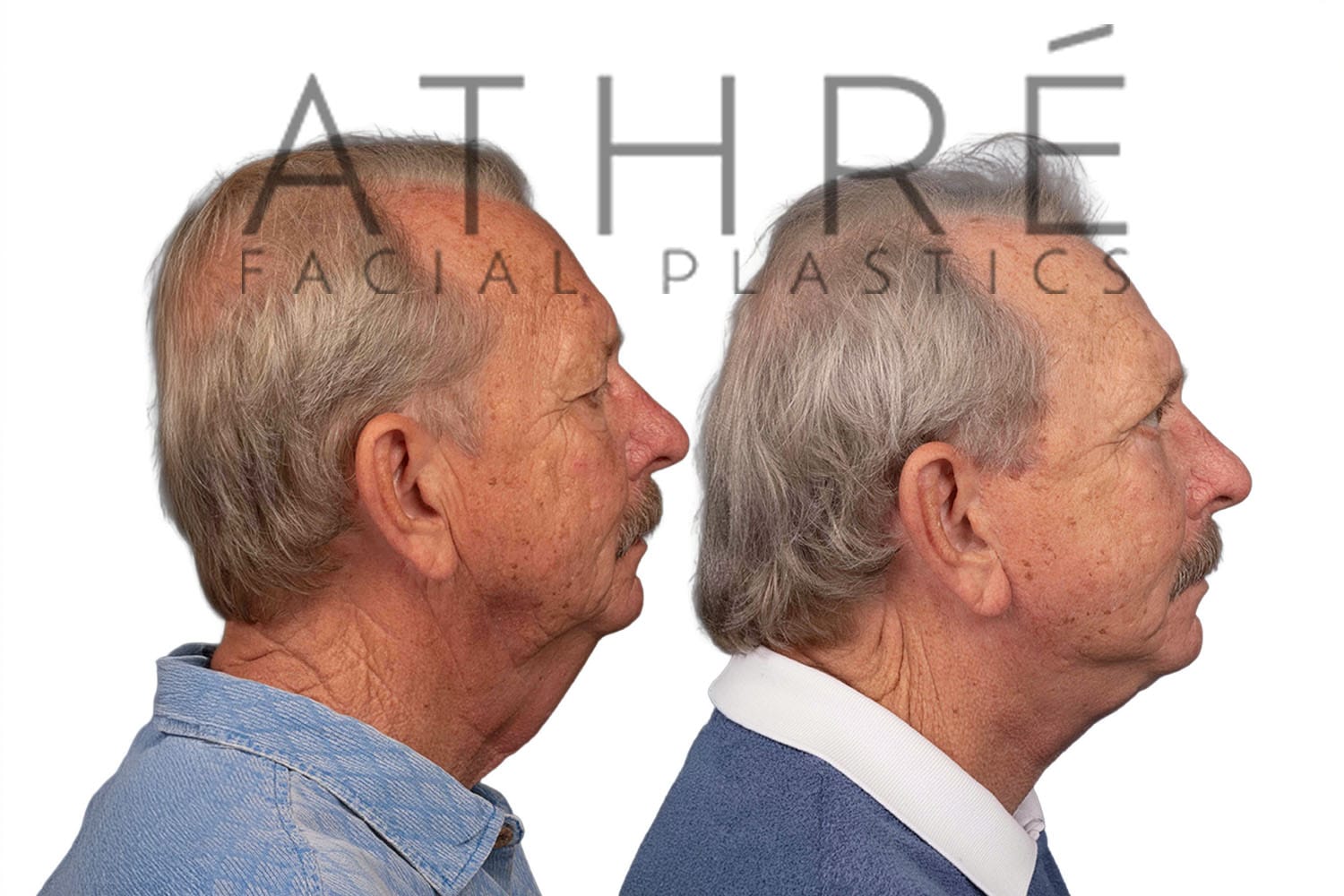
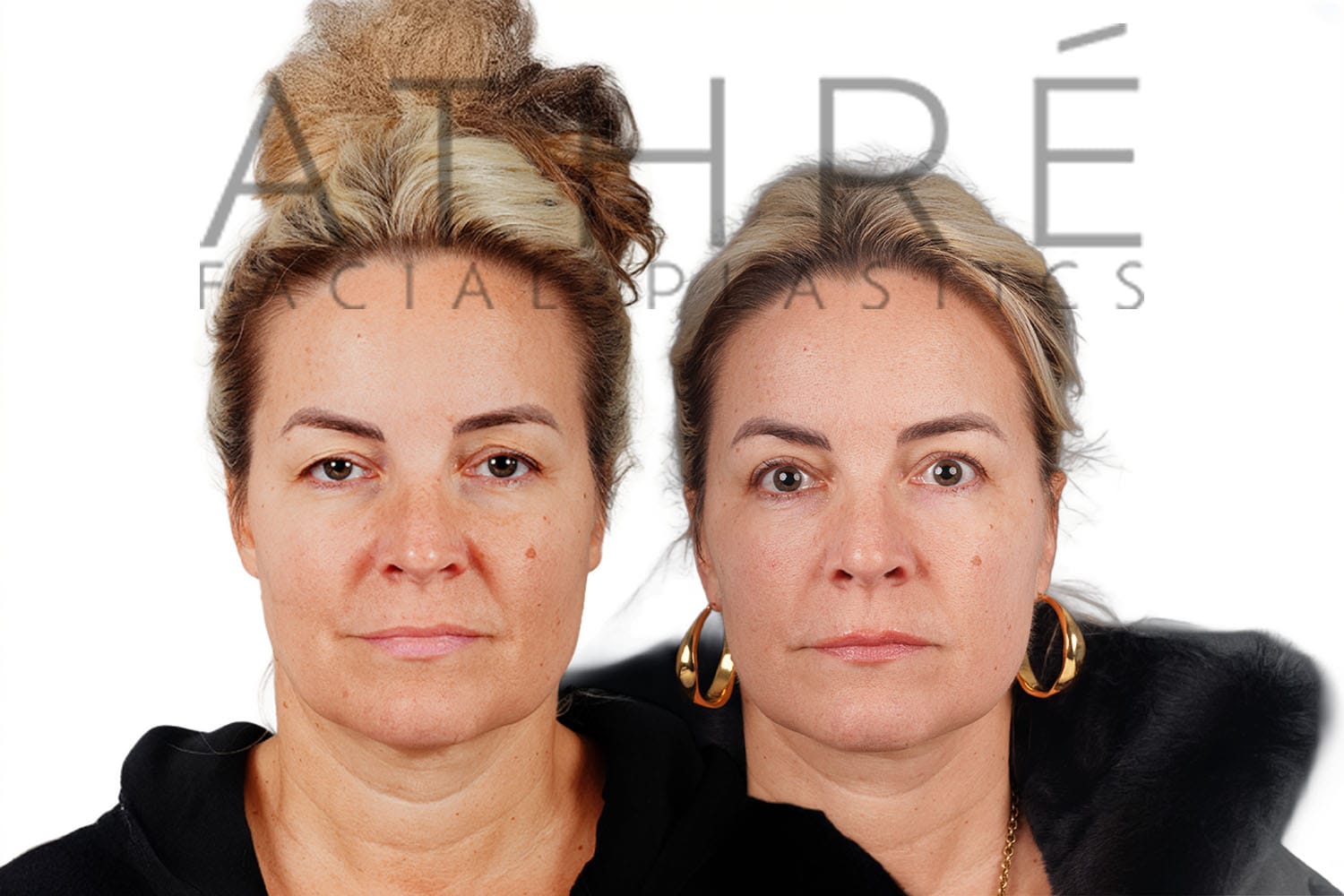
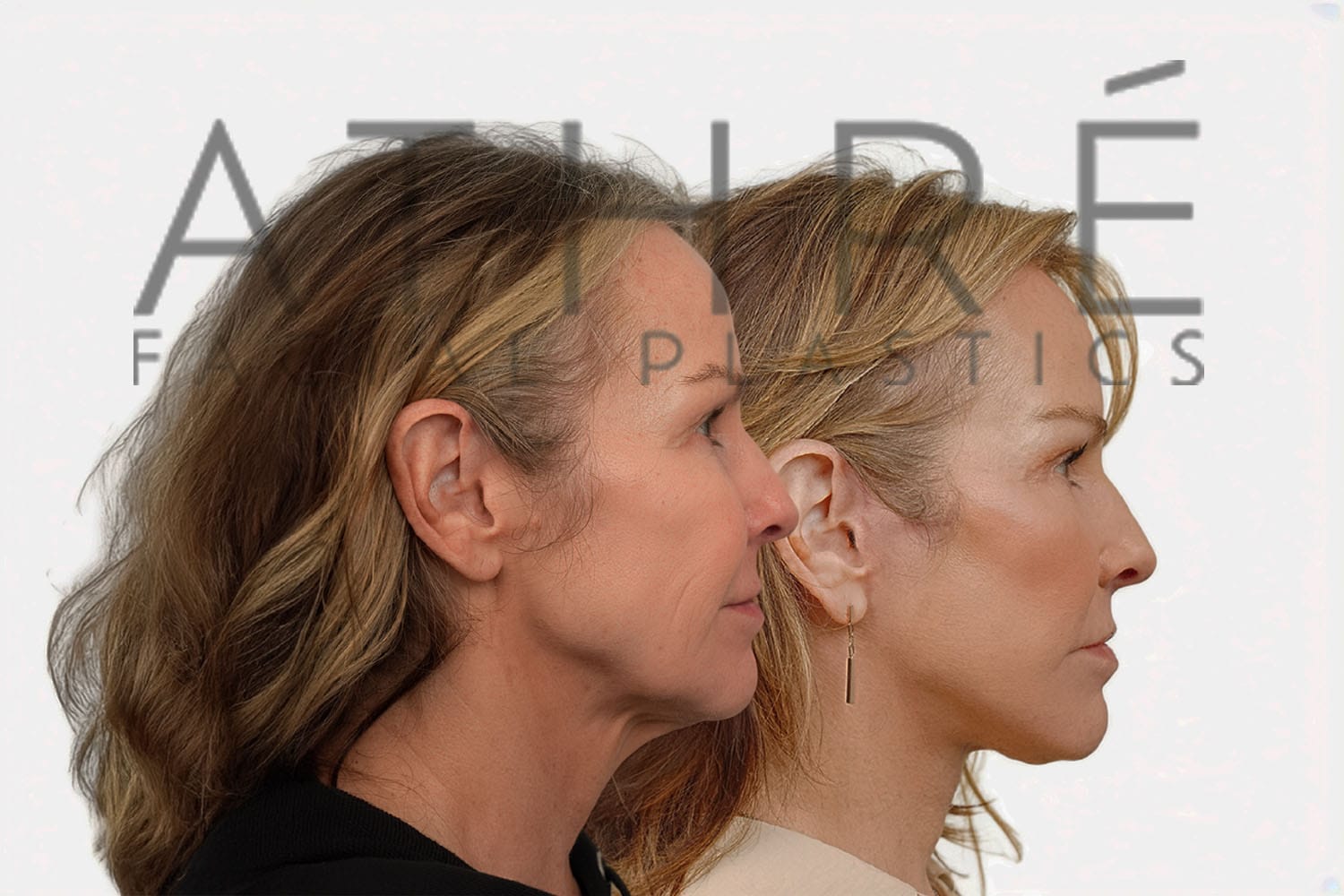
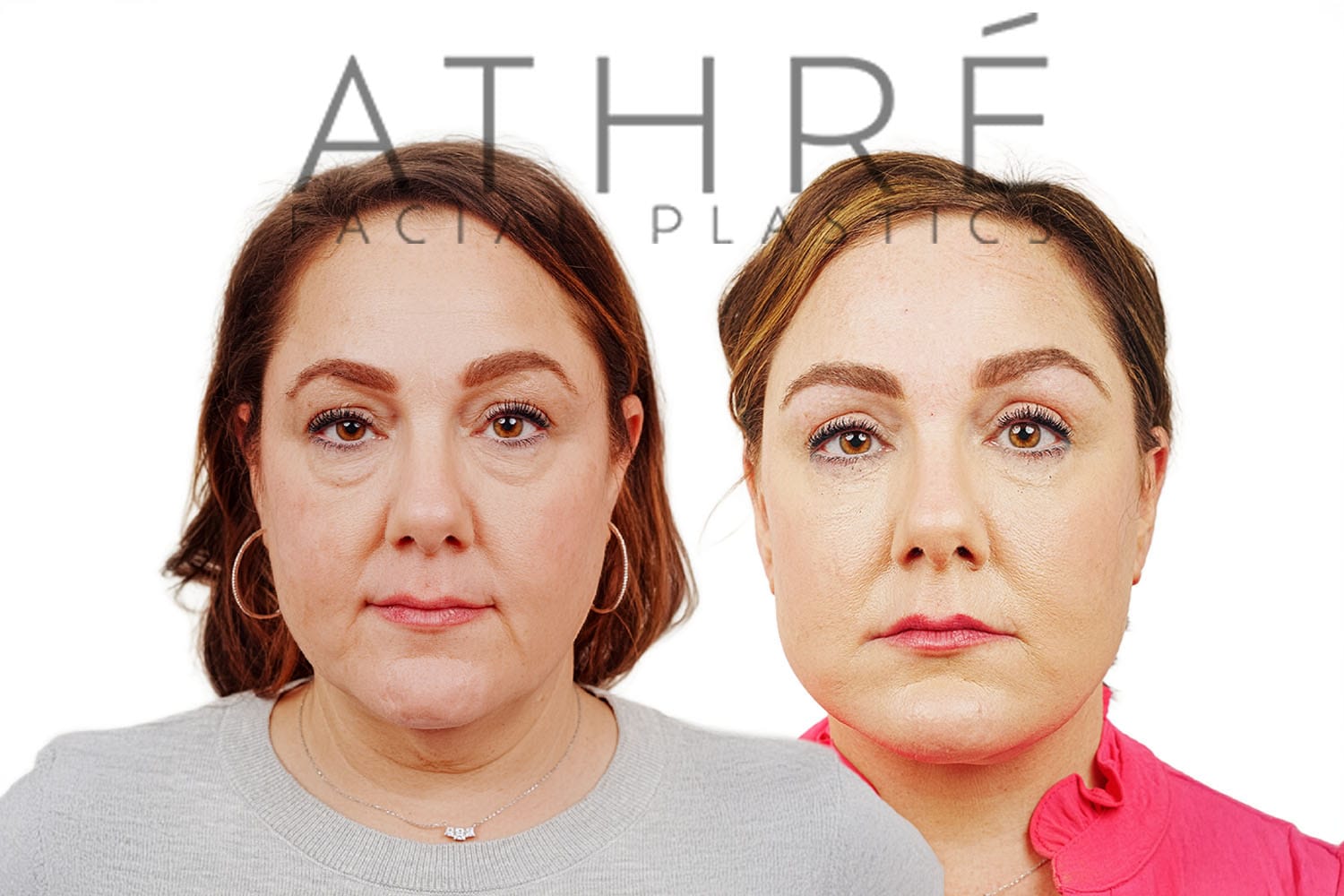
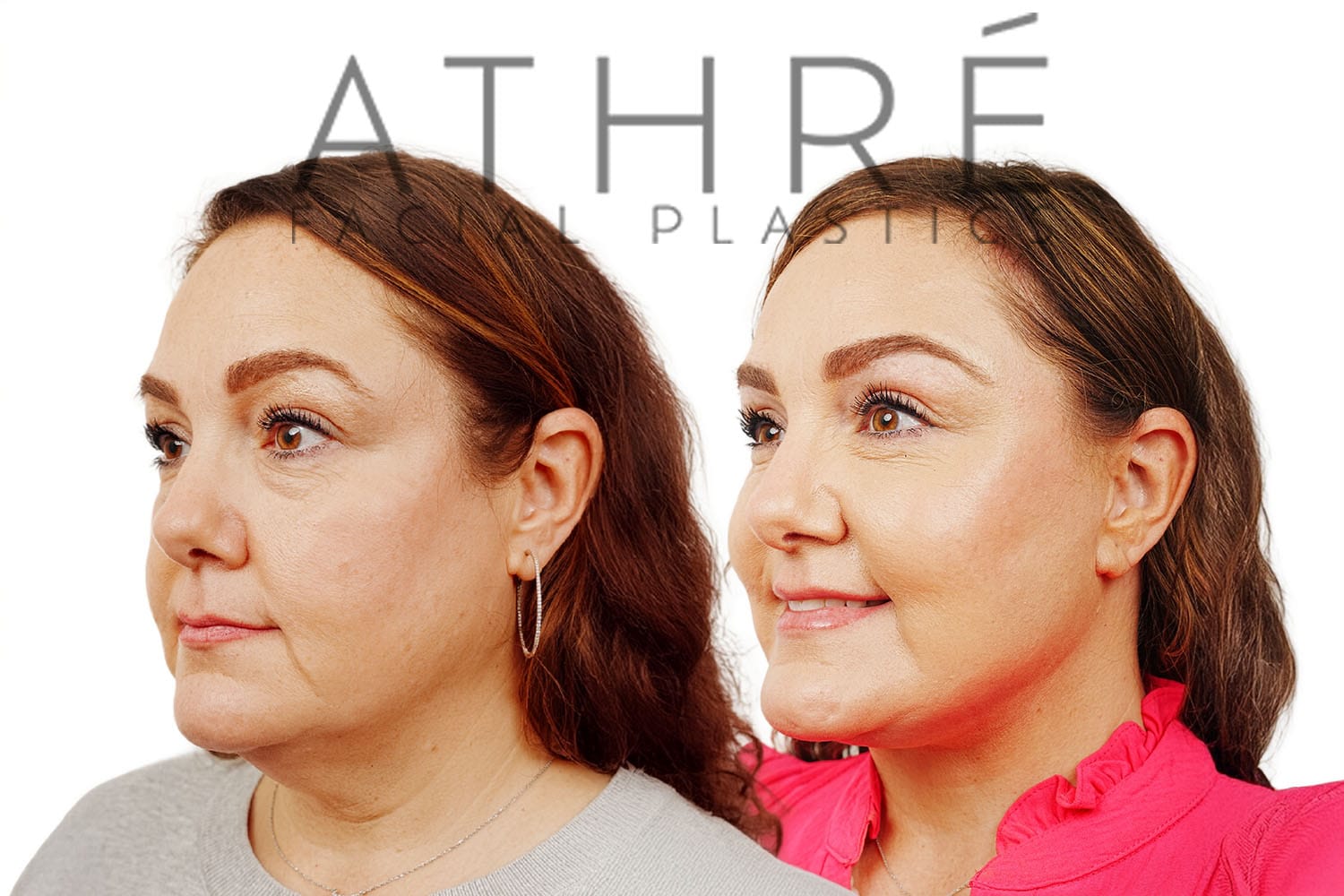
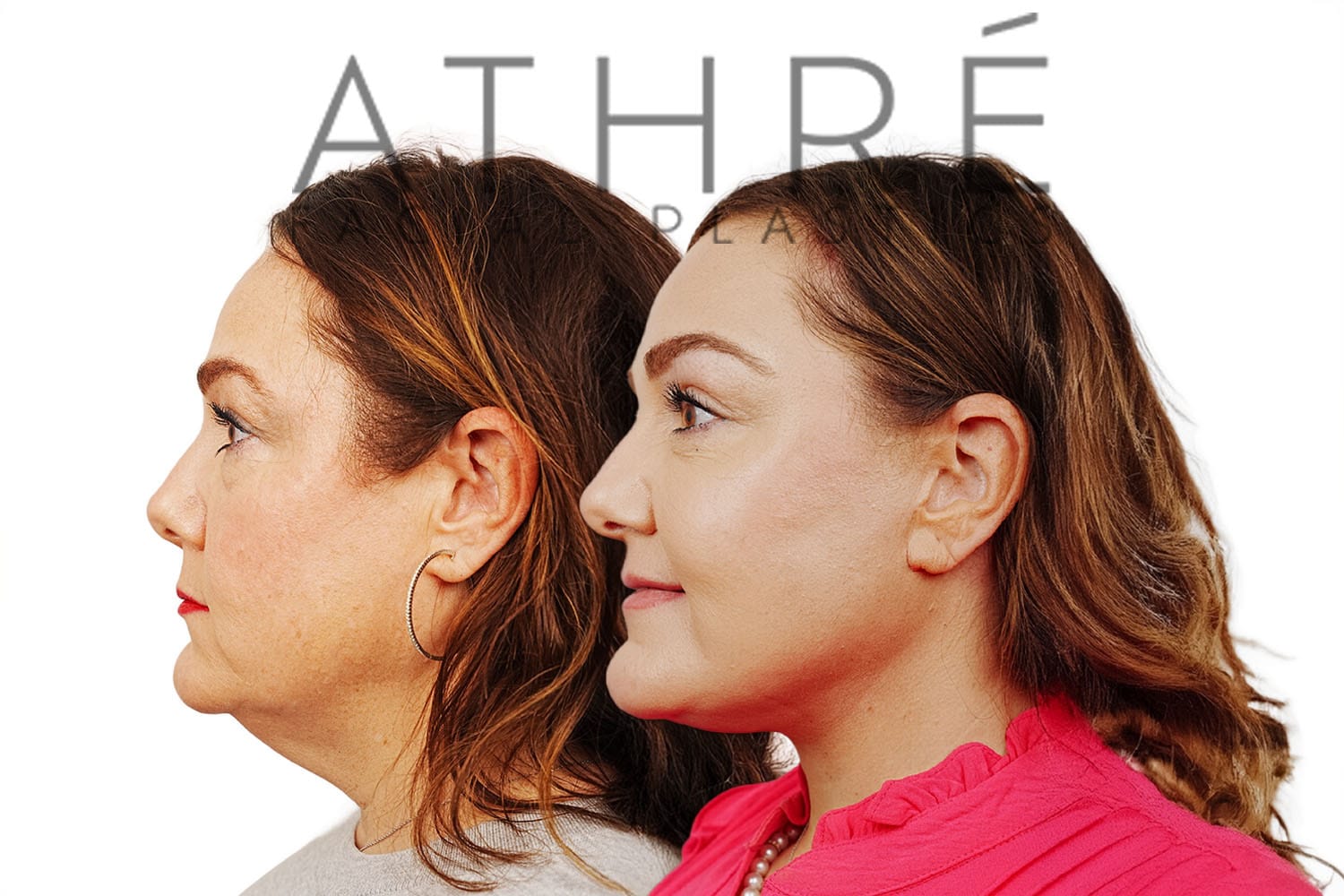
Every Face Ages Differently
There is no standard pattern of facial aging, which means there shouldn't be a standard facelift.
Some patients come to me because they've lost the definition they once had along the jawline. Others are bothered primarily by their neck. Sometimes the cheeks have descended or the face has lost volume with age. What matters is understanding what has actually changed in that particular face.
That is why I don't start with a predetermined operation. I start with the patient.
A Deep Plane Facelift may be appropriate when aging involves the deeper support of the face and more significant changes through the lower face and neck. For someone beginning to see jowling and early laxity, an RT Mini Facelift may be enough. When the changes are concentrated higher in the cheek, a Midface Lift allows us to address that area without treating more of the face than necessary.
My 4D™ Facelift is different. It is designed for patients who need a more comprehensive approach. In those patients, lifting the tissues may only solve part of the problem. Volume may need to be restored. The skin itself may need attention. The operation is built around what I see in that patient's face.
The purpose isn't to do more. It's to do what the face actually needs.
What to Look for in Facelift Before & After Photos
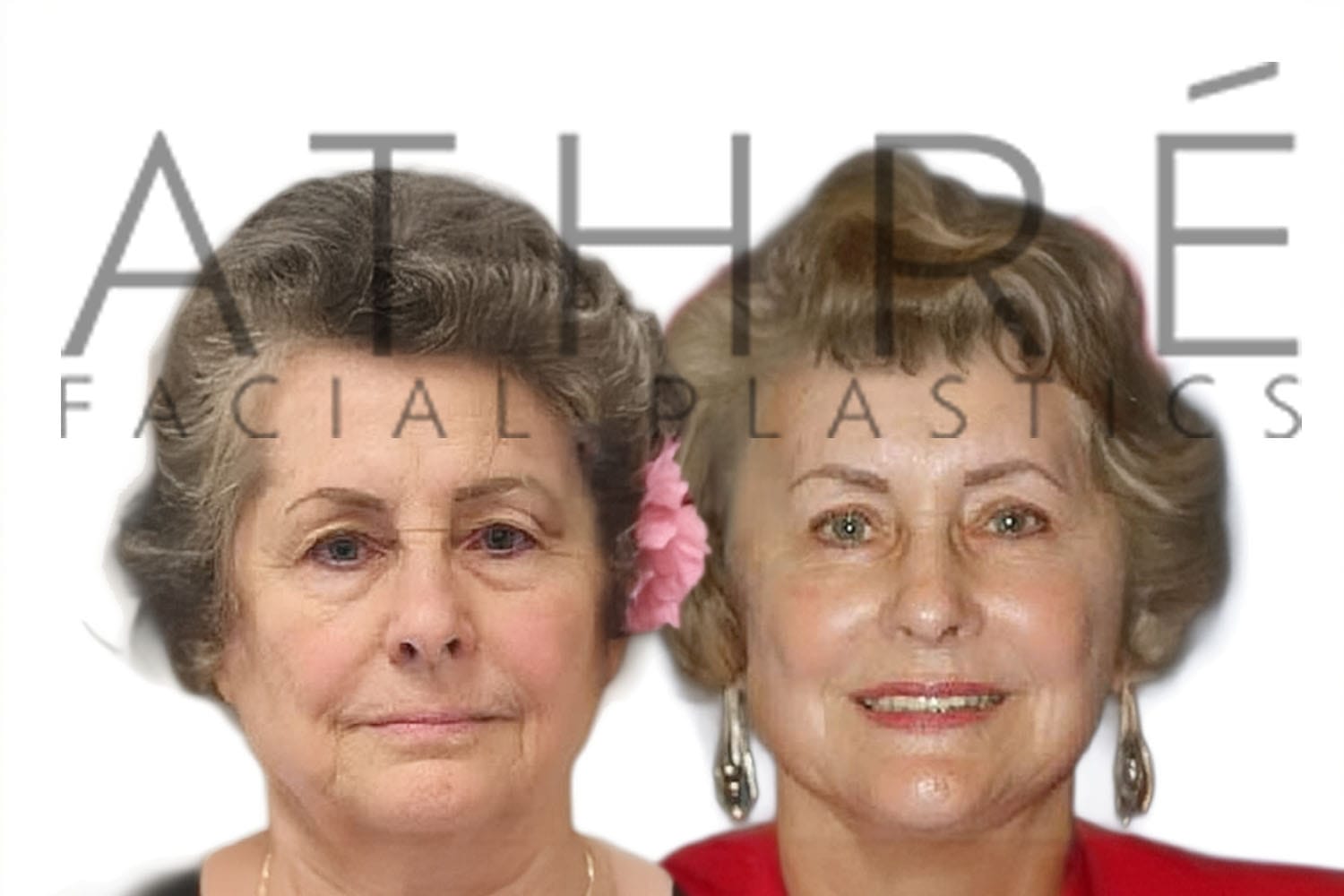
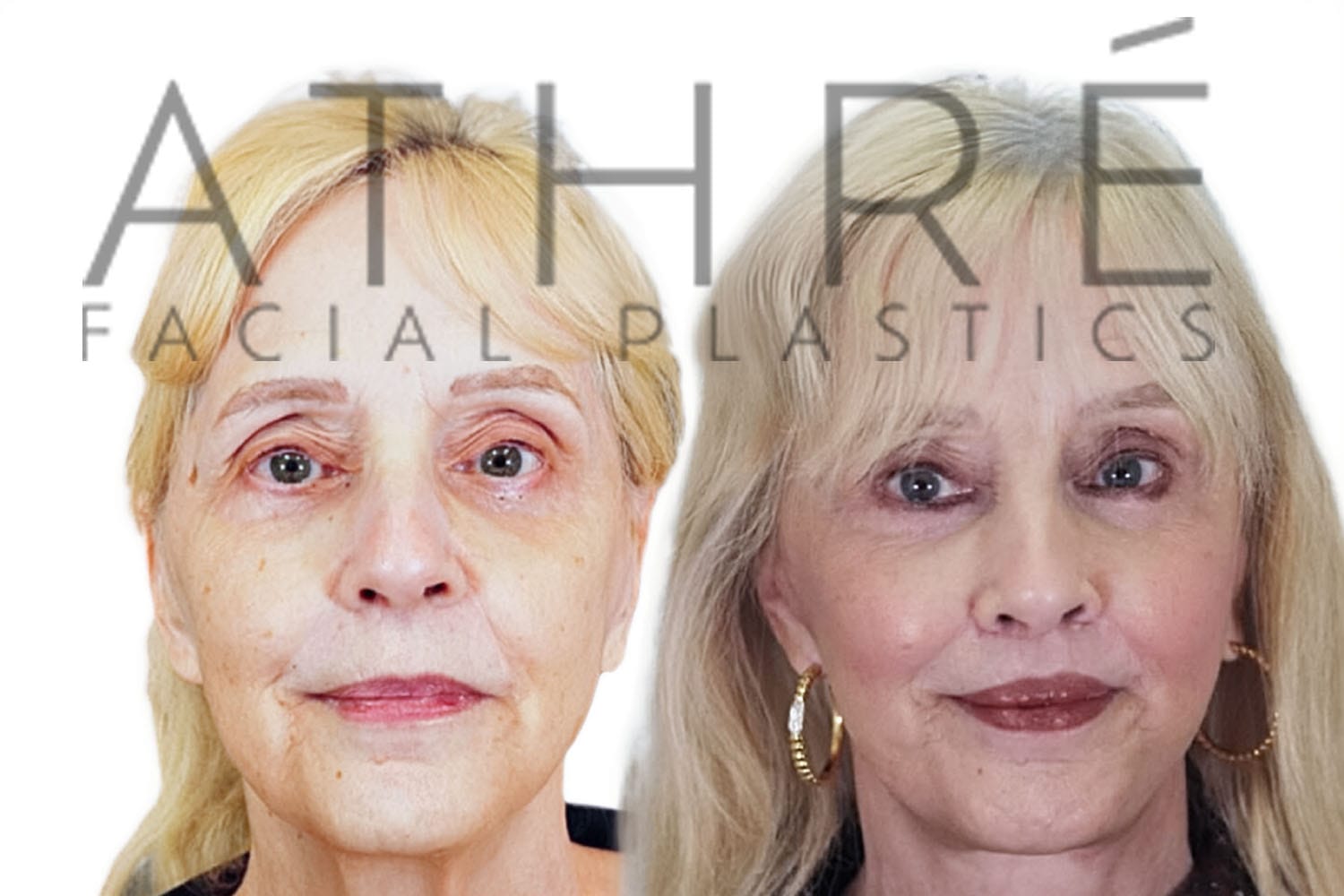
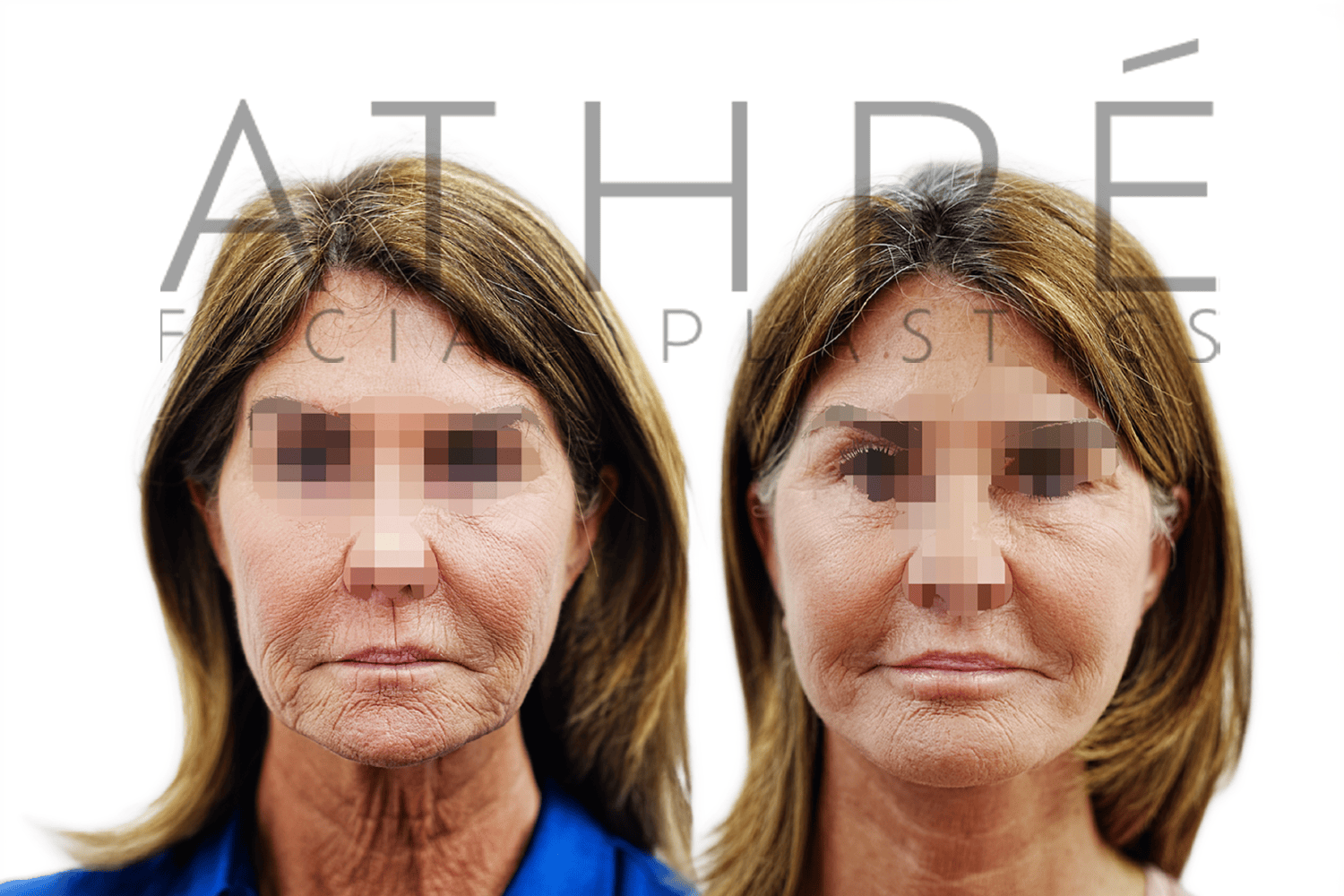
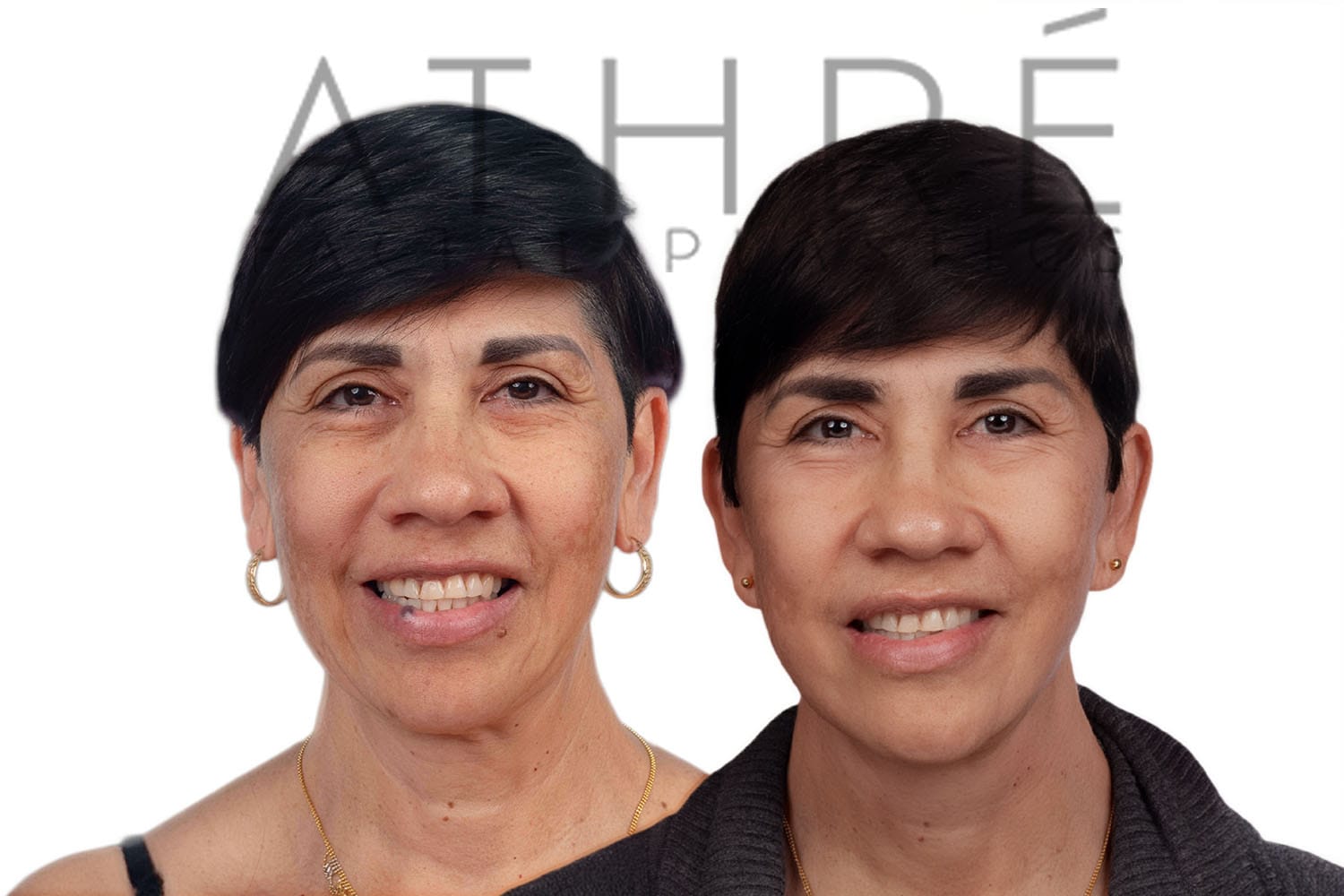
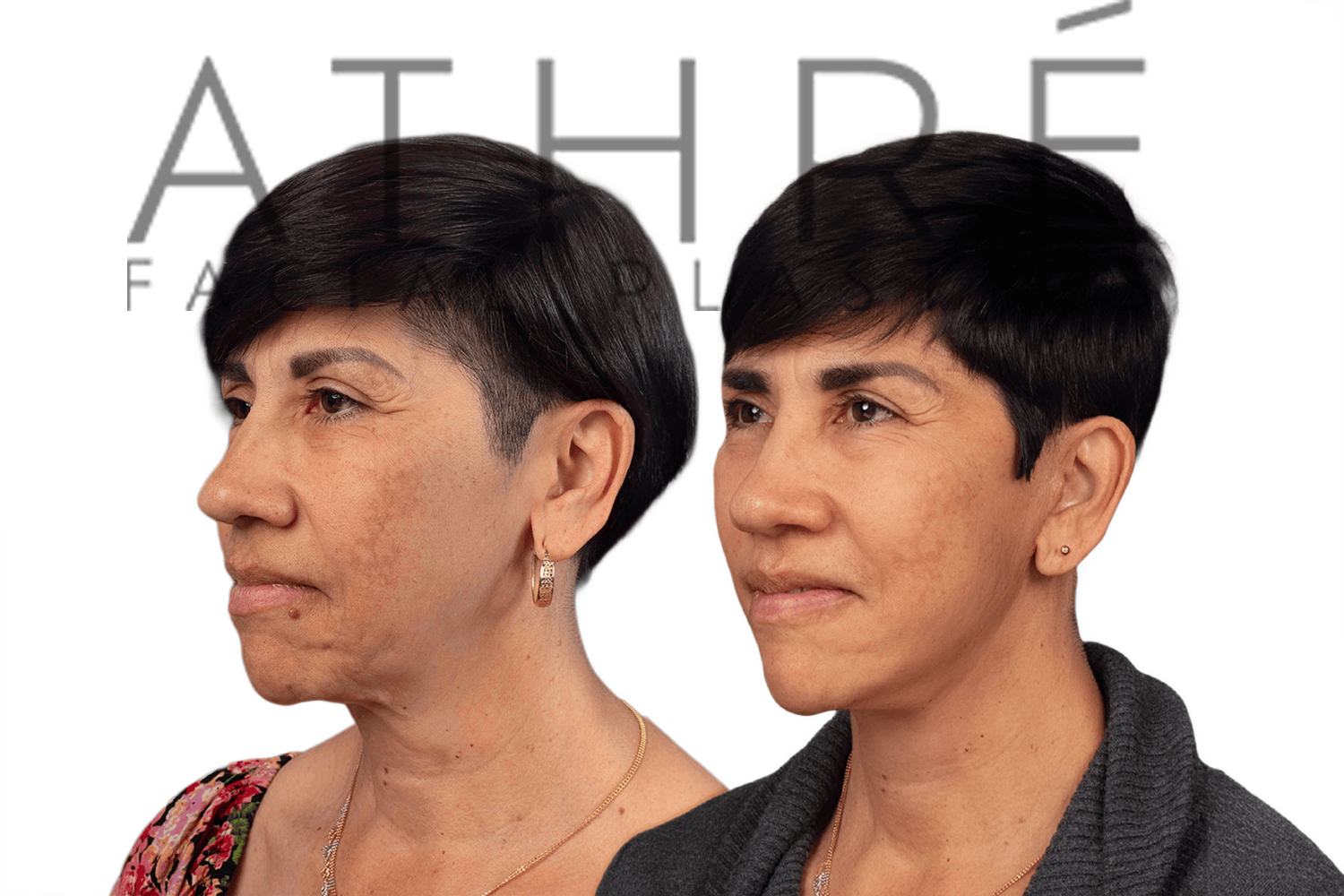
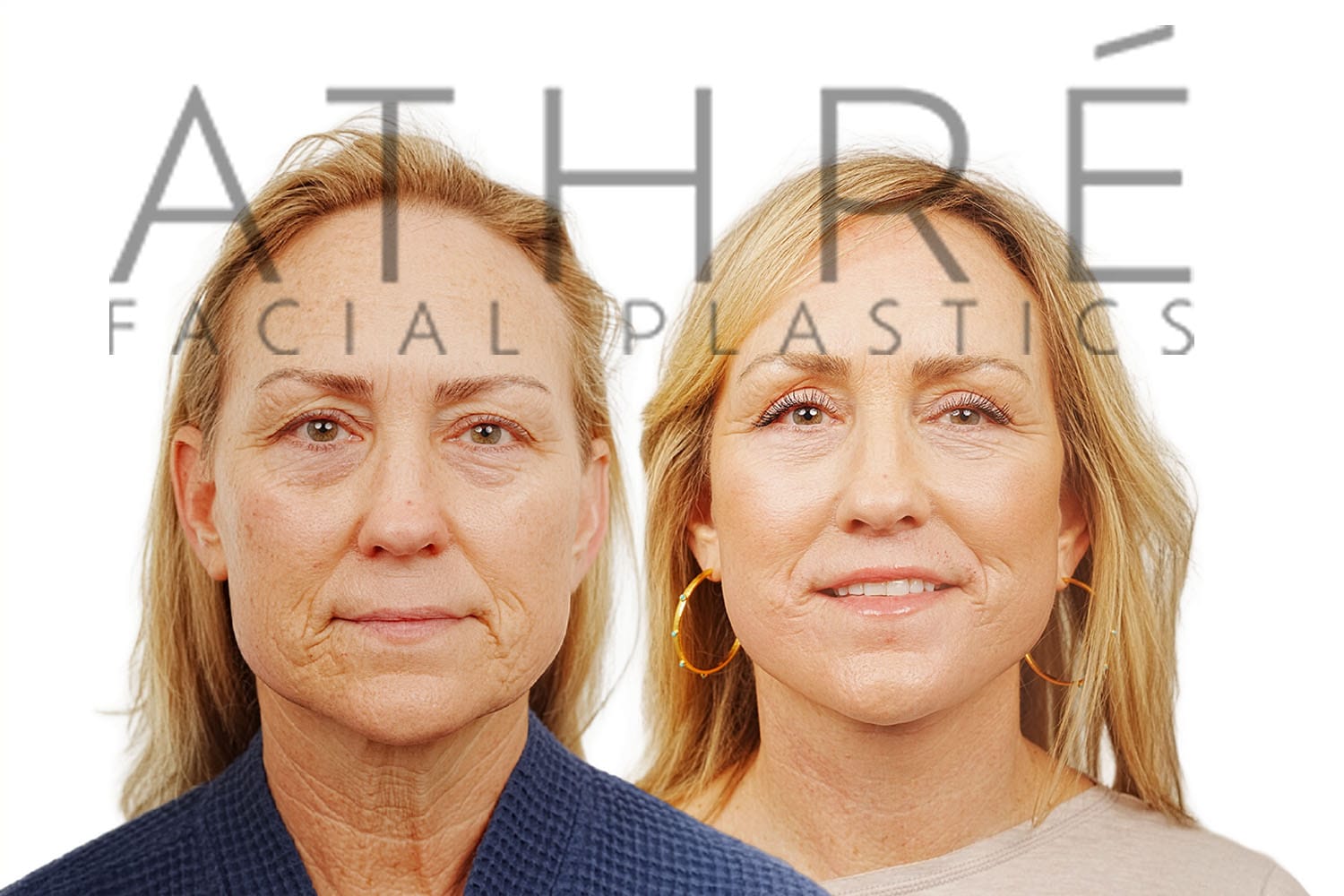
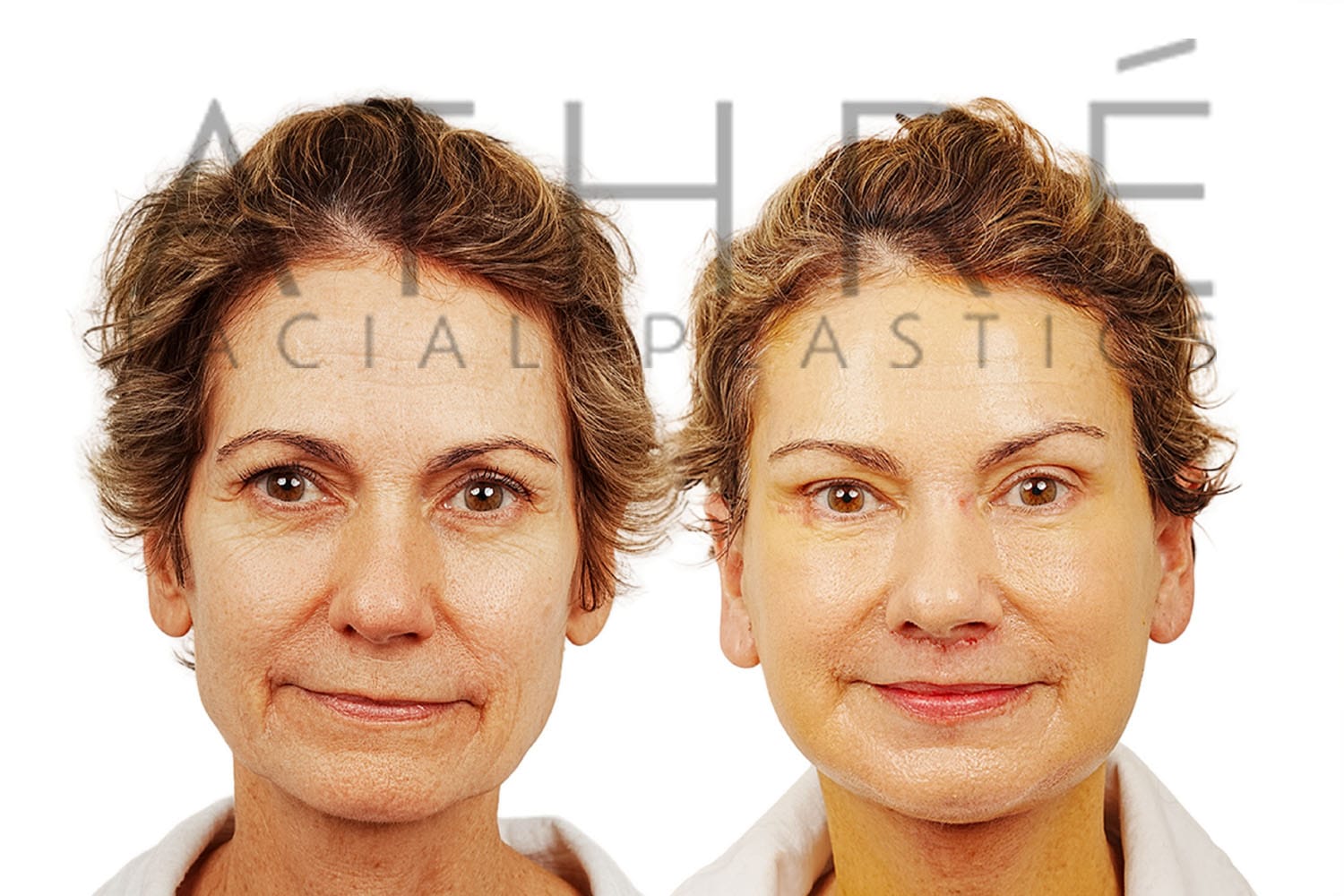
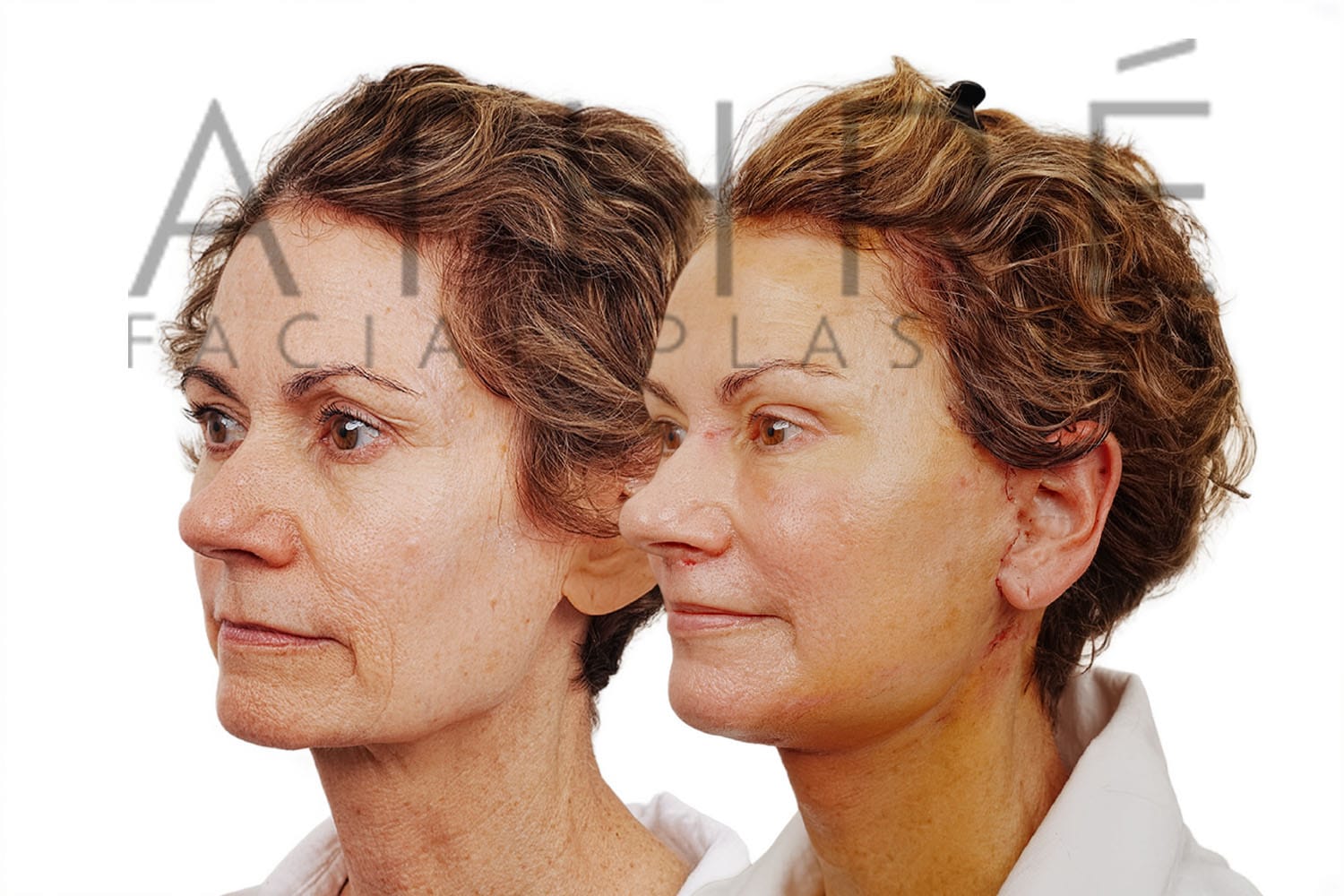
When evaluating facelift results, don't look only at tighter skin.
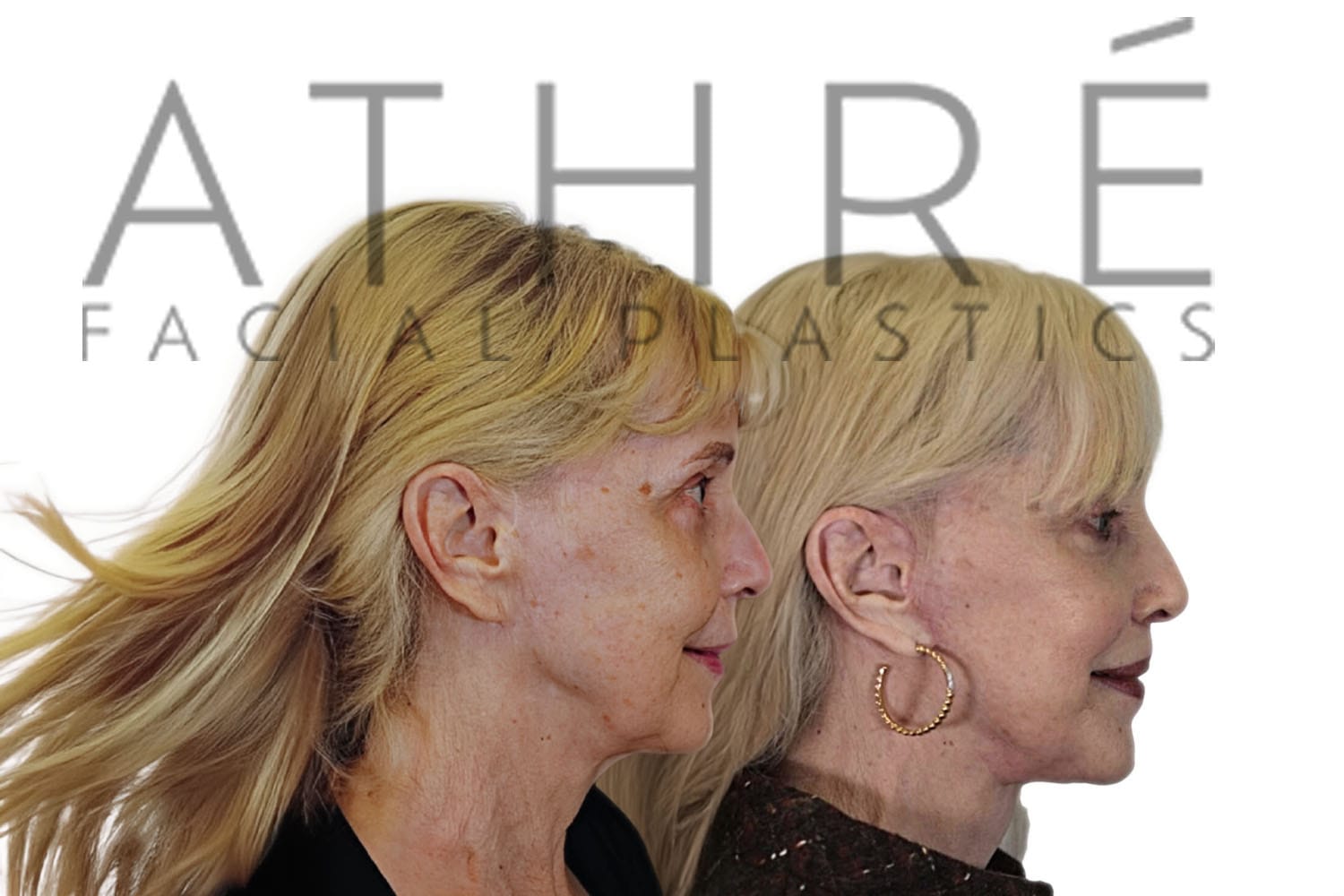
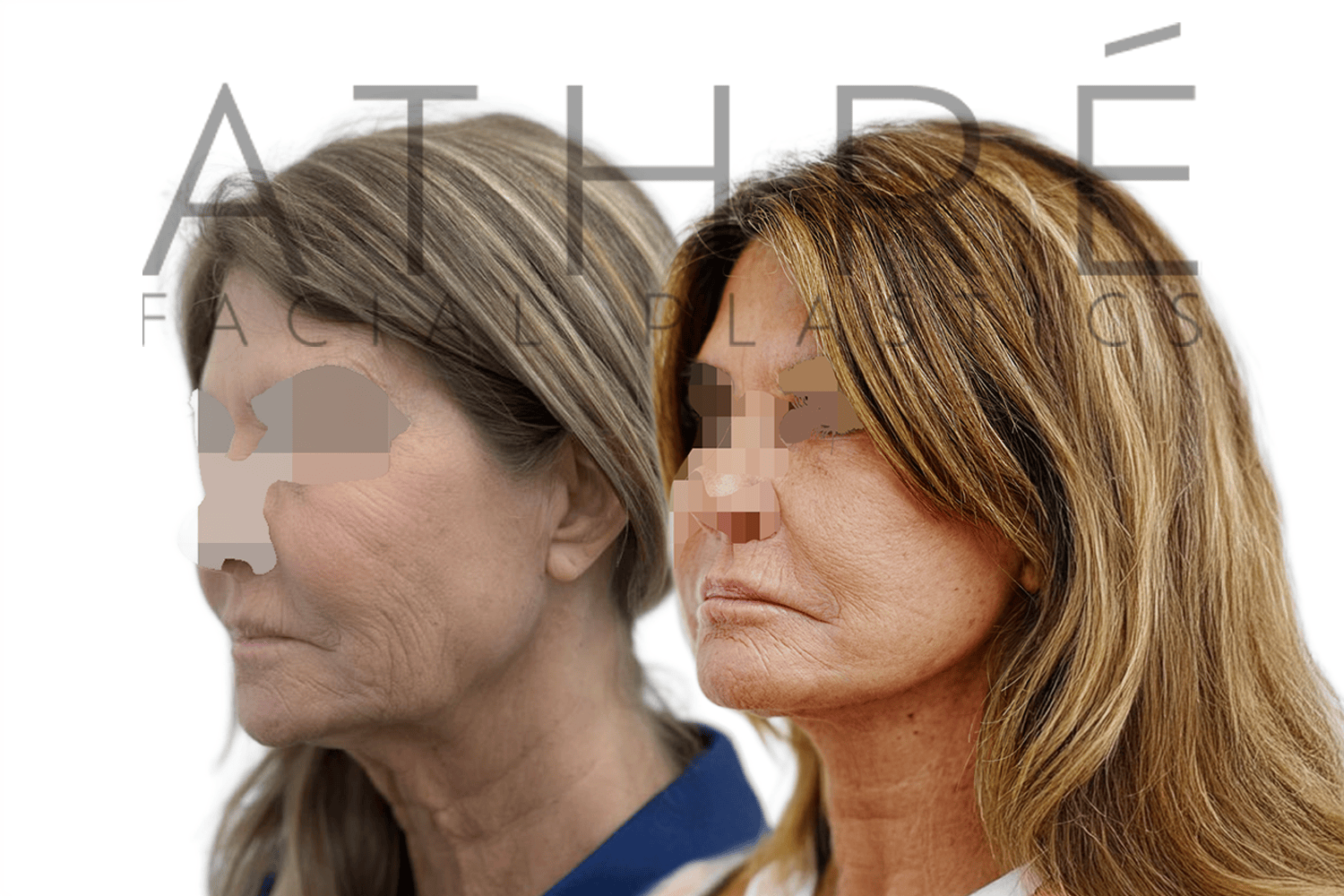
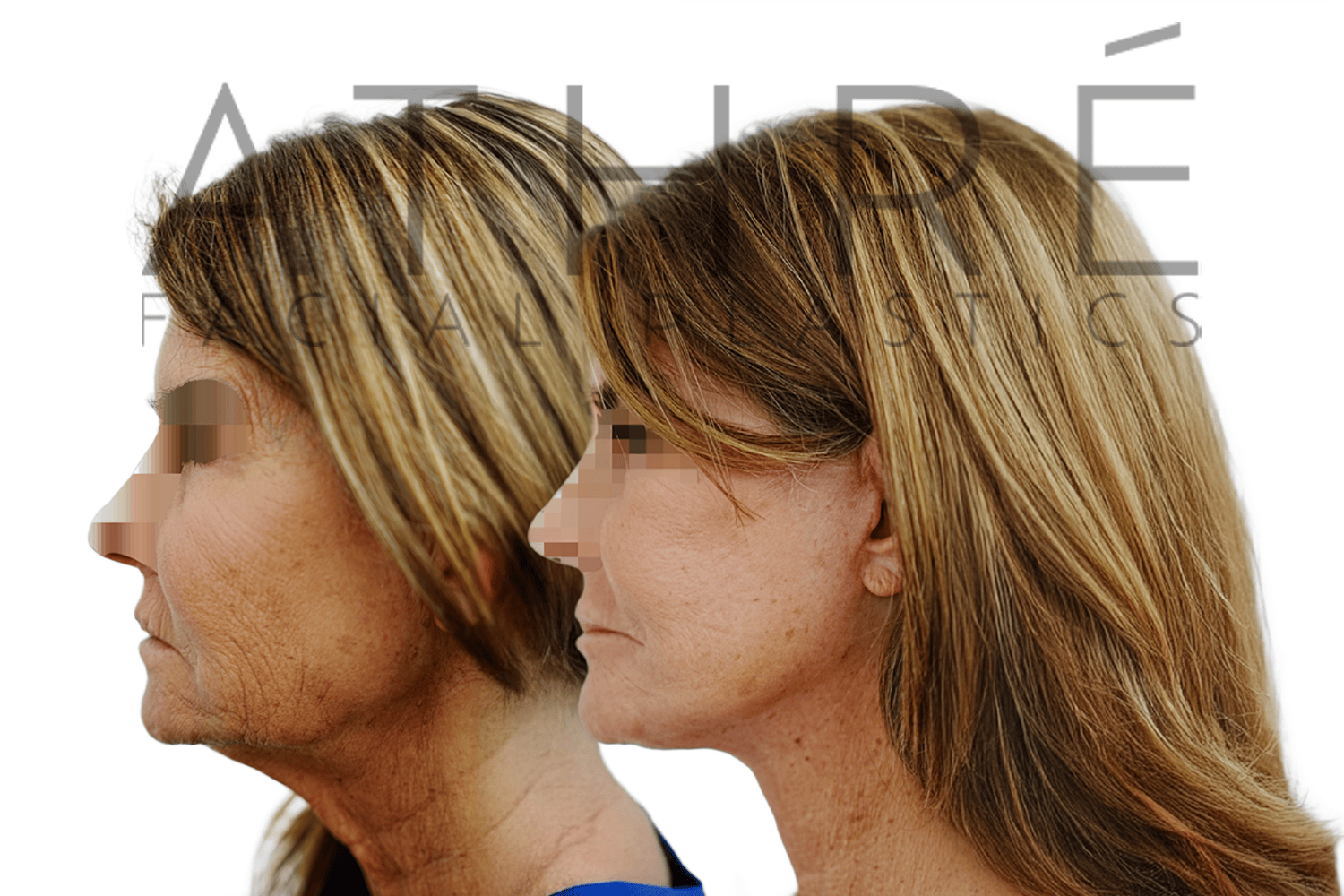
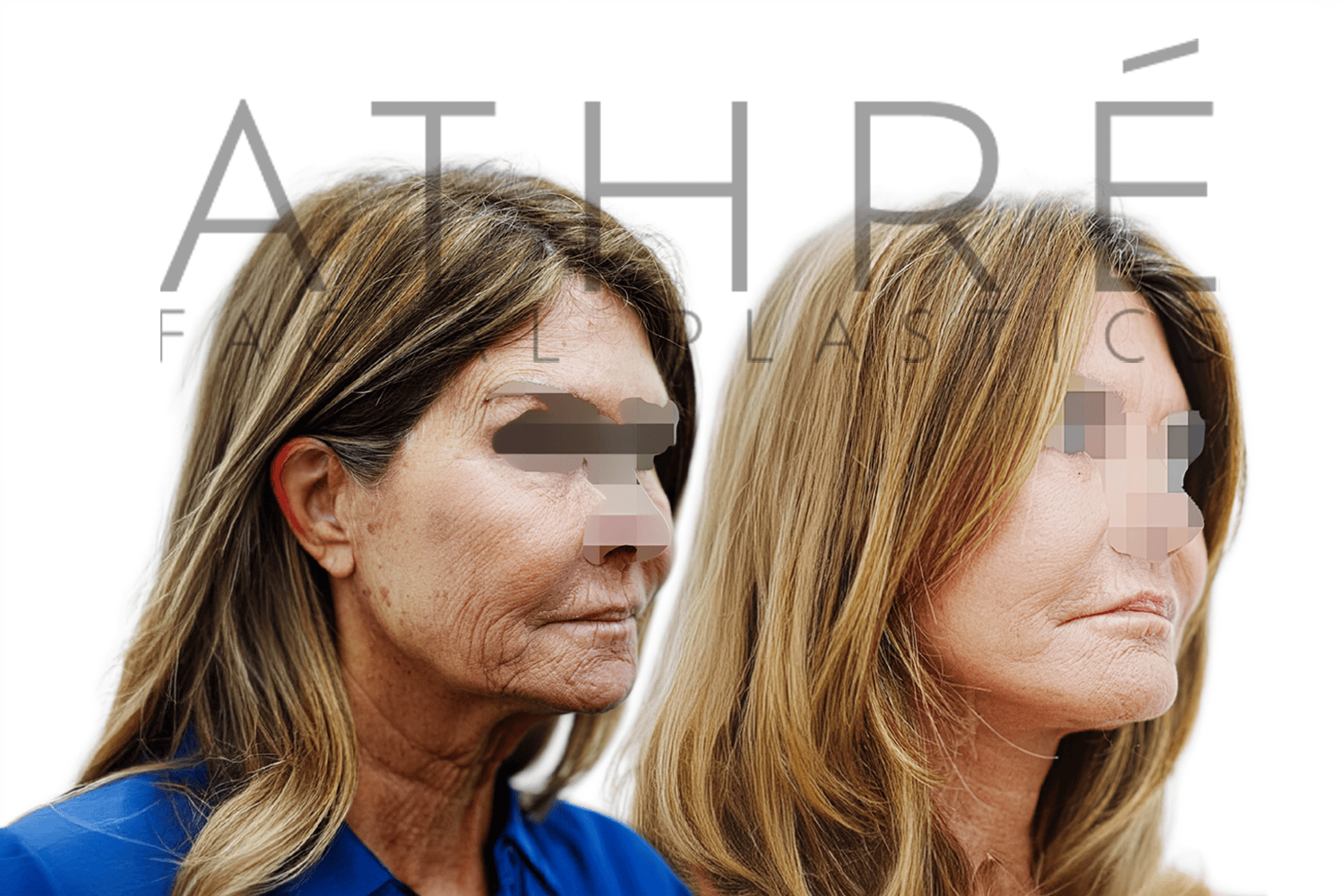
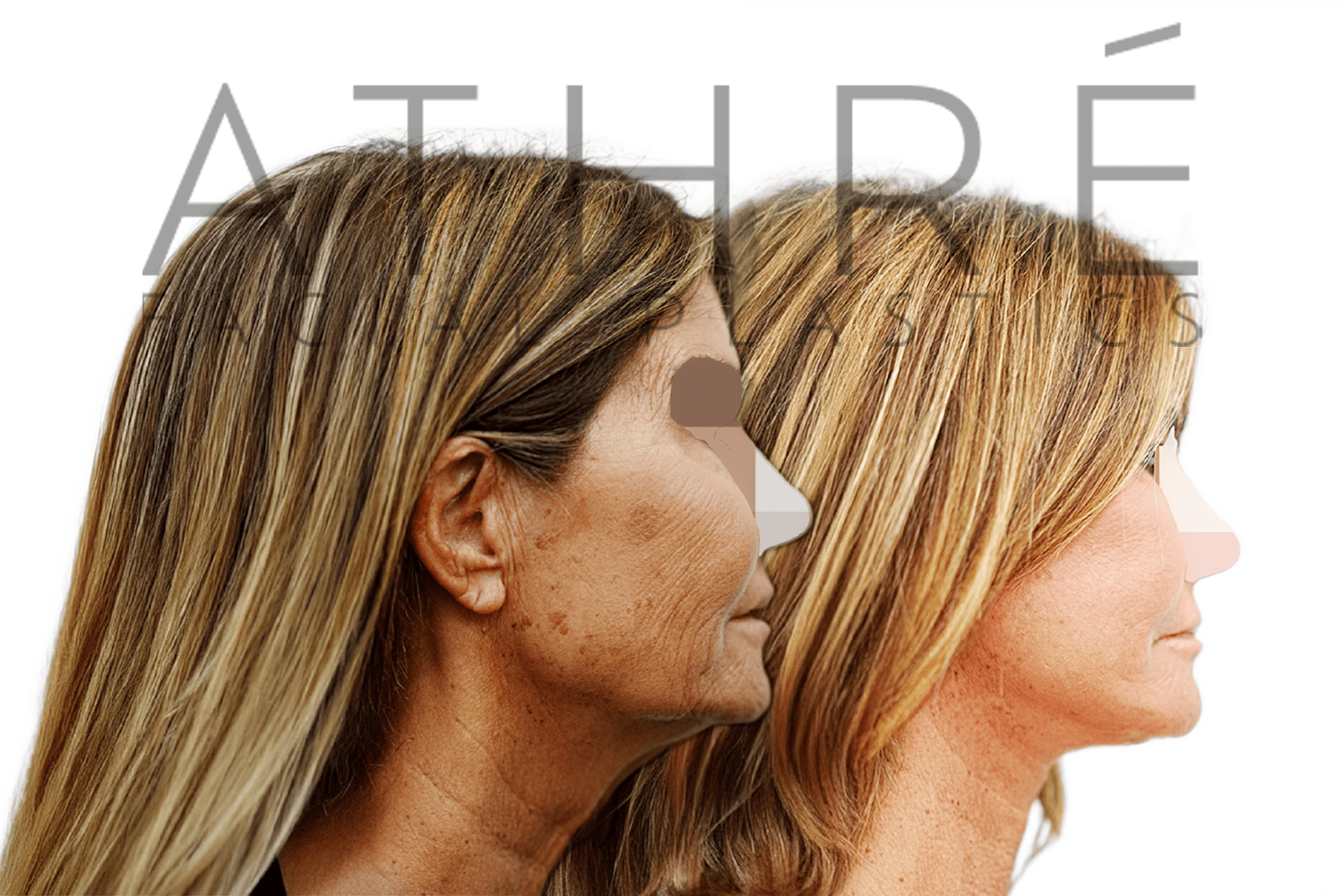
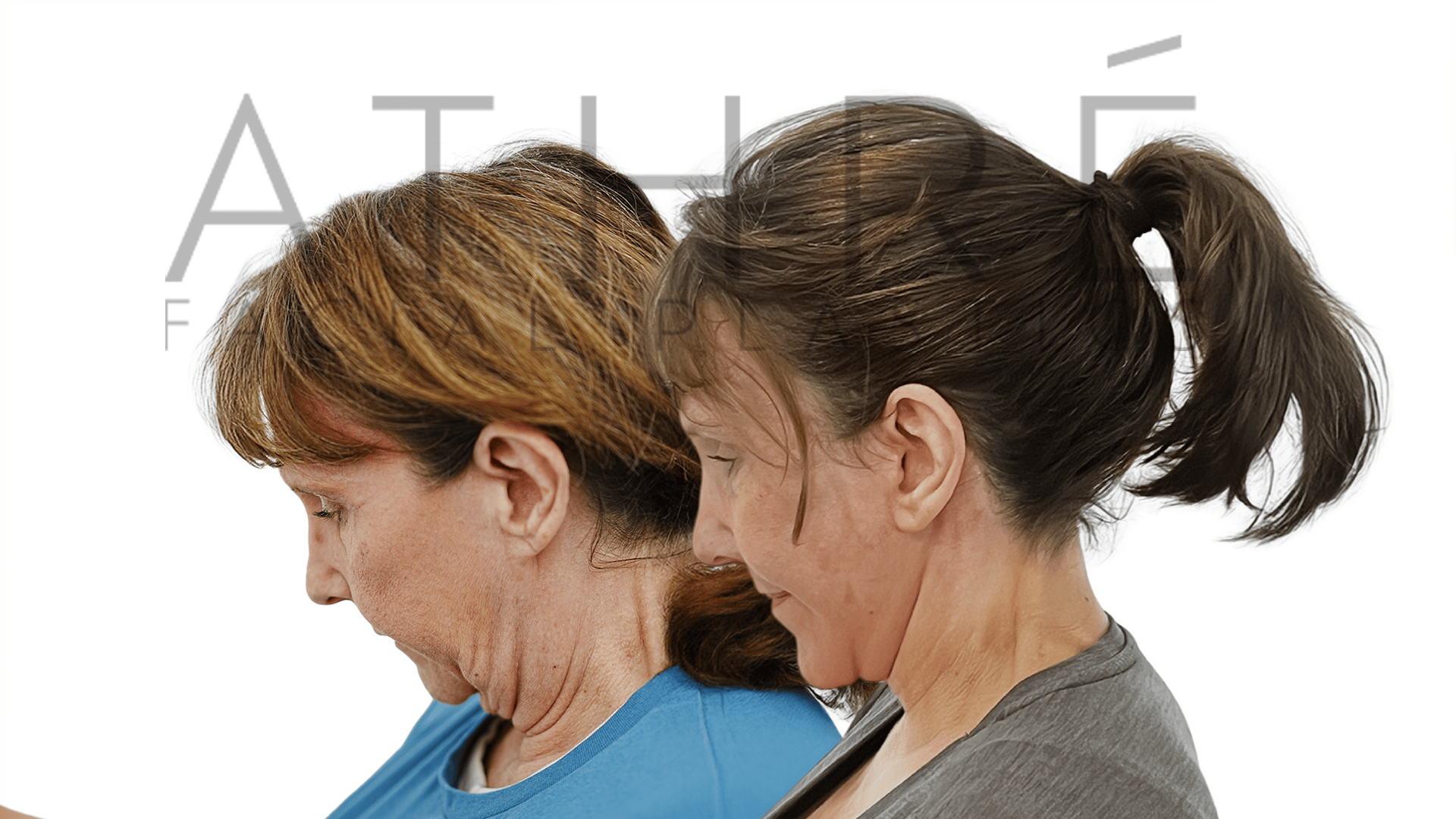
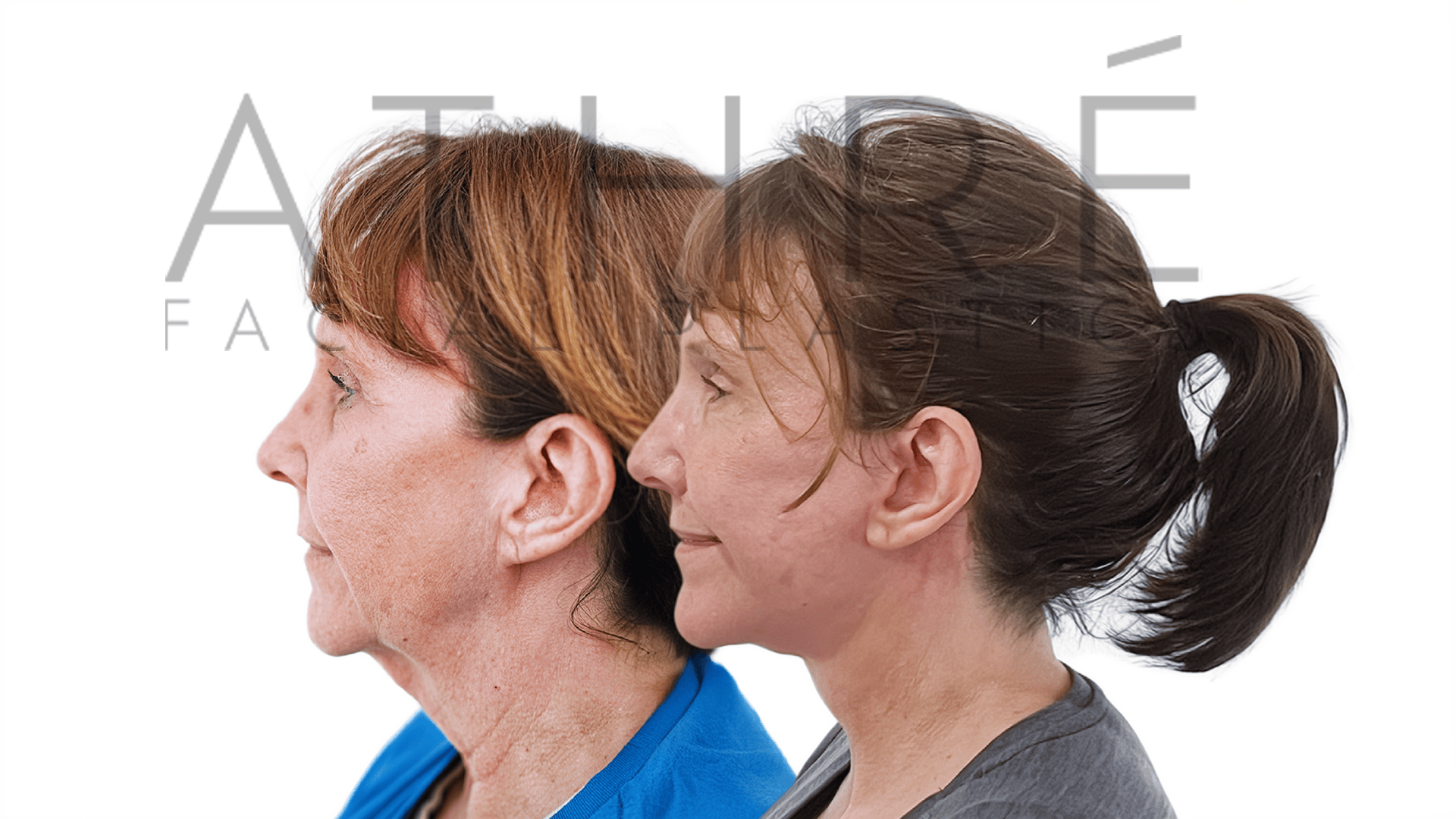
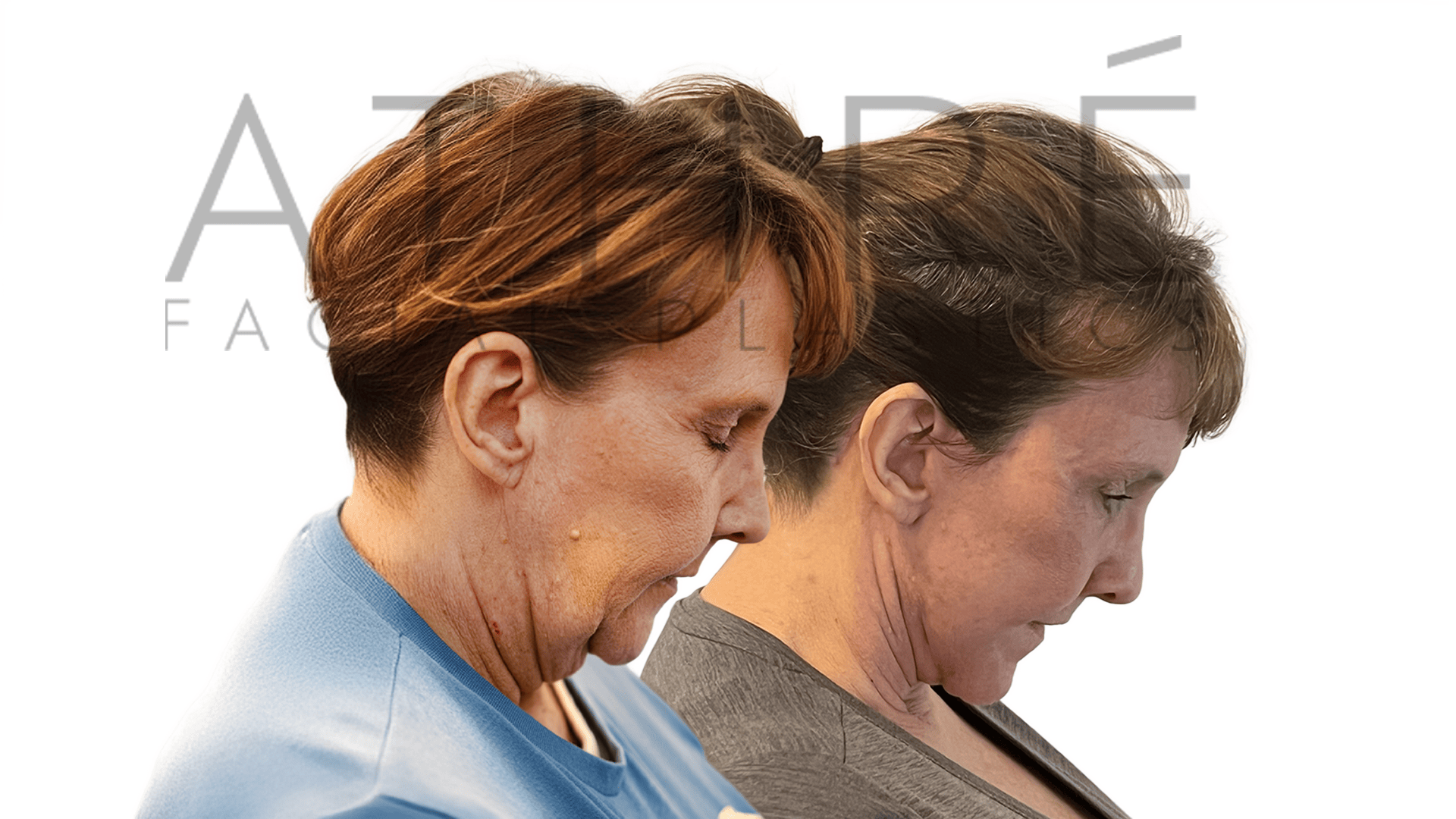
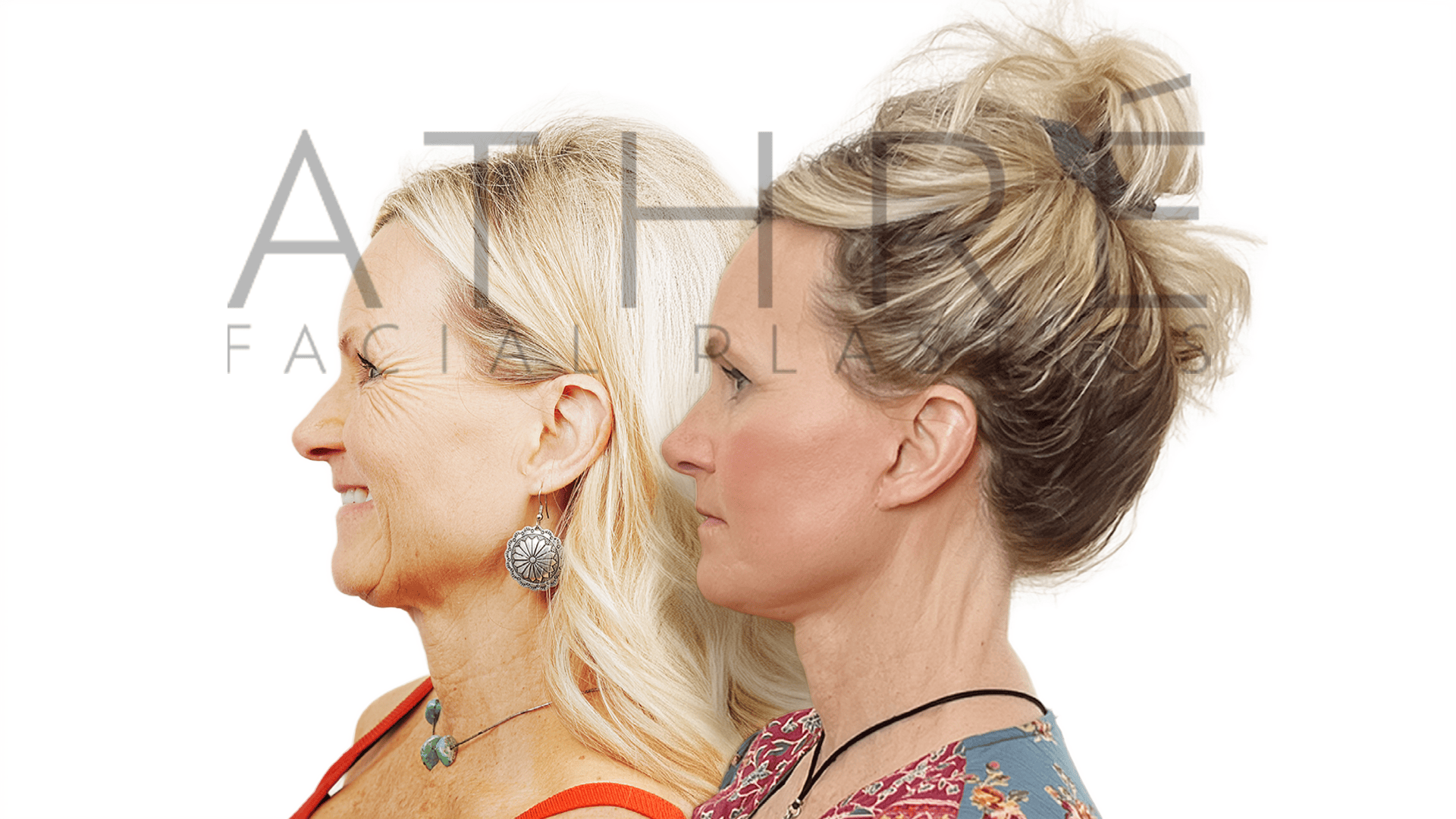
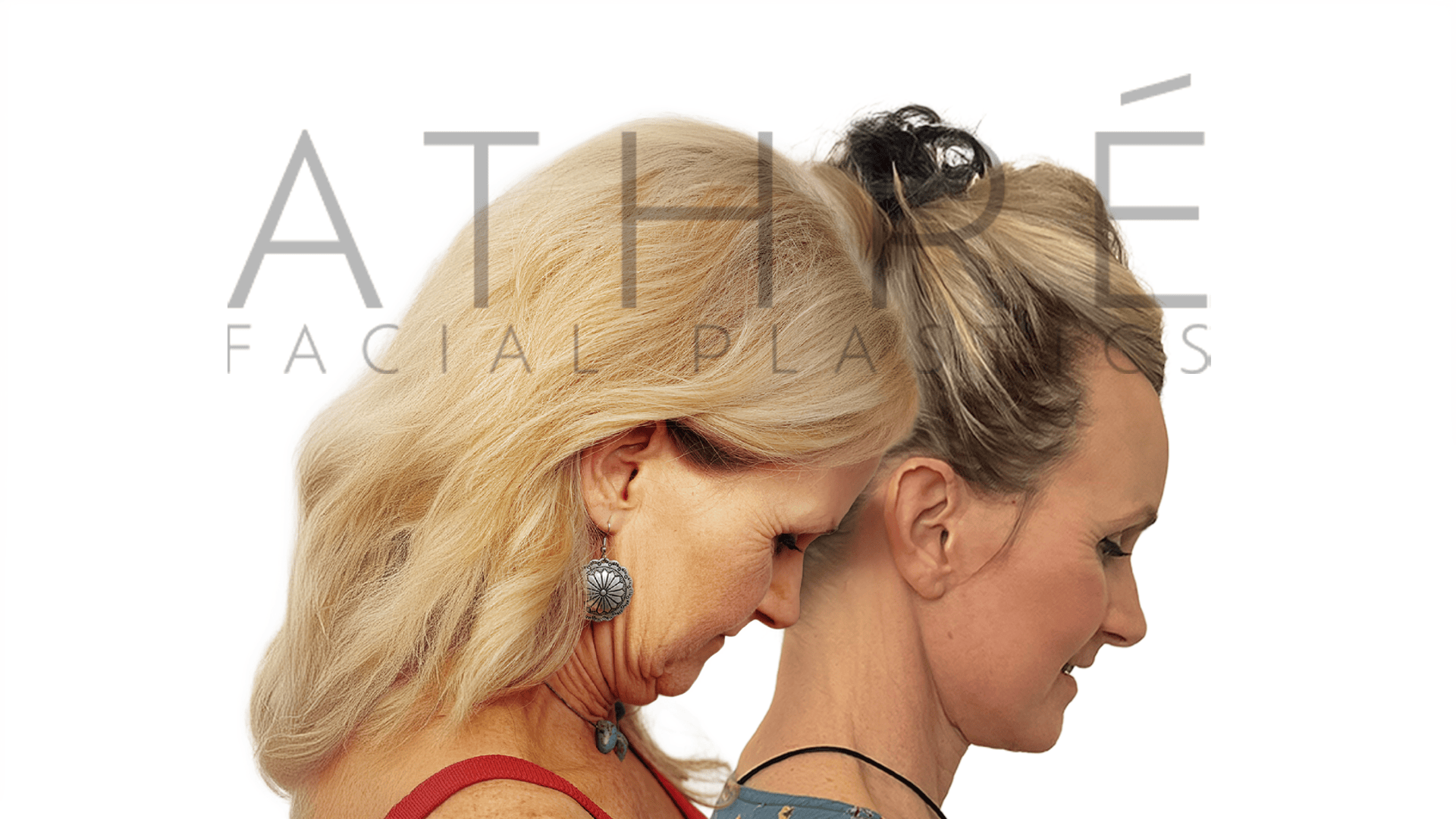
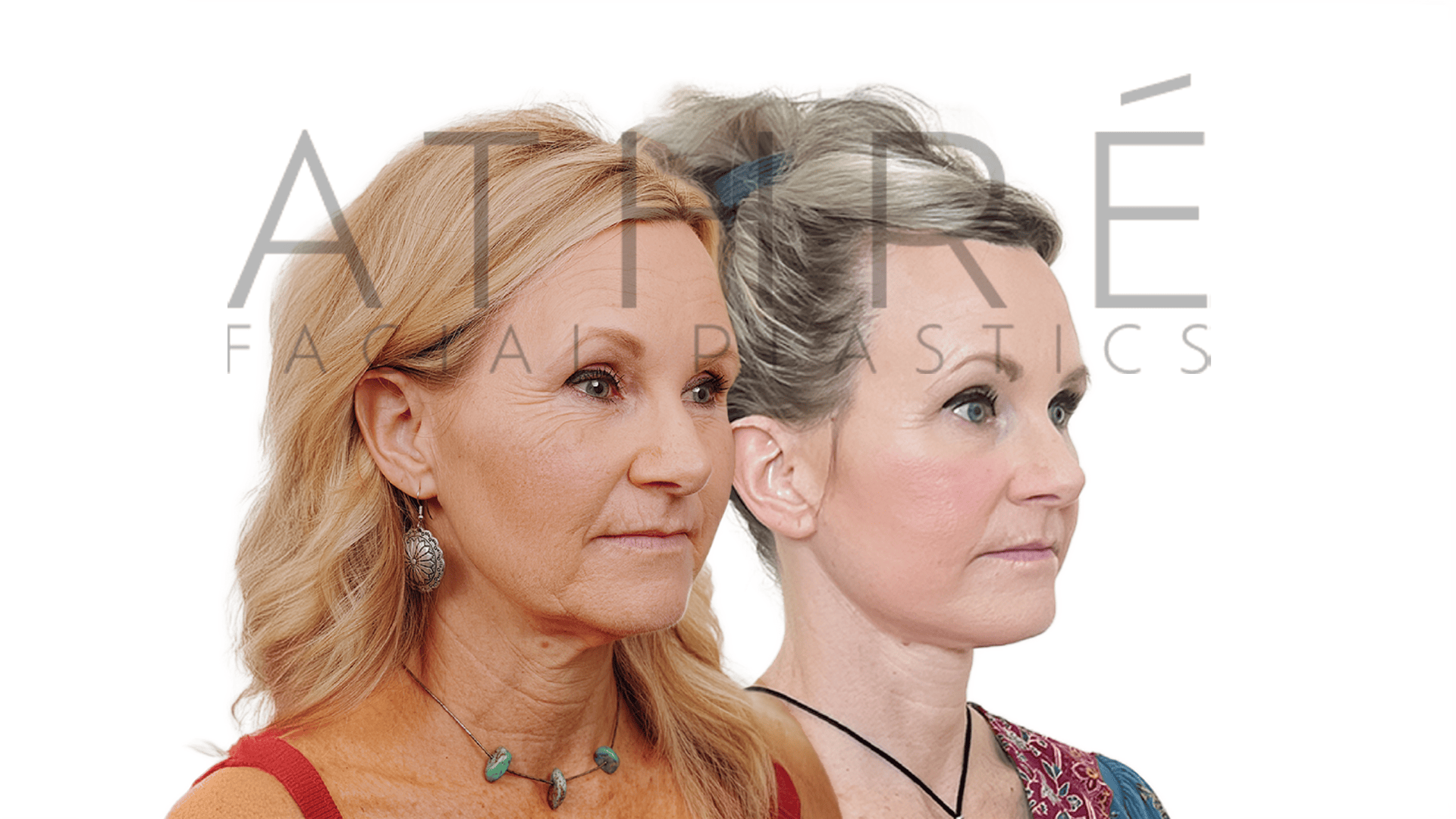
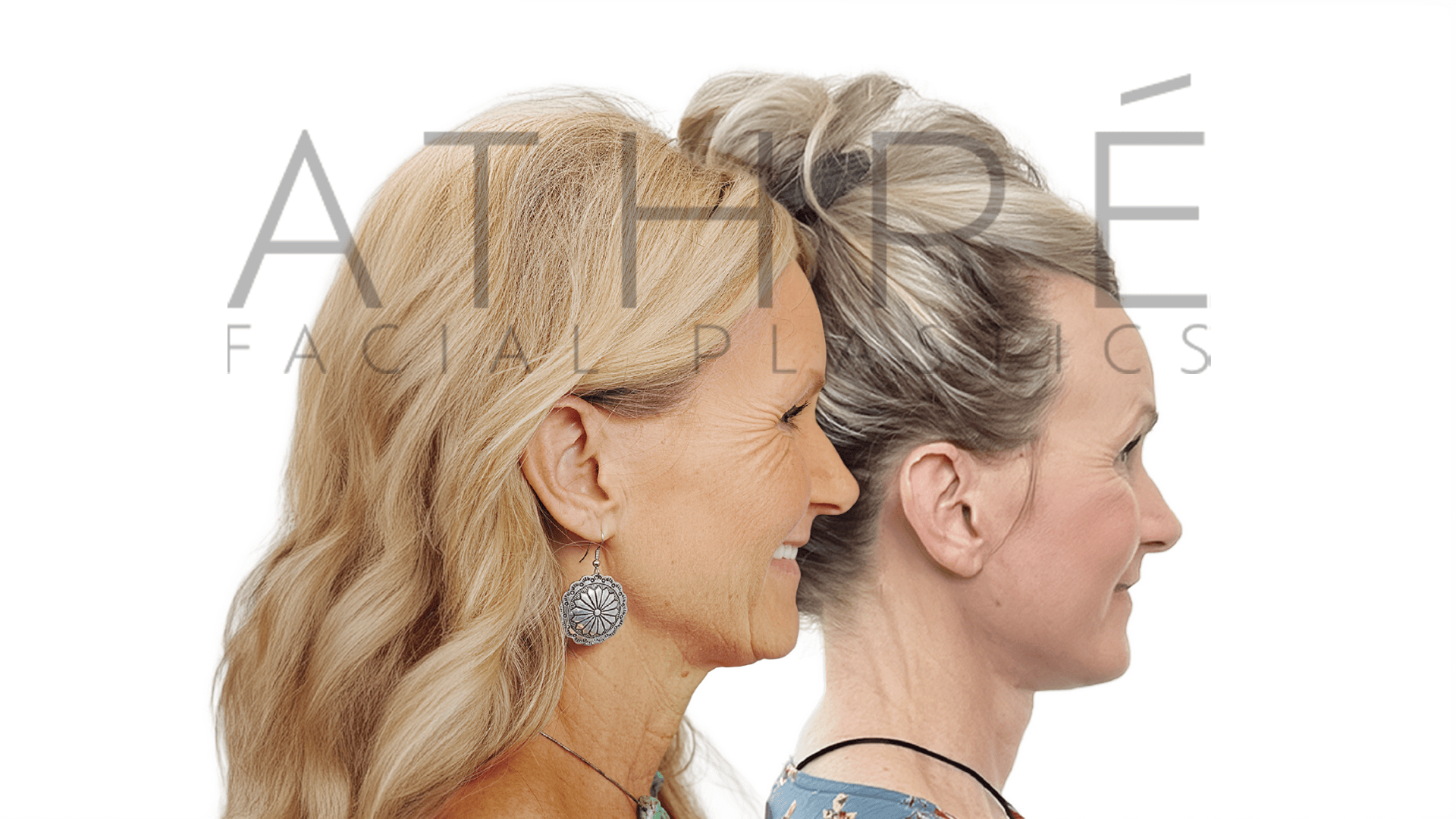
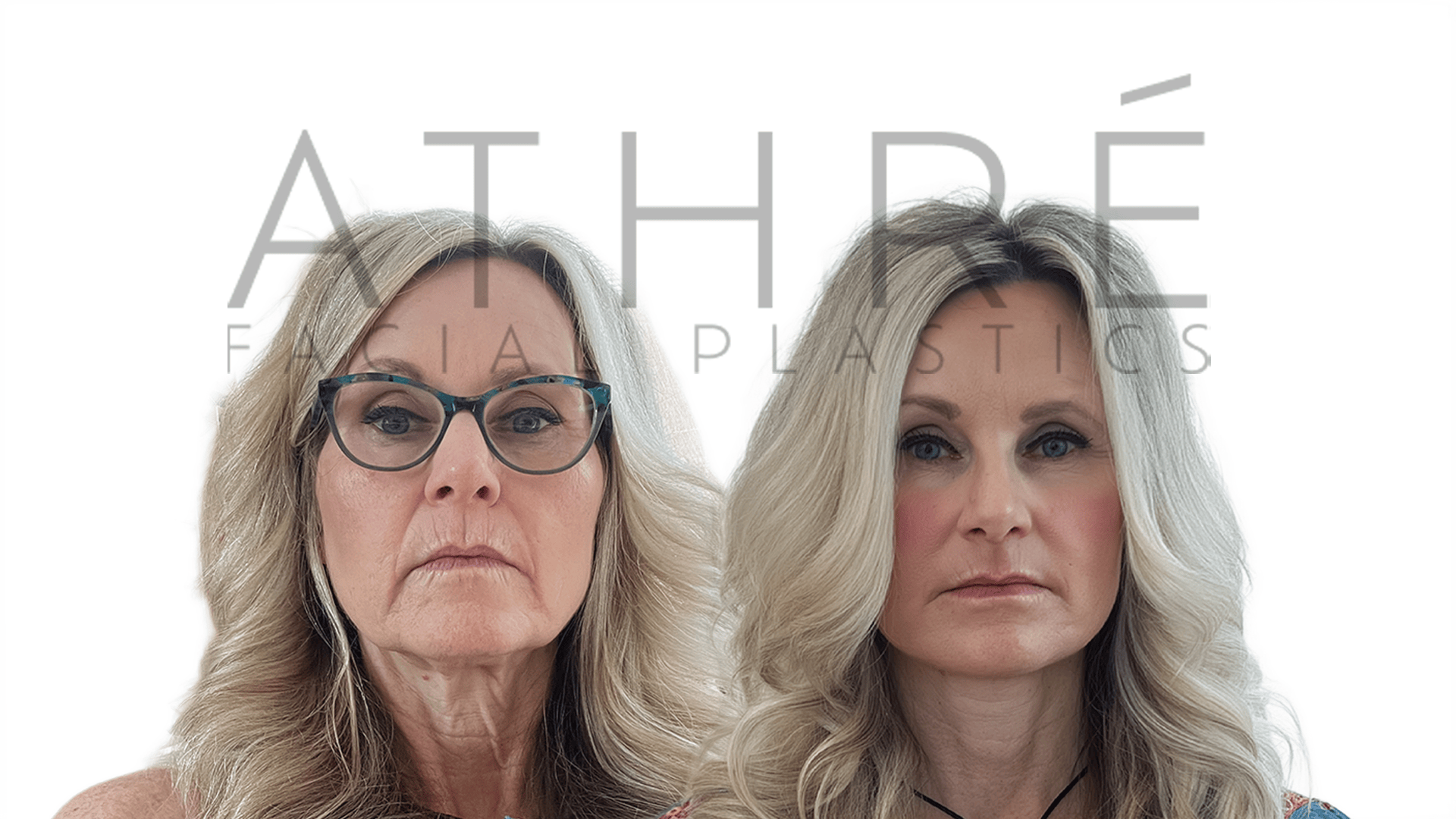
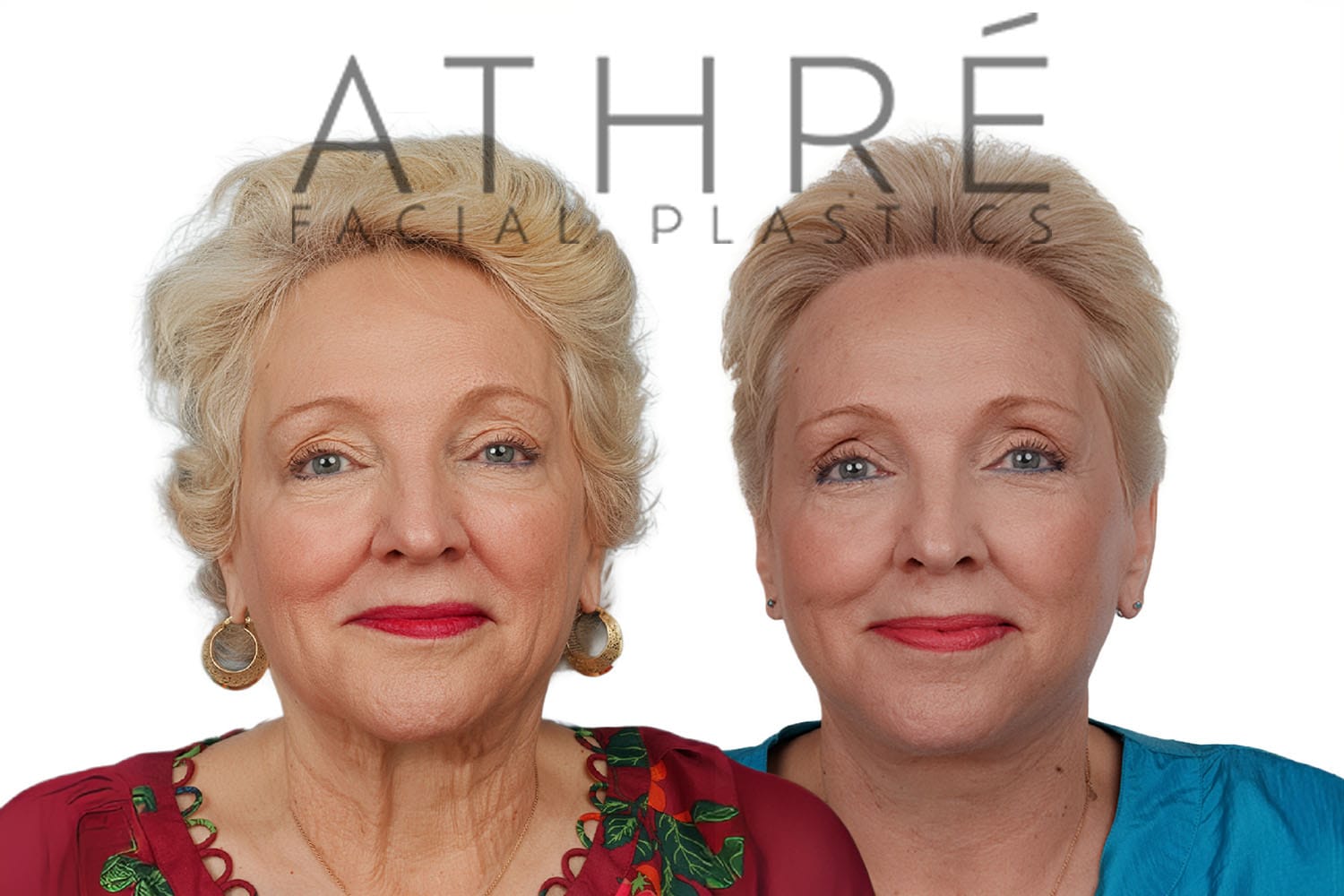
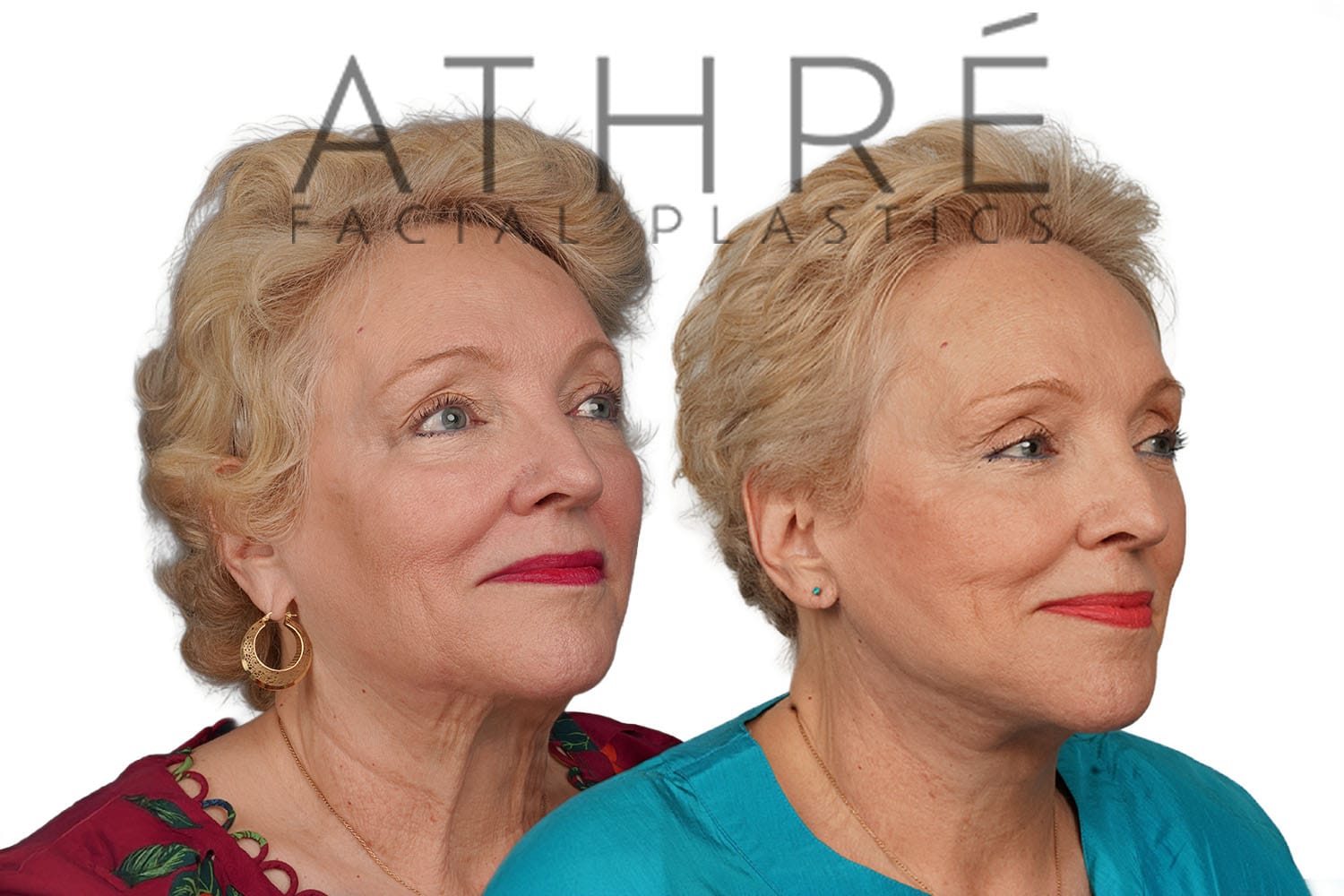
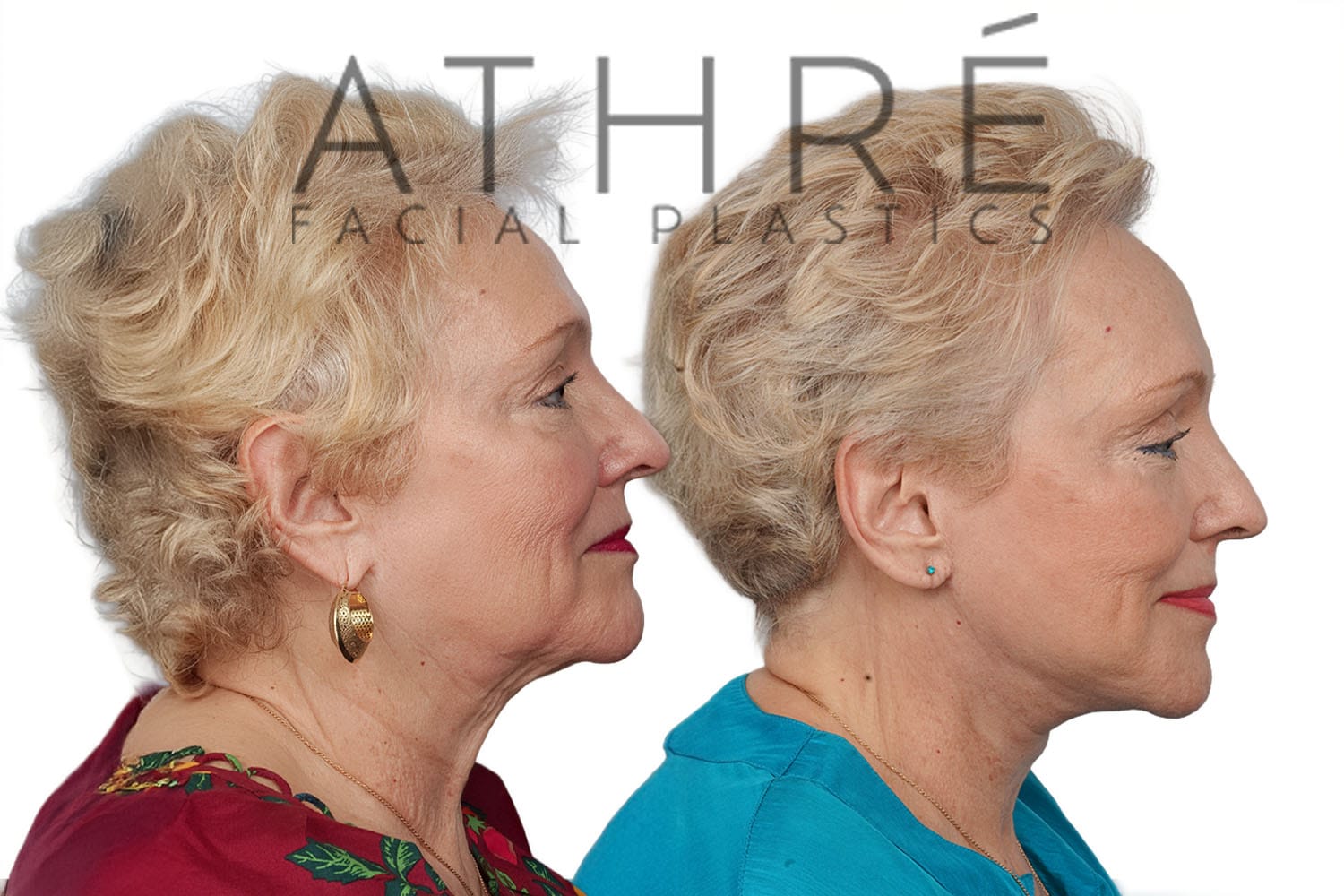
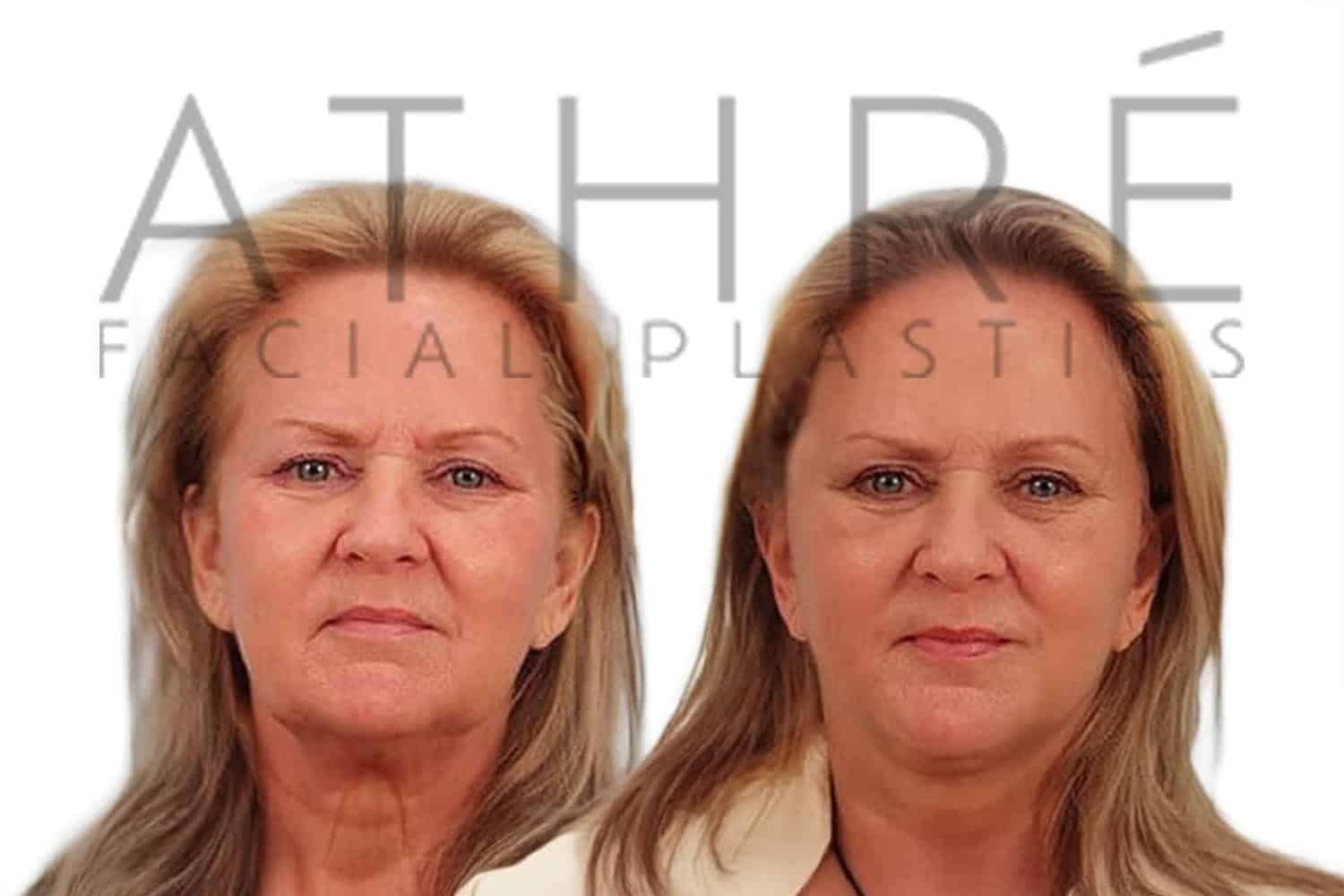
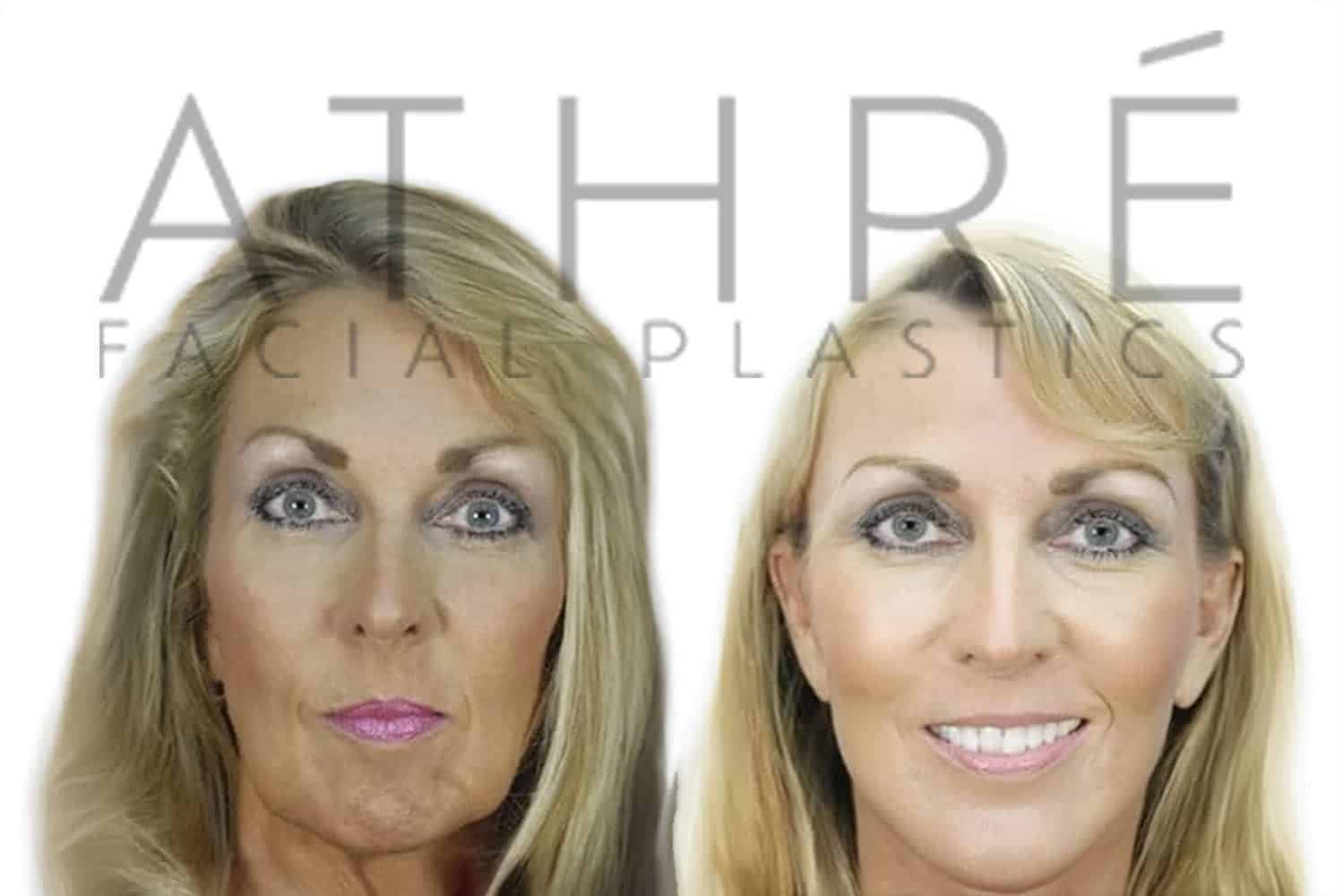
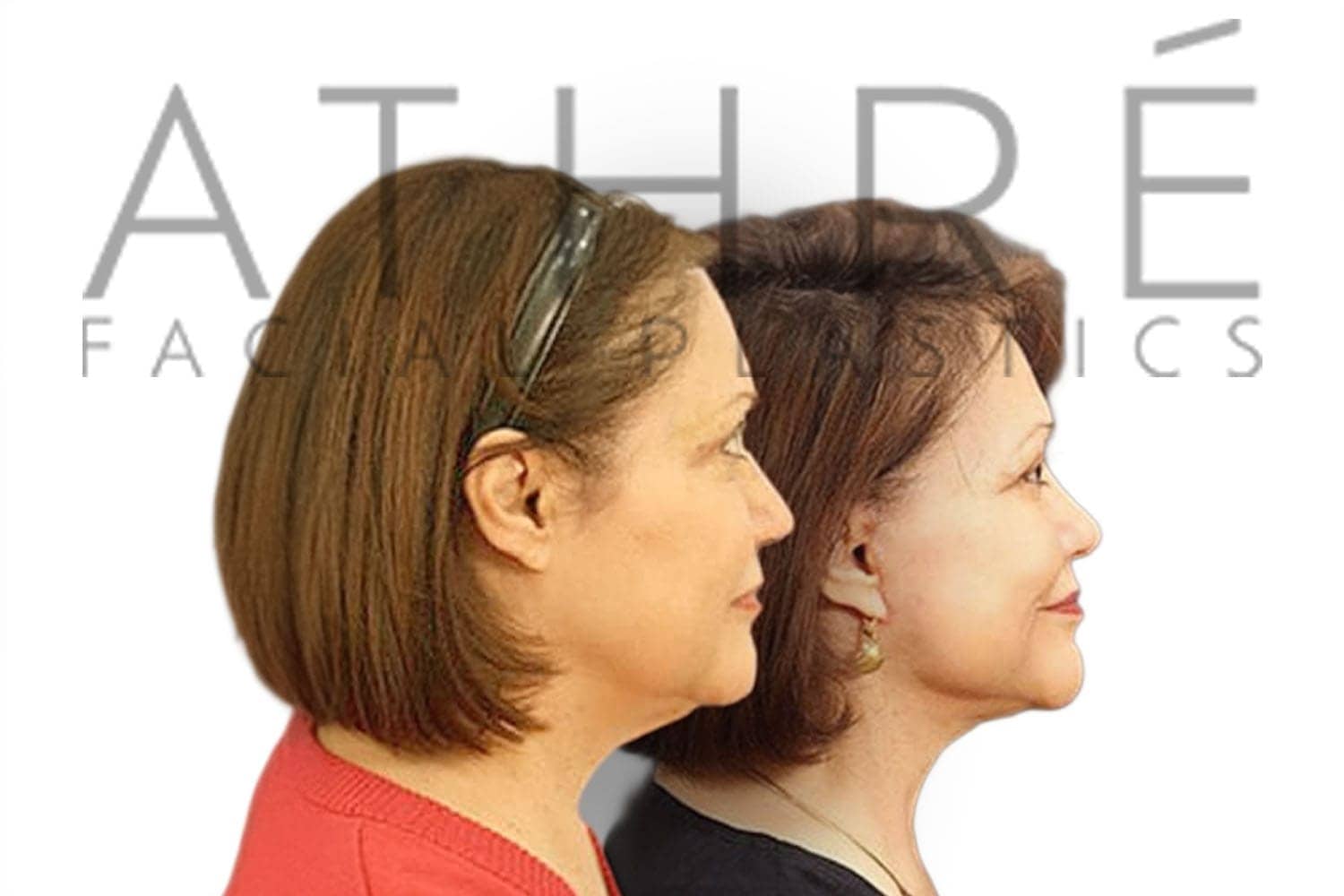
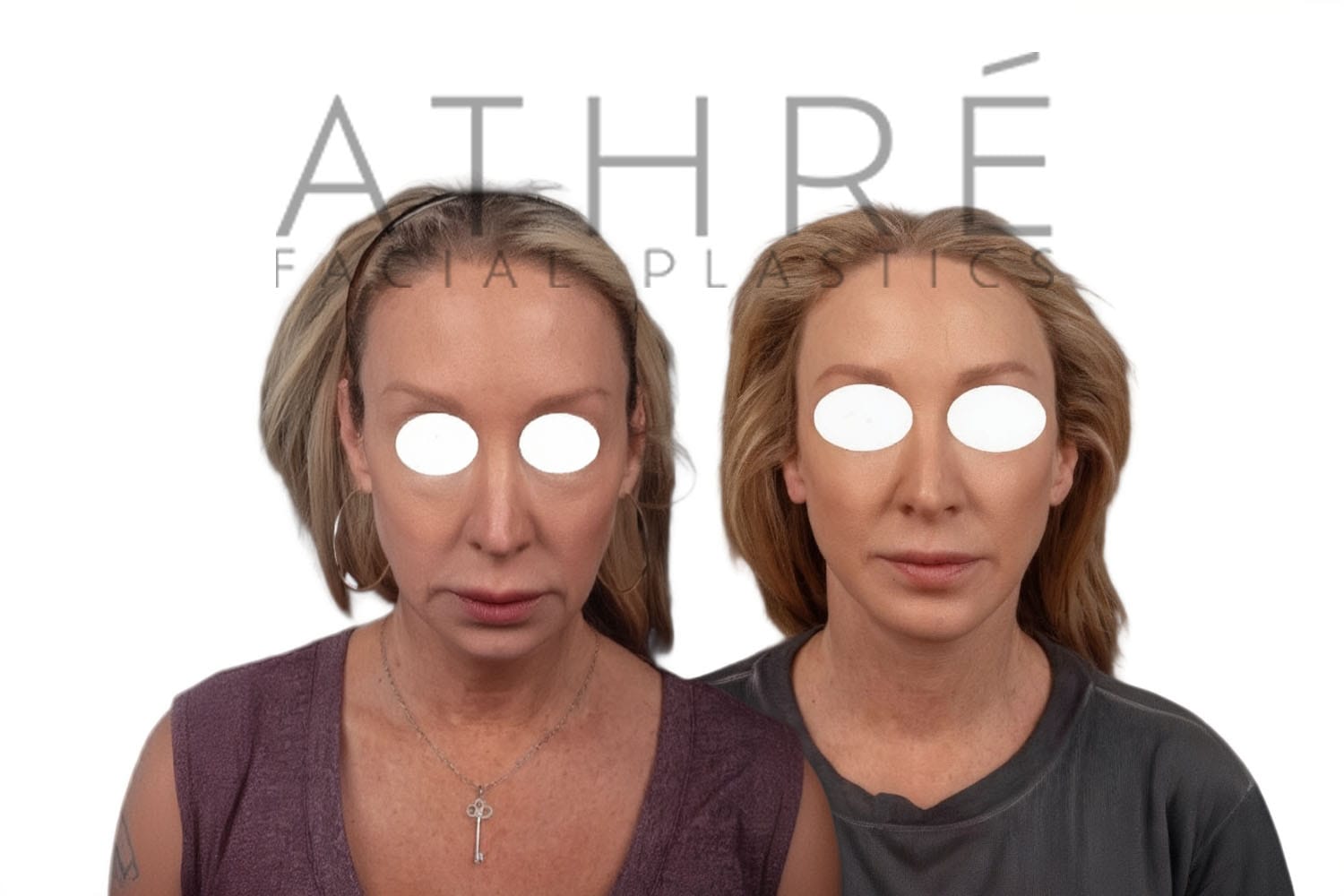
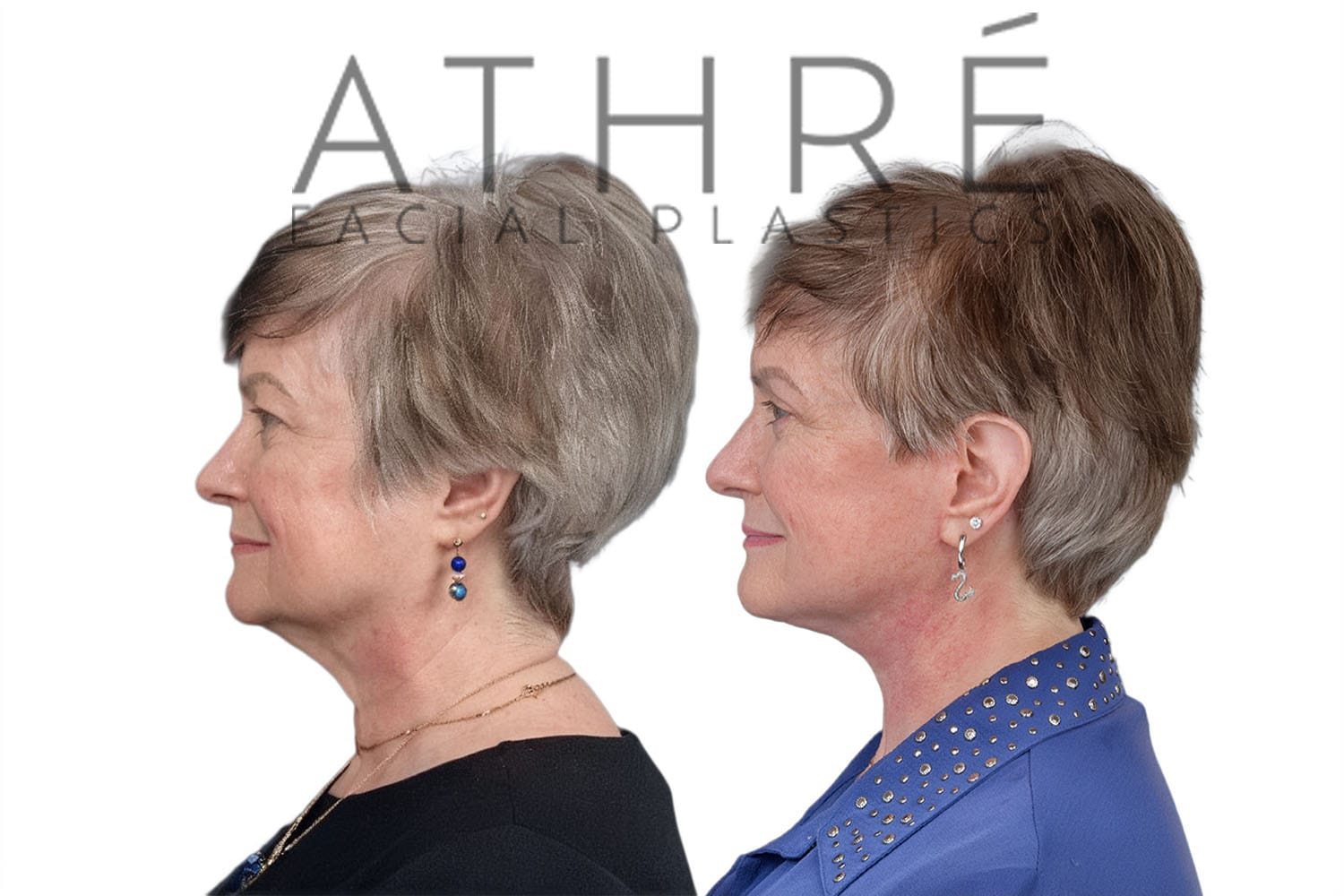
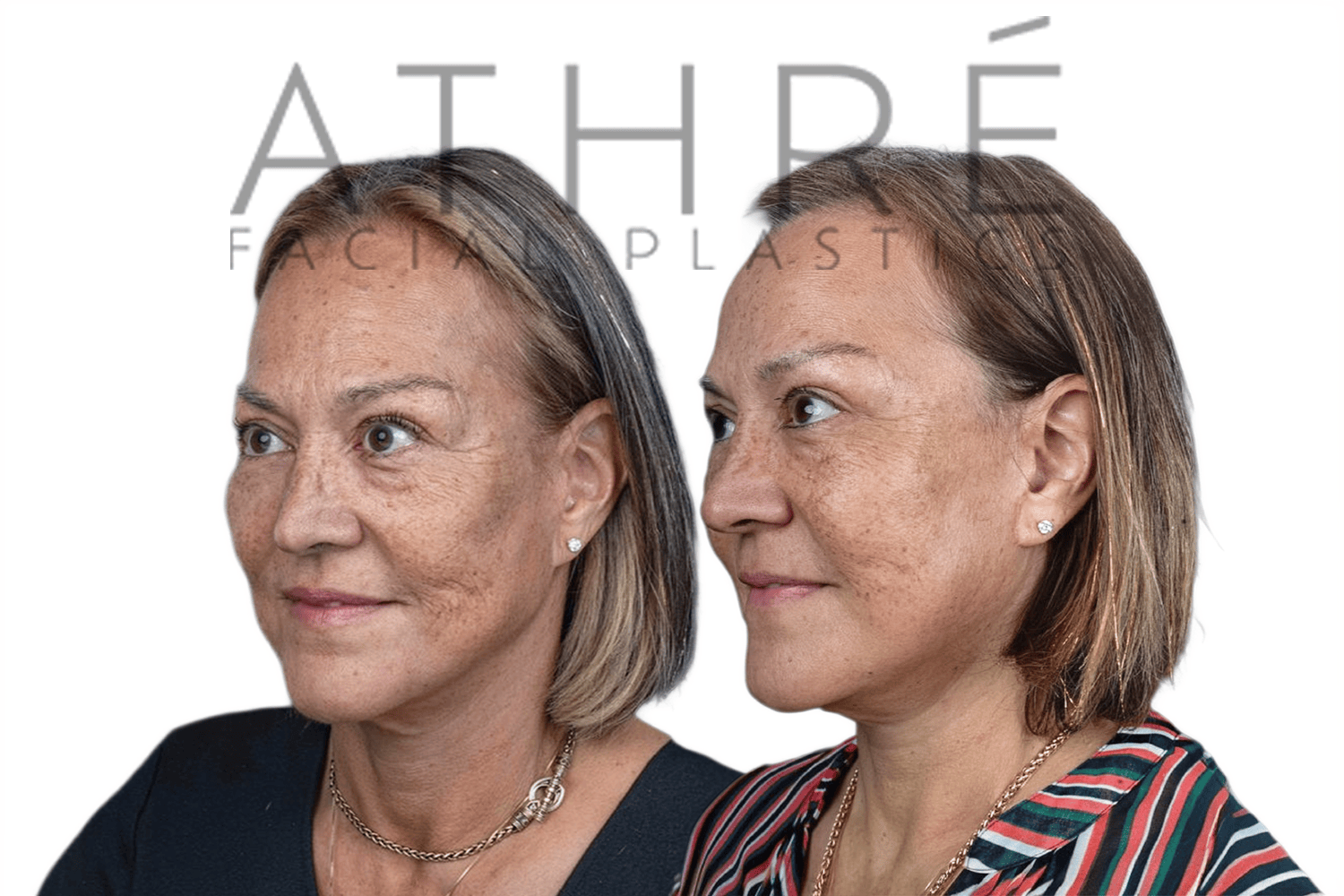
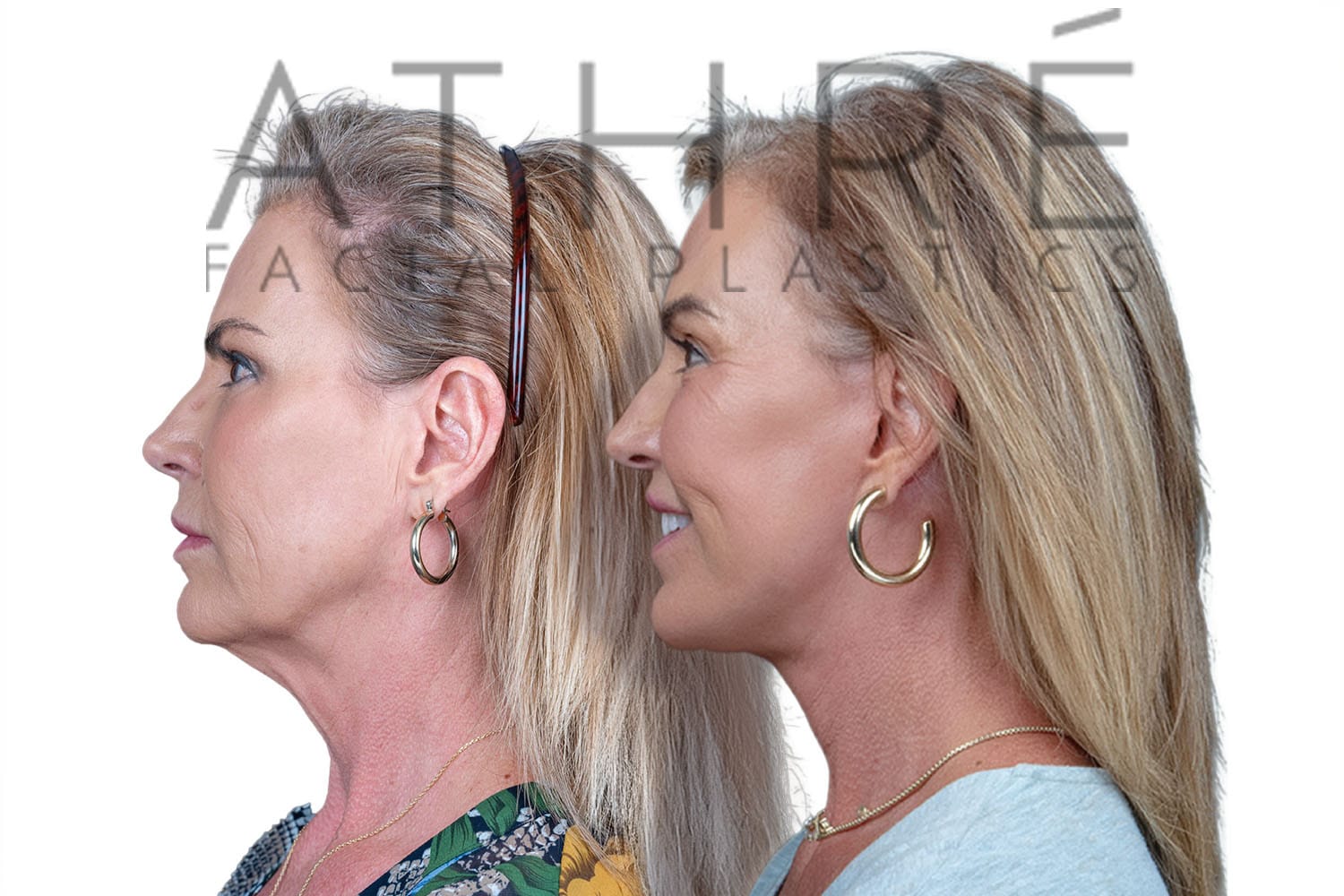
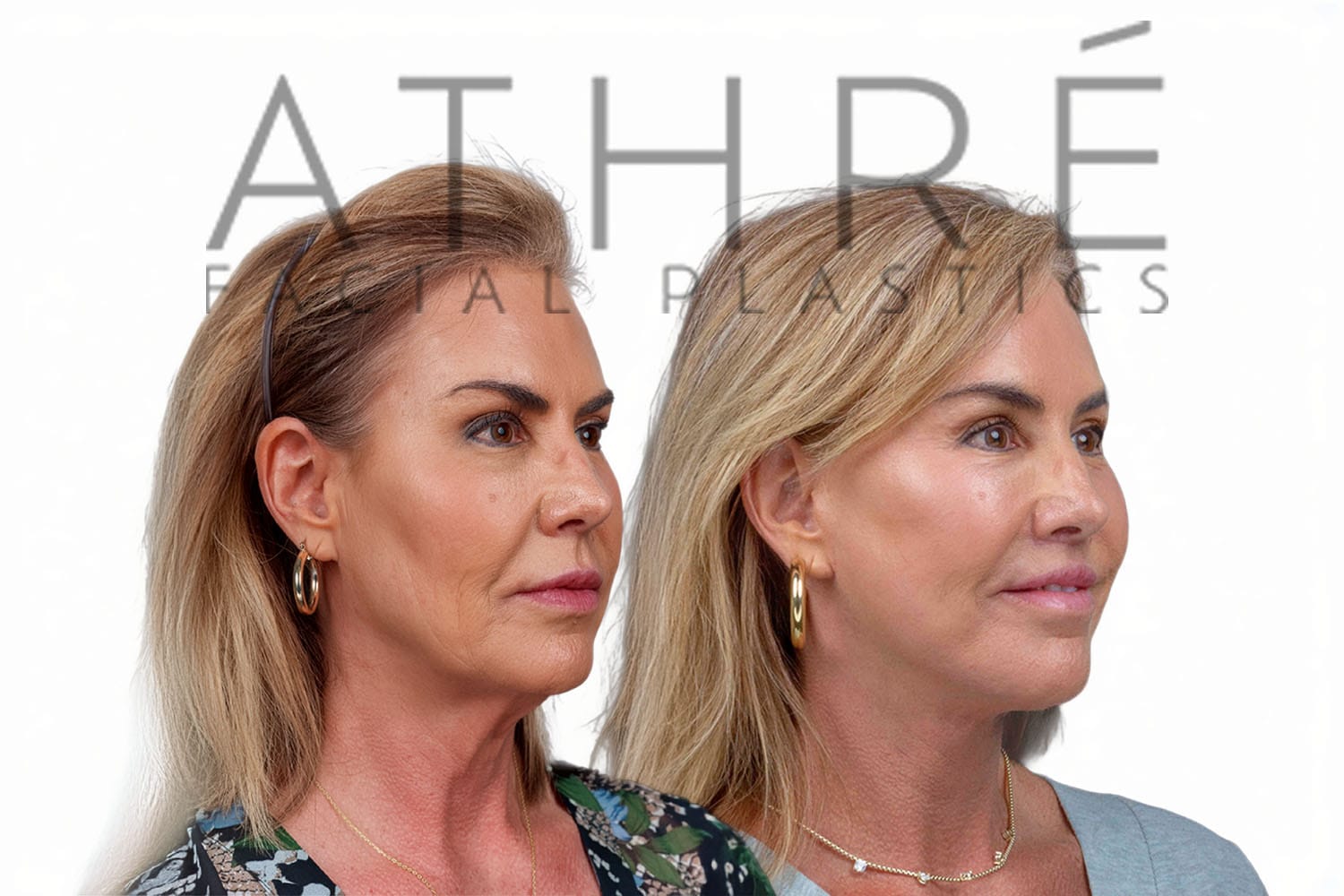
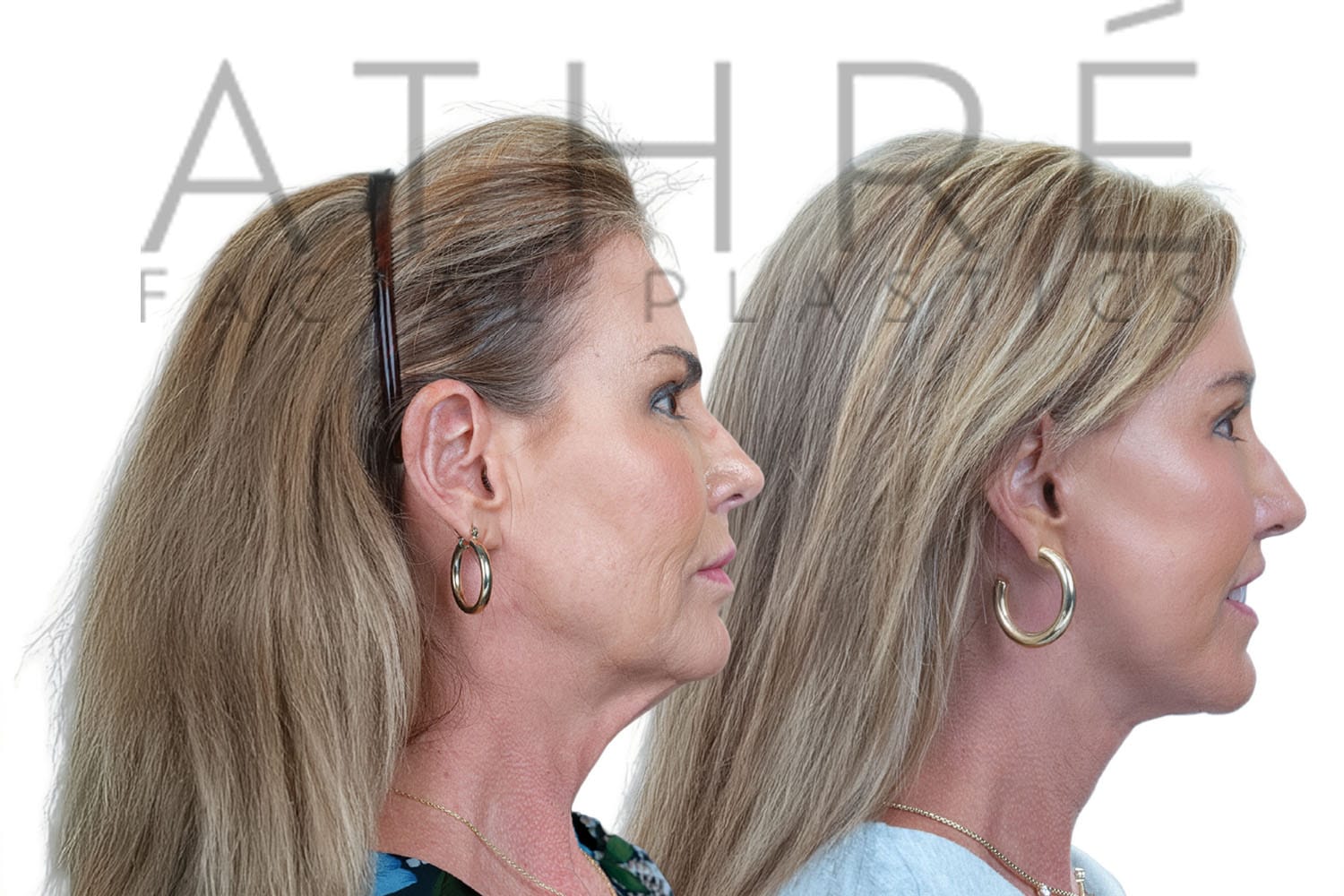
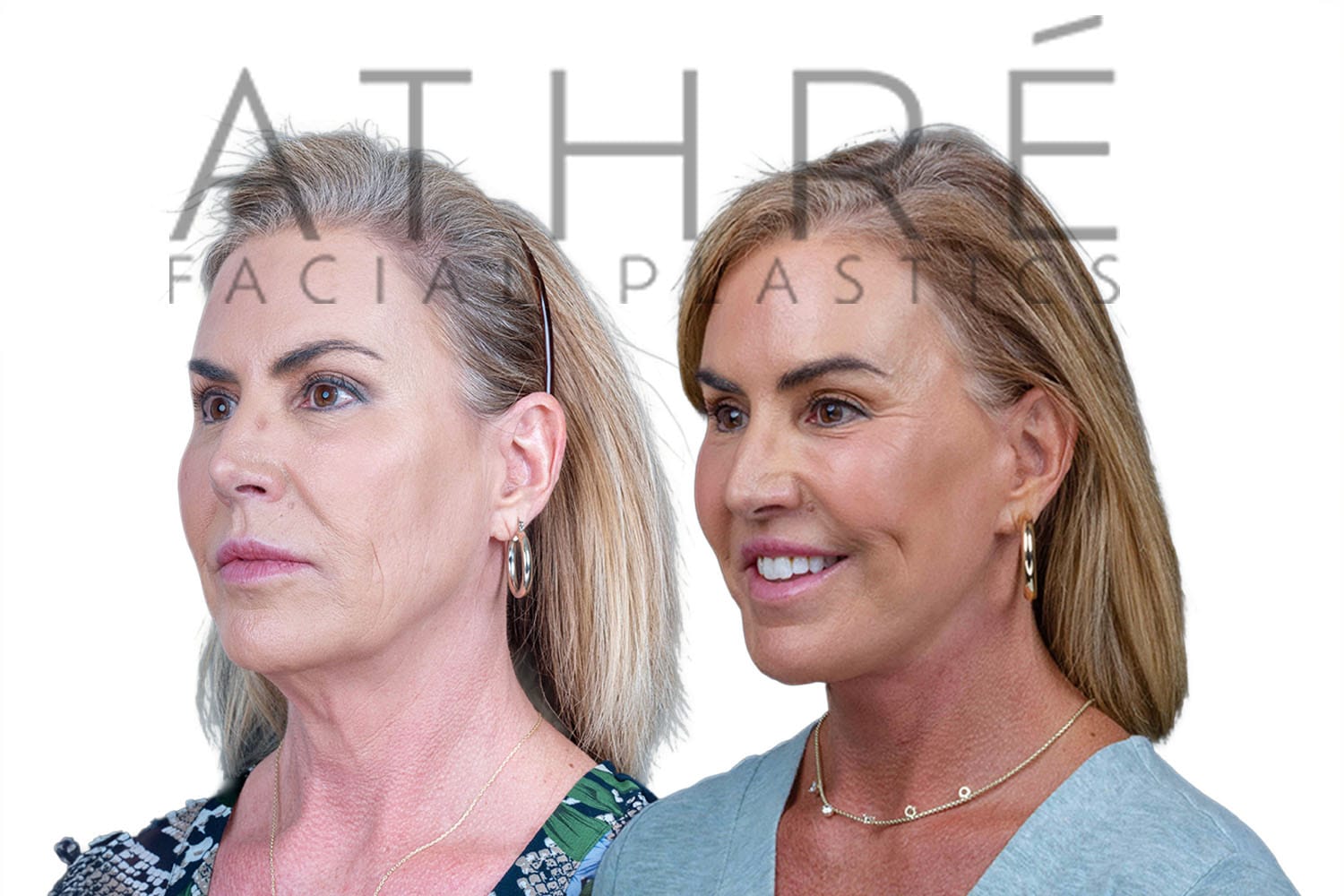
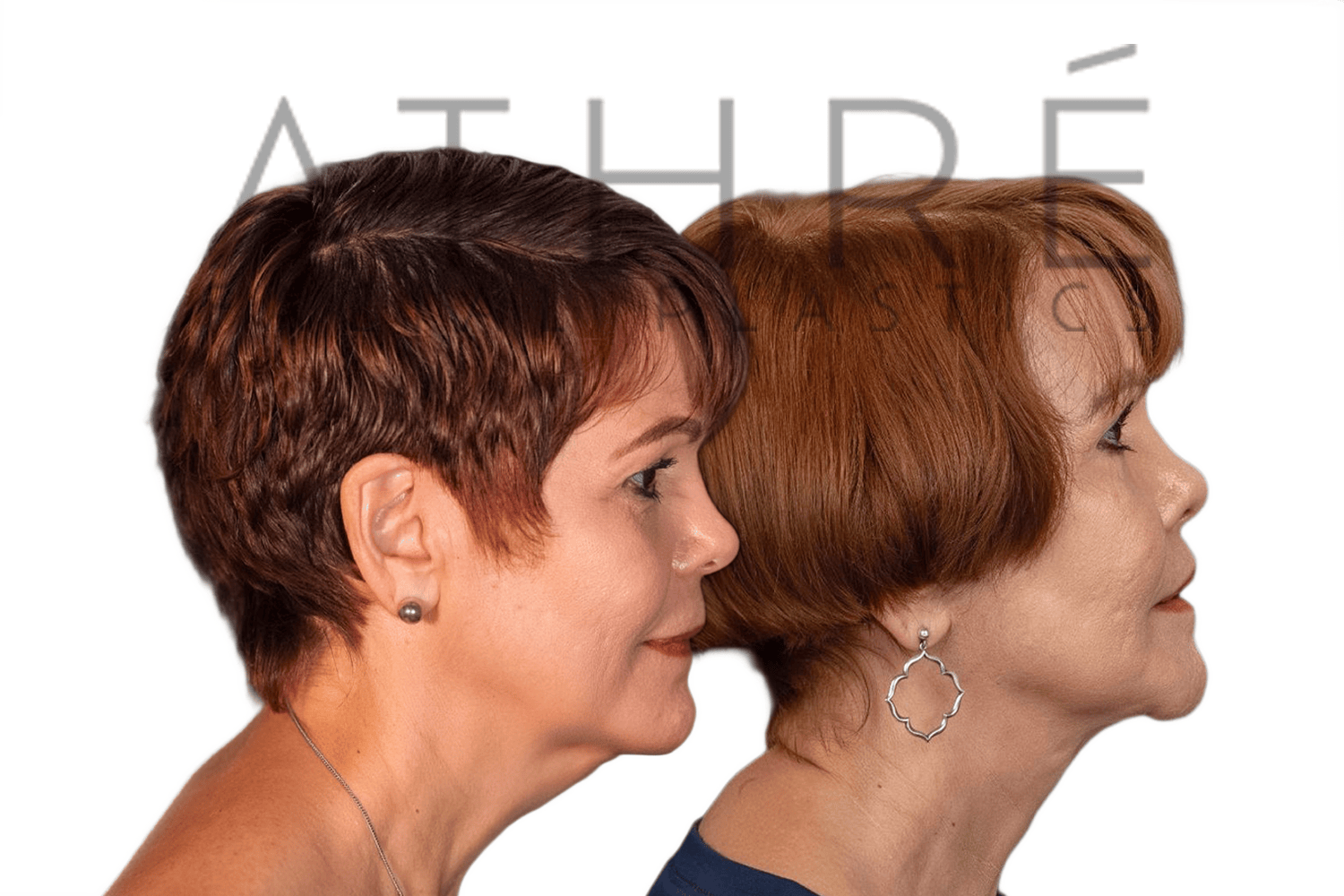
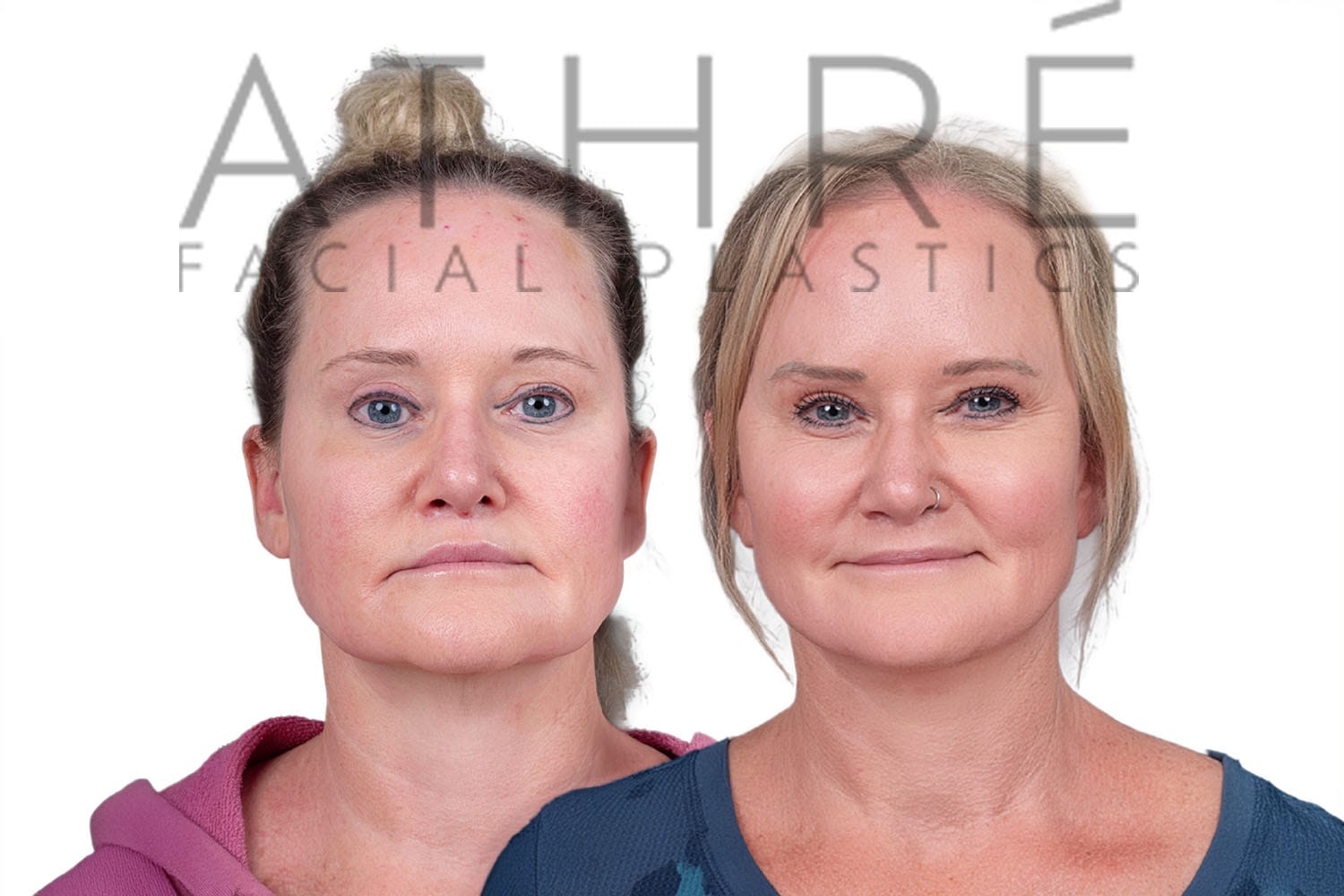
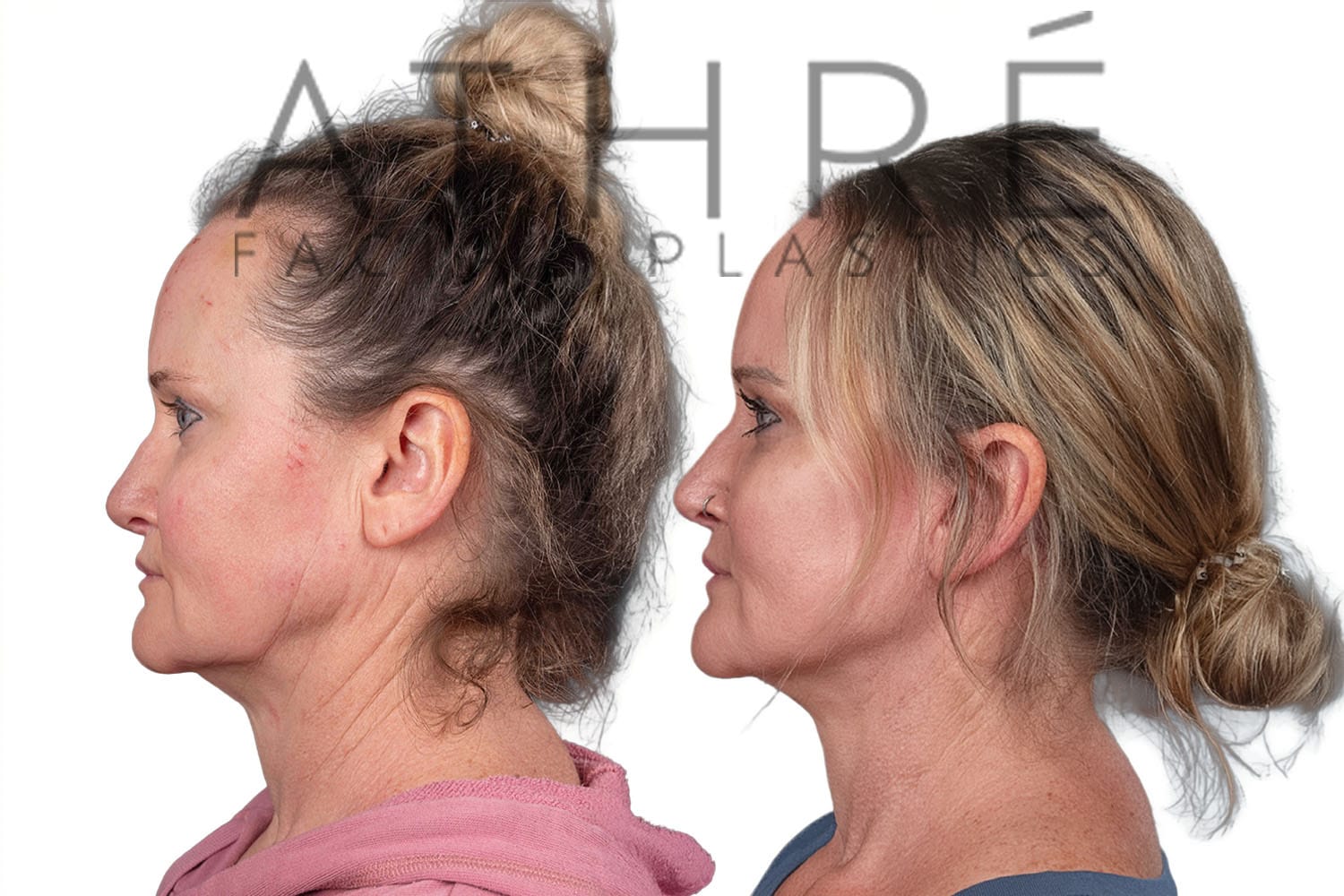
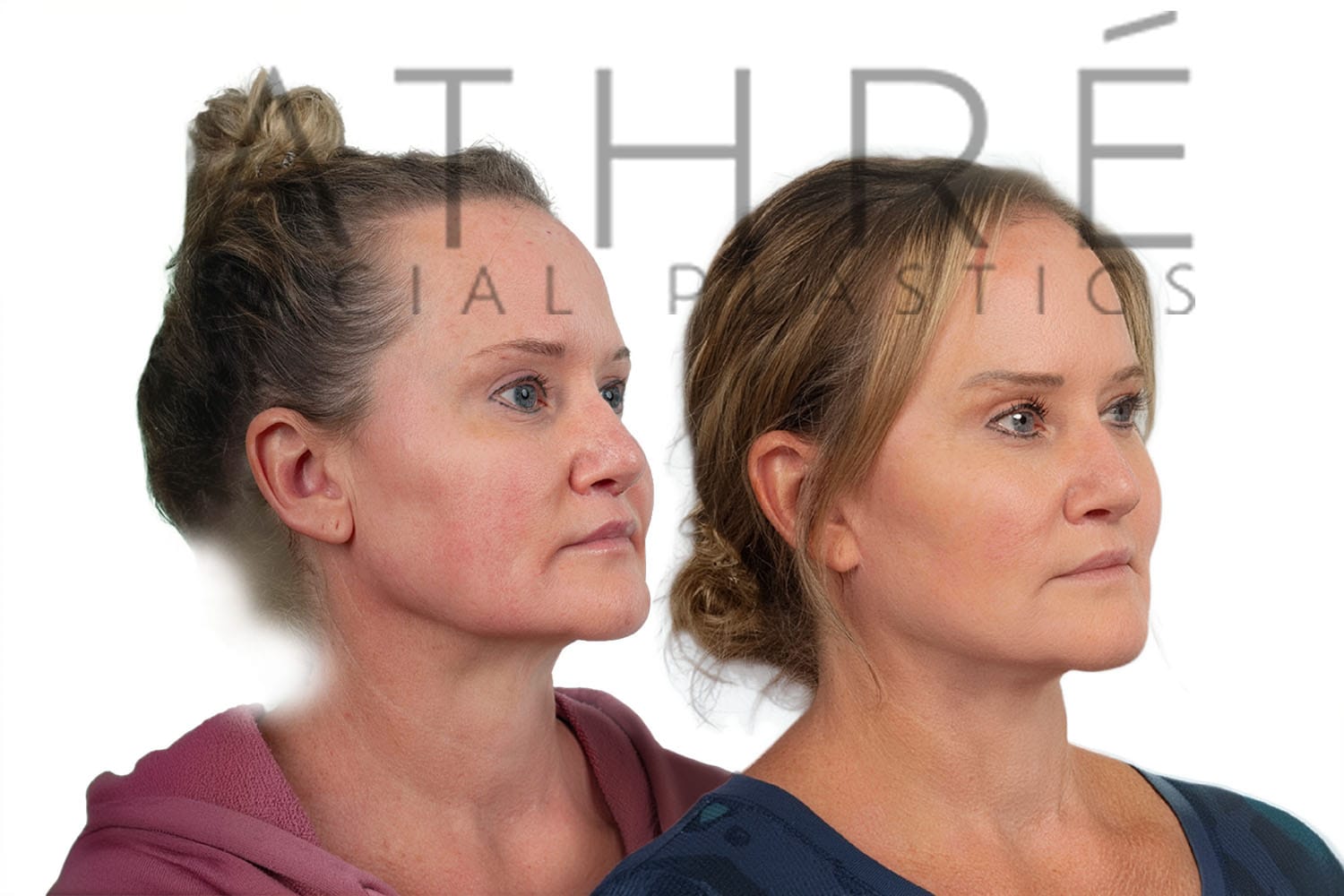
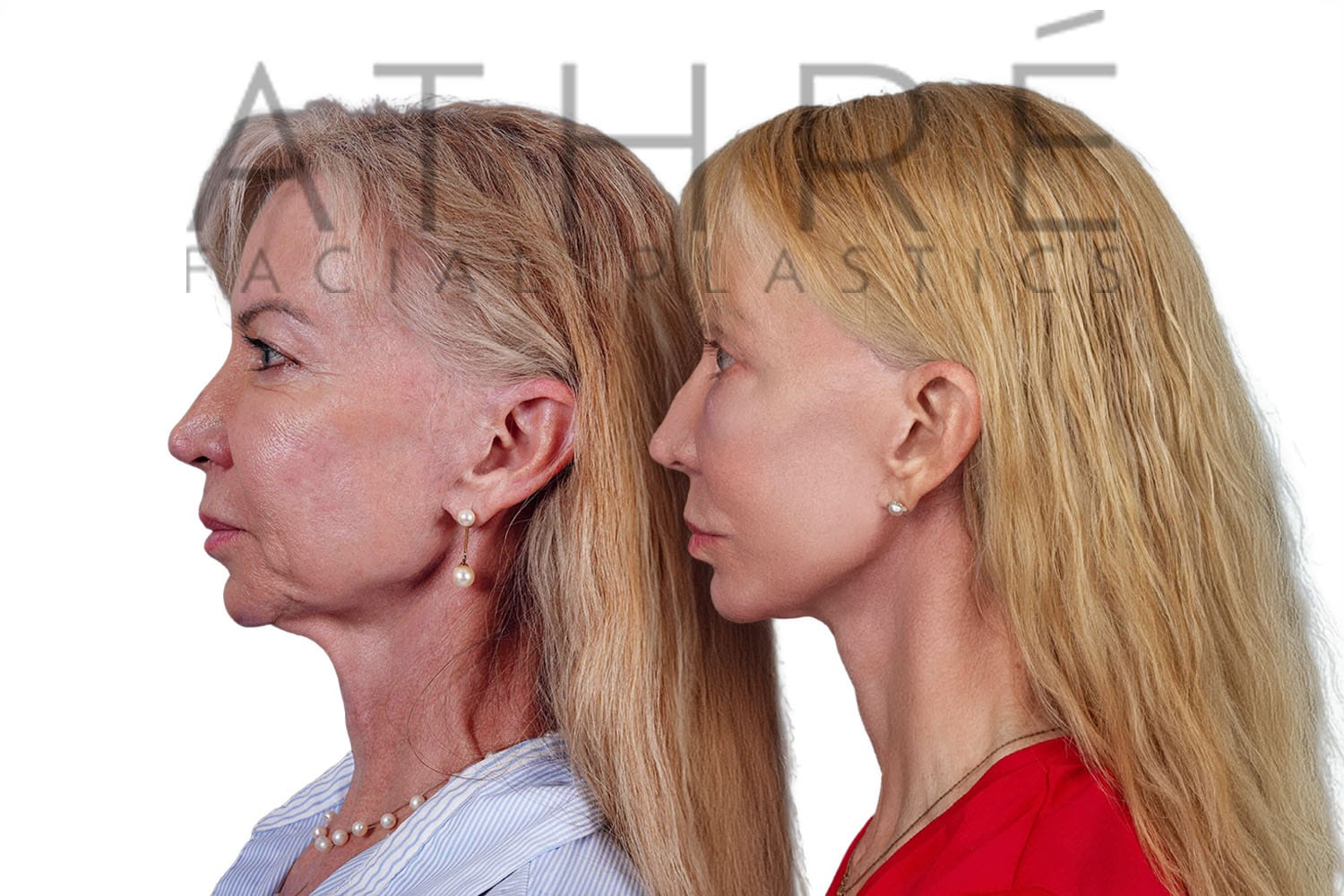
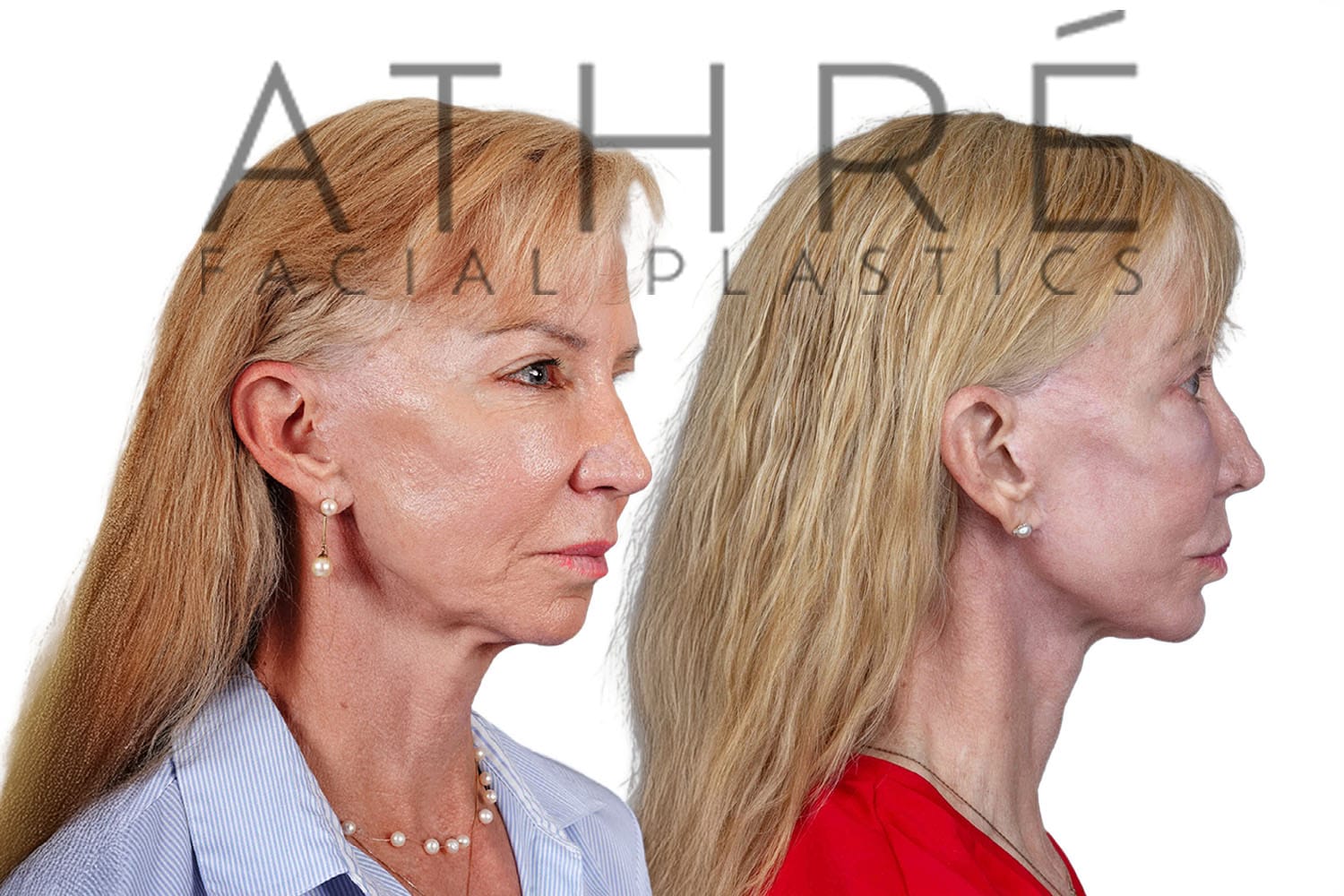
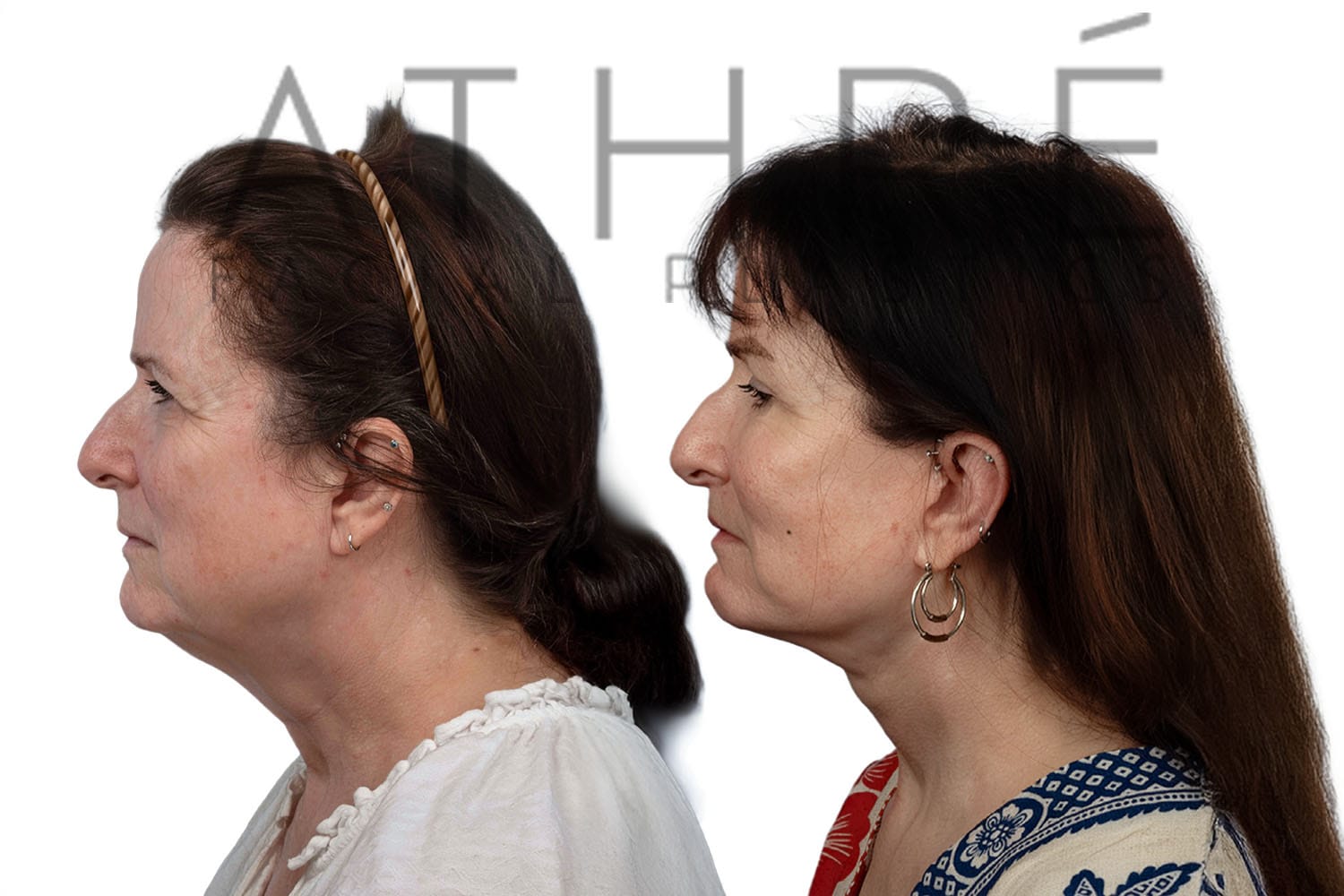
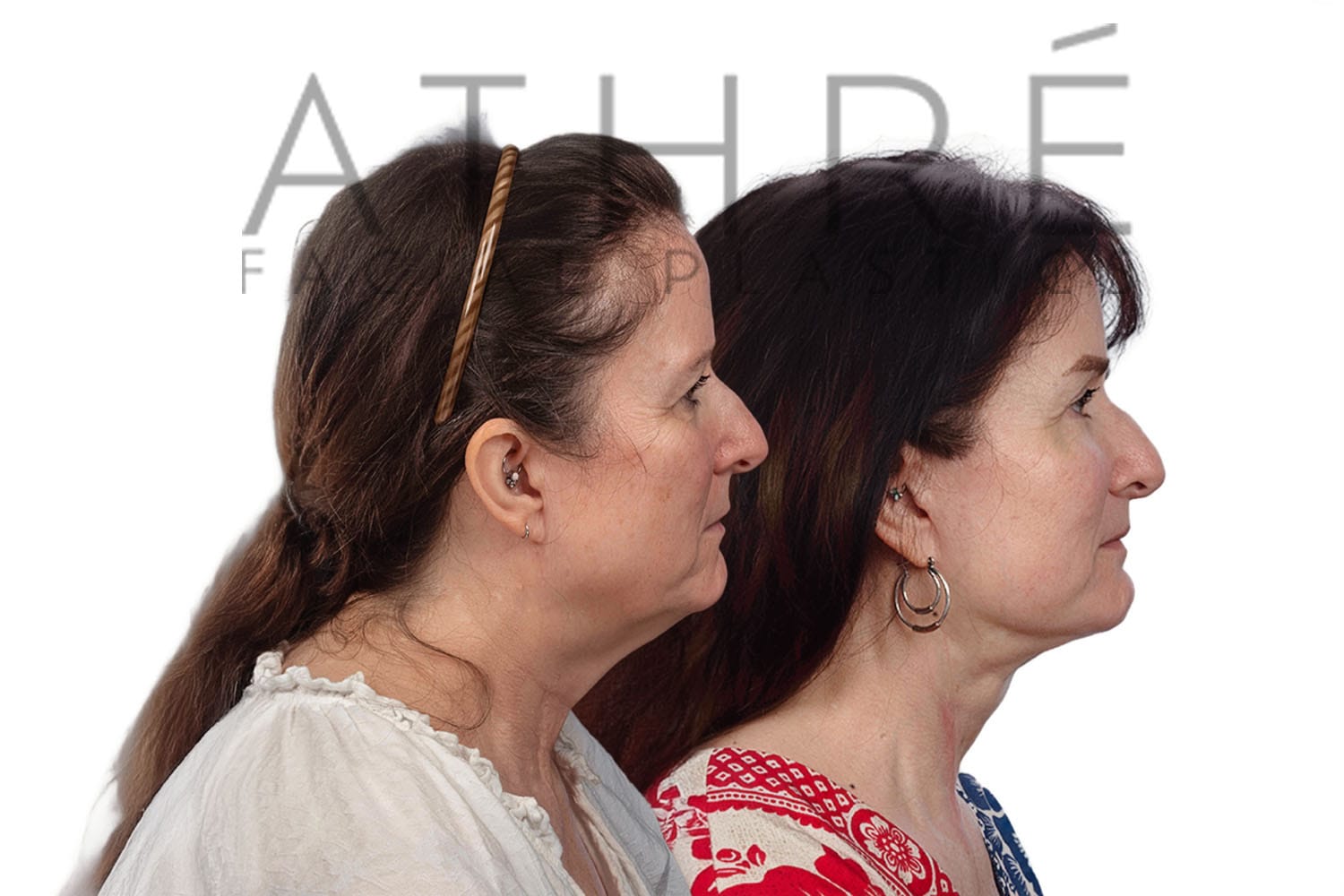
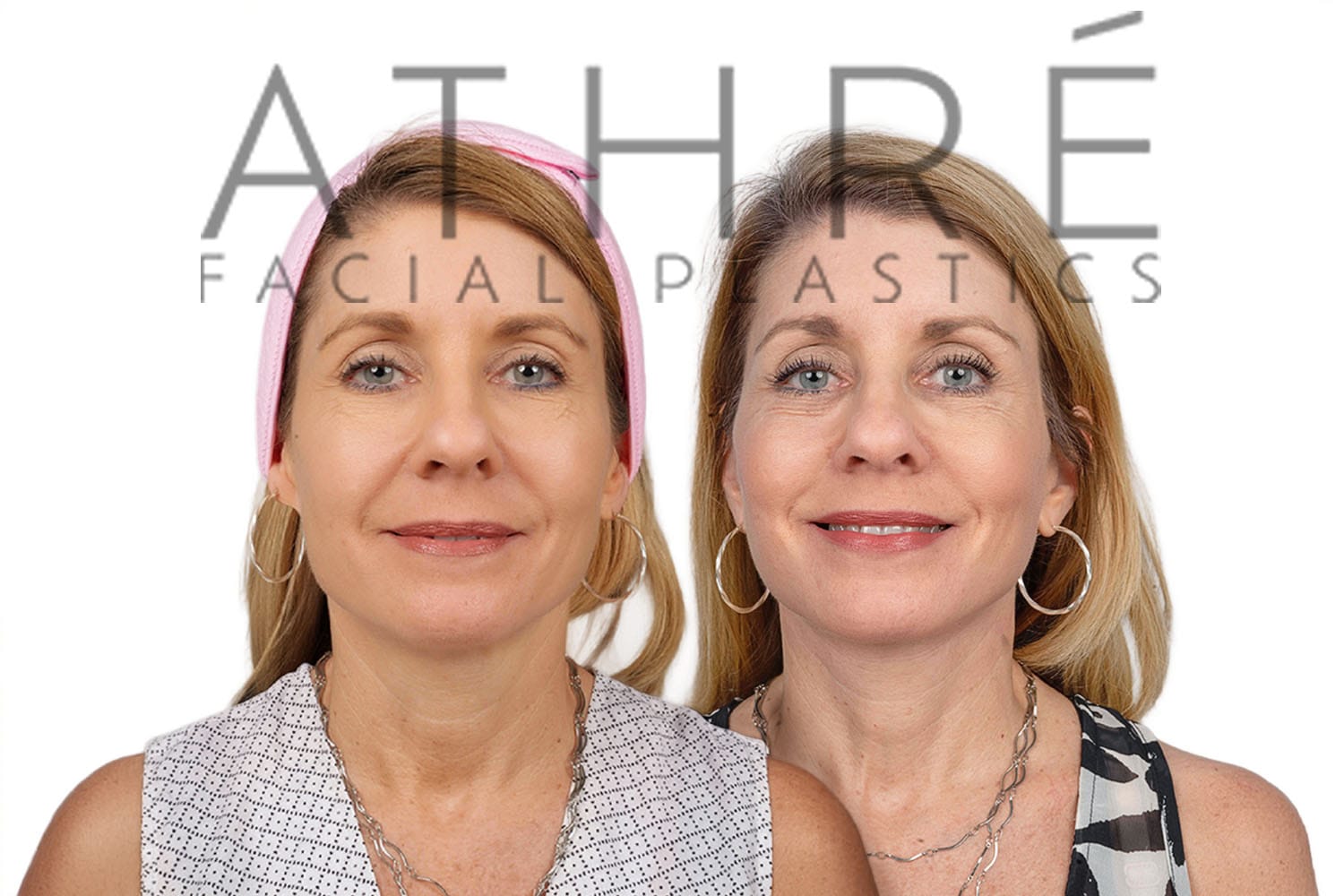
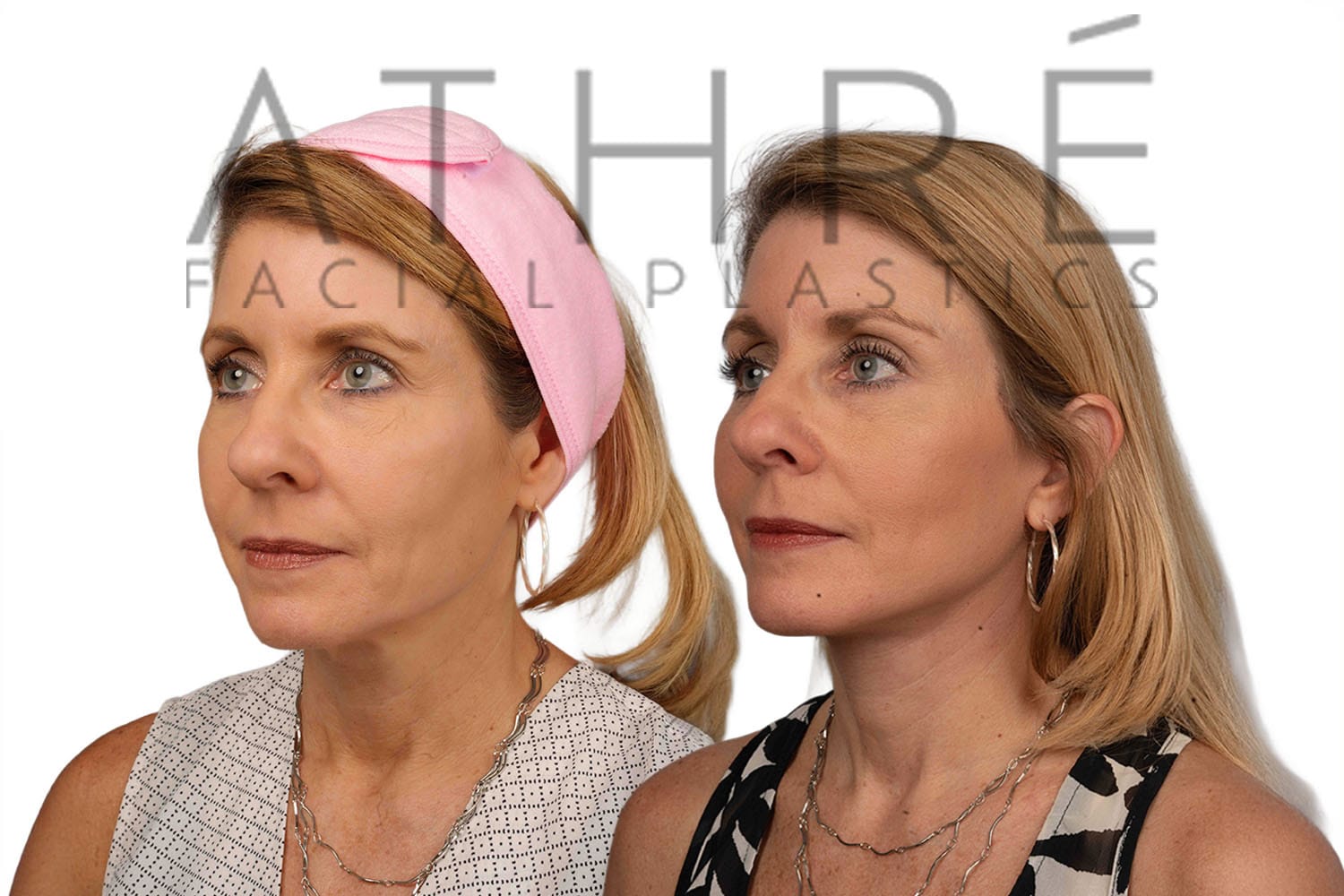
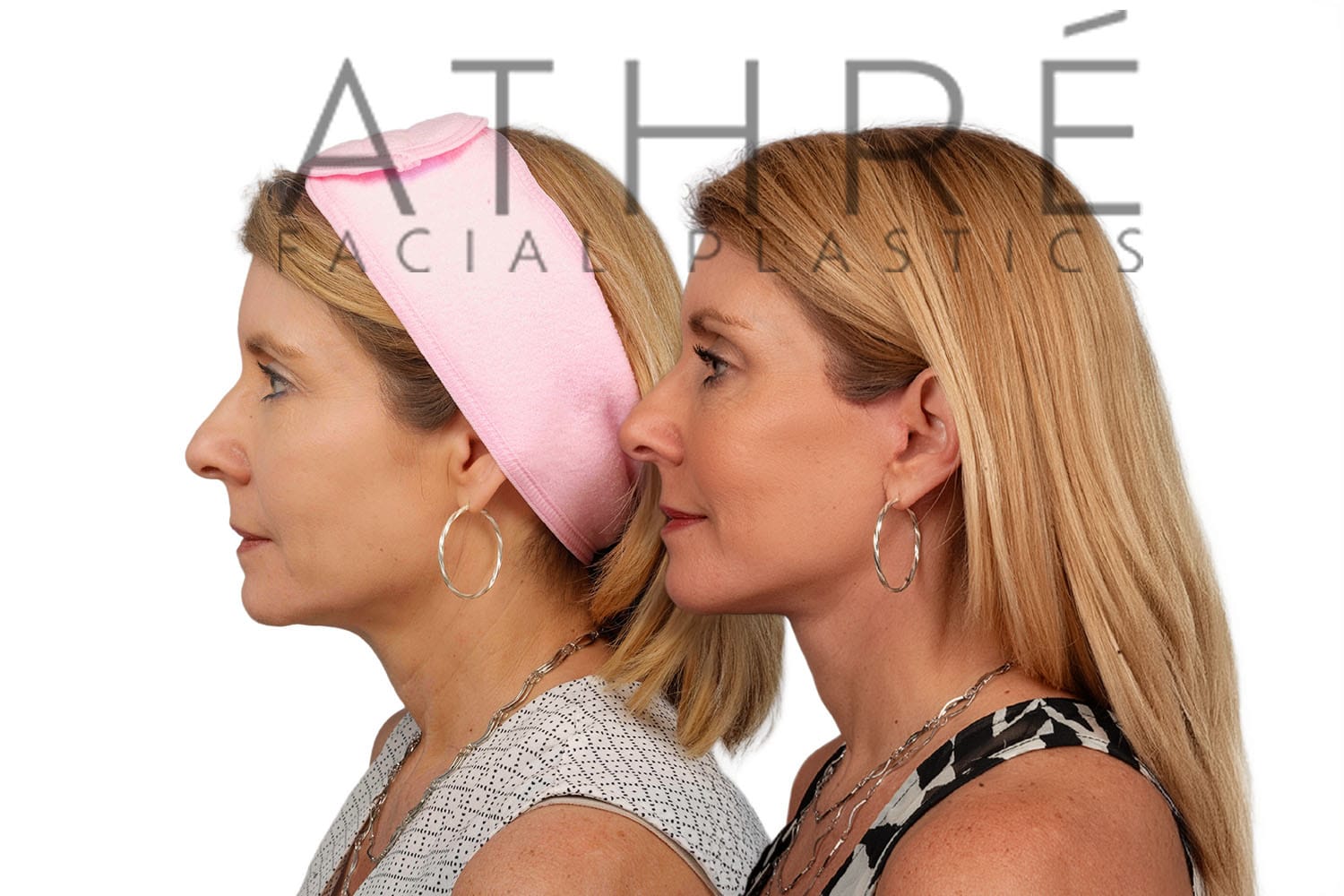
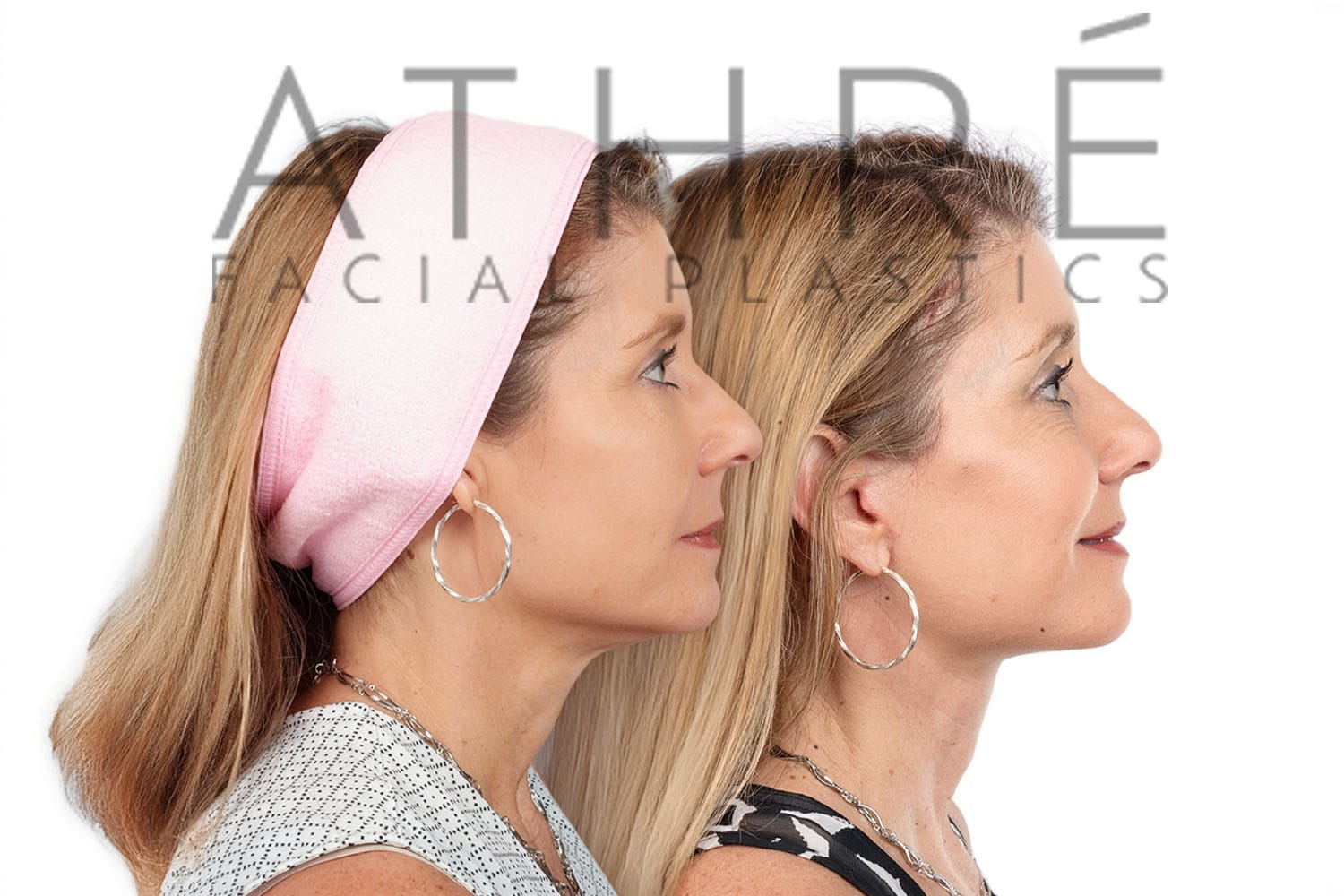
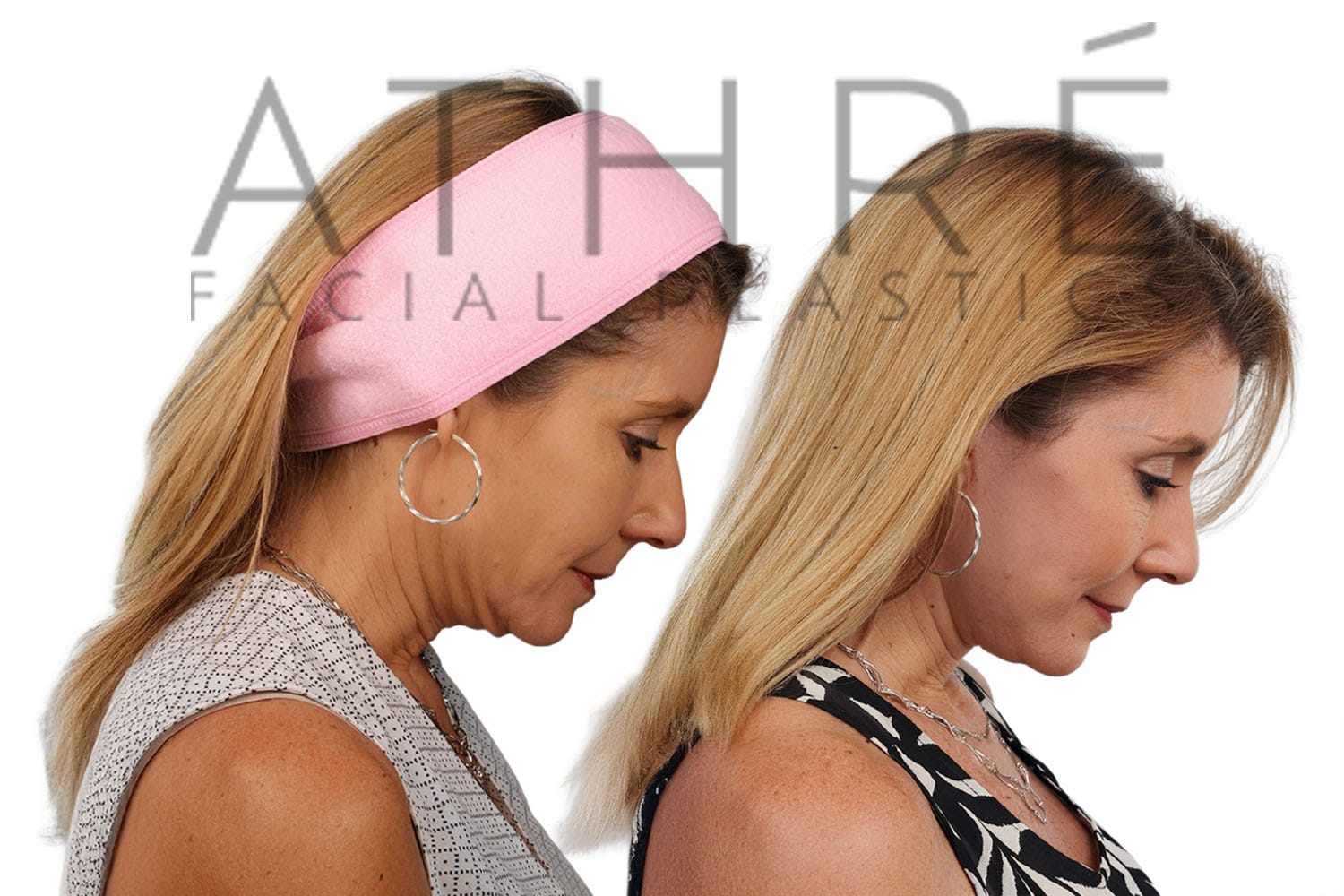
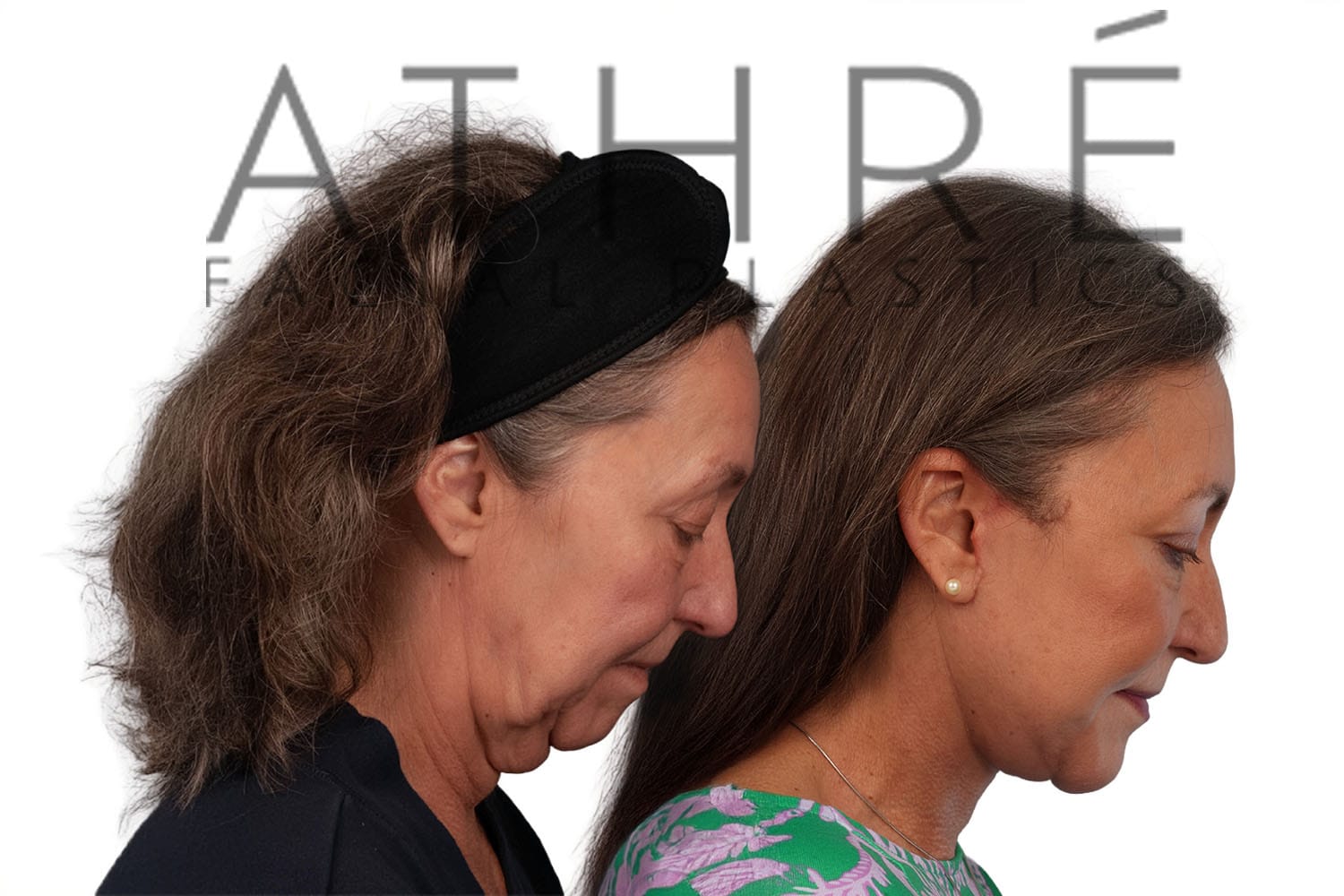
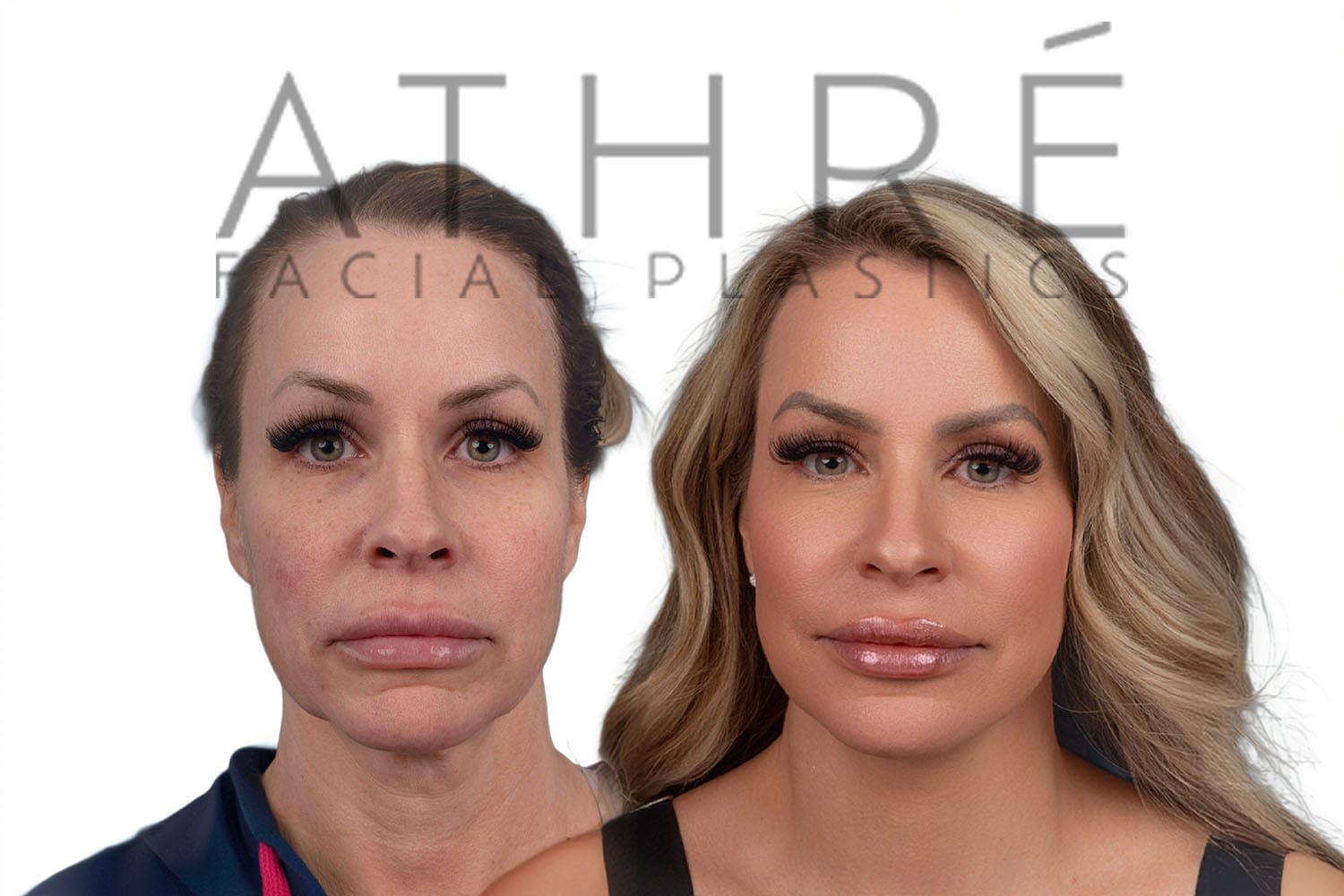
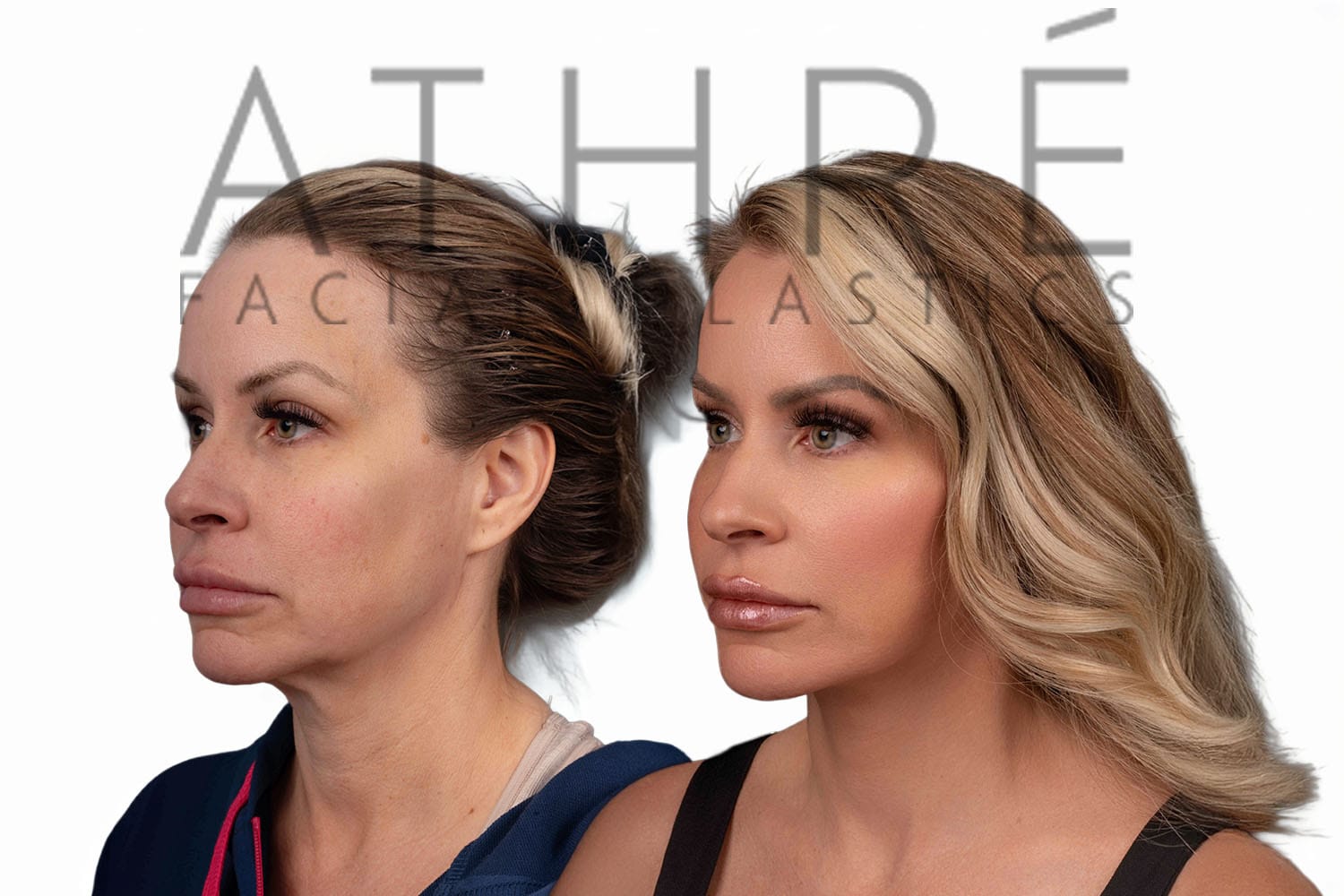
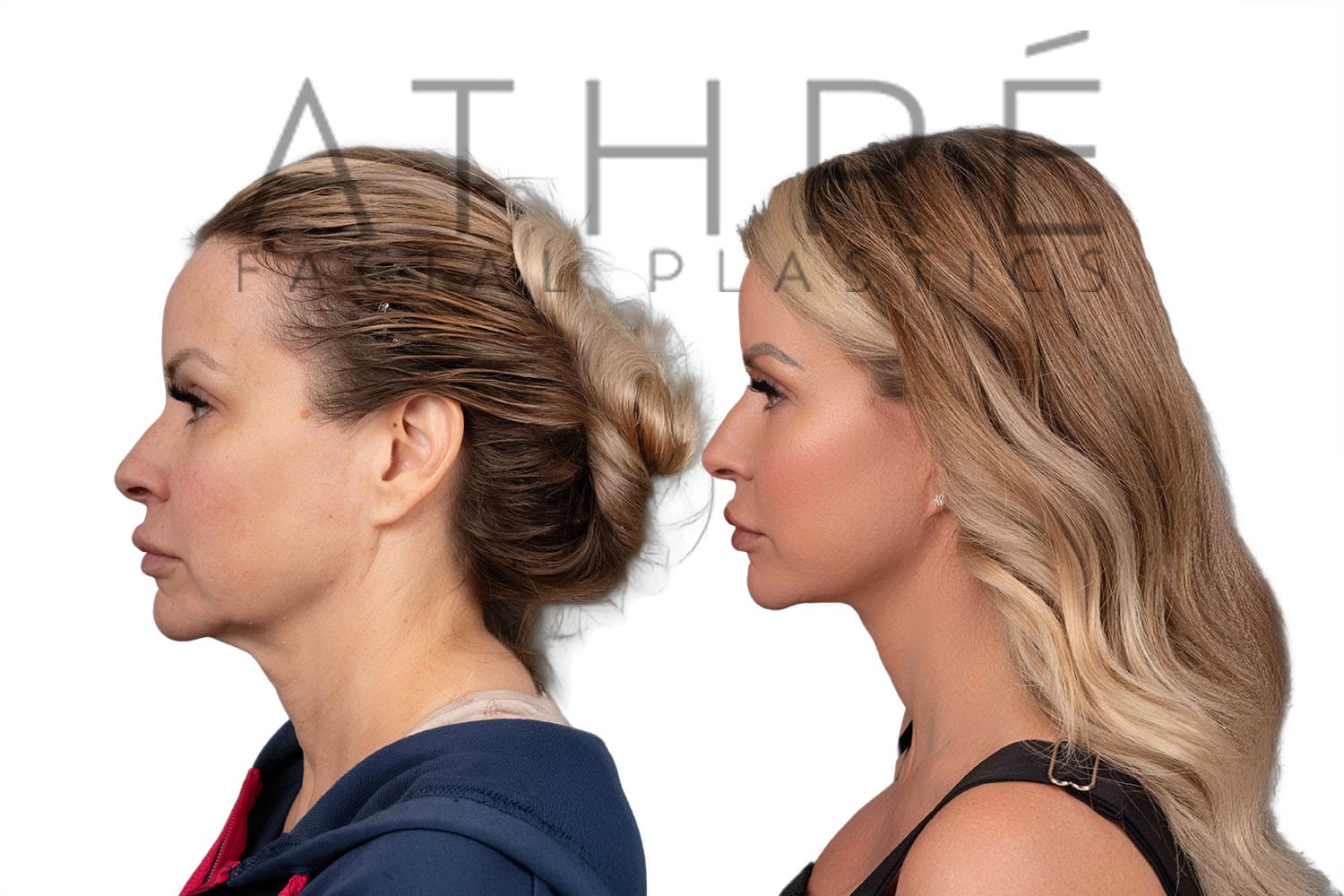
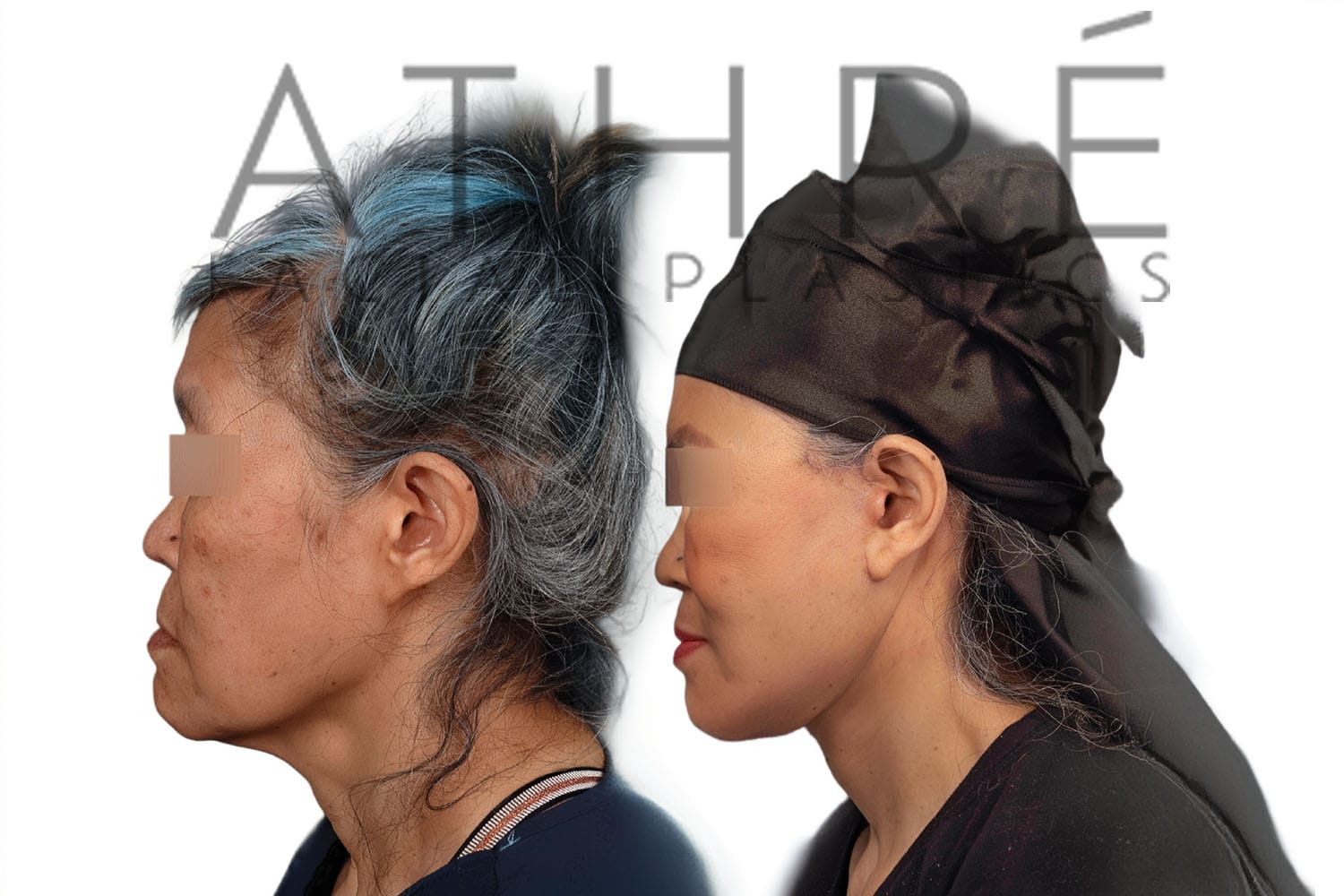
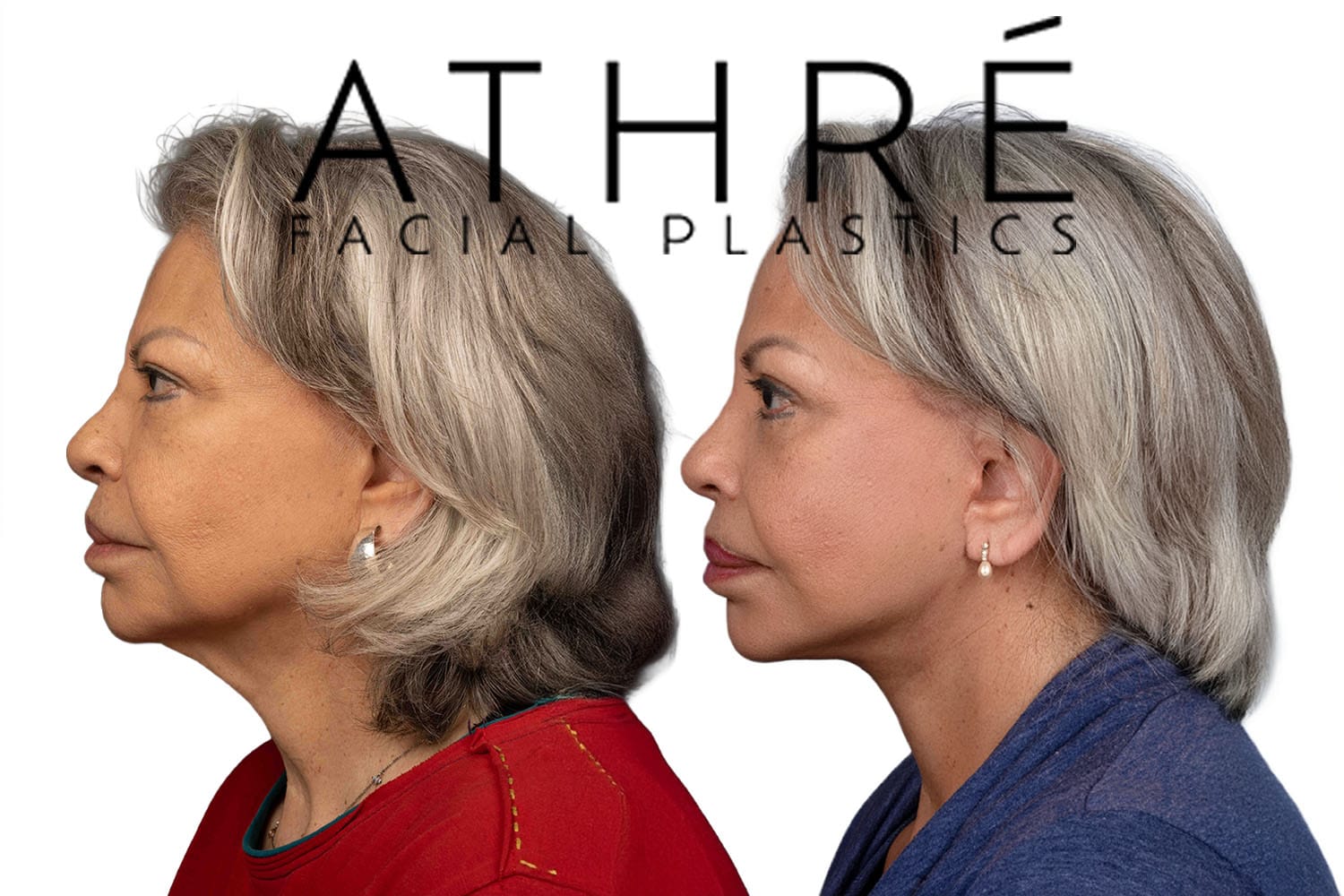
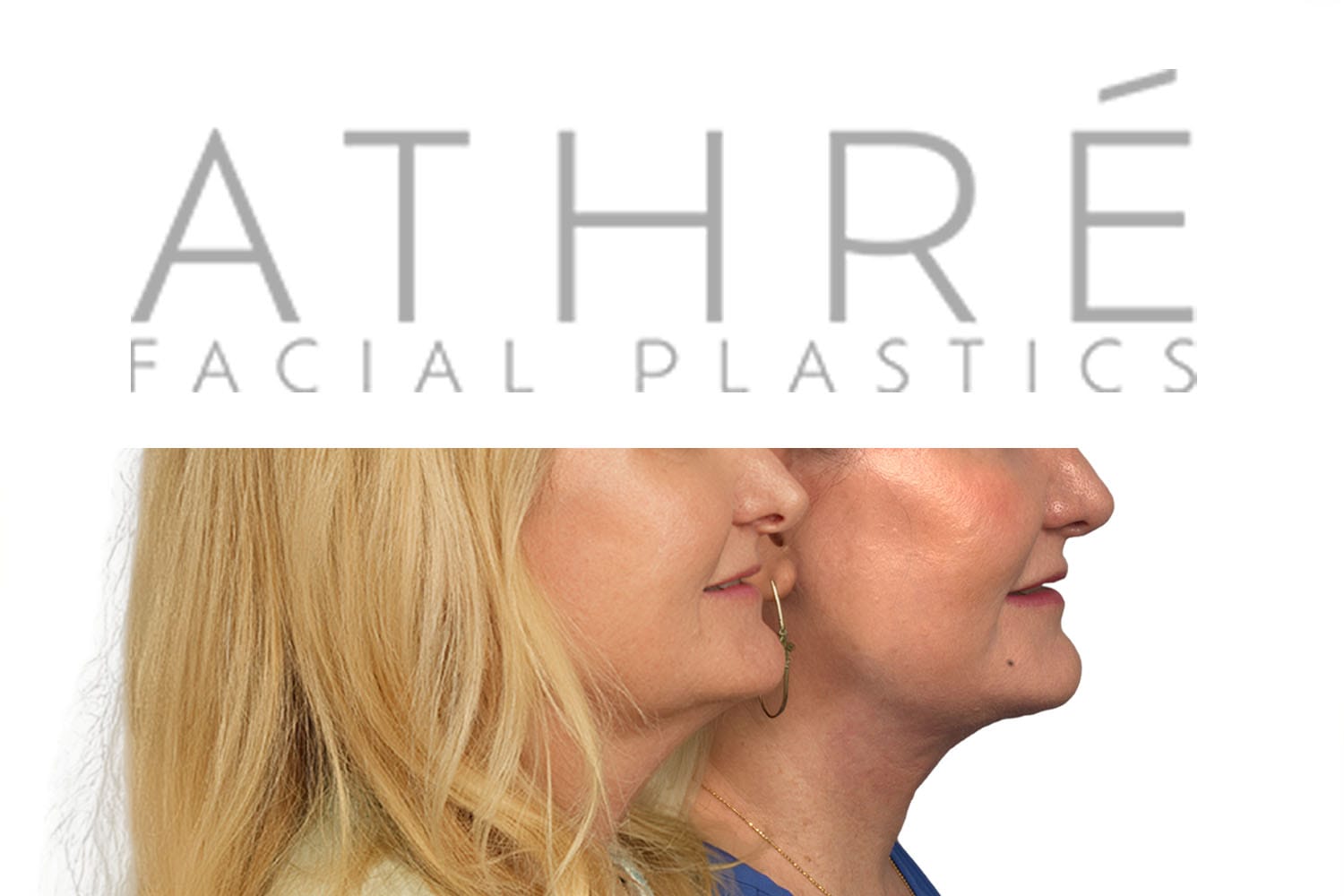
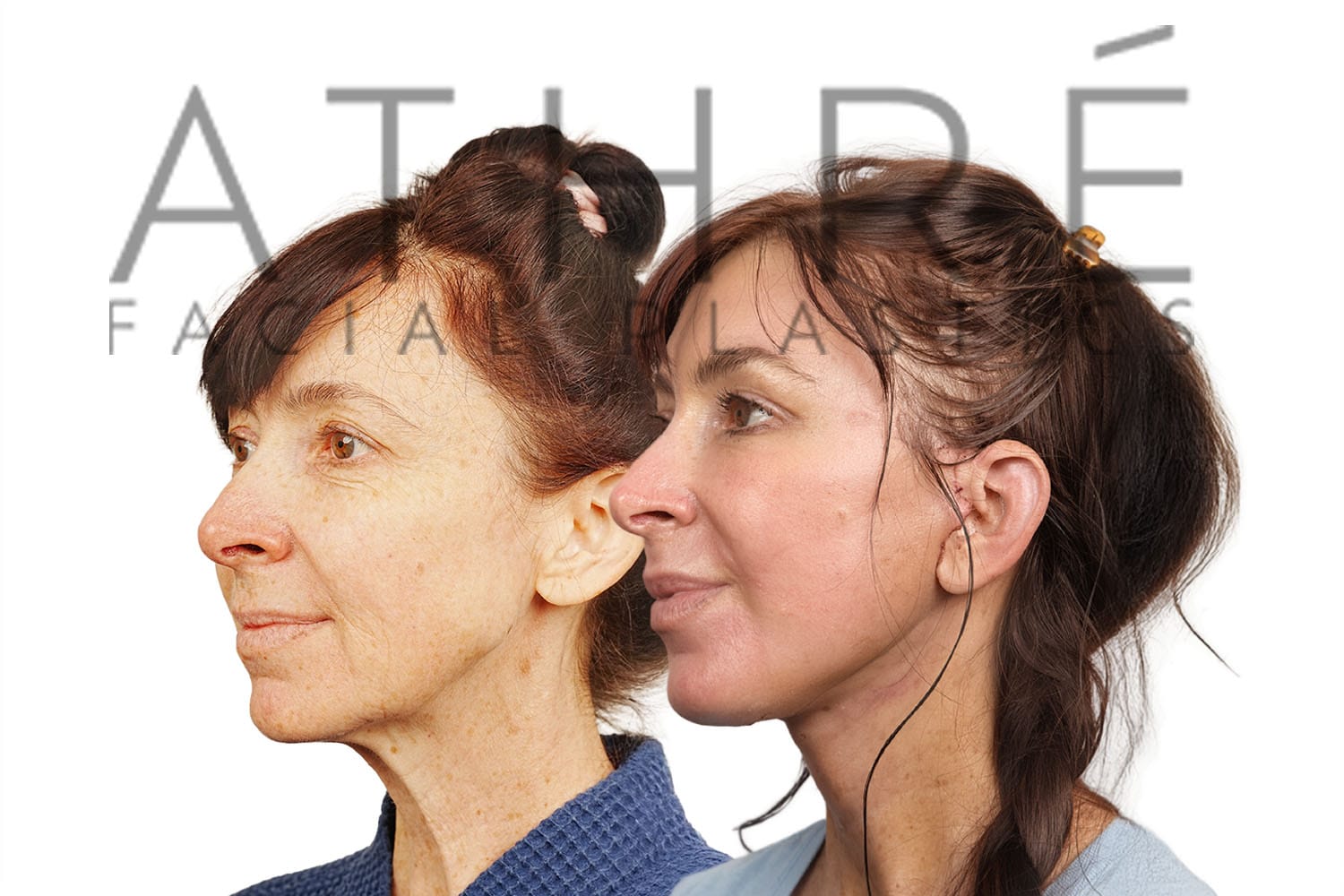
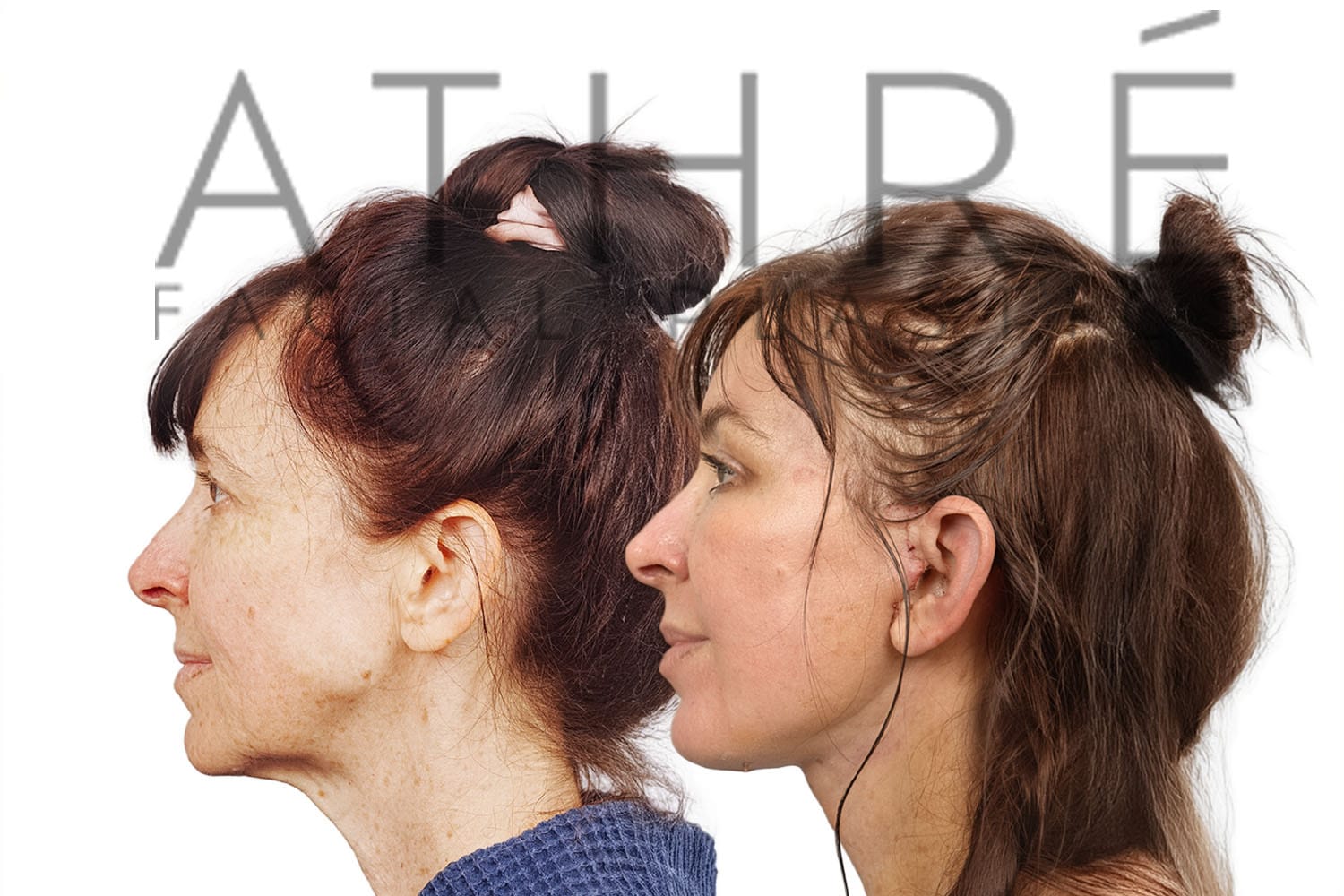
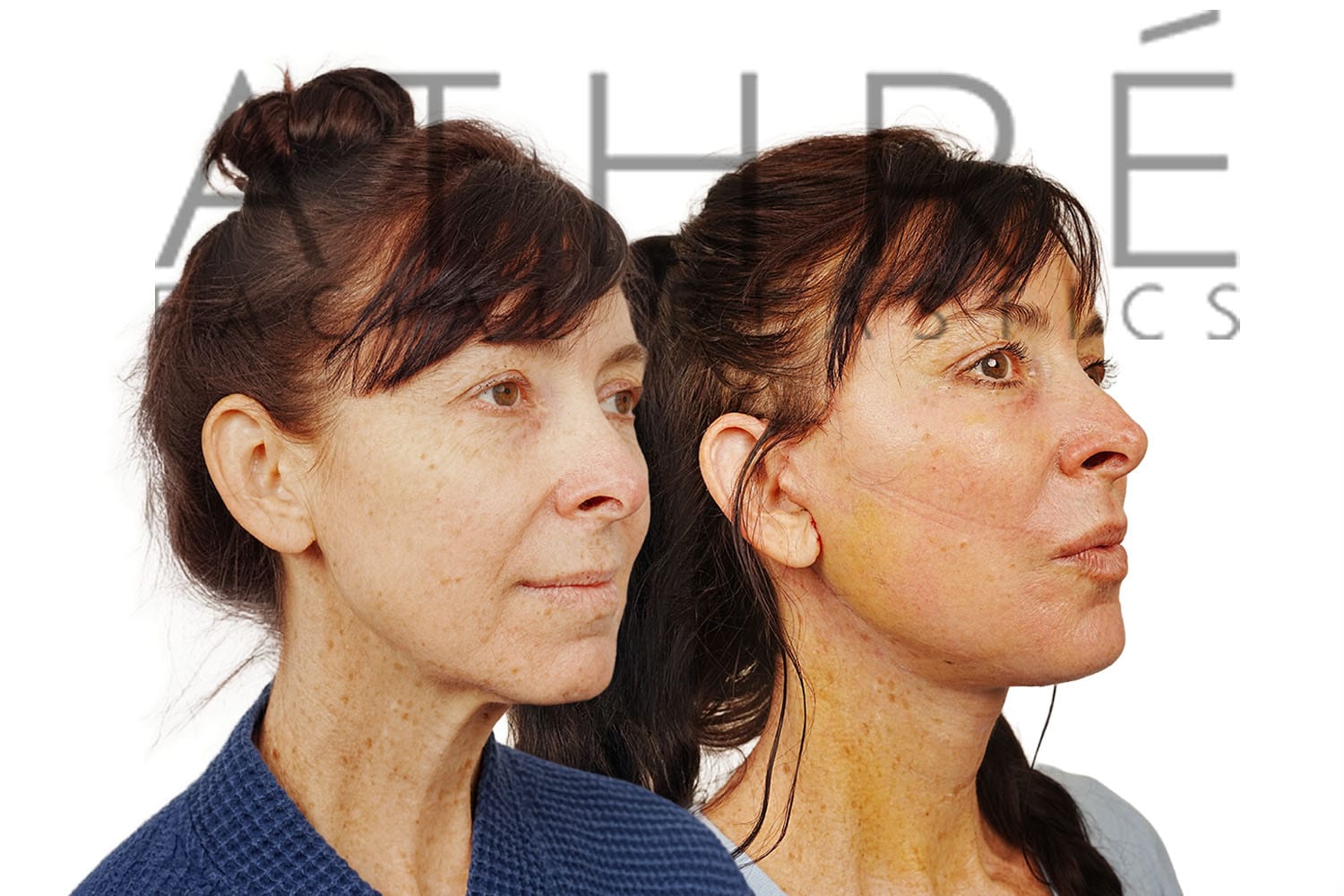
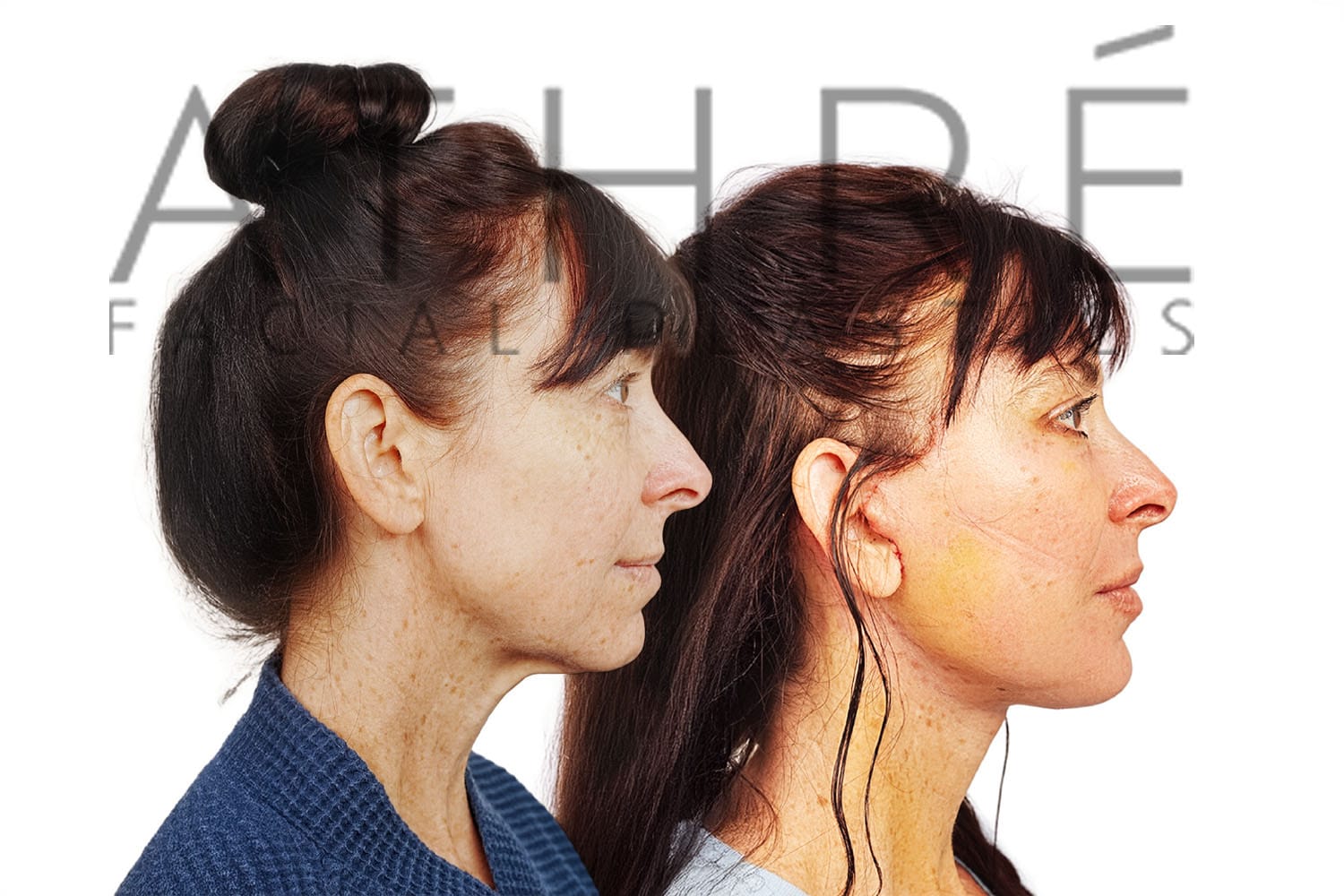
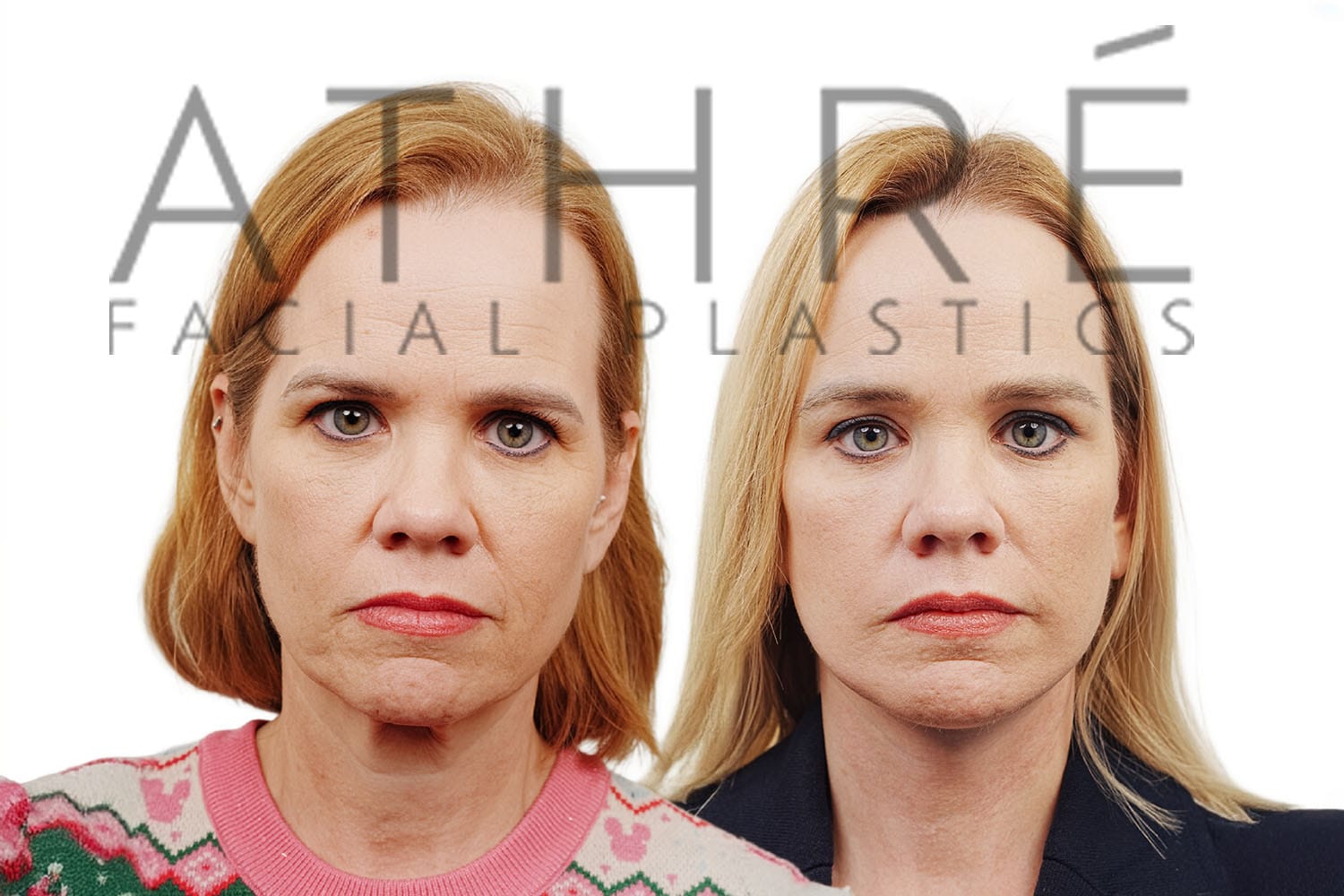
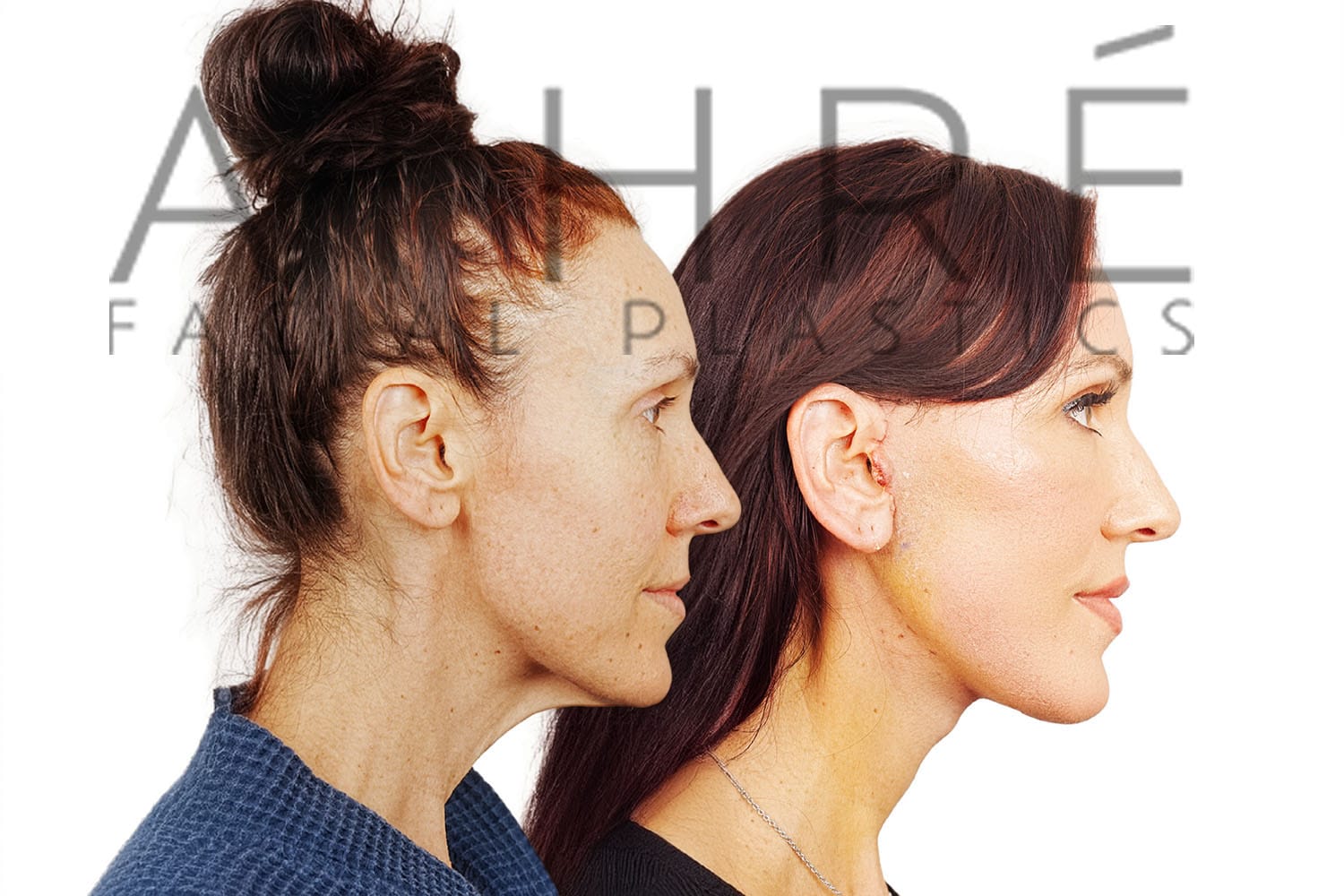
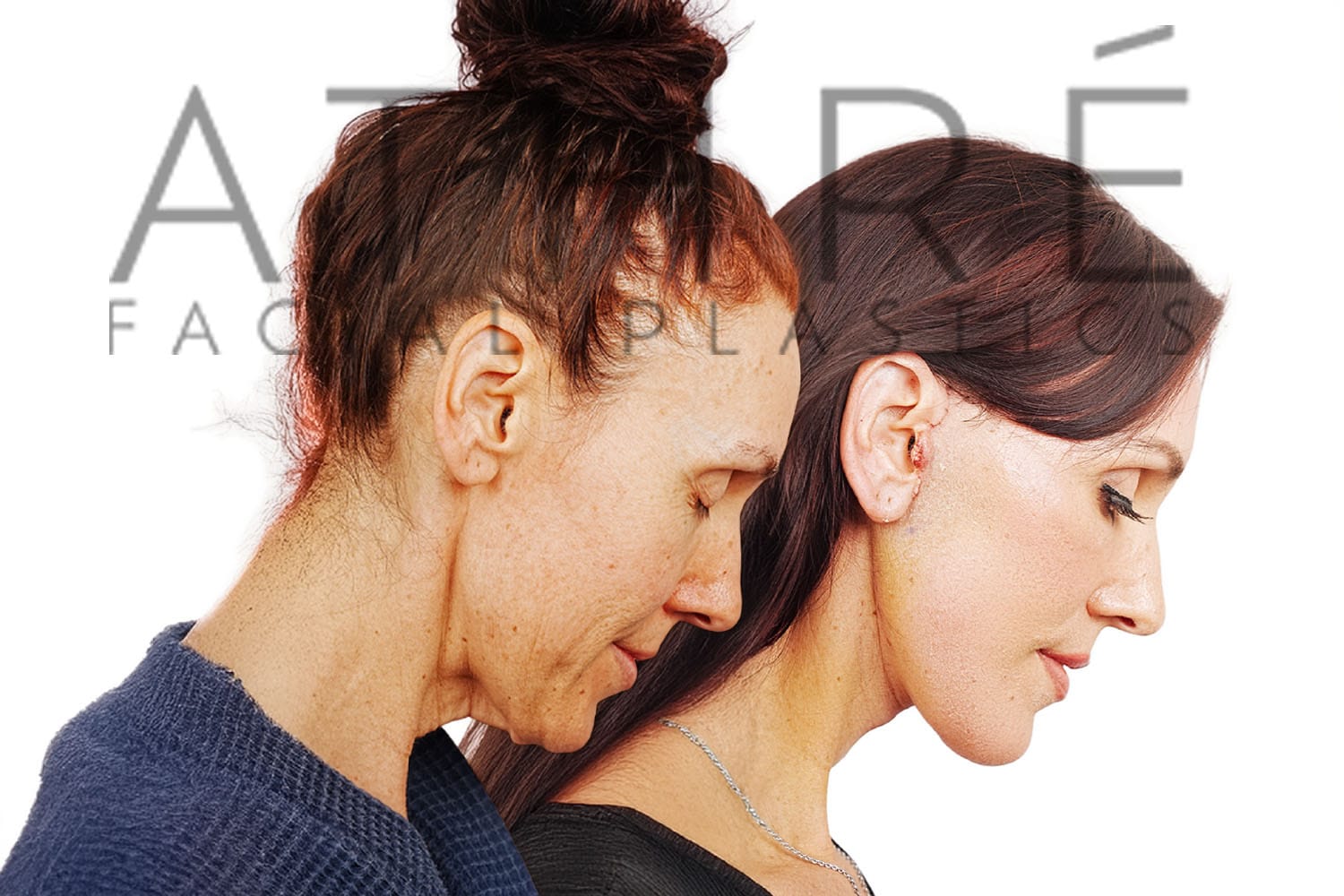
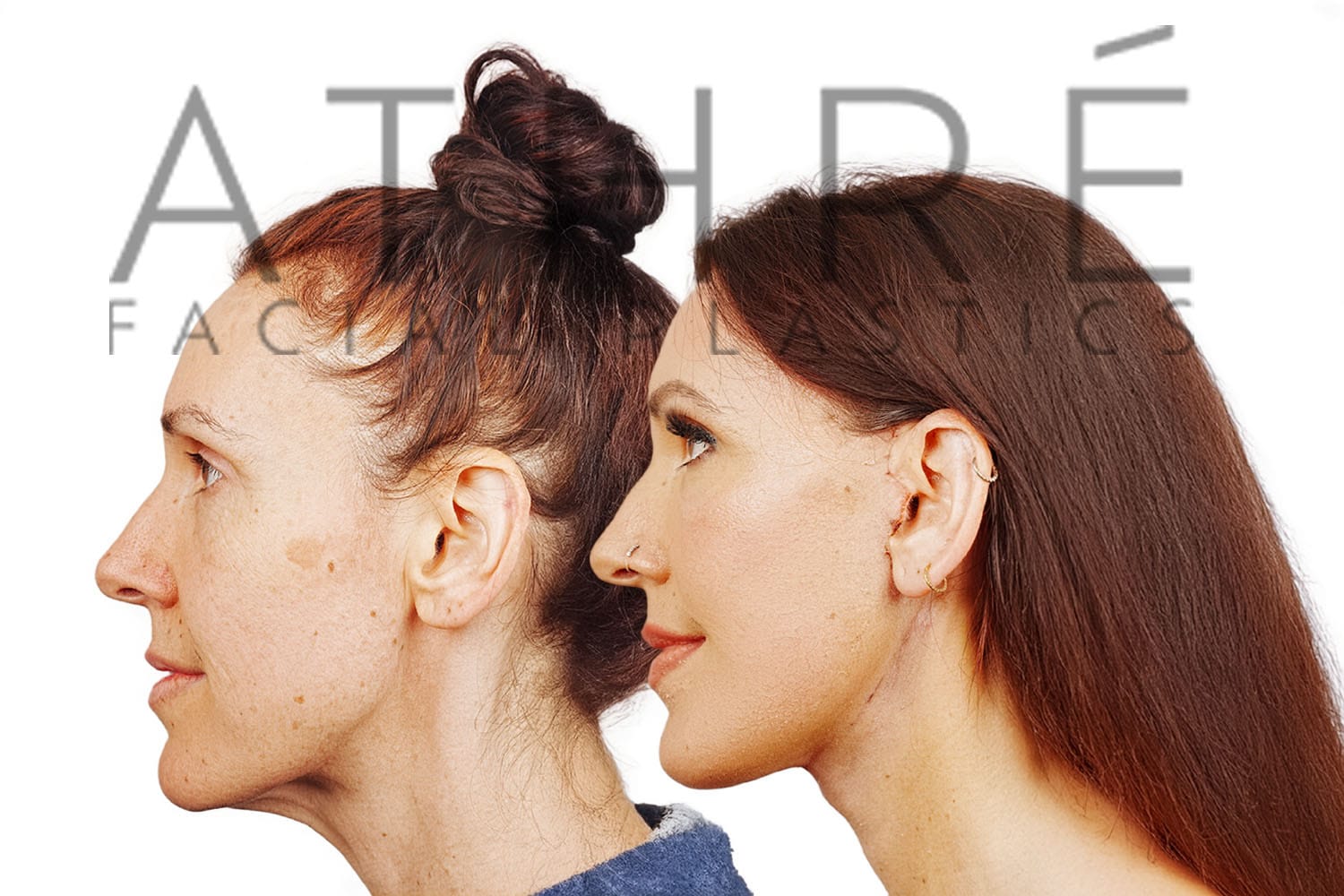
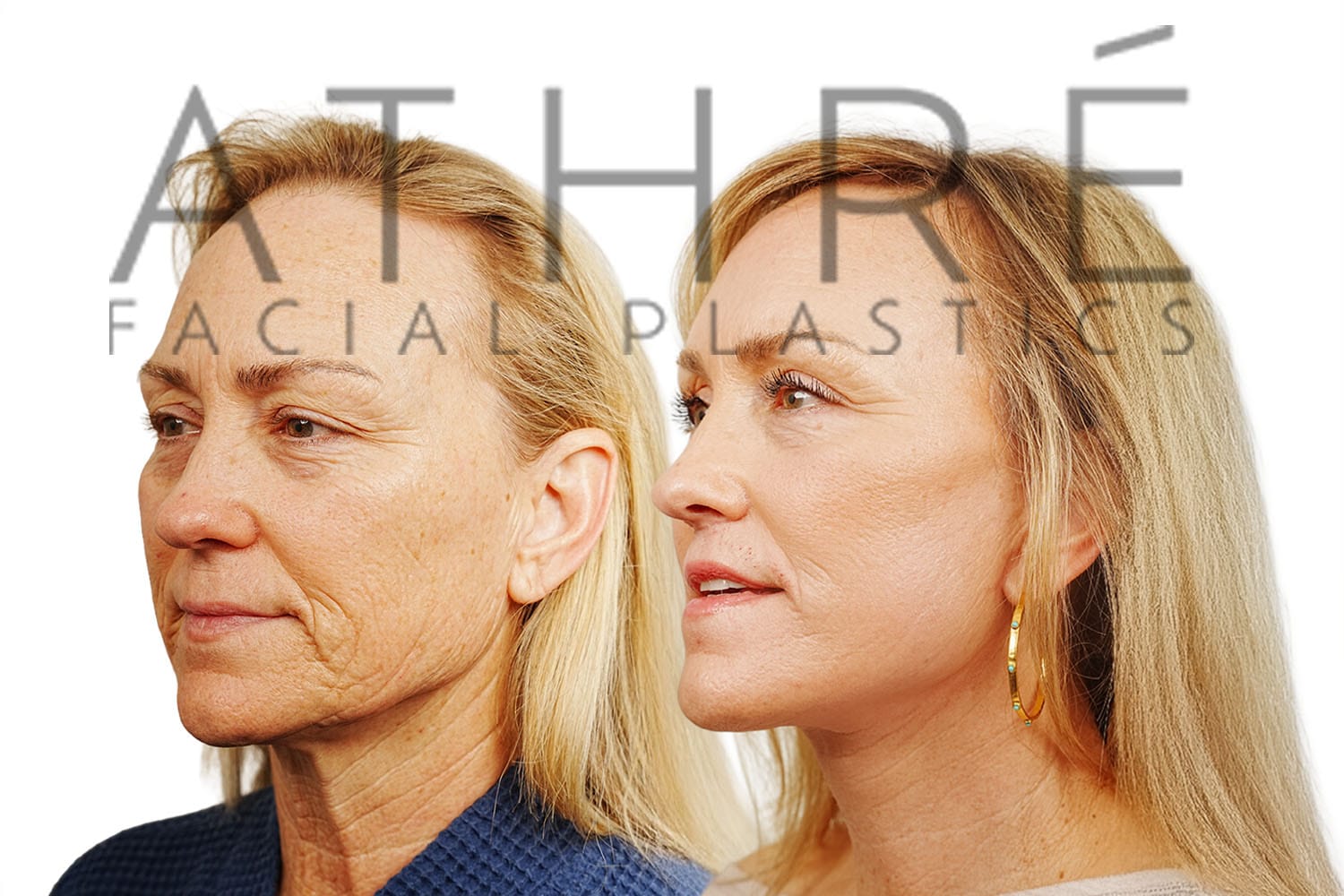
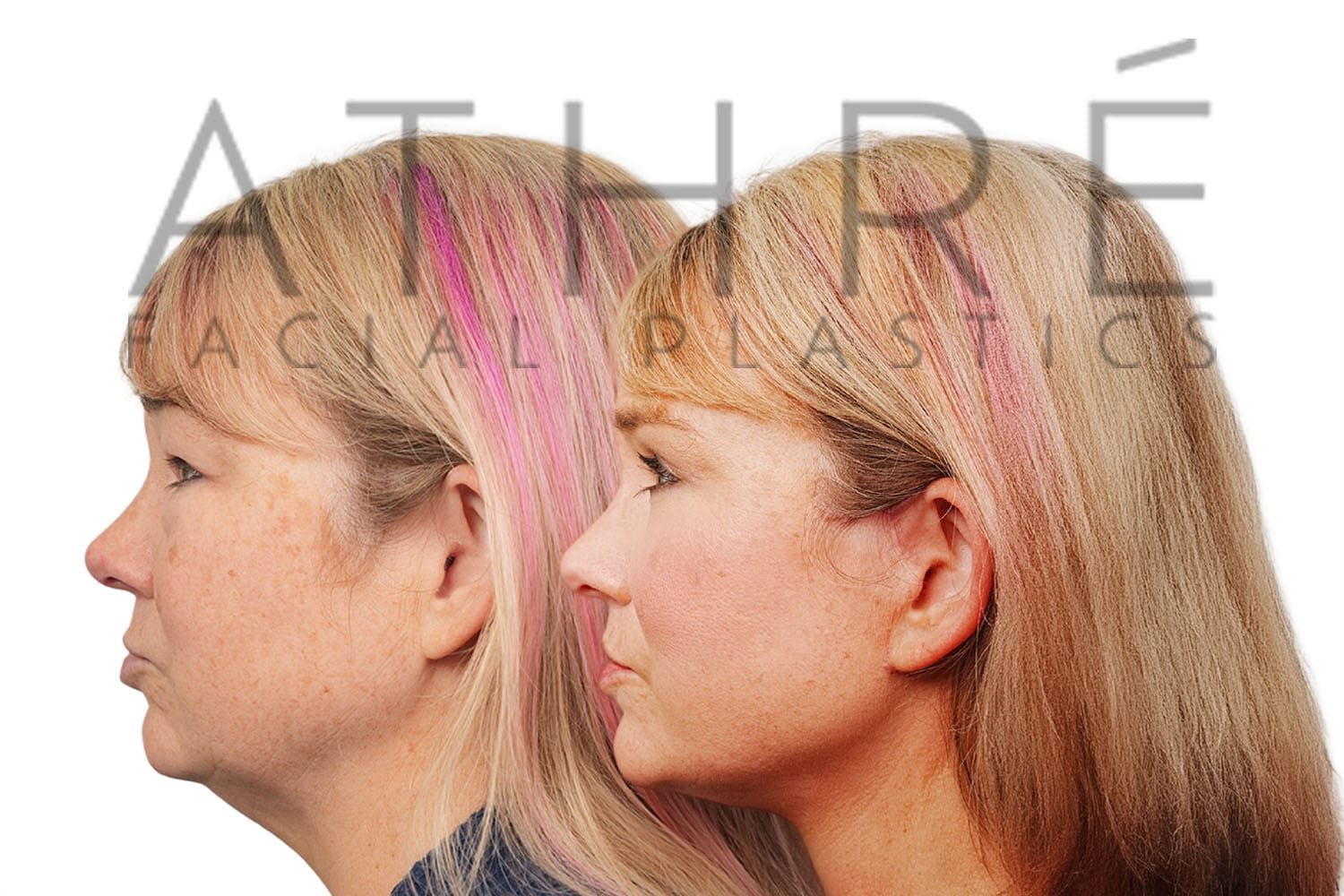
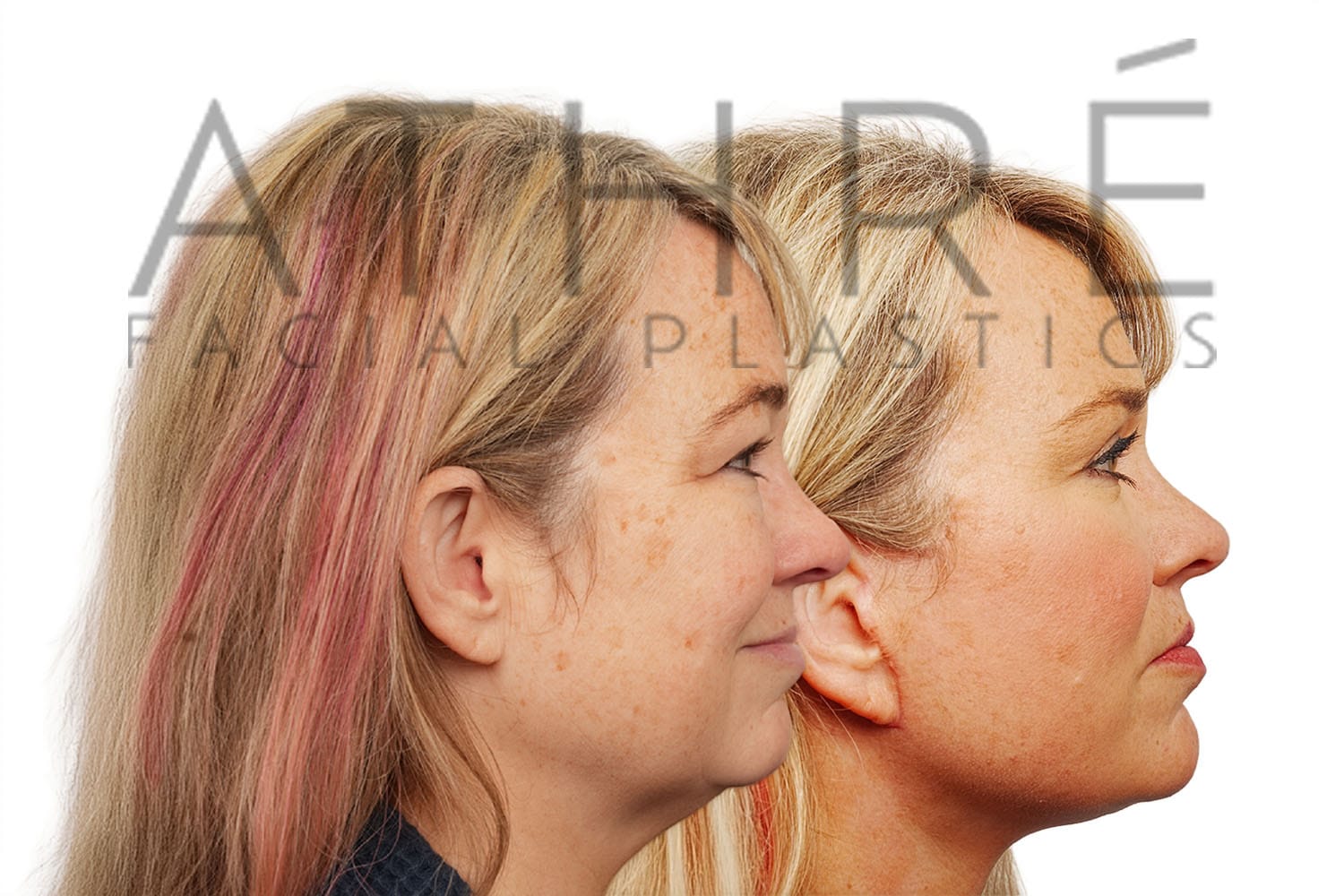
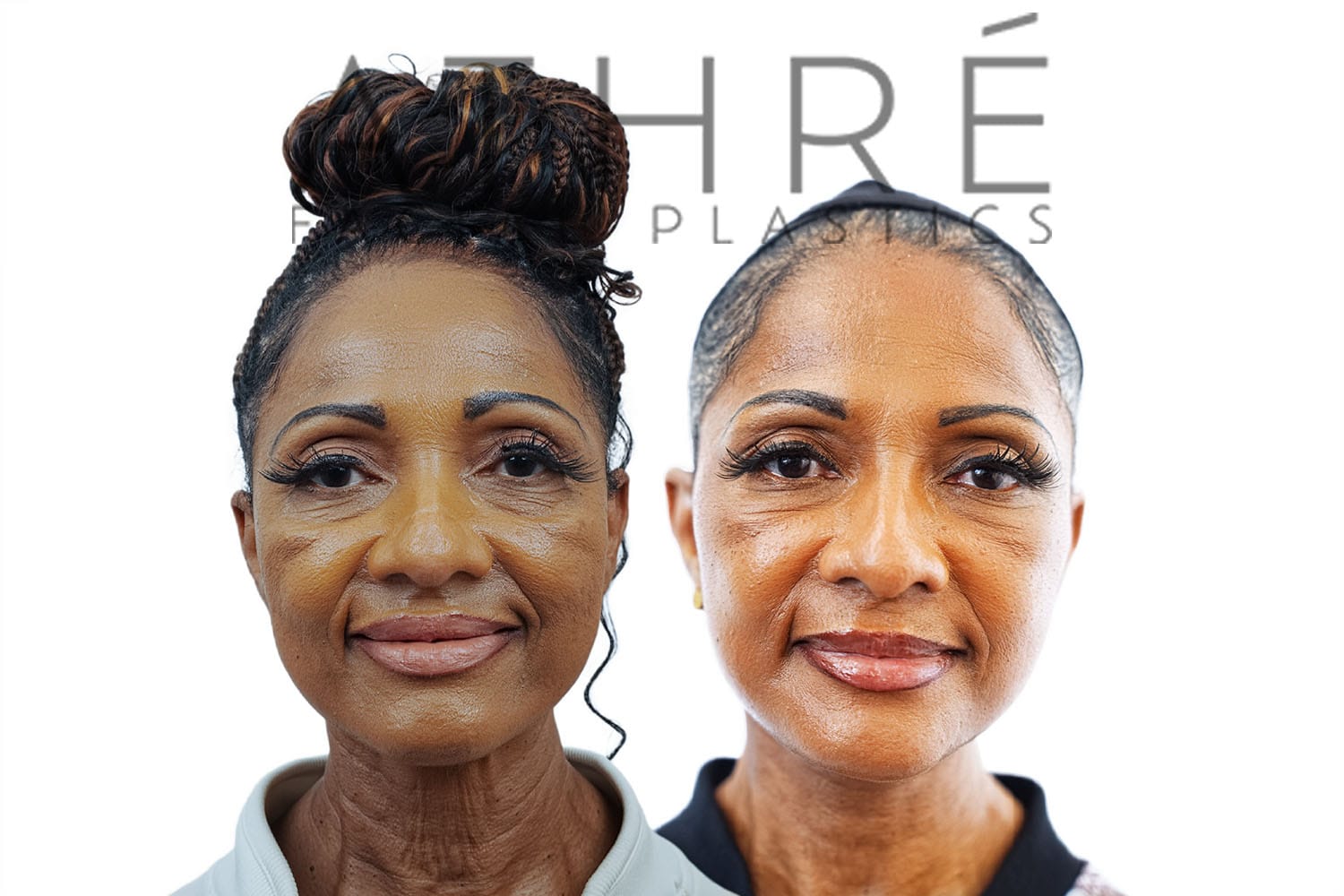
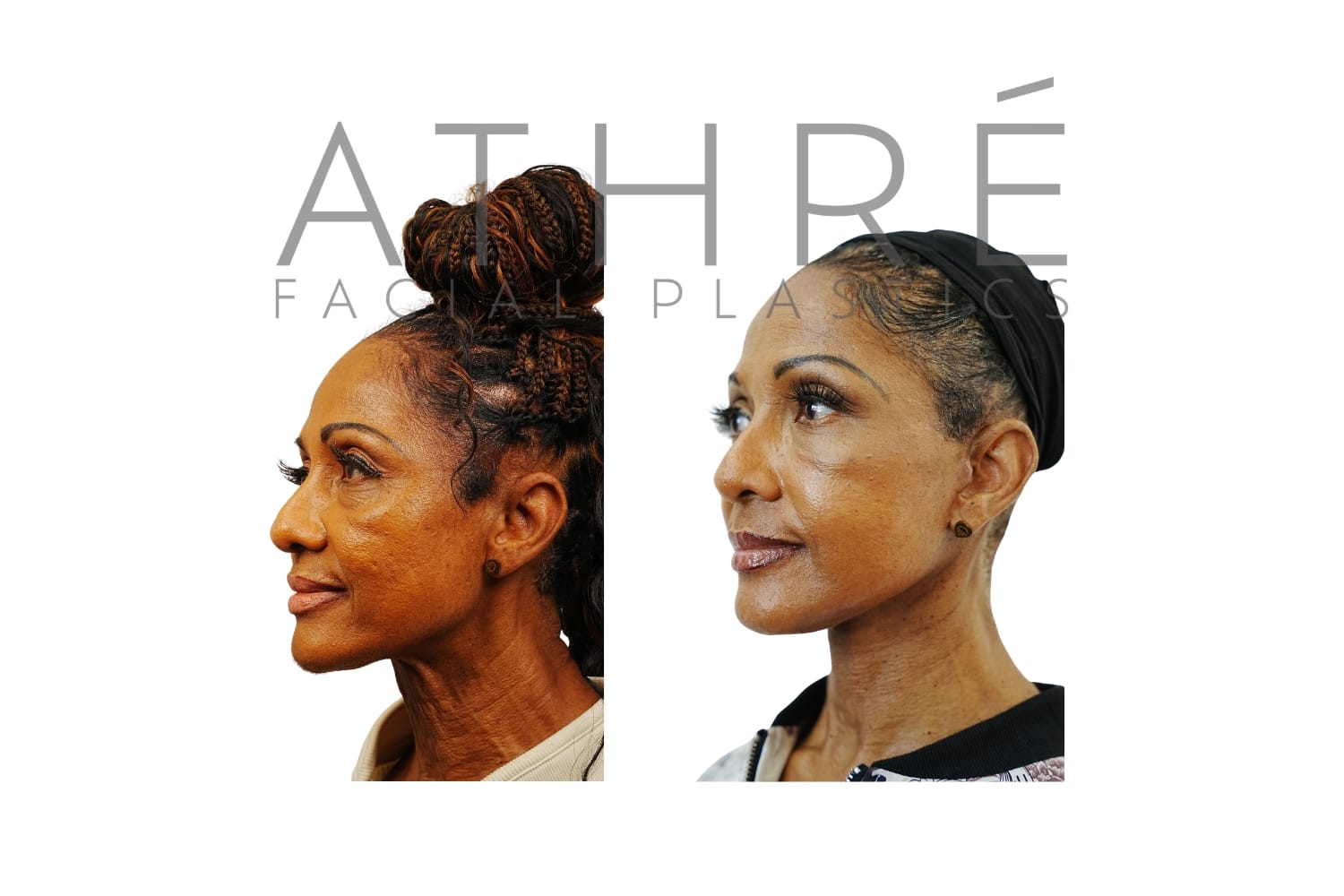
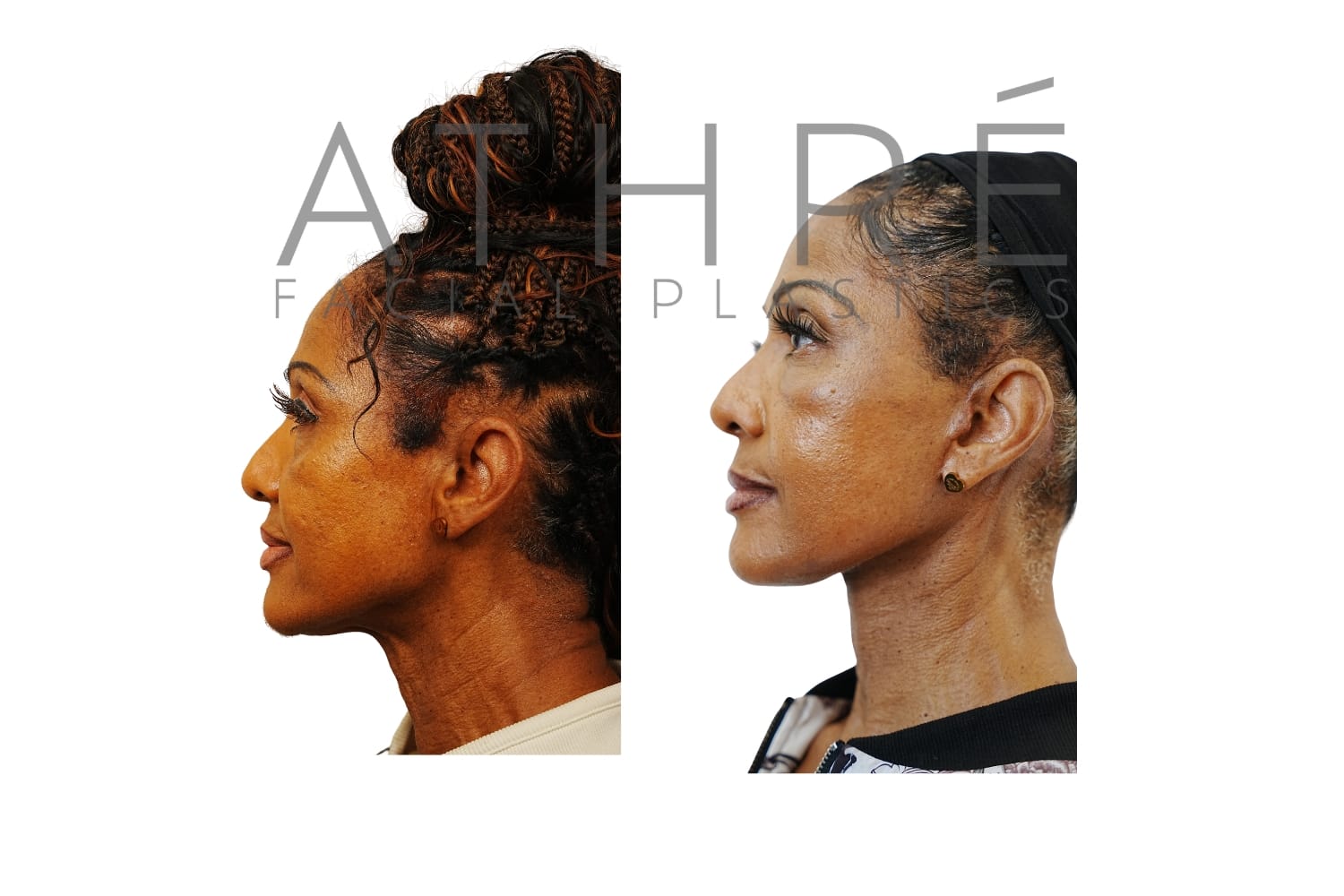
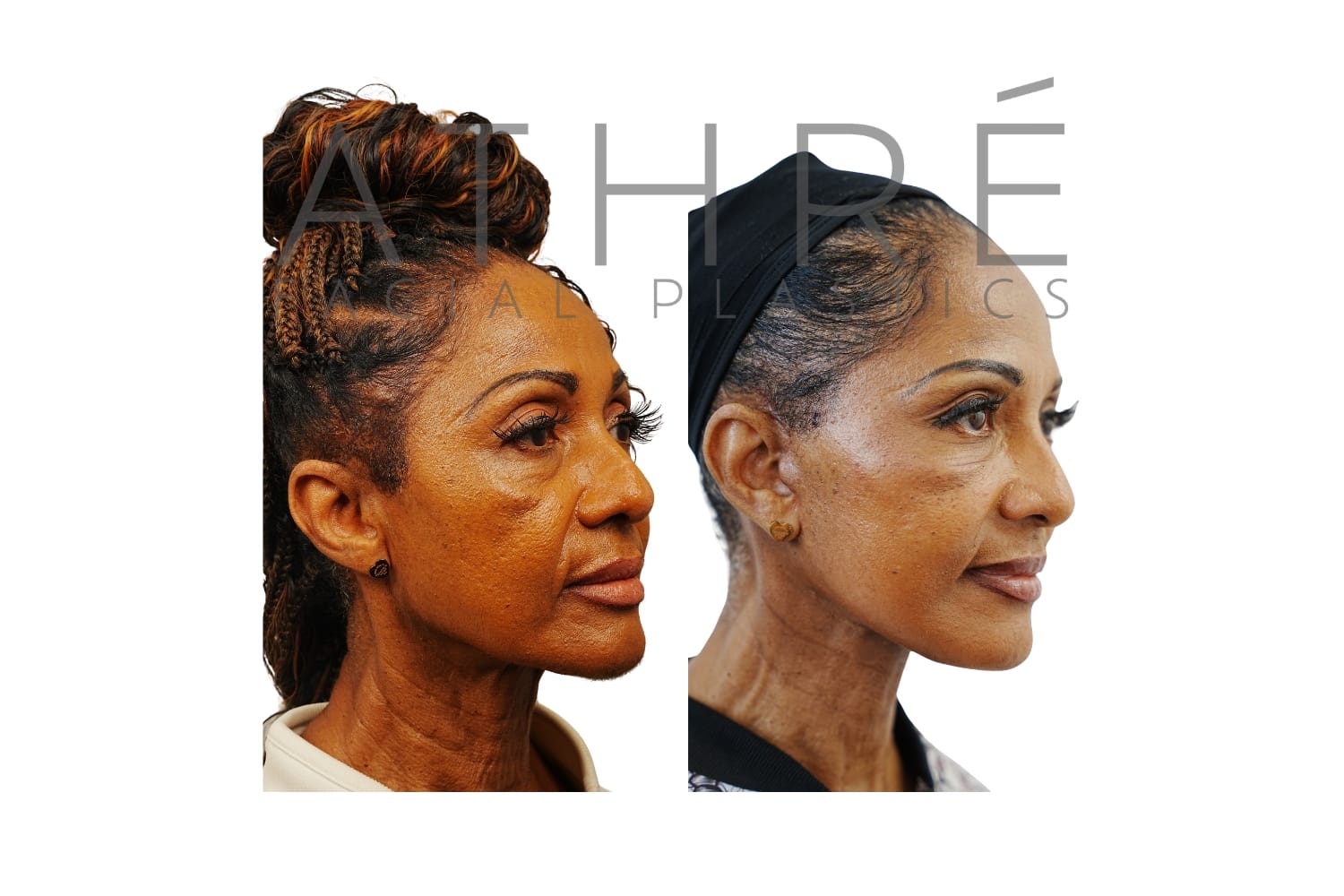
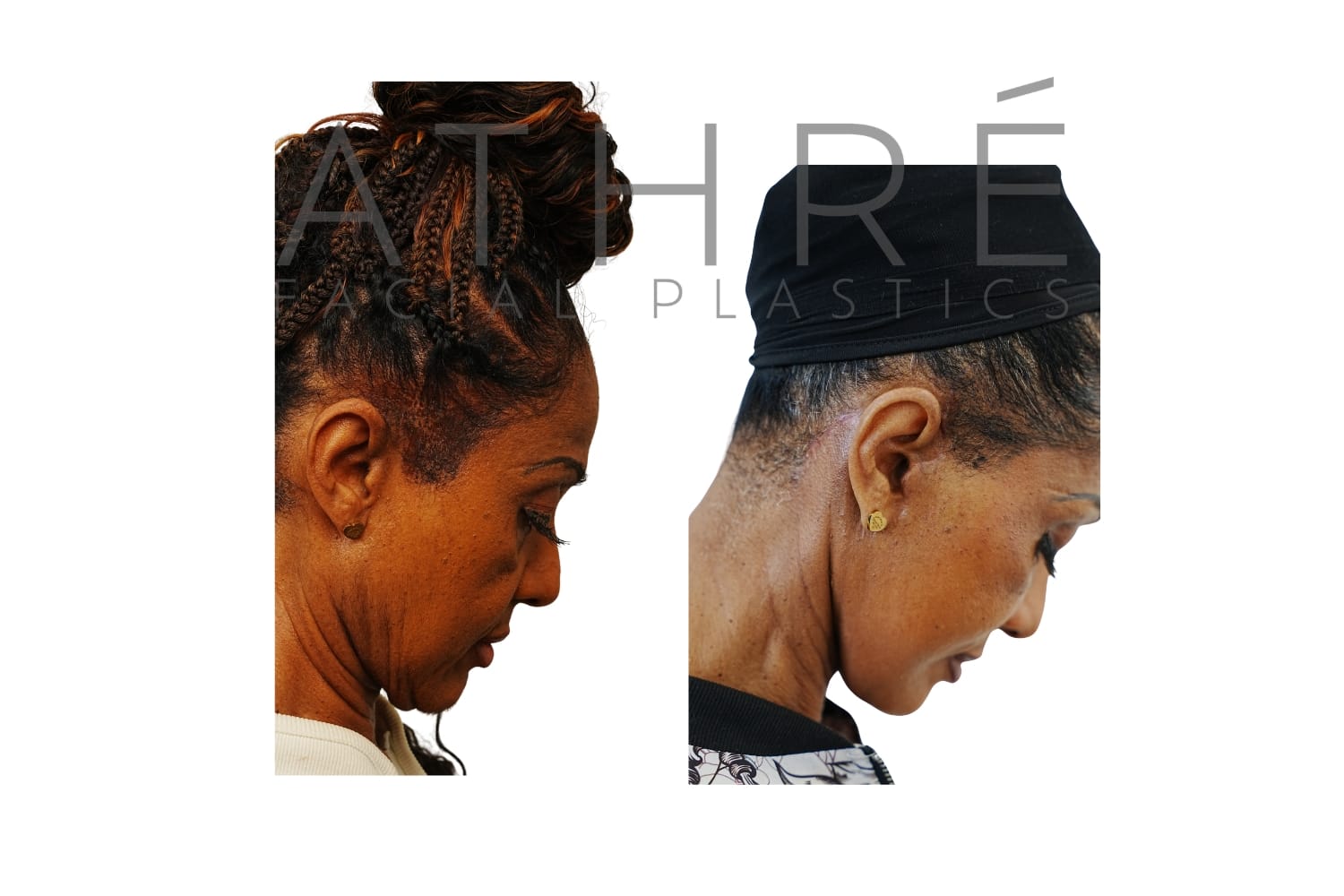
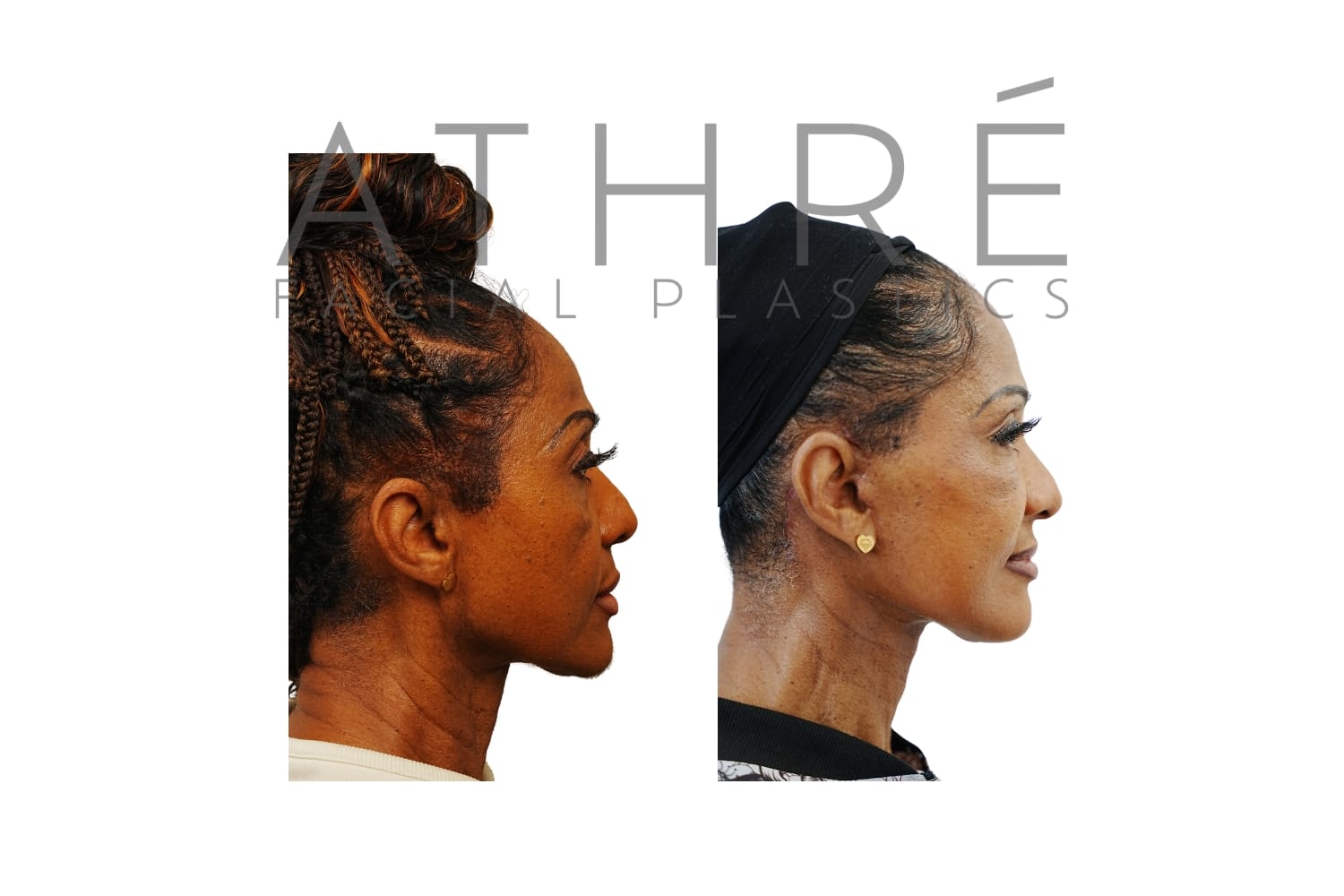
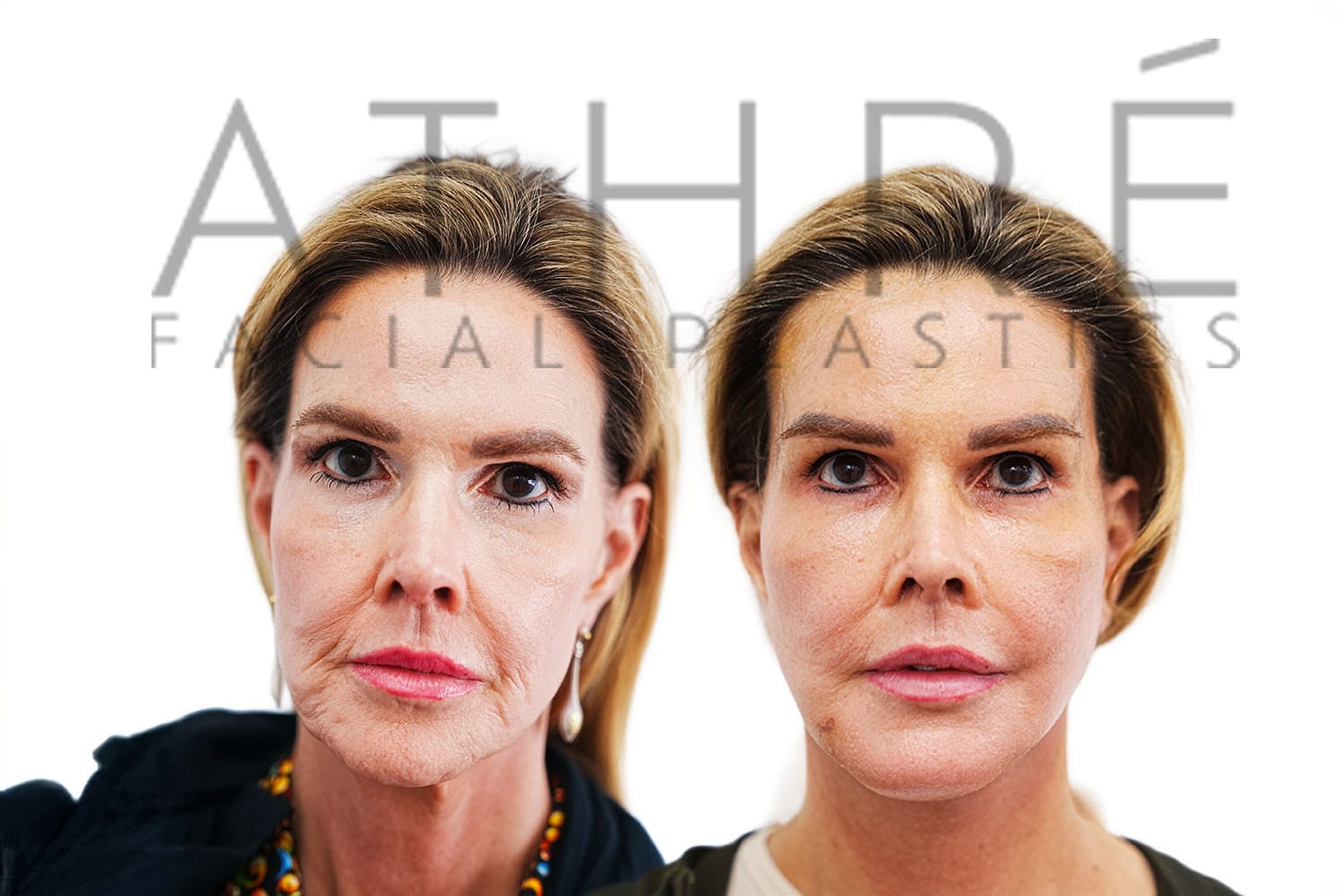
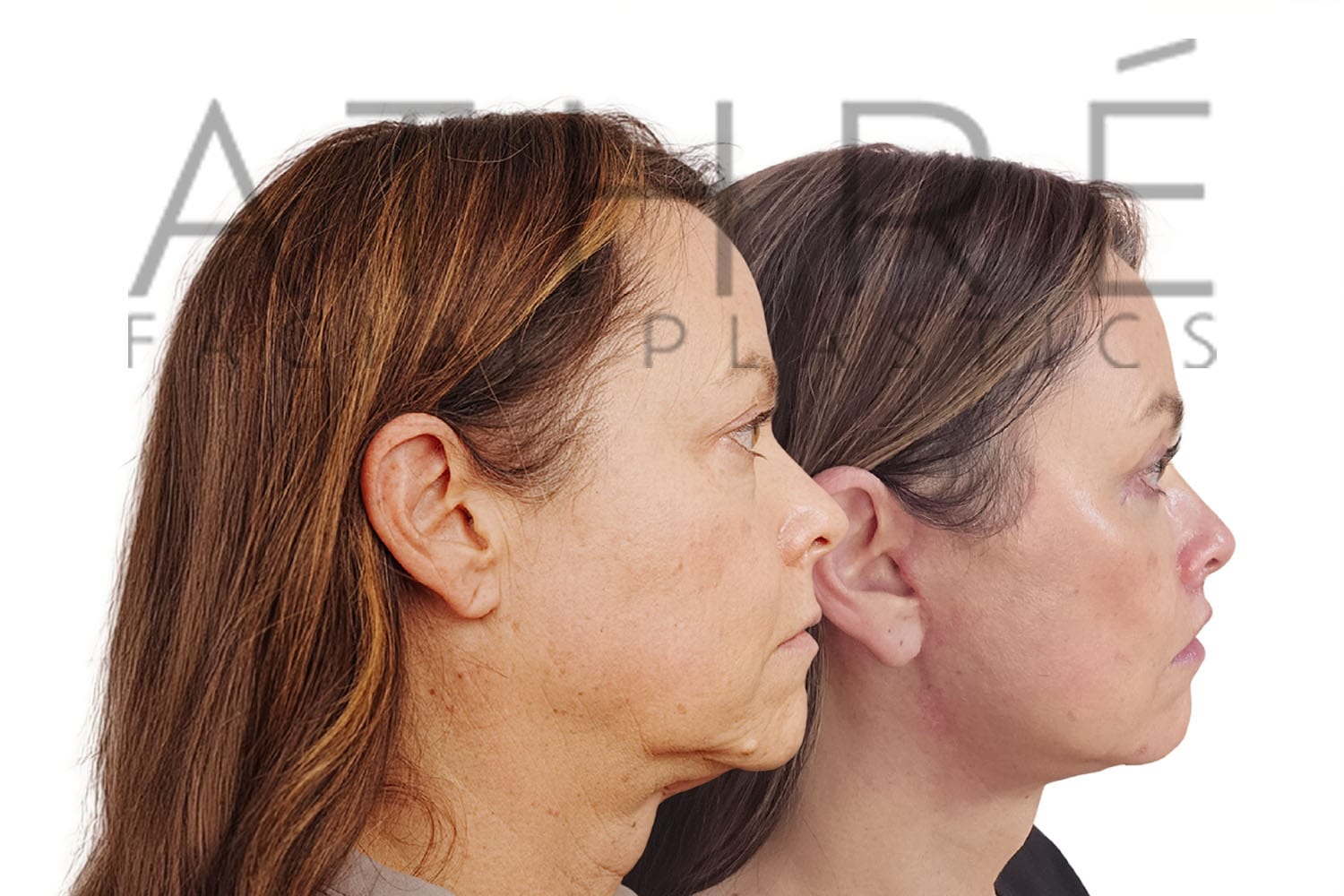
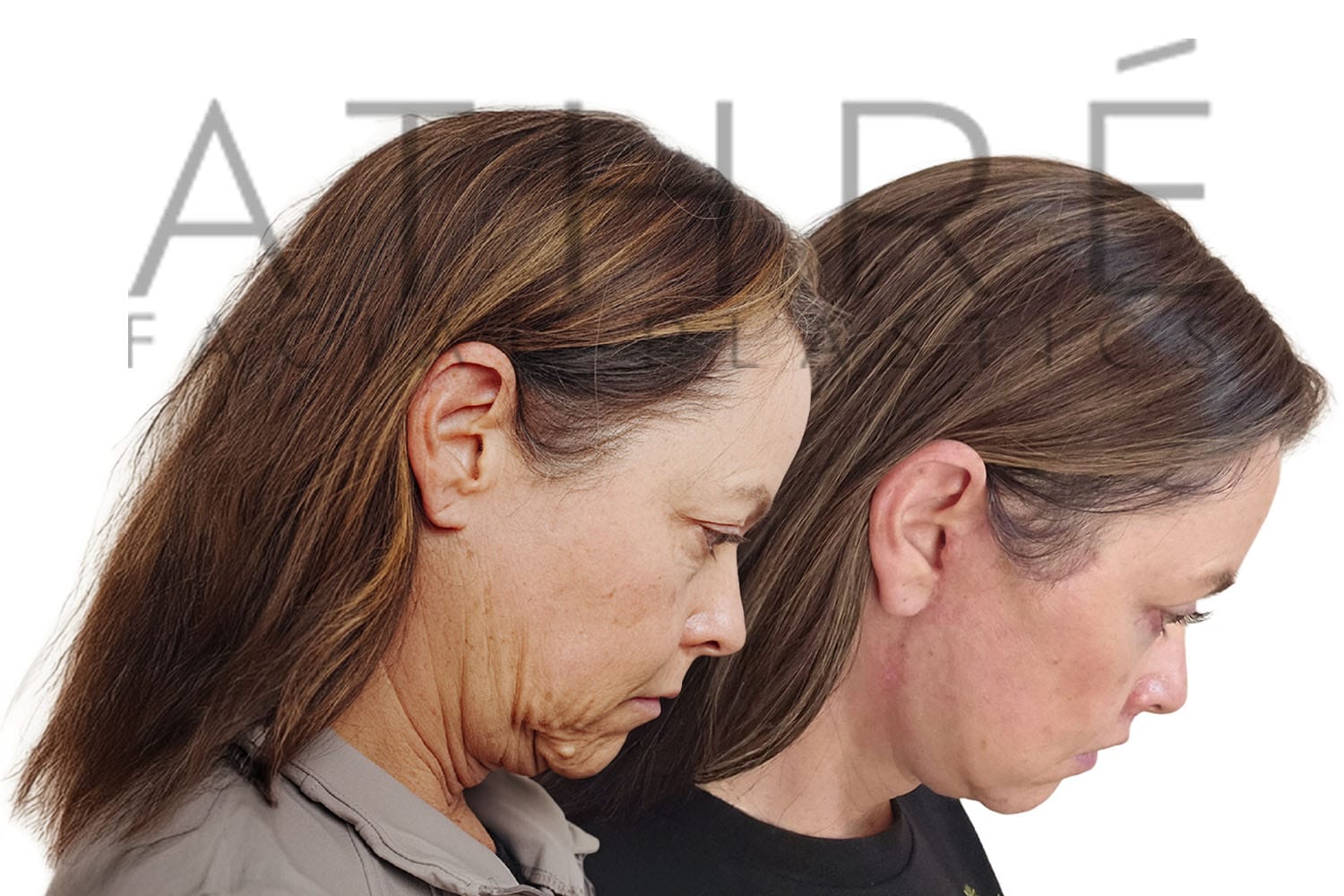
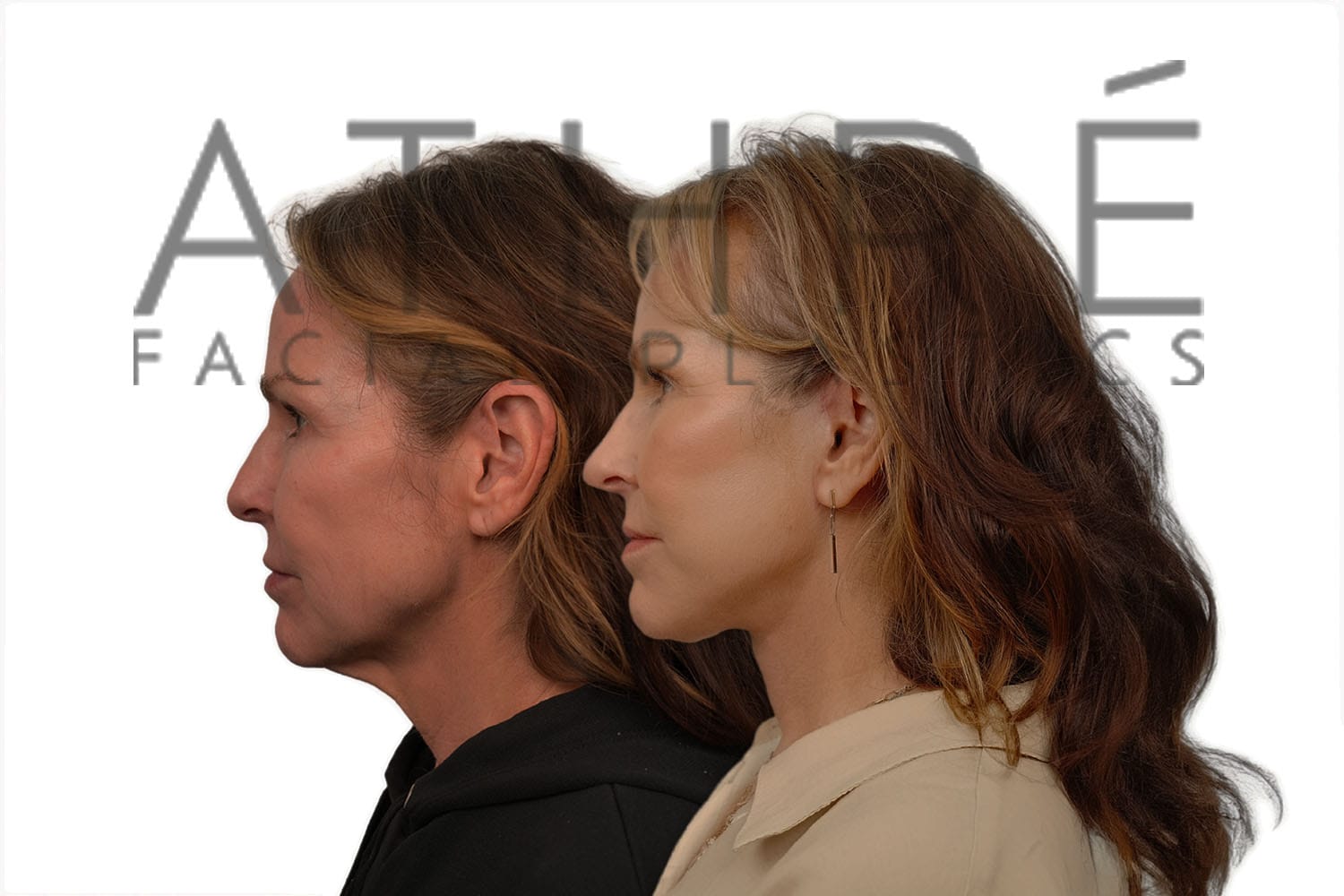
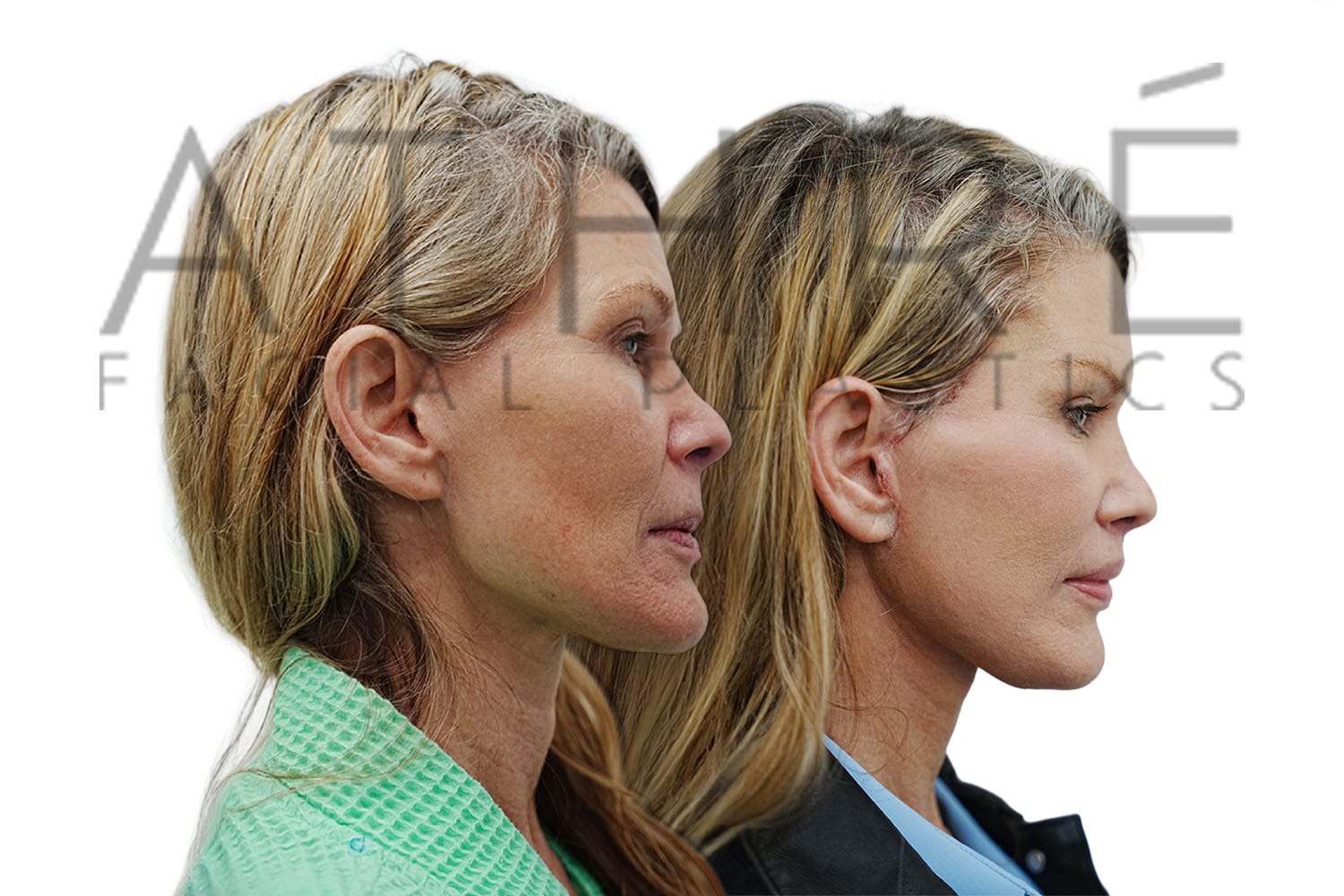
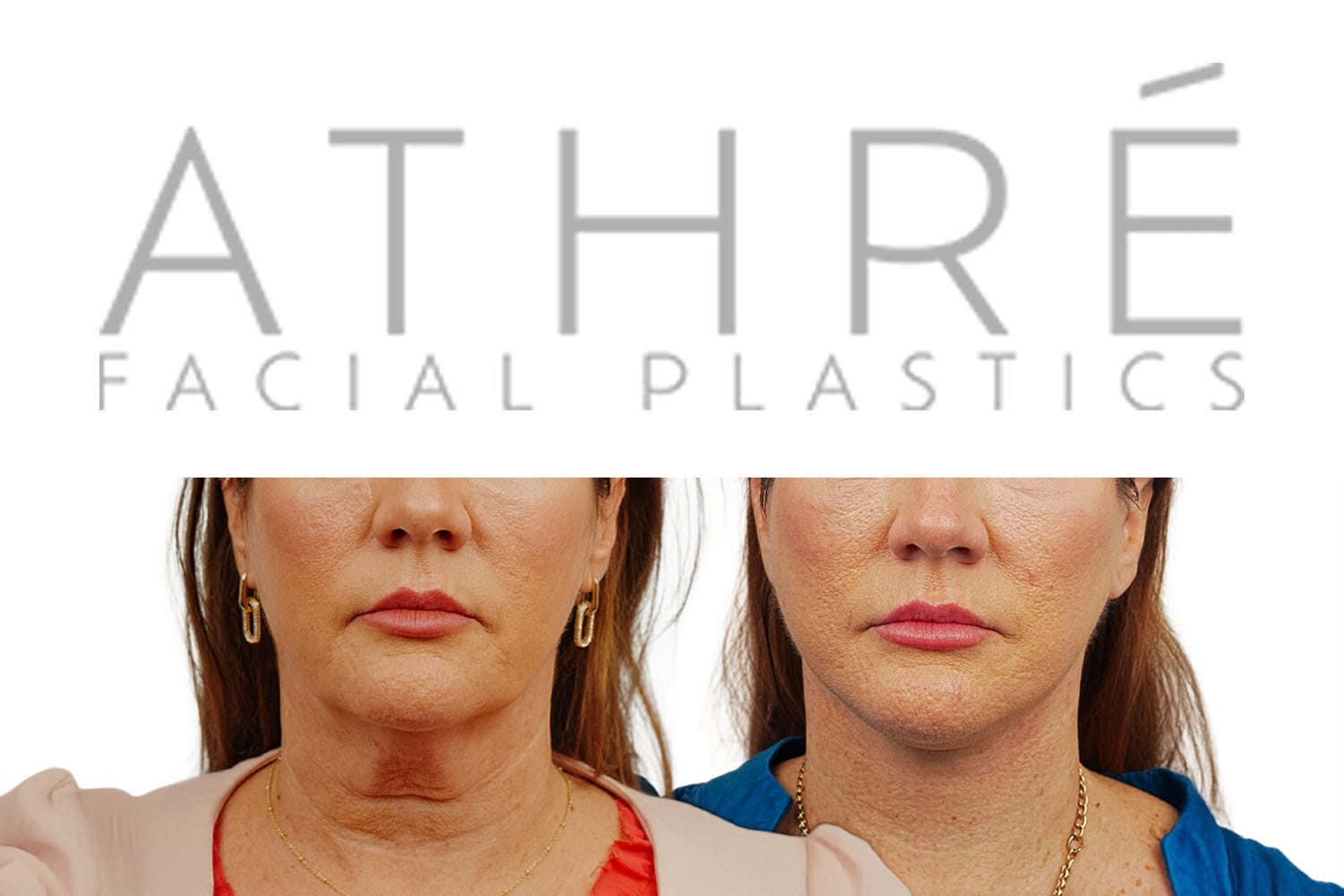
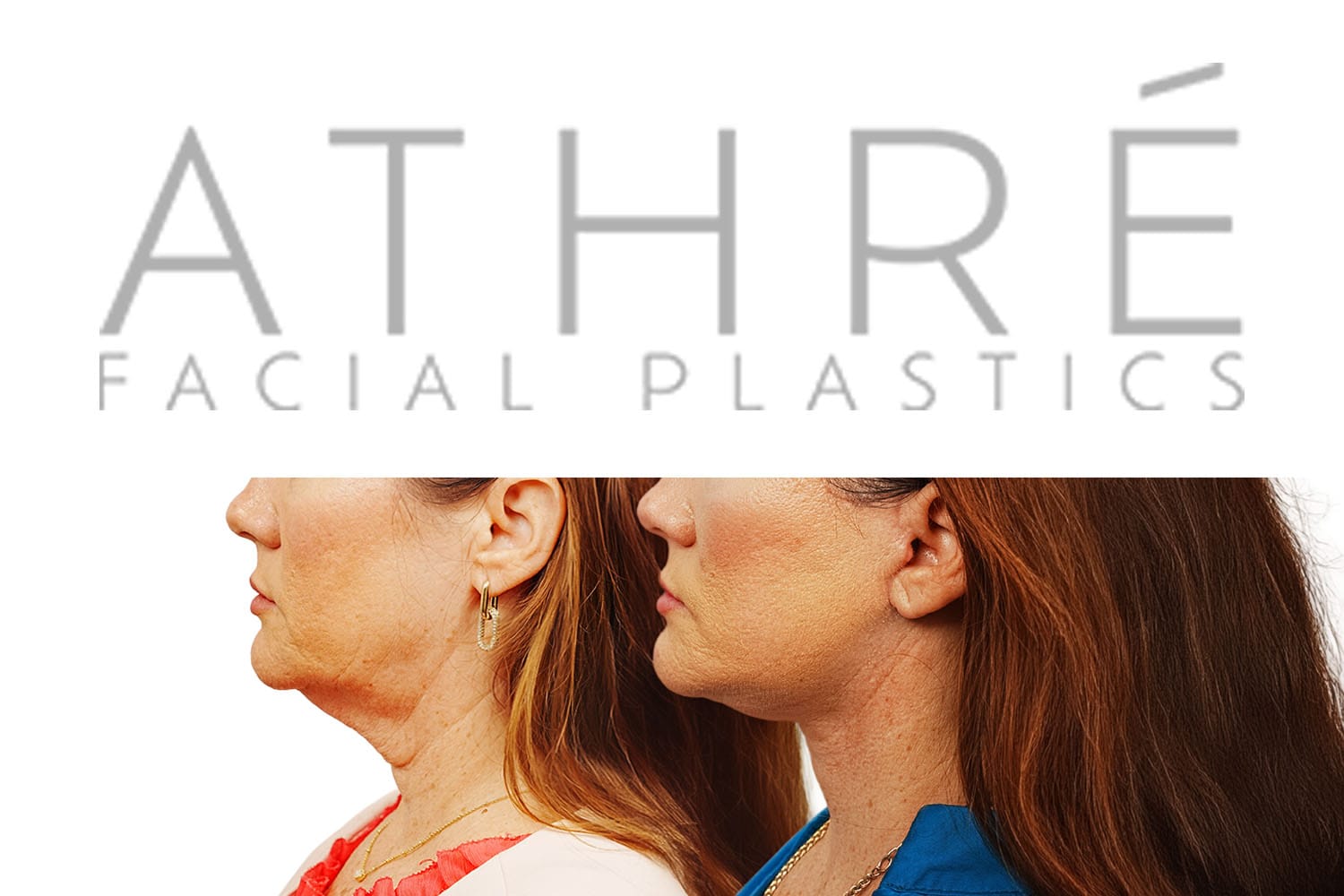
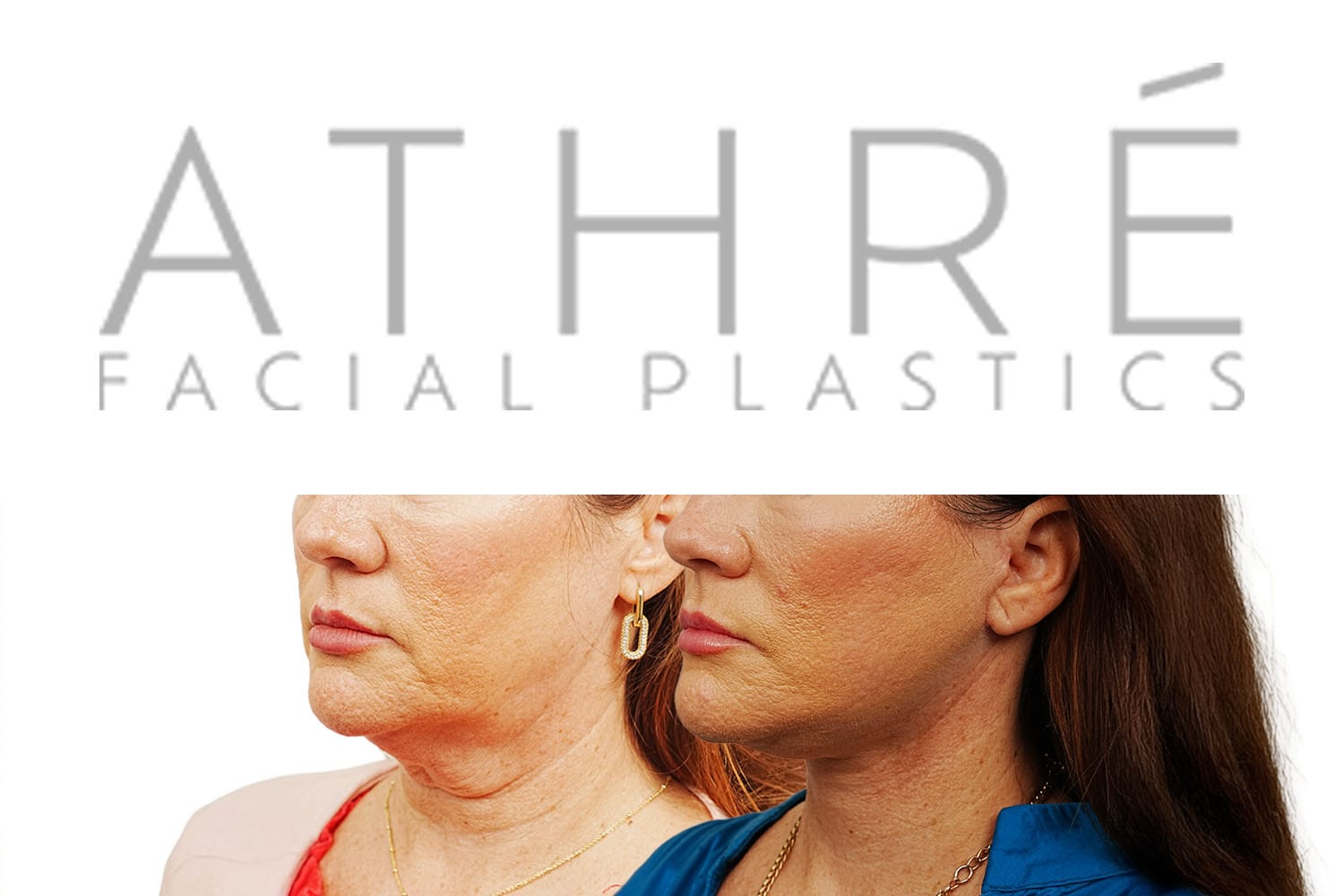
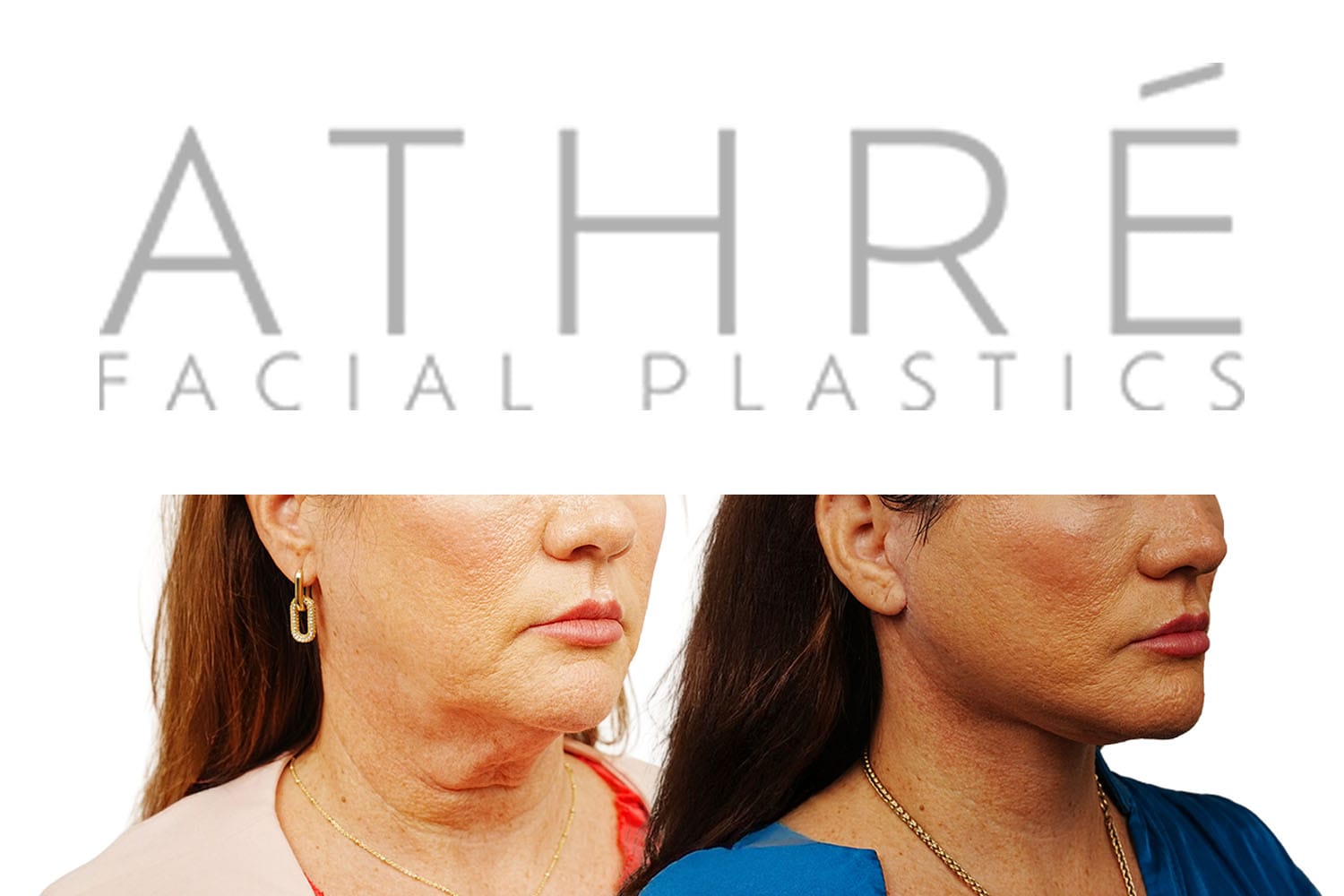
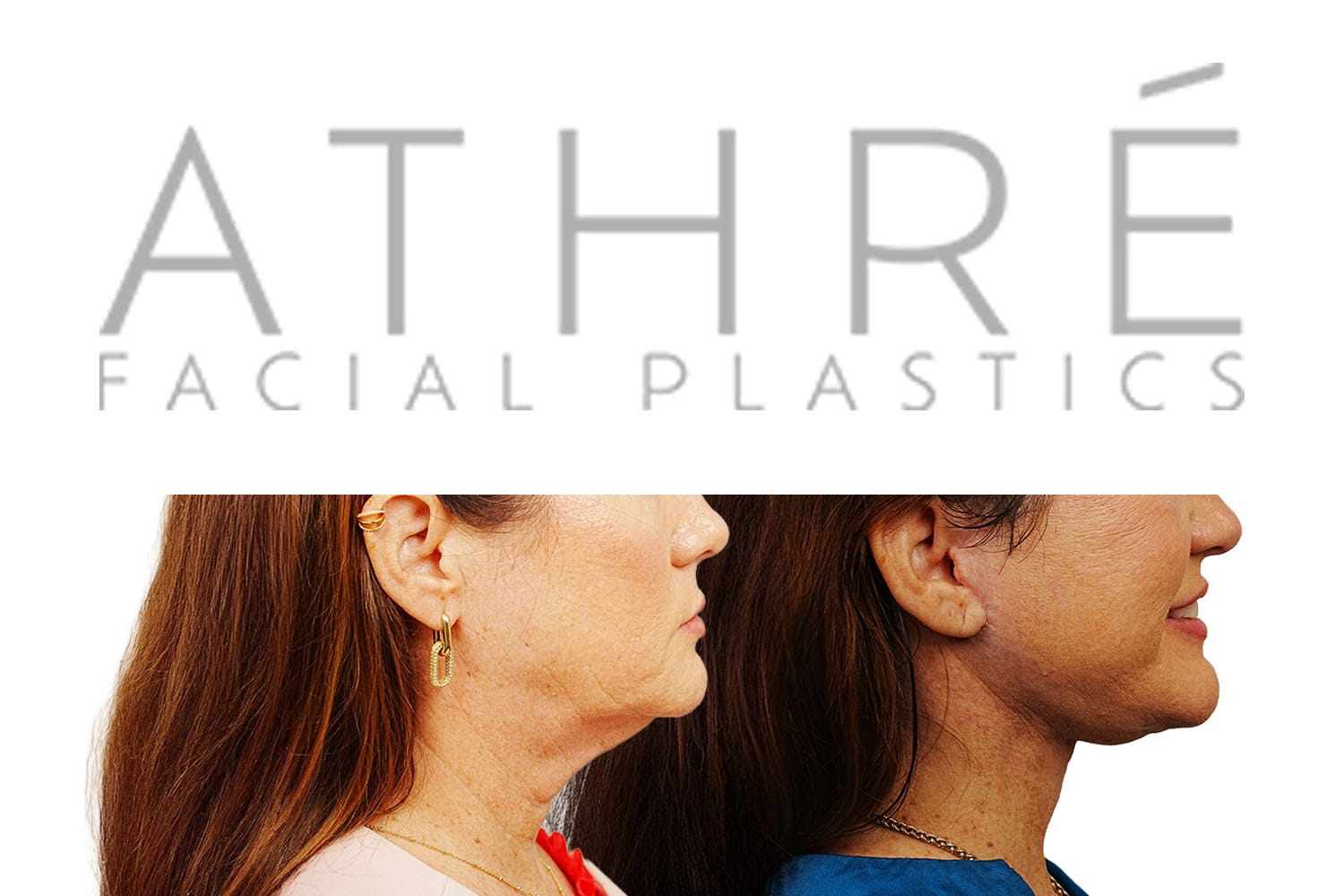
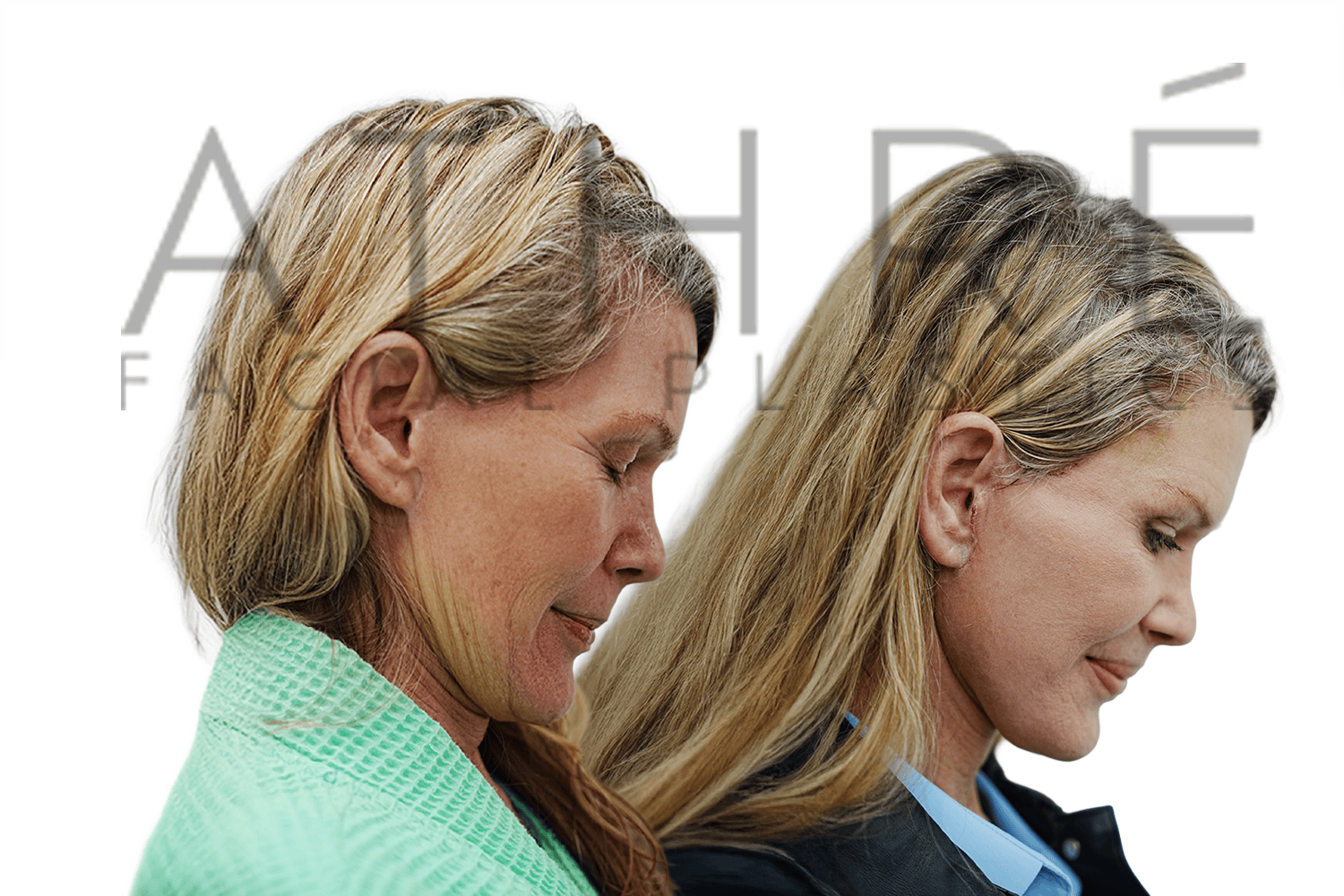
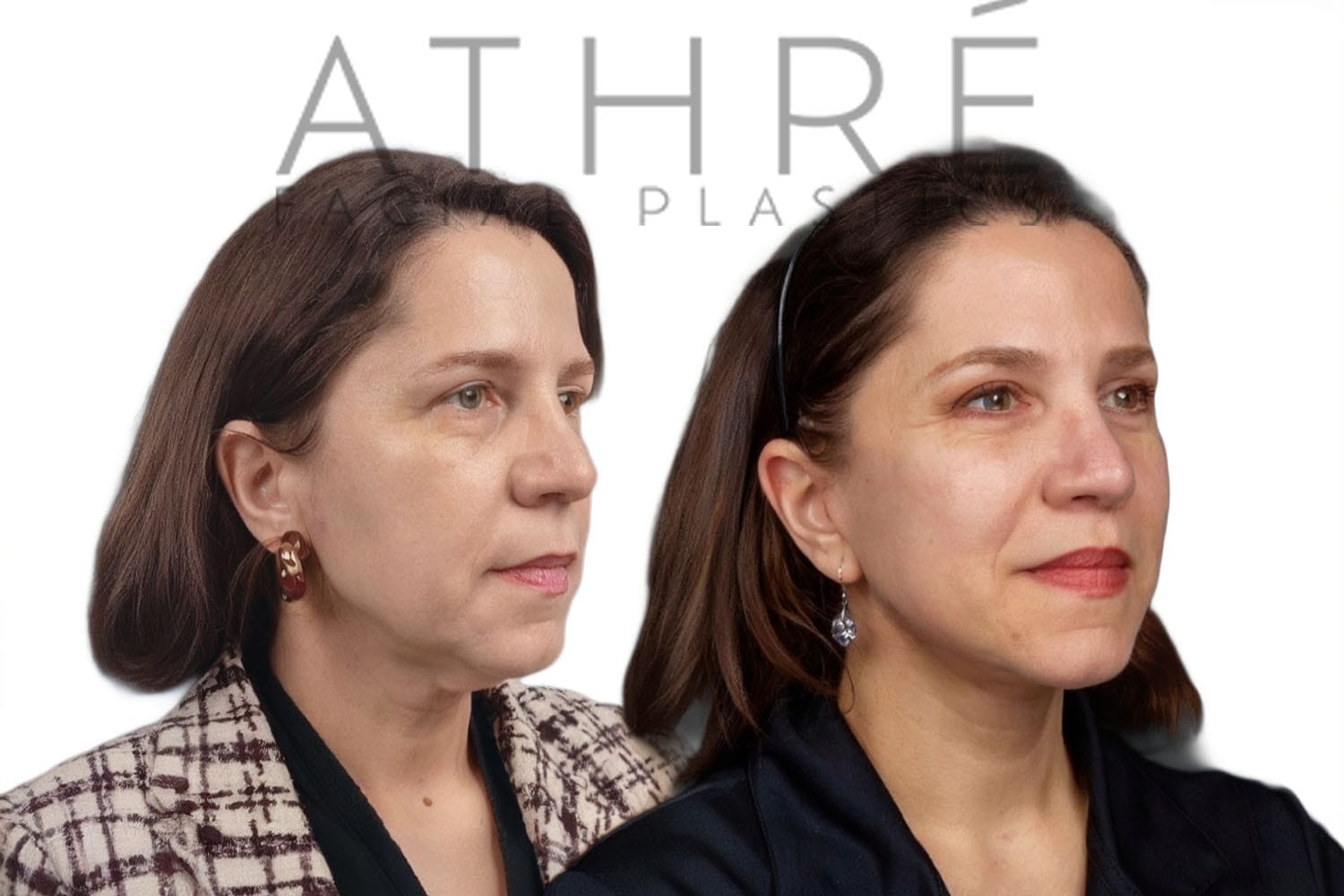
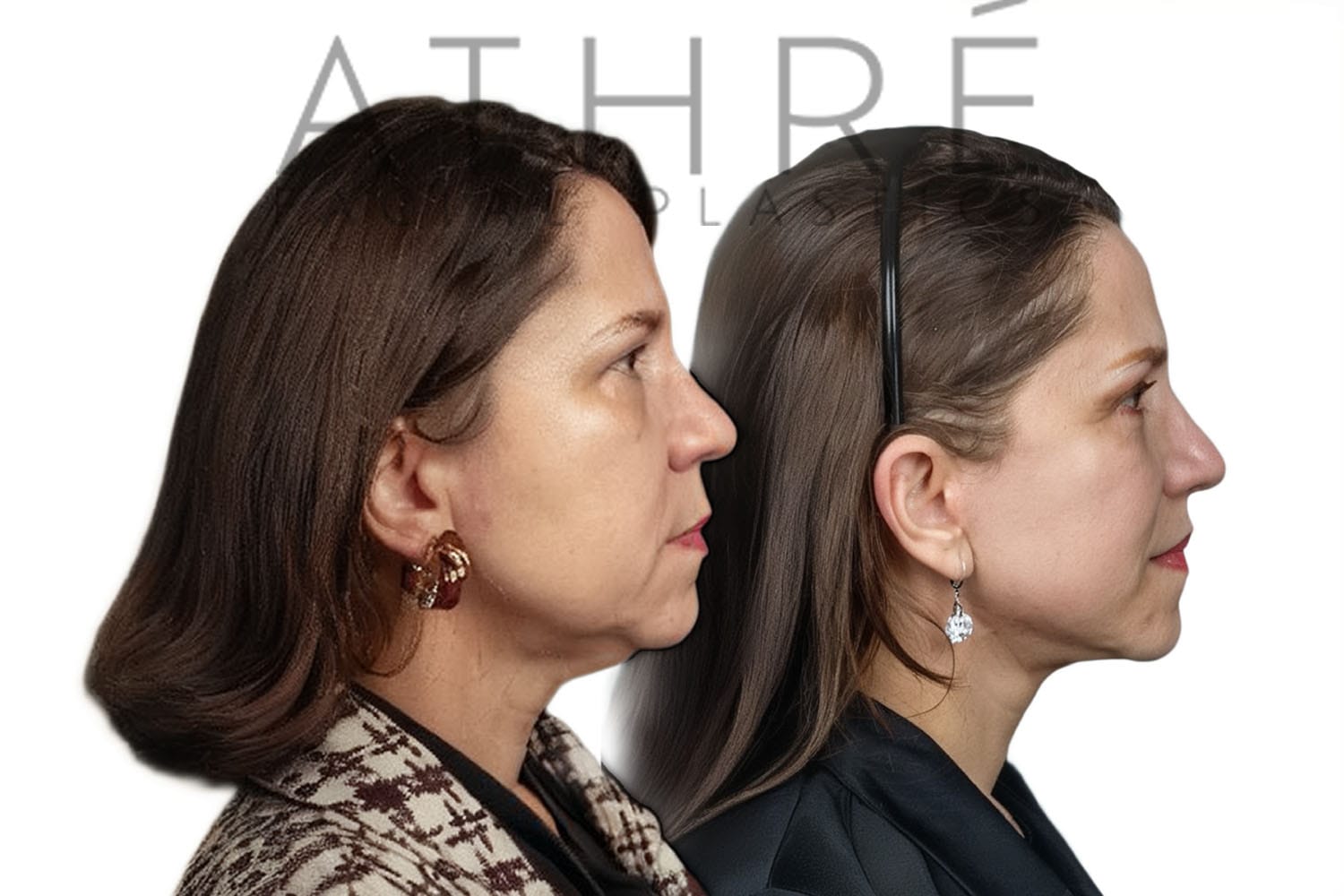
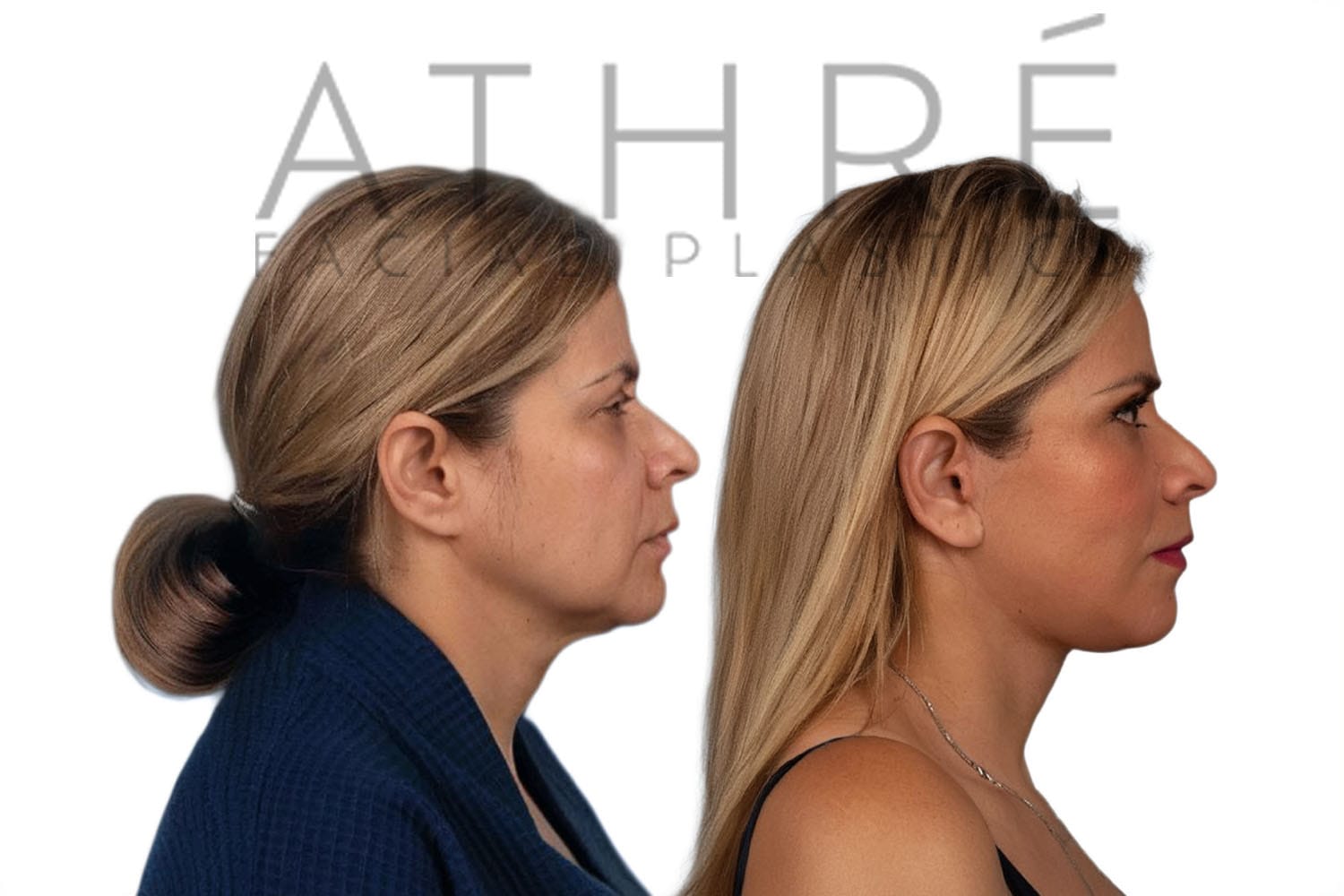
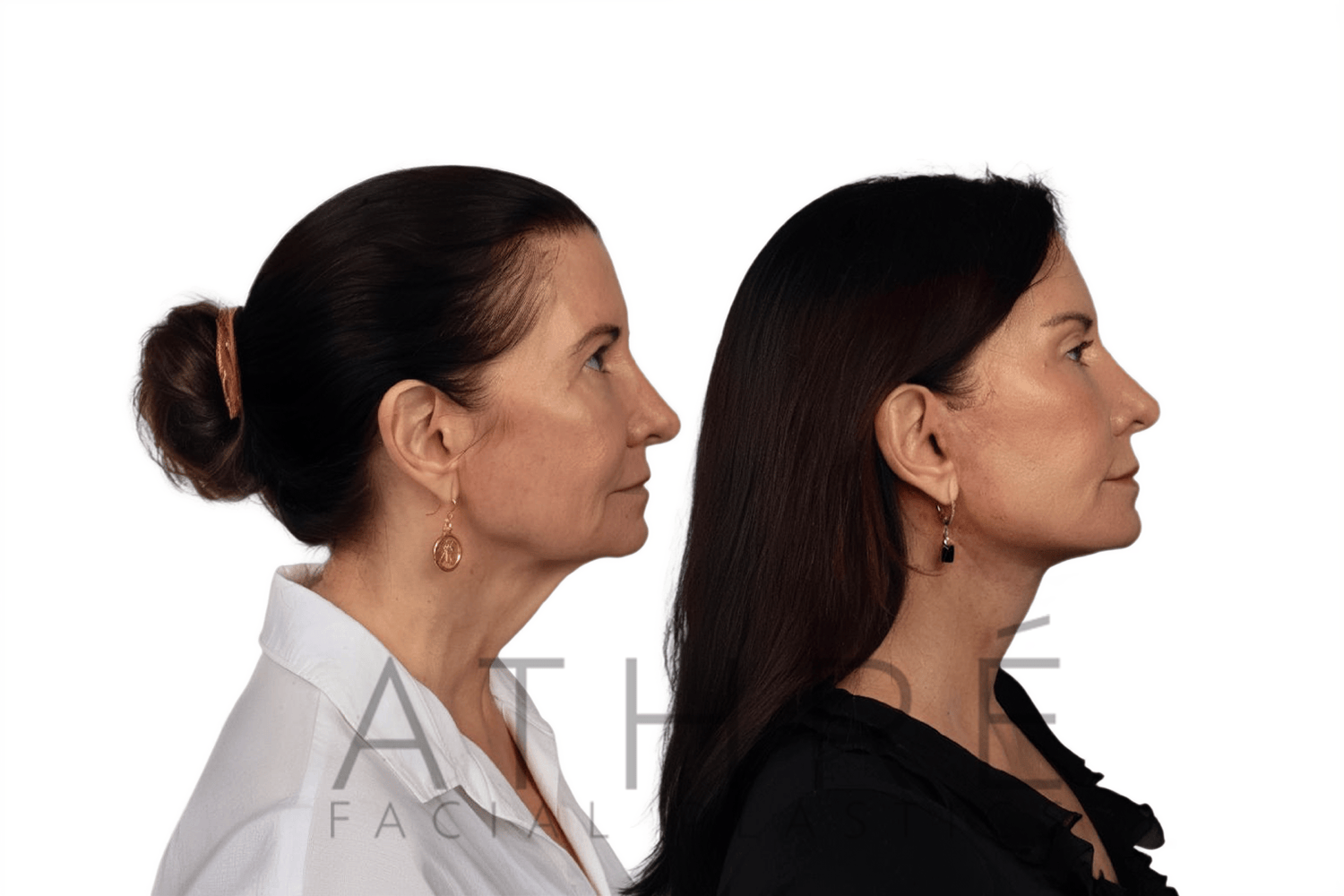
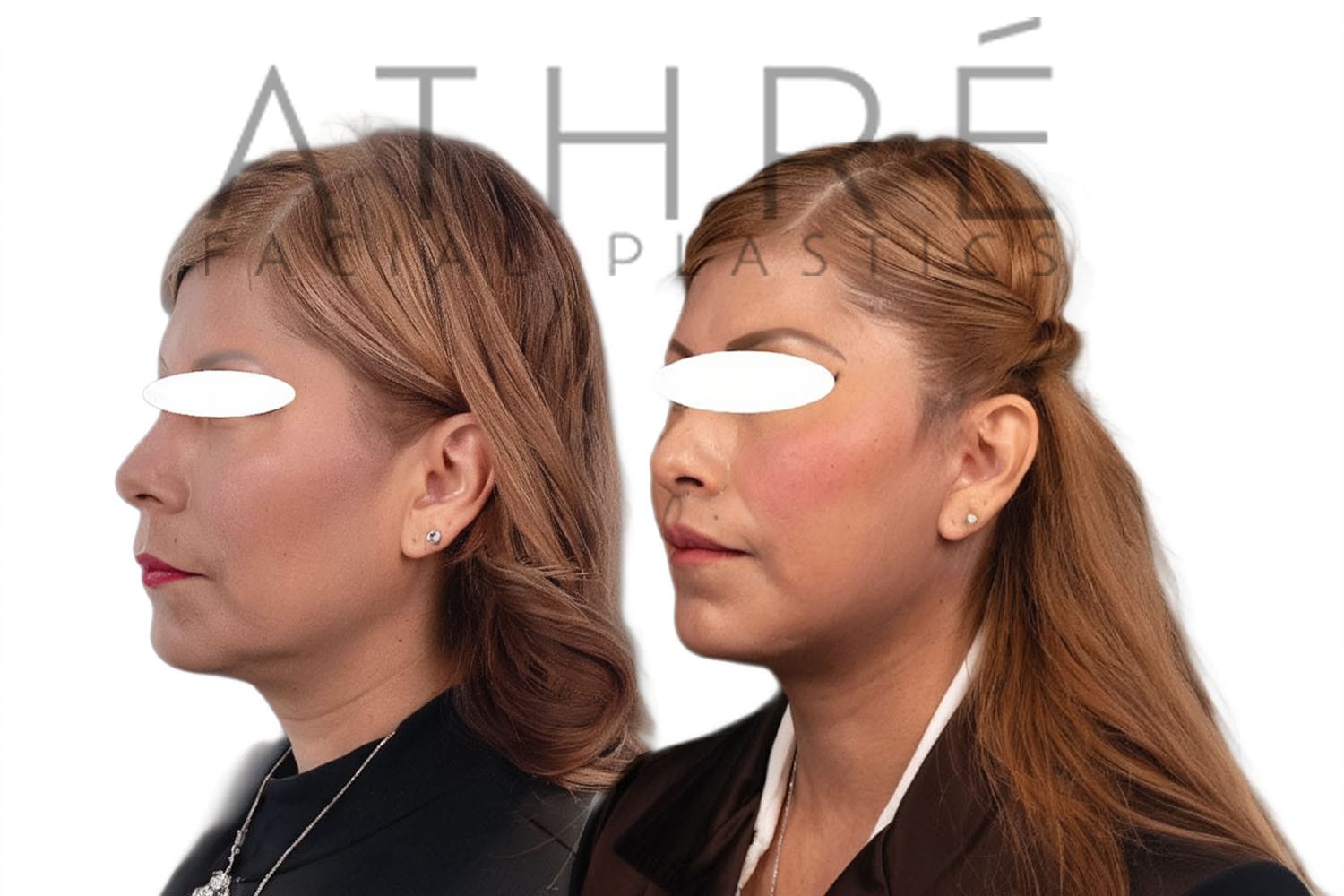
Look at the relationship between the face and neck. Look at the jawline and what has happened to its definition. Pay attention to the cheeks and whether they look restored or simply pulled. From the profile, look at how naturally the jaw transitions into the neck.
Then step back and look at the person as a whole.
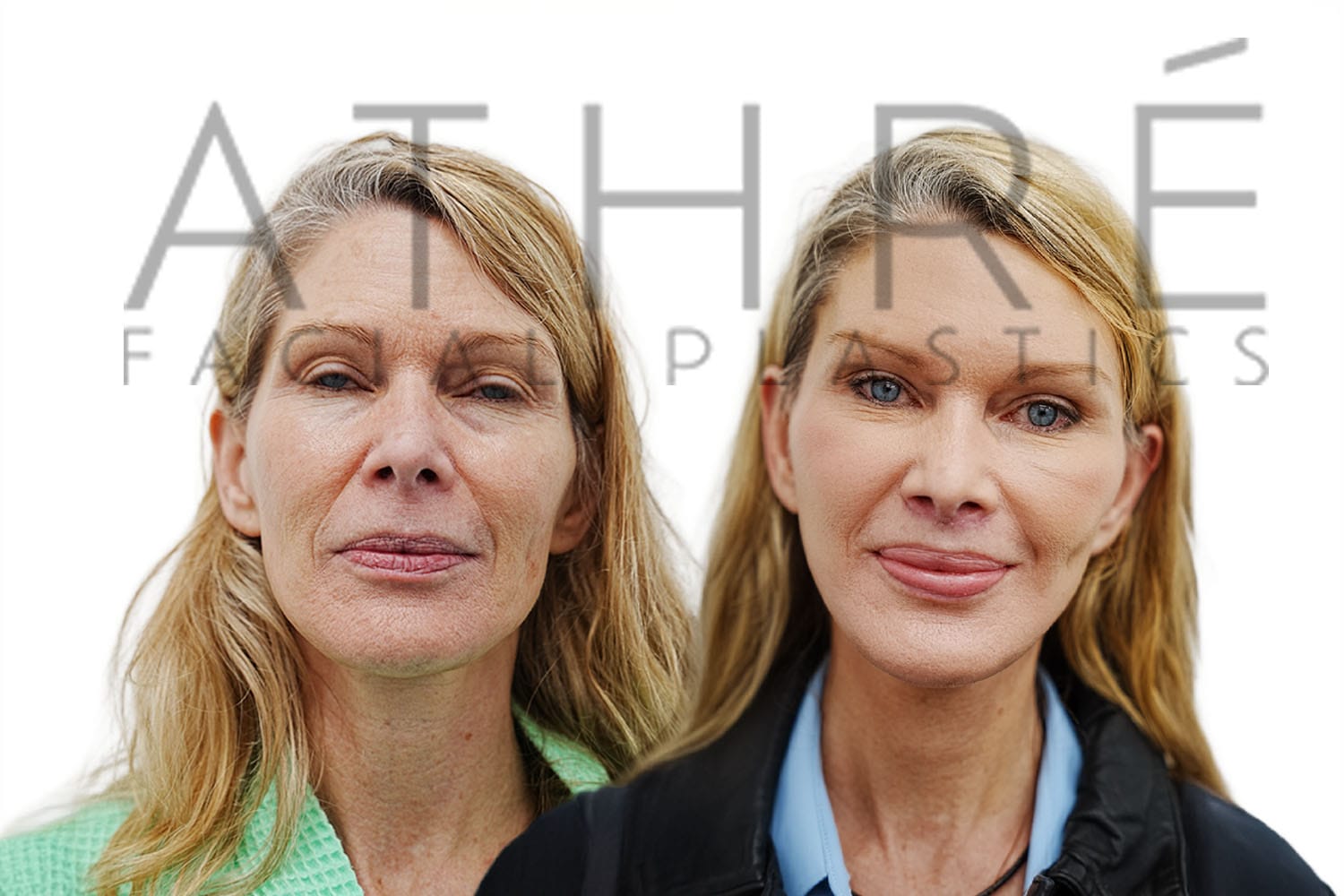
A dramatic change isn't necessarily a better result. In fact, some of the things I look for most closely are the things you shouldn't notice at all. The face shouldn't look tight or operated on. It shouldn't look as though every feature has been pulled in the same direction.
The patients above are different ages and have very different patterns of facial aging. Some required considerably more surgery than others. That's exactly why I think before and after photographs are so valuable. They allow you to see how the operation changes from one face to another while the objective remains the same.
The person you notice after surgery should still be the person who was there before it.
Facelift Before & After FAQs
Understanding what you’re seeing in facelift before and after photos is just as important as viewing the results themselves. These questions explain how to evaluate the photographs and what they can and cannot tell you about facelift surgery.