
Upper Blepharoplasty
Upper Blepharoplasty
Heavy upper eyelids can make you look aged and tired.
Upper blepharoplasty can help you look younger and more alert, and may even improve your vision. Dr. Athré’s training and attention to detail make him uniquely qualified for eyelid surgery. Dr. Athré’s background in reconstructive surgery informs his approach to eyelid anatomy, including eye shape, proportions, and natural contours. His goal is to create a natural-looking result while placing the incision within the upper-eyelid crease so the scar can become less conspicuous as it heals.
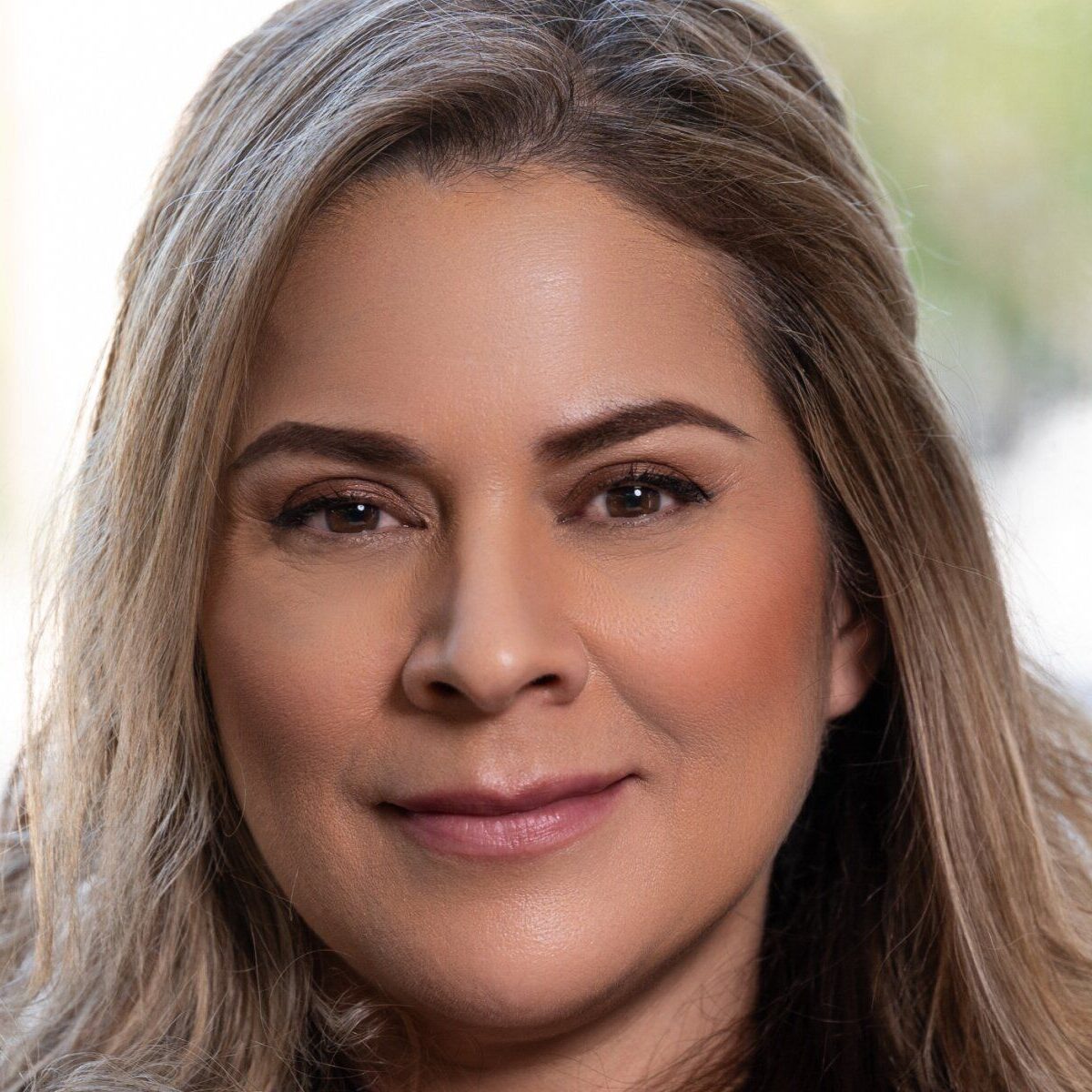
“Couldn't be any more pleased! I came in with a mindset of what I was expecting and they surpassed my expectations!”
– Julie P. (Houston, TX), facial plastic surgery patient
Upper Blepharoplasty at a Glance
Upper Blepharoplasty for a Brighter Look.
A blepharoplasty procedure removes the excess skin and excess fat and creates a softer, more open eyelid. This in turn makes the eyes look more open, and most patients state that others around them tell them that they look more awake, alert, and happy.
Key Takeaways
- Rejuvenate the upper eyelid: Reduce hooding, excess skin, and wrinkles for a more open and youthful appearance.
- Improved vision: In some cases, upper blepharoplasty can address obstructed vision caused by drooping eyelids.
- Minimally invasive procedure: Upper blepharoplasty is performed on an outpatient basis with a relatively quick recovery.
- Long-lasting results: Enjoy a brighter and more alert look for years to come.
- Natural-looking enhancements: Dr. Athré prioritizes techniques that achieve a subtle lift, maximizing results while maintaining a balanced appearance.
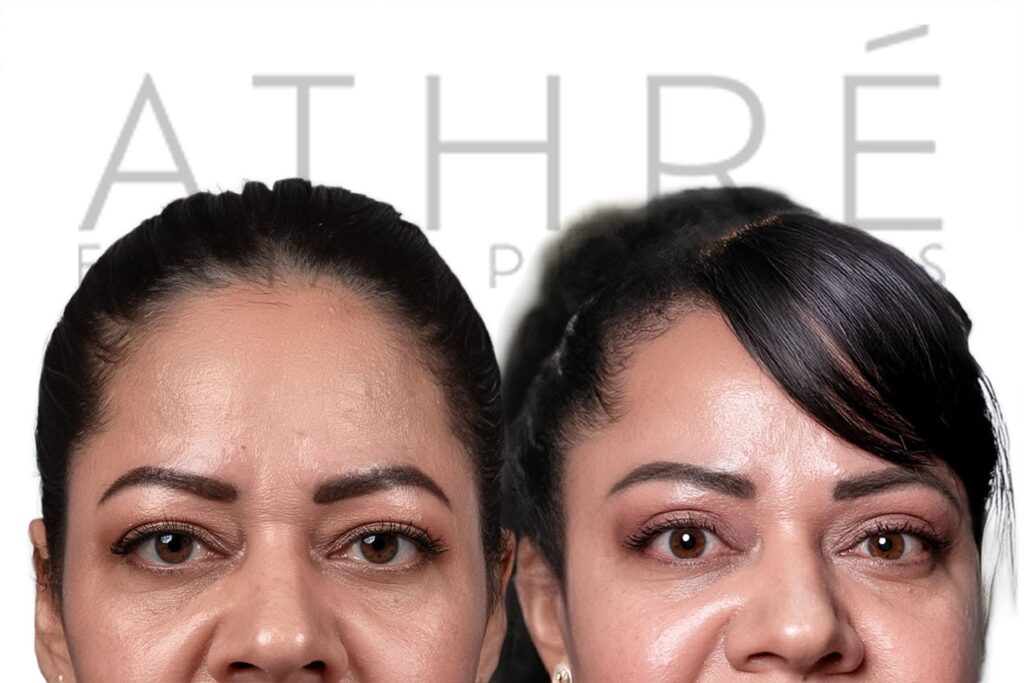
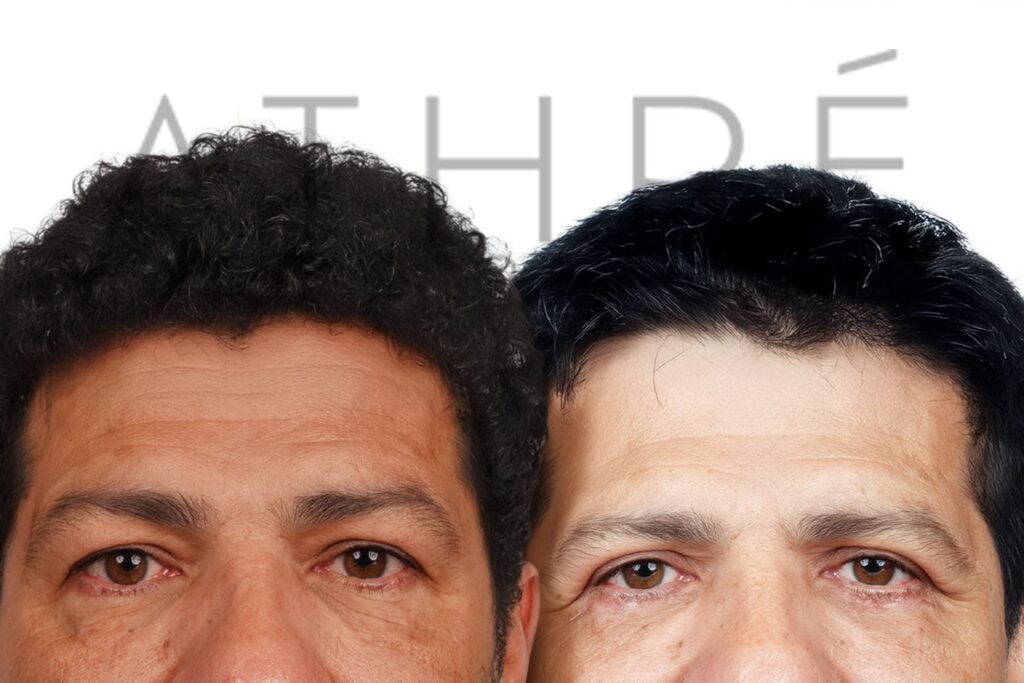
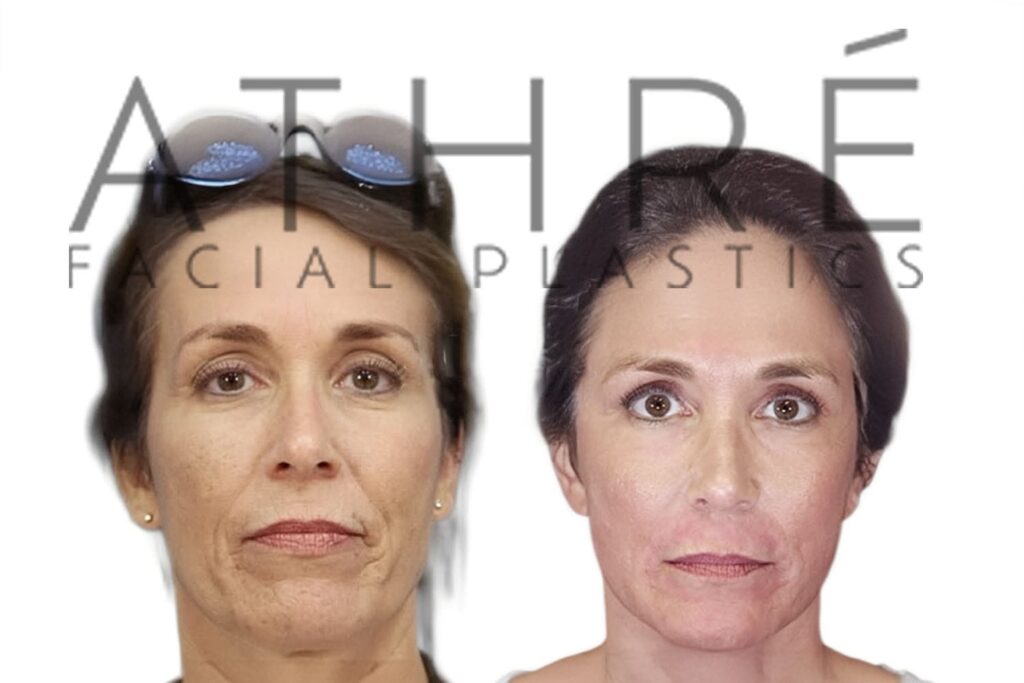
Before & After Photos
Eyelid Surgery Gallery
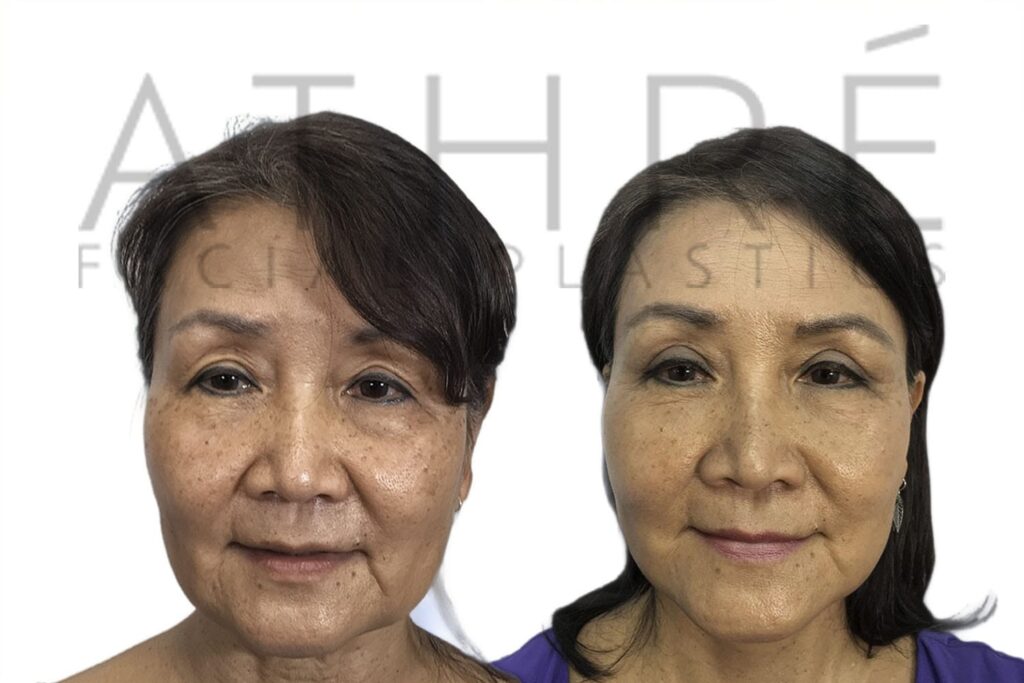
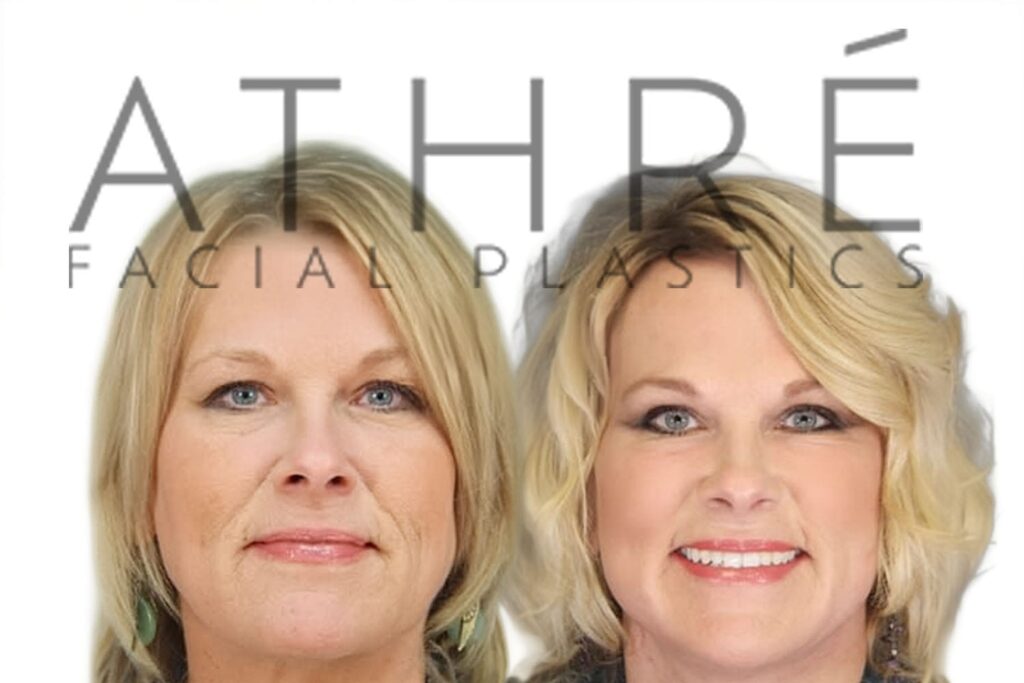
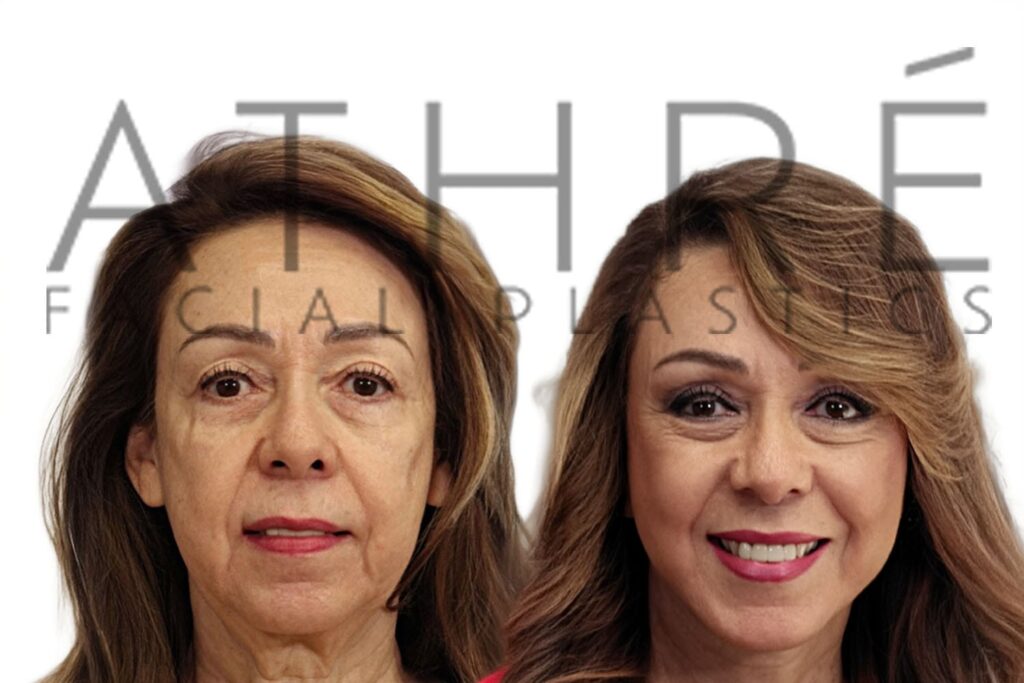
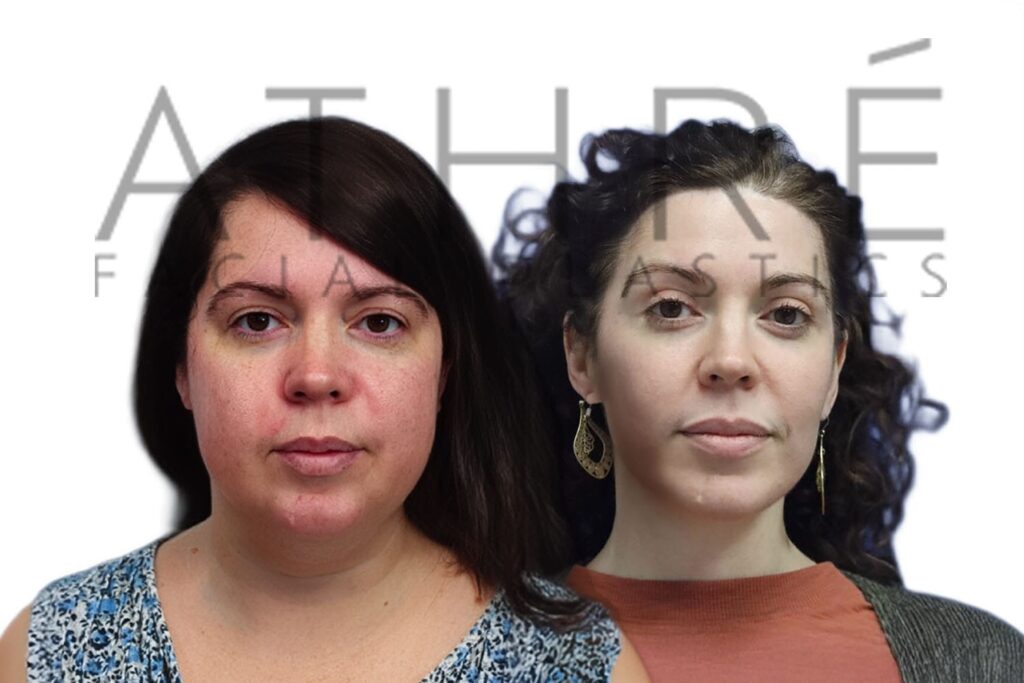
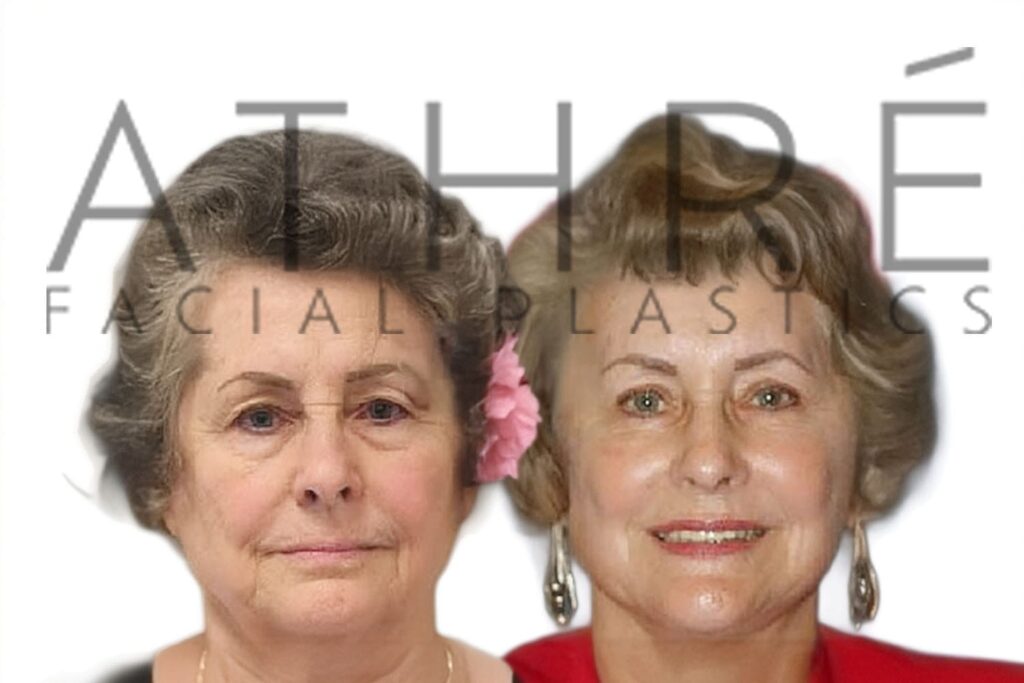
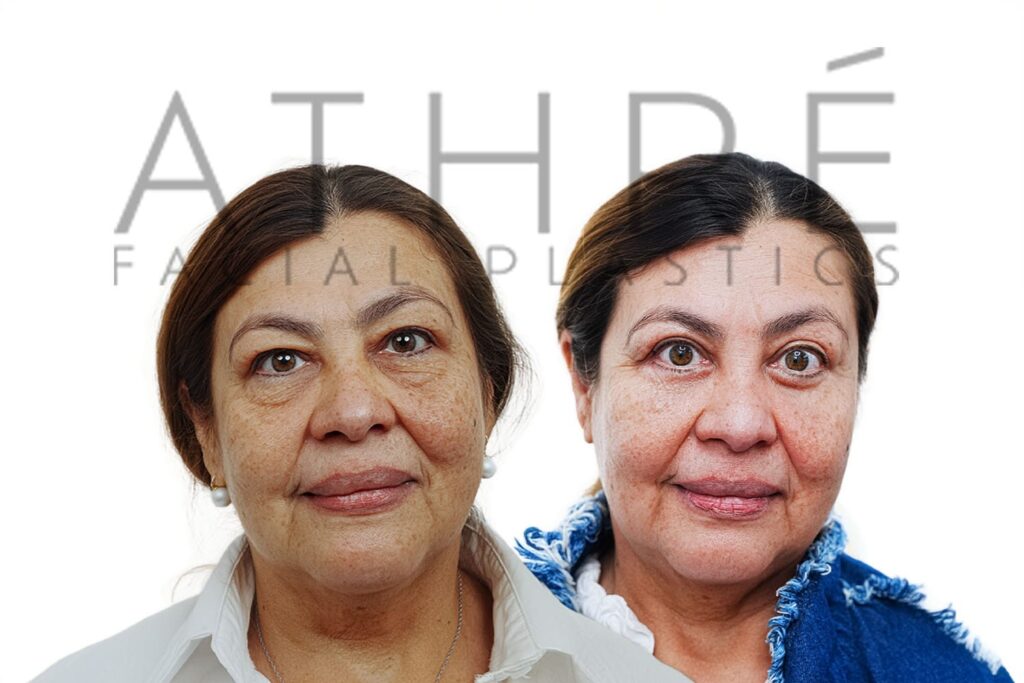
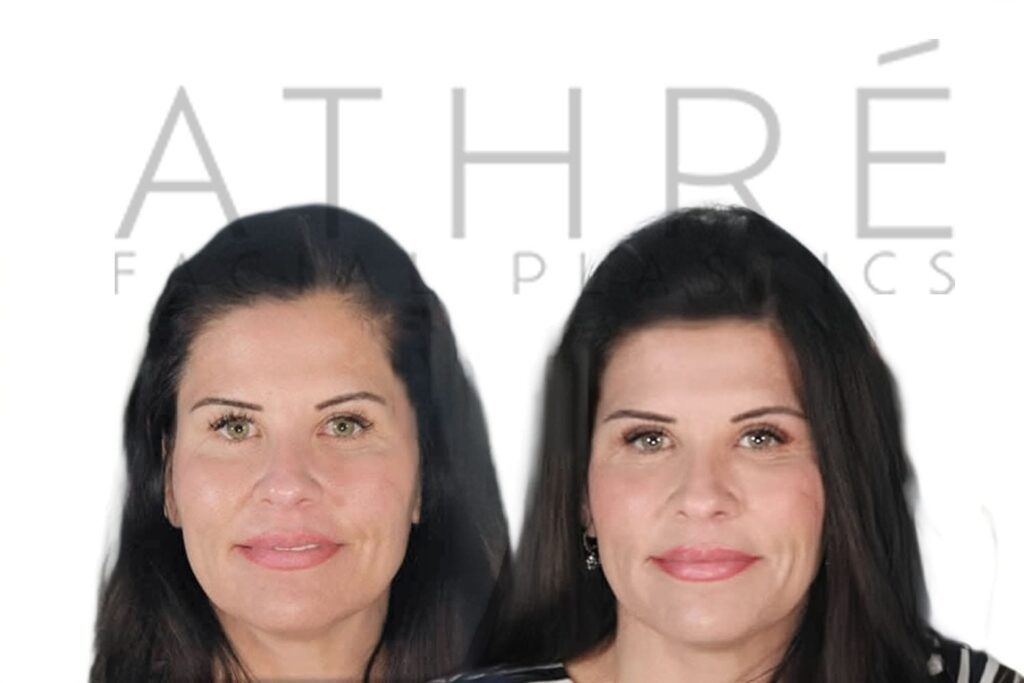
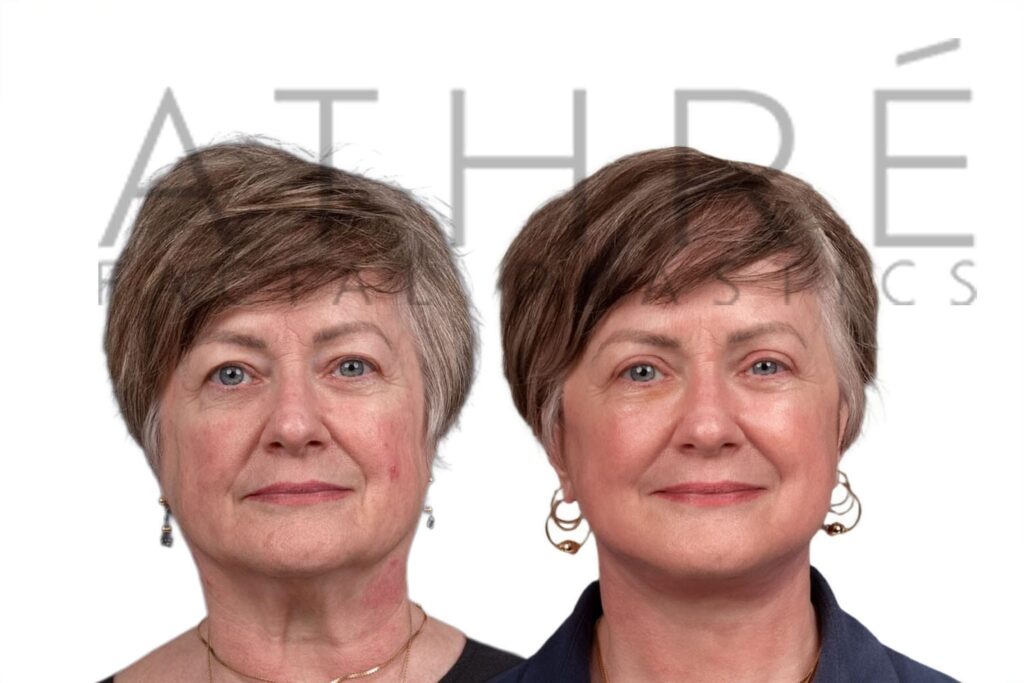
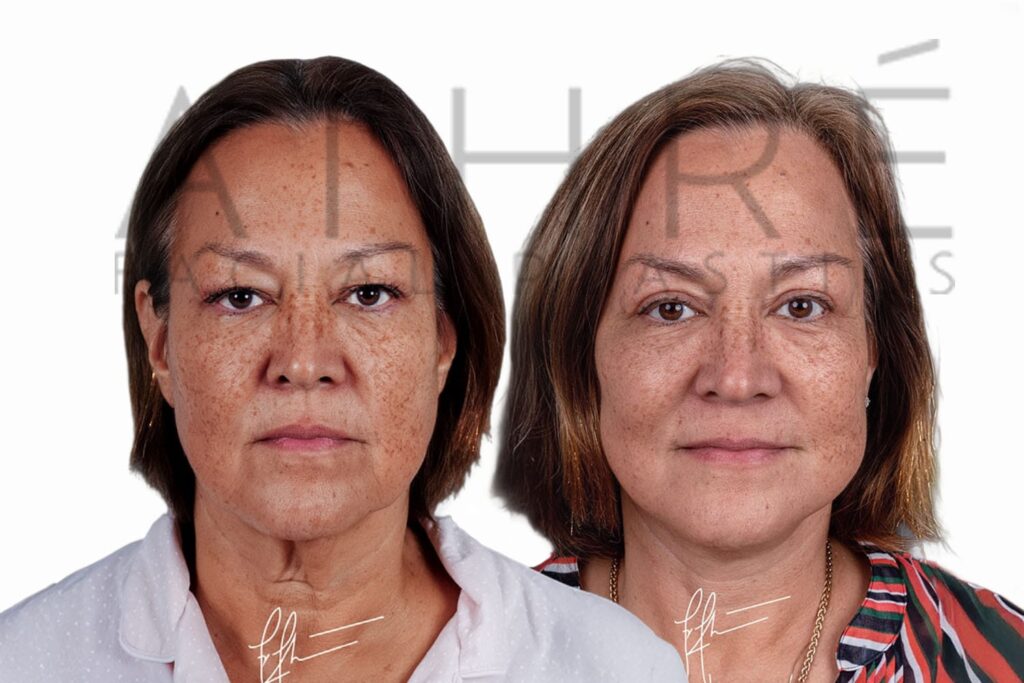
About Upper Blepharoplasty
What is Upper Blepharoplasty?
Rejuvenating the upper eyelid complex
Upper blepharoplasty goes by many names including upper eyelid surgery, upper eyelid lift, and eyelid lift surgery. Upper blepharoplasty can improve the appearance of the upper eyelids and, in appropriate patients, address excess tissue that interferes with the visual field.
As collagen and elastin decline with age, the skin can become thinner and less elastic, contributing to laxity and excess skin around the upper eyelids. The tissues underneath the skin also lose important structural components and push against the skin, making the problem worse. The upper and lower eyelids are one location where this is very evident. The result is fullness in the upper eyelid, droopy upper eyelids, or saggy upper eyelids. Patients with heavy upper eyelids often get questions like, “Are you tired?”, “Are you feeling well?,” or “Are you angry?”
A blepharoplasty procedure removes the excess skin and excess fat and creates a softer, more open eyelid. This in turn makes the eyes look more open, and most patients state that others around them tell them that they look more awake, alert, and happy.
Procedure
The surgery first starts with marking the natural crease of the upper eyelid. Once the crease is marked, the amount of skin to be excised is carefully examined, measured, and marked.
Click here to see a video of upper eyelid blepharoplasty marking.
Once the markings are complete, the skin and deeper tissues are anesthetized. The anesthesia that is injected serves to numb the tissues but also causes vasoconstriction to minimize bleeding.
In the surgery, the excess skin is removed, and fat that has herniated under the excess skin is also removed. The skin is finally closed with a suture that is carefully placed under the skin to minimize scarring and the formation of milia.
Anesthesia
Almost all upper blepharoplasty procedures are done under local anesthesia. The upper eyelid is actually not a very sensitive area. It is very easy to anesthetize using local anesthesia. Click here to watch a video of injecting local anesthesia into the eyelid.
If upper blepharoplasty is being done with other procedures such as a brow lift, a facelift, or lower eyelid blepharoplasty, the anesthesia technique being used for the adjunctive procedure is also used for the upper eyelid. For example, if a patient is undergoing a facelift and an upper blepharoplasty, most likely the patient will be undergoing local anesthesia with oral sedation for the facelift. Therefore, the same (local anesthesia with oral sedation) will be used for the upper blepharoplasty.
Upper Blepharoplasty Cost
Upper blepharoplasty, often called an upper eyelid lift, is a cosmetic procedure that rejuvenates the appearance of tired, drooping eyelids.
Over time, the skin around the eyes can lose elasticity, resulting in hooded or sagging upper lids that may impact appearance and, in some cases, even vision. Upper blepharoplasty removes excess skin and subtly tightens the area to restore a refreshed, naturally youthful look without an "operated" appearance.
This procedure is typically performed under local anesthesia, making it a comfortable option with minimal downtime.
Upper Blepharoplasty
$4,000 Starting Range
- + Facility Fees ($1,000)
- + Anesthesia (Local $1,000)
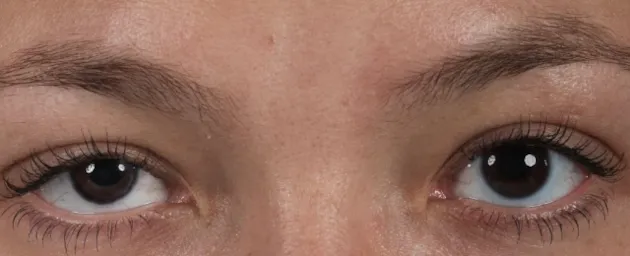
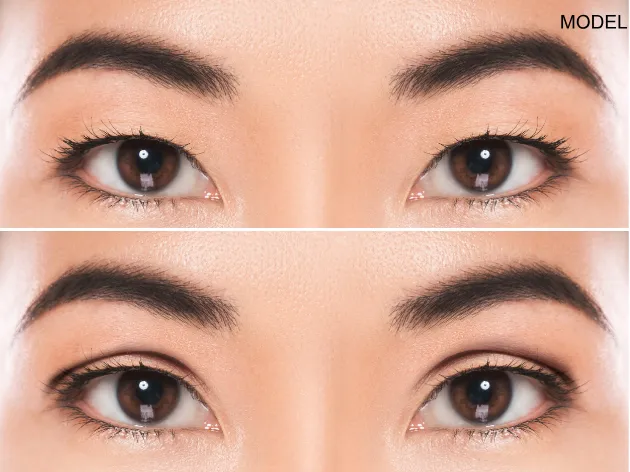
Special Cases of Upper Blepharoplasty
Dr. Athré performs several types of specialized upper blepharoplasty procedures for customized results for his eyelid surgery patients.
Also known as "dropped eyelid repair," ptosis surgery is a special surgery for a droopy or lazy eyelid. It involves elevating the eyelid to its proper position.
Some Asian patients may choose surgery to create or define an upper-eyelid crease while preserving the characteristics and proportions that fit their individual anatomy and goals.
Both of these special circumstances are very similar to upper blepharoplasty(opens in new tab) in that:
- The incision is the same (in the upper eyelid crease)
- Local anesthesia is the preferred anesthesia type
- The overall procedure is relatively the same
- The postoperative period, recovery period, and postoperative downtime are the same
The procedures differ from upper blepharoplasty in that:
- They require more dissection and require modification of the muscle (levator aponeurosis)
- The time of surgery is increased. A standard blepharoplasty takes approximately 40 minutes, and Asian upper eyelid or ptosis surgery takes about 1.5 hours
- The cost is subsequently slightly more.
Upper Blepharoplasty Benefits
Look brighter and feel happier
Considering upper blepharoplasty to address drooping eyelids or a hooded appearance? This procedure offers more than just aesthetic improvements. Here's a closer look at the benefits that make upper blepharoplasty a worthwhile option:
- Restore a refreshed, youthful look. Upper blepharoplasty provides a more alert, youthful appearance in the eye area
- Increased field of vision. In cases where drooping eyelids obstruct your vision, upper blepharoplasty can increase your range of vision.
- Better self-esteem. Looking your best can help you feel more confident and empowered in every area of your life.
- Long-lasting results. While individual results may vary, upper blepharoplasty can refresh the appearance of the eye area for many years.
- Minimally invasive techniques. Upper blepharoplasty involves very small incisions and can be performed with local anesthesia.
Treatment Areas
Upper Blepharoplasty Procedure Treats...
What conditions does upper blepharoplasty address?
Upper blepharoplasty addresses several age-related concerns in the upper eyelid area:
- Drooping upper eyelid (ptosis): Ptosis occurs when the upper eyelid itself sits lower than normal, often because of changes involving the muscle or tendon that raises the eyelid. This is different from excess upper-eyelid skin. Upper blepharoplasty removes excess skin and/or tightens underlying muscles to lift the eyelid and improve vision and aesthetics.
- Hooded eyelids: Excess skin folds over the crease of the upper eyelid can create a hooded appearance and potentially obstruct peripheral vision. Upper blepharoplasty removes this excess skin to create a more open and youthful eye shape.
- Fine lines and wrinkles: The delicate skin of the upper eyelid can become thin and wrinkled with age. Upper blepharoplasty can address these concerns in some cases, creating a smoother and more youthful appearance.

Ideal Candidates for Upper Blepharoplasty
The perfect candidate for upper blepharoplasty is:
Schedule a consultation with Dr. Athré to discuss your goals and determine if this procedure aligns with your desires.
Upper Blepharoplasty Recovery
A relatively quick recovery compared to more extensive facial procedures.
Here's what you can expect:
- Initial healing: Following surgery, you can expect some swelling, bruising, and mild discomfort. Dr. Athré will provide specific instructions on managing these effects, including cold compresses and pain medication.
- Returning to daily activities: Most upper blepharoplasty patients in Houston can resume light activities within a few days after surgery. However, strenuous exercise and heavy lifting should be avoided for a couple of weeks to allow for proper healing.
- Final results: The final, refined results of your upper blepharoplasty can be appreciated within 3-4 months, once all swelling has completely resolved.
Upper Blepharoplasty Results
Achieve a Balanced Appearance
Upper blepharoplasty removes excess skin and/or tightens underlying muscles, creating a more open and youthful eye shape. This brightens your entire face and reduces the appearance of tiredness or fatigue. Modern upper blepharoplasty techniques offer long-lasting results. While individual results may vary, the effects of a successful upper blepharoplasty can be enjoyed for 10-15 years or even longer.
Why Dr. Athré for upper blepharoplasty?
Professional training, years of experience, and attention to detail.
Dr. Athré’s training and experience in facial and reconstructive surgery inform his approach to upper-eyelid surgery.
Dr. Athré’s initial background as a reconstructive surgeon allows him to truly understand the nuances of eyelid anatomy with respect to shape, size, and natural contours to deliver natural-looking results.
Upper Blepharoplasty FAQs
See below for frequently asked questions about upper blepharoplasty