Facial Fat Transfer Before & After Results
Facial aging isn't just about tissues becoming loose. Volume changes too and where that volume is lost can have a significant effect on how the face looks with time.
When I evaluate a patient for facial fat transfer, I'm not simply looking for areas that I can make fuller. I'm looking at what has changed in that particular face and where restoring volume can help bring the features back into better balance.
Fat Transfer Should Restore, Not Overfill
Facial fat transfer uses your own fat to restore volume where it has been lost. Depending on what I see in the face, that may involve different forms of autologous fat transfer, including milli fat, micro fat or nanofat techniques.
The important part isn't how much fat is added. It's understanding where it belongs.
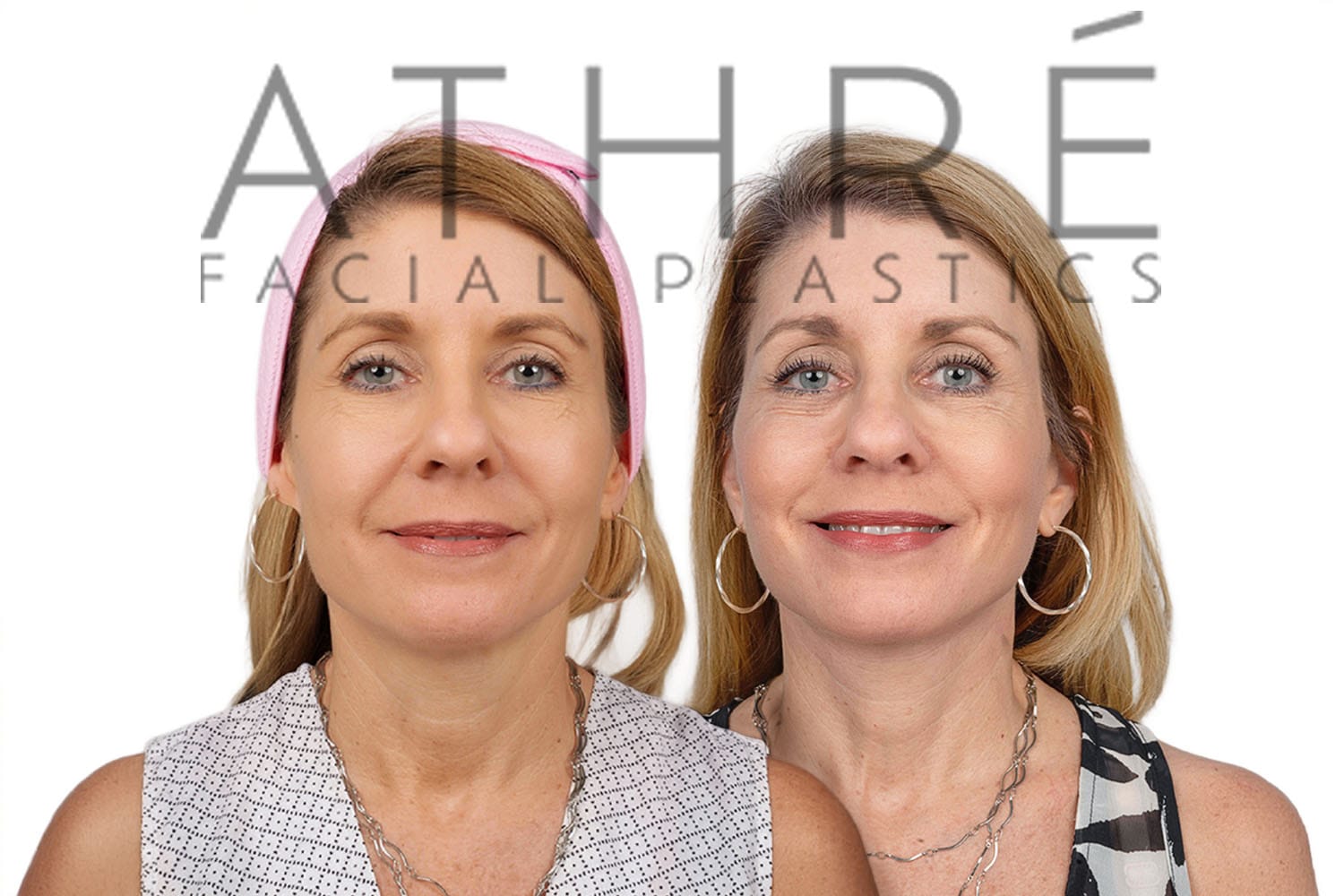
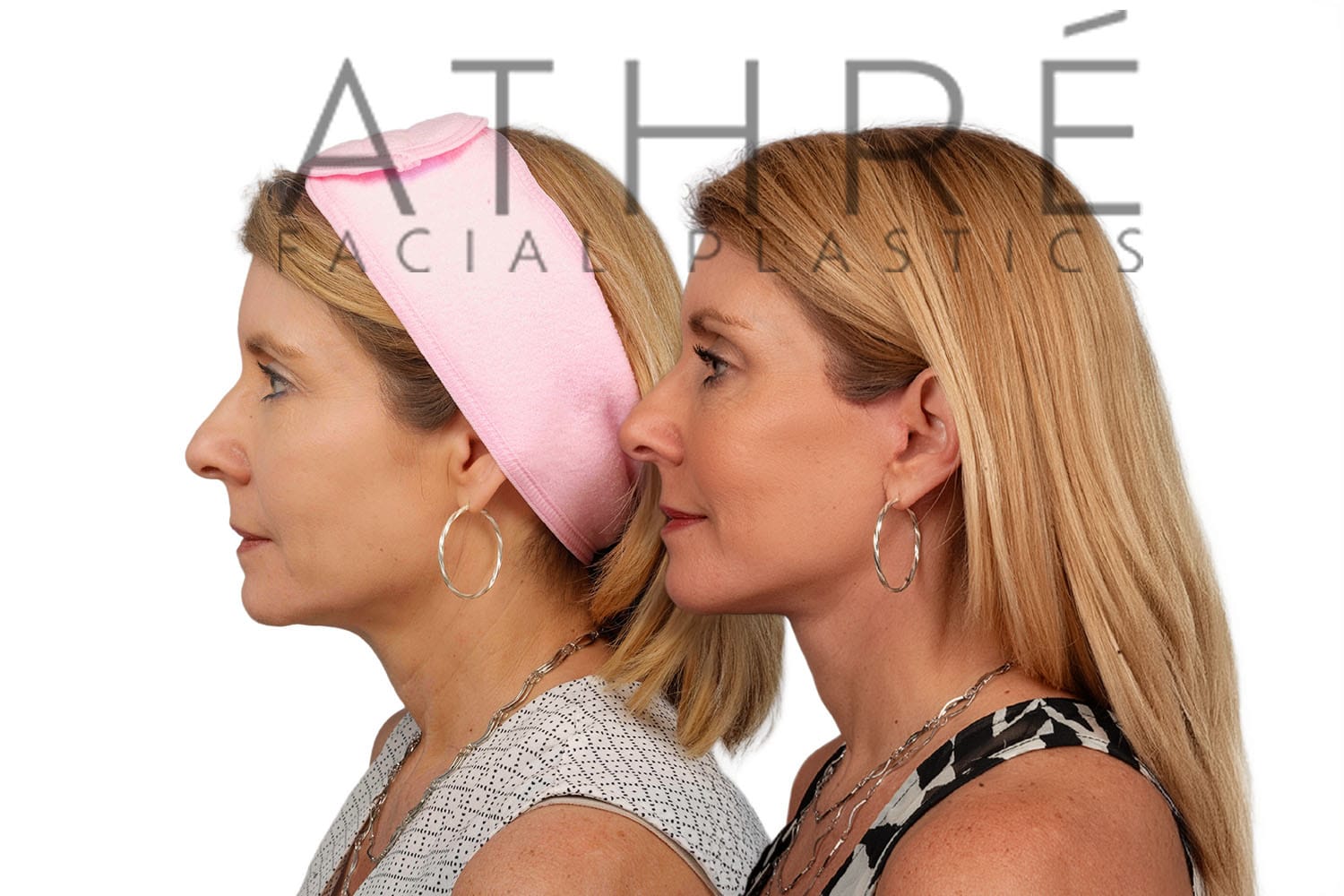
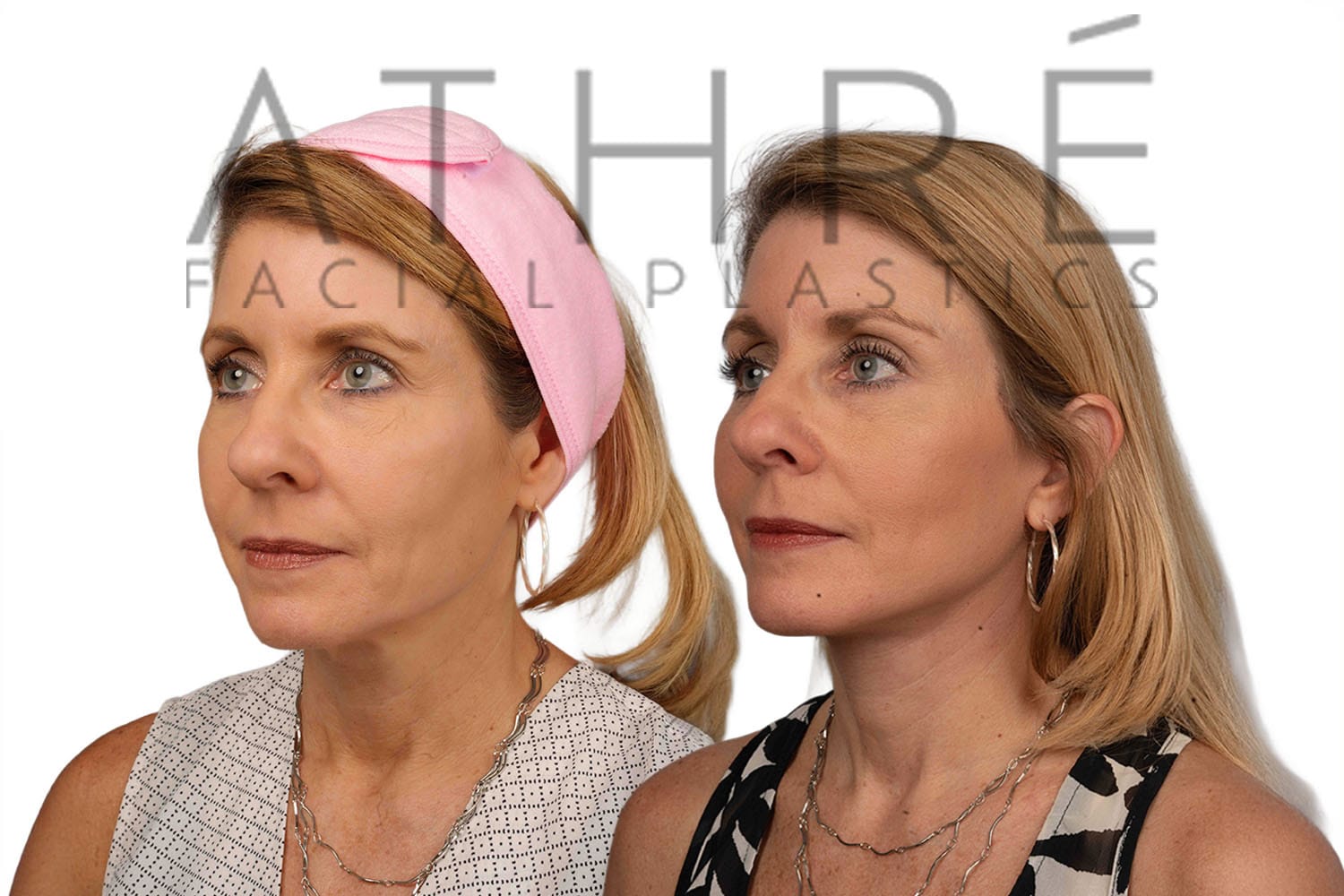
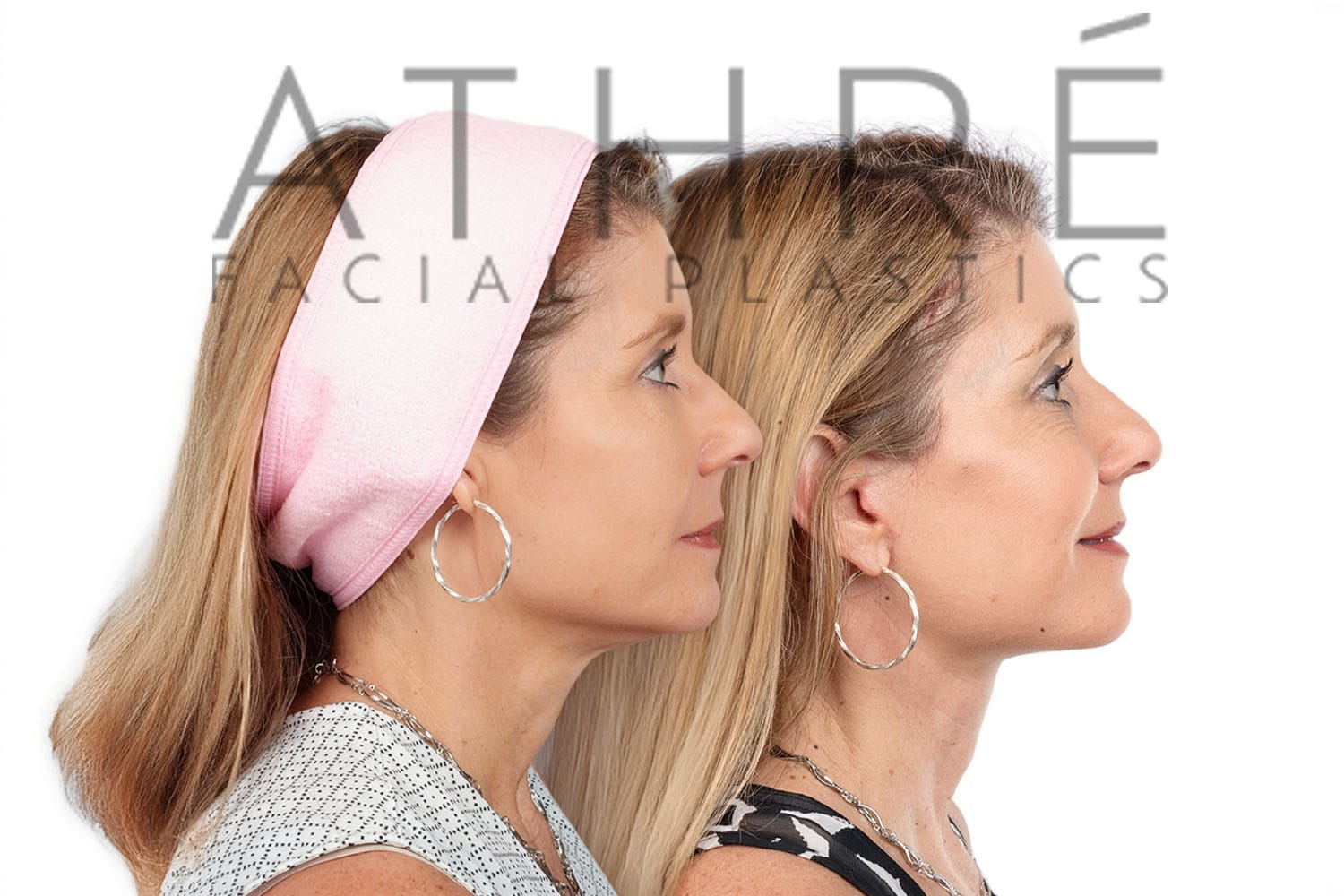
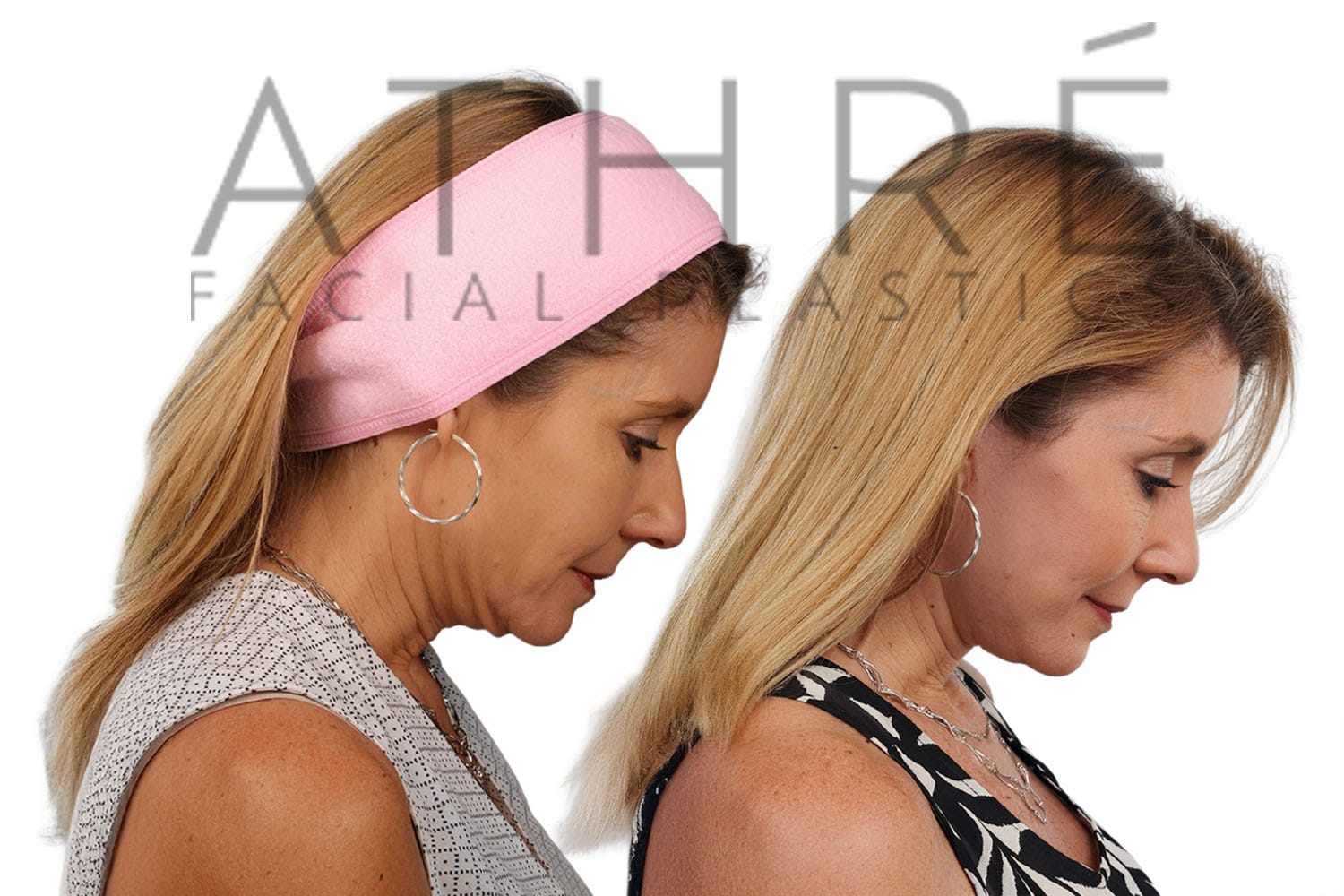
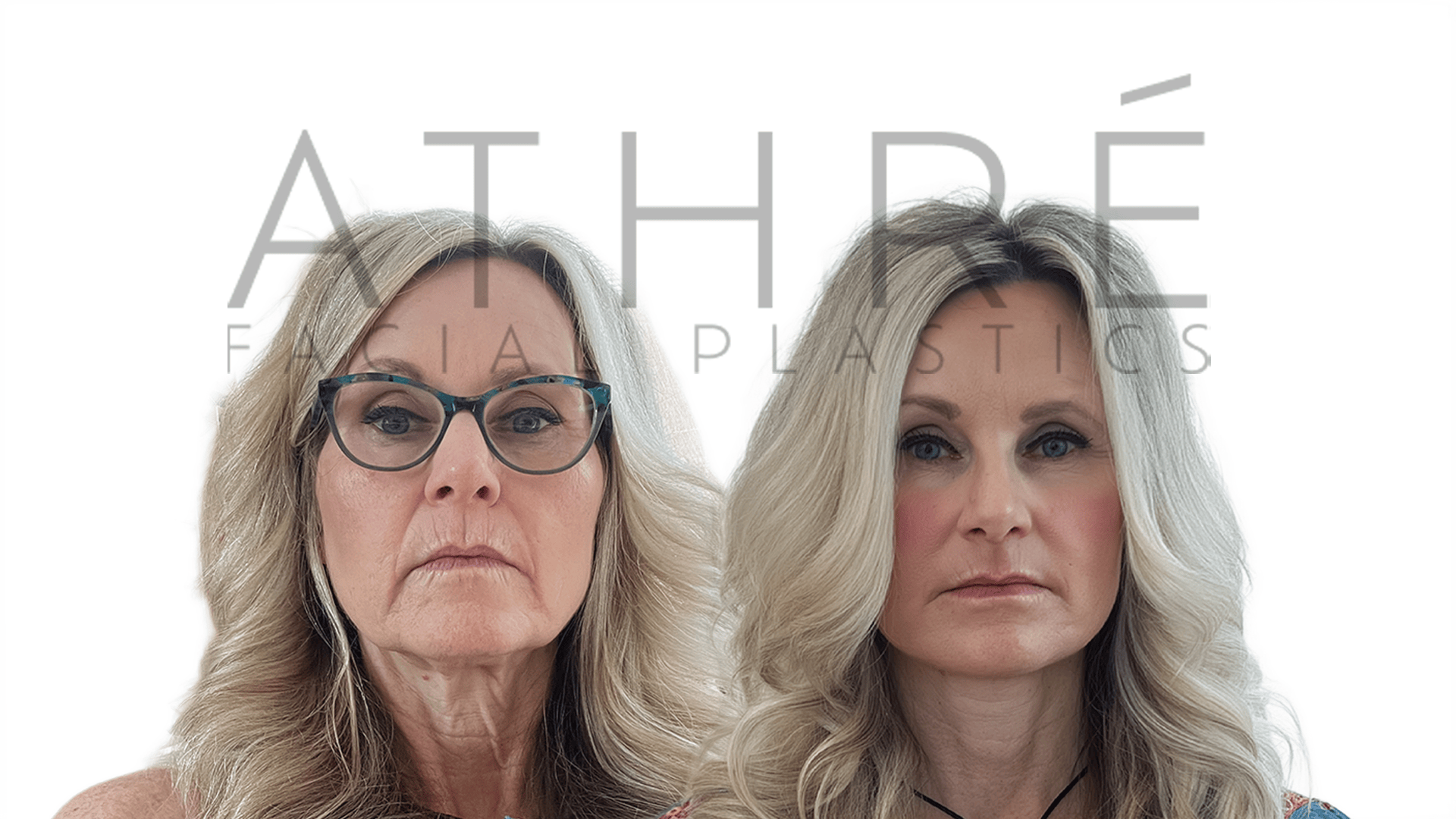
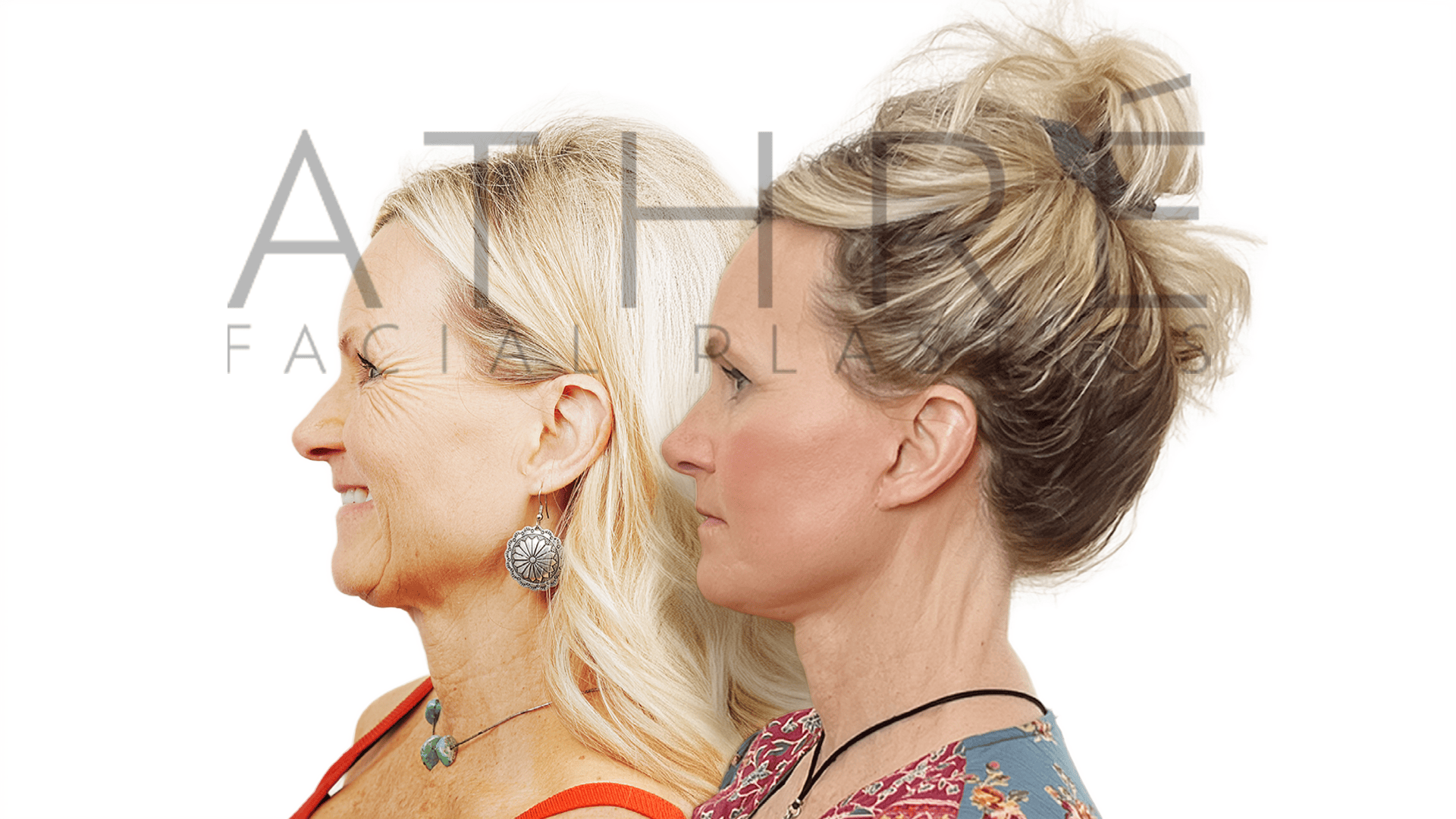
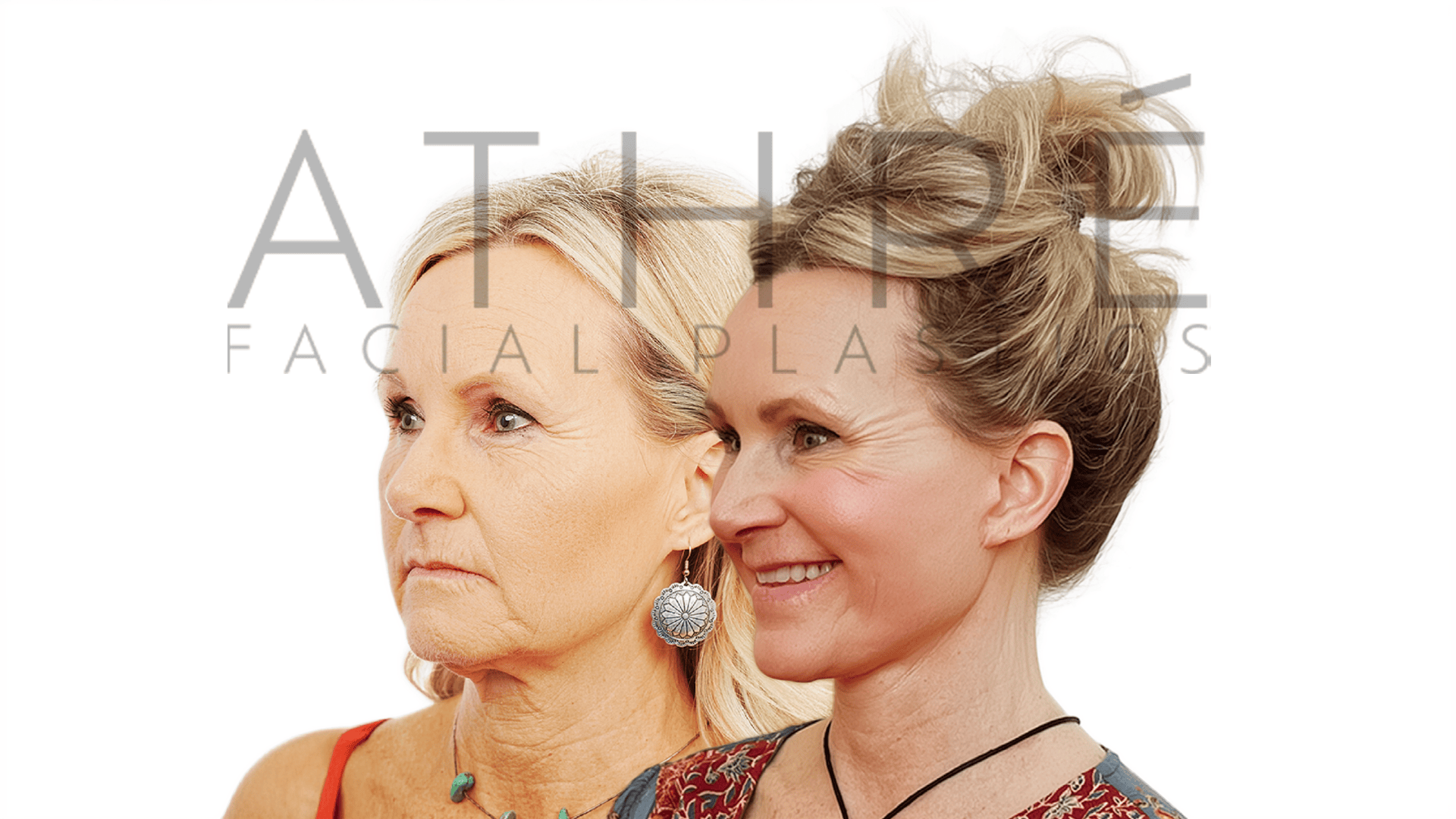
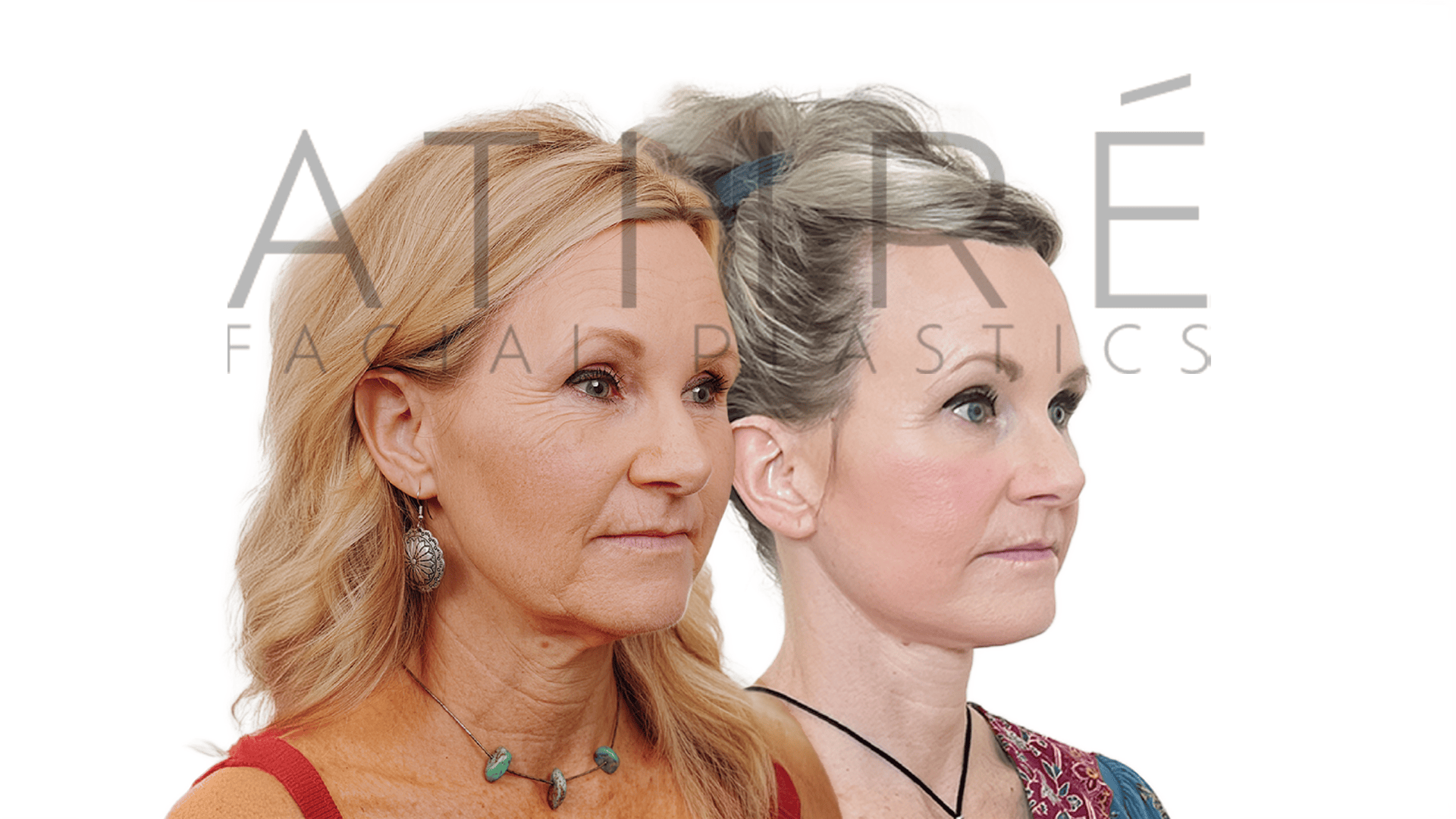
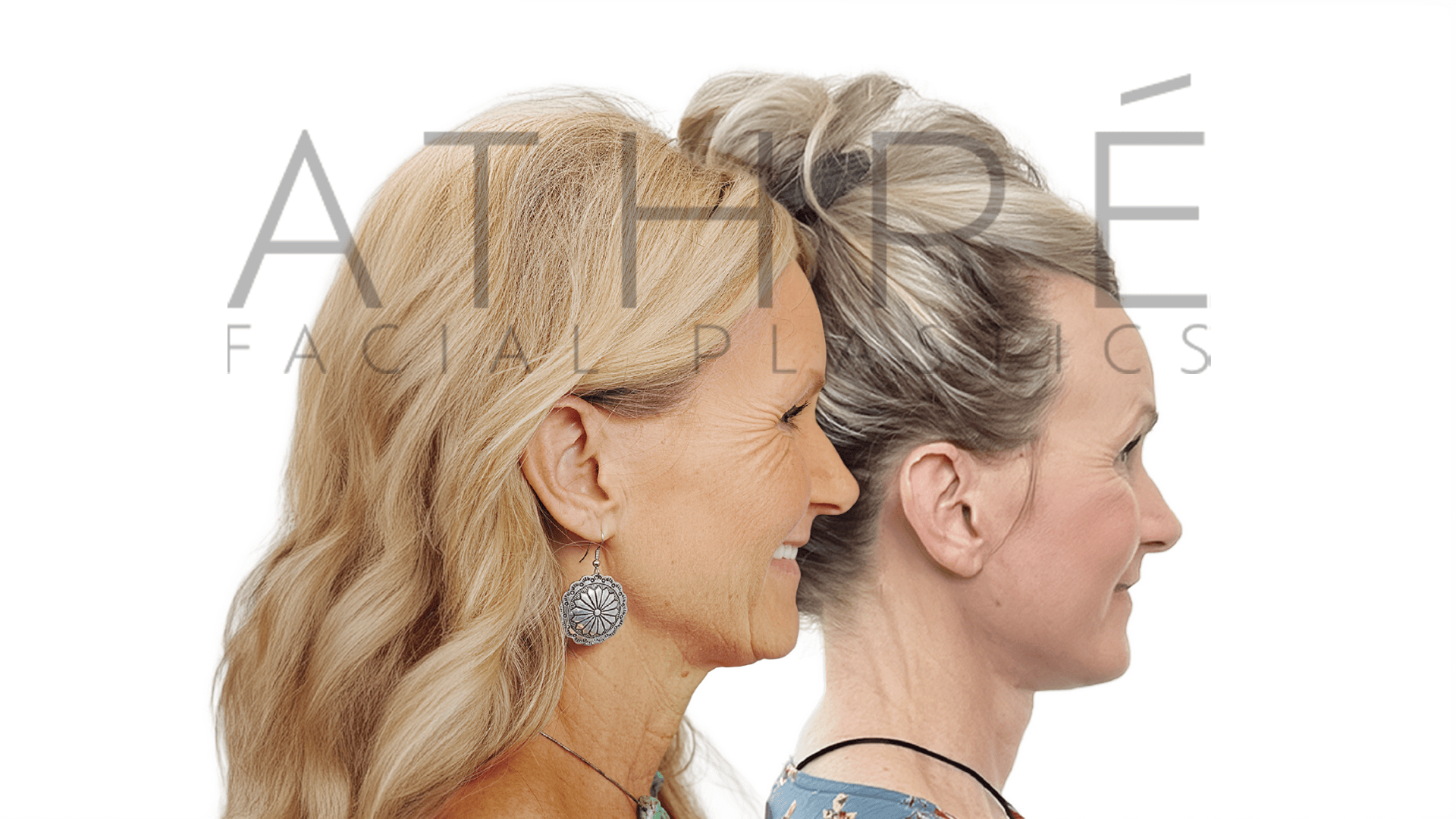
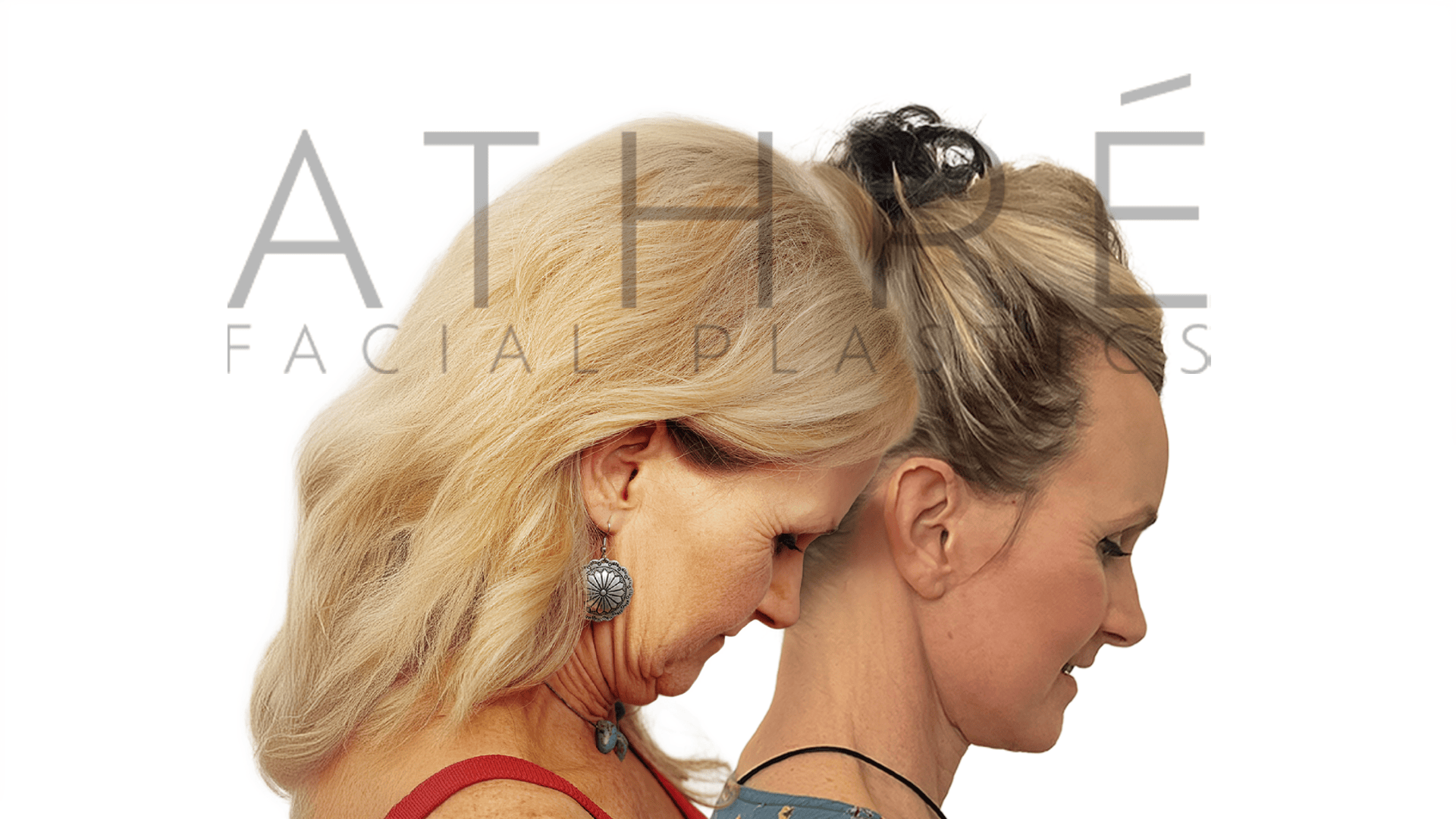
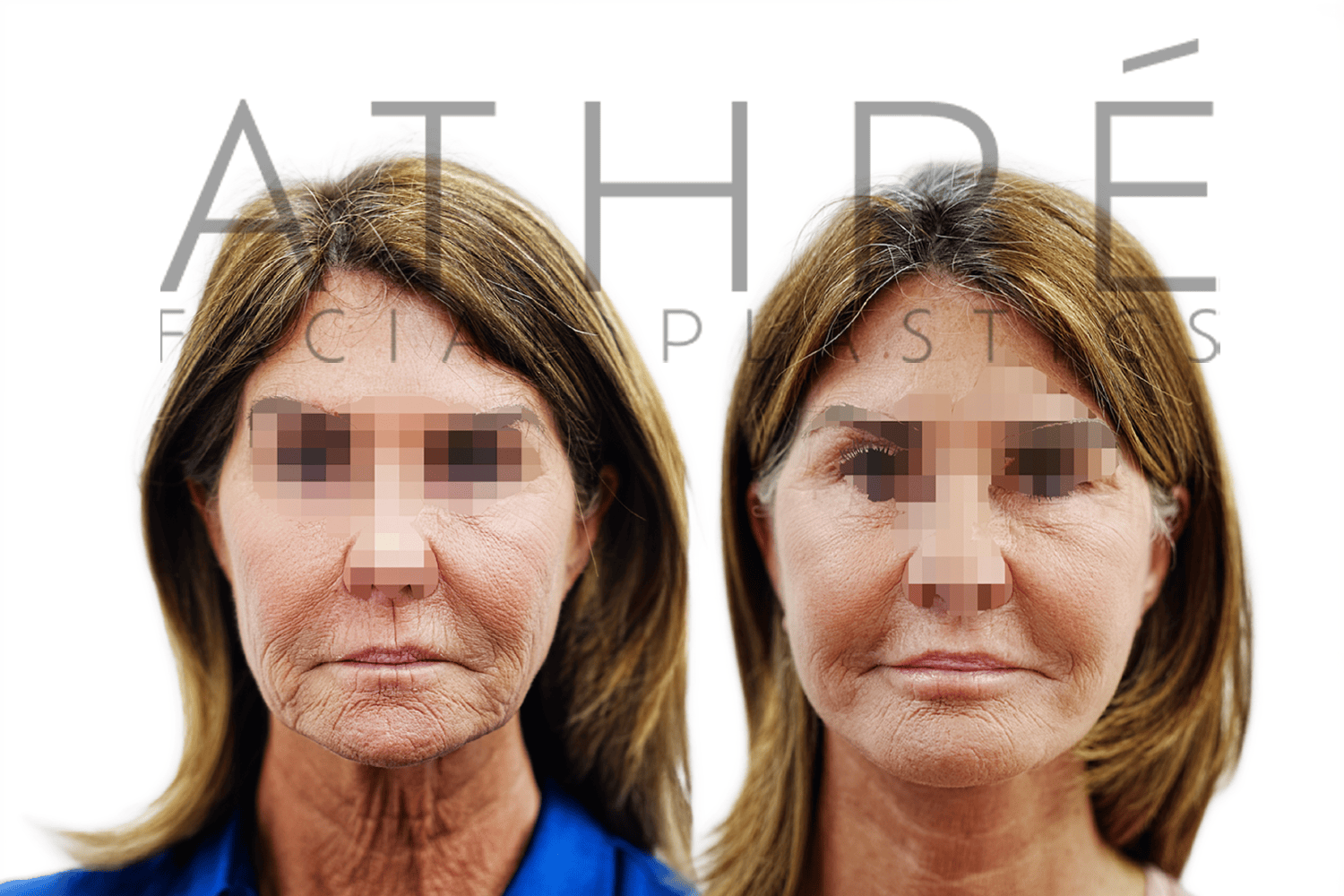
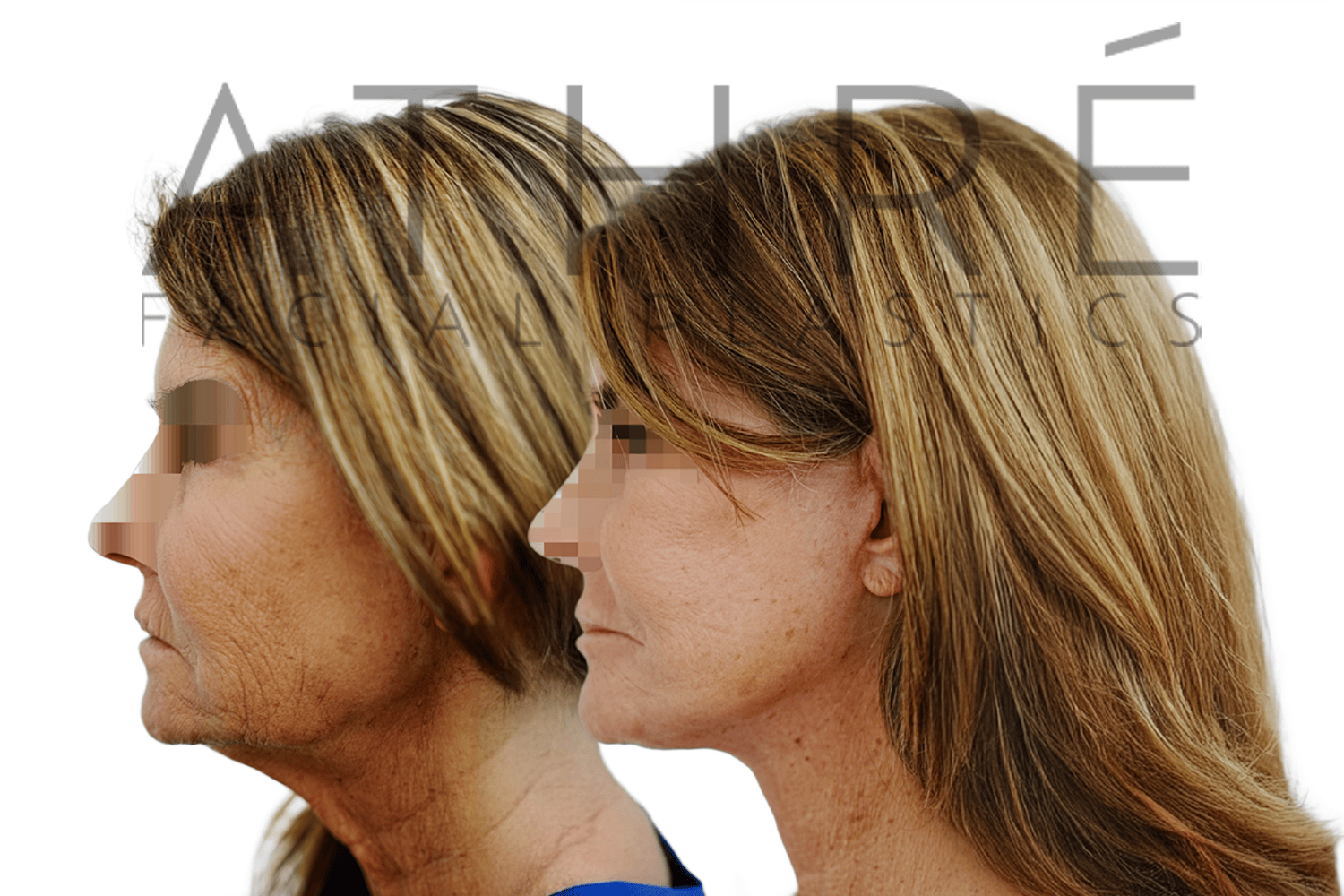
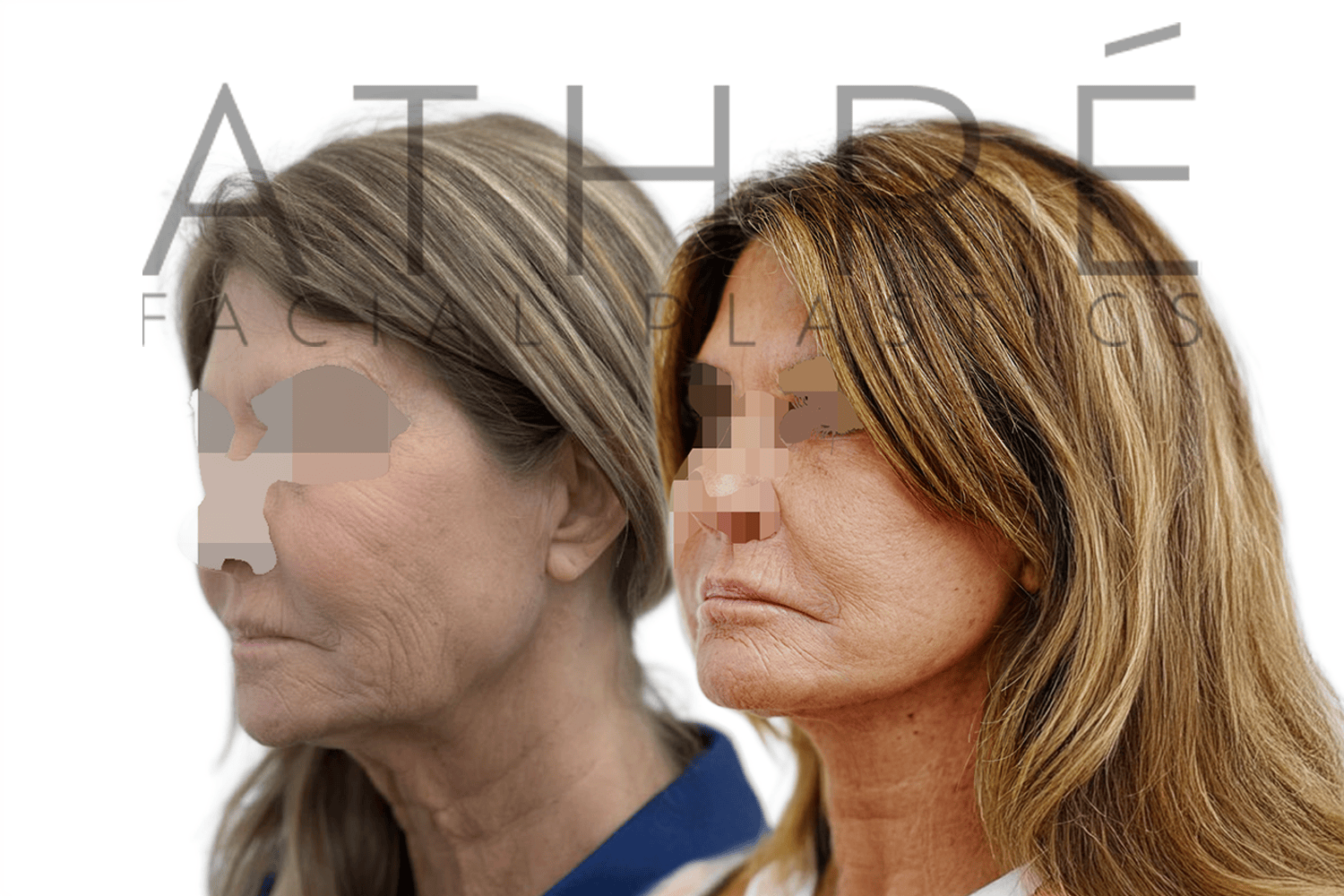
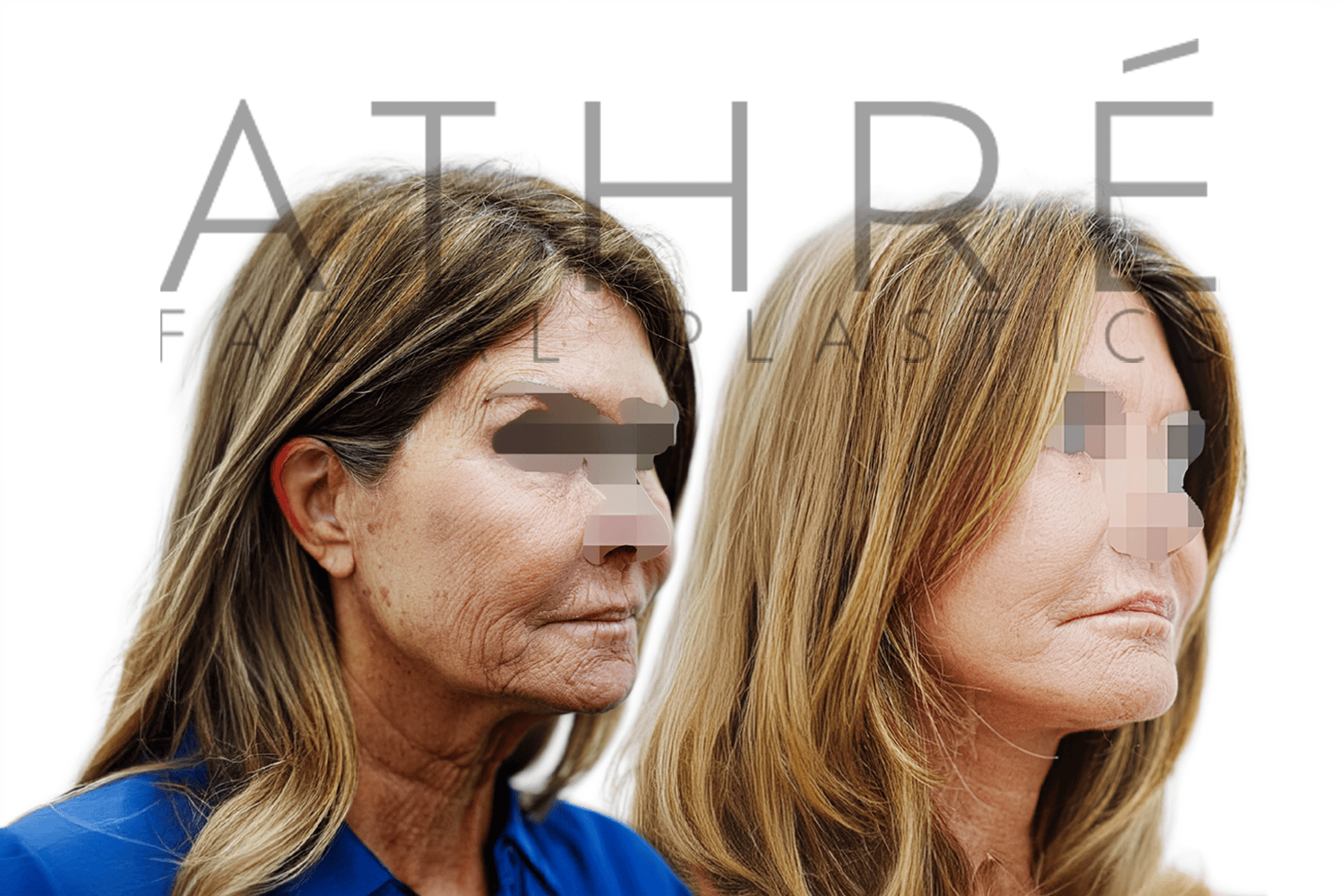
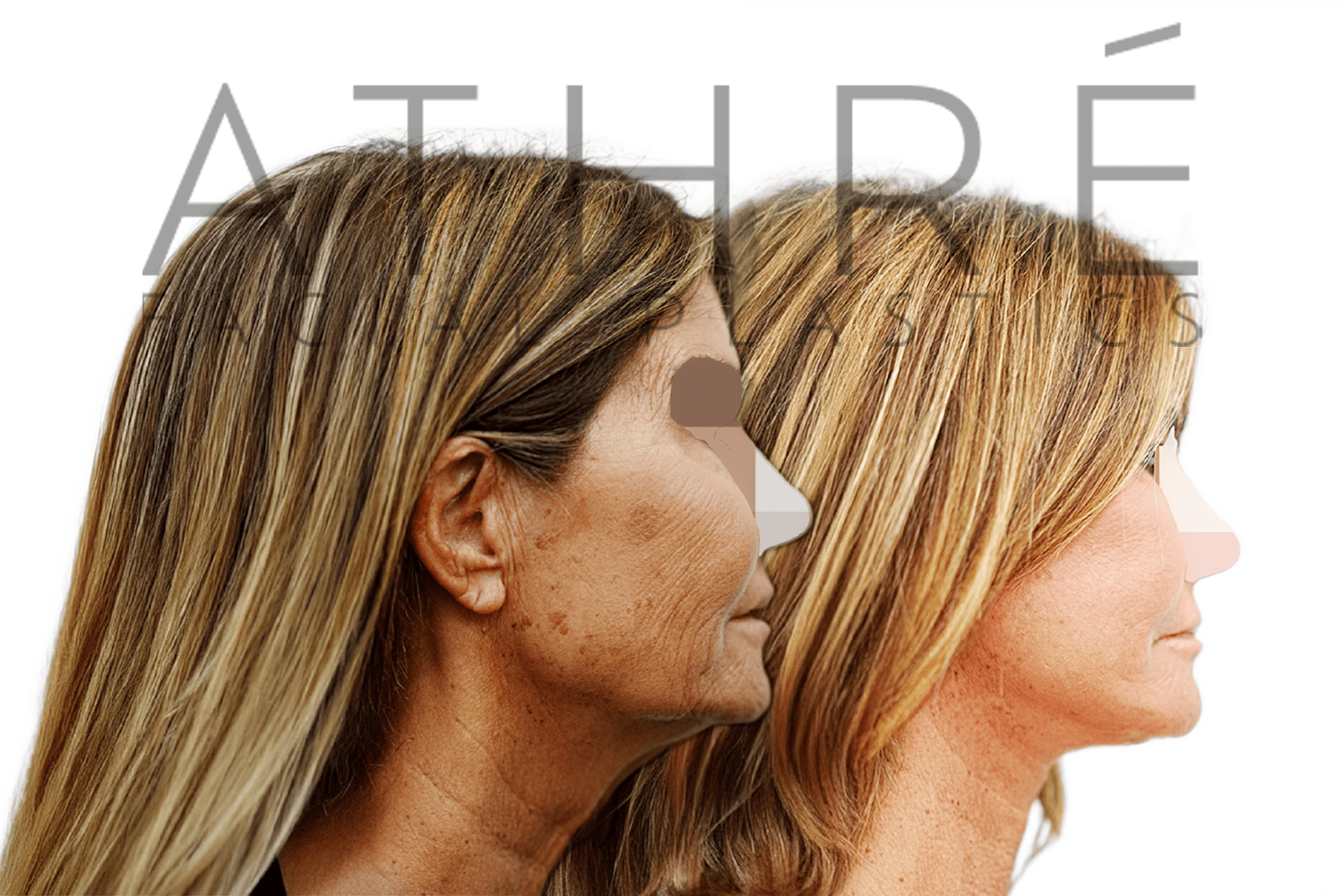
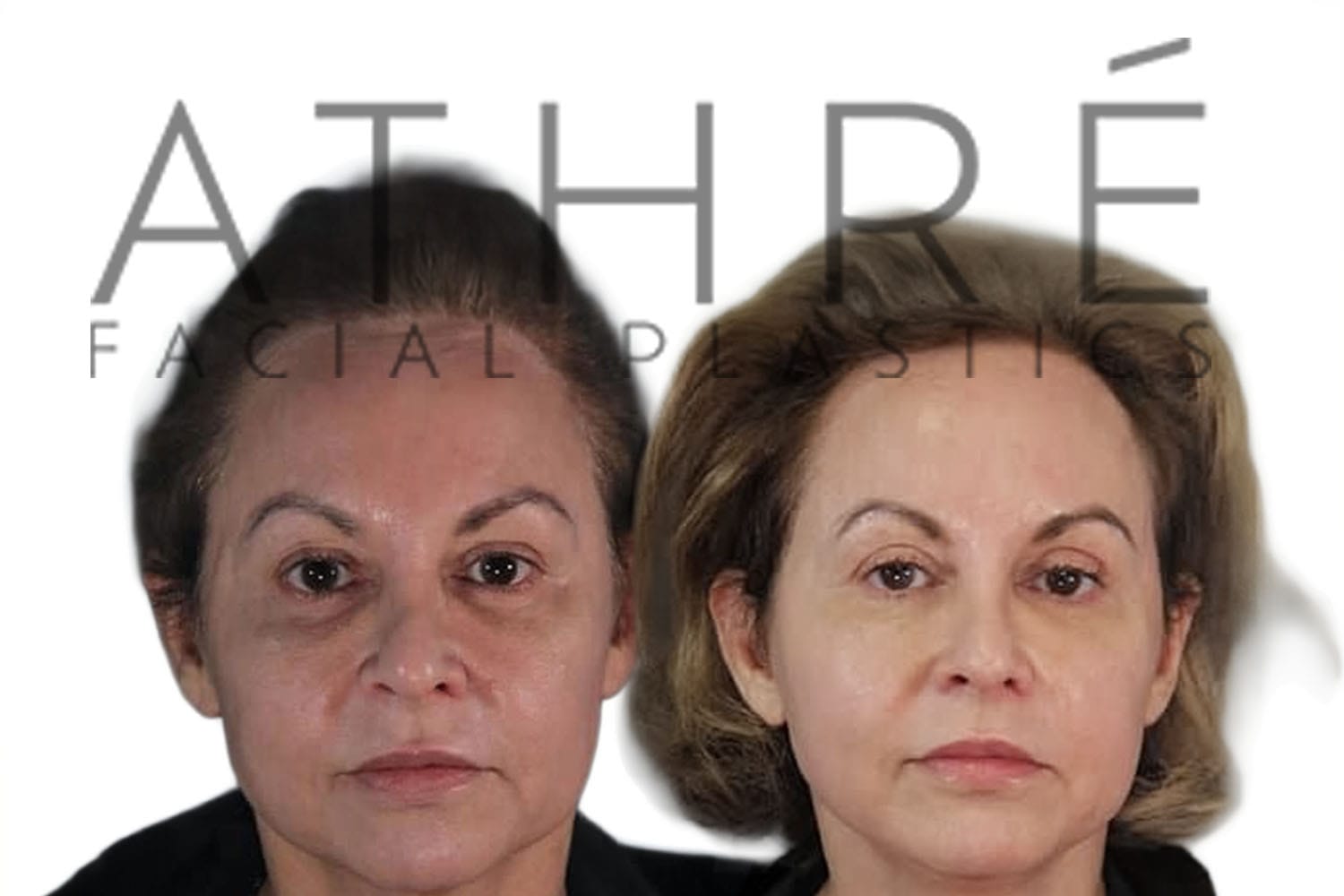
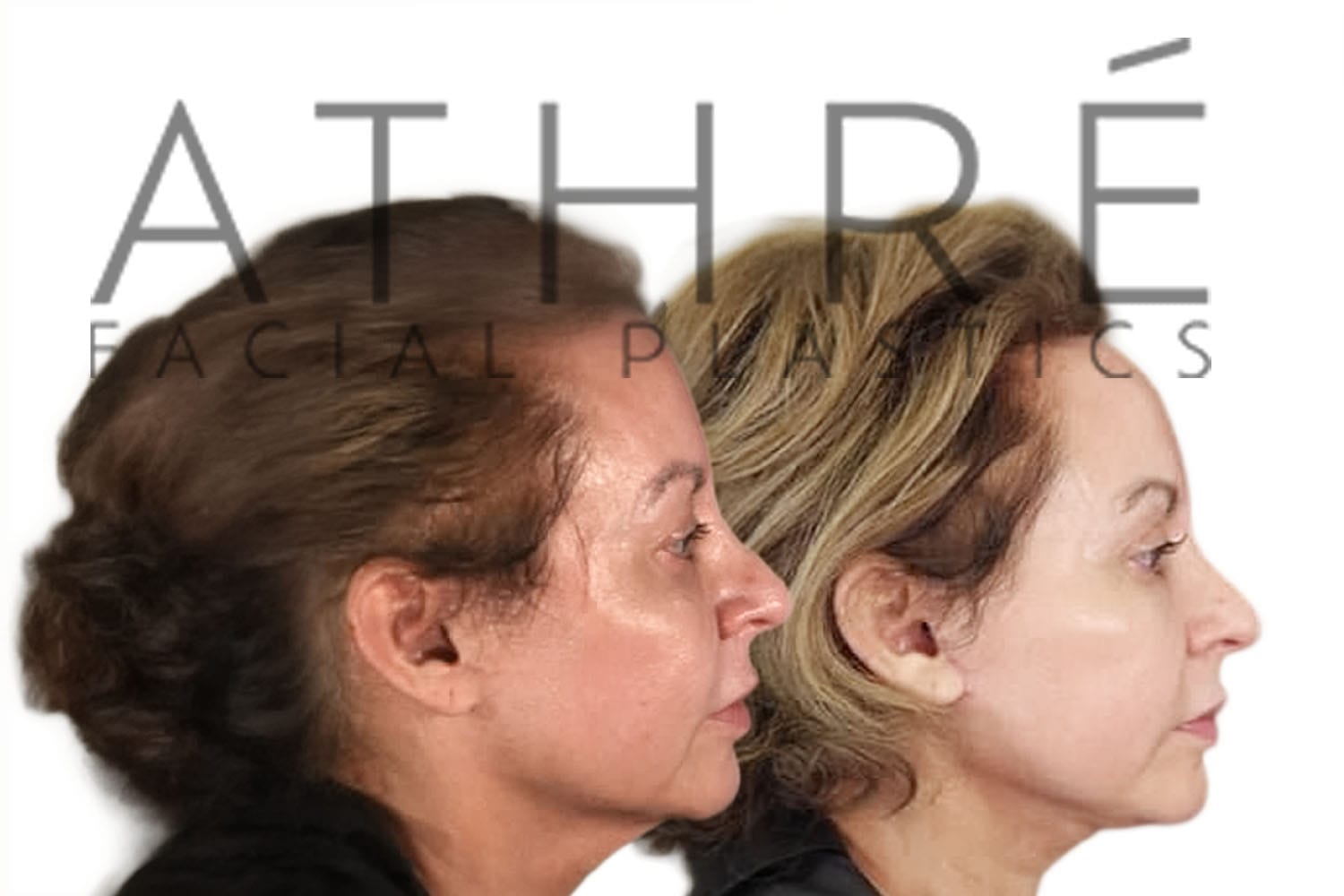
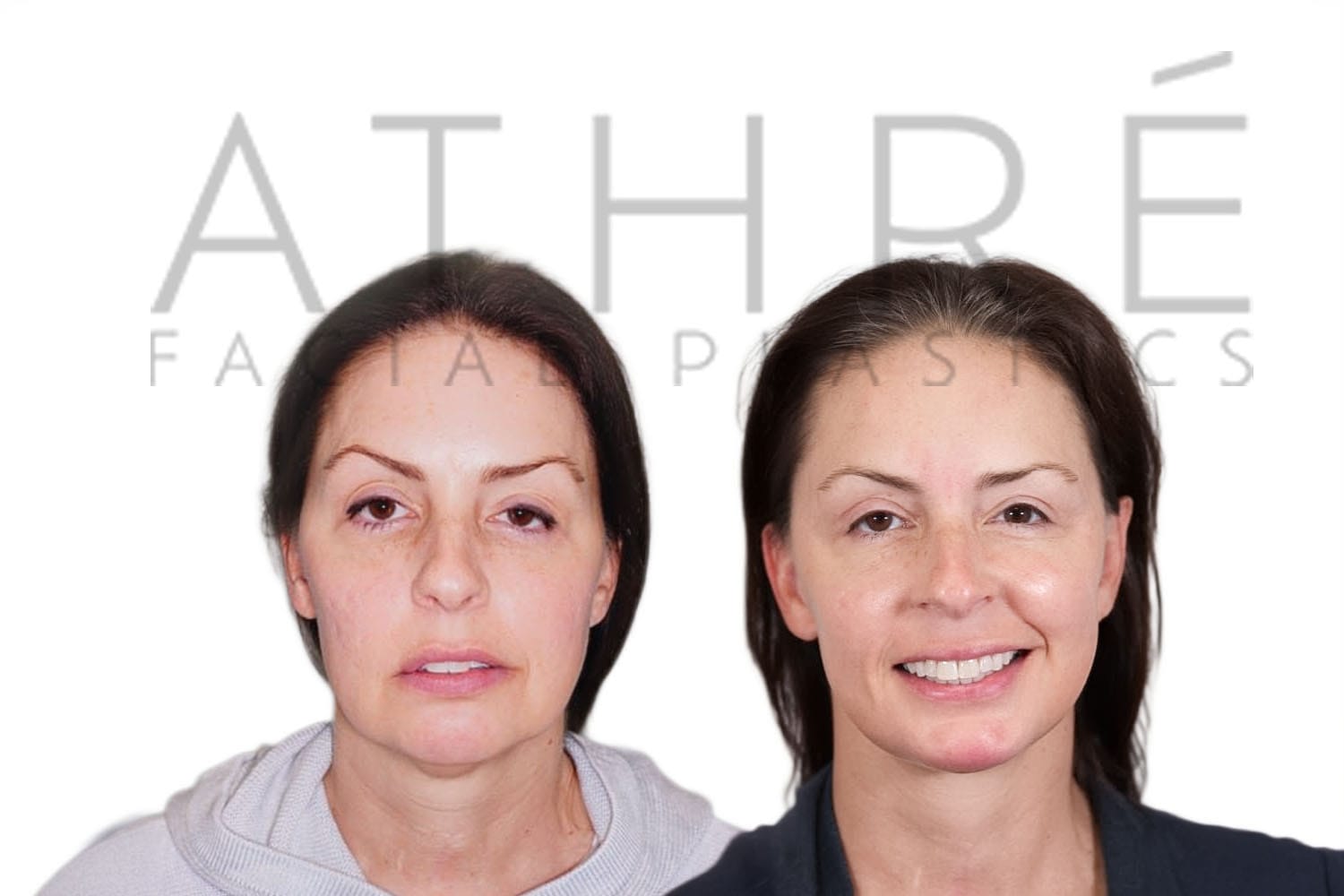
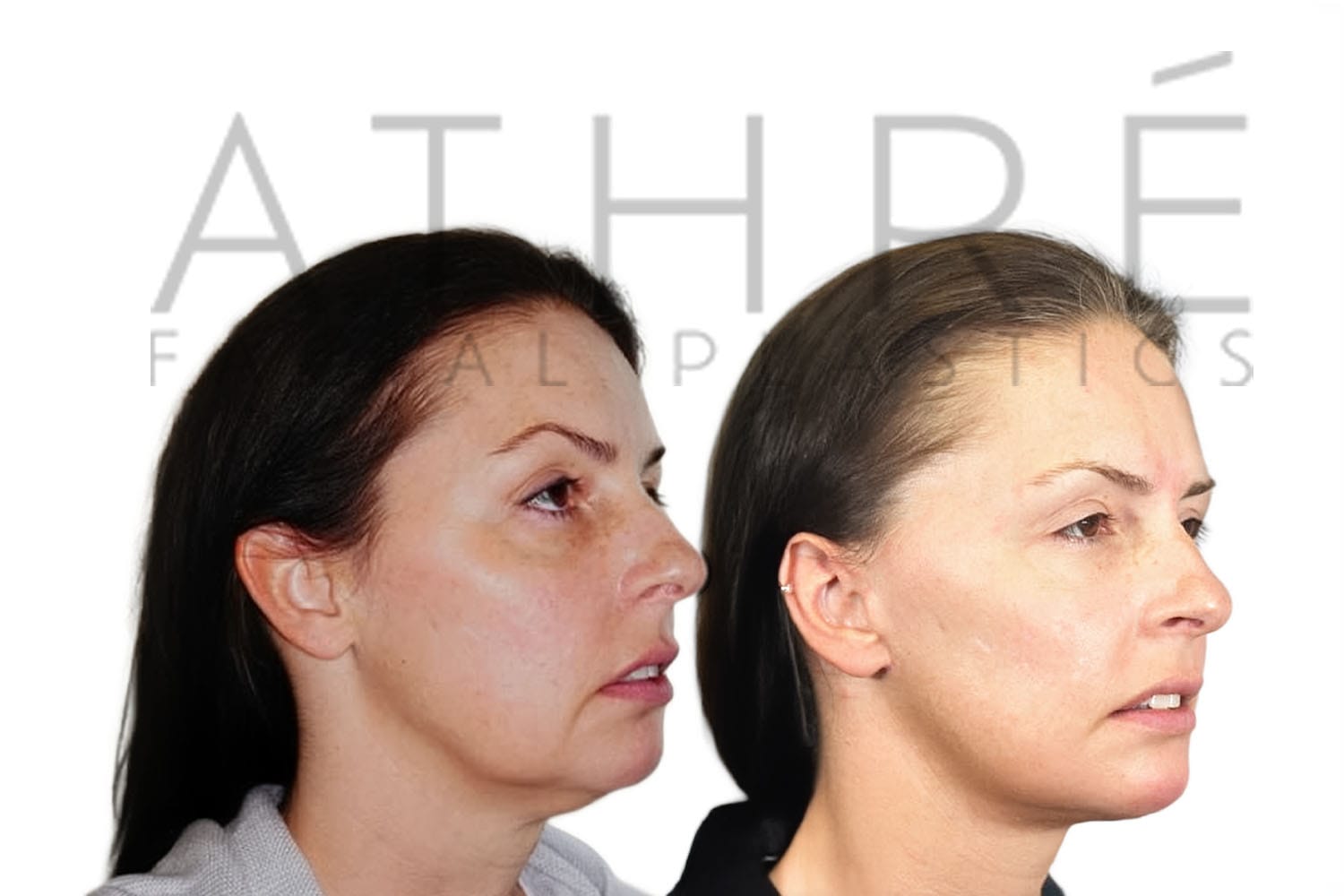
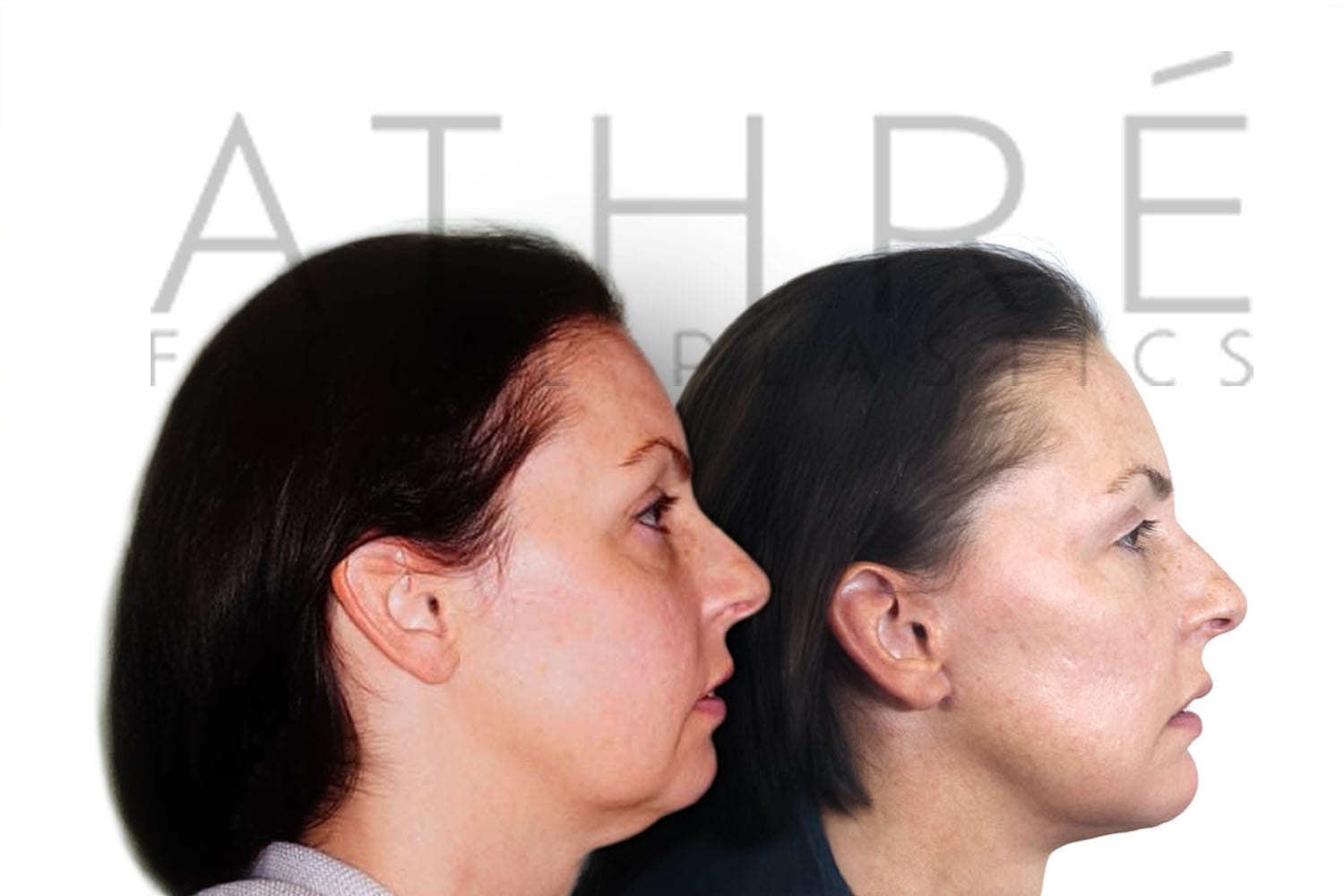
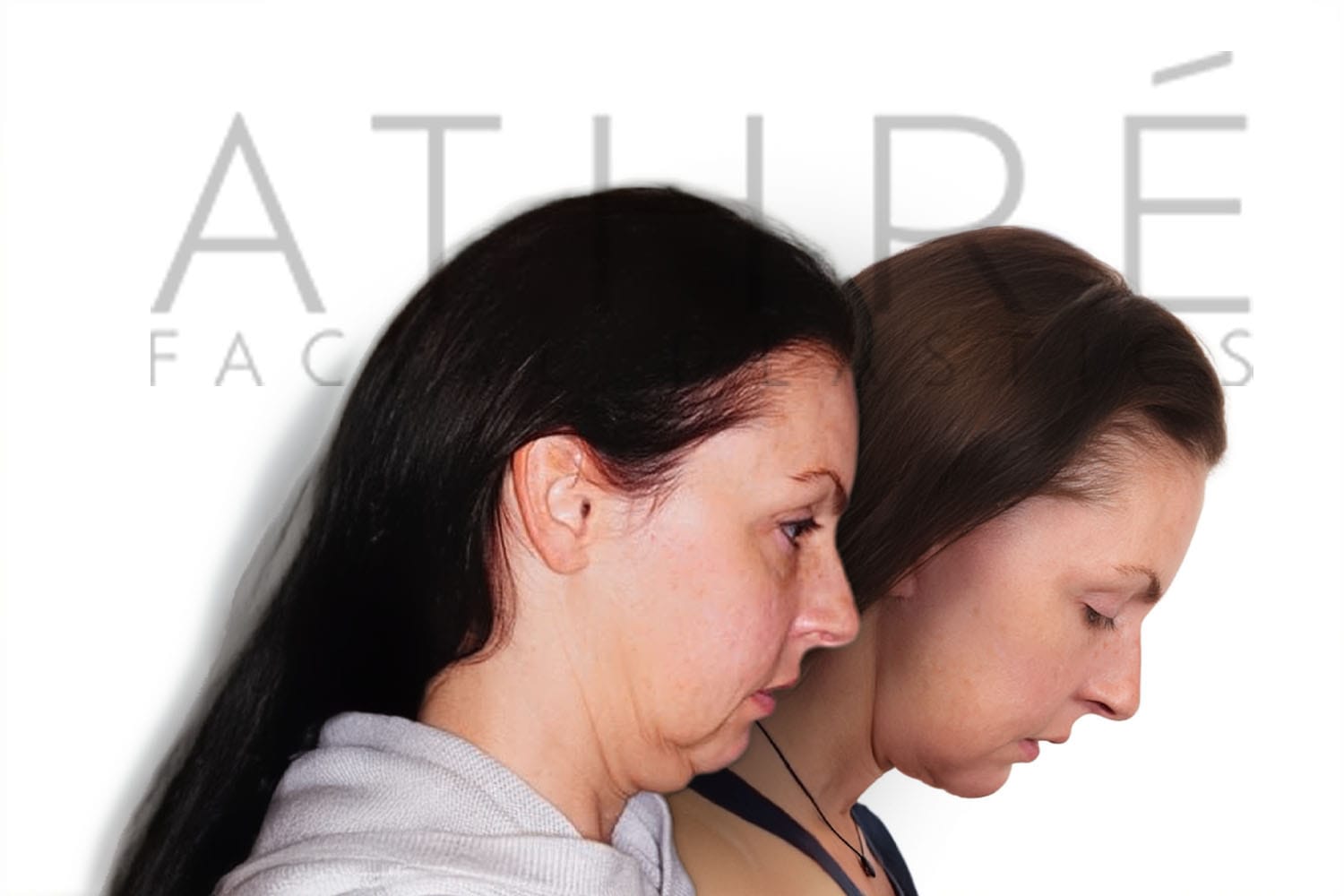
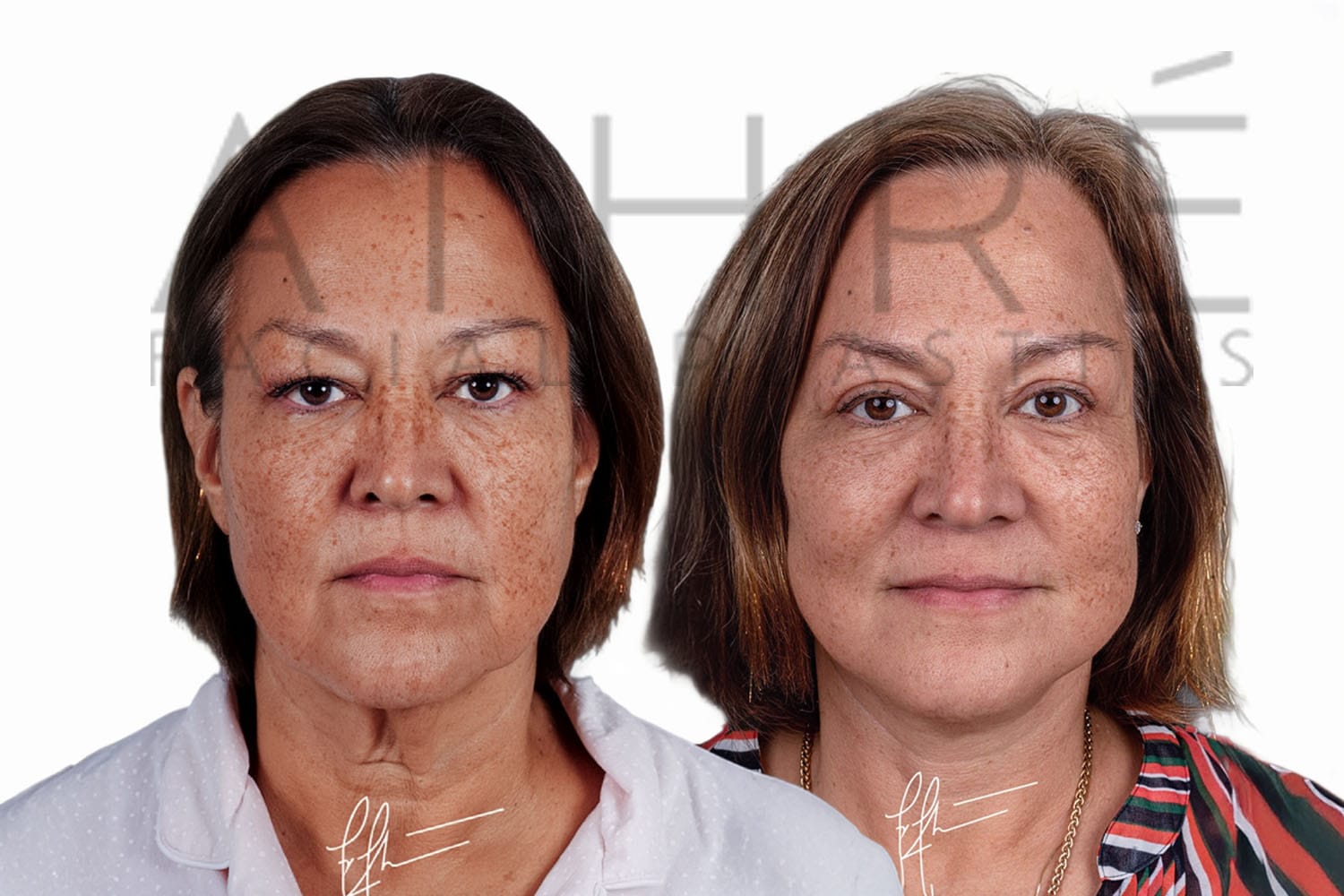
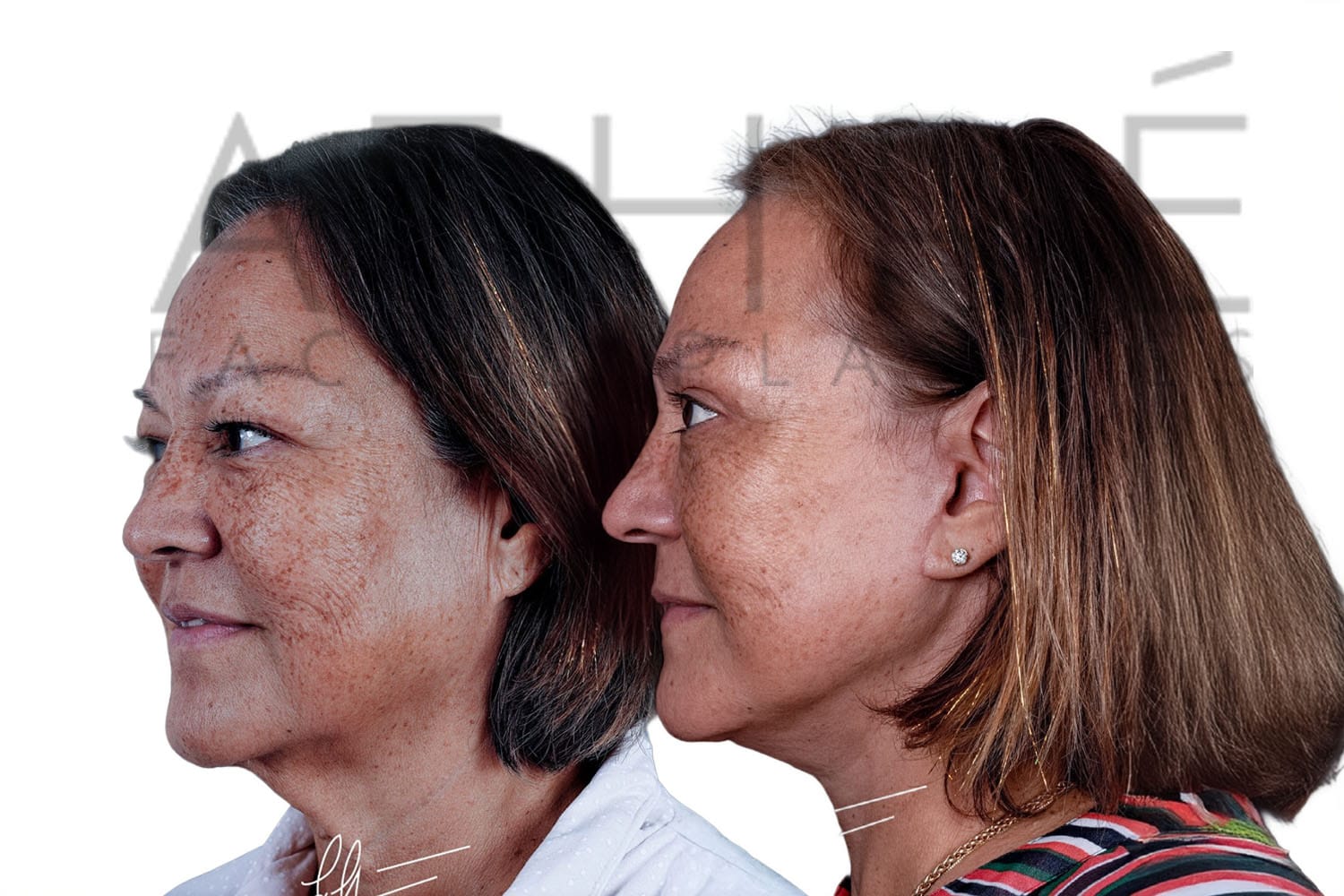
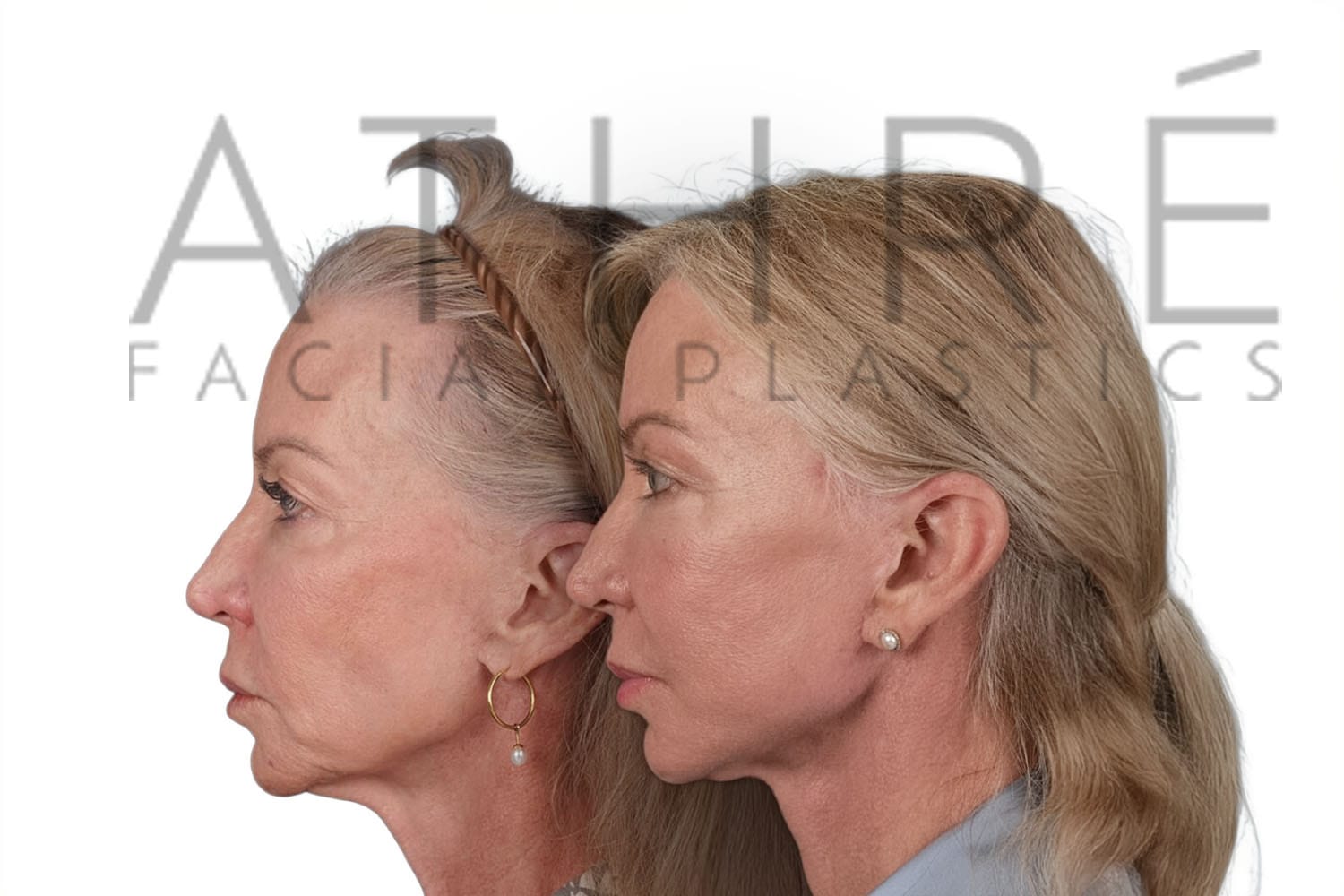
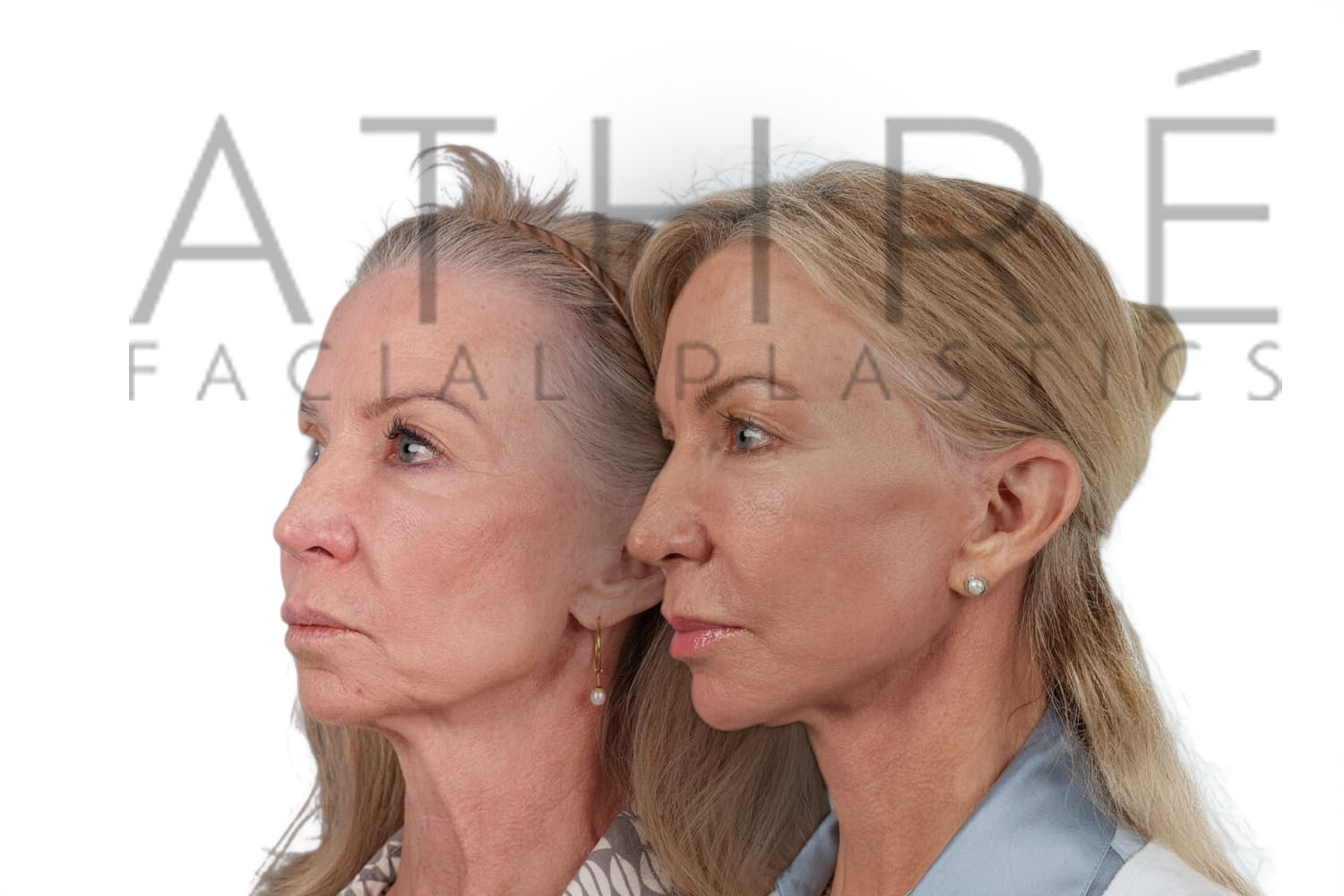
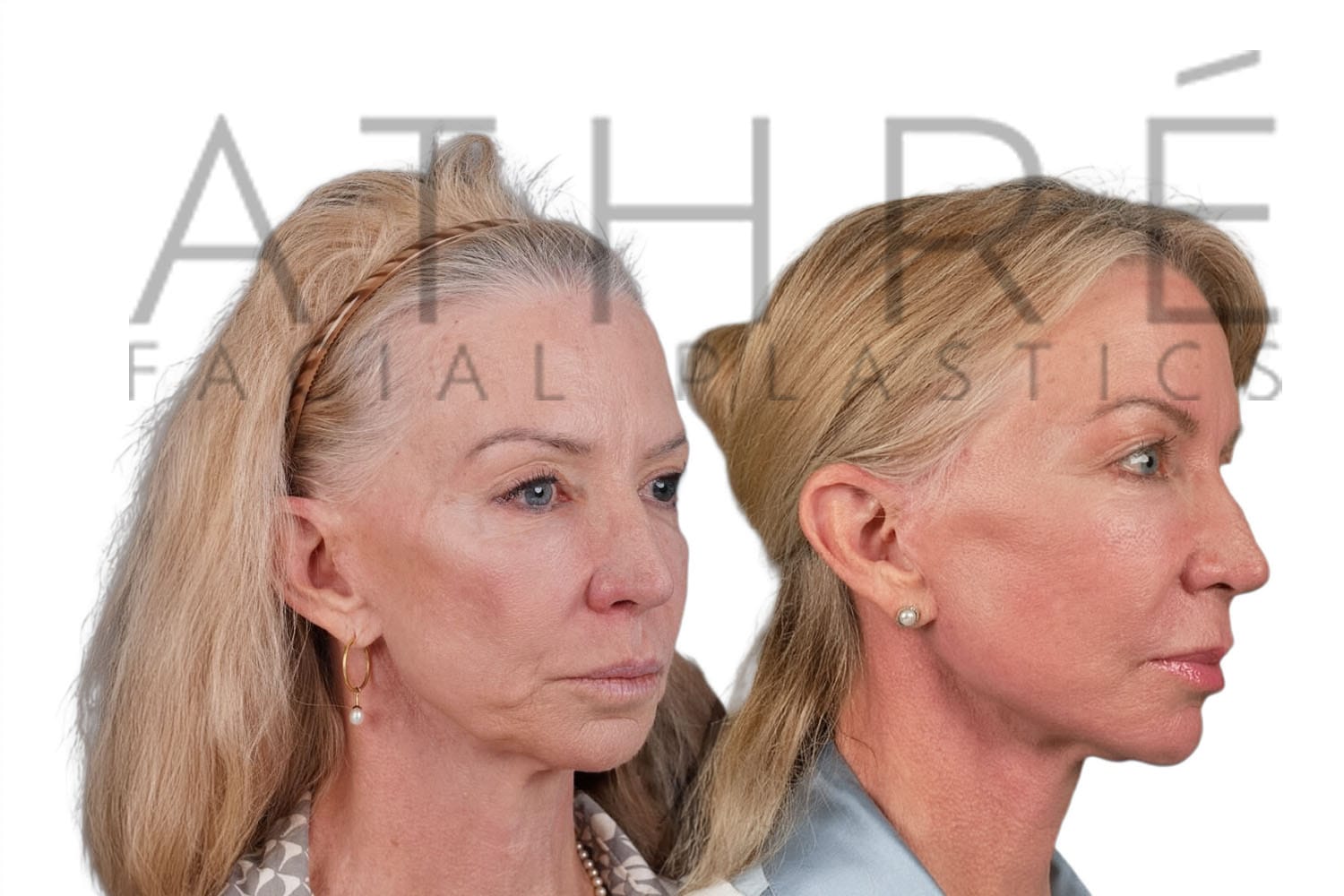
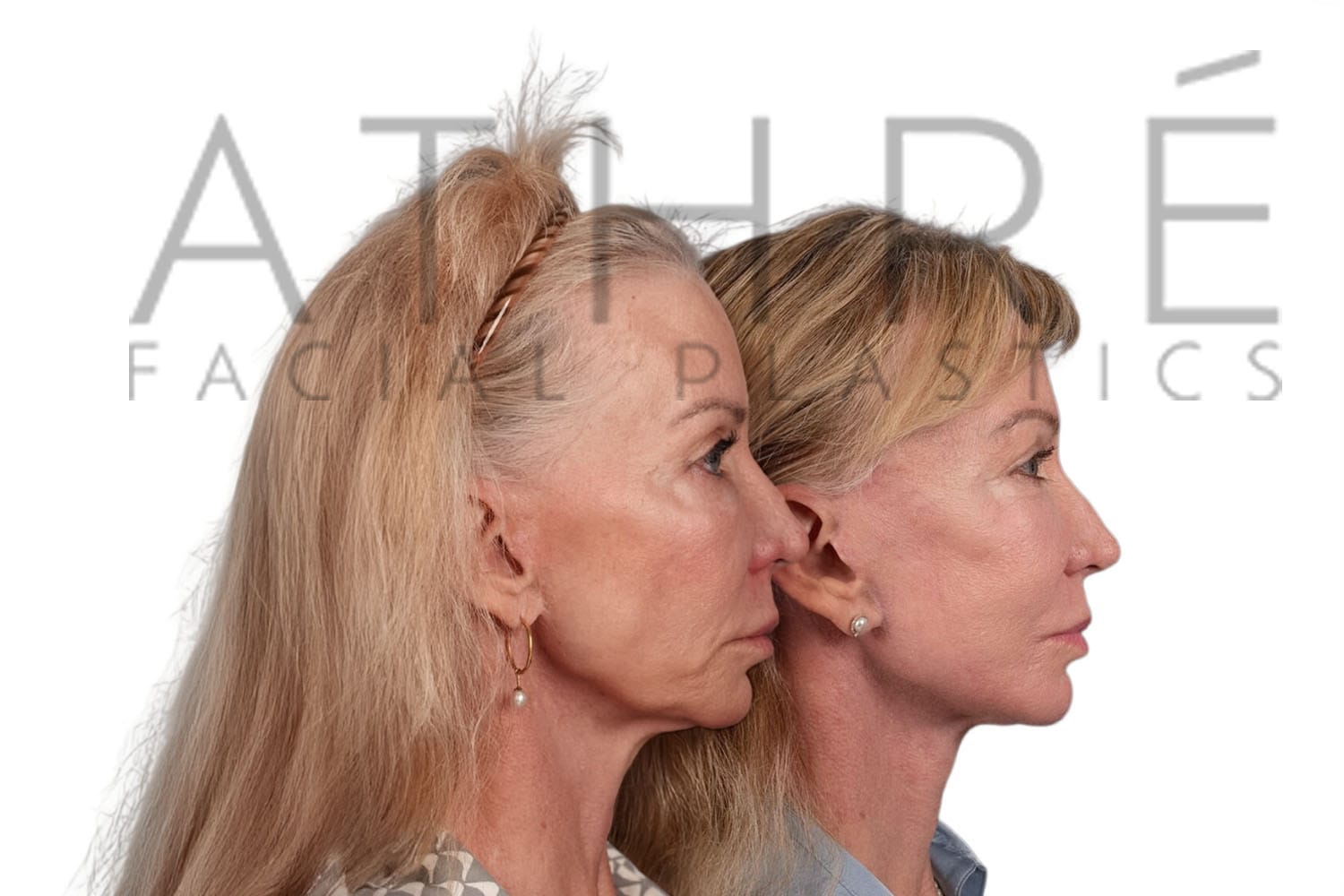
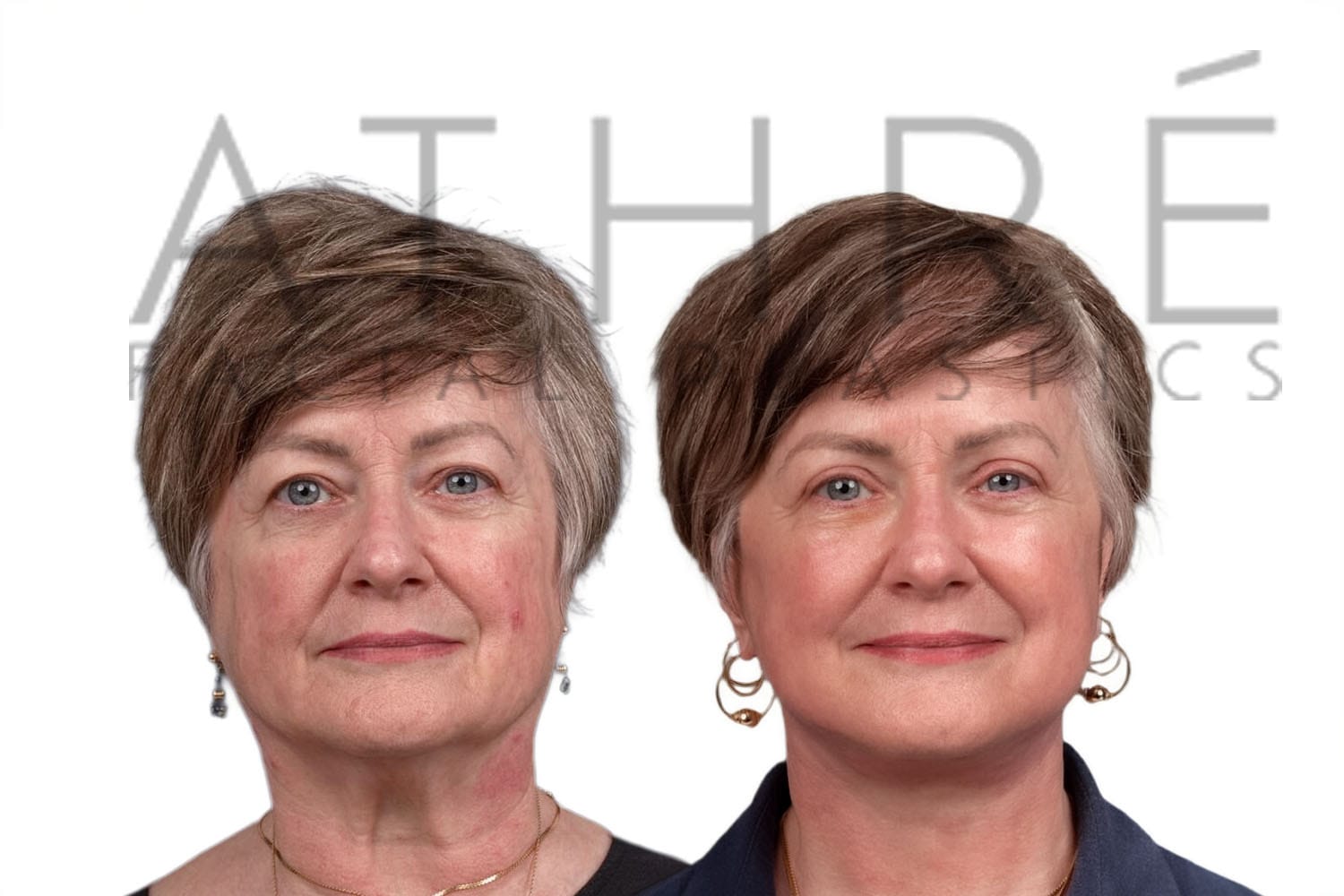
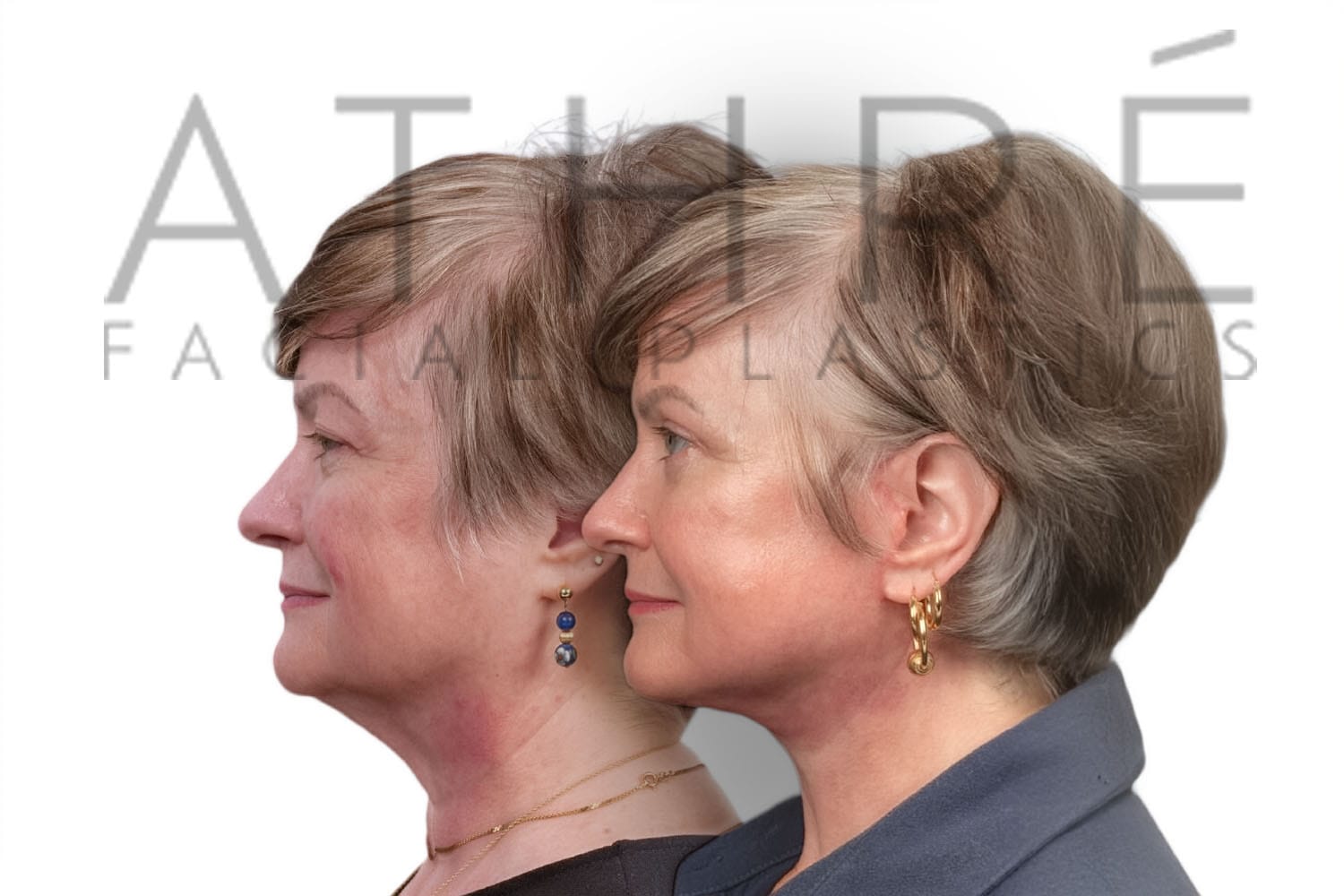
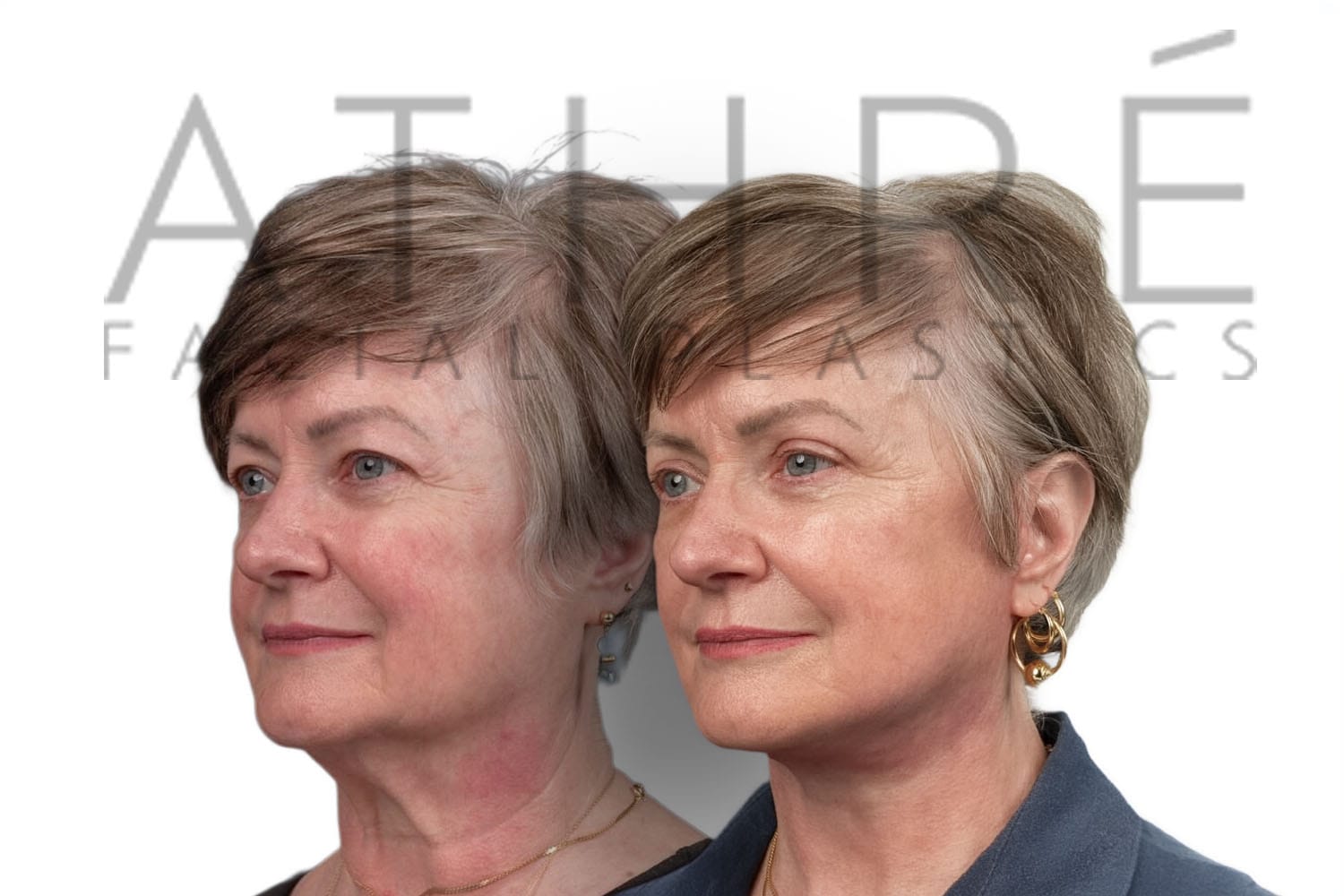
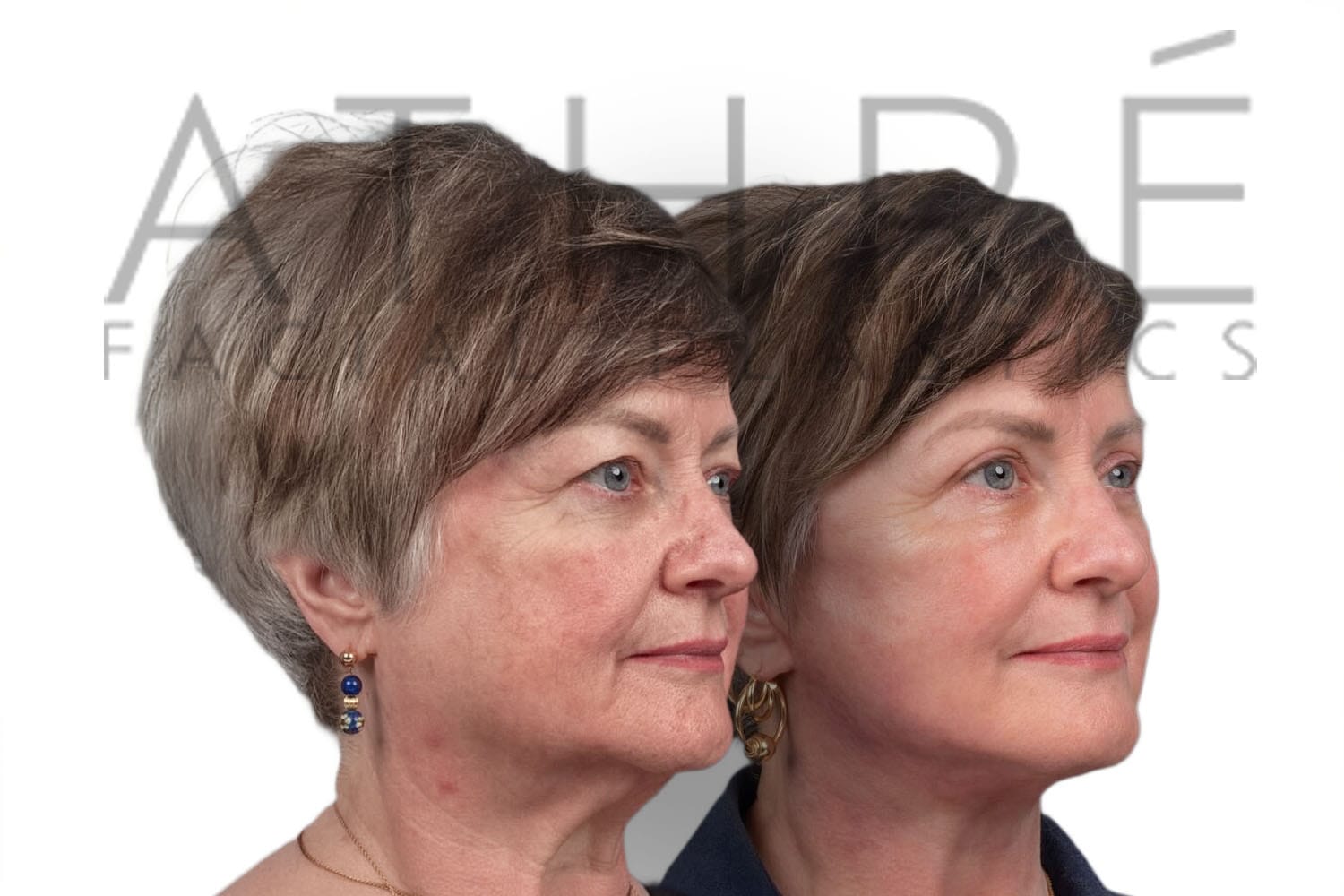
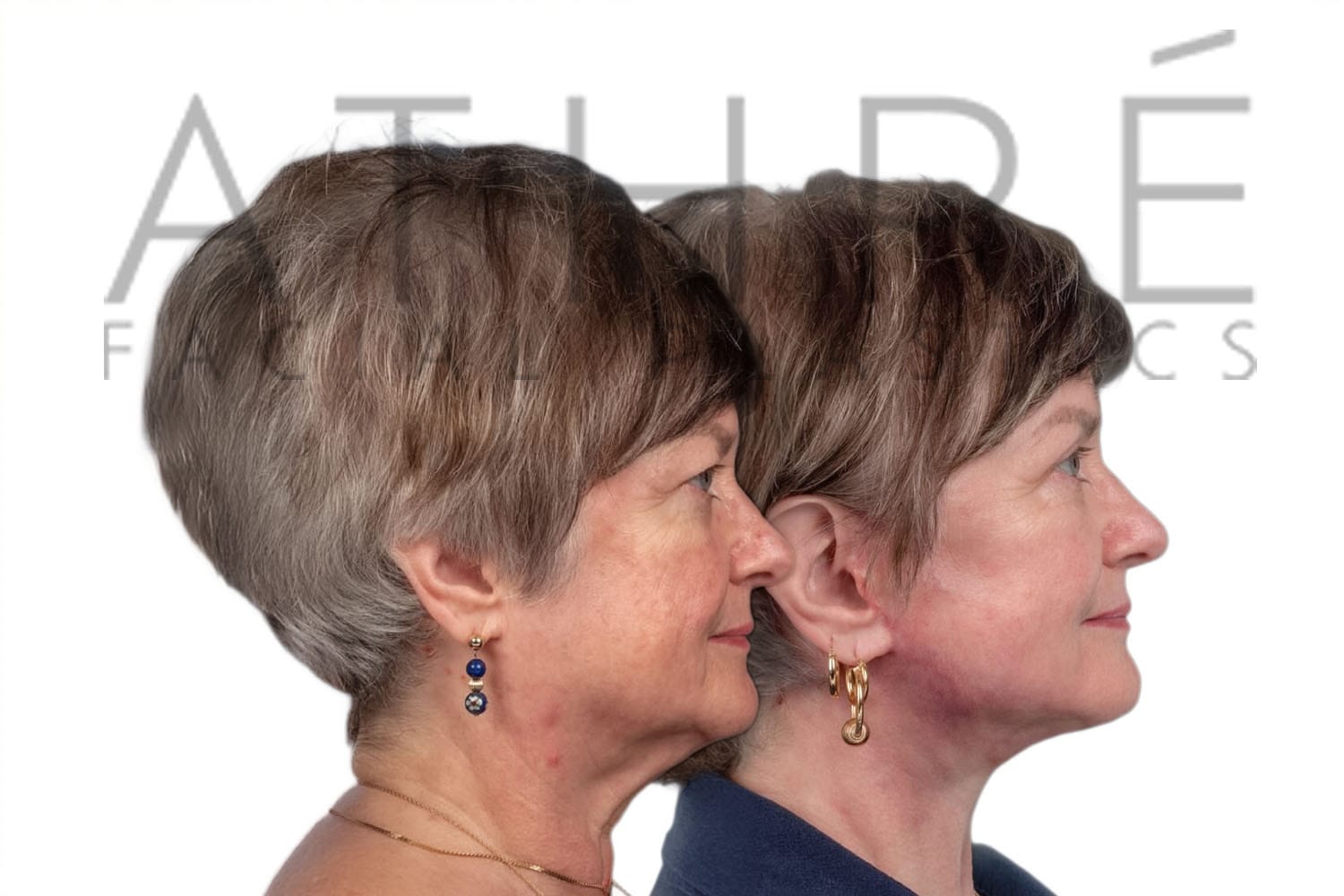
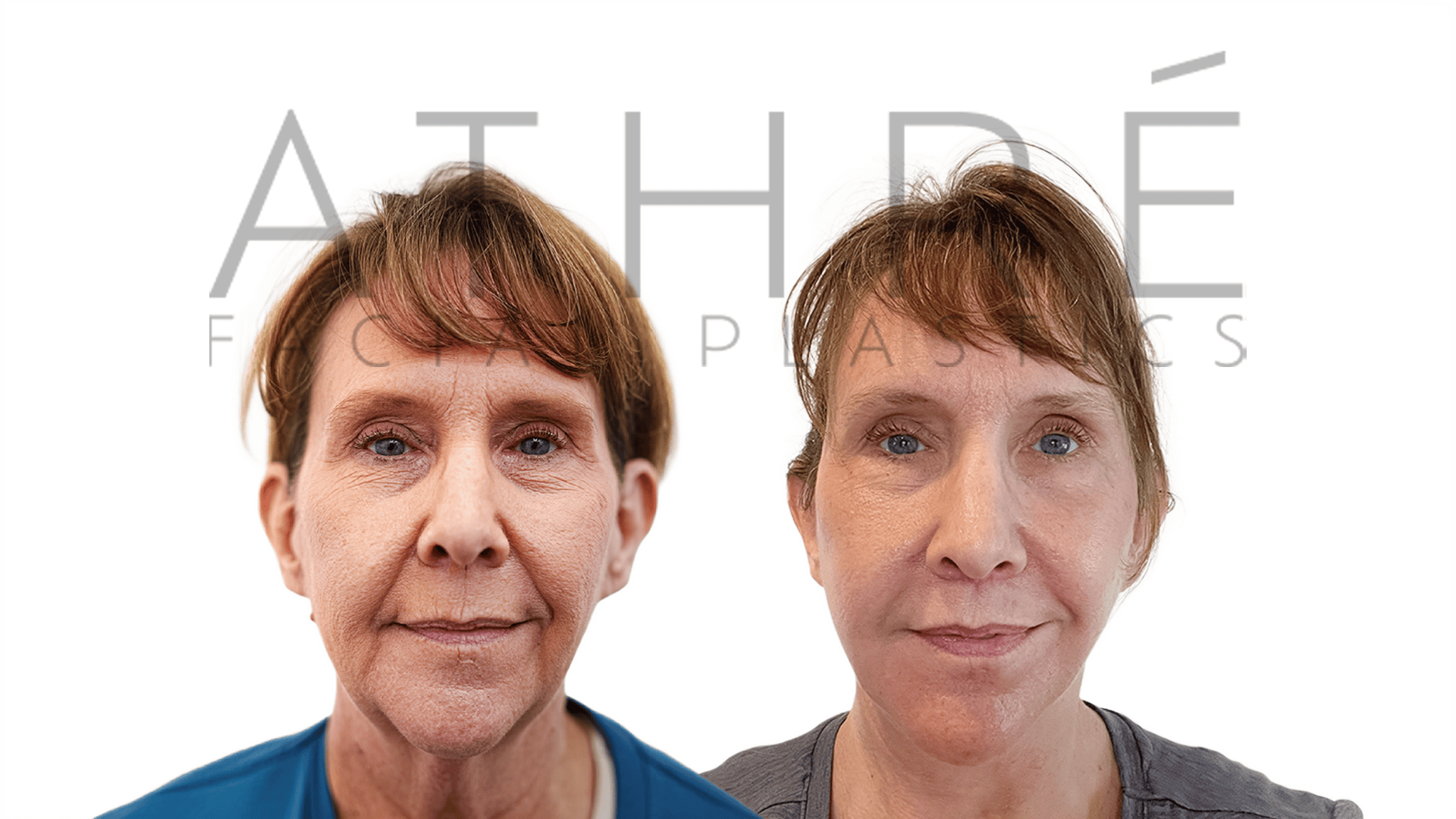
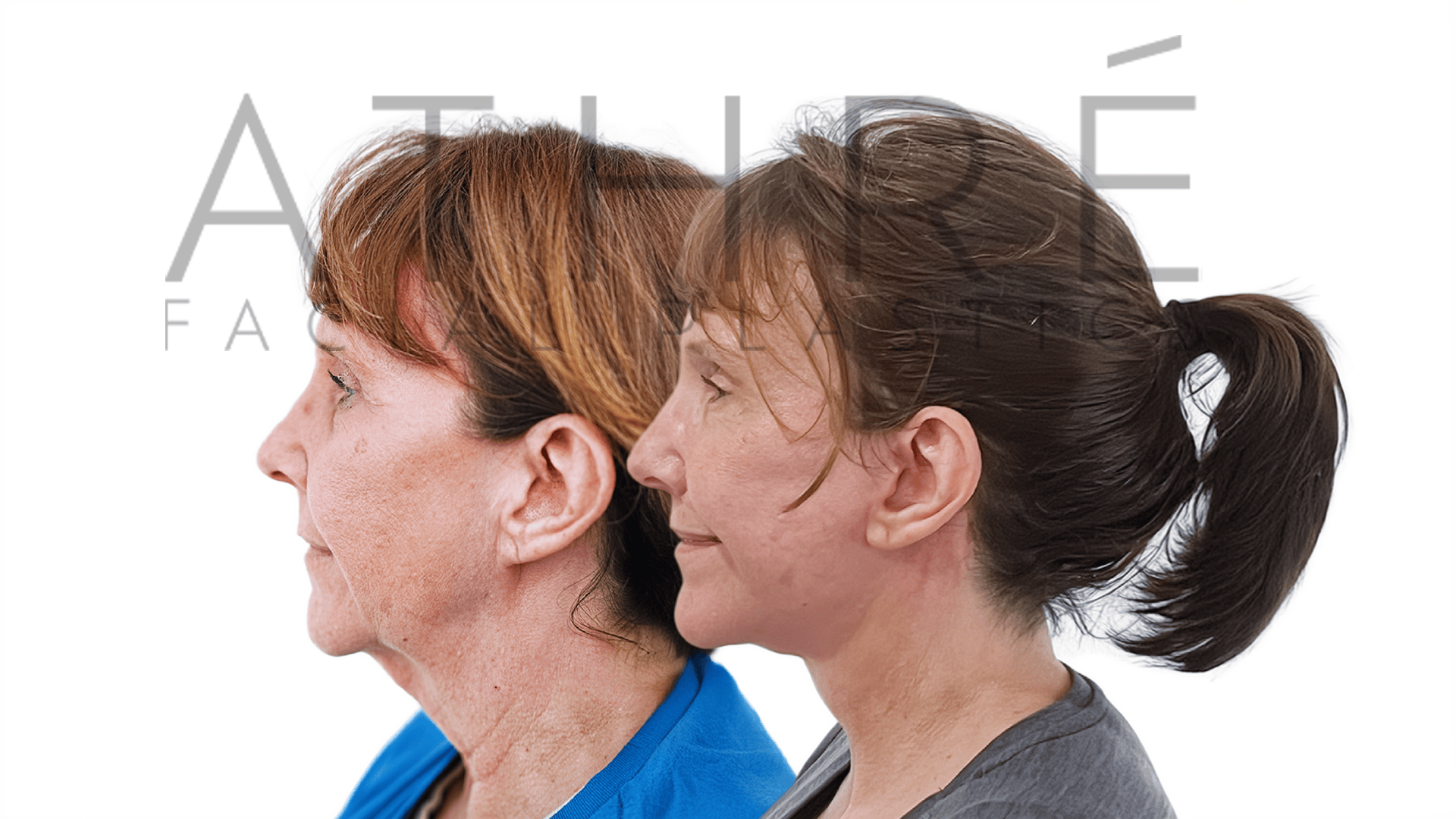
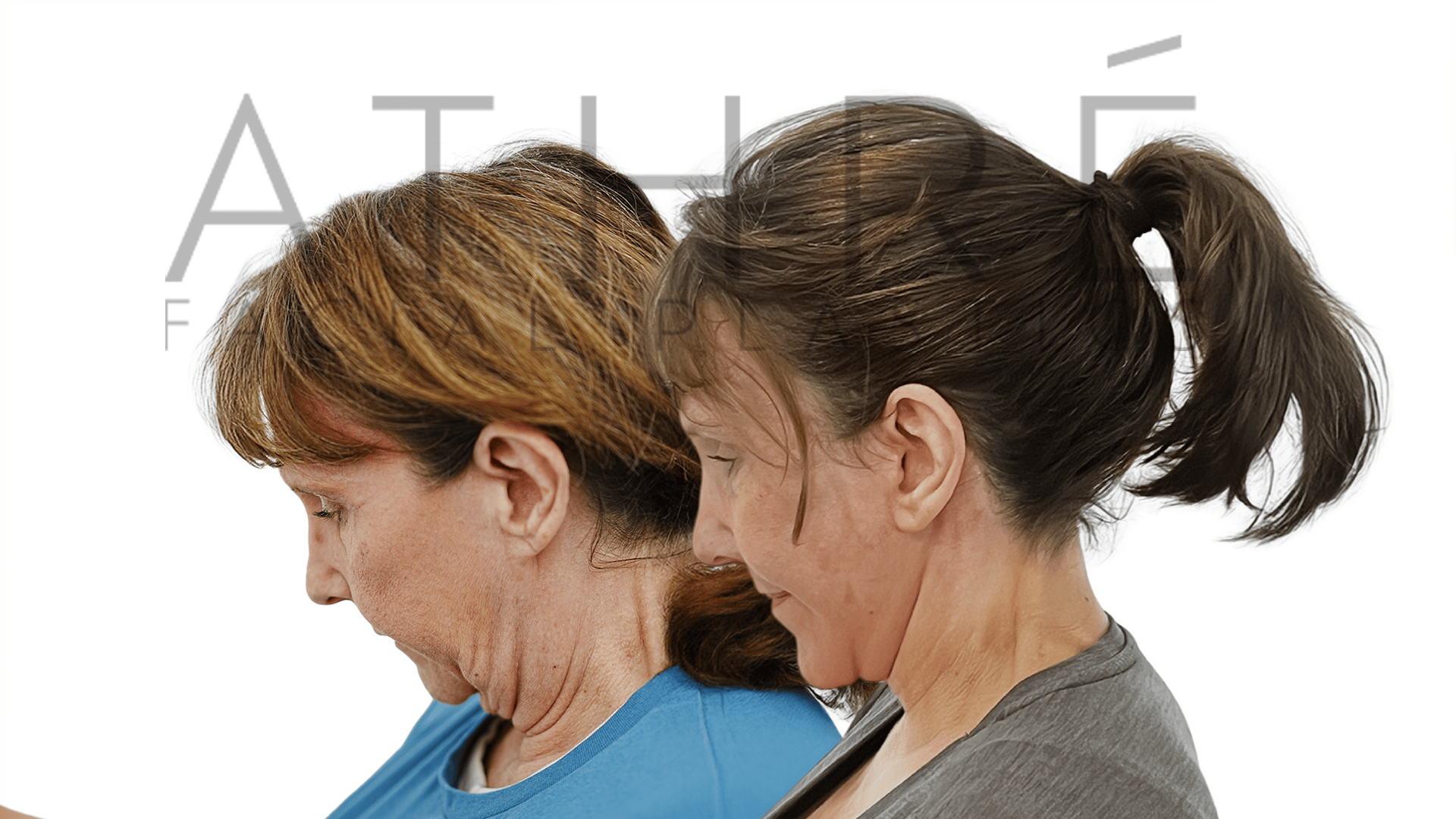
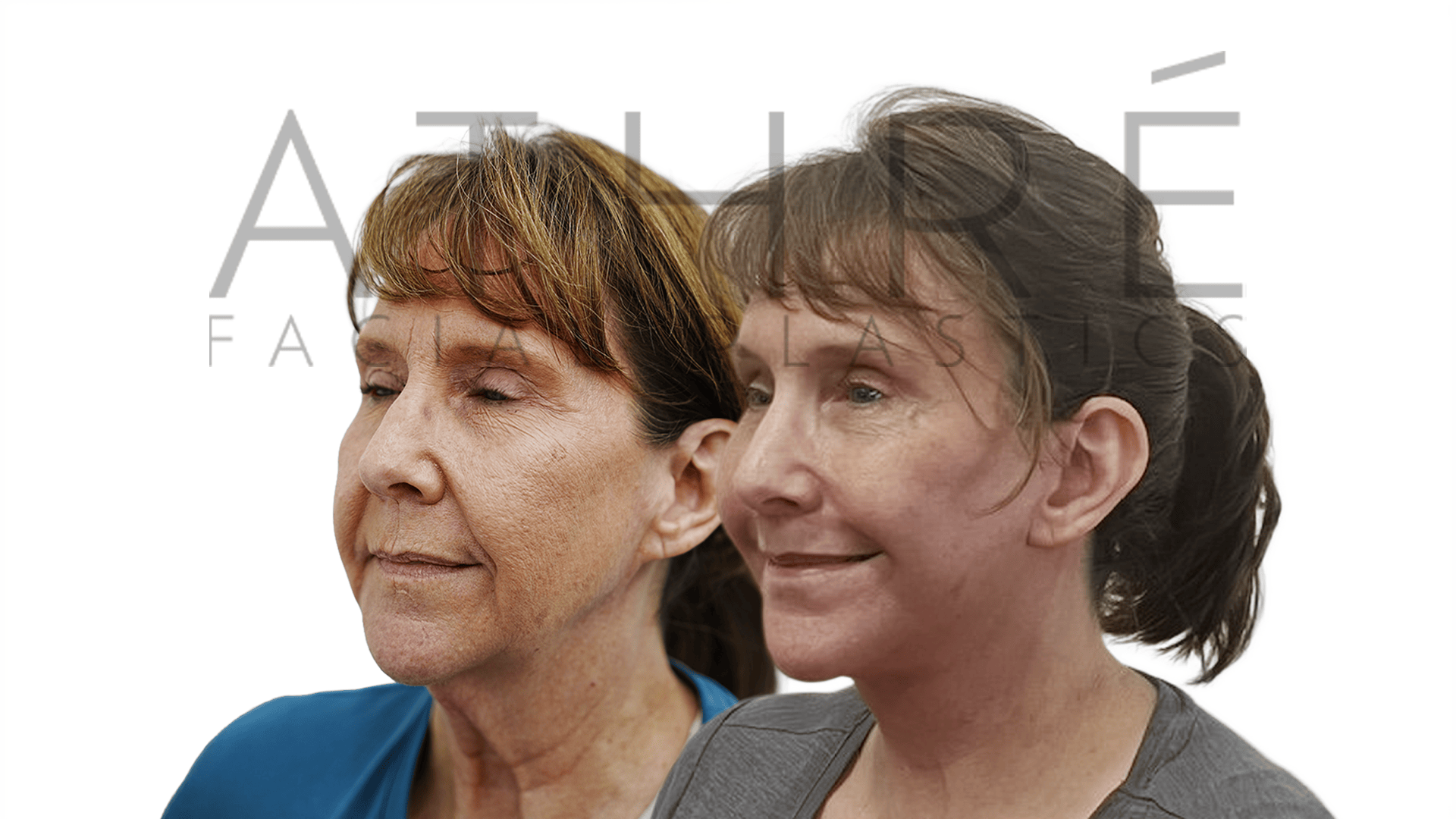
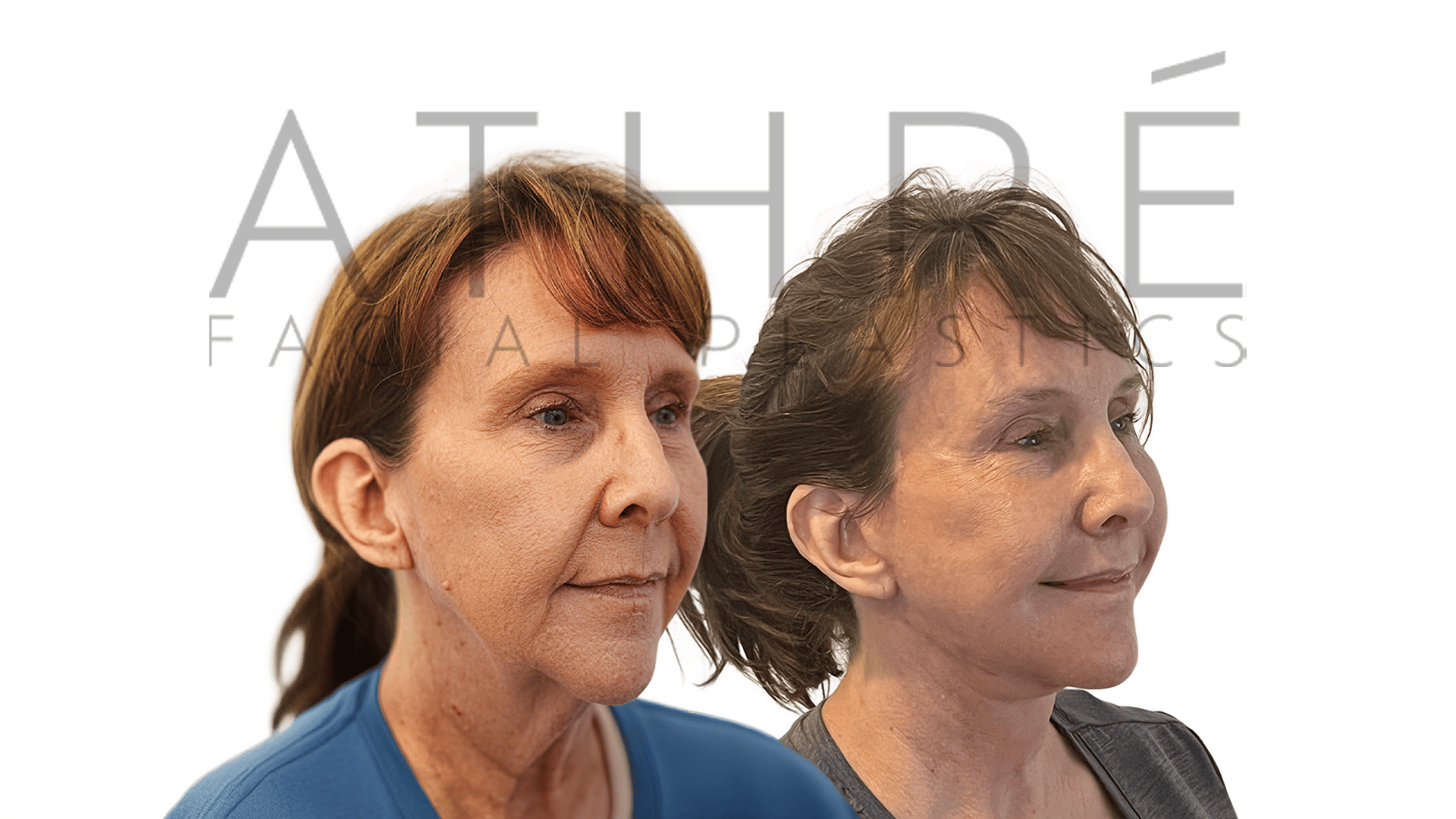
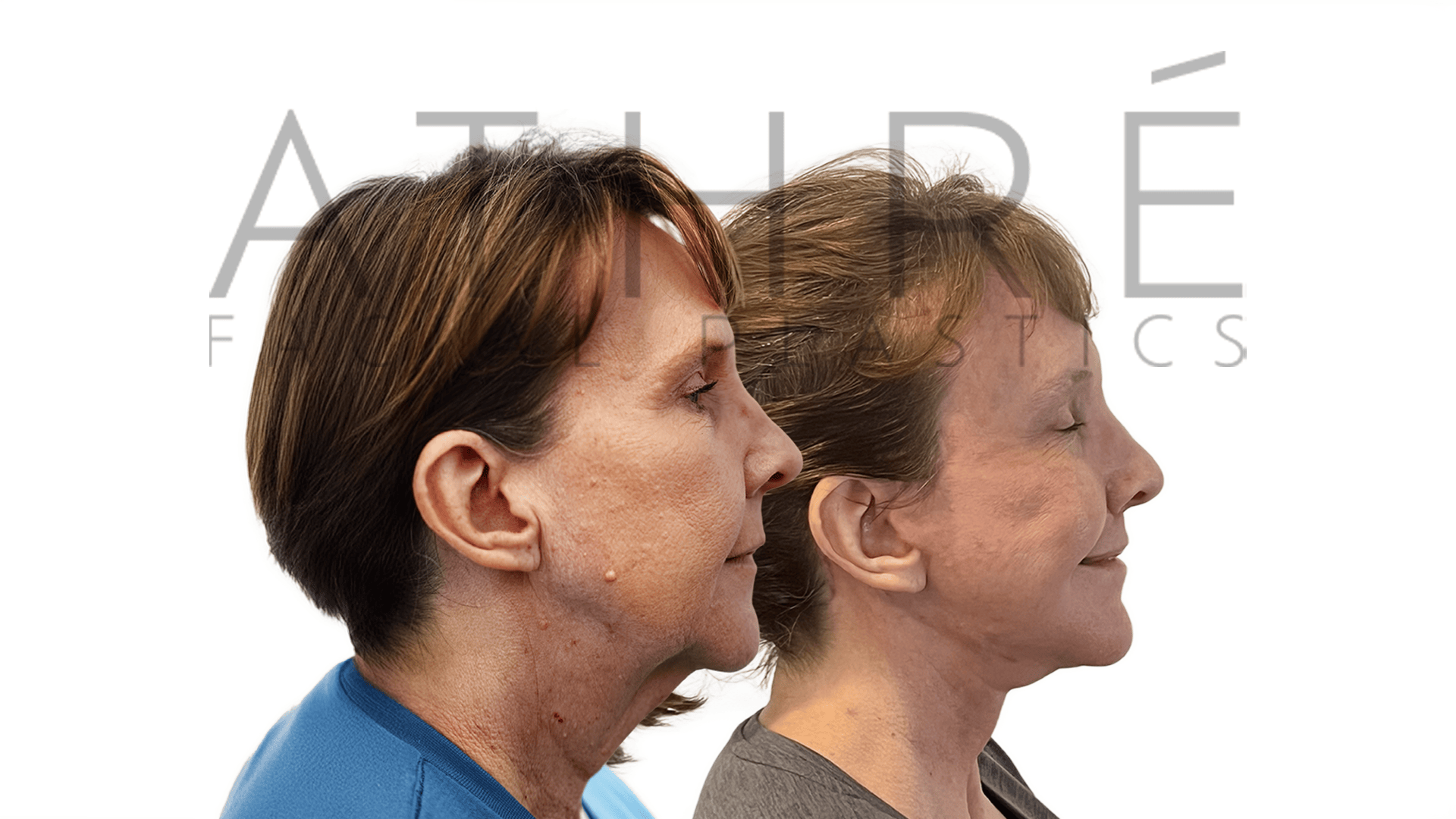
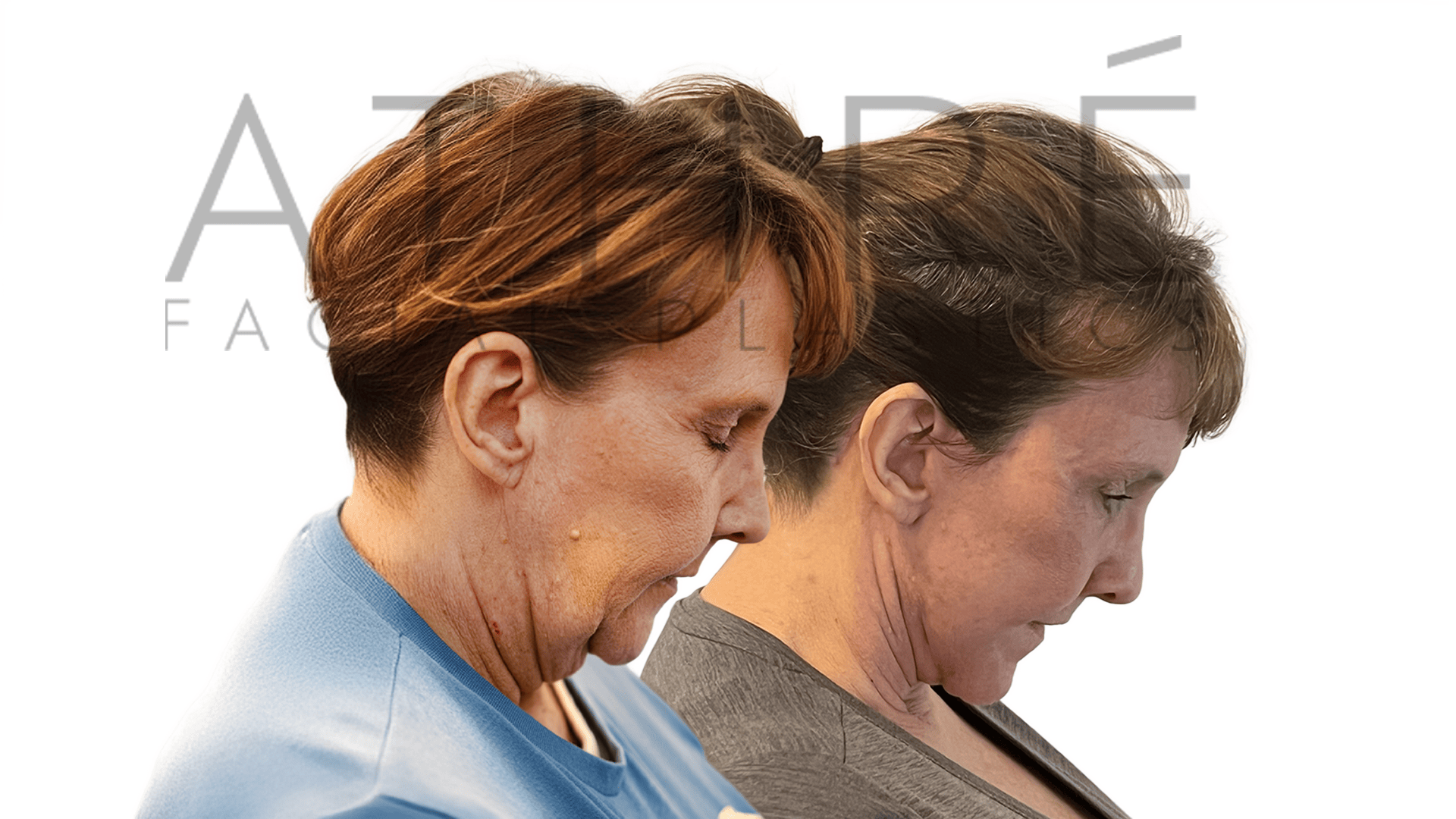
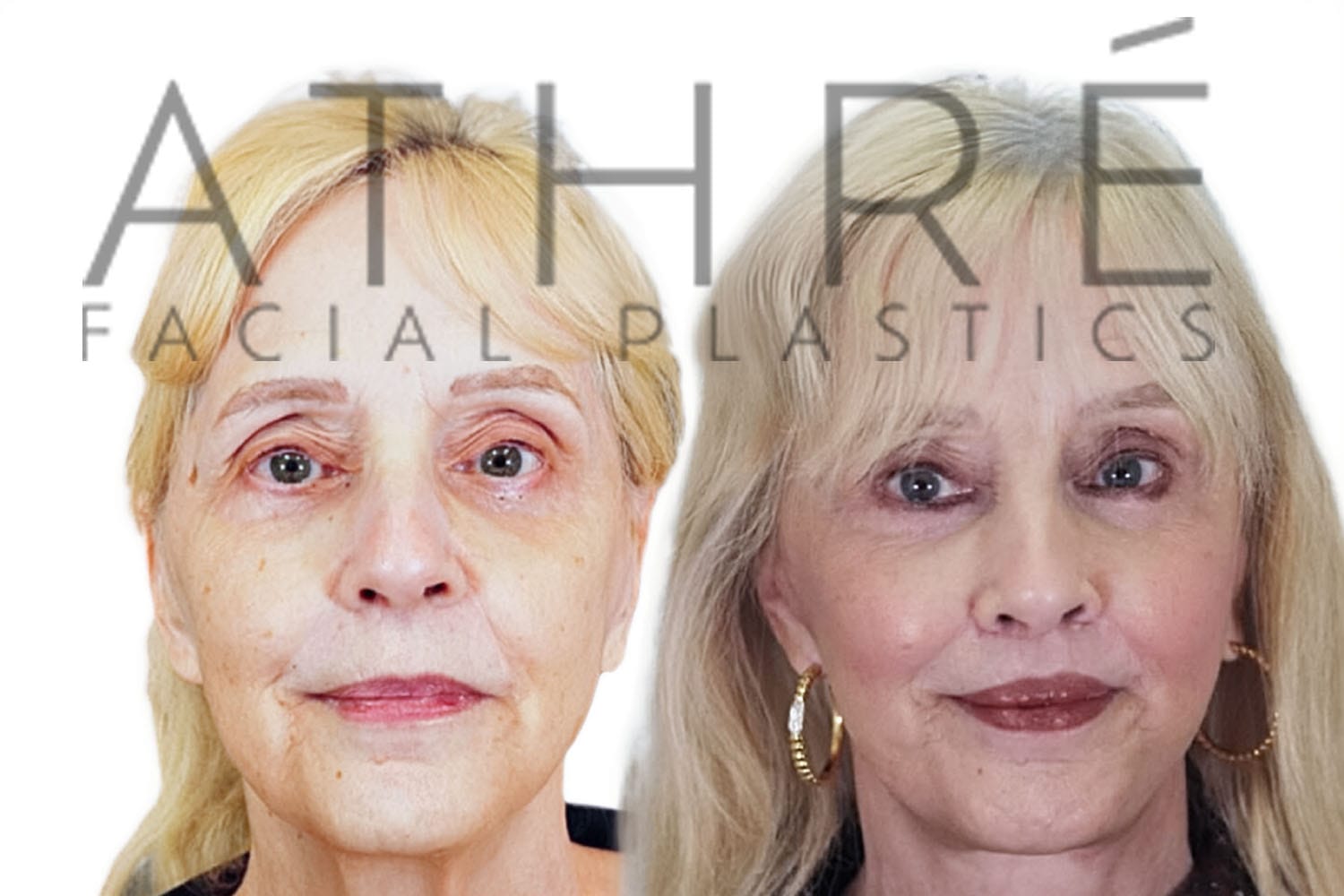
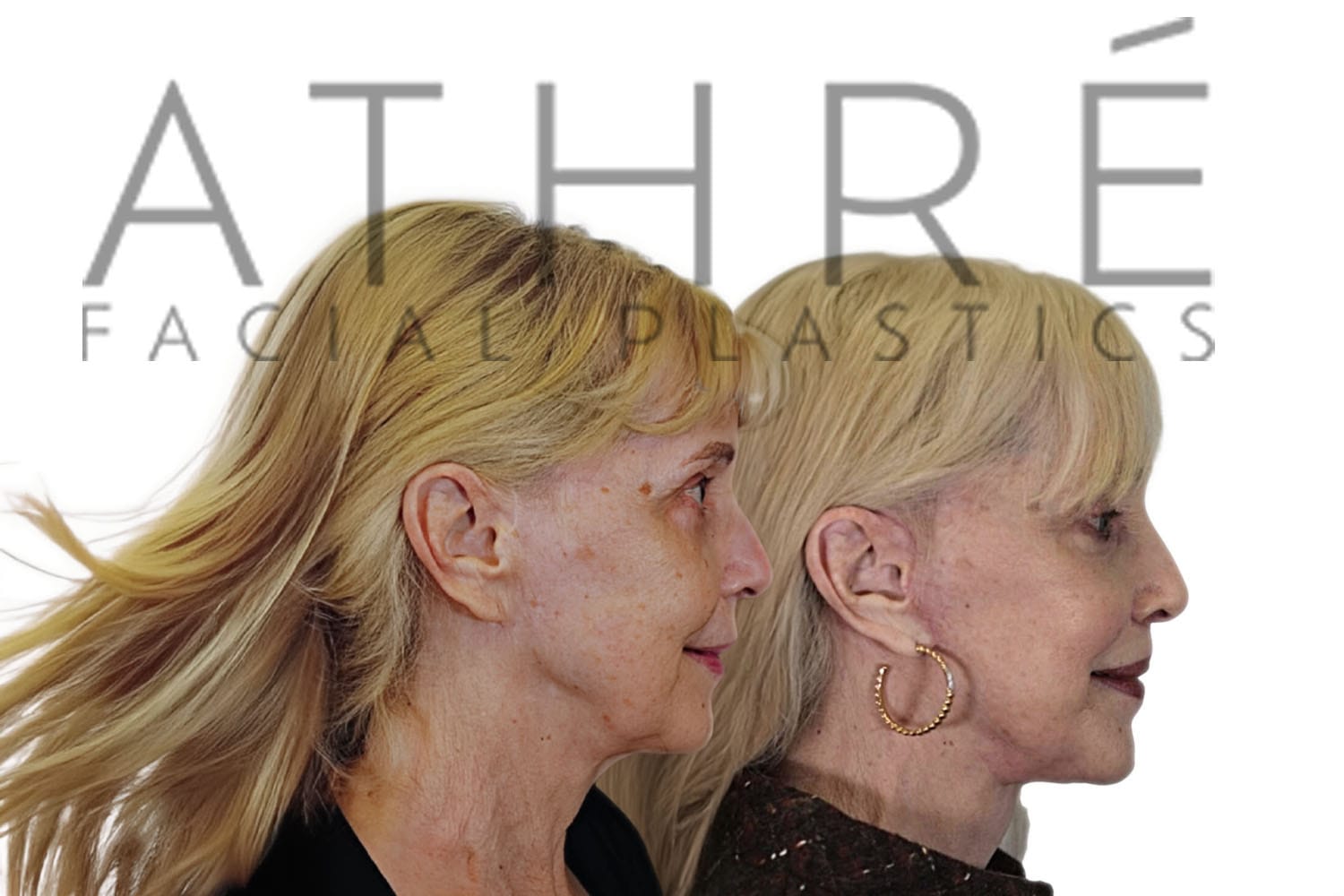
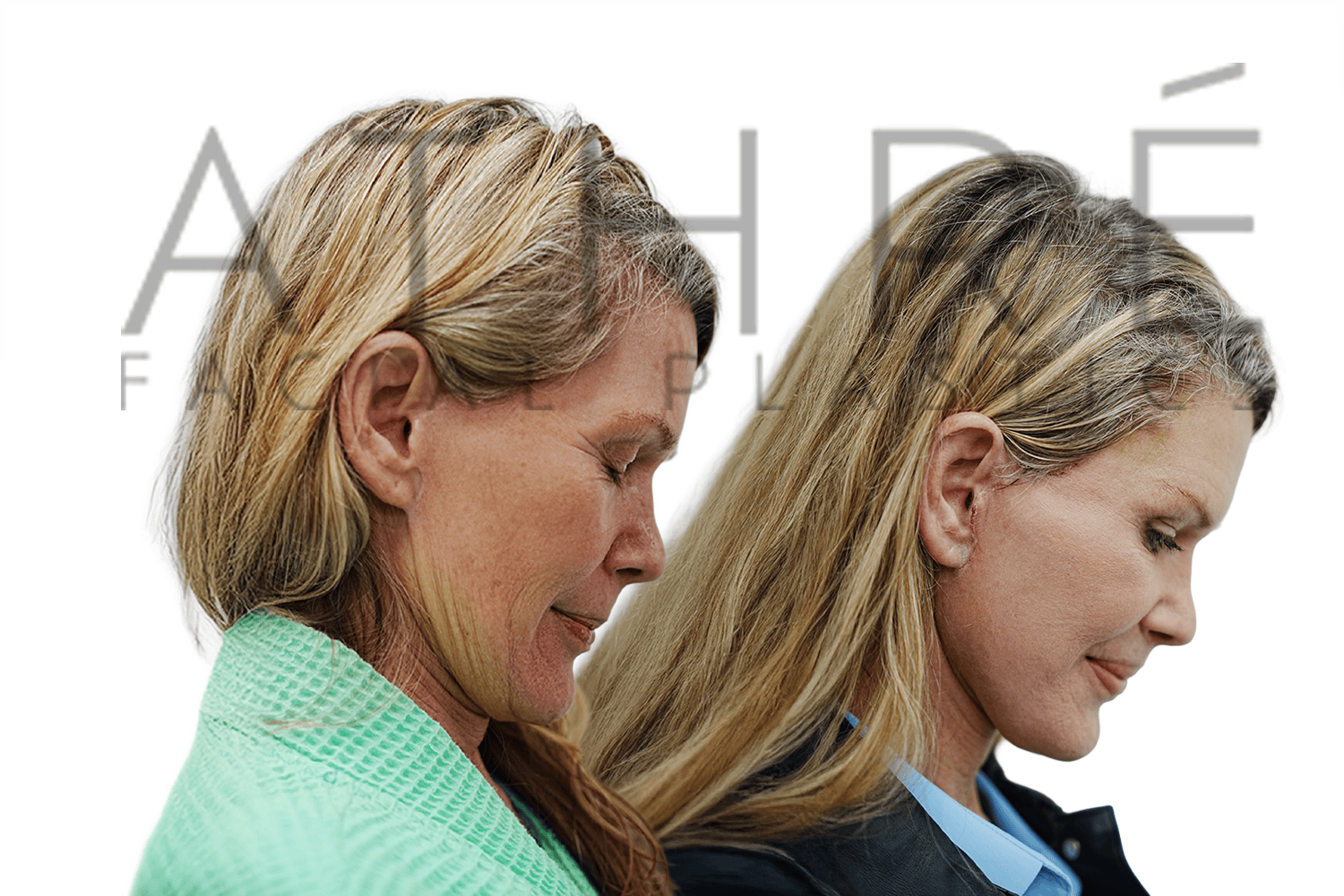
Look through the photographs below and you'll see that the amount of change is different from patient to patient. That's intentional. The goal is not to create a fuller face. It's to restore what aging has changed while keeping the face recognizable.
Volume Loss Is Only Part of Facial Aging
One of the reasons I use fat transfer so frequently in facial rejuvenation is that aging doesn't happen in only one direction. Tissues descend, but volume also shifts and diminishes. Treating one without considering the other can leave part of the aging process unaddressed.
That doesn't mean every patient needs fat added throughout the face. The first question is where the face has actually changed.
In some patients, restoring volume through the cheeks or midface can bring back contours that have gradually flattened with age. Other patients have changes around the eyes, temples or lips that require a different approach. The amount of fat and the way I prepare it depend on what I am trying to accomplish.
I use different forms of autologous fat transfer, including milli fat, micro fat and stem cell nanofat, as part of that process. These aren't interchangeable treatments. They allow me to address different aspects of facial aging based on the anatomy I see in front of me.
What to Look for in Facial Fat Transfer Before & After Photos
Don't judge these results by how much fuller the face looks. Instead, compare the shape of the face before and after treatment. Look at areas where volume had been lost and whether restoring it improves the surrounding contours. A good result shouldn't make you focus on the fat transfer itself.
This is also why I think it is important to look at more than one patient. The photographs should not show the same volume being added to the same places over and over again. They should show different decisions being made for different faces.
For me, that's the value of facial fat transfer. It gives me another way to address what time has changed without asking the patient's face to become something it never was.
FREQUENTLY ASKED
Facial Fat Transfer Before and After FAQs
Understand facial volume restoration, fat graft survival, natural-looking results, and what to look for when comparing photographs.
What should I look for in facial fat transfer before and after photos?
Look at how volume has been restored without making the face appear excessively full. I pay particular attention to the cheeks, temples, under-eye contours and areas around the mouth. The goal is to improve the transitions between facial structures while preserving natural proportions. A systematic review of facial fat grafting outcomes evaluated improvements in facial volume, graft retention and complications. When reviewing photographs, I want patients to look beyond added fullness and consider whether the overall facial balance has improved.
Which areas of the face can benefit from fat transfer?
Fat transfer may be used to restore volume in the temples, cheeks, under-eye hollows, areas around the mouth and other selected facial regions. But I don't treat every area simply because additional volume is possible. The location and depth of volume loss determine where fat belongs. A published review of anatomy-based facial fat grafting describes how different facial fat compartments require different treatment approaches. In my practice, I use that anatomical evaluation to determine which areas need structural volume and which may benefit from a more superficial treatment.
How can I tell which improvements came from fat transfer when a facelift was also performed?
You often cannot separate the effects completely from photographs alone. A facelift repositions descended tissues, while fat transfer addresses areas where facial volume has diminished. When the procedures are combined, both contribute to the final appearance. A systematic review of fat grafting combined with facelift surgery found that adding fat grafting can improve facial volume and aesthetic outcomes. Many patients in this gallery underwent my 4D Facelift™ with fat transfer, neck lifting or additional treatments. Their photographs represent the combined result rather than fat transfer alone.
Can facial fat transfer improve under-eye hollows and the transition into the cheeks?
Yes, in appropriately selected patients. Volume loss beneath the eyes can create a visible depression between the lower eyelid and cheek. Carefully placed fat may help soften that transition, but the thin skin and complex anatomy of this region require particular precision. A systematic review and meta-analysis of periorbital fat grafting reported favorable patient satisfaction while also documenting swelling and contour irregularities among potential complications. Some patients in this gallery underwent lower eyelid surgery along with fat transfer, so it's important to consider both procedures when evaluating the result.
Why might facial fat transfer look different at three weeks than it does several months later?
Early photographs can reflect postoperative swelling as well as the volume initially transferred. Over time, some of the grafted fat is reabsorbed, the surrounding tissues settle and the final contours become easier to evaluate. A study using three-dimensional imaging after facelift and fat grafting documented changes in facial volume over a two-year follow-up period. Several patients in this gallery were photographed approximately three weeks after surgery. I consider those photographs valuable for documenting early improvement, but I would not interpret them as showing a fully settled result.
Does all the transferred fat survive?
No. Not every transferred fat cell establishes a lasting blood supply, and some of the injected volume is gradually lost. The amount that remains depends on factors including the anatomical area, harvesting and processing methods, placement technique and individual healing. A systematic review of facial fat graft survival reported an average retained volume of approximately 42% in the studies analyzed, although results varied. That figure is a research average, not a prediction for an individual patient. I plan fat transfer with the understanding that early fullness and long-term retained volume are not the same thing.
How long do facial fat transfer results last?
Fat that successfully establishes a blood supply can provide long-lasting volume, but the result isn't guaranteed to remain unchanged. Facial aging continues, and changes in body weight can influence the appearance of transferred fat. A systematic review and meta-analysis of facial autologous fat transfer found that approximately 50% to 60% of injected volume was retained at one year in the reconstructive studies analyzed. Some patients may benefit from additional grafting to achieve their desired correction. I focus on restoring appropriate proportions rather than promising that a particular amount of volume will remain indefinitely.
What is the difference between millifat, microfat and nanofat?
These terms describe different preparations of harvested fat that serve different purposes. Millifat contains larger fat particles and may be used for deeper structural volume restoration. Microfat is more finely processed and may be appropriate for smaller or more superficial areas. Nanofat is processed further and is primarily investigated for its potential effects on skin quality rather than substantial volume replacement. A review of microfat and nanofat techniques explains their different applications, while research on anatomy-based facial fat grafting describes how these preparations can be selected according to the tissue being treated. I choose the preparation based on the individual patient's anatomy and treatment goals.
Can facial fillers create the same result as fat transfer?
Both can restore facial volume, but they aren't identical treatments. Hyaluronic acid fillers provide volume without harvesting fat and generally offer a temporary, potentially reversible correction. Fat transfer uses the patient's own tissue and requires harvesting, processing and graft placement, with some surviving fat potentially providing longer-lasting improvement. A 2026 systematic review comparing facial fat grafting and hyaluronic acid fillers examined satisfaction and treatment differences, although the studies varied substantially. I consider how much volume is needed, where it should be placed and whether a nonsurgical or surgical approach makes more sense for the patient.
Can facial fat transfer create lumps, asymmetry or an overly full appearance?
Yes. Fat transfer carries risks, including uneven volume retention, contour irregularities, asymmetry, prolonged swelling, fat necrosis and infection. Rare but serious vascular complications have also been reported with facial fat injection. A systematic review of reported facial fat grafting complications examined both temporary problems and severe complications. This is why I pay close attention to the amount of fat placed, the anatomical location and the technique used. My goal is not to create the fullest possible face. It is to restore volume where it belongs while preserving natural facial contours.