
Neck Lift Before & After Results
When I evaluate the neck, I don't start by asking how much skin can be tightened. I look at what has actually changed beneath the jawline and through the neck.
For some patients, loose skin is only part of the problem. Changes in the deeper tissues can affect the angle between the jaw and neck, soften the jawline, or create fullness beneath the chin. A neck lift has to be planned around those anatomical changes rather than treating every neck the same way.
The before and after photographs below show how different those changes can look from one patient to another.
A Neck Lift Is About Contour, Not Tightness
A natural neck should have definition without looking stretched or overly sharp.
When I plan neck surgery, I look at how the jawline and neck relate to one another. The surgery should address the structures responsible for the change while preserving a contour that makes sense for that patient's face.
That may require considerably different surgery from one patient to the next. The objective isn't to make the neck as tight as possible. It's to restore the definition that aging has gradually changed.


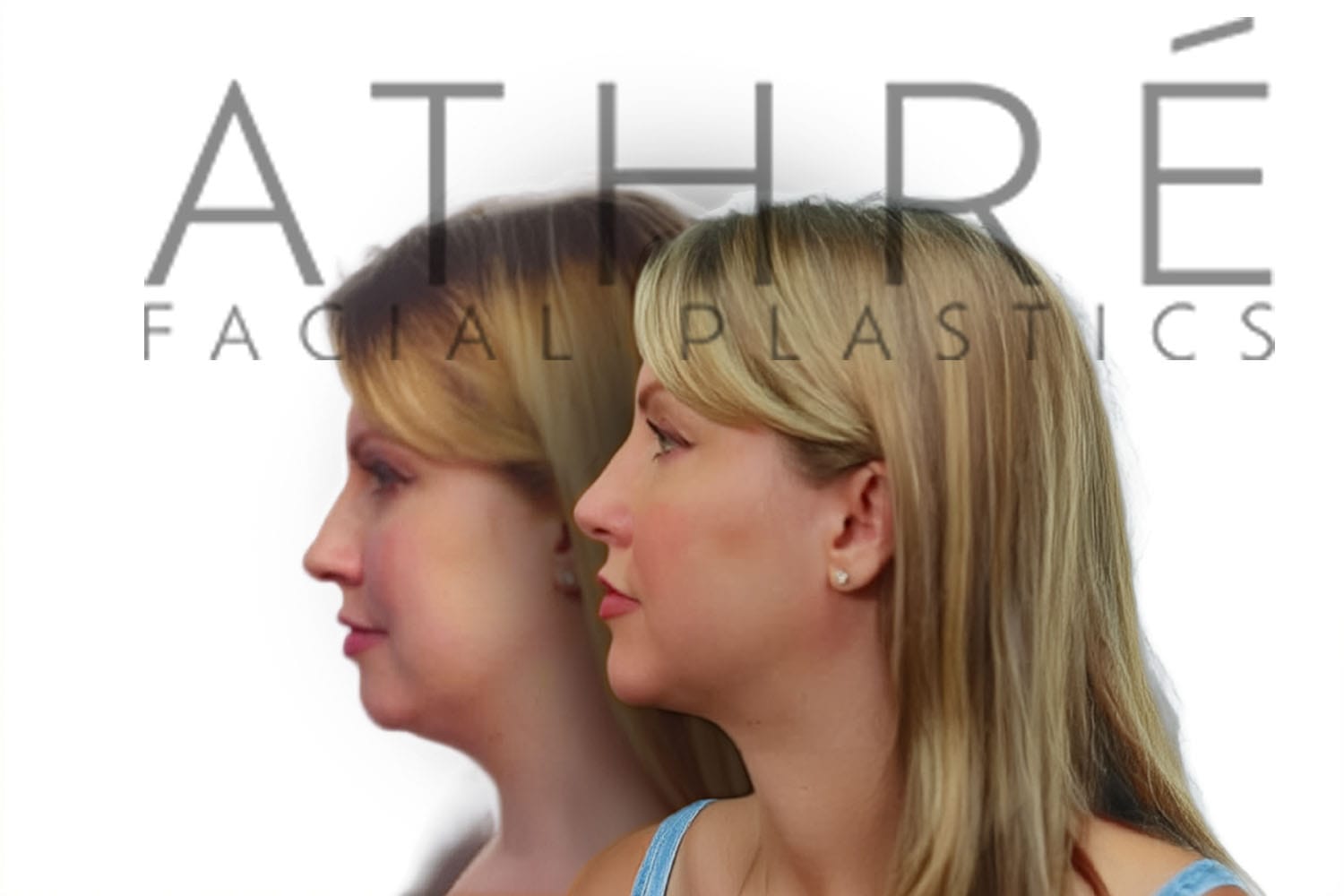


Not Every Aging Neck Has the Same Problem
Two patients can both say they are bothered by their neck and have very different anatomy. One may have primarily loose skin. Another may have fullness beneath the chin or changes in the deeper tissues of the neck. In some patients, changes along the lower face and jawline contribute to what they see in the neck.
That matters because a neck lift shouldn't be a predetermined surgery. I want to understand which structures are creating the contour before deciding what needs to change.
One of the things I pay particular attention to is the position of the hyoid bone. It helps determine the natural angle beneath the chin, and it explains why two patients can undergo similar surgery and achieve different results. I discuss this in more detail in my article about how hyoid position influences neck contour.
The neck also can't always be considered independently from the face. When aging involves both areas, treating the neck alone may not create the most balanced result. I explain how I evaluate those relationships in Why I Perform a Deep Plane Facelift, including a patient whose primary concern was her neck.
What to Look for in Neck Lift Before and After Photos
Start with the profile, but don't stop there. Look beneath the chin and follow the transition from the jawline into the neck. Compare how clearly those structures are defined before and after surgery. Then look at the frontal and three-quarter views to see whether that improvement still appears natural when the entire face is visible.
Pay attention to the skin as well. A successful result shouldn't simply look tighter. The neck should have a natural contour, and the improvement should fit the patient's face rather than drawing attention to the fact that surgery was performed.
It's also worth comparing several patients. Some have naturally higher hyoid positions, stronger chins or different amounts of deep neck fullness. Those anatomical differences affect what surgery can realistically accomplish.
The amount of change shouldn't be identical because the anatomy wasn't identical to begin with.
FREQUENTLY ASKED
Neck Lift Before and After FAQs
Understand neck contour, deeper anatomy, natural-looking results, healing, and what to look for when comparing photographs.
What should I look for in neck lift before and after photos?
I start with the relationship between the chin, jawline and neck. Look at the definition beneath the chin, the angle where the jaw transitions into the neck, and whether the contour looks natural. I don't judge a result simply by how tight the skin appears. A clinical review of neck evaluation emphasizes examining the skin, fat, platysma muscle, jawline and hyoid position together. These anatomical relationships are what I want patients to consider when comparing photographs.
Why do some necks look heavy even when the patient isn't overweight?
This is something I explain frequently because neck fullness isn't always caused by excess fat directly beneath the skin. The platysma muscle, deeper fat, digastric muscles, submandibular glands and underlying skeletal anatomy can all affect the contour. A cadaveric study of neck fat compartments demonstrated how fat is distributed above and below the platysma. That's why I examine the deeper structures rather than assuming liposuction will correct every heavy-looking neck.
What is the difference between a traditional neck lift and a deep neck lift?
I think the easiest way to understand this is to look at the layers of the neck. Beneath the skin and superficial fat is the platysma muscle. Deeper still are fat compartments, muscles and glands that can influence the neck's shape. A traditional approach may focus primarily on skin, superficial fat and platysma tightening. A deep neck lift allows selected deeper structures to be addressed when they're contributing to the problem. A systematic review of deep neck lifting examines these deeper techniques and their outcomes. The appropriate approach depends on the patient's anatomy.
Why do some neck lift patients also need a facelift?
The lower face and neck are connected anatomically. If someone has significant jowling along with neck laxity, correcting the neck alone may leave the jawline looking incompletely treated. In other patients, the primary concern is concentrated beneath the chin and through the neck. A published review of isolated neck rejuvenation explains why significant lower facial descent may require combined face and neck lifting. Many patients in this gallery underwent a deep plane facelift with a neck lift, so both procedures contributed to their results.
What causes the vertical bands that appear in the neck?
Those bands are commonly related to the platysma muscle, a thin sheet of muscle just beneath the superficial fat of the neck. I sometimes describe the platysma as a hammock supporting the underlying tissues. As we age, that support changes, and the edges of the muscle may become more noticeable. Depending on the anatomy, I may perform a platysmaplasty to reposition or tighten the muscle. A clinical and anatomical study of neck lifting describes how differences in platysma anatomy influence surgical treatment. Not every visible band requires the same correction.
Can liposuction alone create the same result as a deep neck lift?
Not when the underlying problem involves structures deeper than the superficial fat. Liposuction can be useful when excess fat beneath the skin is the primary concern and the skin has enough elasticity to adapt afterward. But it doesn't directly correct deeper fat, prominent muscles or significant skin laxity. A study of 504 neck lift patients examined how subplatysmal fat, digastric muscles and submandibular glands contribute to neck contour. I want to know what's creating the fullness before deciding how it should be treated.
Why can't every patient achieve the same sharp jawline and neck angle?
Because the underlying anatomy isn't the same. One structure I pay particular attention to is the hyoid bone. Its position influences the angle beneath the chin and the natural shape of the neck. The jawbone, chin projection, muscles and deeper soft tissues also contribute. A review of preoperative neck assessment identifies hyoid position and mandibular anatomy as important considerations. I can improve many of the structures contributing to an aging neck, but I can't promise the same contour for patients with fundamentally different anatomy.
How long after neck lift surgery should before and after photos be taken?
Early photographs can show improvement, but they don't necessarily show the final result. Swelling, tissue firmness and changes in the healing tissues can influence the appearance of the jawline and neck for several months. Some patients in this gallery were photographed only two or three weeks after combined facial surgery, while others were evaluated farther along in recovery. A prospective study of face and neck lift patients evaluated outcomes at three, six and twelve months. I encourage patients to consider when photographs were taken rather than assuming early results represent the fully settled contour.
Will neck lift scars be visible in before and after photographs?
Not necessarily. Incision placement depends on the type of neck surgery required. Some approaches use a small incision beneath the chin, while procedures involving more extensive skin repositioning may require incisions around or behind the ears. A review of surgical approaches to the aging neck describes how incision placement varies with the anatomy being treated. I consider scars an important part of surgical planning, but standard before and after photographs may not show every incision. Scar placement and healing should be discussed separately.
How long do neck lift results last, and can someone need revision surgery?
Neck lifting can provide long-lasting improvement, but it doesn't stop aging. Skin elasticity, tissue descent, weight changes and the underlying anatomy continue to influence the neck over time. Some patients may eventually consider additional surgery because of recurrent banding, persistent fullness or changes in contour. A 2026 systematic review of revision neck lift surgery identified recurrent platysmal banding and residual submental fullness among common reasons for revision. I don't assign a fixed lifespan to every neck lift. My focus is correcting the structures responsible for the problem and establishing realistic expectations about what surgery can accomplish.