Eyelid Surgery Gallery
Eyelid surgery can look deceptively simple. There is extra skin, fullness or a bag under the eye, so it seems like the solution should simply be to remove it.
That isn't how I approach the eyelids.
More Isn't Always Better
The eyelids are delicate structures and removing more skin or fat does not necessarily create a better result. The goal is to determine what is actually creating the aged or tired appearance and correct that without taking away the natural shape and support that belong around the eye.
Upper eyelid surgery may involve excess skin, fat or even an issue with the position of the eyelid itself. Lower eyelid concerns can involve protruding fat, loose skin and the relationship between the lower lid and cheek. Those are different anatomical problems and they shouldn't all be treated the same way.
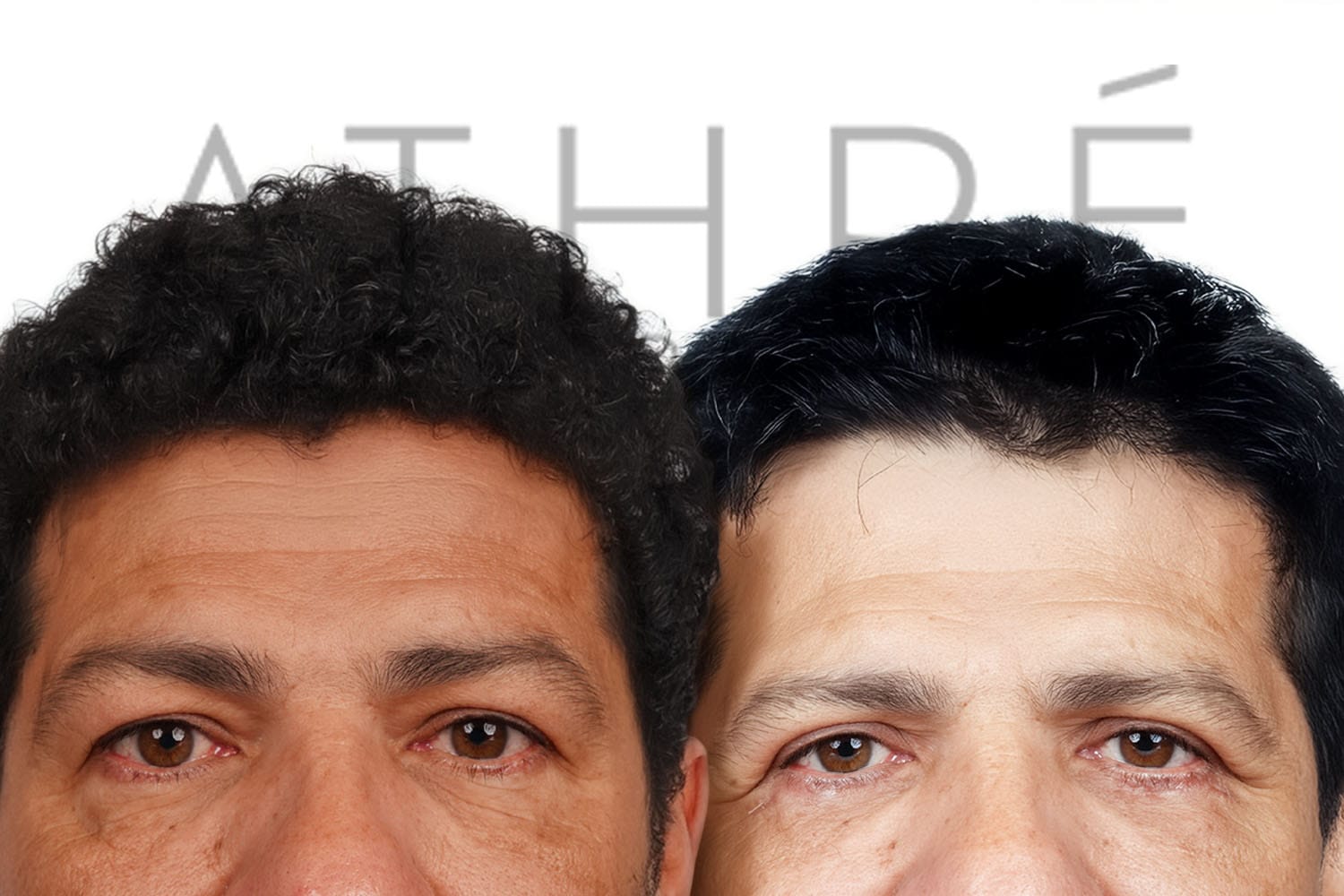
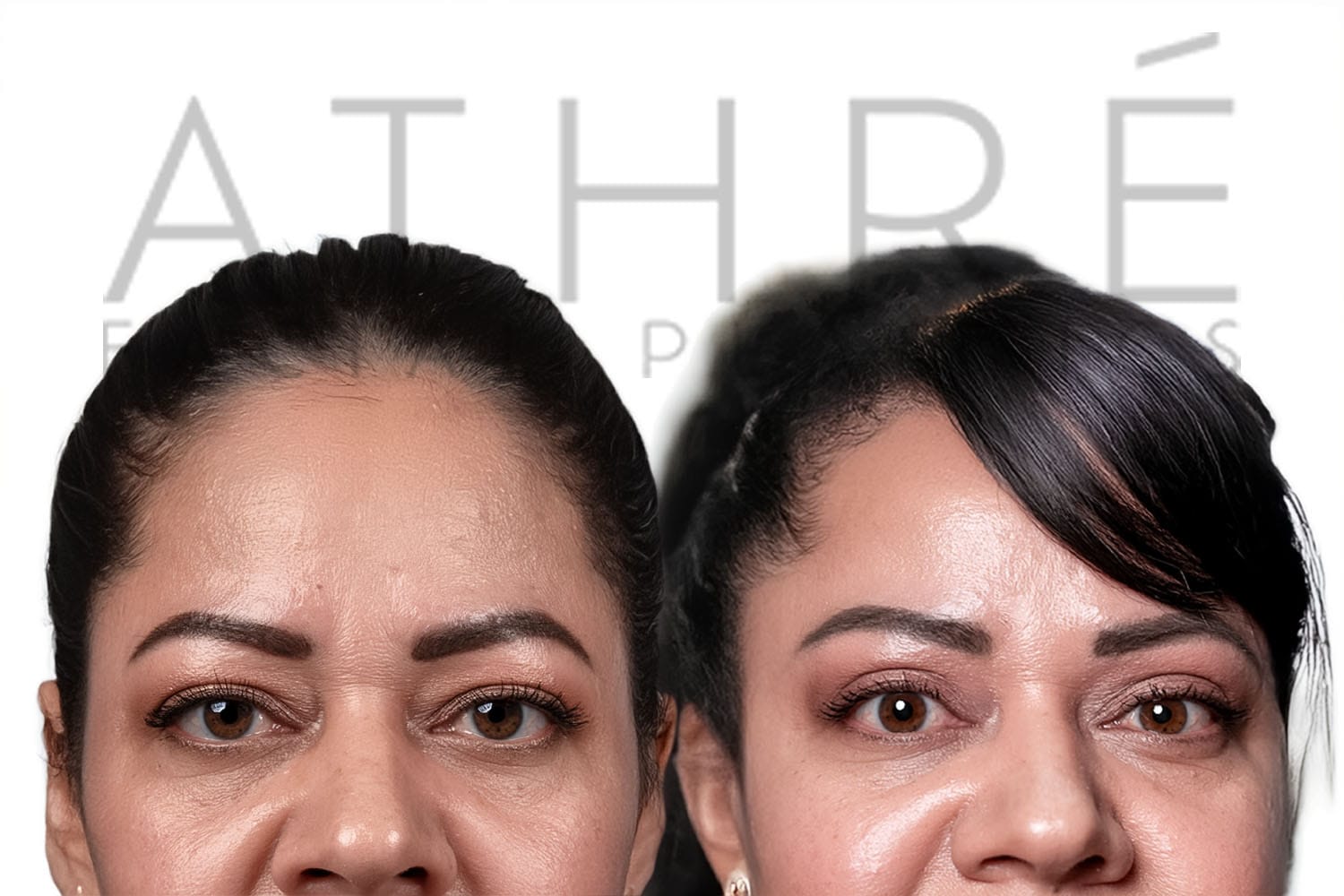
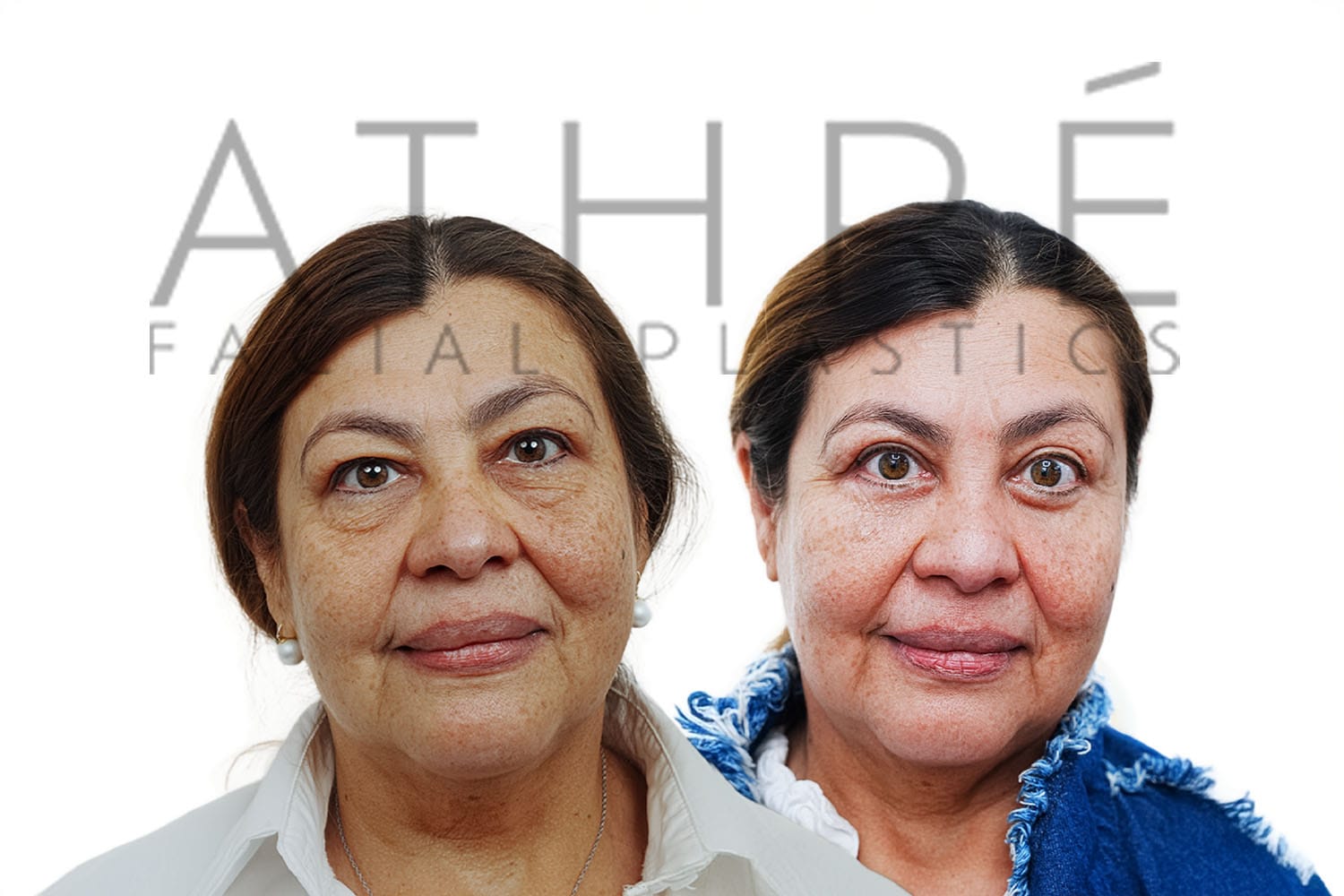
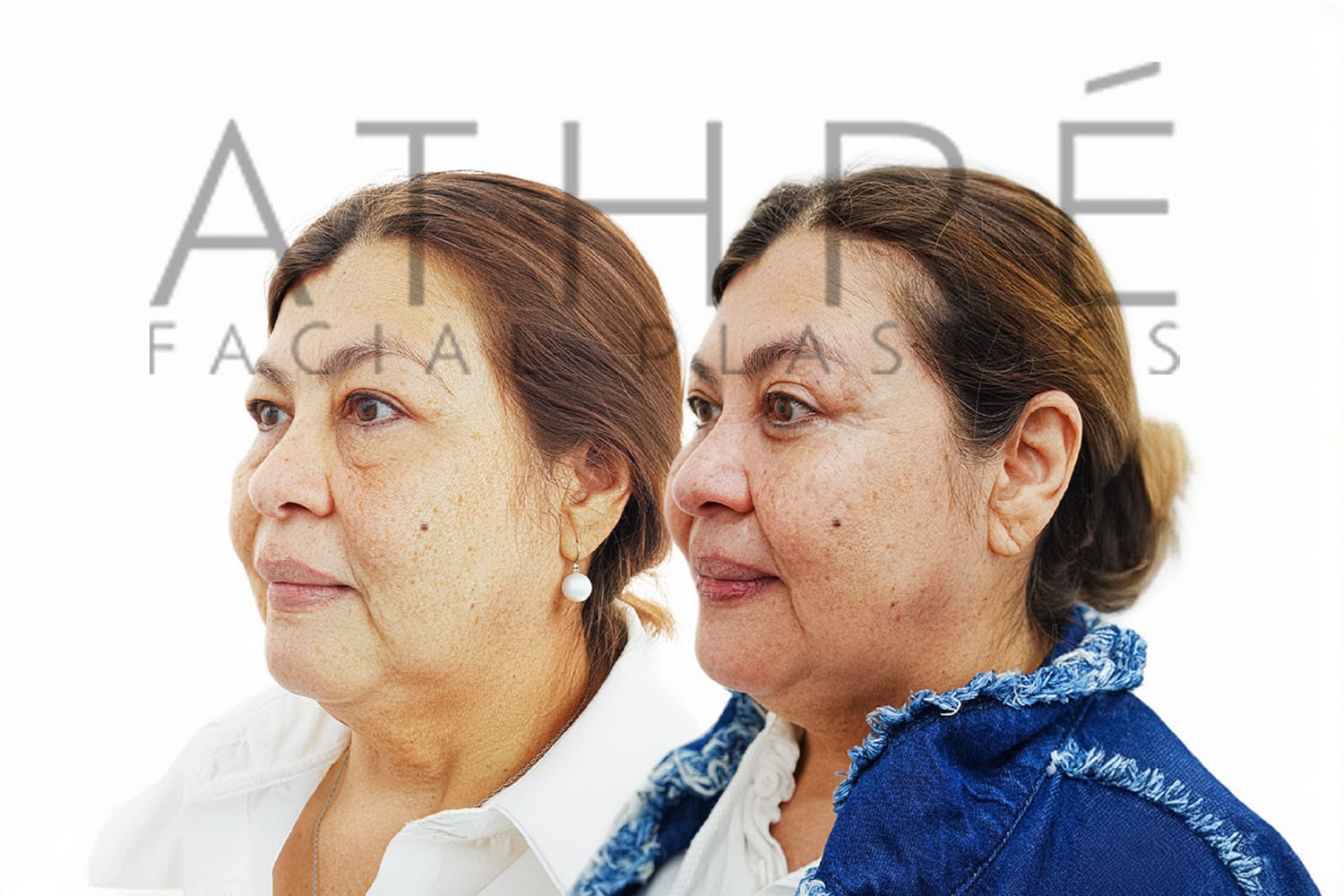
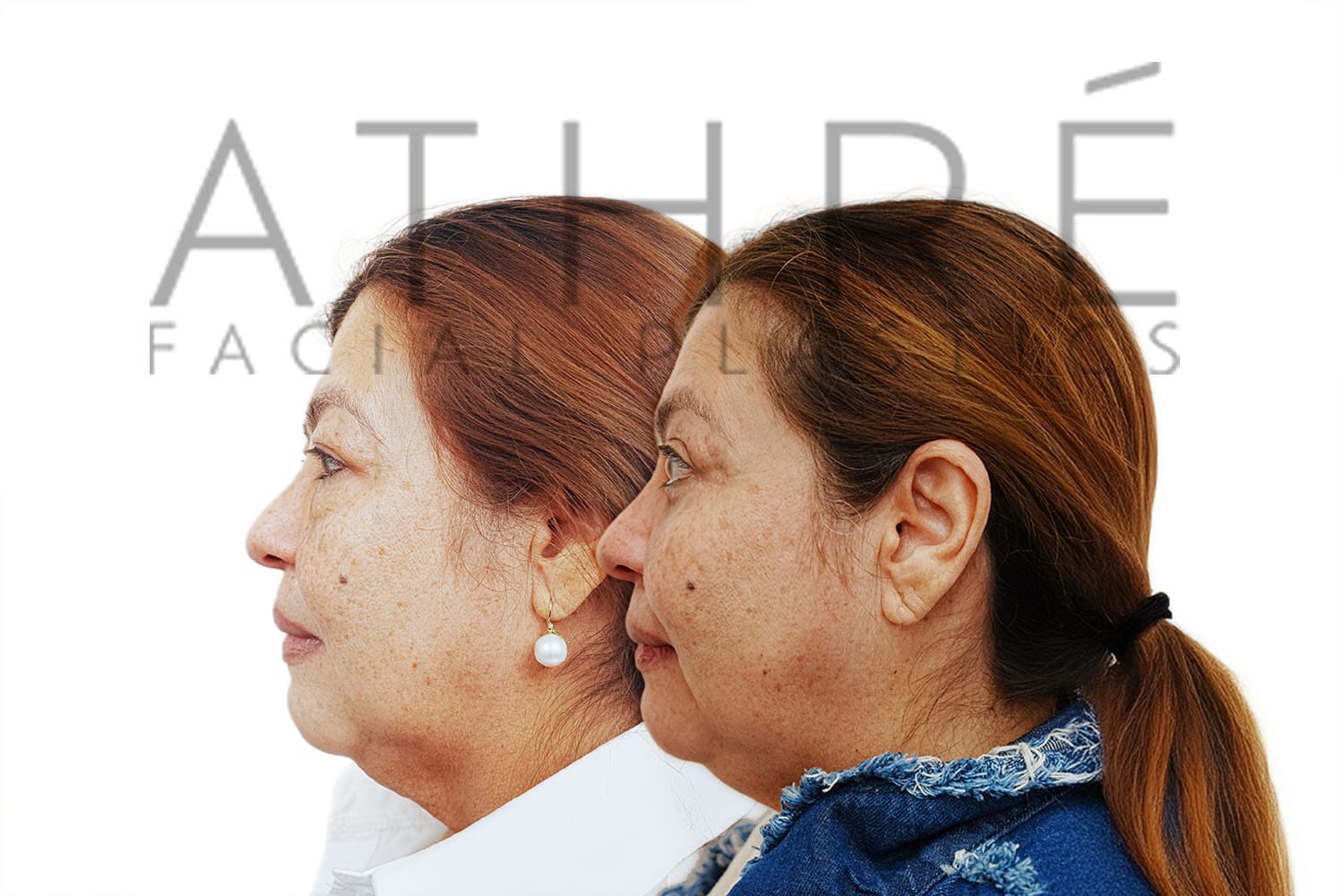
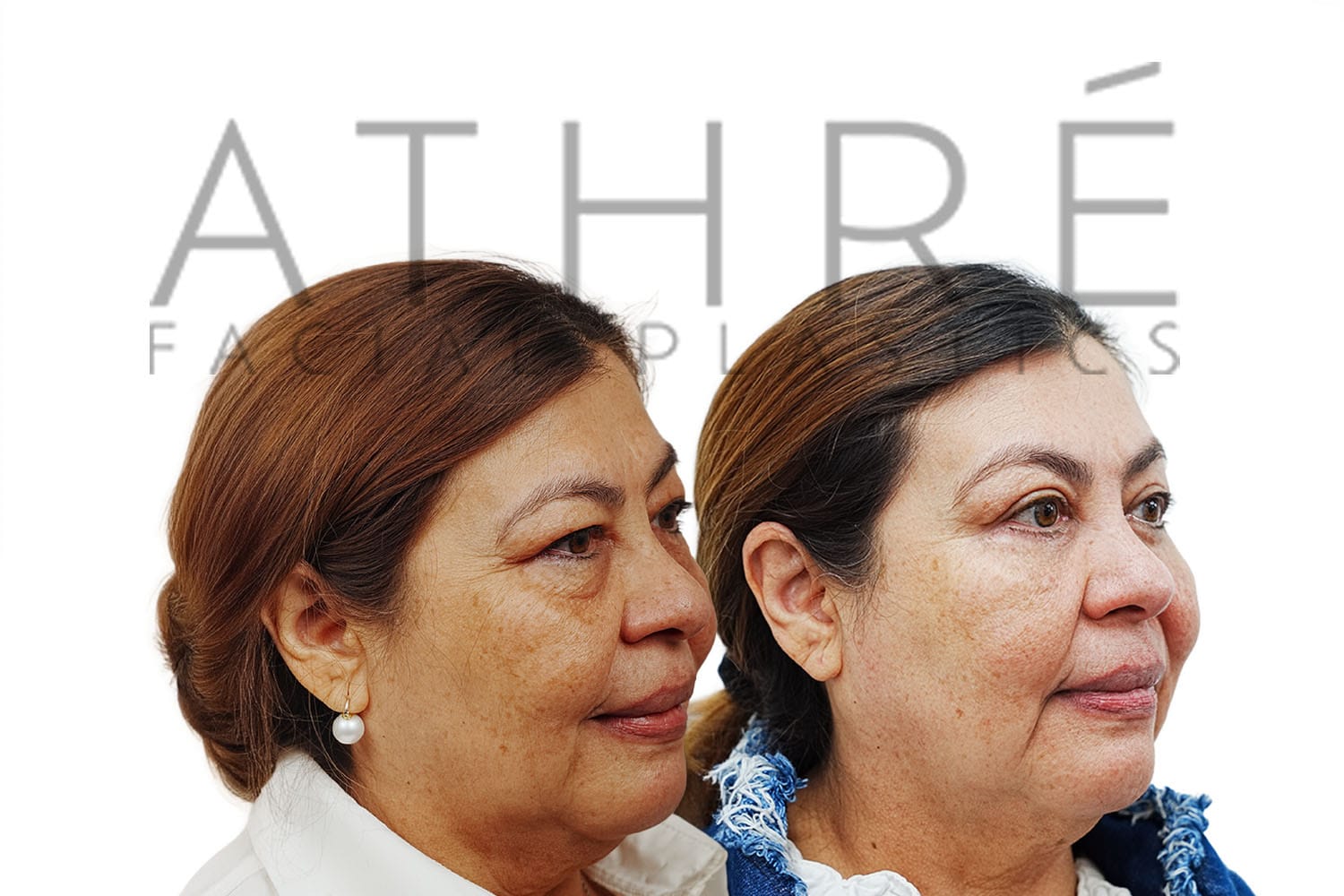
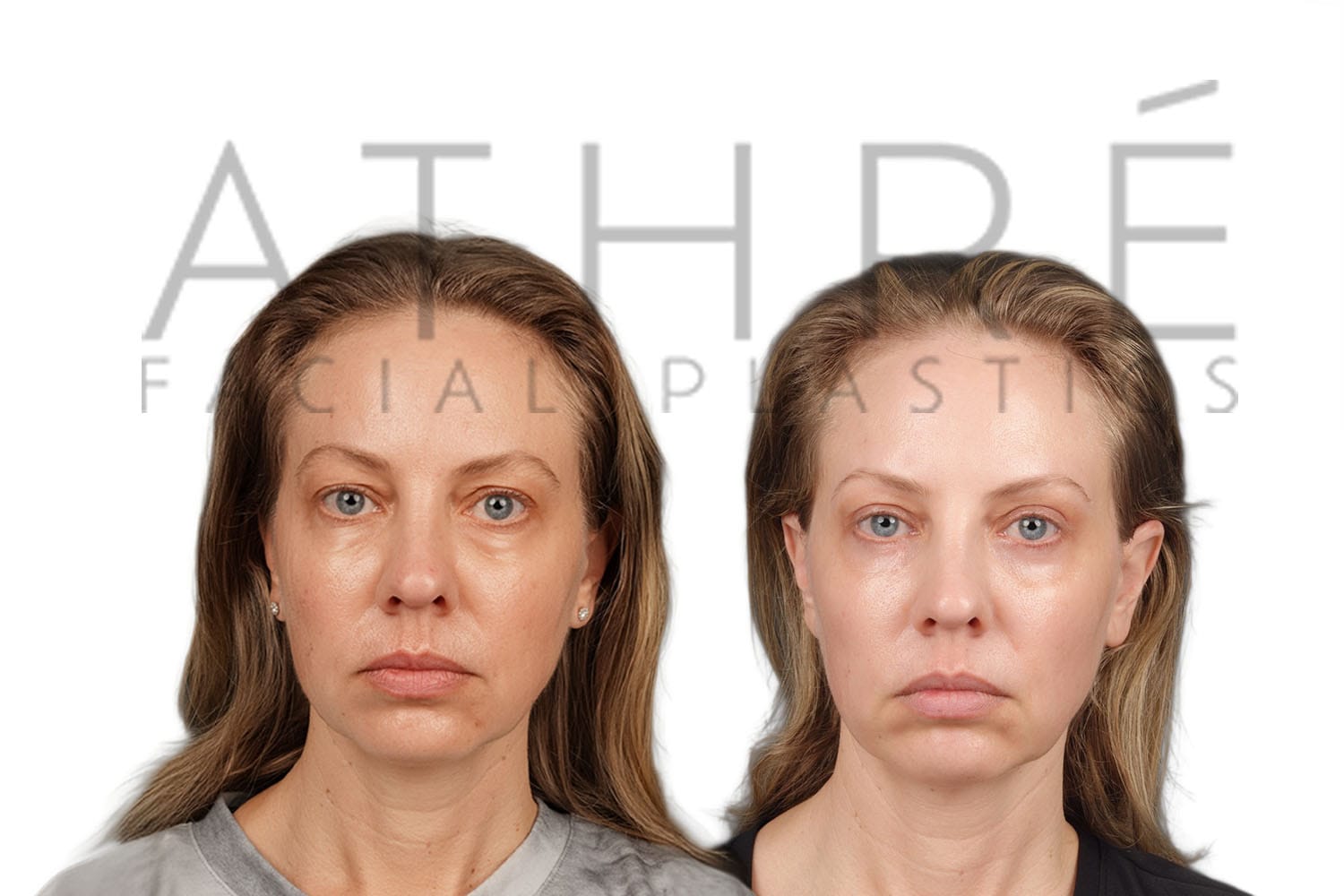
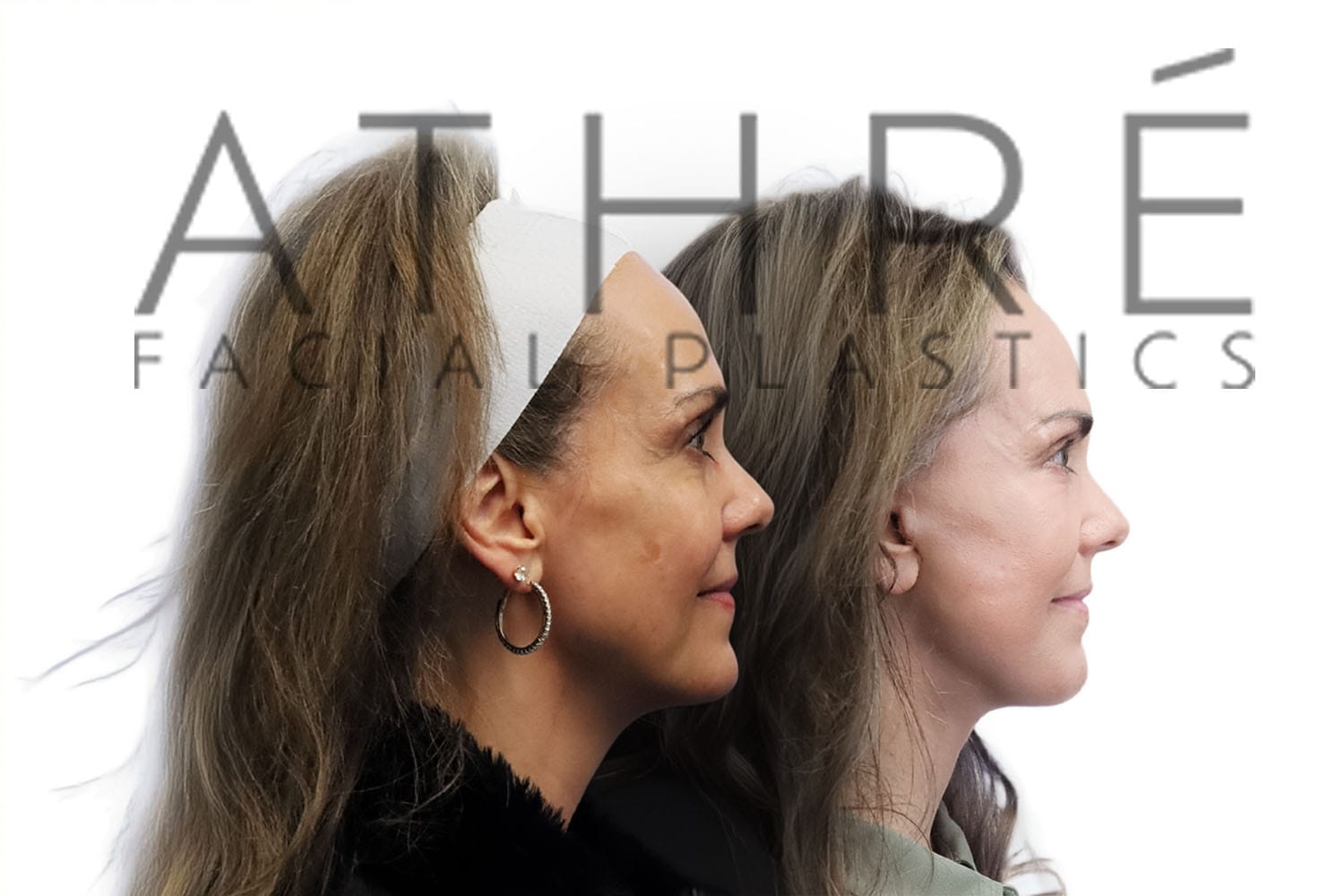
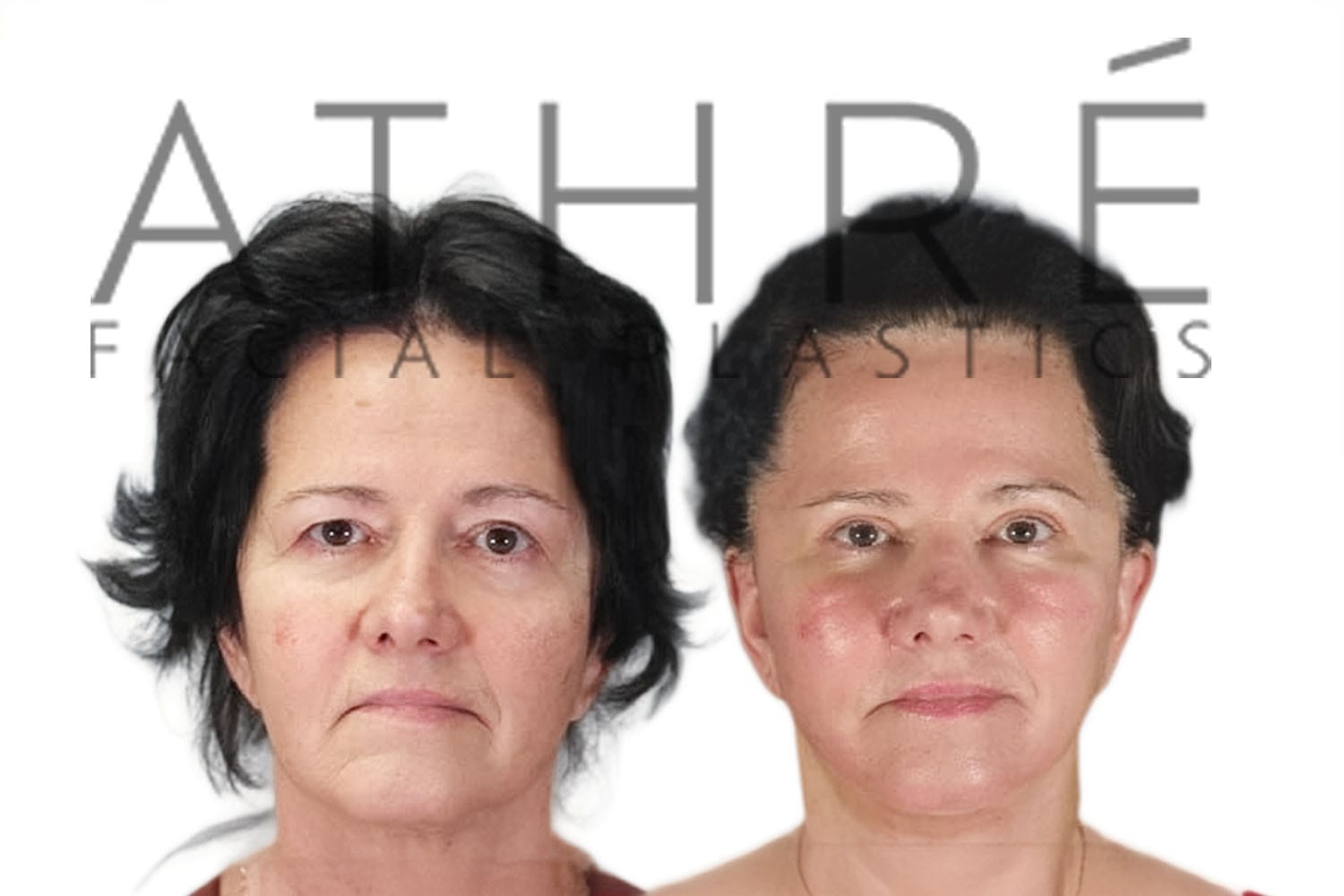
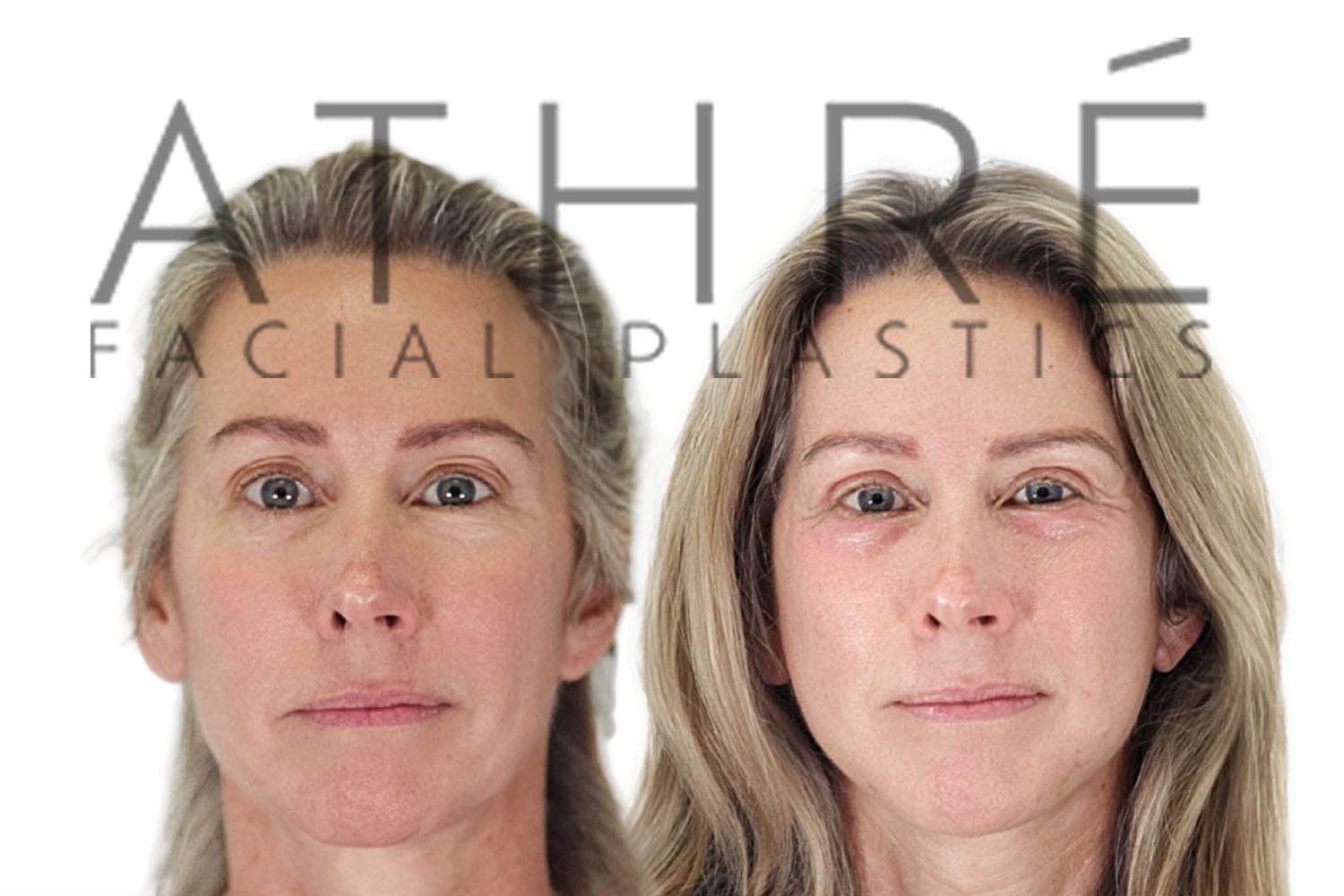
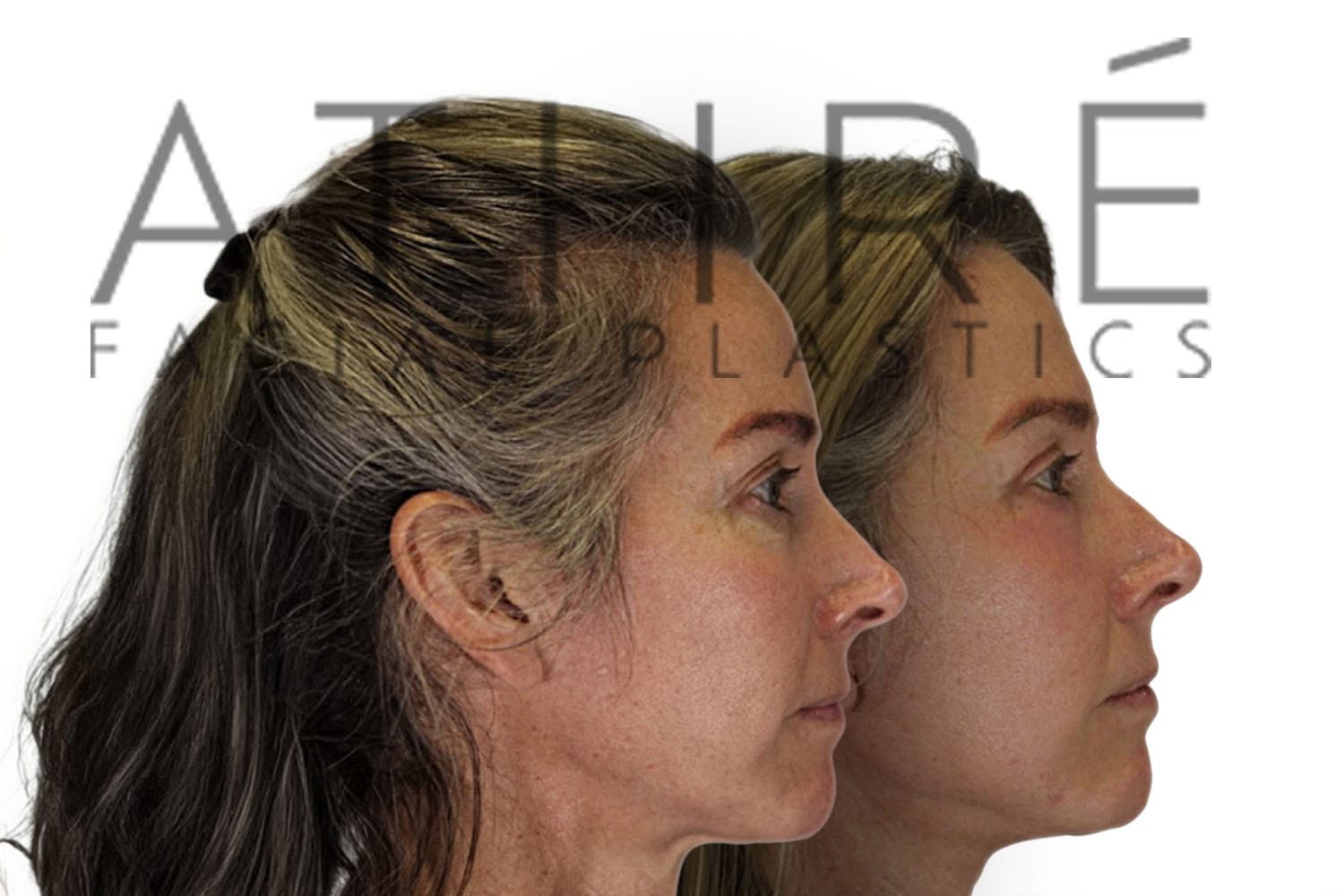
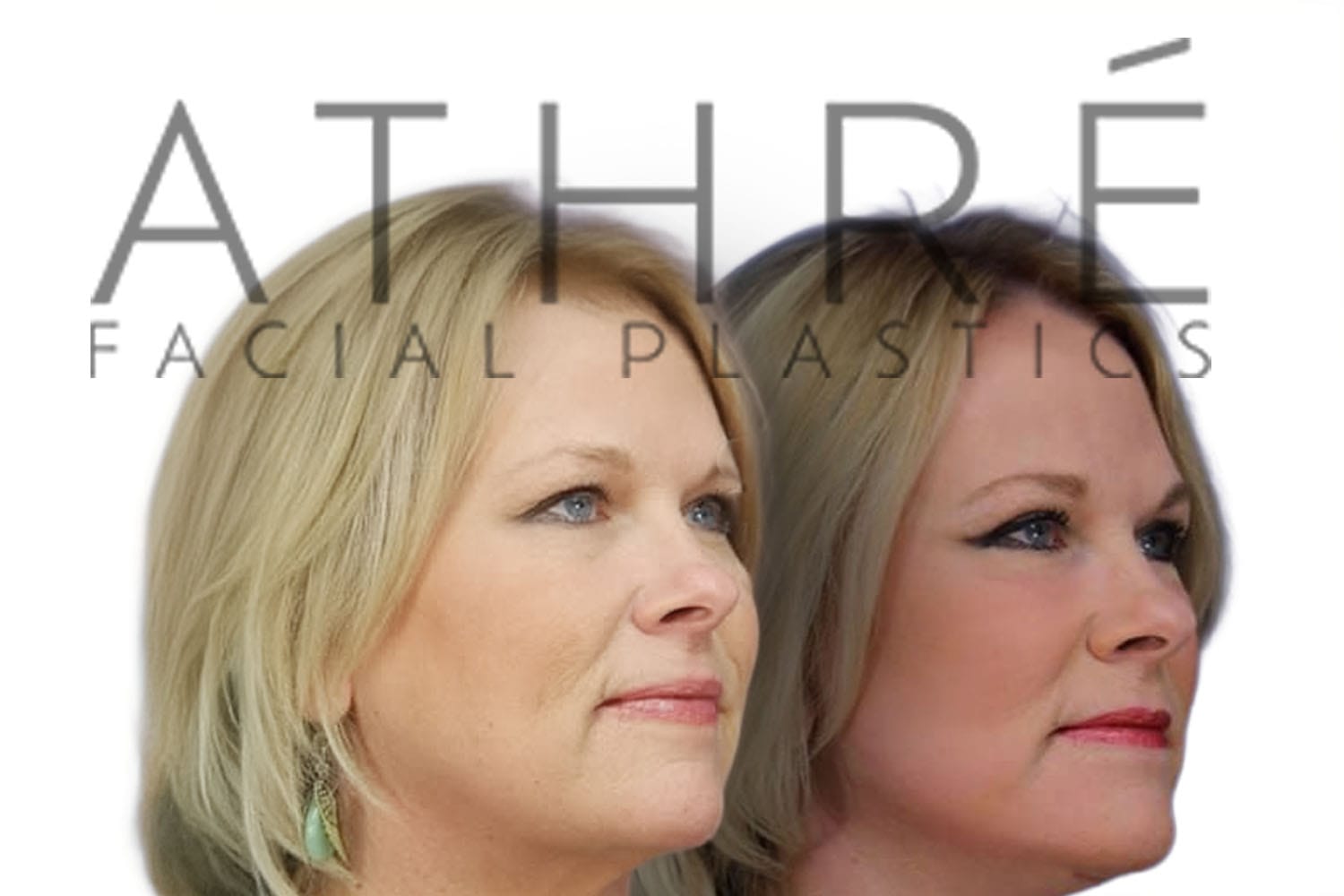
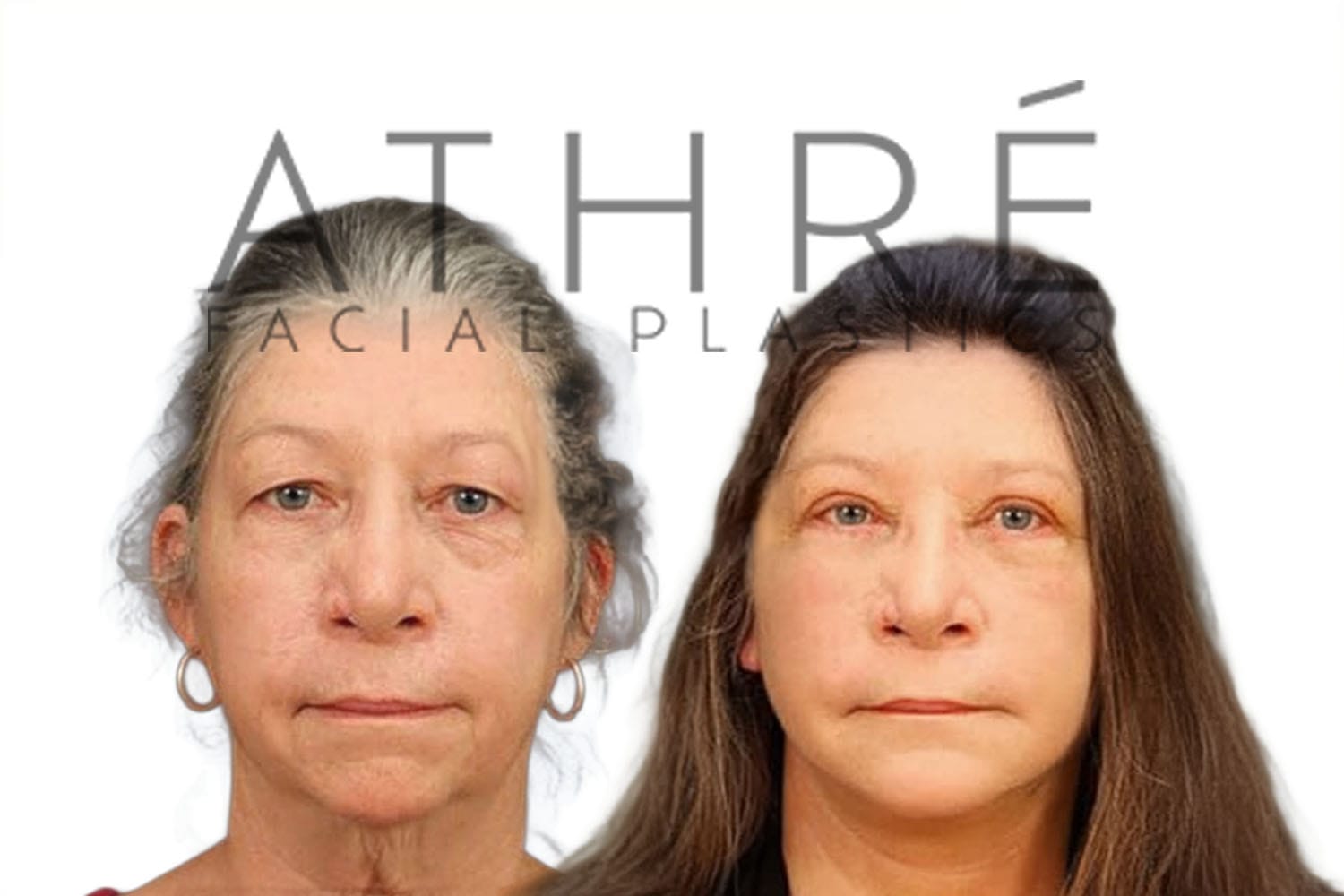
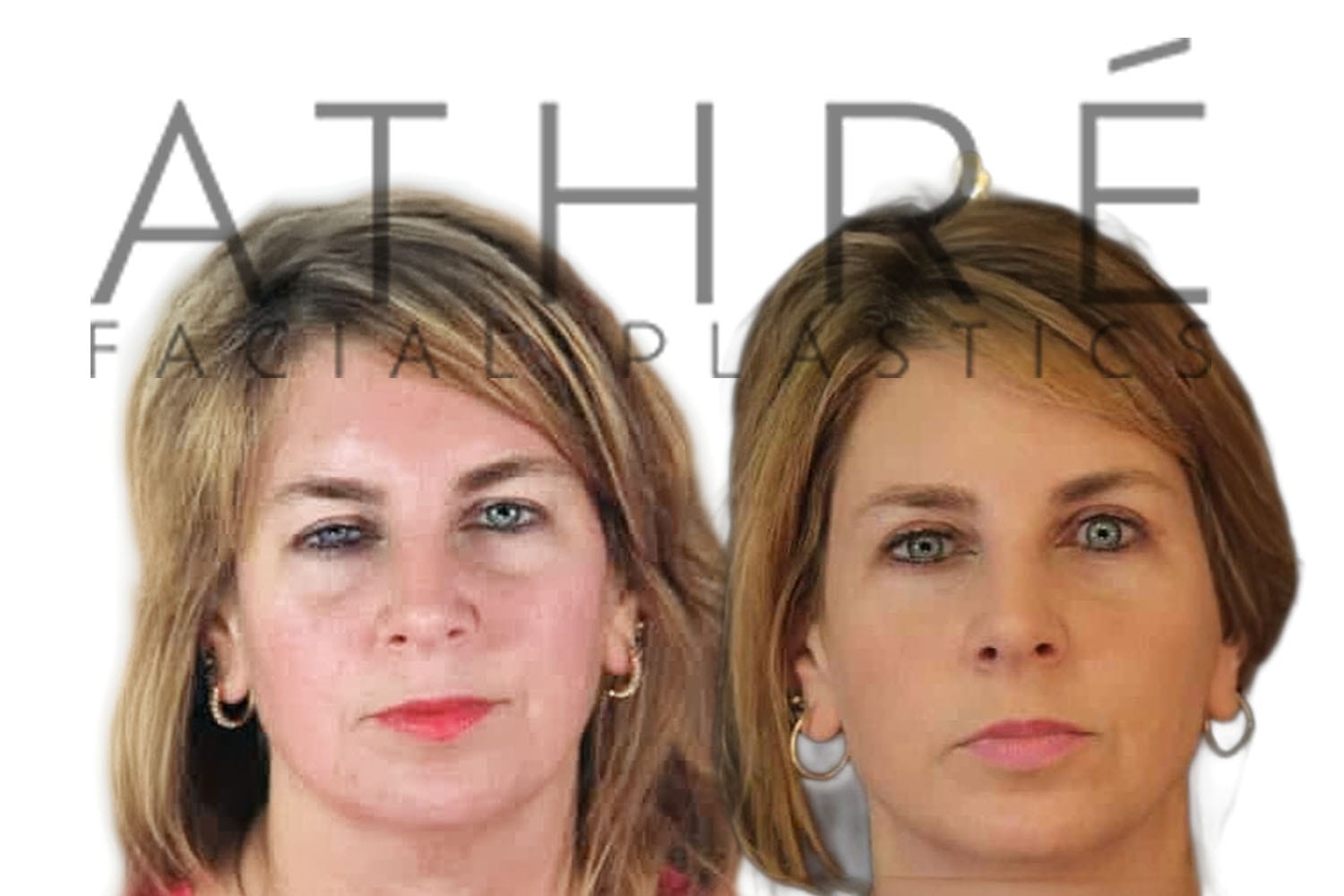
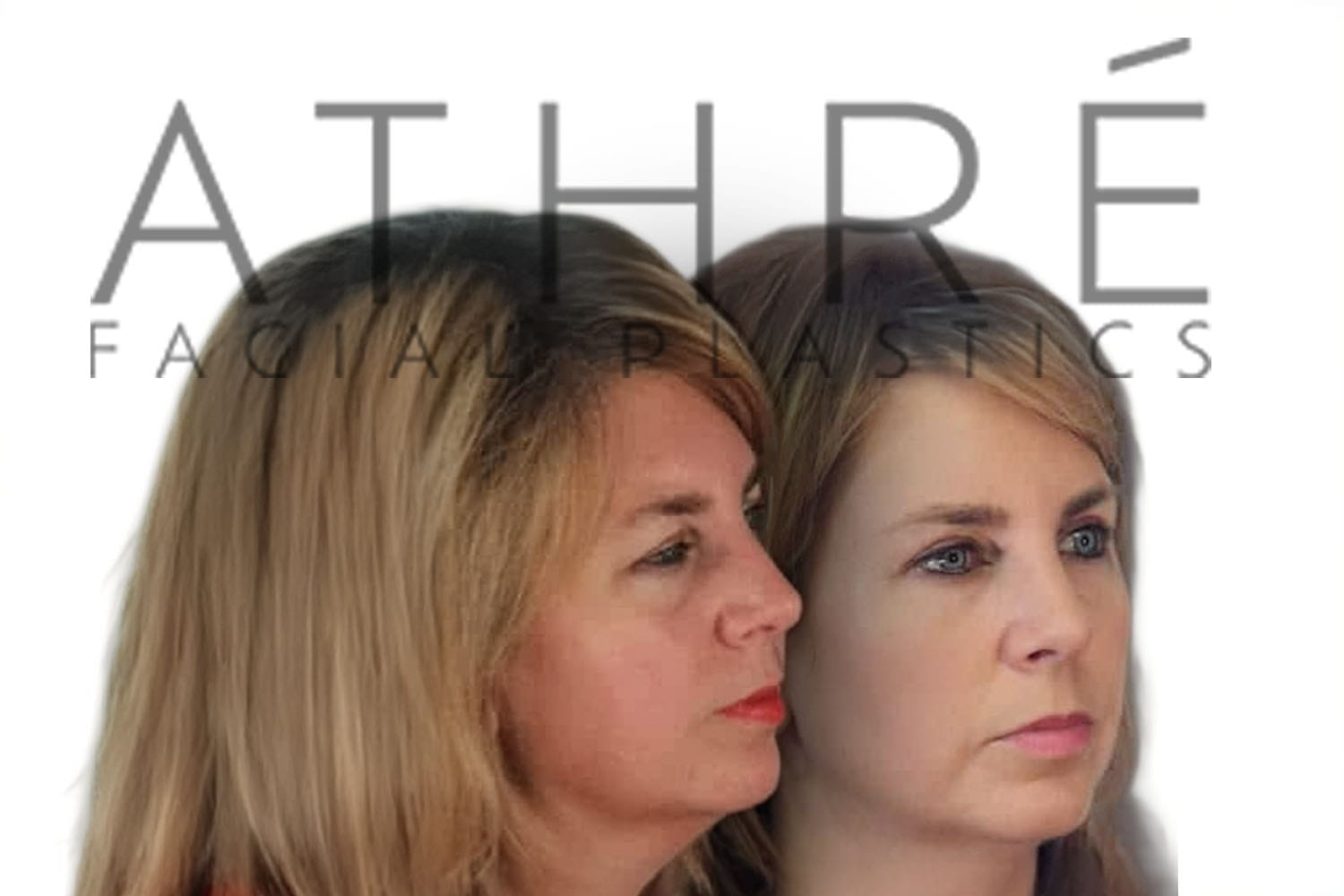
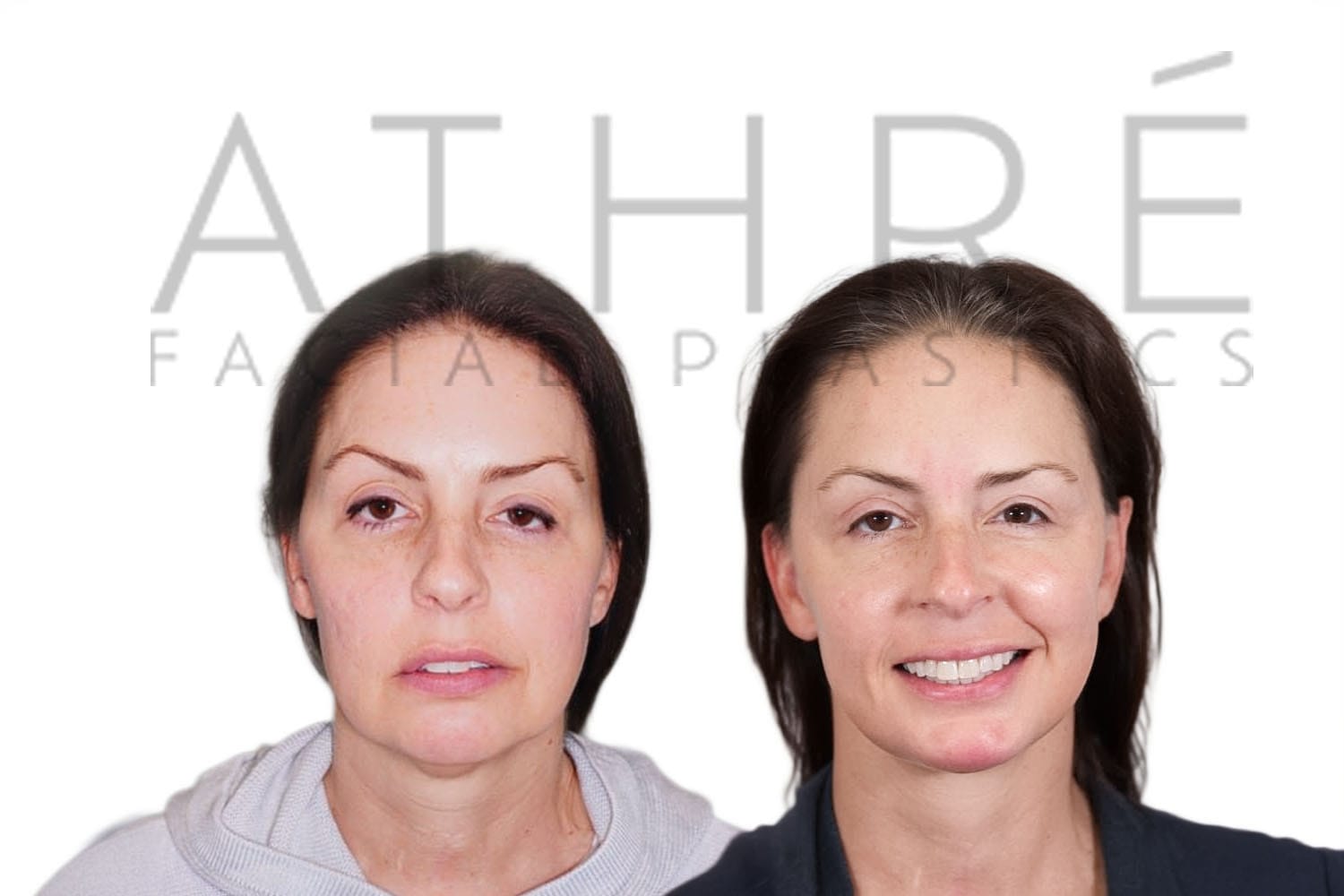
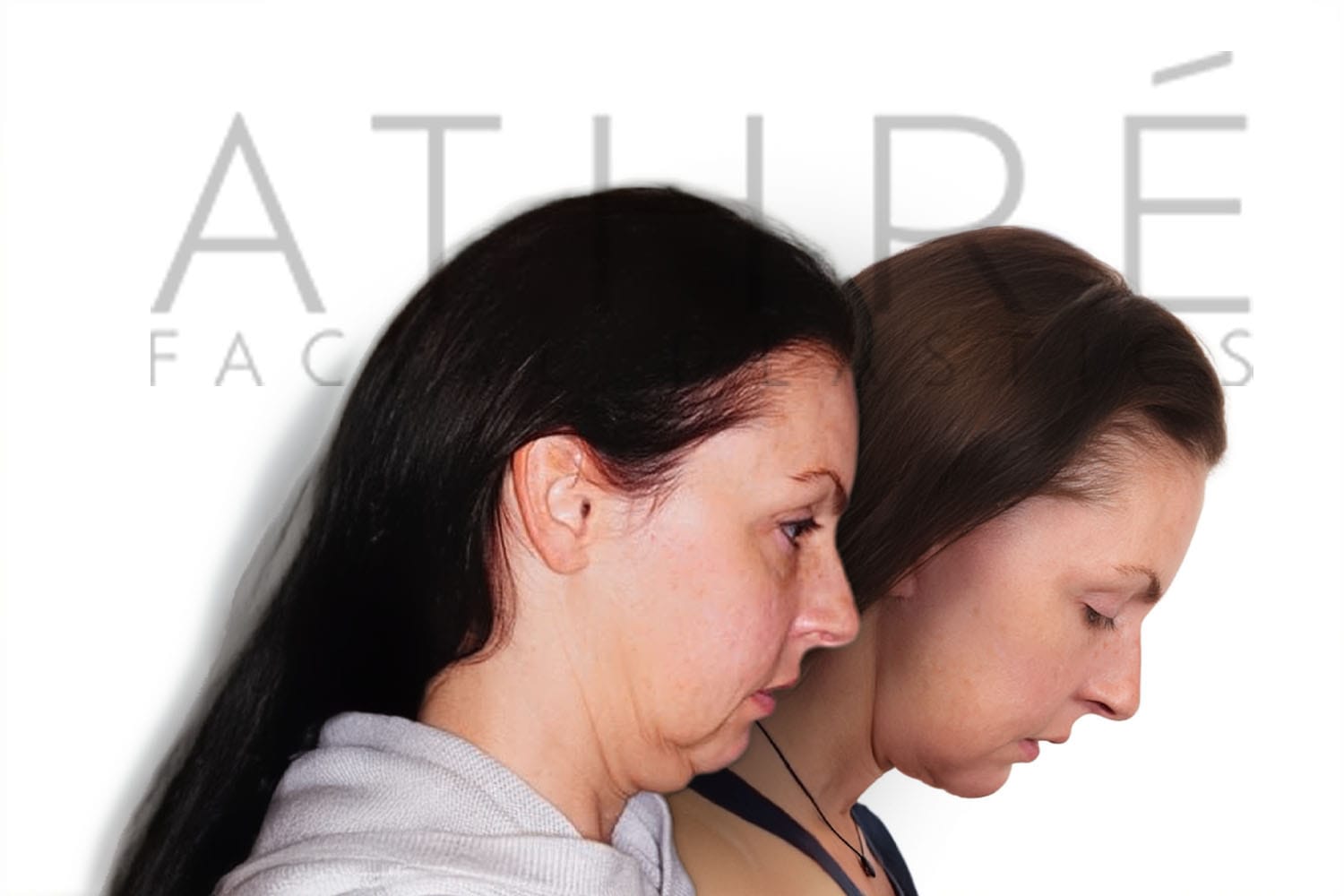
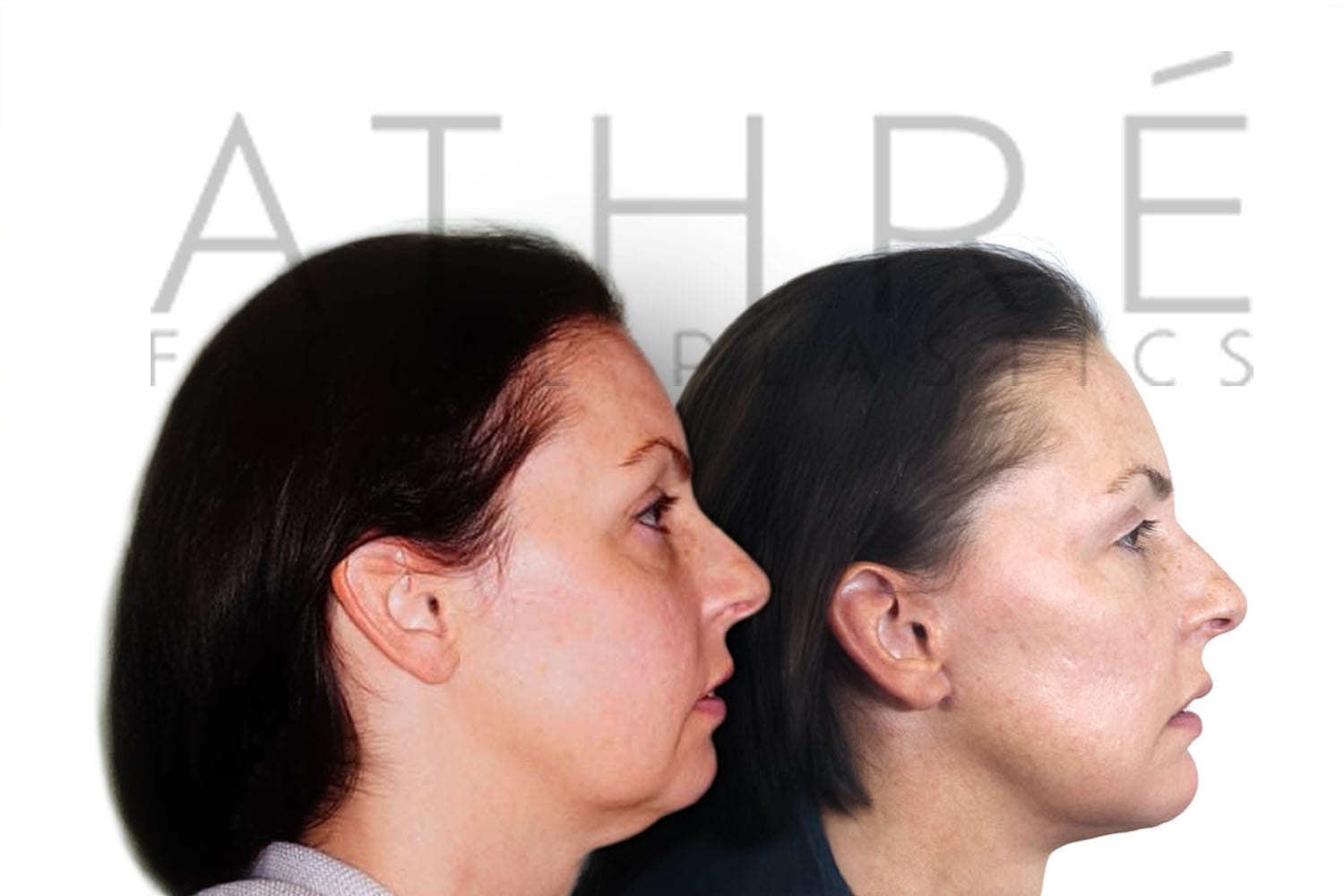
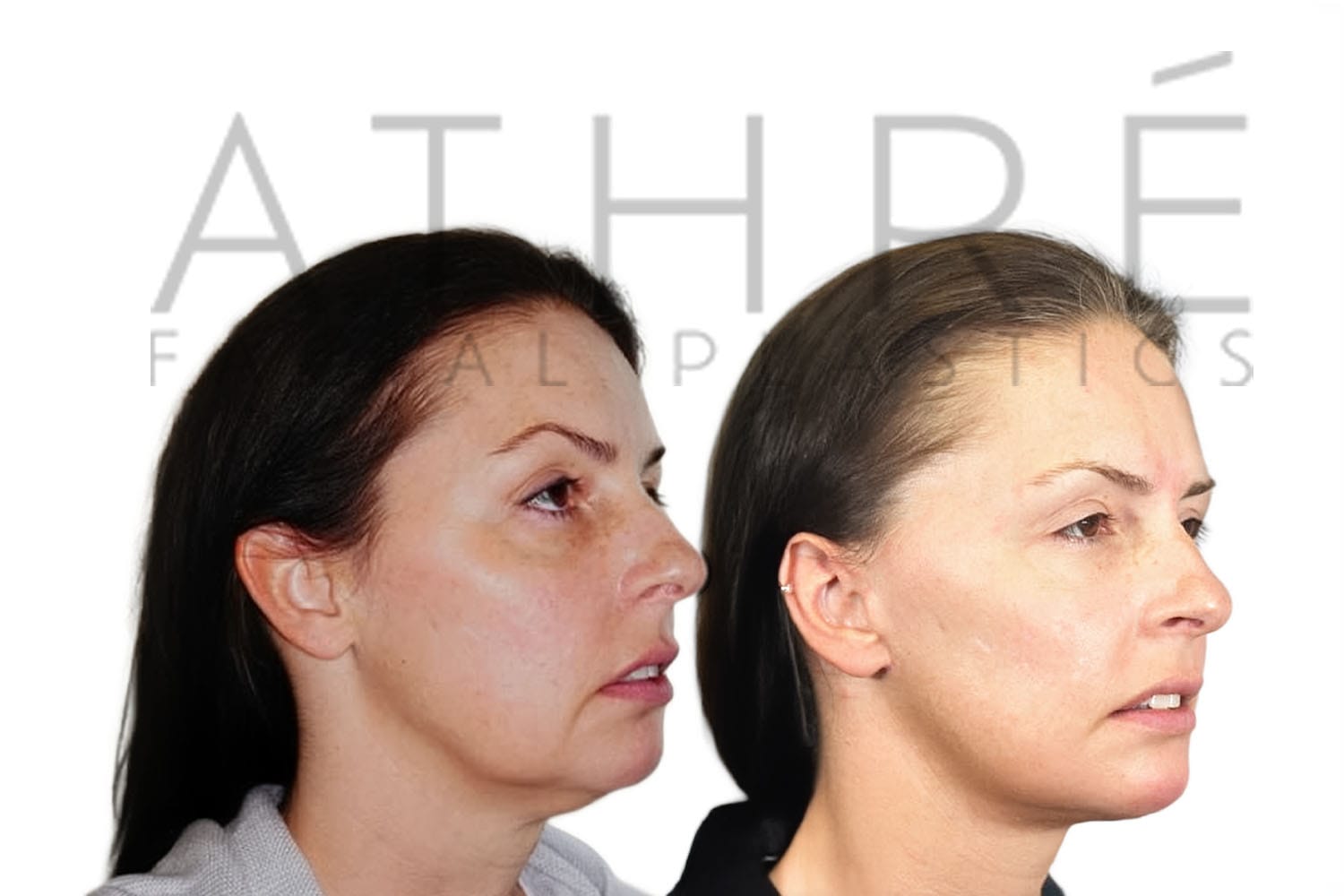
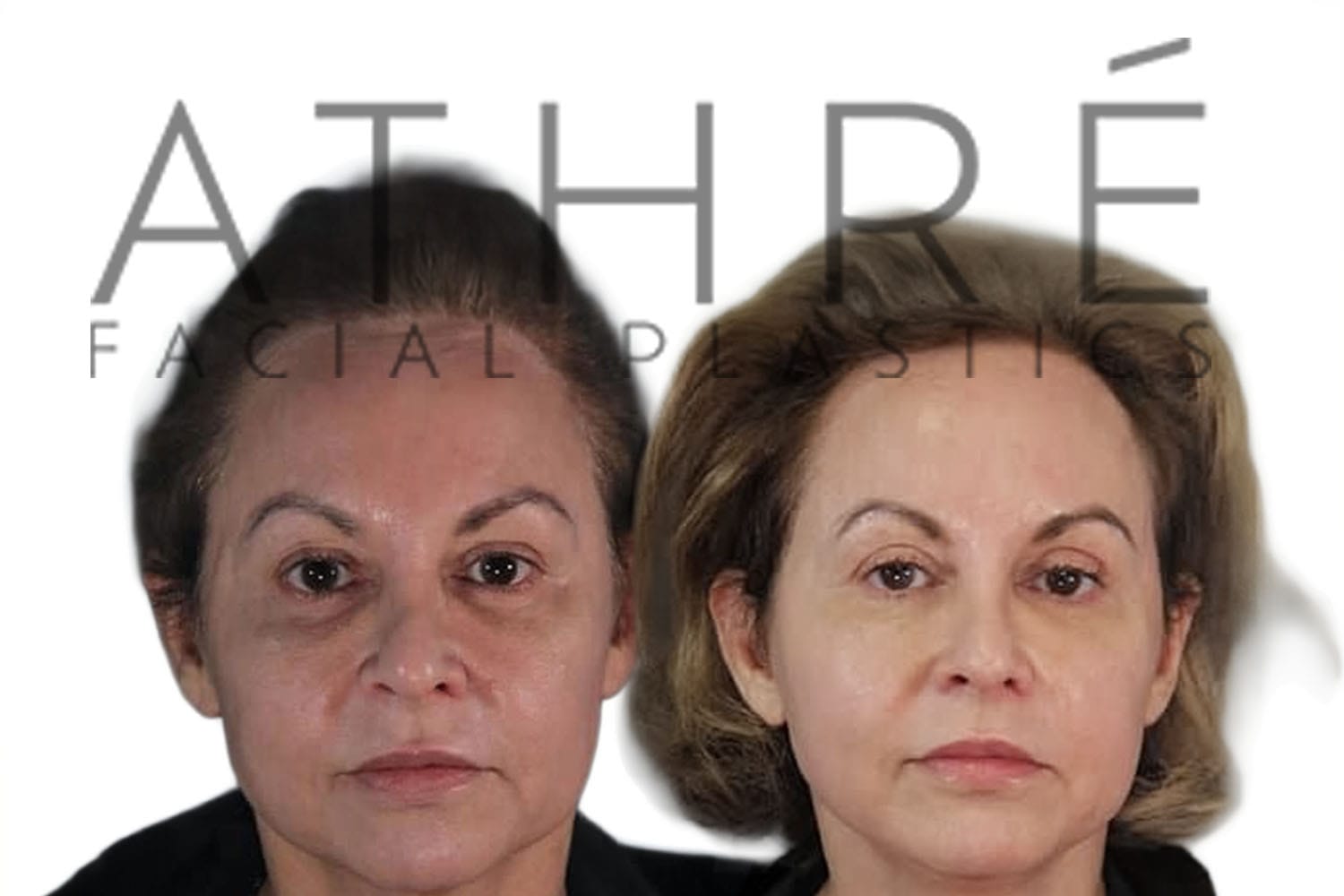
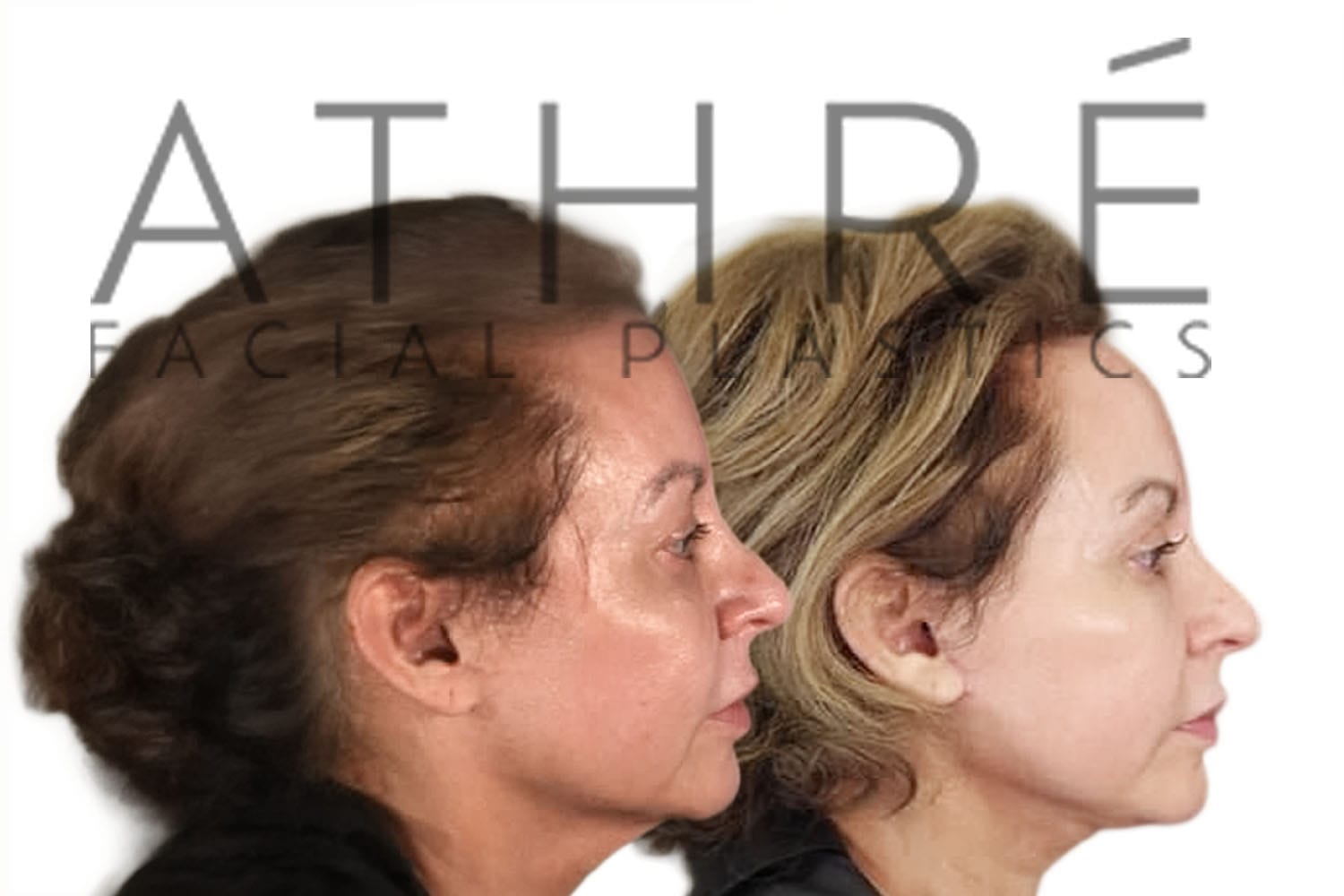
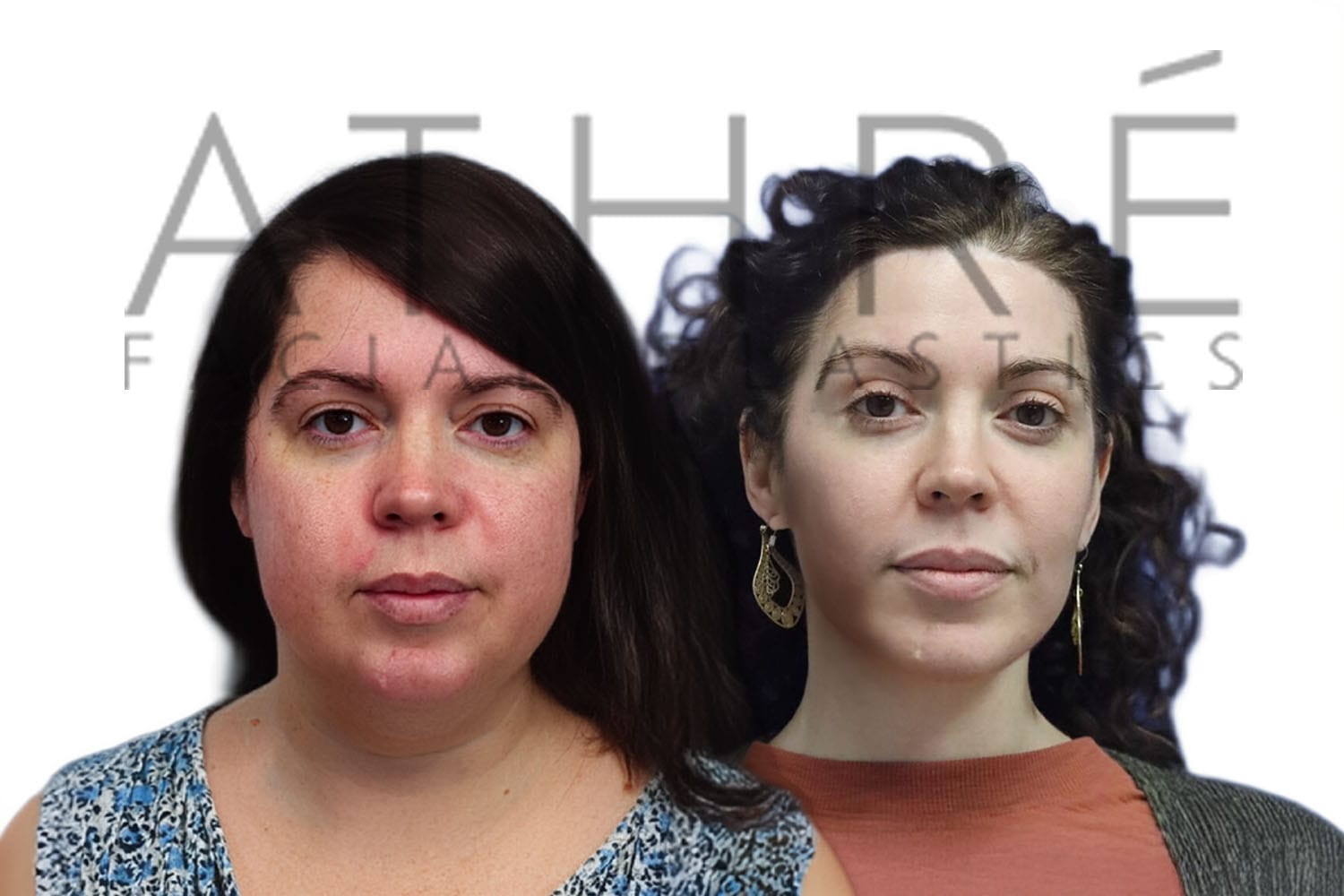
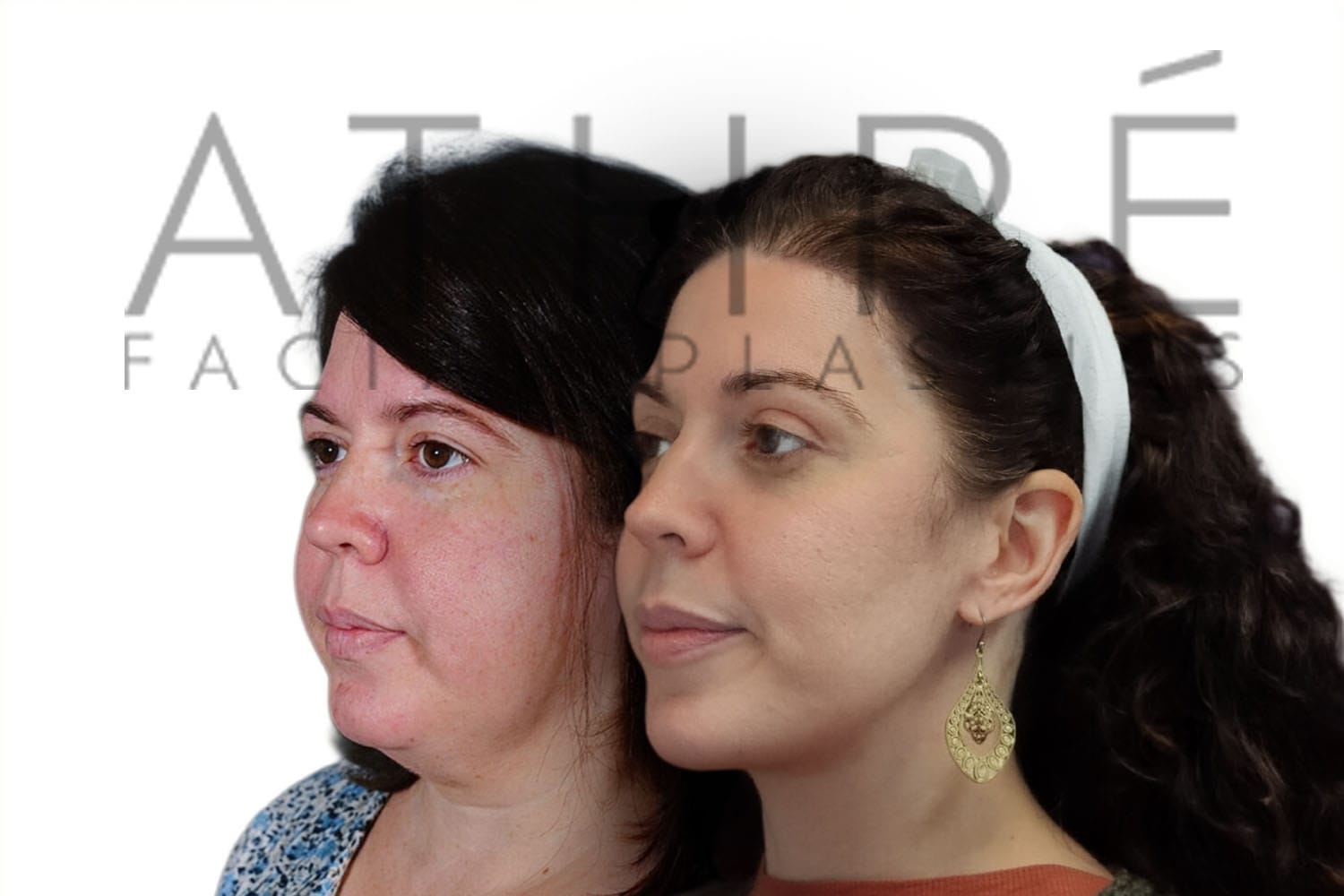
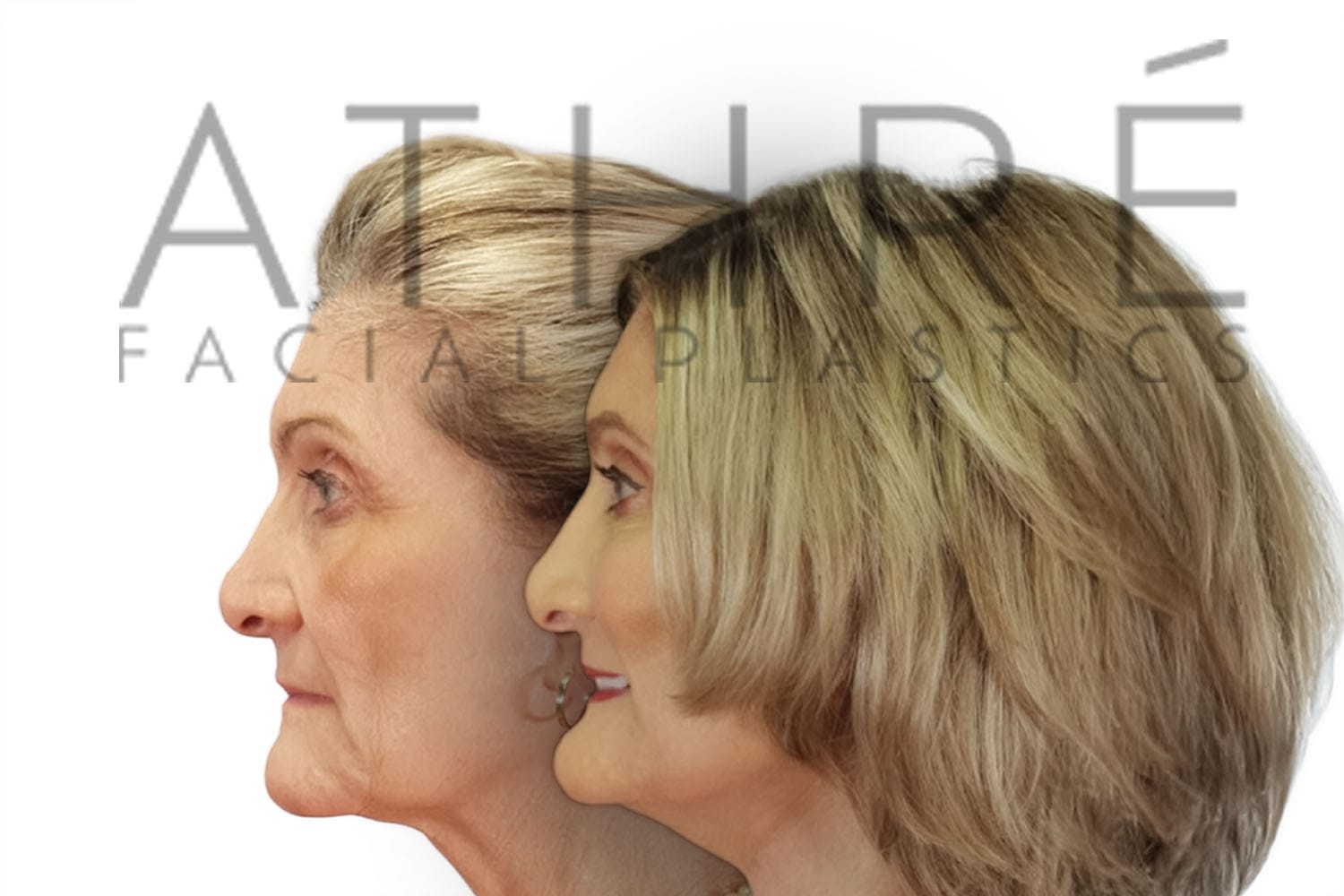
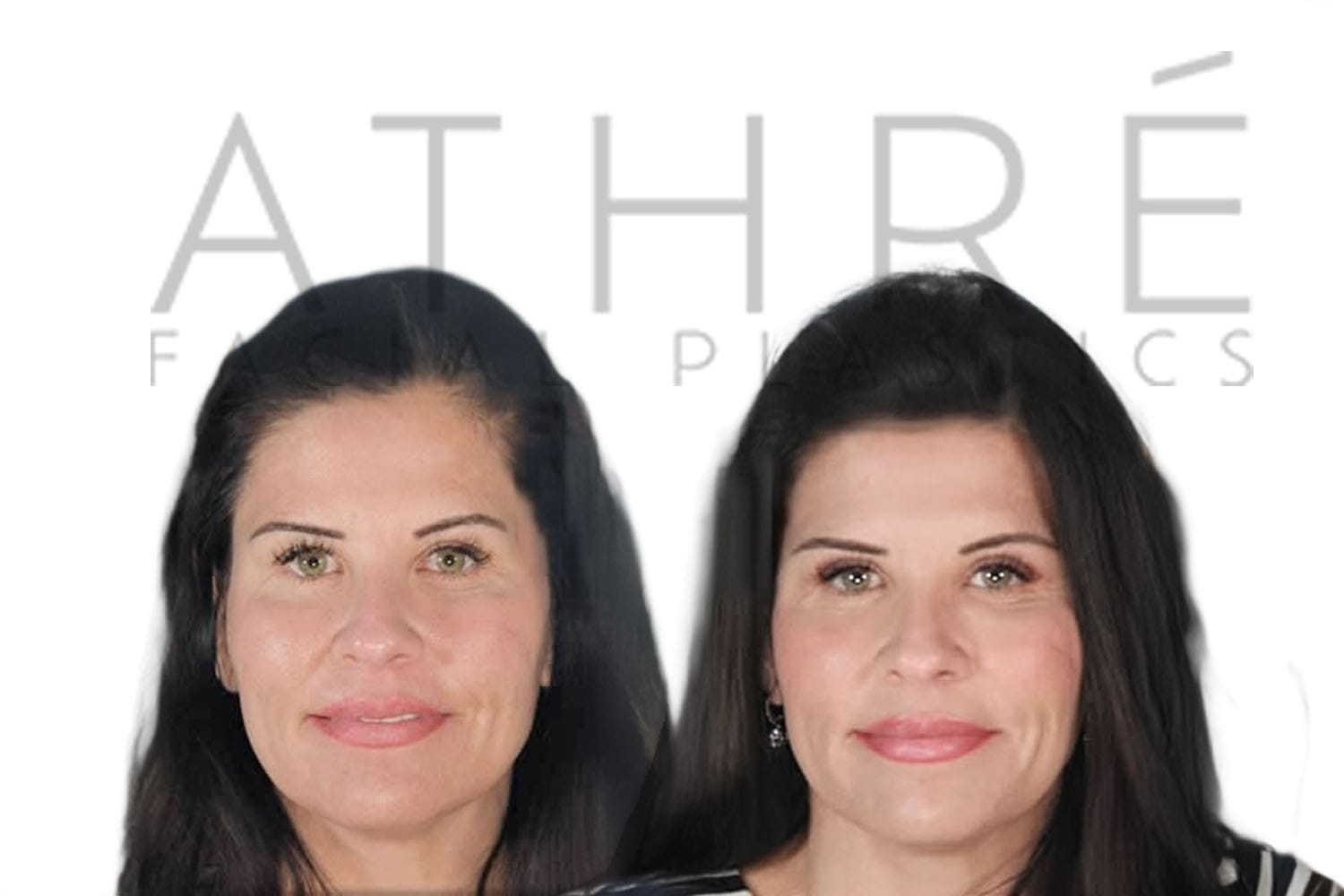
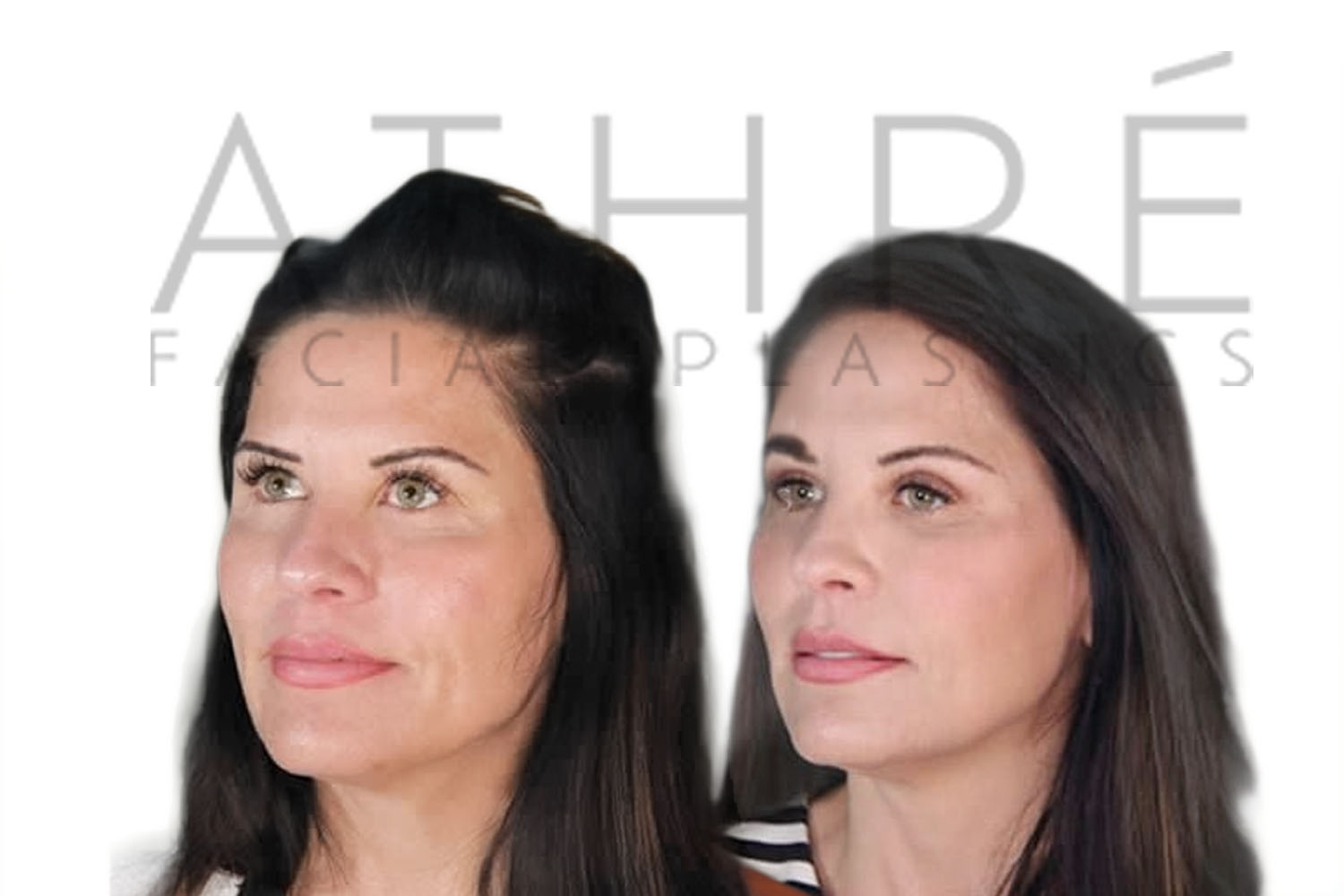
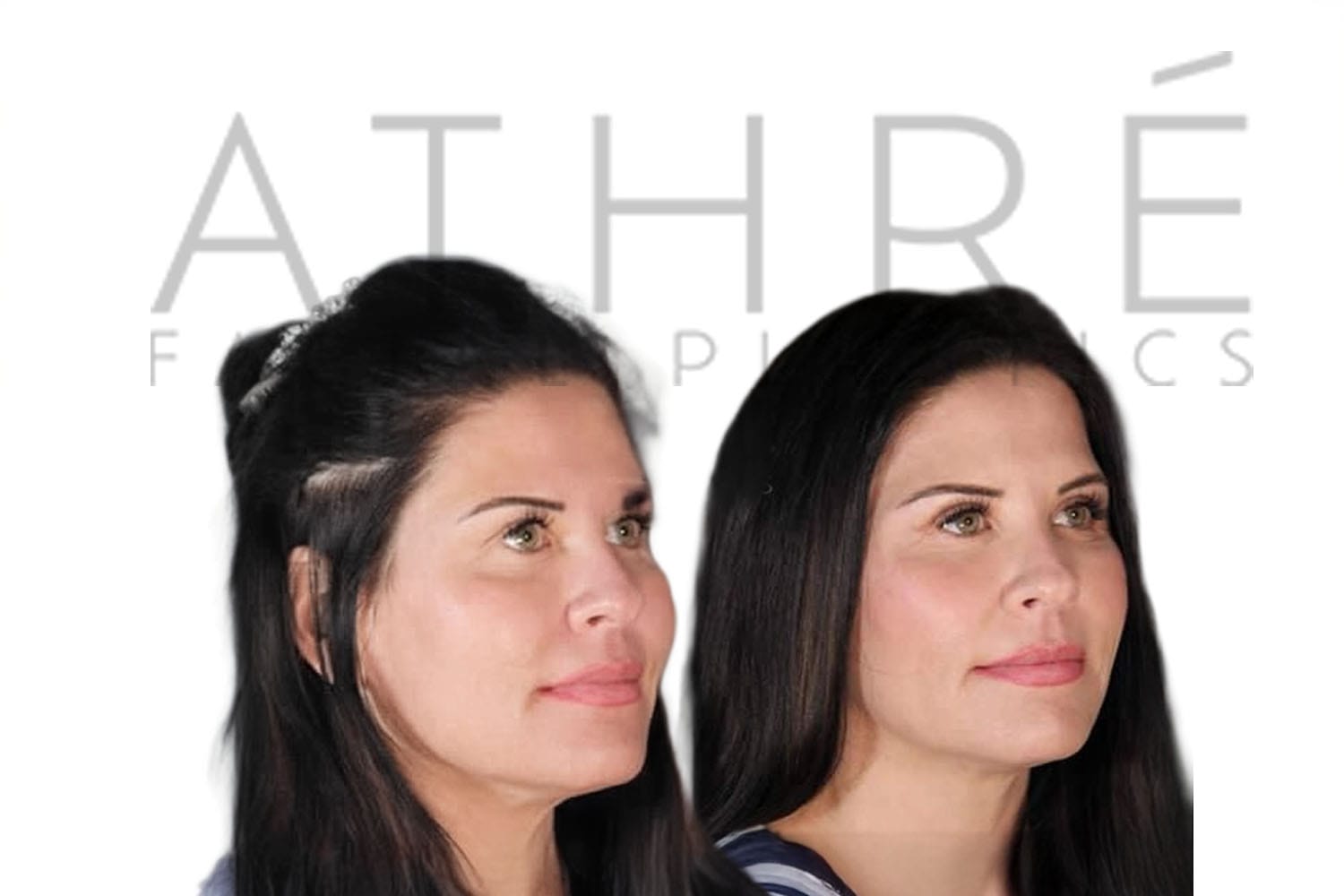
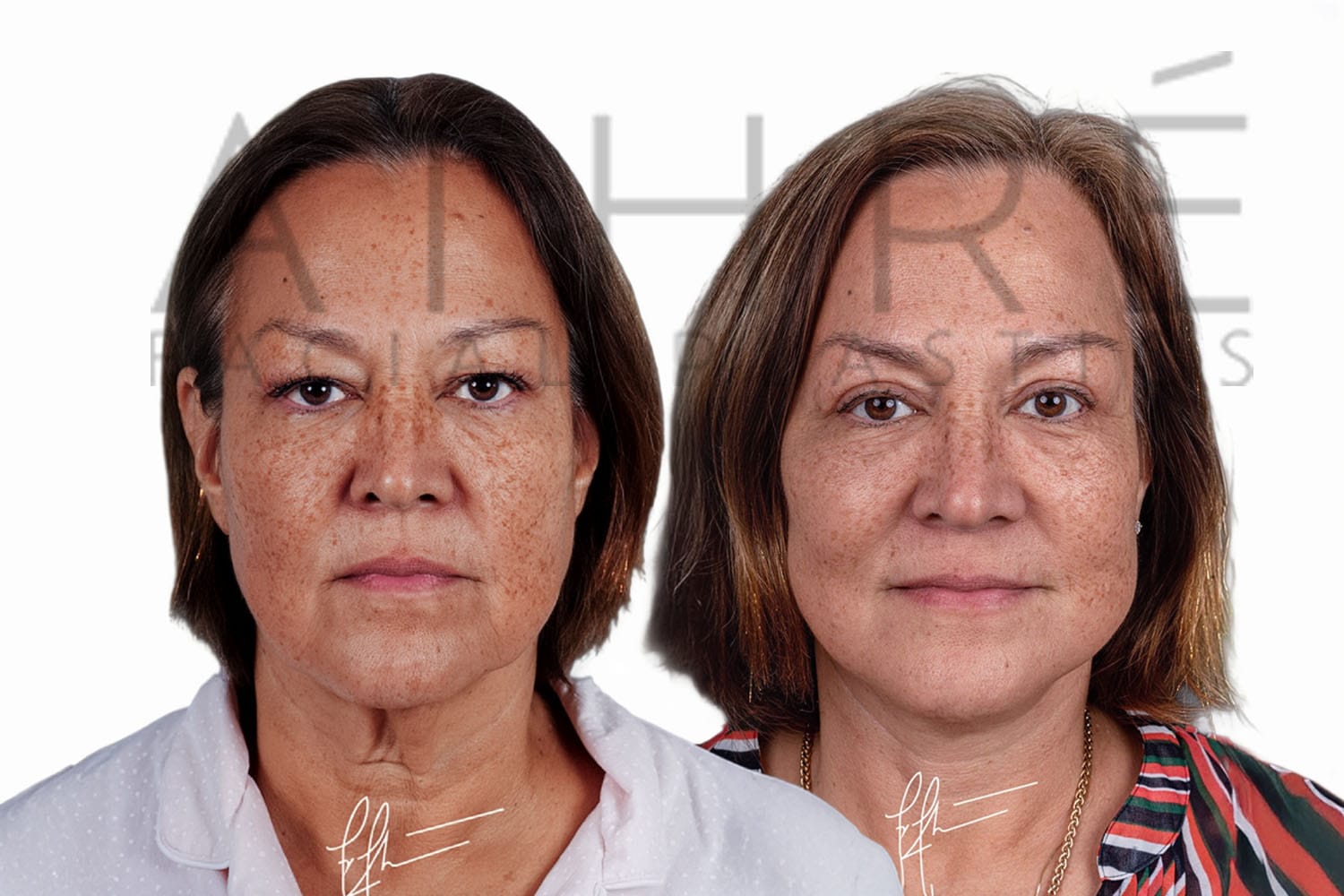
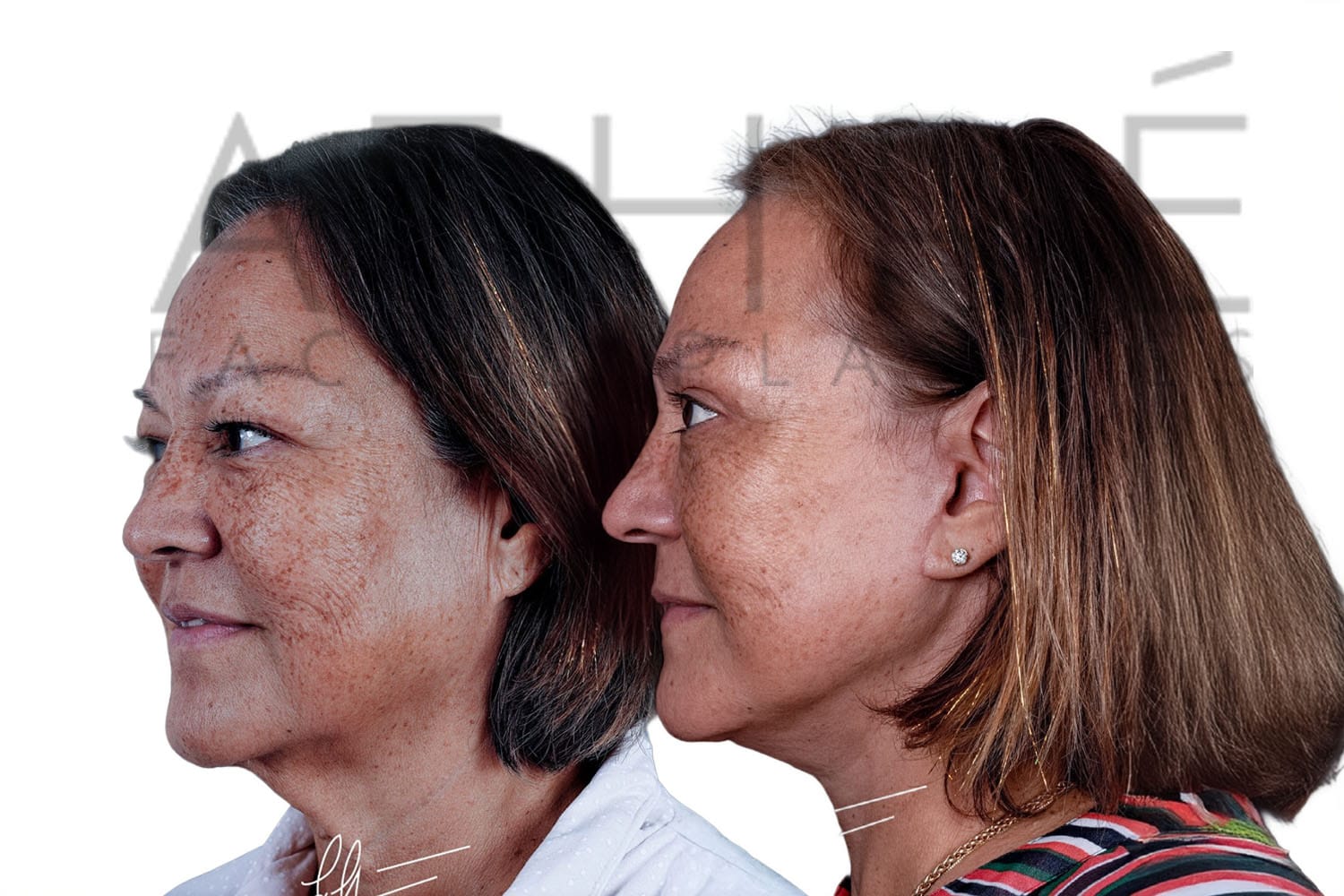
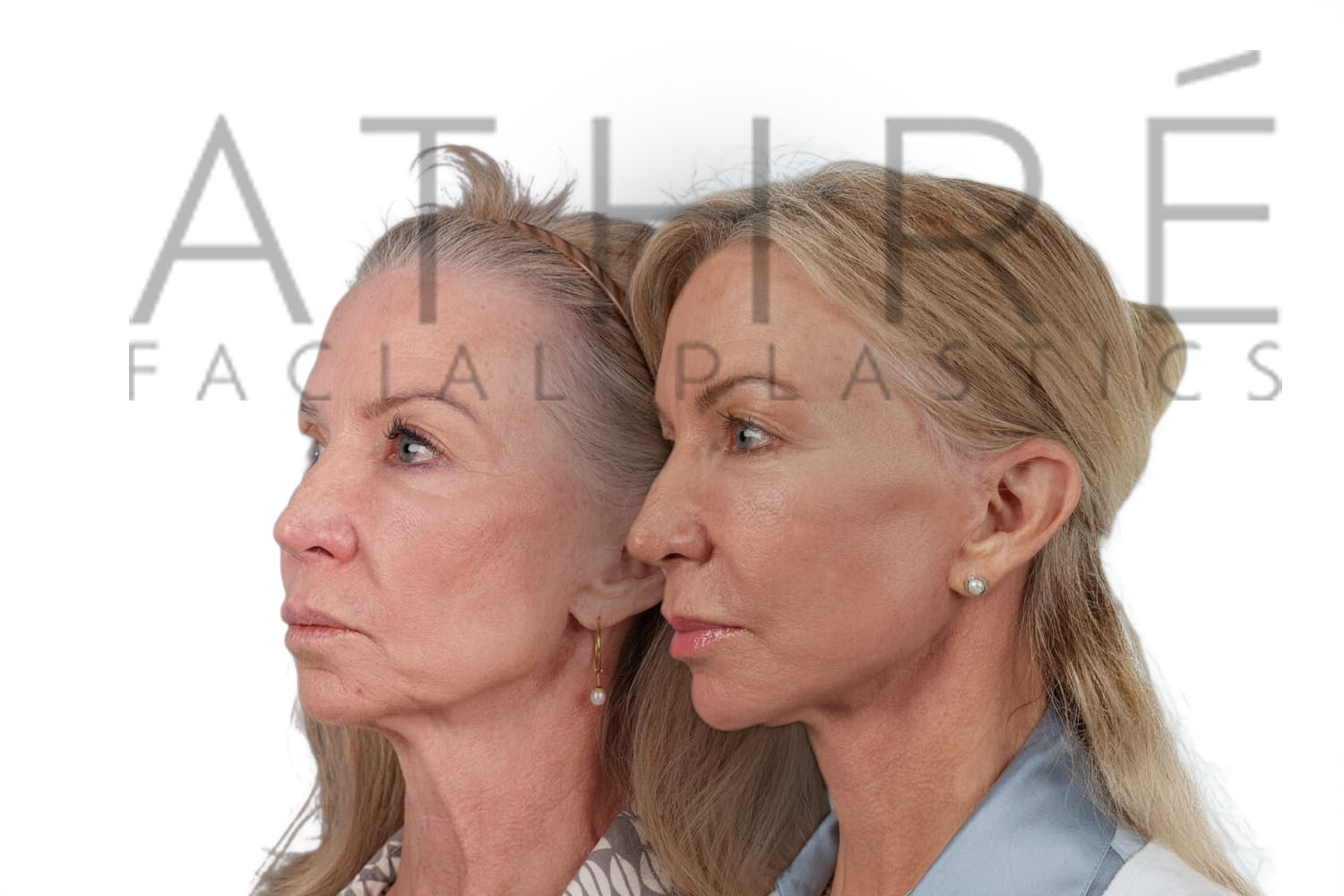
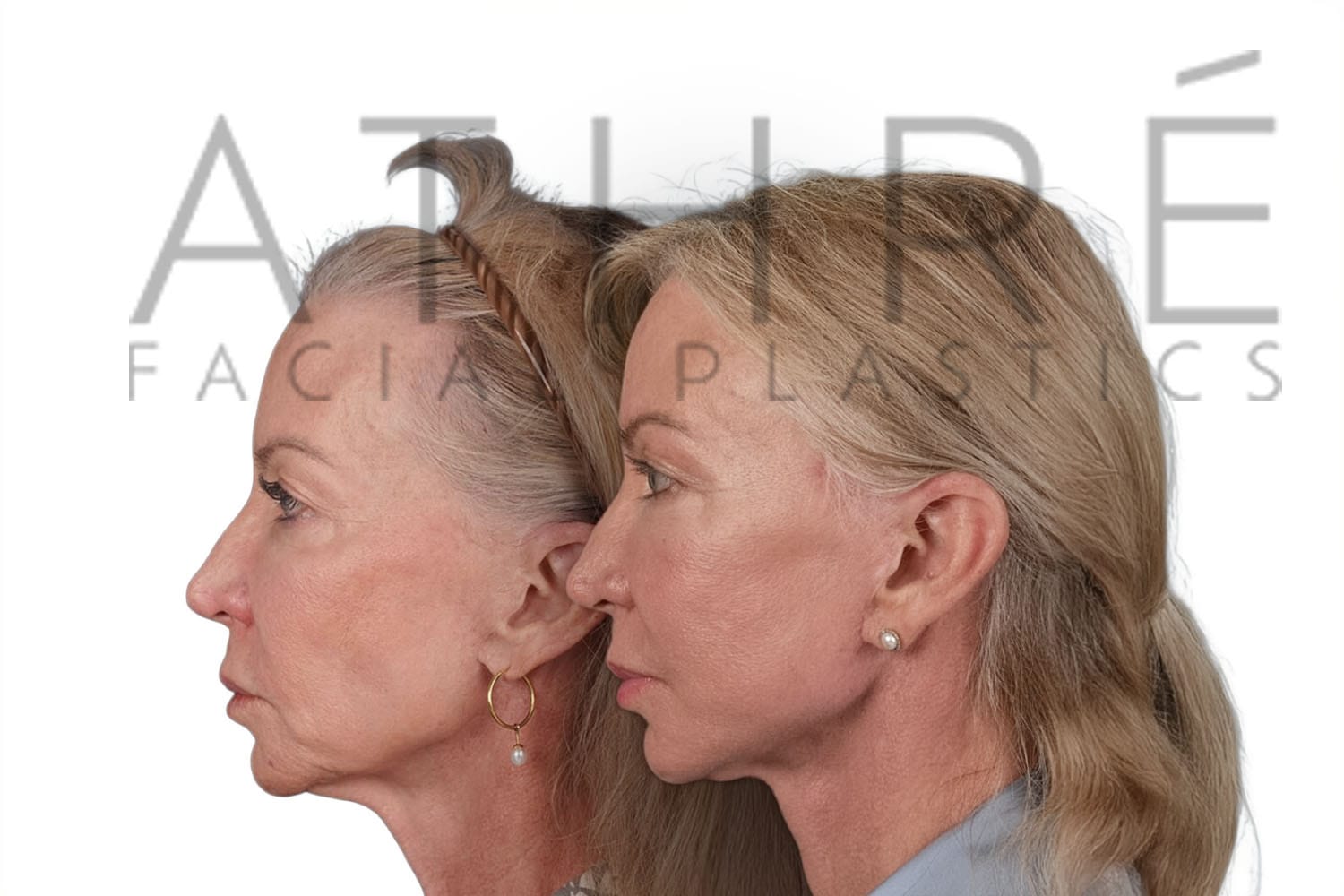
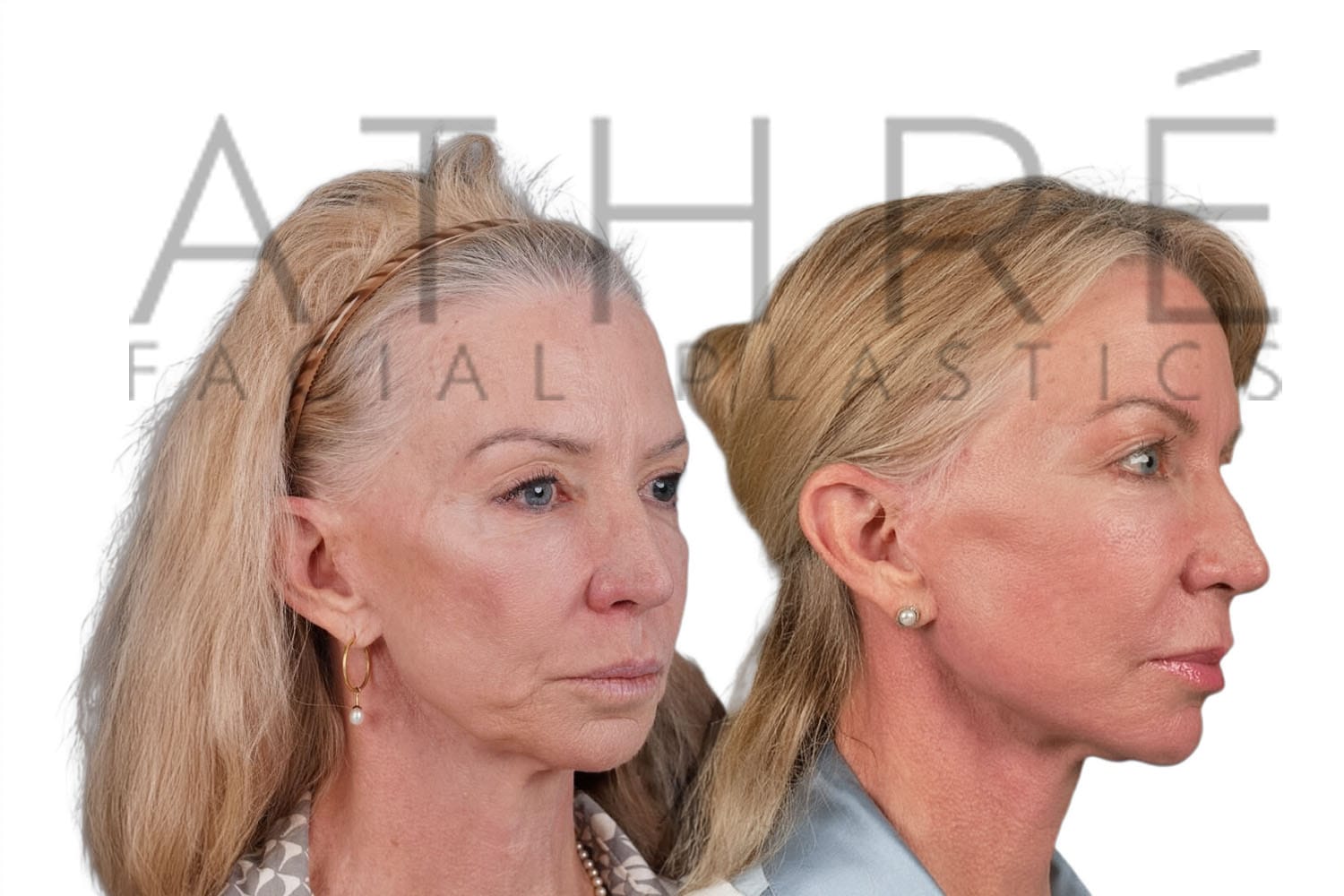
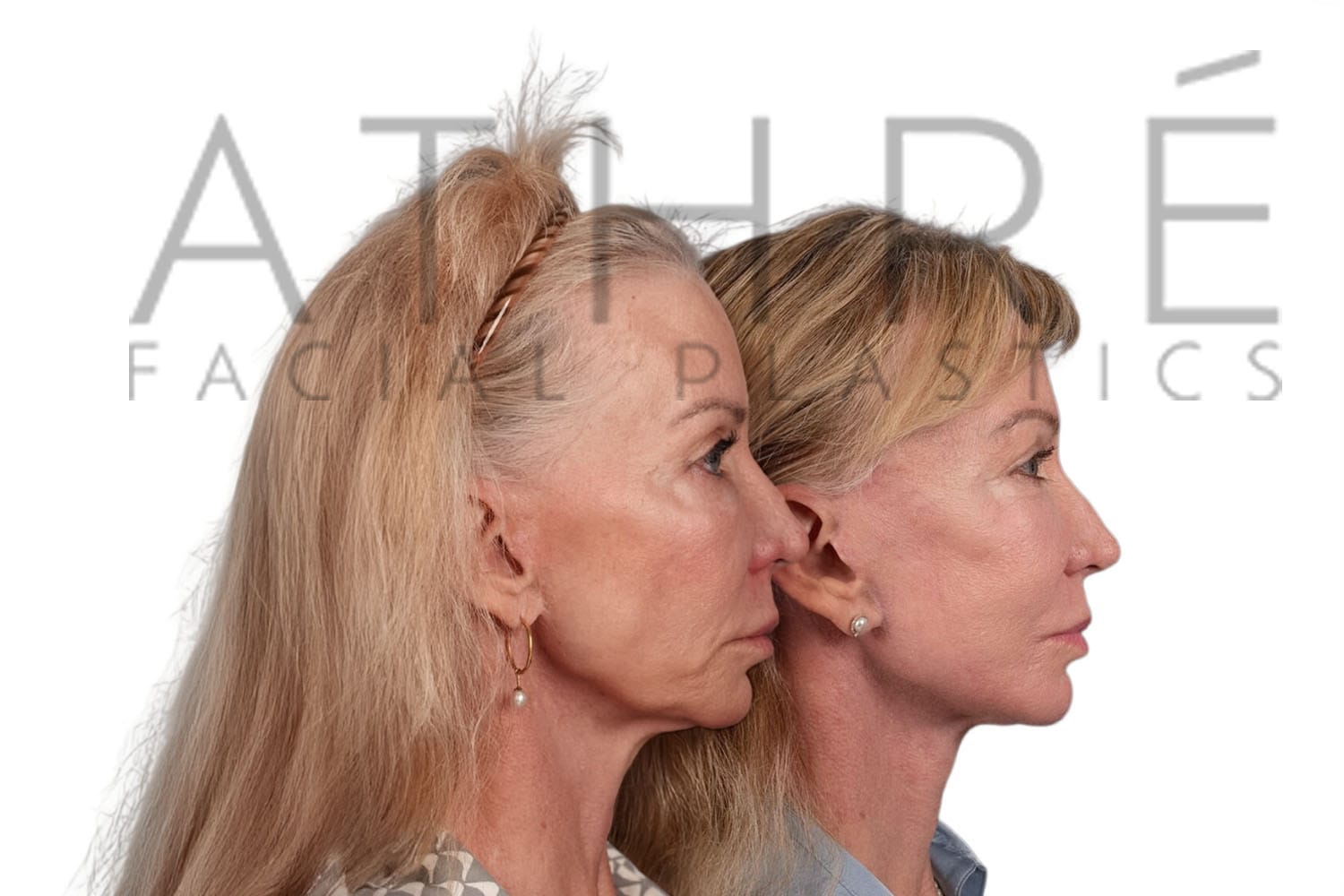
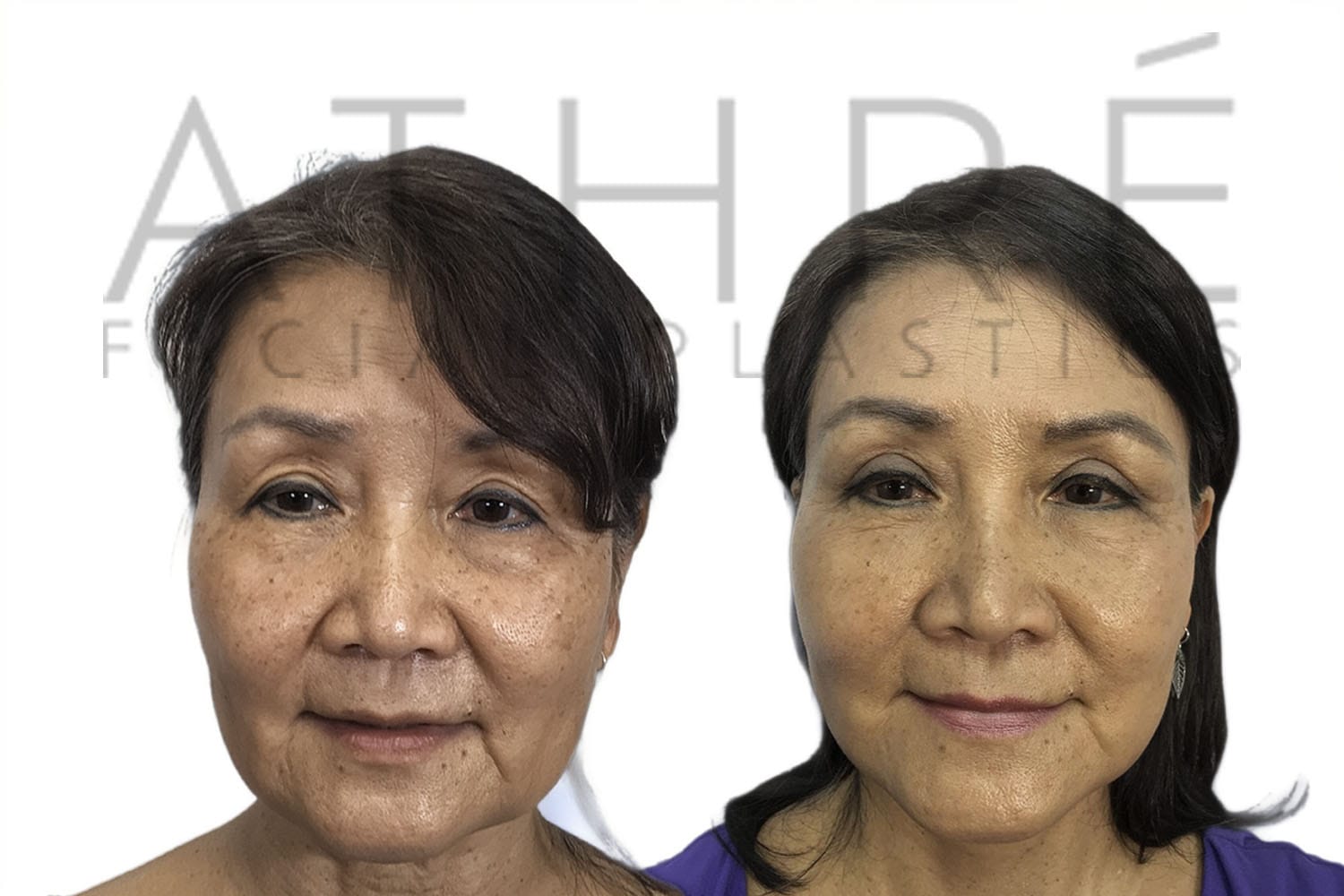
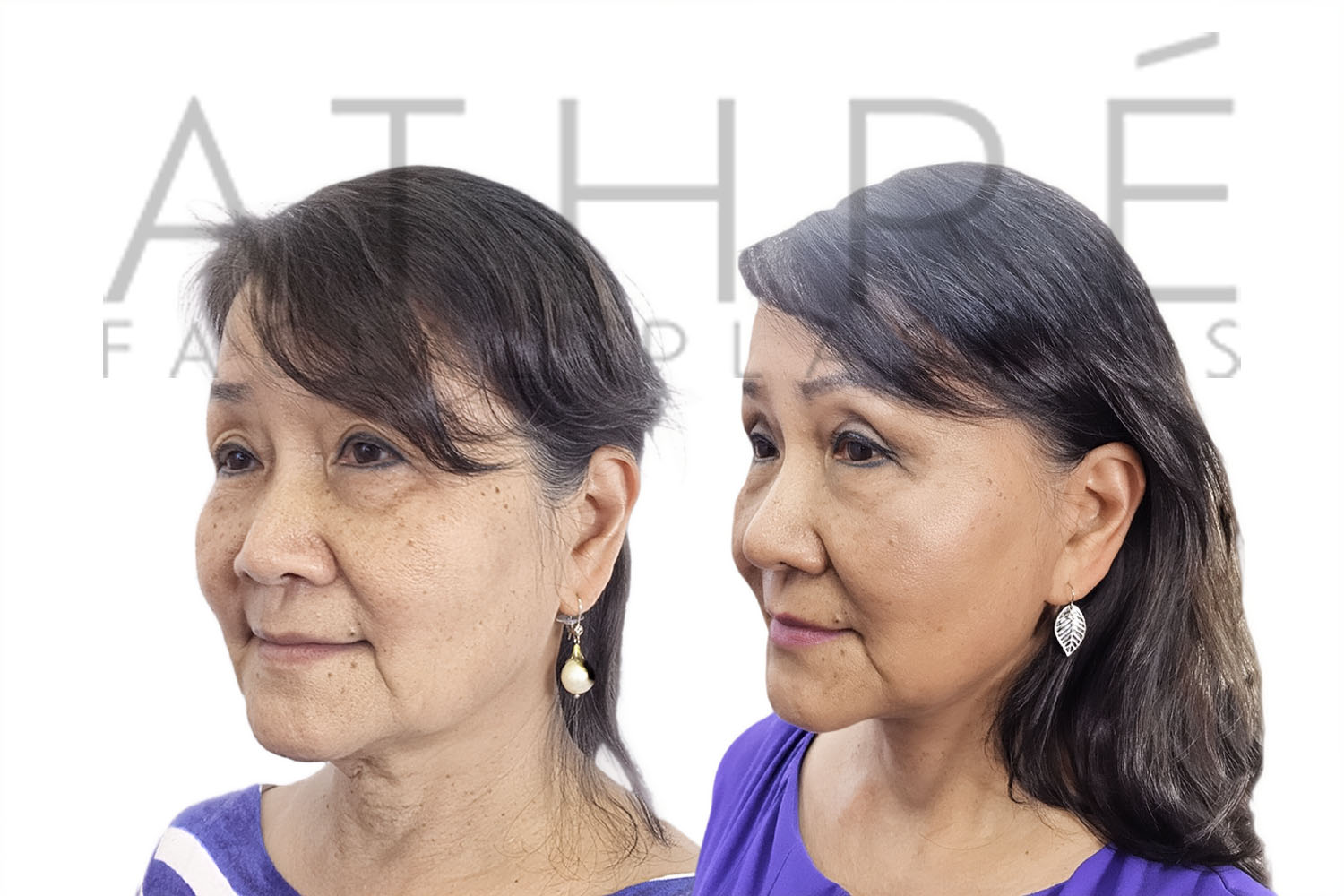
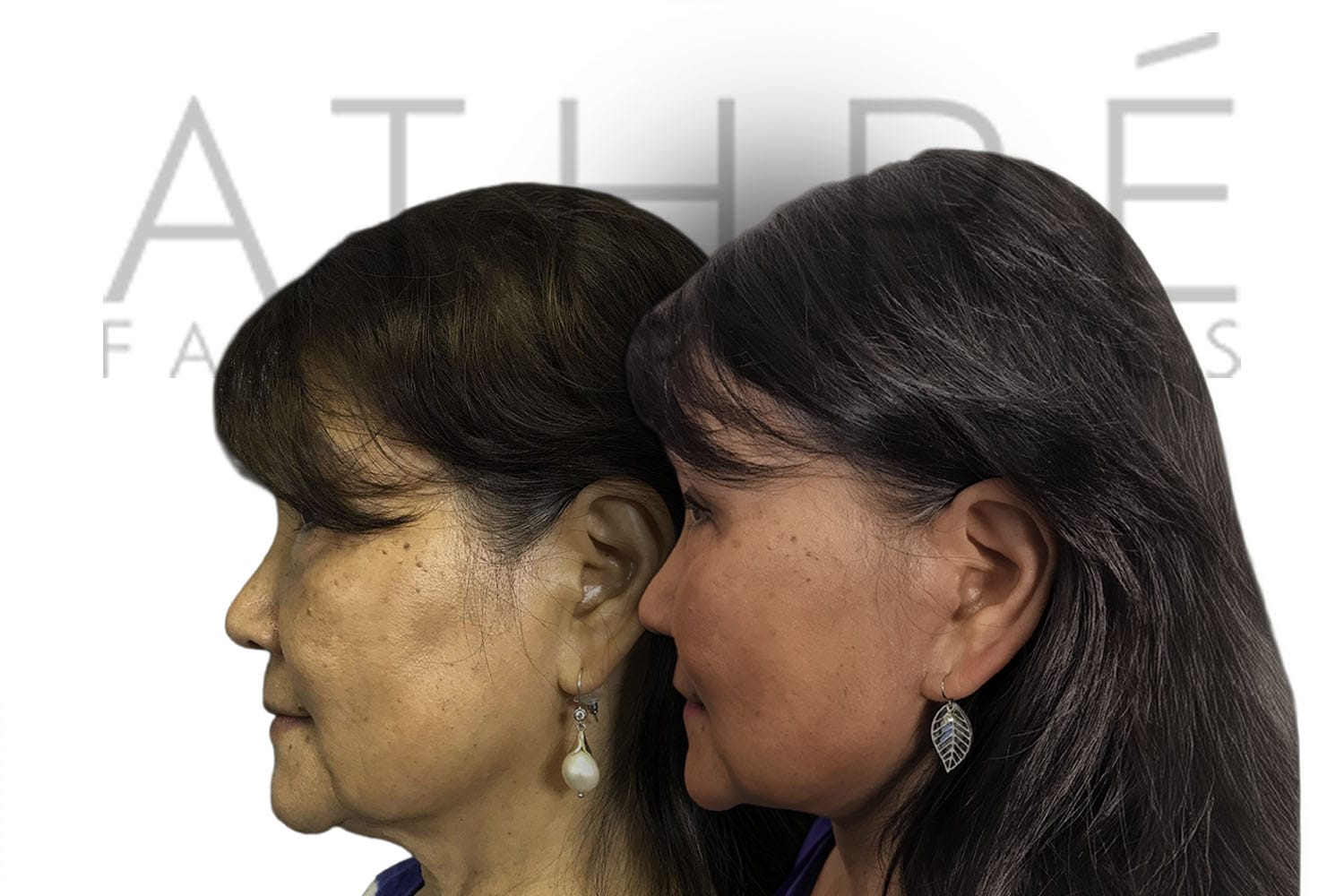
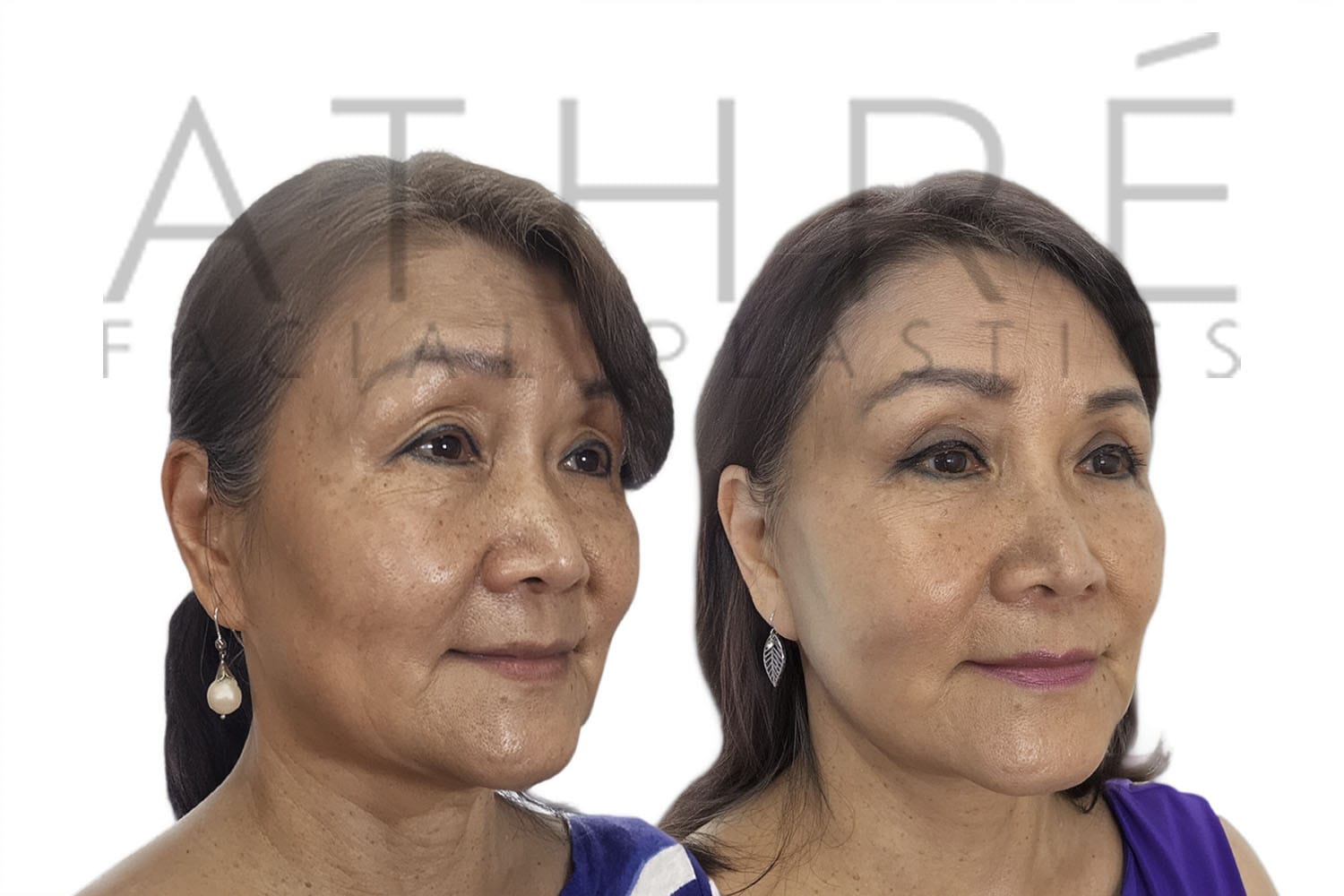
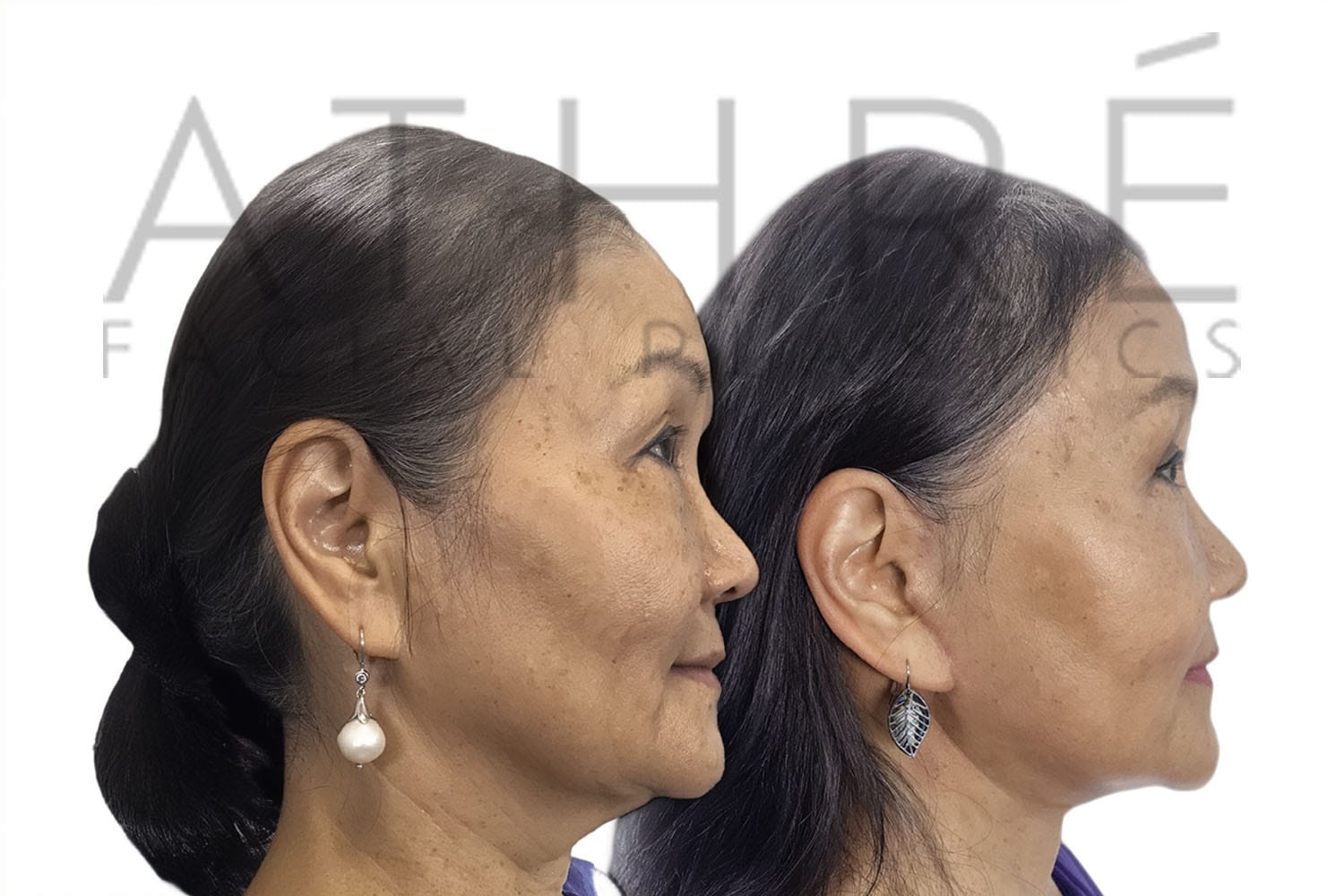
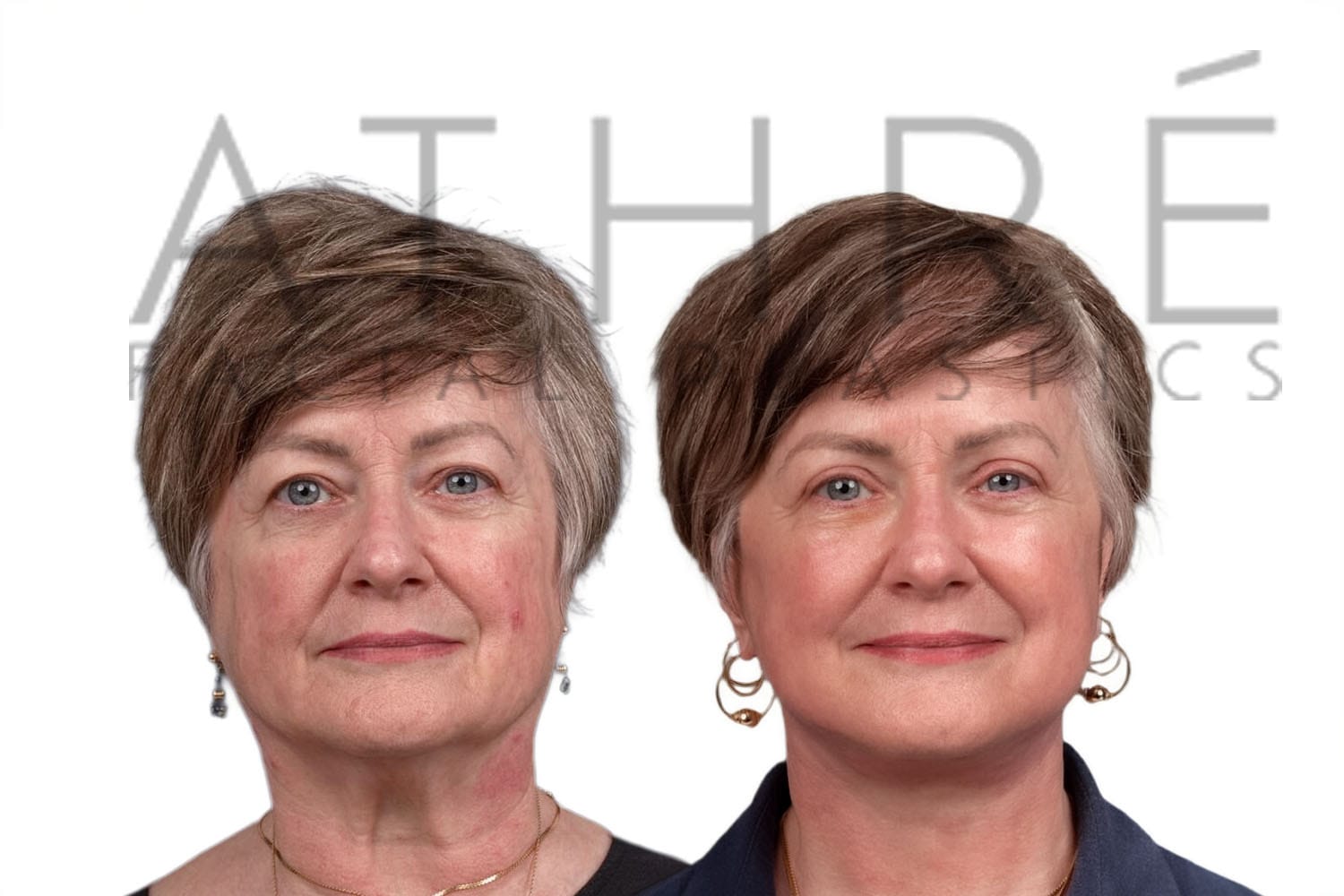
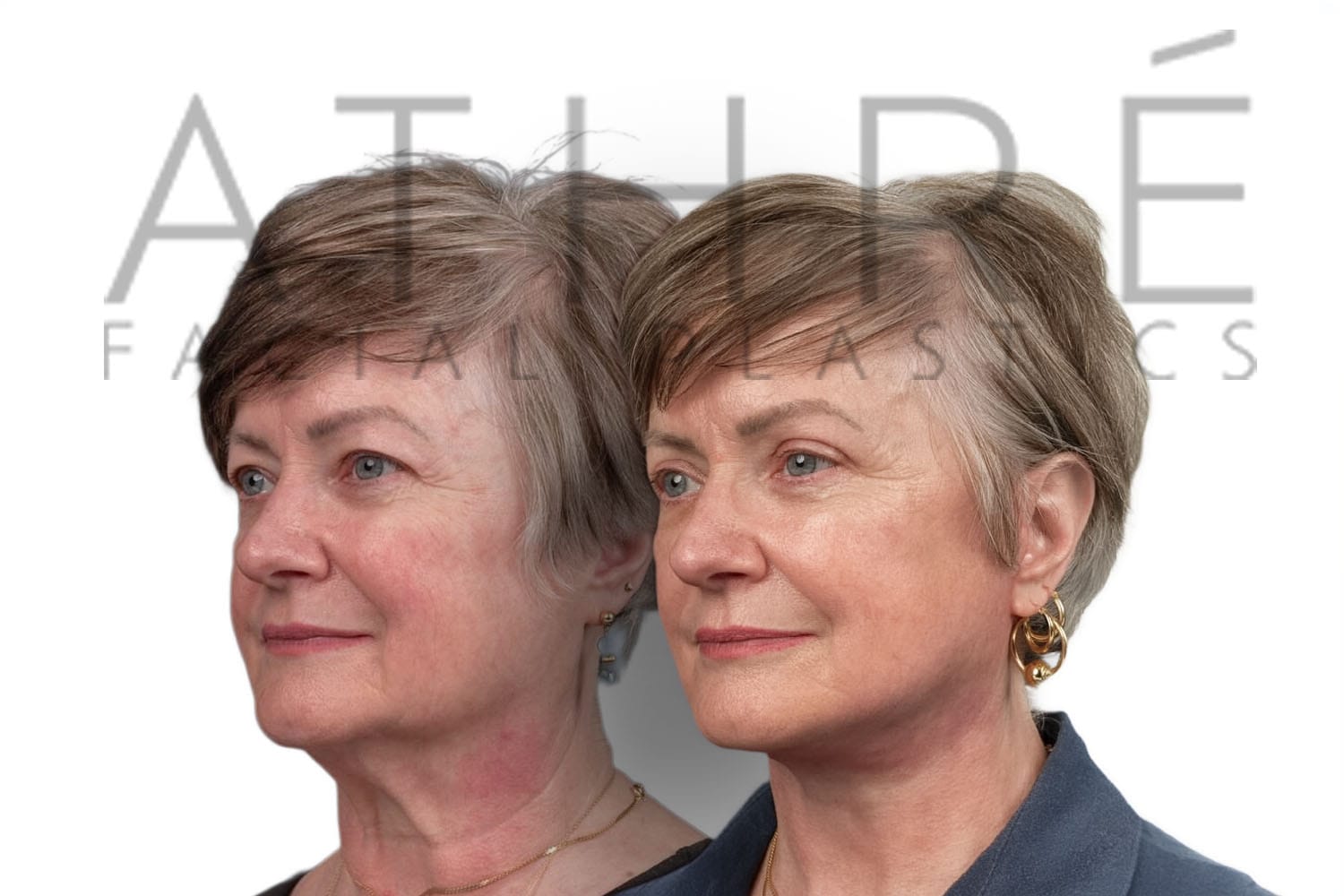
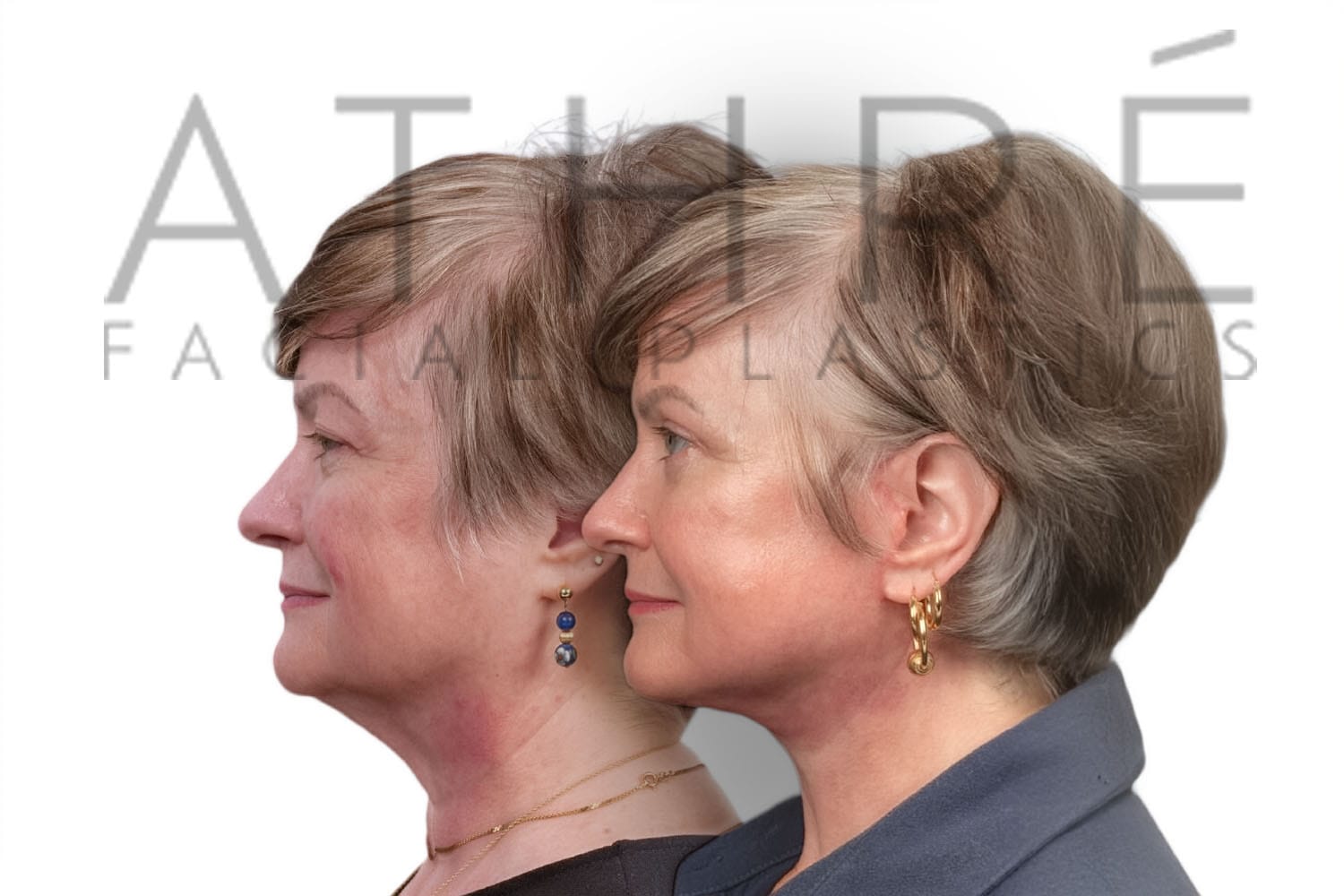
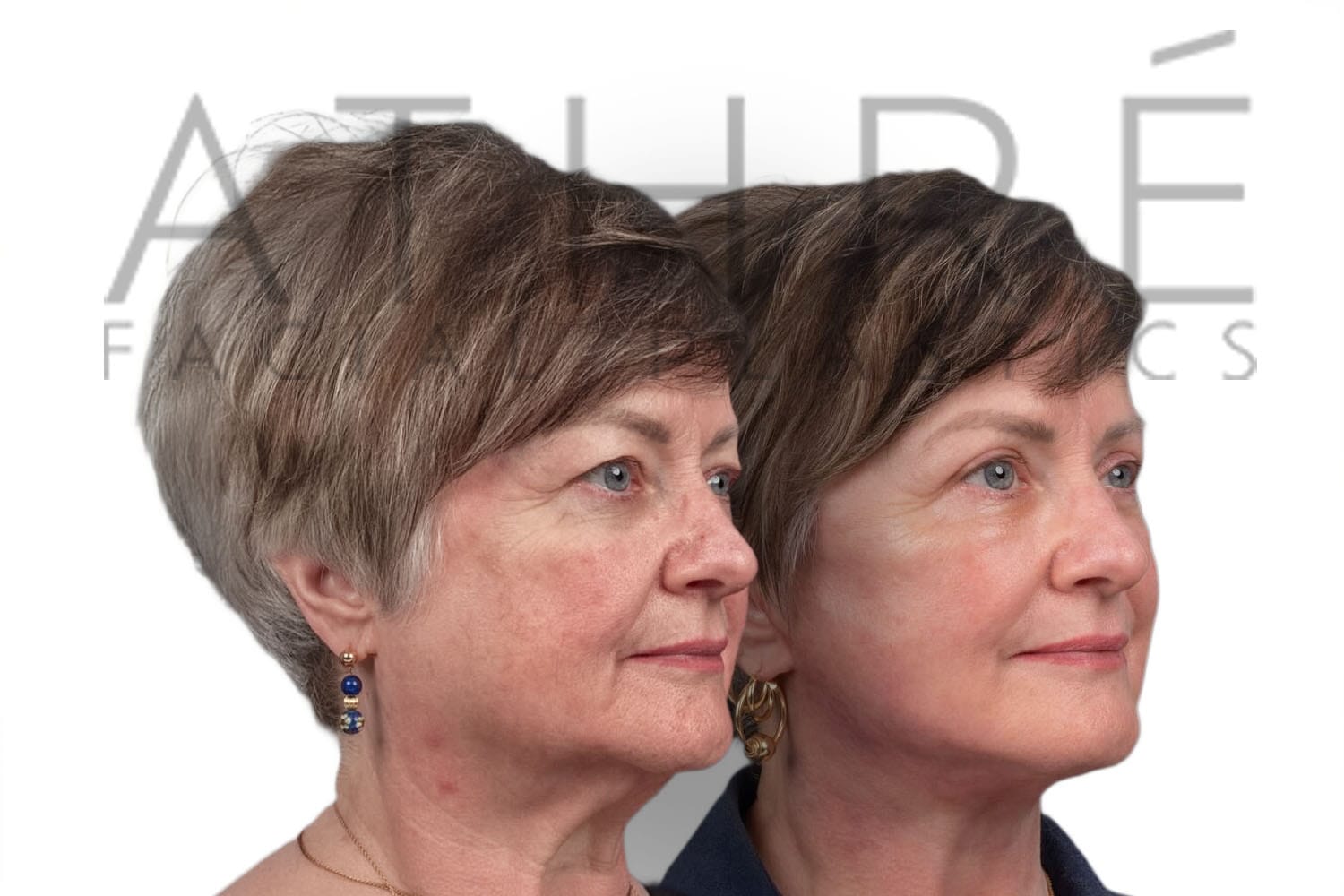
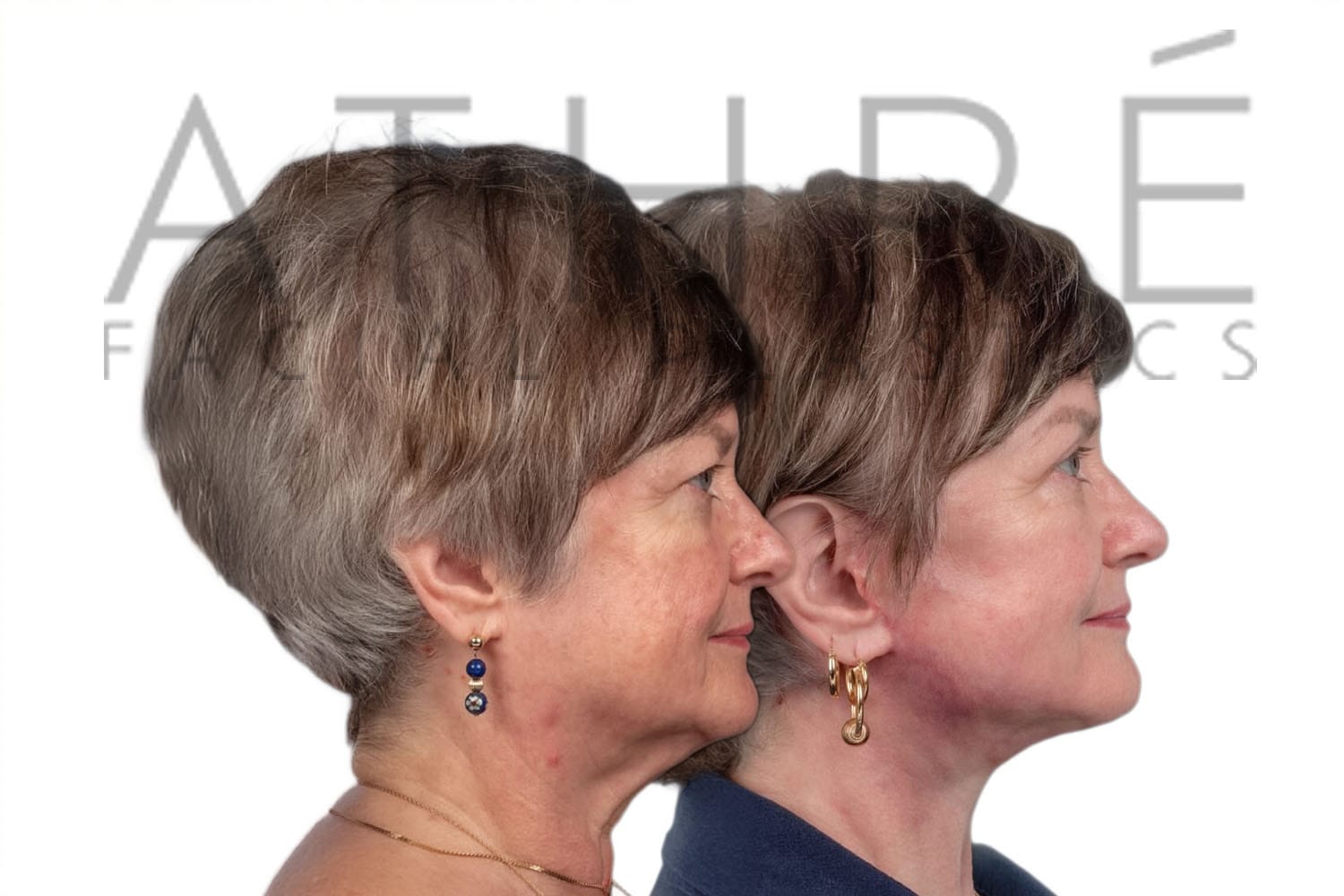
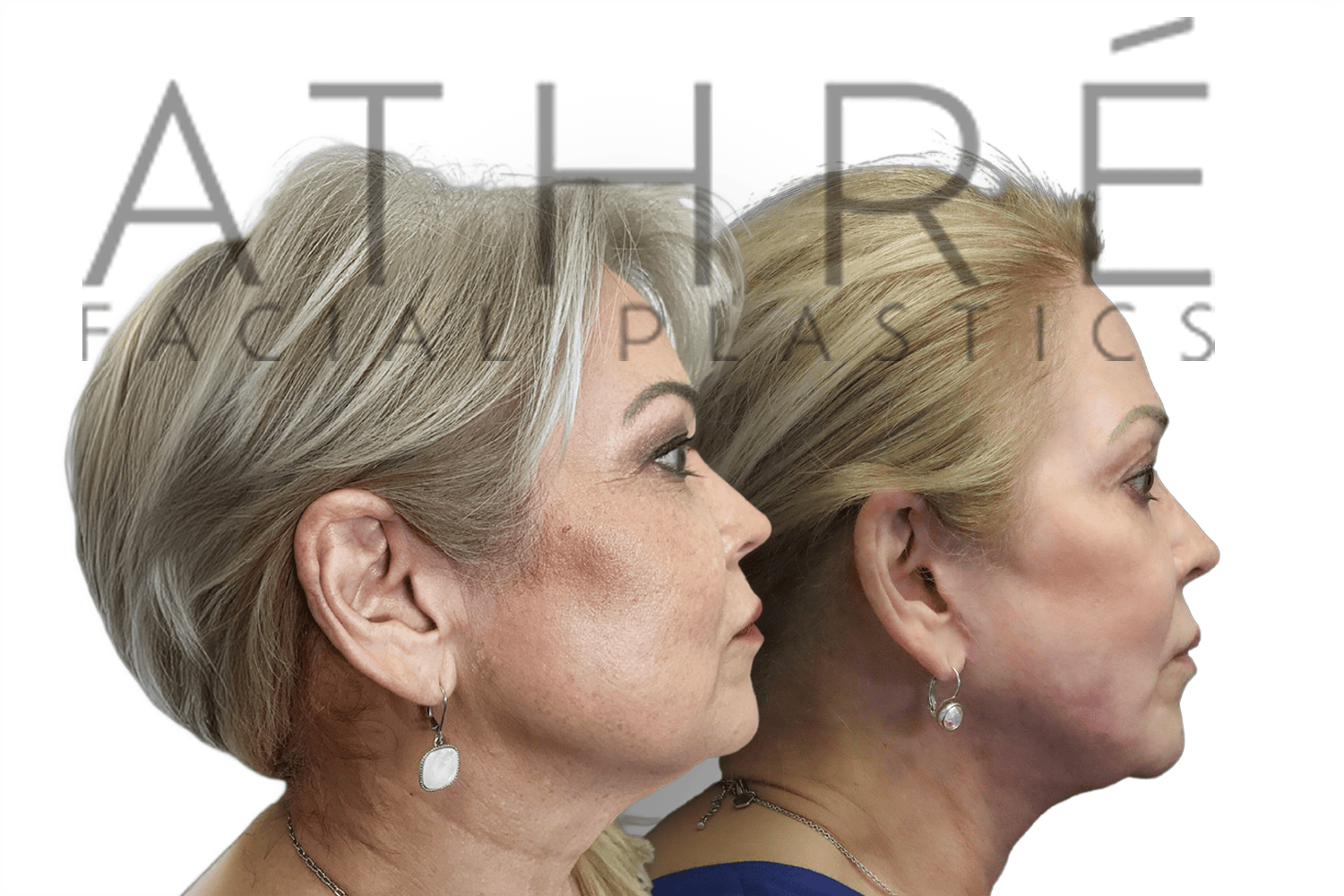
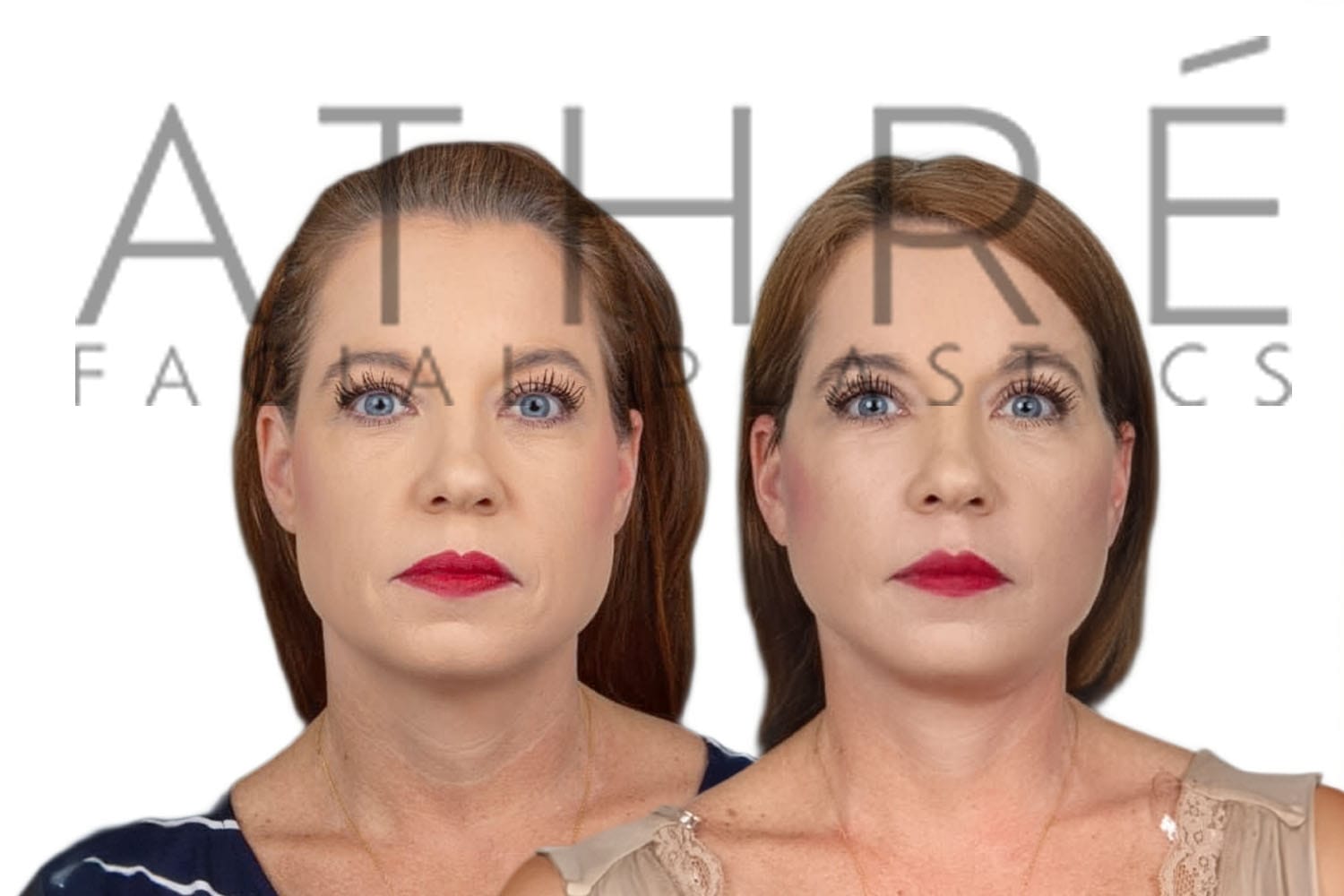
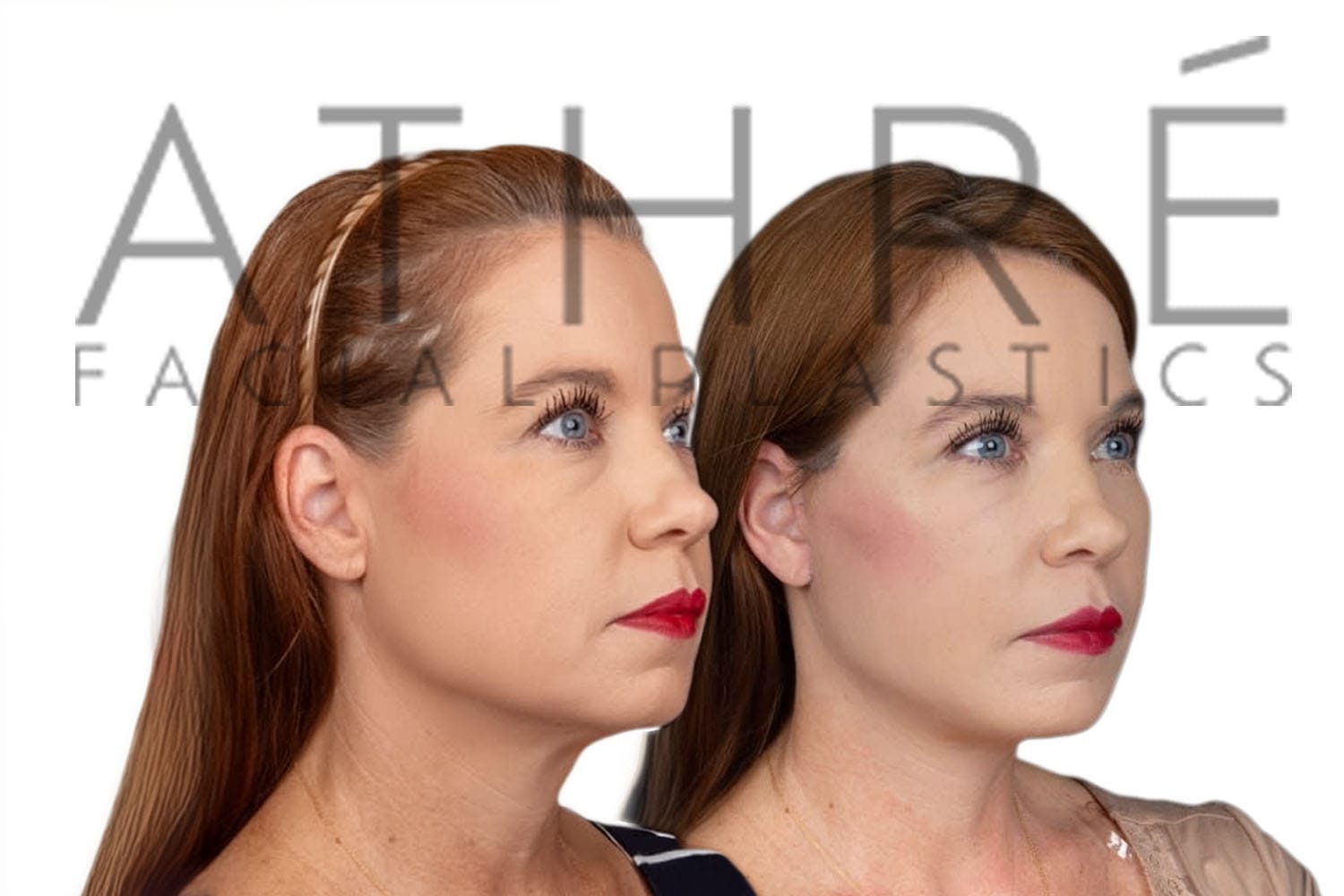
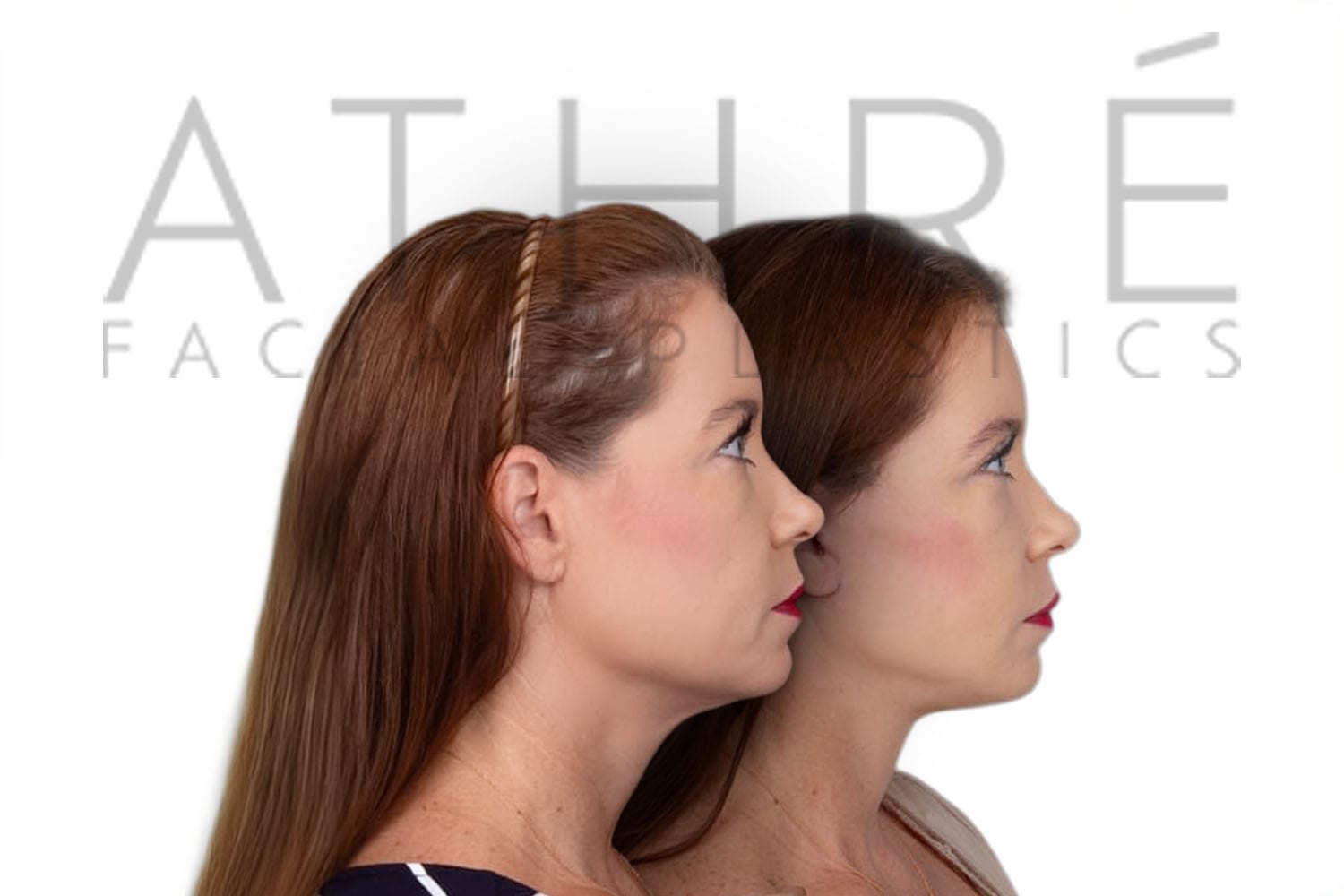
When you look through these results, pay attention to what hasn't changed. The eyes should still belong to the same face.

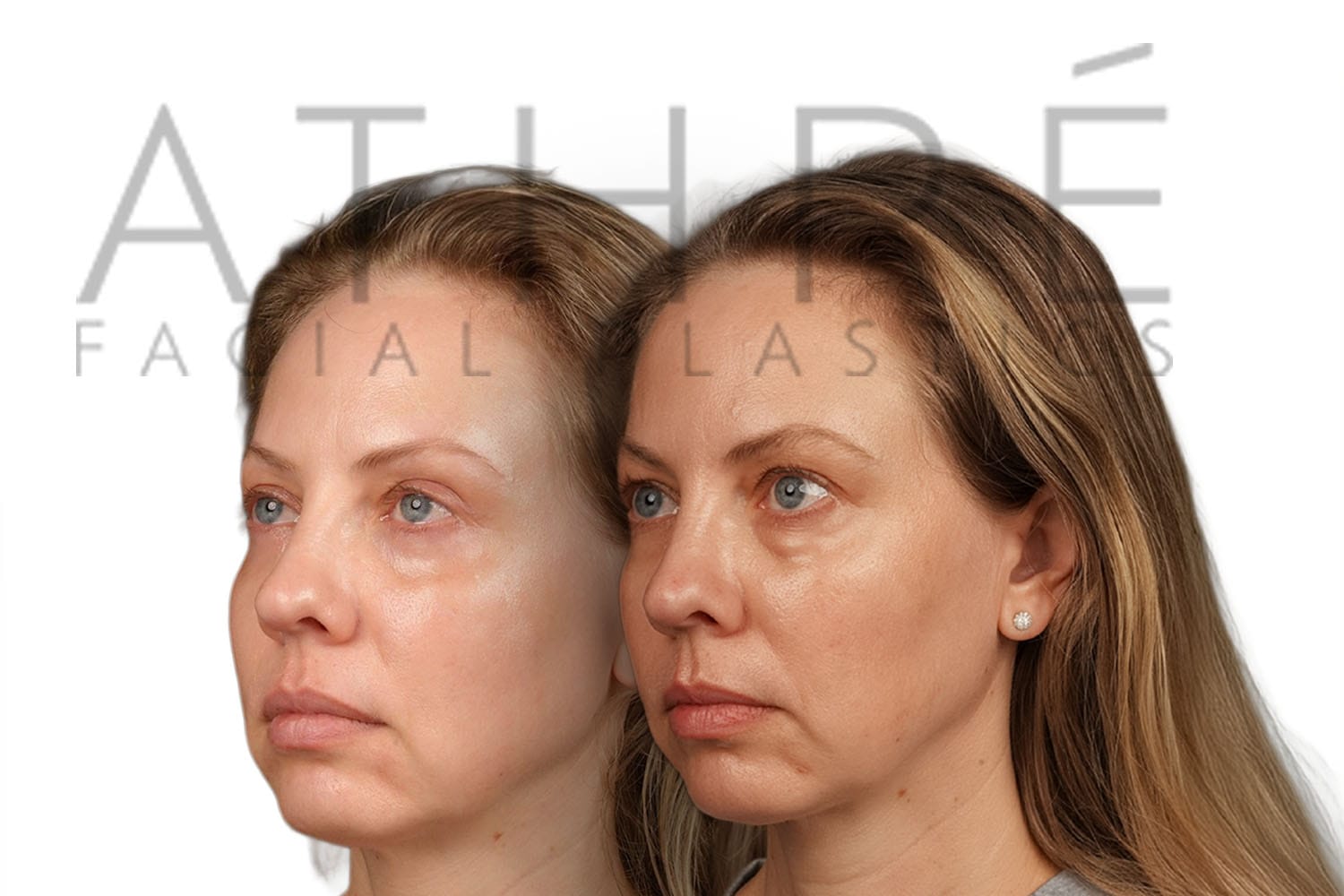
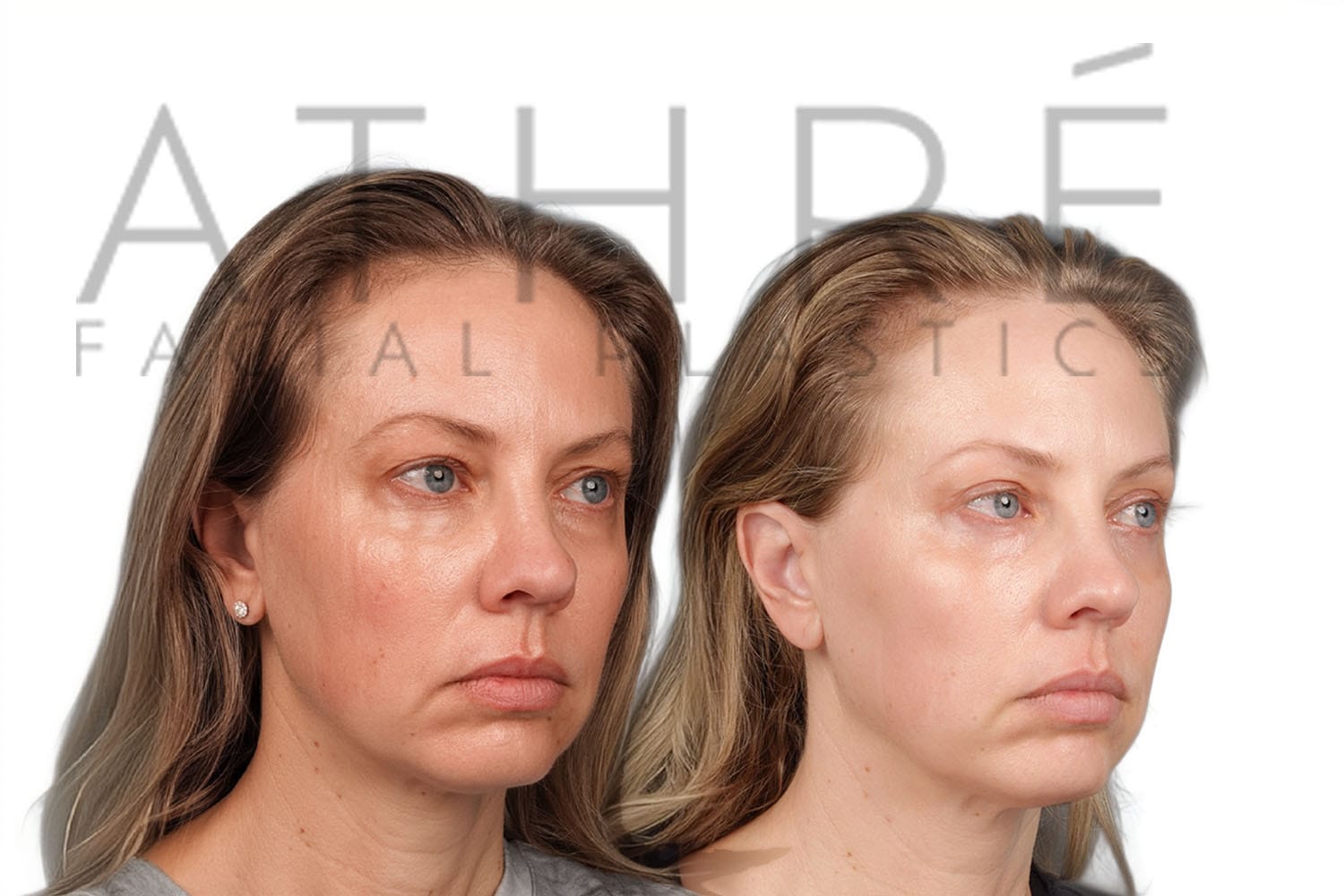
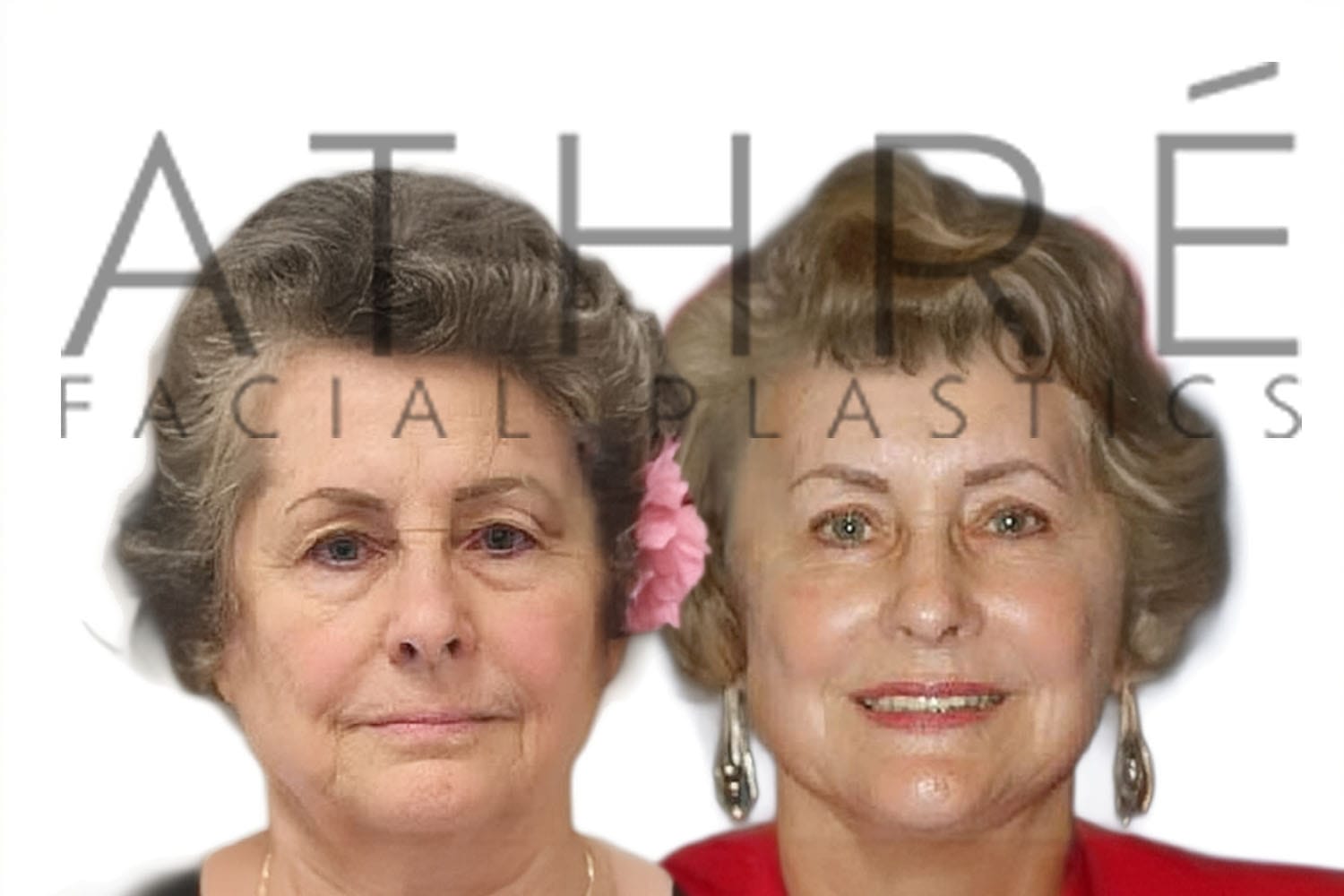
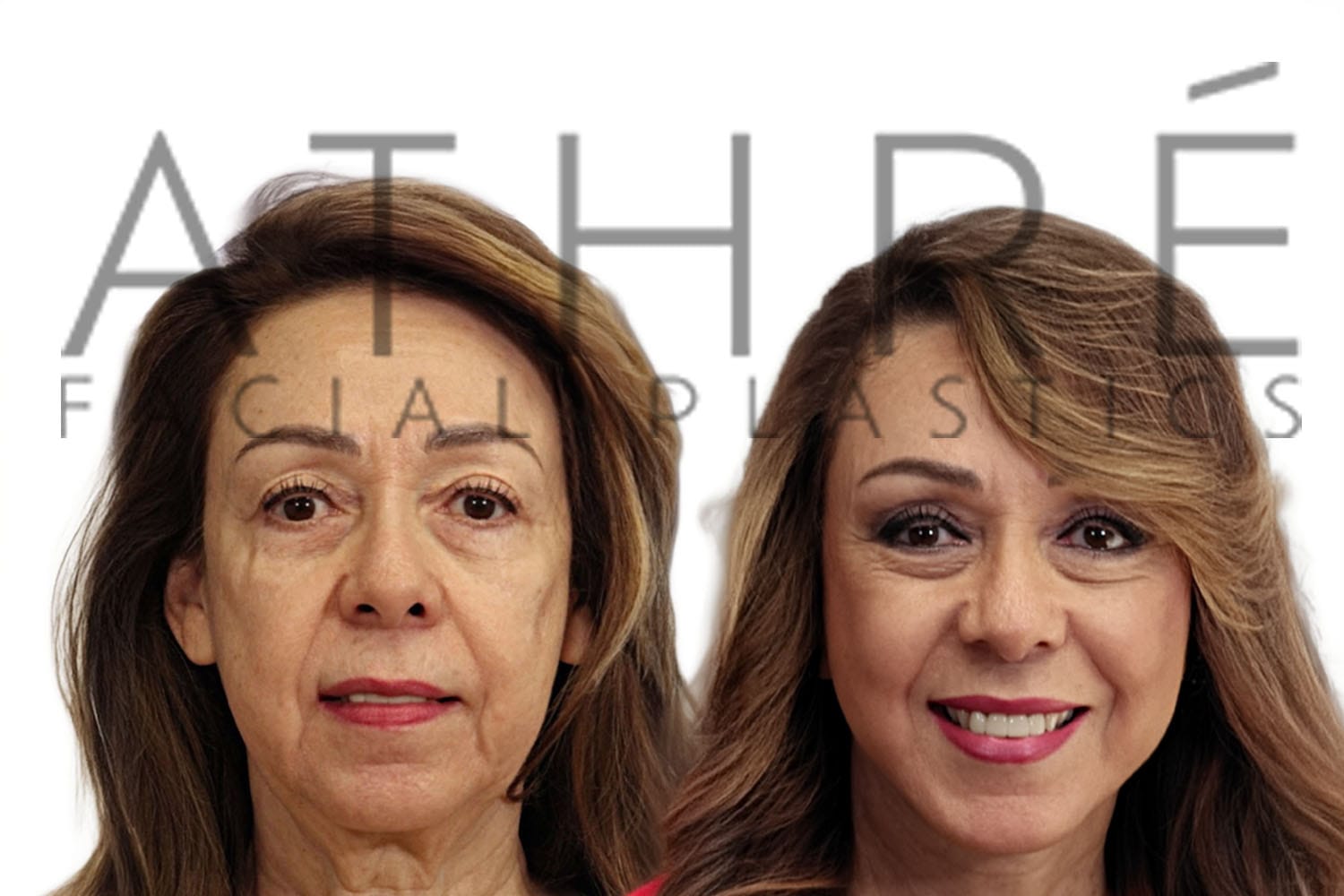
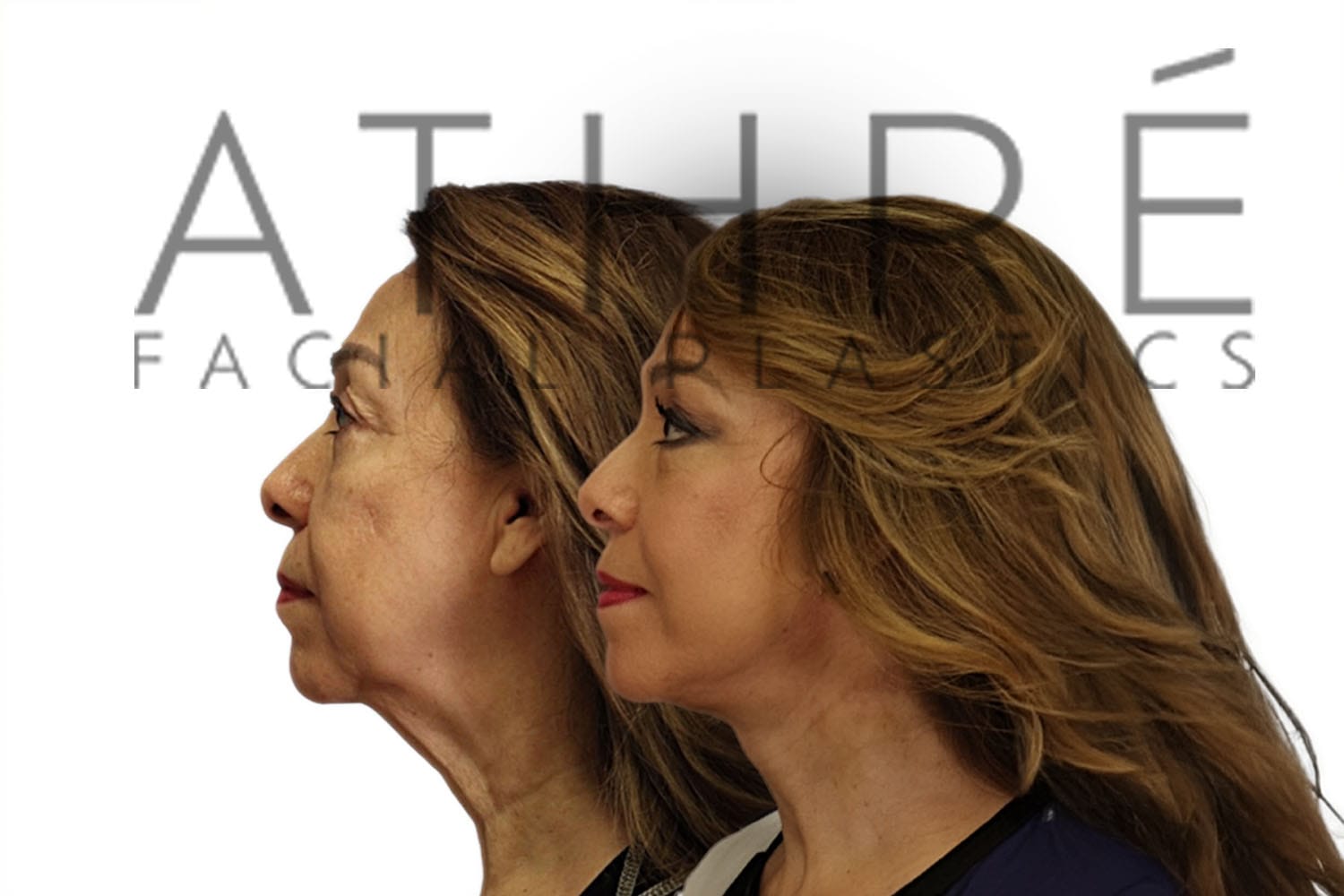
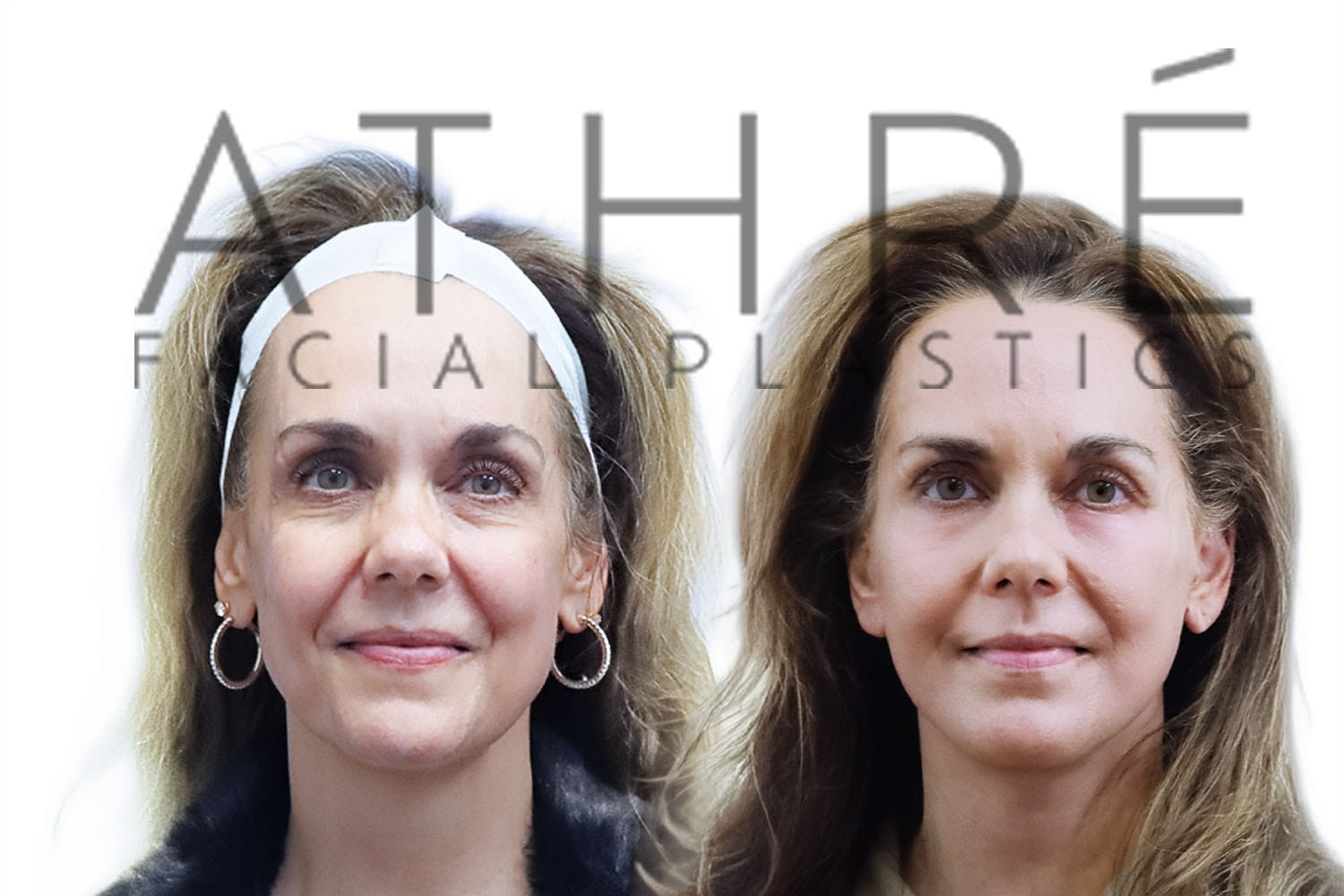
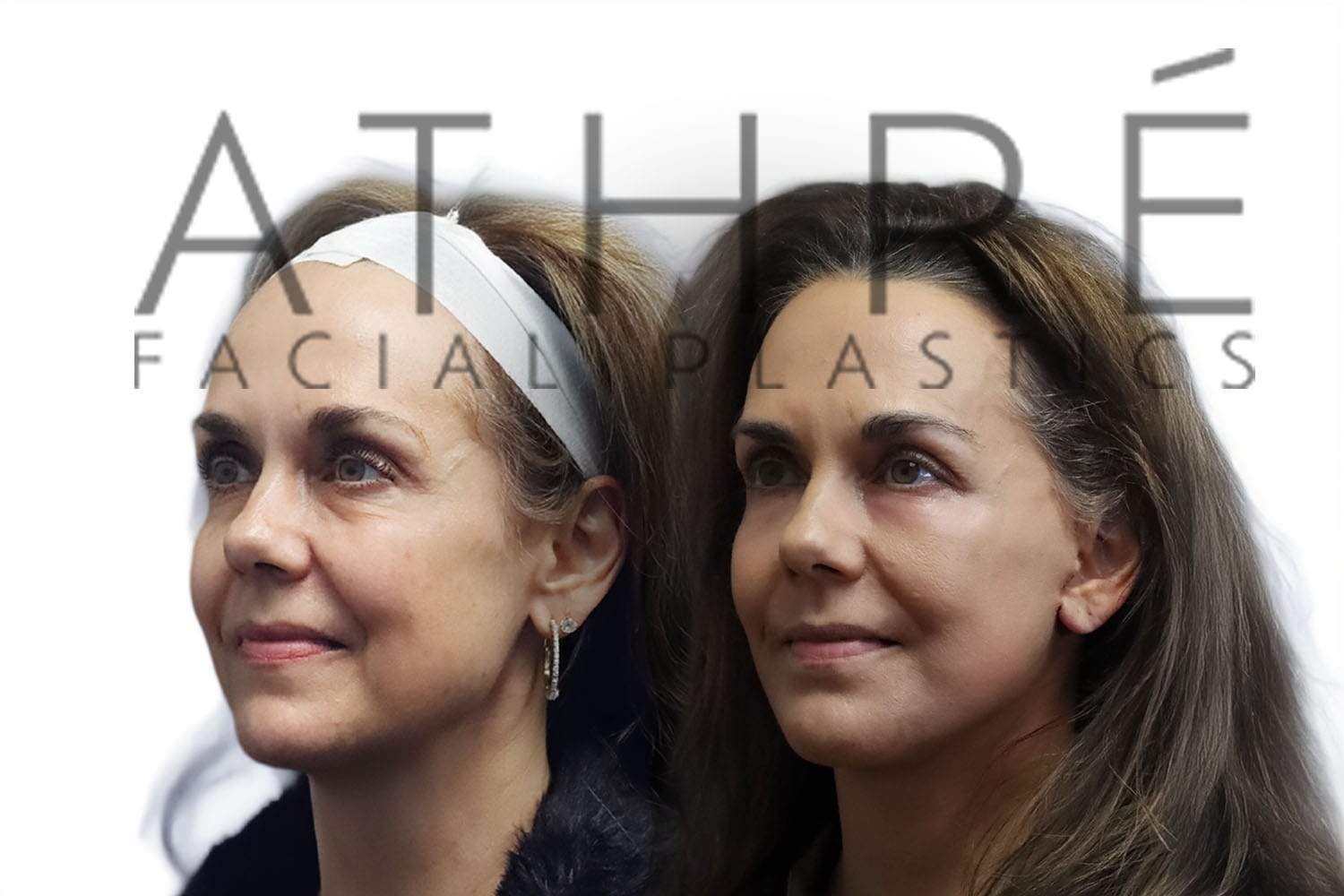

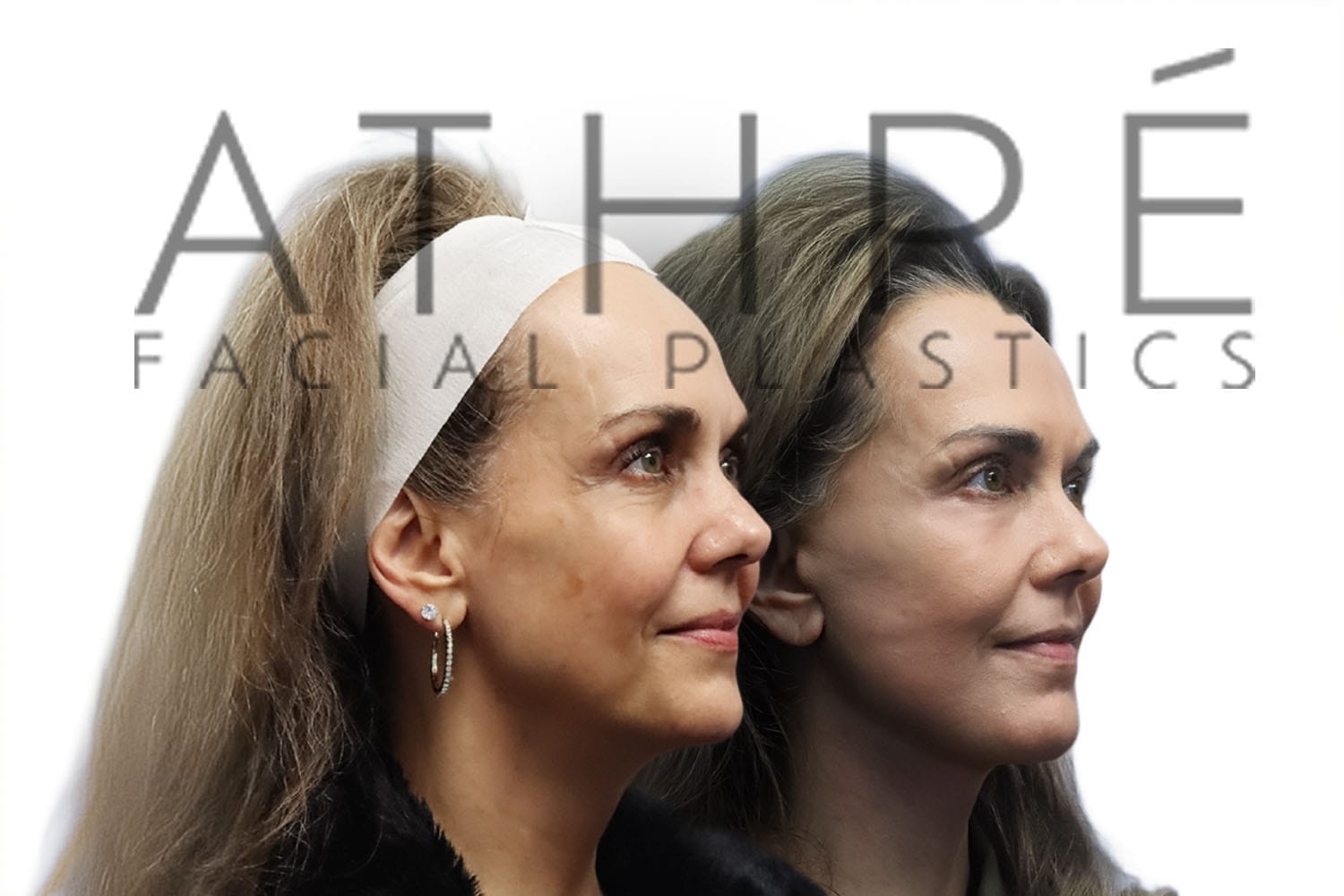
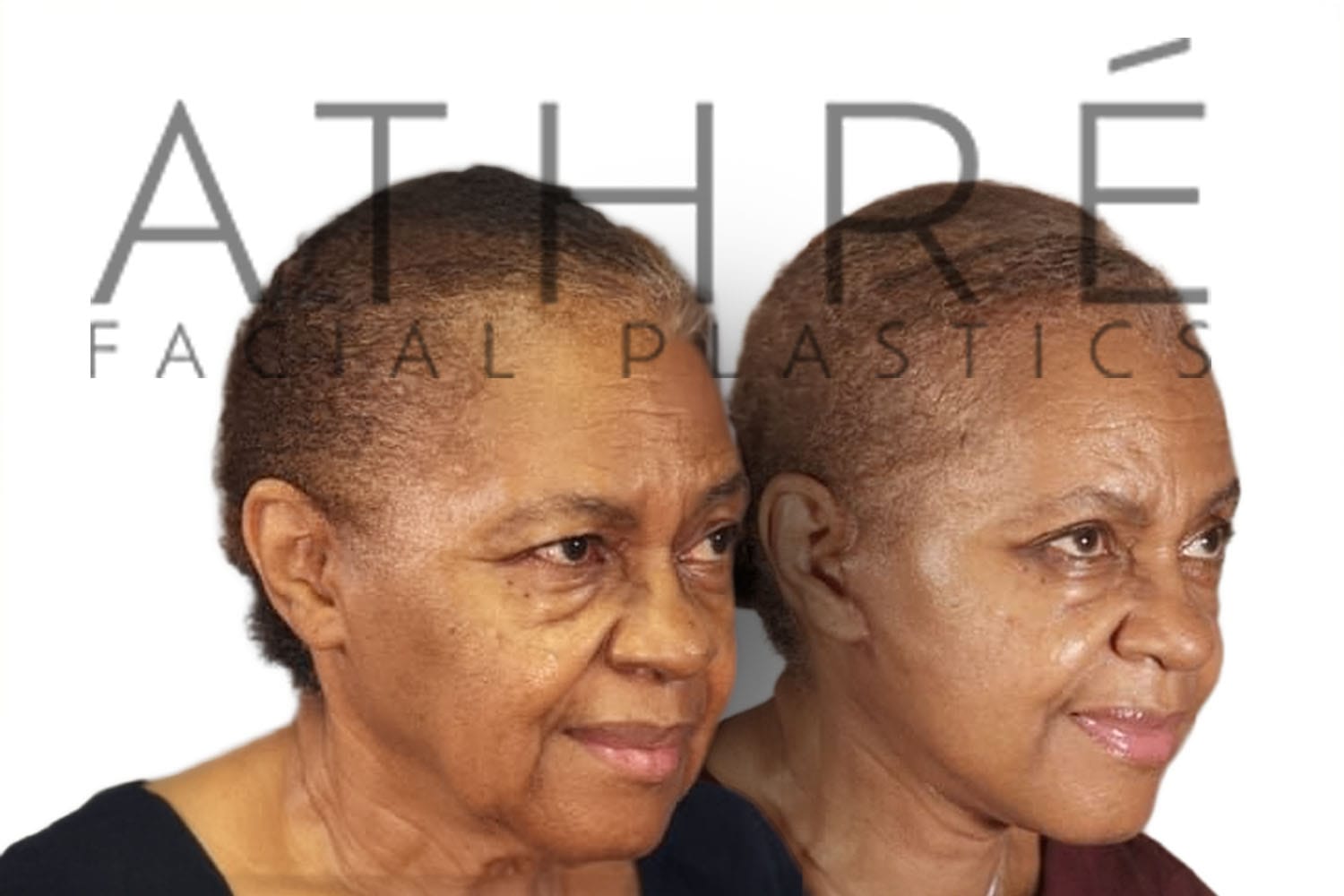
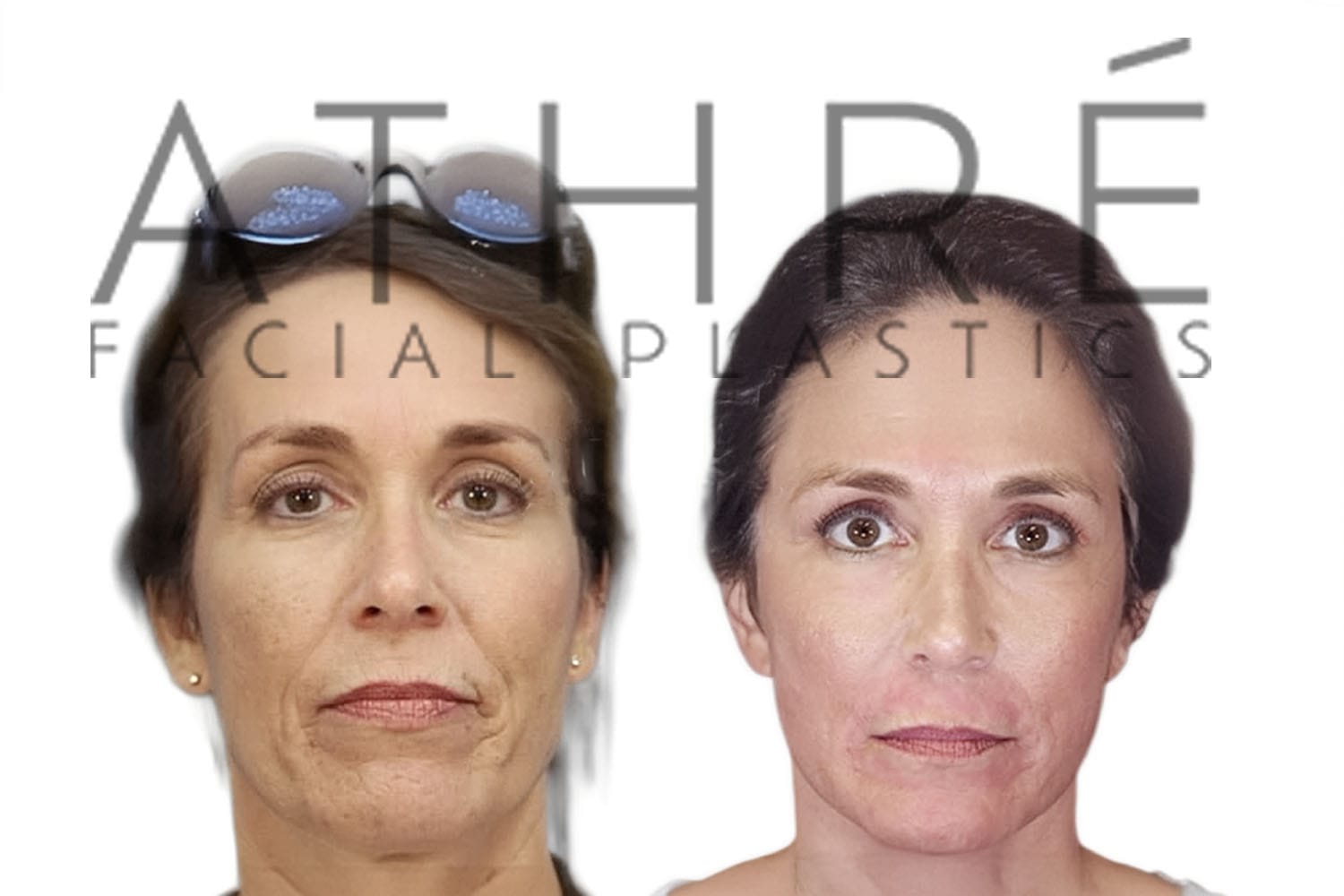
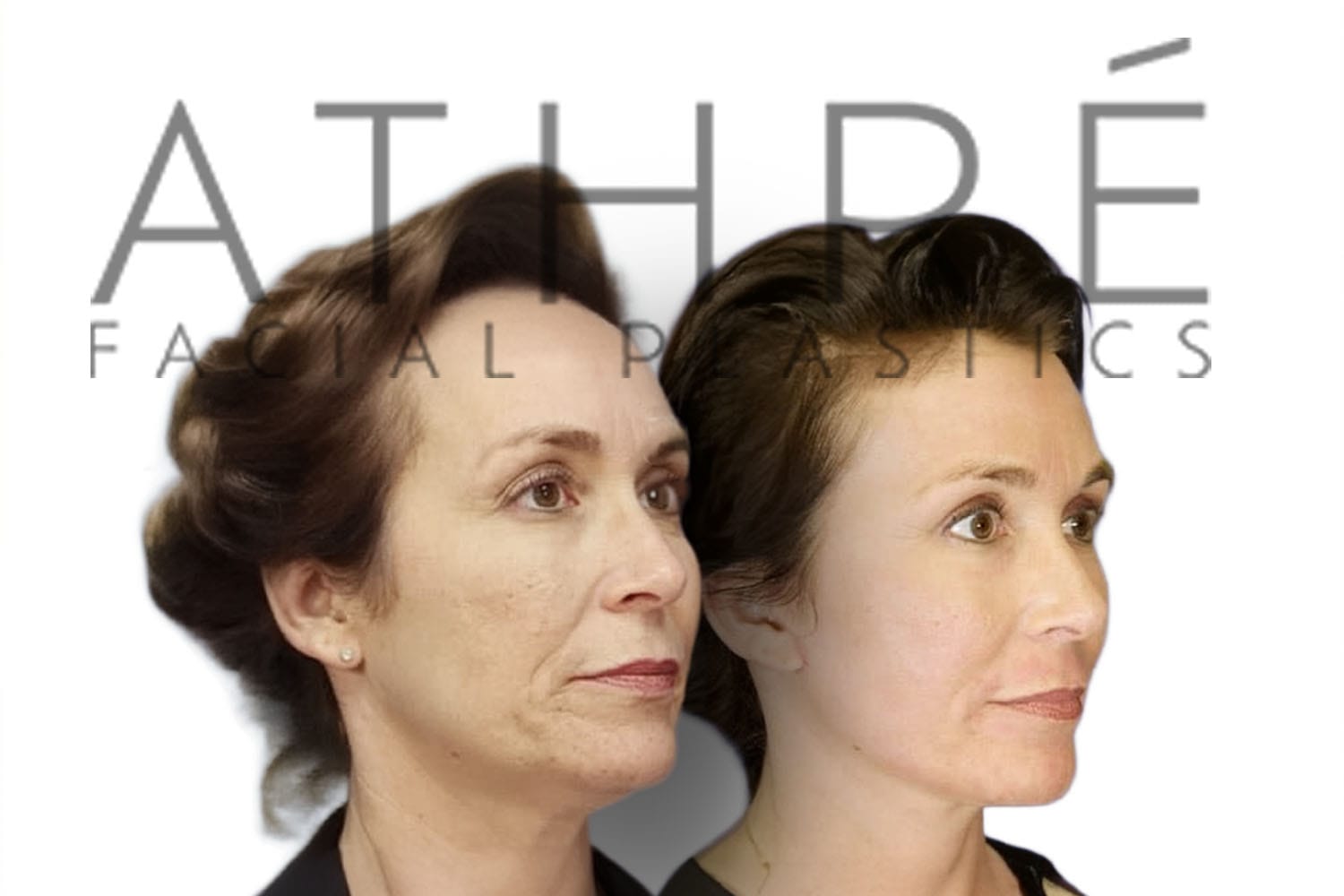
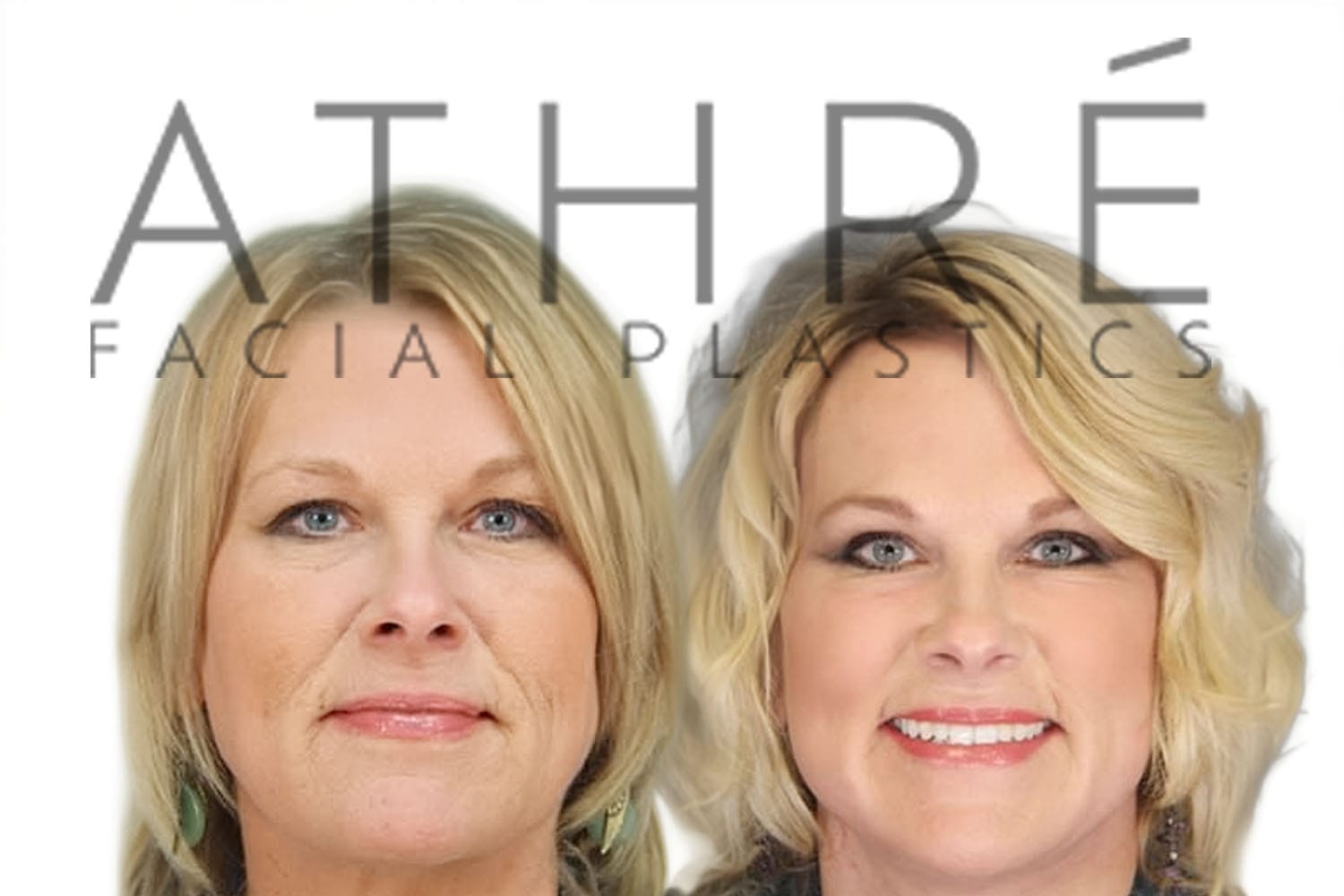
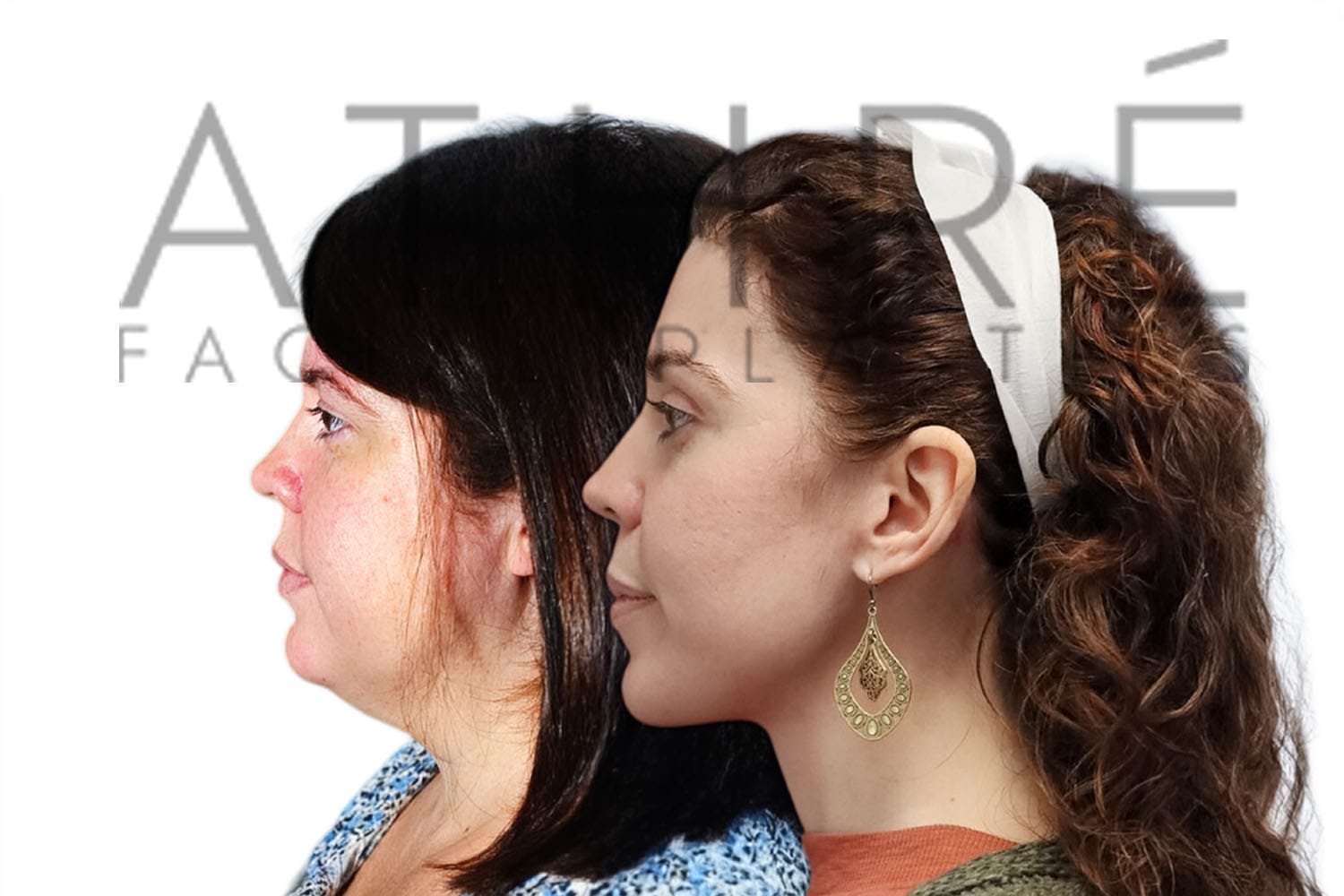
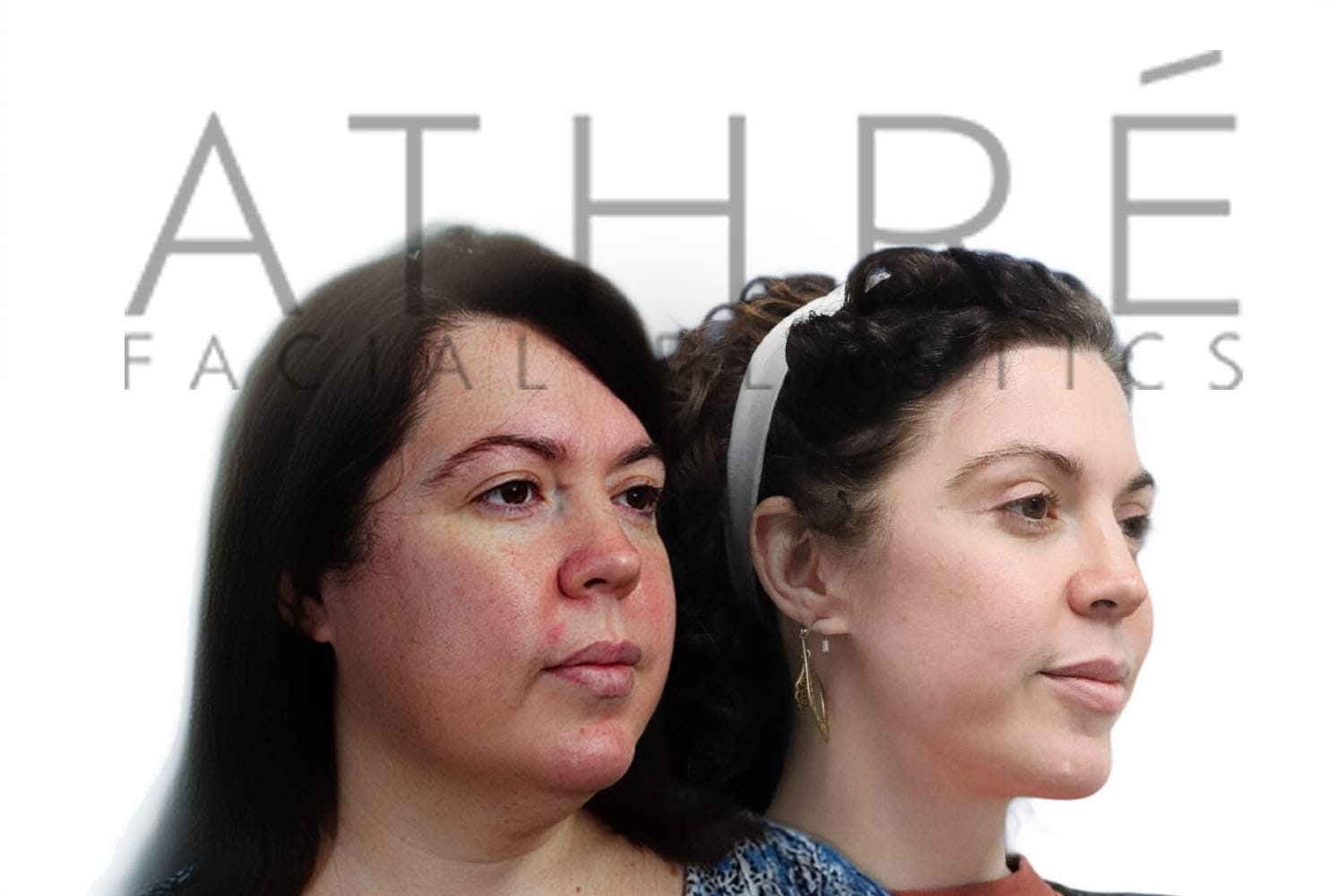
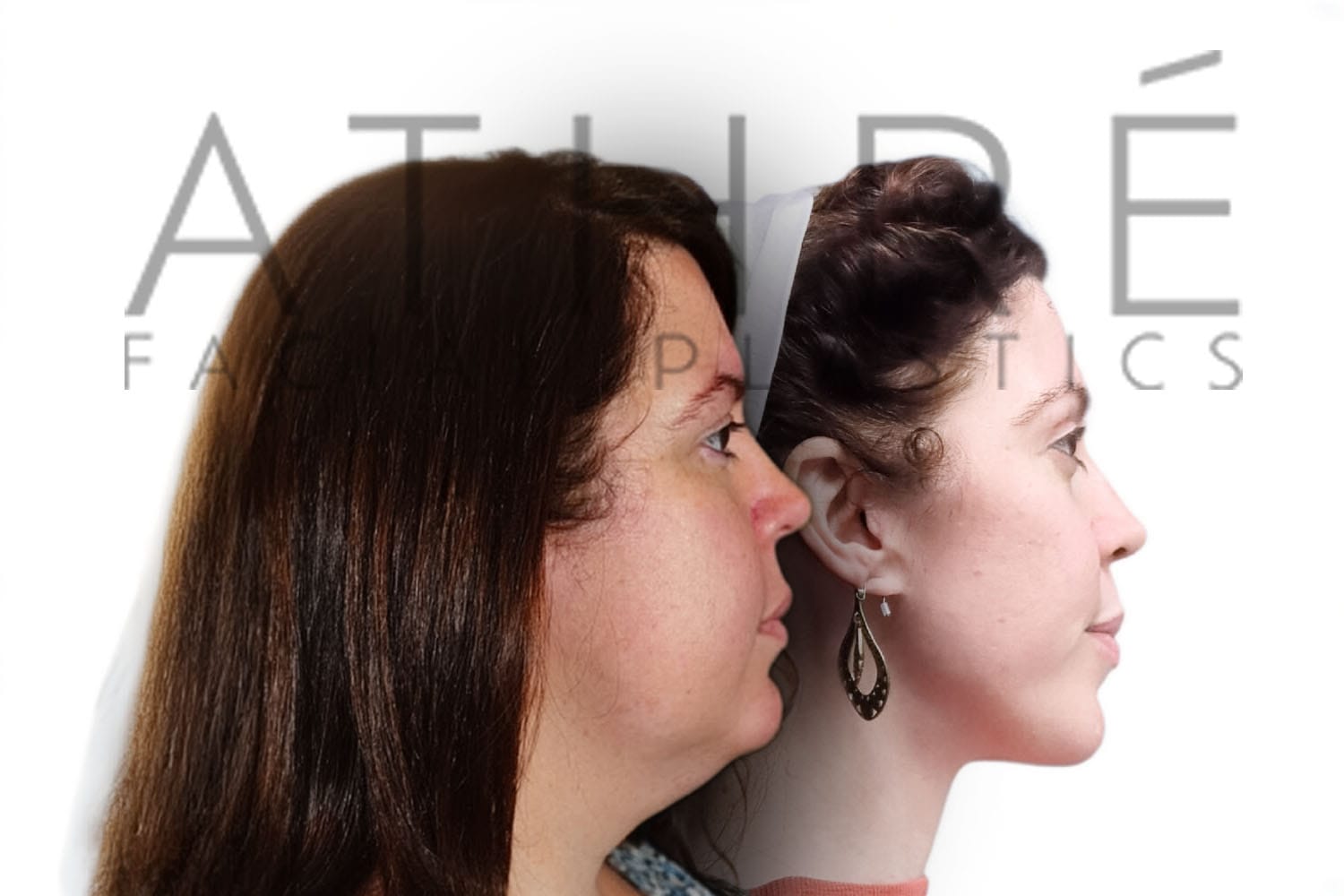
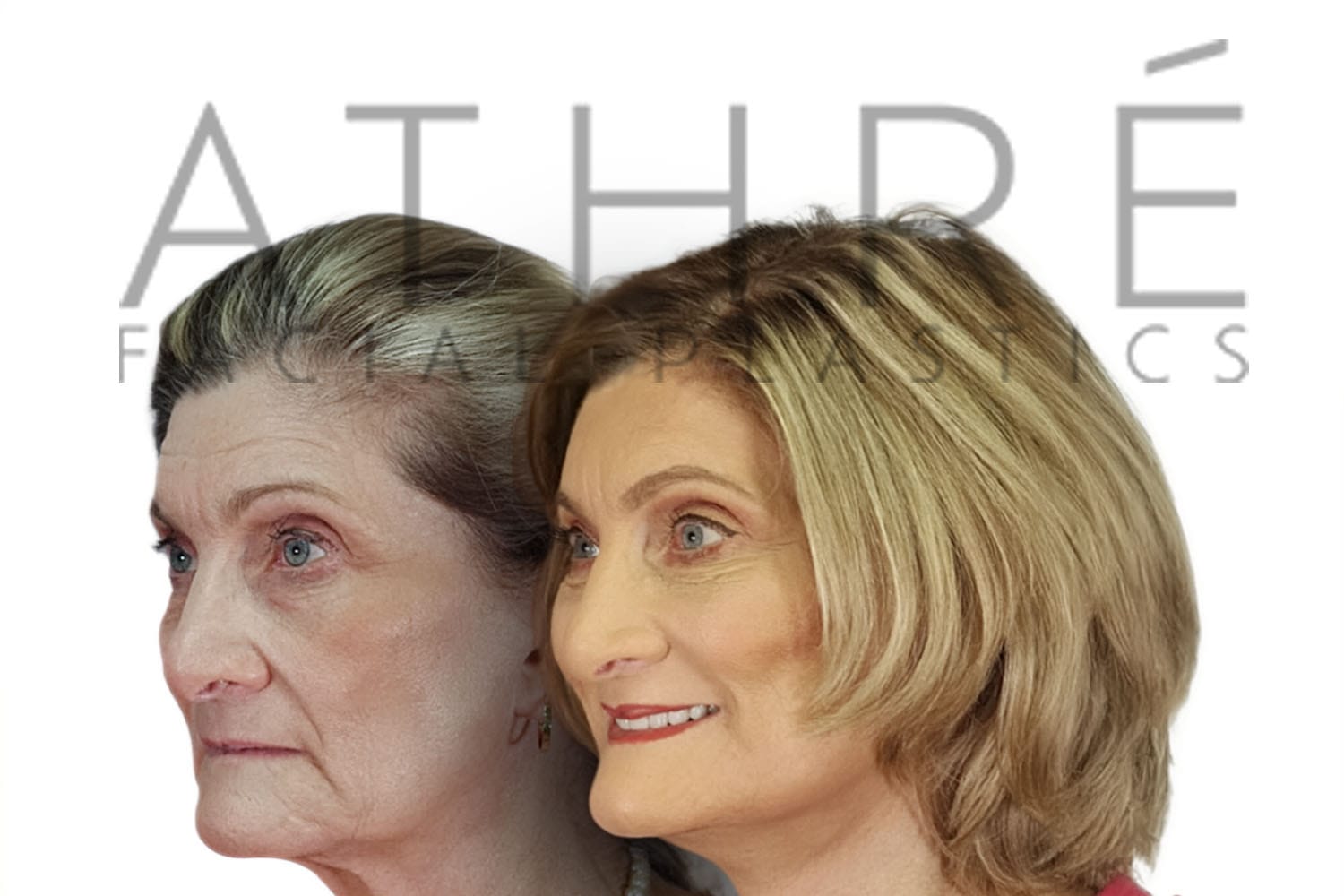
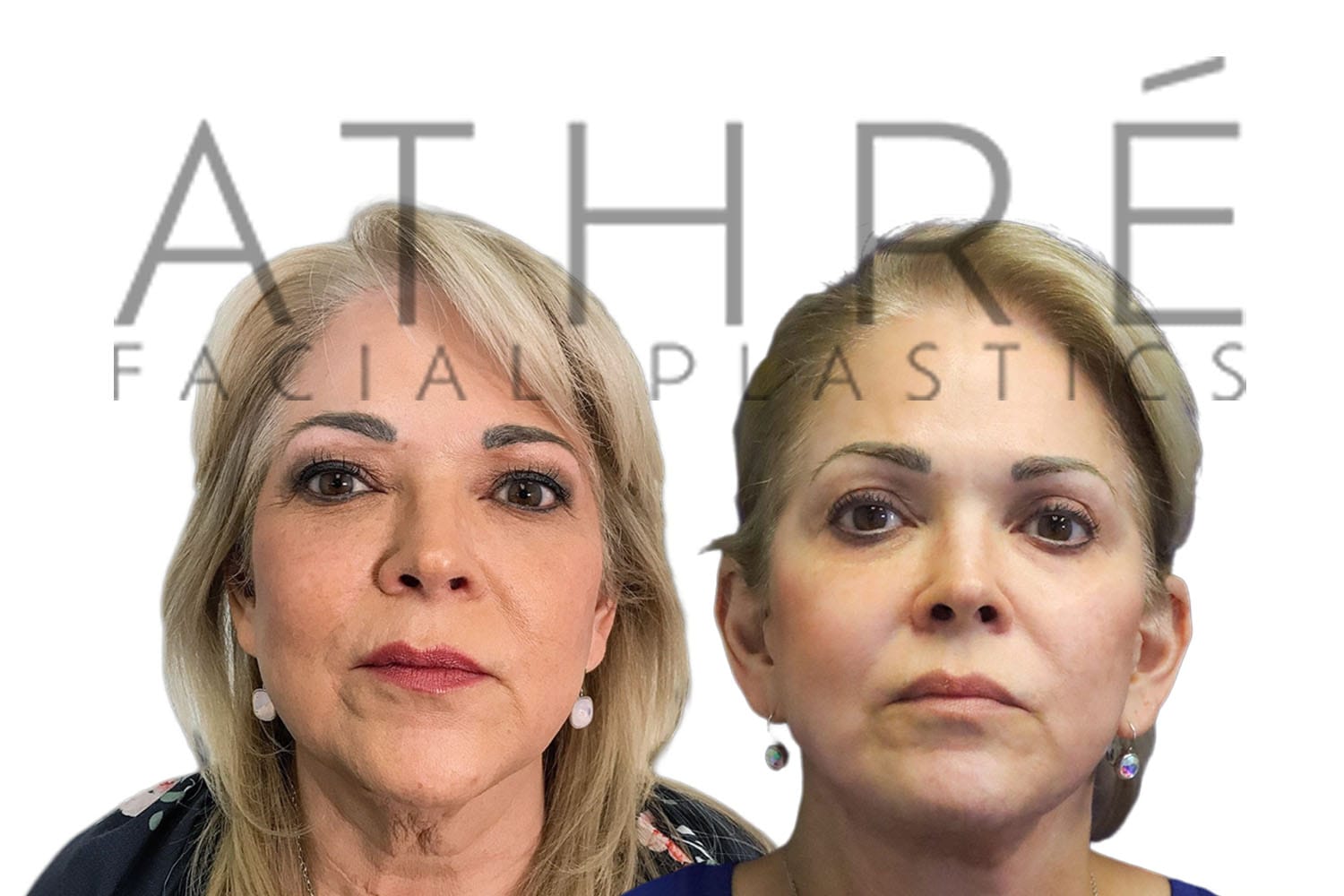
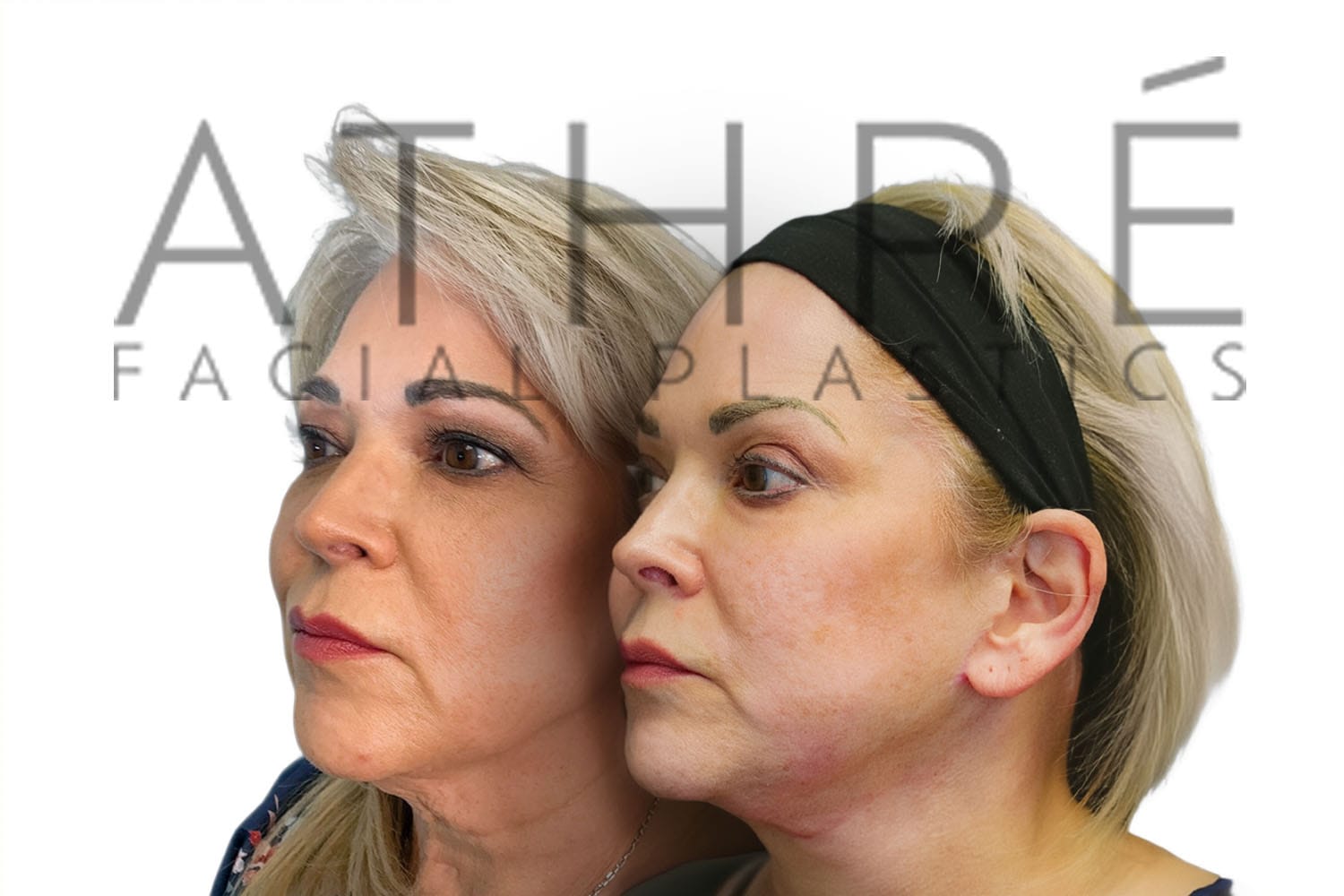
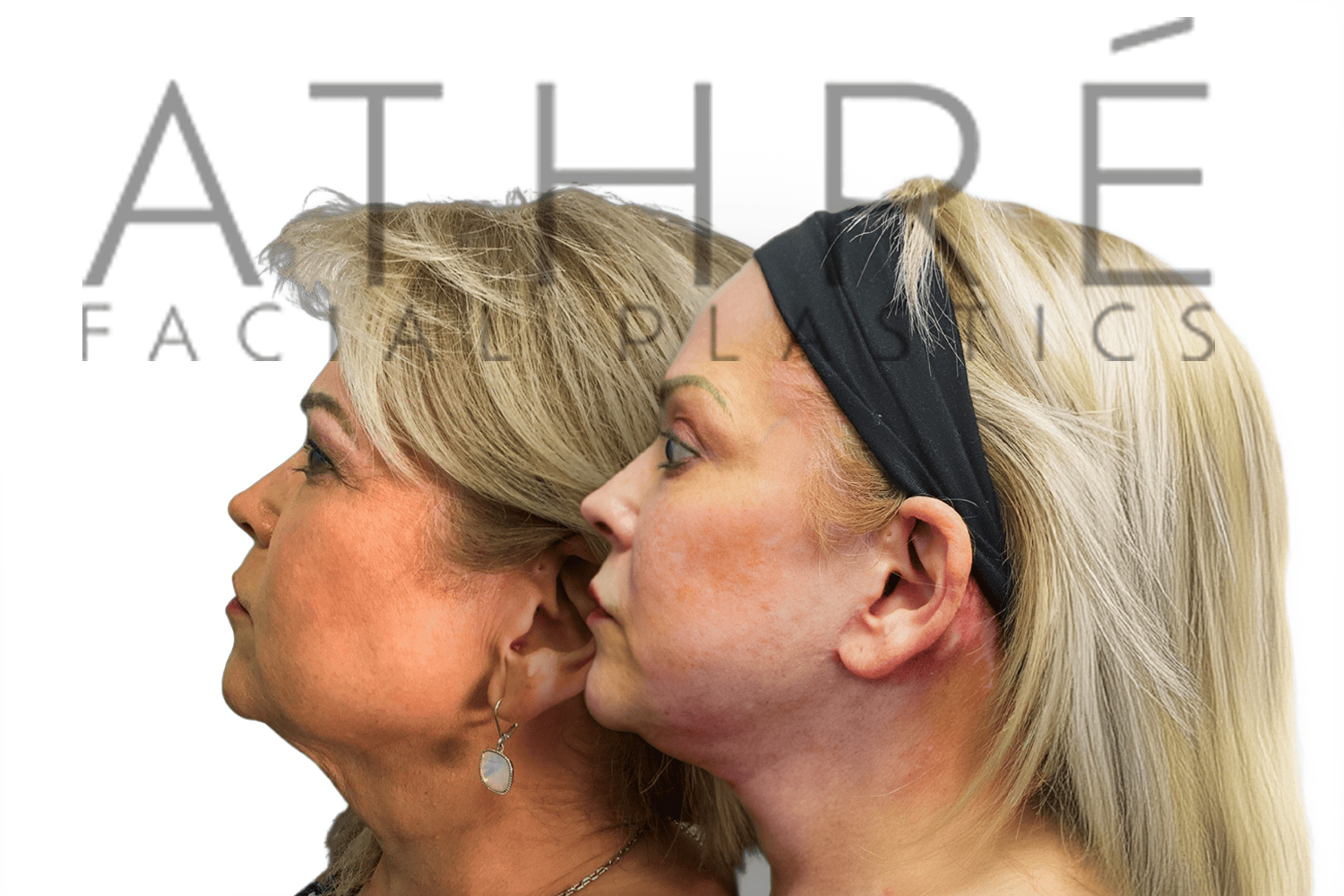
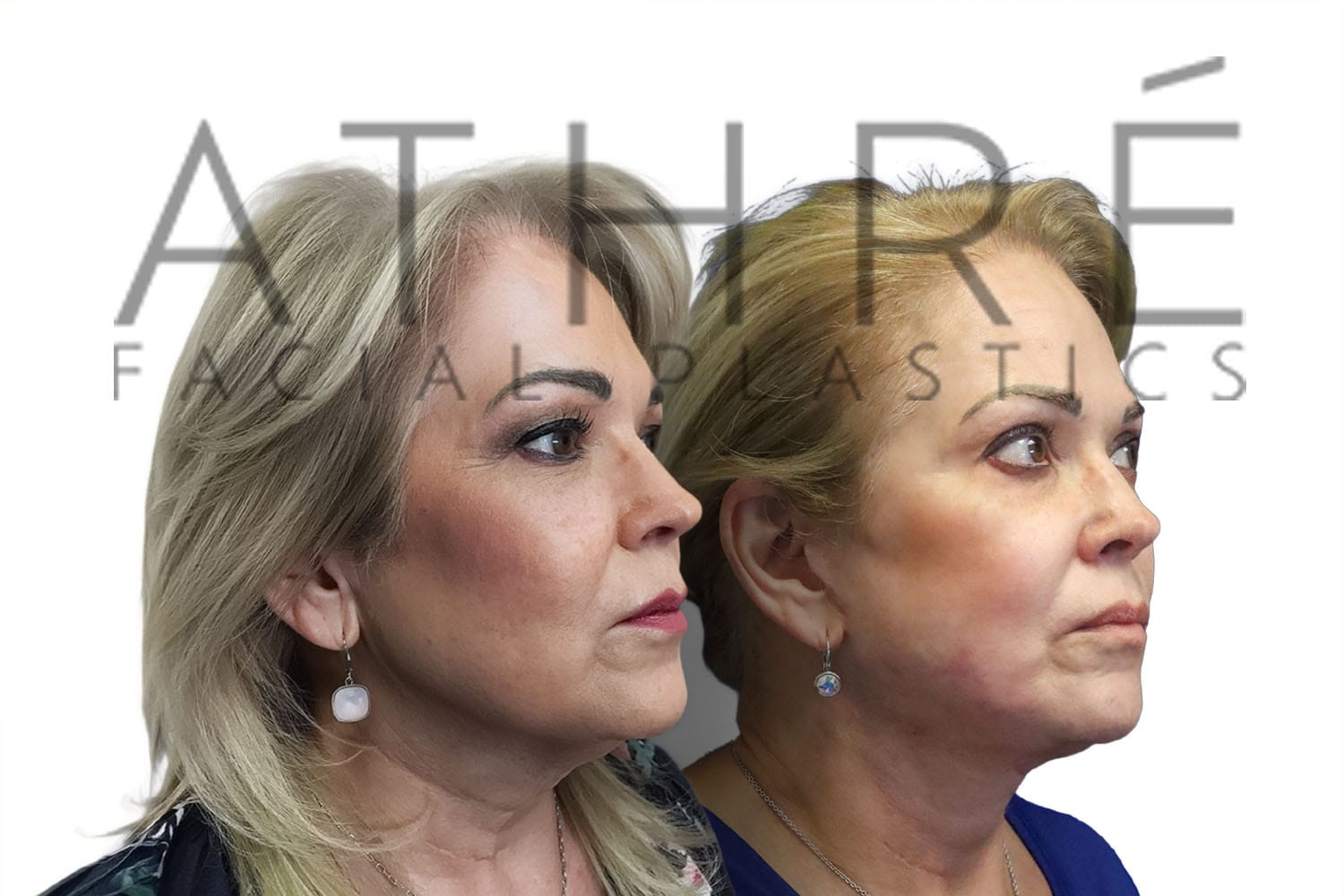
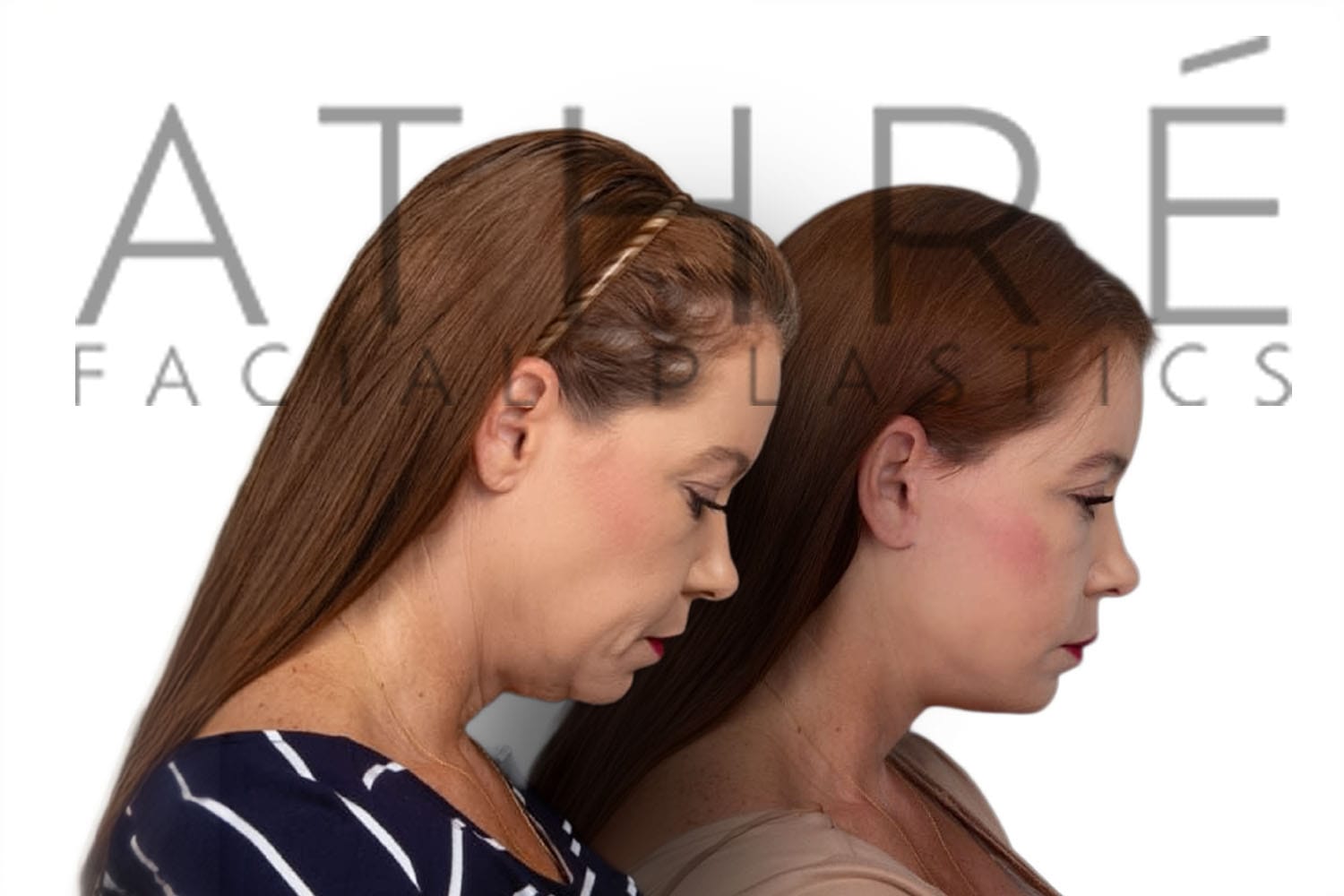
Every Eyelid Requires a Different Approach
Eyelid surgery is not simply a matter of removing extra skin. What makes the eyes look tired or aged can be very different from one patient to the next.
For some patients, the concern is heaviness of the upper eyelid. For others, it is the appearance of bags beneath the eyes. Brow position can also affect how much skin rests over the upper lid. Sometimes the eyelid itself sits too low, creating an entirely different problem. I explain some of these differences in What Causes Eyelids to Droop Differently?.
That matters because the surgical approach should address the underlying cause.
Upper blepharoplasty can remove excess skin when it is truly coming from the upper eyelid. Lower blepharoplasty requires a different approach. Depending on the patient's anatomy, I may work from inside the lower eyelid or use an incision just beneath the lashes.
There are also patients whose anatomy calls for something other than conventional blepharoplasty. In my article on treatments for excess skin around the eyes, I discuss why brow position and eyelid anatomy need to be evaluated together.
I don't begin by deciding how much tissue I can remove. I begin by determining what needs to be corrected and, just as importantly, what needs to be preserved.
What to Look for in Eyelid Surgery Before and After Photos
When evaluating eyelid surgery results, start with the eyes themselves. Look at whether the upper eyelid appears less heavy without looking hollow. With lower eyelid surgery, notice what happened to the bags beneath the eyes and how naturally the lower lid transitions into the cheek.
Then look at the shape of the eyes.
Surgery around the eyelids can produce a noticeable improvement even when very little tissue is removed. That is one reason I don't judge a result by how dramatic the change appears. Taking away more does not automatically create a better outcome.
I also pay attention to the lower eyelid's position against the eye. The goal is to improve the contour without creating an unnatural, rounded appearance or pulling the lower eyelid downward.
Not every under-eye concern requires surgery. Puffiness, hollowing and changes in skin quality can have different causes. I discuss several of these concerns in 5 Ways to Help Reduce Under-Eye Bags.
The patients above did not all have the same problem, and they did not all require the same surgery. Some underwent upper or lower blepharoplasty alone, while others had additional procedures that contributed to the final result.
When reviewing their photographs, I want you to notice what has improved, but also what has remained unchanged. The natural shape, proportions and character of the eyes should still be recognizable.
The goal is not to give someone different eyes. It is to make their own eyes look better.
FREQUENTLY ASKED
Eyelid Surgery Before and After FAQs
Understand eyelid contours, natural-looking results, healing, and what to look for when comparing photographs.
What should I look for in eyelid surgery before and after photos?
Look at the shape of the eyes, the amount of upper eyelid skin and the contour beneath the lower eyelids. I want to see improvement without an excessively hollow upper eyelid or an unnatural lower eyelid position. The eyes should maintain their original character. A large prospective study of upper blepharoplasty patients demonstrated significant improvements in patient-reported satisfaction with the appearance of the eyes and upper eyelids. But photographs are only one way to evaluate success. I also consider whether the result looks natural and whether the eyelids continue to function properly.
How can I tell whether a patient had upper or lower blepharoplasty?
Upper blepharoplasty generally addresses excess skin and, when appropriate, fat in the upper eyelids. Lower blepharoplasty addresses concerns such as under-eye bags, displaced fat and changes in the transition between the lower eyelid and cheek. Some patients undergo both procedures. A clinical review of lower eyelid rejuvenation explains how fat prominence, tear trough hollowing, skin laxity and eyelid support influence surgical planning. I encourage patients to read the procedure descriptions rather than assuming every improvement around the eyes came from the same technique.
Why do some lower eyelid surgery results look smoother while others show more volume?
Lower eyelid aging can involve both prominent fat pads and hollowing beneath them. Simply removing fat may reduce a visible bag, but it doesn't necessarily correct the depression between the eyelid and cheek. In selected patients, I may preserve or reposition fat, or use fat transfer to improve that transition. A systematic review of lower eyelid fat grafting and repositioning examined these techniques and their potential complications. The objective is a smoother, more natural contour rather than simply removing as much fat as possible.
What is the difference between transconjunctival and traditional lower eyelid surgery?
A transconjunctival approach uses an incision inside the lower eyelid, allowing access to the fat without an external skin incision. A transcutaneous approach uses an incision near the lower eyelashes and may be appropriate when skin removal or other external tissue adjustments are needed. Neither approach is automatically right for every patient. A systematic review comparing transconjunctival and transcutaneous lower blepharoplasty found that both approaches can be effective for selected patients. I choose the approach according to the anatomy, skin quality and correction required.
Can eyelid surgery correct drooping caused by the eyebrows?
Not when brow descent is the primary cause of the heaviness. Excess upper eyelid skin, a low eyebrow and true eyelid ptosis can create similar appearances, but they involve different anatomical structures. A patient may need blepharoplasty, brow lifting, ptosis repair or a combination of treatments. A clinical review of eyelid ptosis and related conditions emphasizes the importance of identifying the actual cause of drooping before selecting surgery. I evaluate the brow and eyelid together because removing skin alone may not address the underlying problem.
Can blepharoplasty make the eyes look hollow or change their shape?
Yes. Excessive tissue removal can contribute to a hollow appearance, while changes in lower eyelid support or position can alter the shape of the eye. That is one reason I approach eyelid surgery conservatively and pay close attention to the supporting anatomy. A systematic review of lower blepharoplasty complications examined aesthetic and functional concerns associated with lower eyelid surgery. My goal is to improve the appearance of the eyes while preserving their natural contour, position and function.
Why do some patients have canthopexy with lower eyelid surgery?
Canthopexy provides additional support to the outer corner of the lower eyelid. I may consider it when the patient's eyelid anatomy, laxity or planned surgery makes additional support appropriate. The goal is to help maintain the natural position of the lower lid rather than change the shape of the eye unnecessarily. A systematic review of lower eyelid surgery safety discusses complications involving lower eyelid position and function. Several patients in this gallery underwent canthopexy alongside blepharoplasty, so it is important to consider that additional support when evaluating their results.
How long after eyelid surgery should before and after photos be taken?
There is no single postoperative date that represents the final result for every patient. Early swelling and bruising can temporarily change the appearance of the eyelids, especially around the lower lid and tear trough. As healing progresses, the contours become easier to evaluate. A prospective study evaluating upper blepharoplasty patients at six and twelve months demonstrated sustained improvements in patient-reported satisfaction. That does not mean every patient requires twelve months to heal. I encourage patients to consider when the photographs were taken and which additional procedures may have influenced recovery.
Will eyelid surgery scars be visible in before and after photographs?
Not necessarily. Upper blepharoplasty incisions are generally placed within the natural upper eyelid crease, where they may become less noticeable as healing progresses. Transconjunctival lower blepharoplasty uses an incision inside the lower eyelid, while an external lower eyelid approach may leave a scar just beneath the lashes. A review of transconjunctival lower blepharoplasty explains the anatomical advantages of accessing the lower eyelid through its inner surface. Standard before and after photographs may not reveal every incision, so I discuss scar placement and healing expectations separately during consultation.
Why do some eyelid surgery patients have more dramatic results than others?
Every patient begins with different eyelid anatomy, skin quality, fat distribution and brow position. Some need only conservative upper eyelid skin removal. Others benefit from lower blepharoplasty, fat repositioning, canthopexy or additional facial rejuvenation. Several patients in this gallery underwent eyelid surgery alongside brow lifting, facial fat transfer or a facelift. Their photographs reflect the combined treatment rather than blepharoplasty alone. A review of lower eyelid rejuvenation techniques explains why different anatomical concerns require different approaches. I want patients to understand what was corrected rather than assume the largest visible change represents the best result.