
Rhinoplasty vs. Septoplasty
Rhinoplasty reshapes or modifies the nose, while septoplasty corrects problems involving the nasal septum.
The septum is an important structural component of the nose, contributing to both its shape and function.
When septal deviation contributes to a crooked nose, correcting the septum may be necessary to achieve better alignment and provide adequate structural support.

About Rhinoplasty

Rhinoplasty is surgery that reshapes the nose to address aesthetic concerns, functional problems, or both.
Depending on a patient’s anatomy and goals, rhinoplasty may involve changes to the nasal bones, cartilage, tip, bridge, nostrils, or internal structures that contribute to nasal support and breathing.
Dr. Athré includes septoplasty as part of every rhinoplasty he performs. This is a deliberate part of his surgical approach: he believes the septum should be addressed when reshaping the nose so that both nasal structure and function can be considered during surgery.
When addressing the septum, Dr. Athré aims to improve its alignment while preserving as much usable cartilage as possible. His previous experience as an ear, nose, and throat (ENT) surgeon, combined with his rhinoplasty training and experience, informs his approach to balancing the aesthetic and functional considerations of rhinoplasty.
About Septoplasty
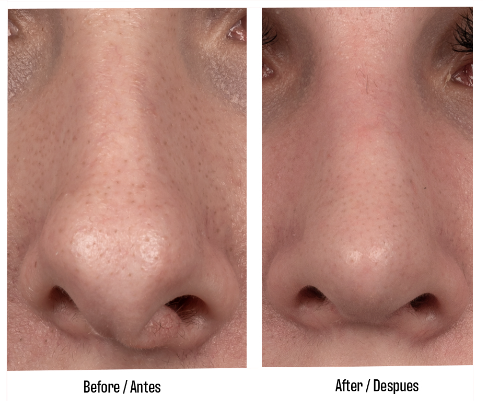
Septoplasty is surgery performed to correct problems involving the nasal septum.
It is commonly performed when a deviated septum contributes to nasal obstruction and difficulty breathing through the nose.
The septum is an important internal structure that helps support the nose and separates the nasal airway into two sides. Septal deviation is common, although its severity and clinical significance vary considerably. Not everyone with a deviated septum needs surgery.
During septoplasty, the surgeon works beneath the mucosa, or lining of the nose, to access the septum. Depending on the patient’s anatomy, portions of deviated cartilage or bone may be repositioned, reshaped, or removed to improve the nasal airway while preserving adequate structural support.
One way to visualize a deviated septum is to imagine two rooms separated by a wall. If the wall bows significantly into one room, that room has less usable space. Similarly, a deviated septum can narrow one side of the nasal airway and restrict airflow. Septoplasty addresses the deviated portions of that “wall” to create a more open nasal passage.
Frequently Asked Questions
Rhinoplasty vs. Septoplasty FAQs
See below for frequently asked questions about rhinoplasty vs. septoplasty.
Why Dr. Athré for Rhinoplasty?
Dr. Athré has extensive experience performing primary and revision rhinoplasty in Houston. His patients come from all over the US, Mexico, South America, and the Middle East.
He continually evaluates new techniques and adapts established techniques to individual patient needs.
Approximately 75-80% of Dr. Athré’s rhinoplasty practice is primary rhinoplasty, with revision rhinoplasty being 20-25% of his practice. Revision rhinoplasty represents a significant portion of Dr. Athré’s practice, giving him experience treating patients with previously altered nasal anatomy.
Patient Review
“Dr. Athré did an amazing job on my nose. His staff treated me like family and I felt very comfortable getting the work done. He was very intuitive on what I was trying to accomplish and knowledgable enough to work through the issues involved to get the result I wanted, especially considering it was a revision surgery. The whole experience was great and helped me so much!”