
Lip Augmentation Before & After Results
When patients look at lip augmentation before and after photographs, they often focus on how much fuller the lips have become.
But adding volume is only one part of creating an attractive result.
I pay just as much attention to the shape of the lips and how they fit the face.
Fuller Lips Should Still Look Like Your Own
The upper and lower lips have their own natural proportions, contours and movement. Some patients lose fullness with age, while others have always had thinner lips. In either situation, simply adding more volume doesn't necessarily create better balance.
I look at the relationship between the upper and lower lips, the definition of their borders and how the mouth relates to the nose, chin and surrounding face.
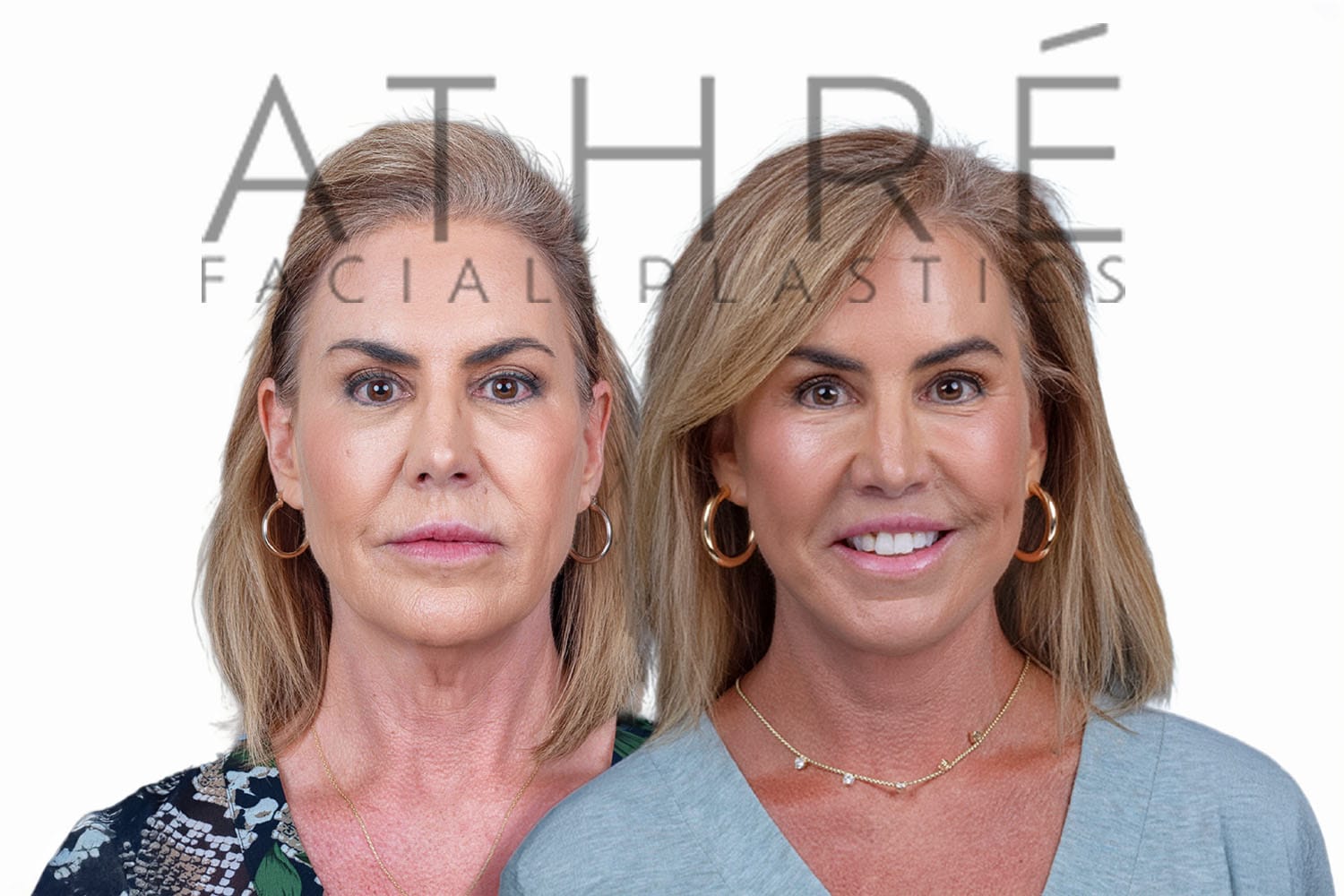
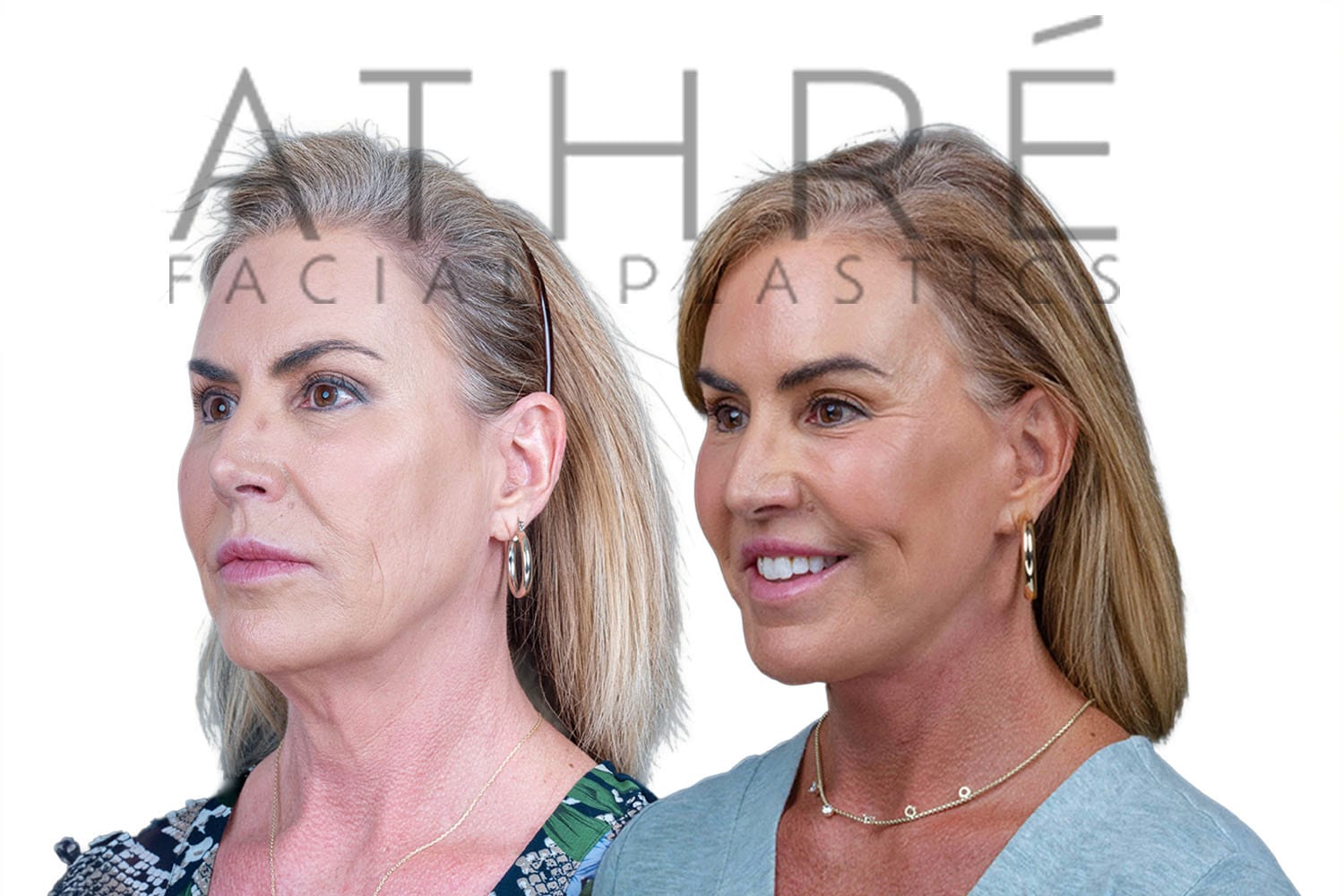
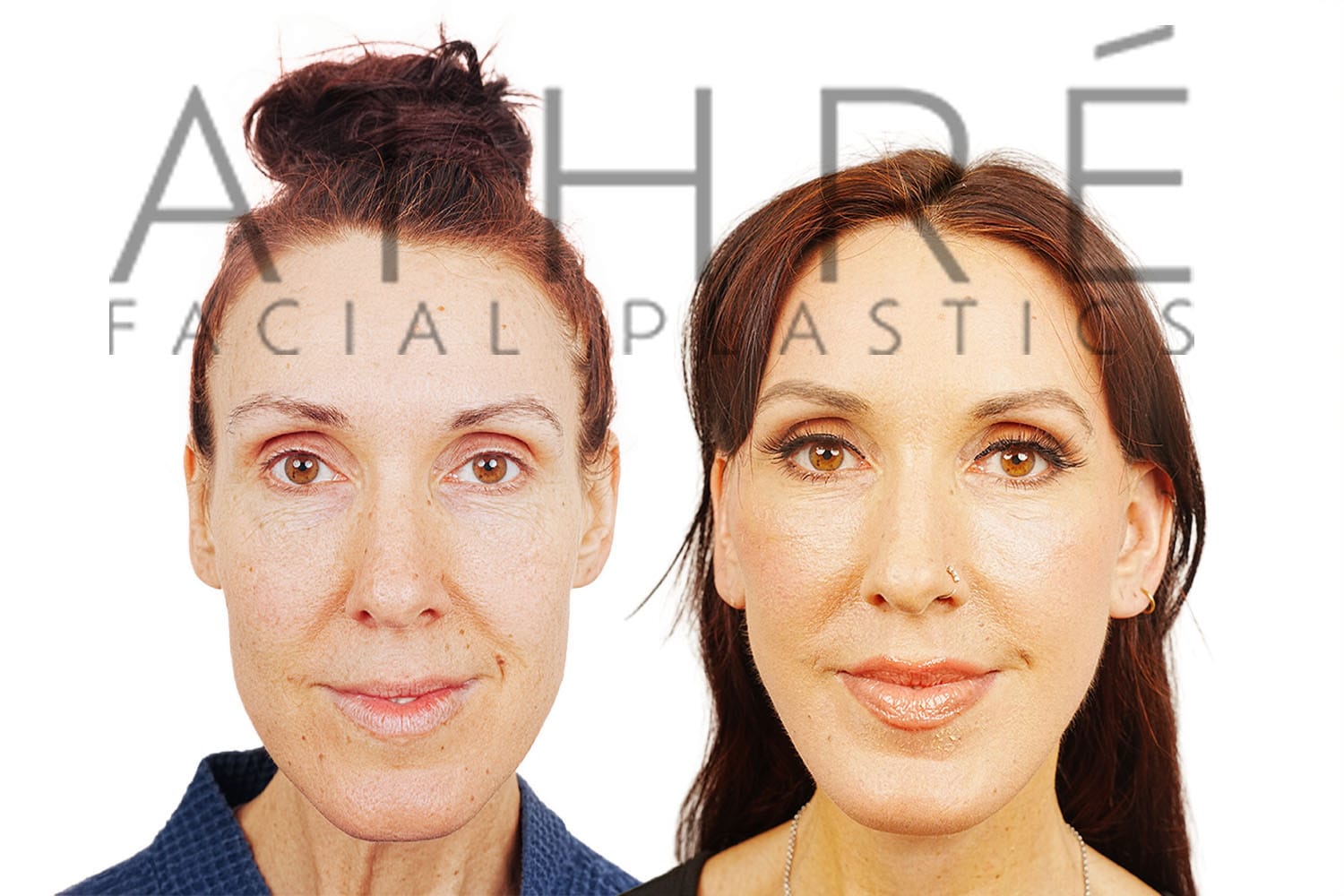
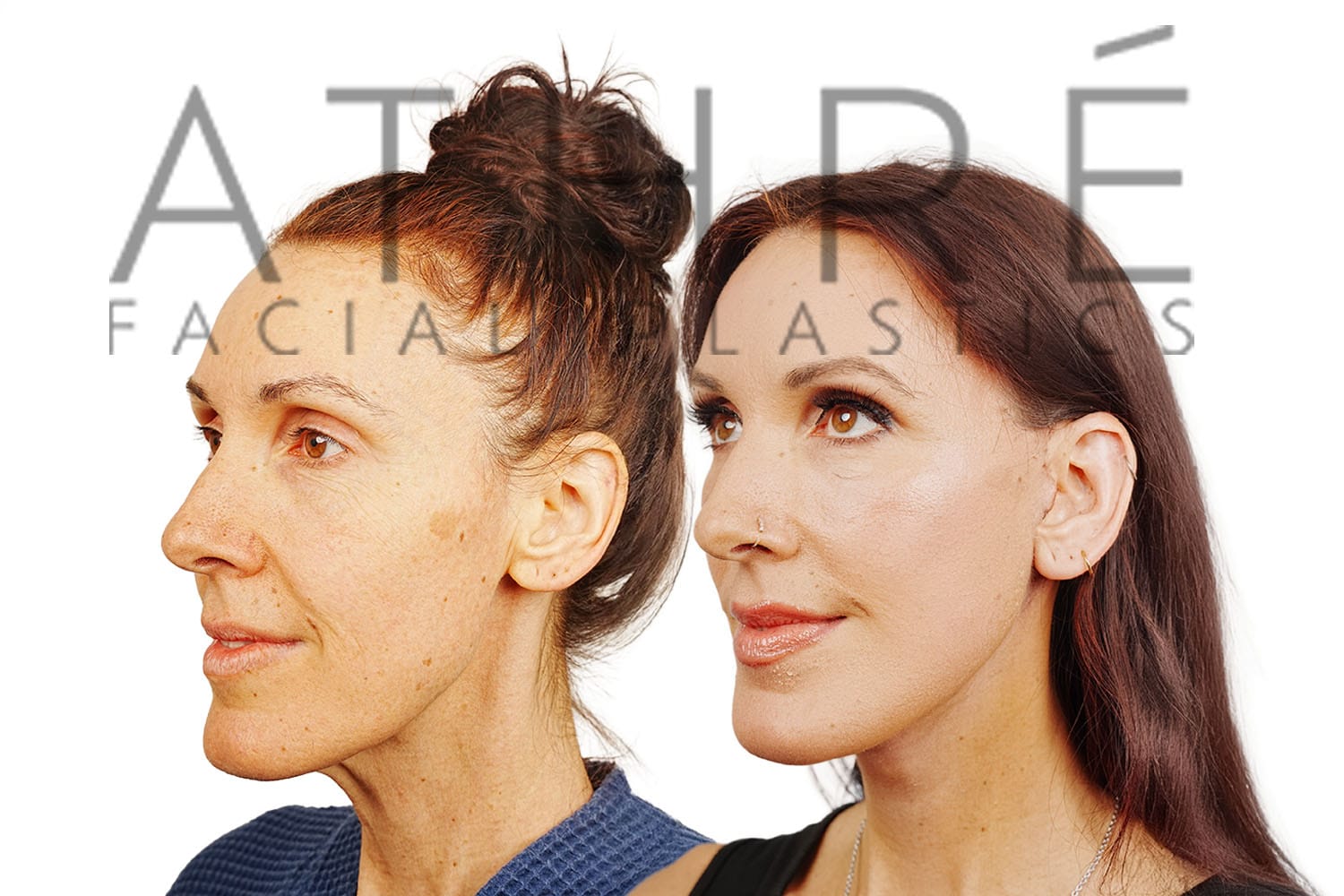
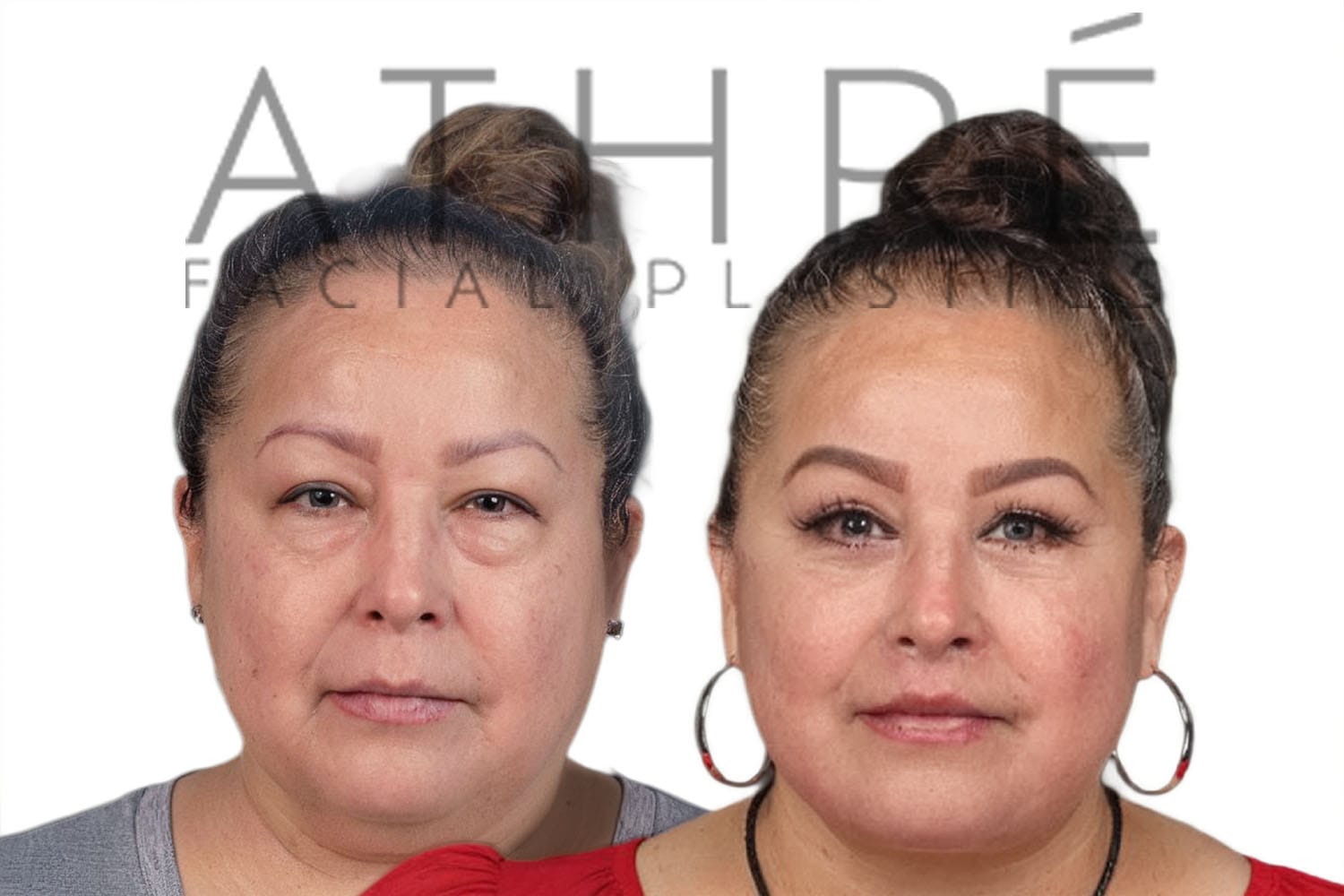
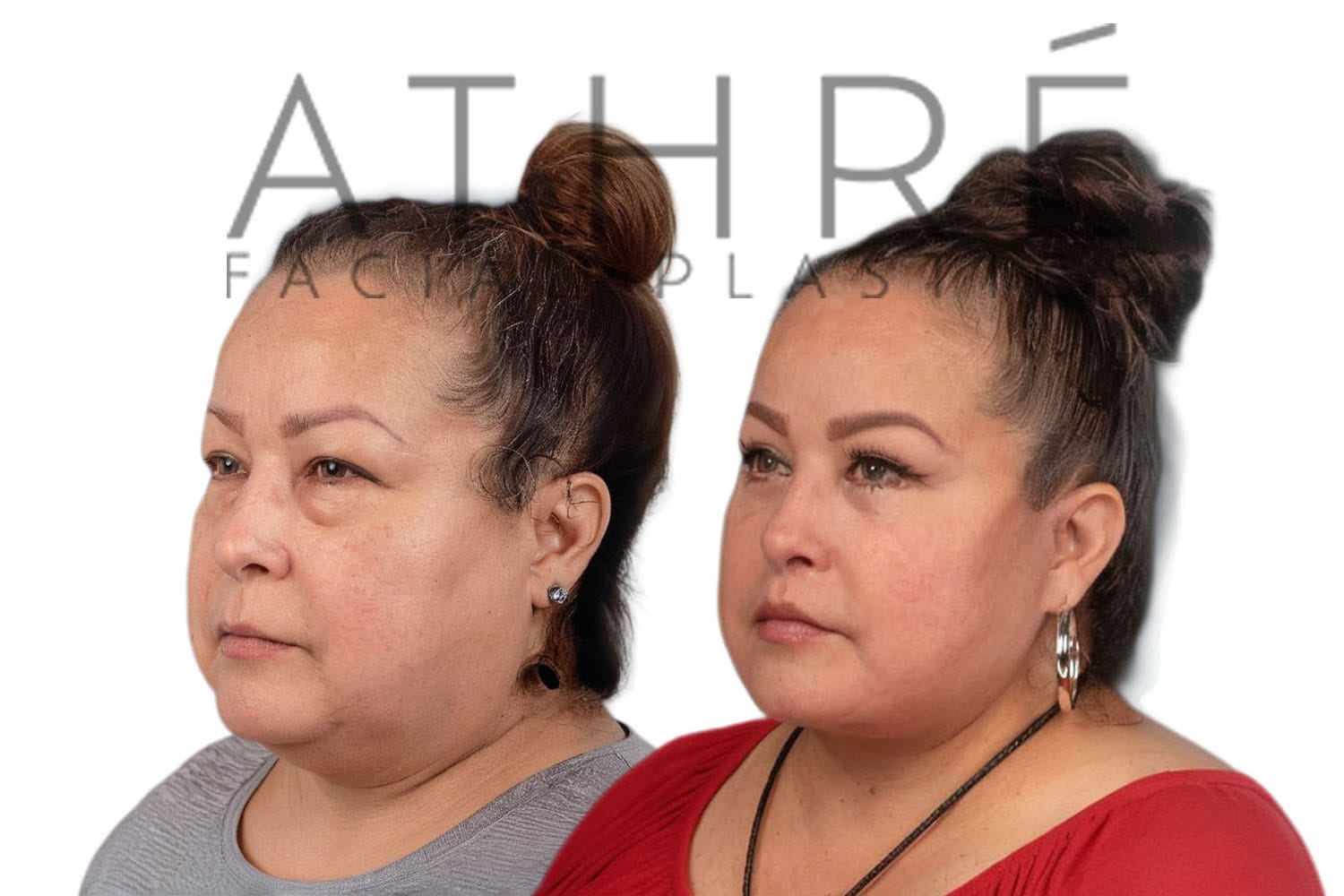
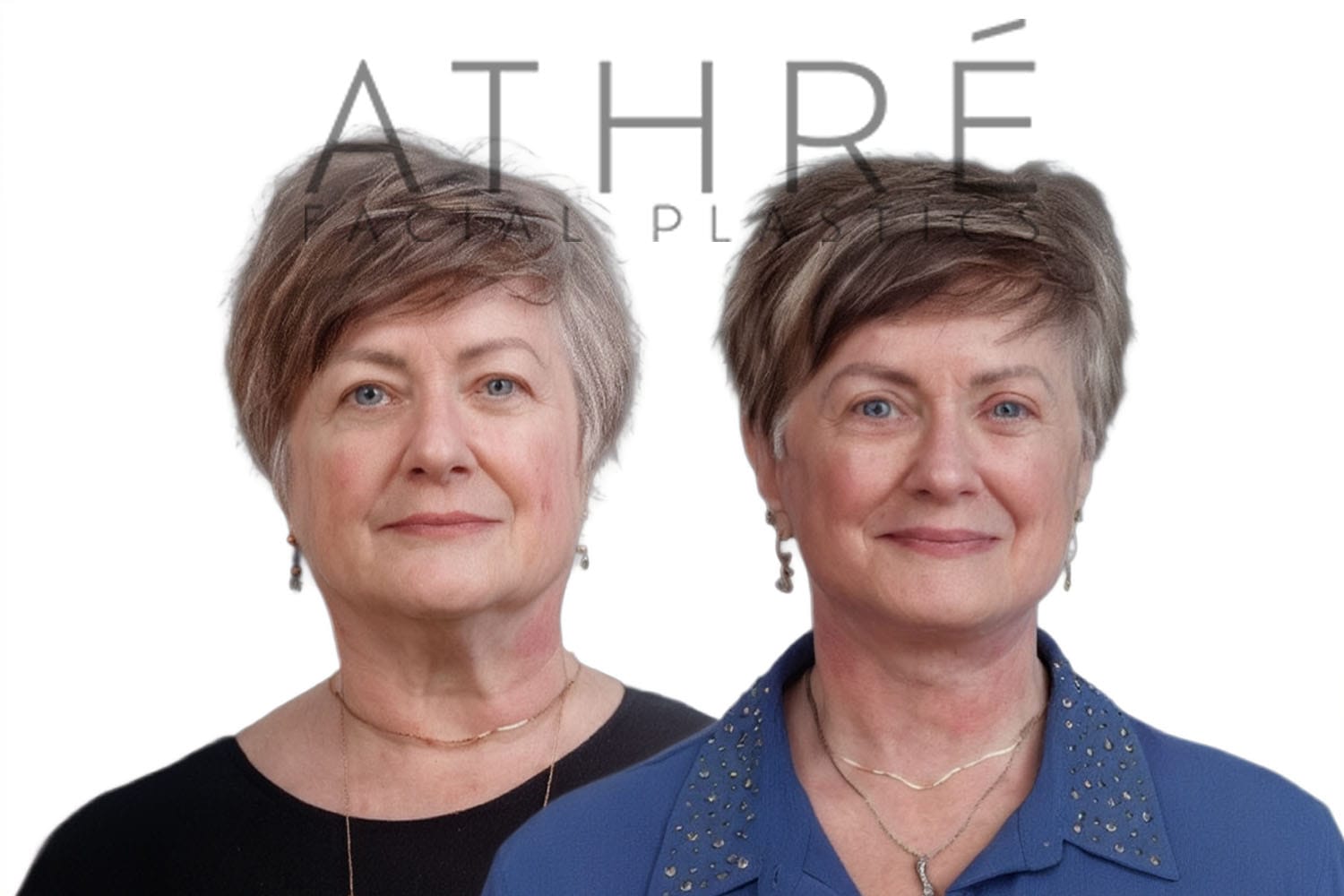
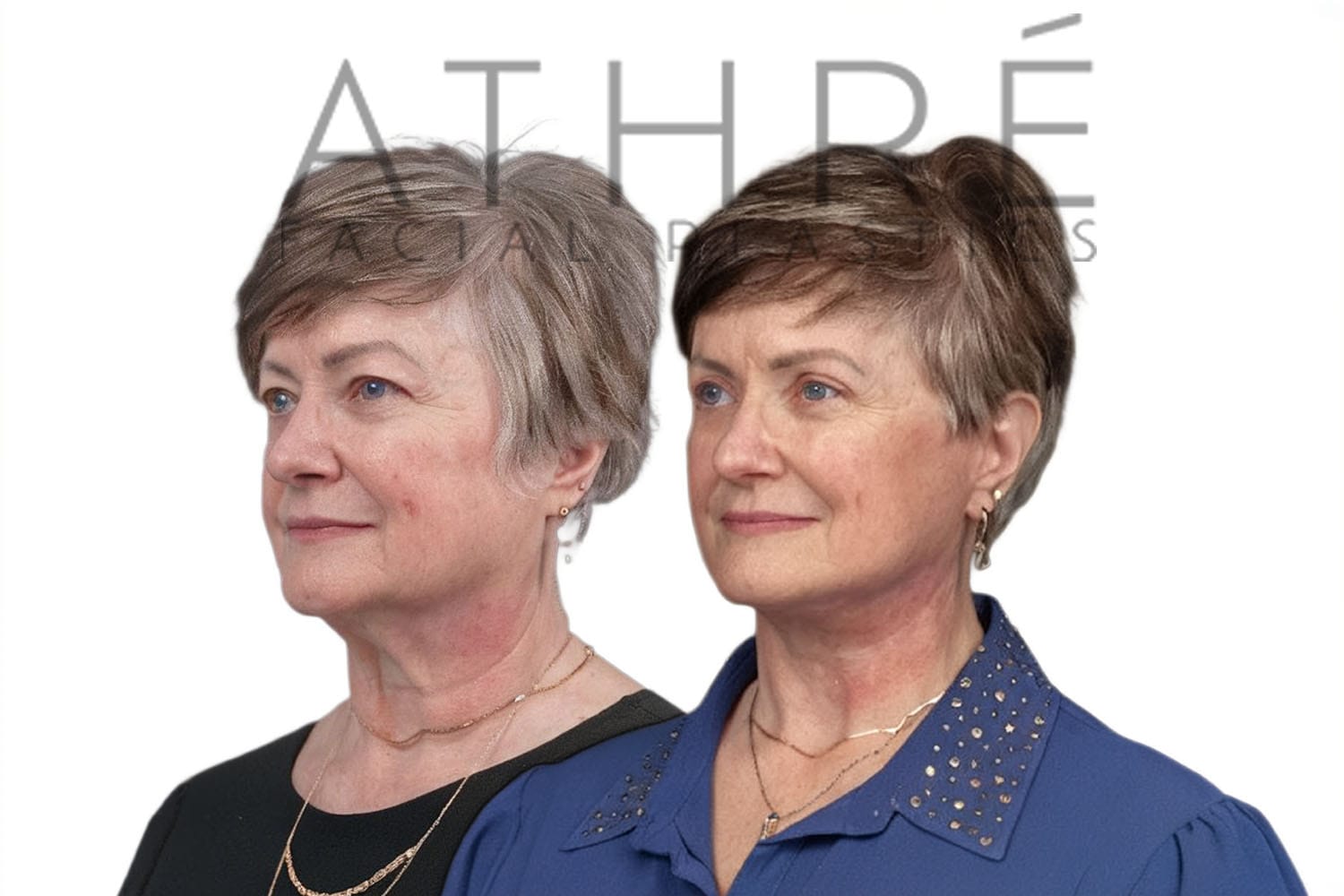
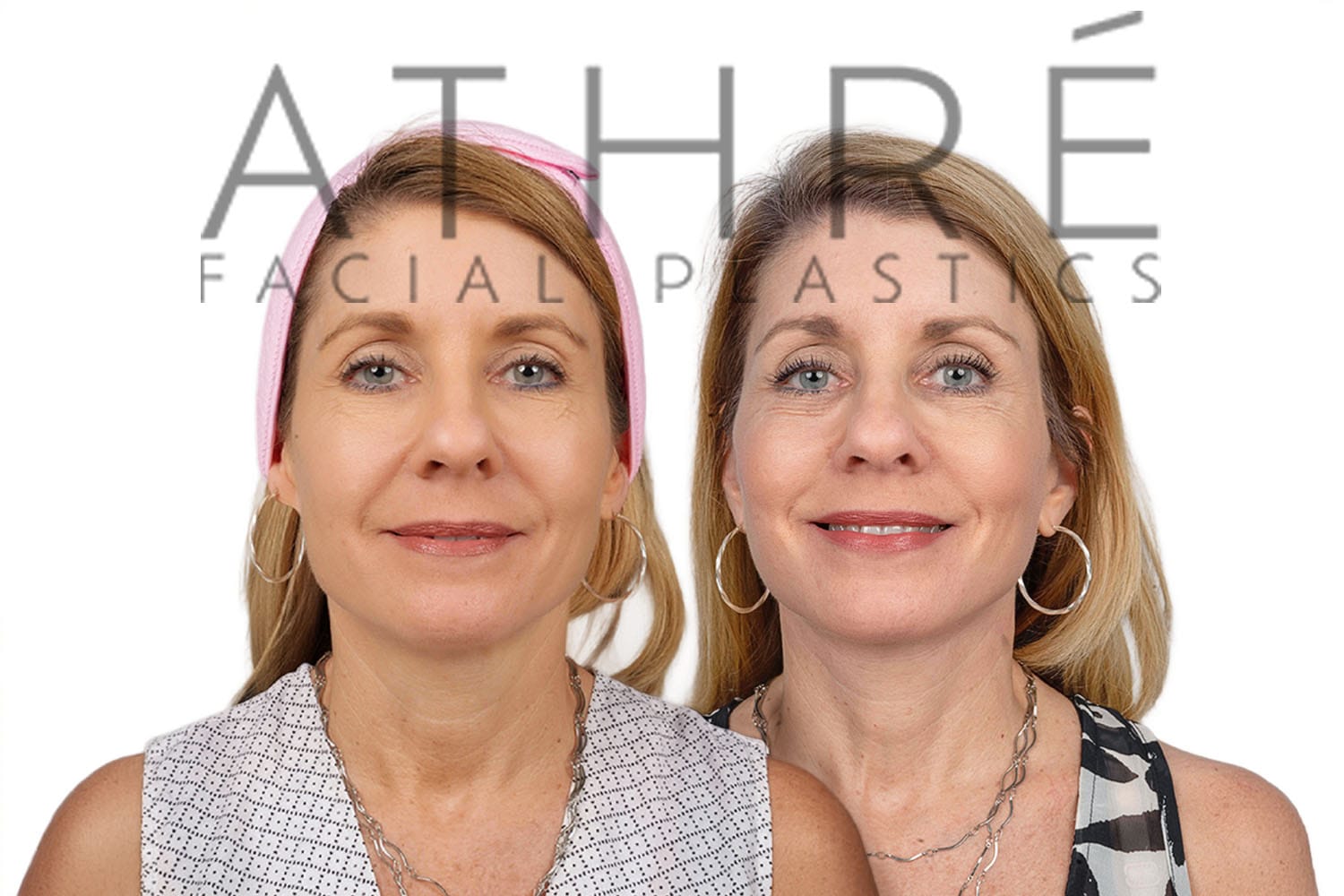
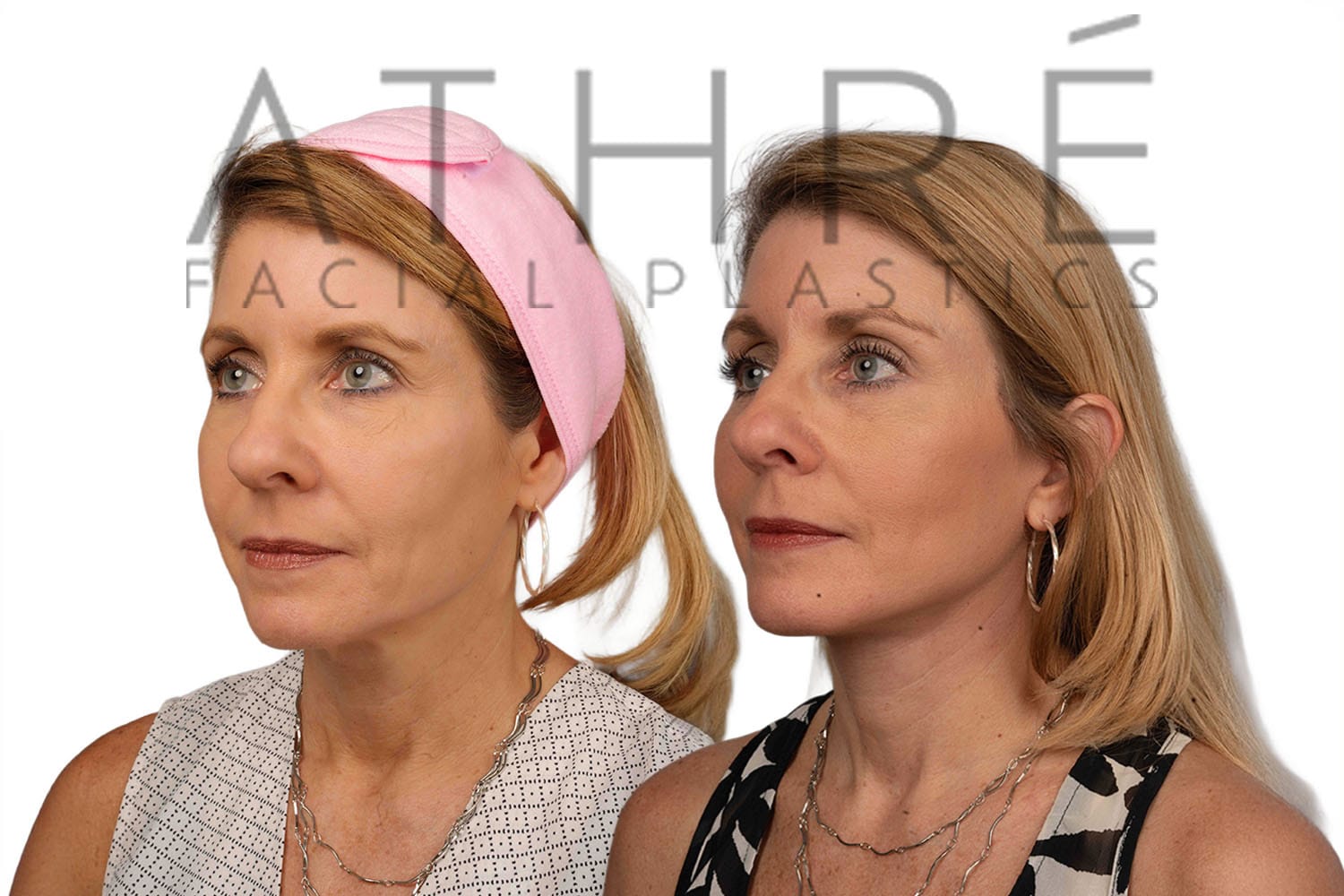
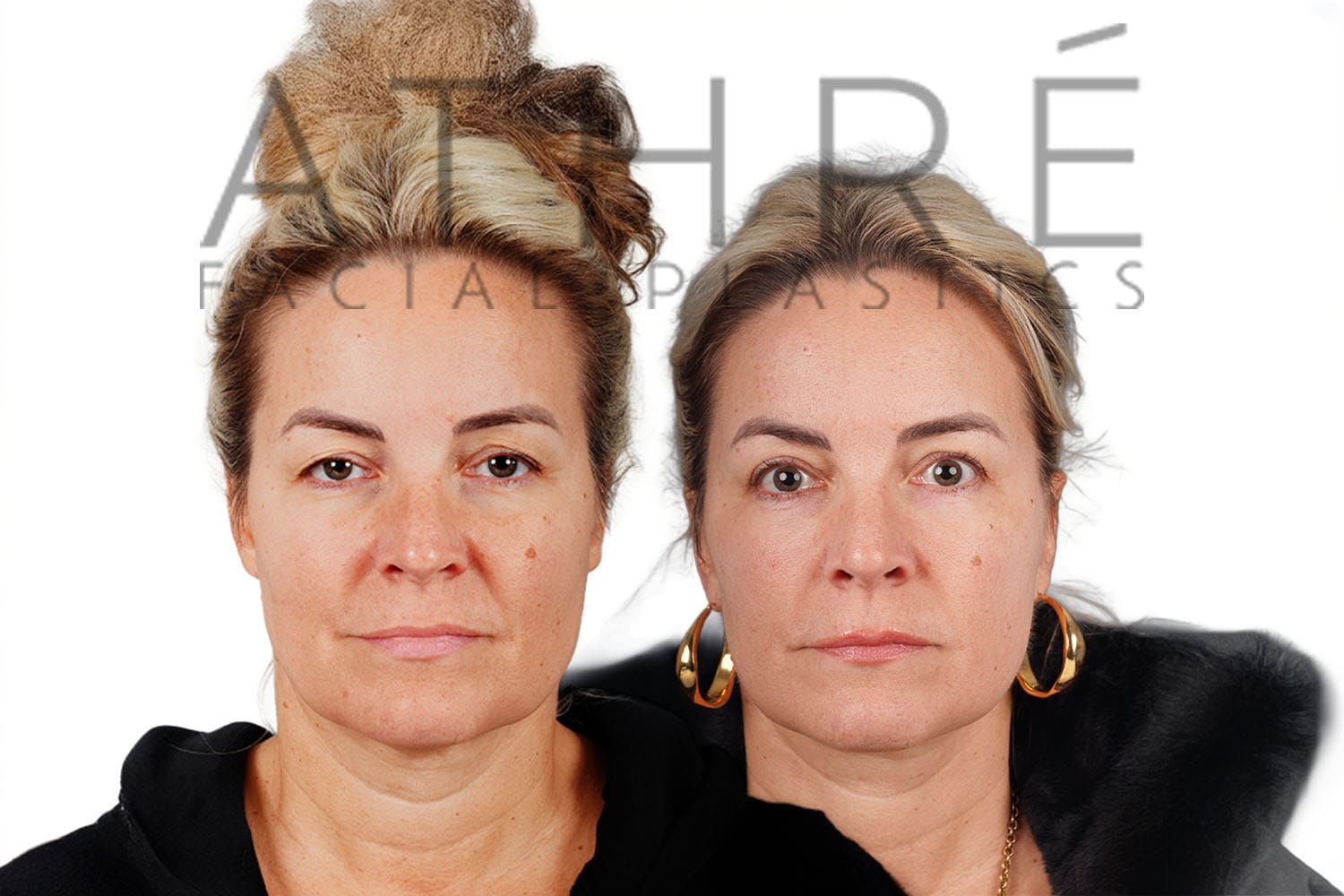
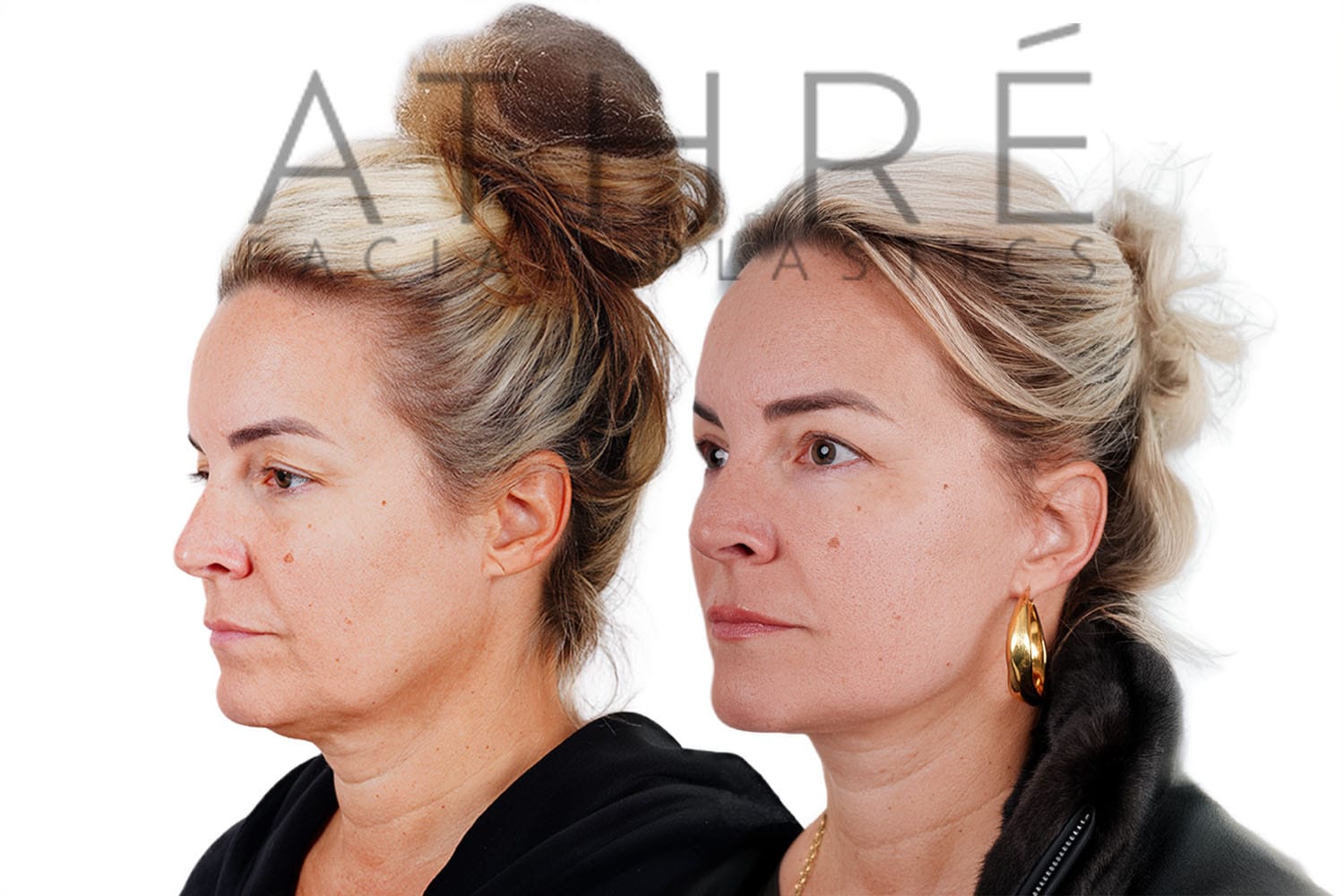
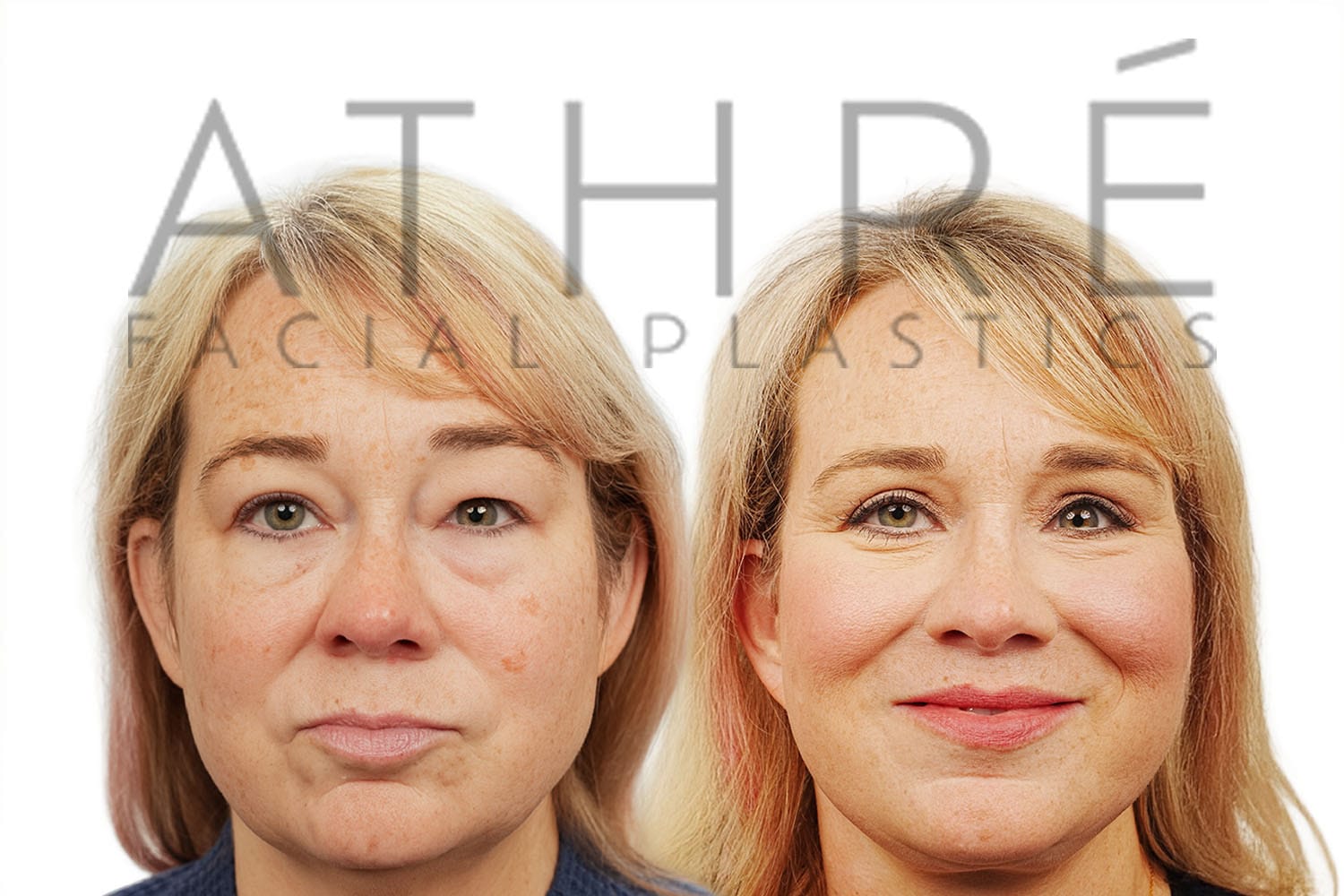
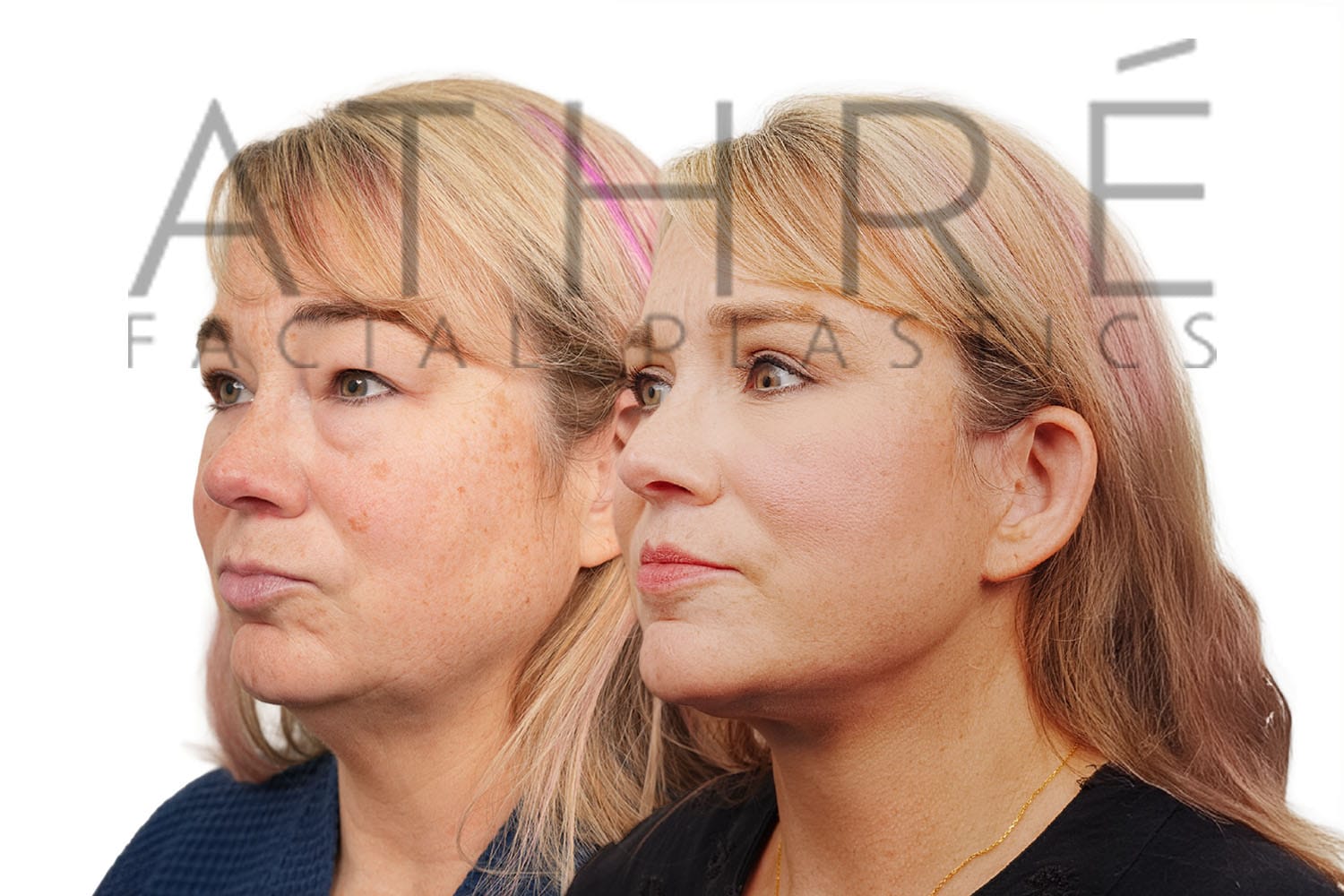
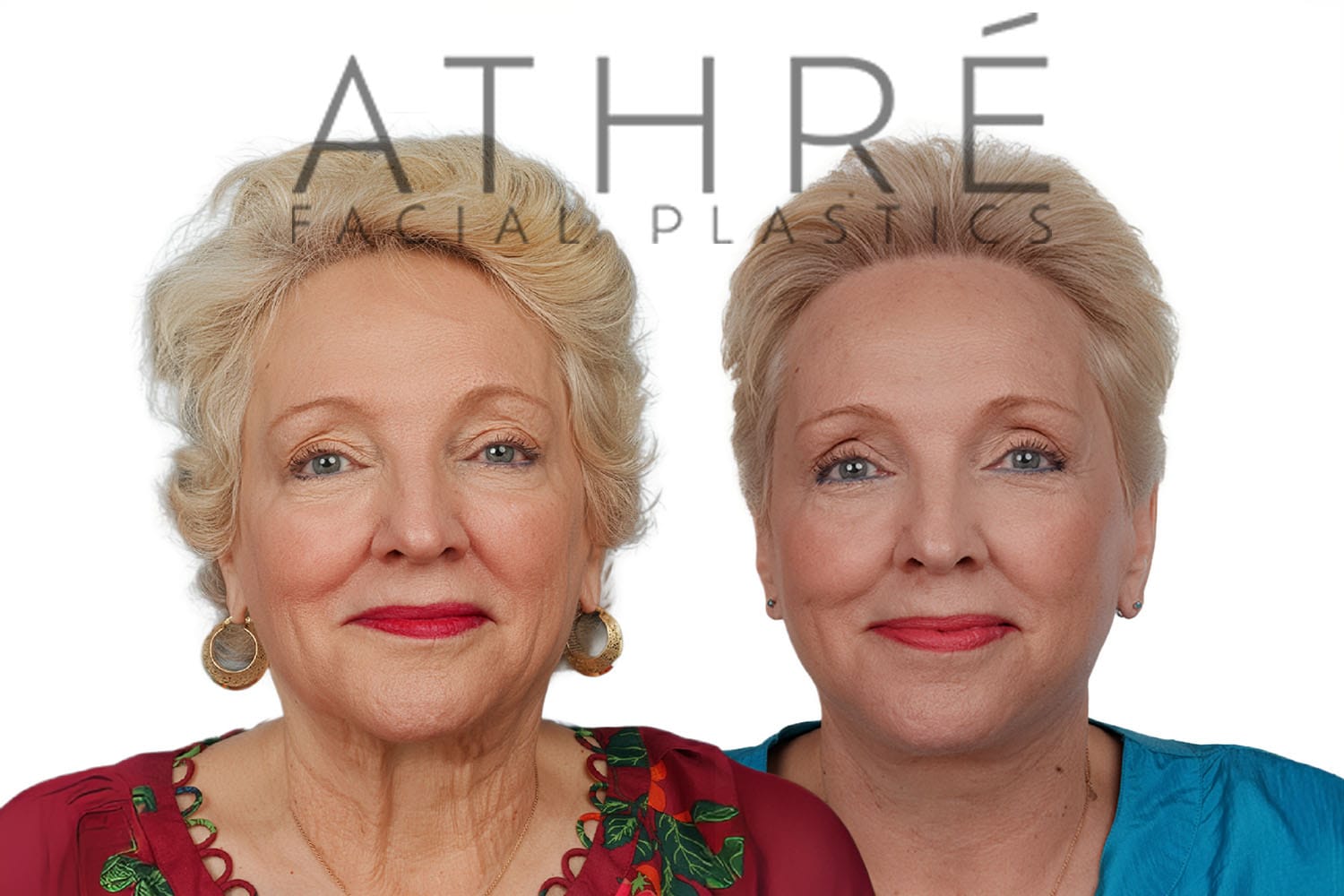
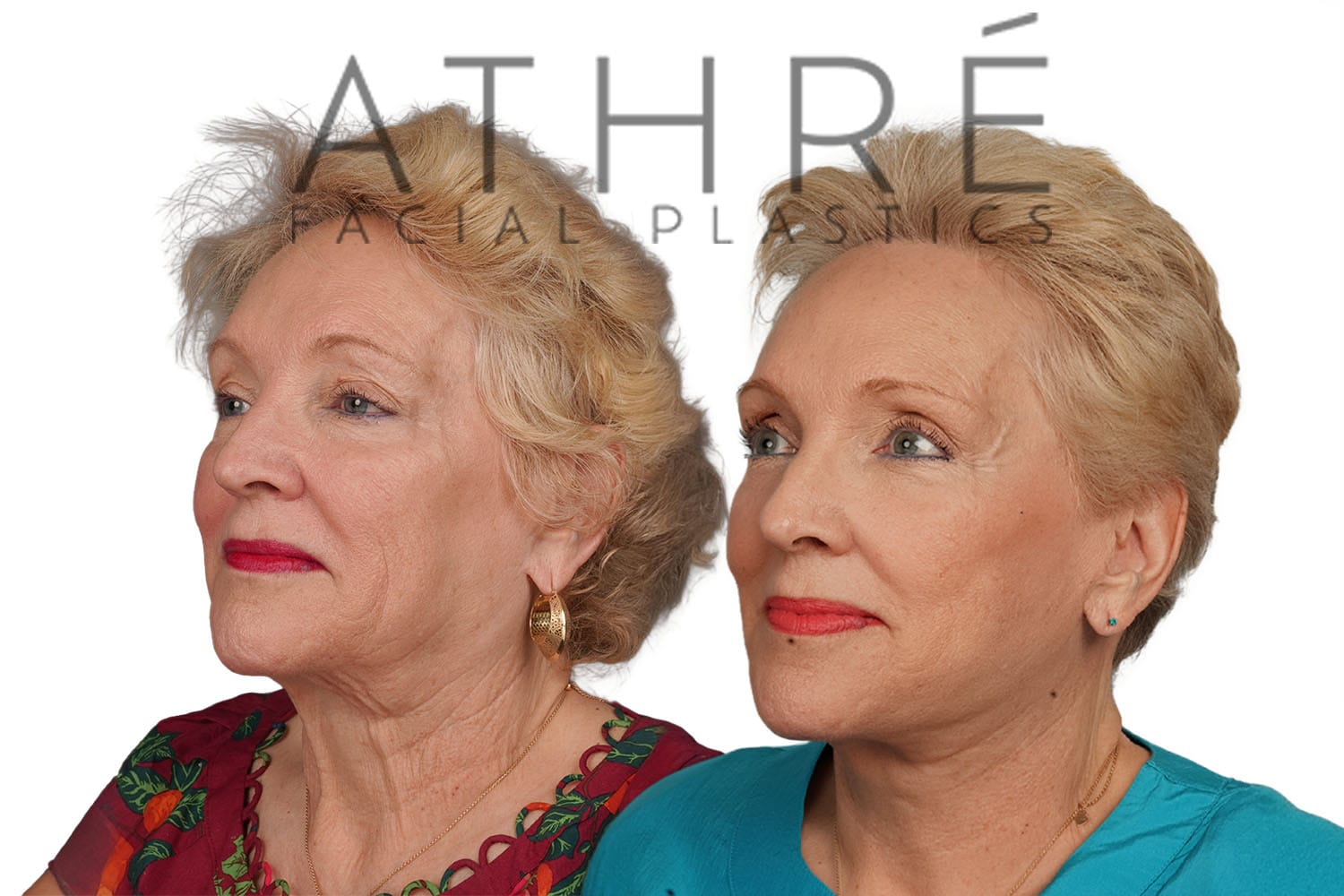
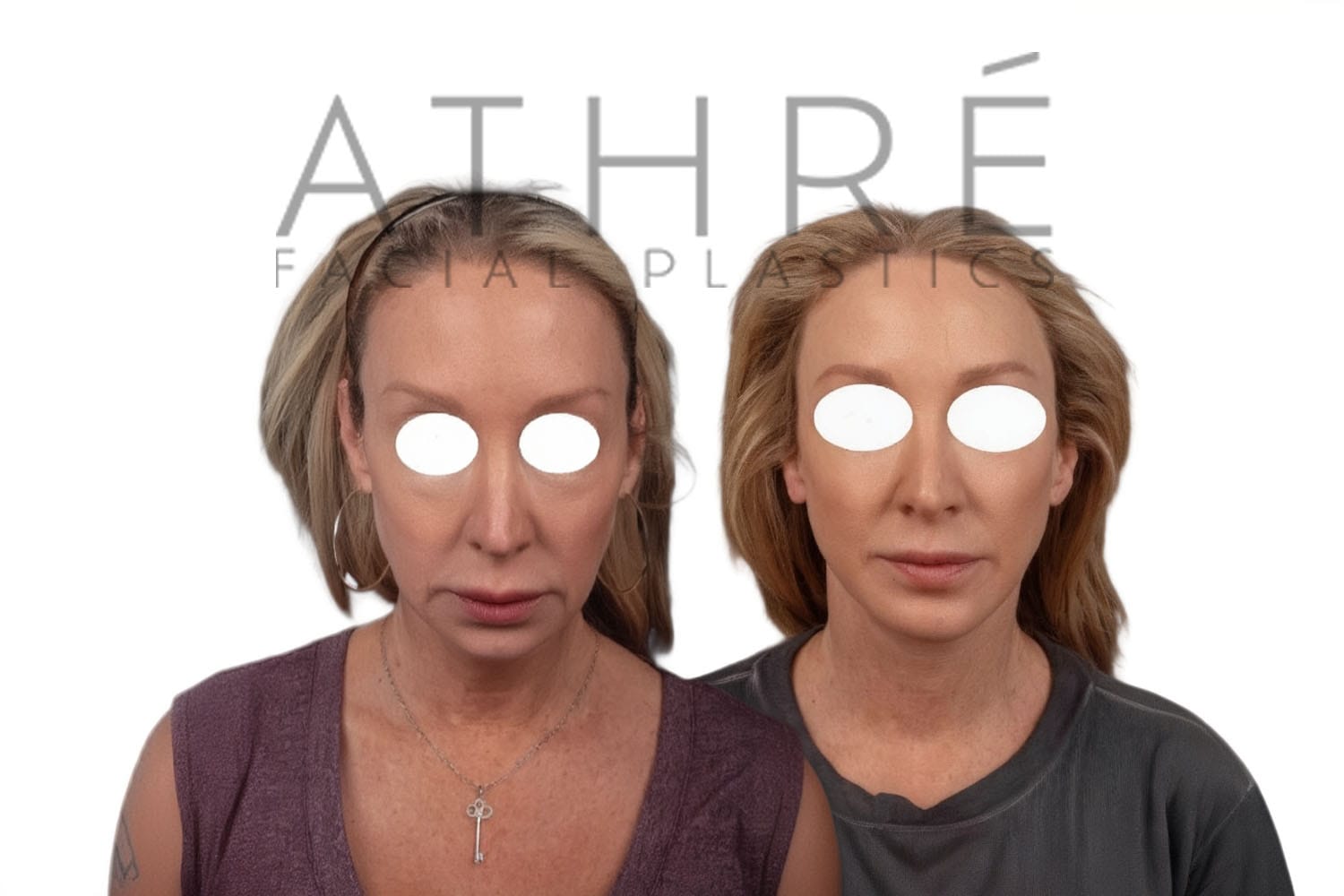
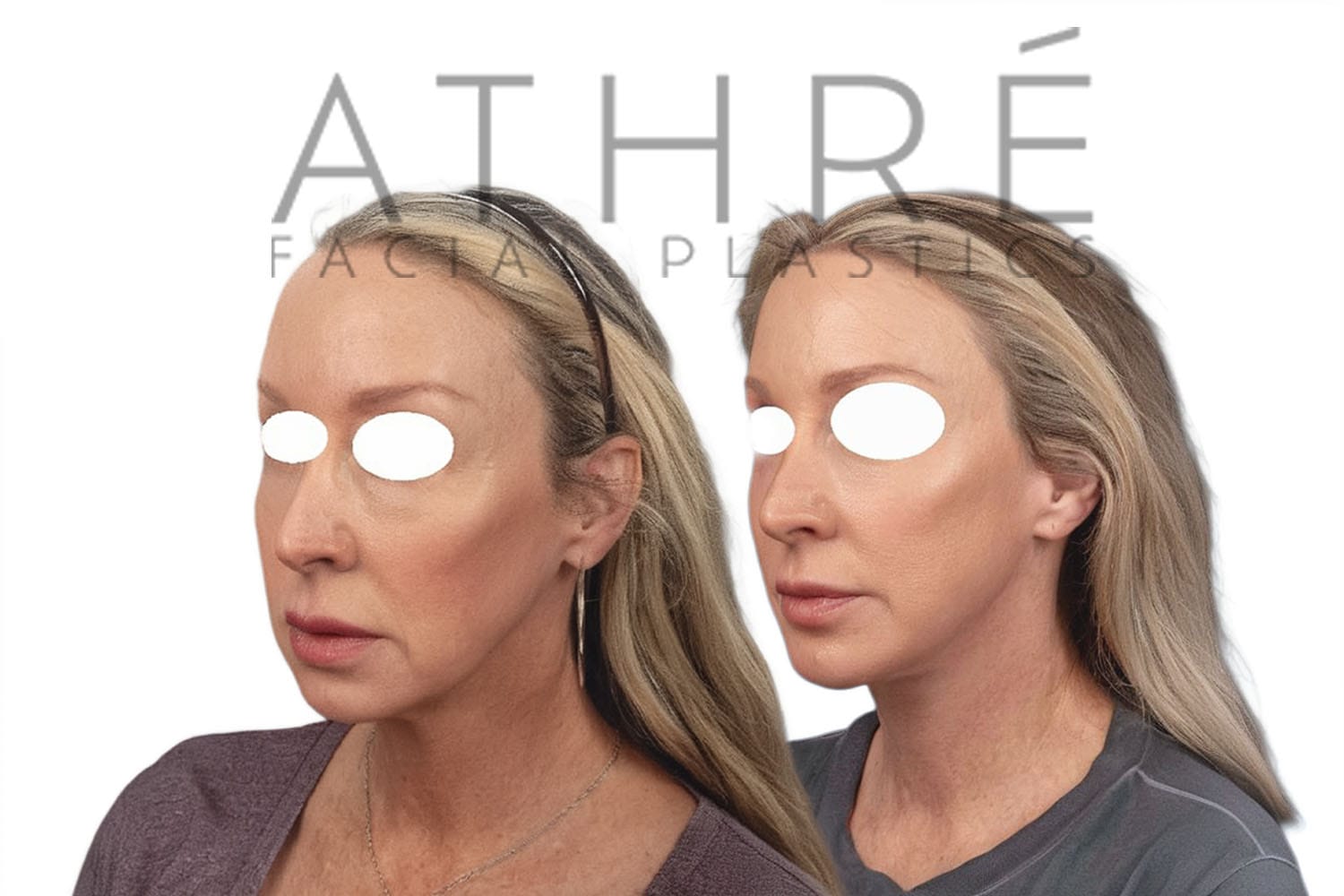
In the patients shown here, I have often used their own fat to restore lip volume as part of a broader facial rejuvenation plan.
My goal is softness and natural proportion. The lips should look refreshed and appropriately fuller without appearing exaggerated or drawing attention away from the rest of the face.


Restoring Lip Volume Requires an Individual Approach
Not every patient seeking fuller lips needs the same treatment.
Some patients have lost volume in the upper or lower lip with age. Others have naturally thin lips or uneven fullness. In certain patients, the apparent loss of volume is actually related to changes in lip position or the length of the upper lip.
I begin by identifying which of these changes is responsible for the patient's concern.
For selected patients, autologous fat transfer allows me to restore volume using their own tissue. The fat is harvested, prepared and carefully placed to improve fullness while preserving the natural shape of the lips.
Fat transfer is not the same as a lip lift. Augmentation adds volume, while lifting changes the position or visible height of the lip. Some patients benefit from one approach, while others may need both.
I explain these different approaches in my article on restoring a youthful smile, including why lip position and volume need to be evaluated separately.
I also offer injectable lip fillers and other augmentation options, but the photographs in this gallery primarily document fat-based enhancement performed alongside facial surgery.
For patients undergoing comprehensive rejuvenation, lip augmentation may be included in my 4D Facelift™. Restoring volume to the lips can complement changes in the cheeks, jawline and surrounding facial structures.
The amount of volume I add is guided by the anatomy, not by a predetermined lip size.
What to Look for in Lip Augmentation Before and After Photos
When evaluating lip augmentation results, don't look only at how much larger the lips appear.
Look at the relationship between the upper and lower lips. Has lost fullness been restored without creating excessive projection? Do the lip borders remain natural? Does the mouth still fit the patient's overall facial proportions?
I also pay attention to symmetry and the shape of the Cupid's bow. The lips should appear softer and more balanced without losing their individual character.
Several patients in this gallery underwent lip fat transfer as part of more extensive facial rejuvenation. Others also had a lip lift or additional treatments. The photographs reflect those combined changes, so it's important to read the surgical descriptions rather than attributing every improvement to lip augmentation alone.
The timing of the photographs matters as well. Some patients were photographed very early in recovery, when swelling can make the lips appear fuller than they will after healing. Not all transferred fat survives, and the final volume becomes clearer as the tissues settle. Our post-operative healing resources provide additional information about recovery.
For patients considering different types of lip enhancement, my article on lip filler and augmentation options explains several of the available approaches.
I don't believe the most dramatic lip augmentation is necessarily the most successful. What matters is whether the added volume improves facial balance while maintaining natural movement and expression.
The goal isn't simply fuller lips. It's the right amount of fullness for the face.
FREQUENTLY ASKED
Lip Augmentation Before and After FAQs
Understand lip fullness, fat transfer, natural-looking results, healing, and what to look for when comparing photographs.
What should I look for in lip augmentation before and after photos?
Look beyond how much larger the lips appear. I examine the balance between the upper and lower lips, the definition of their borders, symmetry and how the mouth relates to the surrounding face. The lips should have natural contours rather than appearing uniformly enlarged. A 2026 study of anatomy-based lip enhancement describes how evaluating structural and volume-related concerns can help guide treatment. I want the final appearance to complement the patient's own facial proportions.
Do these photographs show lip fillers, implants or fat transfer?
The lip augmentation cases in this gallery primarily document treatment with the patient's own fat, sometimes combined with nanofat treatment or a lip lift. They should not be interpreted as examples of what injectable fillers or lip implants alone can accomplish. I also offer other lip augmentation options, but each method has different characteristics. The published research on different lip enhancement techniques emphasizes selecting treatment according to anatomy and the type of correction required. Always read the description associated with each patient.
How is lip augmentation with fat different from lip filler?
Fat transfer uses the patient's own harvested tissue to increase lip volume. Hyaluronic acid fillers use an injectable gel and generally provide a temporary, potentially reversible enhancement. Fat transfer requires harvesting and processing, and its long-term volume retention can vary. A meta-analysis of hyaluronic acid lip augmentation documented increased fullness and changes in results over time. A separate systematic review of facial fat graft retention demonstrated considerable variation in retained volume. Neither approach is automatically right for every patient.
Why do some patients have lip augmentation and a lip lift together?
Because adding volume and changing lip position address different concerns. Fat augmentation can increase fullness, while a lip lift can change the visible height or position of the lip. Some patients need additional volume, others need a structural change, and selected patients may benefit from both. A 2026 study using three-dimensional imaging evaluated changes following lip lifting with and without fat grafting. It documented differences between changes in lip position and added volume over time. I evaluate those concerns separately before considering combined treatment.
What is nanofat, and is it the same as fat used to add lip volume?
Not exactly. Conventional fat grafting uses fat tissue containing viable fat cells to provide volume. Nanofat is processed much more extensively and is studied primarily for its potential effects on skin quality rather than substantial volume replacement. The original research describing nanofat grafting found no viable mature fat cells in the processed nanofat samples. A review of microfat and nanofat applications also discusses their different uses. Some patients in this gallery received multiple fat preparations as part of a broader treatment plan, so those terms should not be considered interchangeable.
How long does lip augmentation with fat transfer last?
The duration varies because not all transferred fat survives. Fat that establishes a lasting blood supply may remain, but lip augmentation is particularly difficult to predict. An older long-term study of facial fat grafting reported substantial loss of lip correction within several months in many patients. More recent research examining lip fat grafting over two years also documented declining volume over time. These findings don't predict every patient's result, but they demonstrate why I don't promise that all transferred lip volume will remain permanently.
Why can lip augmentation look fuller at eight days than several months later?
Early postoperative photographs reflect both the transferred fat and swelling from treatment. Some swelling gradually resolves, and some of the transferred fat may be reabsorbed during healing. One patient in this gallery was photographed just eight days after combined facial surgery, so that image should not be interpreted as showing a final settled lip volume. A systematic review of fat graft retention found substantial variation in retained volume across studies. I encourage patients to consider the timing of photographs when comparing results.
Should the upper and lower lips have the same amount of fullness?
No. The upper and lower lips have different natural shapes, and there is no single proportion that suits every face. I evaluate the Cupid's bow, the visible pink lip, the relationship between the two lips and the shape of the mouth during expression. Adding equal volume to both lips can produce an unnatural appearance in some patients. A study proposing an anatomy-based approach to lip enhancement describes different structural and volumetric patterns that require individualized treatment. My goal is balance, not identical upper and lower lip fullness.
Why is lip augmentation sometimes combined with a facelift?
Facial aging can involve both tissue descent and volume loss. A facelift addresses the position of descended facial tissues, while fat transfer can restore selected areas of lost volume, including the lips. Many patients in this gallery underwent my 4D Facelift™ with additional treatments. A systematic review of fat grafting combined with facelift surgery found that the combination can address tissue descent and volume loss together. When viewing these photographs, it's important to recognize that changes throughout the face reflect the complete surgical plan rather than lip augmentation alone.
Can lip fat transfer cause uneven fullness or require additional treatment?
Yes. Because fat retention can vary, patients may experience asymmetry, uneven fullness, undercorrection or contour irregularities. Swelling, infection, fat necrosis and other complications are also possible. Rare but serious vascular complications have been reported with facial fat injection. A systematic review of facial fat grafting outcomes documented variation in graft retention and complications, while a review of reported complications described both temporary and severe adverse events. Additional fat transfer or corrective treatment may occasionally be necessary. I want patients to understand these possibilities before choosing treatment.