One of the most common misunderstandings about plastic surgery is that it is always cosmetic. People hear the term and immediately think about facelifts, nose reshaping or other procedures performed to improve appearance. But that is only part of what plastic surgery involves.
Plastic surgery includes both cosmetic surgery and reconstructive surgery. The difference is primarily in what we are trying to accomplish.
Cosmetic surgery generally changes an existing feature because a patient wants to improve its appearance. Reconstructive surgery addresses anatomy that has been affected by injury, disease, a congenital condition or another medical problem.
In facial plastic surgery, however, the two goals frequently overlap. A patient may need to breathe better through the nose while also wanting to correct its shape. Someone who has had skin cancer removed may need reconstruction that preserves function and restores a natural appearance.
I do not think of function and appearance as competing goals. In facial surgery, I often need to consider both.
Plastic Surgery Is Not the Opposite of Reconstructive Surgery
The terminology is confusing because people commonly use “plastic surgery” when they really mean cosmetic surgery.
Plastic surgery is the broader surgical specialty. It encompasses procedures that improve appearance as well as procedures intended to restore or reconstruct anatomy.
Within that field, we generally distinguish between two categories:
Cosmetic or Aesthetic Surgery
Cosmetic surgery is usually performed to change the appearance of anatomy that is functioning normally. The patient may want better facial proportions, a more youthful appearance or a change to a feature that has always bothered them.
Examples include a facelift to address visible facial aging, rhinoplasty to change nasal shape or eyelid surgery performed to improve the appearance of the eyes.
These procedures are generally elective. That means the decision to undergo surgery is based primarily on the patient’s aesthetic goals rather than a medical need to restore function.
Reconstructive Surgery
Reconstructive surgery is intended to repair or restore anatomy affected by disease, trauma, congenital differences or previous treatment.
For example, a person who has experienced facial trauma may need damaged nasal structures repaired. Someone who has had a skin cancer removed from the nose may need the remaining defect reconstructed.
In these situations, I am concerned with the integrity of the facial structures, the way they function and the appearance we can restore.
WHEN THE GOALS OVERLAP
Rhinoplasty Is a Good Example of Both Types of Surgery
The nose is probably one of the clearest examples I can give.
One patient may come in because they have always disliked a prominent nasal hump. They breathe normally, have never injured their nose and simply want to change its appearance.
In that situation, the primary goal of rhinoplasty is cosmetic.
Another patient may have suffered an injury that left the nose crooked and created difficulty breathing through one side. The nasal bones, septum or supporting cartilage may have been displaced or damaged.
Now the surgical problem is different. I need to evaluate the structures responsible for nasal airflow and determine what must be repaired. Restoring the external shape may also be part of that reconstruction.
What Happens When Someone Wants Better Breathing and a Different Shape?
Sometimes a patient has both concerns. They may have a deviated septum or nasal valve problem affecting breathing while also wanting to refine the bridge or tip.
That is where the cosmetic and functional aspects of nasal surgery come together.
I cannot look at a nose only from the outside. The septum, nasal valves, cartilage support and internal airway all matter when deciding how to operate.
For patients trying to understand these procedures, our rhinoplasty versus septoplasty guide explains the different purposes of nasal reshaping and septal correction.
A nose can look better and function worse if its support is not respected. Improving appearance should never mean ignoring the anatomy responsible for breathing.
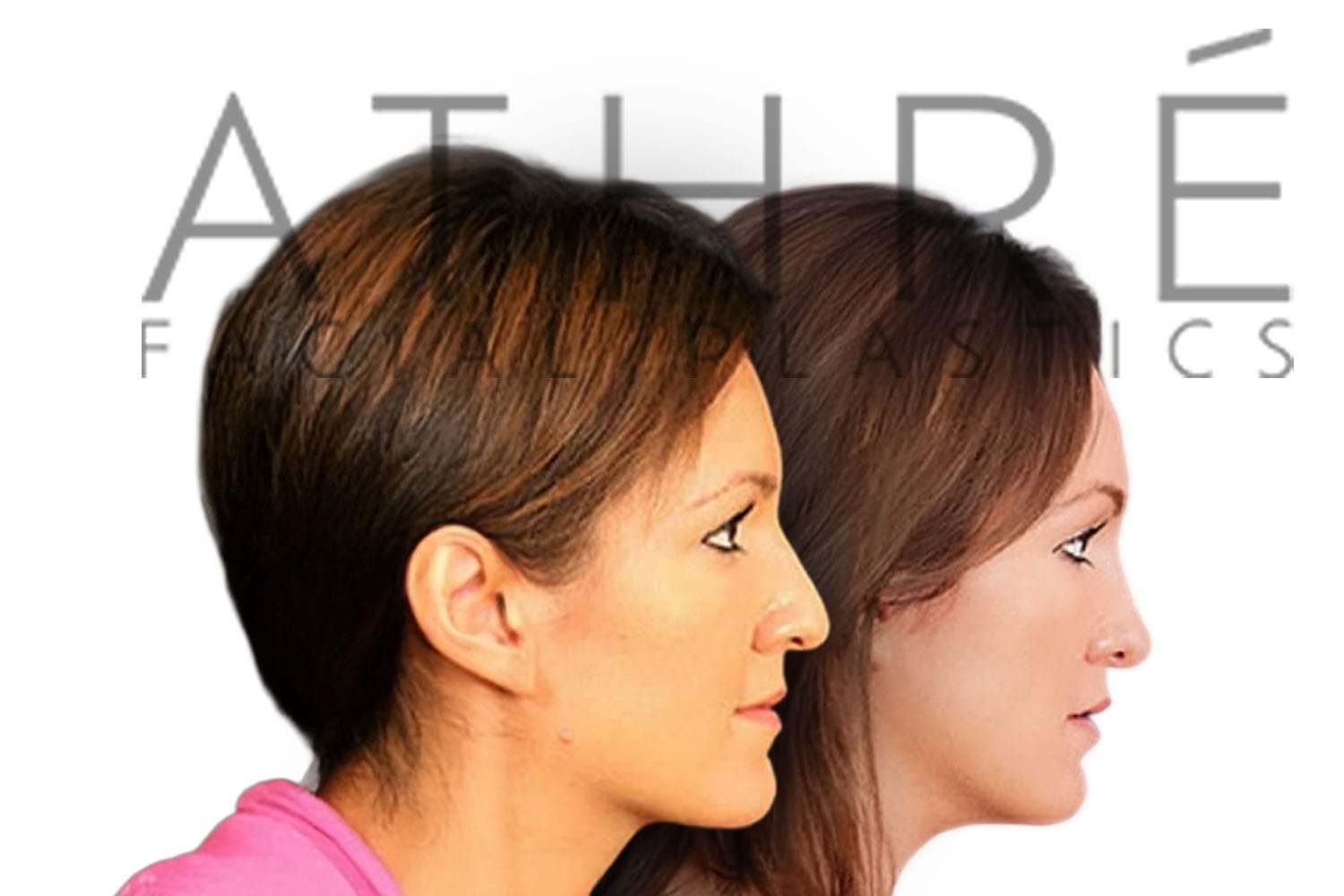
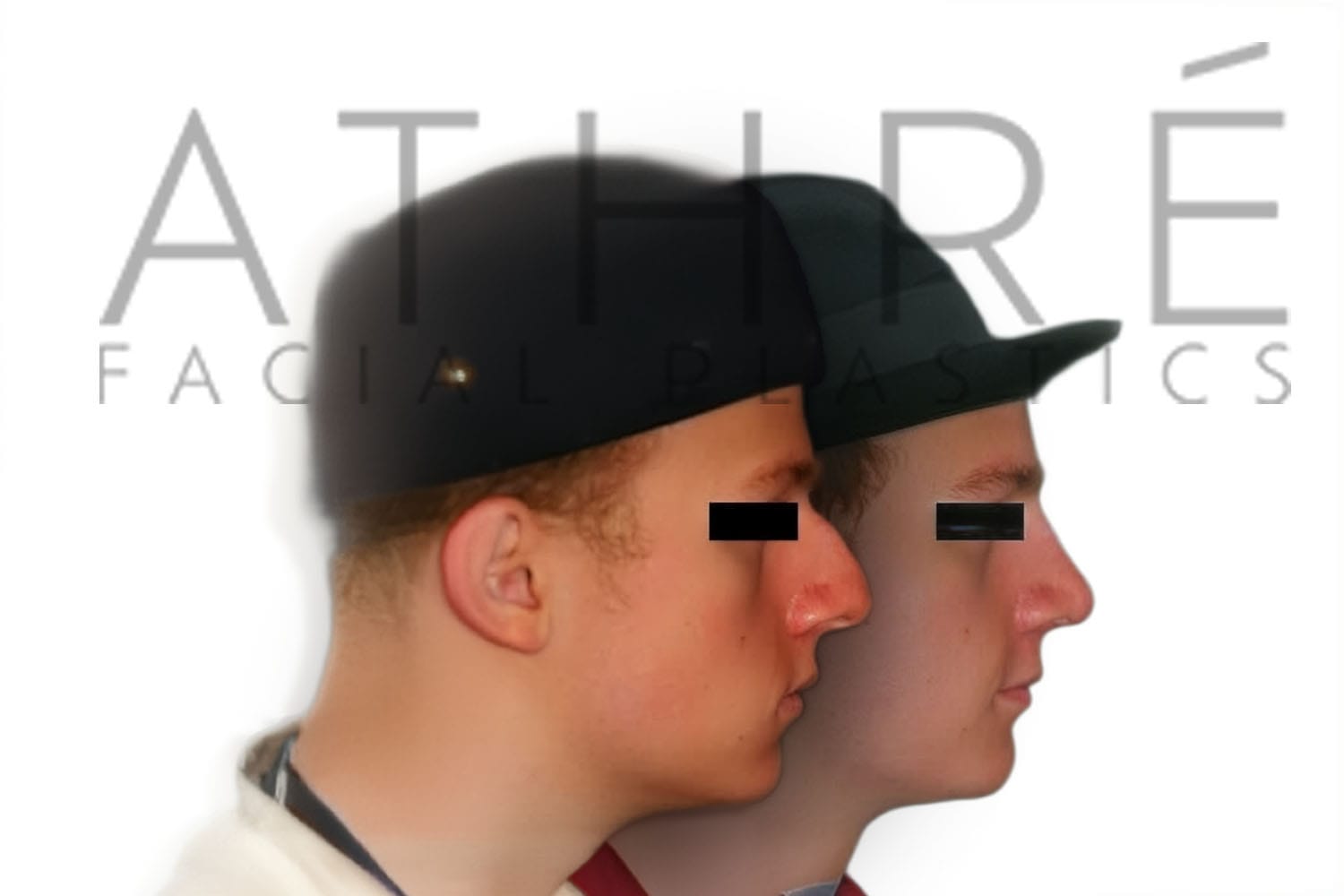
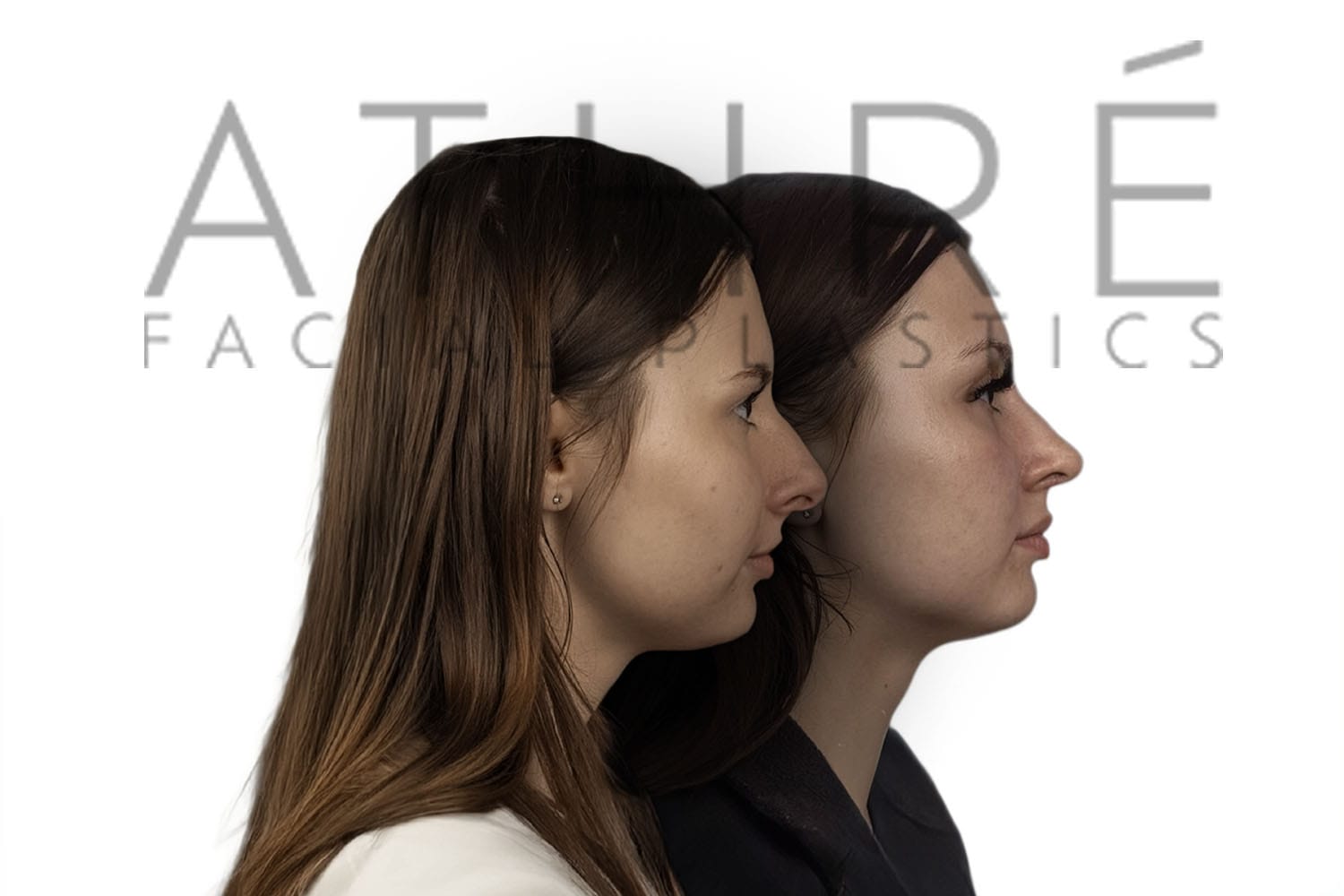
These before and after photographs show changes in nasal shape in three of my patients. One had a history of nasal trauma. Photographs can show the external result, but they cannot tell us how well a patient breathes or establish whether a procedure was medically necessary.
BEFORE AND AFTER
Rhinoplasty Patient Results
When Is Eyelid Surgery Cosmetic or Reconstructive?
Eyelid surgery is another area where the reason for treatment matters.
Many patients consider upper blepharoplasty because the upper eyelids look heavy, tired or hooded. They may want a more open appearance around the eyes without changing their natural eye shape.
When the concern is appearance alone, that is generally cosmetic surgery.
But sometimes excess upper eyelid skin can become severe enough to obstruct the upper or peripheral visual field. A patient may have difficulty seeing without raising the eyebrows or tilting the head.
In that situation, removing the obstructing tissue may have a functional purpose.
I would still evaluate the brow position, eyelid anatomy and how the eyes open and close. What looks like excess eyelid skin can sometimes be influenced by brow descent or another anatomical problem.
The same general procedure can be performed for different reasons. It is the patient’s anatomy and functional concerns that help determine the surgical objective.
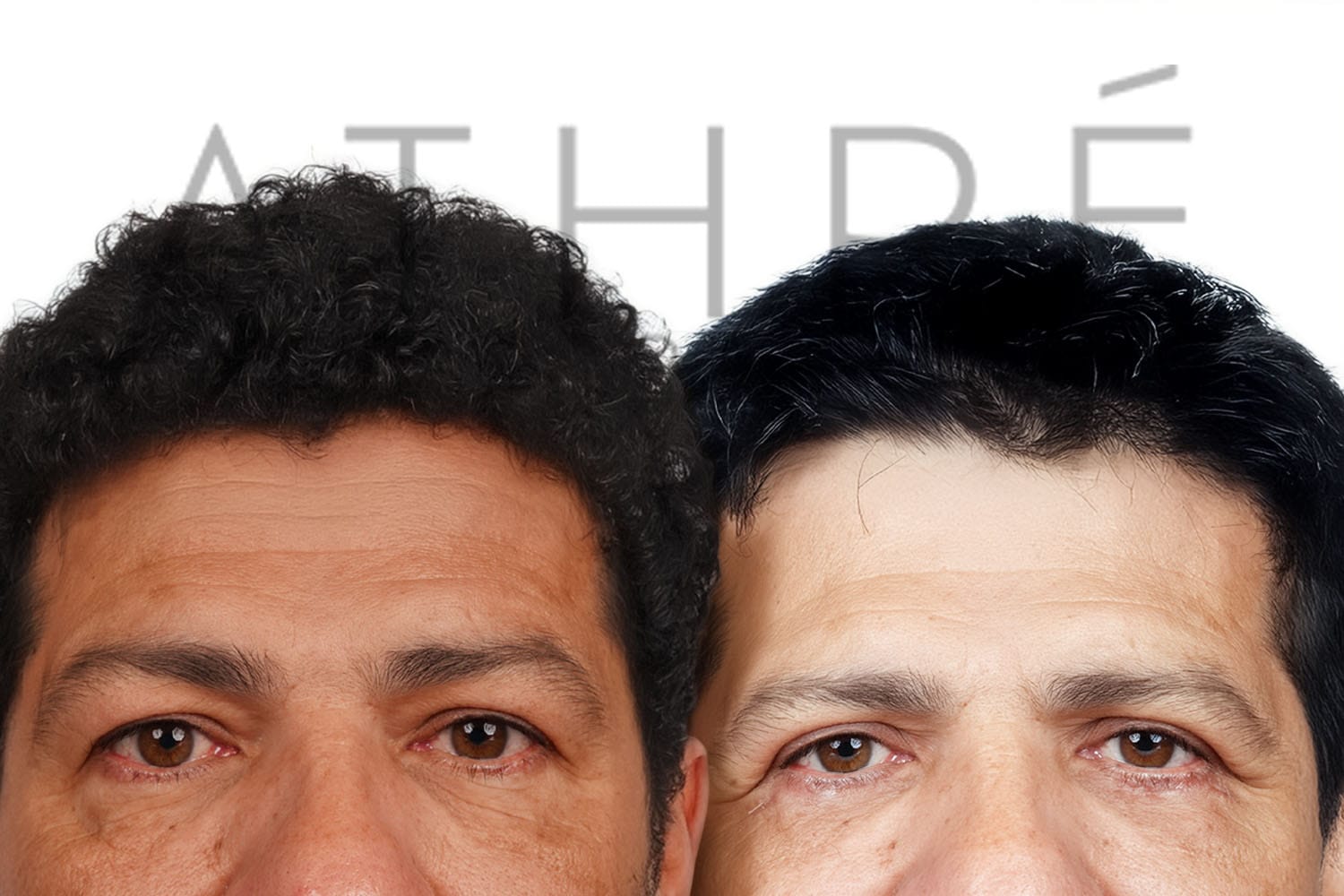
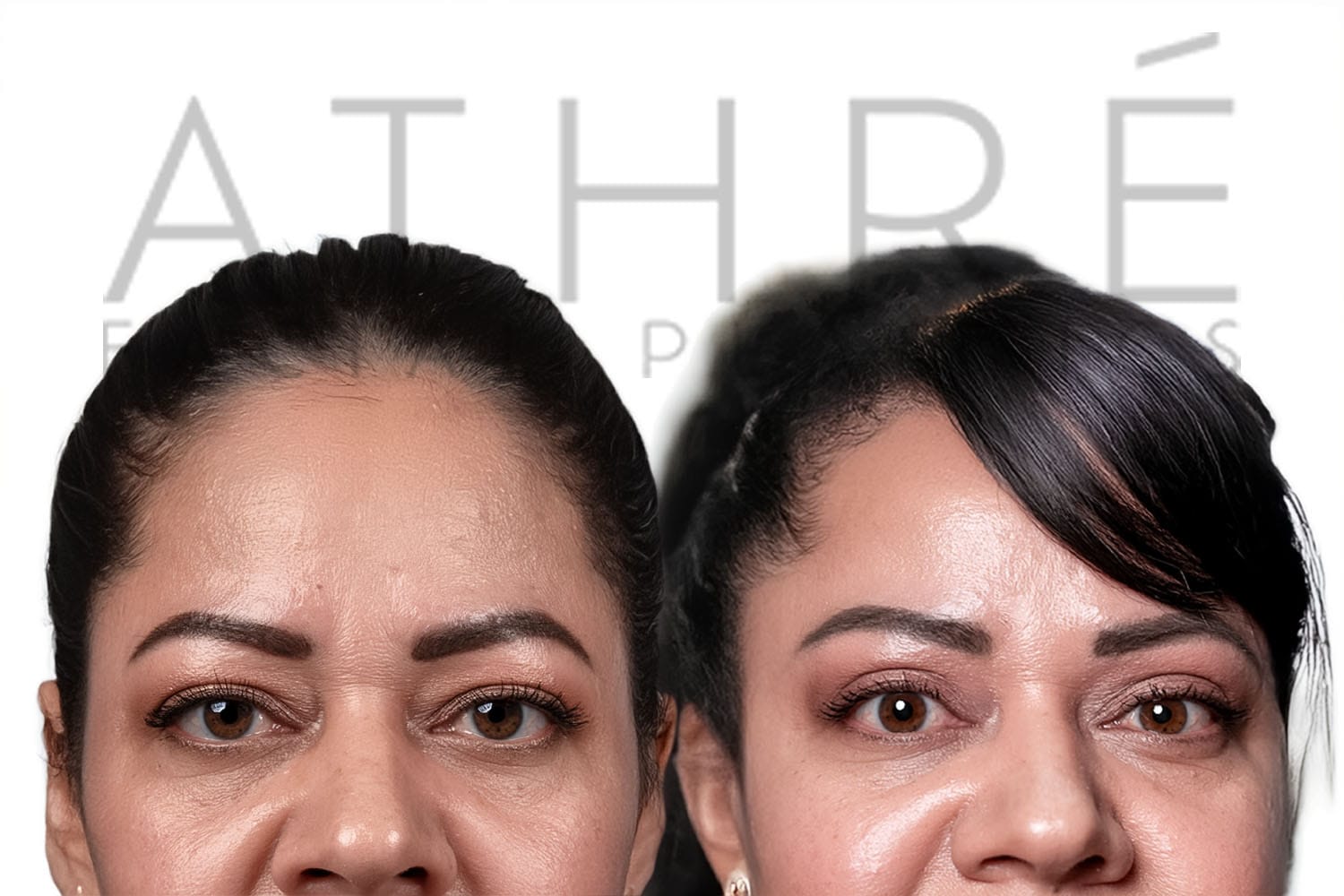
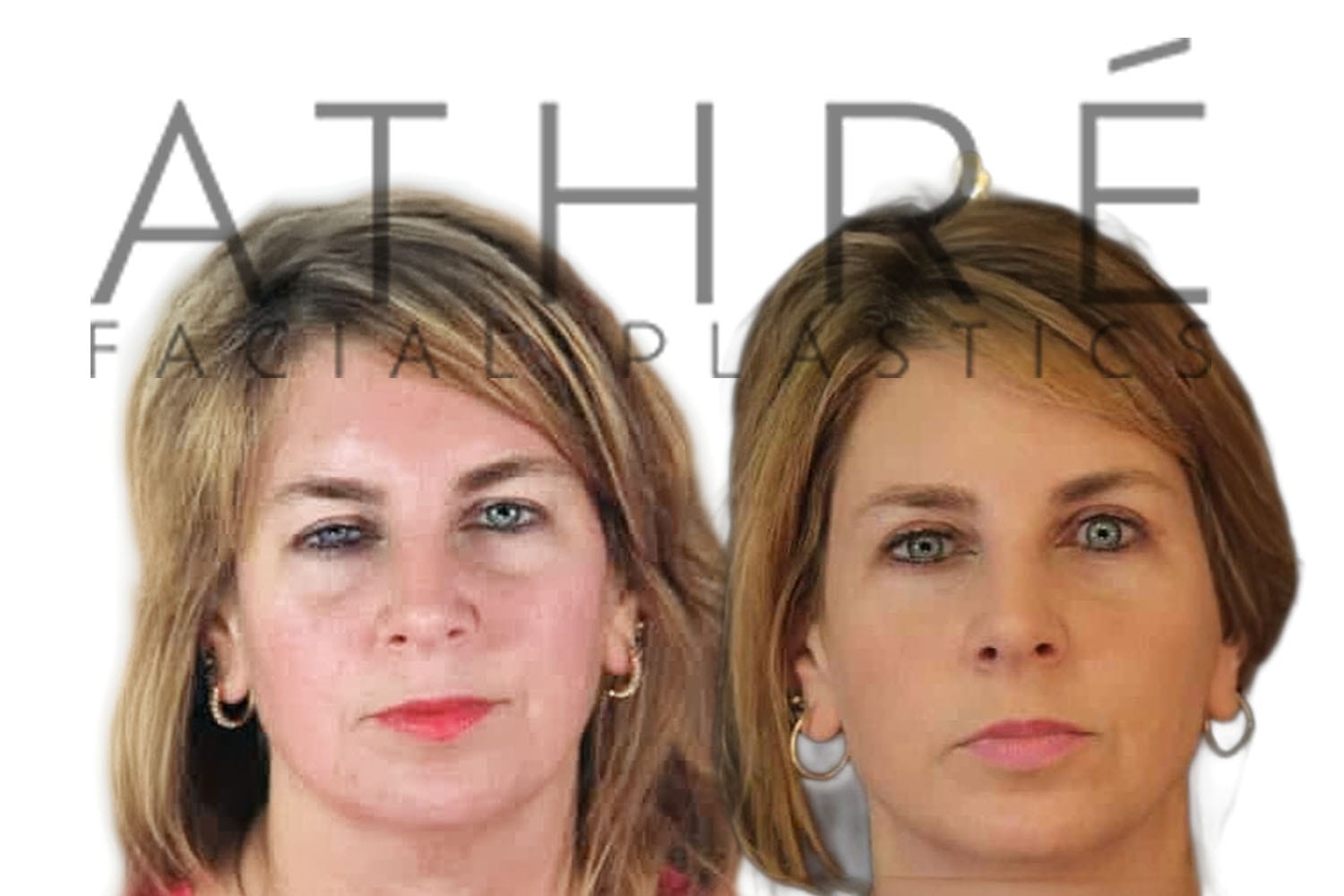
These three patient photographs illustrate different eyelid operations, including a patient who underwent ptosis repair. The photographs show appearance changes; they do not by themselves document visual-field impairment or insurance eligibility.
BEFORE AND AFTER
Eyelid Surgery Patient Results
Facial Reconstruction After Skin Cancer
One area where the reconstructive side of facial plastic surgery becomes particularly important is the treatment of defects left after skin cancer removal.
Imagine a patient who has a basal cell carcinoma on the side of the nose. The cancer needs to be removed, and that removal may leave an opening involving the skin and sometimes deeper supporting structures.
The next question is how to repair that area while preserving the natural shape and function of the nose.
That is a reconstructive problem.
Reconstruction Is More Than Closing the Wound
The nose, eyelids, lips and ears all have specialized anatomy. Simply bringing the edges of a wound together may not restore the original shape or preserve the way those structures work.
Depending on the defect, reconstruction may involve carefully repositioning nearby skin, using a skin graft or performing a more complex tissue reconstruction.
For example, a reconstruction near the nostril must account for the shape and support of the nasal opening. A repair near the eyelid must consider how that eyelid moves and protects the eye.
I want to restore as much normal anatomy as possible, while also paying close attention to the appearance of the repair and how it will heal.
At Athré Facial Plastics, we work with patients requiring facial reconstruction after skin cancer. When Mohs surgery is appropriate, the cancer removal is performed by a Mohs surgeon. My role in reconstructive care is separate from removing the cancer itself.
What About Facial Injuries and Trauma?
Facial injuries can involve the skin, underlying soft tissue, cartilage or bone. The surgical objective depends on what was damaged.
A person with an injury to the nose may have a change in its shape, an obstruction to breathing or both. An injury near the eyelid may affect the position of the lid or its ability to protect the eye. A facial laceration can leave a scar that affects movement or appearance.
Some injuries need immediate treatment, while others require an assessment after the acute injury has healed. I would not assume that every injury requires surgery or that every visible change needs to be corrected.
But when reconstruction is appropriate, the surgical plan should account for the structures involved rather than simply trying to disguise the external injury.
The ideal result is one that restores function where it has been affected and produces the best achievable appearance given the injury and available tissue.
Why Appearance Still Matters in Reconstructive Surgery
I think it is a mistake to describe reconstructive surgery as if appearance is unimportant.
Consider someone who has had a skin cancer removed from a highly visible part of the face. The medical objective is to treat the cancer, and the reconstructive objective may include restoring the shape and function of that area.
But the patient also has to live with the result. They will see it in the mirror, in photographs and during everyday interactions.
That is why I pay attention to tissue thickness, contour, symmetry, incision placement and the way surrounding structures relate to the repair.
Those are aesthetic considerations, but they belong in reconstructive surgery as well.
Similarly, during cosmetic surgery, I still have to respect functional anatomy. A natural-looking result is not enough if the operation compromises breathing, eyelid closure or another important function.
The reason for surgery may be cosmetic or reconstructive. The obligation to respect facial anatomy exists in both.
Does Insurance Cover Reconstructive Surgery but Not Cosmetic Surgery?
Insurance coverage is one of the practical reasons patients want to understand the difference between cosmetic and reconstructive surgery.
Cosmetic procedures performed solely to improve appearance are generally not covered by health insurance. Reconstructive or functional procedures may qualify for coverage when they meet the insurer’s medical-necessity requirements.
But the word “reconstructive” does not automatically guarantee coverage.
The diagnosis, documented functional problem, proposed procedure, medical history and terms of the individual insurance plan all matter.
For example, surgery to correct a documented breathing obstruction may be evaluated differently from rhinoplasty performed solely to refine the nasal tip. If a patient wants both functional correction and an additional cosmetic change, the insurer may treat those components differently.
Similar considerations can apply to upper eyelid surgery when excess skin affects vision.
I encourage patients to understand their coverage requirements before assuming that a procedure will be paid for. The clinical reason for surgery and the insurance company’s coverage decision are related, but they are not the same thing.
How I Approach a Consultation When Function and Appearance Are Both Concerns
My starting point is the patient’s actual problem.
If someone is considering nose surgery, I want to know whether they are concerned about appearance, breathing or both. If they have had a previous injury or operation, I need to understand that history and examine the anatomy that may have been affected.
With the eyelids, I want to understand whether the issue is cosmetic heaviness, an actual visual obstruction or a combination of concerns.
In reconstruction after skin cancer, I need to consider the location and extent of the defect, available surrounding tissue and any structures that must be preserved.
Once I understand what we are trying to accomplish, I can discuss what surgery may realistically improve, what the limitations are and what recovery could involve.
I do not want the name of a procedure to determine the plan. I want the anatomy, the medical problem and the patient’s goals to determine what we do.
FREQUENTLY ASKED
Questions About Cosmetic and Reconstructive Surgery
These questions address how reconstructive and cosmetic goals can overlap, particularly in nasal surgery, eyelid surgery and facial reconstruction.
Is reconstructive surgery considered plastic surgery?
Yes. Reconstructive surgery is part of plastic surgery, alongside cosmetic surgery. A national analysis of facial skin cancer reconstruction describes reconstructive care as an important part of the work performed by plastic surgeons and facial plastic surgeons.
Can rhinoplasty be both cosmetic and reconstructive?
Yes. Nasal surgery can address appearance and breathing in the same operation. A systematic review of septorhinoplasty studies reported improvements in functional and aesthetic quality-of-life measures.
Does septoplasty improve breathing?
It can improve nasal obstruction caused by a deviated septum. A systematic review and meta-analysis found substantial improvement in patient-reported nasal obstruction after functional septoplasty, with or without turbinate surgery.
Can upper eyelid surgery be medically necessary?
Yes, when eyelid position or excess skin interferes with vision or other functions. A systematic review of studies on upper blepharoplasty found improvements in visual field and vision-related quality of life.
Why is reconstruction important after skin cancer removal?
Reconstruction repairs the defect left by cancer removal while considering normal facial contours and function. An evidence-based clinical practice guideline addresses planning, timing and postoperative management of reconstruction after skin cancer resection.
Does facial reconstruction need to look natural as well as restore function?
Both outcomes matter. A study of nasal reconstruction after Mohs surgery evaluated both aesthetic results and postoperative nasal obstruction.
Is surgery after a broken nose considered reconstructive?
It may be, particularly when an injury causes deformity or impaired breathing. A review of post-traumatic nasal deformities discusses repairing both nasal appearance and structural function after injury.
Can reconstructive surgery affect a patient’s confidence and quality of life?
Yes. In a long-term study of facial reconstruction after skin cancer removal, poorer satisfaction with scar appearance was associated with greater appearance-related distress.