Patients ask me all the time, “What age should I get a facelift?” They want to know whether 40 is too young, whether 50 is the ideal age, or whether they have waited too long once they reach their 60s.
I don’t decide whether you’re ready for a facelift based on your birthday. I decide based on what has changed anatomically, what bothers you and what it would take to correct it.
Your age gives me context. Your anatomy tells me what, if anything, I need to treat.
There Is No “Right Age” for a Facelift
Faces do not age according to a calendar. Genetics matter. Facial structure matters. Skin quality matters. Changes in facial volume matter. Most importantly, the position of the deeper facial tissues matters.
I can examine two people who are exactly the same age and recommend completely different things. One may not need surgery at all. Another may have aging concentrated primarily along the jawline and neck. Another may have more extensive aging involving the midface, jawline and neck.
INSIGHTS FROM DR. ATHRÉ
How I Decide Which Facelift a Patient Actually Needs
In this playlist I explain how I think about facelift candidacy, procedure selection, endoscopic surgery, the RT Mini Facelift and when surgery is actually worth doing.
What I Look at Instead of Your Birthday
When I evaluate you for facial rejuvenation, I look at the face as a whole. I look at the midface, the jawline, underneath the chin and through the neck. I want to know where the tissues have changed, how much they have changed and whether those changes are responsible for what bothers you.
I also look at what has not changed. If you still have good midface support, a defined jawline and very little neck laxity, I don’t want to create an indication for surgery simply because you came in asking about a facelift.
Sometimes I recommend a facelift. Sometimes a more limited procedure makes sense. Sometimes I tell a patient I would not perform a facelift yet.
SAME AGE, DIFFERENT ANATOMY
Why Two Patients the Same Age May Need Completely Different Surgery
These three women are all 52 years old. Their facial aging is very different.
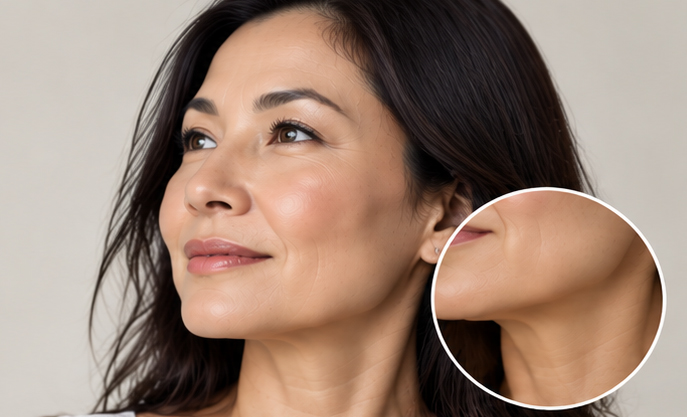
Minimal Aging
Good midface volume, a defined jawline and minimal neck laxity. She may not need a facelift yet.
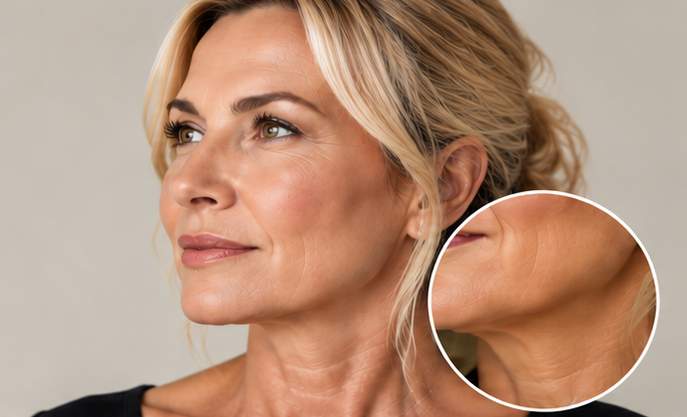
Lower-Face Aging
Mild jowling, less jawline definition and early neck laxity. She may be a candidate for a lower facelift or RT Mini Facelift.
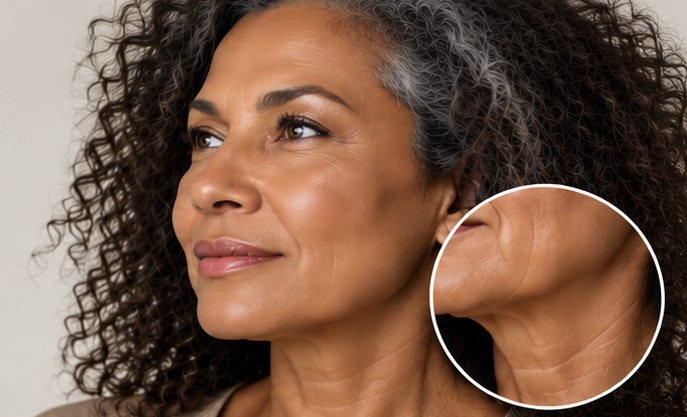
Midface, Jawline & Neck Aging
Loss of midface support, more noticeable jowling and neck laxity. She may be a candidate for a more extensive facelift.
The first may have nothing that justifies facelift surgery. The second has aging concentrated primarily along the lower face and neck. The third has a more extensive pattern involving the midface, jawline and neck.
Their age is identical. Their anatomy is not.
Midface, Jawline and Neck: Where Aging Is Actually Happening
When I talk about whether someone is ready for a facelift, I am not primarily talking about wrinkles. I am looking for structural changes.
In the midface, I look at the position and support of the cheek tissues. Along the lower face, I look for jowling and loss of a clean jawline. In the neck, I evaluate skin laxity, the platysma and the contour underneath the jaw.
If your aging is concentrated primarily along the jawline and neck with almost no midface aging, I may consider a more limited approach such as an RT Mini Facelift. If the aging extends more significantly through the midface, jawline and neck, a deep plane facelift may make more sense.
Those are different anatomical problems. They are not age categories.
When You’re Too Young for a Facelift
There absolutely are patients I tell to wait.
If there is very little laxity, your jawline is still well defined and the deeper tissues have not descended enough to justify repositioning them, I don’t want to manufacture an indication for surgery. You may dislike something about your face that a facelift is simply not designed to correct.
Patients do undergo facelift surgery before age 50. Published research looking specifically at patients who underwent rhytidectomy before 50 found an average facelift age of 44 in that study population. That does not make 44 the right age. It tells us that appropriately selected younger patients do exist.
I don’t want to perform a smaller facelift just because you’re younger. I want to perform the surgery that matches the anatomy, or no facelift at all.
When Waiting Longer Doesn’t Necessarily Help
The opposite can also happen. You may already have meaningful jowling, loss of jawline definition or neck laxity but feel that you are supposed to wait until you reach a certain age before considering surgery.
If there is already a structural change that bothers you and surgery is the appropriate way to correct it, turning 50 instead of 48 does not suddenly make the problem more legitimate.
That does not mean I recommend having a facelift early to “get ahead” of aging. There still has to be something meaningful for me to correct.
The question is not how early I can operate. The question is whether there is enough anatomical change for the benefit of surgery to make sense.
Mini Facelift, Deep Plane Facelift or No Facelift at All?
This is where I think patients sometimes get the sequence backward. They research facelift names, decide which procedure sounds right and then look for a surgeon who performs it.
I would rather start with your face.
If your aging is concentrated primarily along the jawline and neck with minimal midface aging, an RT Mini Facelift may make sense. If there is more significant aging through the midface, jawline and neck, I may need the more extensive release and repositioning I can achieve with a deep plane facelift.
There are also selected patients where an endoscopic approach may make sense, and patients where I don’t think a facelift is appropriate yet.
Tell me what bothers you. Let me evaluate the anatomy. Then we can talk about the right tool.
Facelift Results at Different Ages
These three patients underwent facial rejuvenation at 46, 50 and 60 years old. Each came to surgery with different anatomy, goals and a different combination of changes that needed to be addressed.
BEFORE & AFTER
Facelift Results


Can You Be Too Old for a Facelift?
As patients get older, health becomes an increasingly important part of the conversation. I want to know about your medical history, medications and anything else that changes the risk of elective surgery.
But chronological age by itself still does not give me enough information.
A recent study of 541 facelift patients found that chronological age was not independently associated with major or minor complications after adjustment, including among carefully selected patients older than 75. Earlier research comparing patients 75 and older with middle-aged facelift patients also found similar complication rates when patients were appropriately selected based on health status.
That does not mean every 75-year-old is a facelift candidate. It means I would rather evaluate your individual health and risk than make the decision from the birth date on your chart.
How I Determine Whether It’s Time
When I sit down with you, I want to know what specifically bothers you, where your face has actually changed and whether a facelift is the right way to correct it.
Then we have to decide whether there is enough to gain from surgery to justify the recovery, scars, cost and risks that come with it.
I also want your expectations to match what surgery can realistically accomplish. A facelift can reposition aging facial tissues and restore facial and neck contours depending on the approach we choose. It does not freeze your face in time. You will continue to age after surgery.
Long-term research helps put that in perspective. In one study using standardized photographs 5.5 years after facelift surgery, 76% of patients were still judged to look younger than they had before their facelift, even though aging had continued.
The right time for a facelift is when there is something meaningful to correct, surgery is the right tool to correct it, and you understand what that surgery can and cannot do.
FREQUENTLY ASKED
Common Questions About Facelift Age and Timing
These are some of the questions patients ask when deciding whether now is the right time for facelift surgery.
Is 40 too young for a facelift?
Not automatically. Some patients develop meaningful lower-face or neck aging in their 40s, while others do not. Research examining patients who underwent facelift before age 50 included patients having surgery at an average age of 44. That does not make 44 an ideal age. The anatomy still has to justify surgery.
Is 60 too old for a facelift?
No. Age 60 by itself is not too old. Health and appropriate patient selection matter more than the number alone. Research in older facelift patients has found that health status should be emphasized rather than chronological age when evaluating surgical risk.
Should I get a facelift earlier or wait until I am older?
I don’t recommend having a facelift early simply to get ahead of aging, and I don’t recommend waiting for an arbitrary birthday if you already have something meaningful to correct. The timing should come from your anatomy, your goals and whether the benefit of surgery makes sense for you.
Does getting a facelift younger make the result last longer?
There is some evidence of an association, but I would not turn that into a promise that earlier surgery causes a facelift to last longer. A 30-year deep plane facelift study found that patients who were younger at their primary surgery had a longer interval before revision, but many factors can influence when someone chooses another surgery. See the long-term deep plane facelift study on PubMed.
How long can facelift results last?
A facelift does not stop aging, but improvement can remain visible for years. In a study using standardized photographs at an average of 5.5 years after surgery, 76% of patients were still judged to look younger than they had before their facelift.