One of the questions I hear regularly is whether someone can achieve the facial rejuvenation they want without surgery. They may be interested in Botox, fillers, lasers or a skin-tightening treatment, but they want to know how much improvement is actually possible.
My answer depends on what has changed in their face. Some signs of aging respond very well to nonsurgical treatment. Others involve changes in the deeper tissues that injections and devices cannot adequately correct.
The problem is that patients are often presented with these treatments as if they are interchangeable. They see advertisements promising a facelift without surgery, a tighter neck without scars or dramatic improvement with almost no recovery.
I understand why those promises are appealing. But I think we need to be more precise about what each treatment can actually accomplish.
I am not trying to convince every patient to have surgery. I am trying to determine whether the treatment they are considering can actually correct the problem that bothers them.
Facial Aging Is Not Just About Wrinkles
One of the reasons this decision can be confusing is that we use the term facial aging to describe several different anatomical changes.
We develop lines from repeated muscle movement. We lose volume in certain areas of the face. The skin changes in thickness, texture and elasticity. And the deeper tissues gradually descend, affecting the cheeks, jawline and neck.
These changes may occur together, but they are not the same problem.
For example, a patient may have relatively smooth skin but significant jowling. Another patient may have a well-defined jawline and very little tissue laxity but be concerned about forehead wrinkles or volume loss beneath the eyes.
I would not recommend the same treatment for those two patients.
WHEN LESS CAN BE ENOUGH
When Nonsurgical Facial Rejuvenation Makes Sense
There are patients who can achieve a meaningful improvement without an operation. In fact, if someone has minimal tissue descent and a reasonably defined jawline and neck, I may not see a good reason to recommend surgery.
But I still need to choose the right nonsurgical treatment for the specific concern.
Botox for Wrinkles Caused by Muscle Movement
Let’s say a patient is primarily bothered by the lines between the eyebrows or across the forehead.
Those lines are influenced by repeated facial muscle movement. A neuromodulator such as Botox can temporarily relax selected muscles and soften the appearance of the overlying wrinkles.
That may be exactly what the patient needs. I would not recommend a facelift to correct isolated forehead expression lines. The surgery does not target the same problem.
Facial Fillers for Volume Loss
Now consider a patient with mild hollowing in the cheeks or temples but relatively good facial support.
In that situation, facial fillers may restore some of the missing volume and improve the balance of the face without surgery.
Hyaluronic acid fillers such as Restylane and Juvéderm can be useful when the treatment goal is a specific change in volume or contour.
Where I become more cautious is when someone begins using large amounts of filler to compensate for tissues that have descended.
Adding volume and repositioning tissue are different things. A filler can support or camouflage certain contours, but it does not produce the same anatomical correction as a surgical lift.
Skin Treatments for Texture, Pigmentation and Fine Lines
Some patients are not really concerned about the position of their facial tissues at all. Their concern is the quality of the skin.
They may have sun damage, uneven pigmentation, rough texture or fine lines that are more noticeable as the skin ages.
These patients may benefit from selected skin resurfacing treatments, including chemical peels or lasers, depending on the depth of the problem and their skin type.
I would not recommend a facelift to improve pigmentation or skin texture alone. Surgery and resurfacing accomplish different things.
If the anatomy is still well supported, I do not want to create an indication for surgery simply because the patient wants to look younger.
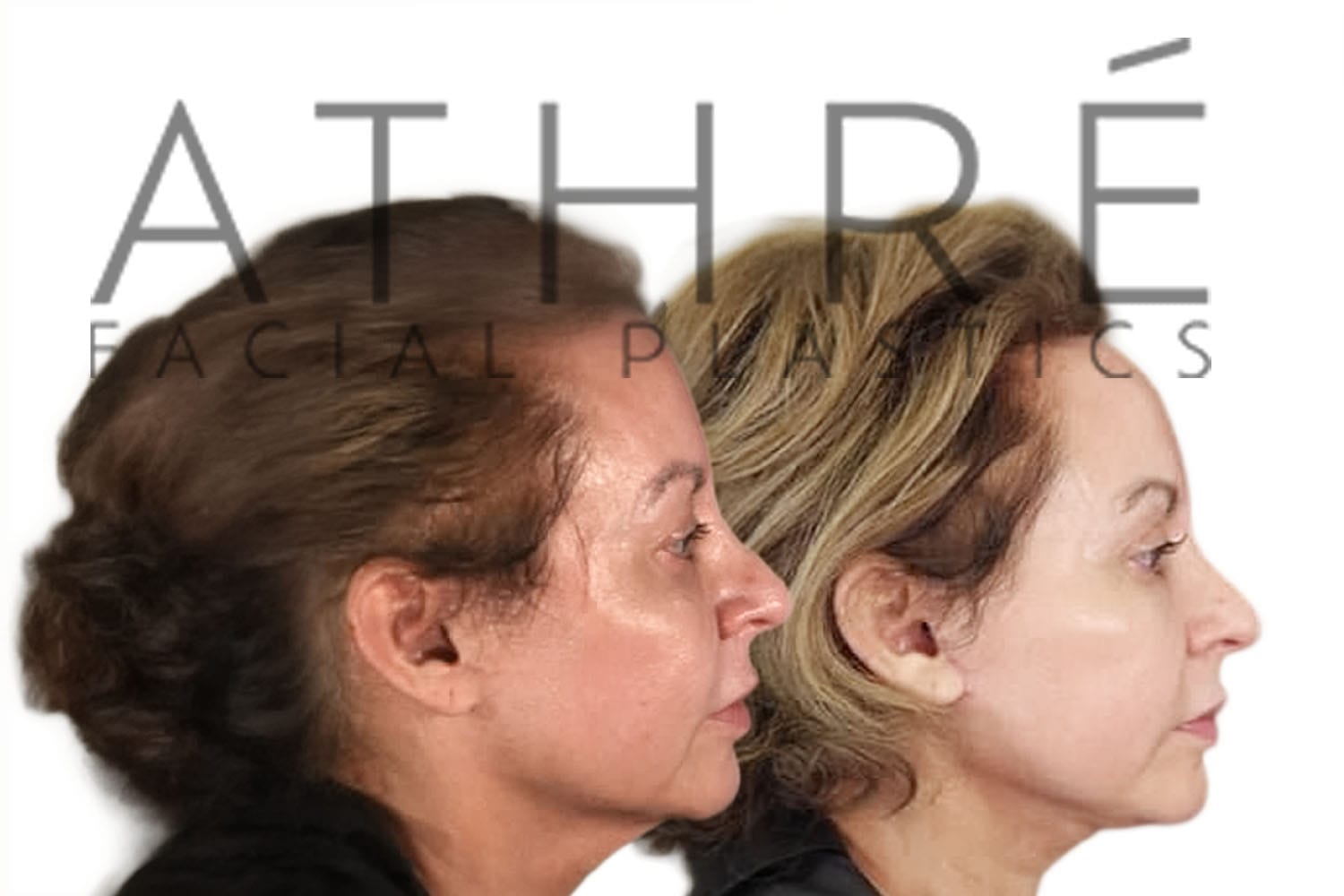
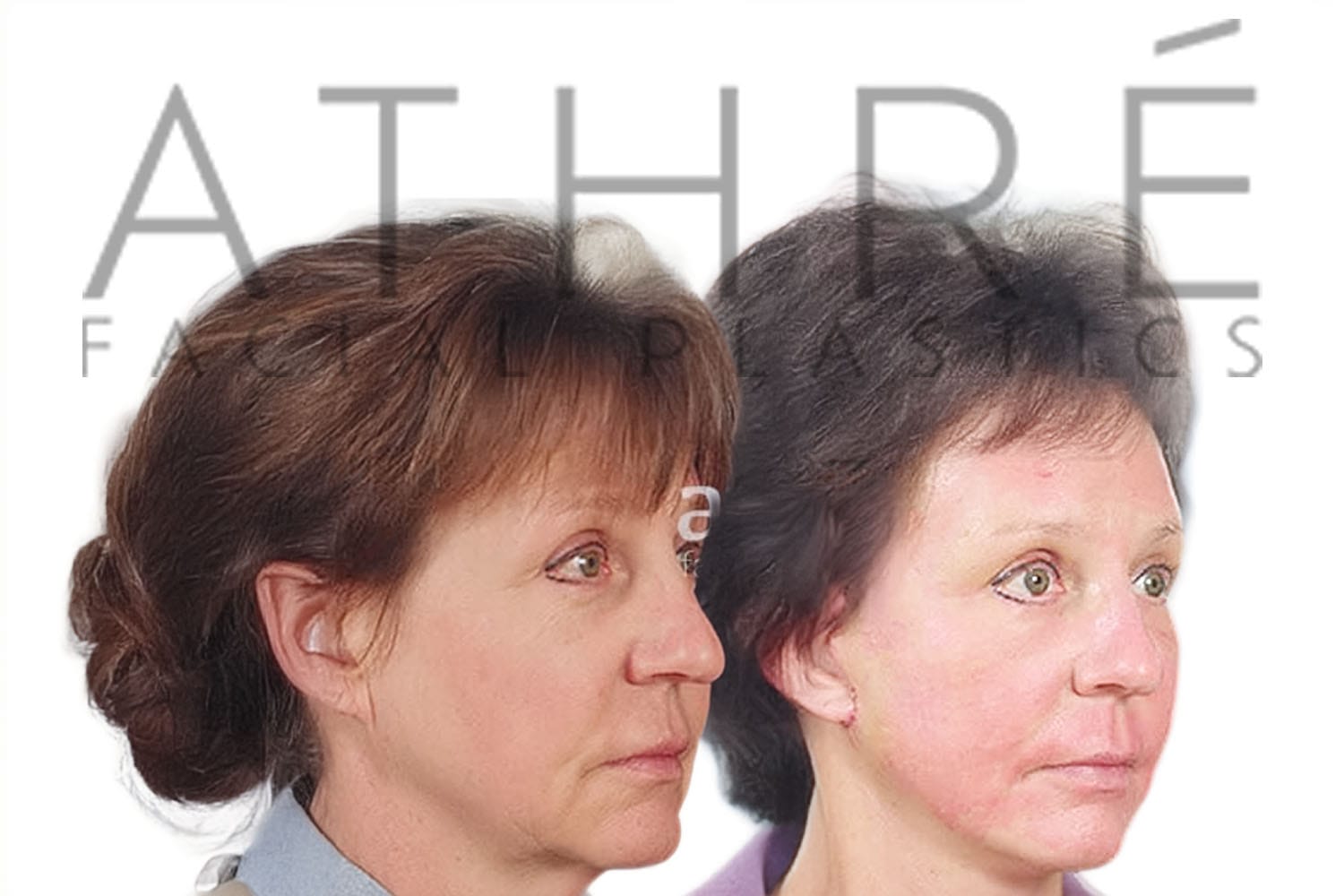
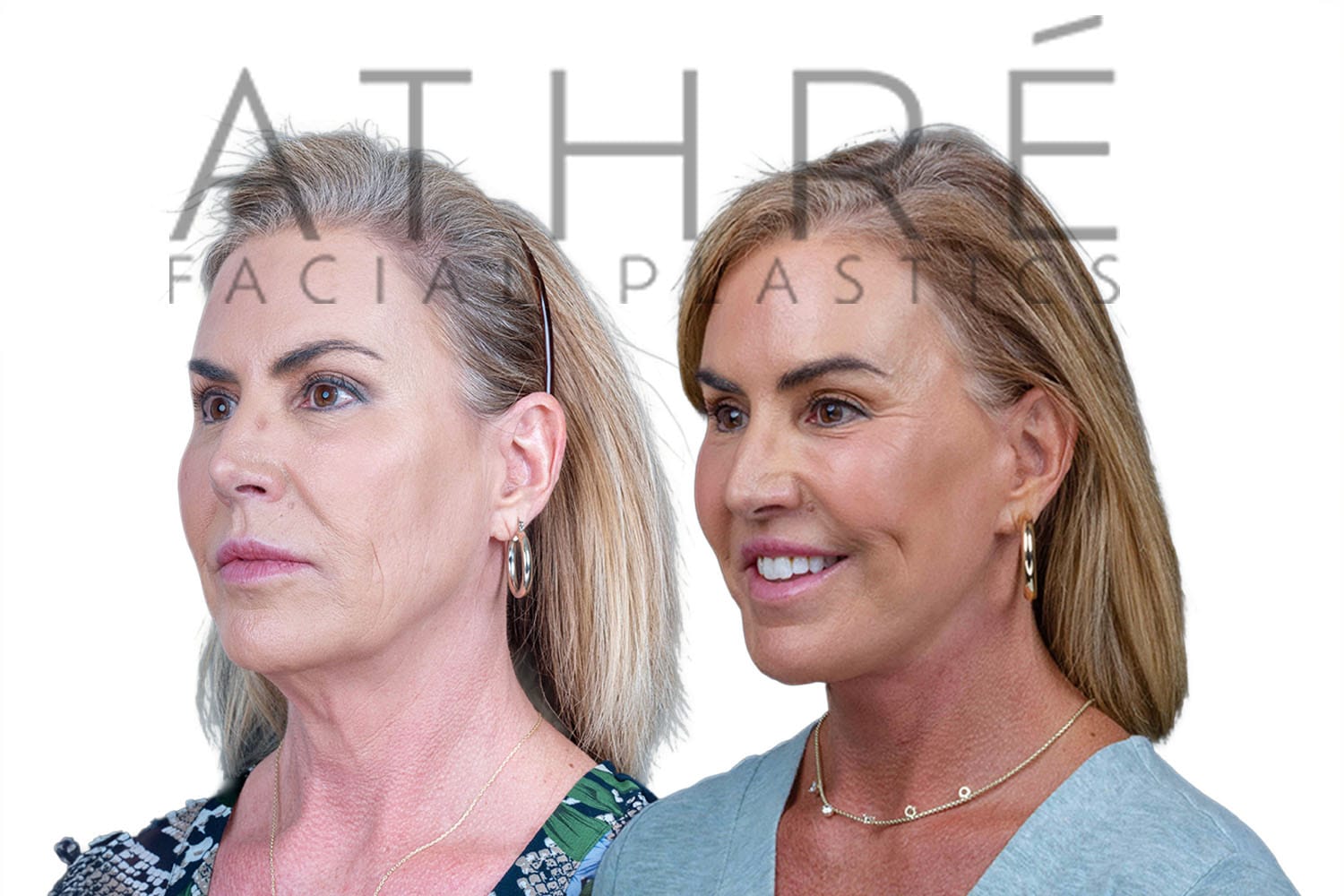
Our skin resurfacing before and after gallery provides examples of changes in skin appearance. The cases below also involved other facial procedures, so they should not be interpreted as results from resurfacing alone.
BEFORE AND AFTER
Skin Resurfacing Patient Results
When Nonsurgical Treatments Start Reaching Their Limits
This is where I think patients deserve a more careful explanation than they often receive from advertisements.
As we age, the tissues in the midface can gradually descend. The jawline loses definition, jowls become more noticeable and the neck may develop skin laxity or visible bands.
At that point, the primary concern may no longer be a simple loss of volume or a surface wrinkle. The problem is that tissue has changed position.
Why Adding More Filler Is Not Always the Answer
If a patient has significant jowling, I can sometimes camouflage a small contour irregularity with filler. But I cannot reliably lift a substantially descended cheek and correct significant neck laxity by continuing to add volume.
In fact, if I keep adding filler to a face that already has excessive fullness in the lower portion, I may make it appear heavier rather than more youthful.
That is not because filler is a bad treatment. It is because I am asking it to accomplish something it was not designed to do.
What About Skin-Tightening Devices?
Energy-based treatments, including certain radiofrequency and ultrasound technologies, can produce improvement in selected patients with mild skin laxity.
But I would be cautious about an advertisement suggesting that a device can consistently reproduce the result of a surgical neck lift in a patient with advanced neck aging.
The degree of improvement depends on the device, treatment protocol, skin characteristics and extent of tissue laxity. Some patients may be satisfied with a modest change. Others will not get enough correction to justify the treatment.
Adding volume is not the same as lifting descended tissue. Tightening the skin is not the same as correcting the structures underneath it. The treatment needs to reach the anatomy responsible for the problem.
WHEN THE ANATOMY HAS CHANGED
When I Begin Discussing Surgical Facial Rejuvenation
When I see more significant descent through the cheeks, loss of jawline definition or substantial laxity in the neck, I begin thinking about whether the patient would benefit from surgical repositioning.
A facelift can address deeper facial tissues that have descended with aging. Depending on the patient’s anatomy, it may also be combined with a neck lift to improve the transition beneath the chin.
I am not simply removing excess skin and pulling the face tighter. The objective is to reposition the appropriate structures and restore more natural facial contours.
That is something fillers, Botox and superficial resurfacing cannot reproduce.
What If the Eyes Are the Main Concern?
Not every patient who needs surgical rejuvenation needs a facelift.
Someone may have a well-preserved jawline and neck but significant upper eyelid hooding or lower eyelid changes. In that situation, eyelid surgery or an appropriate brow procedure may address the concern more directly.
The point is not to choose between all surgery and no surgery. It is to identify which anatomical areas actually need correction.
When Surgery Is Not Yet Worth Doing
There are also patients who come in asking for a facelift when I do not think there is enough tissue descent to justify the procedure.
They may be noticing early changes, but their underlying facial support is still good. In that case, a nonsurgical treatment or simply waiting may be the more appropriate recommendation.
Age alone does not tell me whether a patient needs surgery.
I don’t want to operate too early just because surgery is available. And I don’t want to keep recommending temporary treatments when the patient has a structural problem those treatments cannot adequately address.
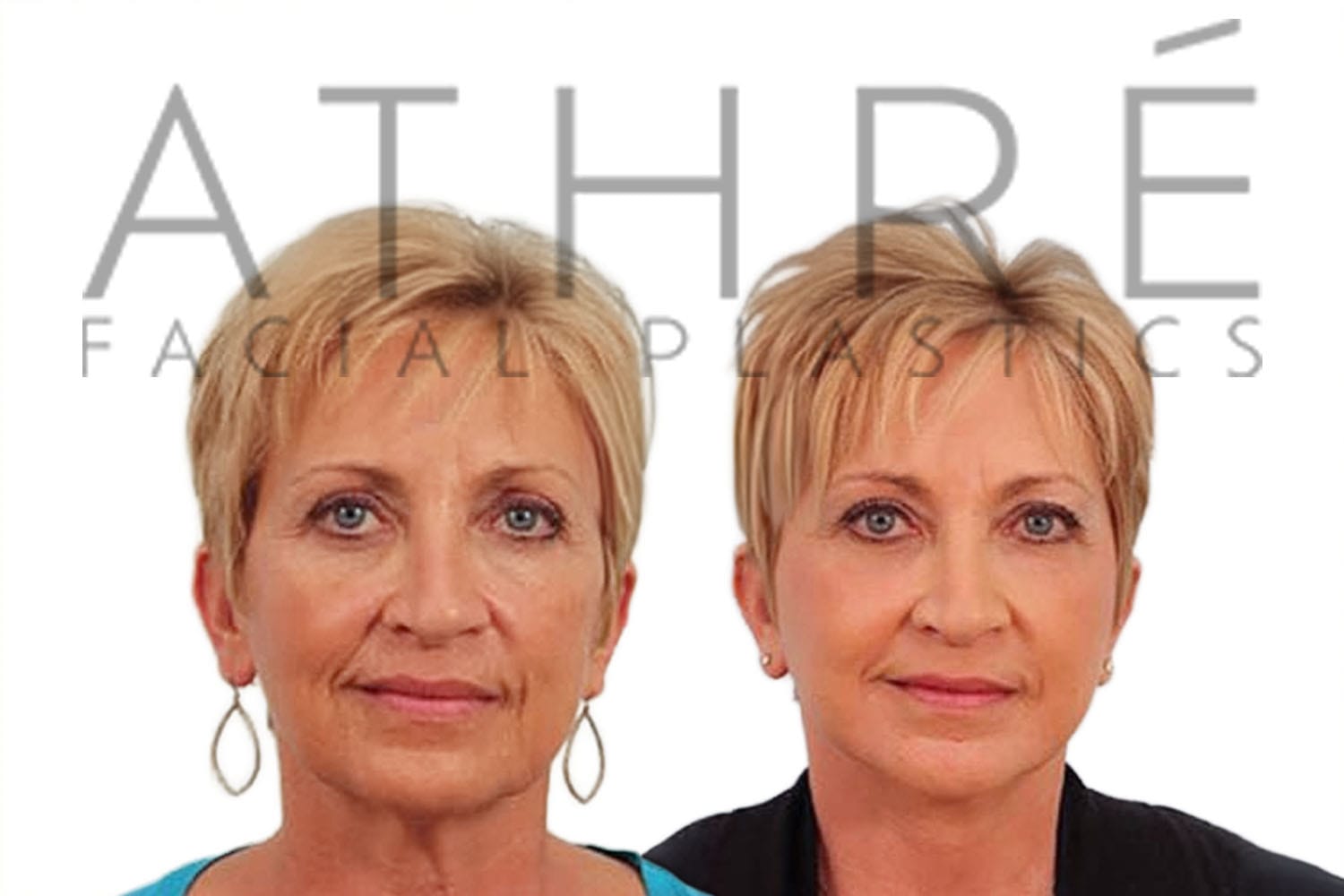
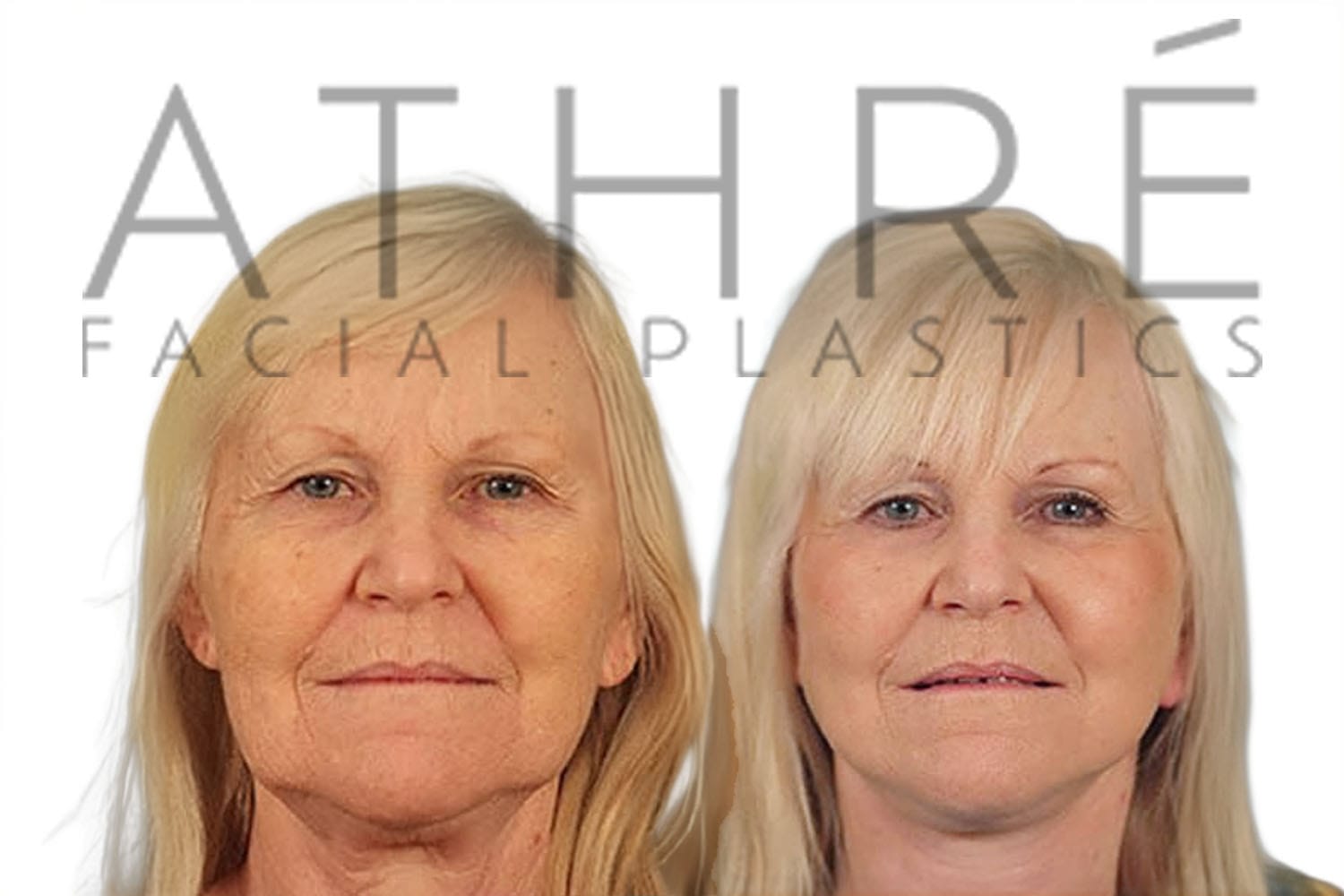
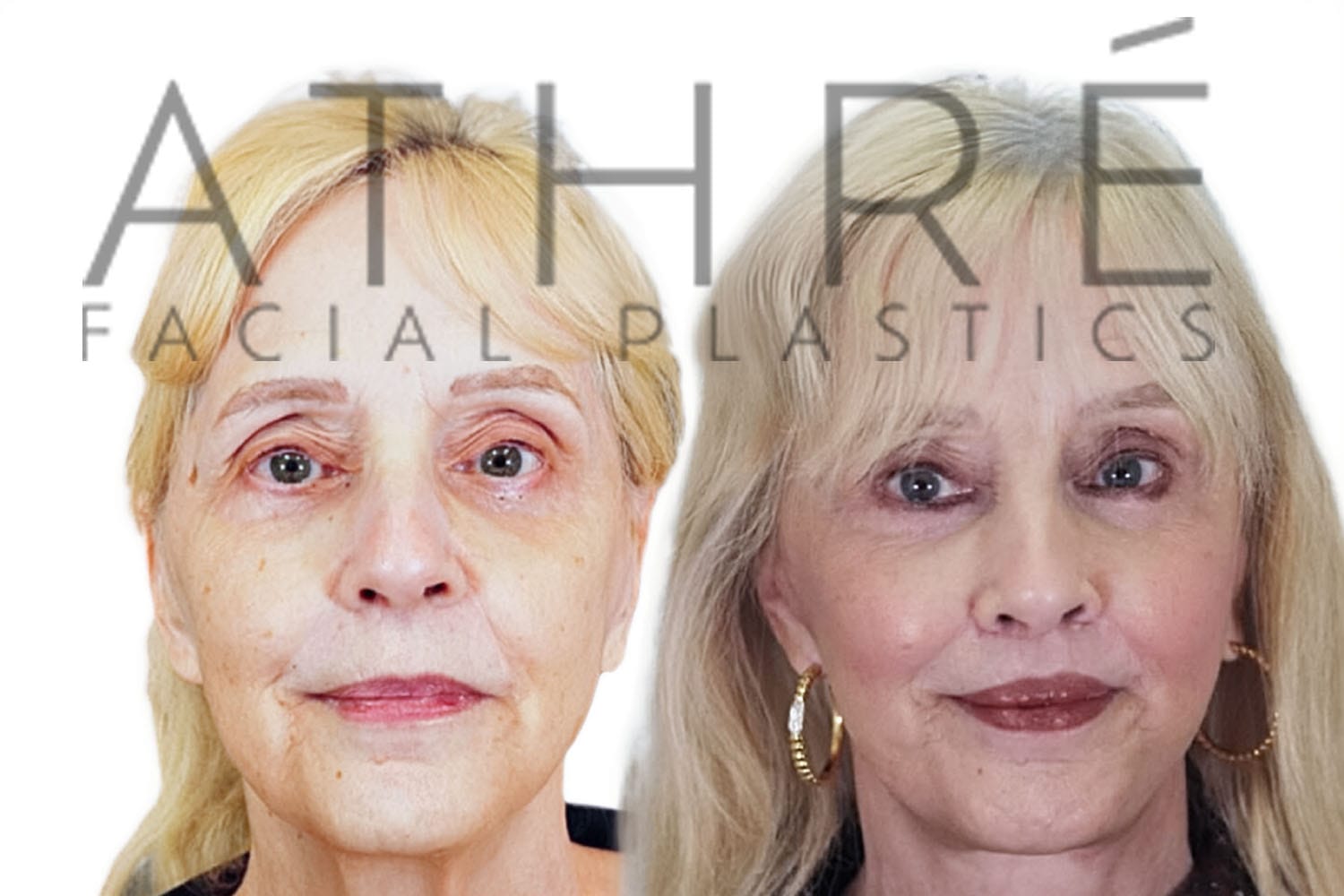
The patients below demonstrate how different surgical approaches can improve facial contour. Some also had other procedures, so the photographs should be considered in the context of each complete treatment plan. More examples are available in my facelift before and after gallery.
BEFORE AND AFTER
Facelift Patient Results
Which Produces Better Results: Surgery or Nonsurgical Treatment?
I don’t think there is a universal answer because we are comparing treatments that are designed to do different things.
For a patient with forehead expression lines, Botox may give a more appropriate result than surgery. For someone with hollowing in the cheeks and little skin laxity, carefully placed filler may provide an improvement without the recovery associated with an operation.
But if a patient has significant jowls and neck laxity, a surgical procedure may create a degree of anatomical correction that nonsurgical treatments cannot achieve.
What About Natural Appearance?
I also hear patients say that they want a natural result, so they assume nonsurgical treatment must be better. That is not necessarily true.
A small amount of well-placed filler can look natural. Too much filler, or filler placed in the wrong location, can create an overfilled appearance.
Likewise, a thoughtfully planned facelift can produce a natural-looking result when the tissues are repositioned appropriately. Poor surgical planning or excessive tension can create an unnatural appearance.
Natural appearance is a result of good judgment and technique, not simply whether a treatment involves an incision.
Is Surgery More Cost-Effective Than Fillers Over Time?
This is a reasonable question, especially for patients who have been receiving nonsurgical treatments for several years.
Botox requires maintenance because its effect on muscle movement gradually wears off. Dermal fillers also change over time, although the duration varies considerably by the product, the treatment area and the individual patient.
If someone receives repeated treatments across multiple areas of the face, those costs can accumulate.
Surgical facial rejuvenation generally has a much higher initial cost. It also involves operating-room expenses, recovery time and risks that are not equivalent to a routine injectable appointment.
But a facelift can provide longer-lasting structural changes than a temporary injectable treatment.
I would not tell a patient that surgery is automatically cheaper in the long run. That depends on what they have been spending, how often they receive treatment, the operation being considered and whether additional procedures are needed later.
The bigger question is whether the money is being spent on something that can accomplish the patient’s goal.
An inexpensive treatment is not necessarily good value if it cannot correct what bothers you. And a longer-lasting procedure is not a good choice if you do not need it.
Recovery and Risk Matter Just as Much as the Result
One of the most important advantages of nonsurgical treatment is that it often requires less recovery time.
After Botox, patients can generally return to ordinary activities quickly. Fillers may cause temporary swelling or bruising, and the recovery from a resurfacing or energy-based treatment depends on its intensity.
But nonsurgical does not mean risk-free. Injectable treatments have complications of their own, including uncommon but potentially serious vascular problems with dermal fillers.
Surgery carries a different set of risks, including bleeding, infection, healing problems, scarring and possible nerve injury. Recovery also requires a greater commitment.
That is why I want to understand a patient’s medical history, treatment history and ability to accommodate recovery before recommending an operation.
Some patients simply are not ready for surgery. That is a perfectly reasonable factor in making the decision. We may discuss whether a nonsurgical option could provide a smaller improvement, with an understanding of its limitations.
The goal is informed decision-making, not choosing the most aggressive treatment available.
Why I Am Cautious About the Promise of a Facelift Without Surgery
Technology has made meaningful progress. We have more options for facial fillers, more precise methods of treating dynamic wrinkles and a broader range of energy-based devices than we did years ago.
But those advances do not mean that every procedure advertised as a nonsurgical facelift actually produces the same result as a facelift.
The phrase is often used for treatments that add volume, provide modest tightening or improve skin quality. Those can be useful treatments, but they should be described according to what they accomplish.
Even the term nonsurgical facelift refers to an approach that may combine several treatments rather than a single operation capable of reproducing surgical lifting.
Questions I Think Patients Should Ask
If you are considering a treatment advertised as lifting the face or tightening the neck without surgery, I would want you to understand what tissue it affects, what degree of improvement is realistic and how long the benefit is expected to last.
I would also ask whether the provider can explain the surgical alternatives, even if you ultimately decide against them.
There is nothing wrong with wanting a less invasive treatment. But you should be making that decision with a clear understanding of what you are gaining and what you are giving up.
A treatment should not be judged by how impressive the advertisement sounds. It should be judged by whether it can solve the patient’s actual problem.
Sometimes the Best Answer Is Both
I also don’t think surgical and nonsurgical facial rejuvenation need to be treated as opposing choices.
A patient may benefit from surgery to reposition descended tissues but still have concerns about skin texture, pigmentation or expression lines.
In that situation, a surgical procedure may address the structural changes while another treatment addresses the skin.
The same principle applies to volume. A facelift can reposition tissues, but a patient with significant volume loss may also benefit from carefully selected volume restoration.
That is why comprehensive facial rejuvenation is not necessarily one procedure. It is a plan based on the changes we are trying to correct.
I would much rather combine treatments thoughtfully when there is a reason to do so than use one treatment repeatedly in an attempt to make it accomplish everything.
How I Decide Which Approach Makes Sense for You
When someone comes to see me, I start by asking what bothers them most.
If they say their forehead looks lined when they make expressions, I think about muscle activity. If they are concerned about hollowing in the cheeks, I look at volume. If they point to jowls or a loose neck, I evaluate tissue descent and the structures underneath the skin.
Then I look at how significant those changes are.
Can I realistically improve the concern with a relatively small nonsurgical treatment? Would the patient be satisfied with a modest change? Or does the anatomy suggest that meaningful improvement would require surgical correction?
I also want to know how the patient feels about recovery, maintenance, cost and the risks of each option.
Some patients would rather have smaller changes over time. Others want a more substantial correction and are comfortable undergoing surgery. Neither preference automatically makes someone a better candidate.
What matters is matching the treatment to the anatomy and the patient’s goals.
The right treatment is not always the least invasive option or the most powerful one. It is the option that can deliver a worthwhile improvement for the person sitting in front of me.
FREQUENTLY ASKED
Questions About Surgical and Nonsurgical Facial Rejuvenation
These questions address what published research shows about injectable treatments, skin tightening, surgical results and the risks of different rejuvenation approaches.
Can nonsurgical treatments actually lift sagging skin?
Some devices can produce modest tightening in selected patients. A systematic review of microfocused ultrasound found aesthetic improvement in many treated patients, but results varied and further controlled research was recommended.
Can dermal fillers replace a facelift?
Fillers primarily restore or augment volume; they do not surgically reposition descended tissue. A systematic review of facial hyaluronic acid fillers supports their value for volume and contour correction, while long-term facelift research documents sustained improvements in jowl position and facial contour.
How long do Botox results typically last?
Many patients experience approximately three to four months of benefit, although duration varies. A review of botulinum toxin longevity found that effects commonly lasted three to four months, with some variation by formulation and treatment factors.
Do facial fillers always disappear after six to twelve months?
No. Duration varies, and detectable filler may persist longer than the most noticeable cosmetic benefit. A systematic review of hyaluronic acid fillers found that persistence depended on product characteristics, facial location and the method used to measure it.
Can ultrasound or radiofrequency replace a surgical neck lift?
These devices may improve skin laxity, but the amount of change is variable. A systematic review of focused ultrasound for sagging skin found promising outcomes but emphasized the need for stronger evidence. It did not establish equivalence to surgical neck lifting.
How long can facelift improvements last compared with injectables?
Facelift improvements can remain visible for years, although aging continues. In a study following 50 facelift patients for approximately 5.5 years, 76% were still judged to look younger than before surgery. Results varied by facial region.
Are nonsurgical facial rejuvenation treatments risk-free?
No. Most complications are minor, but rare serious events can occur. A review of hyaluronic acid filler vascular complications discusses possible tissue injury and vision-threatening events, highlighting the importance of anatomy, technique and prompt management.
What are the main risks of surgical facial rejuvenation?
Risks include hematoma, infection, healing problems, unfavorable scarring and temporary or potentially permanent nerve injury. A systematic review of facelift complications and prevention found overall complication rates were low, but careful patient selection and surgical management remained important.
Is surgery always better for correcting jowls and neck laxity?
Not always. The amount of laxity and the patient’s goals matter. Research on nonsurgical ultrasound treatments shows some patients achieve improvement without surgery, while facelift follow-up research demonstrates sustained anatomical correction after surgery. These studies do not provide a direct head-to-head comparison.