When a patient tells me she wants a Barbie nose, I usually have a fairly good idea of the appearance she has in mind. She is describing a feminine nasal profile with a gently curved bridge, a refined tip and a little upward rotation. But there is a significant difference between recognizing that appearance and determining whether it will work on her face.
A Barbie nose is not a separate operation or a standardized surgical technique. It is a description of a particular aesthetic. The actual rhinoplasty may involve adjustments to the nasal bridge, tip cartilages, projection or structural support. Which of those changes is necessary depends on the patient’s existing anatomy.
I have discussed the Barbie nose, sometimes called a cheerleader nose, in my article on different nose shapes. Here, I want to go further into the surgical decisions behind that look, including why a small amount of tip rotation can be attractive on one face but excessive on another.
I can understand the nose a patient wants from a photograph. My responsibility is to determine how that shape will fit her face, whether it is surgically achievable and how to preserve the nose’s support and breathing.
DEFINING THE LOOK
What Are the Characteristics of a Barbie Nose?
There is no one measurement or exact combination of features that defines every Barbie nose. Patients generally use the term to describe a nose with a softer, more feminine silhouette and noticeable definition at the tip.
Three features usually create that impression.
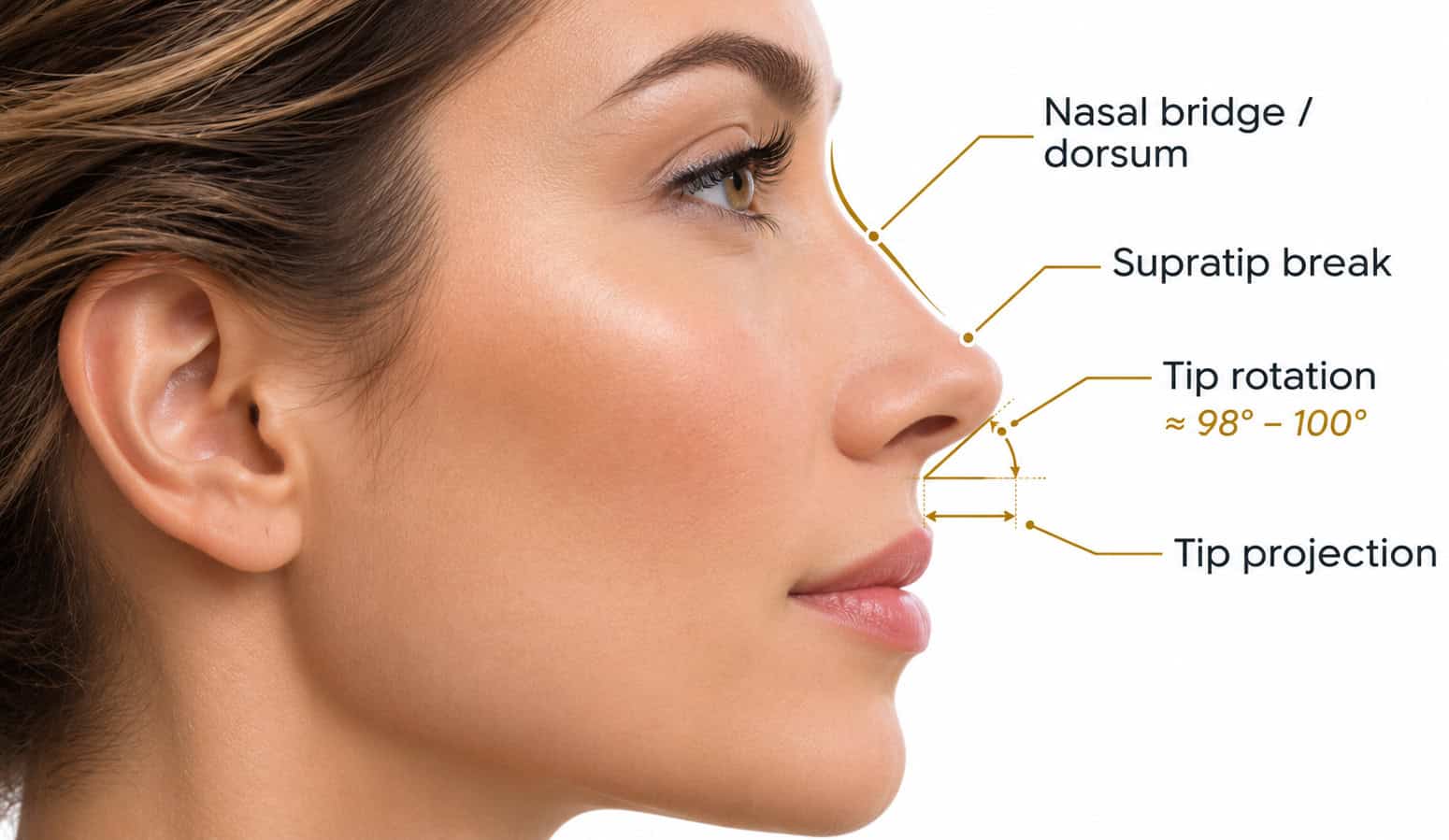
1. A Gently Curved Nasal Bridge
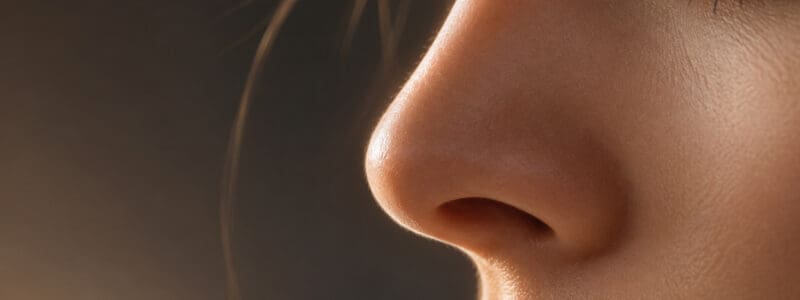
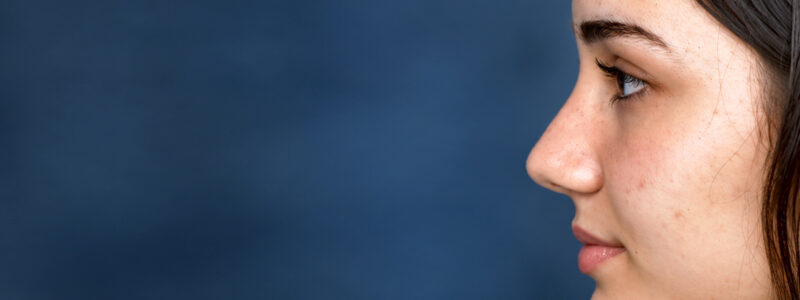
The nasal dorsum is the bridge of the nose, extending from between the eyes toward the tip. In the classic Barbie or cheerleader profile, the bridge is typically smooth, with a subtle curve rather than a prominent hump or a completely straight dorsal line.
That curve is sometimes described as a slightly scooped profile. But there is a difference between a gentle contour and an exaggerated depression that makes the nose appear surgically altered.
I evaluate the starting height of the bridge before deciding whether it needs reduction, preservation or occasionally additional support. A patient with a prominent dorsal hump presents a different surgical problem from someone whose bridge is already low or nearly straight.
2. A Defined, Slightly Upturned Nasal Tip
This is probably the feature patients recognize most readily. The nasal tip has a degree of upward rotation that gives the profile a lighter, more feminine appearance. The area just above the tip may have a subtle change in contour called the supratip break.
In my description of the Barbie or cheerleader nose, I have used a rotation angle of approximately 98 to 100 degrees to illustrate one version of this aesthetic. That is not a universal surgical target. The appropriate relationship between the nose, upper lip and face varies from patient to patient.
A few degrees can make a meaningful visual difference. Too little rotation may leave a tip looking droopy. Too much can make the nose appear unnaturally short, with excessive nostril exposure when viewed from the front.
3. A Refined Tip With Appropriate Projection
Tip definition comes from the shape and support of the lower lateral cartilages, along with the way the skin covers them. A refined tip does not simply mean removing as much cartilage as possible.
Projection is how far the tip extends outward from the face. Rotation is how much the tip points upward or downward. Those are separate measurements, although changing one can influence the appearance of the other.
For some patients, improving definition means reducing excessive fullness. For others, it means strengthening the existing cartilage or reshaping the tip without making the nose substantially smaller.
FACIAL PROPORTIONS
Why the Same Barbie Nose Does Not Work on Every Face
When I evaluate a patient for rhinoplasty, I am not looking at the nose in isolation. I am evaluating its relationship to the forehead, eyes, cheeks, lips, chin and overall facial structure.
Imagine two patients who bring in the same profile photograph. One has a relatively short face, a delicate chin and a naturally narrow nasal framework. The other has a longer face, stronger chin projection and a broader underlying nasal structure.
They might both like the photograph, but reproducing the identical nasal dimensions would not necessarily create the same aesthetic result. The surrounding facial proportions change how the nose is perceived.
The Relationship Between the Nose and Chin
A recessed chin can make a nose appear more prominent in profile, while stronger chin projection changes the visual balance. Sometimes a patient focuses entirely on reducing nasal projection when part of what she is seeing is the relationship between her nose and lower face.
That does not mean everyone considering rhinoplasty needs chin augmentation. It means I evaluate both structures so that the amount of nasal change is appropriate.
Height, Facial Length and Existing Nose Shape
The overall dimensions of the face also matter. A short, highly rotated nose may complement one patient while looking disproportionate on someone with a longer facial structure.
I do not use a patient’s height or face shape as a rule that determines which nose she is allowed to have. They are simply part of the anatomical picture that helps me discuss what will look balanced.
Your Own Aesthetic Preferences
Some patients genuinely prefer a noticeable change. Others like the idea of a Barbie nose but become less certain when we discuss the amount of tip rotation or bridge reduction involved.
Neither preference is inherently wrong. I want the patient to understand what each change will look like from the front, profile and three-quarter view before we decide how far to take it.
ANATOMICAL LIMITATIONS
How Skin Thickness and Cartilage Affect Barbie Nose Results
One reason I cannot promise an exact nose shape from a reference photograph is that the skin and the underlying cartilage are different in every patient.
Thicker Nasal Skin
Thicker skin can soften the visibility of fine cartilage details. Even when I make precise changes to the tip framework, those details may not appear as sharply through the skin as they would in someone with a thinner skin envelope.
That does not mean patients with thicker skin cannot have an attractive, refined rhinoplasty result. It means the amount and type of definition we can achieve may be different from the picture they bring to consultation.
I also evaluate the skin’s oiliness, elasticity and tendency toward postoperative swelling. These influence how the final tip contour becomes visible during healing.
Thinner Nasal Skin
Thin skin can reveal cartilage definition more clearly, but it can also reveal small irregularities in the underlying framework. A narrow or sharply sculpted result may be less forgiving when the skin provides very little camouflage.
For that reason, having thin skin does not automatically make someone a better candidate for an extreme degree of refinement. The underlying structure still has to be smooth, supported and symmetrical.
The Strength of the Nasal Cartilage
Some noses have strong, well-defined lower lateral cartilages. Others have weaker, more flexible or asymmetrical cartilage. Those differences affect how I reshape and support the tip.
In selected cases, cartilage sutures or grafts can help establish the desired shape and stability. The technique depends on what the existing nose needs. A cartilage graft is not automatically required for a Barbie nose, and silicone implants are not an essential part of this aesthetic.
For a patient whose primary concern is limited to the tip, we may discuss whether a focused tip plasty is appropriate. If the bridge, nasal bones or septum also need correction, the operation will involve more than the tip.
FORM AND FUNCTION
Can a Barbie Nose Be Too Small or Too Upturned?
Yes. There are structural limits to how much a nose can be reduced or rotated while maintaining its proportions and function.
The nose is not simply a cosmetic feature attached to the face. Its cartilages support the nasal tip and nostrils, while the septum and nasal valves are essential parts of the breathing passage.
If the tip is rotated too far upward, the nostrils may become excessively visible. If too much supporting cartilage is removed, the nasal sidewalls can become weaker. Overly aggressive narrowing can also create problems when the patient breathes through the nose.
Why Nasal Support Matters
I evaluate the lower lateral cartilages, the septum and the internal and external nasal valves before planning tip refinement. I want to know whether the existing structure can support the intended change or whether it needs reinforcement.
The objective is not to leave a strong framework underneath an artificially tiny nose. It is to maintain the support needed for a stable contour and functional airway.
Why Removing More Cartilage Is Not Always Better
Older reduction-focused rhinoplasty techniques sometimes relied heavily on cartilage removal. Modern structural and preservation approaches have placed greater emphasis on controlling the position and shape of tissues while maintaining their support.
That does not mean cartilage is never removed. It means I make those decisions according to the anatomy rather than automatically trying to reduce every part of the nose.
I can make a nose look smaller in a photograph. The more difficult responsibility is creating a shape that remains supported, functions properly and continues to look appropriate as it heals.
PATIENT PERSPECTIVE
Darcie Shares Her Rhinoplasty Experience
Darcie returns more than a year after rhinoplasty to share how she feels about her result. Her surgery included refining the nasal tip and smoothing the bridge to create a softer, more feminine appearance.
THE SURGICAL PLAN
How I Approach a Patient Who Wants a Barbie Nose
The first thing I want to understand is what the patient actually likes about the reference image. Is it the gently curved bridge? The lifted tip? The narrowness from the front? Or is it the overall feminine appearance?
Those details matter because they may require very different surgical changes.
First, I Evaluate the Existing Bridge
If there is a prominent dorsal hump, reshaping the bridge may be part of the plan. If the bridge already has a pleasing contour, I may want to preserve more of its existing architecture.
In selected patients, a dorsal preservation approach may be appropriate. In others, structural modification of the bridge is necessary. These are surgical decisions based on anatomy, not interchangeable ways of achieving a fashionable nose.
Next, I Assess Tip Rotation and Projection
I examine how the tip is supported, the direction it points, its relationship to the upper lip and the amount of projection already present.
For a drooping tip, the goal may be controlled upward rotation. For an overprojected tip, I may need to reduce projection. A patient can also have an appropriate tip rotation but poor definition, in which case the issue is more about cartilage shape than lifting the tip.
These variables are related, but they cannot be treated as though one surgical maneuver will automatically correct all of them.
Then, I Consider the Front and Three-Quarter Views
A profile photograph can make a particular nasal curve look appealing. But patients spend most of their time interacting with people who see them from the front or at an angle.
I evaluate the width of the nasal bones, the appearance of the tip, the nostril shape and the relationship between the nasal base and the rest of the face. A change that improves the profile should not create an undesirable appearance from another angle.
This is particularly important when discussing a highly rotated tip. I want to make sure the patient understands what increased nostril visibility may mean when looking straight ahead.
VISUALIZING YOUR RESULT
Can 3D Imaging Show What a Barbie Nose Would Look Like?
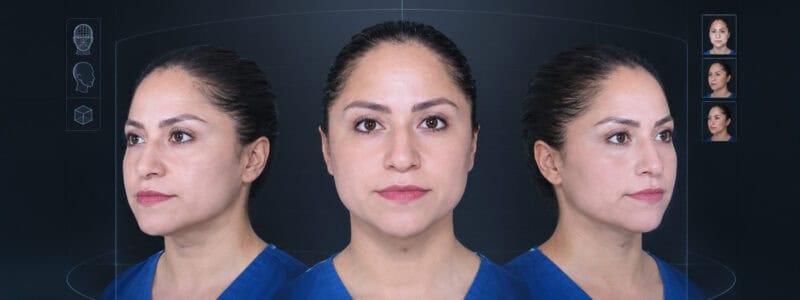
I use clinical photography and, when appropriate, 3D imaging to help patients understand their nasal proportions and discuss potential changes.
If you bring me a photograph showing a distinctive nasal shape, we can identify which parts of that appearance you prefer and consider how similar changes might look on your face.
For example, we might compare a modest increase in tip rotation with a more pronounced change. We can also discuss whether the dorsal contour should remain relatively straight or take on a gentle curve.
But computer imaging is not a surgical guarantee. Software can depict a shape that may not be achievable with the patient’s cartilage, skin and underlying anatomy. My responsibility is to explain where the simulation is useful and where its limitations begin.
I explain how this works in greater detail on my rhinoplasty consultation and 3D imaging page.
INDIVIDUALIZING THE RESULT
Can Patients With Different Nasal Shapes Have Barbie Nose Rhinoplasty?
Patients with a wide range of nasal structures may be interested in a refined, slightly upturned tip. What differs is the surgical approach and the extent of change that can be achieved safely.
A patient with thicker skin, weaker tip support or a lower nasal bridge may need a different plan from someone with thinner skin and strong existing cartilage. Neither patient’s anatomy should be judged solely by ethnicity or a broad description of facial features.
I also ask patients which aspects of their existing nose they want to preserve. Some want a more defined tip without losing the characteristics that make their face recognizable. Others are comfortable with a more noticeable change.
My approach to ethnic rhinoplasty is based on individual anatomy, personal preferences and a clear understanding of which changes the patient actually wants. I would not impose the same nasal shape on every face.
REALISTIC EXPECTATIONS
What Are the Risks of Pursuing an Exaggerated Barbie Nose?
The risks of rhinoplasty include bleeding, infection, asymmetry, changes in sensation, scarring, persistent swelling, breathing problems and the possibility of needing revision surgery. The specific risks vary with the patient’s anatomy and what needs to be changed.
When someone requests an unusually small or sharply upturned nose, I pay particular attention to several additional concerns.
Excessive Tip Rotation
If the tip rotates too far upward, the nose may appear shorter than intended, and the nostrils may become more visible from the front. Once a nose has been substantially shortened, restoring length can be a complex surgical problem.
Loss of Structural Support
Over-resection of nasal cartilage can weaken the tissues that maintain tip position and support the nostrils. That can affect both appearance and breathing.
Visible Irregularities
Very narrow contours or an excessively sculpted tip can become difficult to maintain, particularly when the remaining cartilage is weak or the skin reveals small irregularities.
Expectations Based on a Trend
A nose is a permanent part of the face, while aesthetic preferences can change. Before recommending a substantial transformation, I want the patient to be comfortable with the proposed shape beyond the appeal of a particular photograph or trend.
None of this means a gently curved, upturned nose is inherently unattractive or unsafe. It means the degree of change matters, and I have to balance the desired appearance with the structural limits of the nose.
HEALING AND FINAL SHAPE
How Long Does It Take to See the Final Barbie Nose Shape?
The recovery after this type of rhinoplasty depends on what was actually performed. A limited tip adjustment and a more extensive operation involving the bridge, nasal bones and structural grafts will not necessarily have identical healing experiences.
Swelling and congestion are common early on. Bruising and visible swelling generally improve over the initial weeks, but the nose continues to change as the skin and underlying tissues settle.
The tip often takes longer to refine than the bridge. Patients with thicker skin or more extensive tip work may notice changes over many months. It can take a year or longer for the final contour to become apparent, depending on the procedure and individual healing.
Why the Tip May Look More Upturned Early in Recovery
Early swelling, support techniques and postoperative tissue changes can affect the appearance of tip rotation. The position seen immediately after surgery is not necessarily the position that will be visible after healing.
This is another reason I plan around long-term anatomy rather than an immediate postoperative photograph. I want the desired result to remain appropriate after the early swelling has resolved.
For a more detailed explanation, read my article on how long rhinoplasty recovery takes.
LOOKING AT REAL RESULTS
What Should You Look for in Barbie Nose Before and After Photos?
When reviewing rhinoplasty photographs, I encourage patients to look beyond whether the nose appears smaller in profile.
Look at the transition from the bridge into the tip. Consider whether the tip rotation suits the face and whether the amount of nostril exposure looks appropriate from the front. Examine the three-quarter view, where asymmetries and changes in projection may be easier to appreciate.
It is also important to know how long after surgery the photographs were taken. An early result may still change considerably as swelling resolves.
My rhinoplasty before and after gallery includes patients with different starting anatomy and different aesthetic goals. The purpose is not to find a nose that should be copied exactly, but to understand how an individualized operation can change the relationship between the nose and face.
ACTUAL PATIENT RESULTS
Rhinoplasty Results: Tip Rotation, Bridge Shape and Facial Balance
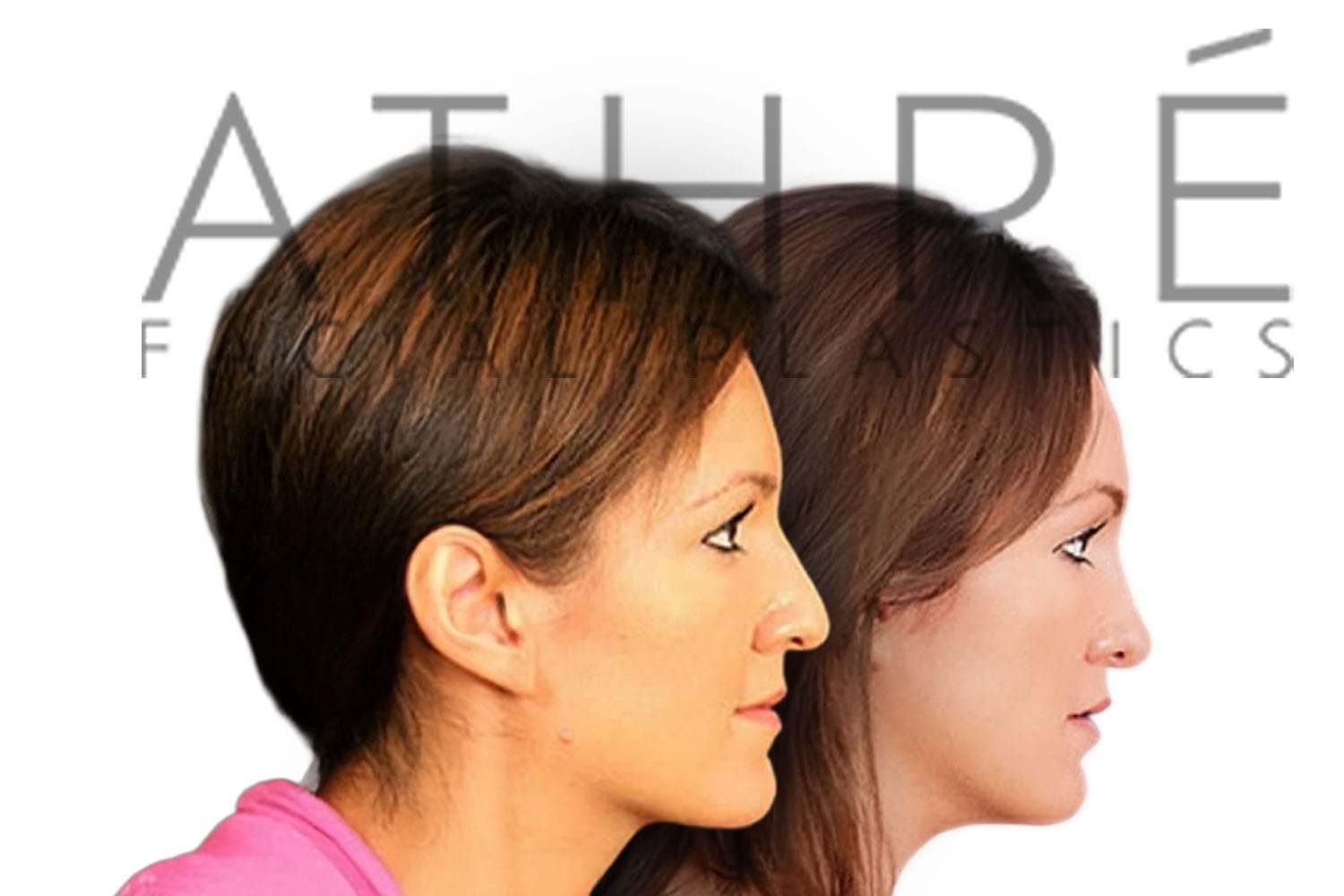
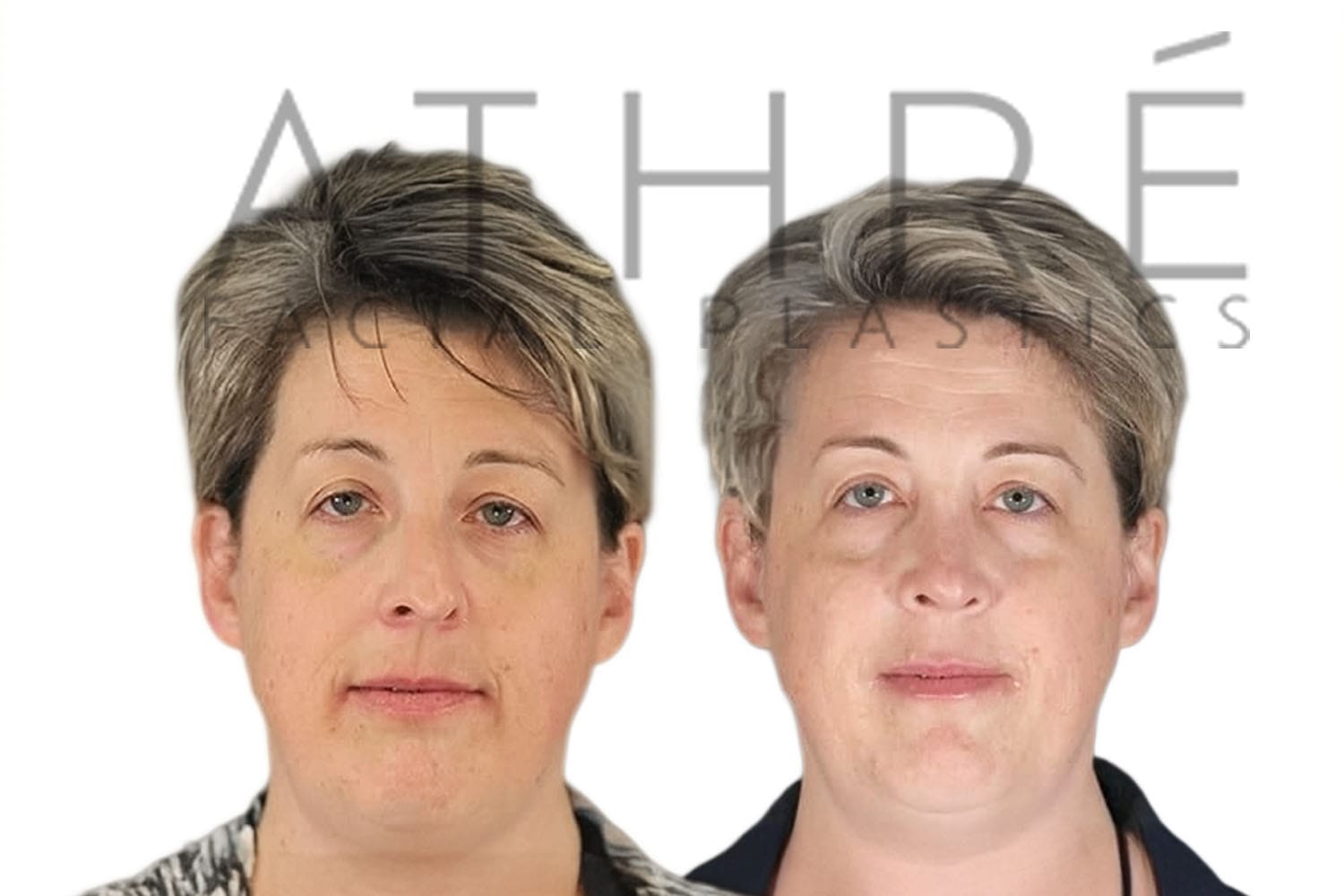
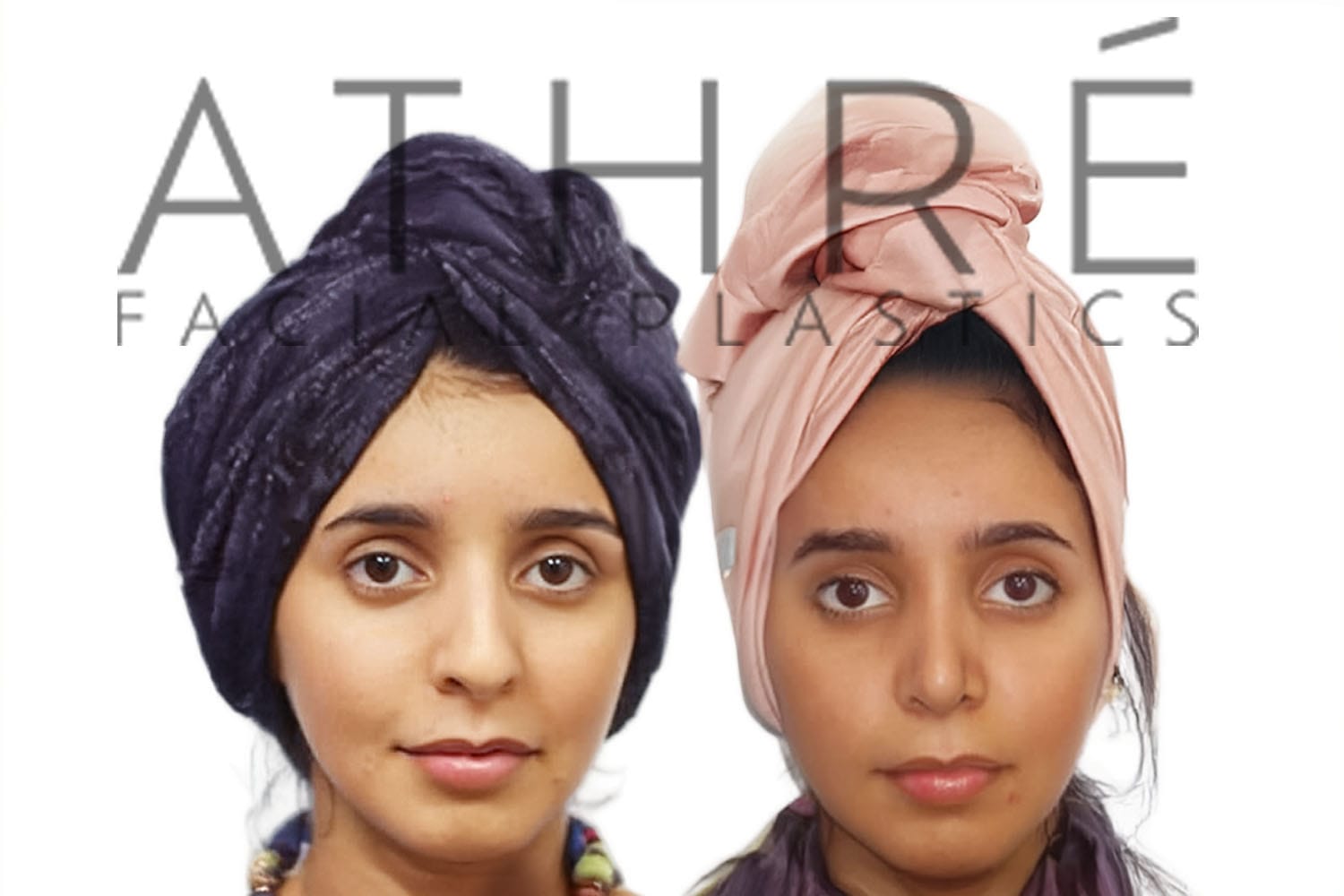
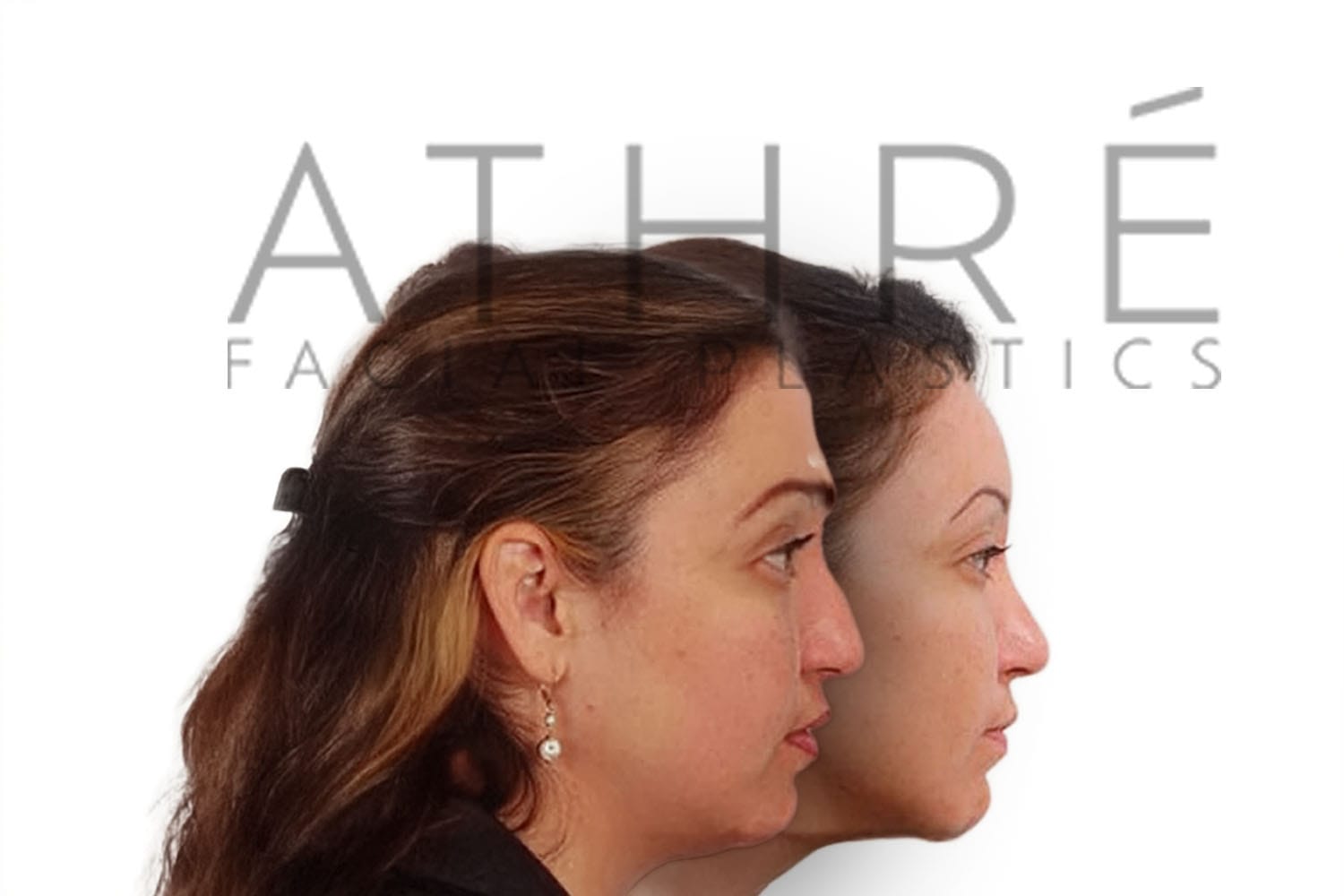
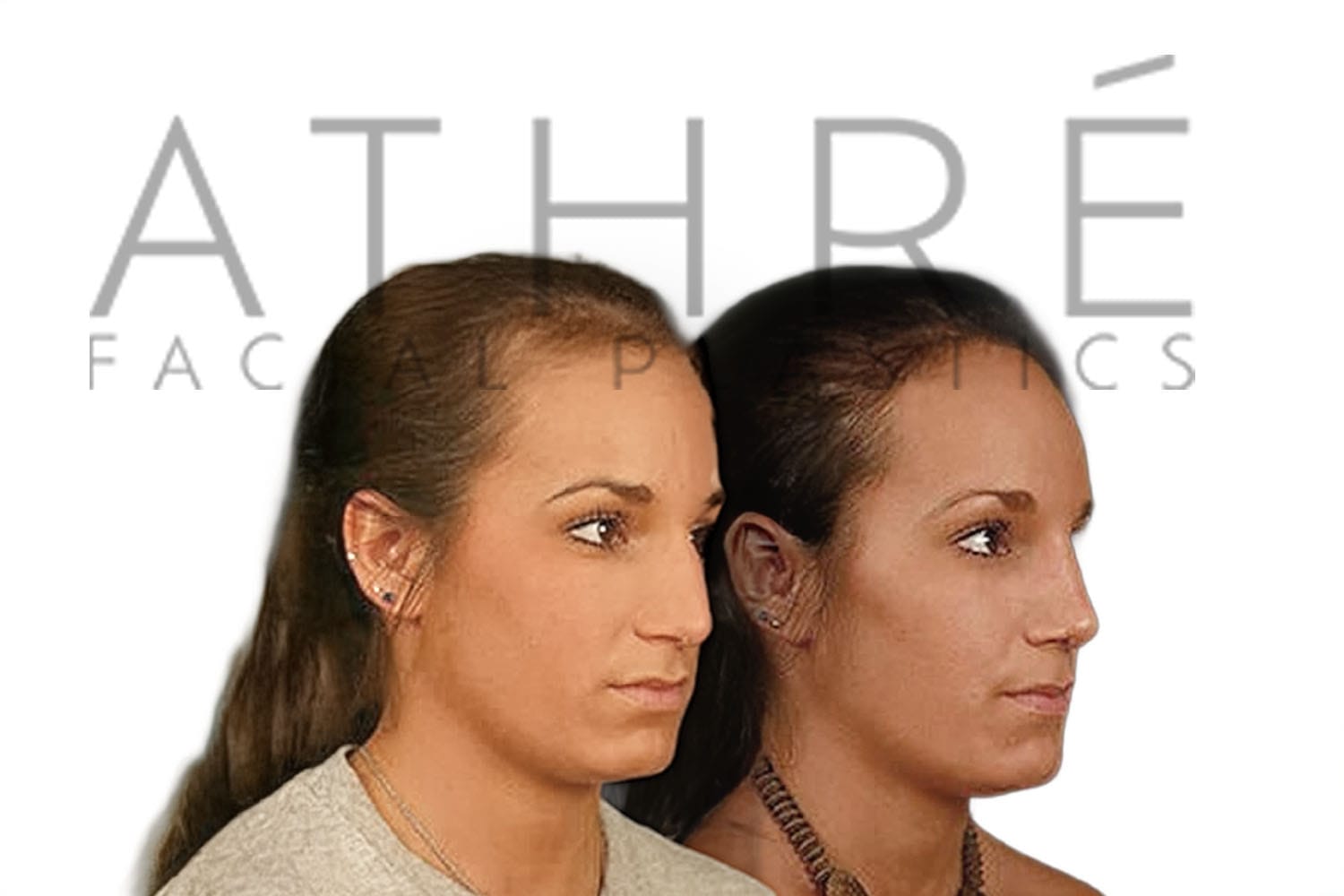
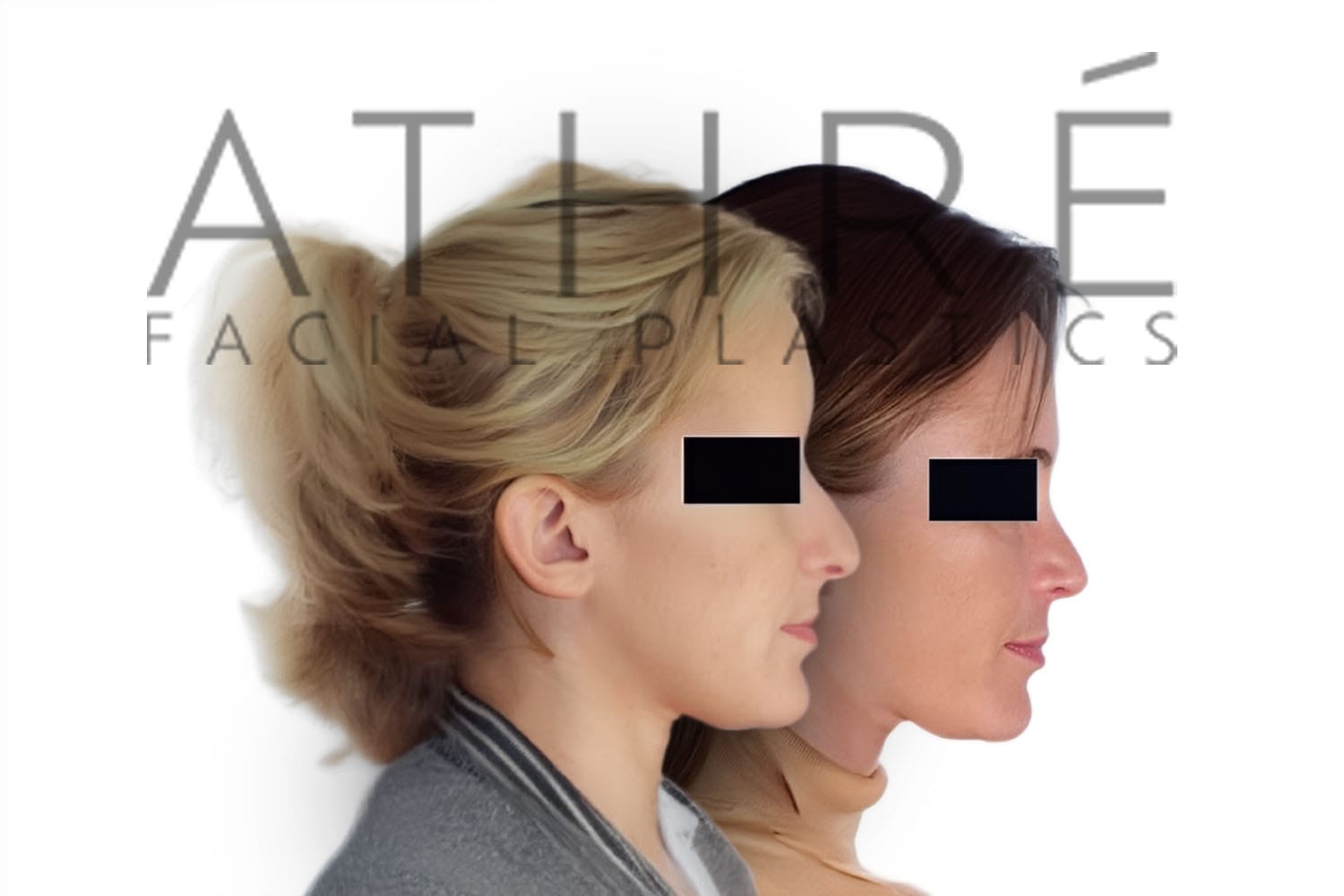
These patients illustrate several features discussed in this article, including a smoother nasal bridge, improved tip definition, and controlled upward tip rotation. They underwent individualized rhinoplasty procedures. I am not presenting them as patients who specifically requested a Barbie nose.
Look at how the changes relate to each patient’s existing facial features. The goal is not to reproduce one identical nasal shape, but to understand how even subtle differences in projection and rotation can affect the overall appearance.
BEFORE & AFTER
Rhinoplasty Patient Results
My Approach to the Barbie Nose Aesthetic
I understand why patients are drawn to a small, gently curved nose with a defined and slightly upturned tip. It is a recognizable appearance, and on the right facial anatomy it can be very attractive.
But a Barbie nose is a description of a desired shape, not a surgical plan. The plan comes from examining the bridge, tip cartilages, skin thickness, nasal support, breathing and facial proportions.
Sometimes I can incorporate several characteristics of that aesthetic. Sometimes I may recommend a more conservative version of the same idea. And sometimes I need to explain why a particular change would not serve the patient’s anatomy well.
I want to understand the nose you admire. Then I want to determine what version of that appearance is appropriate for your face and can be supported by your anatomy.
FREQUENTLY ASKED
Barbie Nose Rhinoplasty FAQs
These questions explain the anatomy behind the Barbie nose aesthetic, how the desired shape may be achieved and which limitations matter before surgery.
What is Barbie nose rhinoplasty?
Barbie nose rhinoplasty is an informal description of rhinoplasty intended to create a gently curved bridge, a defined tip and some upward tip rotation. It is not a standardized procedure performed the same way on every patient. A clinical review of nasal tip positioning explains why tip projection, rotation, symmetry and underlying anatomy require individualized planning.
Does a Barbie nose always have to be very small and upturned?
No. The amount of rotation and reduction should be appropriate for the individual face. A population-based study of nasal tip projection and rotation preferences demonstrates how nasal appearance can be evaluated through measured variations. A preferred measurement in a study is not a universal target for every patient.
Can someone with thick nasal skin achieve a defined Barbie nose?
Potentially, but thick skin may limit how sharply small changes to the cartilage framework appear on the surface. Thin skin presents different challenges because underlying irregularities may be more visible. A study examining nasal skin thickness and tip surgery outcomes supports evaluating skin characteristics as part of surgical planning.
Can an overly narrow or upturned nose cause breathing problems?
It can if reshaping weakens important supporting structures or narrows the nasal airway. The risk depends on the anatomy and techniques involved rather than the aesthetic label itself. A review of nasal sidewall insufficiency explains how collapse at the internal or external nasal valves can contribute to obstructed breathing.
Is cartilage grafting always necessary for Barbie nose rhinoplasty?
No. Some patients need reshaping or suturing of existing cartilages, while others benefit from additional support using cartilage grafts. A systematic review of septal extension grafts evaluates how structural grafting may influence nasal tip rotation, projection and stability. Whether grafting is necessary depends on the individual nose.
Can Barbie nose rhinoplasty be performed without changing the entire bridge?
Yes, in selected patients whose bridge already has an appropriate shape and whose concerns are primarily at the tip. A focused tip procedure may be considered. A review of tip positioning techniques describes how tip shape, rotation and projection can be evaluated as specific surgical objectives. Other patients require bridge or septal work as part of a comprehensive rhinoplasty.
Will the nose stay as upturned as it looks immediately after surgery?
Not necessarily. Early swelling and tissue healing can change the apparent rotation and projection of the tip. In a long-term study of nasal tip position after structural grafting, measurable changes occurred during early recovery, followed by greater stability later. Results vary with the technique and the individual patient.
Can patients of different ethnic backgrounds choose a Barbie nose aesthetic?
Yes. Patients should be free to describe the appearance they want. The surgical plan must account for their individual skin, cartilage, skeletal structure, breathing and preferences about preserving existing facial characteristics. A clinical review of individualized rhinoplasty planning emphasizes realistic goals, anatomical assessment and consideration of personal identity.
Does a Barbie nose require open rhinoplasty?
No single incision approach is required by the name Barbie nose. The choice between open and closed rhinoplasty depends on the complexity of the planned changes, the visibility and access needed, and the existing nasal anatomy. A review of rhinoplasty dynamics demonstrates how individual maneuvers can affect multiple parts of the nose, reinforcing the need to select techniques according to the surgical goals rather than the aesthetic label.
How can I find out whether a Barbie nose would suit my face?
The most useful starting point is an examination of your existing nasal structure, skin, tip support, breathing and facial proportions. Photography and 3D imaging may help you discuss the changes you prefer, but an image cannot guarantee a surgically achievable result. A review of nasal tip assessment and planning highlights the importance of evaluating anatomical landmarks before deciding on tip position.