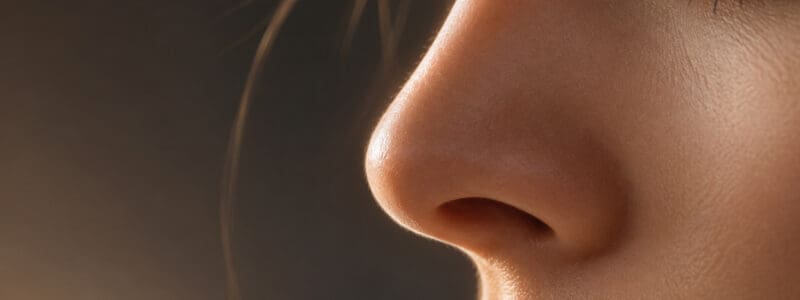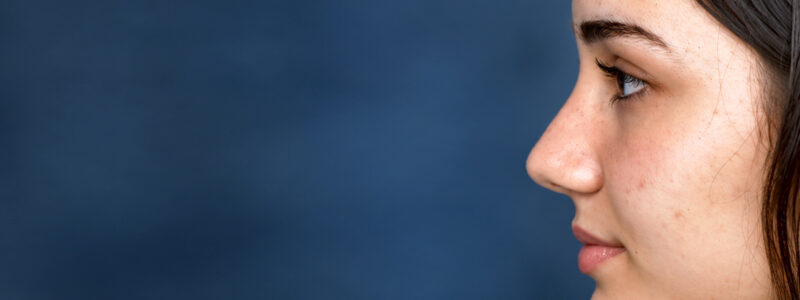
Every nose is different. Some have a straight bridge and a defined tip. Others have a more prominent hump, a rounded nasal tip, or a naturally wider base. These differences are part of what makes each face recognizable.
When patients come to see me about rhinoplasty, they often describe the nose they want using familiar terms: a Barbie nose, a Greek nose, or a smaller, more refined tip. These descriptions can help start the conversation, but they do not tell me everything I need to know about the underlying anatomy.
I look at the relationship between the nasal bones, cartilage, skin, tip support, and surrounding facial features. My goal is not to reproduce a particular nose shape on every patient. It is to understand what can be improved while preserving a natural relationship with the rest of the face.
THE UNDERLYING STRUCTURE
What Determines the Shape of Your Nose?
The external appearance of the nose reflects several anatomical structures working together. Two patients may describe the same concern, yet the underlying reason for that concern may be completely different.
The Nasal Bridge
The nasal bones and upper cartilages determine much of the height, width, and contour of the bridge. A bridge may be straight, convex, or gently concave.
The Nasal Tip
The lower lateral cartilages, their supporting structures, and the overlying skin influence tip projection, rotation, width, and definition.
Facial Proportions
The relationship between the nose, chin, forehead, cheeks, and lips changes how prominent or balanced the nose appears.
Skin thickness also matters. Thin skin can reveal subtle changes in the underlying cartilage, while thicker skin may soften the visibility of fine tip definition. Neither characteristic is inherently better. Each requires a different surgical strategy.
COMMON NOSE SHAPES
Barbie Nose or Cheerleader Nose
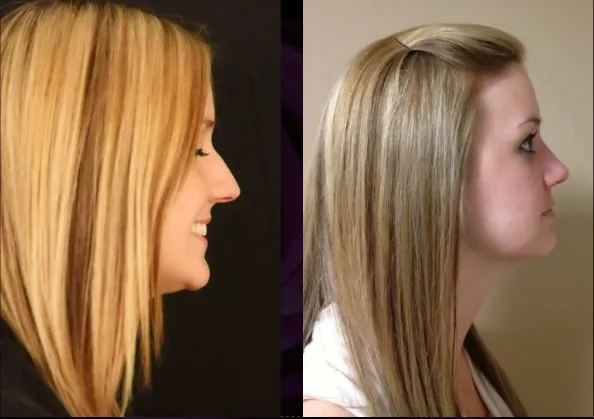
When I use the expression Barbie nose, most patients immediately have a picture in their minds. It describes a small, delicate, traditionally feminine nasal appearance with a gently curved bridge and a slightly elevated tip.
BARBIE NOSE
Soft, Delicate, and Feminine
This appearance typically includes a gently concave nasal dorsum, a subtle supratip break, a well-defined tip, and a modest degree of upward tip rotation.
The supratip break is the subtle transition between the bridge and the nasal tip. When appropriately shaped, it can contribute to a delicate profile without making the nose appear excessively scooped.
A traditionally feminine nasal tip may have a nasolabial angle around 98 to 100 degrees, although this is a descriptive reference rather than a universal surgical target. The appropriate angle depends on the patient’s anatomy and overall facial proportions.
Look at how this particular nose fits the patient’s face. The proportions work together. The result is not simply a small nose; it is a nose that complements the surrounding features.
Now imagine placing exactly the same nose on a taller patient with stronger facial features. It might look too small, too rotated, or out of proportion.
Greek Nose
The Greek nose is commonly used to describe a nose with a relatively straight dorsal profile. Unlike the gently curved Barbie nose, the defining feature is a smooth, straight line along the nasal bridge.

GREEK NOSE
A Straight, Balanced Profile
The Greek nose is characterized by a straight dorsum, a defined nasal tip, and a smooth transition along the bridge without a prominent dorsal hump.
Other features commonly associated with this description include relatively small nostrils and a defined nasal tip. However, the term is primarily a description of the bridge rather than a fixed combination of every nasal feature.
In my experience, a straighter nasal profile can complement patients with stronger facial features, including many men and taller women. That does not mean it is limited to those patients. The appropriate contour depends on the entire face.
For a patient with a prominent dorsal hump, creating a straighter profile may be part of the surgical goal. Depending on the anatomy, I may consider dorsal preservation rhinoplasty or another approach to modifying the nasal bridge.
The technique should follow the anatomy and desired result, not simply the label a patient uses to describe the nose.
A straight nasal bridge can look elegant and balanced. But the ideal profile is the one that belongs on your face, not the one that matches a photograph.
Bulbous or Fleshy Nose
A bulbous nose is characterized by a rounded, relatively broad nasal tip with limited definition. Patients often describe this appearance as a round, wide, or fleshy tip.
Unlike the Barbie or Greek nose, which are often discussed in terms of an aesthetic profile, a bulbous nose describes a particular pattern of nasal tip anatomy.

BULBOUS NOSE
Rounded Tip, Less Definition
A bulbous appearance can result from broad lower lateral cartilages, thick skin and soft tissue, limited cartilage support, or a combination of these characteristics.
The lower lateral cartilages help determine the shape of the nasal tip. When these structures are broad or have an unfavorable configuration, the tip can appear round or poorly defined.
Skin thickness is equally important. A thicker soft tissue envelope can conceal the contours of the underlying cartilage, even when the cartilage itself has a reasonable shape.
How I Approach a Bulbous Nasal Tip
When treating a bulbous tip, my goals are generally to improve structural support and create better tip definition while maintaining a natural appearance.
This may involve reshaping or supporting the lower lateral cartilages, improving tip projection, or adjusting the relationship between the tip and the bridge.
The Athré Strut, which I discuss on my dorsal preservation rhinoplasty page, is one of the structural support techniques I use when appropriate for the patient’s anatomy.
However, I do not assume that every bulbous nose requires the same procedure. A patient with thick skin and relatively weak cartilage support presents a different challenge from a patient whose rounded tip is primarily caused by broad cartilages.
Skin thickness also influences how much definition can realistically become visible after surgery. Even with careful cartilage reshaping, a thick soft tissue envelope may limit the sharpness of the final contour.
With a bulbous nose, creating definition is not simply a matter of making the tip smaller. The underlying support and the skin covering it must work together.
BEYOND THE LABELS
Other Common Ways Patients Describe Their Noses
Many patients do not identify with a named nose shape. Instead, they describe one feature they would like to change. These descriptions are often more useful when planning rhinoplasty.
Dorsal Hump
A raised area along the bridge that creates a convex profile. Depending on the anatomy, treatment may involve dorsal preservation or other methods of reshaping the nasal framework.
Drooping Nasal Tip
A tip that points downward or becomes more prominent when smiling. Evaluation includes tip rotation, projection, support, and the relationship between the nose and upper lip.
Wide Nasal Base
A broader appearance across the nostrils or alar base. Changes to this area require careful attention to facial proportions, ethnicity, nostril shape, and natural anatomy.
Crooked Nose
A nose that deviates from the facial midline, sometimes because of congenital anatomy or previous trauma. A crooked appearance may also coexist with internal nasal obstruction. The distinction between rhinoplasty and septoplasty becomes important when breathing is affected.
When nasal bone reshaping is necessary, I may also discuss techniques such as ultrasonic rhinoplasty. The choice of technique depends on the anatomy rather than the descriptive label alone.
REAL PATIENT RESULTS
Rhinoplasty Before and After: Six Different Noses, Six Individualized Results
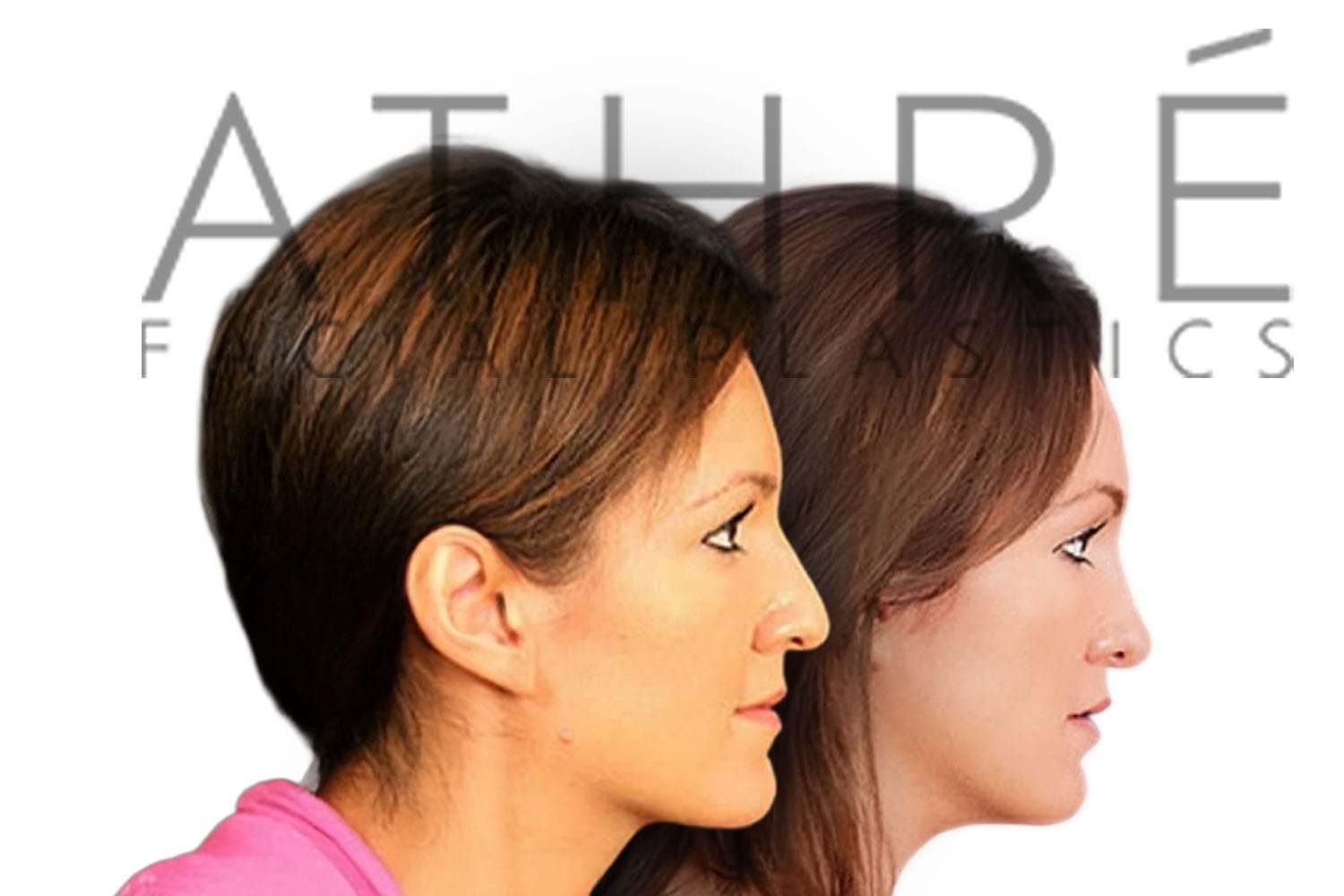
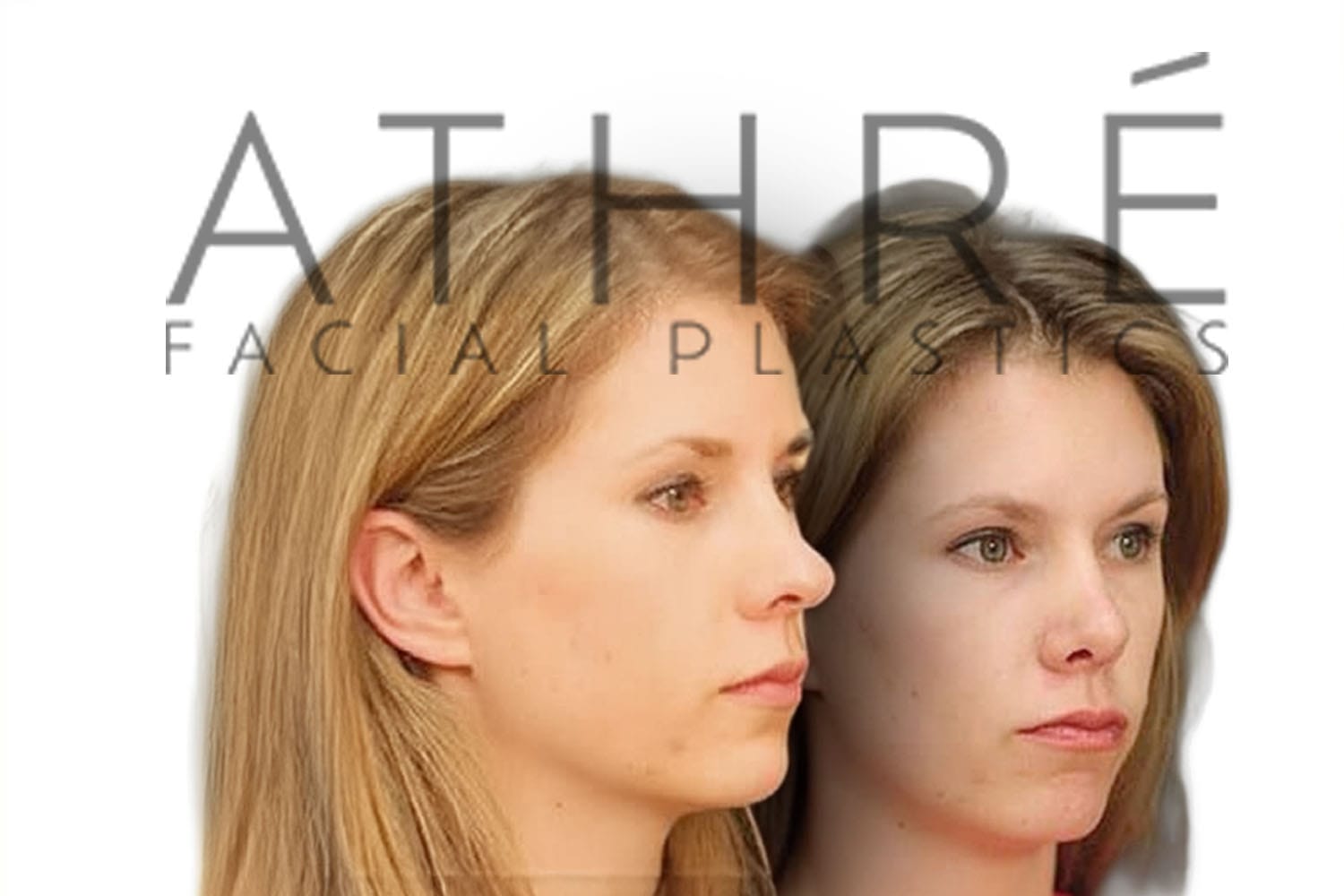
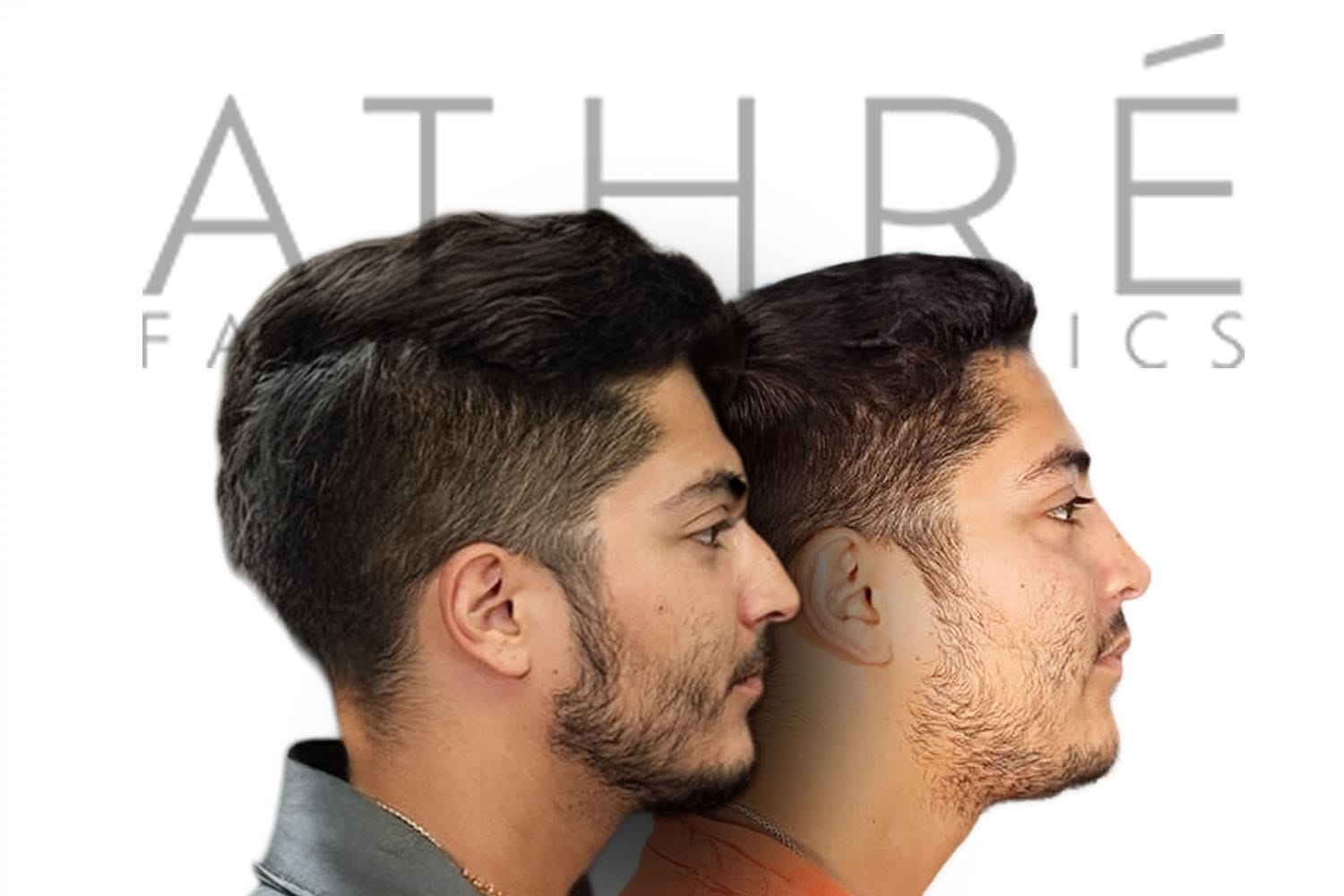
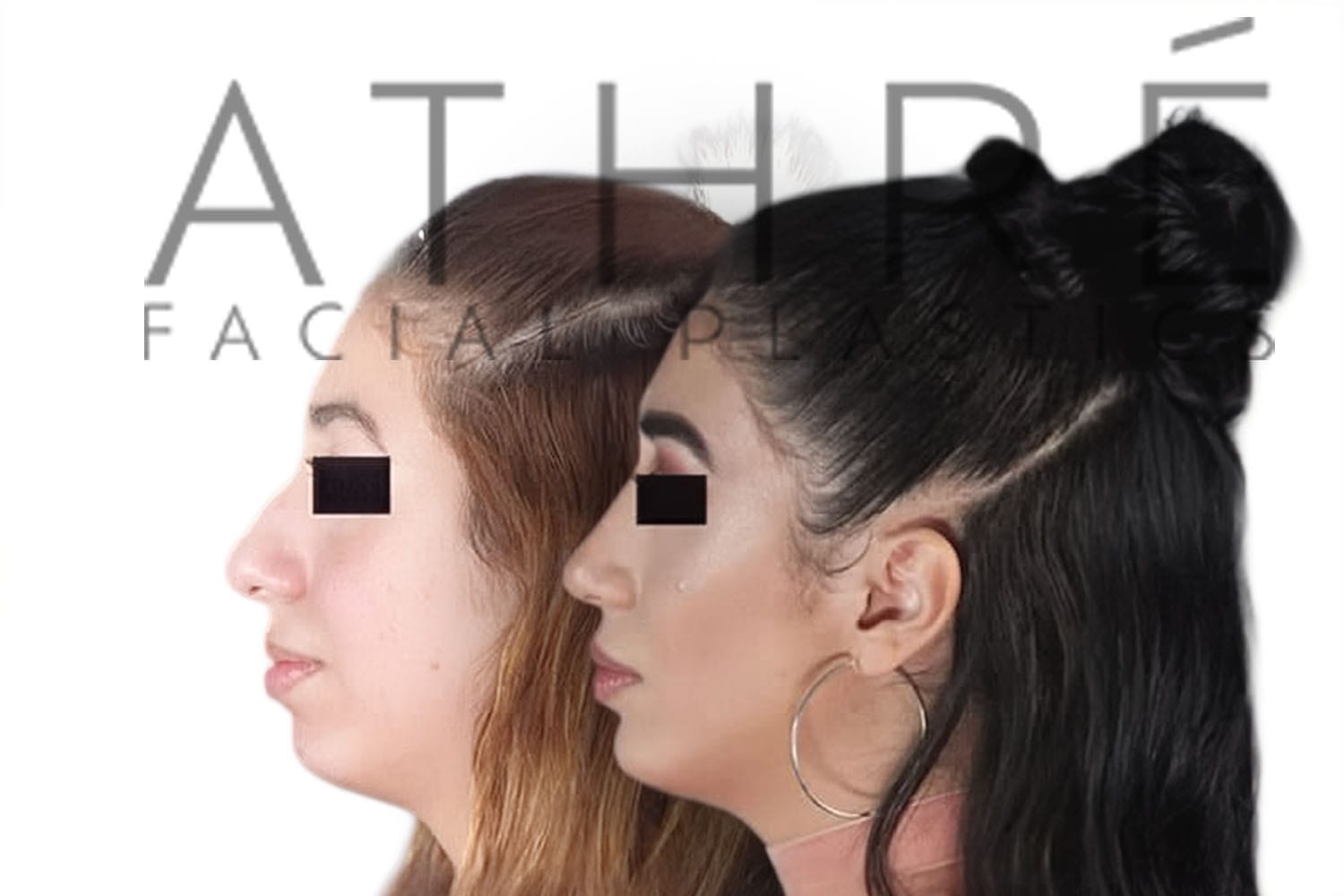
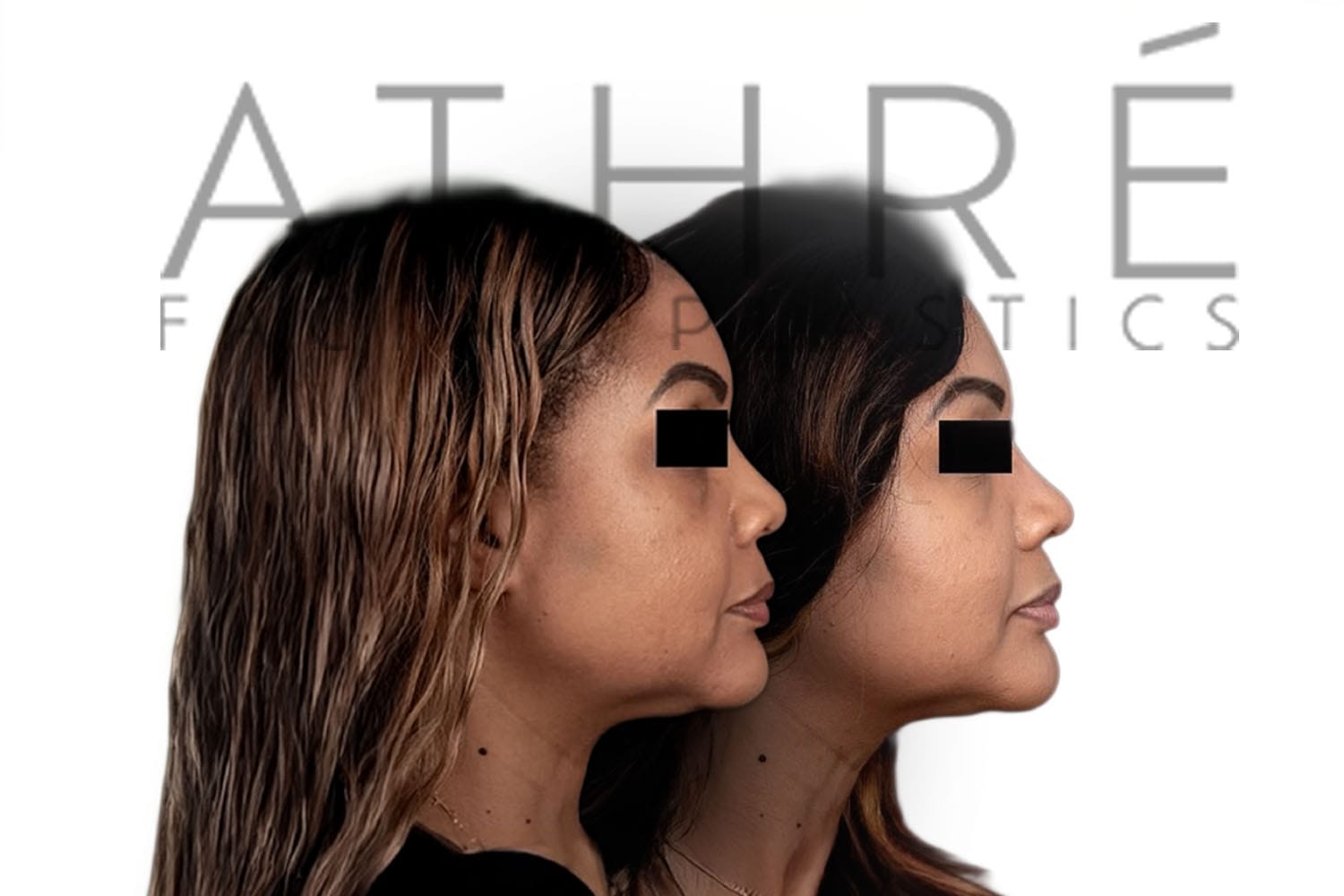
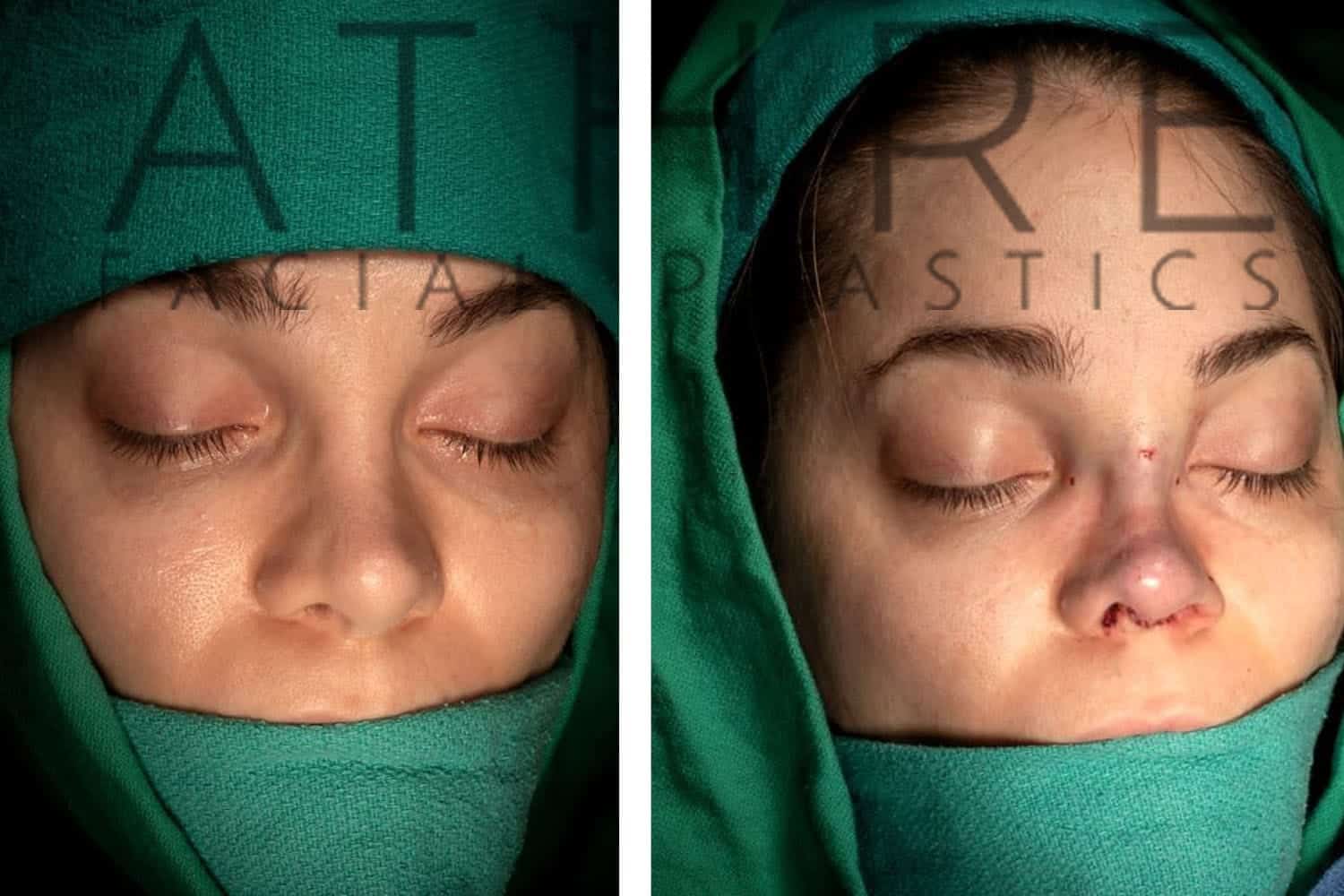
These six patients illustrate why rhinoplasty cannot be reduced to a single ideal shape. Some needed changes to the nasal bridge. Others benefited from tip refinement, adjustments to nasal proportions, or revision surgery.
The photographs below demonstrate different anatomical concerns and surgical approaches. Each result should be understood in the context of that patient’s individual anatomy and goals.
BEFORE & AFTER
Rhinoplasty Results
INDIVIDUAL FACIAL ANATOMY
How Ethnicity and Facial Features Influence Nose Shape
Nasal anatomy varies widely among individuals and populations. Differences in bridge height, nasal width, tip cartilage, skin thickness, and nostril shape all contribute to the appearance of the nose.
I do not believe rhinoplasty should erase the features that make a person recognizable. A patient may want a narrower bridge, a more defined tip, or a different profile while still wanting the result to remain consistent with their identity.
This is an important consideration in ethnic rhinoplasty, where surgical planning should reflect the patient’s individual anatomy, preferences, and facial proportions rather than impose a standardized appearance.
MY SURGICAL EVALUATION
How I Evaluate Nose Shape During a Rhinoplasty Consultation
When I evaluate a patient for rhinoplasty, I begin by understanding what bothers them and what they hope to accomplish. I then examine the nose in relation to the rest of the face.
I assess the nasal bridge, tip projection, tip rotation, nostril shape, skin thickness, cartilage support, and any visible asymmetry. I also consider breathing concerns and the internal structures that may contribute to obstruction.
Photographs from different angles help me understand how these structures interact. During my rhinoplasty consultation and imaging process, I may use Vectra 3D imaging to help patients visualize potential changes and communicate their goals.
Imaging is a planning and communication tool, not a promise of an exact surgical result. The final outcome depends on anatomy, healing, tissue characteristics, and the procedures performed.
I also explain the difference between a first-time operation and surgery on a nose that has already been altered. Patients who have undergone previous nasal surgery may require a different evaluation because scar tissue and changes to the cartilage framework can affect the available options. You can read more about these considerations on my revision rhinoplasty page.
THE GOAL OF RHINOPLASTY
There Is No Single Ideal Nose Shape
A Barbie nose, Greek nose, or refined bulbous tip can each look attractive on the right face. None is universally ideal.
What matters is how the nose relates to the surrounding features, whether the underlying framework is stable, and whether the result reflects the patient’s goals.
I am not trying to give every patient the same nose. I am trying to create a result that belongs on their face.
If you are considering changing your nose, the most useful starting point is not deciding which category your nose belongs to. It is understanding your anatomy, identifying the specific features you would like to improve, and discussing what can realistically be achieved.
FREQUENTLY ASKED
Frequently Asked Questions About Nose Shapes
Understanding the terminology patients use to describe their noses can help clarify what rhinoplasty may or may not accomplish.
What are the most common types of nose shapes?
Common descriptions include straight or Greek noses, convex noses with dorsal humps, concave or upturned noses, bulbous tips, wide nasal bases, and crooked noses. These are descriptive categories rather than formal anatomical diagnoses. Nasal appearance is influenced by several interacting structures, including the bridge, tip, and overlying soft tissue.
What is the difference between a Barbie nose and a Greek nose?
A Barbie nose generally refers to a relatively small nose with a gently concave bridge and an upward rotated tip. A Greek nose is typically characterized by a straighter bridge. Neither shape is automatically better. The appropriate profile depends on the patient’s anatomy and facial proportions.
Can rhinoplasty make a bulbous nose more defined?
Rhinoplasty can improve tip definition in appropriately selected patients by reshaping or repositioning the supporting cartilages. However, skin thickness and soft tissue characteristics influence how much refinement becomes visible. The relationship between tip support and long-term shape is an important part of nasal tip surgery.
Can a dorsal hump be corrected without creating a scooped nose?
Yes. Dorsal hump correction does not necessarily require a concave profile. Depending on the anatomy and surgical goals, the bridge can be reshaped to produce a relatively straight or gently curved contour. Dorsal preservation rhinoplasty is one approach that may be considered for suitable patients.
Does ethnicity determine which nose shape is best?
No. Ethnicity may be associated with certain anatomical characteristics, but it does not determine an individual’s aesthetic goals or ideal surgical result. Ethnic rhinoplasty should be individualized to the patient’s anatomy, preferences, and desired degree of change.
Can rhinoplasty improve a crooked nose and breathing problems at the same time?
In some patients, surgery can address both external nasal asymmetry and internal structural problems that contribute to breathing obstruction. The treatment depends on the location and cause of the deviation. Understanding the distinction between rhinoplasty and septoplasty is useful when evaluating these concerns.
How do I know which nose shape would look natural on my face?
The best starting point is a detailed examination of your nasal anatomy and overall facial proportions. During a rhinoplasty consultation with 3D imaging, we can discuss the specific changes you want and evaluate how they may affect your appearance. Imaging can help communicate possibilities, but it cannot guarantee an exact postoperative result.